Preparing for Fall: Why Taped Registers Are the Ultimate Green Flag
If you are noticing excess dust circulating as you prep your home for the September pre-heating season, understanding The Physics of Negative Pressure: Why We Seal Your Registers During Cleaning is the key to solving the problem once and for all. You might walk into your home during a scheduled service appointment and stop in your tracks. Every single vent, return, and register in your house is carefully covered with specialized tape or plastic film. To a homeowner, this can look strange, or even alarming. Why block the very pathways the technicians are supposed to be cleaning?
The short answer is that this meticulous preparation is the defining visual difference between a legitimate, professional extraction and an ineffective scam. When a technician takes the time to seal off your HVAC system completely, they are preparing to turn your entire ductwork network into a closed vacuum. Without this crucial step, achieving the suction required to pull heavy, settled debris out of your home is physically impossible.
Ready to schedule your professional air duct cleaning? You can request a free quote today.
The Path of Least Resistance: How Airflow Dictates Cleaning Success
Air behaves a lot like water. When placed under pressure, it always seeks the path of least resistance. If you want to pull debris from a vent located on the second floor of a home in New Brighton PA, the vacuum attached to the basement furnace must have enough uninterrupted suction to reach all the way up there. If the system is left unsealed, the physics of airflow work entirely against you.
When a vacuum is applied to an open duct system, it immediately pulls air from the closest open register. Instead of drawing dust from the far reaches of your home, the machine simply sucks in the ambient air from the room right next to the furnace. Leaving even one vent unsealed causes an immediate, massive drop in static pressure across the entire network.
The Flaws of the 'Blow-and-Go' Method
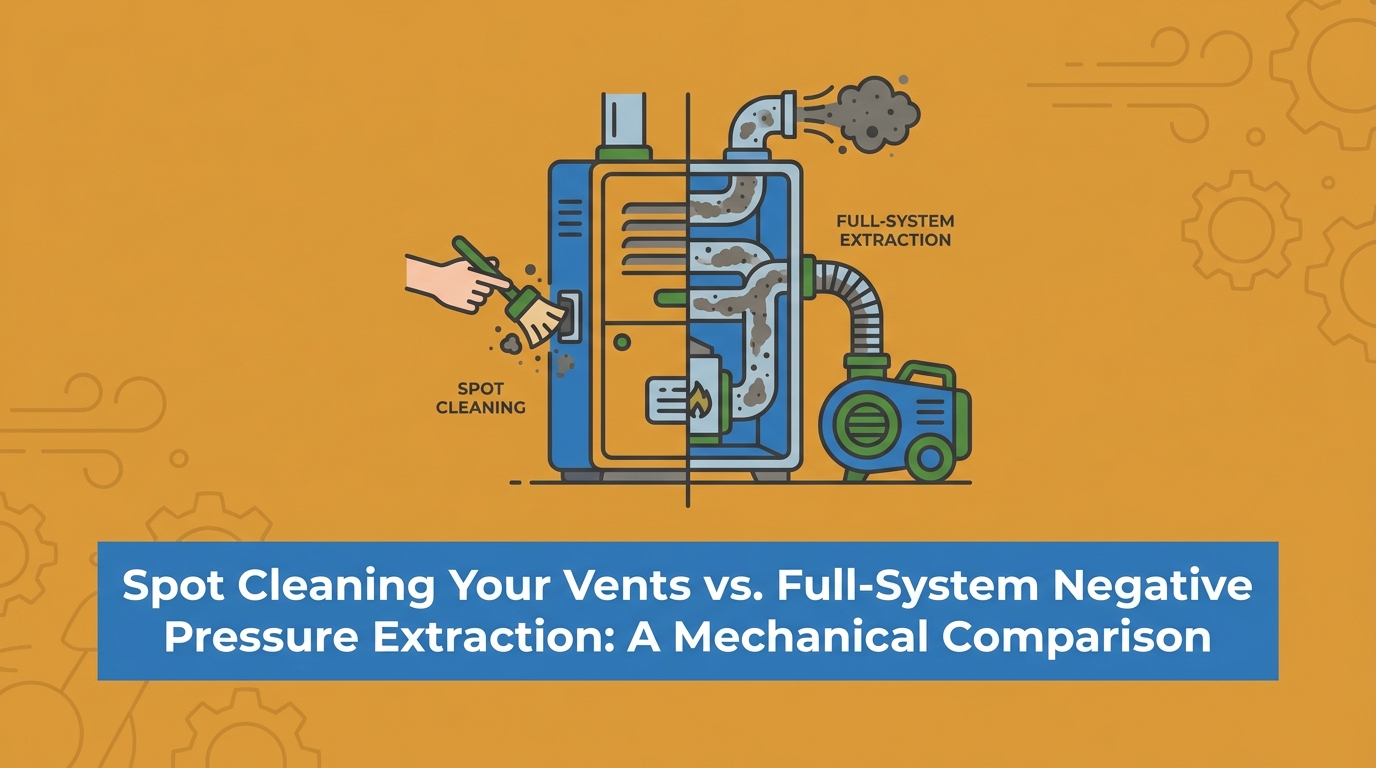
The deceptive shortcut: The industry refers to unsealed, rapid cleanings as "blow-and-go" jobs. In this scenario, an operator hooks up a vacuum, skips the taping process, and quickly blows air down your vents. Because there is no system-wide containment, the heavy particulate matter is never actually extracted. It gets kicked up into the air stream, floats around briefly, and then settles right back into your main trunk lines the moment the machine turns off.
• Blow-and-Go Scam — System Preparation: Registers left open — Airflow Behavior: Vacuum pulls room air from the closest vent — Final Result: Dust is agitated but left inside the ductwork
• Negative Pressure Method — System Preparation: All registers sealed tight — Airflow Behavior: Vacuum pulls from the furthest reaches of the ducts — Final Result: Heavy debris is fully extracted from the home
Why Air Escapes Unsealed Systems
The mechanics of leaks: Residential HVAC networks are sprawling webs of sheet metal, flex duct, and joints. Every open register is a massive leak in the vacuum's pulling power. By meticulously taping over every supply and return vent, technicians force the negative air machine to pull from the furthest points of the system. Once the system is sealed, the technician can unseal one specific vent at a time. This forces 100% of the machine's suction power directly to that single branch line, ensuring nothing is left behind.

Demystifying CFM and Static Pressure in Layman's Terms
To really understand what happens during a professional cleaning right before the September pre-heating season, it helps to look at two specific measurements: CFM and static pressure. CFM stands for Cubic Feet per Minute. This measures the sheer volume of air the vacuum is moving. However, high CFM alone is useless if the system is full of leaks.
That is where static pressure comes in. Static pressure is the resistance to airflow within your ductwork. You need a closed system to maintain high static pressure, which in turn maintains the high velocity needed to carry heavy debris through the ducts and out to the filtration unit.
What is Static Pressure?
The drinking straw rule: Think of your ductwork like a drinking straw. If you try to drink a thick milkshake through a straw that has a dozen holes poked in the sides, you will not get anywhere. You will just suck air through the holes. Sealing your registers is the equivalent of patching all the holes in that straw. Once the holes are covered, the suction goes exactly where you want it to go—straight to the bottom of the glass. One homeowner sought help reducing allergens in a house built 18 years ago that had never had its ducts cleaned. The technician performed a thorough HVAC cleaning, explaining these exact static pressure details and showing pictures of the duct entry points to prove how the patched "straw" was pulling years of debris out of the system.
The Mathematics of a System-Wide Vacuum
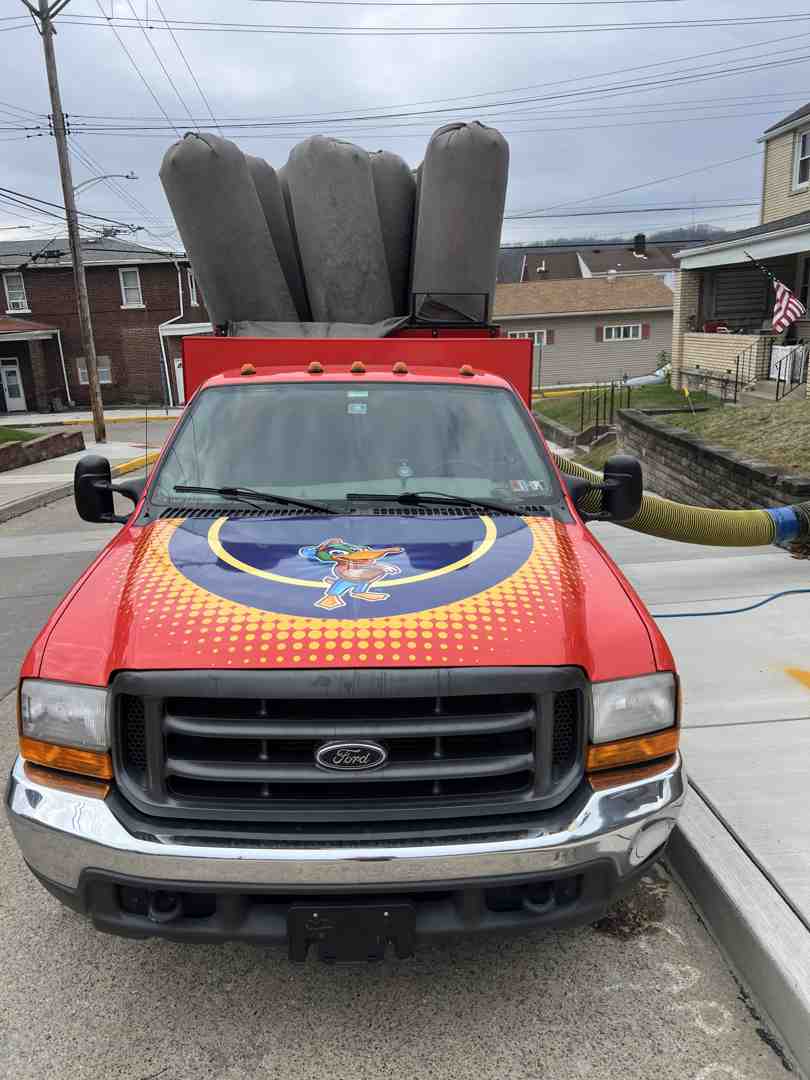
Calculating the pull: The mathematical relationship is simple but absolute: high CFM requires a closed system to maintain suction velocity. When comparing truck mounted vs portable duct cleaning systems, the equipment's ability to generate sufficient CFM and maintain static pressure across a large residential footprint is the main difference in performance. Technicians monitor these metrics to ensure the vacuum is actively pulling debris from every single branch of the ductwork, not just the main trunk.
NADCA Standards: The Science of Continuous Negative Pressure
This focus on physics is not just a preference; it is an industry mandate. The National Air Duct Cleaners Association (NADCA) sets the benchmark for professional service through their Assessment, Cleaning, and Restoration (ACR) Standard. According to this standard, establishing and maintaining continuous negative pressure is a fundamental, non-negotiable requirement for a legitimate cleaning in New Brighton PA and beyond.
Preventing Cross-Contamination
Keeping the mess contained: The primary reason NADCA requires continuous negative pressure is to prevent cross-contamination. When technicians use compressed air whips and compressed-air nozzles to agitate dust inside your ducts, that dust becomes airborne. If the system is not under negative pressure, that agitated dust will blow backward out of your vents and cover your living space.
Negative pressure ensures that air is only moving in one direction: out of your home and into the specialized filtration system. Proper containment guarantees that biological contaminants, pet dander, and allergens are safely routed away from your breathable air. This level of containment is also the vital first step before any whole house sanitizing treatments can be applied, as the system must be completely clear of physical debris for sanitizers to work effectively.
Protecting Tightly Sealed Homes: The 'Leave No Trace' Protocol
Western PA homes are sealed tight against freezing winters and humid summers. Modern weatherization includes upgraded insulation, double-pane windows, and heavy weatherstripping. While this is great for your energy bills, it results in much lower natural ventilation rates, often measured as Air Changes per Hour.
Because homes in New Brighton PA are so heavily weatherized, indoor containment during duct cleaning is critical. If a company fails to achieve true negative pressure, all that agitated dust gets permanently trapped inside your tightly sealed living space. There is nowhere for it to go except into your carpets, furniture, and lungs.
The technical mastery advantage: This is why a strict 'leave no trace' protocol is so important. By utilizing professional-grade vacuum systems that achieve true negative pressure, technicians ensure that your home is cleaner after they leave than before they arrived. These indoor air quality improvements rely entirely on technical mastery. Taped registers are not an inconvenience; they are the ultimate protection for your tightly sealed living space.
Visual Proof: Walking Through a Legitimate Negative Pressure Cleaning
Understanding the physics is helpful, but knowing what to look for when the technicians arrive for a September pre-heating season appointment gives you confidence in the service. Another homeowner with ducts that had not been cleaned in 18 years was amazed when technician Rich walked through these exact steps, thoroughly explaining everything he was doing to ensure the home stayed pristine.
Here is exactly what you should see during a scientifically sound cleaning process:
1. System isolation: The technician will turn off your HVAC unit to ensure the blower motor is not fighting the negative air machine.
2. Register sealing: Every supply and return vent in the home will be covered with a specialized, non-damaging adhesive plastic or foam block.
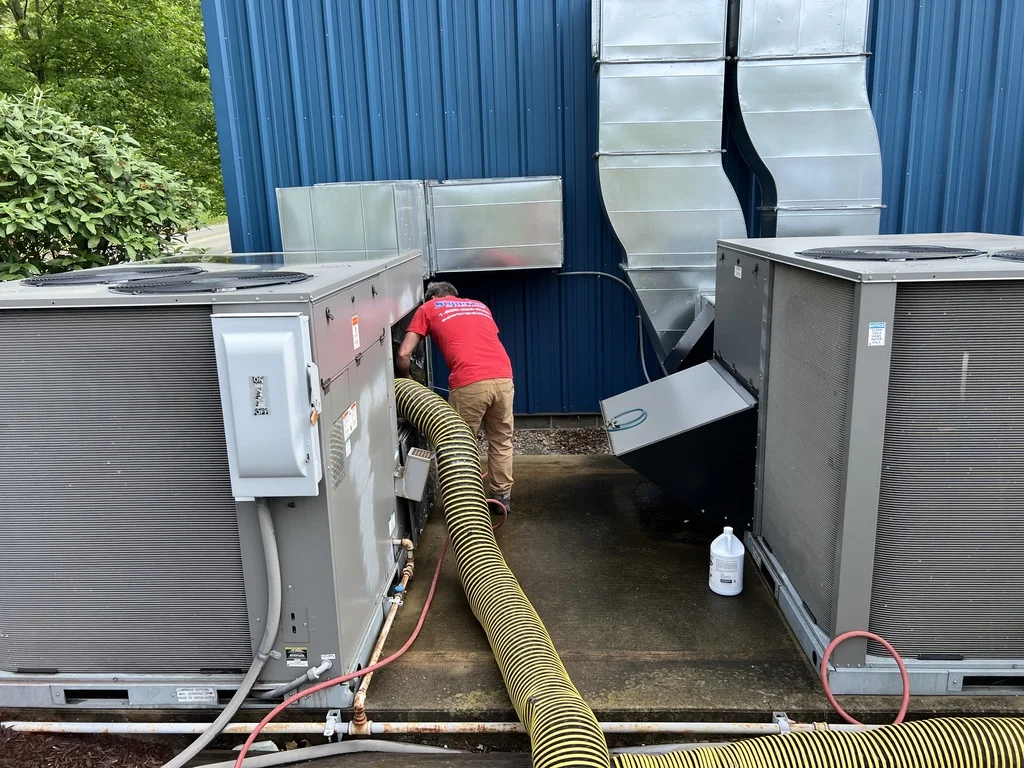
3. Vacuum connection: The main vacuum hose is attached directly to the trunk line near the furnace, creating a tight seal at the extraction point.
4. Pressure activation: The negative air machine is turned on. You will hear the suction take hold, and the plastic over your vents will visibly pull inward, proving the system is under vacuum.
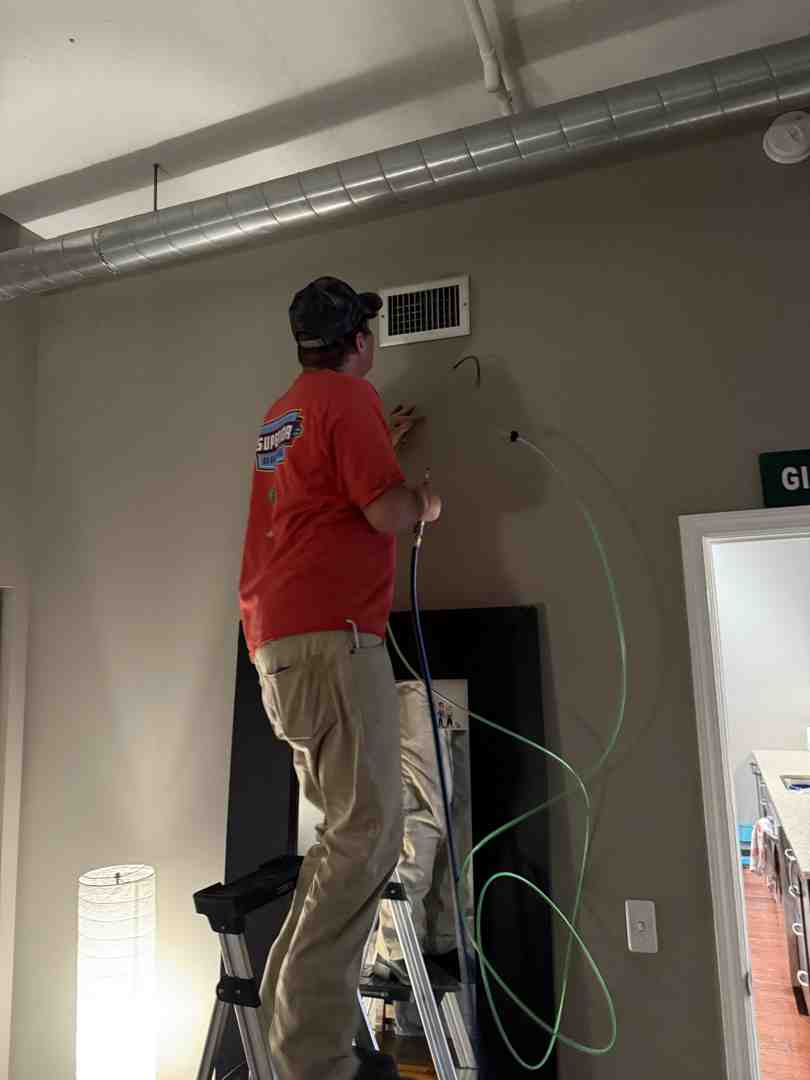
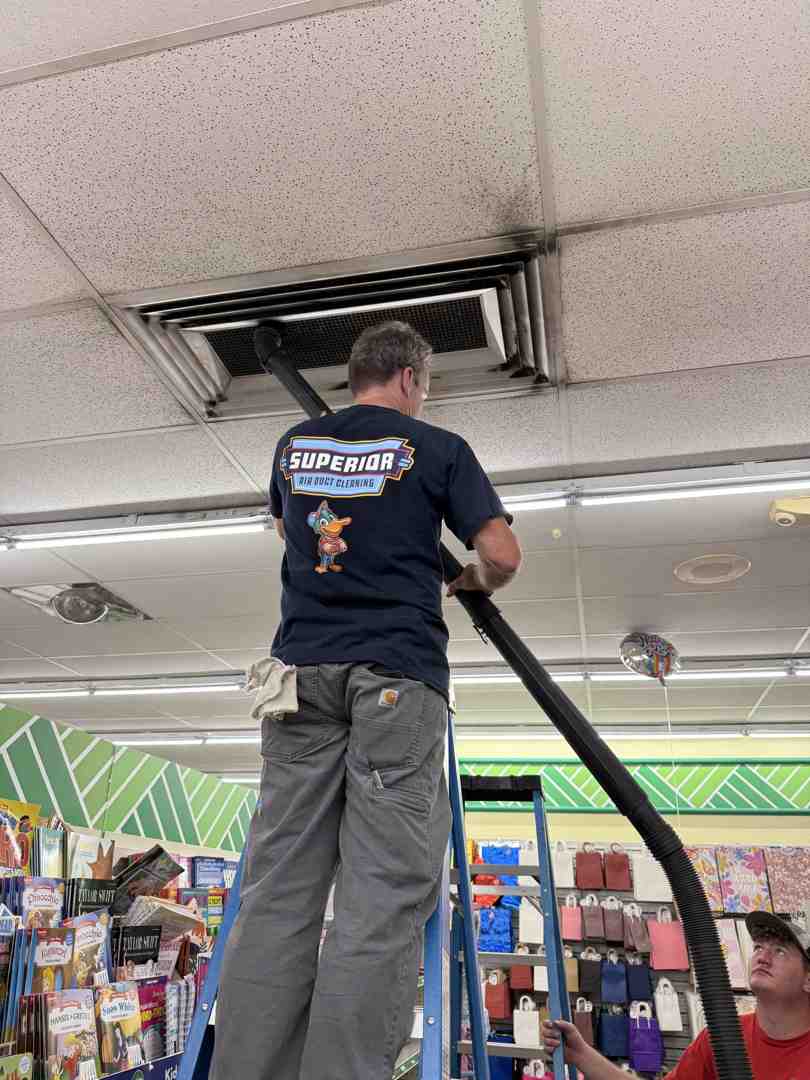
5. Sequential agitation: The technician will unseal one vent at a time, run agitation tools down that specific branch line to knock debris loose, and let the localized suction pull it away before resealing the vent and moving to the next room.
A professional technician will gladly explain these steps and provide visual proof, often using cameras to show you the extraction happening in real-time.
Frequently Asked Questions About Negative Pressure Duct Cleaning
Why do duct cleaners cover vents with tape?
Duct cleaners cover vents to create a closed system, which allows their vacuums to achieve negative pressure. Without sealing the vents, the vacuum would simply pull ambient air from the closest room instead of drawing dust out of the deep ductwork. Taping the registers patches the "leaks" in the system, forcing the suction to pull heavy debris all the way from the furthest rooms in your New Brighton PA home.
How does negative pressure duct cleaning work?
Negative pressure cleaning works by turning your entire HVAC ductwork into a sealed vacuum chamber. A high-powered negative air machine is attached to the main trunk line, while all individual room vents are sealed off. Technicians then uncover one vent at a time, using physical agitation tools to knock dust loose so the concentrated suction can pull it entirely out of the house.
Does duct cleaning make a mess in the house?
A properly executed duct cleaning will not make a mess in your house because the system is kept under continuous negative pressure. This means air is only flowing inward through the ducts and out to the filtration machine, preventing dust from blowing backward into your living space. If a company uses the "blow-and-go" method without sealing vents, however, it can leave a layer of agitated dust on your furniture.
How much suction is needed for duct cleaning?
The exact suction required depends on the size of the home, but professional negative air machines typically pull several thousand Cubic Feet per Minute (CFM). More importantly, the system must maintain high static pressure to keep the air moving fast enough to carry heavy debris. This is why sealing the registers is just as important as the horsepower of the vacuum itself.
Can a negative air machine damage my ductwork?
No, a professional negative air machine will not damage properly installed residential ductwork. While the suction is powerful enough to pull out years of settled dust, sheet metal and flexible ducts are designed to handle significant static pressure changes. Trained technicians monitor the pressure levels closely to ensure safe, effective extraction without straining your HVAC system's structural integrity.
Secure Your Home's Air Quality Before Winter Arrives
Understanding the physics of negative pressure empowers you to choose a legitimate service that actually improves your indoor air quality. Taping vents is not a shortcut; it is a mandatory step for a real cleaning. By addressing dust accumulation before the September pre-heating season begins, you protect your furnace from unnecessary wear and tear while keeping your living space pristine.
Always seek out professionals who prioritize strict containment and technical mastery. If you are ready to experience a true "leave no trace" service, you can request a free quote today and breathe easier all winter long.

Customer Reviews


Superior Air Duct cleaning did a phenomenal job in a timely manner with the tech “Rich” being very professional ,personable and considerate of our property! He explained things as he proceeded and answered all our questions!
I LOVE that they provide before & after photos to see the difference. Give them a try… you won’t regret it
Pam T.
Robert was on schedule and communicated what time he would arrive. He was polite, professional, and respectful of our home. I wanted to wait a couple weeks before posting a review because I wanted to see if the duct cleaning actually made a difference. I am happy to say it did! I vacuum multiple times a week and have already noticed a significant reduction in the amount of dust cleaned up each time. As a home with pets, there will always be something to clean, but getting the ducts cleaned has definitely helped improve the air quality and reduce the dust.
alice A.
Technician Rob arrived early explained the days agenda and then proceeded to work methodically and meticulously over the next 6+ hours cleaning my ductwork. Courteous and professional they answered all of my questions and went above and beyond the call of duty. They even located an old dusty box of rat poison buried in our vents. My only regret is not finding these guys sooner. As a realtor of 22 years and owner of a newly purchased (now dust free) home I highly recommended!
Eric K.
Excellent service! I’ve used them to clean out my air ducts as well as my dryer vent duct and they are excellent. I was very pleased with both jobs and will continue to use them in the future. Great communication as well- from the time I scheduled the appointment until they were at my door.
Erika C.
We had such an amazing experience with Superior Air Duct Cleaning. They were so nice and friendly and did an amazing job. I loved seeing the before and after pictures. Besides doing an amazing job cleaning our air ducts they were so quick at responding and setting up the appointment. We will definitely be using them in the future.
Amanda C.