Why Renovations and Construction Make Duct Cleaning Essential for Your Home
Understanding how renovations and construction make duct cleaning essential comes down to one simple fact: your HVAC system doesn't stop pulling in air just because there's a remodel happening. Here's a quick breakdown of why this matters:
Renovations make duct cleaning essential because:
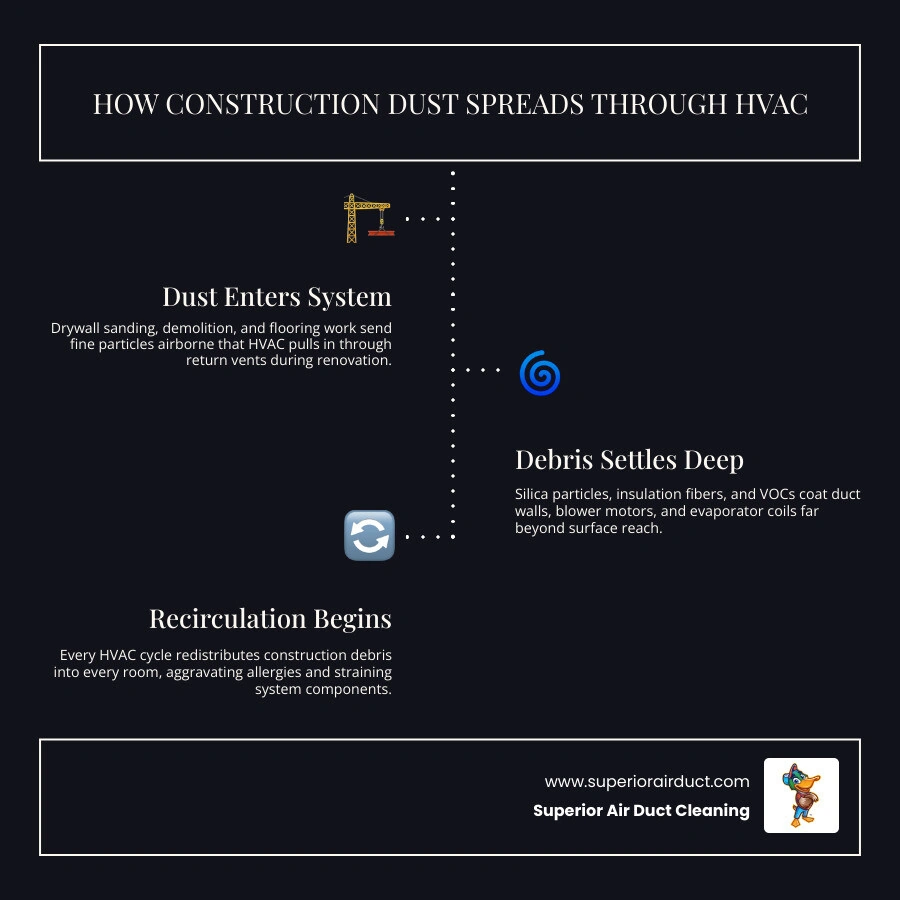
1. Construction dust travels everywhere - Drywall sanding, demolition, and flooring work send fine particles airborne that your HVAC system actively pulls into ductwork through return vents.
2. Standard filters can't keep up - Construction dust is far finer and more concentrated than everyday household dust, overwhelming even fresh filters within days.
3. Contaminants settle deep inside ducts - Drywall dust, insulation fibers, silica particles, and VOCs from paint and adhesives don't just sit near the vent opening — they coat duct walls, blower motors, and evaporator coils.
4. The HVAC system redistributes debris throughout your home - Once debris is inside the ductwork, every time your system runs, it recirculates those particles into every room.
5. Health and equipment are both at risk - Fine construction particles can irritate lungs and aggravate allergies, while debris buildup strains your HVAC system and shortens its lifespan.
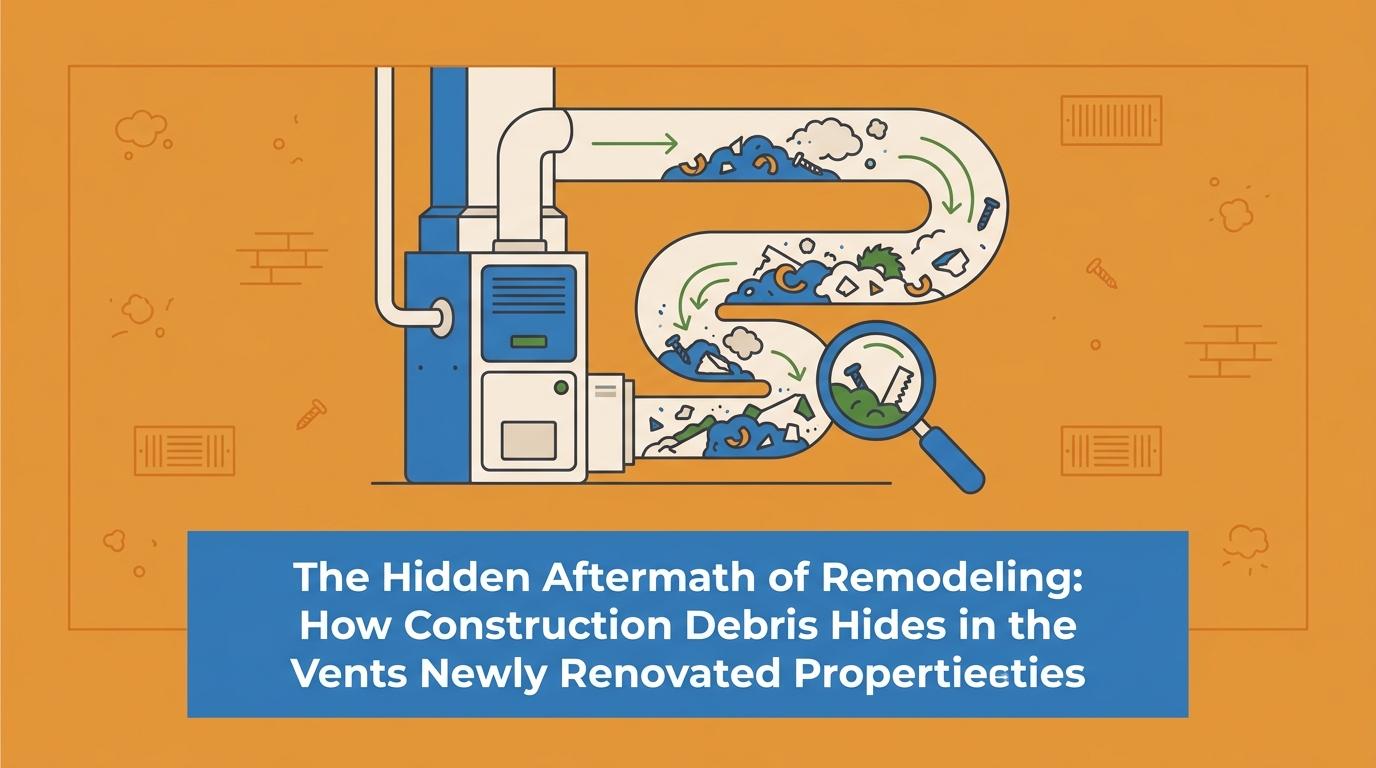
You've finished the renovation — new walls, fresh floors, maybe a completely updated kitchen. It looks great. But if your HVAC system was running at any point during that work, your ducts almost certainly contain a hidden layer of construction debris that no broom or surface wipe-down will ever reach. One homeowner who renovated their entire home discovered rocks, clogged filters, and pounds of debris inside their ductwork — things completely invisible from the outside. That's the problem with post-renovation duct contamination: it's out of sight, but never out of circulation.
At Superior Air Duct Cleaning, we help homeowners across Western Pennsylvania and Northeast Ohio breathe clean air again after renovations — before that construction debris has a chance to cause real problems.
Must-know how renovations and construction make duct cleaning essential terms:
• allergy symptoms that may be caused by dirty ducts
• signs your air ducts need cleaning
How Renovations and Construction Make Duct Cleaning Essential
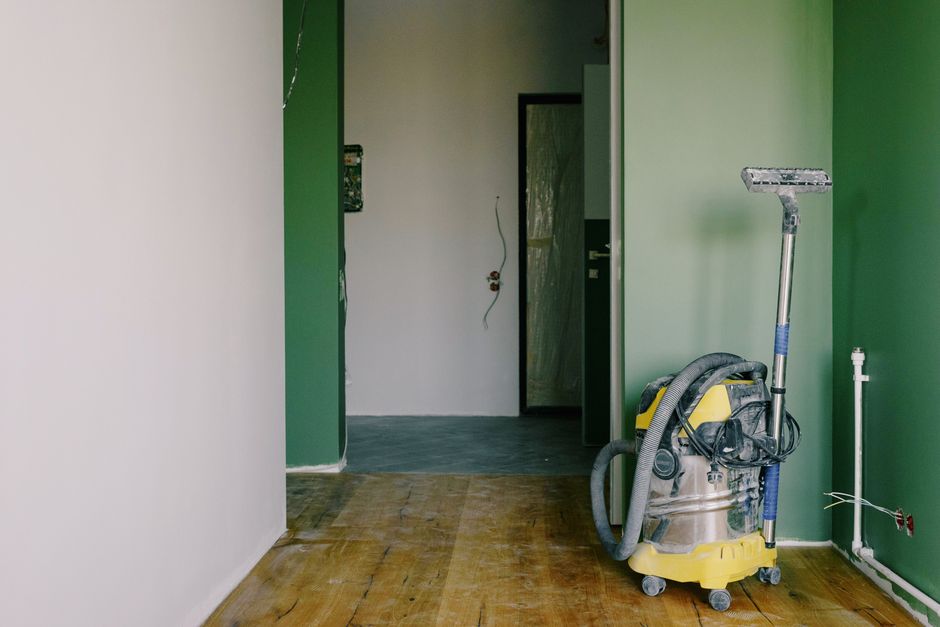
Home renovation dust is sneaky. It does not politely stay in the room being remodeled. It rides air currents, sticks to clothing, settles on furniture, and gets pulled into your HVAC system through return vents.
That is why a room renovation in Pittsburgh, Cranberry Township, New Brighton, Boardman, Youngstown, or Canfield can affect air quality throughout the entire house.
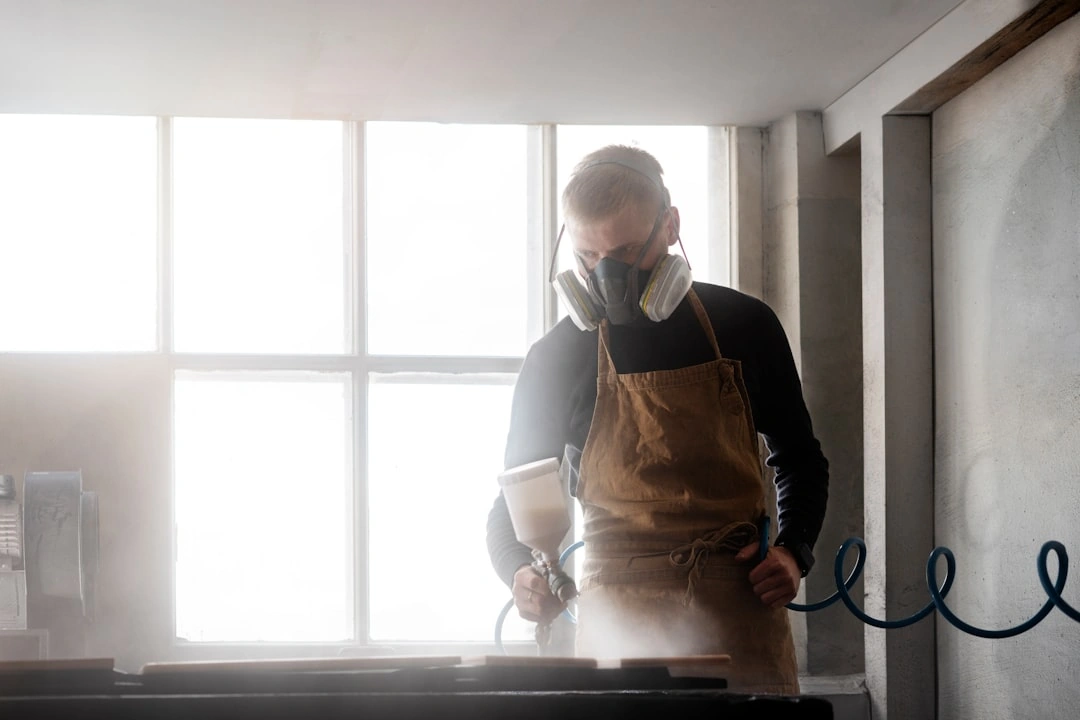
The biggest reason is air movement. Your heating and cooling system is designed to pull air from your home, condition it, and send it back through the supply ducts. During normal life, that means it handles ordinary household dust, pet dander, pollen, and lint. During construction, it may be pulling in a concentrated storm of drywall dust, sawdust, insulation fibers, tile particles, and chemical residues.
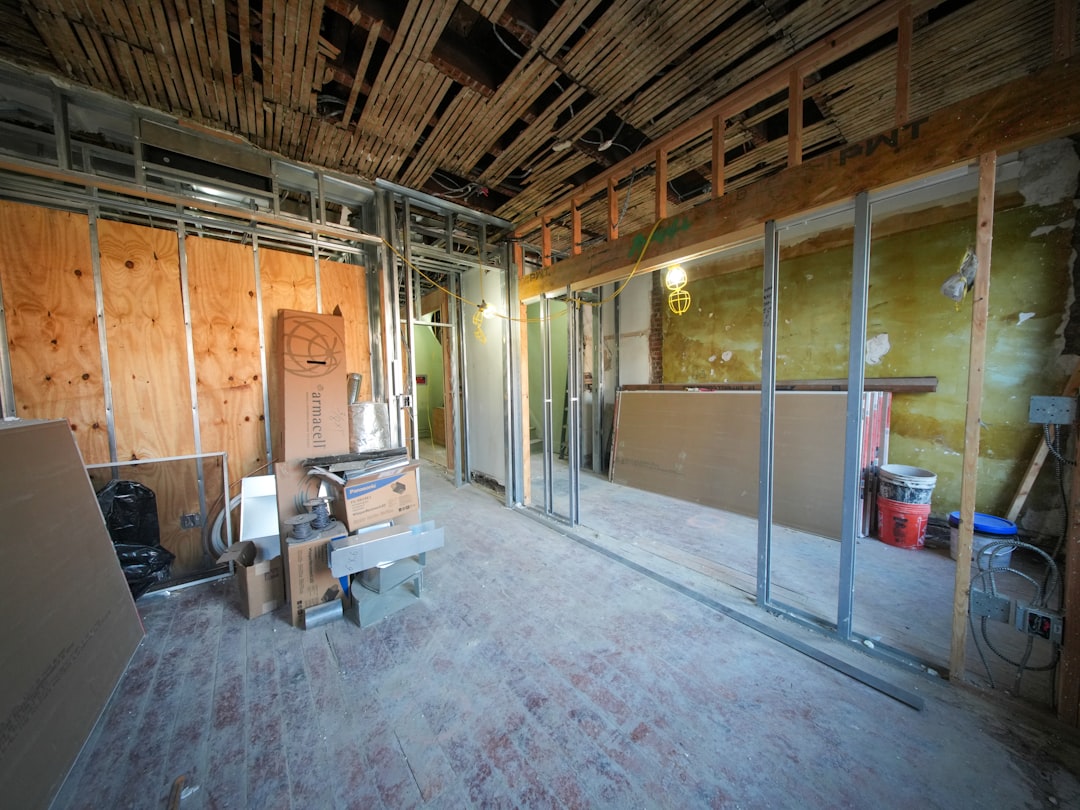
Common renovation activities that create duct contamination include:
• Drywall cutting, mudding, and sanding
• Demolition work
• Flooring removal or installation
• Cabinet installation
• Wood cutting and sanding
• Tile cutting and grout work
• Concrete patching or grinding
• Painting and priming
• Insulation installation
• Room additions and basement finishing
Drywall sanding is one of the biggest culprits. Research cited in industry discussions has found that drywall sanding can create dust levels more than 10 times the OSHA permissible exposure limit for respirable dust in work settings. In a home, that dust can linger in the air and settle into ductwork long after the visible mess has been swept up.
Even if your contractor used plastic barriers, zipper walls, or floor protection, fine particles still escape. They drift under doors, through gaps, and around vent covers. And if the HVAC system ran during the project, return vents acted almost like built-in vacuums.
For more on the kinds of issues dirty ducts can create inside a home, see our guide on what can happen to your home. If you recently remodeled, we also recommend reading our article on air duct cleaning after home renovation.
The short version: surface cleaning makes your renovation look finished. Duct cleaning helps make it feel finished.
The Hidden Contaminants and Health Risks of Post-Renovation Vents
Construction dust is not the same as ordinary household dust. Household dust is usually a mix of lint, skin cells, pollen, soil particles, pet dander, and fabric fibers. Renovation debris can be sharper, finer, more abrasive, and sometimes chemically active.
That difference matters because these particles can travel deeper into your HVAC system and, in some cases, deeper into your respiratory system.
Common post-construction duct contaminants include:
• Drywall dust - Fine gypsum and joint compound particles that spread easily and coat duct surfaces.
• Silica-containing particles - Dust from concrete, tile, grout, stone, and some joint compounds may contain respirable crystalline silica.
• Wood dust and sawdust - Created by framing, trim work, cabinetry, flooring, and sanding.
• Insulation fibers - Fiberglass or other insulation fragments can enter open vents or returns.
• Paint and primer residues - VOCs and fine overspray may settle on duct surfaces.
• Adhesive and sealant vapors - Flooring glue, caulk, construction adhesive, and sealants can contribute odors and chemical residues.
• Metal shavings - Sometimes created during HVAC modifications, duct repairs, or construction near mechanical areas.
• Tile and grout dust - Heavy, gritty particles from bathroom, kitchen, and flooring projects.
• Old debris disturbed during demolition - Dust, allergens, pet dander, mold fragments, or soot that had been trapped behind walls, under floors, or in ceilings.
• General jobsite debris - Screws, bits of packaging, chunks of drywall, and small construction scraps can fall into uncovered registers.
And yes, sometimes ducts contain surprises. We have seen enough post-project debris to know that ductwork can become the “junk drawer” of a renovation if registers were left open. Unfortunately, it is a junk drawer that your family breathes through.
Understanding How Renovations and Construction Make Duct Cleaning Essential for Your Health
Post-renovation air quality matters because construction particles can irritate the eyes, nose, throat, and lungs. For many healthy adults, the symptoms may feel like dryness, sneezing, coughing, sinus pressure, or that “dusty house” feeling that will not go away. For people with asthma, allergies, COPD, young children, older adults, or immune sensitivities, the impact can be more noticeable.
Potential health concerns include:
• Respiratory irritation from fine dust
• Worsened allergy symptoms from redistributed dust, pollen, mold fragments, and dander
• Asthma flare-ups from airborne particles and strong odors
• Eye, nose, and throat irritation from VOCs and construction residues
• Lingering odors from paint, adhesives, sealants, smoke, or damp debris
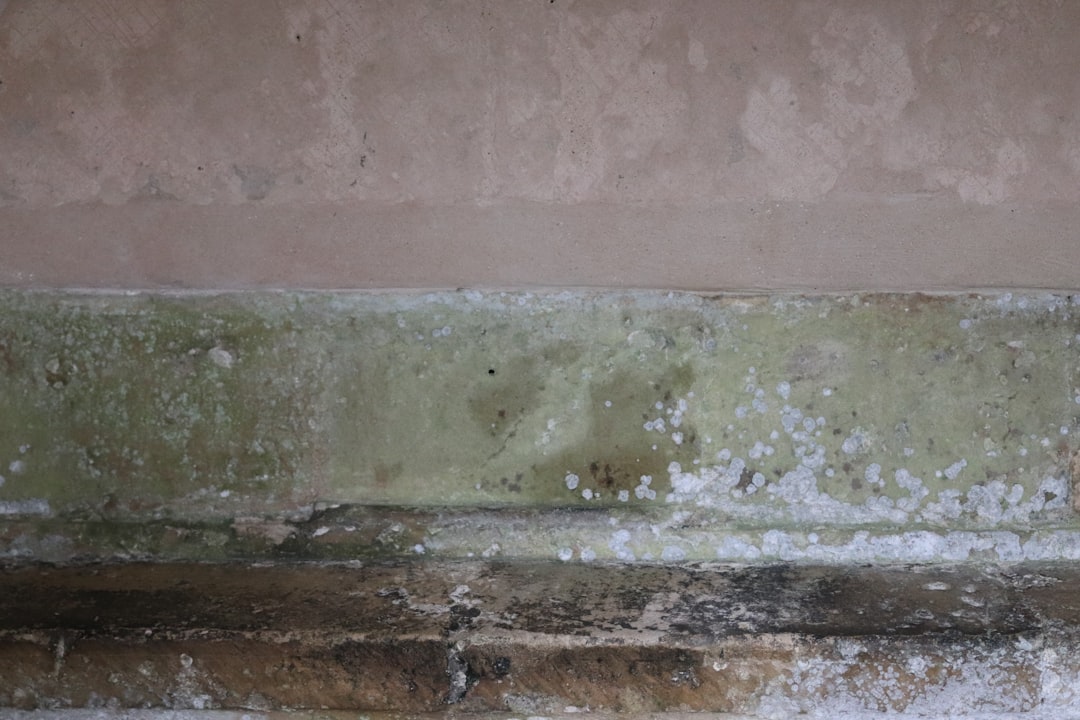
• Possible mold concerns if construction moisture or damp debris is trapped in ductwork
Drywall dust is especially frustrating because it is extremely fine. It can stay airborne, pass through imperfect barriers, and settle in places you cannot reach with a mop or vacuum. Dust levels in homes can increase by 300% or more during and after renovation if cleanup and containment are not handled properly.
Silica exposure is another reason to take renovation dust seriously. Cutting tile, concrete, stone, or certain cement-based materials can generate particles that should not be inhaled. While a home renovation is not the same as working on a jobsite every day, it still makes sense to remove leftover dust from the system that circulates air through your living space.
Post-renovation duct cleaning does not replace good source control, ventilation, or safe construction practices. But it does help remove the hidden reservoir of debris that can keep recirculating long after the contractor has packed up.
To learn more about the comfort and air-quality advantages of cleaner ductwork, read our guide to the benefits of ductwork cleaning.
How Renovations and Construction Make Duct Cleaning Essential for HVAC Efficiency and Lifespan
Renovation dust does not just affect your air. It can also affect your HVAC system.
When construction debris enters the system, it can build up on filters, duct walls, blower components, registers, and coils. A clogged air filter alone can reduce airflow by up to 15%. When dust moves beyond the filter, the system has to work harder to push conditioned air through the home.
That extra strain can contribute to:
• Reduced airflow from vents
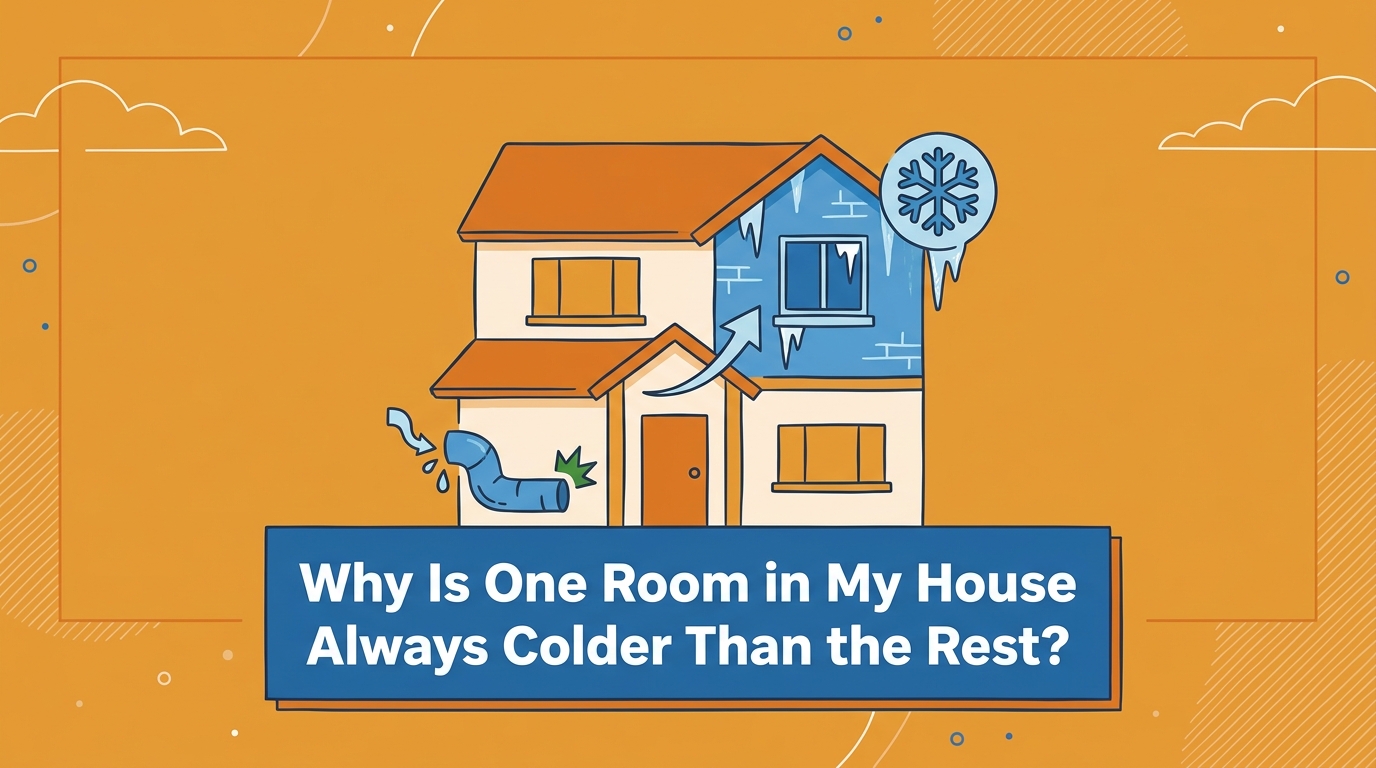
• Hot and cold spots between rooms
• Longer heating or cooling cycles
• Higher energy use
• Dust blowing from registers
• Noisy operation
• More frequent filter changes
• Added wear on blower motors and fans
• Dirty evaporator coils
• Shorter HVAC equipment life
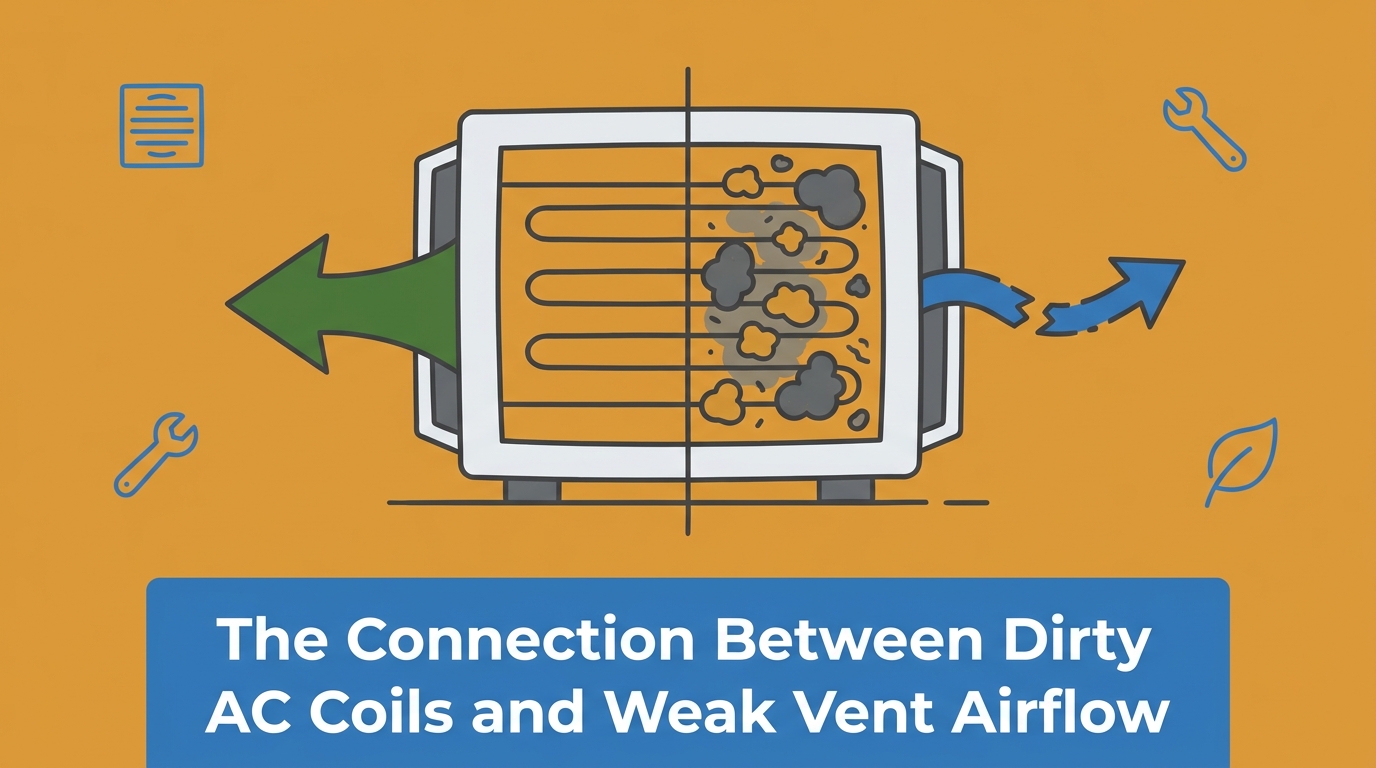
Evaporator coils are particularly important. When fine dust coats a coil, it can act like a thin blanket over the heat-transfer surface. That makes it harder for your system to cool or condition air efficiently. In humid conditions, dust on coils can also mix with condensation and create sticky buildup.
Think of it like asking your HVAC system to breathe through a dusty scarf. It may still work, but it will not work as comfortably or efficiently.
• Air filter — Clean system performance: Captures normal household particles and supports proper airflow — Clogged or dusty post-renovation performance: Overloads quickly with drywall dust, sawdust, and fibers
• Ductwork — Clean system performance: Moves air more freely through supply and return runs — Clogged or dusty post-renovation performance: Debris buildup can restrict airflow and recirculate particles
• Blower motor — Clean system performance: Moves air with less strain — Clogged or dusty post-renovation performance: Works harder when filters and ducts are loaded with dust
• Evaporator coil — Clean system performance: Transfers heat efficiently — Clogged or dusty post-renovation performance: Dust coating can reduce efficiency and comfort
• Registers and grilles — Clean system performance: Deliver cleaner air into rooms — Clogged or dusty post-renovation performance: May release dust, odors, and visible debris
• Overall system — Clean system performance: Better comfort, cleaner operation, less stress — Clogged or dusty post-renovation performance: Longer run times, uneven temperatures, and added wear
Professional cleaning helps remove debris from the duct system instead of simply replacing the filter and hoping for the best. Filters are important, but they only capture particles passing through them. They do not remove dust already settled inside ductwork or sitting on components.
For a deeper look at why the right equipment and process matter, visit why professional air duct cleaning is worth it.
When to Schedule Post-Construction Duct Cleaning in Northeast Ohio
The best time to schedule post-construction duct cleaning is after the messy work is complete and before you settle fully back into normal HVAC use.
For homeowners in Northeast Ohio communities like Boardman, Youngstown, Canfield, Poland, Austintown, Warren, Niles, and Columbiana, as well as Western Pennsylvania communities like Pittsburgh, Cranberry Township, Beaver Falls, Aliquippa, Monaca, Ambridge, and New Brighton, we generally recommend scheduling service when:
• Demolition is finished
• Drywall sanding is complete
• Flooring cutting, sanding, or installation is complete
• Painting, priming, and major finish work are complete
• Final jobsite cleanup has been done
• Contractors are no longer creating new dust daily
• Before moving furniture fully back, when possible
• Before occupying a newly built or heavily remodeled home, when possible
If you clean the ducts too early, ongoing work can re-contaminate the system. If you wait too long, the HVAC system may continue spreading dust throughout the home.
A practical timeline looks like this:
1. Before construction begins - Cover supply and return registers when possible, and avoid running the HVAC system during heavy dust-producing work.
2. During construction - Change filters more frequently, especially after drywall sanding or demolition.
3. After final cleanup - Replace the filter and schedule professional duct cleaning.
4. After cleaning - Continue checking filters for the next several weeks because remaining dust can still settle from surfaces and materials.
Routine duct cleaning is different. Under normal household conditions, many homes benefit from cleaning every few years depending on pets, allergies, smoking history, previous water damage, household dust levels, and HVAC usage. Renovation, however, is a condition-based reason to clean sooner, even if your last duct cleaning was recent.
In other words, a major remodel can reset the clock.
Helpful resources:
• When to schedule air duct cleaning
• How often to clean your air ducts
• Factors that affect how often to clean ducts
So, should new homes or recently renovated homes always have their ducts cleaned? Not always in the strictest sense, but usually it is a smart move after major work. If vents were perfectly sealed, the HVAC system stayed off, and the project created very little dust, the need may be lower. But if there was drywall, demolition, sanding, flooring, tile work, insulation, concrete dust, or the HVAC system ran during the project, duct cleaning is strongly recommended.
New homes can need duct cleaning too. During construction, duct openings may be exposed for weeks or months. Dust, sawdust, drywall particles, and jobsite debris can enter before anyone ever moves in.
What to Expect During a Professional Post-Construction Duct Cleaning
A professional post-construction duct cleaning is more thorough than removing vent covers and vacuuming what you can see. The goal is source removal: loosening and extracting dust and debris from the duct system so it is not simply pushed around.
Here is what homeowners can typically expect from our process:
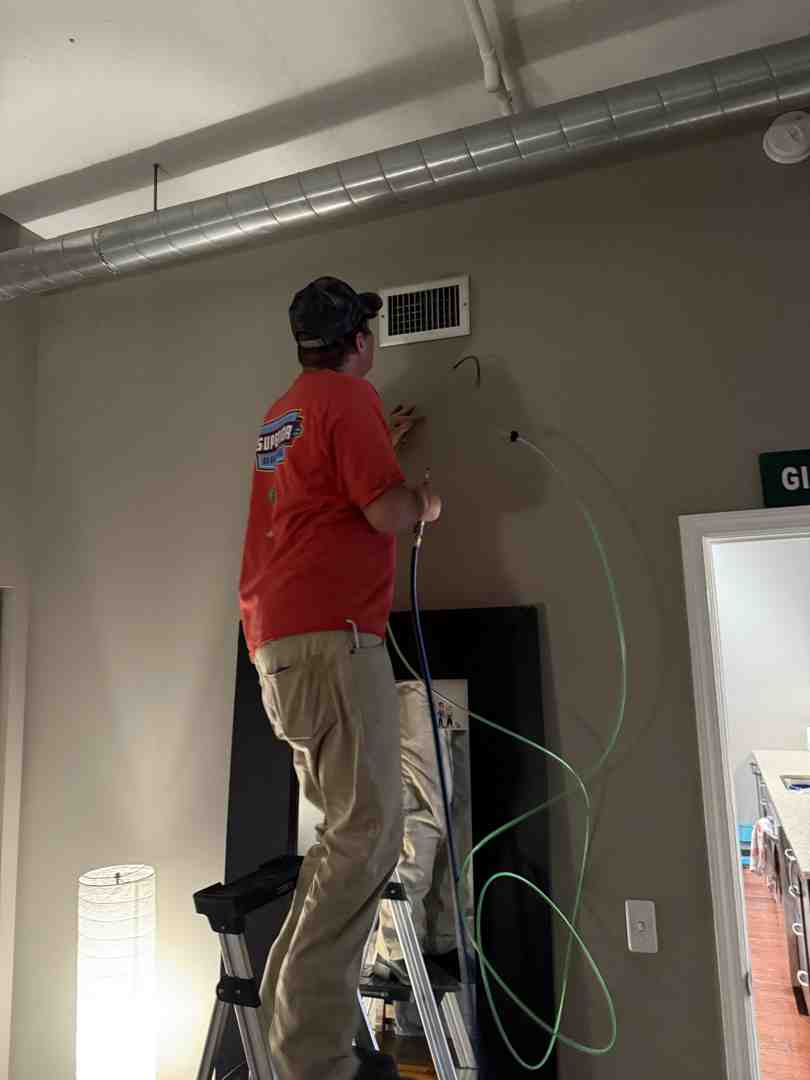
1. System inspectionWe inspect the accessible ductwork, registers, returns, and HVAC components. Camera inspection may be used to identify buildup, debris, or problem areas inside the system.
2. Home protectionWe take steps to protect floors, walls, and work areas. Renovation already made enough mess. We do not need to add a sequel.
3. Register and grille cleaningVent covers, grilles, and registers collect a surprising amount of dust during remodeling. These are cleaned as part of the process.
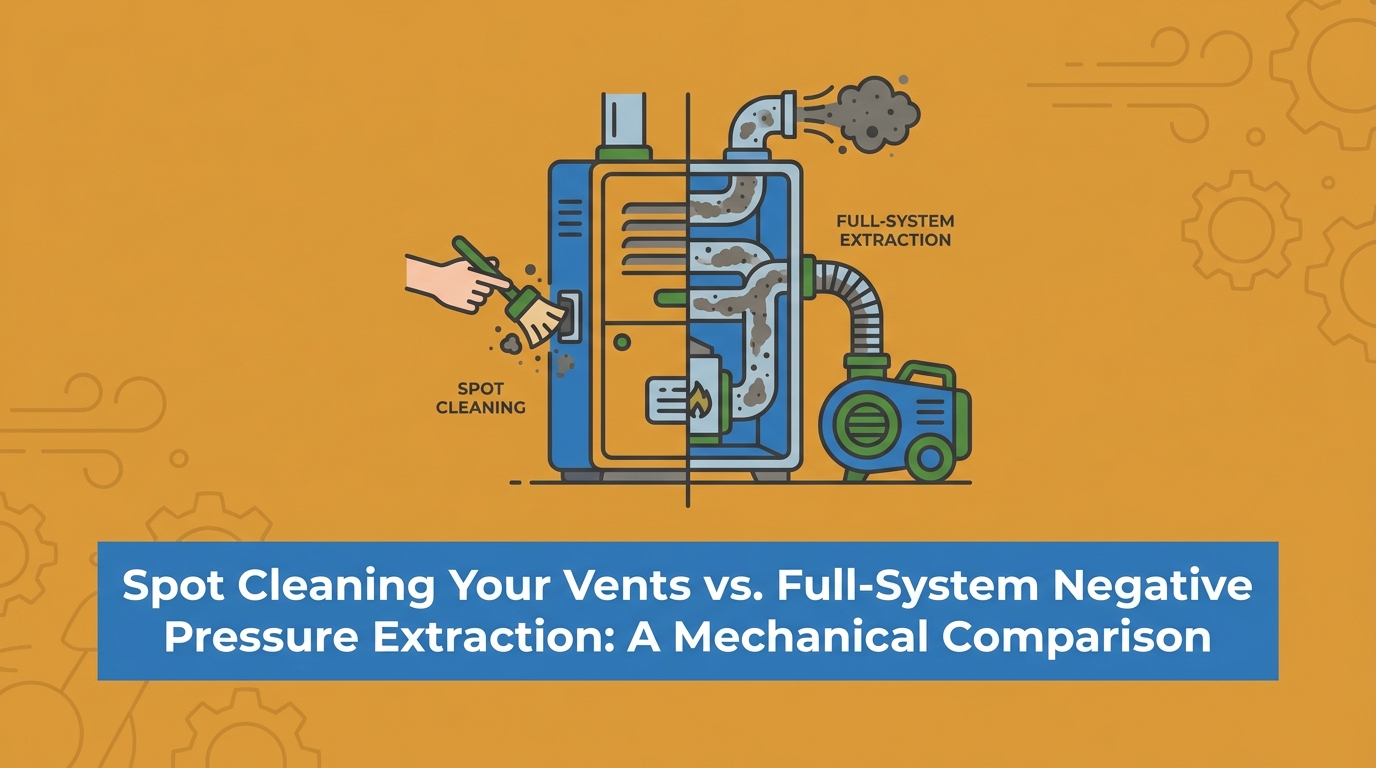
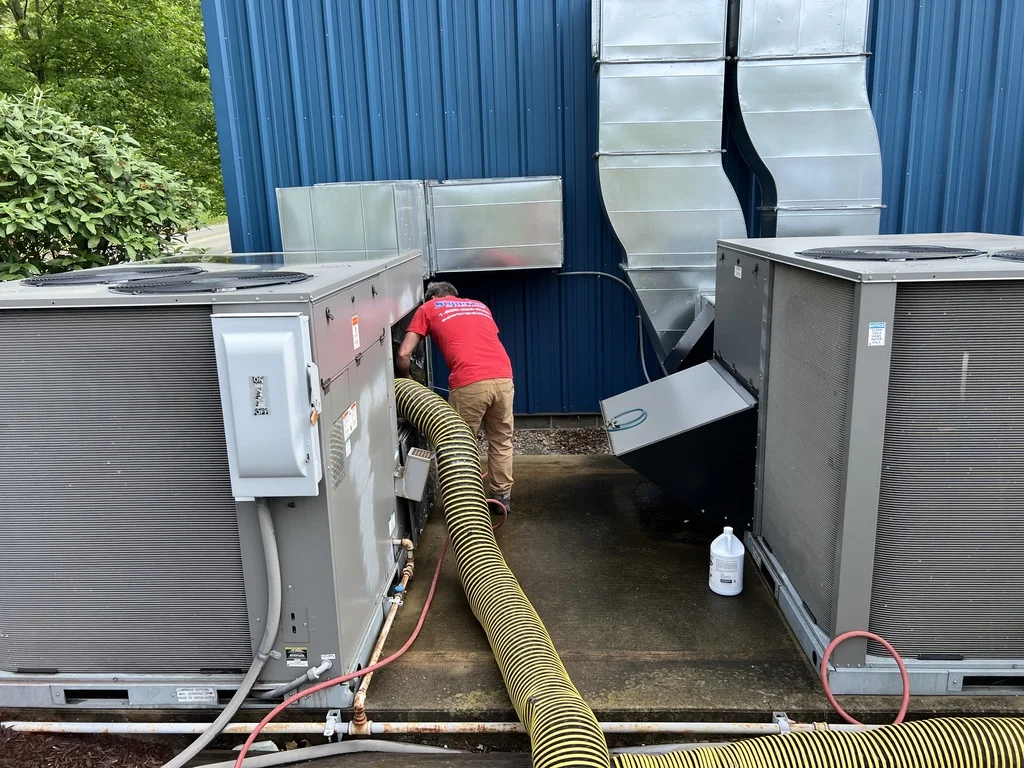
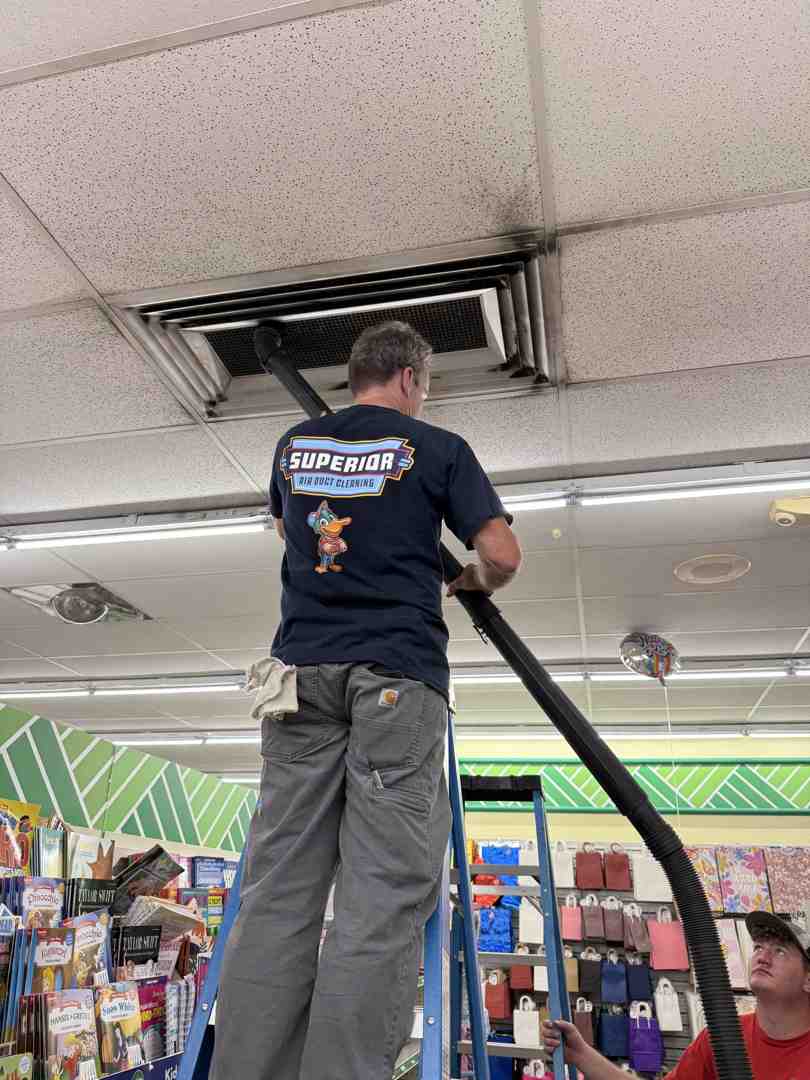
4. Negative pressure setupProfessional duct cleaning uses negative pressure to pull loosened debris toward collection equipment. This helps prevent dust from blowing back into the living space.
5. Mechanical agitationCompressed-air tools, air tools, or other agitation methods loosen dust and debris from duct walls. This is especially important for drywall dust and fine construction particles that cling to surfaces.
6. Source removalDebris is extracted from supply and return ductwork. The goal is not to perfume the ducts or hide odors. The goal is to remove the material causing the issue.
7. Air handler and component attentionPost-renovation dust can affect blower compartments, coils, and other accessible HVAC components. Depending on the system and contamination level, these areas may need attention too.
8. Filter replacement guidanceAfter cleaning, a fresh filter helps protect the system as remaining dust in the home settles. We may also recommend checking the filter again soon after service.
9. Final reviewWe explain what was found, what was cleaned, and what homeowners should watch for afterward.
Professional post-construction cleaning is especially useful because construction dust is fine, dense, and often deep in the system. A household vacuum or shop vacuum may reach the first few inches of a vent, but it cannot place the duct system under proper negative pressure or clean long duct runs, branch lines, returns, and internal components.
For a broader overview of the process, see our guide to residential air duct cleaning.
Frequently Asked Questions About Post-Renovation Air Quality
Post-remodel dust can be confusing because the home may look clean while the air still feels dusty. Below are the questions we hear most often from homeowners after remodeling, renovations, additions, and new construction.
How do I know if my air ducts need cleaning after a remodel?
Your ducts may need cleaning after a remodel if you notice:
• Dust reappearing on surfaces shortly after cleaning
• Dust blowing from supply vents
• A chalky film on furniture or floors
• Musty, chemical, smoky, or stale odors when the HVAC runs
• Allergy-like symptoms that started or worsened after construction
• Coughing, sneezing, itchy eyes, or dry throat indoors
• Reduced airflow from certain vents
• Uneven heating or cooling
• A filter that becomes dirty much faster than usual
• Visible debris inside registers or return vents
• Construction dust near the furnace, air handler, or returns
One simple test is to check your filter after running the system for a short period following renovation cleanup. If the filter loads up quickly with fine white, gray, or tan dust, that is a sign the system may still be pulling renovation debris from the air or ductwork.
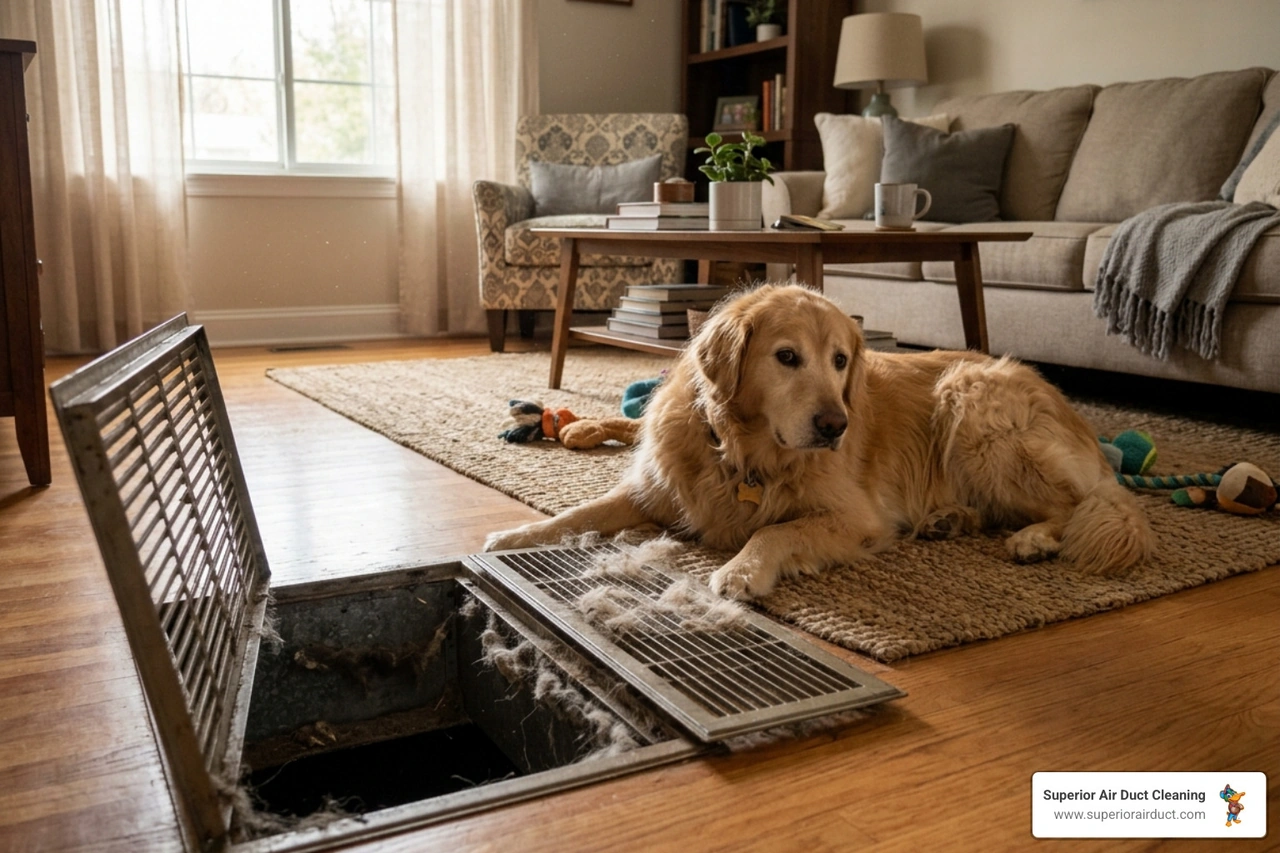
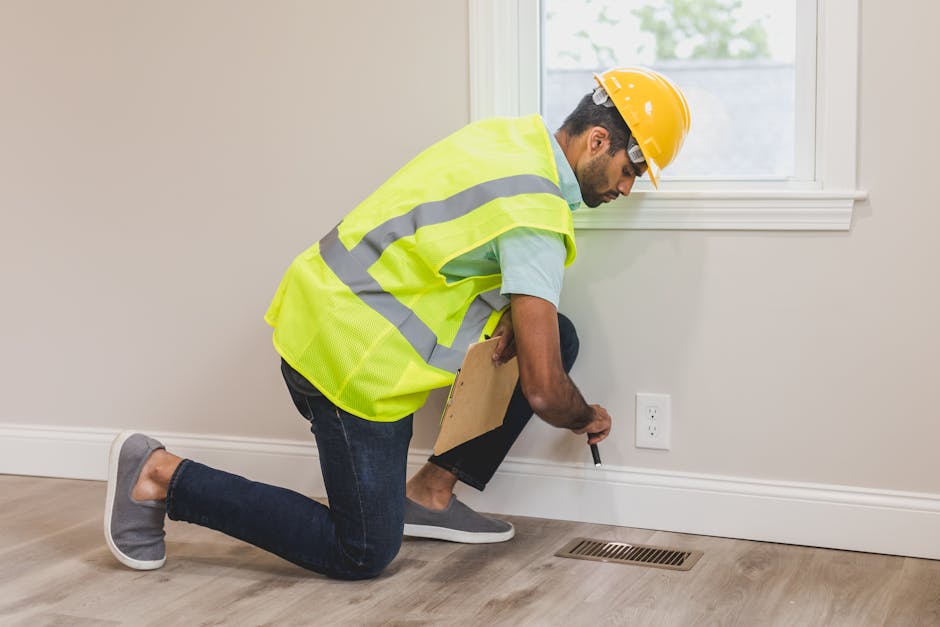
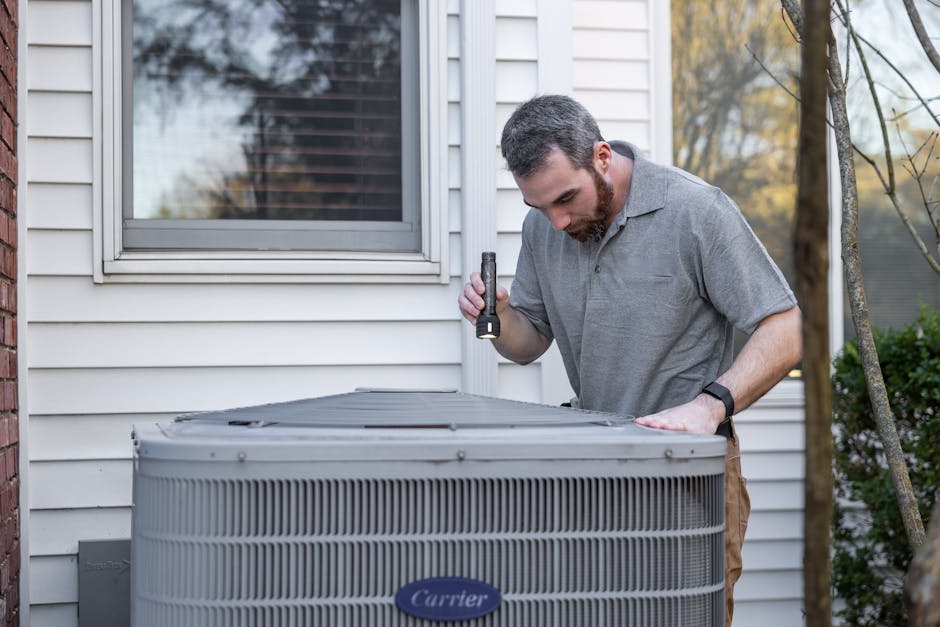
You can also remove a register cover and look inside with a flashlight. If you see dust piles, chunks of drywall, wood shavings, or debris, the visible portion may only be the beginning.
For more help identifying warning signs, read:
• How to know if your air ducts are clean
• Signs your air ducts need cleaning
Can I clean construction dust out of my ducts myself?
You can clean some visible areas yourself, but you usually cannot remove construction dust from the full duct system without professional equipment.
Homeowners can safely handle basic steps such as:
• Replacing the HVAC filter
• Wiping registers and grilles with a damp cloth
• Vacuuming around vent openings
• Cleaning nearby floors and walls
• Keeping doors and windows open when weather allows
• Running portable air purifiers if available
• Asking contractors to cover vents before dusty work begins
Those steps help, but they do not fully clean the system.
DIY cleaning is limited because most homeowners cannot:
• Create strong negative pressure throughout the duct system
• Reach long supply and return runs
• Agitate debris stuck to duct walls
• Clean branch lines effectively
• Remove dust from blower compartments or coils
• Verify internal duct cleanliness with inspection equipment
• Prevent loosened dust from blowing into rooms
A shop vacuum near a vent opening may remove crumbs, pet hair, or a few visible chunks. But post-construction dust is often spread throughout the system. Without proper containment and negative pressure, DIY efforts can stir up dust instead of removing it.
If your remodel involved drywall sanding, demolition, tile cutting, concrete work, insulation, or the HVAC system ran during construction, professional cleaning is the safer and more complete option.
Should I clean my ducts before or after painting and flooring?
In most cases, clean your ducts after painting and flooring are finished.
Painting, flooring, and final trim work can all create dust, odors, or fine residues. If you clean the ductwork before those steps are complete, the system may collect fresh debris immediately afterward.
The best sequence is usually:
1. Finish demolition, sanding, cutting, and installation work.
2. Complete painting, priming, staining, sealing, and adhesive work.
3. Allow dust to settle and complete surface cleanup.
4. Replace the HVAC filter.
5. Schedule professional duct cleaning.
6. Replace or check the filter again after cleaning as recommended.
There are exceptions. If your ducts are heavily contaminated in the middle of a long renovation, interim cleaning or additional filter changes may be needed. But for most residential remodels, final duct cleaning belongs near the end of the project.
If you are planning a renovation now, here are a few ways to reduce duct contamination before it starts:
• Turn off the HVAC system during heavy dust-producing work when practical.
• Seal supply and return registers with appropriate coverings.
• Use temporary dust barriers around work zones.
• Avoid cutting or sanding near return vents.
• Replace filters frequently during the project.
• Keep doors closed between work areas and finished living spaces.
• Ask contractors not to sweep debris toward floor registers.
• Schedule duct cleaning after the final cleanup, not before the messiest phase.
That little bit of planning can prevent a lot of “Why is my house still dusty?” frustration later.
Conclusion
Renovations are exciting. Construction dust is not.
Now that you understand how renovations and construction make duct cleaning essential, the reason is clear: remodeling creates fine, concentrated debris that standard cleaning cannot reach. Drywall dust, sawdust, insulation fibers, silica particles, VOCs, and jobsite debris can enter your HVAC system, settle inside ducts, strain equipment, and recirculate through your home long after the project looks complete.
Post-renovation duct cleaning helps:
• Protect indoor air quality
• Reduce dust and allergens
• Remove hidden construction debris
• Improve airflow
• Support HVAC efficiency
• Reduce system strain
• Make your newly updated home feel truly clean
At Superior Air Duct Cleaning, we provide residential and commercial duct cleaning services across Western Pennsylvania and Northeast Ohio, including Pittsburgh, Cranberry Township, New Brighton, Beaver Falls, Aliquippa, Monaca, Ambridge, Rochester, Boardman, Youngstown, Canfield, Poland, Austintown, Warren, Niles, and Columbiana.
If you recently remodeled, built a new space, finished a basement, updated flooring, renovated a kitchen, or moved into new construction, do not let hidden duct dust be the final chapter of your project.
Schedule professional air duct cleaning services with Superior Air Duct Cleaning and enjoy cleaner air in the home you worked so hard to improve.

Customer Reviews


Superior Air Duct cleaning did a phenomenal job in a timely manner with the tech “Rich” being very professional ,personable and considerate of our property! He explained things as he proceeded and answered all our questions!
I LOVE that they provide before & after photos to see the difference. Give them a try… you won’t regret it
Pam T.
Robert was on schedule and communicated what time he would arrive. He was polite, professional, and respectful of our home. I wanted to wait a couple weeks before posting a review because I wanted to see if the duct cleaning actually made a difference. I am happy to say it did! I vacuum multiple times a week and have already noticed a significant reduction in the amount of dust cleaned up each time. As a home with pets, there will always be something to clean, but getting the ducts cleaned has definitely helped improve the air quality and reduce the dust.
alice A.
Technician Rob arrived early explained the days agenda and then proceeded to work methodically and meticulously over the next 6+ hours cleaning my ductwork. Courteous and professional they answered all of my questions and went above and beyond the call of duty. They even located an old dusty box of rat poison buried in our vents. My only regret is not finding these guys sooner. As a realtor of 22 years and owner of a newly purchased (now dust free) home I highly recommended!
Eric K.
Excellent service! I’ve used them to clean out my air ducts as well as my dryer vent duct and they are excellent. I was very pleased with both jobs and will continue to use them in the future. Great communication as well- from the time I scheduled the appointment until they were at my door.
Erika C.
We had such an amazing experience with Superior Air Duct Cleaning. They were so nice and friendly and did an amazing job. I loved seeing the before and after pictures. Besides doing an amazing job cleaning our air ducts they were so quick at responding and setting up the appointment. We will definitely be using them in the future.
Amanda C.