Why Knowing How to Improve Air Quality During Allergy Season Can Make a Real Difference at Home
Knowing how to improve air quality during allergy season is one of the most practical things you can do for your family's health — especially in Western Pennsylvania and Northeast Ohio, where spring pollen, humidity, and older housing stock can make indoor air surprisingly harsh.
Here is a quick overview of the most effective steps:
- Keep windows closed on high-pollen days and use air conditioning instead
- Replace HVAC filters with MERV 11-13 rated options before peak season
- Use a HEPA air purifier in bedrooms and living spaces
- Control indoor humidity below 50% to slow dust mite and mold growth
- Wash bedding weekly in hot water to reduce dust mite allergens
- Have your air ducts professionally cleaned to remove accumulated pollen, dander, and mold spores
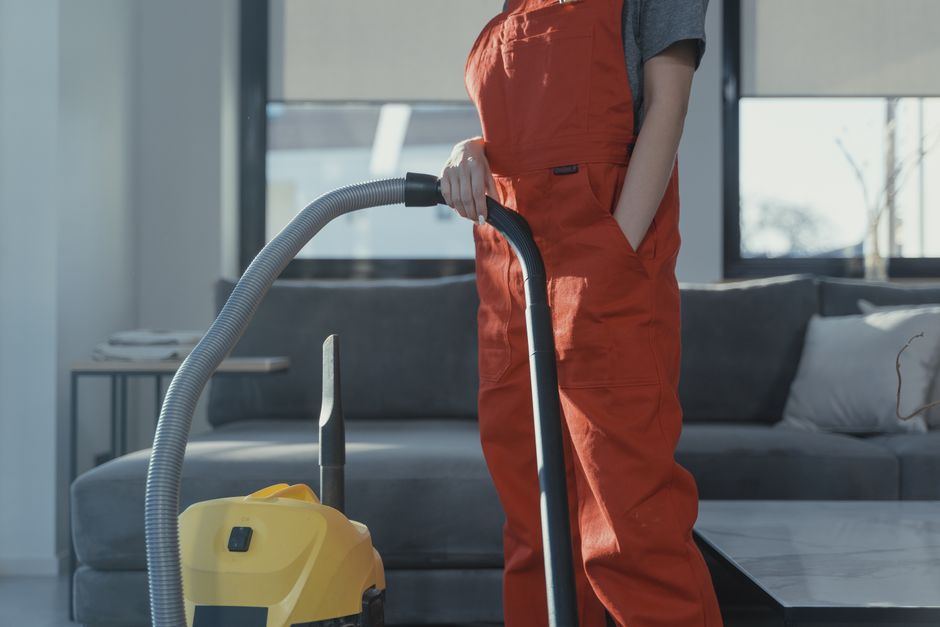
- Vacuum frequently with a HEPA-filter vacuum to limit surface allergens
Most people assume the sneezing starts outside. But the EPA has noted that indoor air can actually be more polluted than outdoor air — and during allergy season, that gap gets worse. Pollen hitches a ride on clothes, shoes, and pets. Humidity encourages mold and dust mites. And if your ductwork is holding onto a winter's worth of dust and debris, every time your HVAC kicks on, it sends that buildup straight into the air you breathe.
For homeowners in Pittsburgh, Cranberry Township, Boardman, and surrounding areas, spring is not just about warmer days — it is the start of a months-long challenge to keep indoor air clean and breathable.
The Hidden Sources of Spring Allergens in Pennsylvania and Ohio Homes
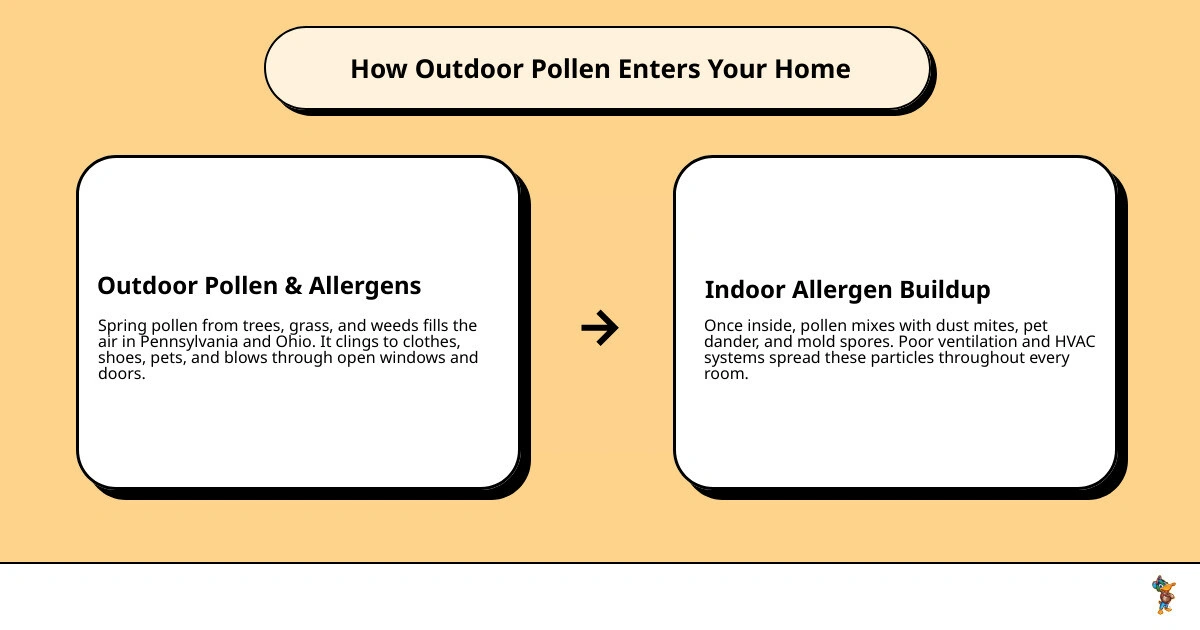
To effectively combat seasonal sneezes, we must first understand what we are actually fighting. When spring arrives in regions like Beaver County, PA, or Mahoning County, OH, the outdoor air becomes saturated with microscopic particles. However, our homes are not perfectly sealed bubbles. In fact, modern energy-efficient homes are often so tightly built that once these particles slip inside, they have no way to escape.
The most common indoor allergy triggers include:
- Pollen Grains: These microscopic particles are released by wind-pollinated trees (such as oak, maple, birch, and elm) starting in early spring, followed by grasses in summer and weeds like ragweed in late summer. A single ragweed plant can release up to one billion pollen grains in a single season. Because pollen grains are lightweight and range from 10 to 100 microns in size, they float easily through the air and settle on every available surface.
- Dust Mites: These microscopic pests do not bite, but their waste products are a primary cause of year-round indoor allergies and asthma. According to industry statistics, eight out of ten people in the United States are regularly exposed to dust mites in their homes. They thrive in soft fabrics, mattresses, carpets, and upholstered furniture.
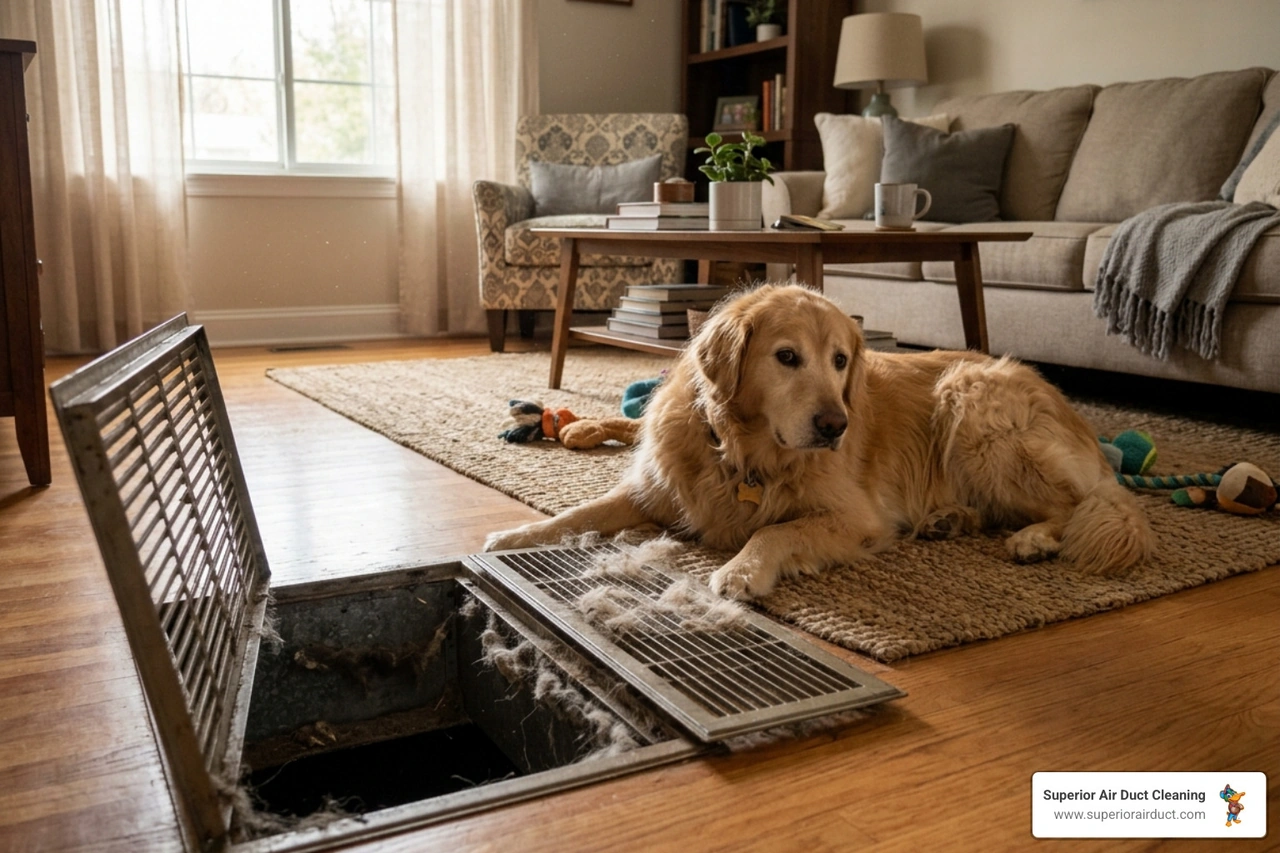
- Pet Dander: If you share your home with furry family members, you are likely living with pet dander. Statistically, six out of ten Americans are exposed to cat or dog dander daily. Dander consists of tiny, lightweight flakes of skin, but the actual allergy triggers are proteins found in animal saliva, urine, and sebum. These proteins stick to the dander and remain airborne for hours.
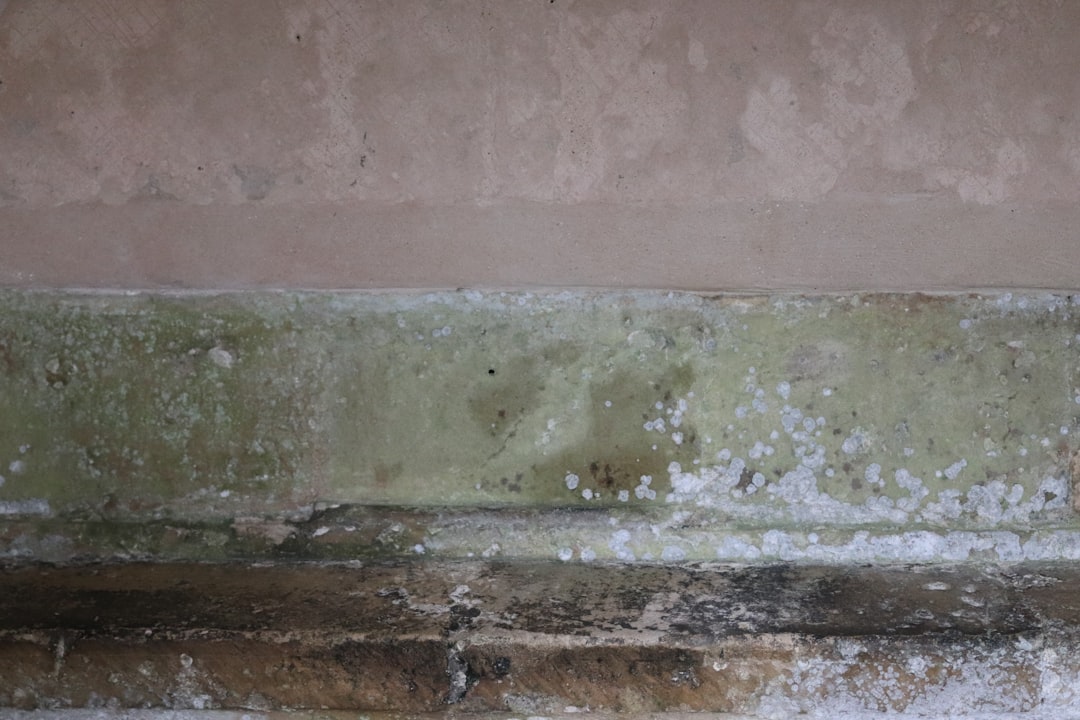
- Mold Spores: Mold is a fungi that reproduces via microscopic spores. These spores travel through the air and settle in damp, humid areas. When we look at How Pennsylvania Climate Affects Indoor Air Quality, the combination of wet spring thaws and high summer humidity creates the perfect breeding ground for indoor mold.
These allergens enter our homes in several ways. We track them in on our shoes, clothing, and hair after spending time outdoors. Our pets act as furry pollen magnets, carrying outdoor particles directly onto our carpets, sofas, and beds. Furthermore, these particles pull into our heating and cooling systems, settling deep inside the dark turns of our ductwork. Every time the furnace or air conditioner cycles on, it blasts these settled allergens back into the living space, leading to persistent Allergy Symptoms That May Be Caused by Dirty Ducts.
Why Spring Weather Demands a Plan for How to Improve Air Quality During Allergy Season
As we move through June 2026, climate trends continue to show warmer, wetter shoulder seasons across Western Pennsylvania and Northeast Ohio. These shifting weather patterns have a direct, measurable impact on our indoor environments.
When outdoor temperatures fluctuate, we often turn off our heating and cooling systems, leaving the air inside our homes stagnant. Inadequate ventilation allows carbon dioxide, volatile organic compounds (VOCs), and airborne allergens to accumulate to uncomfortable levels.
At the same time, spring rain showers and rising outdoor temperatures lead to high indoor humidity. When indoor relative humidity climbs above 50%, it triggers two major air quality challenges:
- Dust Mite Multiplication: Dust mites cannot drink liquid water; instead, they absorb moisture directly from the air. High humidity levels allow them to feed and reproduce rapidly.
- Accelerated Mold Growth: Mold spores require only moisture, oxygen, and an organic food source (like drywall, wood, or carpet backing) to colonize. Damp indoor environments are highly problematic; studies show that people are 40% more likely to develop asthma when living in damp or moldy homes.
When these biological pollutants take hold, they do more than cause a temporary runny nose. Stagnant air and dirty ventilation systems can harbor bacteria, virus-carrying particles, and heavy dust. To understand the full scale of this issue, it is helpful to look at how these factors interact and ask, Can Dirty Air Ducts Make You Sick? The answer is a clear yes—especially for sensitive individuals, children, and the elderly.
To balance fresh air needs with allergen control, homeowners must evaluate how they ventilate. Below is a comparison of natural and mechanical ventilation strategies during allergy season:
| Ventilation Type | How It Works | Pros | Cons during Allergy Season |
|---|---|---|---|
| Natural Ventilation | Opening windows and doors to let outdoor air circulate. | Free, simple, provides an immediate feeling of freshness. | Invites millions of pollen grains indoors; introduces uncontrolled outdoor humidity; relies on unpredictable wind speeds. |
| Mechanical Ventilation | Using exhaust fans, inline fans, ERVs, or HRVs to exchange air. | Filters incoming air; controls indoor humidity; provides consistent, measured air exchange year-round. | Requires initial equipment setup; consumes small amounts of electricity. |
Understanding the Limitations of Open Windows and How to Improve Air Quality During Allergy Season
When the weather warms up in places like Butler County, PA, or Columbiana County, OH, the temptation to open the windows is incredibly strong. We all want to shake off the winter chill and let in some fresh air. However, relying on natural ventilation during high-pollen periods is one of the most common mistakes allergy sufferers make.
Open windows act as an open invitation for wind-pollinated plants to deposit their genetic material directly onto your carpets, bedding, and furniture. On a breezy spring morning, a single open window can allow thousands of pollen grains to enter your home every minute.
Furthermore, pollen counts are typically highest in the early morning hours (between 5:00 AM and 10:00 AM) and on warm, dry, windy days. If you leave your windows open during these times, you are essentially coating your indoor living spaces with the very triggers you are trying to avoid. Once pollen settles into your rugs and upholstery, it cannot easily be ventilated out; it must be physically removed through deep cleaning.
Mechanical Ventilation Solutions for Controlled Fresh Air
If we cannot open our windows, how do we keep our homes from feeling like stale, stuffy boxes? The answer lies in mechanical ventilation, which introduces fresh, outdoor air into the home in a controlled, filtered manner.
- Bathroom and Kitchen Exhaust Fans: These local exhaust systems are your first line of defense against excess moisture. Running your bathroom exhaust fan during and for 20 minutes after a shower pulls humid air out of the house before it can condense on walls and encourage mold growth.
- Ductless Energy Recovery Ventilators (ERVs): These compact wall-mounted units are perfect for single rooms, home offices, or tightly sealed newer homes. They pull fresh air in from the outside while exhausting stale indoor air. Most importantly, they pass the incoming air through a filter to catch pollen and dust, and they exchange heat and moisture between the two airstreams to keep your indoor humidity stable.
- Whole-Home Heat Recovery Ventilators (HRVs) and ERVs: Integrated directly into your central HVAC system, these mechanical systems continuously exhaust stale air from moisture-prone areas (like bathrooms and kitchens) and replace it with fresh, filtered outdoor air distributed to your living spaces.
By utilizing mechanical ventilation, you can enjoy the benefits of fresh air exchange without sacrificing moisture control or inviting outdoor allergens into your living spaces.
Warning Signs Your Home Has Poor Indoor Air Quality
It is easy to ignore indoor air quality because we cannot physically see most of the pollutants floating around us. However, your home and your body will always drop hints when the air is dirty or poorly ventilated.
Here are the most common warning signs to watch out for during spring:
- Stuffy, Stagnant Rooms: If you walk into a bedroom or home office and the air feels heavy, warm, or difficult to breathe, it is a clear sign of inadequate air exchange.
- Condensation on Windows: Water droplets pooling on the inside of your window panes or metal frames indicate that your indoor relative humidity is too high (above 50-60%). This moisture will eventually drip onto drywall and carpets, leading to hidden mold growth.
- Lingering Odors: If cooking smells, pet odors, or garbage scents hang around for hours or days after the source has been removed, your home is not exchanging air efficiently.
- Musty, Earthy Smells: A damp, musty odor in your basement, crawlspace, or bathrooms is a surefire indicator of active mold or mildew.
- Worsening Allergy or Asthma Symptoms: If you find yourself sneezing, coughing, or experiencing itchy, watery eyes while inside your home—or if your asthma symptoms flare up primarily at night or in the morning—your indoor air is likely heavily loaded with allergens.

The Role of Air Filtration and Purification in Allergen Control
While ventilation brings fresh air in and stale air out, filtration is what actually scrubs the air clean. To build an effective defense system during allergy season, we must combine these two strategies.
When choosing filtration and purification systems, it helps to understand the difference between the two primary approaches: cleaning the air that flows through your central ductwork versus cleaning the air in individual rooms. To understand which approach fits your home's needs, we encourage you to read our guide on Air Duct Cleaning vs Air Purifier Which Do You Need.
For the absolute cleanest indoor environment, we recommend Combining Duct Cleaning and Air Purification for Best Results. Clean ducts ensure your HVAC system is not constantly re-contaminating your air, while high-quality purifiers continuously capture newly introduced particles.
Practical HVAC and Filtration Steps for How to Improve Air Quality During Allergy Season
To keep your central HVAC system working as an air-cleaning powerhouse rather than an allergen distributor, follow these practical filtration steps before and during peak allergy season:
- Perform a Pre-Season Filter Replacement: Never head into spring with a filter that is already loaded with winter dust. Start fresh by installing a brand-new filter in March or April.
- Choose the Right MERV Rating: Minimum Efficiency Reporting Value (MERV) ratings scale from 1 to 16.
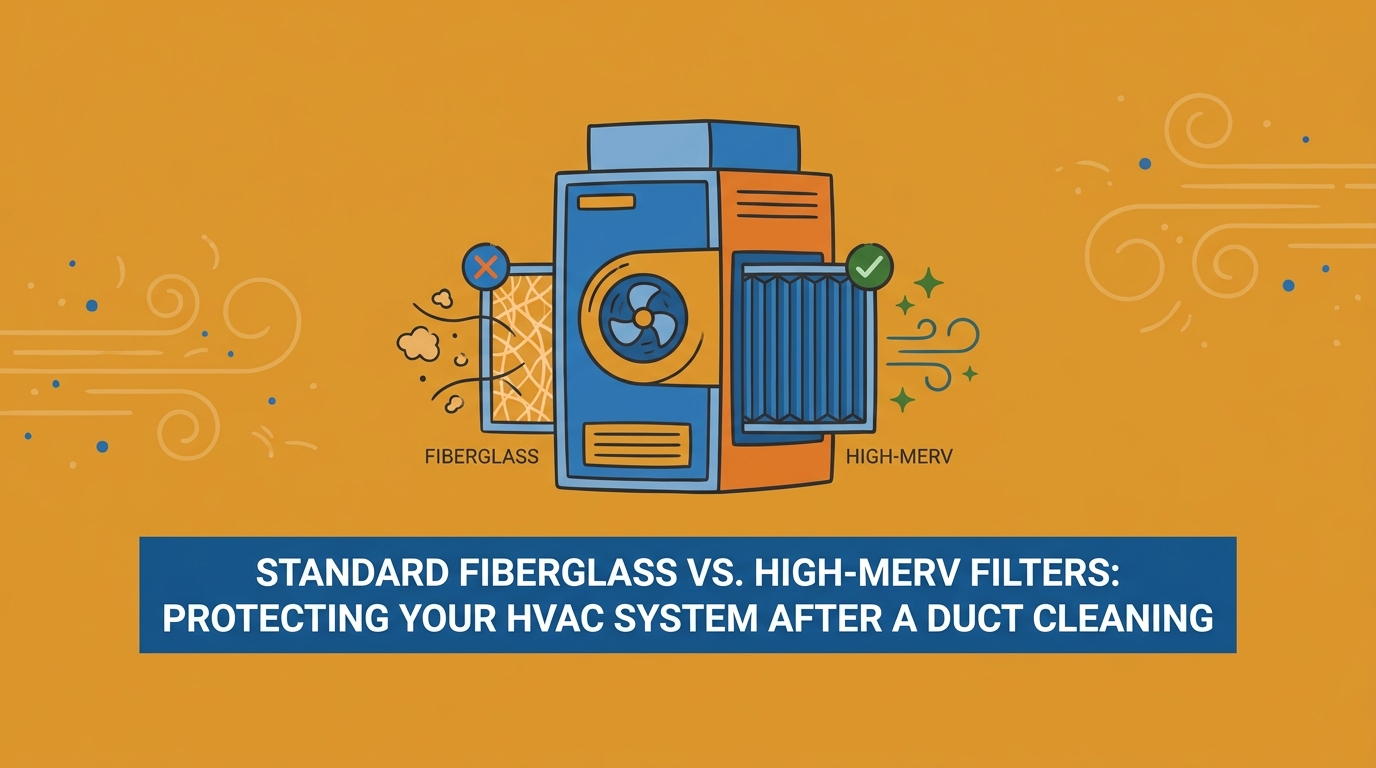
- Avoid cheap fiberglass filters (MERV 1-4), as they only protect your HVAC blower motor from large dust bunnies and do nothing for your lungs.
- Opt for MERV 11 to 13 pleated disposable filters. These are the most cost-efficient choice for capturing fine pollen, pet dander, and mold spores without restricting the system's airflow.
- Understand Filter Thickness:
- 1-inch filters have less surface area and must be changed every 30 to 60 days during peak allergy season.
- 4-inch media filters have dense, deeply pleated material that provides exceptional filtration and typically lasts 4 to 6 months before needing replacement.
- Utilize True HEPA (H13) Filtration: For portable air purifiers, look for units certified with True HEPA filters. These are scientifically proven to capture up to 99.97% of dust, pollen, mold, and airborne particles as small as 0.3 microns. When shopping for portable units, always check the Clean Air Delivery Rate (CADR) to ensure the purifier is properly sized to handle the square footage of the room.
Actionable Cleaning and Source Control Strategies for Homeowners
While filtration and ventilation are essential, the most effective way to improve your air is through source control—meaning we eliminate or reduce allergens at their origin before they ever become airborne.
Here are highly effective daily and weekly habits to adopt during allergy season:
- Wash Bedding Weekly in Hot Water: Dust mites love your bed because it provides warmth, humidity, and an endless supply of shed skin cells. Wash all sheets, pillowcases, and blankets weekly in water that is at least 130°F (55°C) to kill dust mites and wash away their allergen proteins.
- Switch to Damp Dusting: Traditional dry feather dusters do not clean surfaces; they simply launch settled dust back into the air. Instead, use a damp microfiber cloth or a treated dusting cloth that physically grabs and holds onto the dust.
- Maintain Strict Humidity Control: Run a dehumidifier in damp basements or crawlspaces to keep your home's relative humidity strictly below 50%.
- Groom Pets Regularly: Keep your pets clean by brushing them frequently (ideally outdoors) and wiping down their paws and fur with a damp cloth when they come inside to remove hitched pollen.
Even with diligent cleaning, dust and pollen will inevitably settle inside your HVAC vents. Over the years, this buildup forms a thick layer of debris that your vacuum simply cannot reach. This is why professional intervention is so critical. Investing in Reducing Allergens with Duct Cleaning is a highly effective way to break the cycle of airborne dust. If you want to stop allergy triggers before they start, consider the long-term benefits of Preventing Allergy Problems with Duct Cleaning Service.
Whole-Home Sanitizing and Disinfection Solutions
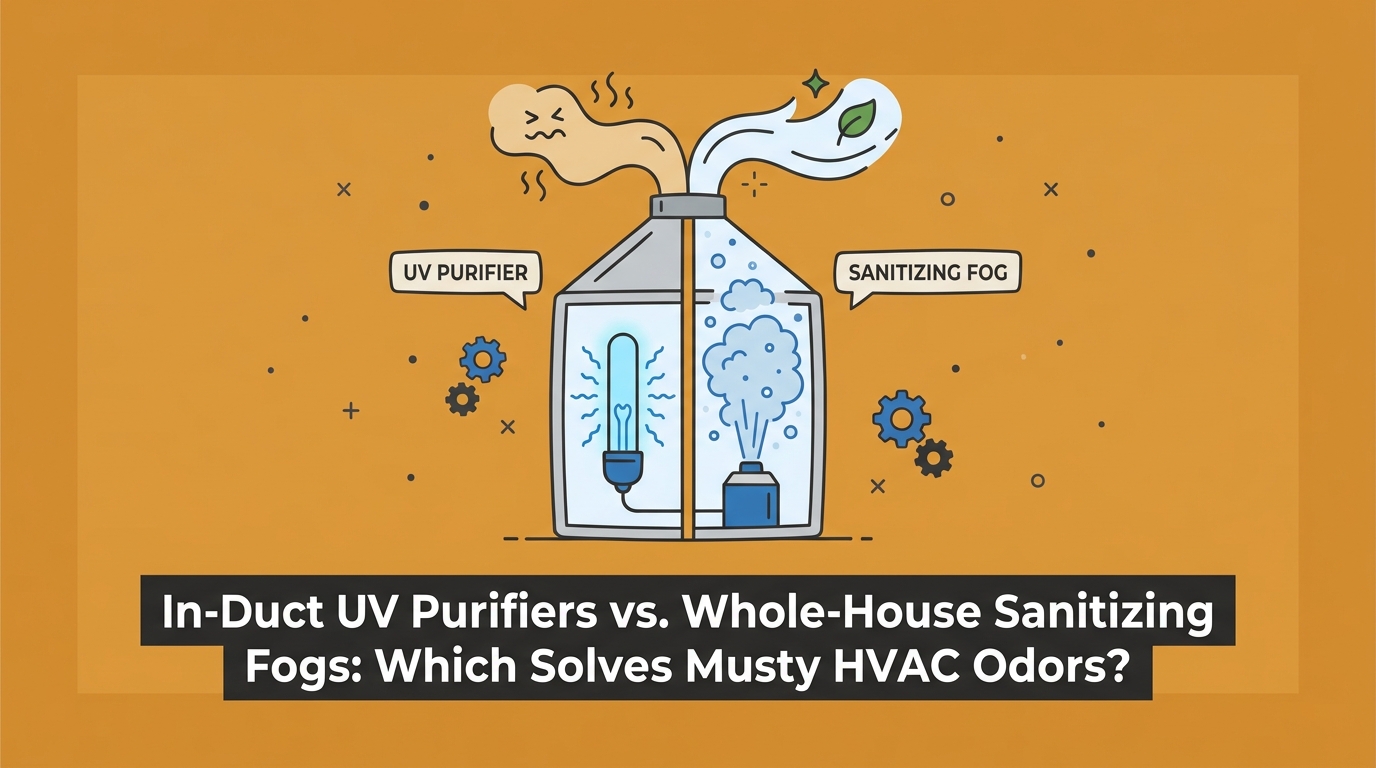
For homeowners dealing with severe allergies, asthma, or immune sensitivities, standard duct cleaning can be paired with whole-home sanitizing and disinfection.
During this process, we apply an EPA-registered, hospital-grade disinfectant throughout your entire ductwork system. This mist travels through the exact same pathways as your heating and cooling air, neutralizing mold spores, bacteria, and viruses on contact.
To understand how this extra layer of protection can benefit your household, explore the Benefits of Whole House Sanitizing and the long-term Advantages of Whole House Sanitizing. If you are curious about the technical process, you can read exactly How Whole House Disinfection Works Through Your HVAC to see how we safely sanitize your entire home's respiratory system.
Frequently Asked Questions About Spring Air Quality
How long does it take an air purifier to clear pollen from a room?
A properly sized portable air purifier equipped with a True HEPA filter can reduce airborne pollen counts by 80% to 90% within 30 to 60 minutes in a closed room. For the best results, keep the bedroom door closed so the unit only has to process the air in that specific space, and run the unit on its highest setting for half an hour before you go to sleep.
Should I run my HVAC fan constantly during allergy season?
Yes, if you have a high-quality MERV 11 to MERV 13 filter installed. Switching your thermostat's fan setting from "Auto" to "On" keeps the HVAC fan running continuously, providing constant air circulation and filtration through your home's central filter. However, if your air ducts are dirty, running the fan constantly can worsen symptoms, making professional duct cleaning an important prerequisite.
How often should I clean my air ducts if I suffer from allergies?
While standard homes can typically go 3 to 5 years between professional duct cleanings, we highly recommend a 3-year interval for households with moderate-to-severe allergy or asthma sufferers. Regular cleaning prevents pollen, pet dander, and mold spores from building up to levels where they can overwhelm your HVAC filters and degrade your indoor air quality.
Conclusion
Creating a safe, allergy-free haven in your home requires a multi-layered approach. By combining smart source control, controlled ventilation, high-efficiency filtration, and professional maintenance, you can dramatically reduce your exposure to seasonal triggers.
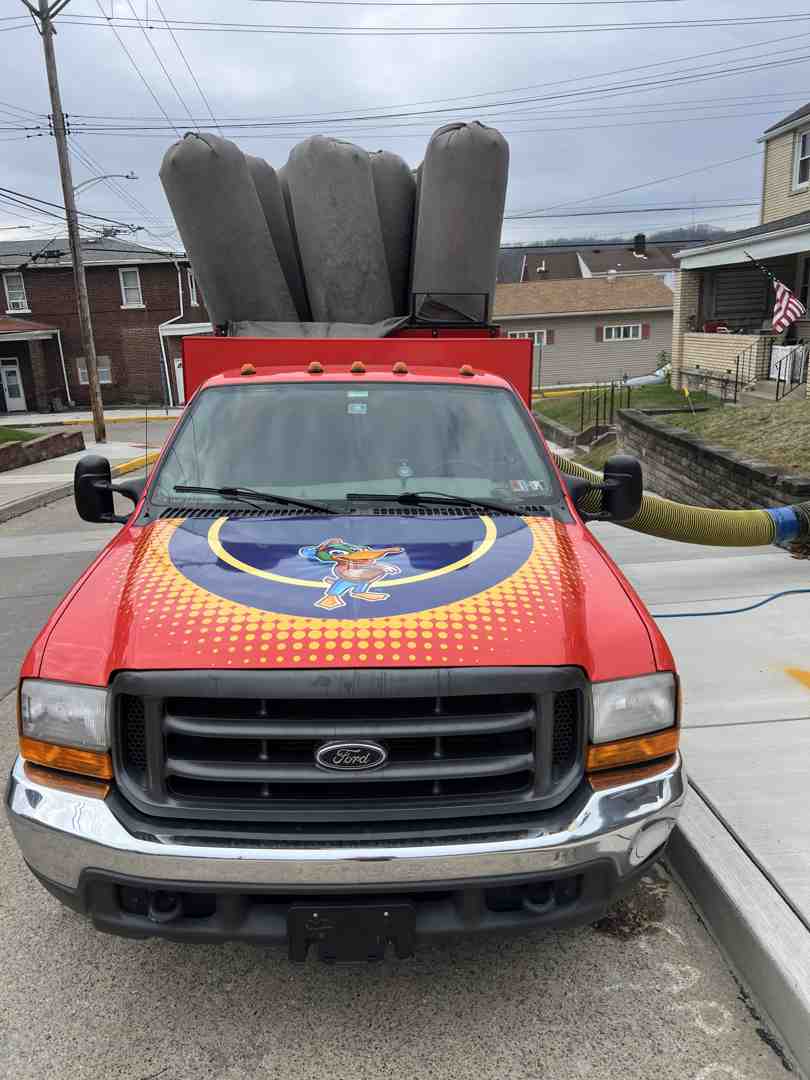
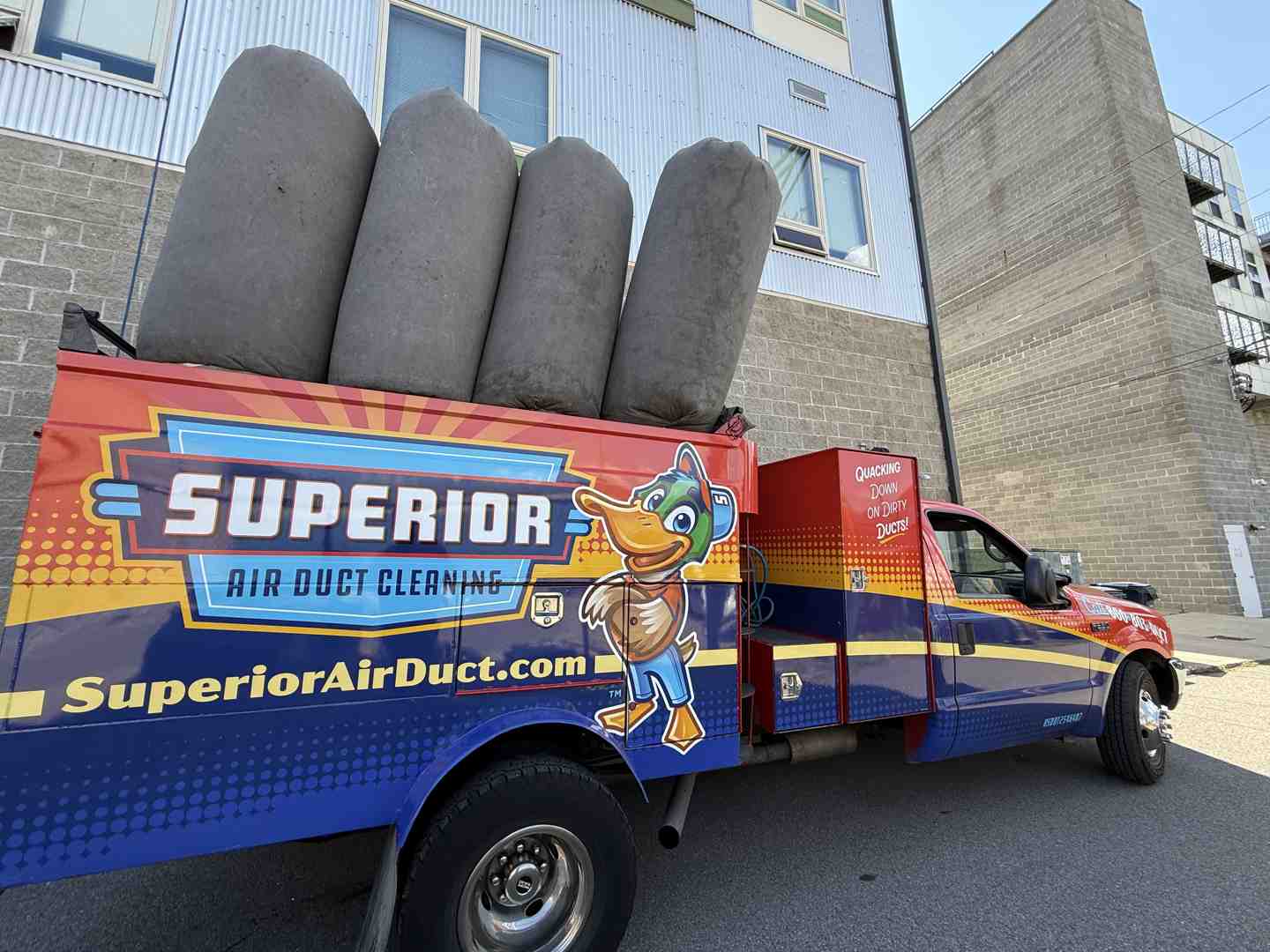
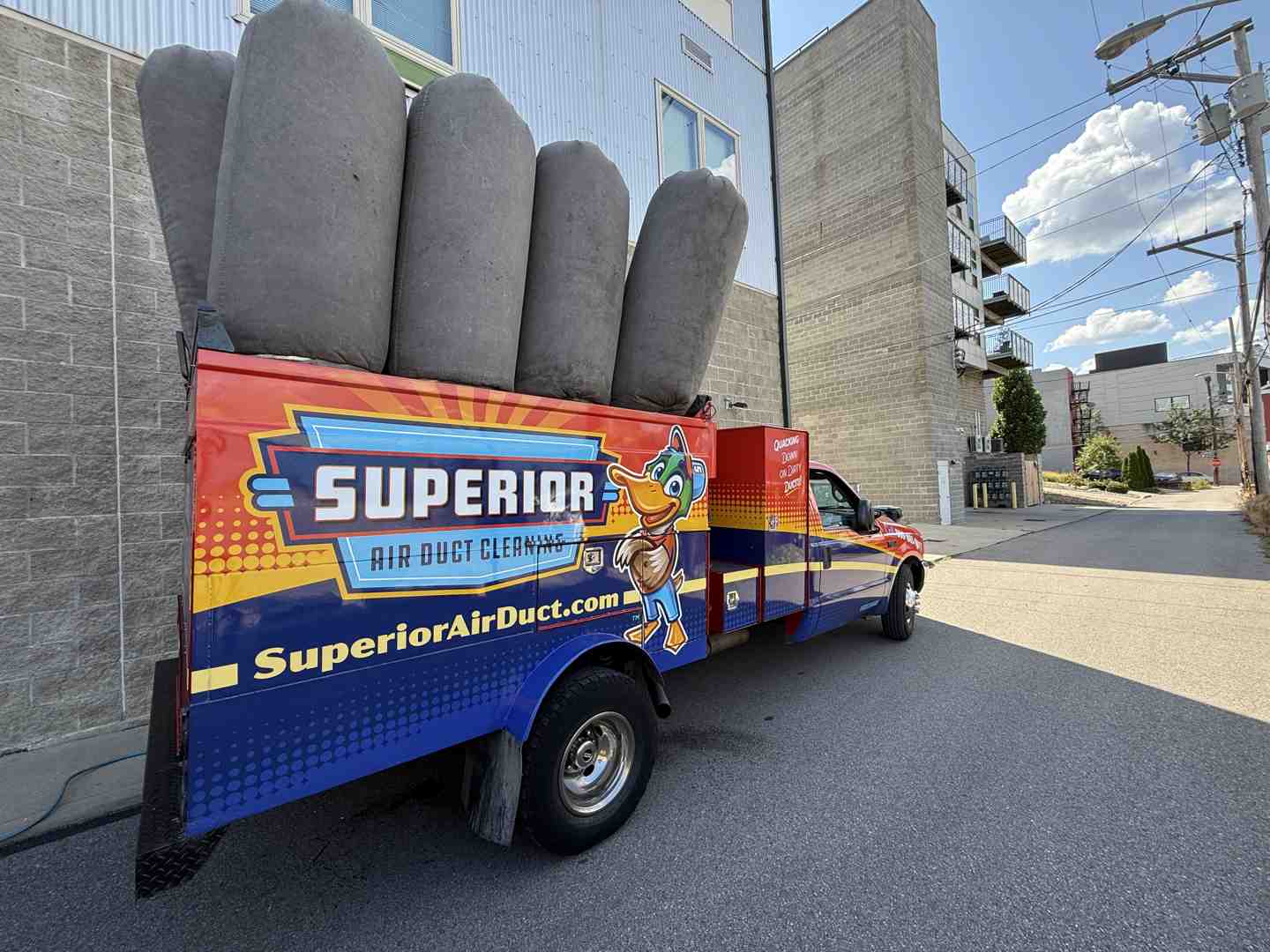
At Superior Air Duct Cleaning, we are proud to help families across Western Pennsylvania and Northeast Ohio breathe easier. Whether you are living in Pittsburgh, Cranberry Township, Boardman, or anywhere in our service areas—including Allegheny, Butler, Mercer, Washington, Beaver, Lawrence, and Westmoreland counties in PA, or Mahoning, Trumbull, Columbiana, Jefferson, and Eastern Carroll counties in OH—we have the tools, truck-mounted equipment, and expertise to restore your home's air quality.
Taking proactive steps to clean your ventilation system will help you Improve Air Quality and Boost Air Quality with Duct Cleaning. When you invest in your home's health, you will Improve Air Quality with Clean Ducts and enjoy the daily comfort of truly Healthy Indoor Air.
Ready to take control of your home's air quality this allergy season? Schedule professional air quality solutions today with our friendly, local team!

Customer Reviews


Superior Air Duct cleaning did a phenomenal job in a timely manner with the tech “Rich” being very professional ,personable and considerate of our property! He explained things as he proceeded and answered all our questions!
I LOVE that they provide before & after photos to see the difference. Give them a try… you won’t regret it
Pam T.
Robert was on schedule and communicated what time he would arrive. He was polite, professional, and respectful of our home. I wanted to wait a couple weeks before posting a review because I wanted to see if the duct cleaning actually made a difference. I am happy to say it did! I vacuum multiple times a week and have already noticed a significant reduction in the amount of dust cleaned up each time. As a home with pets, there will always be something to clean, but getting the ducts cleaned has definitely helped improve the air quality and reduce the dust.
alice A.
Technician Rob arrived early explained the days agenda and then proceeded to work methodically and meticulously over the next 6+ hours cleaning my ductwork. Courteous and professional they answered all of my questions and went above and beyond the call of duty. They even located an old dusty box of rat poison buried in our vents. My only regret is not finding these guys sooner. As a realtor of 22 years and owner of a newly purchased (now dust free) home I highly recommended!
Eric K.
Excellent service! I’ve used them to clean out my air ducts as well as my dryer vent duct and they are excellent. I was very pleased with both jobs and will continue to use them in the future. Great communication as well- from the time I scheduled the appointment until they were at my door.
Erika C.
We had such an amazing experience with Superior Air Duct Cleaning. They were so nice and friendly and did an amazing job. I loved seeing the before and after pictures. Besides doing an amazing job cleaning our air ducts they were so quick at responding and setting up the appointment. We will definitely be using them in the future.
Amanda C.