The Frustration of Weak Vent Airflow in Late Summer
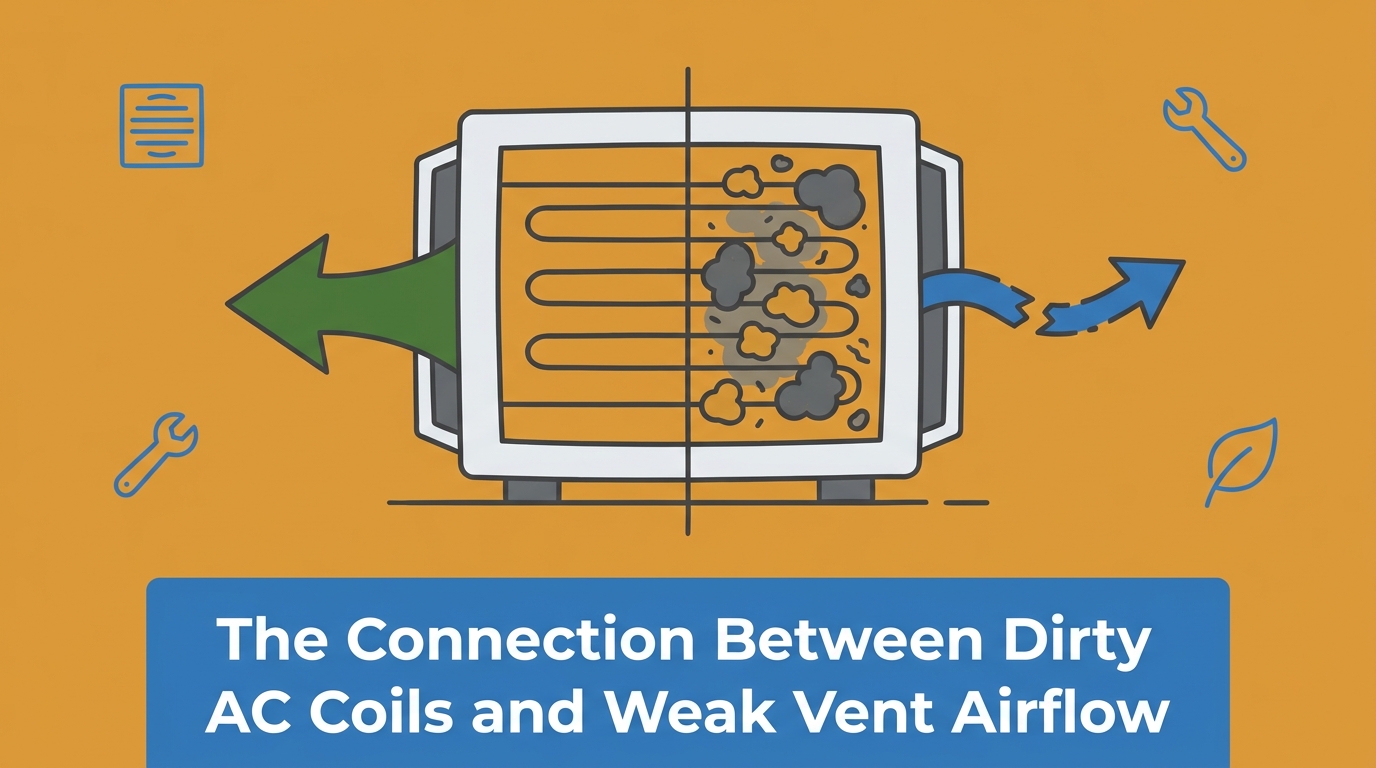
Your thermostat is set to 68 degrees, the outdoor compressor is humming loudly, but the house still feels uncomfortably warm—a frustrating scenario that perfectly illustrates the connection between dirty AC coils and weak vent airflow. You hold your hand up to the living room register, expecting a powerful blast of cold air, only to feel a weak, tepid breeze. For many homeowners facing late August end-of-season cooling issues, the immediate reaction is to check the air filter. However, after swapping out a slightly dusty filter for a brand-new one, the vents still barely push any air into the room.
Understanding the root cause of this bottleneck is a critical step in maintaining optimal indoor air quality and overall system performance.
A common misconception is that a fresh filter automatically cures all airflow problems. While a severely clogged filter will certainly restrict air, a clean filter cannot fix a bottleneck located deeper inside the machinery. The actual culprit is often hidden away inside the dark, damp cabinet of your indoor air handler. Over the course of the cooling season, microscopic particles bypass the standard filter and accumulate on internal components.
The hidden bottleneck: The physical state of your HVAC system's internal components directly dictates the volume of air that can travel through your ductwork. When the internal pathways become choked with debris, the blower motor pushes against a solid wall of resistance. The air simply has nowhere to go, resulting in the weak airflow you feel at the vents. Recognizing this mechanical reality is the first step toward restoring your home's comfort and protecting your equipment from premature failure.
The Thermodynamics of Your Indoor A-Coil
To understand why airflow drops so dramatically, you have to look at the mechanics of the indoor unit—specifically, the evaporator coil. Often shaped like an "A" (and commonly called the A-coil), this component is responsible for absorbing heat from your indoor air. Without a clean, highly conductive A-coil, the entire cooling process grinds to a halt.
The Mechanics of Heat Transfer
The A-coil is constructed from a series of copper or aluminum tubes filled with cold liquid refrigerant. Attached to these tubes are hundreds of incredibly thin metal fins, spaced just millimeters apart. As the blower motor forces warm household air across this metallic grid, the refrigerant inside the tubes absorbs the heat. The newly cooled air is then pushed into the supply ducts and distributed throughout your home.
This thermodynamic exchange relies entirely on surface area. The air must make physical contact with the metal fins for heat transfer to occur. If a layer of dust or dirt coats the metal, it acts as an insulating blanket. The refrigerant can no longer absorb heat efficiently, and the air passing through the system remains warm. In homes across New Brighton PA, this loss of heat transfer forces the air conditioner to run constantly, desperately trying to reach the target temperature.
The Unintended Secondary Filter Effect
Because the metal fins on the A-coil are packed so tightly together, they unintentionally act as a secondary filter for your HVAC system. Any particulate matter that manages to bypass your standard fiberglass air filter eventually slams into these narrow pathways.
• Household dust: Dead skin cells, fabric fibers, and microscopic dirt particles easily slip through cheap filters.
• Pet dander: Lightweight and sticky, pet dander quickly coats internal components.
• Cooking grease: Airborne oils from the kitchen travel through the return ducts and settle on the coil.
Over time, these materials wedge themselves between the delicate fins. What starts as a light dusting eventually bridges the tiny gaps between the metal plates, creating a physical barricade that stops the blower motor's air output dead in its tracks.
How High Humidity Creates the Dreaded 'Mud Mat'
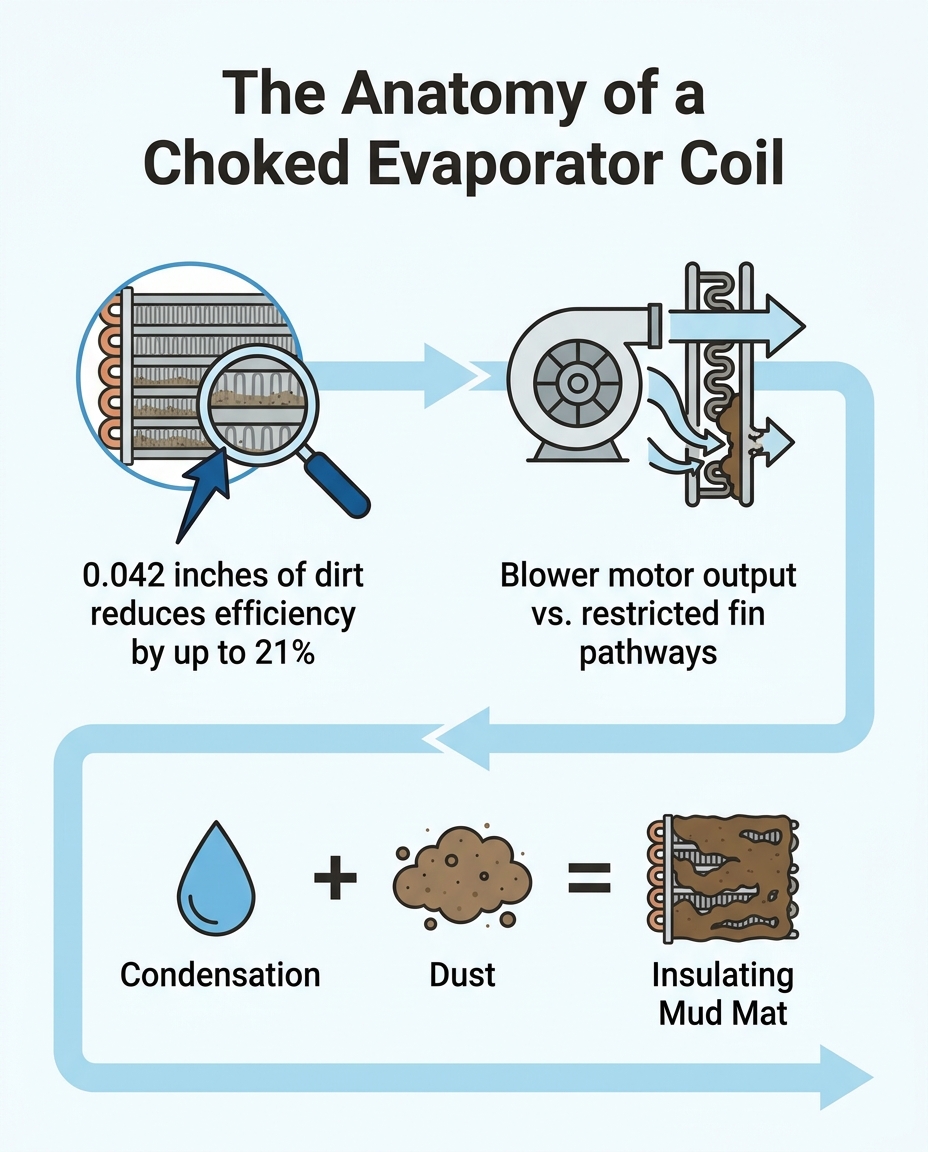
Dry dust alone is problematic, but the real danger to your airflow occurs when that dust mixes with moisture. The cooling process naturally dehumidifies the air, causing the A-coil to sweat continuously while the system is running. This condensation is supposed to drip down into a drain pan and exit the home, but it also creates a permanently wet environment on the coil itself.
The Condensation Cycle
Summer humidity levels in Western Pennsylvania frequently exceed 70%, maximizing the condensation rate on indoor evaporator coils. The system extracts gallons of water from the indoor air every single day. The metal fins remain perpetually coated in a layer of condensation, turning the A-coil into a sticky trap for any airborne debris.
When Dust Meets Moisture
As bypassed household dust, pet dander, and pollen hit the wet coil, they do not simply bounce off. They stick. This continuous cycle of wet-dry-wet turns loose, dry dust into a thick, paste-like substance. HVAC professionals often refer to this buildup as a "mud mat."
The formation of the mud mat happens in stages:
1. Initial adhesion: Light dust settles on the wet fins and becomes saturated.
2. Layering: As the system runs day after day, new dust lands on the sticky surface, creating overlapping layers of grime.
3. Solidification: During periods when the AC cycles off, the moisture evaporates, baking the dirt onto the metal like clay.
4. Total blockage: By late August end-of-season cooling, the mud mat grows thick enough to completely bridge the gaps between the fins, forming an impenetrable physical blockade.
This thick, sticky blanket is a powerful insulator. It stops heat transfer and physically chokes off the air pathway before the air can even reach the supply ducts. The blower motor continues to spin, but the air is trapped behind a wall of wet dirt.

The Ripple Effect: From a Choked Coil to Weak Vents
The consequences of a mud mat extend far beyond a slightly warm living room. A choked coil triggers a cascade of mechanical failures that strain the entire HVAC system. The data surrounding this issue is striking. According to ASHRAE and the U.S. Department of Energy, a buildup of just 0.042 inches of dirt on an AC coil can reduce cooling efficiency by up to 21%. That microscopic layer of grime forces the equipment to work significantly harder for a fraction of the output.
Mechanical Strain on the Blower Motor
Your system's blower motor is designed to push a specific volume of air against a specific amount of resistance (known as static pressure). When the A-coil is blocked by a mud mat, that resistance skyrockets. The motor has to work overtime, drawing more electricity and generating excess heat, just to force a tiny amount of air through the remaining open crevices. This severe mechanical strain often leads to premature motor failure.
The Danger of Frozen Coils
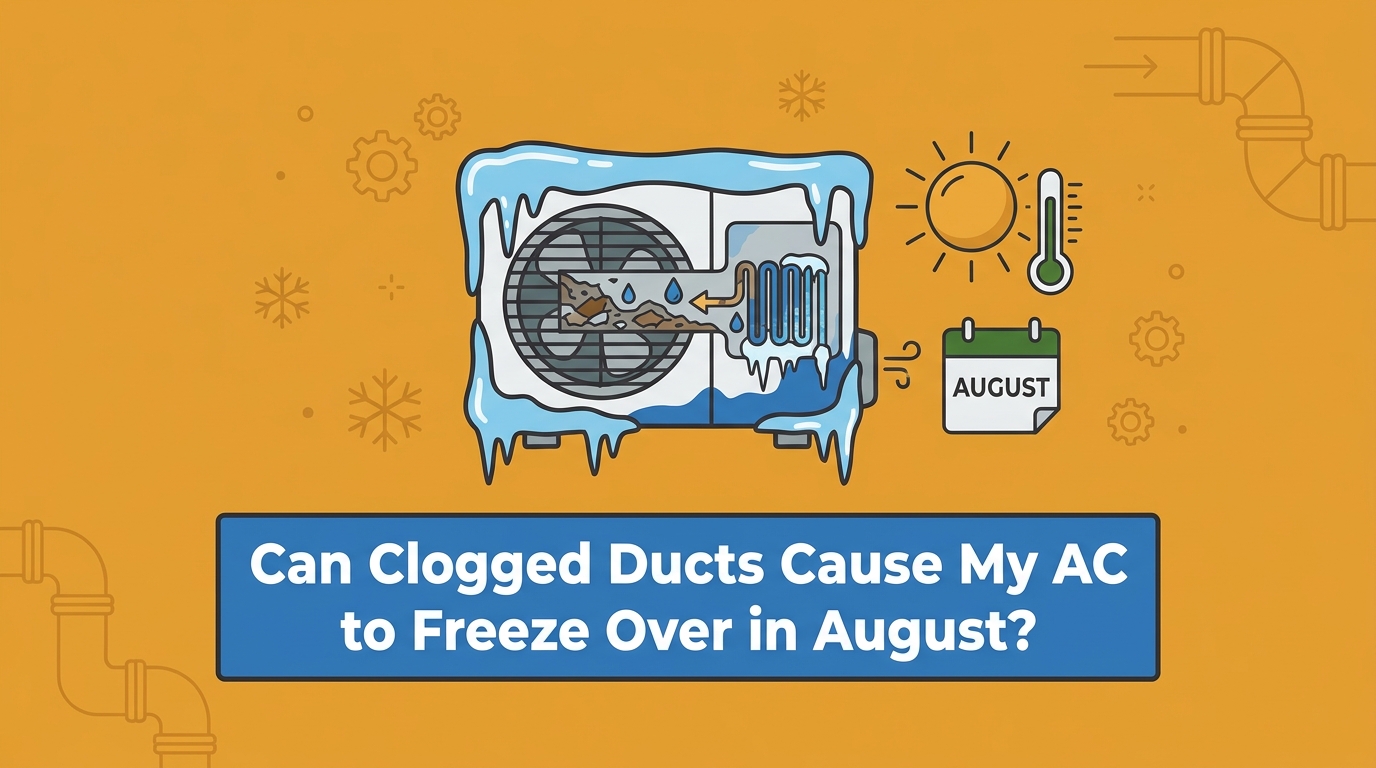
A dirty coil also leads to one of the most alarming AC symptoms: a completely frozen system. Because the mud mat prevents the warm indoor air from reaching the cold refrigerant, the refrigerant never absorbs the heat it needs to vaporize properly. The temperature of the coil drops below freezing, turning the normal condensation into solid ice.
The cascade of a freezing system:
• Frost formation: Ice begins to form on the bottom edges of the A-coil.
• Total encapsulation: The ice rapidly spreads, encasing the entire coil and the surrounding copper lines in a solid block of ice.
• Zero airflow: Once frozen, absolutely no air can pass through the fins. The vents will stop blowing air entirely.
• Compressor damage: Liquid refrigerant can flow backward into the outdoor compressor, causing catastrophic mechanical failure.
These internal failures connect directly back to the weak, tepid air felt at your living room vents. The blower motor is fighting a losing battle against a physical wall of dirt and ice.
Diagnosing the Bottleneck: Duct Issue or Coil Problem?
When airflow drops, diagnosing the exact location of the bottleneck is essential. Many homeowners assume that weak vents automatically mean the ductwork is clogged or collapsed. While duct issues are certainly possible, misdiagnosing the symptom can lead to wasted time and ineffective solutions. A holistic system perspective is necessary to understand whether weak airflow is a duct problem or a coil bottleneck.
One local property owner recently reached out regarding a rental property suffering from horrible vent smells and poor airflow. By thoroughly cleaning and sanitizing the ductwork while simultaneously checking the furnace and internal components, the entire system was addressed. The odor issue was completely resolved, and robust airflow was restored because the internal bottlenecks were identified alongside the duct conditions.
To pinpoint the issue, it helps to compare the symptoms of a dirty A-coil against the symptoms of a ductwork failure.
• Airflow Reduction — Likely A-Coil Bottleneck: Weak airflow across all vents in the entire house simultaneously. — Likely Ductwork Issue: Weak airflow isolated to one specific room or a single branch of vents.
• Air Temperature — Likely A-Coil Bottleneck: Air feels tepid or warm, and the system runs constantly without cooling the house. — Likely Ductwork Issue: Air is cold, but there simply isn't enough volume reaching the room.
• System Noises — Likely A-Coil Bottleneck: Whistling sounds near the indoor air handler as the motor struggles against high pressure. — Likely Ductwork Issue: Rattling or flapping noises coming directly from the metal ductwork behind the walls.
• Visible Signs — Likely A-Coil Bottleneck: Ice forming on the outdoor refrigerant lines or water pooling around the indoor unit. — Likely Ductwork Issue: Visible disconnected joints or crushed flexible ducting in the attic or crawlspace.
Understanding this distinction is vital because paying for standard vent vacuuming will not restore airflow if the A-coil remains blanketed in a mud mat. Standard vacuuming only clears loose debris from the metal tubes; it does not address the dense, baked-on grime restricting the heat exchanger. This is why professional air duct cleaning must be paired with a thorough system inspection. A comprehensive evaluation ensures you understand the difference between AC coil cleaning vs. standard vent vacuuming, preventing you from treating a symptom while ignoring the root cause.
Why A-Coil Maintenance Requires Professional Expertise
Once a mud mat has formed on the evaporator coil, removing it is a delicate and highly technical process. The internal components of an air handler are not designed for casual DIY maintenance. The metal fins on the A-coil are incredibly fragile—often thinner than a piece of paper. Brushing them with a stiff broom or a standard shop vacuum will instantly bend and crush the fins, permanently ruining the system's ability to transfer heat.
Restoring a choked coil requires specific tools, specialized chemistry, and a deep understanding of HVAC mechanics. The professional process typically involves several careful steps to dissolve the mud mat without damaging the equipment.
1. Safe Access and Inspection: Technicians must carefully dismantle the outer casing of the air handler, often navigating around high-voltage electrical wires and pressurized refrigerant lines to expose the A-coil.
2. Chemical Application: Specialized, non-acidic foaming cleaners are applied directly to the metal fins. This foam expands deep into the narrow crevices, breaking down the sticky binders in the mud mat and lifting the heavy dirt away from the metal.
3. Gentle Rinsing and Neutralization: The dissolved grime is carefully rinsed away using low-pressure equipment, ensuring the fragile fins remain perfectly straight. The runoff must be safely guided into the condensate drain pan to prevent water damage to the furnace below.
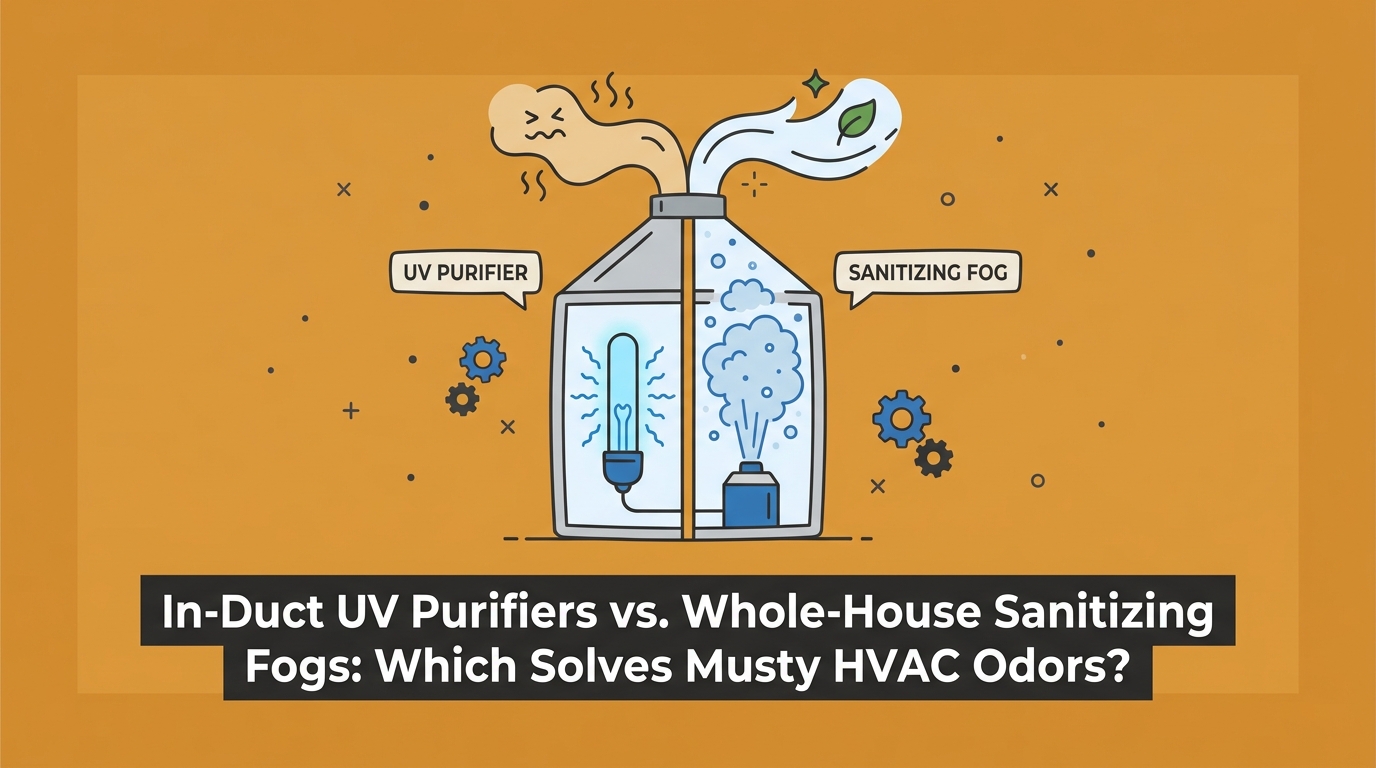
4. System Sanitization: Because the dark, wet environment of a dirty coil is a breeding ground for biological growth, comprehensive care often pairs coil cleaning with whole house sanitizing. This step neutralizes the bacteria and musty odors that were previously trapped in the system and circulated through the home.
Attempting to clean an evaporator coil without the proper training almost always results in bent fins, punctured refrigerant lines, or severe electrical hazards. Professional intervention ensures the blockage is completely removed while protecting the integrity of the system.
Frequently Asked Questions About AC Airflow and Coil Health
Can a dirty AC coil cause low airflow?
Yes. A dirty AC coil acts as a physical blockade, forcing the blower motor to push air through a thick layer of dust and condensation. This severely restricts the volume of air that can pass through the system, resulting in weak, tepid airflow at the vents. The thicker the buildup, the less air makes it into your living spaces.
Why is air barely coming out of my vents despite a clean filter?
If the air filter is clean, the restriction is likely deeper inside the HVAC system. A choked evaporator coil, a failing blower motor, or a physical blockage in the ductwork are the most common culprits. The filter only catches debris at the intake; it cannot clear a mud mat that has already formed on the internal cooling components.
What happens if your evaporator coil is dirty?
A dirty evaporator coil loses its ability to absorb heat efficiently, leading to weak airflow and significantly increased energy consumption. Because the dirt acts as an insulator, the refrigerant cannot warm up properly, creating a high risk of the condensation freezing and turning the entire coil into a solid block of ice.
How do I know if my AC coil is clogged?
Signs include weak airflow across the entire house, warm air blowing from the vents, and unusually high energy bills as the system runs constantly. You may also notice visible ice forming on the indoor unit or on the copper refrigerant lines running outside to the compressor.
Does duct cleaning improve AC airflow?
Yes, if the restriction is actually located within the ductwork, such as a severe buildup of debris or a physical blockage. However, a holistic inspection is necessary to ensure the indoor A-coil isn't the actual source of the airflow bottleneck. Cleaning the ducts will not fix weak airflow if the air is being choked off at the indoor unit before it ever reaches the duct system.
Restore Your Home's Airflow and Comfort
Weak airflow is rarely a mystery; it is a clear mechanical symptom that requires a precise diagnosis. When your vents stop delivering the powerful, cold air you expect, the issue is often traced back to a choked indoor unit. Understanding the thermodynamic link between the evaporator coil and your vents empowers you to make smart, effective maintenance choices rather than simply guessing at the problem.
By recognizing how high humidity and bypassed dust create an impenetrable mud mat, homeowners in New Brighton PA can take proactive steps to protect their equipment. Do not let a hidden bottleneck force your system to work harder for less comfort. Seeking a professional assessment ensures your entire system—from the internal coils to the furthest vent—is clean, efficient, and ready to handle the environment. Explore professional duct cleaning services in New Brighton to secure a comprehensive diagnosis and restore your home's airflow today.

Customer Reviews


Superior Air Duct cleaning did a phenomenal job in a timely manner with the tech “Rich” being very professional ,personable and considerate of our property! He explained things as he proceeded and answered all our questions!
I LOVE that they provide before & after photos to see the difference. Give them a try… you won’t regret it
Pam T.
Robert was on schedule and communicated what time he would arrive. He was polite, professional, and respectful of our home. I wanted to wait a couple weeks before posting a review because I wanted to see if the duct cleaning actually made a difference. I am happy to say it did! I vacuum multiple times a week and have already noticed a significant reduction in the amount of dust cleaned up each time. As a home with pets, there will always be something to clean, but getting the ducts cleaned has definitely helped improve the air quality and reduce the dust.
alice A.
Technician Rob arrived early explained the days agenda and then proceeded to work methodically and meticulously over the next 6+ hours cleaning my ductwork. Courteous and professional they answered all of my questions and went above and beyond the call of duty. They even located an old dusty box of rat poison buried in our vents. My only regret is not finding these guys sooner. As a realtor of 22 years and owner of a newly purchased (now dust free) home I highly recommended!
Eric K.
Excellent service! I’ve used them to clean out my air ducts as well as my dryer vent duct and they are excellent. I was very pleased with both jobs and will continue to use them in the future. Great communication as well- from the time I scheduled the appointment until they were at my door.
Erika C.
We had such an amazing experience with Superior Air Duct Cleaning. They were so nice and friendly and did an amazing job. I loved seeing the before and after pictures. Besides doing an amazing job cleaning our air ducts they were so quick at responding and setting up the appointment. We will definitely be using them in the future.
Amanda C.