The Hidden Summer Threat to Your Home's Cooling System
If you want the true secret to surviving the heatwave: how obstructed vents push HVAC systems to failure is the critical mechanical lesson every homeowner needs to learn before their air conditioning suddenly stops working. July has arrived, bringing the kind of oppressive, relentless heat that puts every home's cooling infrastructure to the ultimate test. You might hear your air conditioner running nonstop, yet the living room still feels uncomfortably warm and sticky. While it is incredibly common for homeowners to blame older equipment or low refrigerant for these mid-summer struggles, our team at Superior Air Duct Cleaning frequently finds that the true culprit is restricted airflow acting as a chokehold on the entire system.
When summer temperatures peak in New Brighton PA, we know firsthand that your cooling system is already working at its maximum capacity just to maintain a baseline level of comfort. Any internal blockage—whether it is a layer of deep-seated dust, pet hair, or closed vents—forces the internal mechanics to work exponentially harder to push conditioned air through the home. To prevent a catastrophic mid-summer breakdown, securing professional duct and ventilation services and scheduling proactive air duct cleaning services is the most effective preventative measure you can take.
The danger of ignoring restricted airflow is that it creates a compounding problem. What starts as a minor inefficiency quickly escalates into severe mechanical strain. Homeowners often do not realize their system is suffocating until a major component burns out completely. By understanding the hidden threat of obstructed ductwork, you can take action to clear the pathways, ensuring your cooling system has the necessary air volume to function efficiently and survive the hottest weeks of the year without failing.
The Mechanics of Static Pressure and Restricted Airflow
To understand why a blocked vent is so dangerous to your air conditioner, you have to understand a concept called static pressure. The problem: Every air conditioning system is meticulously engineered to operate within a specific range of static pressure, which is simply the resistance to airflow within the ductwork. The HVAC blower motor is designed to push a precise volume of air against a precise amount of resistance. When that resistance increases, the motor is forced out of its safe operating parameters.
The cause: Deep dust buildup, construction debris, excessive pet dander, or intentionally closed vents dramatically increase this internal resistance. Imagine trying to breathe heavily through a standard drinking straw while running on a treadmill. Initially, you might be able to force enough air through to keep going, but very quickly, your lungs and heart will become overworked. Your cooling system reacts the exact same way. The blower motor has to spin harder and draw more electrical current to force the same amount of conditioned air past the blockages in the ductwork.
The solution: Relieving this dangerous static pressure requires physically removing the obstructions from the ductwork network. You cannot simply upgrade the motor or add more refrigerant to fix an airflow problem; the physical barriers must be extracted. For a deeper understanding of how this extraction process works and what it entails for your home, you can review our frequently asked questions about air duct cleaning to learn how proper maintenance restores equilibrium to your system.
Why Extreme Heat Eliminates Crucial Cool-Down Periods
Cooling systems are not designed to run indefinitely without stopping. Under normal circumstances, an air conditioner will cycle on, cool the house to the temperature set on the thermostat, and then cycle off. This off-cycle is a critical rest period that allows the mechanical components—especially the blower motor and the compressor—to cool down and shed the heat generated by electrical friction.
During 90-degree July days, however, the intense thermal load on your home changes everything. The oppressive, hot, and highly humid climate of Western PA forces HVAC duty cycles to their absolute maximum limits. Because the home is absorbing heat from the sun so rapidly, the system must run almost continuously just to keep the indoor temperature stable. When you combine this near-continuous operation with the high static pressure caused by restricted airflow, you create a recipe for disaster.
• Clear Ducts, Mild Weather — System Duty Cycle: Short cycles, frequent rest — Mechanical Impact: Normal wear, components stay cool — Risk of Failure: Very Low
• Clear Ducts, Extreme Heat — System Duty Cycle: Long cycles, minimal rest — Mechanical Impact: Moderate strain, but within design limits — Risk of Failure: Low to Moderate
• Blocked Ducts, Mild Weather — System Duty Cycle: Moderate cycles, some rest — Mechanical Impact: Increased friction, higher energy bills — Risk of Failure: Moderate
• Blocked Ducts, Extreme Heat — System Duty Cycle: Continuous running, zero rest — Mechanical Impact: Severe overheating, motor burnout — Risk of Failure: Extremely High
This lack of rest, combined with the excessive friction of fighting against blocked vents, inevitably leads to motor burnout. The tragedy of this mechanical chain reaction is the timing: these catastrophic failures almost always occur at the absolute peak of the heatwave. This is precisely when local repair companies are overwhelmed with emergency calls, meaning you could be left waiting days for a replacement motor in a sweltering home.


Early Warning Signs of an Overworked Cooling System
Long before the blower motor completely fails and leaves your home without air conditioning, the system will exhibit physical symptoms of restricted airflow. While diagnosing or repairing the internal mechanical components of an HVAC unit always requires a licensed professional, our technicians recommend that homeowners keep an eye out for the external symptoms of severe static pressure. Recognizing these signs early allows you to intervene before a total breakdown occurs.
Weak or Inconsistent Vent Output
The most direct symptom we see in the field is a lack of air making it into the living space. You should be able to feel a strong, steady breeze coming from your registers when the system is running.
• Trickling air: You may notice that air is barely trickling from the registers, even when you can hear the system's fan running at full speed.
• Dead zones: Certain rooms, particularly those furthest from the central blower unit, may feel completely disconnected from the cooling system, receiving almost no airflow at all.
• Whistling noises: As air is forced through a narrowed, obstructed passage, it can sometimes create a high-pitched whistling or wheezing sound at the vent cover.
Excessively Long Cooling Cycles
When airflow is restricted, the system cannot deliver enough cold air to satisfy the thermostat, forcing the unit to run longer to achieve the same result.
• Marathon running: You may notice the system running for hours on end without ever actually reaching the temperature you set on the thermostat.
• Spiking utility bills: Because the unit is running longer and the motor is drawing more current to fight the resistance, your monthly energy consumption will increase dramatically.
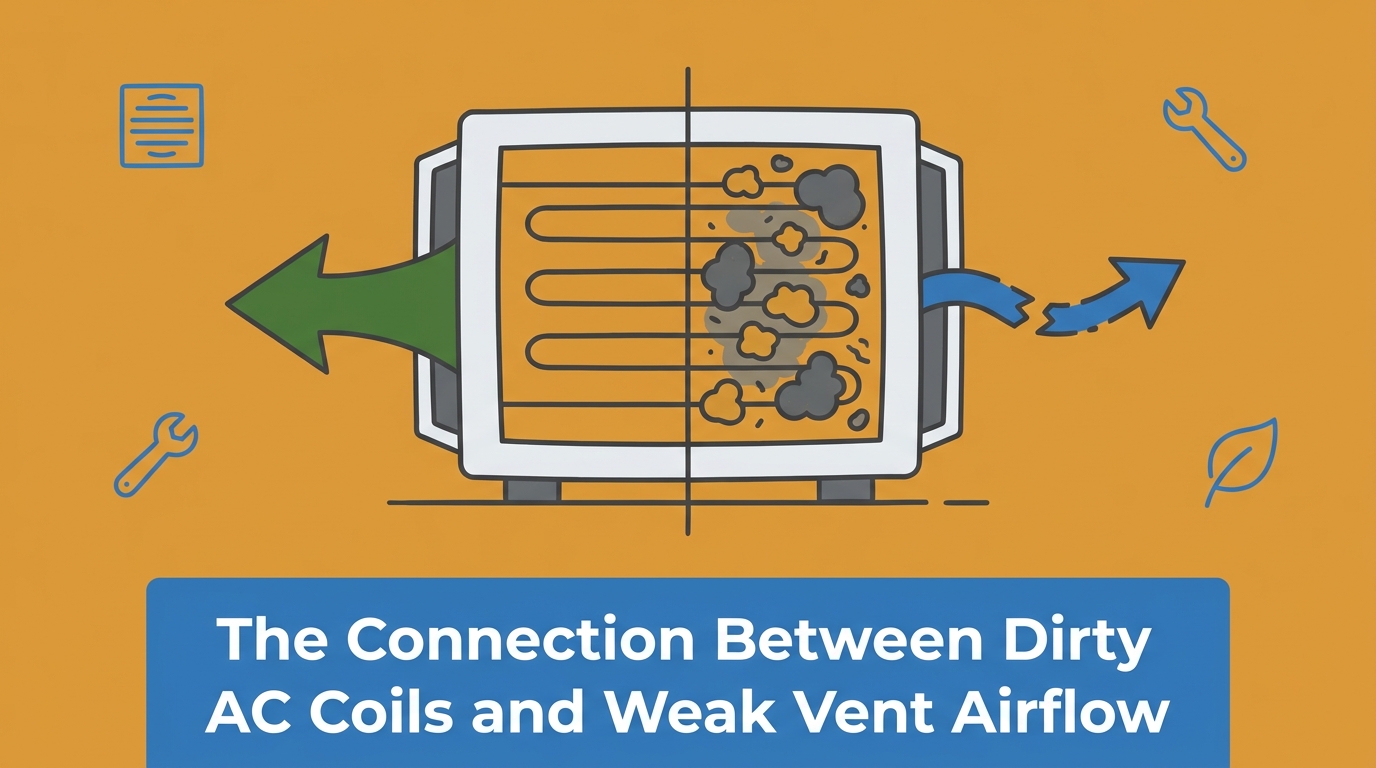
• Frozen evaporator coils: If air isn't moving fast enough over the indoor coil, the condensation can freeze into a block of solid ice, further blocking airflow and halting the cooling process entirely.
Hotter-Than-Normal Rooms and Trapped Humidity
Air conditioning isn't just about lowering the temperature; a massive part of the cooling process involves removing indoor moisture.
• Sticky air: You may notice a damp, sticky, uncomfortable feeling indoors despite the air conditioner running constantly.
• Slow air turnover: Because the volume of air moving through the return ducts is reduced, the system loses its ability to effectively pull humidity out of the living space.
• Uneven cooling: The rooms closest to the central unit might be freezing, while the bedrooms on the upper floors remain stubbornly hot and humid.
Surface Dusting vs. Deep Obstruction Removal
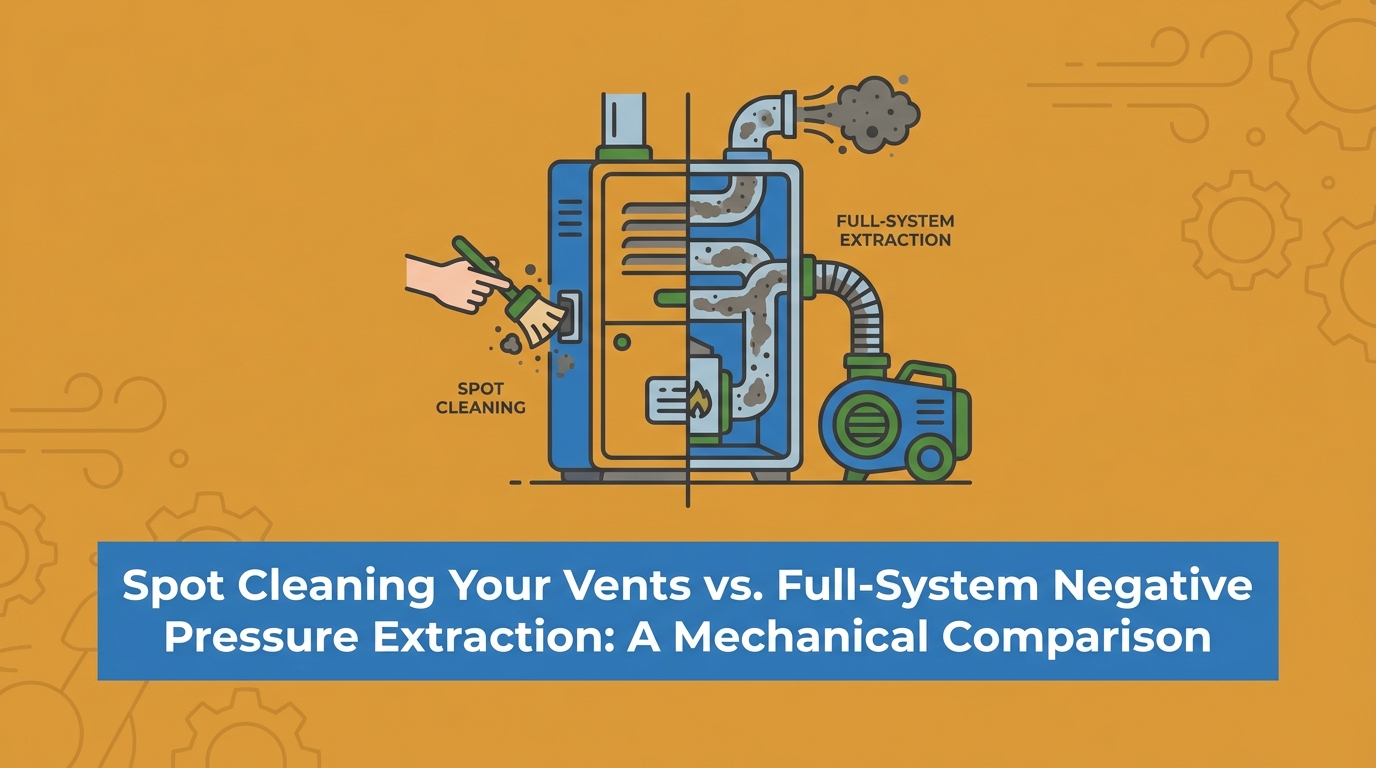
When homeowners notice weak airflow, their first instinct is often to take a household vacuum and clean off the visible dust on the outside of the vent covers. While this makes the home look cleaner, simply vacuuming the visible dust off a vent cover does absolutely nothing to relieve mechanical static pressure. The true restrictions are located deep within the ductwork network, far beyond the reach of standard household cleaning tools.
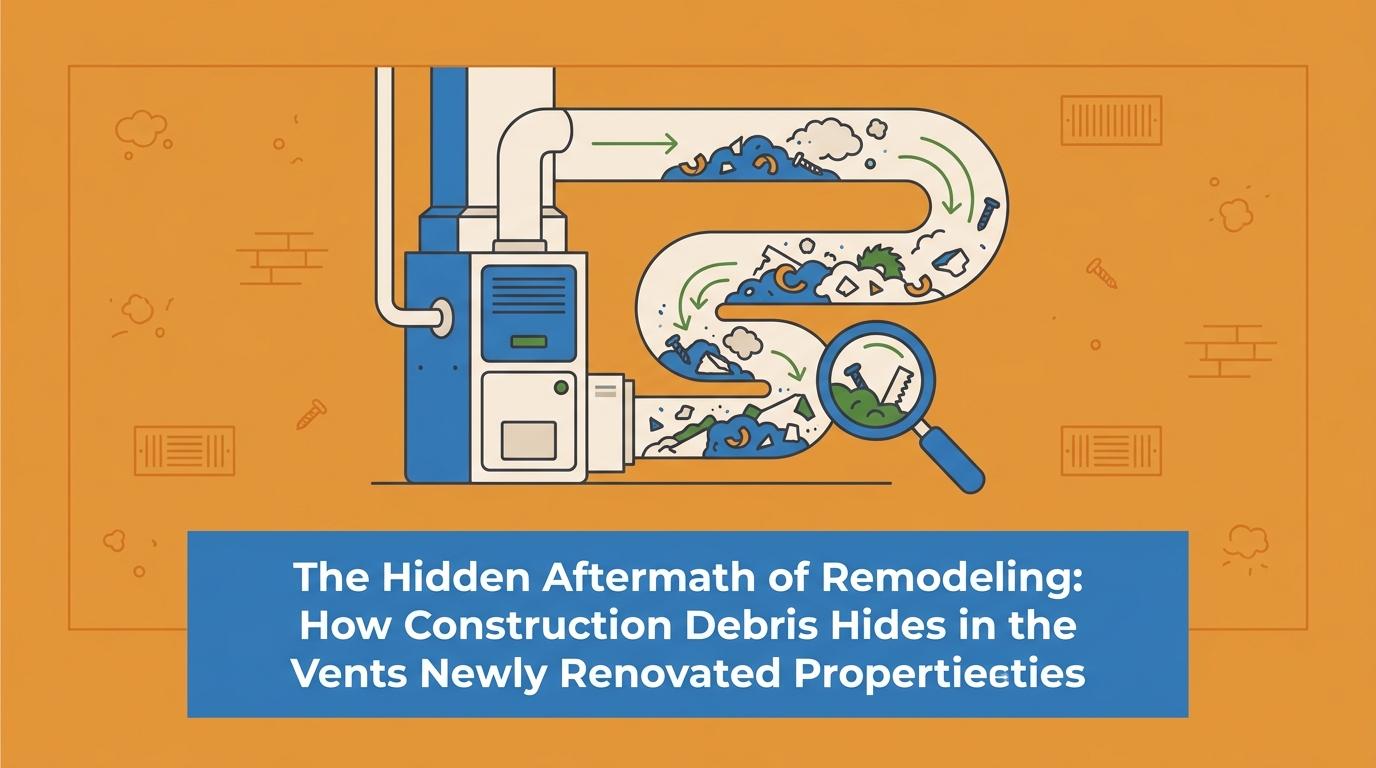
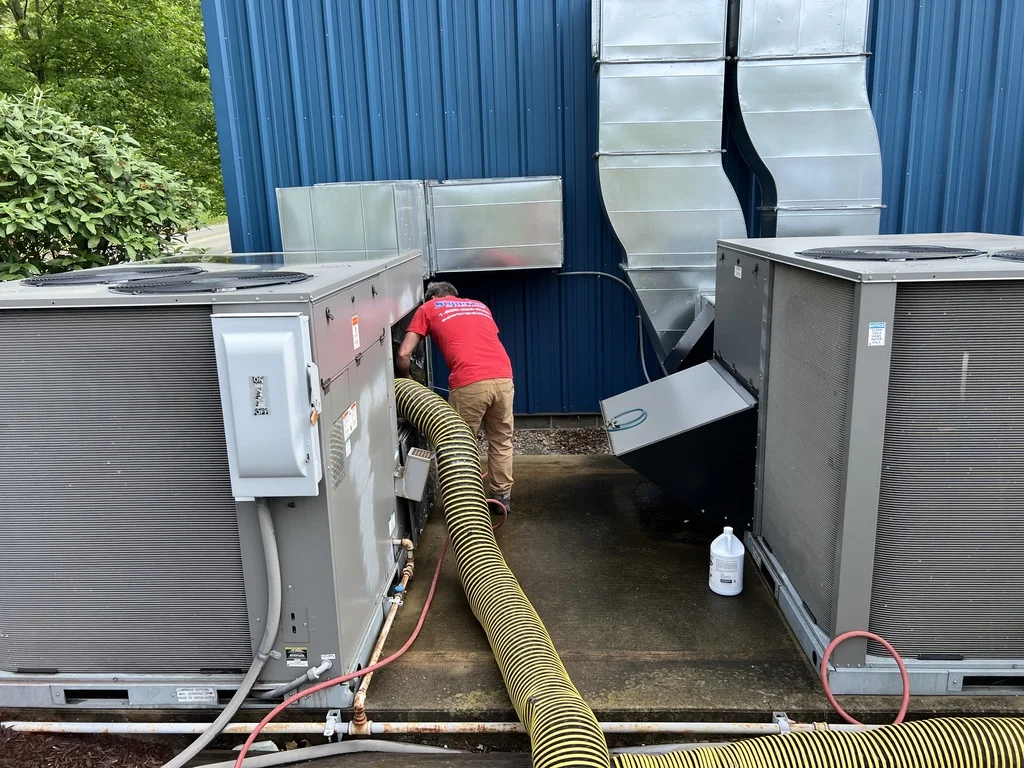
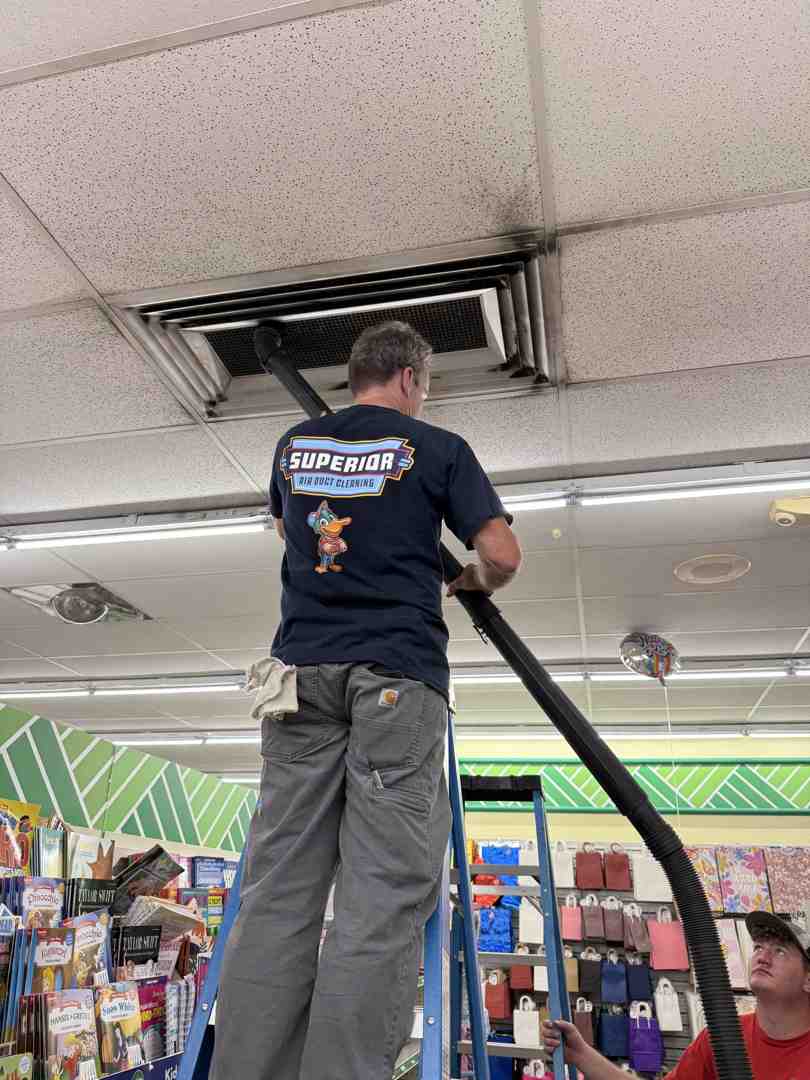
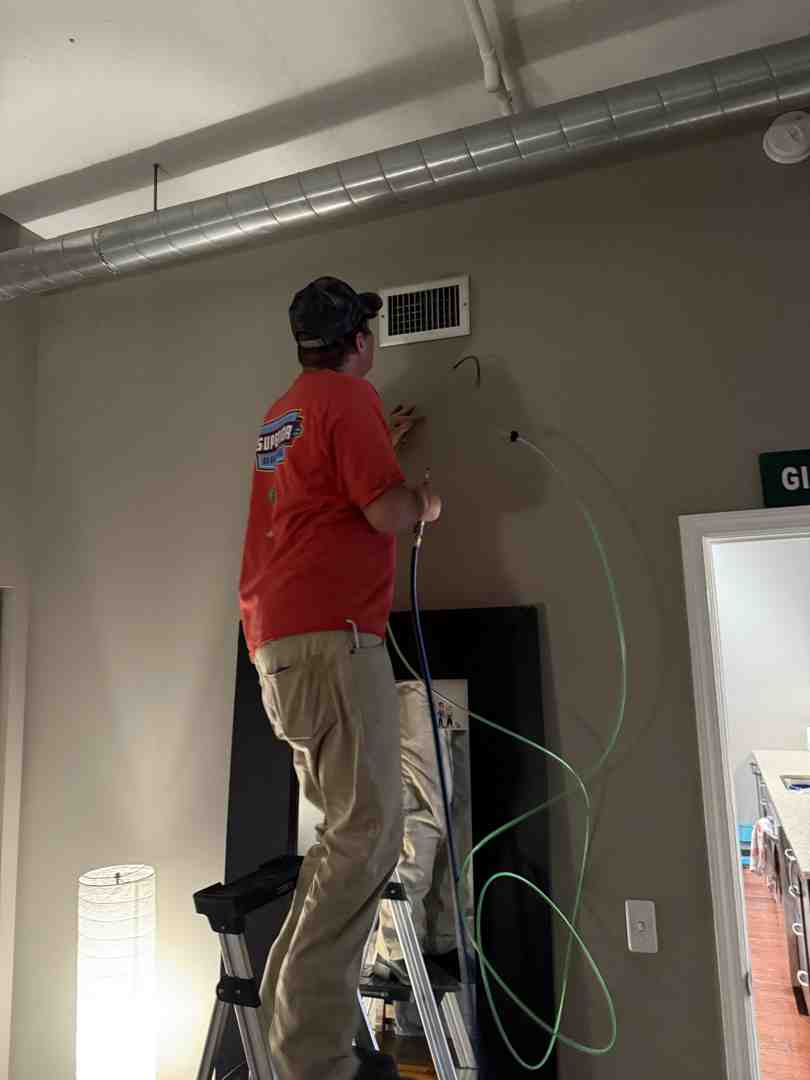
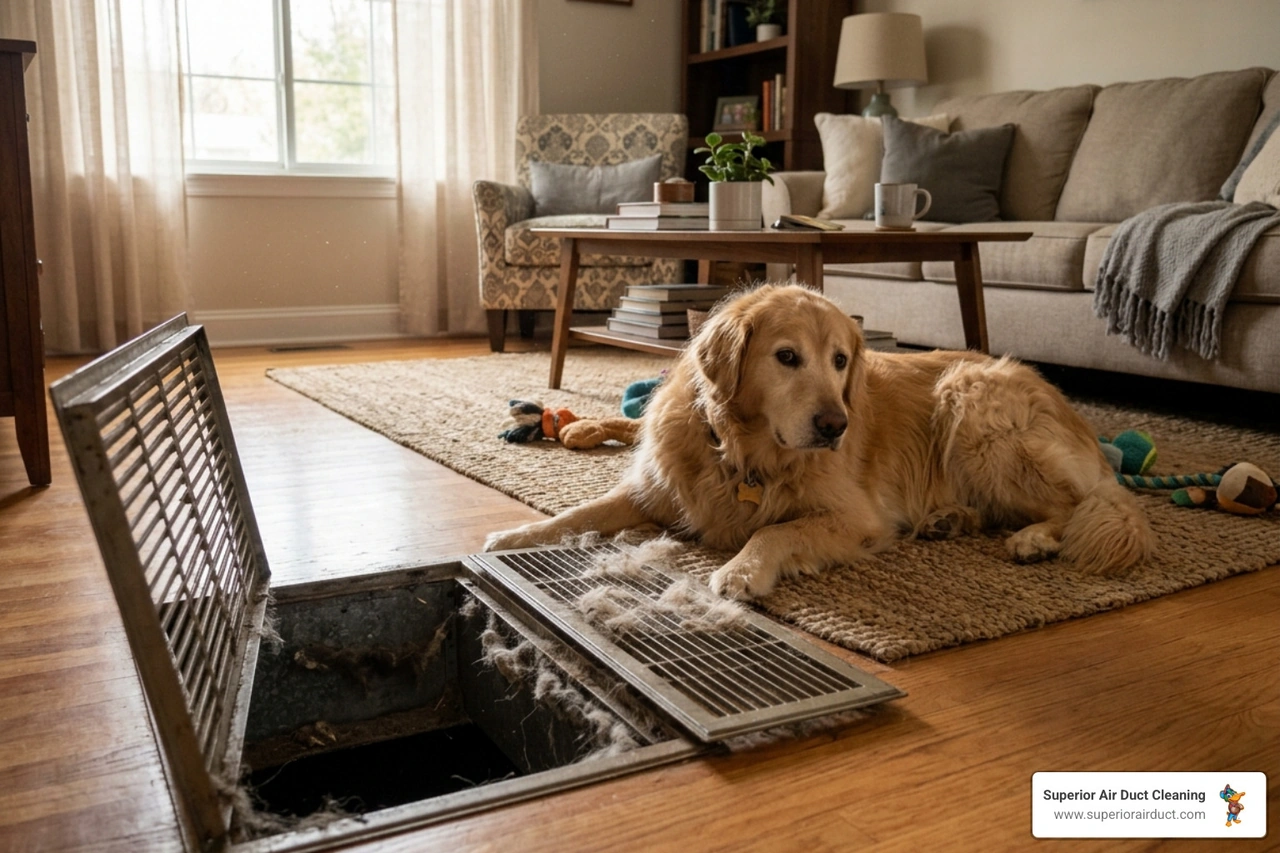
Deep duct obstructions are highly deceptive. Over the years, the system pulls in microscopic particulate matter, heavy pet hair, dander, and even construction debris from past renovations. This material settles in the bends and joints of the ductwork, slowly calcifying into a thick, restrictive mat. One pattern our Superior Air Duct Cleaning technicians see frequently during peak July heatwaves involves homes with heavily soiled ductwork that require professional intervention. A recent local customer reached out for a thorough cleaning of their dirty ducts and vents, and our team walked them through the entire extraction process step-by-step. By the end of the appointment, the previously restricted ducts were completely cleared out, restoring proper airflow.
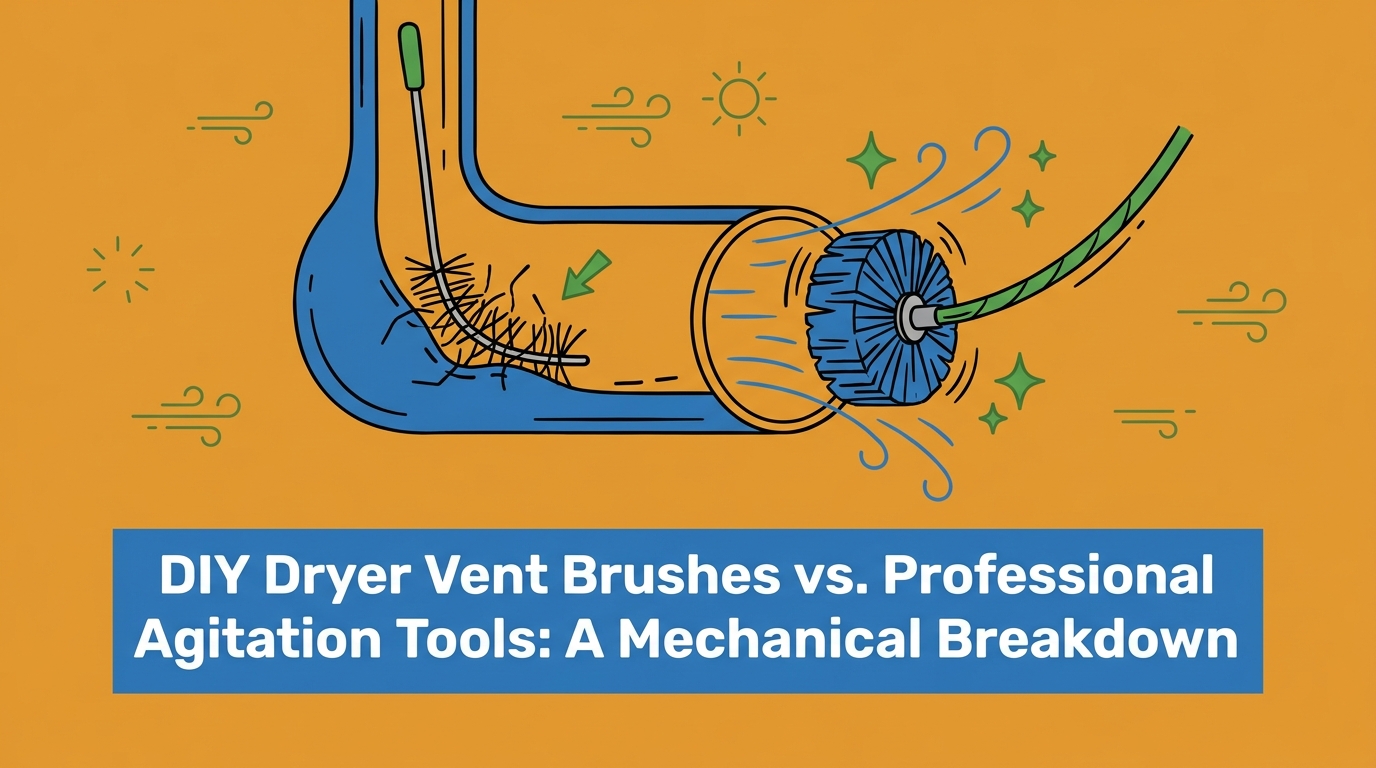
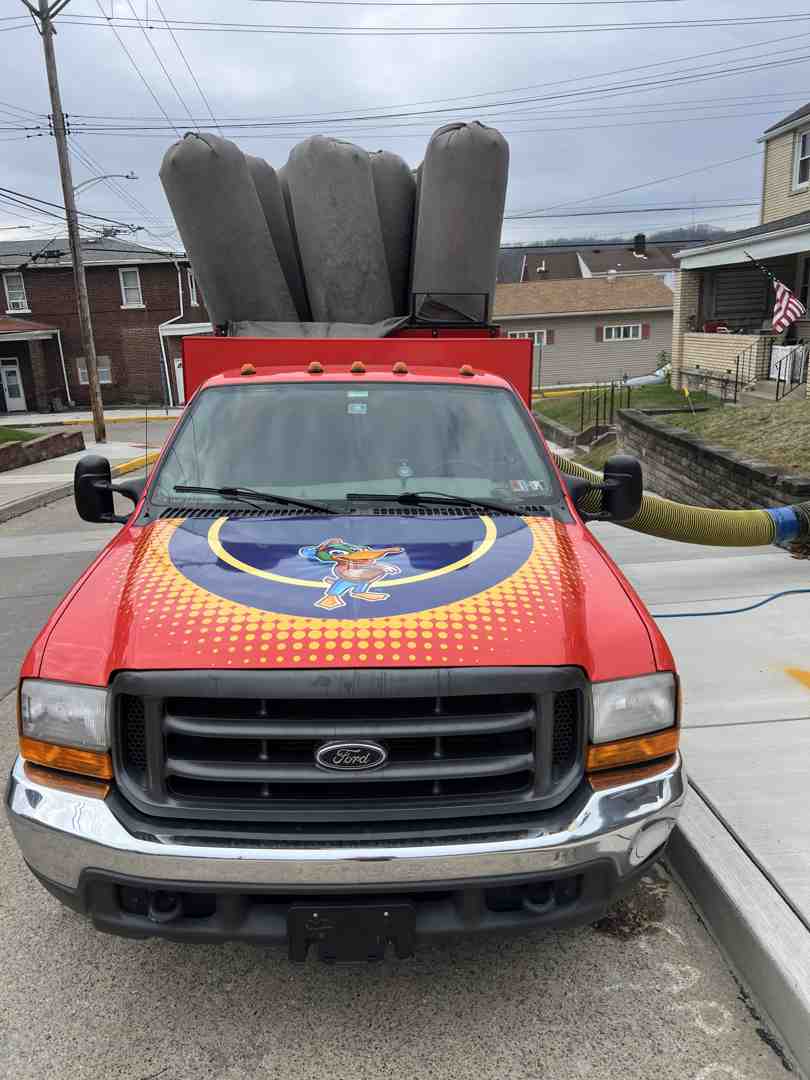
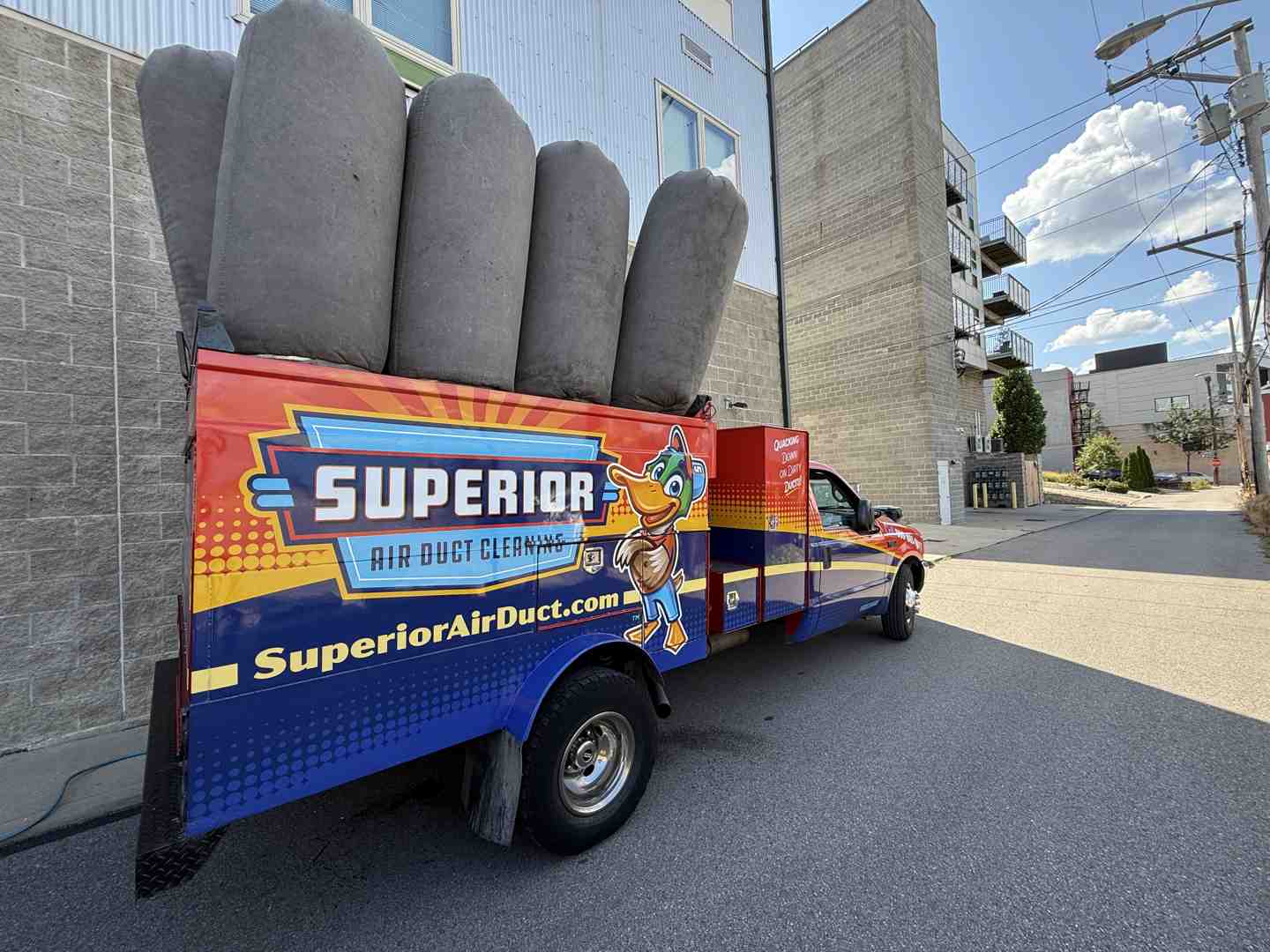
Addressing these hidden blockages requires specialized equipment. Professional air duct cleaning utilizes powerful negative air machines—essentially massive, industrial vacuums—paired with specialized agitation tools that snake through the entire length of the ductwork to break loose compacted debris. At Superior Air Duct Cleaning, we take pride in our comprehensive inspection methods and powerful suction equipment, which successfully identify and remove the deep obstructions that standard surface cleaning misses. It is also worth noting that similar hidden blockages cause severe hazards in other household exhaust systems, making professional dryer vent cleaning equally important for home safety and efficiency.
Protecting Your Home's Airflow Network All Summer
It is helpful to think of your home's ductwork as a respiratory system. It is a fully interconnected network of supply and return pathways designed to maintain a delicate balance of air pressure. Because it is a closed loop, a severe blockage in one area of the house directly affects the performance of the whole network. If a major return vent is obstructed by heavy debris, the blower motor starves for air, and every single room in the house will suffer from reduced cooling capacity.
Consider another real situation our crew recently encountered right here in New Brighton: a home struggling with trapped airborne allergens where the ductwork hasn't been thoroughly cleaned in 18 years. In this case, our technicians performed a comprehensive HVAC cleaning specifically to address these concerns, explaining every detail of the process and providing clear pictures of the deep entry points before and after. The result was a fully cleared system, a significant step toward better indoor air quality, and the removal of decades of restrictive buildup that was forcing the cooling system to work harder than necessary.
Proactive maintenance offers incredible peace of mind. Knowing that your system's pathways are clear and running at peak efficiency allows you to face the hottest weeks of summer without the constant anxiety of a looming breakdown. If you are noticing the early warning signs of restricted airflow, do not wait for the system to fail. Check our local service areas to ensure a prompt response and get your preventative maintenance scheduled before the next major heatwave pushes your equipment to the breaking point.
Frequently Asked Questions About Airflow and HVAC Strain
Why is my AC running constantly but not cooling?
This usually indicates that the system is starved for airflow due to blocked ducts, dirty filters, or a frozen evaporator coil. When the system cannot push enough conditioned air into the living space, it is forced to run continuously to try and satisfy the thermostat. Clearing the ductwork and ensuring all vents are open is the first step to resolving this issue.
Can blocked vents damage my AC?
Yes, significantly restricted airflow is a primary cause of premature mechanical failure. Blocked vents force the blower motor to work against high static pressure, causing it to overheat and potentially burn out. Additionally, poor airflow can cause the indoor evaporator coil to freeze solid, which can send liquid refrigerant back to the compressor and destroy it.
What happens if you close too many vents in your house?
Closing vents in unused rooms does not save energy; it actually increases the static pressure inside the ductwork. The blower motor still tries to push the same volume of air, but with fewer escape routes, the pressure builds up, causing the motor to overwork and potentially causing leaks in the duct seams. It is always best to leave the majority of your vents fully open.
What are the signs of a failing HVAC blower motor?
Early warning signs include weak airflow from your registers, unusually loud humming or grinding noises coming from the central unit, and a burning electrical smell. You may also notice the system short-cycling or the fan failing to turn on completely. If you suspect a failing motor, you must contact a licensed professional for diagnosis and repair.
How often should ductwork be checked for severe blockages?
While standard duct cleaning is generally recommended every few years, you should have the system checked immediately if you notice a sudden drop in airflow, hot spots in the house, or spiking energy bills. Homes with multiple pets, recent renovations, or residents with severe allergies may require more frequent inspections to ensure the pathways remain clear.
Does professional duct cleaning improve air conditioning performance?
Yes, removing deep-seated obstructions directly reduces the static pressure the blower motor has to fight against. By clearing the pathways, the system can move the proper volume of air with less effort, which improves cooling speed, enhances indoor dehumidification, and reduces the overall mechanical strain on the equipment.
Secure Your System Before the Next Heatwave Hits
Waiting until your air conditioner completely shuts down in the middle of a July heatwave is a stressful and uncomfortable experience that can often be avoided. When you understand exactly how blocked vents cause severe mechanical strain, you can recognize the warning signs of impending failure before it is too late.
Do not let restricted airflow push your cooling system to the breaking point. Schedule a professional deep extraction to clear your ductwork and relieve the pressure on your blower motor. Take action now to ensure your home remains cool, efficient, and comfortable no matter how high the temperatures climb this summer.

Customer Reviews


Superior Air Duct cleaning did a phenomenal job in a timely manner with the tech “Rich” being very professional ,personable and considerate of our property! He explained things as he proceeded and answered all our questions!
I LOVE that they provide before & after photos to see the difference. Give them a try… you won’t regret it
Pam T.
Robert was on schedule and communicated what time he would arrive. He was polite, professional, and respectful of our home. I wanted to wait a couple weeks before posting a review because I wanted to see if the duct cleaning actually made a difference. I am happy to say it did! I vacuum multiple times a week and have already noticed a significant reduction in the amount of dust cleaned up each time. As a home with pets, there will always be something to clean, but getting the ducts cleaned has definitely helped improve the air quality and reduce the dust.
alice A.
Technician Rob arrived early explained the days agenda and then proceeded to work methodically and meticulously over the next 6+ hours cleaning my ductwork. Courteous and professional they answered all of my questions and went above and beyond the call of duty. They even located an old dusty box of rat poison buried in our vents. My only regret is not finding these guys sooner. As a realtor of 22 years and owner of a newly purchased (now dust free) home I highly recommended!
Eric K.
Excellent service! I’ve used them to clean out my air ducts as well as my dryer vent duct and they are excellent. I was very pleased with both jobs and will continue to use them in the future. Great communication as well- from the time I scheduled the appointment until they were at my door.
Erika C.
We had such an amazing experience with Superior Air Duct Cleaning. They were so nice and friendly and did an amazing job. I loved seeing the before and after pictures. Besides doing an amazing job cleaning our air ducts they were so quick at responding and setting up the appointment. We will definitely be using them in the future.
Amanda C.