Why How Clean Ducts Reduce Pet Related Allergies Matters for Every Pet Owner
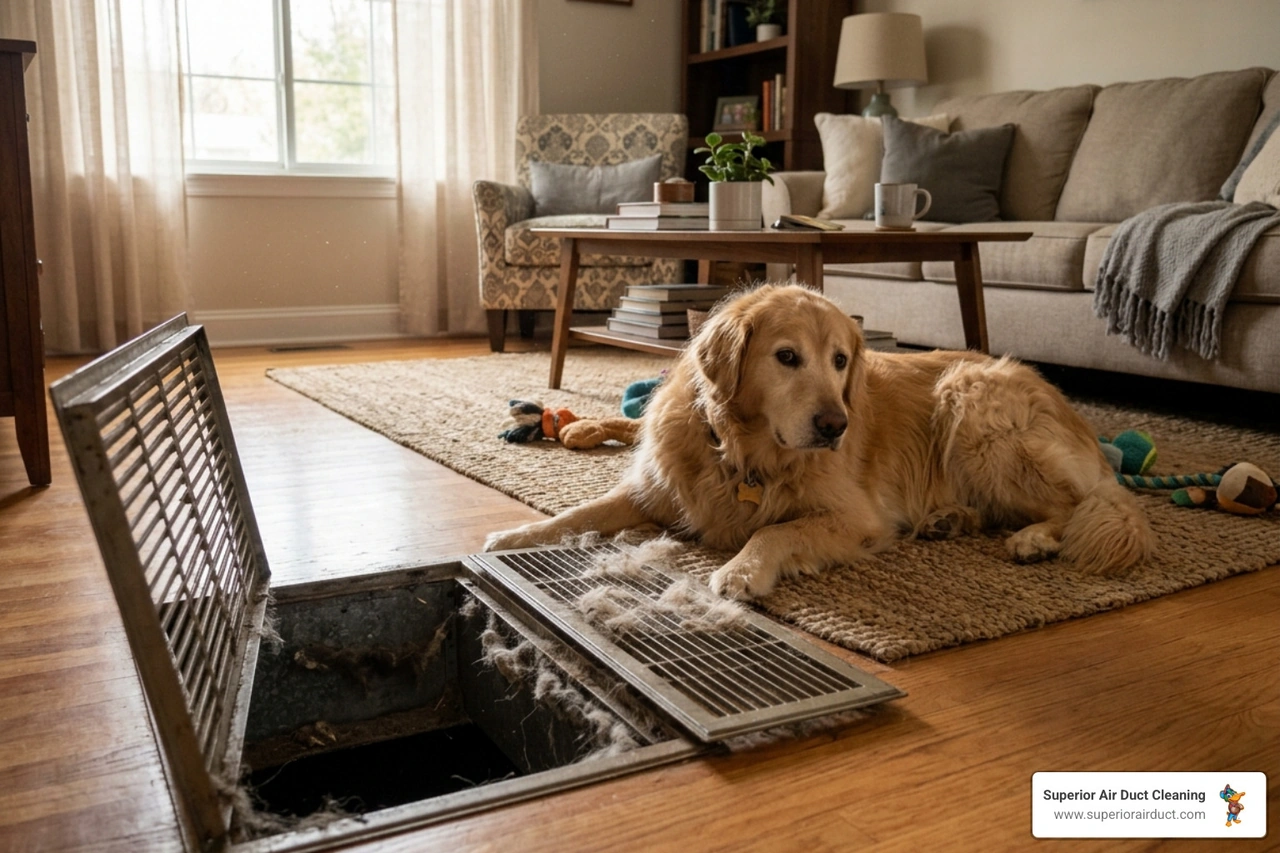
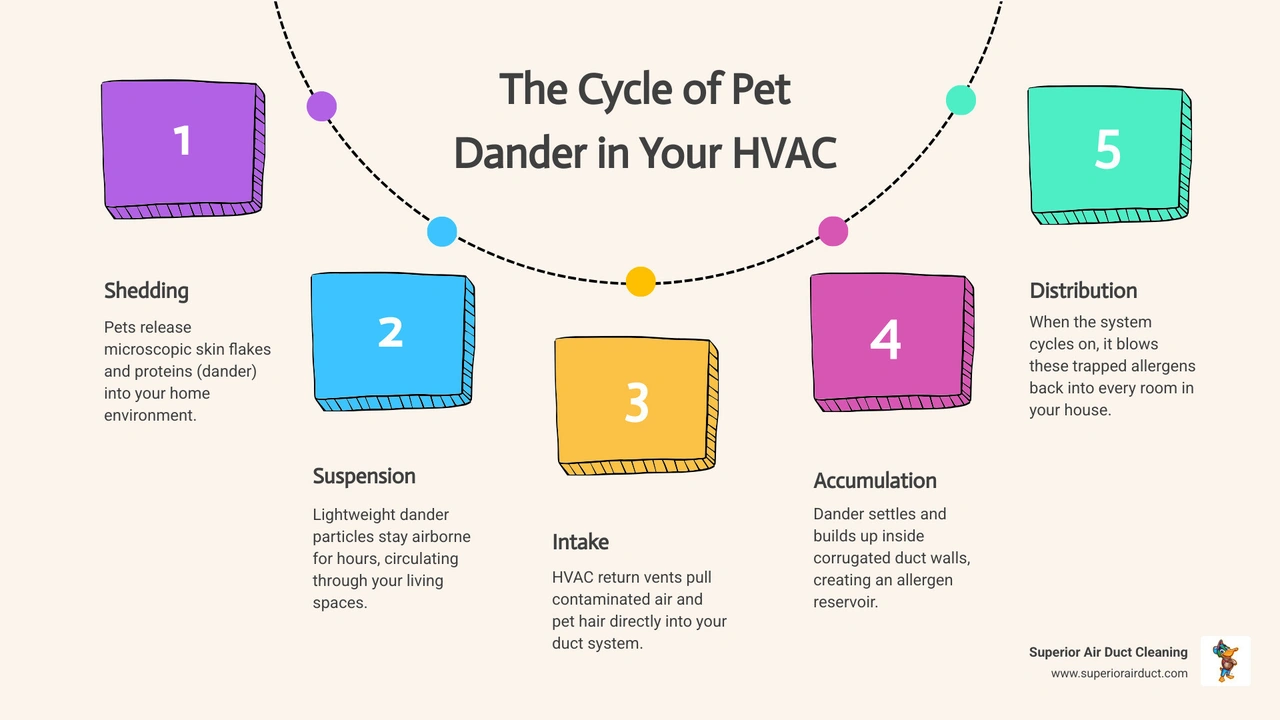
Understanding how clean ducts reduce pet related allergies starts with one simple fact: your HVAC system is constantly pulling air — and everything floating in it — through your home's ductwork. For pet owners, that means microscopic skin flakes, saliva proteins, and fine hair are cycling through your vents every time the system runs.
Here is a quick answer to how clean ducts help:
1. Remove built-up allergen reservoirs — Professional duct cleaning physically extracts accumulated pet dander, hair, and debris that standard filters miss.
2. Stop recirculation — Once the buildup is gone, your system stops blowing allergens back into your living spaces every time it cycles on.
3. Reduce total particle load — Less allergen in the system means less allergen in the air you breathe.
4. Complement filtration — Clean ducts let your filters and air purifiers work more effectively, rather than fighting a constant flood of debris.
5. Improve airflow — Removing blockages helps your HVAC run efficiently, delivering cleaner, more consistent air throughout your home.
Pet dander particles range from 1 to 10 microns in diameter — small enough to stay airborne for hours and slip past low-rated filters. And unlike the pet hair you can see on your couch, dander is invisible. It settles silently inside your ductwork, and every time your heat or air conditioning kicks on, it gets stirred back up and redistributed into every room of your home — including rooms your pet never enters.
For families in Western Pennsylvania and Northeast Ohio, where homes are sealed tight against cold winters and humid summers, this recirculation effect is especially pronounced. The air inside your home is the air inside your ducts. If your ducts are dirty, your air is dirty too.
Understanding Pet Dander and How Clean Ducts Reduce Pet Related Allergies
To understand how clean ducts reduce pet related allergies, we first need to look at the enemy: pet dander. Many people believe they are allergic to pet hair, but the real culprit is usually dander. These are microscopic skin flakes shed by cats, dogs, rodents, and birds.
Even more specifically, the allergy is often triggered by proteins found in the animal's saliva and urine that stick to these skin flakes. For cat owners, the primary allergen is known as Fel d 1; for dog owners, it’s Can f 1. When your pet grooms themselves, these proteins dry on their fur and skin, eventually flaking off into the environment.
Because these particles are between 1 to 10 microns in size, they are incredibly buoyant. They don't just fall to the floor; they can remain airborne for hours, drifting through your home until they are sucked into your HVAC return vents. As we note in our guide, Superior Air Duct Cleaning Explains Pet Dander, these tiny particles are like microscopic "hitchhikers" that travel through your ventilation system.
When these allergens enter your immune system through inhalation, they trigger a reaction in sensitive individuals. By removing the "reservoir" of these particles sitting in your vents, you significantly lower the concentration of triggers in your home. This is the foundation of Reducing Allergens with Duct Cleaning.
The "Furry Funnel": How Pet Hair and Dander Accumulate in Your HVAC System
Think of your HVAC system’s return air grilles as large vacuum funnels. As you and your pets move around your home in Pittsburgh or Boardman, you stir up dust, hair, and dander. The HVAC system pulls this air in to be heated or cooled.
While your air filter is supposed to catch this debris, it isn't a perfect seal. Over time, hair and dander bypass the filter or enter through small gaps in the ductwork. Once inside, they settle on the walls of your ducts. This is especially true for corrugated "flex" ducts, which have a ridged interior that acts like a trap for sticky dander and fur.
This accumulation creates a "biological footprint" of every pet that has lived in the home. In fact, if you’ve recently moved into a new home in Cranberry Township, you might be breathing in dander from the previous owner's pets! We discuss this further in our article on Removing Pet Dander From Your Home's Air Ducts.
The volume of debris depends heavily on your household makeup. High-shedding breeds like Golden Retrievers or German Shepherds contribute significantly more "fuel" to the funnel than low-shedding breeds.
Debris Accumulation Comparison (Estimated)
• Standard (No Pets) — Measurable Debris Accumulation: 3 to 5 Years — Recommended Cleaning Cycle: 3 to 5 Years
• 1-2 Pets — Measurable Debris Accumulation: 18 to 24 Months — Recommended Cleaning Cycle: 2 to 3 Years
• 3+ Pets / Heavy Shedders — Measurable Debris Accumulation: 12 to 18 Months — Recommended Cleaning Cycle: 1 to 2 Years
As you can see, How Pets Affect Your Indoor Air Quality is a matter of volume. More pets mean a faster buildup of allergens that eventually need professional removal.
Signs Your Home in Pittsburgh or Boardman Needs Professional Duct Cleaning
Living in areas like Allegheny County, PA, or Mahoning County, OH, we experience full seasonal transitions. When you switch from heating to cooling, you might notice your allergies flare up. This is a primary sign that your ducts are acting as a storage unit for allergens.
Here are the most common signs that it is time to call us for a cleaning:
• Visible "Beards" on Vents: If you see hair or lint hanging from your supply or return registers, your ducts are likely overflowing with debris.
• Musty "Pet" Odors: If your home has a lingering "doggy" smell even after a bath and a deep clean of the carpets, the odor-causing dander is likely trapped in the dark, humid environment of your ductwork. Managing Pet Odors and Dander requires cleaning the source, not just masking the smell.
• Frequent Filter Clogging: If you find that your 90-day filter is completely matted with fur after only 30 days, your system is struggling to keep up with the internal load.
• Unexplained Health Symptoms: Morning headaches, watery eyes, and nighttime coughing fits are classic signs of the Dirty Ducts and Allergy Symptoms Connection.
• Dust "Poof": Seeing a small cloud of dust when the furnace or AC first kicks on is a clear indicator of settled debris in the vents.
How Clean Ducts Reduce Pet Related Allergies Better Than Filters Alone
You might wonder, "Can't I just buy a better filter?" While high-quality filters are essential, they only treat the air as it passes through. They do nothing for the "pounds" of dust and dander already sitting in the lines past the filter.
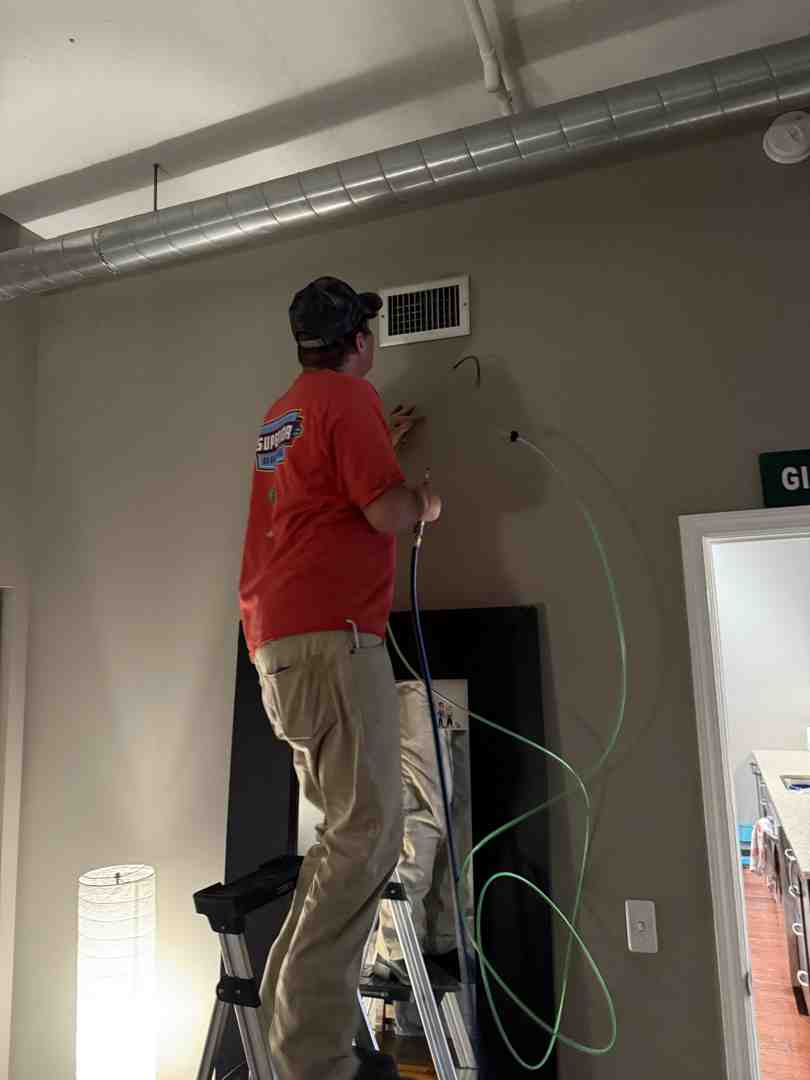
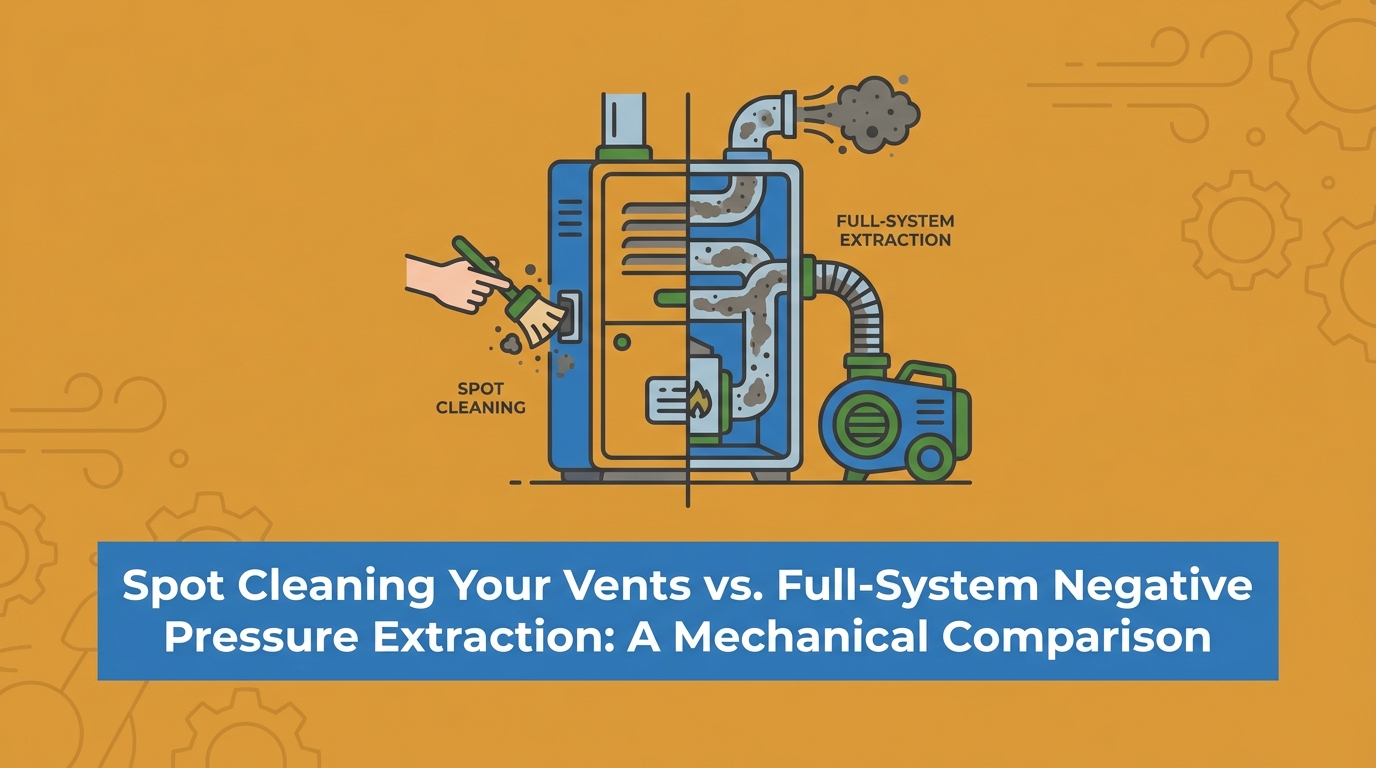
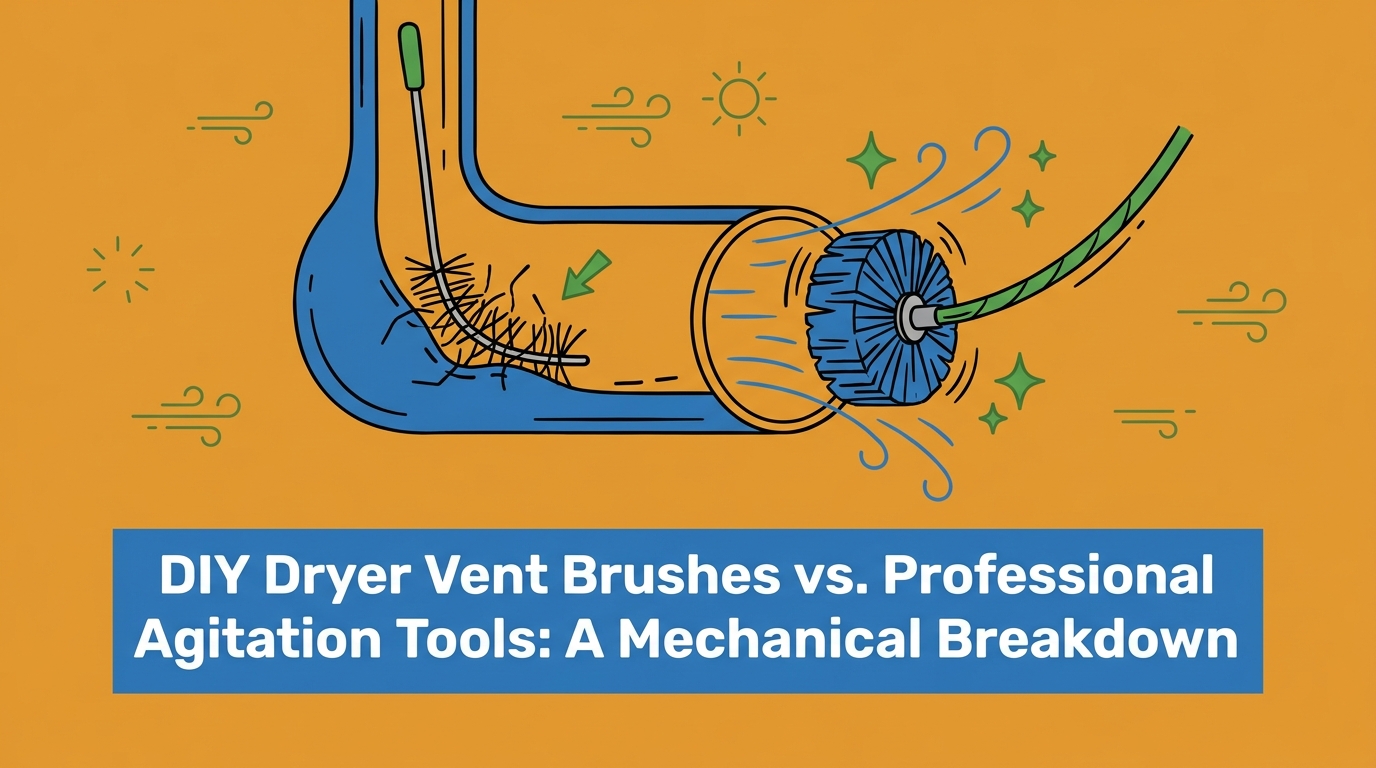
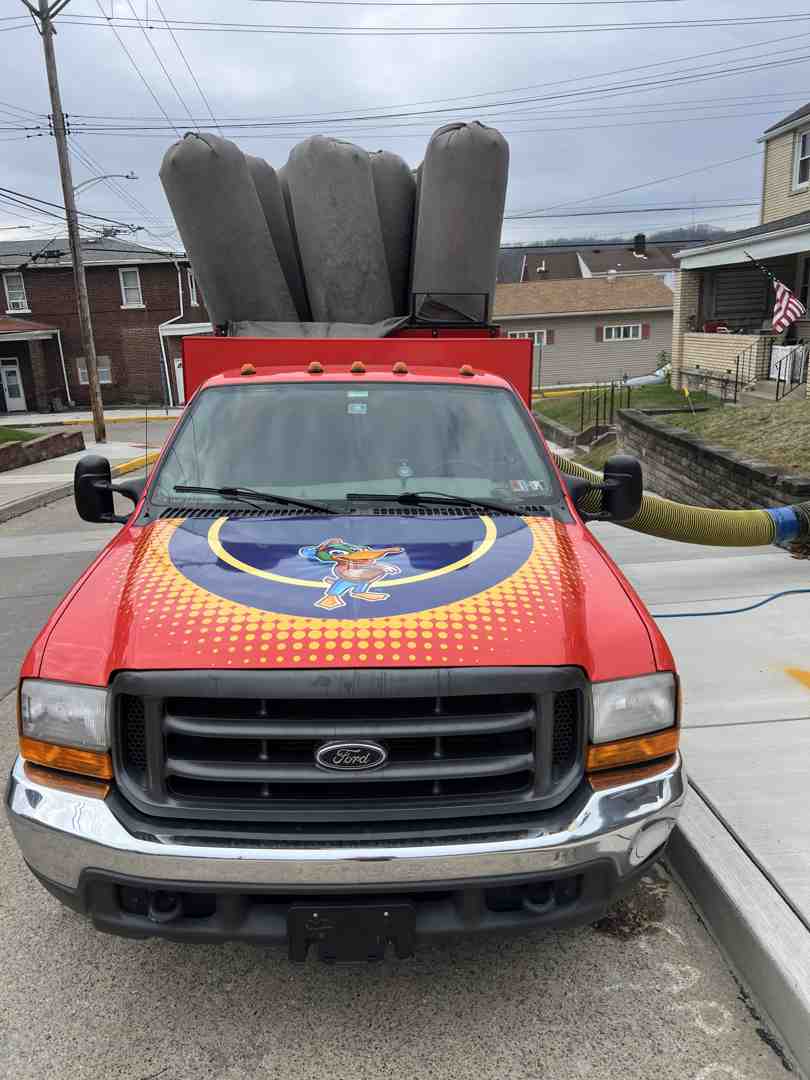
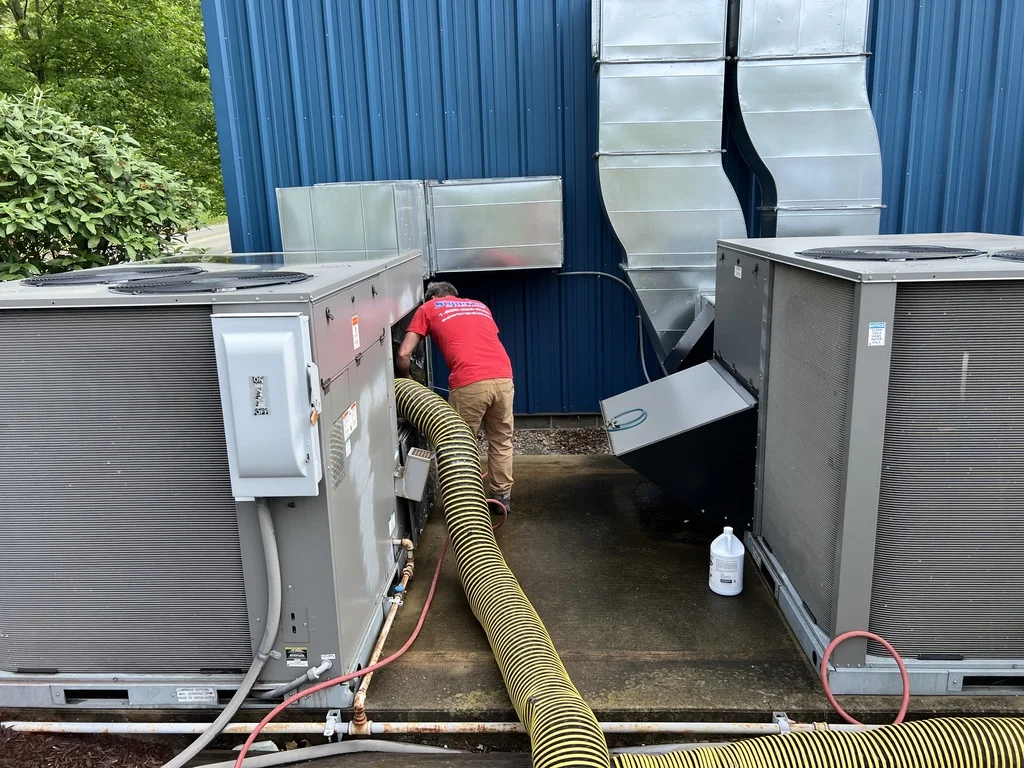
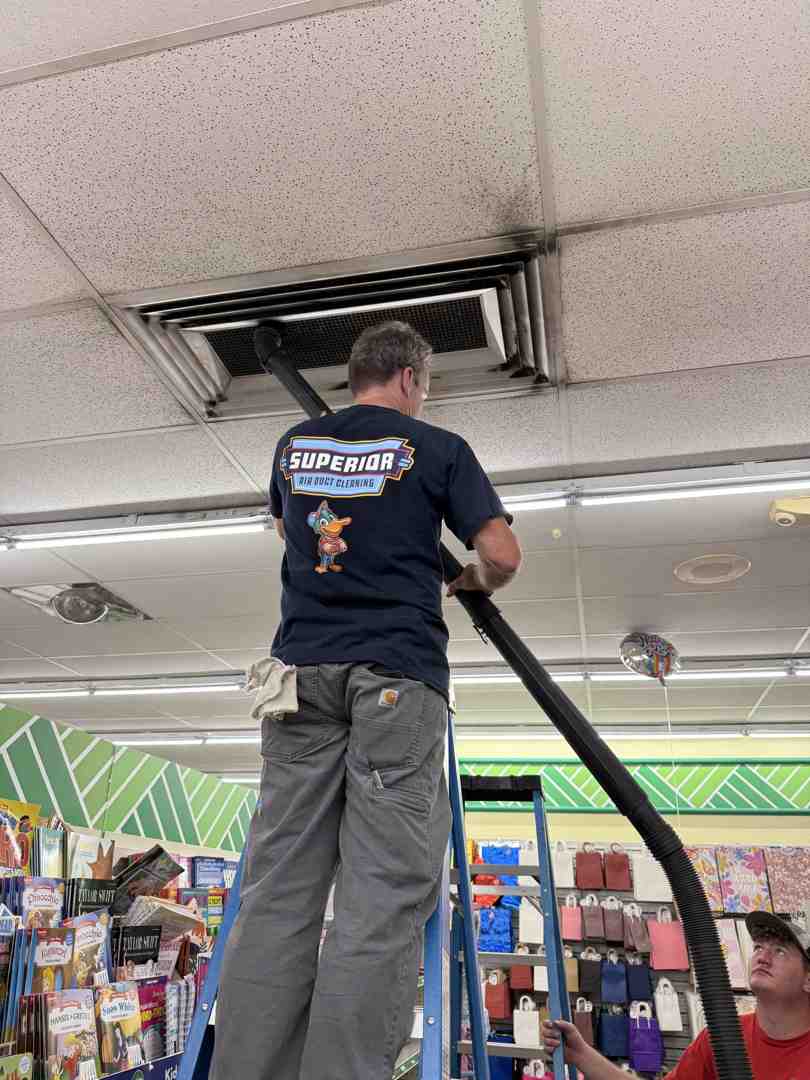
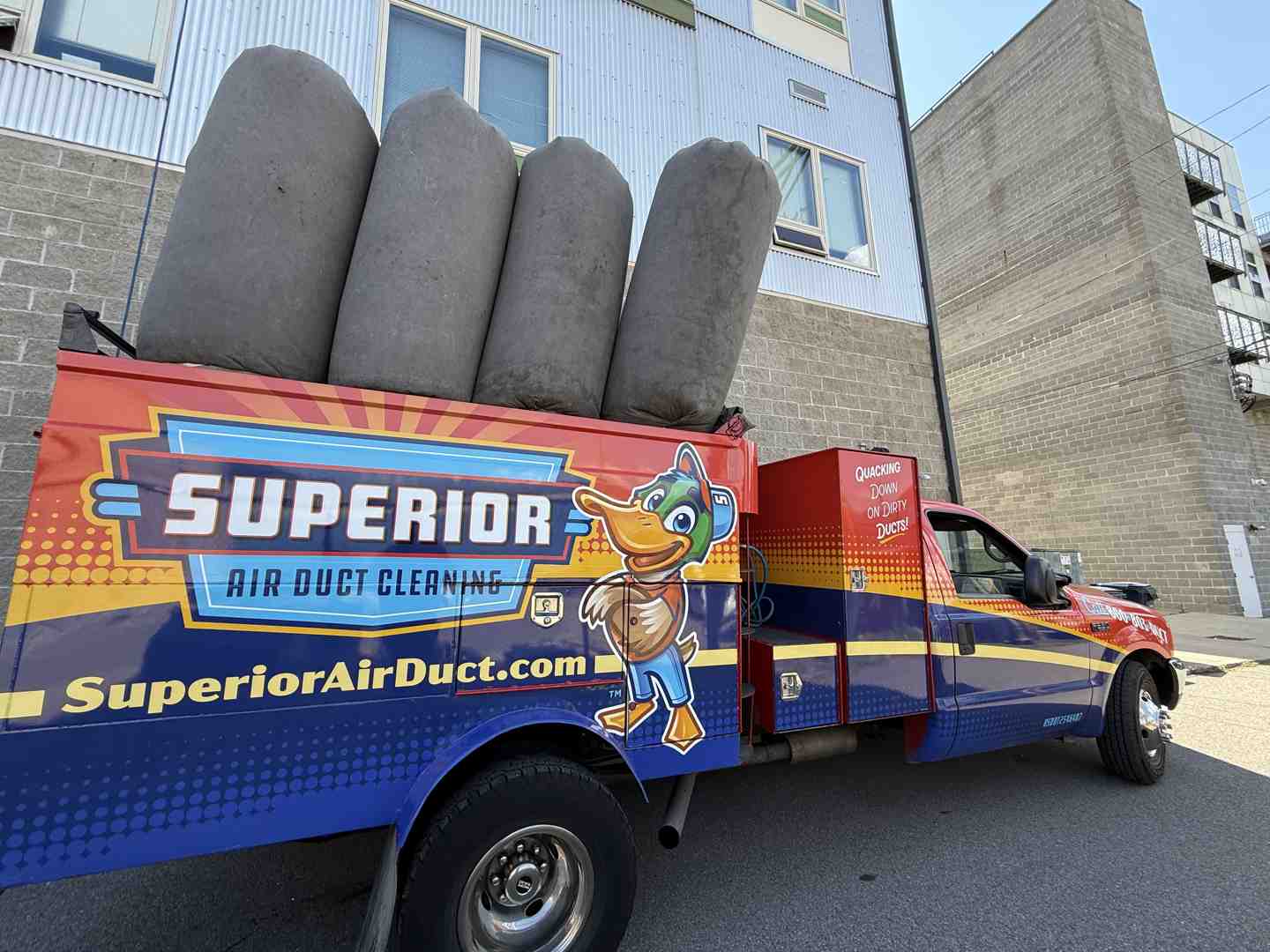
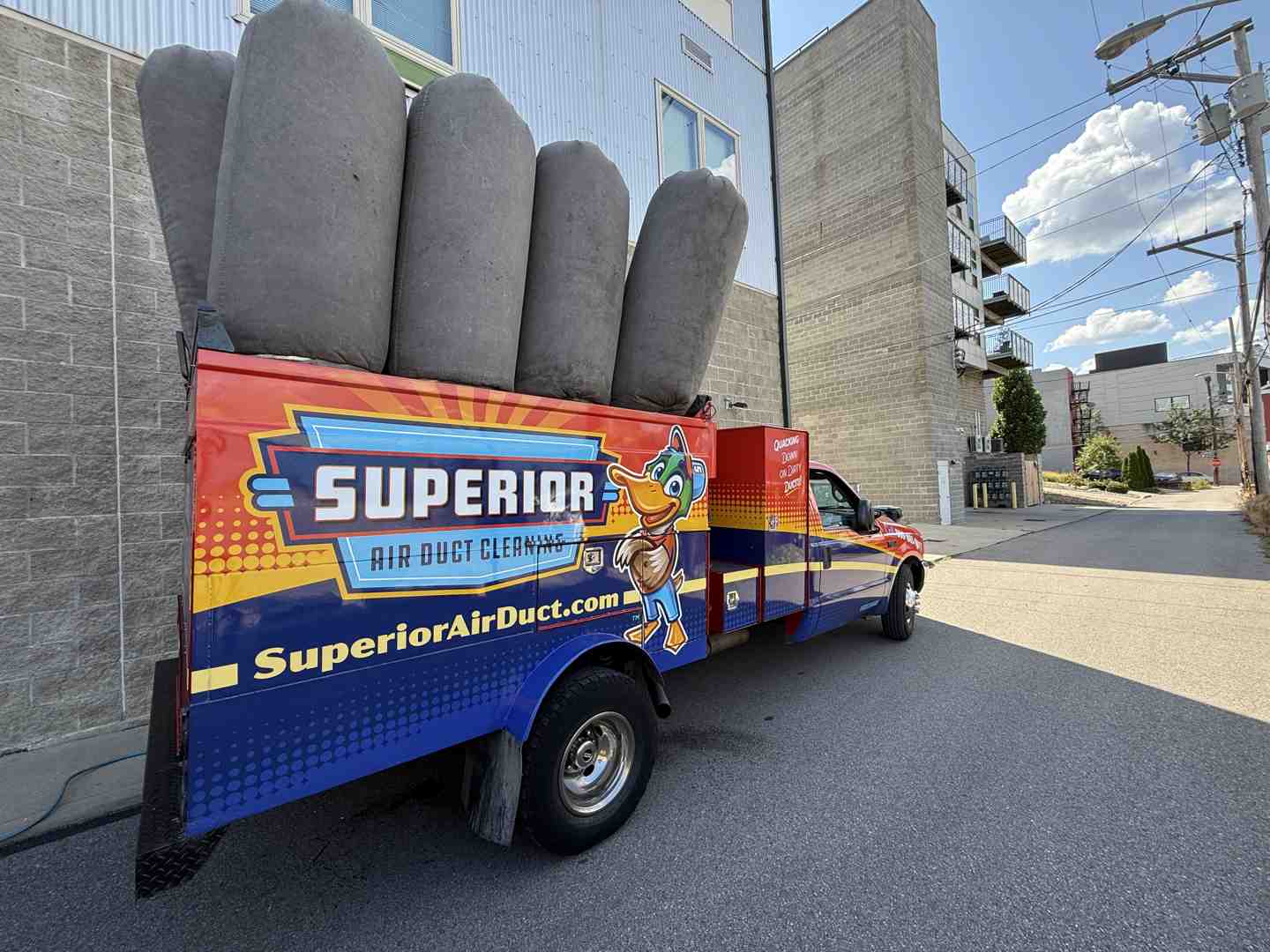
Professional duct cleaning is a source removal process. At Superior Air Duct Cleaning, we use industrial-grade, truck-mounted vacuums that create negative air pressure throughout your entire system. This ensures that when we agitate the debris with compressed-air tools and air whips, the allergens are pulled directly out of your home and into our containment system—not blown back into your living room.
This thoroughness is Why Pet Owners Should Order Air Duct Cleaning. We don't just vacuum the surface; we scrub the walls of the "lungs" of your home. To go a step further, we often recommend Air Duct Sanitizing for Allergies in Youngstown, OH, which uses an antimicrobial treatment to neutralize any remaining biological proteins or mold spores.
Why Standard Filters Fail to Stop Pet Dander and How Clean Ducts Reduce Pet Related Allergies
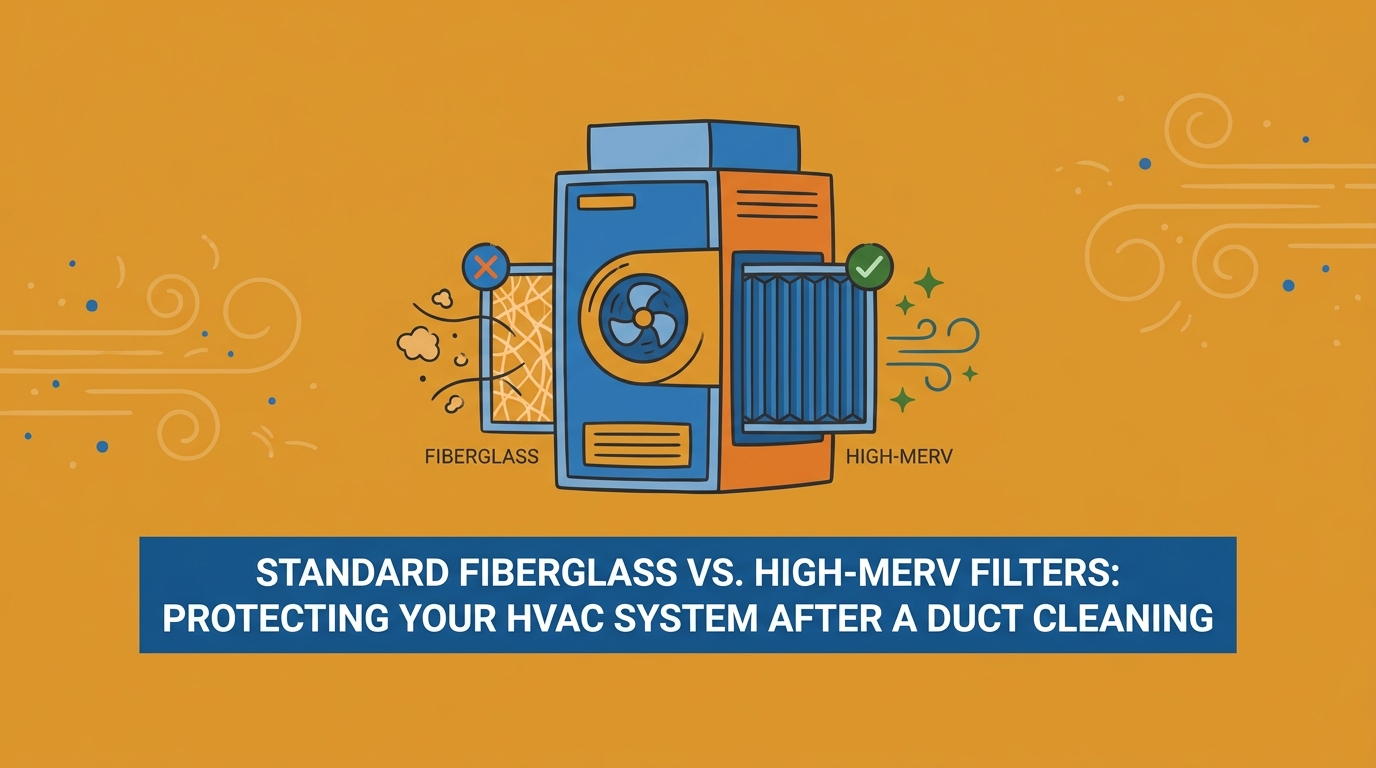
Most standard 1-inch filters (often rated MERV 8 or lower) are designed to protect the HVAC equipment, not your health. Research shows these filters may only capture about 10% of airborne dander. The other 90% is small enough to pass right through the mesh and continue its loop through your home.
Furthermore, if a filter becomes too clogged with pet hair, the air will find the path of least resistance—often "bypassing" the filter through small gaps around the edges. This sends raw, unfiltered dander directly onto your evaporator coils and into your supply ducts. Once your ducts are contaminated, even a brand-new HEPA filter can't stop the allergens already "downstream" from being blown into your face.
The Synergistic Strategy: How Clean Ducts Reduce Pet Related Allergies with Air Purifiers
We like to use the "Goalie Analogy." If your home’s air is a hockey game, your air purifier is the goalie. If your ducts are dirty, they are firing hundreds of "dust balls" at your goalie every minute. Eventually, the goalie gets overwhelmed, and the puck (the allergen) gets through.
By cleaning your ducts, you remove the "shooters." This allows your air purifier to focus on real-time pollutants like cooking odors or outdoor pollen. High-end systems like the Trane CleanEffects® Whole Home Air Cleaner can eliminate particles as small as 0.3 microns, but they work best when the ductwork is pristine. This synergistic approach reduces the "particle load" in your home, extending the life of your filters and providing a much higher level of respiratory relief.
A Homeowner’s Guide to Maintaining Allergy-Free Air in Western PA and Northeast Ohio
Once we have performed a professional cleaning, your goal is to keep those levels low for as long as possible. Living in places like Butler County or Beaver County means dealing with seasonal shedding and outdoor allergens tracked in by paws.
Follow these steps to maintain your clean air:
1. Establish a Grooming Routine: Brush your pets outdoors to prevent loose fur from entering the "funnel."
2. HEPA Vacuuming: Use a vacuum cleaner equipped with a True HEPA filter. Standard vacuums often suck up dander and blow it right back out the exhaust.
3. Wash Bedding Weekly: Pet beds, blankets, and even your own sheets should be washed in hot water (at least 130°F) to neutralize dander proteins and kill dust mites.
4. Monthly Filter Inspections: In May 2026, air quality sensors are becoming more common, but nothing beats a visual check. If you have multiple pets, check your HVAC filter every 30 days.
5. Humidity Control: Keep your home's humidity between 30% and 50%. High humidity can make dander "sticky," causing it to bond to duct walls and encouraging mold growth.
6. Pet-Free Zones: If allergies are severe, keep pets out of bedrooms. This ensures your "breathing zone" during sleep is as clean as possible.
Frequently Asked Questions about Pet Allergies and Ductwork
How often should I clean my ducts if I have multiple pets?
While the National Air Duct Cleaners Association (NADCA) generally recommends cleaning every 3 to 5 years, households with pets or allergy sufferers should aim for every 1 to 3 years. If you have three or more pets, or high-shedding breeds like Huskies, you will likely see measurable debris accumulation within 12 to 18 months. In high-pollen areas of Western PA, a 2-year cycle is often the "sweet spot" for maintaining health.
Can dirty ducts cause symptoms even if I don't touch my pet?
Absolutely. This is the "HVAC Loop" effect. Because dander is microscopic and light, the air current from your vents keeps it suspended in the air. You can be in a bedroom where the dog never goes, but if the HVAC is running, it is delivering a fresh supply of dander from the living room directly to your bedside.
What do experts like the EPA and AAAAI say about duct cleaning for allergies?
The EPA suggests duct cleaning on an "as-needed" basis, specifically when there is visible contamination or excessive debris being released. The American Academy of Allergy, Asthma & Immunology (AAAAI) emphasizes environmental control—meaning the removal of the source of the allergen is the most effective way to manage symptoms. While clinical studies are ongoing, the logic of "source removal" is the industry standard for home health.
Conclusion
At Superior Air Duct Cleaning, we believe that you shouldn't have to choose between your furry family members and your health. By understanding how clean ducts reduce pet related allergies, you can take proactive steps to ensure your home in Western PA or Northeast Ohio is a sanctuary, not a trigger.
Cleaning your ducts isn't just about maintenance; it's about restoring the air quality in your home so you can breathe easier, sleep better, and enjoy your pets without the constant sniffles. From Allegheny County to Mahoning County, we are here to help you clear the air.
Breathe easier with professional indoor air quality solutions

Customer Reviews


Superior Air Duct cleaning did a phenomenal job in a timely manner with the tech “Rich” being very professional ,personable and considerate of our property! He explained things as he proceeded and answered all our questions!
I LOVE that they provide before & after photos to see the difference. Give them a try… you won’t regret it
Pam T.
Robert was on schedule and communicated what time he would arrive. He was polite, professional, and respectful of our home. I wanted to wait a couple weeks before posting a review because I wanted to see if the duct cleaning actually made a difference. I am happy to say it did! I vacuum multiple times a week and have already noticed a significant reduction in the amount of dust cleaned up each time. As a home with pets, there will always be something to clean, but getting the ducts cleaned has definitely helped improve the air quality and reduce the dust.
alice A.
Technician Rob arrived early explained the days agenda and then proceeded to work methodically and meticulously over the next 6+ hours cleaning my ductwork. Courteous and professional they answered all of my questions and went above and beyond the call of duty. They even located an old dusty box of rat poison buried in our vents. My only regret is not finding these guys sooner. As a realtor of 22 years and owner of a newly purchased (now dust free) home I highly recommended!
Eric K.
Excellent service! I’ve used them to clean out my air ducts as well as my dryer vent duct and they are excellent. I was very pleased with both jobs and will continue to use them in the future. Great communication as well- from the time I scheduled the appointment until they were at my door.
Erika C.
We had such an amazing experience with Superior Air Duct Cleaning. They were so nice and friendly and did an amazing job. I loved seeing the before and after pictures. Besides doing an amazing job cleaning our air ducts they were so quick at responding and setting up the appointment. We will definitely be using them in the future.
Amanda C.