Is It Time to Stop Scrubbing Your Old Vent Covers?
Have you ever spent hours scrubbing an old metal vent cover, only to step back and realize it still looks dingy, rusted, and completely out of place? Deciding between replacing vs. cleaning heavily soiled register grilles is a choice many homeowners face as they prepare their HVAC systems for the colder months. You want a clean, healthy home, but wrestling with stubborn oxidation and decades-old grime is a frustrating, time-consuming chore.
As we approach the September pre-heating season transition, it is the perfect time to evaluate the state of your vents. Pristine external grilles are essential for maintaining overall indoor air quality and complementing a clean internal duct system. The core decision comes down to weighing the physical effort of restoring compromised metal against the simplicity, improved airflow, and aesthetic upgrade of a total replacement.
To learn more about protecting your home's indoor air quality through professional air duct cleaning, explore our comprehensive service options.
The Hidden Toll of Humidity on Metal Registers
To understand why a simple wipe-down often fails, you have to look at the environmental factors attacking your vent covers year after year. Here in Western Pennsylvania, our team at Superior Air Duct Cleaning sees firsthand how our humid summers and cold winters create the perfect storm for metal degradation. This climate drives a continuous cycle of condensation that slowly destroys metal floor and ceiling registers.
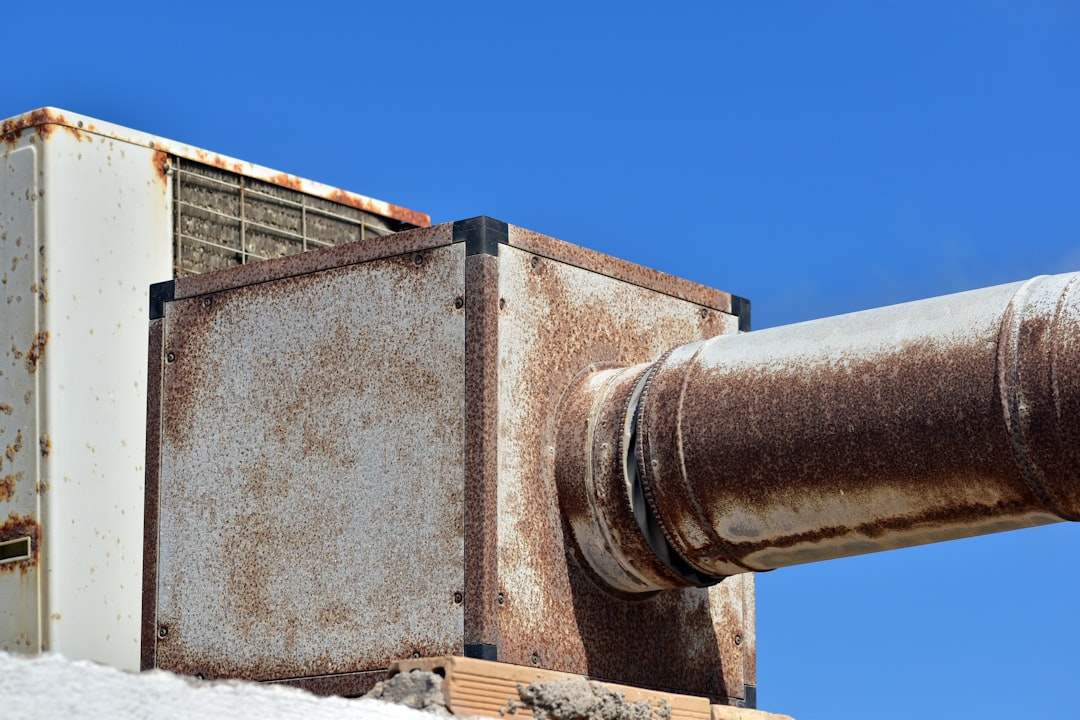
During a humid summer, your air conditioner pushes cold air through the metal grilles. When this chilled metal meets the warm, ambient room air, condensation forms on the louvers. Over years of seasonal cycling, this recurring moisture penetrates the factory-applied protective coatings. The result is deep, structural rust that cannot simply be wiped away with standard household cleaners.
The dangers of deep oxidation:
• Microscopic flaking: As the rust expands, microscopic flakes of oxidized metal break off and re-enter your breathing air, settling as stubborn, gritty dust on your furniture.
• Surface deterioration: What looks like a simple stain is often a complete breakdown of the metal's surface integrity.
• Bacterial traps: Pitted, rusted metal creates a porous surface that traps moisture, pet dander, and biological growth far more easily than smooth, intact paint.
It is crucial to contrast surface-level dust with deep-seated oxidation. Surface dust sits on top of the paint and wipes away easily. Oxidation means the metal itself is failing, and no amount of scrubbing will restore a smooth, sanitary finish.
When to Clean: Salvaging Surface-Level Grime
Not every dirty vent cover belongs in the trash. If the metal is structurally sound and the paint is fully intact, a thorough cleaning is the appropriate and effective choice. The key is identifying what type of debris you are dealing with before you start scrubbing.
Signs your grilles just need a good wash:
• Light, loose dust: Standard household dust that easily wipes away with a microfiber cloth.
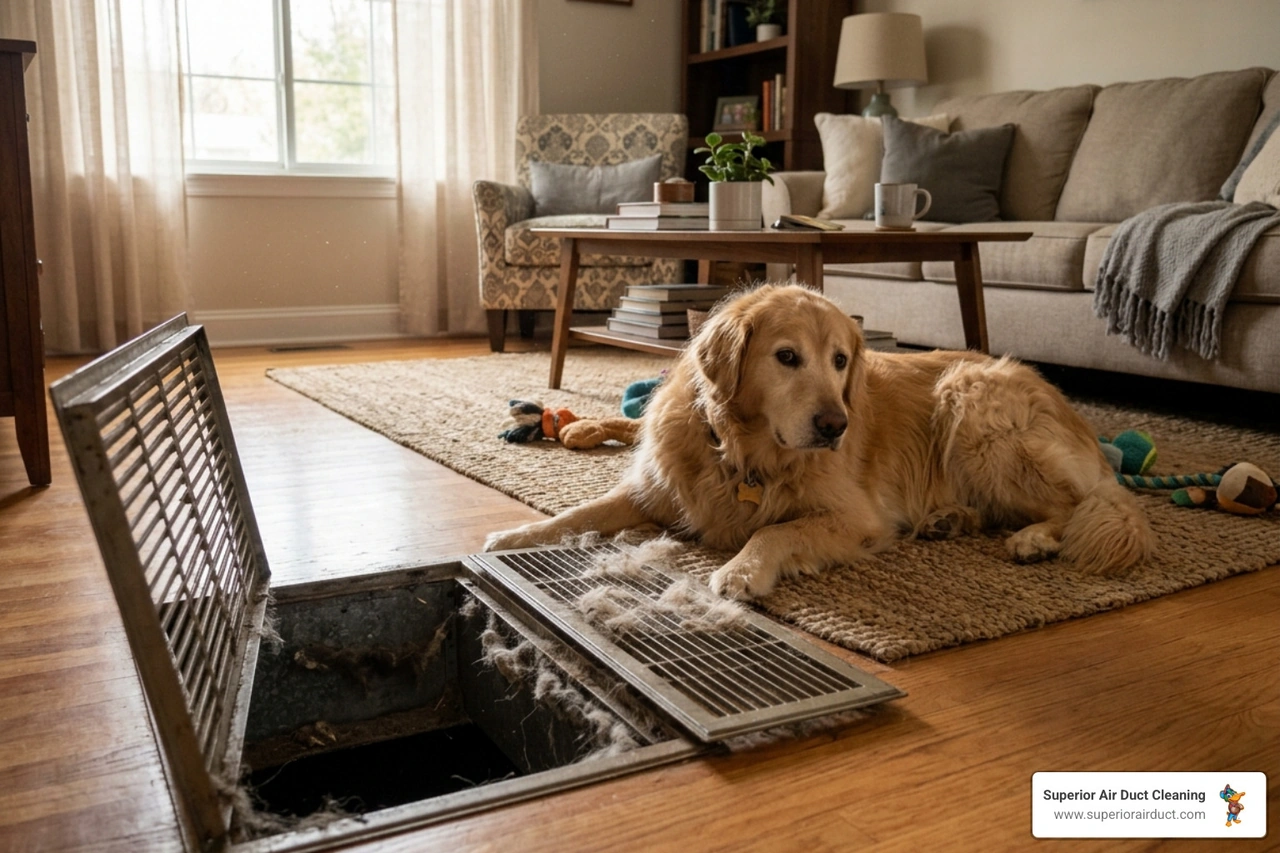
• Pet hair and cobwebs: Debris caught in the louvers that hasn't bonded to the paint.
• Minor kitchen grease: A sticky film on vents near the kitchen that can be dissolved with mild dish soap.
• Intact factory finish: The paint shows no bubbling, chipping, or rust spots beneath the dirt.
Properly cleaning a soiled vent cover requires a specific time commitment. You must remove the grille from the wall or floor, soak it in warm, soapy water to loosen the debris, and use a soft-bristle brush to clean between each louver without scratching the finish. Harsh abrasives or stiff wire brushes will damage the protective coating, inviting rust to form later.
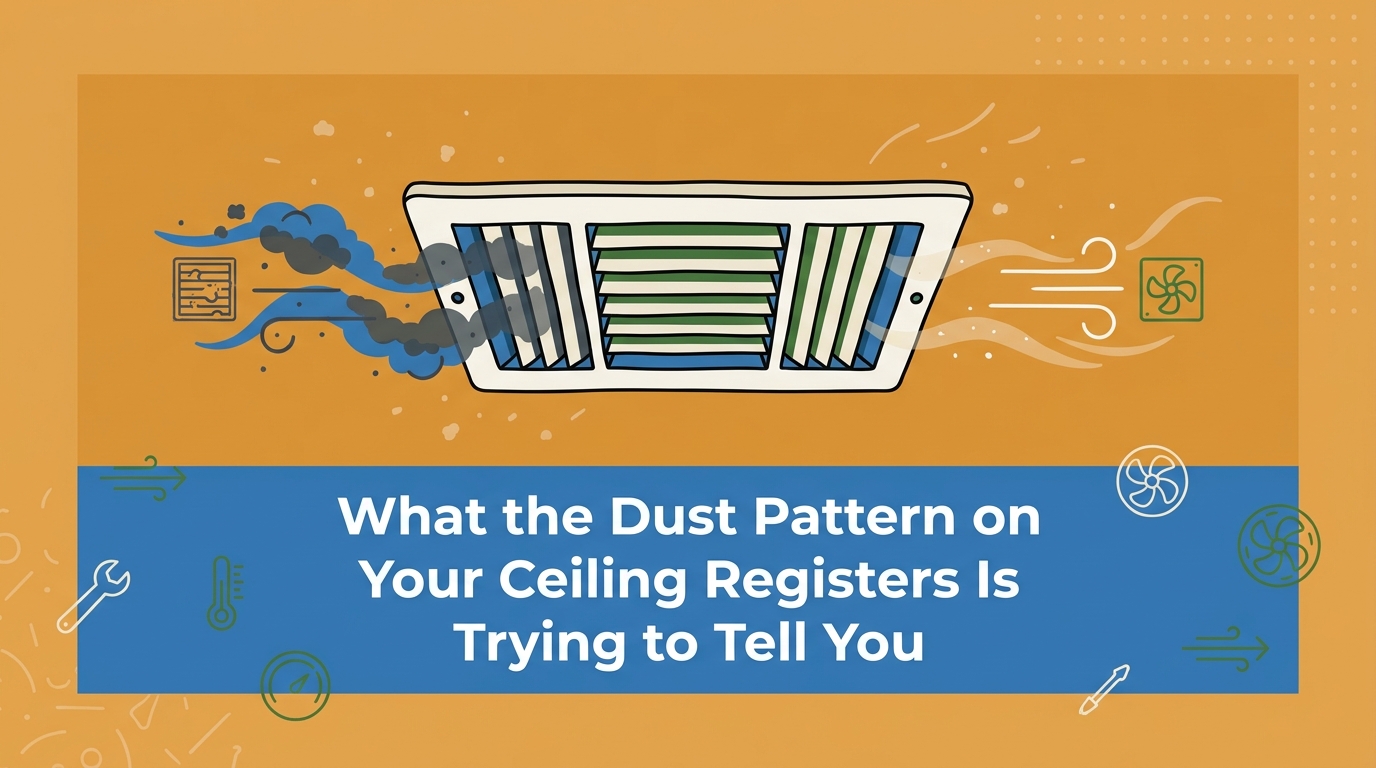
After a basic cleaning, evaluate the structural integrity of the grille. If the metal is sound, cleaning was sufficient. Keep in mind that certain visual cues on the grille might indicate larger issues inside the ductwork itself. For instance, heavy, dark buildup often points to internal system contamination, and understanding dust patterns on your ceiling registers can help you diagnose whether your system needs professional attention.
Clear Signs You Should Replace Your Register Grilles Instead of Cleaning
There comes a point where the effort to salvage an old grille vastly outweighs the simplicity of a fresh upgrade. If your vent covers meet any of the following criteria, you have full permission to stop scrubbing and opt for replacement.
• Deep, flaking rust: When oxidation has eaten through the paint and compromised the metal's structural integrity, the grille is beyond saving.
• Bent or broken directional fins: Louvers that are warped or snapped can no longer properly direct airflow into the room, causing hot and cold spots.
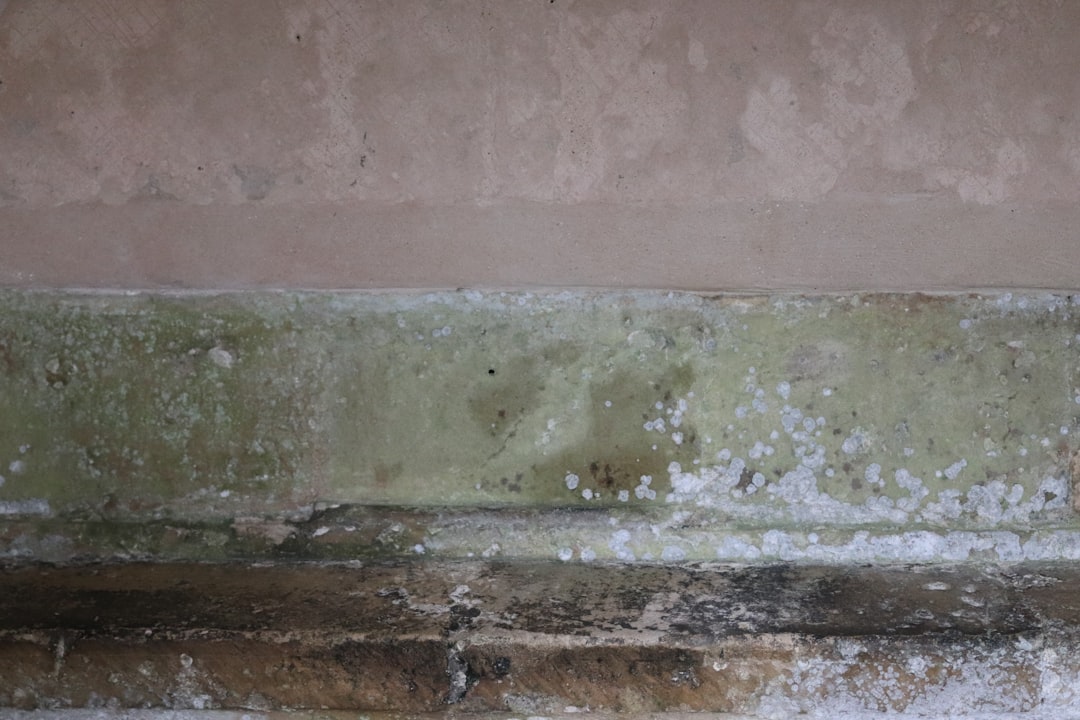
• Permanent mold stains or severe water damage: If biological growth has permanently stained the finish and cannot be safely sanitized, replacement is necessary for your health.
• Harsh chemical requirements: If restoring the grille requires toxic rust removers, heavy sanding, and repainting, the value of your time and effort makes replacement the logical choice.
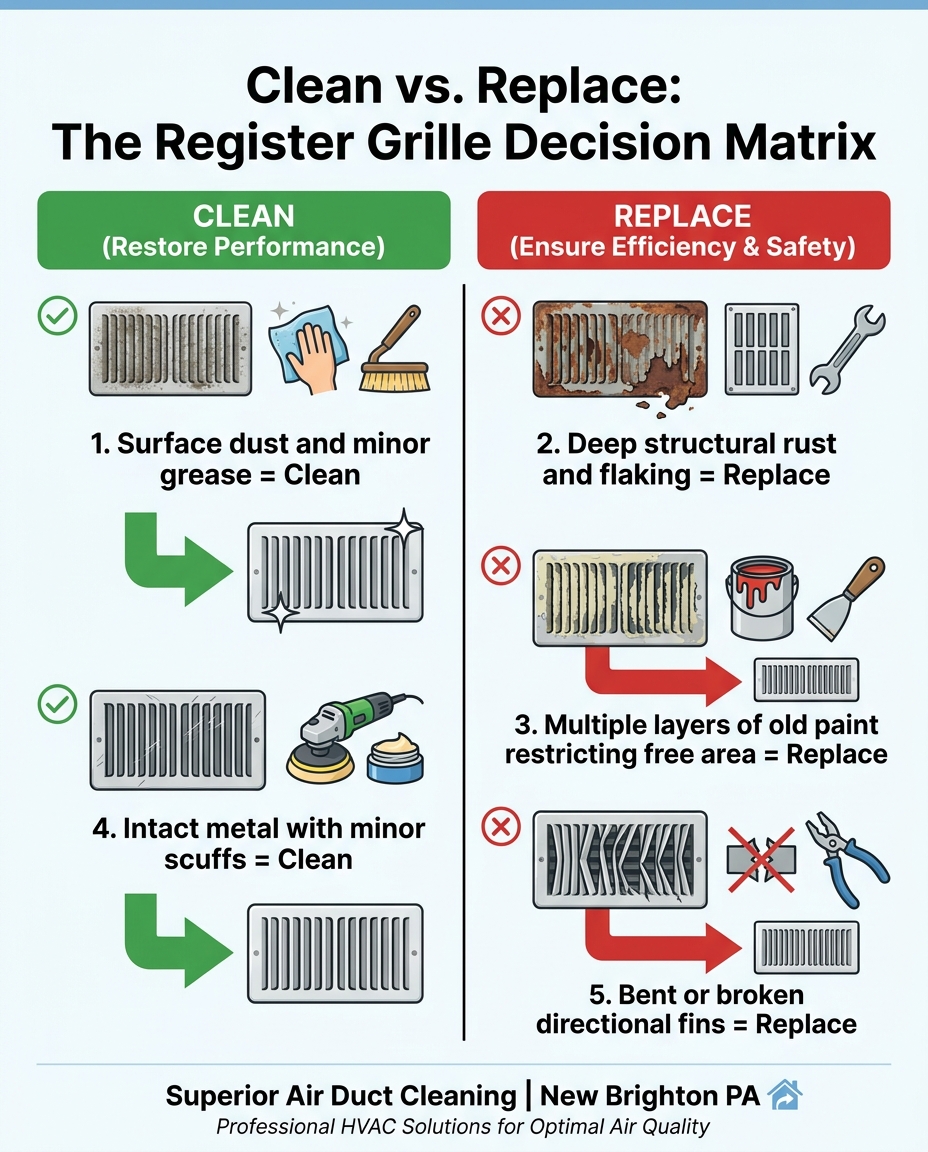
The Clean vs. Replace Decision Matrix
• Surface dust and minor grease — Recommended Action: Clean — Reasoning: Easily removed with mild soap and water; finish remains intact.
• Deep structural rust and flaking — Recommended Action: Replace — Reasoning: Metal is failing; flakes will contaminate indoor air.
• Intact metal with minor scuffs — Recommended Action: Clean — Reasoning: Cosmetic wear does not impact airflow or air quality.
• Bent or broken directional fins — Recommended Action: Replace — Reasoning: Compromises HVAC efficiency by restricting or misdirecting airflow.
• Multiple layers of old paint — Recommended Action: Replace — Reasoning: Restricts the "free area" of the vent, forcing the system to work harder.
The Airflow Cost of Painted-Over Registers
One of the most overlooked issues in home maintenance is the cumulative effect of paint on ventilation. During room renovations, it is a common practice to simply paint over old grilles rather than removing them or masking them off. Over decades, this creates a severe restriction on your HVAC system.
This is especially prevalent in New Brighton PA older residential homes. On our service calls, we frequently encounter original metal grilles that have endured countless interior makeovers. To understand why this matters, you have to understand the concept of free area. Free area is the actual open space between the louvers of a grille that allows air to pass through. Every time a layer of paint is rolled or sprayed onto a grille, it thickens the louvers and shrinks the free area.
General ASHRAE and EPA principles dictate that HVAC systems are calibrated for specific airflow volumes. When decades of accumulated paint layers significantly reduce this free area, the necessary airflow is restricted. Your furnace and air conditioner have to work harder to push air into the room, straining the blower motor and reducing the overall efficiency of the system.
Why Sanding Isn't Always the Answer
You might think stripping the paint is a viable solution, but the immense physical effort required to strip decades of paint from intricate metal louvers is rarely worth it. Getting sandpaper between closely spaced fins is incredibly tedious and often leaves the metal scratched and vulnerable to rapid rusting.
Furthermore, in historic homes, sanding old painted fixtures carries the severe risk of uncovering lead paint. Disturbing lead paint releases toxic dust into your home's air—the exact opposite of what you want to achieve with your ventilation system. We always advise our clients that starting fresh with a new grille ensures 100% unrestricted airflow by design, without the hazards or headaches of restoration.
The Perfect Finishing Touch for a Freshly Cleaned System
The aesthetic state of your grilles is directly connected to the internal cleanliness of your ductwork. There is a profound futility in placing a structurally compromised, dirty, or rusted grille over a freshly sanitized duct. Doing so can immediately reintroduce microscopic debris, rust flakes, and trapped odors into a pristine system.
Consider a recent project where our crew helped a local property owner dealing with horrible vent smells in a rental house during the summer. After our professional team vacuumed, cleaned, and sanitized the vents and checked the furnace within a single week, the bad odors were completely resolved. But if that freshly cleaned system had been capped off with heavily soiled, rusted grilles, the lingering odors trapped in the rust and old paint would have persisted, undermining the entire cleaning process.
Grille replacement—or a highly thorough restoration of salvageable covers—is the necessary final step that maximizes the benefits of professional maintenance. Superior Air Duct Cleaning focuses intensely on leaving internal ductwork completely pristine. This high-quality service deserves an equally perfect external register. A whole-system approach eliminates hidden contaminants and ensures the air entering your living spaces is as clean as possible.
Elevating Your Home's Air Quality
Visual cleanliness on the outside reflects unseen cleanliness on the inside. By linking the pristine look of a new grille to the freshly cleaned ducts behind it, you guarantee that your professional air duct cleaning delivers maximum impact. Comprehensive sanitizing treatments work best when every single component of the system—from the blower motor to the final vent cover—is addressed and optimized.
Timing Your System Updates for the Fall Transition
Timing plays a critical role in HVAC maintenance. The optimal window for evaluating your ventilation components is the September pre-heating season transition. Assessing your grilles now prevents critical airflow restrictions when the furnace begins running heavily during the first cold snap of the year.
Taking a proactive approach ensures your home is comfortable, safe, and efficient before the winter weather sets in. As your local air quality experts, we encourage you to walk through your house and perform a quick audit of every vent.
Your Fall Vent Inspection Checklist:
1. Inspect every room: Walk through your home and visually inspect each floor, wall, and ceiling register.
2. Check for airflow restrictions: Look for bent fins, heavy paint accumulation, or trapped debris blocking the openings.
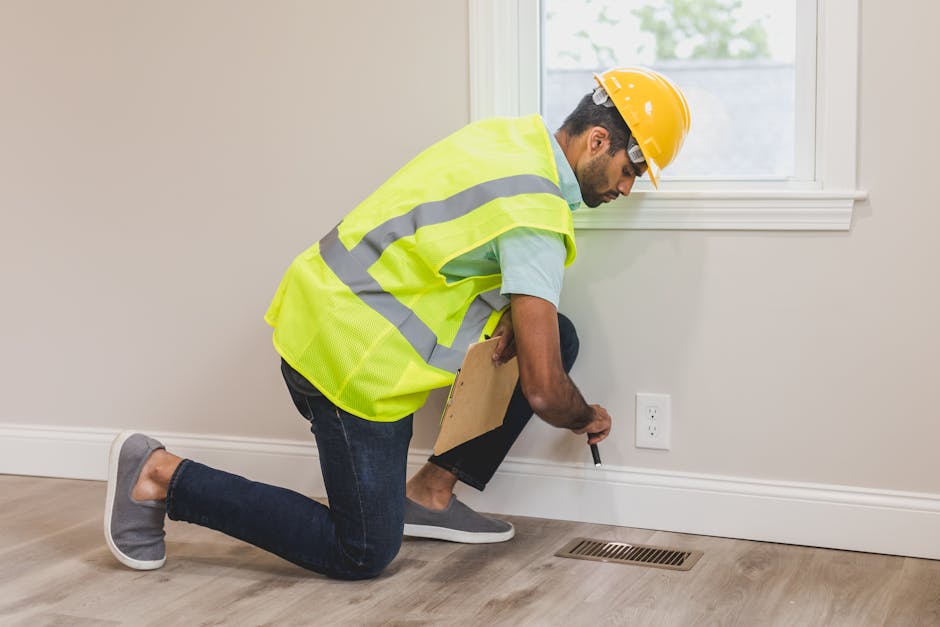
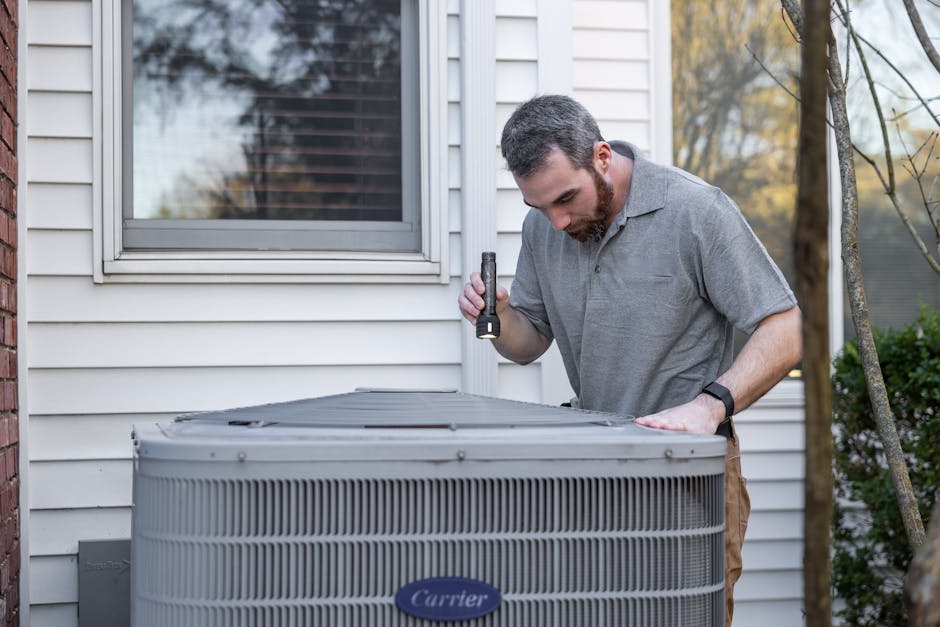
3. Look for oxidation: Shine a flashlight on the metal to check for bubbling paint or deep rust spots.
4. Make your list: Create a definitive "clean or replace" list based on the criteria discussed earlier.
5. Schedule maintenance: Pair your grille replacements with scheduling comprehensive system maintenance, such as whole house sanitizing, to ensure the entire system is prepped for winter.
By addressing these issues in early fall, you avoid the rush of mid-winter HVAC emergencies and ensure your heating system operates with zero unnecessary strain.
Frequently Asked Questions About Vent Cover Maintenance
Should I replace or clean my air vents?
If your air vents are structurally sound with intact paint, a thorough cleaning is usually sufficient. However, if you notice deep rust, bent louvers, or multiple layers of paint restricting the openings, replacing them is the smarter choice. Replacing compromised vents ensures optimal airflow and prevents rust particles from entering your home's air.
When is a vent cover too rusty to clean?
A vent cover is too rusty to clean when the oxidation causes the metal to flake, bubble the paint, or pit the surface. Surface rust can sometimes be gently scrubbed away, but deep structural rust compromises the metal's integrity. Once a vent reaches this stage of deterioration, cleaning will only expose more bare metal, causing it to rust again quickly.
How do you clean heavily soiled vent covers?
The safest way to clean heavily soiled vent covers is to remove them from the wall or floor and soak them in warm water mixed with mild dish soap. After soaking to loosen the grime, use a soft-bristle brush to gently clean between the louvers without scratching the paint. Rinse them thoroughly and ensure they are completely dry before reinstalling them to prevent future rust.
Does painting old register grilles restrict airflow?
Yes, painting old register grilles repeatedly will significantly restrict airflow over time. Each layer of paint thickens the louvers, reducing the "free area"—the open space that allows air to pass through. When this free area shrinks, your HVAC system must work harder to push air into the room, reducing efficiency and straining the blower motor.
Can you paint rusty air registers?
While you can physically paint over rusty air registers, it is highly discouraged as a long-term solution. Paint will not adhere properly to oxidized metal, meaning the rust will continue to spread beneath the new coat and eventually cause the paint to bubble and flake off. For a lasting fix, the rust must be entirely removed first, which is often more difficult than simply replacing the register.
Do new vent covers improve airflow?
New vent covers absolutely improve airflow, especially when they are replacing older units clogged with decades of paint, dust, or bent fins. Fresh covers provide the maximum engineered free area, allowing your heating and cooling system to distribute air with zero unnecessary resistance. This improved circulation helps eliminate hot and cold spots throughout your home.
Make the Right Call for Your Home's Airflow
Evaluating your HVAC system's external components doesn't have to be a guessing game. Replacing heavily soiled, painted-over, or rusted grilles is often the smartest choice for both the aesthetics of your rooms and the airflow efficiency of your heating system. Remember that a clean grille is only as effective as the ductwork behind it; putting a rusted cover over a pristine duct defeats the purpose of your maintenance efforts.
By taking action during the fall transition, you ensure your home is fully prepared for the heavy heating demands ahead. Reach out to our local air quality experts to ensure your entire system—from the deepest ducts to the visible registers—is prepped, clean, and ready to deliver healthy air all season long.

Customer Reviews


Superior Air Duct cleaning did a phenomenal job in a timely manner with the tech “Rich” being very professional ,personable and considerate of our property! He explained things as he proceeded and answered all our questions!
I LOVE that they provide before & after photos to see the difference. Give them a try… you won’t regret it
Pam T.
Robert was on schedule and communicated what time he would arrive. He was polite, professional, and respectful of our home. I wanted to wait a couple weeks before posting a review because I wanted to see if the duct cleaning actually made a difference. I am happy to say it did! I vacuum multiple times a week and have already noticed a significant reduction in the amount of dust cleaned up each time. As a home with pets, there will always be something to clean, but getting the ducts cleaned has definitely helped improve the air quality and reduce the dust.
alice A.
Technician Rob arrived early explained the days agenda and then proceeded to work methodically and meticulously over the next 6+ hours cleaning my ductwork. Courteous and professional they answered all of my questions and went above and beyond the call of duty. They even located an old dusty box of rat poison buried in our vents. My only regret is not finding these guys sooner. As a realtor of 22 years and owner of a newly purchased (now dust free) home I highly recommended!
Eric K.
Excellent service! I’ve used them to clean out my air ducts as well as my dryer vent duct and they are excellent. I was very pleased with both jobs and will continue to use them in the future. Great communication as well- from the time I scheduled the appointment until they were at my door.
Erika C.
We had such an amazing experience with Superior Air Duct Cleaning. They were so nice and friendly and did an amazing job. I loved seeing the before and after pictures. Besides doing an amazing job cleaning our air ducts they were so quick at responding and setting up the appointment. We will definitely be using them in the future.
Amanda C.