The Autumn Perfect Storm: When Pet Shedding Meets Closed Windows
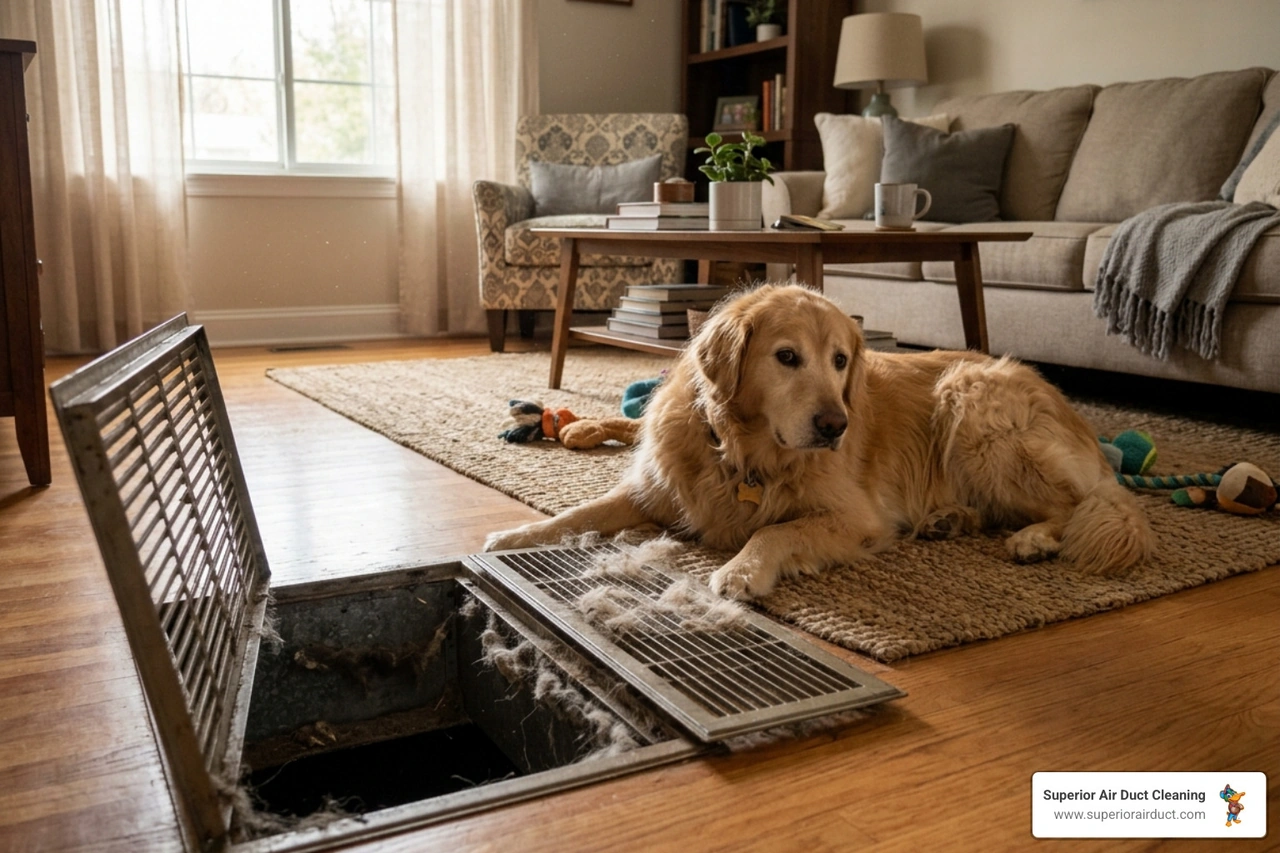
When September early fall weather rolls in, you might notice your pets blowing their summer coats, which quickly turns into a battle with the fall shed: managing sudden increases in pet dander in your HVAC system before the heating season even fully begins. Here at Superior Air Duct Cleaning, our team sees this seasonal transition create a unique challenge for pet owners across the New Brighton PA area. Just as your dog or cat begins shedding heavily to prepare for their winter coat, the crisp air prompts you to shut the windows and doors, effectively sealing the house.
This sudden shift in household ventilation transforms your home into a closed-loop trap. Without open windows to allow fresh air circulation, every piece of loose hair and microscopic skin flake remains trapped indoors. As your heating and cooling system cycles on, it pulls this concentrated debris directly into your return vents. Over just a few weeks, this heavy accumulation can overwhelm standard filters, restrict airflow, and significantly degrade your indoor air quality.
Recognizing when standard maintenance is no longer enough is the critical decision point for homeowners during this seasonal shift. When your vents become clogged with pet hair before you have even turned the furnace on for daily use, simple surface cleaning will not resolve the issue hiding deep within your ductwork.
Understanding the Biological and Mechanical Timeline
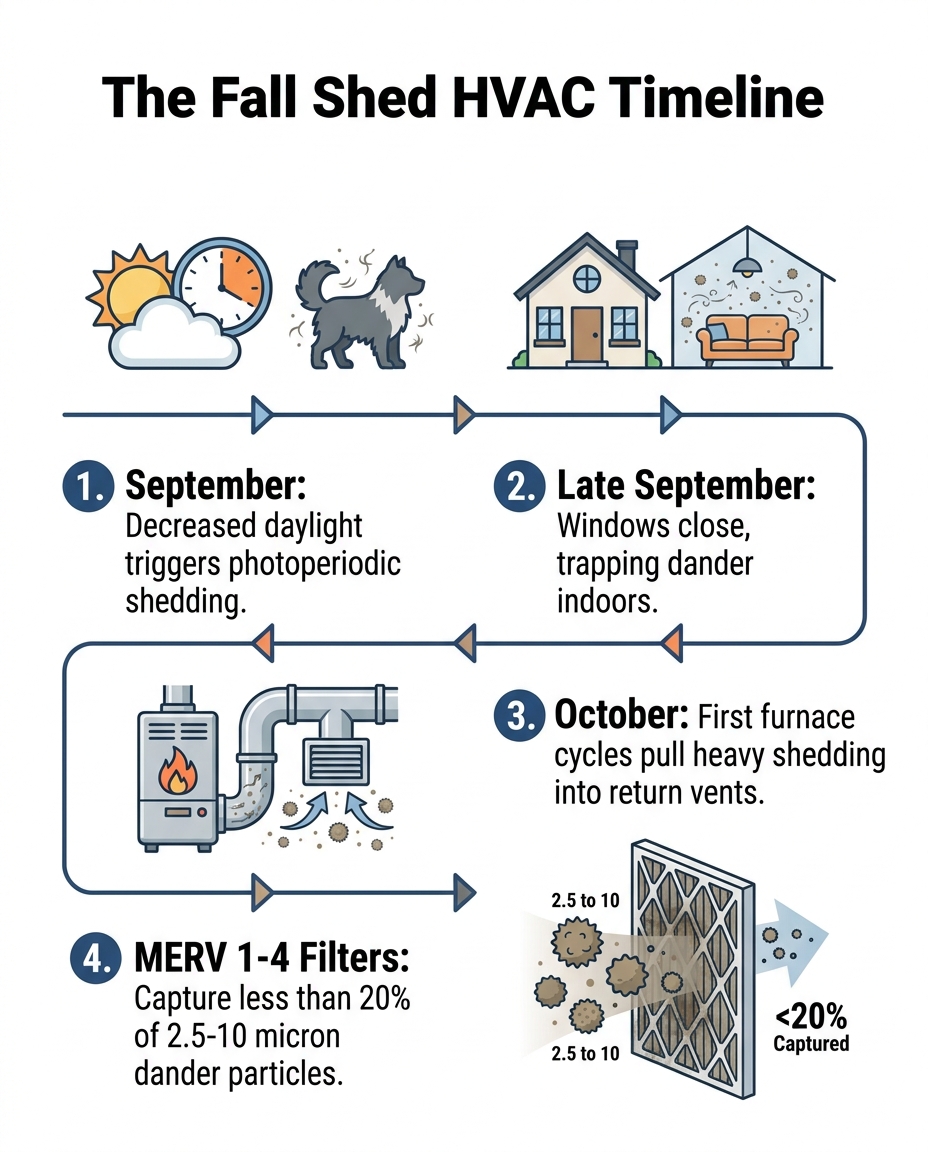
The timeline of the autumn shed is not a coincidence; it is a direct overlap of biological triggers and mechanical HVAC usage. As September early fall progresses, the decreasing daylight hours trigger a biological response in pets known as photoperiodic shedding. At the exact same time, Western PA's average nighttime temperatures often drop into the 50s, forcing homeowners to end open-window ventilation and begin relying on closed-loop HVAC recirculation.
This precise overlap means your furnace is kicking on for the first time just as your home reaches peak dander levels. If your ductwork is already compromised, this is the ideal time to schedule professional air duct cleaning to reset your system before the harsh winter weather arrives.
The Photoperiodic Shedding Phase
Pets do not shed based on temperature alone; they respond to the amount of ambient light.
• Light triggers: Decreasing daylight hours signal the animal's body to drop the lighter summer undercoat.
• Sudden volume: This results in a heavy, sudden drop of fur that often seems to happen overnight.
• Microscopic debris: Along with visible hair, this phase produces massive amounts of microscopic dander (skin flakes) that easily float through the air.
The First Furnace Cycle
When the thermostat finally calls for heat, the mechanical impact on your home's air is immediate.
• Negative pressure: The blower motor creates sudden negative pressure in the return vents.
• Debris vacuum: This pressure draws settled dander, hair, and dust from floors and baseboards directly into the ductwork.
• System shock: The sudden influx of biological matter hits the HVAC filter all at once, leading to rapid clogging.
Why 1-Inch Filters Fail Against the Fall Shed
Many homeowners in the New Brighton PA area rely on standard 1-inch fiberglass filters, assuming they provide adequate protection for their furnace. However, in our experience servicing local residential systems, we constantly see these basic filters quickly reveal their technical limitations when faced with the overwhelming influx of microscopic dander during the autumn shedding season.
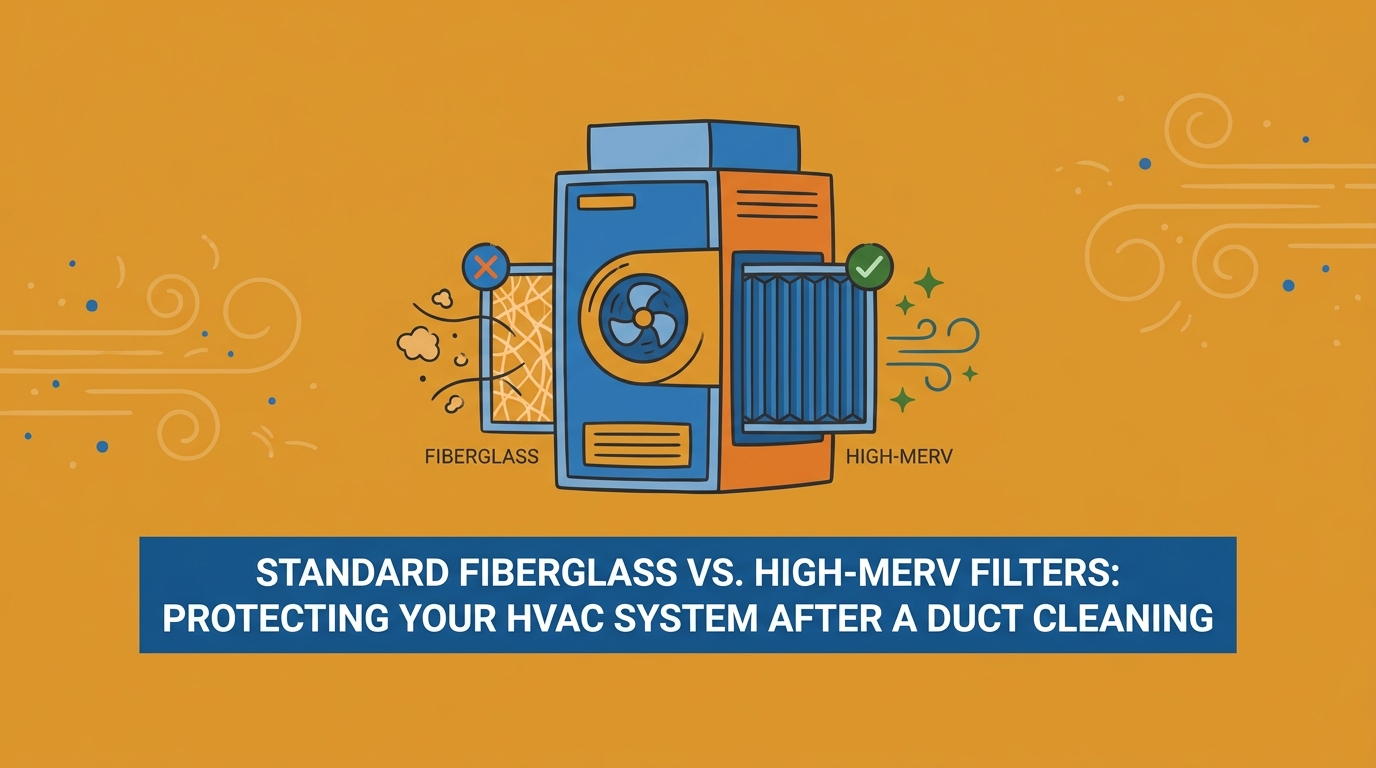
Standard 1-inch fiberglass filters typically carry a Minimum Efficiency Reporting Value (MERV) rating of 1 to 4. These filters are designed strictly to protect the furnace motor from large debris like heavy dust bunnies and loose gravel—not to improve indoor air quality. When it comes to microscopic pet dander particles, which generally measure between 2.5 and 10 microns in size, a MERV 1 to 4 filter captures less than 20 percent of the contaminants passing through it.
Because the filter media is highly porous, the sudden volume of the fall shed rapidly "blinds" or clogs the filter. The visible hair mats against the surface, while the microscopic dander either passes right through or embeds deeply into the fibers, choking off the air supply. When a filter becomes blinded, the system's suction can actually pull bypassed particles around the edges of the filter frame, drawing raw dander directly into the sensitive blower motor and heat exchanger.
• Standard 1-Inch Fiberglass — MERV Rating: 1 to 4 — Dander Capture Rate: Under 20% — Fall Shed Performance: Blinds quickly; allows microscopic dander to bypass into the motor.
• Pleated 1-Inch Media — MERV Rating: 5 to 8 — Dander Capture Rate: Moderate — Fall Shed Performance: Captures more hair, but restricts airflow rapidly when clogged with heavy shedding.
• Deep Pleated Media (4-5 Inch) — MERV Rating: 11 to 13 — Dander Capture Rate: Over 85% — Fall Shed Performance: High capacity for dander; maintains proper airflow even during heavy shedding seasons.
How Dander Accumulation Restricts Airflow and Efficiency
The journey of pet hair through your HVAC system is a direct path to mechanical strain. During September early fall, as your pets shed continuously, the hair and dander do not just disappear; they embark on a physical journey deep into your home's respiratory system.
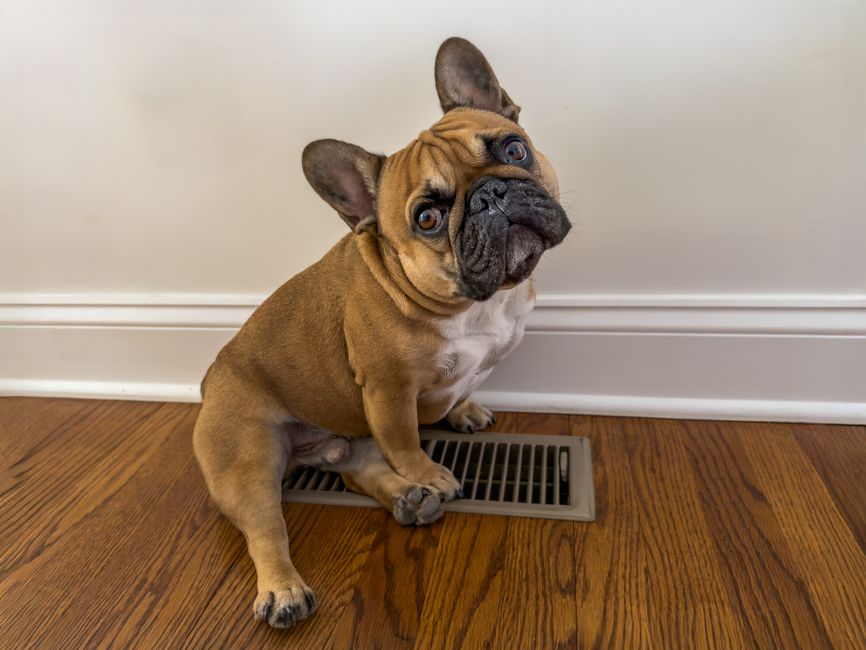
1. The Return Grille: The process begins at the return vent. Loose hair on the floor is sucked against the metal louvers. While you might vacuum the visible hair off the grille, much of it slips through the gaps.
2. The Ductwork Drop: Once inside, the hair travels down the return drop. Because pet hair is naturally oily, it easily clings to the walls of the ductwork, trapping other dust and debris as it builds up.
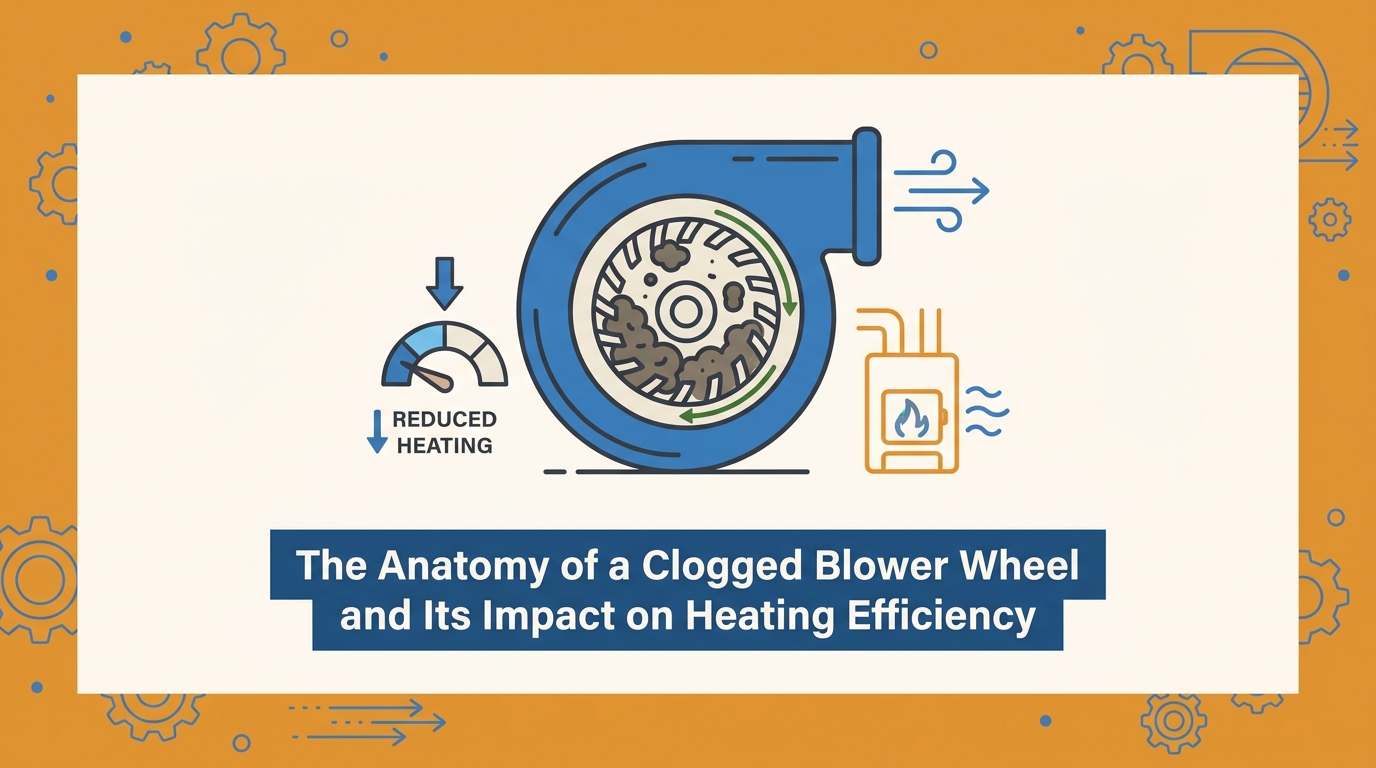
3. The Filter and Blower: Whatever hair makes it past the duct walls slams into the filter. If the filter is bypassed, the hair wraps around the blower motor's squirrel cage, throwing it off balance and reducing its ability to push air.
4. The Heat Exchanger: Finally, microscopic dander reaches the heat exchanger. When the furnace ignites, this settled biological matter bakes onto the metal components.
This accumulation creates severe friction within the ductwork. The blower motor has to work twice as hard to pull the necessary volume of air through a restricted, hair-lined return duct. This mechanical strain causes the furnace to run longer, harder cycles just to meet the thermostat's demand. Ultimately, this restriction leads to a significant reduction in overall heating system efficiency right at the moment the cold weather begins to set in.
The Link Between Trapped Pet Hair and Musty Furnace Smells
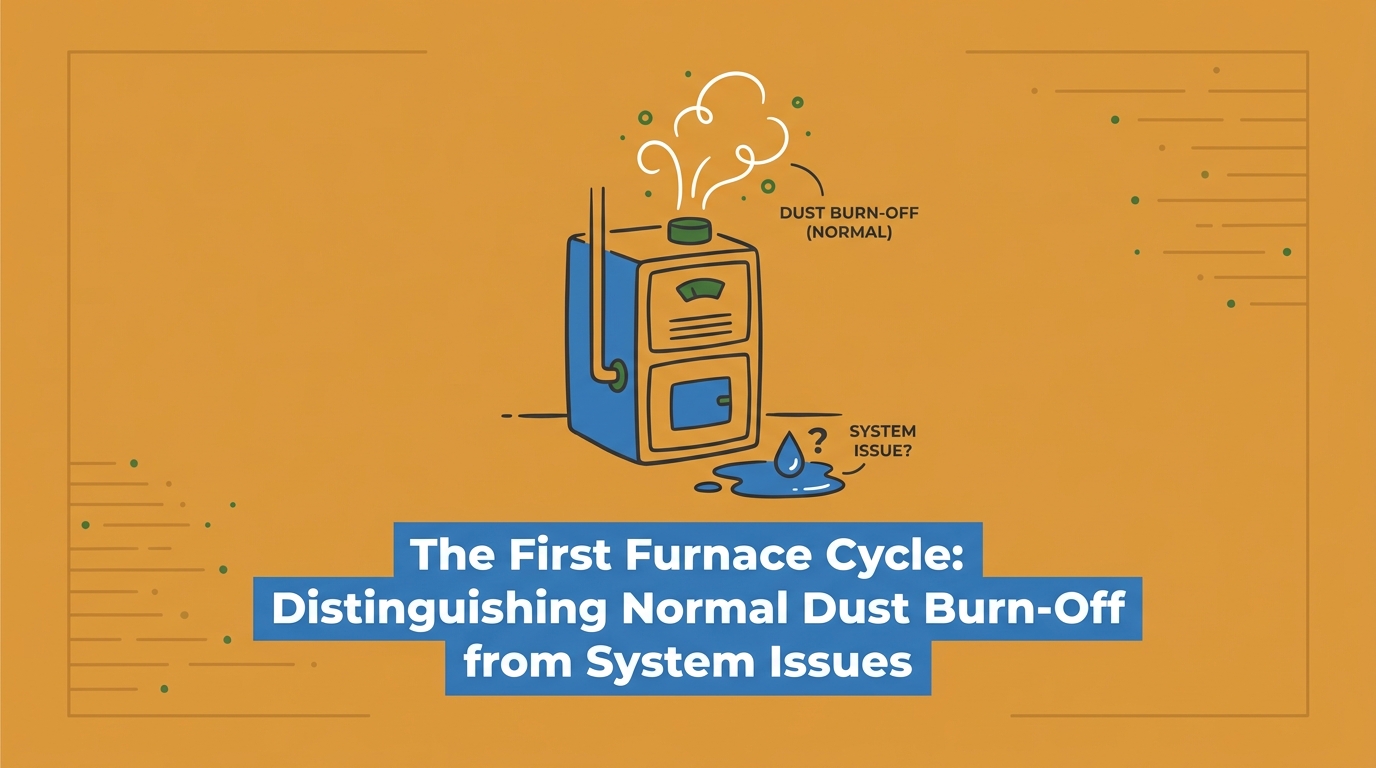
One of the most common complaints homeowners in the New Brighton PA area have when turning on their heat for the first time is a dusty, burning hair smell. While a brief odor is normal as dust burns off the heat exchanger, a lingering, musty smell indicates a much deeper problem: biological decay inside your ductwork.
Throughout the late summer and early autumn, pet hair, skin cells, and dander accumulate in the dark, dormant return ducts. Because this is biological matter, it slowly decays over time. When the furnace fan kicks on, it forces air over this decaying debris, pushing those stale, musty odors into every room of your house.
This is not just a theoretical issue. In our years of serving the community, our team at Superior Air Duct Cleaning frequently encounters this exact problem. In one real-world scenario just last fall, we helped a local property owner dealing with horrible vent smells in a rental property who found that standard surface cleaning did nothing. It was only after our technicians thoroughly vacuumed, deep-cleaned, and sanitized the vents—along with a full check of the furnace—that the persistent odors were completely resolved, drastically improving the home's air quality. If you are noticing persistent smells when the heat cycles on, addressing musty odors from your air ducts should be your first priority before the system runs daily.
Mitigating Allergens and Improving Indoor Comfort
Recirculated pet dander does more than just strain your furnace; it actively degrades your indoor living environment. As September early fall progresses and windows remain shut, the concentration of airborne allergens spikes. Symptoms of poor indoor air quality caused by recirculated pet dander often include persistent coughing, itchy eyes, sneezing, and disrupted sleep—symptoms that many mistakenly attribute to seasonal outdoor allergies.
There is a vast difference between surface cleaning and deep system cleaning. Vacuuming your carpets and wiping down your return grilles are excellent daily maintenance steps, but they only address the allergens you can see. The microscopic dander that causes the most severe respiratory irritation is already circulating through the ductwork.
Consider a recent situation where our crew helped a homeowner who struggled with severe allergies and poor air quality in their house. They eventually realized the HVAC system and ducts had not been professionally cleaned in 18 years. Once our team performed a deep, comprehensive cleaning, the hidden allergen sources were removed, and the indoor air quality improved significantly, allowing for better breathing and sleep.
To proactively manage air quality improvement during the heavy shedding season, consider these steps:
• Frequent Grooming: Brush pets outdoors daily to catch the shedding undercoat before it enters the house.
• Upgraded Filtration: Switch to a pleated filter (MERV 8 or higher) and check it bi-weekly during peak shedding.
• Strategic Vacuuming: Use a vacuum with a HEPA filter to prevent exhausting microscopic dander back into the room.
• System Inspections: Have a professional assess the interior of your return ducts to gauge the level of hidden accumulation.
Why Heavy Dander Requires Professional-Grade Extraction
When the ductwork in a New Brighton PA area home becomes heavily coated with oily pet hair and dander, standard household tools are entirely insufficient. Many homeowners attempt to clean their own vents using a shop vacuum or a standard household vacuum with a hose attachment. Unfortunately, these tools lack the necessary suction power to reach deep into the twists and turns of the duct system.
DIY methods often do more harm than good. Shoving a standard vacuum hose into a vent usually just agitates the settled dander, breaking it loose from the duct walls and blowing it further into the system. Once agitated, these particles become airborne the next time the furnace runs, worsening the indoor air quality.
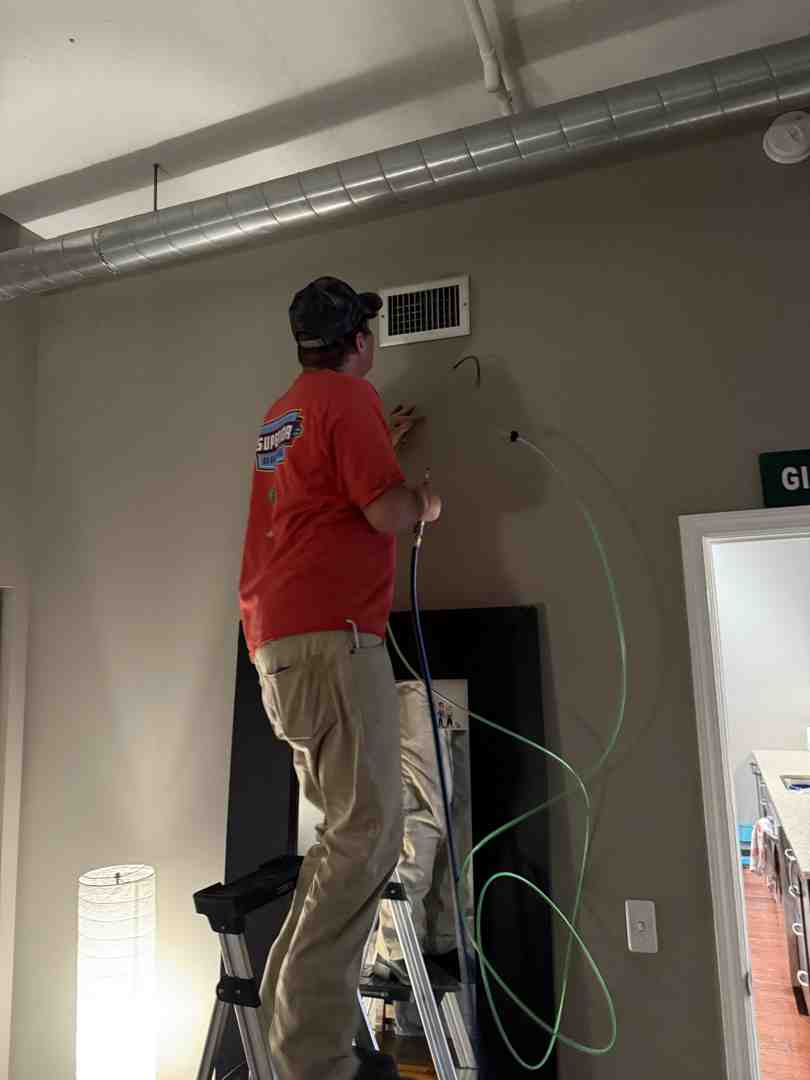
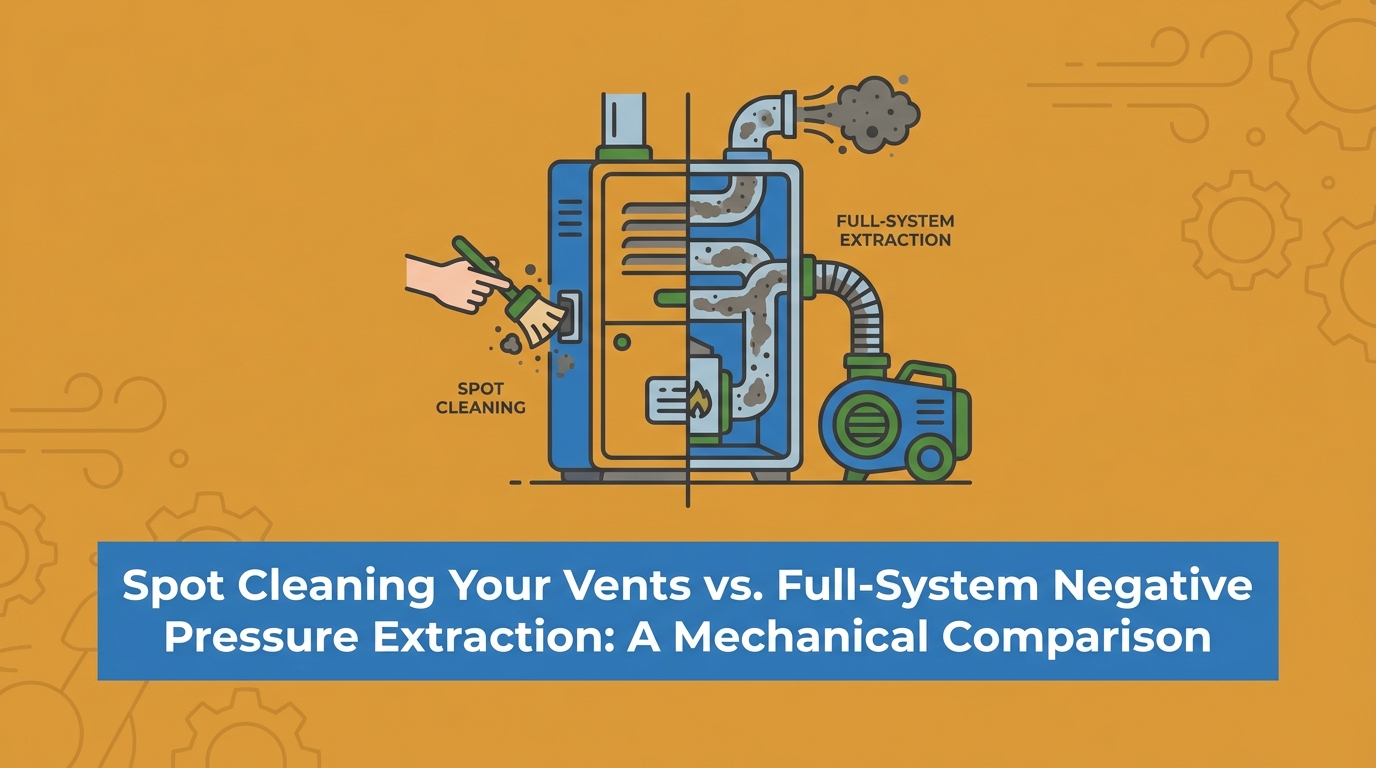
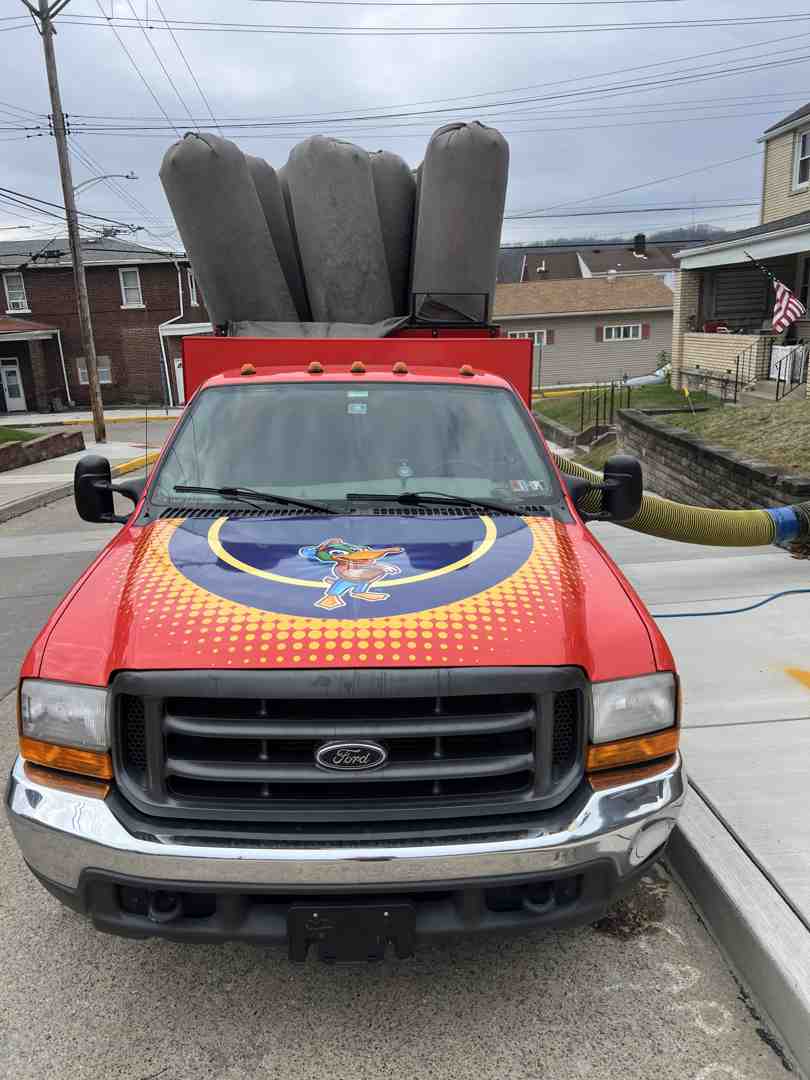
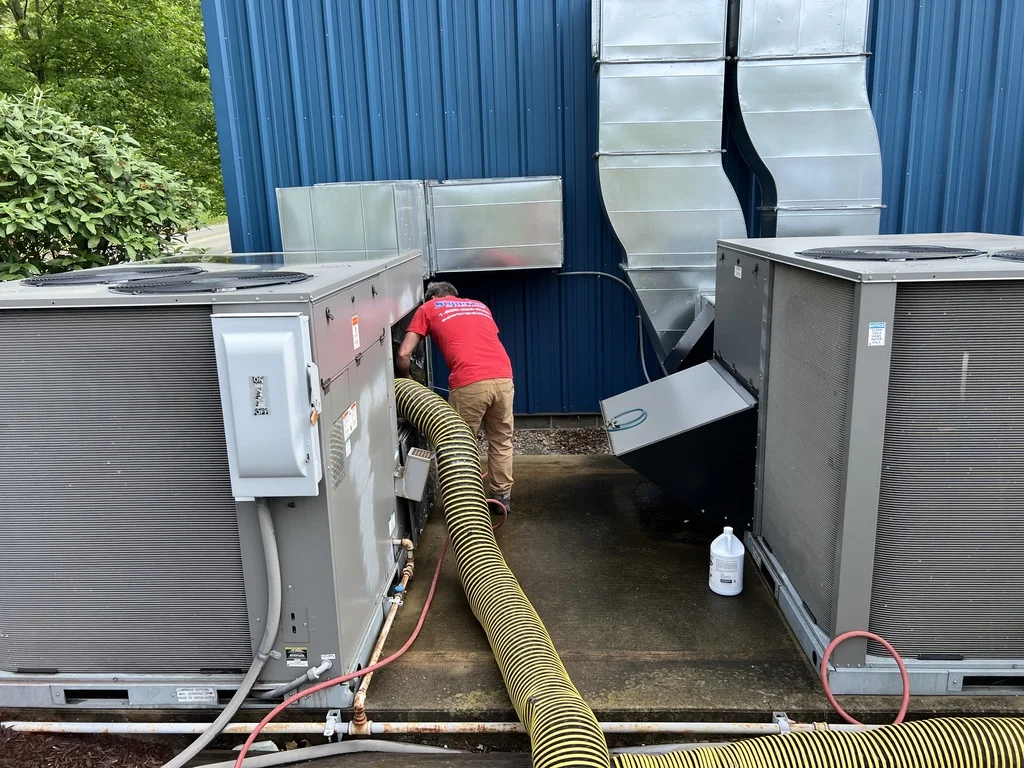
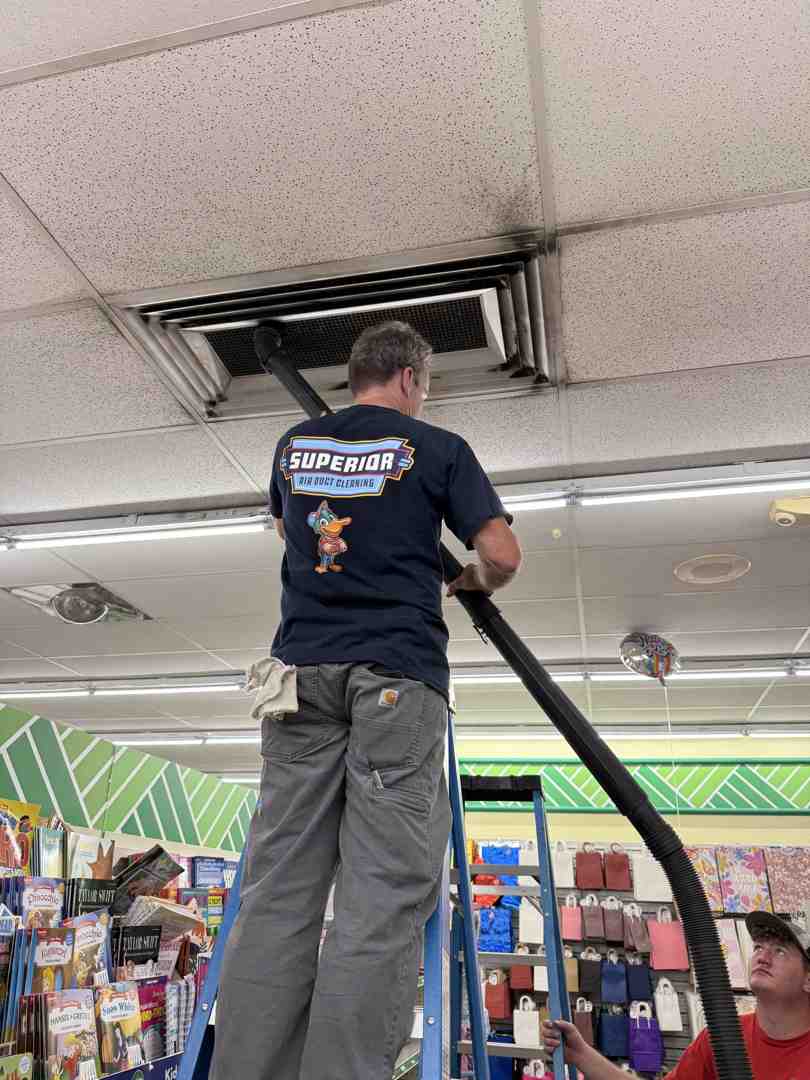
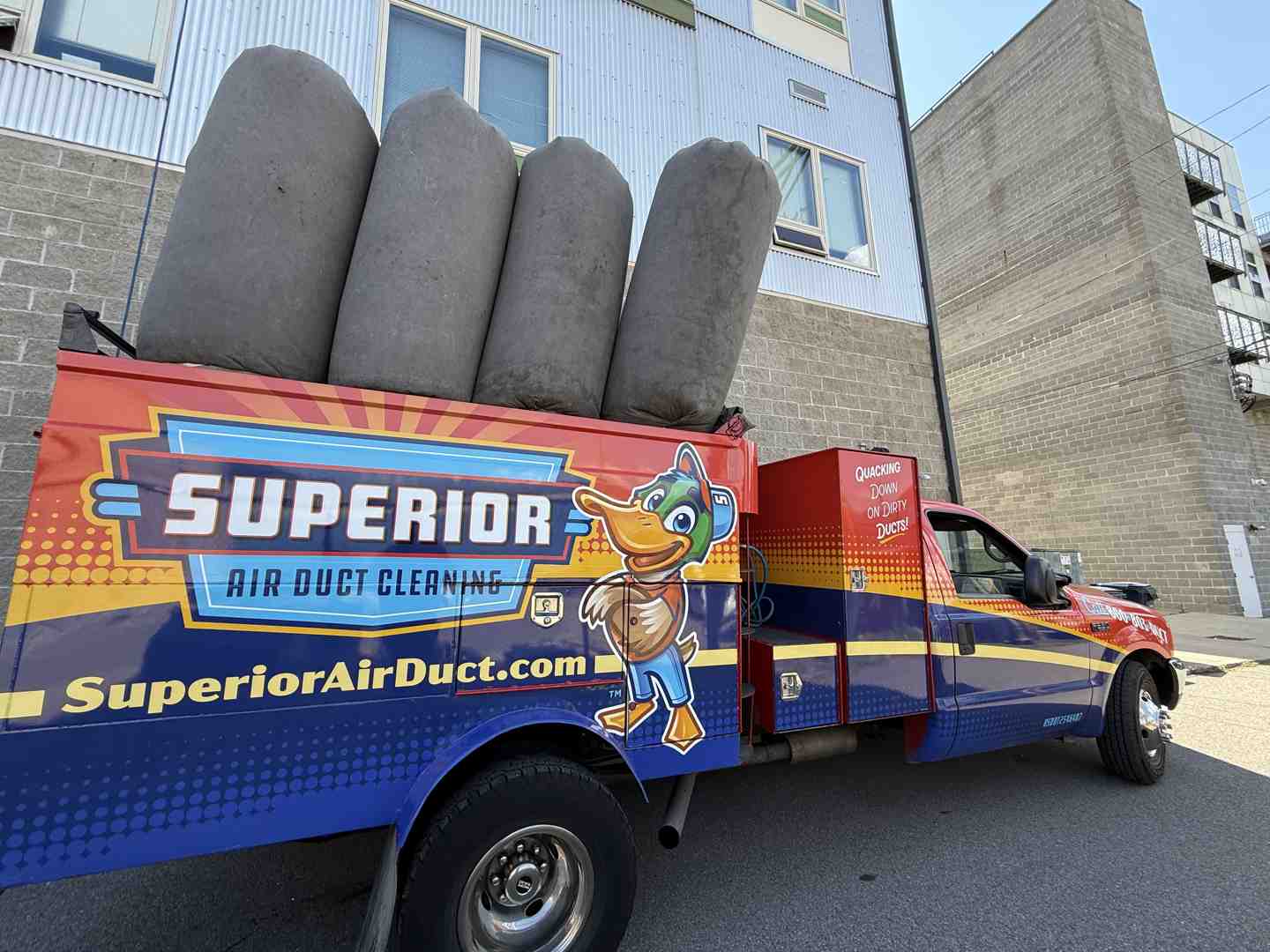
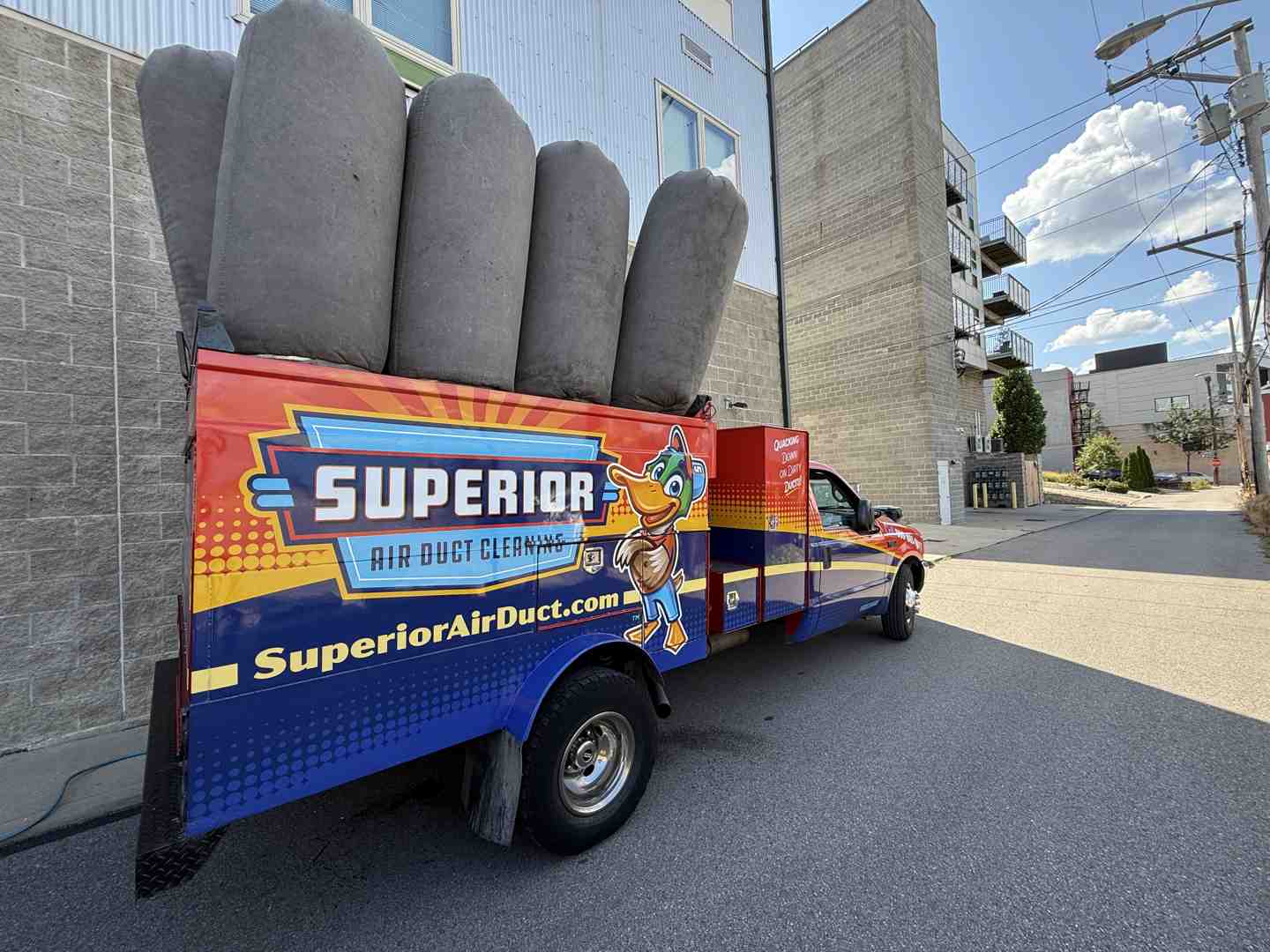
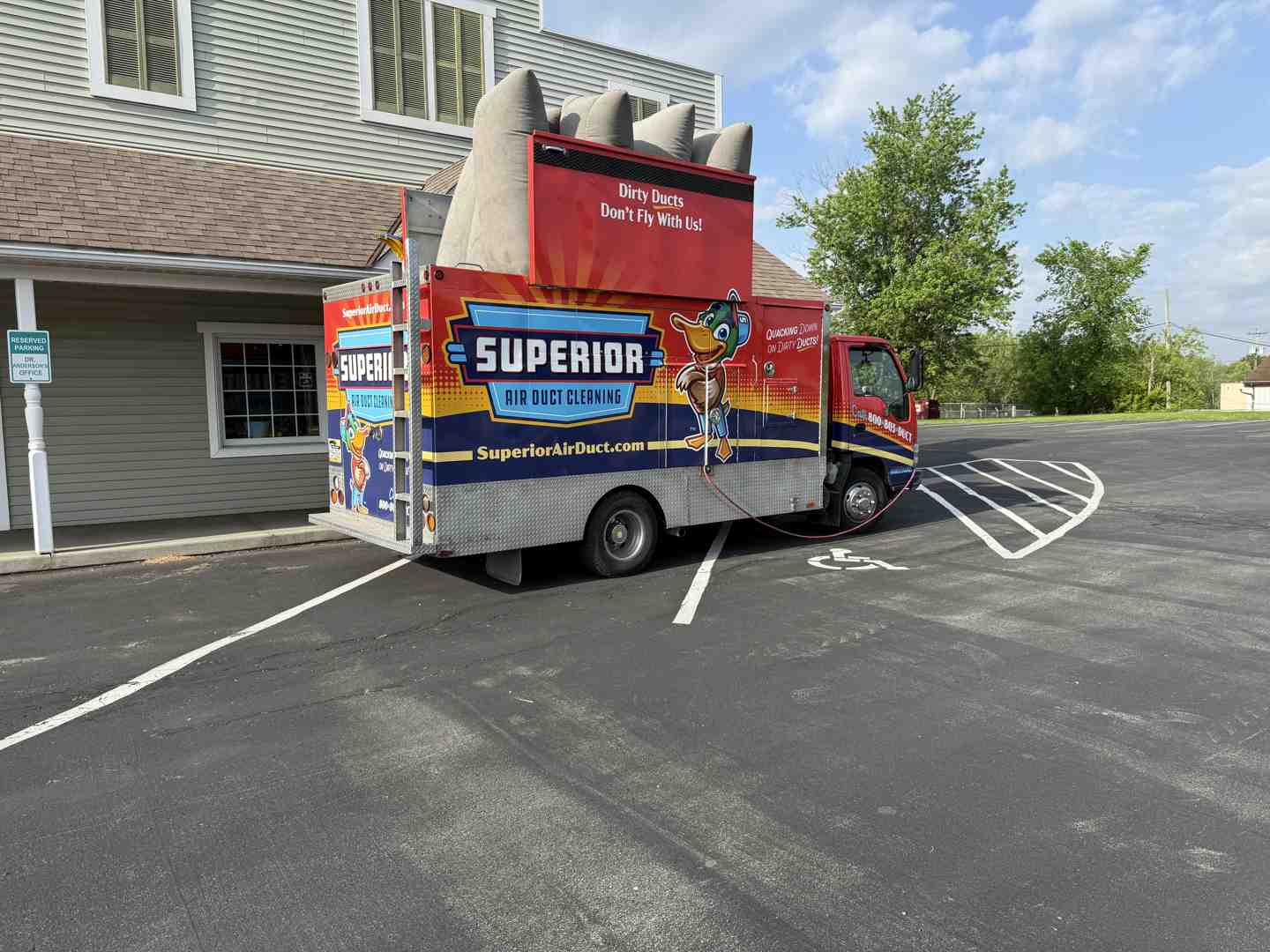
Professional-grade extraction equipment operates on a completely different mechanical principle. Using specialized truck-mounted vacuums, professionals put the entire duct system under intense negative pressure. This means that instead of just blowing debris around, the equipment creates a powerful vacuum that pulls heavy pet hair, dander, and hidden blockages out of the house entirely. Working with an experienced team like ours that utilizes this level of truck-mounted extraction ensures that the heavy biological load is actually removed from your property.
Following a deep extraction, whole house sanitizing is highly recommended. Because pet dander is biological, it leaves behind bacteria and odor-causing microbes on the metal duct walls. Sanitizing the freshly cleaned ductwork neutralizes this lingering biological matter, ensuring the air circulating through your home is truly clean.
Ensure Your Furnace is Ready for the Heating Season
Clearing the fall shed from your system is a vital step before daily furnace use begins in earnest. As September early fall gives way to colder temperatures, you need to trust that your heating system can operate efficiently without circulating concentrated allergens or straining against clogged return vents.
Standard 1-inch filters simply cannot handle the seasonal influx of pet dander alone. If you have multiple pets, or if you noticed excessive dust and musty odors when you first tested your heat, your ductwork is likely holding a significant amount of hidden debris. Do not wait for the deep cold to arrive; schedule a thorough inspection and professional cleaning now to protect both your furnace equipment and your family's respiratory comfort.
Frequently Asked Questions
Does pet dander ruin HVAC systems?
Yes, excessive pet dander can cause significant mechanical damage to an HVAC system over time. When heavy hair and microscopic skin flakes bypass the filter, they coat the blower motor and heat exchanger. This buildup causes severe friction, forcing the motor to work harder and run longer cycles, which can eventually lead to premature system failure.
How often should I change my AC filter with pets in the fall?
During the heavy fall shedding season, you should inspect your HVAC filter every two weeks. While standard recommendations suggest changing filters every 30 to 90 days, the sudden influx of an autumn undercoat can blind a filter in just a few weeks. If the filter media appears gray or is coated in visible hair, replace it immediately.
Does duct cleaning remove pet dander?
Professional duct cleaning is highly effective at removing pet dander from an HVAC system. By placing the ductwork under negative pressure using truck-mounted vacuums, technicians can extract the oily hair and microscopic skin cells that cling to the interior walls. This process removes the hidden allergens that standard household vacuums cannot reach.
Why is my house so dusty in the fall?
Houses often become noticeably dustier in the fall because windows are closed, trapping airborne particles indoors. Simultaneously, pets undergo photoperiodic shedding, releasing massive amounts of dander into the closed environment. When the heating system cycles on, it recirculates this trapped debris continuously, causing it to settle on furniture and surfaces.
How do I get pet hair out of my HVAC return vents?
For surface hair, you can safely remove the return grille cover and use a vacuum with a brush attachment to clean the immediate opening. However, you should never attempt to push a hose deep into the ductwork, as this will only push the hair further inside. For hair trapped deep within the return drop, professional negative pressure extraction is required.
Why does my furnace smell dusty when I first turn it on in the fall?
A dusty smell during the first furnace cycle is caused by settled debris burning off the heat exchanger. Over the summer, pet dander, hair, and household dust settle inside the dormant ductwork and on the furnace components. When the burners ignite for the first time, this biological matter heats up and releases a temporary burning or musty odor.

Customer Reviews


Superior Air Duct cleaning did a phenomenal job in a timely manner with the tech “Rich” being very professional ,personable and considerate of our property! He explained things as he proceeded and answered all our questions!
I LOVE that they provide before & after photos to see the difference. Give them a try… you won’t regret it
Pam T.
Robert was on schedule and communicated what time he would arrive. He was polite, professional, and respectful of our home. I wanted to wait a couple weeks before posting a review because I wanted to see if the duct cleaning actually made a difference. I am happy to say it did! I vacuum multiple times a week and have already noticed a significant reduction in the amount of dust cleaned up each time. As a home with pets, there will always be something to clean, but getting the ducts cleaned has definitely helped improve the air quality and reduce the dust.
alice A.
Technician Rob arrived early explained the days agenda and then proceeded to work methodically and meticulously over the next 6+ hours cleaning my ductwork. Courteous and professional they answered all of my questions and went above and beyond the call of duty. They even located an old dusty box of rat poison buried in our vents. My only regret is not finding these guys sooner. As a realtor of 22 years and owner of a newly purchased (now dust free) home I highly recommended!
Eric K.
Excellent service! I’ve used them to clean out my air ducts as well as my dryer vent duct and they are excellent. I was very pleased with both jobs and will continue to use them in the future. Great communication as well- from the time I scheduled the appointment until they were at my door.
Erika C.
We had such an amazing experience with Superior Air Duct Cleaning. They were so nice and friendly and did an amazing job. I loved seeing the before and after pictures. Besides doing an amazing job cleaning our air ducts they were so quick at responding and setting up the appointment. We will definitely be using them in the future.
Amanda C.