When Weak Airflow Strikes During the Hottest Weeks of the Year
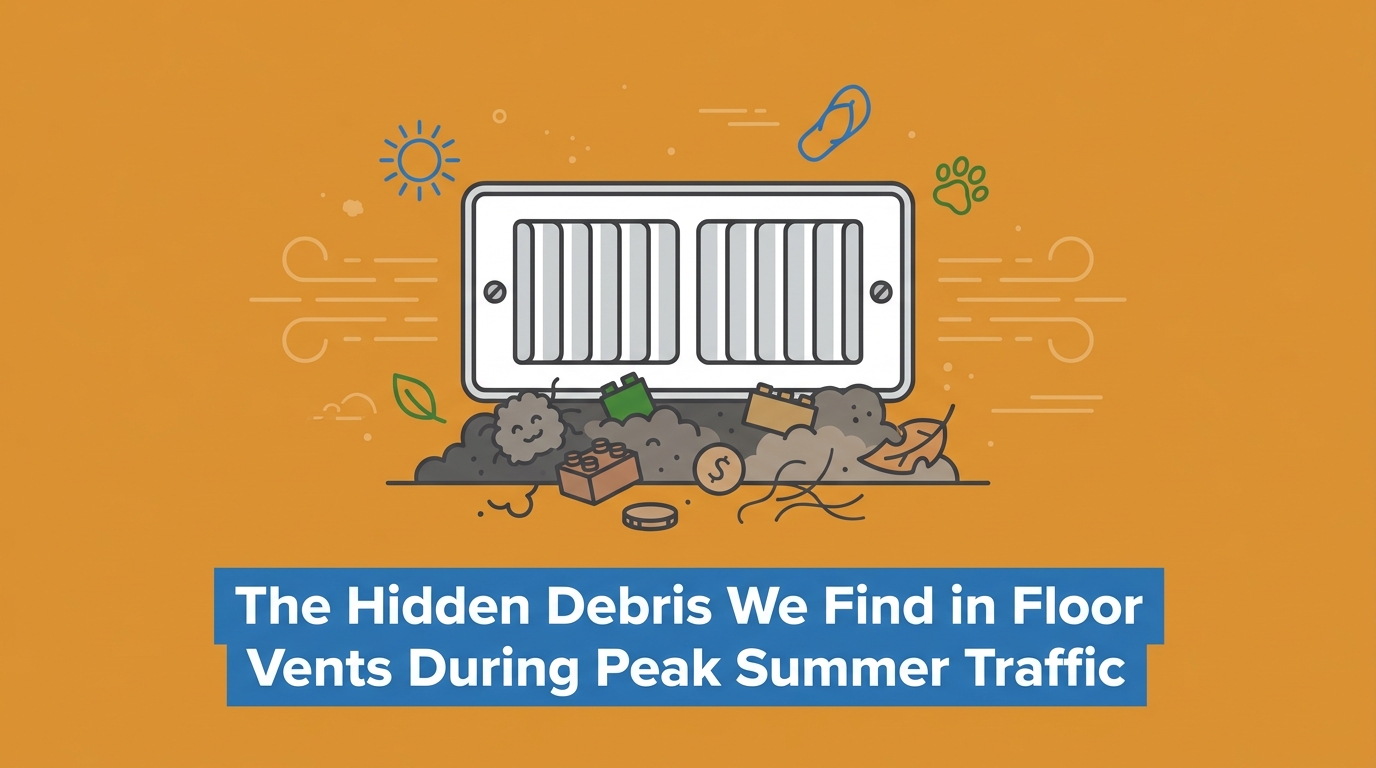
Your air conditioner is running nonstop, but the house still feels uncomfortably warm. You place your hand over a floor register and notice that the airflow feels incredibly weak, or perhaps you detect a stale, dusty odor every time the system cycles on. The hidden debris we find in floor vents during peak summer traffic is often the real reason behind this sudden drop in cooling power. Most homeowners immediately assume their AC unit is failing or that they simply need to swap out the furnace filter. However, when the filter is clean and the outdoor unit is running fine, the culprit is usually much closer to your living space: a rapid accumulation of yard dirt, grass clippings, and pet hair physically blocking the floor registers.
If you are struggling to maintain comfortable temperatures, improving your indoor air quality through professional air duct cleaning is the most effective way to restore your system's performance.
During July peak summer heat, your HVAC system is already working overtime to keep your home cool. When physical blockages choke off the supply of conditioned air, the entire house suffers. Understanding how this debris enters your ductwork, how it impacts the air you breathe, and why it requires specialized removal is the first step toward reclaiming a comfortable, efficient home.
The Anatomy of Summer Vent Debris: What Actually Falls In?
Floor registers are naturally positioned at the lowest point in your rooms, making them perfect collection basins for everything that falls, drops, or gets swept across your floors. While winter dust is typically fine and dry, summer debris is entirely different. It is heavy, organic, and highly restrictive to airflow.
The Environmental Protection Agency (EPA) notes that indoor air can be two to five times more polluted than outdoor air. This problem is severely exacerbated during active months when doors are constantly opening and outdoor particulates are tracked inside. The National Air Duct Cleaners Association (NADCA) reports that a typical home's ductwork can accumulate up to 40 pounds of dust and dirt over a single year. During July peak summer, a significant portion of that weight comes from dense, outdoor materials.
• Grass Clippings — How It Enters the Vents: Tracked in on shoes and bare feet after lawn maintenance. — Impact on System Airflow: Retains moisture, creating a sticky base layer inside the duct boot.
• Yard Dirt & Pebbles — How It Enters the Vents: Kicked off heavy boots, cleats, or dropped from outdoor toys. — Impact on System Airflow: Falls deep past the register, accumulating in the horizontal duct runs.
• Pollen & Spores — How It Enters the Vents: Blows in through open windows and doors, settling on floors. — Impact on System Airflow: Coats the interior walls of the ductwork, reducing aerodynamic efficiency.
• Pet Dander — How It Enters the Vents: Shed continuously as pets lose their heavy winter coats. — Impact on System Airflow: Acts as a binding web that catches all other falling debris.
The Role of Pet Shedding in Binding Debris
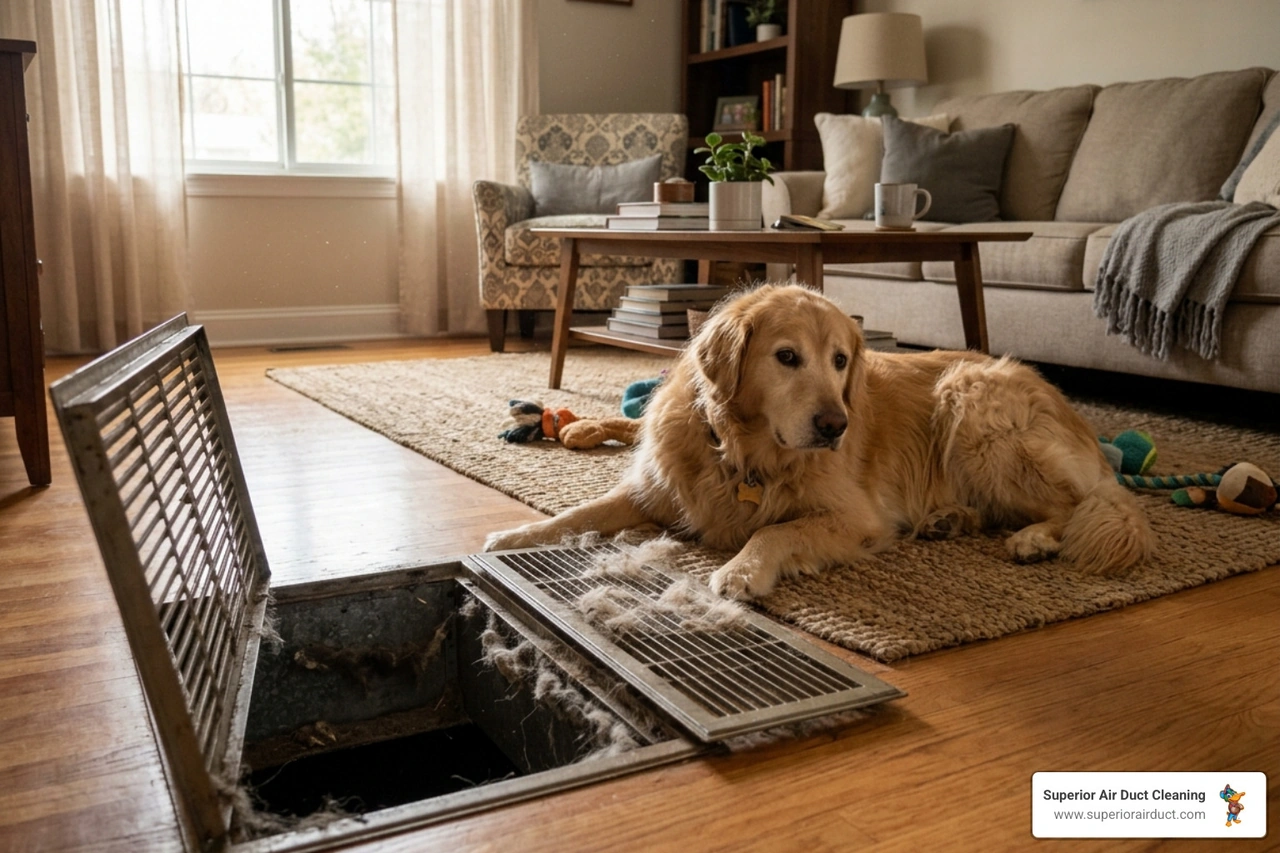
Individual pieces of dirt or grass might just sit at the bottom of a duct without fully blocking the air. However, pet hair changes the equation entirely. As dogs and cats shed heavily during the warmer months, their fur drifts across hard floors and inevitably falls down the registers. Inside the duct, this hair acts exactly like a net. It catches the smaller particles—the dirt, the pollen, the grass—and weaves them together. Over just a few weeks, this combination creates a thick, physical barrier that acts like a secondary, highly restrictive filter that conditioned air simply cannot push through.

How Heavy Foot Traffic Accelerates Duct Blockages
The physical accumulation of debris is directly tied to the active lifestyle of the household. Summer is the season of constant movement. Kids are running in and out of the yard, guests are walking through the house for barbecues, and pets are constantly transitioning between the outdoor heat and the indoor air conditioning. Every time someone steps through the door, they bring a small piece of the outside world with them.
Because floor registers are often located near entryways, beneath windows, or in high-traffic hallways, they become the primary collection points for everything kicked off shoes and paws. But it is not just the volume of traffic that accelerates these blockages; it is the local climate itself.
With New Brighton PA's warm, active summer climate, the air carries a heavy, sticky humidity. When this humid air mixes with local pollen, loose dirt, and freshly cut grass clippings inside your ductwork, it causes the debris to clump together much faster than dry winter dust ever would. The moisture in the air effectively turns loose dirt into a thick paste that adheres to the metal walls of the duct boot. As more foot traffic pushes more debris into the vents, this sticky base layer quickly builds up into a solid, airflow-blocking mat that chokes your cooling system.
The Misconception: AC Failure vs. Blocked Registers
When the temperature outside is soaring and the airflow inside drops to a whisper, panic usually sets in. The immediate assumption is that the air conditioner has suffered a catastrophic mechanical failure. Homeowners often worry about refrigerant leaks, burnt-out compressors, or failing blower motors. While these mechanical issues certainly happen, reduced cooling efficiency is very often a symptom of choked airflow rather than a broken machine.
Here is the physics of how your system operates: your HVAC blower motor is designed to push a specific volume of air through the ductwork. When floor registers are blocked by a dense mat of summer debris, the static pressure inside the ducts skyrockets. The blower motor has to work significantly harder to force air through that physical barrier. This not only reduces the amount of cold air making it into your living room, but it also puts immense strain on the HVAC equipment, leading to overheating and higher energy bills.
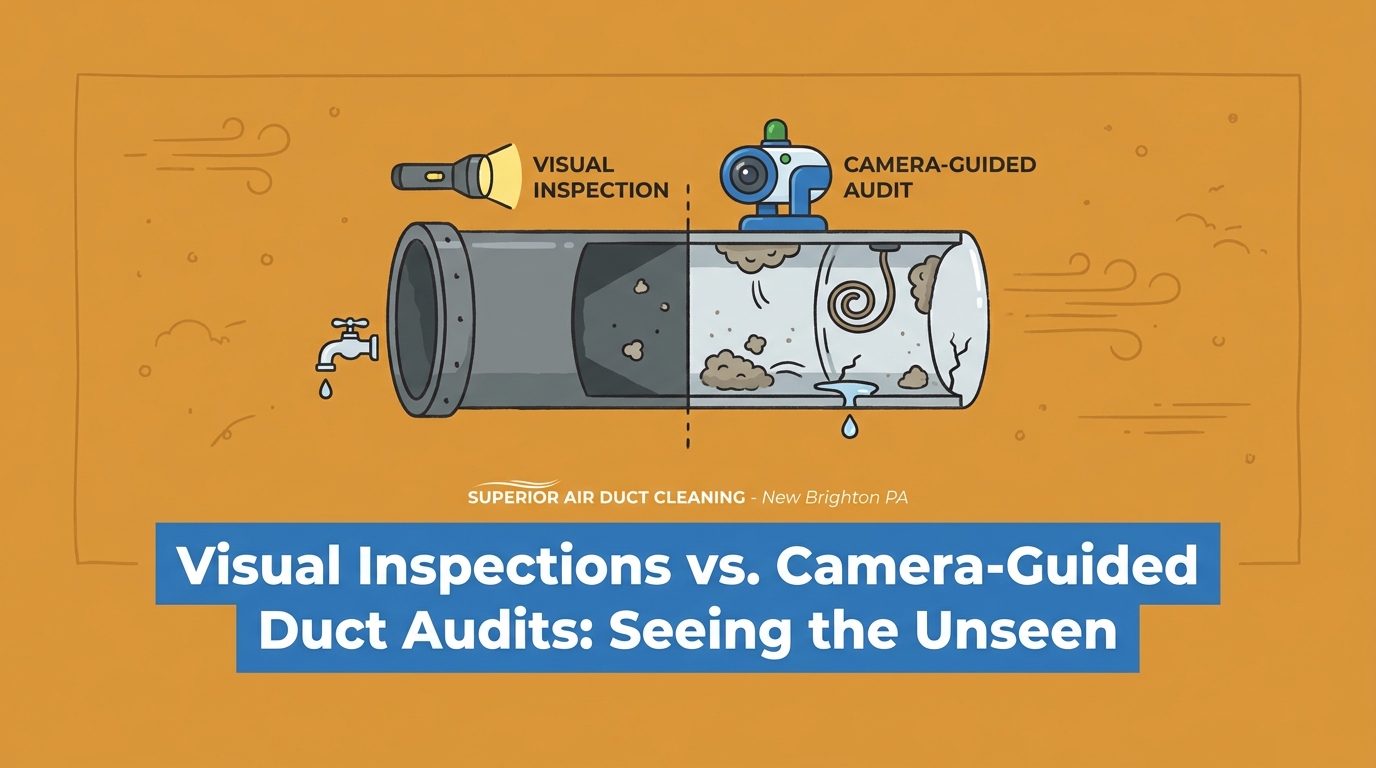
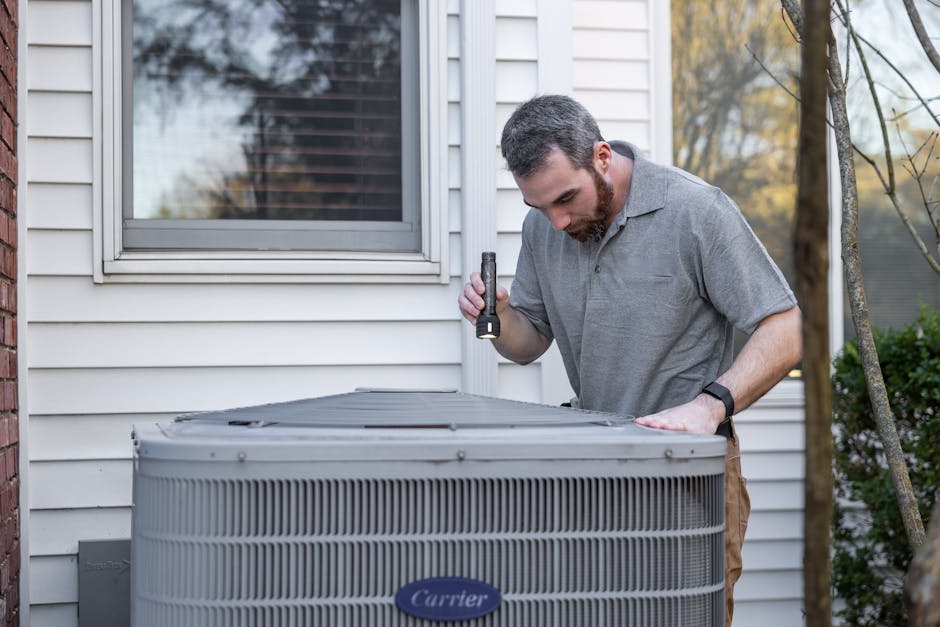
Before you pay for an expensive mechanical diagnostic during July peak summer, it is highly recommended to inspect what is inside your air ducts. Simply lifting a floor register and shining a flashlight down into the boot can reveal a massive accumulation of yard waste and pet hair that is suffocating your system from the inside out.
Why Standard Household Vacuums Fall Short
Once a homeowner discovers a mat of debris inside their floor register, the most common reaction is to grab the household vacuum cleaner. While vacuuming the surface of the vent cover and the immediate few inches of the duct boot is a good maintenance habit, it is completely insufficient for resolving a severe airflow restriction.
The problem lies in the mechanical limitations of DIY cleaning and the anatomy of your home's ductwork. Heavy summer debris, like small rocks, clumps of wet dirt, and dense balls of pet hair, does not just sit neatly at the top of the vent. It falls past the initial register, down the vertical boot, and settles deep into the horizontal duct runs. Standard household vacuums, even powerful uprights or shop vacs, simply do not have the reach or the static suction power required to pull heavy, matted debris from several feet down the line.
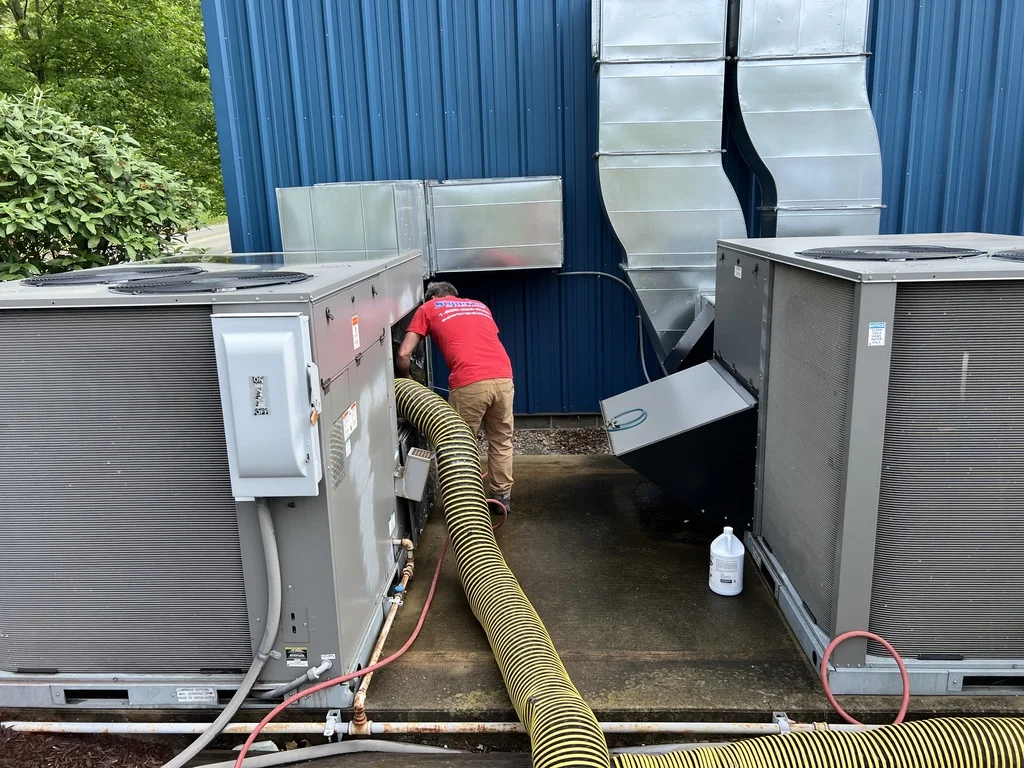
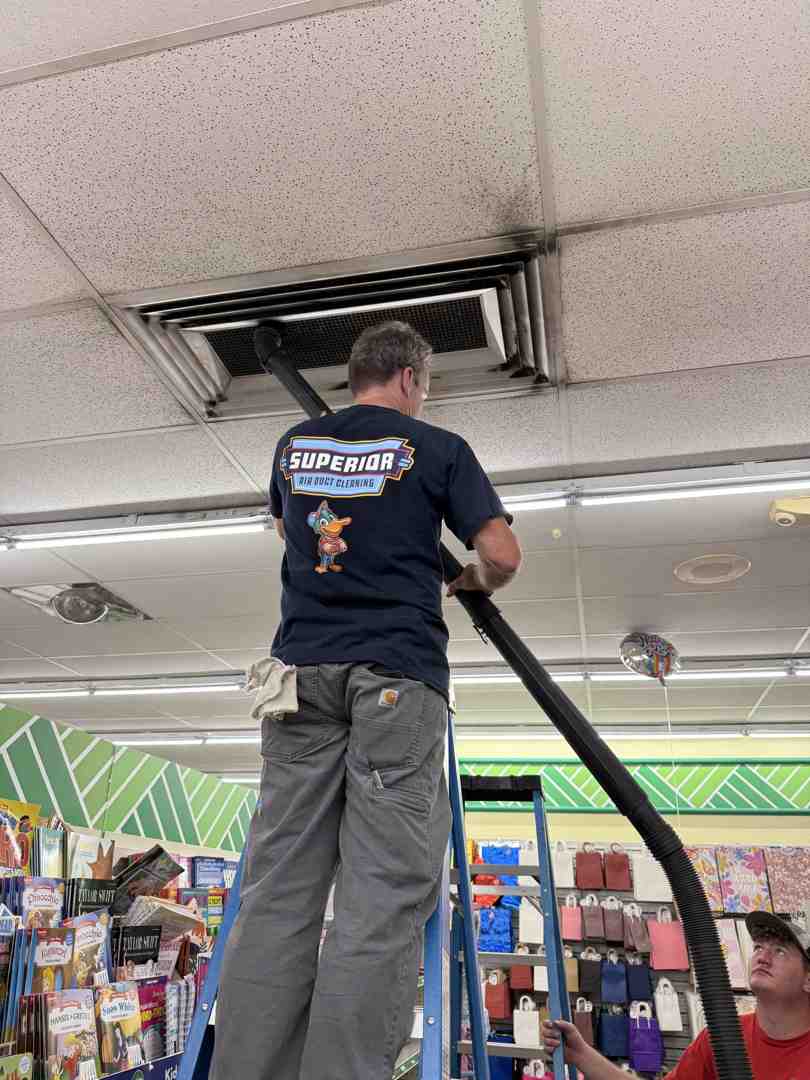
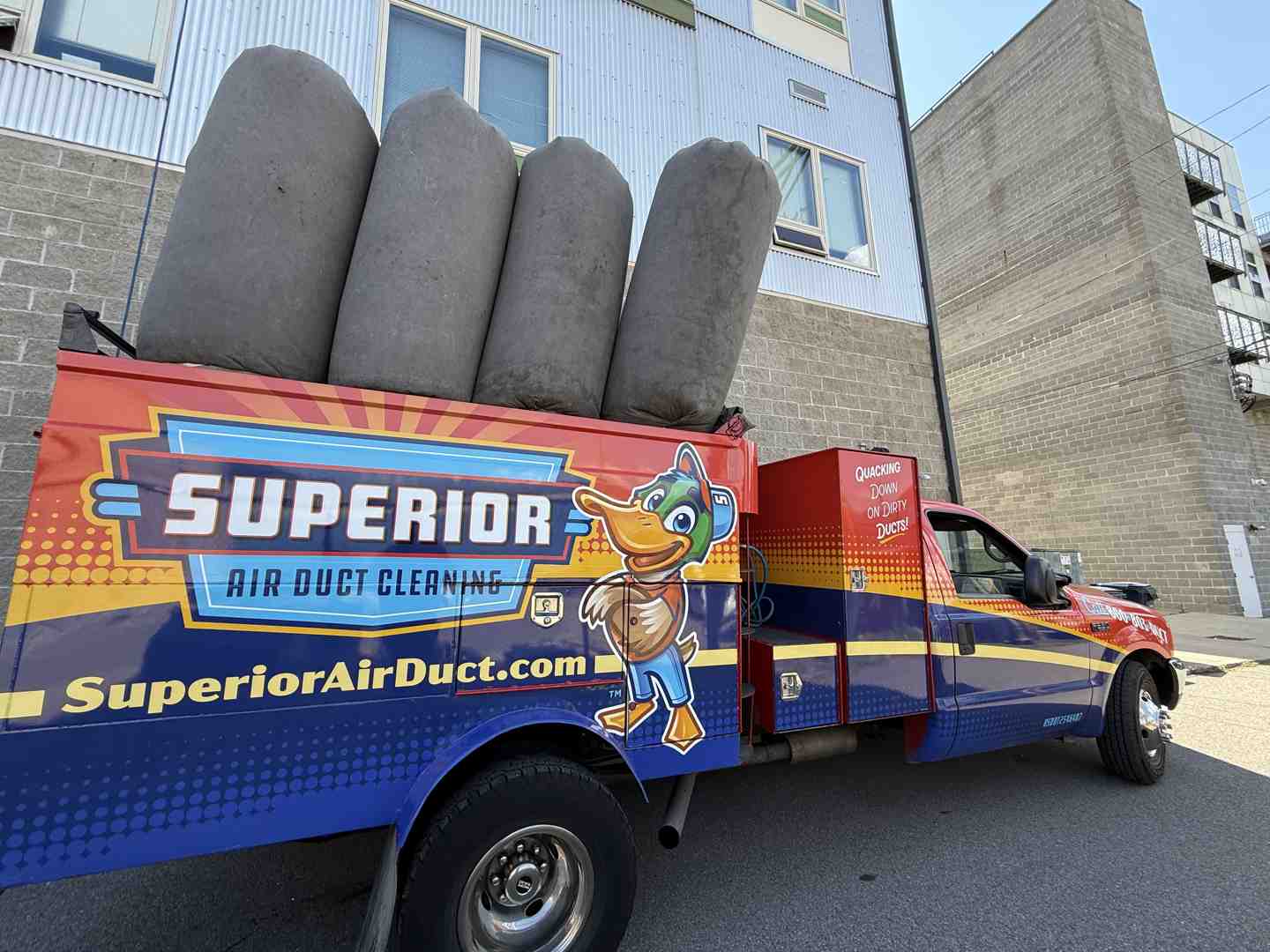
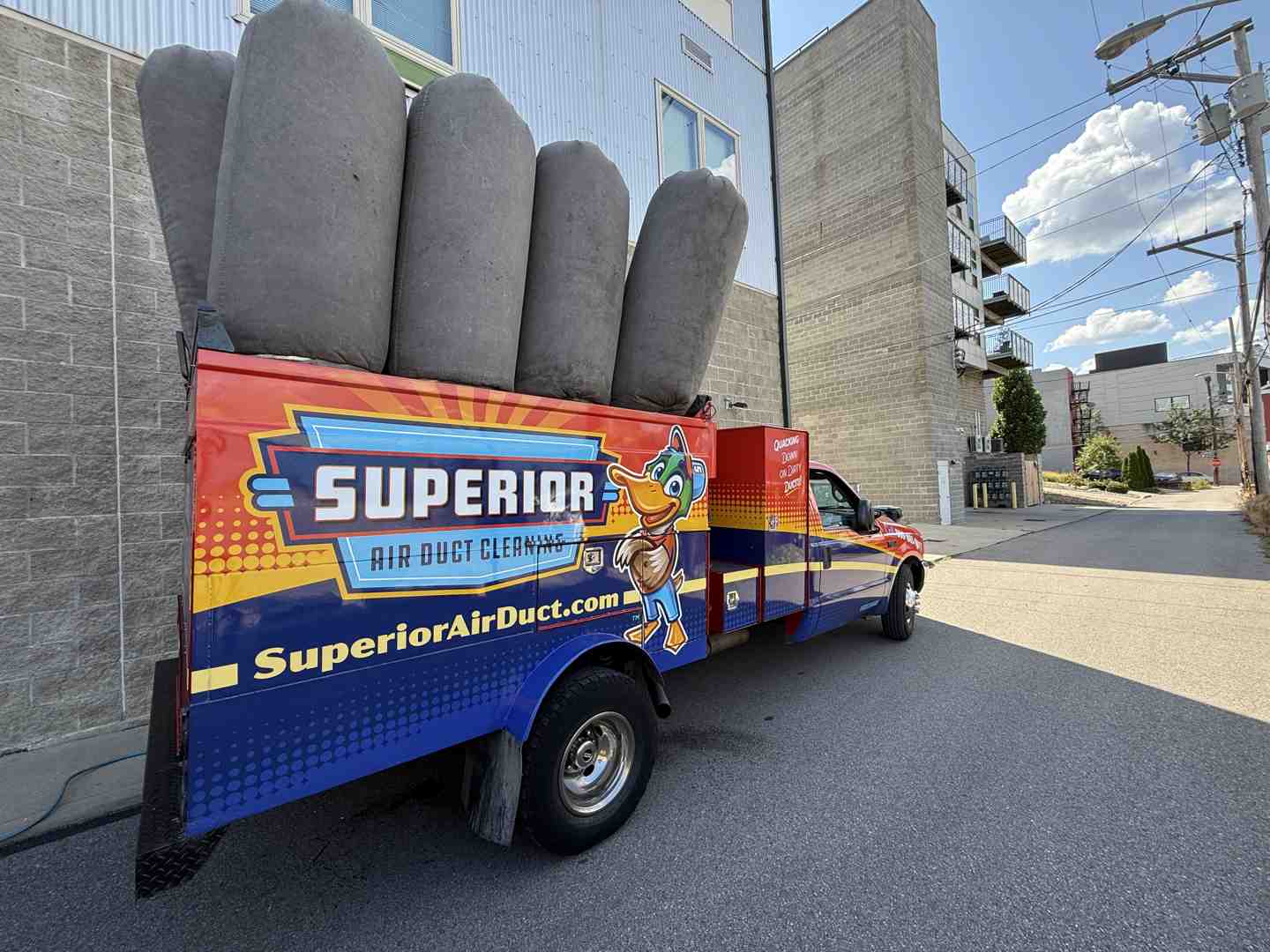
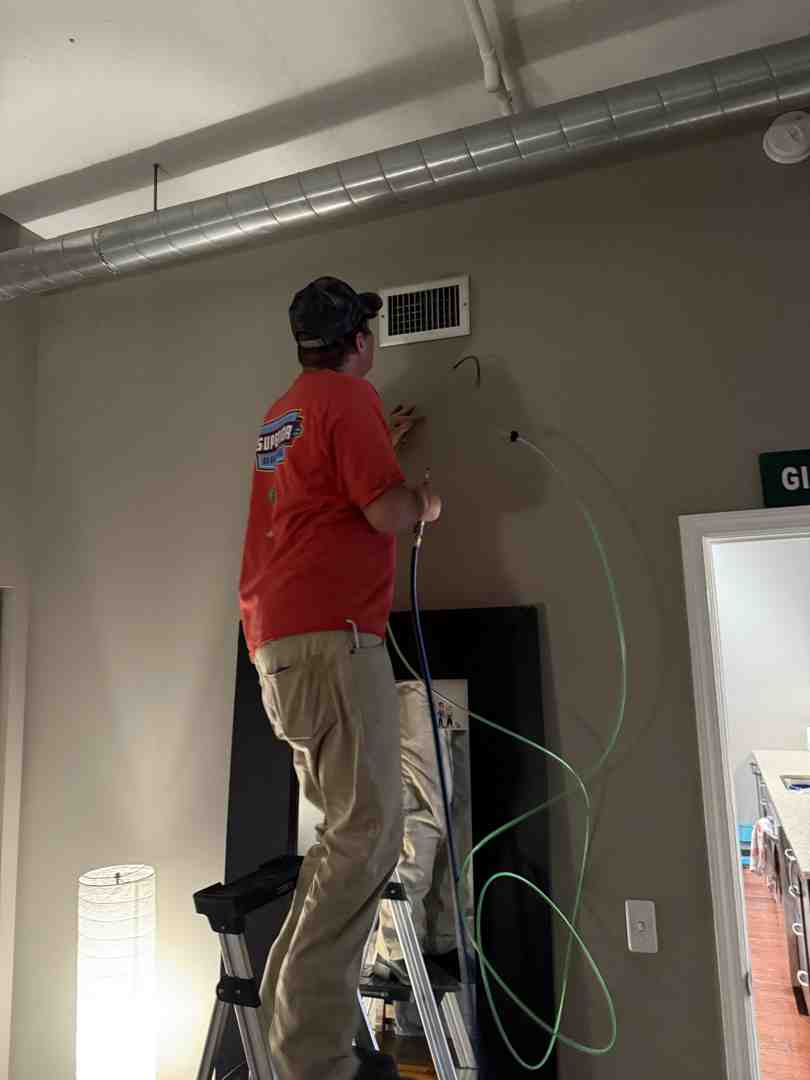
This is where professional methodology becomes necessary. Standard household vacuums only scratch the surface, whereas professional-grade extraction is required to pull heavy summer debris out of the deeper ductwork. Professional systems utilize massive, truck-mounted or heavy-duty portable negative air machines that put the entire duct run under intense suction. Combined with specialized air whips and agitation tools that physically scrub the inside of the metal, this process dislodges the sticky, humid clumps of New Brighton PA summer dirt and extracts them entirely from the home.
The Hidden Impact on Indoor Air Quality and Breathing
The consequences of packed floor vents extend far beyond just a warm house and a struggling air conditioner. The physical debris trapped in your ductwork has a direct, profound impact on the health and comfort of the home's occupants. Your HVAC system acts as the respiratory system of your house. When it is forced to push cold air through a dense mat of dirty grass, outside dirt, and pet dander, it effectively distributes those allergens into every room.
As this contaminated air circulates, occupants frequently experience an increase in sneezing, coughing, watery eyes, and poor sleep quality. What feels like a stubborn summer cold or a severe reaction to outdoor pollen is often the result of indoor air quality plummeting due to dirty vents. Removing the physical blockage is the absolute first step to restoring clean, breathable air.
In one rental property last summer, occupants experienced horrible vent smells that compromised the entire living space, making it difficult to relax or breathe comfortably. The solution required thoroughly vacuuming, cleaning, and sanitizing the vents alongside a full check of the furnace. Removing the hidden summer debris completely resolved the bad odors and drastically improved the overall air quality for the residents, proving that physical extraction is directly tied to respiratory comfort during July peak summer heat.
Beyond Extraction: Eliminating Summer Odors and Bacteria
Pulling the heavy dirt and grass out of the system solves the airflow restriction, but summer debris often leaves behind a secondary problem: lingering odors. Organic matter like grass clippings, leaves, and pet hair can begin to break down and decompose when trapped in the humid, dark environment of a duct system. This decomposition process is what causes the stale, dusty, or sometimes sour smells that blast into your face when the AC kicks on.
Furthermore, these damp, dark environments inside the floor vents provide the perfect breeding ground for bacteria and mold spores to harbor and multiply. Once the physical dirt is removed, the microscopic contaminants remain on the metal surfaces.
Another local homeowner dealing with exceptionally dirty ducts and vents found that a thorough cleaning process—where every step was clearly explained—left the system super clean and free of these biological contaminants. For homes experiencing persistent odors, whole house sanitizing is the logical next step after physical debris extraction. This process introduces an antimicrobial mist into the clean ductwork, neutralizing the remaining bacteria, eliminating the source of the odors, and ensuring that the air circulating through your New Brighton PA home is as fresh as it is cold.
Common Questions About Summer Vent Debris
What happens if debris gets in my air vents?
When debris like dirt, pet hair, and grass clippings falls into your air vents, it creates a physical barrier that restricts airflow. This forces your HVAC system to work much harder to cool the home, leading to increased energy bills and unnecessary wear on the blower motor. Over time, organic debris can also break down in the humidity, causing stale odors and circulating allergens throughout your living space.
Why is my AC blowing weak air from floor vents?
Weak airflow from floor vents is most commonly caused by a physical blockage inside the ductwork or a severely clogged furnace filter. During the summer, heavy foot traffic pushes yard dirt and pet hair down into the registers, creating a thick, matted net that chokes off the conditioned air. If your filter is clean but the air is still weak, professional extraction is usually required to clear the deeper duct runs.
Can dirty air ducts affect AC cooling?
Yes, dirty air ducts significantly impact your air conditioner's ability to cool your home. When the ducts are lined with thick dust or blocked by summer debris, the volume of cold air reaching your rooms is drastically reduced. This causes the AC unit to run longer cycles to reach the set temperature on the thermostat, decreasing overall cooling efficiency and increasing operational costs.
Is it normal to have dirt in air vents?
It is entirely normal for a small amount of household dust to settle inside air vents over time. However, large accumulations of heavy dirt, rocks, grass clippings, and dense pet hair indicate that the floor registers are acting as catch-alls for heavy foot traffic. While minor dust is expected, thick, airflow-blocking dirt requires professional removal to protect the HVAC equipment.
How often should floor registers be checked during the active summer months?
Homeowners should visually inspect their floor registers at least once a month during the peak summer season, especially in high-traffic areas near exterior doors. Simply lifting the vent cover and checking the boot for large clumps of pet hair or yard debris can help you catch a blockage before it severely impacts your cooling performance. Routine checks help maintain optimal airflow during the hottest weeks of the year.
Restore Peak Cooling Performance and Clean Air Today
Weak airflow during the hottest weeks of the year does not always mean your air conditioner is broken; very often, it simply means your floor registers are choked with the remnants of summer activity. From tracked-in yard dirt and grass clippings to shedding pet hair, the debris that falls into your vents creates a dense barrier that forces your system to work harder while distributing allergens throughout your home.
Understanding exactly how this debris enters and restricts the system is the key to maintaining your home's energy efficiency and comfort. Standard vacuums cannot reach deep enough to solve the problem, and ignoring the buildup only leads to higher utility bills and poorer air quality.
If you have noticed a drop in airflow, dusty smells, or an AC unit that never seems to stop running, do not wait for the system to overheat. Take action to clear out the hidden summer debris. Explore options for professional air duct cleaning to extract the heavy blockages, neutralize lingering odors, and restore clean, efficient cooling to your New Brighton PA home today.

Customer Reviews


Superior Air Duct cleaning did a phenomenal job in a timely manner with the tech “Rich” being very professional ,personable and considerate of our property! He explained things as he proceeded and answered all our questions!
I LOVE that they provide before & after photos to see the difference. Give them a try… you won’t regret it
Pam T.
Robert was on schedule and communicated what time he would arrive. He was polite, professional, and respectful of our home. I wanted to wait a couple weeks before posting a review because I wanted to see if the duct cleaning actually made a difference. I am happy to say it did! I vacuum multiple times a week and have already noticed a significant reduction in the amount of dust cleaned up each time. As a home with pets, there will always be something to clean, but getting the ducts cleaned has definitely helped improve the air quality and reduce the dust.
alice A.
Technician Rob arrived early explained the days agenda and then proceeded to work methodically and meticulously over the next 6+ hours cleaning my ductwork. Courteous and professional they answered all of my questions and went above and beyond the call of duty. They even located an old dusty box of rat poison buried in our vents. My only regret is not finding these guys sooner. As a realtor of 22 years and owner of a newly purchased (now dust free) home I highly recommended!
Eric K.
Excellent service! I’ve used them to clean out my air ducts as well as my dryer vent duct and they are excellent. I was very pleased with both jobs and will continue to use them in the future. Great communication as well- from the time I scheduled the appointment until they were at my door.
Erika C.
We had such an amazing experience with Superior Air Duct Cleaning. They were so nice and friendly and did an amazing job. I loved seeing the before and after pictures. Besides doing an amazing job cleaning our air ducts they were so quick at responding and setting up the appointment. We will definitely be using them in the future.
Amanda C.