Why Your AC Struggles During Peak Summer Heat: The Airflow Equation
Are you constantly asking yourself, "Does Duct Cleaning Actually Lower Summer Electric Bills in Western PA?" while listening to your air conditioner run non-stop without ever quite reaching the thermostat setpoint? Is your system actually broken—or is it just struggling to push conditioned air through a heavily restricted pathway? Many homeowners view duct clearing as a purely cosmetic service, assuming it only impacts the amount of dust settling on their furniture. However, the reality is much more mechanical. The relationship between unobstructed airflow and your blower motor's energy consumption is a simple matter of physics. If you want to improve your home's indoor air quality and reduce the strain on your cooling system, understanding this airflow equation is the critical first step.
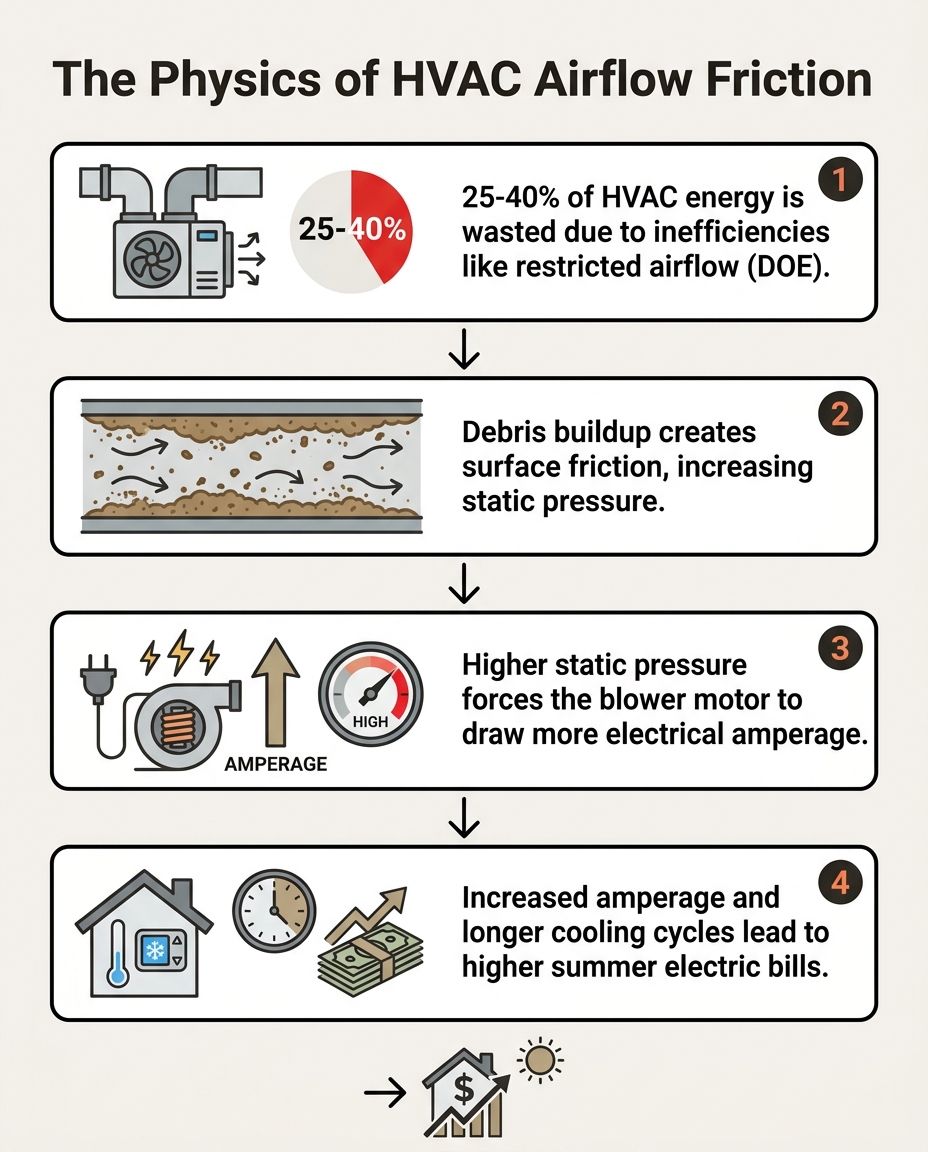
The core problem: Every cooling system is engineered to move a specific volume of air per minute. When heavy debris coats the interior walls of your ductwork, it creates surface friction. This friction acts like a brake on your airflow. Your blower motor has to work significantly harder to overcome that resistance, which directly impacts how much electricity your system consumes during long, hot afternoons.
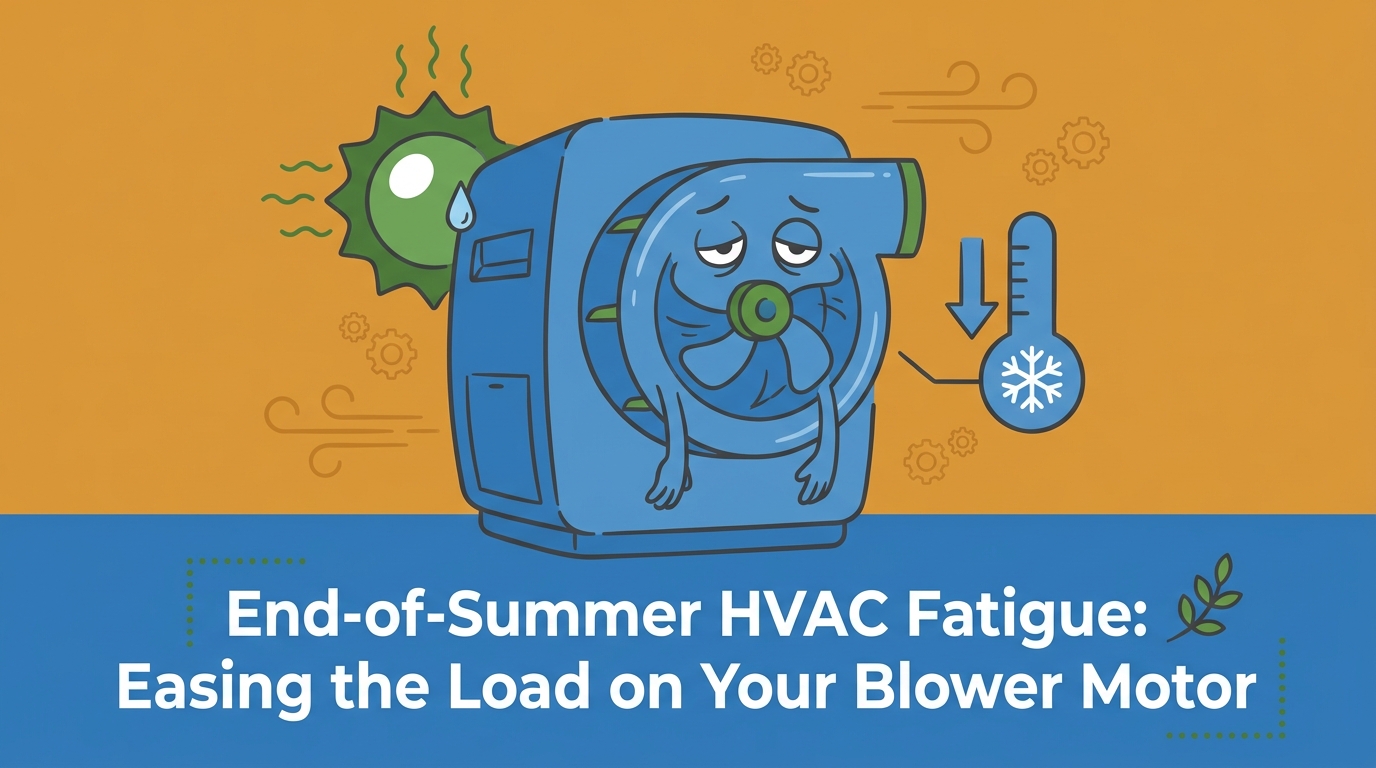
The Physics of Airflow: How Duct Friction Strains Your Blower Motor
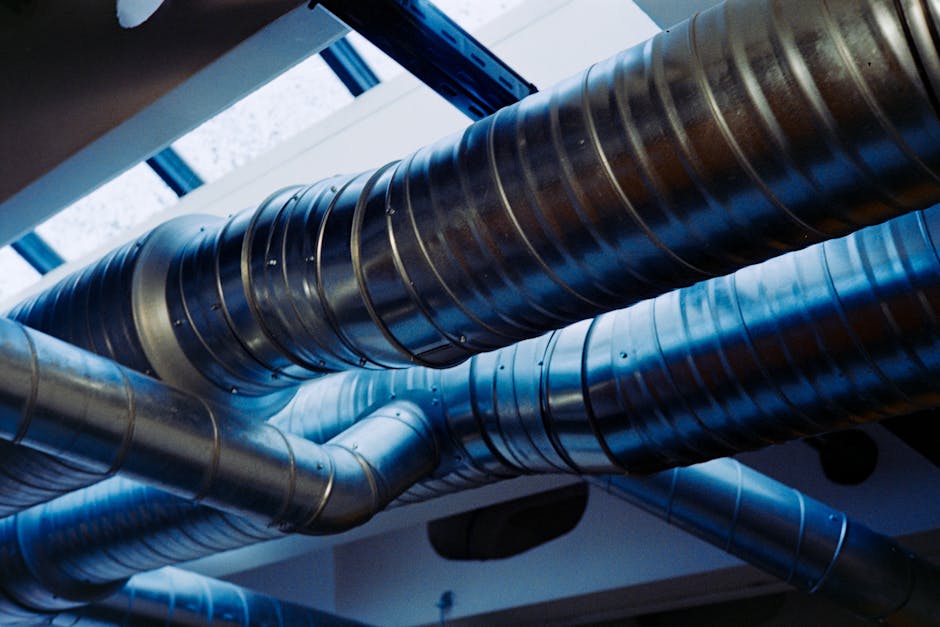
The Problem: Residential ductwork is designed to operate within a very specific range of static pressure. Think of static pressure as the resistance to airflow within the system. When your ducts are brand new and clean, air glides smoothly over the galvanized metal surfaces. But over years of use, dust, pet dander, and microscopic debris settle onto the duct walls. This buildup creates an uneven, rough surface that generates massive amounts of airflow friction, especially during July peak summer heat and humidity when your system is running its longest cycles.
The Cause: As this friction increases, the static pressure inside the ductwork spikes. Modern HVAC systems often feature ECMs (Electronically Commutated Motors) that are designed to maintain a consistent volume of airflow. When these motors sense increased resistance from dirty ducts, they automatically ramp up their RPMs (revolutions per minute) to force the conditioned air past the friction. Older PSC (Permanent Split Capacitor) motors simply struggle against the resistance, resulting in weak airflow at the vents and longer overall run times.
The Solution: In both cases, the blower motor must draw more electrical amperage to do its job. Higher amperage draw and extended cooling cycles directly translate to increased kilowatt-hour usage on your monthly utility statements. By physically removing the heavy debris from the duct walls, you eliminate the friction. This drops the static pressure back to factory specifications, allowing the motor to move air effortlessly. Understanding how clean ducts keep your AC running efficiently is the key to managing your home's cooling costs.

Why Western PA Humidity Compounds HVAC Energy Waste
The mechanical physics of airflow restriction become even more problematic when you factor in our specific regional climate. Western PA / New Brighton area homes face intense humidity throughout the summer months. This high moisture content significantly increases the overall cooling load on residential systems. Air conditioners do not just lower the temperature of the air (sensible heat); they must also extract moisture from the air (latent heat) to make your living space feel comfortable.
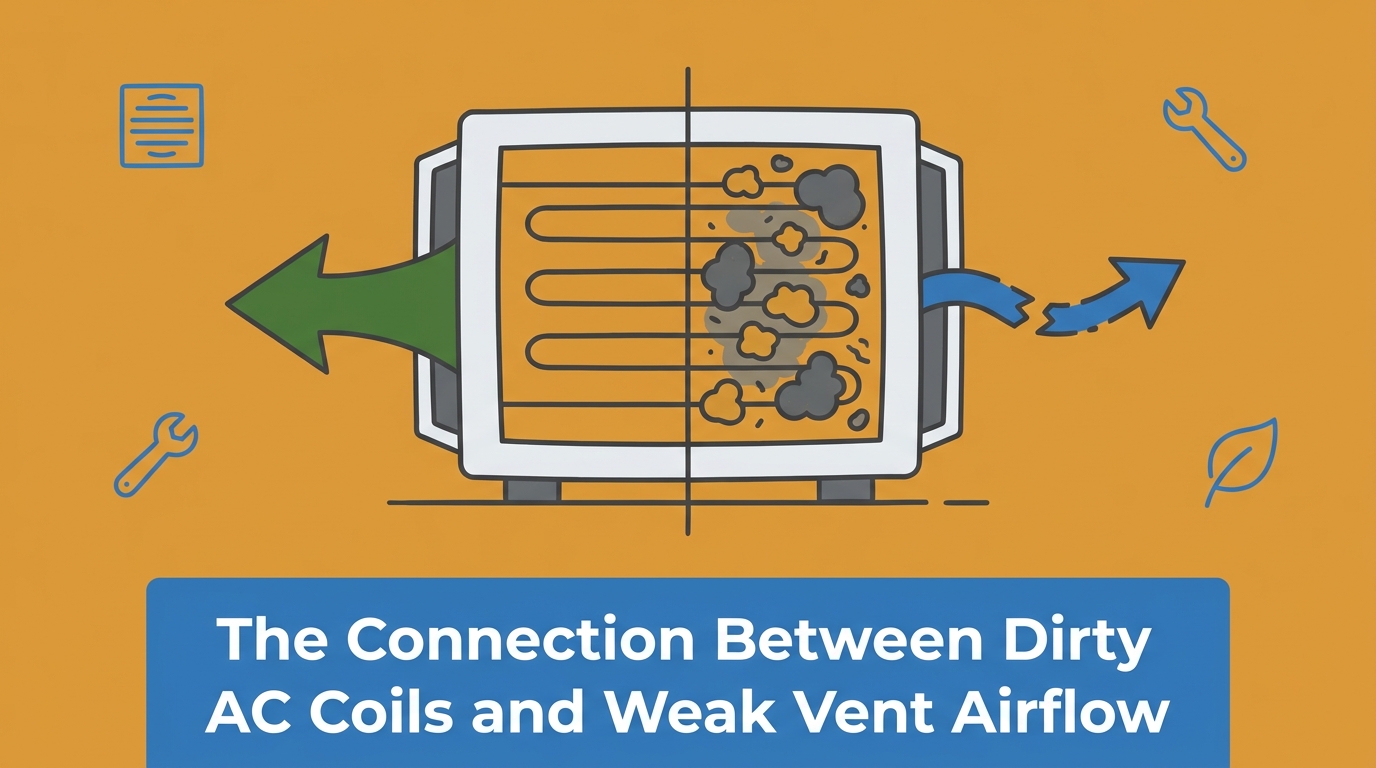
Dehumidification requires your system to process massive volumes of indoor air efficiently. The warm, humid air must pass over the cold evaporator coil inside your furnace at a specific speed. If the airflow is restricted by friction-heavy ducts, the system cannot pull enough warm air across the coil. This forces the air conditioner into continuous, high-strain operation. The unit runs for hours trying to satisfy the thermostat, but because the air volume is so low, it fails to properly dehumidify the house. The air feels cold and clammy, and the system never gets a break.
According to the U.S. Department of Energy, 25 to 40 percent of the energy used for heating or cooling a home is wasted due to system inefficiencies and restricted airflow. In our humid climate, that wasted energy adds up rapidly. Emphasizing optimal airflow is not just about keeping the house cool; it is about allowing the system to remove heavy July humidity without overworking the compressor and blower motor.
Recognizing the Hidden Signs of Severe Duct Buildup
How do you know if your home is suffering from the type of severe duct restriction that drives up utility costs? Standard air filters are designed to catch airborne particles at the return drop, but they cannot compensate for heavy debris that has already settled deep within the duct runs. Homes with older, uncleaned ductwork often have years of compacted debris that actually narrows the diameter of the duct passages.
Look for these common symptoms of high static pressure and restricted airflow:
• Weak airflow at the registers: Even when the fan is running at full speed, barely a trickle of air reaches the farthest rooms in the house.
• Persistent hot spots: Second-story bedrooms or rooms receiving direct afternoon sun stay uncomfortably warm because the AC cannot push enough conditioned air to overcome the heat gain.
• Continuous cycling: The air conditioning unit runs non-stop during the heat of the day without ever shutting off.
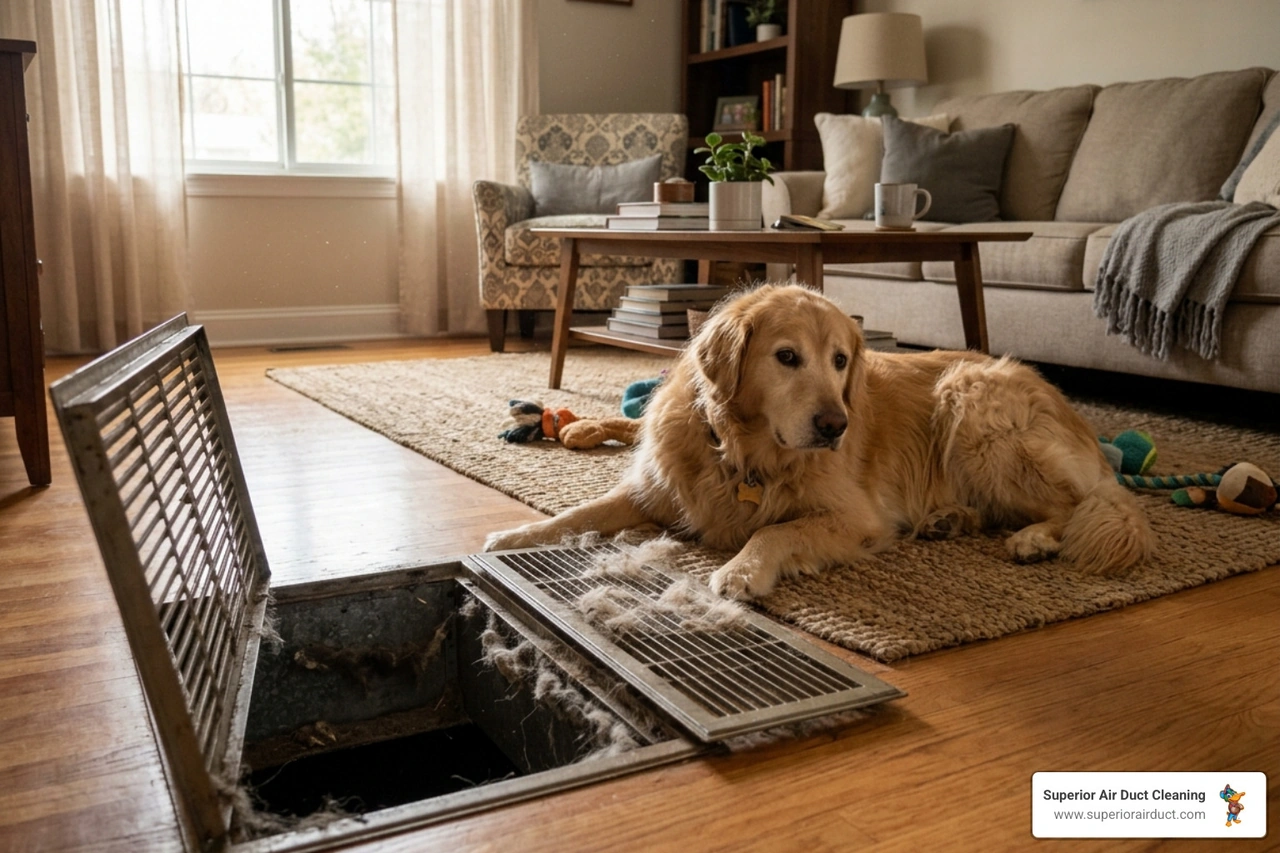
• Excessive dust accumulation: You notice a heavy layer of dust settling on ceiling fan blades and furniture just days after cleaning.
• Loud blower operation: A straining blower motor often sounds noticeably louder or produces a high-pitched whistling sound as it tries to force air past blockages.
Restoring the original diameter of the ductwork is necessary to return the system to its factory-rated mechanical efficiency. One local homeowner reached out to us recently regarding a dirty dryer vent and heavily restricted ducts that were choking their system during the July peak summer heat and humidity. After we professionally and thoroughly cleaned the entire network, they noted the phenomenal job and the immediate difference in how much air was flowing from their registers. If you are experiencing these symptoms, scheduling professional air duct cleaning is the most effective way to clear the mechanical pathway.
Cosmetic Dusting vs. Mechanical Efficiency Restoration
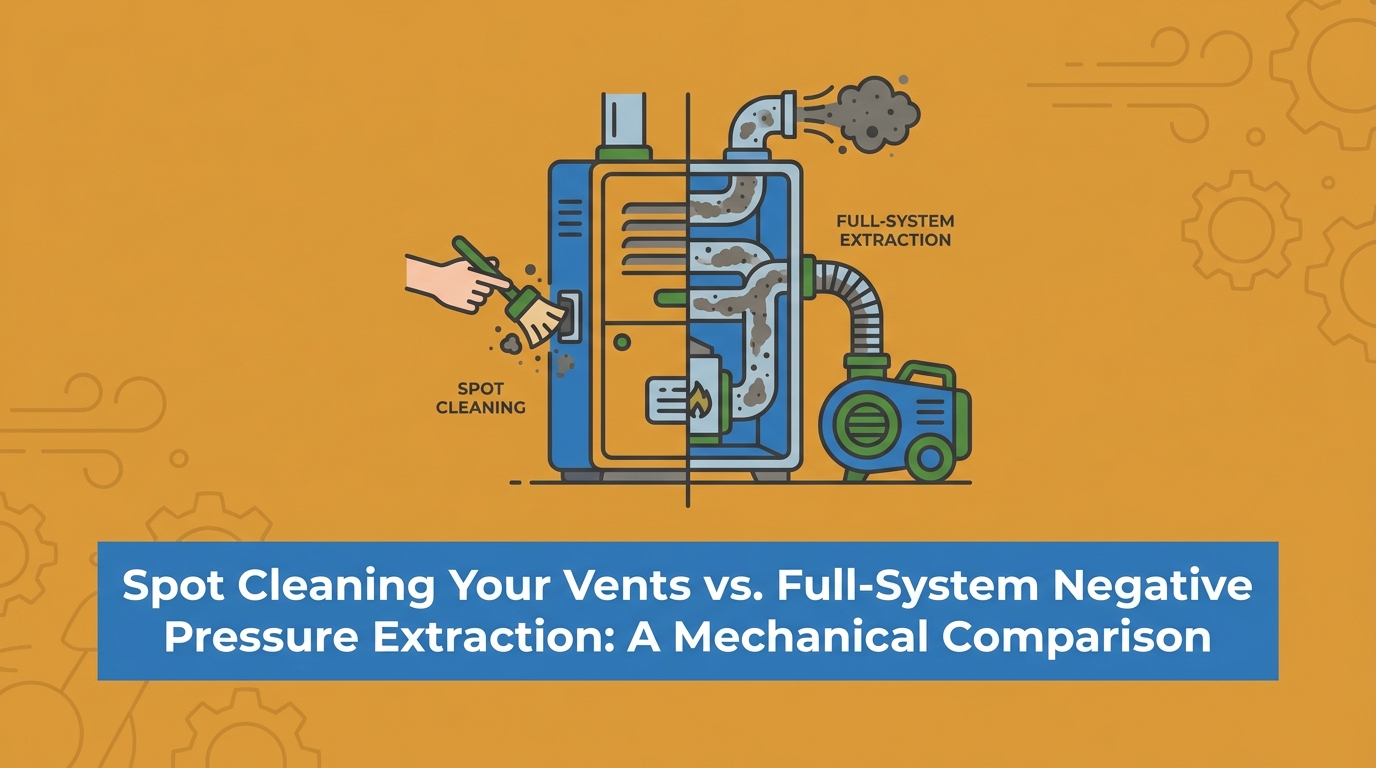
A common misconception is that all duct cleaning yields the same energy-saving results. If you are asking, "Does Duct Cleaning Actually Lower Summer Electric Bills?" the answer depends entirely on the method used. Weak, portable vacuums only remove loose surface dust near the vent openings. They leave the compacted, friction-causing debris completely untouched deep inside the main trunk lines.
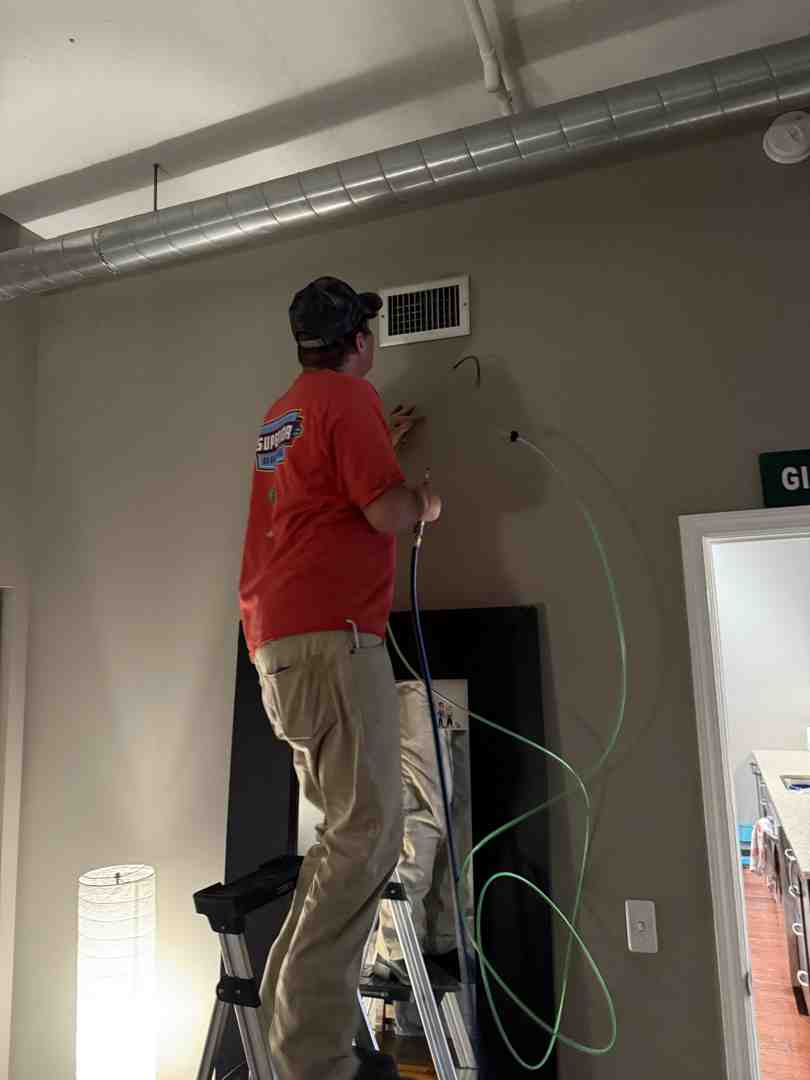
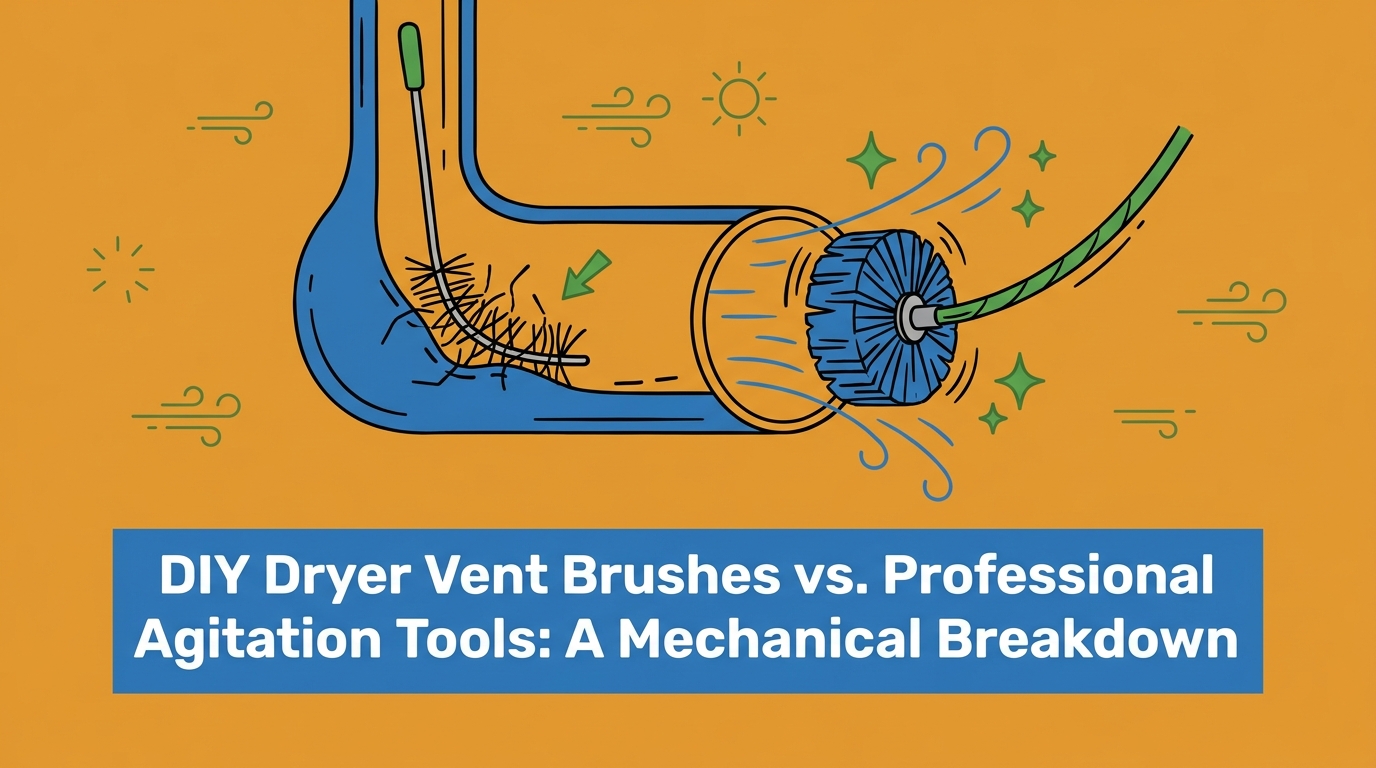
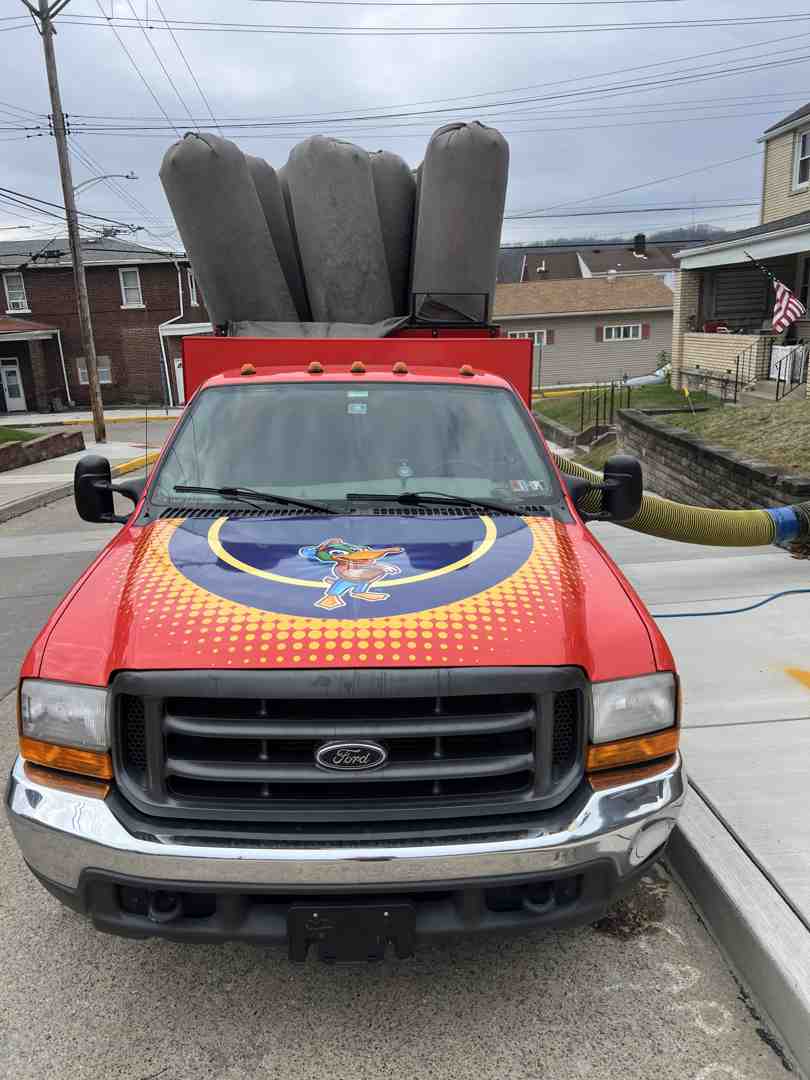
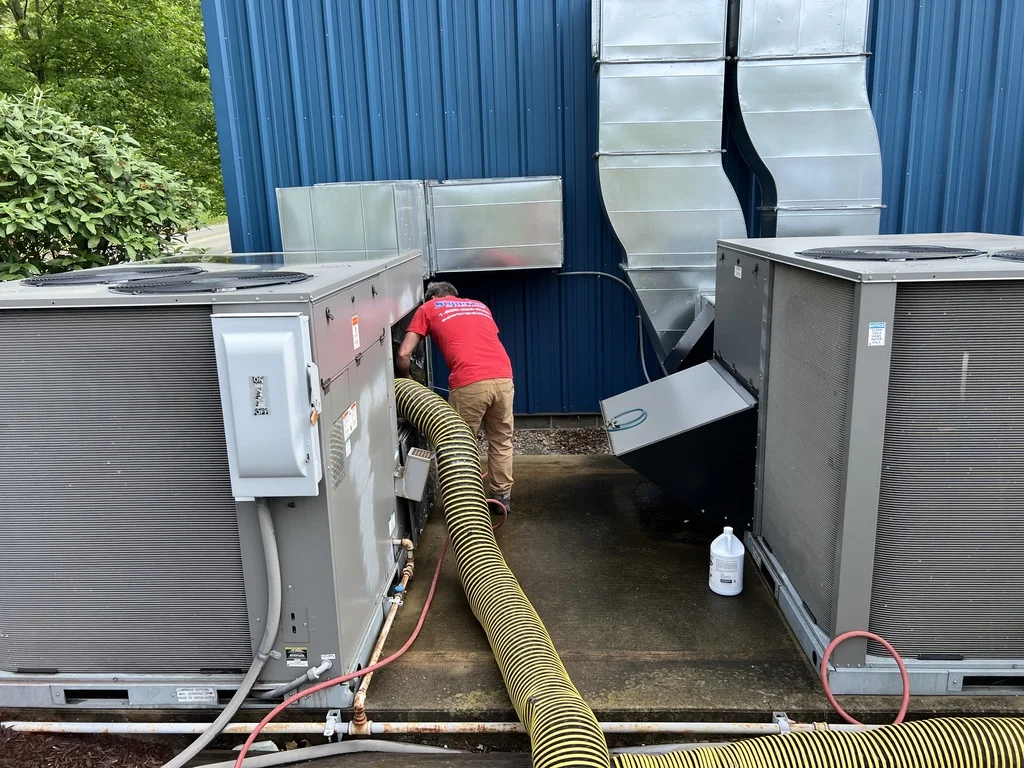
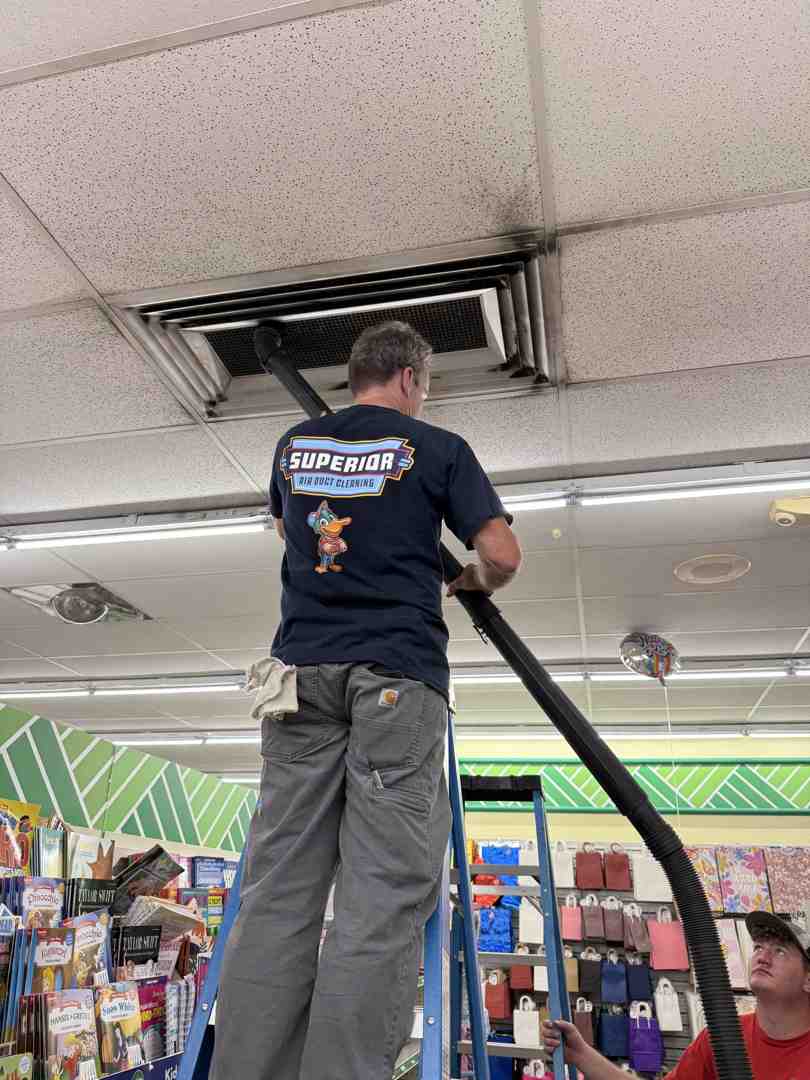
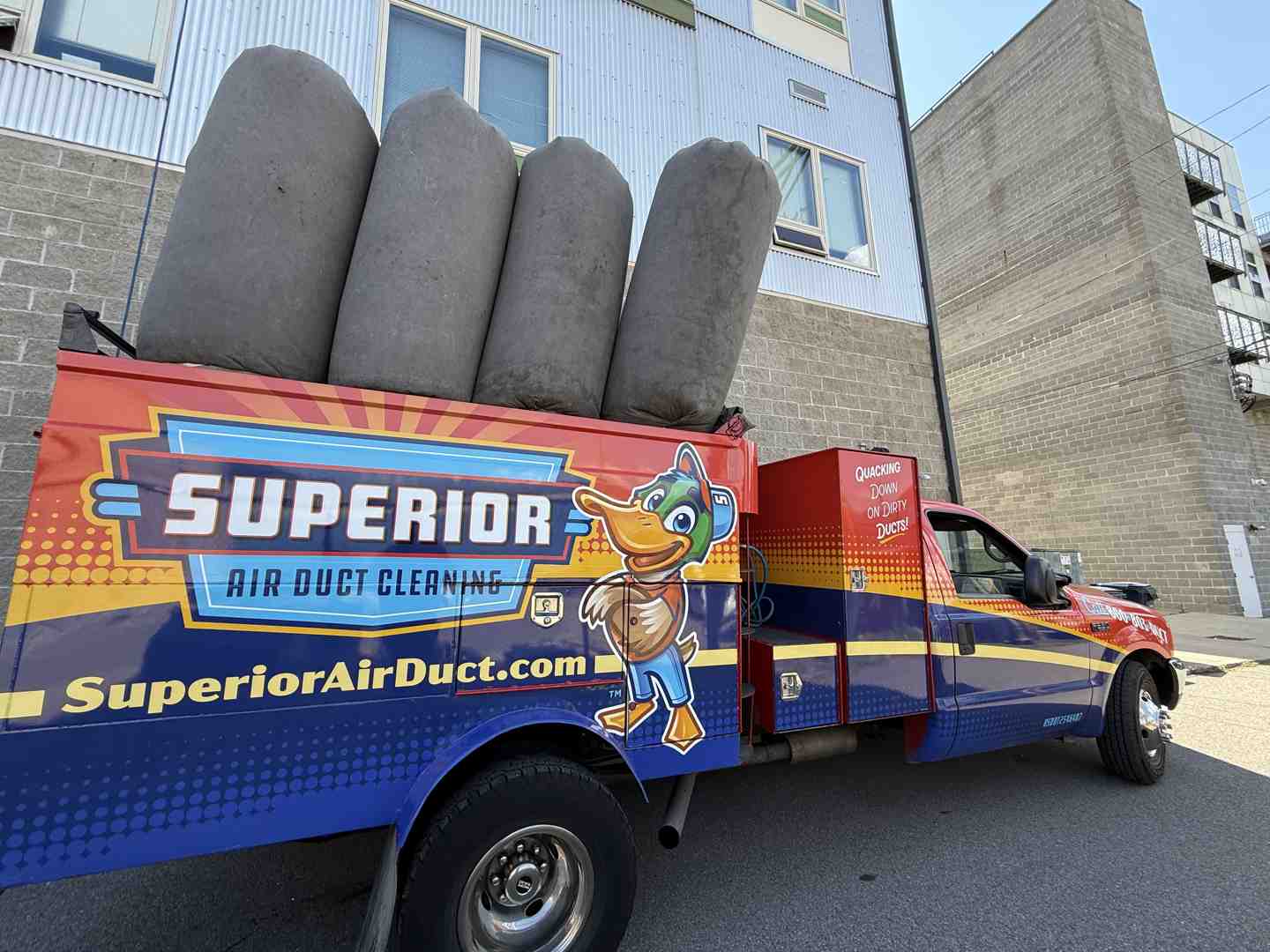
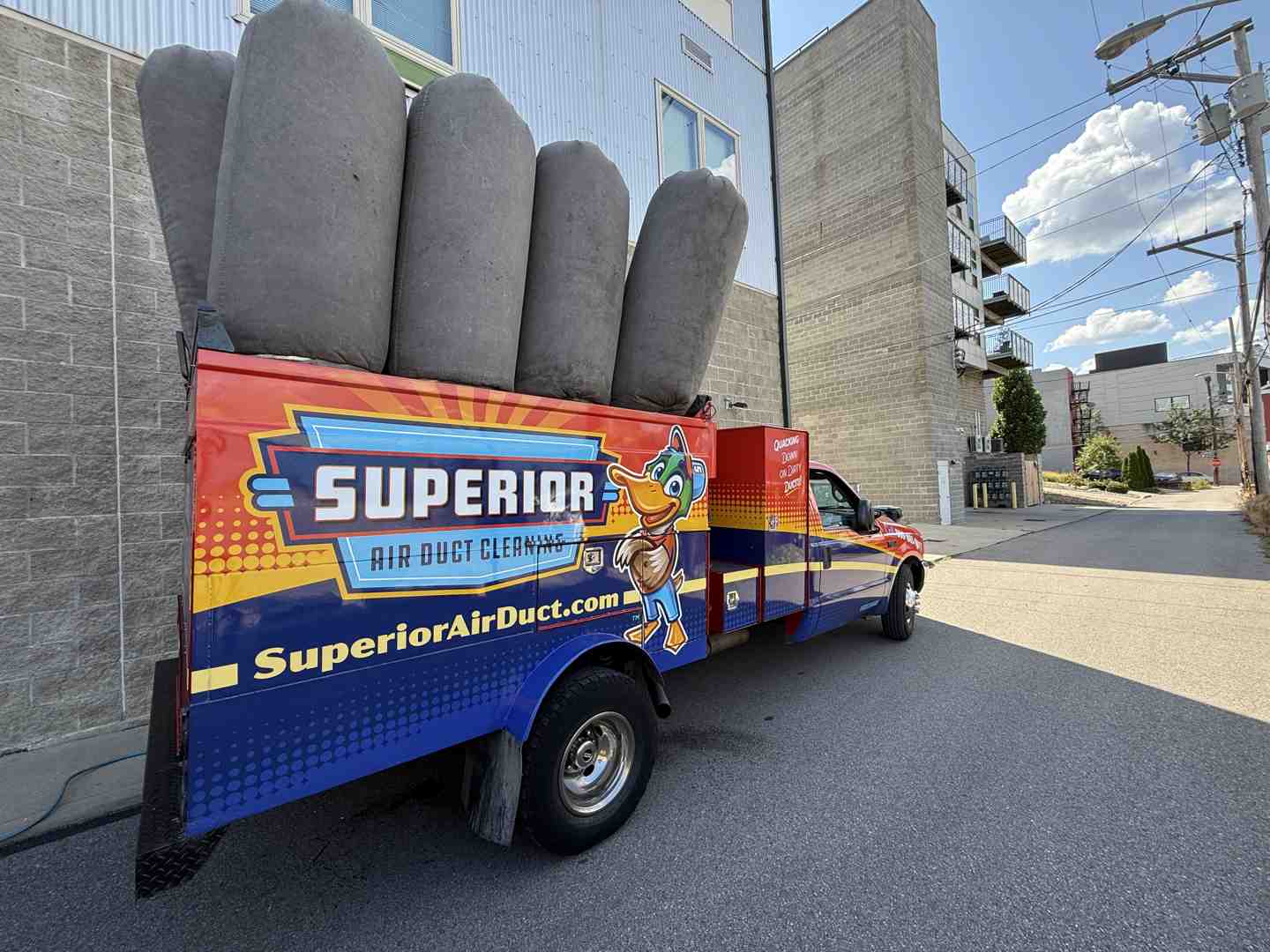
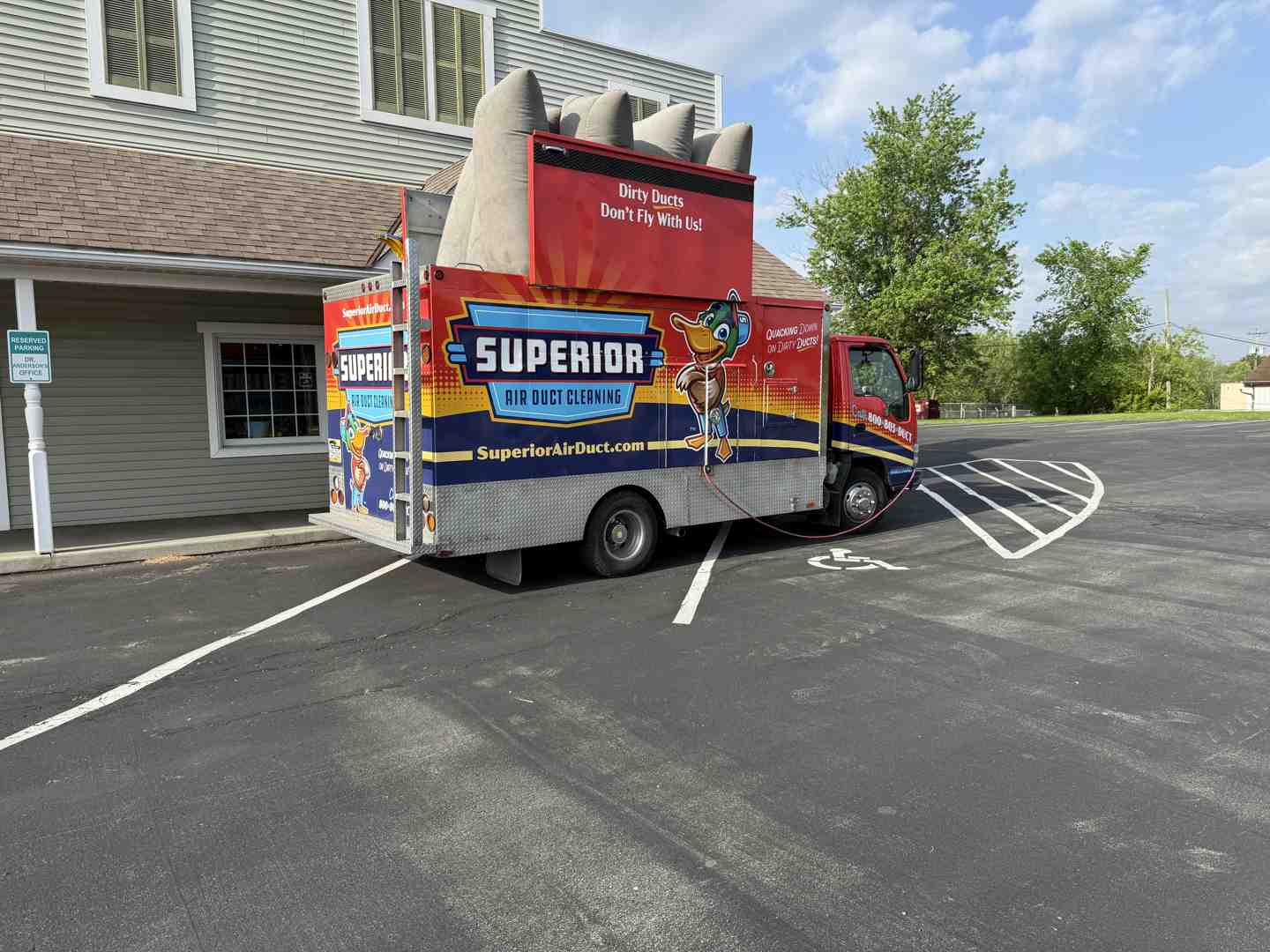
To actually resolve the friction problem, you need professional agitation tools paired with powerful truck-mounted suction to dislodge and extract heavy buildup. We frequently see this distinction in older properties. For example, we recently performed an HVAC cleaning on a house built 18 years ago that had never been cleaned. The homeowner wanted to reduce allergens and improve system performance. We explained the details of our process, showed them pictures of the entry points and the heavy buildup, and used our truck-mounted system to fully clear the pathways.
• Suction Power — Portable Shop-Vac Style: Low negative pressure; struggles with long duct runs. — Professional Truck-Mounted Extraction: Massive negative pressure; pulls heavy debris from the entire home.
• Agitation Method — Portable Shop-Vac Style: Basic compressed-air tools or hand-wiping near the registers. — Professional Truck-Mounted Extraction: Pneumatic whips and compressed-air tools that scrub the bare metal.
• Debris Target — Portable Shop-Vac Style: Loose, visible surface dust. — Professional Truck-Mounted Extraction: Compacted dirt, construction debris, and heavy friction-causing layers.
• Impact on Efficiency — Portable Shop-Vac Style: Cosmetic only; does not lower static pressure. — Professional Truck-Mounted Extraction: Restores original duct diameter, lowering blower motor strain.
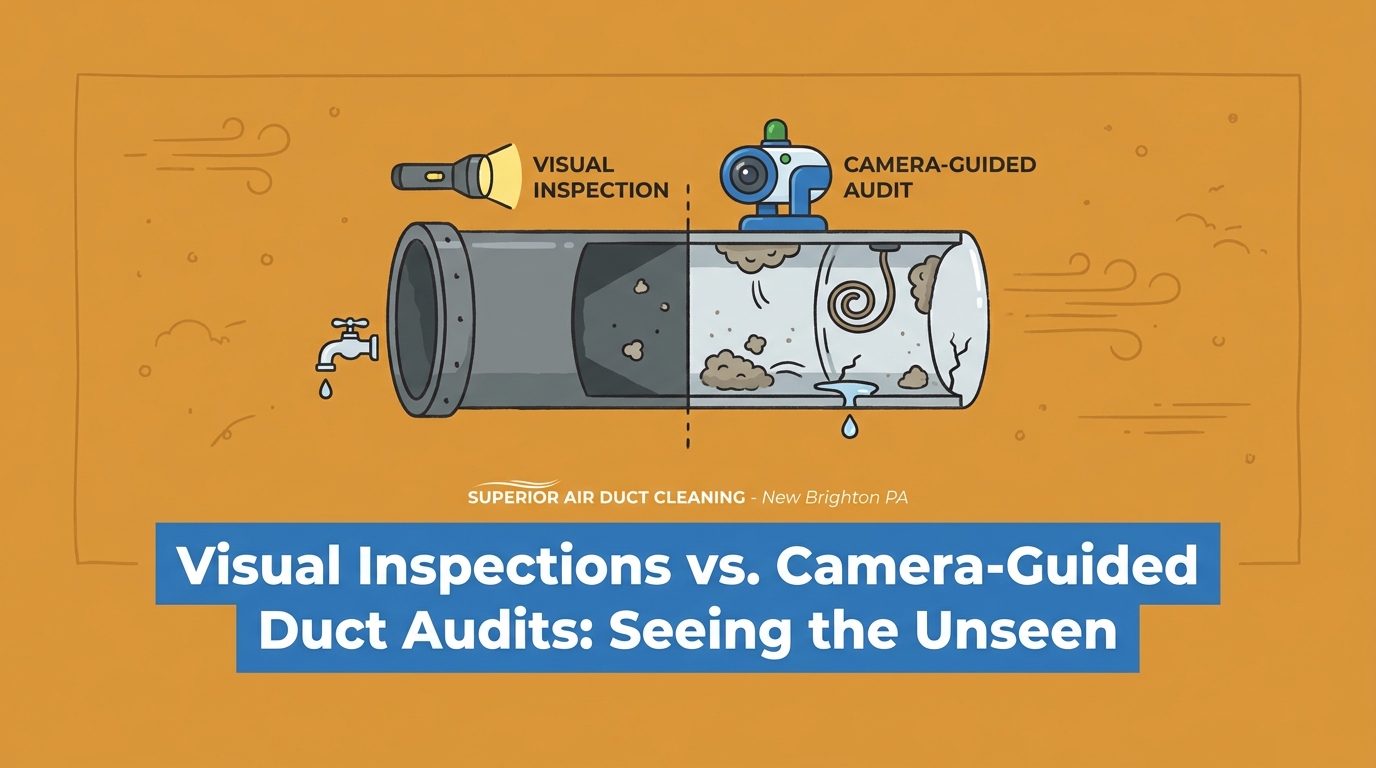
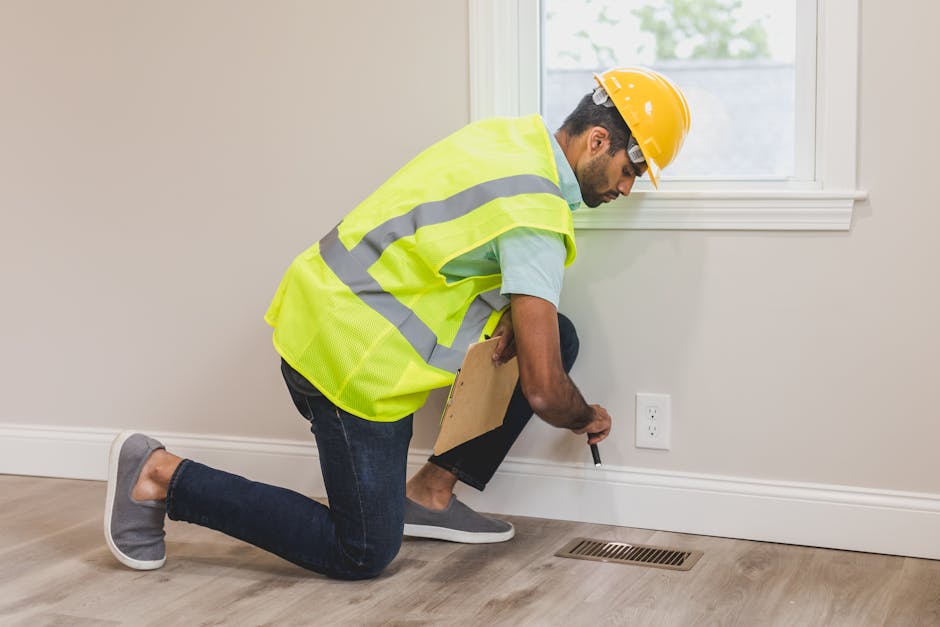
The technical expertise required to properly agitate and remove heavy debris using truck-mounted suction makes all the difference. Visual confirmation through before-and-after photos is the best way to verify that the mechanical pathway has been fully cleared and that your system is ready to operate efficiently.
Addressing Additional Airflow Bottlenecks in the Home
HVAC efficiency is part of a larger, whole-home airflow ecosystem. When you optimize the main ductwork, it makes sense to look for other areas where restricted airflow or contamination strains your home's systems. Western PA / New Brighton area homes often suffer from multiple hidden bottlenecks that waste electricity and compromise safety.
The Impact of Clogged Exhaust Vents
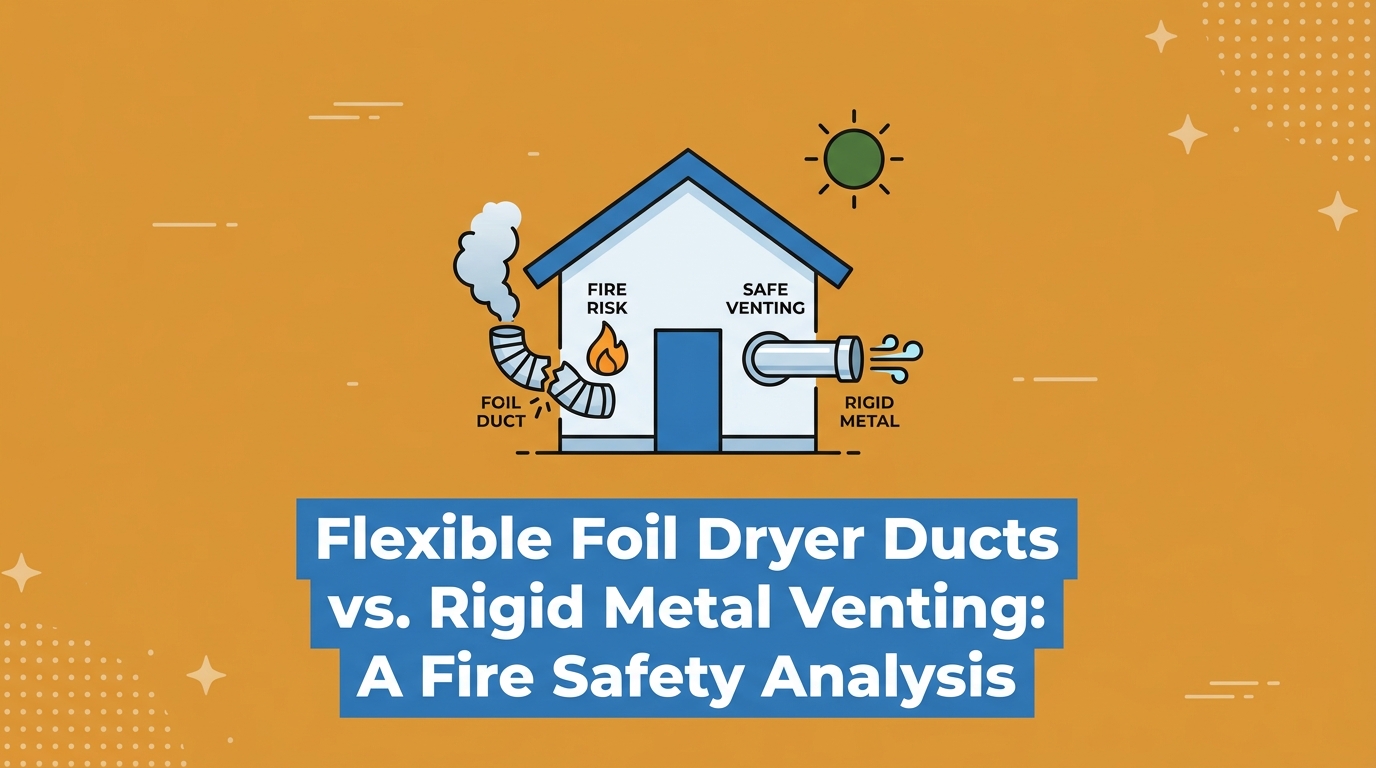
Dryer exhaust systems suffer from the exact same physics principles as your HVAC ducts. When lint builds up inside the exhaust line, it creates severe friction and blockages. This restriction causes the dryer's heating element and motor to work harder, run longer, and waste significant amounts of electricity. Worse, clogged dryer vents are a major fire hazard. Clearing these lines reduces appliance run times and lowers overall household energy consumption. Sometimes, these airflow issues need to be resolved quickly. One customer needed their air ducts and vents cleaned on a short timeline before a move. We worked them into the schedule quickly and delivered awesome results, ensuring the home's exhaust systems were safe and efficient. Professional dryer vent cleaning is a simple step that yields immediate performance improvements.
Protecting System Integrity with Deep Sanitization
When heavy humidity and restricted airflow combine inside your ductwork, the dark, damp environment becomes highly suitable for microbial growth. Dust acts as a food source, and the moisture from the AC coil provides the water. Once the mechanical friction and debris have been physically removed, treating the bare metal prevents odor-causing bacteria from thriving during the humid summer months. Deep sanitization is a logical complementary step to protect the integrity of the air circulating through your freshly cleared system.
Frequently Asked Questions About Duct Cleaning and AC Efficiency
Homeowners often have specific questions about the relationship between clean ducts, static pressure, and utility bills. Many want to know if services like whole house sanitizing and professional extraction actually impact performance. Here are the most common questions we hear regarding Does Duct Cleaning Actually Lower Summer Electric Bills:
Does cleaning air ducts improve AC efficiency?
Yes, removing heavy debris from your air ducts directly improves AC efficiency by lowering static pressure. When the duct walls are smooth and clear, the blower motor does not have to work as hard to push conditioned air through the home. According to the U.S. Department of Energy, eliminating airflow restrictions can significantly reduce the amount of energy wasted during the cooling process. A system that breathes easier runs shorter cycles and uses less electricity.
Can dirty air ducts cause high electric bills?
Absolutely, heavily restricted ducts force your HVAC system to draw more electrical amperage. The friction caused by dust buildup acts like a clogged artery, requiring the blower motor to strain against the resistance. This strain, combined with the longer run times needed to push air into distant rooms, causes your cooling system to consume more kilowatt-hours, directly resulting in higher summer electric bills.
Why does my AC run constantly in the summer?
An AC that runs constantly is usually struggling with restricted airflow or a dirty evaporator coil, preventing it from processing enough air to satisfy the thermostat. In humid climates, the system must pull large volumes of warm air across the coil to dehumidify the house. If dirty ducts slow that airflow down, the AC will run continuously in a futile attempt to reach the target temperature and humidity level.
Does duct cleaning help airflow?
Professional duct cleaning restores proper airflow by returning the ductwork to its original interior diameter. Over time, layers of dust and pet dander narrow the passages, creating friction that slows the air down. By using powerful agitation tools and truck-mounted suction to strip away this buildup, the air can flow smoothly and forcefully from the blower motor all the way to the farthest vents in your home.
How much static pressure reduction can I expect after professional duct cleaning?
The exact reduction in static pressure depends on how severely restricted the system was prior to cleaning, but heavily soiled systems often see significant drops in resistance. HVAC systems are designed to operate at specific static pressure levels (measured in inches of water column). Removing years of compacted debris helps return the system to its factory-designed operating parameters, taking an immense load off the blower motor.
How frequently should Western PA homeowners clean their ducts for optimal AC performance?
For optimal mechanical performance, most homes benefit from professional duct cleaning every 3 to 5 years. However, this timeline can accelerate if you have multiple pets, have recently completed a home renovation project, or live in an older home that has never had the ductwork evaluated. Regular visual inspections can help you determine when debris buildup is starting to threaten your system's efficiency.
Restore Your System's Mechanical Efficiency This Summer
Clean ducts are not just about achieving better indoor air quality; they are a critical component of your HVAC system's overall mechanical efficiency. The physics are undeniable: removing friction-causing dust from the duct walls reduces static pressure, lowers blower motor strain, and shortens AC run times. For Western PA / New Brighton area homes battling the intense July humidity, reducing this mechanical strain is the most effective way to manage cooling costs and keep your living space comfortable.
If you have noticed weak airflow, hot spots in certain rooms, or an air conditioner that simply refuses to cycle off, your system is likely fighting against hidden restrictions. Do not let compacted debris drive up your utility statements. Consult with a local expert to evaluate your system's airflow, clear the mechanical pathway, and restore your home's cooling efficiency before the peak heat arrives.

Customer Reviews


Superior Air Duct cleaning did a phenomenal job in a timely manner with the tech “Rich” being very professional ,personable and considerate of our property! He explained things as he proceeded and answered all our questions!
I LOVE that they provide before & after photos to see the difference. Give them a try… you won’t regret it
Pam T.
Robert was on schedule and communicated what time he would arrive. He was polite, professional, and respectful of our home. I wanted to wait a couple weeks before posting a review because I wanted to see if the duct cleaning actually made a difference. I am happy to say it did! I vacuum multiple times a week and have already noticed a significant reduction in the amount of dust cleaned up each time. As a home with pets, there will always be something to clean, but getting the ducts cleaned has definitely helped improve the air quality and reduce the dust.
alice A.
Technician Rob arrived early explained the days agenda and then proceeded to work methodically and meticulously over the next 6+ hours cleaning my ductwork. Courteous and professional they answered all of my questions and went above and beyond the call of duty. They even located an old dusty box of rat poison buried in our vents. My only regret is not finding these guys sooner. As a realtor of 22 years and owner of a newly purchased (now dust free) home I highly recommended!
Eric K.
Excellent service! I’ve used them to clean out my air ducts as well as my dryer vent duct and they are excellent. I was very pleased with both jobs and will continue to use them in the future. Great communication as well- from the time I scheduled the appointment until they were at my door.
Erika C.
We had such an amazing experience with Superior Air Duct Cleaning. They were so nice and friendly and did an amazing job. I loved seeing the before and after pictures. Besides doing an amazing job cleaning our air ducts they were so quick at responding and setting up the appointment. We will definitely be using them in the future.
Amanda C.