What's Hiding in Your Air Ducts Right Now (And Why It Matters)
What is inside your air ducts right now may surprise you. Most homeowners never think about what's traveling through the hidden network of ducts behind their walls, above their ceilings, and beneath their floors — until something goes wrong.
Here's a quick look at what's commonly found inside residential air ducts:
- Dust and dead skin cells — the most universal buildup in any home
- Pet dander and hair — especially in homes with shedding breeds
- Mold spores and fungi — triggered by moisture and condensation
- Pollen and outdoor allergens — pulled in through return air and gaps
- Pest debris — rodent droppings, insect remains, and nesting materials
- Construction dust — drywall particles and sawdust from past renovations
- Volatile organic compounds (VOCs) — from household products and materials
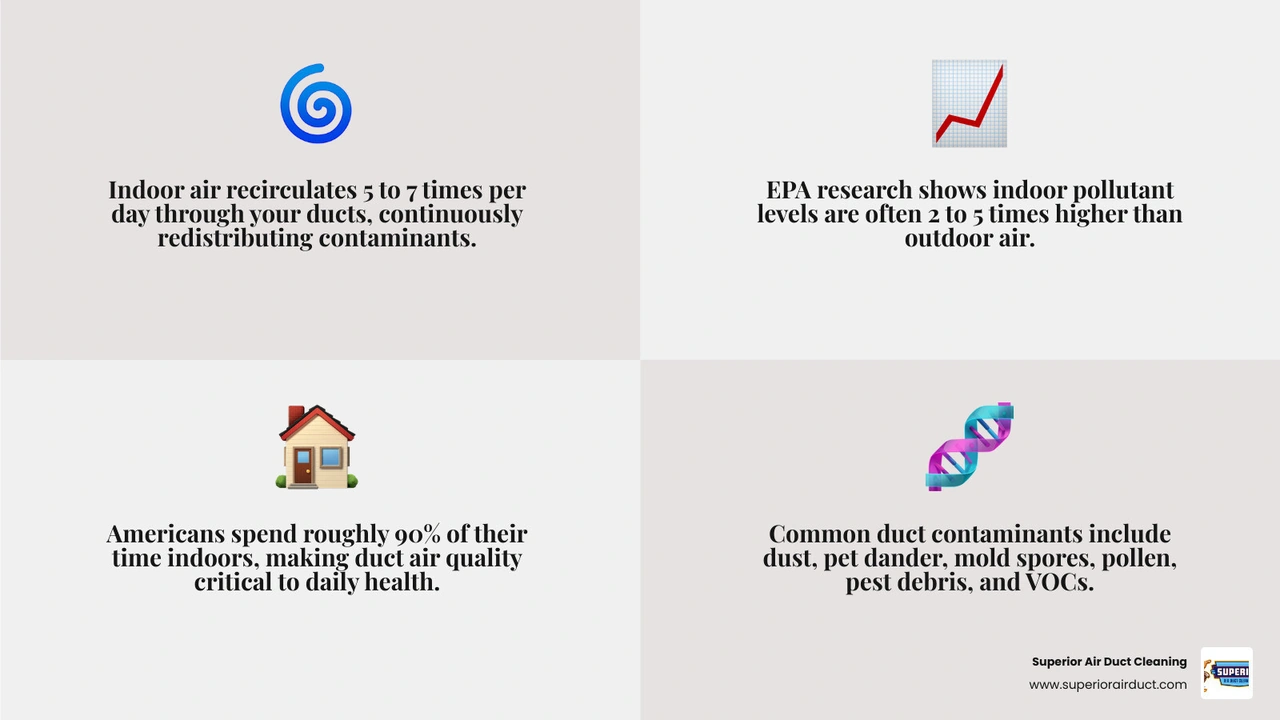
Your HVAC system recirculates the air in your home roughly 5 to 7 times every single day. That means whatever is sitting inside your ductwork gets continuously pushed back into the rooms where your family sleeps, eats, and breathes.
The EPA has found that indoor pollutant levels can run 2 to 5 times higher than outdoor levels — and Americans spend roughly 90% of their time indoors. That combination makes what's lurking inside your duct system far more relevant to your daily health than most people realize.
The good news: once you know what you're dealing with, you can take informed steps to address it.
What is inside your air ducts right now glossary:
What Is Inside Your Air Ducts Right Now?
When we think about our homes, we like to think of them as clean, safe sanctuaries. But if we could peel back the drywall and look inside the metal or flexible tubes snaking through our ceilings, we would find a completely different environment. Over years of constant heating and cooling cycles, your ductwork acts like a giant, slow-moving vacuum filter, trapping a heavy layer of debris.
Understanding What Can Collect in Your Air Ducts is the first step in reclaiming your home's air quality. The typical residential system accumulates a surprisingly diverse cocktail of organic and inorganic matter. This accumulation doesn't happen overnight; it is a gradual process fueled by daily living, local climate conditions, and the unique architecture of our regional properties.
For instance, older homes in Pittsburgh, PA, often have original duct networks that have spent decades gathering coal dust, historical soot, and layers of household debris. Meanwhile, modern commercial offices in Boardman, OH, might deal with high volumes of paper fibers and synthetic carpet dust.
Our local weather plays a major role in this buildup as well. The high humidity we experience during hot summer months in the Upper Ohio Valley causes loose dust inside the ducts to clump together, forming a sticky, felt-like layer that clings stubbornly to the interior walls of your ductwork.
1. Dust and Dead Skin Cells
It is an unsettling but true biological fact: a massive portion of typical household dust is actually made up of shed human skin cells. The average home generates up to 40 pounds of dust every single year. Because we spend so much time indoors, our microscopic skin flakes are constantly being shed and pulled straight into the return air vents.
Once inside the dark, quiet environment of your ductwork, this organic matter becomes a feast. Dust mites — tiny, microscopic arachnids — feed primarily on these dead skin cells. While dust mites do not bite humans, their waste products and decaying bodies are highly potent allergens.
When your furnace or air conditioner kicks on, these microscopic particles are easily disturbed, blowing back out into your living spaces and settling onto your furniture, carpets, and bedding, only to be sucked back into the system again in an endless loop.
2. Pet Dander and Hair
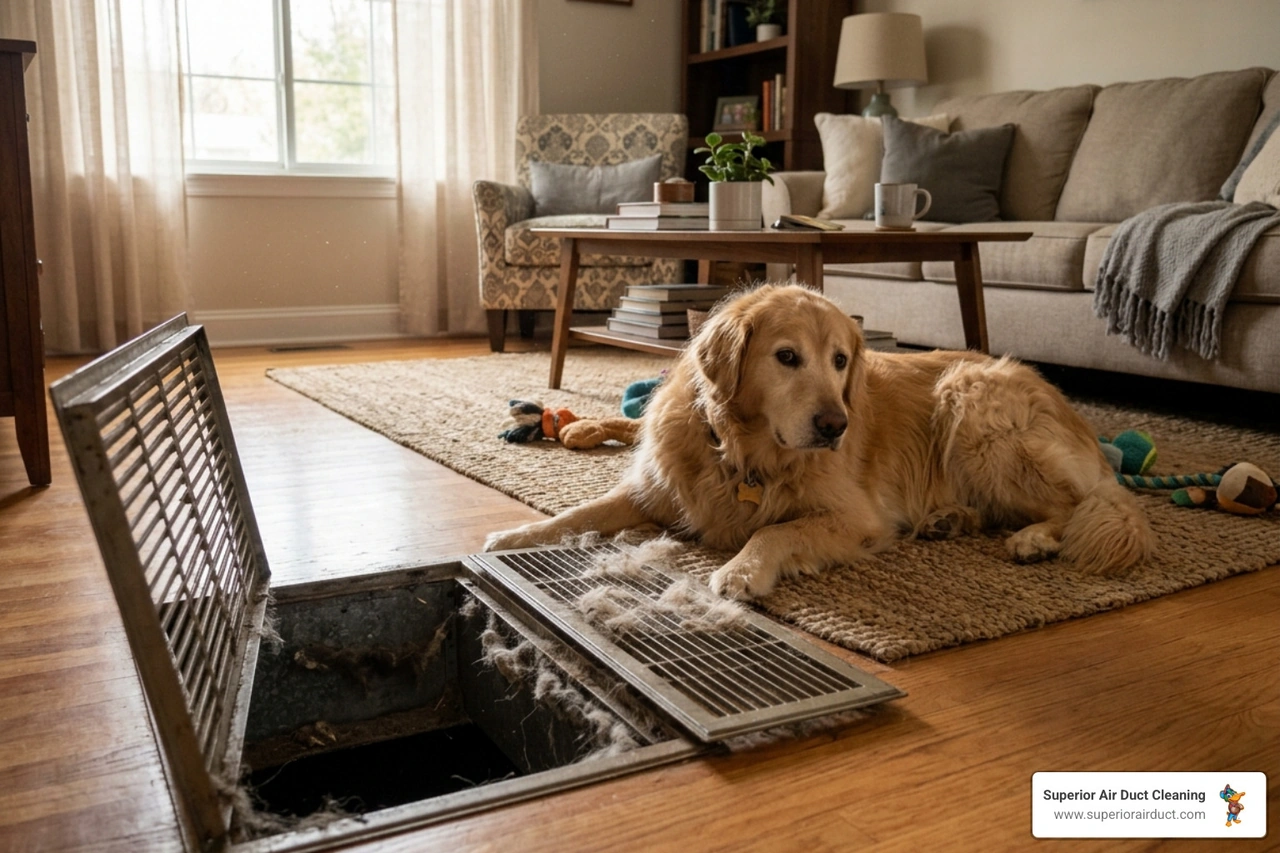
If you have furry family members, the rate of accumulation inside your HVAC system increases dramatically. Dogs and cats are constant sources of hair and dander. Pet dander consists of microscopic, jagged-edged skin flakes that are incredibly lightweight. Because of their shape, these particles act almost like Velcro, hooking into the dusty layers already lining your ductwork.
In busy households across Cranberry Township, PA, homes with multiple shedding breeds can see rapid buildup. Over time, pet hair can "felt" together, forming thick blankets of fur that physically block airflow through return grilles and coat the delicate blower motors of your HVAC unit. Even if you vacuum your floors daily, your heating and cooling vents are continuously pulling in airborne pet allergens and storing them out of sight.
3. Mold Spores and Fungi
Moisture is the ultimate enemy of any HVAC system. When warm, humid air collides with the cool metal surfaces of your air ducts, condensation forms. This localized dampness, combined with the dark environment and the organic "food source" of household dust, creates the perfect breeding ground for mold and fungi.
If you suspect dampness in your ventilation, understanding Air Duct Mold Removal is critical to stopping the spread of spores. Mold spores can germinate in as little as 24 to 48 hours under the right conditions.
There are several Common Mold Types Found in Air Ducts, ranging from relatively common household varieties to more hazardous strains. Damp basements in Youngstown, OH, are particularly prone to rising moisture levels that find their way into floor-level ductwork, leading to musty, earthy odors whenever the system circulates air.
4. Pests and Rodent Debris
Your air ducts are warm, dark, and safely hidden from human activity, making them prime real estate for uninvited guests. Spiders, mice, rats, cockroaches, and silverfish frequently find pathways into residential ductwork, especially if there are gaps in crawlspaces or unsealed joints in the attic.
Learning about the Pests That Can Get Into Your Ductwork can help you identify the subtle warning signs of an infestation. Pests do not just live in your ducts; they leave behind nesting materials, food scraps, insect pupae, and droppings.
Common Pests Found in Local Ductwork:
- Mice and Rats: Leave behind nesting materials, urine, feces, and chew marks on flexible ducting.
- Spiders and Centipedes: Build webs that trap additional flying dust, creating thick gray cobwebs near registers.
- Cockroaches: Leave behind shed skins and droppings that are notorious asthma triggers.
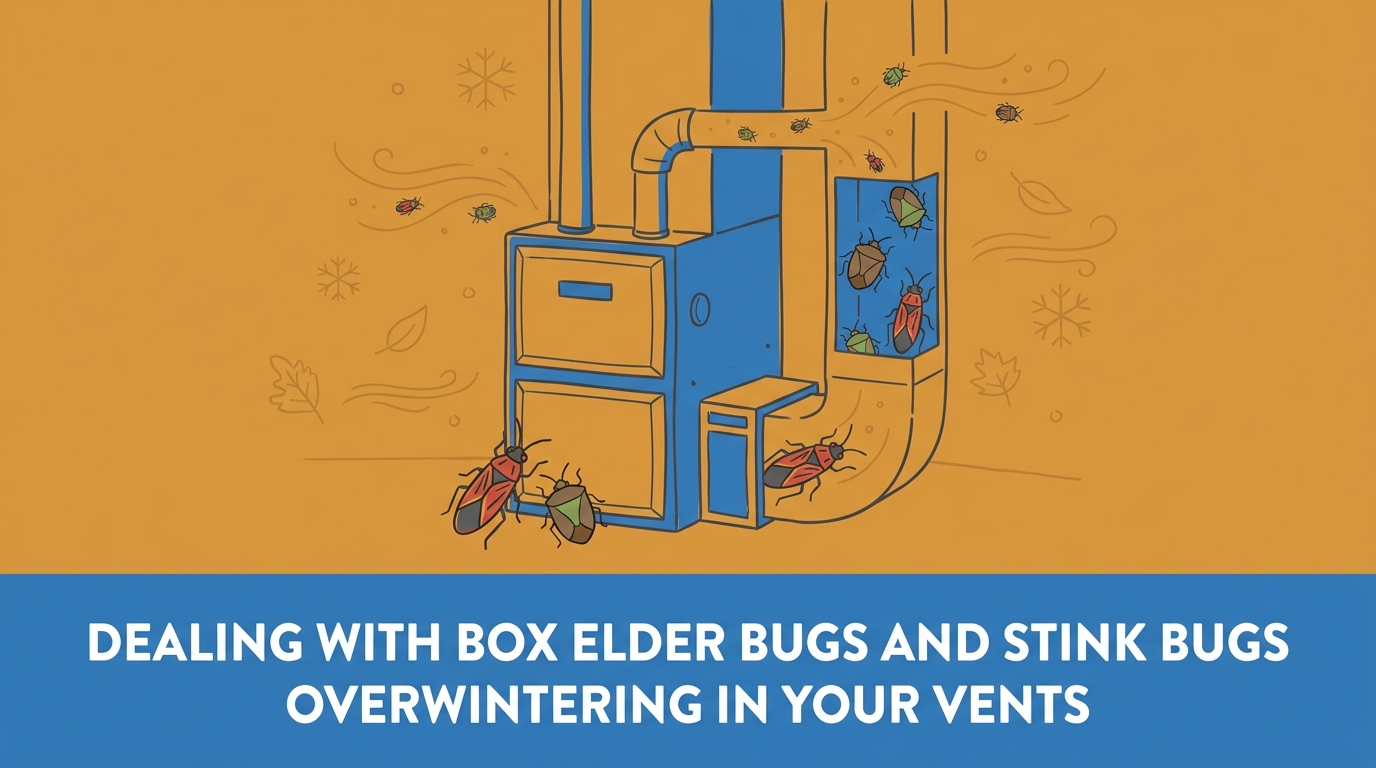
- Stink Bugs: Seek shelter in wall cavities and registers during seasonal transitions, creating foul odors when disturbed.
As air rushes past these biological contaminants, it carries microscopic pest particles directly into your home's breathing zones, presenting serious sanitation and health concerns.
5. Construction Dust and Renovation Residue
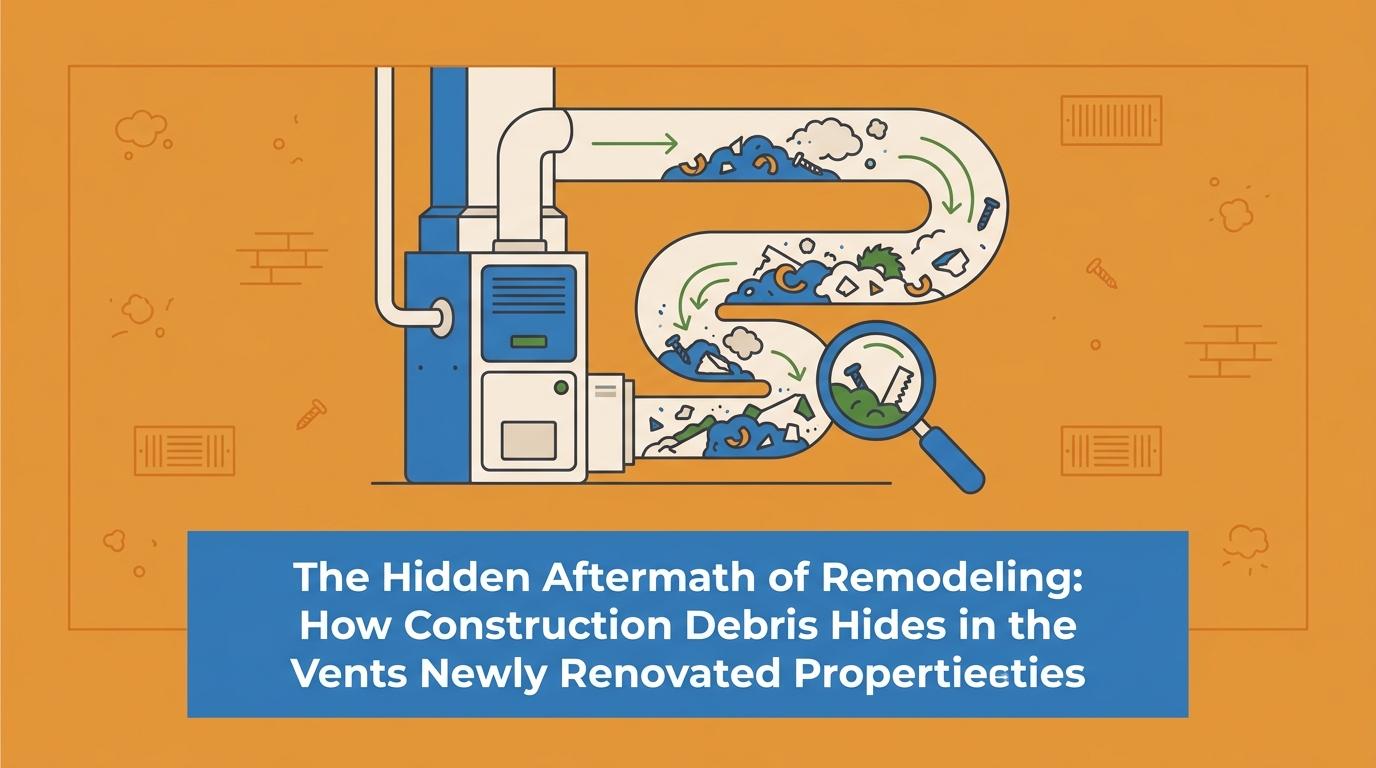
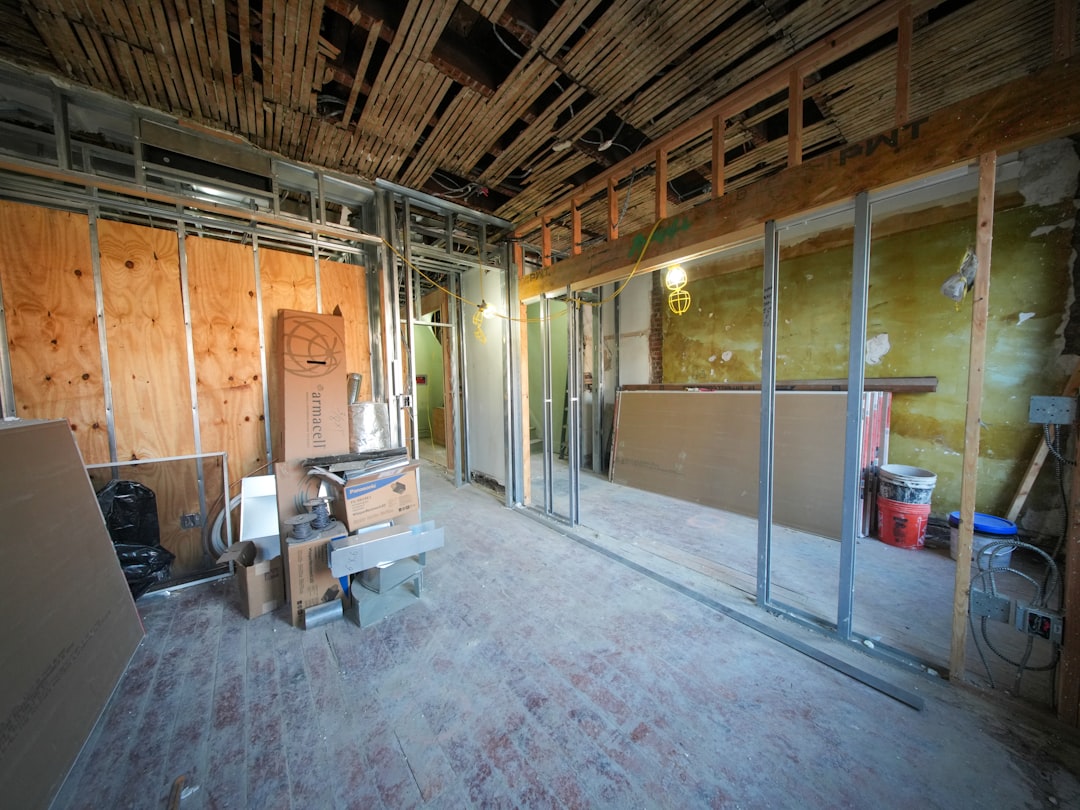
Have you recently updated a kitchen, finished a basement, or put an addition on your home? Even if the construction took place years ago, the residue could still be sitting in your vents. During home renovations, massive amounts of fine particulate matter are released into the air.
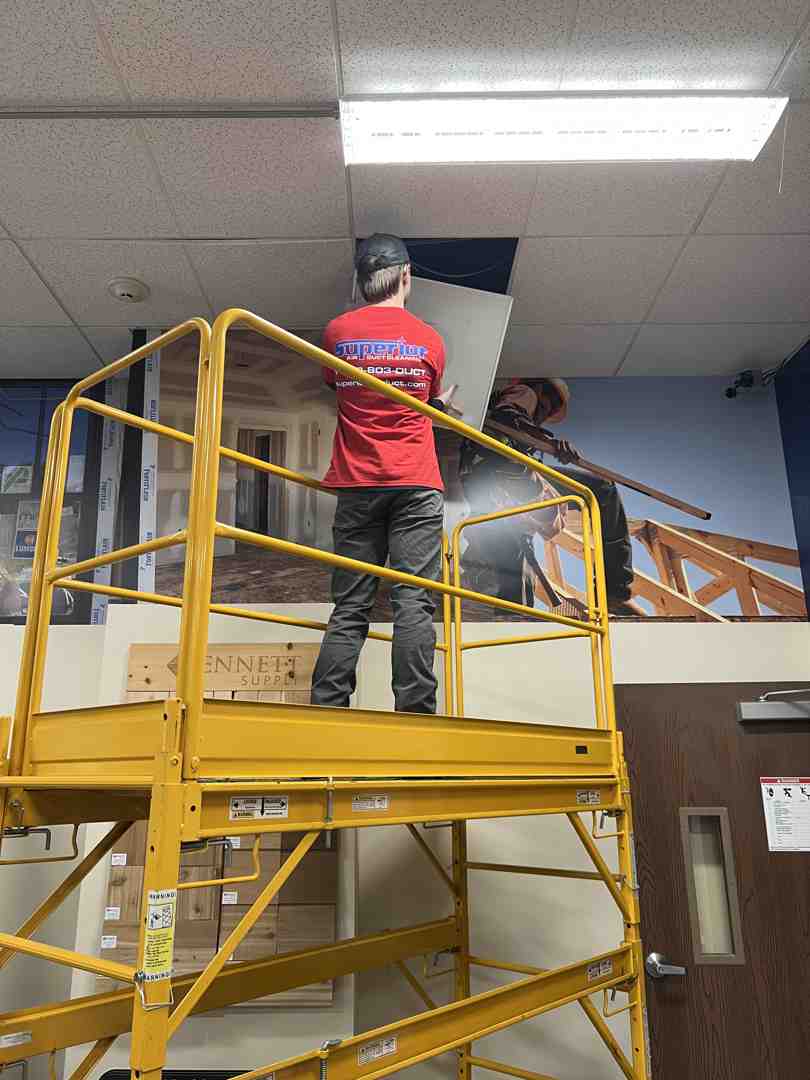
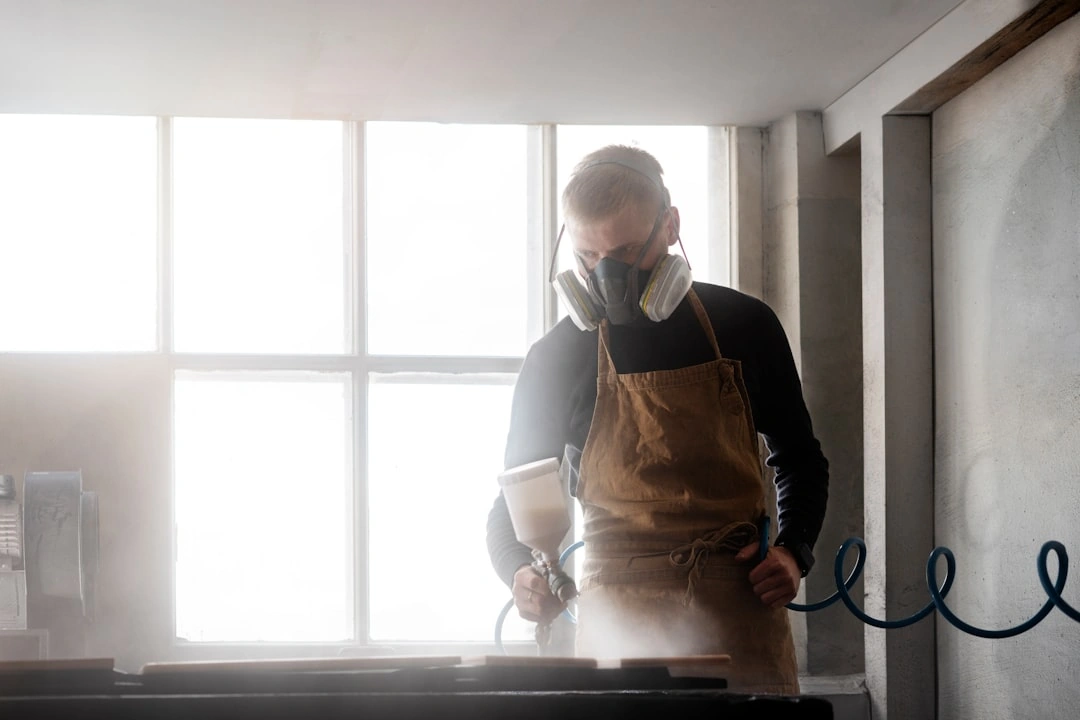
Drywall dust, sawdust, plaster particles, and even fiberglass insulation fibers are easily sucked into return vents if they are not sealed off during the project. Drywall dust is particularly problematic; it is incredibly fine, meaning standard fiberglass filters cannot catch it.
In Aliquippa, PA, properties that have undergone modern remodels often have ducts coated in a thick, white, powdery layer. This heavy material settles deep inside the main trunk lines, where it remains indefinitely until it is physically scrubbed and vacuumed out by professional equipment.
How Contaminants Enter and Build Up in Your HVAC System
You might wonder how all of this debris manages to bypass your air filters in the first place. The answer usually lies in the physical integrity of your ductwork. Understanding What Causes Damaged Ductwork is essential to keeping your air clean.
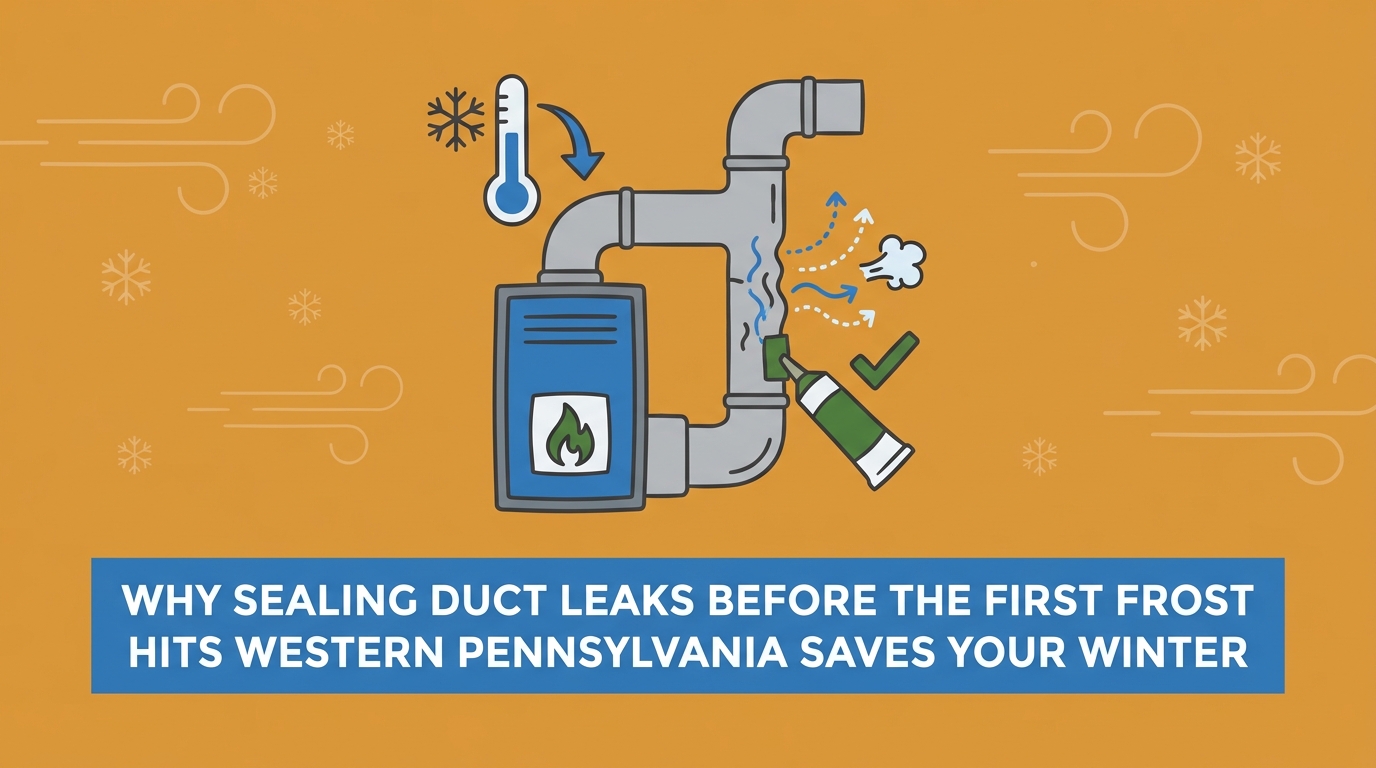
Over time, seasonal temperature fluctuations cause metal ducts to expand and contract. This movement can stress joints, dry out old duct tape, and create physical gaps and air leaks.
When gaps form in unconditioned spaces like crawlspaces, attics, or wall cavities, the negative pressure of your HVAC system pulls dirty, unconditioned air directly into the system. This bypasses your furnace filter entirely.
Seasonal changes in Beaver Falls, PA, bring high humidity in summer and freezing temperatures in winter, accelerating this wear and tear. Furthermore, during high-pollen seasons in Niles, OH, fine outdoor allergens slip through these structural gaps and settle deep inside your system, waiting to be blown back into your living spaces.
The Health and Efficiency Impact of Dirty Ductwork
The presence of debris in your vents is not just an aesthetic issue or a matter of keeping a cleaner house. It has direct, measurable consequences on both your physical well-being and your household budget. Ignoring the Dangers of Dirty Air Ducts can lead to poor indoor air quality, reduced HVAC system efficiency, and a shorter lifespan for your expensive heating and cooling equipment.
How What Is Inside Your Air Ducts Right Now Affects Your Breathing
Every time your HVAC system cycles on, it acts as a delivery system for whatever is sitting inside the vents. This constant recirculation creates a direct Dirty Ducts and Allergy Symptoms Connection. If you or your family members suffer from unexplained sneezing, itchy eyes, or congestion while indoors, your ventilation system could be the culprit.
To understand the physical mechanics of this issue, we must look at How Dust and Debris in Ducts Affect Breathing. Microscopic mold spores, pet dander, and dust mite waste are easily inhaled deep into the lungs.
For individuals with pre-existing respiratory conditions like asthma or chronic bronchitis, breathing this constantly recirculated air can trigger frequent flare-ups, persistent coughs, and morning headaches. Eliminating these airborne triggers at their source is a powerful way to make your home a safer, more comfortable place to breathe.
HVAC Strain, Energy Costs, and System Lifespan
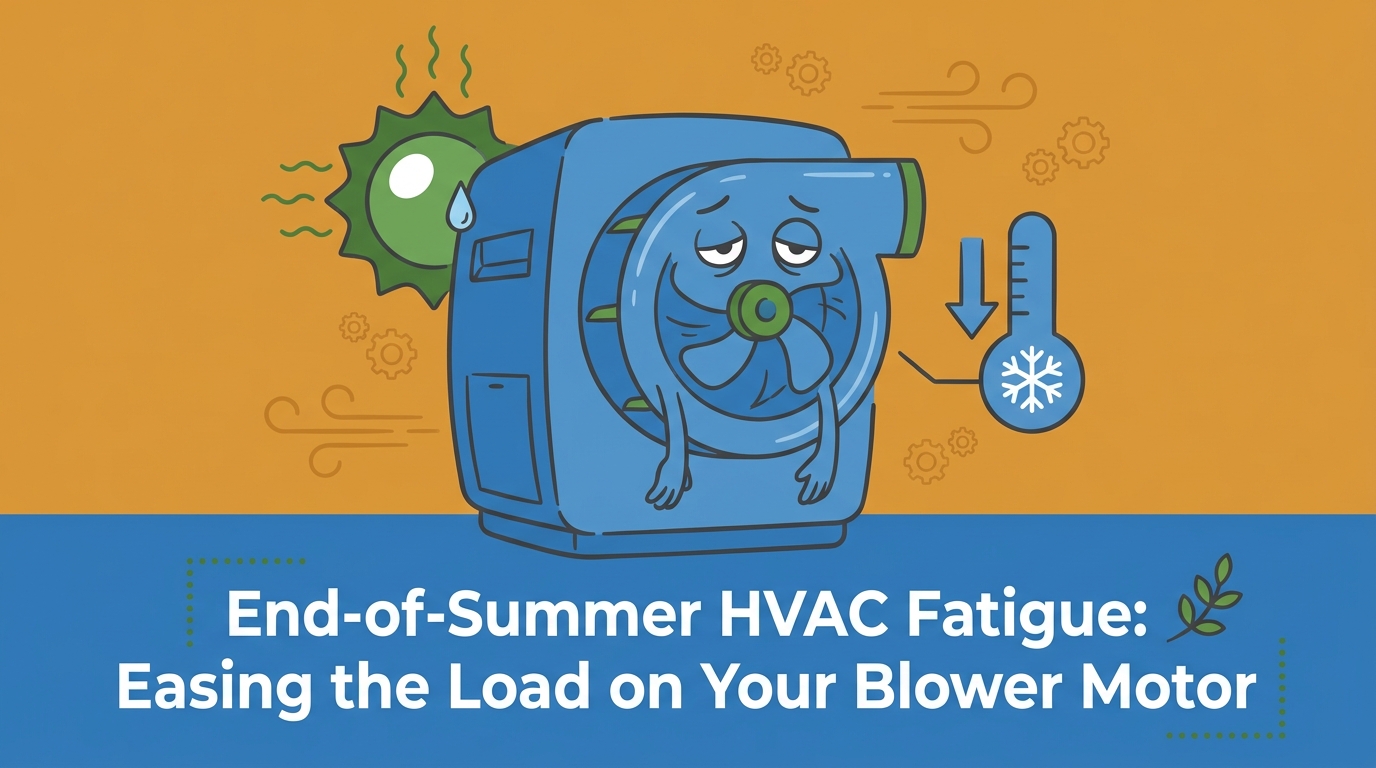
Beyond health concerns, dirty air ducts act as a physical choke point for your heating and cooling system. Your HVAC system is engineered to move a very specific volume of air to operate efficiently. When dust, pet hair, and drywall debris coat the inside of your registers, return lines, and internal components, it restricts this vital airflow.
This restriction forces your blower motor to work significantly harder to push air through the house. The result? Higher utility bills and increased wear on critical components like the compressor and heat exchanger.
As we navigate the energy standards of June 2026, keeping your system running efficiently is more important than ever. A clean system can save up to 30% on energy costs by reducing run times and eliminating unnecessary strain on your equipment, ensuring your heating and cooling units last as long as possible.
When and How to Verify If Your Ducts Need Cleaning
It can be difficult to know exactly when to take action since your ductwork is completely hidden behind walls and ceilings. Fortunately, there are several clear Signs Your Air Ducts Need Cleaning that you can spot without any special tools.
To help you distinguish between normal household dust and a situation that requires immediate attention, we have put together this simple comparison:
| Indicator | Normal Household Dust | Hazardous Contamination |
|---|---|---|
| Appearance | Light, dry, grey, and fibrous particles | Thick, dark, clumpy, or fuzzy growth |
| Odor | Neutral or slightly stale | Musty, moldy, damp, or chemical smell |
| Vent Cover Condition | Light dusting easily wiped away | Dark "ghosting" streaks or black spots |
| Airflow | Strong and consistent from all registers | Weak airflow or uneven room temperatures |
| Allergy Symptoms | Standard, seasonal reactions | Symptoms that worsen specifically indoors |
EPA Guidelines on When to Clean Your Ducts
The Environmental Protection Agency (EPA) takes a practical, evidence-based stance on duct maintenance. Rather than recommending routine cleaning on a strict calendar schedule, the EPA advises homeowners to have their air ducts professionally cleaned under three specific, clear conditions:
- Visible Mold Growth: If there is visible mold inside the hard surfaces of your ducts or on other components of your heating and cooling system.
- Vermin Infestation: If your ducts are infested with rodents, insects, or other pests.
- Excessive Dust and Debris: If your ducts are clogged with excessive amounts of dust and debris, or if you actually see particles releasing from your supply registers into your home.
By focusing on these clear warning signs, you can make informed decisions about your home's maintenance needs without relying on guesswork.
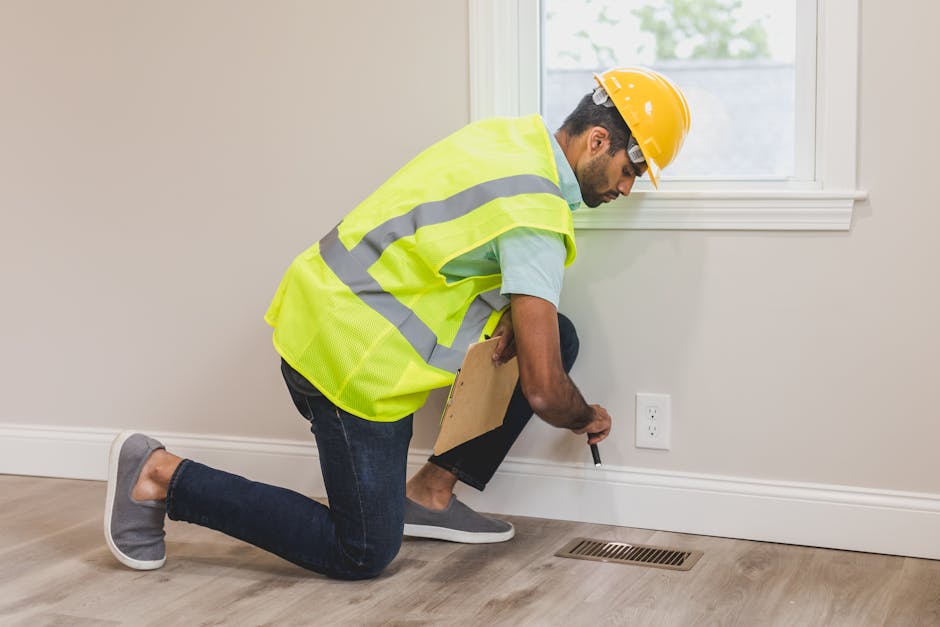
How to Inspect What Is Inside Your Air Ducts Right Now
If you want to know what is hiding in your system, you can perform a quick, simple inspection yourself using a tool you carry in your pocket every day: your smartphone.
First, turn off your HVAC system at the thermostat. Unscrew one of your return register grilles—these are usually the larger vents located on your walls or floors. Extend your arm inside the duct and take a photo or a short video with your smartphone's flash turned on.
This simple test will give you a clear look at the first few feet of your system, revealing whether you are dealing with a light dusting or thick, felted layers of debris.
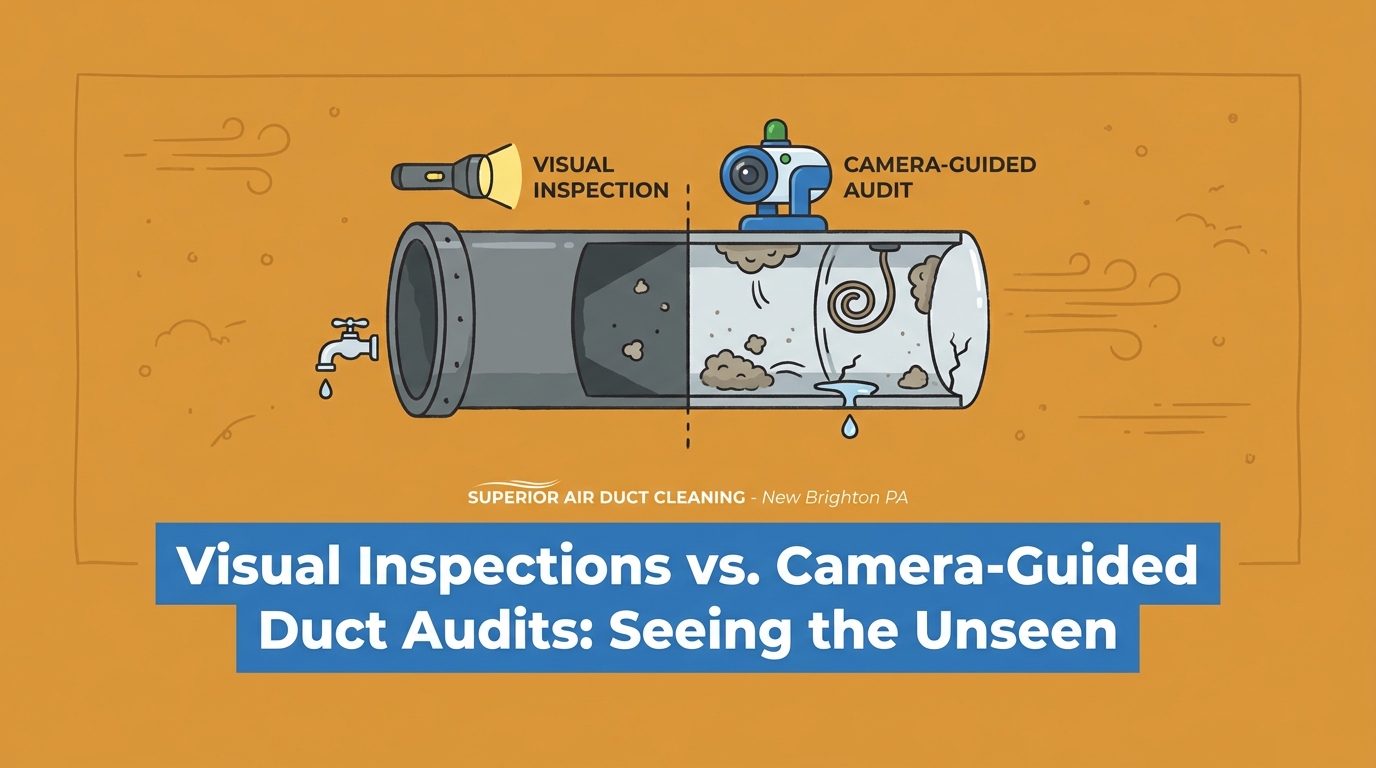
While a smartphone test is a great starting point, it only shows you a tiny fraction of your system. To truly understand the state of your entire ventilation network, a professional inspection is required.
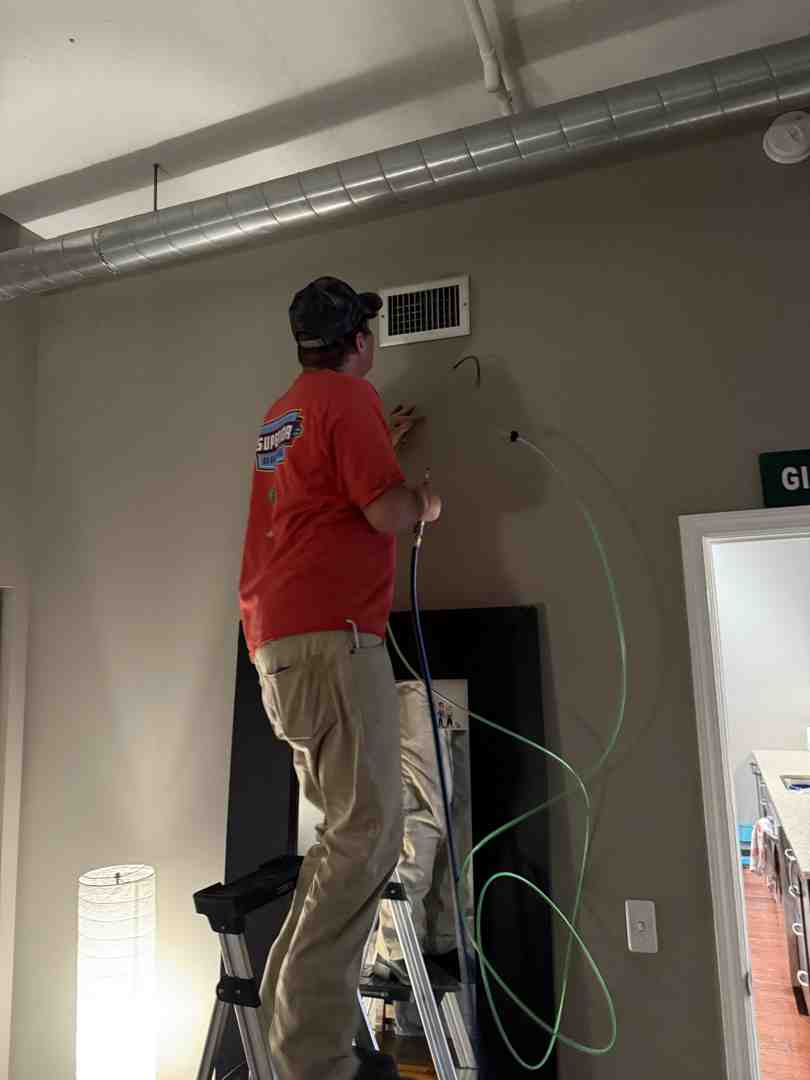
Our technicians use specialized, high-definition camera systems designed to travel deep into your trunk lines. This allows us to show you the exact state of your system, providing clear visual evidence so you can see the dramatic difference between the dirty "before" and the clean "after." Learn more about this process in our guide on Before and After Duct Cleaning.
Frequently Asked Questions About Air Duct Contaminants
How often should air ducts be cleaned?
For most typical residential homes, the National Air Duct Cleaners Association (NADCA) recommends having your air ducts professionally cleaned every 3 to 5 years. However, this frequency should be adjusted based on your specific household factors.
If you have shedding pets, family members with severe asthma or allergies, or if you have recently completed a major home renovation, you may want to schedule cleanings more frequently—typically every 2 to 3 years—to maintain optimal indoor air quality.
Can dirty air ducts make you sick?
While dirty air ducts do not directly cause illnesses, they can act as a continuous source of irritation. Circulating air that is heavily laden with mold spores, dust mite waste, pest debris, and fine particulates can trigger persistent respiratory symptoms, chronic coughing, sinus congestion, headaches, and fatigue.
For individuals with compromised immune systems or respiratory conditions, removing these airborne irritants can provide significant relief.
Will air duct cleaning eliminate all dust in my home?
No professional service can completely eliminate dust from your home. Dust is constantly created by clothing fibers, outdoor air, and shed skin cells.
However, professional duct cleaning will significantly reduce the amount of dust that is actively recirculated by your HVAC system. You will notice a visible reduction in how quickly dust accumulates on your furniture and countertops after a thorough, professional cleaning.
Conclusion
What is inside your air ducts right now does not have to remain a mystery. From dust and pet dander to biological contaminants and construction debris, the unseen pathways of your home's HVAC system can collect a surprising amount of waste over time, impacting your indoor air quality and your system's overall efficiency.
If you are ready to improve your home's air quality, save on energy costs, and ensure your system is running at its absolute best, we are here to help. At Superior Air Duct Cleaning, we provide thorough, professional residential and commercial air duct and dryer vent cleaning services across Western Pennsylvania and Northeast Ohio.
Let us help you and your family breathe easier. Contact us today to schedule your professional air duct inspection and take the first step toward a cleaner, healthier home.

Customer Reviews


Superior Air Duct cleaning did a phenomenal job in a timely manner with the tech “Rich” being very professional ,personable and considerate of our property! He explained things as he proceeded and answered all our questions!
I LOVE that they provide before & after photos to see the difference. Give them a try… you won’t regret it
Pam T.
Robert was on schedule and communicated what time he would arrive. He was polite, professional, and respectful of our home. I wanted to wait a couple weeks before posting a review because I wanted to see if the duct cleaning actually made a difference. I am happy to say it did! I vacuum multiple times a week and have already noticed a significant reduction in the amount of dust cleaned up each time. As a home with pets, there will always be something to clean, but getting the ducts cleaned has definitely helped improve the air quality and reduce the dust.
alice A.
Technician Rob arrived early explained the days agenda and then proceeded to work methodically and meticulously over the next 6+ hours cleaning my ductwork. Courteous and professional they answered all of my questions and went above and beyond the call of duty. They even located an old dusty box of rat poison buried in our vents. My only regret is not finding these guys sooner. As a realtor of 22 years and owner of a newly purchased (now dust free) home I highly recommended!
Eric K.
Excellent service! I’ve used them to clean out my air ducts as well as my dryer vent duct and they are excellent. I was very pleased with both jobs and will continue to use them in the future. Great communication as well- from the time I scheduled the appointment until they were at my door.
Erika C.
We had such an amazing experience with Superior Air Duct Cleaning. They were so nice and friendly and did an amazing job. I loved seeing the before and after pictures. Besides doing an amazing job cleaning our air ducts they were so quick at responding and setting up the appointment. We will definitely be using them in the future.
Amanda C.