Preparing Your HVAC System for the October Heating Startup
Your furnace kicks on for the first time in months, and instead of just warm air, you are hit with the distinct smell of burning dust—a situation that leaves many local residents calling our team to get their common homeowner questions answered before winter truly sets in. That sharp, acrid odor during the initial October heating-startup is one of the most frequent concerns we hear from homeowners as the seasons change. It is an unsettling experience, but it is also a vital diagnostic warning about the state of your home's respiratory system.
According to the Environmental Protection Agency (EPA), indoor air can be two to five times more polluted than outdoor air. This disparity becomes especially pronounced during the colder months when homes are sealed tightly to maximize energy efficiency and keep the freezing weather out. When your house is locked down for winter, any contaminants trapped inside your ductwork have nowhere to go but to recirculate through your living spaces. If you want to protect your home's indoor air quality this winter, understanding what is happening inside your ductwork is the first step.
Why the First Furnace Cycle Smells Like Burning
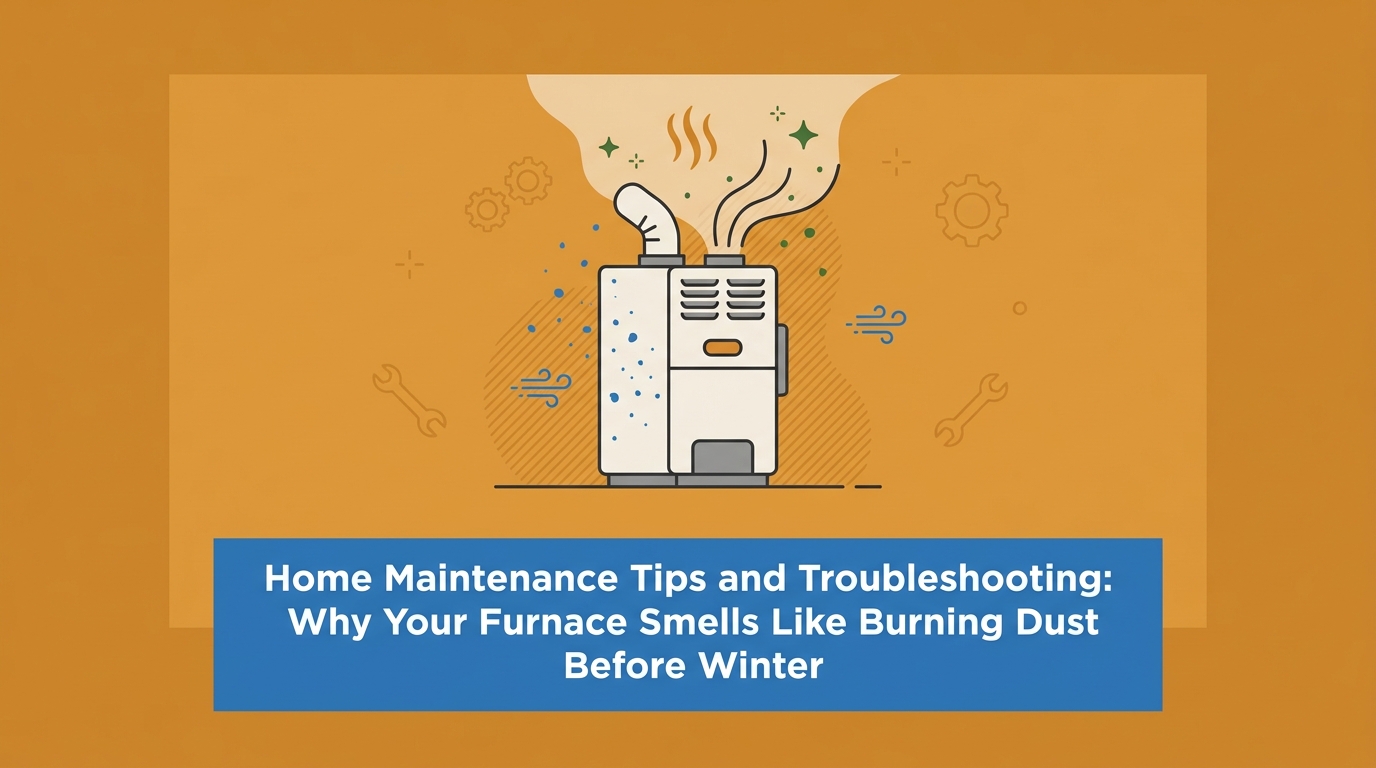
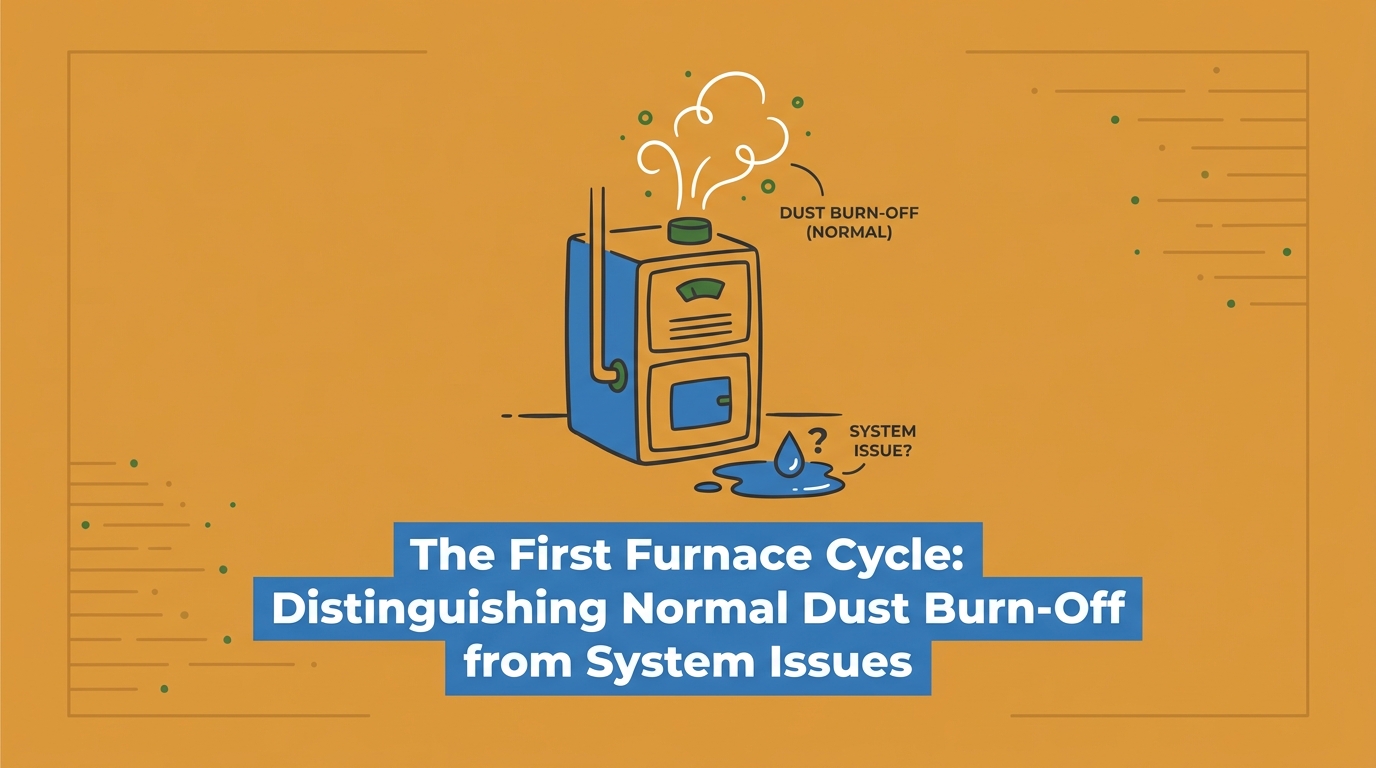
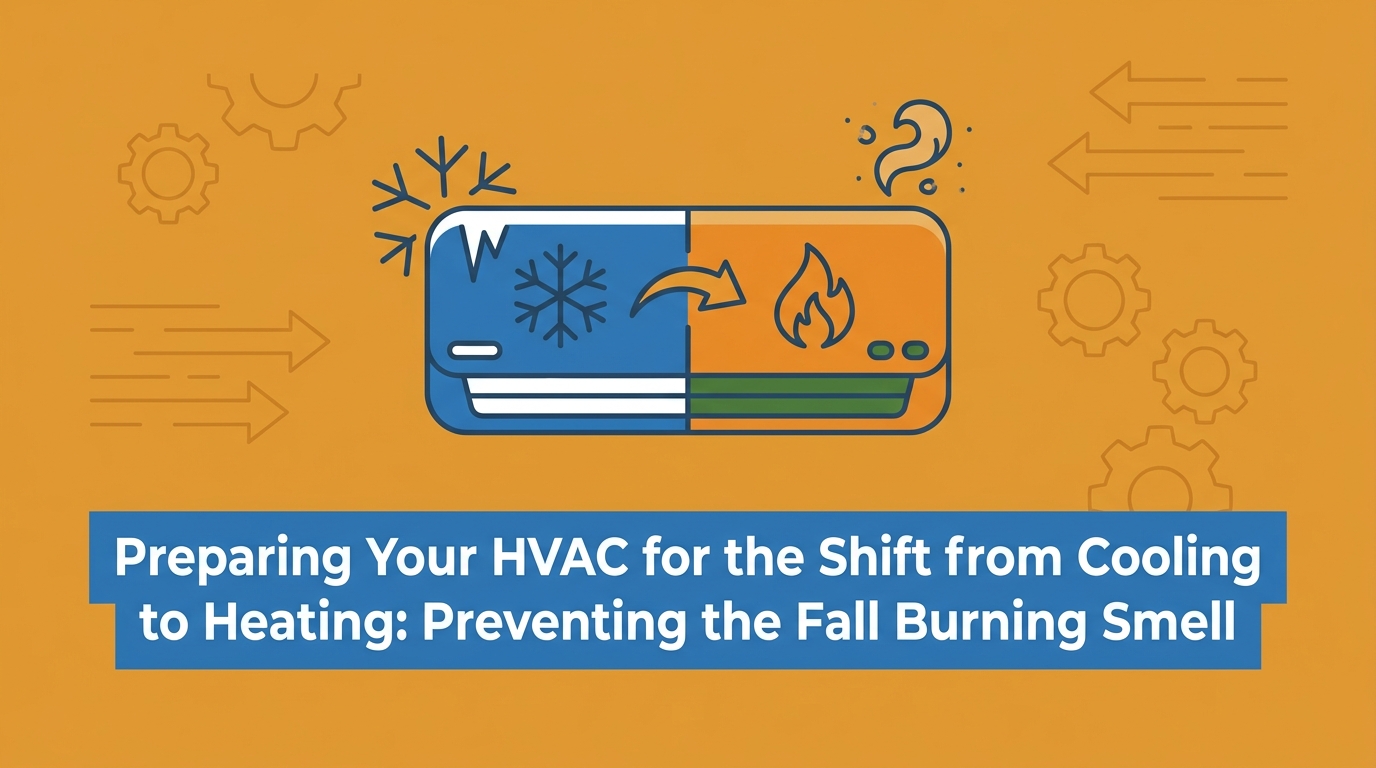
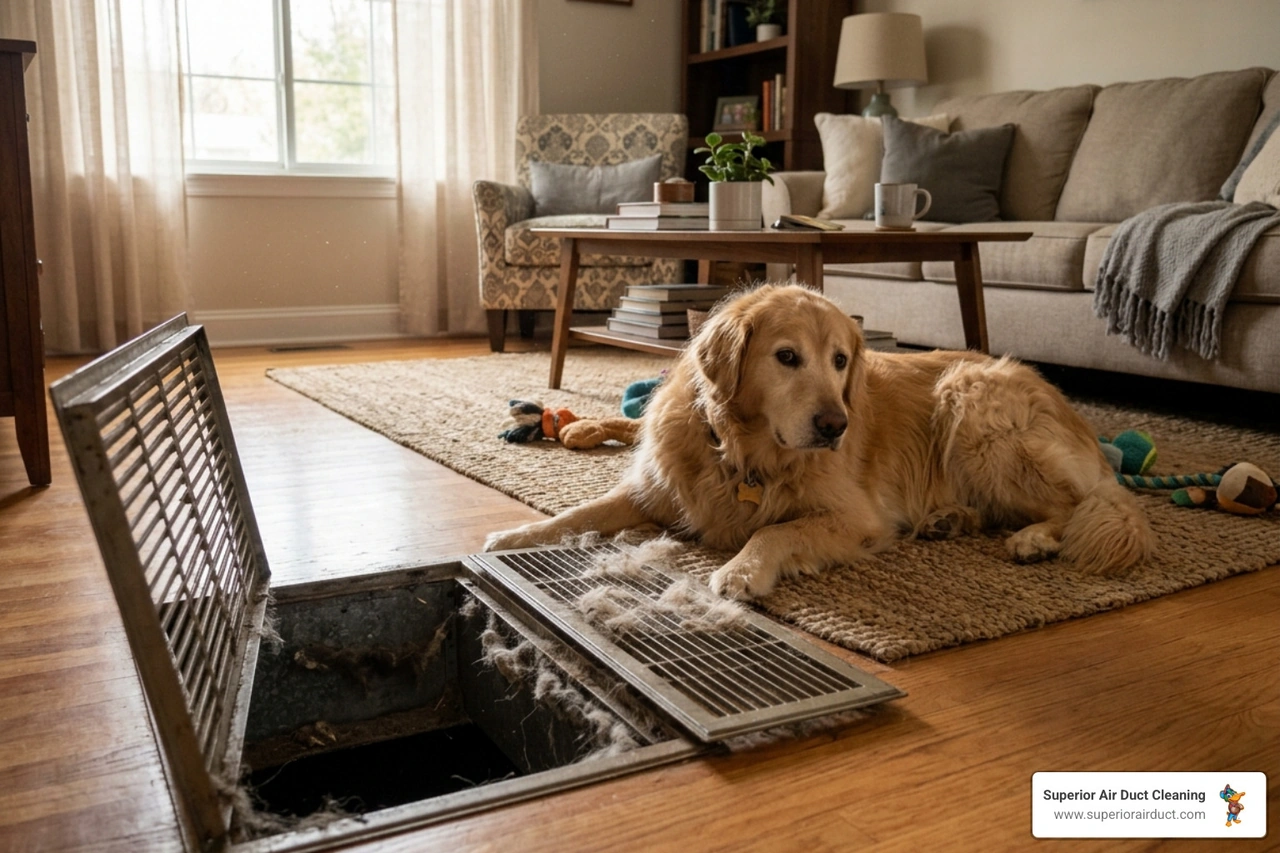
The burning odor you detect is not usually a mechanical failure, but rather a physical reaction. Over the long summer months, your furnace sits idle while your air conditioning does the heavy lifting. During this downtime, a significant amount of debris settles inside the system.
• Settled household dust: Everyday particulate matter from carpets, clothing, and skin cells accumulates on the stationary heat exchanger.
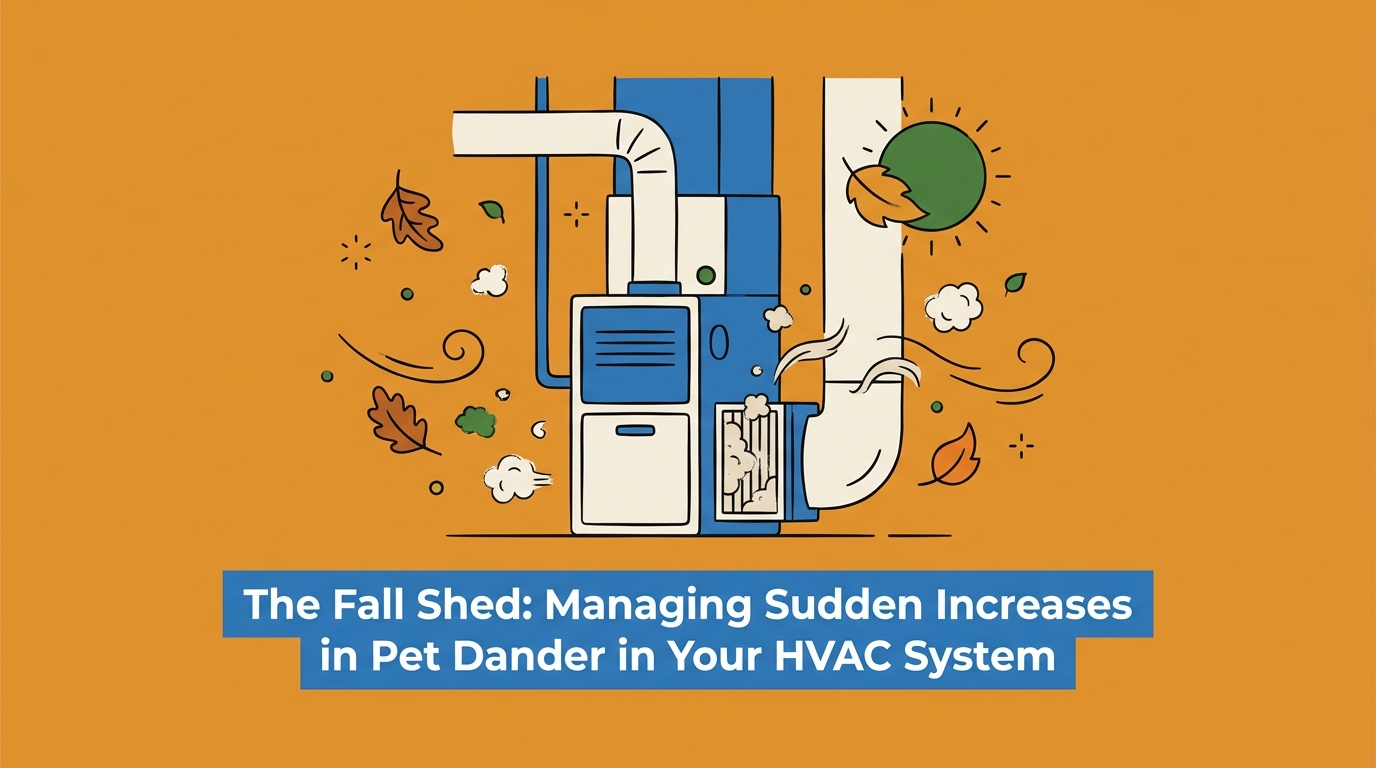
• Pet dander and hair: Even with regular vacuuming, microscopic dander gets pulled into the return vents and settles in the trunk lines.
• Seasonal allergens: Pollen and outdoor particulates brought in during the spring and summer find their way into the dark, quiet corners of your HVAC system.
When the thermostat finally drops and the furnace engages, the heat exchanger rapidly reaches extreme temperatures. All of that accumulated debris is instantly subjected to high heat, causing it to literally scorch and burn off. While the smell usually dissipates after a few hours, the underlying problem—a duct system loaded with months of accumulated debris—remains. Evaluating the system's cleanliness before heavy winter usage begins is the best way to ensure you are not breathing in scorched particulates from November through March.
How Western PA's Summer Humidity Traps Debris in Ductwork
To understand why your ducts are dirty in the fall, you have to look at what happened during the summer. At Superior Air Duct Cleaning, our technicians see firsthand how Western Pennsylvania's drastic shift from high-humidity summers to freezing winters forces HVAC systems to run almost year-round. This constant operation, combined with wild swings in ambient moisture, accelerates the buildup of seasonal allergens and dust in your ductwork.
During the peak cooling season, your air conditioning system is constantly pulling warm, humid air from your home and passing it over cold evaporator coils. This process naturally creates condensation. While the bulk of this moisture drains away, the environment inside the metal ductwork remains cool, damp, and highly humid. This creates a sticky, adhesive surface along the interior walls of your ducts.
The Lifecycle of Summer Duct Debris
Because the duct walls are slightly damp and sticky, lightweight particulates do not just blow through the system—they adhere to it. Over three to four months of summer cooling, this creates a compounding problem:
1. Initial Adhesion: Microscopic dust and pet dander stick to the damp metal walls of the supply and return ducts.
2. Layering: As the cooling season progresses, new debris sticks to the old debris, creating a thick, matted layer of grime.
3. Drying Out: When the crisp, dry air of autumn arrives and the air conditioner is turned off, that sticky layer of grime completely dries out, turning into a brittle crust of allergens.
4. Forced Distribution: When the high-heat furnace blower engages, the sudden force of dry, heated air breaks this crust apart, forcefully distributing the dried-out debris throughout your home.
This mechanical reality makes the transition from air conditioning to heating mode a critical diagnostic time. The sudden shift in humidity and temperature is exactly why we tell our customers that investing in professional air duct cleaning is so impactful during the fall transition. Removing that dried, caked-on summer debris prevents it from becoming your winter breathing air.

Evaluating Local Duct Cleaning Companies: Why NADCA Standards Matter
Once you realize your ductwork needs attention, the next challenge is finding a qualified professional. The duct cleaning industry is unfortunately filled with "blow-and-go" operators who offer incredibly low flat rates, only to perform a superficial cleaning that leaves the heaviest, most problematic debris behind. To protect your home and your HVAC equipment, you need to rely on established industry standards—which is the foundation of everything we do at Superior Air Duct Cleaning.
The National Air Duct Cleaners Association (NADCA) is the globally recognized authority on HVAC inspection, cleaning, and restoration. NADCA establishes the stringent protocols that separate true professionals from untrained contractors. According to NADCA guidelines, a standard residential system should undergo professional cleaning every three to five years, though homes with multiple pets, recent renovations, or residents with severe respiratory concerns may require more frequent service.
What to Look for in a Service Provider
When you evaluate local companies, certification should be your primary filter. Knowing how to verify a duct cleaning company is NADCA certified ensures that the technicians arriving at your home have undergone rigorous training and adhere to the ACR (Assessment, Cleaning, and Restoration) standard. This standard dictates that the entire HVAC system—not just the vents you can see—must be cleaned to achieve proper indoor air quality.
The risks of hiring uncertified contractors are significant. Modern HVAC systems are complex, featuring delicate sensors, variable-speed blowers, and flexible ducting that can be easily torn or damaged by improper tools. An untrained operator using aggressive rotary brushes in the wrong type of ductwork can cause thousands of dollars in damage, leading to massive air leaks and reduced system efficiency. By demanding NADCA certification, you ensure the technicians have the specific knowledge to safely navigate and clean complex HVAC architecture without causing harm.
The Mechanical Advantage of Truck-Mounted Vacuum Systems
The effectiveness of an air duct cleaning service is entirely dependent on the equipment used. You cannot extract years of heavy, stuck-on summer debris with a standard shop vacuum or a small portable unit. To truly clean a residential HVAC system, you need immense, sustained suction power.
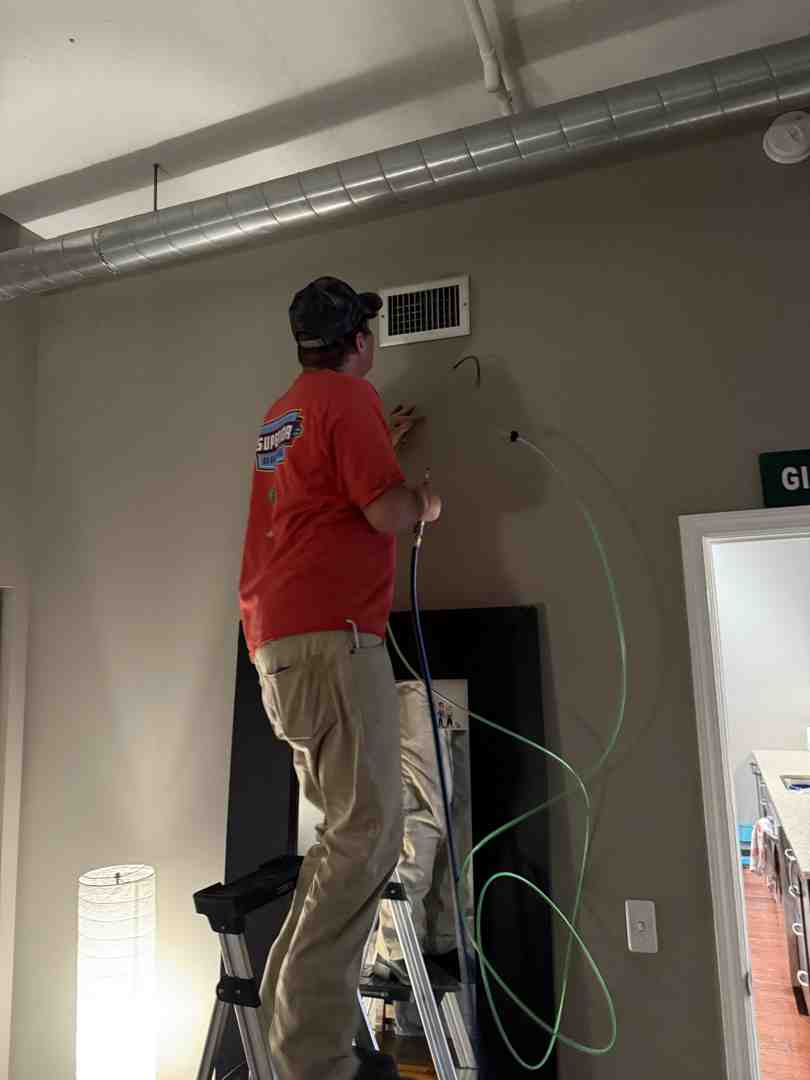
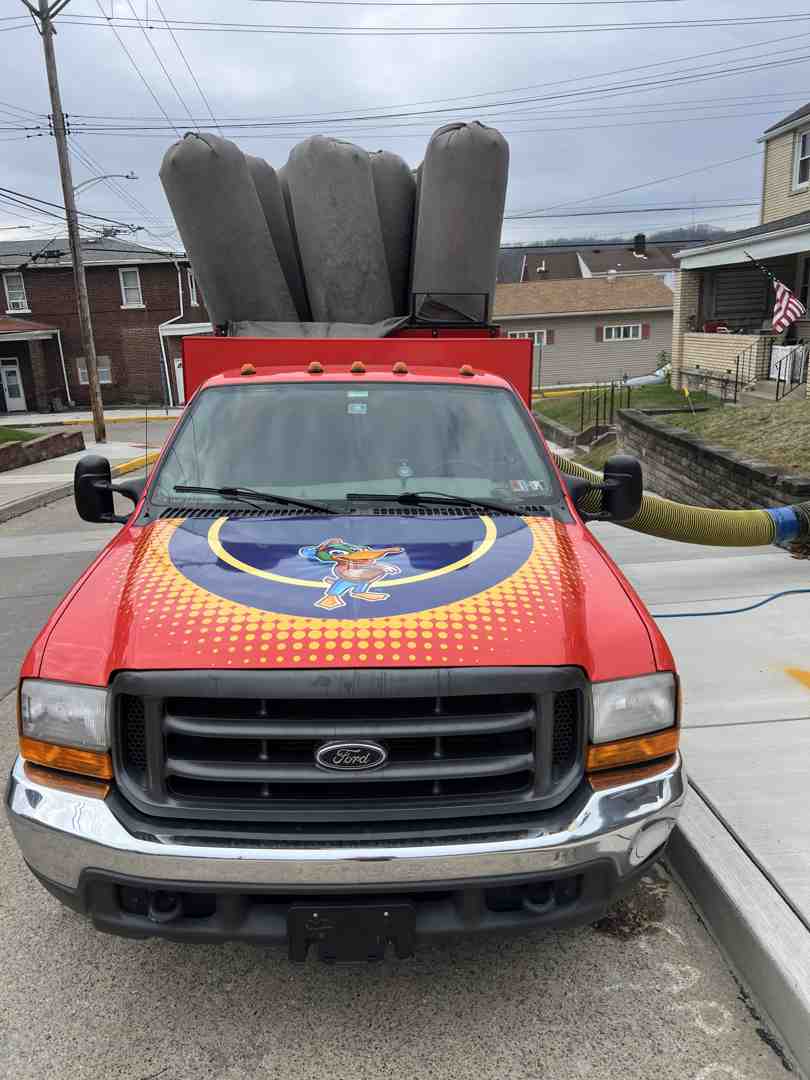
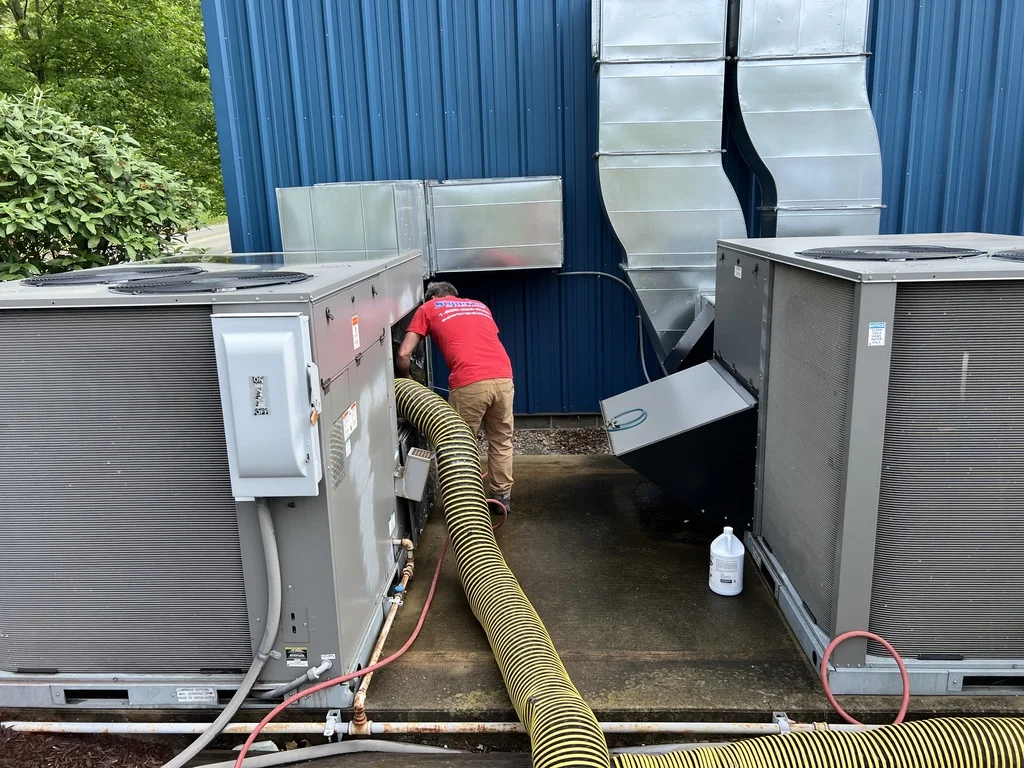
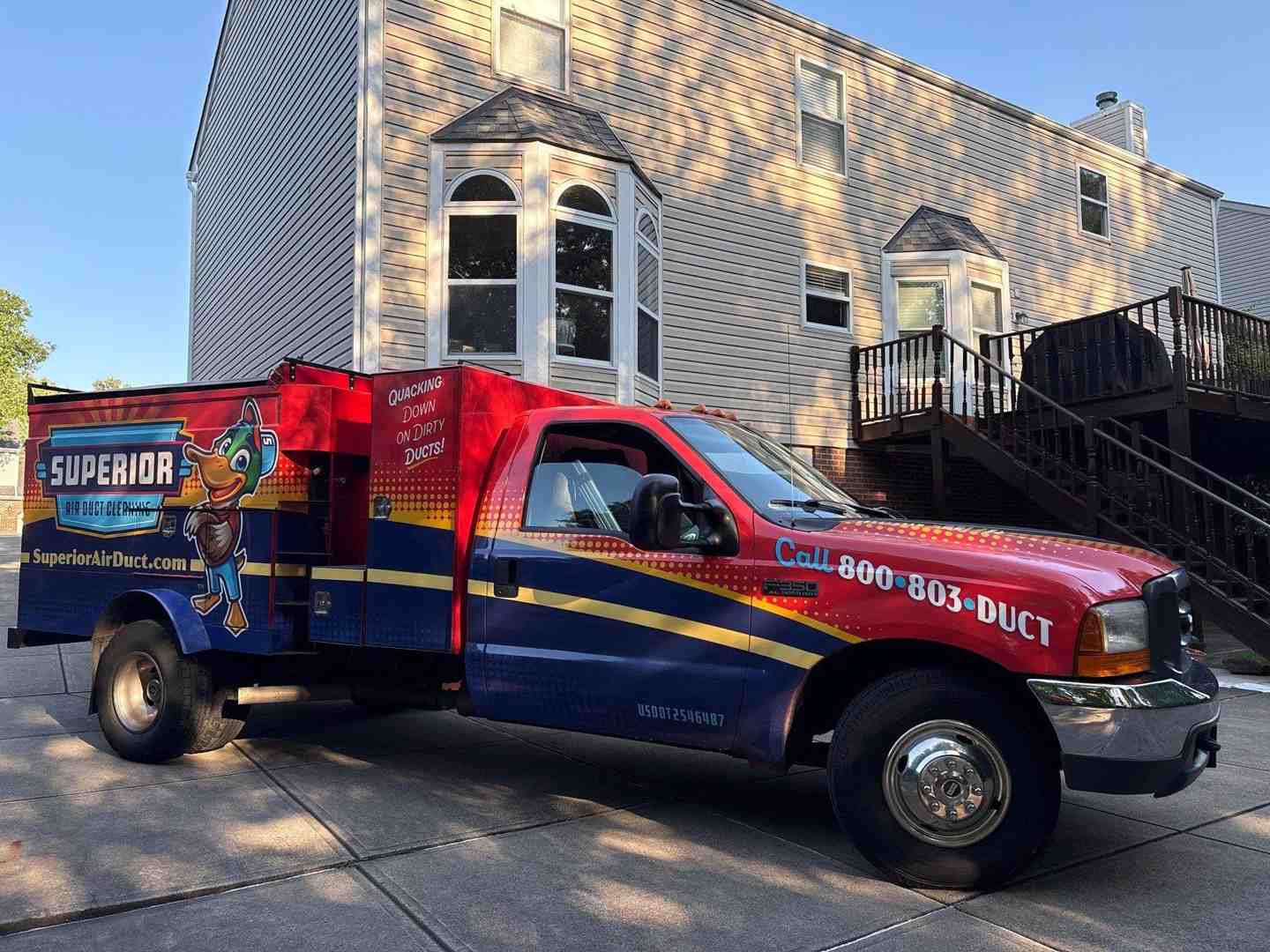
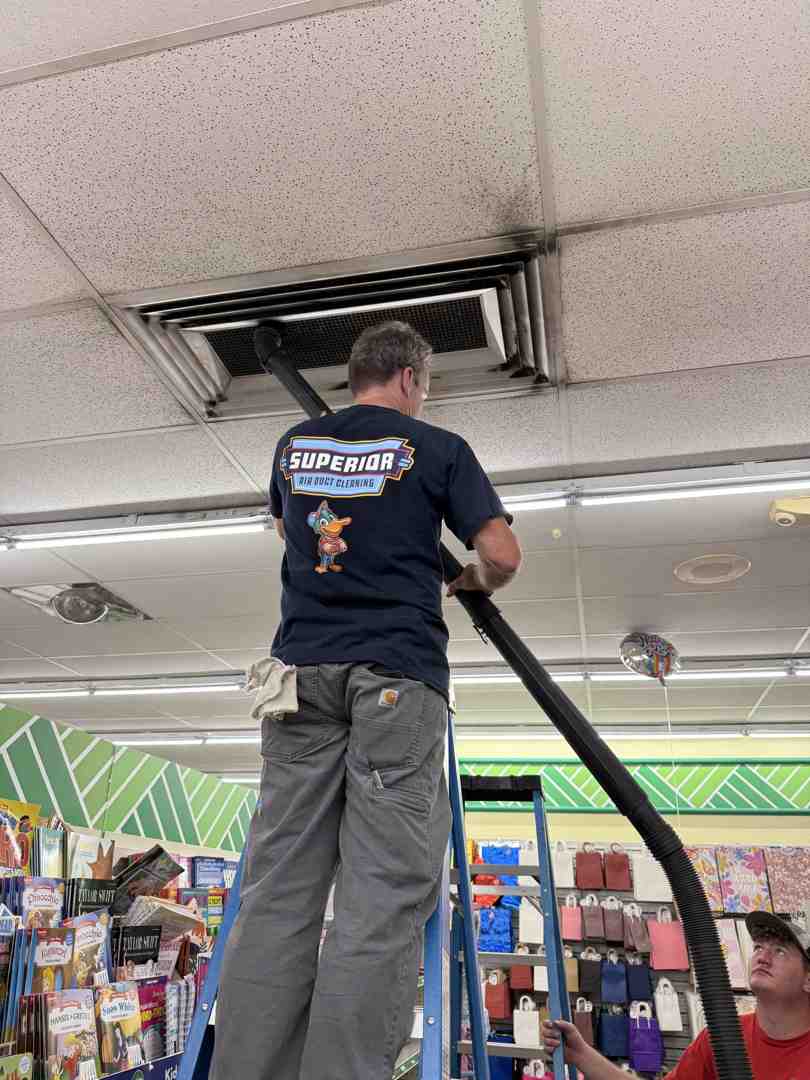
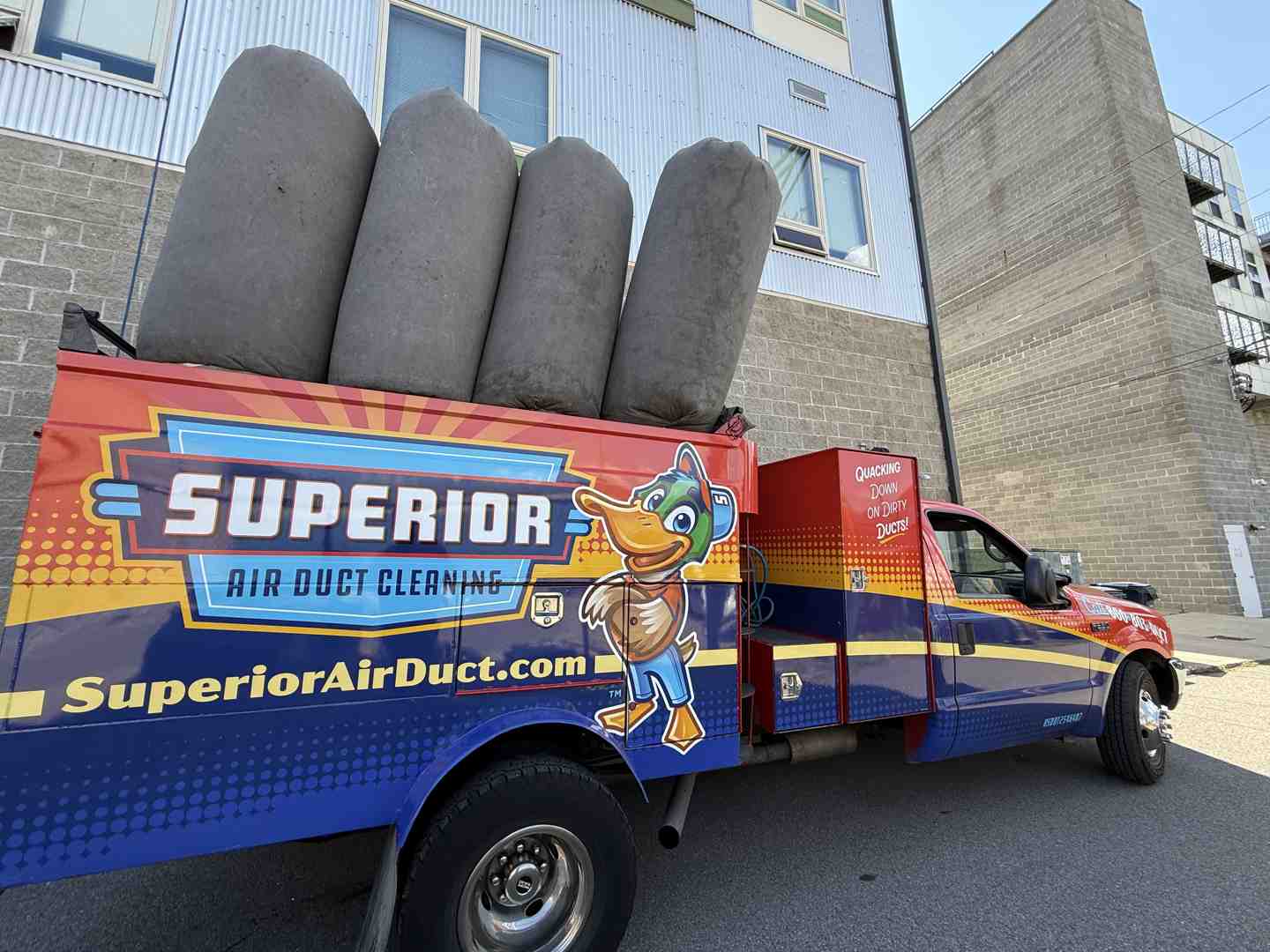
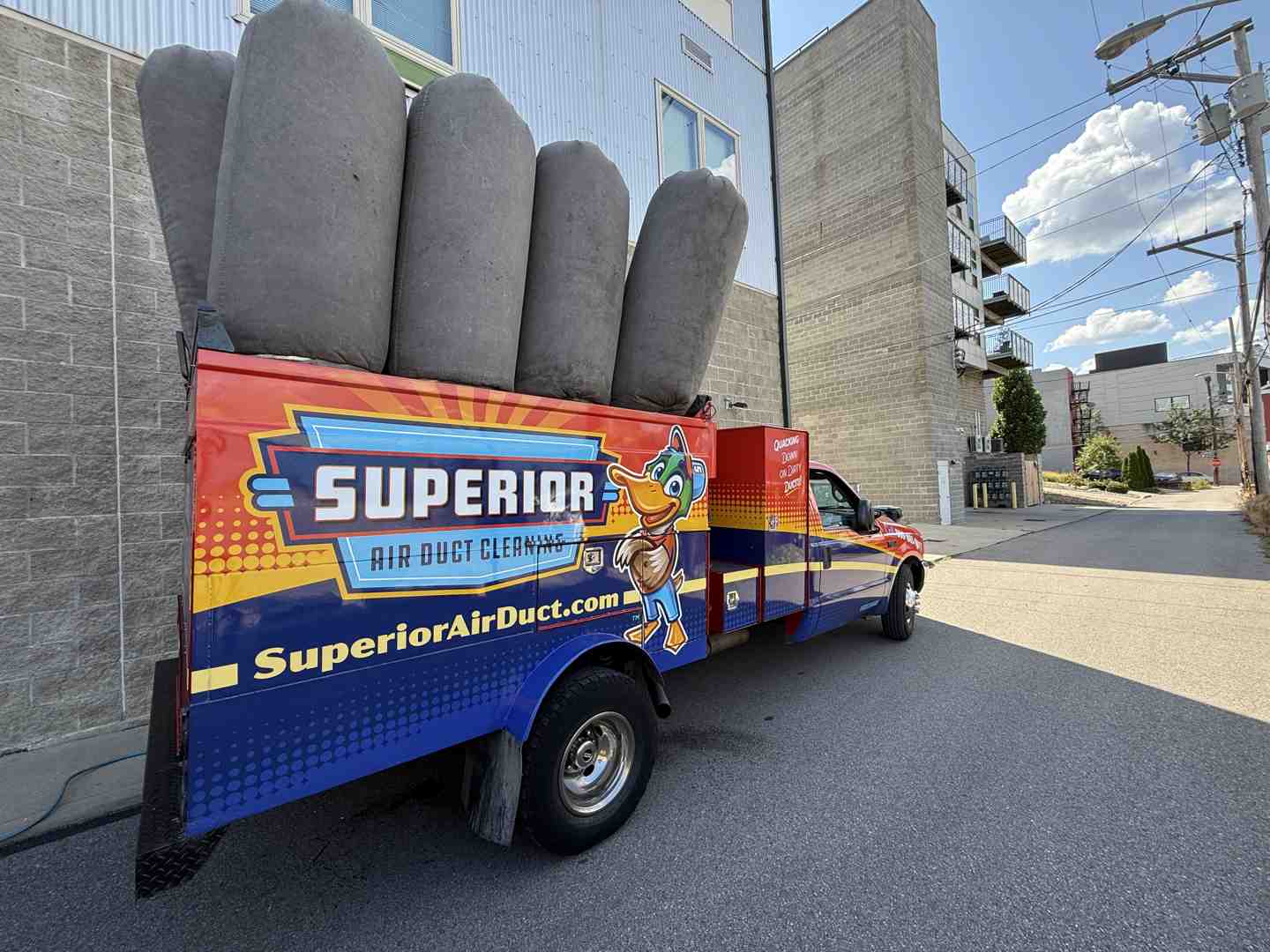
This is where our professional-grade truck-mounted vacuum systems provide a massive mechanical advantage over portable units. A truck-mounted system is powered by a dedicated motor housed inside our service vehicles, generating thousands of cubic feet per minute (CFM) of suction. A large vacuum hose is run from the truck directly to your furnace plenum, turning your entire duct system into one giant, powerful vacuum.
Understanding Negative Pressure
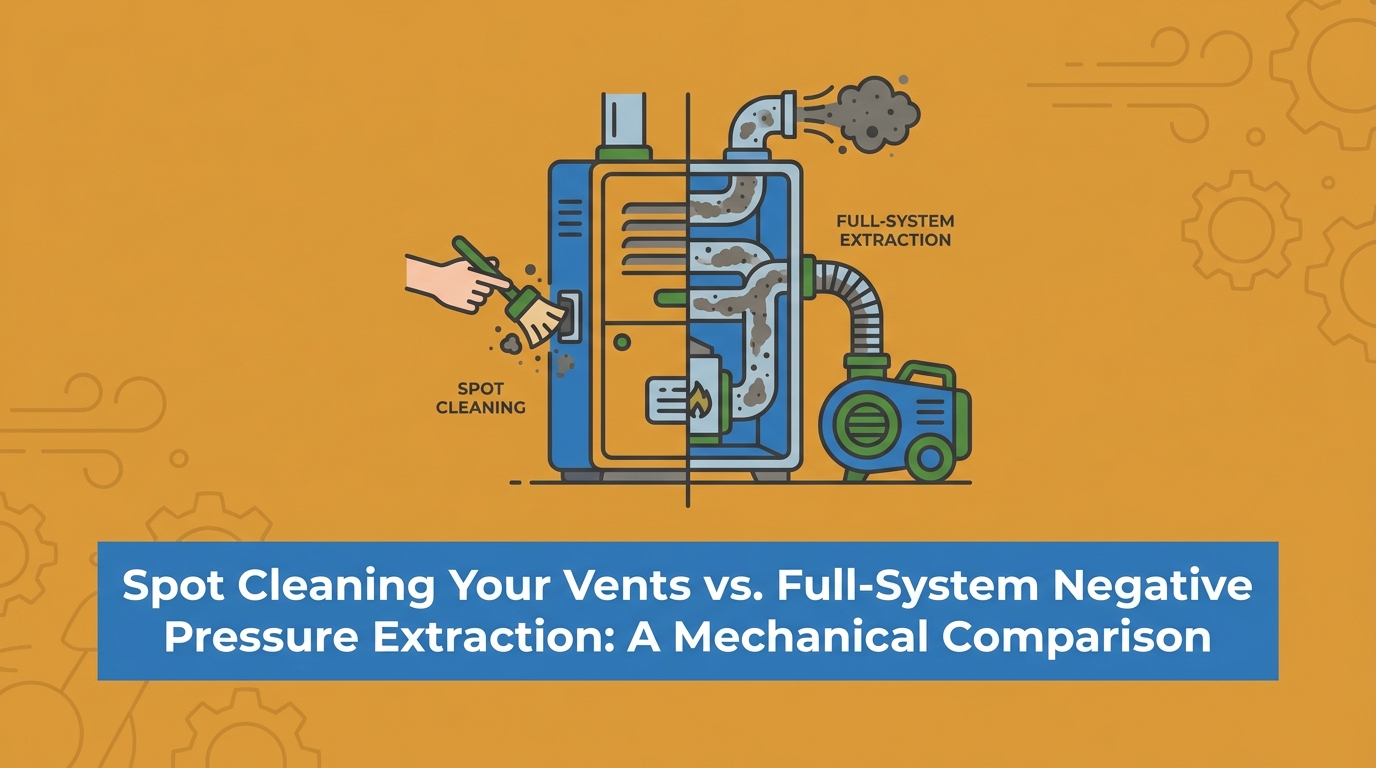
The primary goal of a truck-mounted system is to place your home's ductwork under continuous negative pressure. This is a critical differentiator for thorough cleaning.
• Total containment: Negative pressure ensures that as debris is agitated inside the ducts, it is immediately pulled backward into the truck's filtration system, rather than blowing out into your living room.
• Deep extraction: The immense suction power is strong enough to pull heavy particulates, matted pet hair, and caked-on dust from the furthest reaches of your branch lines.
• Protecting indoor air: Because the main vacuum unit and exhaust are located outside in the truck, no microscopic dust is exhausted back into your home's ambient air during the cleaning process.
Using portable, plug-in vacuums simply cannot generate the sustained negative pressure required to overcome the static pressure of a large residential duct system. If you want to eliminate the heavy debris that causes those initial fall burning odors, a truck-mounted extraction system is mechanically necessary.
Visual Proof: The Importance of Before-and-After Diagnostics
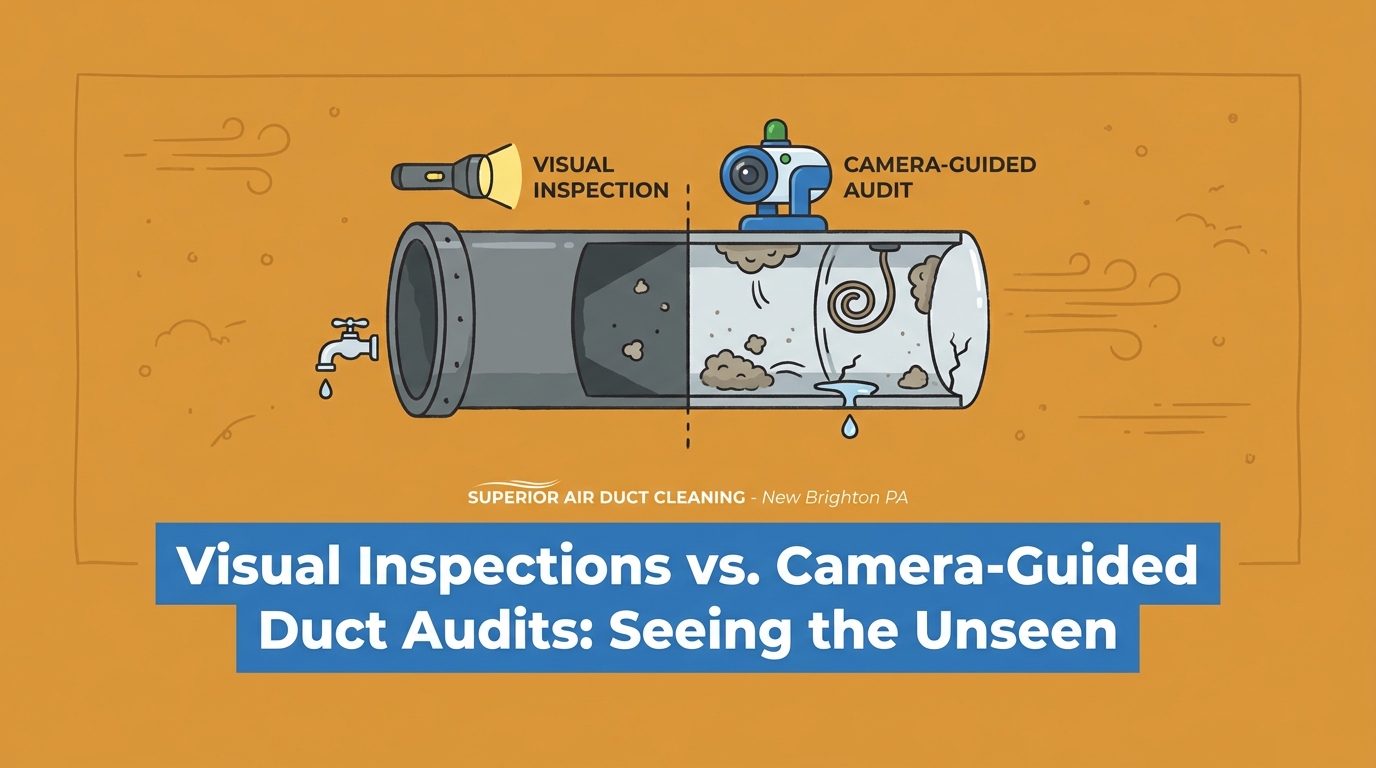
Trust in the home service industry is built on transparency. Because your ductwork is hidden behind drywall and beneath floors, it is impossible for you to verify the quality of a cleaning job with your own eyes. Reputable, NADCA-certified technicians like ours bridge this gap by providing clear, visual proof of our work through before-and-after diagnostic photos.
Visual inspections serve a dual purpose. First, they allow the technician to assess the condition of the ductwork, identify the heaviest accumulations of debris, and spot potential entry points where unconditioned air or dust might be bypassing the filter. Second, they provide you with undeniable confirmation that decades of buildup have been successfully removed.
What Diagnostics Should Reveal
Seeing the physical removal of allergens gives homeowners immense peace of mind regarding their indoor air quality. For example, one local homeowner in the New Brighton PA area reached out to our team recently because their HVAC ducts had not been cleaned in 18 years, leading to severe household allergens. Our technician performed a thorough cleaning and, crucially, took the time to explain the details while showing pictures of the dust entry points. By the end of the service, the visual proof confirmed the ducts were clear, helping to significantly reduce the indoor allergens that had plagued the home.
A trustworthy professional will never hesitate to show you the interior of your trunk lines before they begin and after they finish. If a contractor makes excuses about why they cannot provide photographic evidence of their work, it is a strong indicator that the cleaning was superficial at best.
When to Schedule a Professional Inspection and Sanitizing Service
Basic duct cleaning is highly effective for removing physical debris like dust, hair, and dirt. However, there are scenarios where a home might need more than just a filter change and a standard vacuuming. Understanding when to escalate from a basic cleaning to a full sanitization service is key to maintaining a healthy home environment.
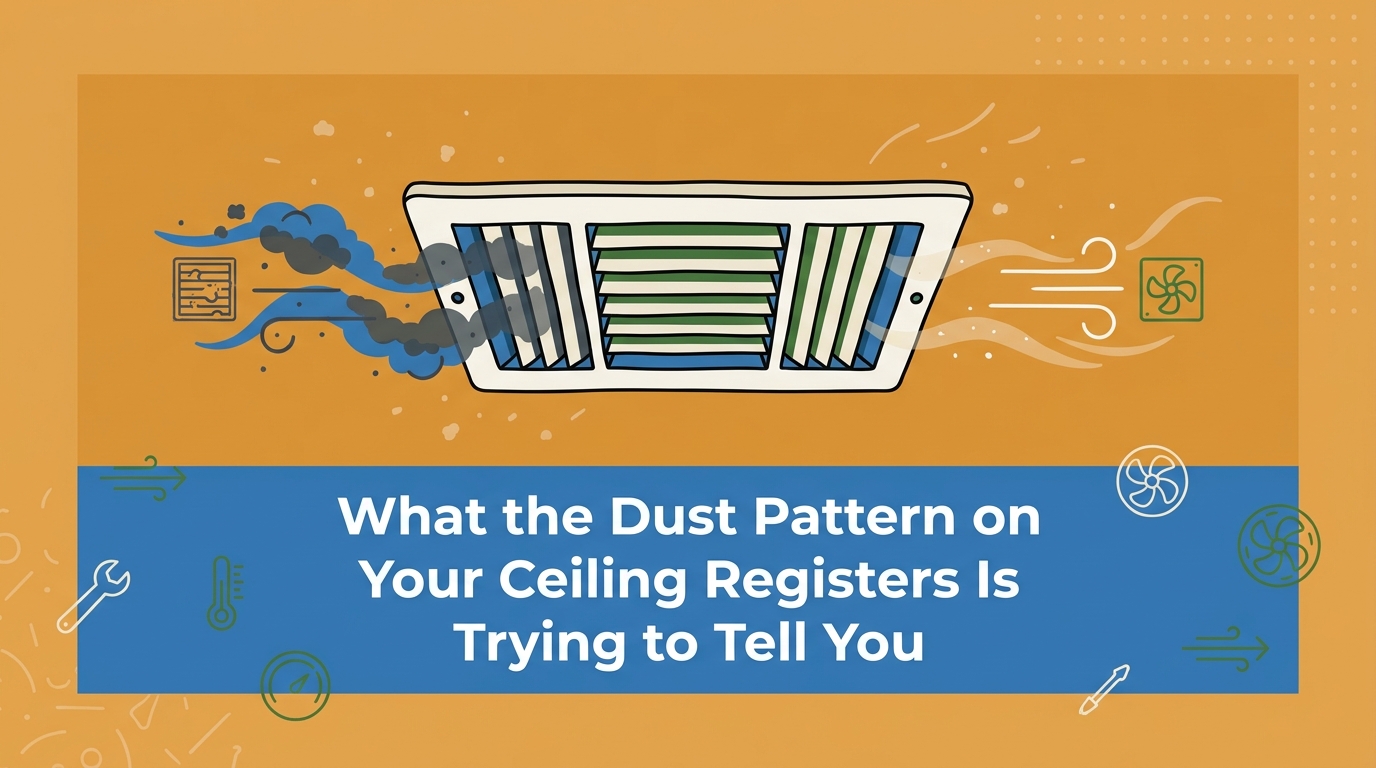
You should consider a deeper inspection if you notice persistent, musty odors coming from your vents, visible dark dust accumulating on the ceiling around your registers, or if your family experiences a sudden increase in unexplained allergy symptoms when the HVAC system runs. These are strong indicators we frequently find pointing to mold spores or bacterial growth that developed inside the ductwork during the humid summer months.
Sanitizing vs. Standard Cleaning
When physical debris is combined with biological contaminants, a specialized approach is required. During a humid stretch recently, another customer called us needing reliable air duct cleaning and the removal of persistent bacteria. One of our knowledgeable technicians not only cleaned the ducts but also applied a sanitizing service, emailing before-and-after pictures to confirm the system was completely free of bacterial buildup.
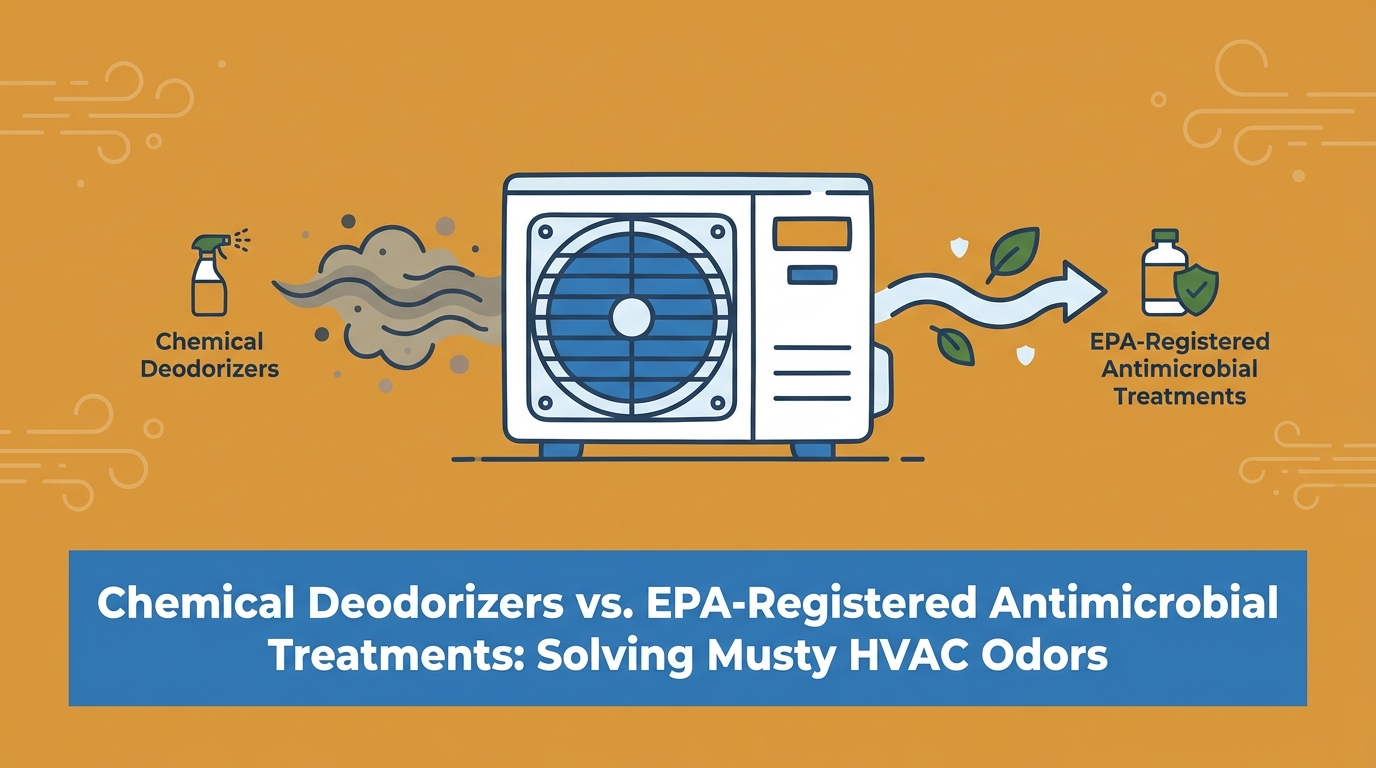
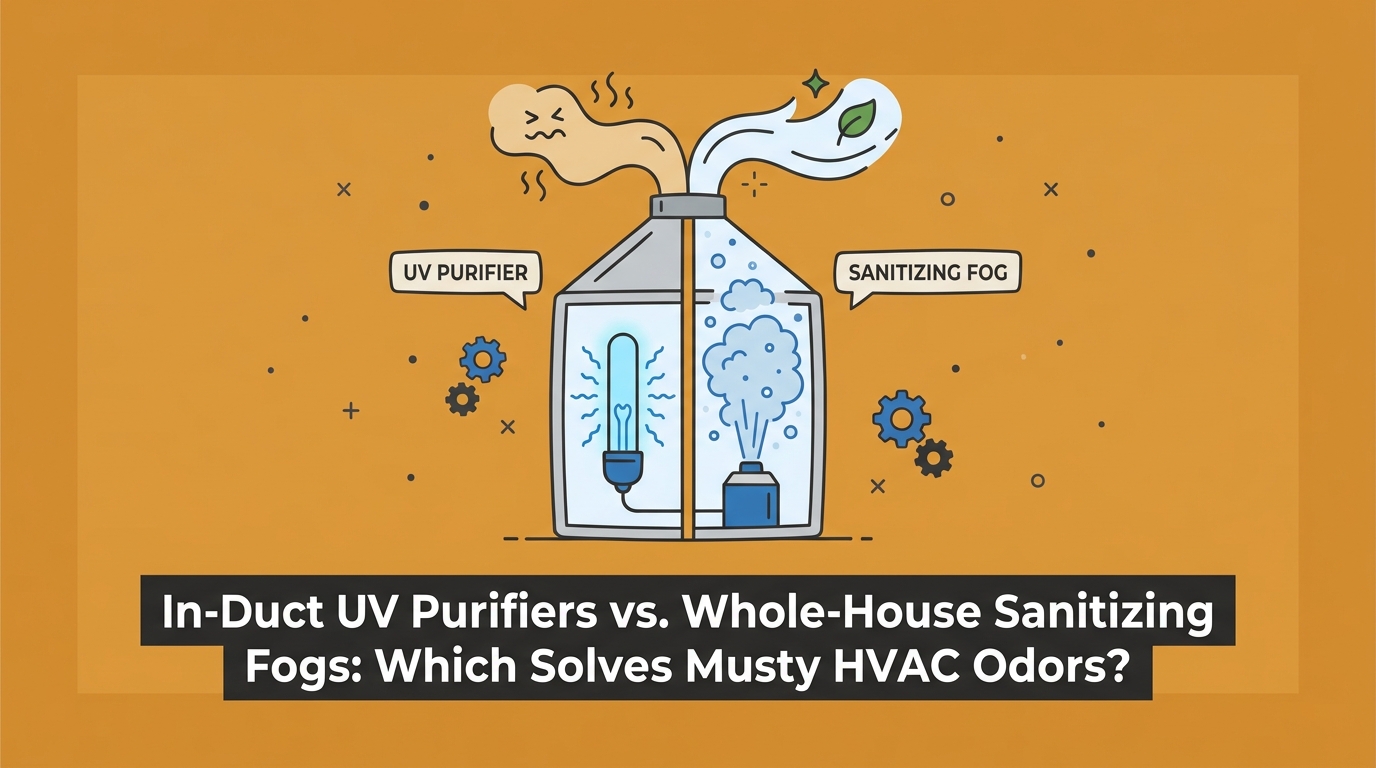
The process of whole house sanitizing involves applying an EPA-registered antimicrobial agent directly into the freshly cleaned ductwork. This treatment neutralizes lingering bacteria, mold spores, and viruses that standard vacuuming leaves behind. A technician who takes the time to answer your questions and explain this process ensures the job is done right, tailored to your home's specific needs.
The long-term benefits of starting the winter season with a fully sanitized HVAC system are substantial. You extend the lifespan of your furnace by ensuring it breathes easily, you eliminate the source of seasonal odors, and you create a healthier, cleaner breathing environment for your family as you seal the house up for the freezing months ahead.
Frequently Asked Questions
Why does my house smell like burning dust when I turn on the heat in the fall?
The burning smell is caused by dust and debris that settled on your furnace's heat exchanger during the summer. When the furnace runs for the first time, it subjects this accumulated dust to extreme heat, causing it to scorch. While the smell usually fades after a few hours, it indicates that your duct system is holding onto months of settled debris. If the smell persists, it is a strong sign that a professional inspection is needed.
Do I really need to clean my air ducts before winter?
Cleaning your air ducts before winter is highly recommended because homes are sealed tightly during the colder months, trapping airborne contaminants inside. Any dust, pet dander, or summer allergens left in the ductwork will continually recirculate through your living spaces. Removing this debris in the fall ensures your furnace operates efficiently and your family breathes cleaner air all winter long.
How can I improve my indoor air quality during the fall transition?
The most effective way to improve indoor air quality in the fall is to start with a fresh, high-quality furnace filter and schedule a professional duct inspection. Additionally, ensuring your home has proper ventilation and maintaining optimal humidity levels will prevent winter dryness from exacerbating respiratory issues. If your ducts are heavily soiled from summer use, having them professionally extracted is the best baseline for clean air.
What is the best time of year to get air ducts cleaned?
The fall and spring transitional periods are generally the best times for professional duct cleaning. In the fall, cleaning removes the sticky, accumulated debris left over from summer cooling before the high-heat furnace blower distributes it. Scheduling service before the peak winter heating season ensures your system is clean, efficient, and ready for heavy daily use.
How do I know if my air ducts need to be professionally cleaned?
Visible signs like dust blowing out of vents, dark streaks on the ceiling around registers, and persistent musty odors are clear indicators that cleaning is necessary. You may also notice your furnace filter getting clogged much faster than usual, or family members experiencing heightened allergy symptoms indoors. If it has been more than three to five years since your last service, an inspection is overdue.
What does NADCA certification mean for air duct cleaning?
NADCA certification means that a duct cleaning company adheres to the highest global standards for HVAC inspection, cleaning, and restoration. Technicians with this certification have passed rigorous exams and follow strict protocols to ensure the entire system is cleaned safely without damaging delicate components. It is your best guarantee against ineffective, superficial "blow-and-go" cleaning services.
Preparing for a Cleaner Winter
Navigating the transition from summer cooling to winter heating doesn't have to mean compromising your indoor air quality. By addressing that initial burning odor and relying on NADCA-certified professionals at Superior Air Duct Cleaning with the right truck-mounted equipment, you take control of your home's environment. A straightforward, expert approach to duct maintenance provides the clear criteria you need to keep your HVAC system running cleanly and efficiently all season long.

Customer Reviews


Superior Air Duct cleaning did a phenomenal job in a timely manner with the tech “Rich” being very professional ,personable and considerate of our property! He explained things as he proceeded and answered all our questions!
I LOVE that they provide before & after photos to see the difference. Give them a try… you won’t regret it
Pam T.
Robert was on schedule and communicated what time he would arrive. He was polite, professional, and respectful of our home. I wanted to wait a couple weeks before posting a review because I wanted to see if the duct cleaning actually made a difference. I am happy to say it did! I vacuum multiple times a week and have already noticed a significant reduction in the amount of dust cleaned up each time. As a home with pets, there will always be something to clean, but getting the ducts cleaned has definitely helped improve the air quality and reduce the dust.
alice A.
Technician Rob arrived early explained the days agenda and then proceeded to work methodically and meticulously over the next 6+ hours cleaning my ductwork. Courteous and professional they answered all of my questions and went above and beyond the call of duty. They even located an old dusty box of rat poison buried in our vents. My only regret is not finding these guys sooner. As a realtor of 22 years and owner of a newly purchased (now dust free) home I highly recommended!
Eric K.
Excellent service! I’ve used them to clean out my air ducts as well as my dryer vent duct and they are excellent. I was very pleased with both jobs and will continue to use them in the future. Great communication as well- from the time I scheduled the appointment until they were at my door.
Erika C.
We had such an amazing experience with Superior Air Duct Cleaning. They were so nice and friendly and did an amazing job. I loved seeing the before and after pictures. Besides doing an amazing job cleaning our air ducts they were so quick at responding and setting up the appointment. We will definitely be using them in the future.
Amanda C.