Why Understanding How Dirty Air Ducts Affect Your Health Could Change the Way You Breathe at Home
How dirty air ducts affect your health is something most homeowners in Western Pennsylvania and Northeast Ohio never think about — until someone in the family starts sneezing constantly, waking up congested, or feeling worn down for no obvious reason.
Here is a quick answer if you want the short version:
How Dirty Air Ducts Affect Your Health — At a Glance
• Dust & dust mites — Health Effect: Sneezing, congestion, itchy eyes
• Mold spores — Health Effect: Respiratory irritation, sinus infections, asthma flare-ups
• Pet dander & pollen — Health Effect: Allergy attacks, wheezing
• Bacteria & viruses — Health Effect: Recurring colds, respiratory infections
• Rodent/insect debris — Health Effect: Airborne pathogens, disease risk
• VOCs & chemical residue — Health Effect: Headaches, fatigue, brain fog
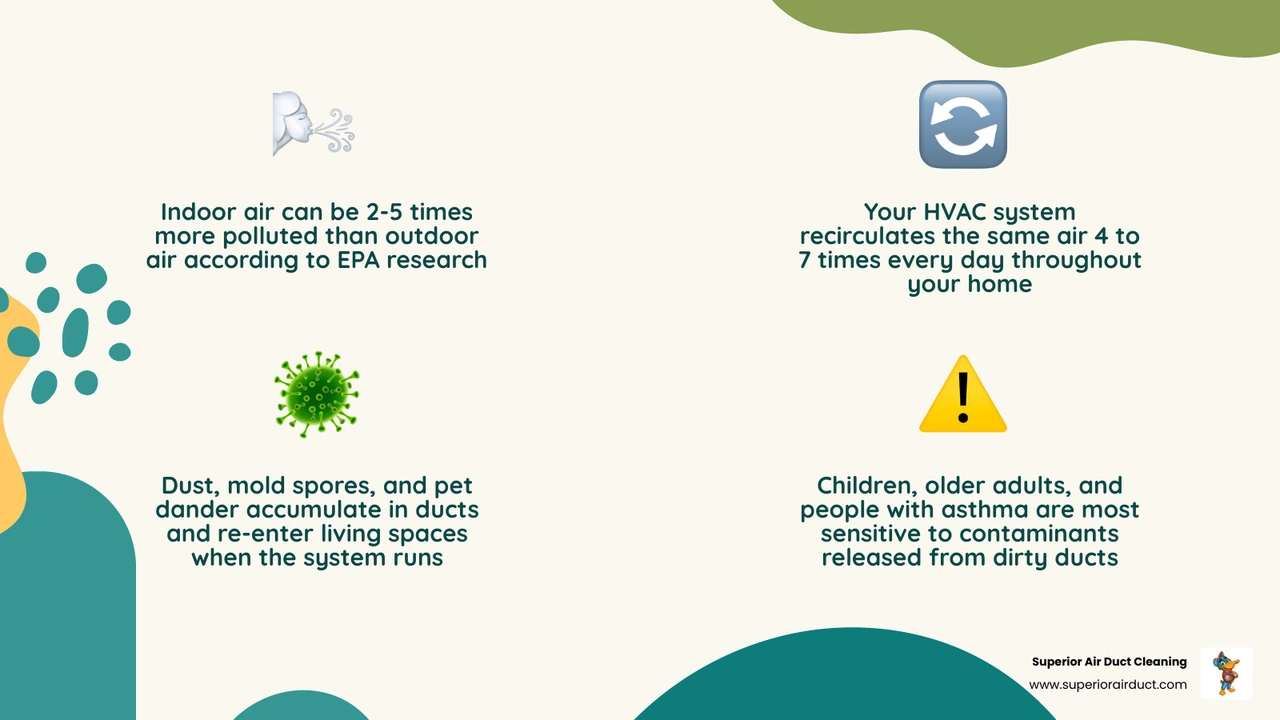
The EPA has found that indoor air pollutants can run 2 to 5 times higher than outdoor levels — and since most of us spend roughly 90% of our time indoors, the air moving through your home's duct system matters more than most people realize. Every time your HVAC kicks on, it recirculates that same air — and everything trapped inside your ducts — throughout every room in the house, repeating that cycle 4 to 7 times per day.
That does not mean every home with dusty ducts is a health emergency. The EPA is clear that light household dust in ducts does not pose a proven risk on its own. But when contaminants build up to the point where they are actively entering your living space, the effects on sensitive individuals — children, older adults, and anyone with asthma or allergies — can be real and noticeable.
This guide walks you through exactly what accumulates inside ductwork, which symptoms it can trigger, what health authorities actually recommend, and how to protect the air your family breathes.
Common Contaminants That Build Up in Your HVAC System
To understand how your ventilation system impacts your well-being, we first have to look at what is hiding in the dark, winding network of your home’s ductwork. Over time, your HVAC system acts like a giant vacuum, pulling in airborne particles and trapping them in the return ducts.

These ducts become a quiet reservoir for a variety of microscopic nuisances:
• Dust and Dust Mites: The average six-room home collects up to 40 pounds of dust each year. This dust is a complex mixture of soil, pollen, textile fibers, and shed human skin cells. This mixture provides an ideal food source for microscopic dust mites, whose waste products are a primary trigger for indoor allergies.
• Pollen: Tracked in from outdoors on your shoes and clothing, pollen can settle inside your duct system, especially during high-pollen spring and summer seasons. Once inside, it continues to circulate long after outdoor pollen counts have dropped.
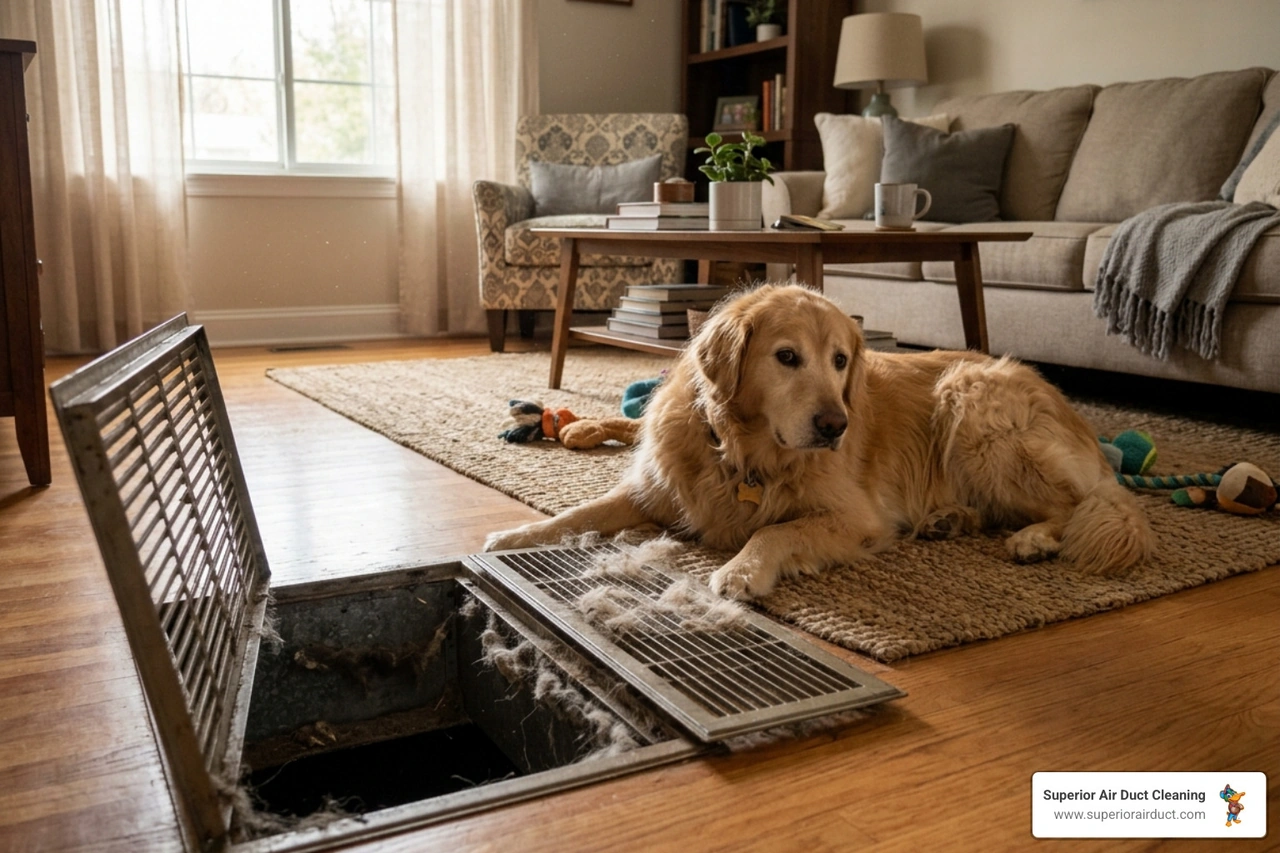
• Pet Dander: If you have furry family members, their dander (dead skin flakes), hair, and dried saliva easily bypass standard air filters. These light, sticky particles cling to the interior walls of your ducts, where they remain to trigger symptoms even if the pet is no longer in the room. You can learn more about this by reading about How Pets Affect Your Indoor Air Quality.
• Household Residues: Everyday items like aerosols, cooking oils, and smoke leave sticky residues on duct surfaces. This residue acts like glue, catching dry dust and creating thick "dust sweaters" inside your vents. For a deeper look at these everyday items, check out What Items Affect the Air in Your Home.
How dirty air ducts affect your health by spreading biological pollutants
While dry dust and pet dander are bad enough, a much more serious concern is how your heating and cooling system can distribute biological hazards. When moisture enters your ductwork — from high indoor humidity, a leaky roof, or a poorly designed air conditioning system — it creates a perfect storm.
Moisture paired with organic dust leads to microbial amplification. This is the scientific term for when bacteria, viruses, and mold spores find a cozy, damp nesting ground and begin to multiply rapidly.
Furthermore, pests like rodents (mice and rats) and insects (cockroaches, spiders) are naturally drawn to neglected duct systems. Once they move in, they leave behind feces, nesting materials, and decaying organic matter. Every time your fan turns on, air rushing through the ducts at 600 to 900 feet per minute picks up these dried biological particles — a process called particle re-entrainment — and carries them straight into your bedrooms and living spaces.
In our region, local weather patterns can make these issues worse. For instance, damp summer months can lead to a high Summer Mold Risk in Your Ductwork, which can easily spread these biological pollutants if left unaddressed.
The Direct Link: How Dirty Air Ducts Affect Your Health
When these contaminants leave your vents and enter your breathing zone, they can trigger a wide range of physical symptoms.
While healthy adults might only experience minor annoyances, vulnerable individuals can suffer from more persistent, uncomfortable health issues. If you have been wondering Can Dirty Air Ducts Make You Sick, the answer lies in how these inhaled particles interact with your body.
Here are some of the most common health issues linked to poor duct hygiene:
• Respiratory Irritation: Inhaling recirculated dust and biological debris can cause a constant tickle in your throat, a dry cough, wheezing, and shortness of breath.
• Sinus Infections (Sinusitis): Airborne mold spores and bacteria can irritate the delicate lining of your nasal passages, leading to congestion, painful sinus pressure, and recurring infections.
• Frequent Headaches and Fatigue: Breathing in poor-quality air all night can disrupt your sleep patterns, leaving you waking up with "brain fog," dull headaches, and a general feeling of lethargy.
• Dry, Itchy Skin: Airborne dust and mold can settle on your skin, aggravating conditions like eczema or causing general dryness and itching.
How dirty air ducts affect your health through allergy and asthma flare-ups
For the millions of people living with chronic respiratory conditions, the state of their home's ductwork can make a massive difference in their daily comfort. When allergens like dust mites, pet dander, and pollen build up in your ducts, they are continuously redistributed throughout your home.
This constant exposure means your immune system never gets a break. It can lead to persistent Allergy Symptoms That May Be Caused by Dirty Ducts, including red, watery eyes, non-stop sneezing, and a runny nose.
For asthmatics, the risks are even higher. Inhaling these concentrated triggers can cause sudden airway inflammation, leading to more frequent and severe asthma attacks. If you or your children seem to suffer from allergies that only flare up when you are inside the house, it is worth exploring the Dirty Ducts and Allergy Symptoms Connection to see if your HVAC system is the hidden culprit.
How dust and debris in ducts affect breathing and lung function
To understand how this works on a physical level, we have to look at the size of the particles we are breathing. Large particles, like visible pet hair, are usually filtered out by our nasal passages. However, the tiny particles that settle in dirty ducts — often between 1 and 10 microns in size (by comparison, a human hair is about 70 microns wide) — can easily bypass our body's natural defenses.
When these microscopic particles are kicked up by air currents, they travel deep into your lungs, reaching the alveoli (the tiny air sacs where oxygen exchange happens). Over time, this constant exposure can irritate your lung tissue, decrease your lung capacity, and make your body work harder just to take a deep breath. To read more about this biological process, take a look at our detailed guide on How Dust and Debris in Ducts Affect Breathing.
What the EPA and Health Experts Say About Duct Cleaning
With so much conflicting information online, it is helpful to look at what official health organizations actually say. The Environmental Protection Agency (EPA) takes a very practical, balanced stance on air duct cleaning.
The EPA does not recommend that air ducts be cleaned on a routine, calendar-based schedule. Instead, they state that homeowners should consider having their ducts professionally cleaned under specific, clear-cut conditions:
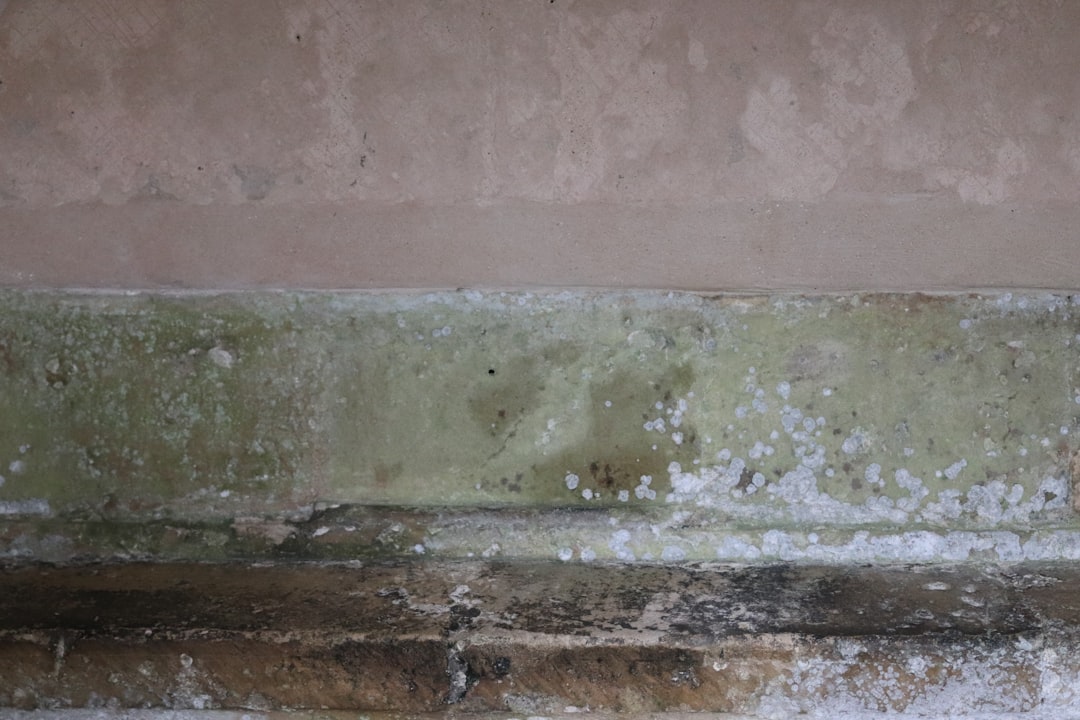
1. Visible Mold: If there is substantial, visible mold growth inside your sheet metal ducts or on other components of your heating and cooling system.
2. Vermin Infestation: If your ducts are infested with rodents (such as mice or rats) or insects.
3. Excessive Debris: If your ducts are clogged with large amounts of dust and debris, or if you can actually see particles being released into your home from your supply registers.
To help you decide what your system needs, here is a comparison of routine home maintenance versus professional cleaning:
• Routine Maintenance — What It Involves: Changing air filters, wiping down vent grates, vacuuming returns — When to Do It: Every 1 to 3 months — Who Does It: Homeowner
• Professional Cleaning — What It Involves: Negative pressure vacuuming, physical agitation (compressed-air tools/whips), component sanitization — When to Do It: When EPA conditions are met, or every 3 to 5 years — Who Does It: Certified Technician
If you suspect mold in your system, it is important to act carefully. You can learn how to Prevent Air Duct Mold by keeping moisture out, or read about proper Air Duct Mold Removal techniques to ensure the job is done safely without spreading spores through your home.
The risks of chemical biocides and sealants
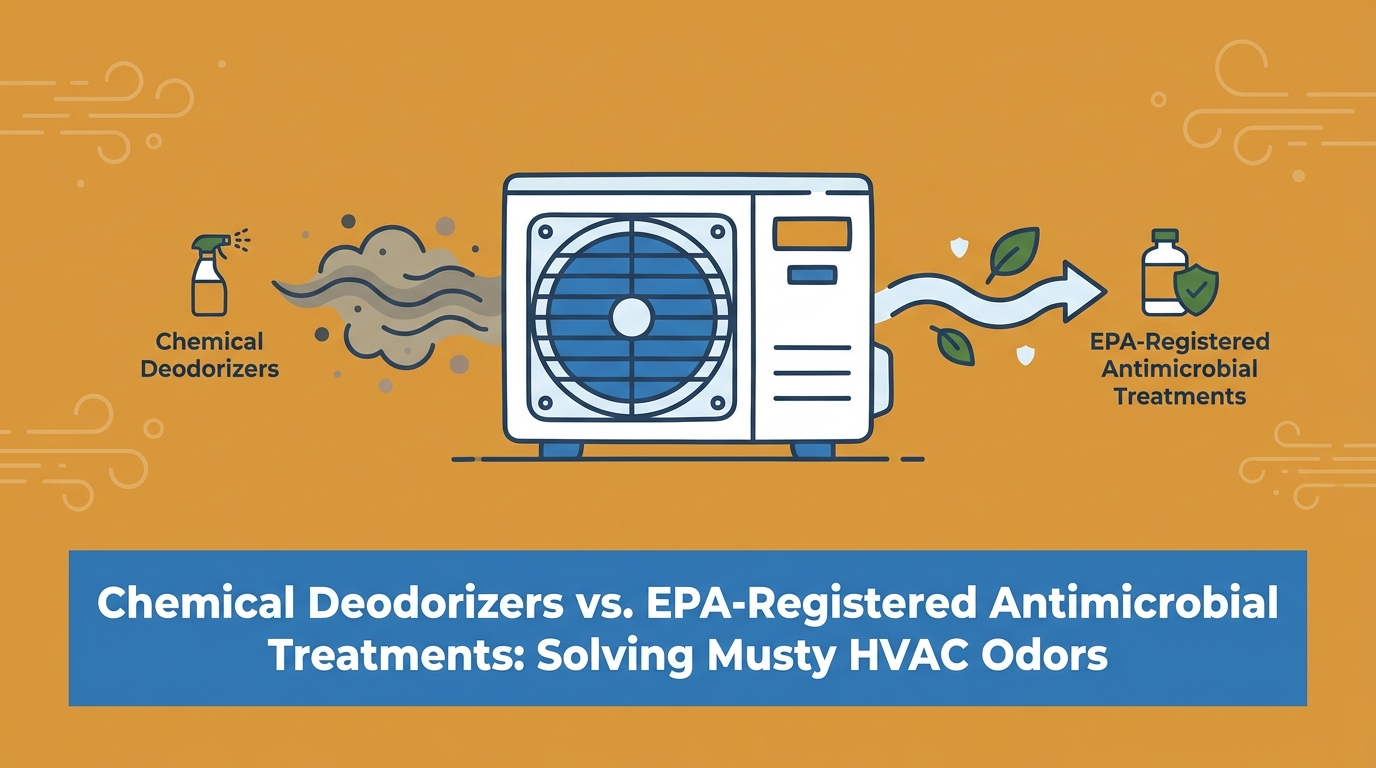
During a professional cleaning, some service providers may suggest applying chemical biocides or sealants inside your ductwork to target bacteria and mold, or to prevent dust particles from releasing.
However, the EPA and leading health experts advise caution here. Chemical biocides are regulated pesticides, and their safety inside residential ventilation systems has not been fully proven. Applying these chemicals can sometimes cause respiratory irritation or chemical sensitivities for the people living in the home.
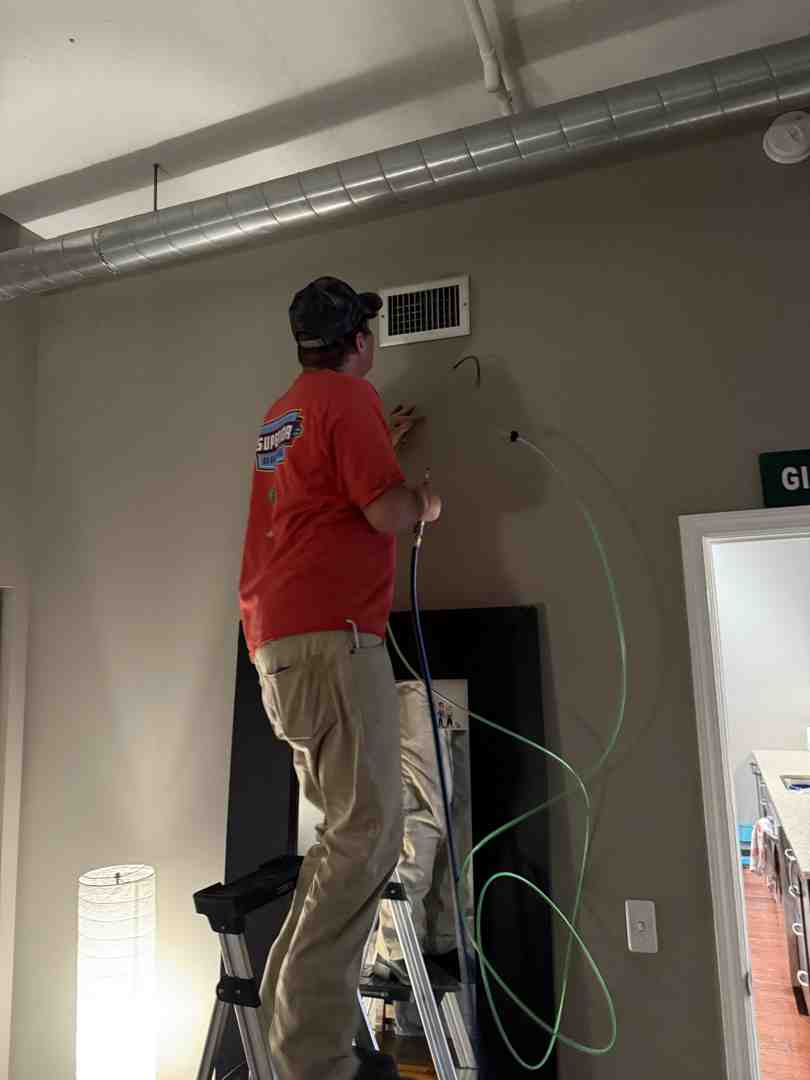
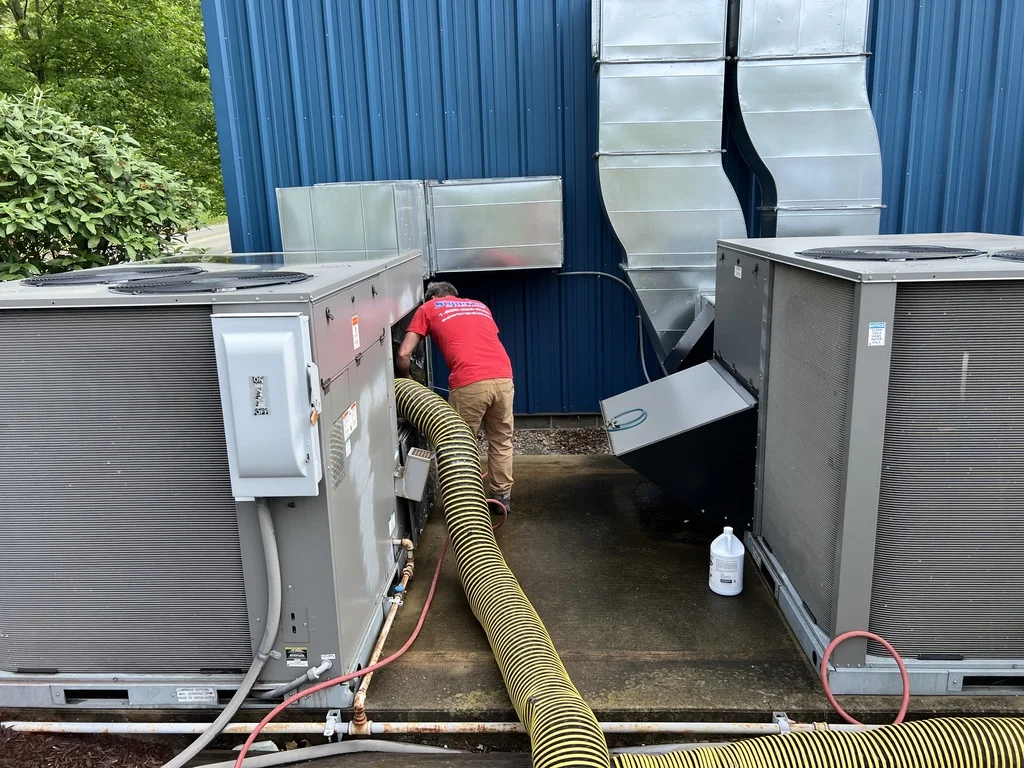
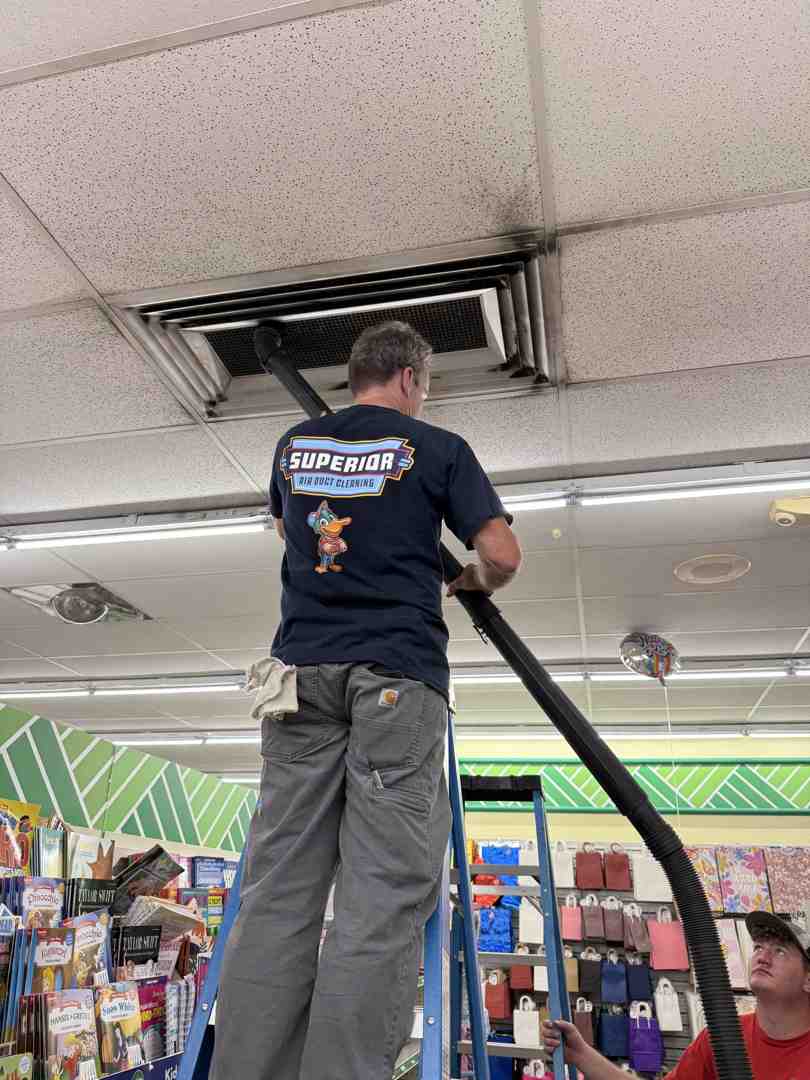
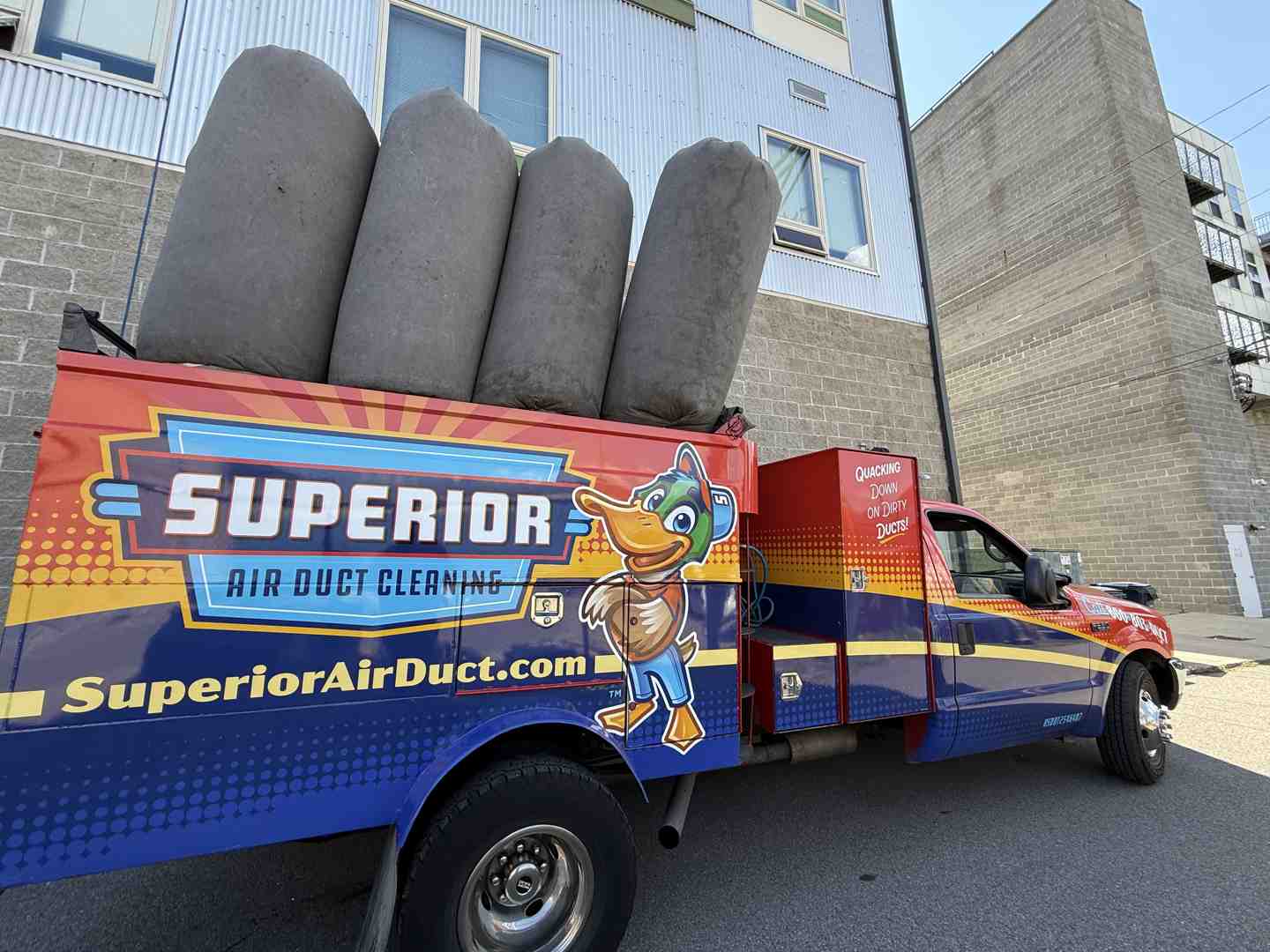
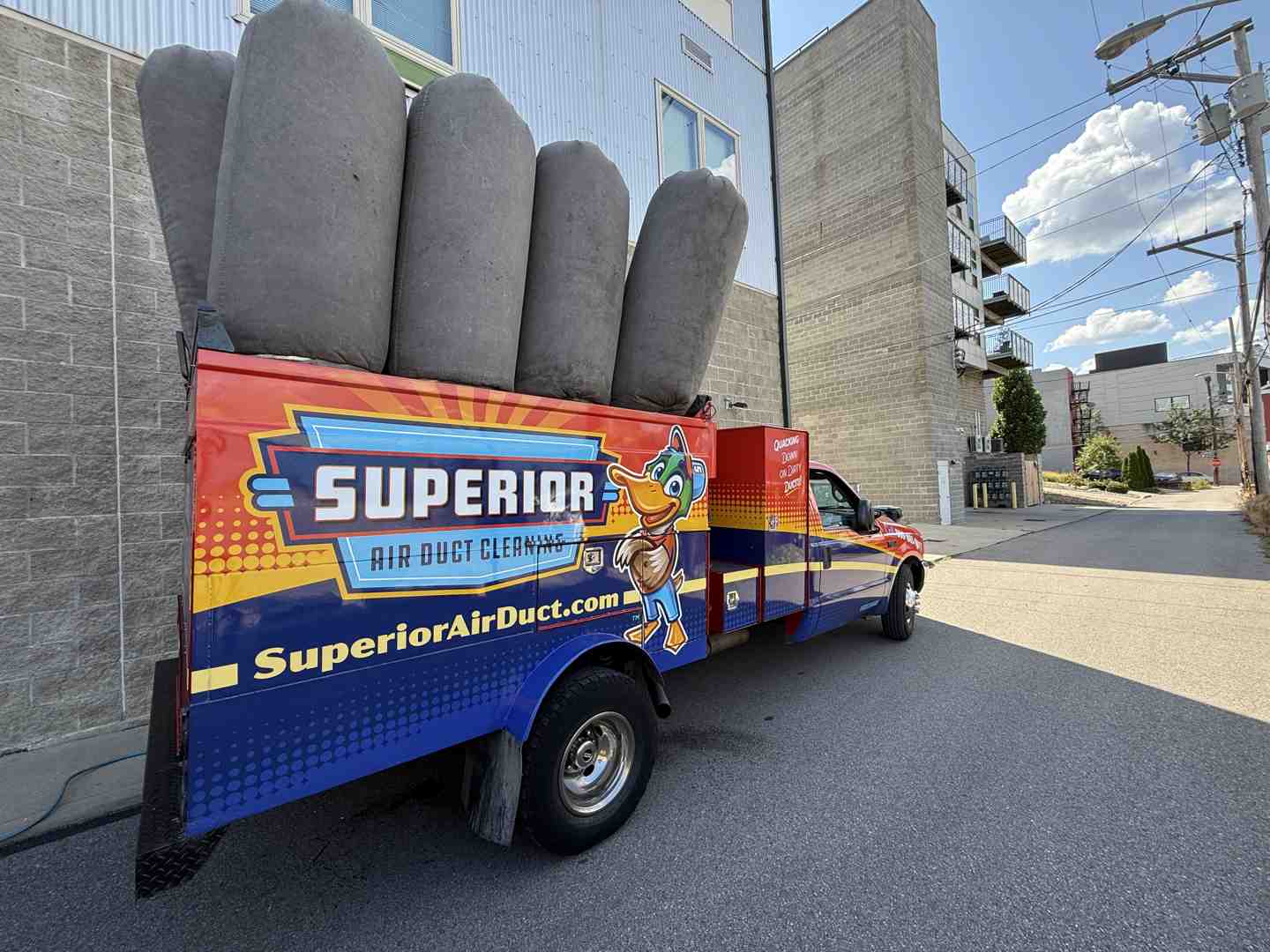
Similarly, sealants should not be used routinely. If applied incorrectly to insulated or flexible ducts, they can damage the materials, cause fiberglass fibers to break loose, and worsen your indoor air quality. At Superior Air Duct Cleaning, we believe in using physical source removal — powerful compressed-air tools and powerful truck-mounted vacuums — to clean your system thoroughly without relying on unnecessary chemical additives.
How to Prevent Duct Contamination and Protect Your Home
The best way to keep your air clean is to prevent dirt and moisture from entering your ductwork in the first place.
By taking a few simple, proactive steps, you can drastically reduce the build-up of contaminants and protect your family's health:
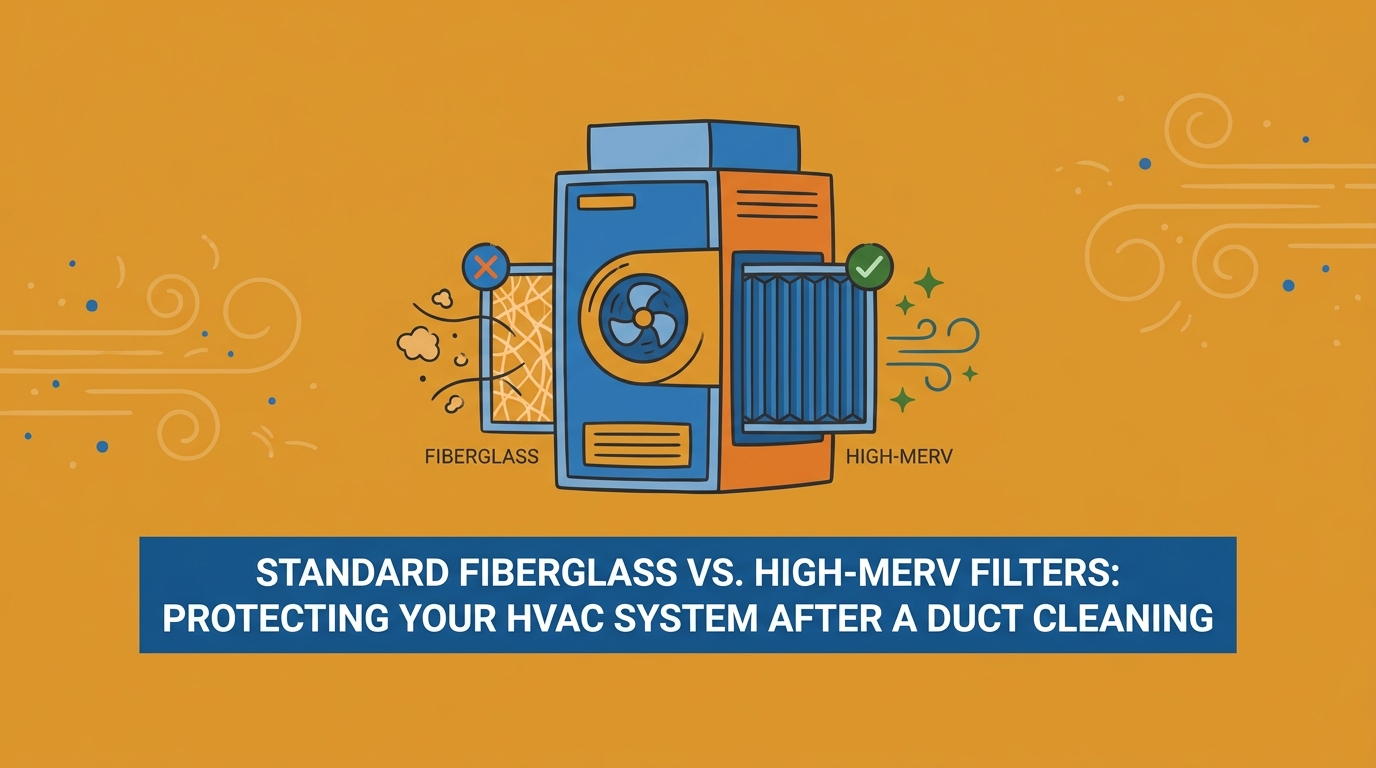
• Upgrade Your Filters: Use high-quality pleated filters with a MERV (Minimum Efficiency Reporting Value) rating of 11 or higher. A MERV 11 filter is highly effective at capturing bacteria, pet dander, and mold spores, while a MERV 13 is even better for capturing virus-carrying particles.
• Change Filters Regularly: Replace your air filters every 1 to 3 months — more frequently if you have pets or live in a dusty area.
• Control Indoor Humidity: Keep your home's relative humidity between 30% and 50%. This prevents mold and dust mites from thriving. Use dehumidifiers in damp basements and make sure bathrooms vent directly outdoors.
• Keep Your Home Clean: Vacuum and dust your living spaces regularly. This prevents loose dust from being sucked into your return vents.
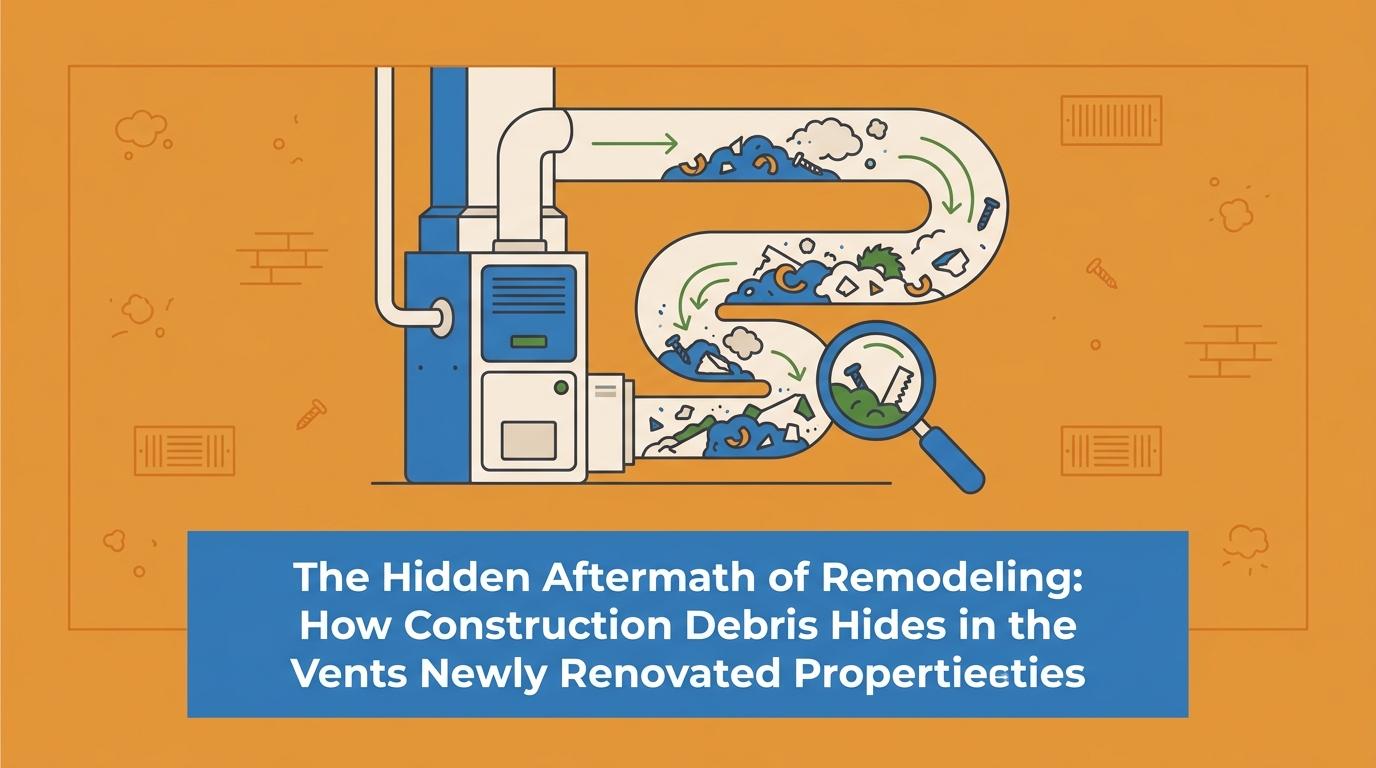
• Seal Ducts During Renovations: If you are doing any home remodeling, turn off your HVAC system and seal your registers to prevent fine construction dust from settling in your ductwork.
To stay ahead of potential issues, it is also helpful to recognize the warning signs early. Be sure to read up on the Signs Your Air Ducts Need Cleaning so you know exactly what to look for.
Frequently Asked Questions About Air Duct Hygiene
How often should residential air ducts be cleaned?
The National Air Duct Cleaners Association (NADCA) recommends having your air ducts professionally cleaned every 3 to 5 years. However, you may want to clean them more frequently if you have multiple pets, family members with severe allergies or asthma, or if you have recently completed a major home renovation.
Can dirty air ducts cause musty odors in the home?
Yes. If moisture gets into your ductwork, it can cause mold and mildew to grow on accumulated dust. When your heating or cooling system runs, it will carry a distinct musty or stale "dirty sock" smell throughout your entire home. Addressing the source of the moisture is essential to keep the odor from returning.
Does duct cleaning improve HVAC energy efficiency?
Yes, it can. While the primary benefit of duct cleaning is better indoor air quality, removing heavy build-ups of dust and debris can improve airflow. When your system does not have to work as hard to push air through clogged vents, it uses less energy, which can help lower your utility bills and extend the lifespan of your heating and cooling equipment.
Conclusion
Understanding how dirty air ducts affect your health is the first step toward creating a safer, more comfortable living environment for your family. By keeping an eye out for warning signs — like rapid dust build-up, musty smells, or unexplained allergy symptoms — and practicing routine maintenance, you can ensure that the air circulating through your home is clean and fresh.
If you suspect your ventilation system is harboring years of dust, pet dander, or mold, we are here to help. At Superior Air Duct Cleaning, we specialize in professional, high-quality duct and dryer vent cleaning services across Western Pennsylvania and Northeast Ohio — including Pittsburgh, Boardman, Cranberry Township, New Brighton, and surrounding areas. We use advanced, truck-mounted vacuum systems to safely remove contaminants at the source, helping you and your family breathe easier.
Ready to take control of your indoor air quality? Schedule Professional Air Duct Cleaning with our certified team today!

Customer Reviews


Superior Air Duct cleaning did a phenomenal job in a timely manner with the tech “Rich” being very professional ,personable and considerate of our property! He explained things as he proceeded and answered all our questions!
I LOVE that they provide before & after photos to see the difference. Give them a try… you won’t regret it
Pam T.
Robert was on schedule and communicated what time he would arrive. He was polite, professional, and respectful of our home. I wanted to wait a couple weeks before posting a review because I wanted to see if the duct cleaning actually made a difference. I am happy to say it did! I vacuum multiple times a week and have already noticed a significant reduction in the amount of dust cleaned up each time. As a home with pets, there will always be something to clean, but getting the ducts cleaned has definitely helped improve the air quality and reduce the dust.
alice A.
Technician Rob arrived early explained the days agenda and then proceeded to work methodically and meticulously over the next 6+ hours cleaning my ductwork. Courteous and professional they answered all of my questions and went above and beyond the call of duty. They even located an old dusty box of rat poison buried in our vents. My only regret is not finding these guys sooner. As a realtor of 22 years and owner of a newly purchased (now dust free) home I highly recommended!
Eric K.
Excellent service! I’ve used them to clean out my air ducts as well as my dryer vent duct and they are excellent. I was very pleased with both jobs and will continue to use them in the future. Great communication as well- from the time I scheduled the appointment until they were at my door.
Erika C.
We had such an amazing experience with Superior Air Duct Cleaning. They were so nice and friendly and did an amazing job. I loved seeing the before and after pictures. Besides doing an amazing job cleaning our air ducts they were so quick at responding and setting up the appointment. We will definitely be using them in the future.
Amanda C.