The Unmistakable Smell of Fall Heating Startup
Your thermostat clicks on for the first time since spring, and within minutes, a sharp, burning dust odor fills the house. If you are searching for home maintenance tips and troubleshooting advice this fall, that unsettling smell coming from your vents is probably at the top of your list. Here at Superior Air Duct Cleaning, the first October frost triggers a familiar wave of phone calls from anxious homeowners asking: is this a fire hazard, or just a nuisance? While a brief, faint odor is a normal part of heating startup, a strong, persistent smell tells a different story. It points directly to the air you and your family are breathing. When your heating system pushes air through neglected ductwork, it distributes whatever has been hiding in those hidden metal channels all summer long. In our experience, addressing this issue requires more than just swapping out a one-inch furnace filter; it requires a systemic approach to your indoor air quality.
If you are tired of breathing in dirty air, scheduling professional air duct cleaning can restore your home's air quality.
The Science Behind the Stink: Humidity, Dust, and Ductwork
To understand why your furnace smells so strongly in the fall, our team always tells customers to look at what happened during the summer. In the New Brighton and Western PA area, summer humidity frequently exceeds 70 percent. This heavy, moisture-laden air does not just stay outside; it makes its way into your home and, consequently, into your HVAC system's ductwork. High humidity creates sticky, damp conditions inside those dark metal channels.
As your air conditioner runs throughout the summer, it pulls in airborne particulates—everything from microscopic dust and pet dander to pollen and fabric fibers. Instead of blowing straight through the system, these particles hit the damp interior walls of your ductwork and stick. Over weeks and months, our technicians see this create a caked-on layer of debris that acts almost like a paste.
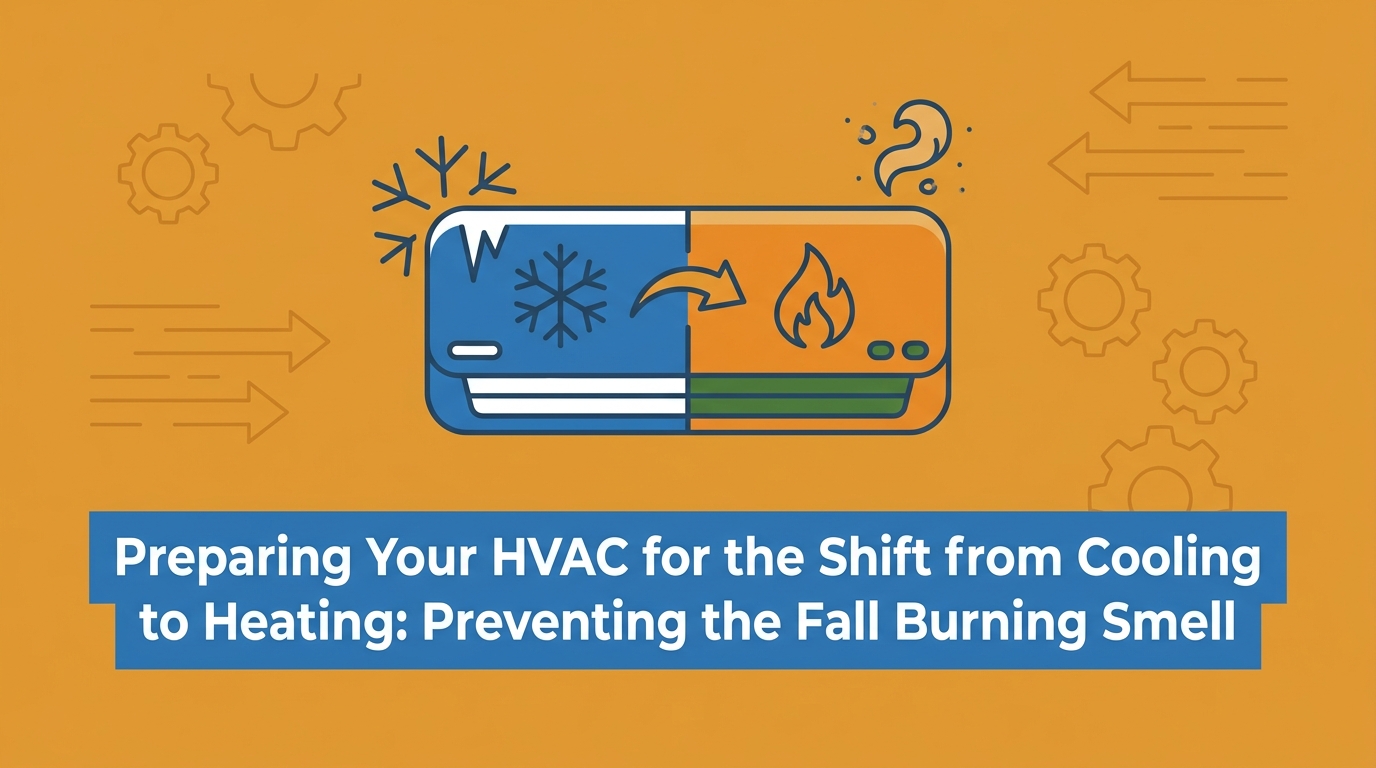
When the weather suddenly shifts and you turn on your furnace for that first October frost, the environment inside the ducts changes drastically. The sudden blast of dry, hot air hits that damp, caked-on layer of summer dust. The debris literally bakes onto the metal, producing that distinct burning odor. Because your ductwork connects every room in the house, the blower motor pushes that baked-dust smell out of every supply register simultaneously, making it a systemic issue that affects your entire living space.
How Tightly Sealed Homes Trap Pollutants
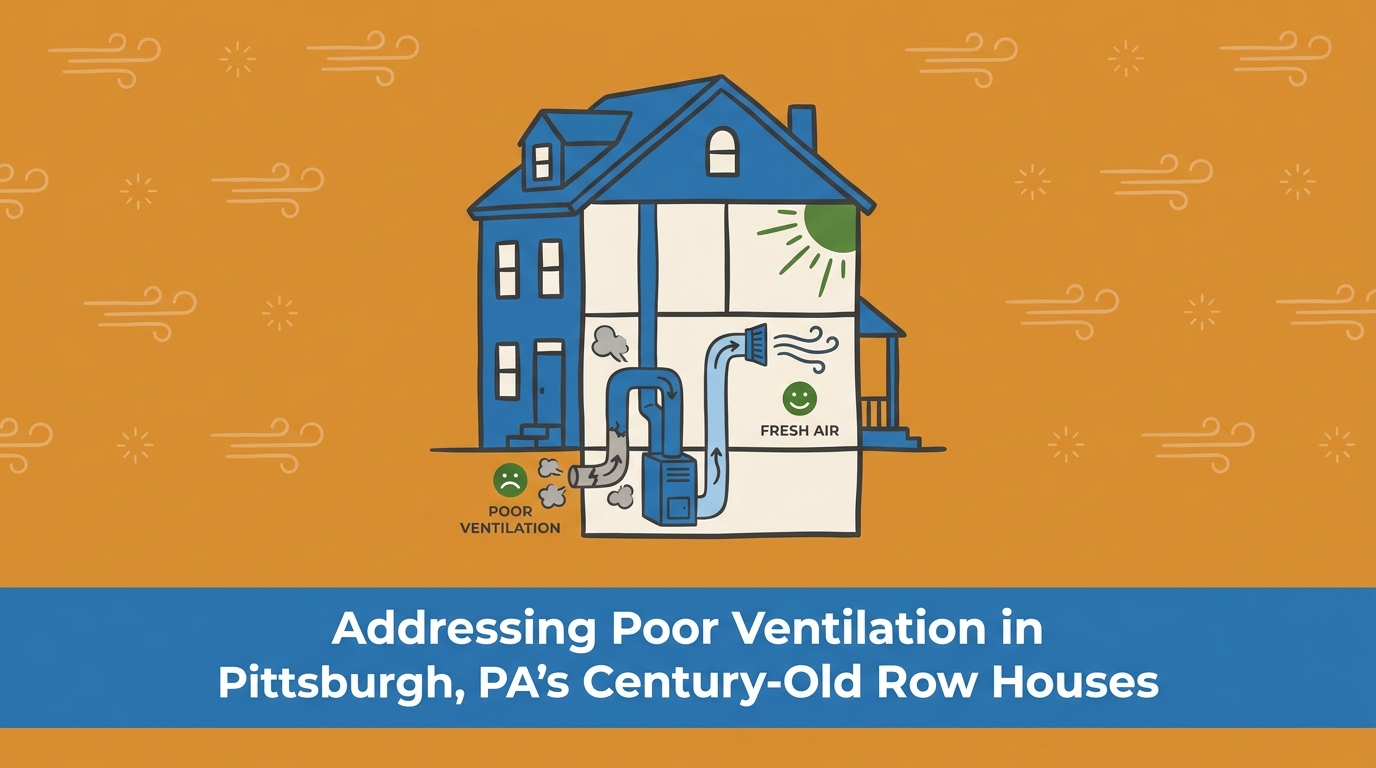
Modern construction and remodeling focus heavily on energy efficiency. We install heavy weatherstripping, upgrade to double-pane windows, and seal every crack to prevent drafty rooms and high utility bills. While this is fantastic for your energy consumption (and taking advantage of any qualifying federal tax credits for efficiency upgrades), it creates an unintended consequence for your indoor air quality. Tightly sealed homes trap conditioned air, but they also trap indoor pollutants with no way to escape.
According to the Environmental Protection Agency (EPA), indoor air can be two to five times more polluted than outdoor air. During extreme weather—whether it is the peak heat of August or the freezing cold of winter—we keep our windows locked tight. There is no fresh air cycling through the house. Instead, your HVAC system simply recirculates the same stale, contaminated air over and over again, exacerbating the buildup inside your ductwork and intensifying the burning smell when the heat finally kicks on.
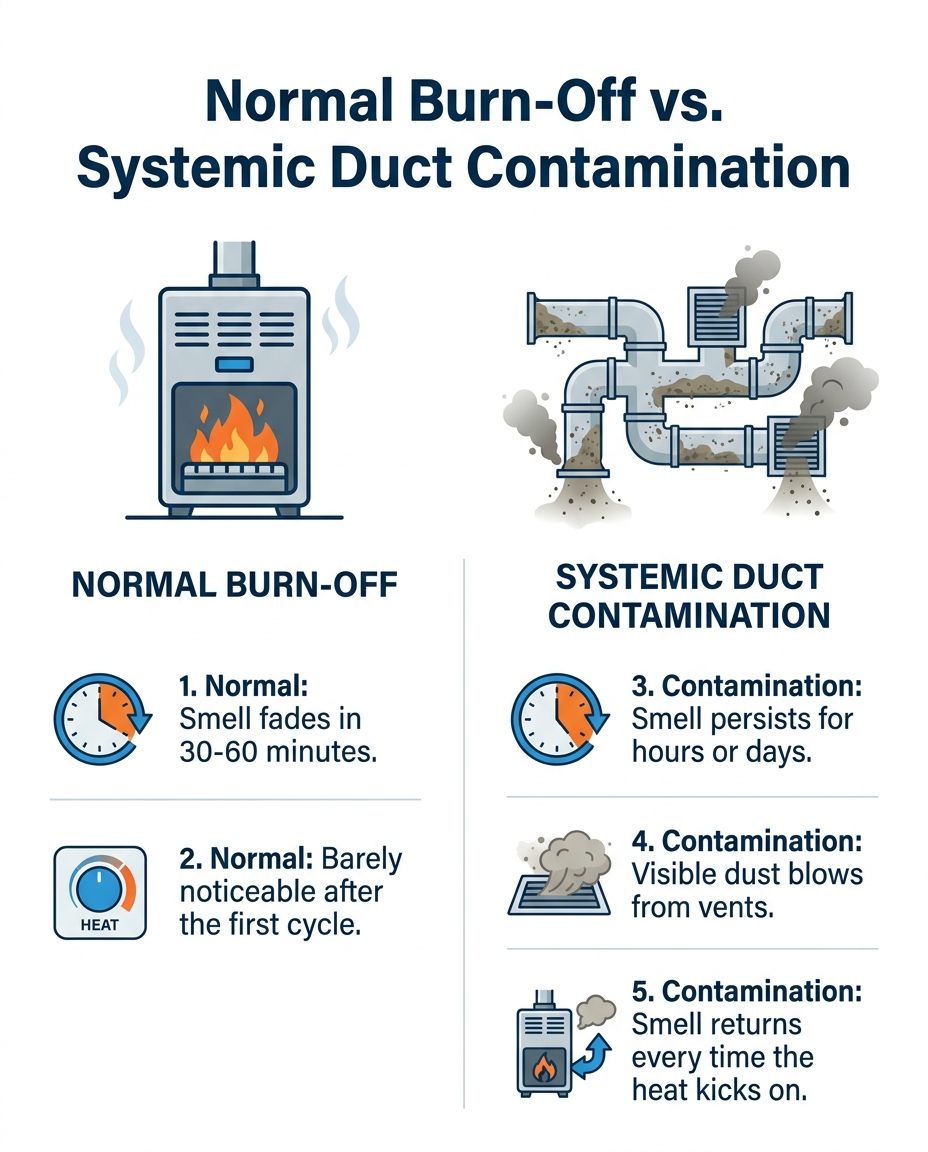
Normal Burn-Off vs. Systemic Contamination: How to Tell the Difference
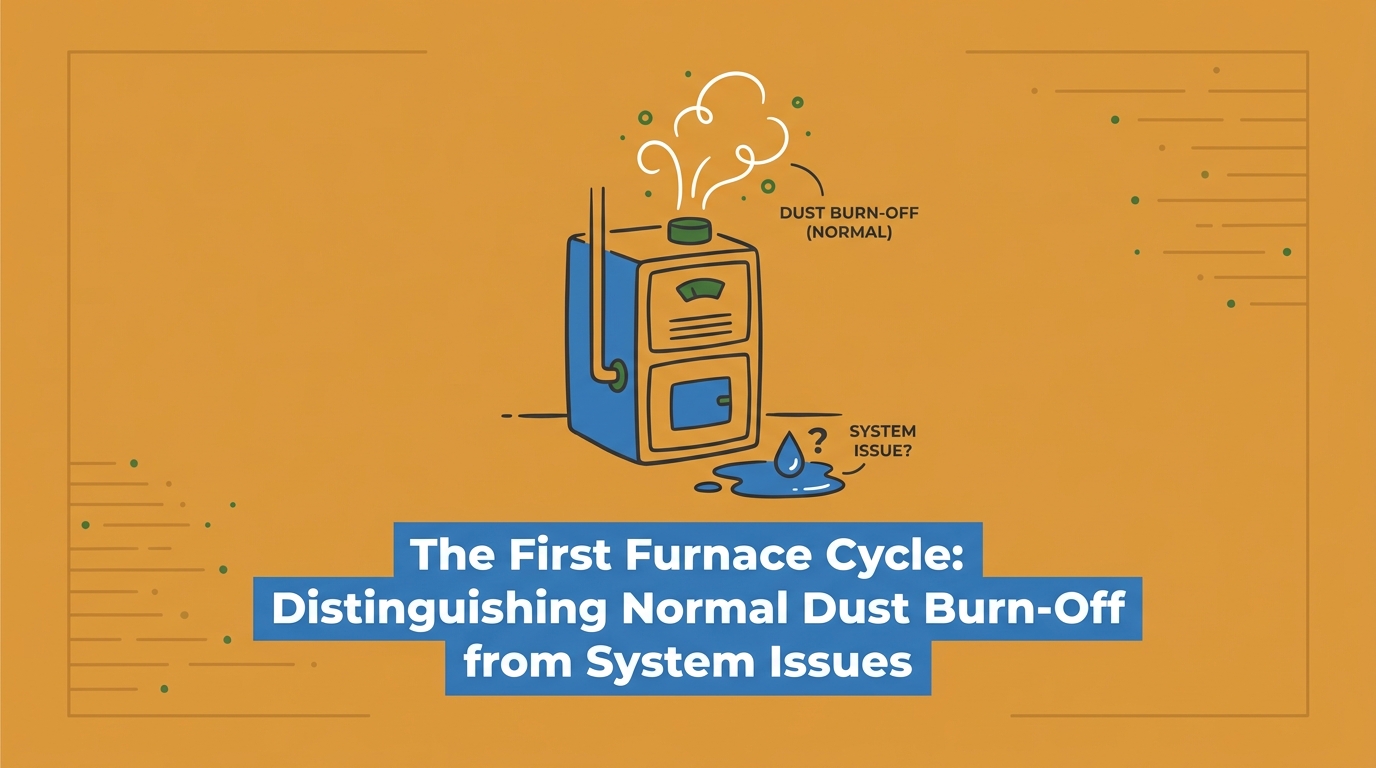
Every homeowner faces a decision point when they smell burning dust: do you wait it out, or do you call a professional? It is true that a minor odor can be completely harmless. Dust naturally settles on the furnace's heat exchanger during the dormant summer months. When the burners ignite for the first time, that light layer of dust burns off rapidly. However, we consistently see a clear threshold between normal burn-off and systemic duct contamination.
If the smell persists, it means the volume of debris in your system is simply too large to burn off safely. Instead of clearing out, the debris is continuously baking and circulating through your breathing air. Ignoring persistent odors directly impacts your family's respiratory health, as you are constantly inhaling the particulates that are causing the smell.
• Duration of Smell — Normal Furnace Burn-Off: Fades completely within 30 to 60 minutes of the initial startup. — Systemic Duct Contamination: Persists for hours, days, or weeks after turning on the heat.
• Frequency — Normal Furnace Burn-Off: Only happens during the very first heating cycle of the season. — Systemic Duct Contamination: Returns every single time the furnace cycles on throughout the winter.
• Visual Evidence — Normal Furnace Burn-Off: No visible dust or debris blowing from the supply vents. — Systemic Duct Contamination: Visible dust particles, dark streaks, or cobwebs near the registers.
• Physical Symptoms — Normal Furnace Burn-Off: No change in household health or comfort. — Systemic Duct Contamination: Increased sneezing, coughing, or allergy symptoms when the heat runs.
• Filter Condition — Normal Furnace Burn-Off: Filter remains relatively clean after the first startup. — Systemic Duct Contamination: Brand new filters become clogged and gray within just a few weeks.
What Exactly Is Hiding in Your Vents?
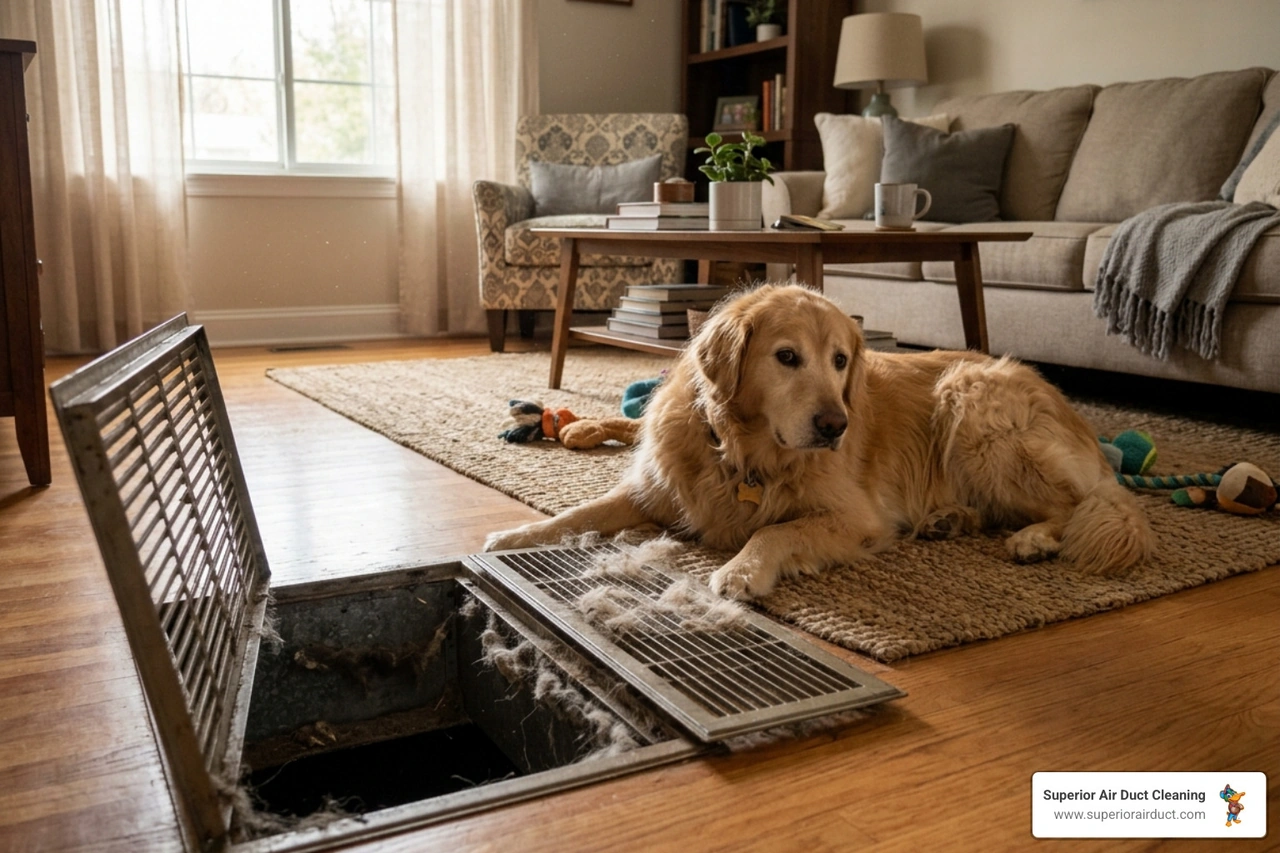
The term "dust" is a polite way of describing a rather unpleasant mixture of household contaminants. When our crews look inside dirty ductwork, we are not just seeing dirt from outside. We are looking at a composite of shed human skin cells, pet dander, insect fragments, pollen spores, and microscopic fabric fibers from carpets and clothing.
Long-term neglect allows these materials to accumulate into thick, restrictive mats. These mats do more than just smell bad when heated; they act as a breeding ground for bacteria and allergens. As the blower motor forces air past these restrictive mats, bits of the debris break off and float into your living room, kitchen, and bedrooms. This creates a direct connection between dirty ducts and increased household allergy symptoms during the winter months, right when you are spending the most time indoors.
Older homes or systems without a consistent history of maintenance are particularly vulnerable to this heavy buildup. For example, our team at Superior Air Duct Cleaning recently worked with a local homeowner living in a house built 18 years ago who had never had their ducts cleaned, which contributed to persistent, severe household allergies. A detailed HVAC and duct cleaning removed nearly two decades of neglected buildup, which finally helped reduce the allergens circulating through their home. Whether you live in a historic home or a newer build in the New Brighton and Western PA area, whatever is hiding in your vents eventually ends up in your lungs.
Diagnostic Signs It's Time for a Professional Cleaning
You do not have to guess about the state of your indoor air quality. Your home will give you clear, physical symptoms indicating that your HVAC system requires professional intervention. If you experience the first October frost and the heating startup brings more than just warm air, our technicians recommend watching for these specific diagnostic signs:
• Unexplained spikes in dust accumulation: You thoroughly dust your living room furniture on Saturday, but by Tuesday, a thick gray layer has already returned. This rapid accumulation usually means your ducts are actively blowing debris into the room.
• Increased respiratory irritation: Your family experiences unexplained coughing, sneezing, or dry throats specifically when the heating system is running, but feels fine when away from the house.
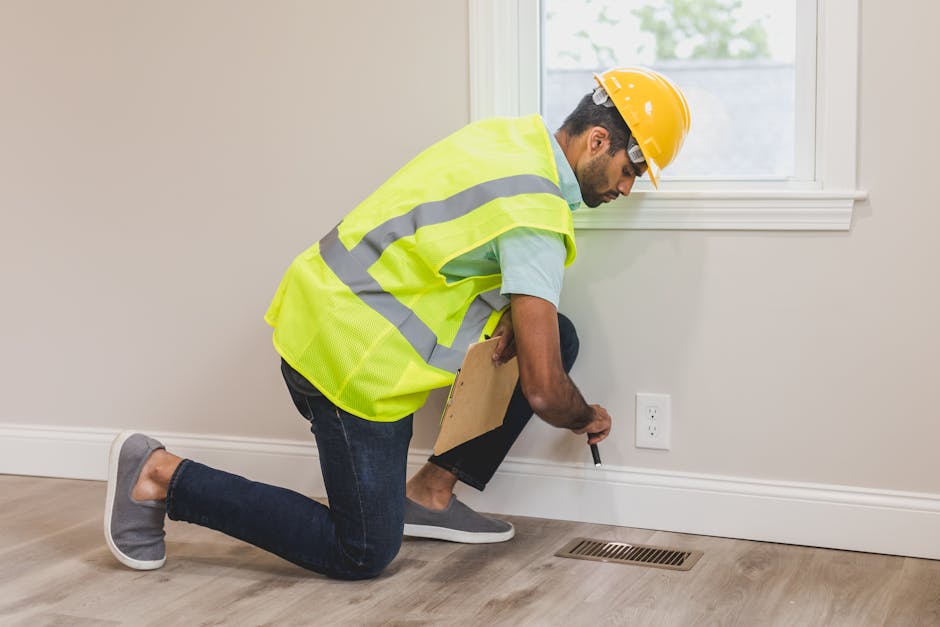
• Visible debris at the registers: You notice dark streaks on the ceiling or walls around your supply vents, or you can see cobwebs and physical debris clinging to the metal grates.
• Lingering odors: The burning dust smell, or a stale, musty odor, does not resolve even after you replace the furnace filter with a brand new one.
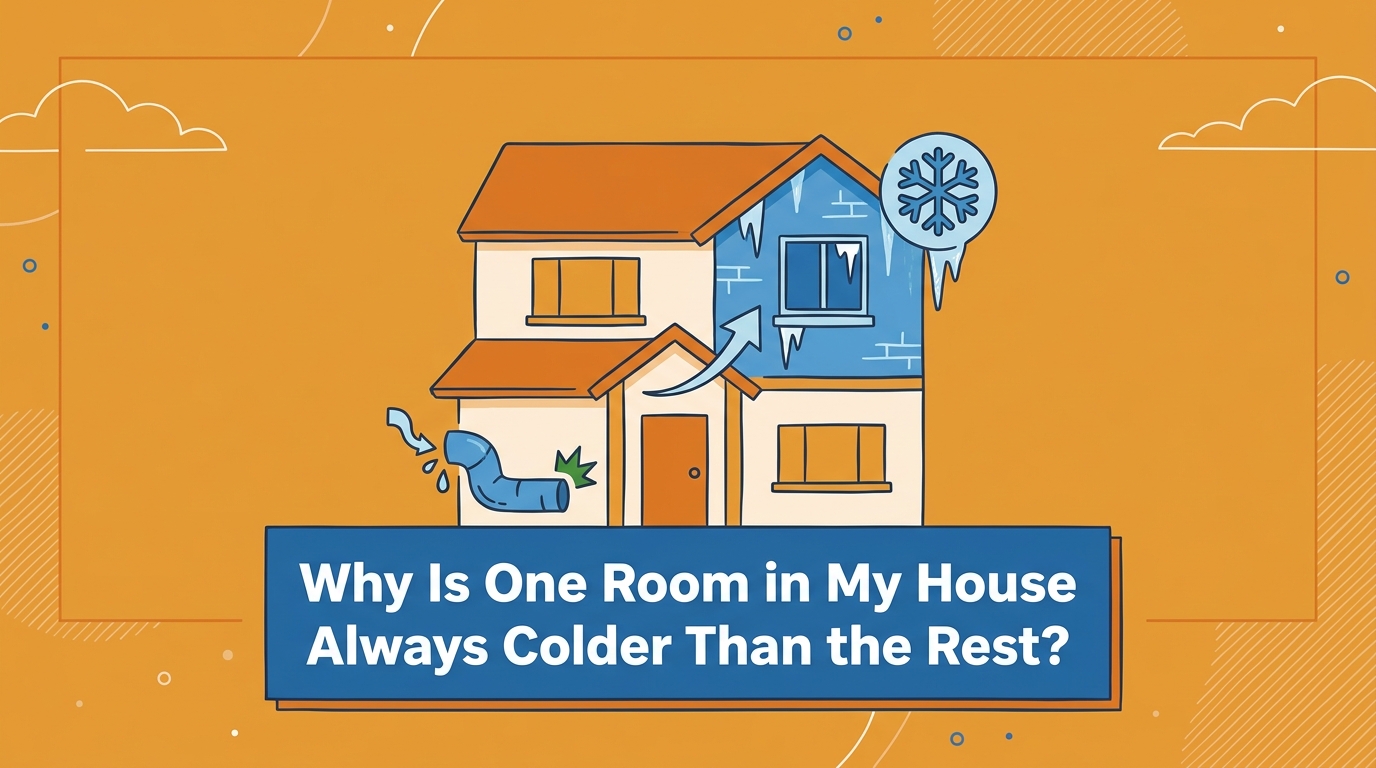
• Poor airflow: Some rooms feel noticeably colder than others because thick mats of dust inside the ductwork are physically restricting the volume of air that can reach the vents.
Keep in mind that your HVAC ductwork is not the only ventilation system in your home that traps dangerous debris. Other exhaust systems require similar attention for both safety and efficiency; for instance, scheduling regular dryer vent cleaning prevents highly flammable lint from baking inside your walls just like dust bakes inside your heating ducts.
The Importance of NADCA Certification and Visual Proof
When you realize your home needs an air quality intervention, choosing the right professional is critical. The air duct cleaning industry unfortunately has its share of "blow-and-go" companies. We often hear horror stories about operators offering suspiciously low flat rates, showing up with a basic shop vacuum, cleaning only the first few feet of the ductwork behind the register, and leaving the deep, systemic contamination completely untouched.
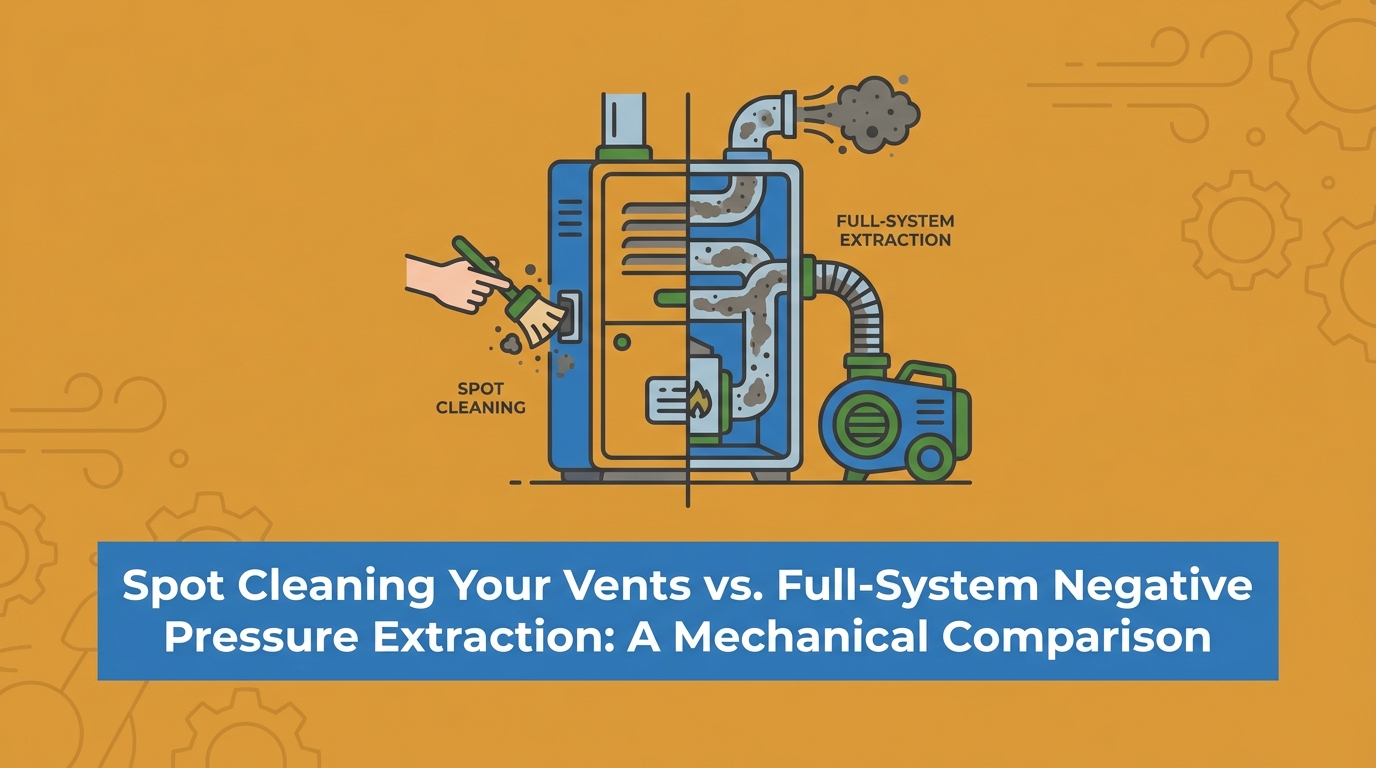
To protect your home and your wallet, you should always look for NADCA (National Air Duct Cleaners Association) certification. NADCA certification is the gold standard for the industry. It requires technicians to follow strict protocols, ensuring that the entire HVAC system is placed under negative pressure so that dislodged contaminants are safely extracted outside the home, rather than blown into your living room. You can easily verify your duct cleaner is NADCA certified to ensure you are getting a legitimate, comprehensive service.
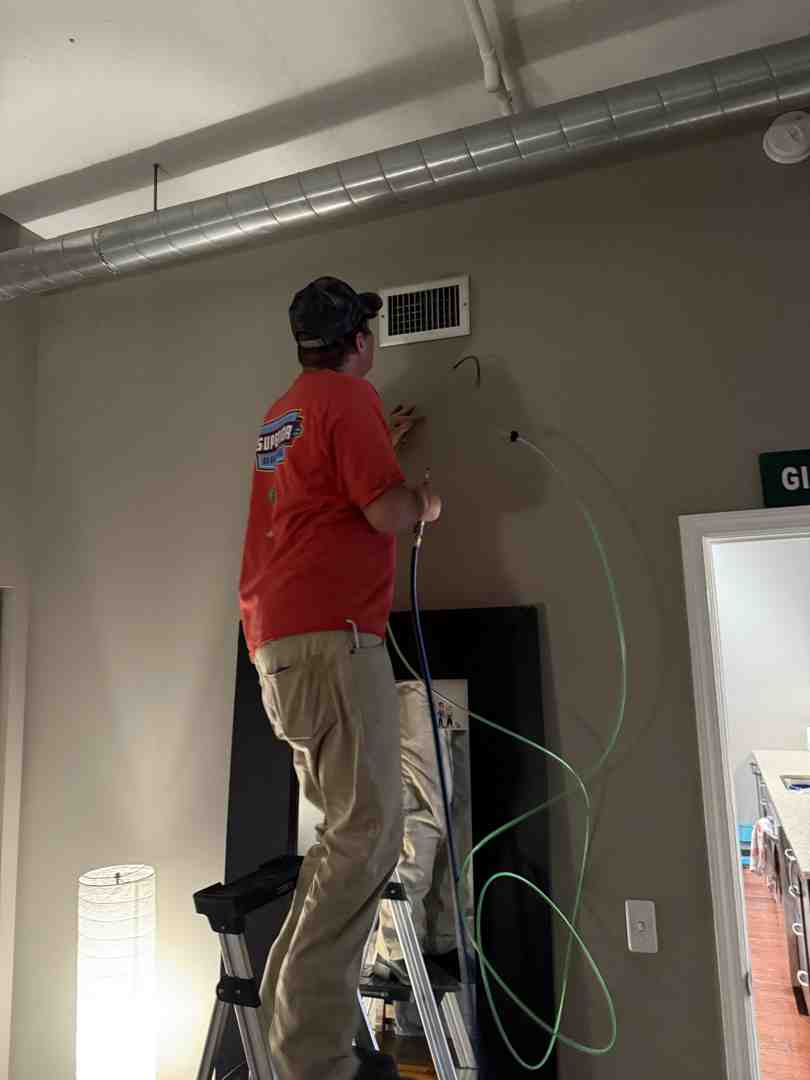
A trustworthy provider will gladly show before-and-after photos of the vents to prove the problem is resolved. Visual proof holds the contractor accountable. When our team handles bacteria removal, we thoroughly clean the system, apply a valuable sanitizing treatment, and provide clear before and after pictures via email. This leaves the ducts completely free of bacteria and gives our homeowners absolute confidence in the work performed.
Taking the Guesswork Out of Air Quality
Visual evidence is the only way to know for sure that the caked-on summer dust has been removed from the deep corners of your system. Proper sanitization techniques follow the physical removal of debris, addressing the microscopic bacteria and lingering odors that a vacuum alone cannot fix. A certified, transparent approach ensures that your delicate HVAC components, like the blower motor and heat exchanger, are protected during the cleaning process.
Protecting Air Quality in Every Environment
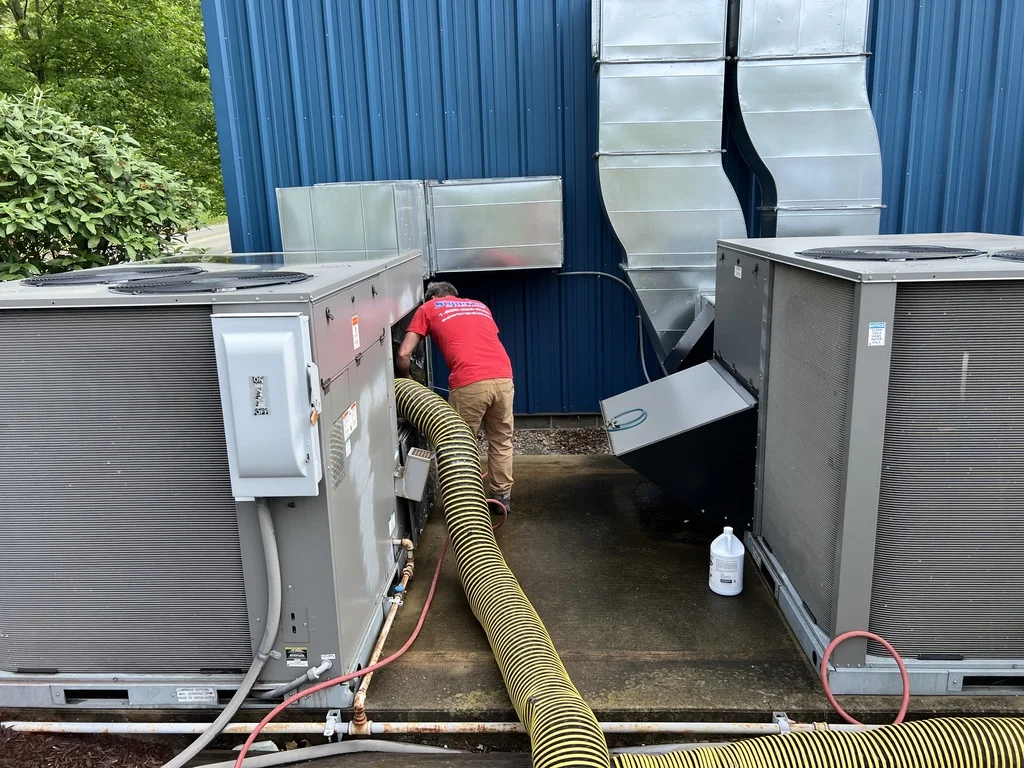
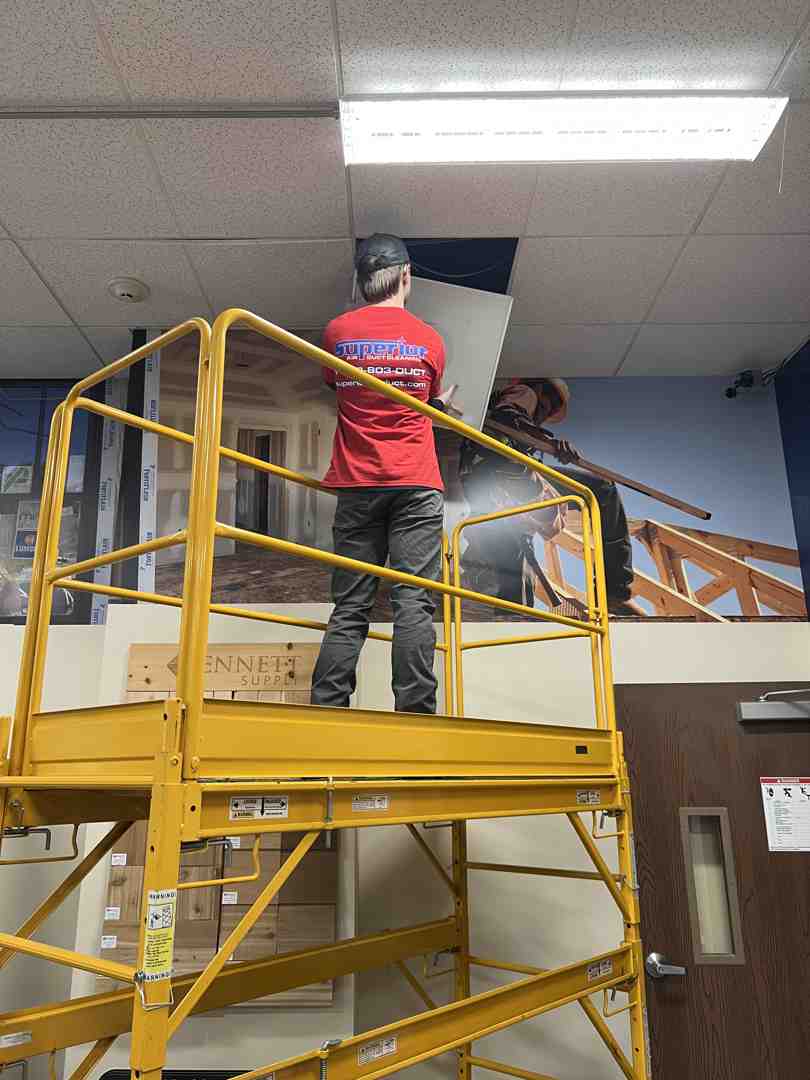
The principles of humidity, dust accumulation, and baked-on odors do not stop at your front door. The exact same physical mechanisms apply to larger scale buildings and workplaces throughout the New Brighton and Western PA area. Commercial HVAC systems pull in massive amounts of air, and their expansive duct networks can trap an astonishing volume of pollutants.
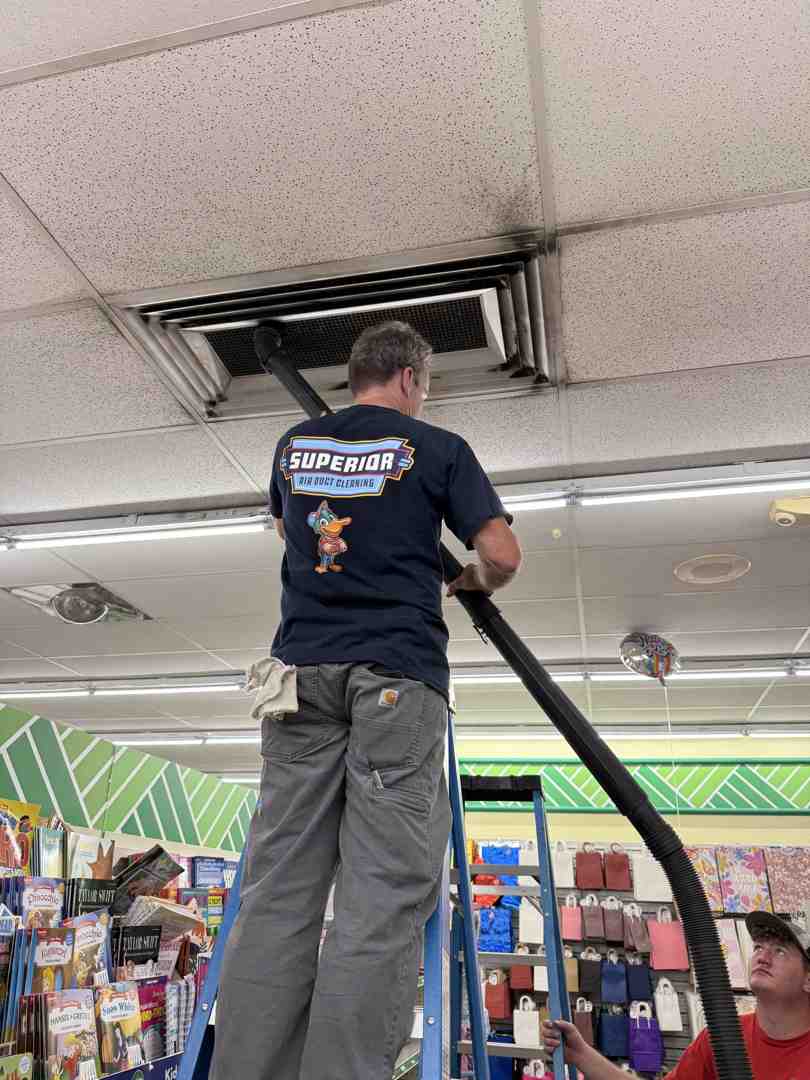
Poor indoor air quality affects employee health, focus, and productivity just as severely as it affects families at home. When a commercial furnace kicks on and spreads burning dust odors or allergens through an office, it can lead to increased sick days and an uncomfortable environment for customers. Comprehensive air quality strategies scale from residential living rooms to large facilities. Routine commercial duct cleaning ensures that businesses maintain a safe, breathable environment, protecting both the workforce and the efficiency of massive commercial heating systems.
Breathe Easier This Winter
That initial burning dust smell during the first October frost is a clear signal from your HVAC system that it needs attention. Addressing the caked-on summer dust before the deep winter freeze sets in ensures a healthier, cleaner, and more comfortable home environment for your family.
If the odor persists past the first hour, do not ignore it. Seek a professional evaluation to remove the restrictive mats of debris hiding in your walls. By investing in thorough cleaning and whole house sanitizing, you can eliminate the source of the smell, reduce household allergens, and enjoy true peace of mind every time your heating system cycles on.
Frequently Asked Questions
Why does my house smell like burning dust when I turn on the heat?
The smell occurs because dust, pet dander, and debris settle inside your ductwork and on your furnace components during the dormant summer months. When the heating system kicks on for the first time, the sudden high temperatures bake this accumulated debris. This creates a distinct burning odor that the blower motor pushes through every vent in your home.
How long does the burning smell last when turning on a furnace?
A normal burn-off smell should fade completely within 30 to 60 minutes of the first heating cycle. If the odor continues for several hours, or if it returns every time the thermostat calls for heat on subsequent days, it indicates a larger volume of debris is trapped in the system and requires professional attention.
Can dirty air ducts cause a burning smell?
Yes, severely dirty air ducts are a primary cause of persistent burning smells. While a dirty heat exchanger causes the initial brief odor, heavy mats of dust deep inside the ductwork will continually warm up and emit a baked-dust smell as hot air passes over them throughout the winter.
How do I know if my air ducts need cleaning?
You should look for rapid dust accumulation on your furniture shortly after cleaning, visible cobwebs or dark streaks around your supply registers, and increased allergy symptoms. Persistent odors that do not go away after changing your furnace filter are also a strong diagnostic sign that professional cleaning is needed.
Does high summer humidity make winter duct dust worse?
Yes, high humidity creates a sticky environment inside your metal ductwork. Airborne particles like pollen and skin cells stick to the damp walls instead of passing through, forming a thick paste. When winter arrives, the dry heat bakes this paste, making the resulting odors much stronger.
What is the difference between normal furnace burn-off and a dirty duct problem?
Normal burn-off is a brief, faint smell that happens only once at the beginning of the season and leaves no physical dust in your living space. A dirty duct problem produces a smell that lasts for days, returns frequently, and is often accompanied by visible dust blowing out of the vents and increased respiratory irritation.

Customer Reviews


Superior Air Duct cleaning did a phenomenal job in a timely manner with the tech “Rich” being very professional ,personable and considerate of our property! He explained things as he proceeded and answered all our questions!
I LOVE that they provide before & after photos to see the difference. Give them a try… you won’t regret it
Pam T.
Robert was on schedule and communicated what time he would arrive. He was polite, professional, and respectful of our home. I wanted to wait a couple weeks before posting a review because I wanted to see if the duct cleaning actually made a difference. I am happy to say it did! I vacuum multiple times a week and have already noticed a significant reduction in the amount of dust cleaned up each time. As a home with pets, there will always be something to clean, but getting the ducts cleaned has definitely helped improve the air quality and reduce the dust.
alice A.
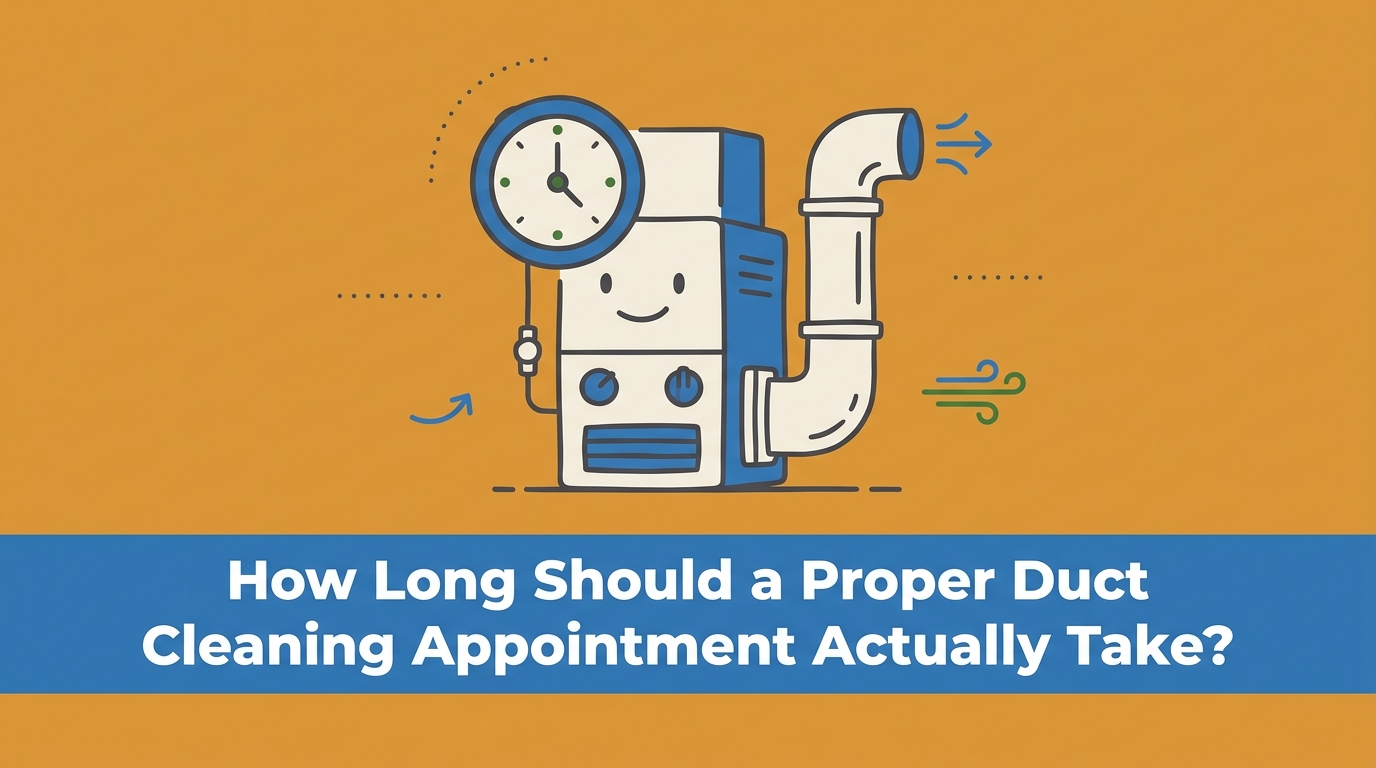
Technician Rob arrived early explained the days agenda and then proceeded to work methodically and meticulously over the next 6+ hours cleaning my ductwork. Courteous and professional they answered all of my questions and went above and beyond the call of duty. They even located an old dusty box of rat poison buried in our vents. My only regret is not finding these guys sooner. As a realtor of 22 years and owner of a newly purchased (now dust free) home I highly recommended!
Eric K.
Excellent service! I’ve used them to clean out my air ducts as well as my dryer vent duct and they are excellent. I was very pleased with both jobs and will continue to use them in the future. Great communication as well- from the time I scheduled the appointment until they were at my door.
Erika C.
We had such an amazing experience with Superior Air Duct Cleaning. They were so nice and friendly and did an amazing job. I loved seeing the before and after pictures. Besides doing an amazing job cleaning our air ducts they were so quick at responding and setting up the appointment. We will definitely be using them in the future.
Amanda C.