Why Cold Winters Increase Indoor Air Pollution (And What to Do About It)
How cold winters increase indoor air pollution comes down to one simple problem: your home becomes a sealed box. When temperatures drop across Western Pennsylvania and Northeast Ohio, windows stay shut, heating systems run constantly, and fresh air exchange drops to almost nothing. Every pollutant generated inside — from your furnace, your stove, your candles, even your furniture — has nowhere to go.
Here is a quick summary of the main reasons winter makes indoor air worse:
- Sealed homes trap pollutants — reduced ventilation means combustion byproducts, VOCs, and particles build up instead of dispersing
- Heating systems generate contaminants — furnaces, wood stoves, fireplaces, and space heaters all release particulate matter and combustion gases
- Thermal inversions trap outdoor pollution — cold air near the ground gets "capped" by warmer air above, keeping outdoor pollutants low and letting them seep indoors
- Everyday activities concentrate faster — cooking, cleaning, and even burning candles create far more exposure when there is no fresh air to dilute them
- Humidity imbalances promote mold and dust mites — winter heating dries the air unevenly, creating pockets of condensation near windows and walls
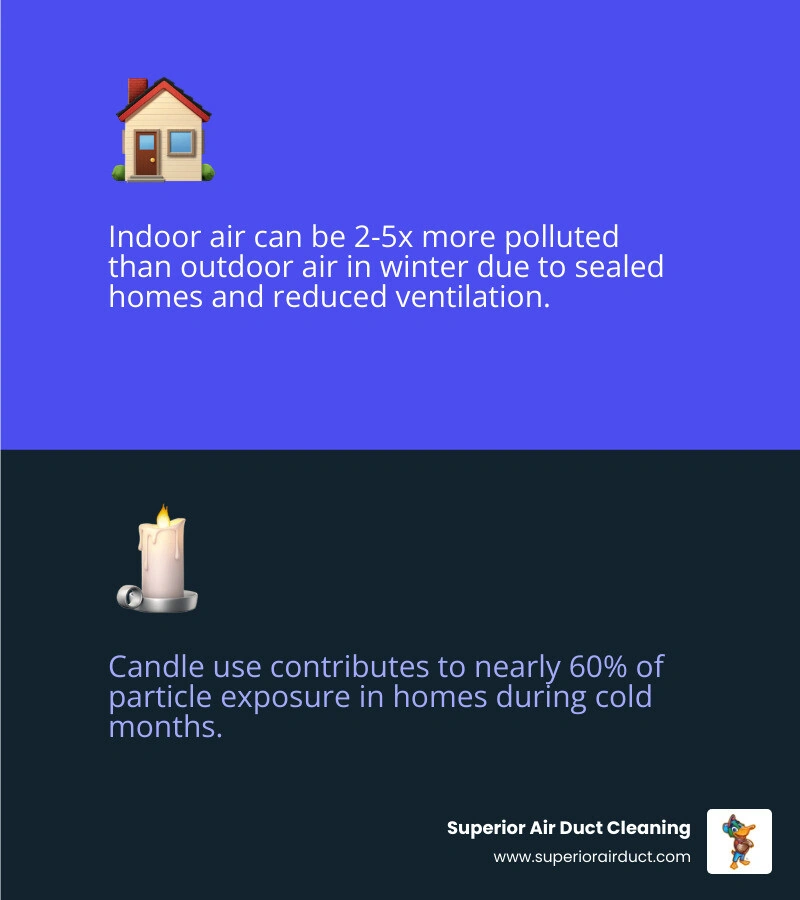
According to the American Lung Association, indoor air can be up to five times more polluted than outdoor air — and that gap widens significantly during cold months when homes are sealed tight. Research has also linked extensive candle use to nearly 60% of particle exposure in homes during winter, and gas stoves to roughly 13% of childhood asthma cases nationally.
Most people assume winter air quality problems belong outside, in smoggy city air or near industrial sites. The reality is that the air inside your home — in Pittsburgh, Youngstown, Cranberry Township, or anywhere in between — can be quietly far more dangerous than anything you'd breathe on your morning commute.
How Cold Winters Increase Indoor Air Pollution: The Science of Stagnant Air
To understand how cold winters increase indoor air pollution, we have to look at the atmospheric physics that govern our region. In places like Allegheny County, PA, or Mahoning County, OH, winter weather creates a "perfect storm" for poor air quality.
One of the most significant factors is a meteorological phenomenon called a thermal inversion. Normally, warm air near the surface rises, carrying pollutants up and away into the atmosphere where they disperse. However, during cold winter nights, the ground cools quickly, chilling the air directly above it. This cold, heavy air gets trapped under a "lid" of warmer air. Because the cold air can’t rise, pollutants from car idling, wood smoke, and industrial activity stay pinned to the ground. These pollutants then seep into our homes through tiny cracks and gaps, where they remain trapped because we’ve sealed our windows and doors so tightly.
Furthermore, the air exchange rate in a typical home plummets during the winter. In the summer, with windows open or even just through natural leakage, a home might see 1.0 to 2.0 air changes per hour. In a winter-sealed home, that rate can drop as low as 0.1 changes per hour. This means the air you are breathing has been sitting in your living room for ten times longer than it would in the spring.
We also have to consider the stack effect. This is the process where warm air inside your home rises and escapes through the upper levels and attic, creating a vacuum that pulls "make-up air" in from the lowest points of the house — often the basement or crawlspace. This air often brings in radon, mold spores, and dust from damp, neglected areas. Understanding how Pennsylvania climate affects indoor air quality is essential for homeowners in our area, as our wet winters and high-pressure systems frequently lead to atmospheric stagnation.
Identifying Common Winter Pollutants and Their Sources

When we lock our doors against the cold in Beaver County or Washington County, we are essentially sharing our living space with a cocktail of invisible guests. The most common winter-specific pollutants include:
- Particulate Matter (PM2.5): These are tiny particles, 2.5 micrometers or smaller, that can travel deep into the lungs and even enter the bloodstream. They come from wood burning, candles, and cooking.
- Volatile Organic Compounds (VOCs): These are gases emitted from household products like cleaners, paints, and even new furniture. In May 2026, we see more people working from home than ever, meaning we are exposed to these "off-gassing" chemicals for 70% or more of our day.
- Nitrogen Dioxide (NO2): A byproduct of gas combustion, often found in high concentrations in kitchens.
- Radon Gas: This colorless, odorless gas can seep into basements and accumulate to dangerous levels when the home is sealed.
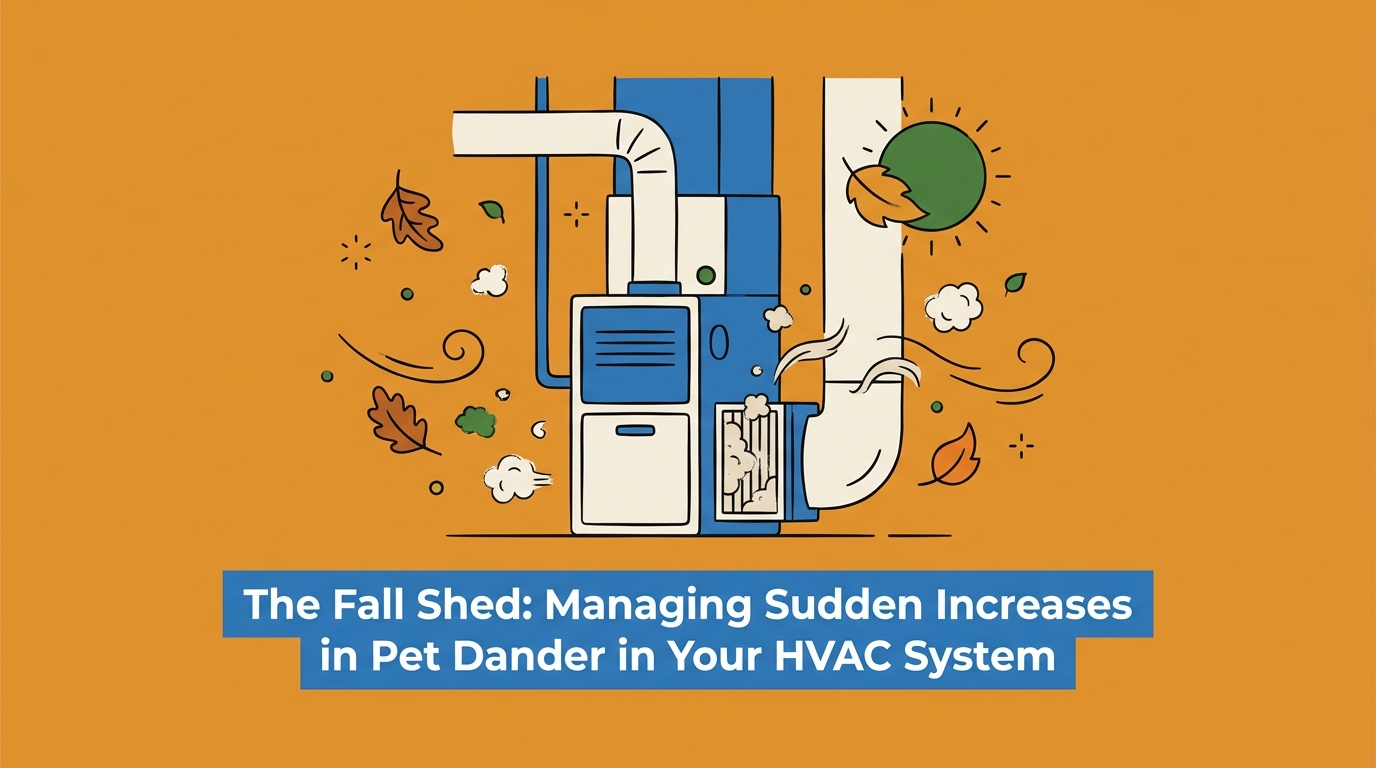
- Biological Contaminants: Pet dander and dust mites thrive in the warm, stagnant environment of a heated home.
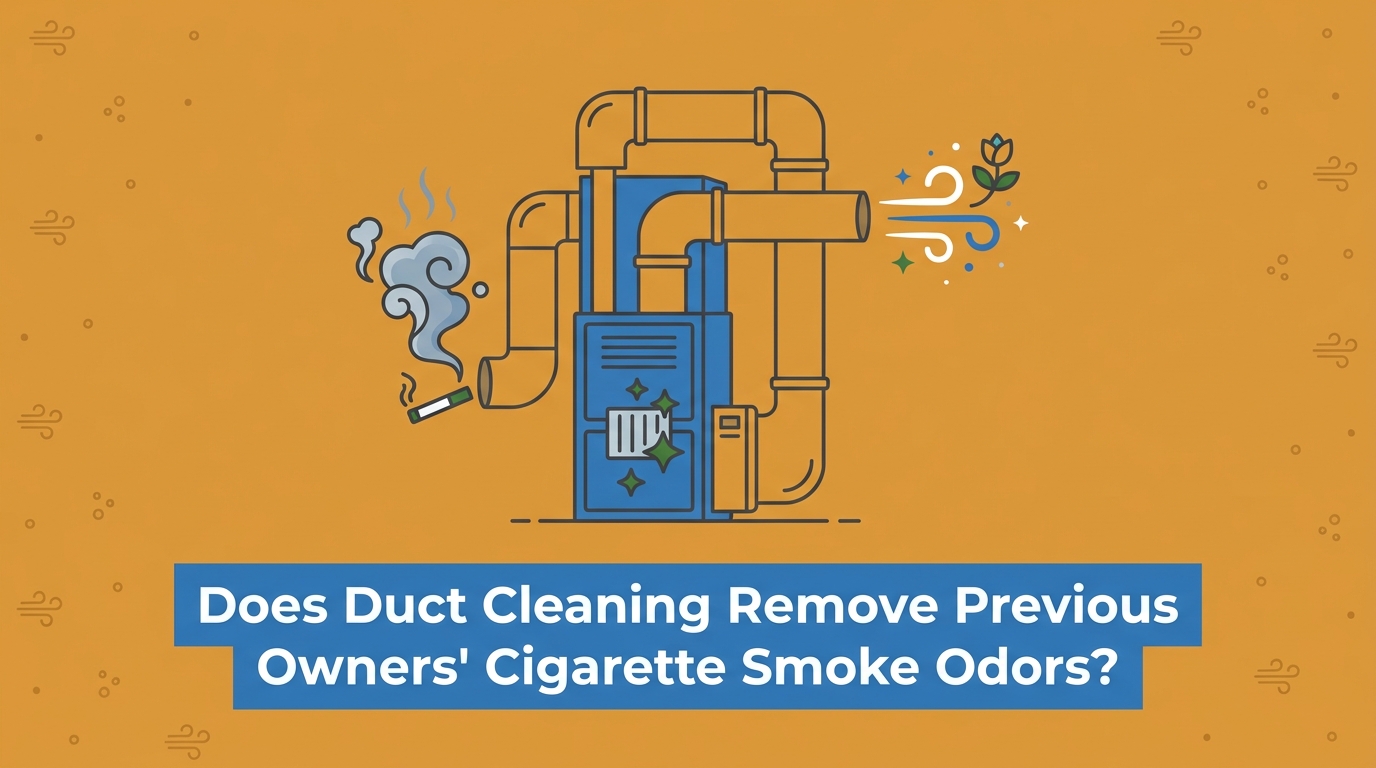
One often overlooked source is cigarette smoke. If someone smokes indoors during the winter, the residue settles into the carpets and, more importantly, the ventilation system. We often discuss the link between air duct cleaning and cigarette smoke because that "stale" smell is actually toxic particles being recirculated every time the furnace kicks on.
How Cold Winters Increase Indoor Air Pollution Through Combustion and Cooking
Cooking is a primary driver of indoor toxicity during the winter. When we fry food or bake at high temperatures, we release fats and food residues into the air that can linger for up to 10 hours. Gas stoves are particularly concerning; they have been linked to significantly higher rates of respiratory issues. In states like Ohio and Pennsylvania, the prevalence of gas appliances means that indoor air quality in Youngstown homes can often be worse than the air outside near a busy highway.
Even "cozy" habits contribute. Many of us love a scented candle during a snowstorm, but extensive candle use can account for nearly 60% of the particle exposure in a home during the winter months. Paraffin wax candles, in particular, release soot and chemicals that are trapped by our sealed windows. To mitigate this, we recommend:
- Using the back burners on your stove (which are better captured by range hoods).
- Ensuring your range hood actually vents outside rather than just recirculating air.
- Switching to electric or soy-based candles.
The Hidden Danger of Winter Appliances
We all want to stay comfortable, but some of the tools we use to fight the dry winter air can backfire. Ultrasonic humidifiers are a prime example. If you fill them with tap water, the ultrasonic plates aerosolize the minerals in the water. While minerals like calcium are fine to eat, they become lung irritants when inhaled. Even worse, if your tap water contains trace amounts of heavy metals like lead or manganese, these become neurotoxins when turned into a fine mist.
Space heaters and kerosene heaters also pose risks. Beyond the fire hazard, unvented kerosene heaters can cause a rapid buildup of carbon monoxide (CO). Additionally, the way we manage humidity in air ducts matters; if humidity levels exceed 50%, condensation can form inside the dark, warm environment of your ductwork, leading to mold growth that you’ll never see but will definitely breathe.
Health Risks and Warning Signs in Sealed Homes
How do you know if your home is suffering? Many people dismiss winter symptoms as "just a cold" or "seasonal allergies," but they are often signs of poor IAQ. Common symptoms include:
- Frequent headaches or dizziness.
- Irritated eyes, nose, and throat.
- Increased coughing or wheezing.
- Feeling significantly better after leaving the house for a few hours.
The dirty ducts and allergy symptoms connection is very real. When dust, pet dander, and mold spores settle in your vents, the furnace acts like a delivery system, blowing those triggers directly into your bedroom while you sleep. Long-term exposure is even more serious, with links to Chronic Obstructive Pulmonary Disease (COPD), heart disease, and even stroke.
Health Risks When Cold Winters Increase Indoor Air Pollution
The most vulnerable among us — children and the elderly — face the highest risks. Nearly 13% of childhood asthma cases in the U.S. have been linked to gas stove emissions. In tightly sealed homes, these combustion gases reach much higher concentrations. For the elderly, the increased particulate matter can exacerbate existing cardiovascular issues.
We also see a spike in respiratory infections during the winter. This isn't just because it's "flu season," but because the dry, polluted air irritates the lining of the lungs, making it easier for viruses to take hold. Understanding how dust and debris in ducts affect breathing is the first step in protecting your family from these seasonal health dips.
Actionable Strategies for Cleaner Winter Air in PA and OH
Improving your air quality doesn't always require a massive renovation. Here is a comparison of how you can take control:
| Strategy | DIY Level | Professional Level |
|---|---|---|
| Ventilation | "Pulse" ventilate by opening windows for 5 mins. | Install a Heat Recovery Ventilator (HRV). |
| Filtration | Use MERV 13 filters and change every 1-3 months. | Install a whole-home HEPA filtration system. |
| Source Control | Switch to electric candles and low-VOC cleaners. | Professional air duct sanitization and cleaning. |
| Monitoring | Buy a digital hygrometer to track humidity. | Professional indoor air quality testing. |
One of the most effective DIY tips is pulse ventilation. Even if it's freezing in Butler County, opening two windows on opposite sides of the house for just five to ten minutes can reduce indoor pollutants by up to 50% without significantly raising your heating bill.
You should also ensure you have working carbon monoxide detectors on every level of your home and near every sleeping area. In the winter, CO poisoning incidents increase by over 40% due to malfunctioning furnaces and improper use of space heaters. To keep your air healthy, aim to keep your humidity between 30% and 50%. This is the "Goldilocks" zone — high enough to keep your throat from feeling like sandpaper, but low enough to prevent mold growth and dust mite infestations.
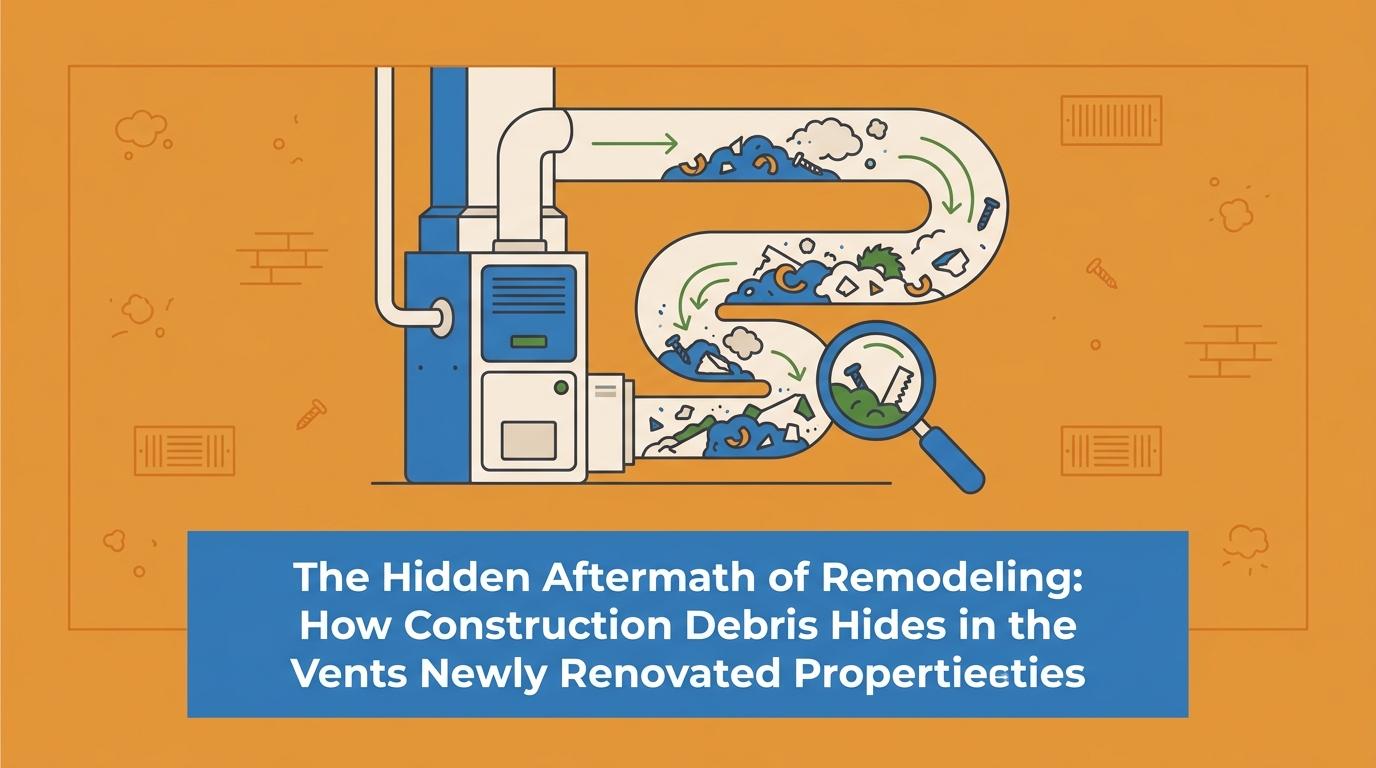
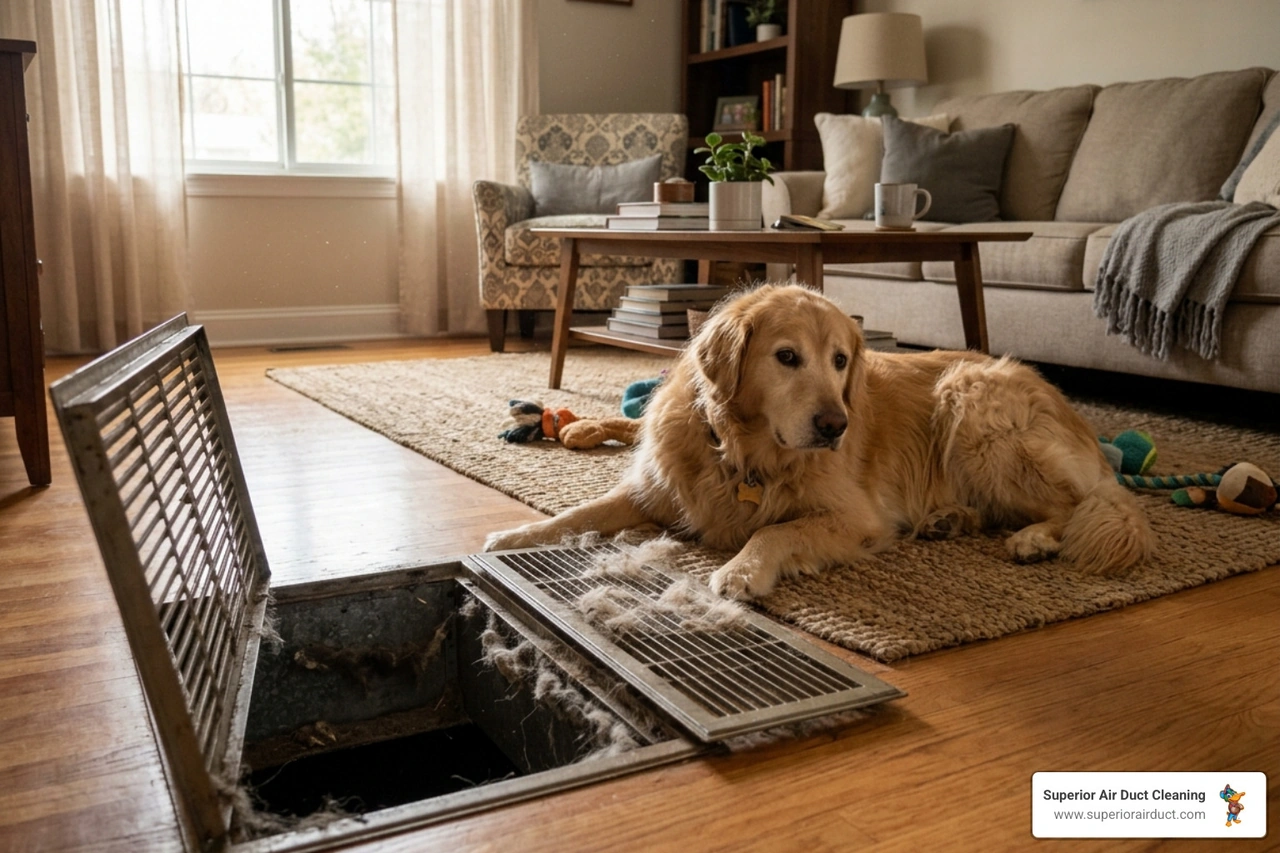
To truly improve air quality with clean ducts, you need to remove the source of the problem. Dusting your shelves is great, but if your ducts are filled with five years of pet hair and construction debris, you're fighting a losing battle.
Essential Winter Maintenance for HVAC Systems
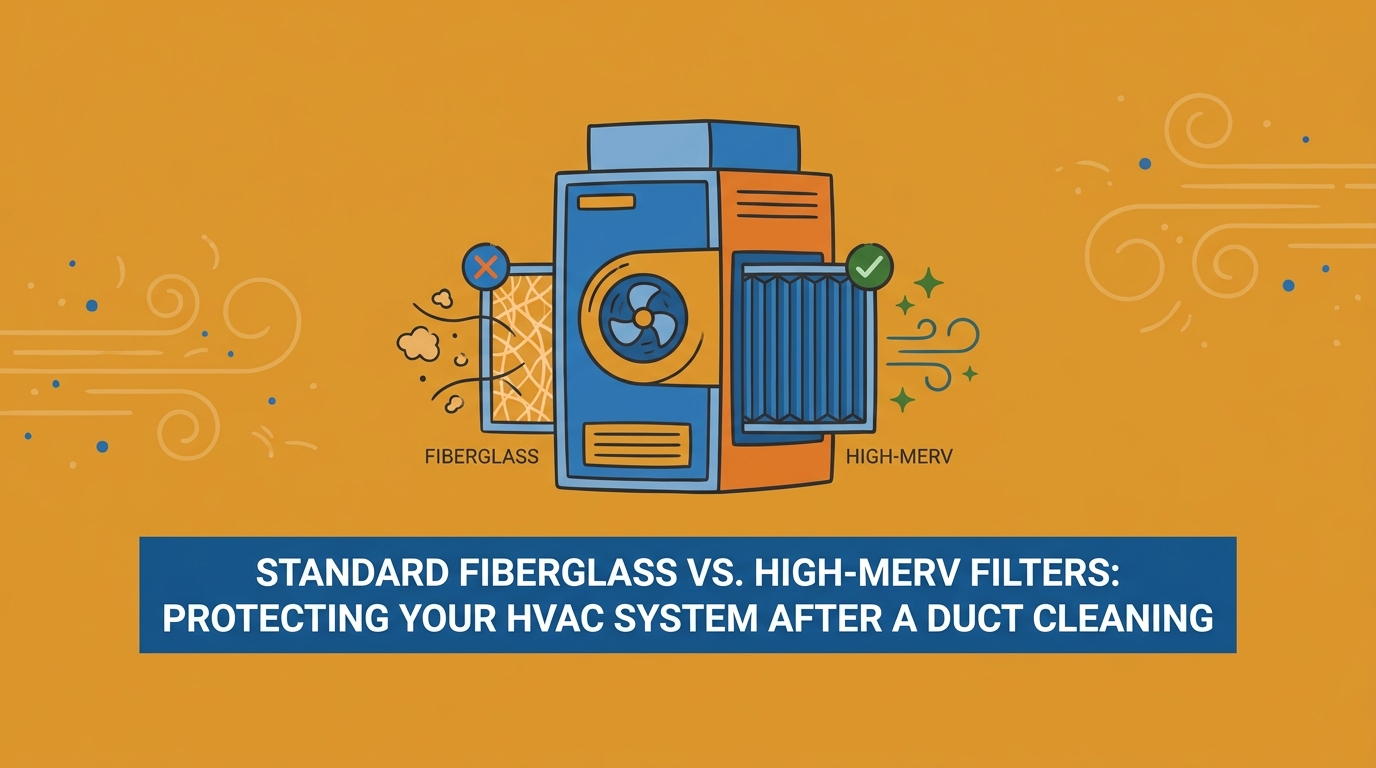
Your HVAC system is the lungs of your home. If the lungs are dirty, the body suffers. We recommend a strict maintenance schedule for homeowners in Pittsburgh, Boardman, and surrounding areas:
- Filter Replacement: During peak heating months, check your filter every 30 days. If you have pets or live in a high-traffic area like Allegheny County, you may need to replace it more often than the standard 90-day recommendation.
- Vent Clearing: Ensure that snow and ice are not blocking your external furnace intake or exhaust pipes. A blocked vent can cause carbon monoxide to back up into your home.
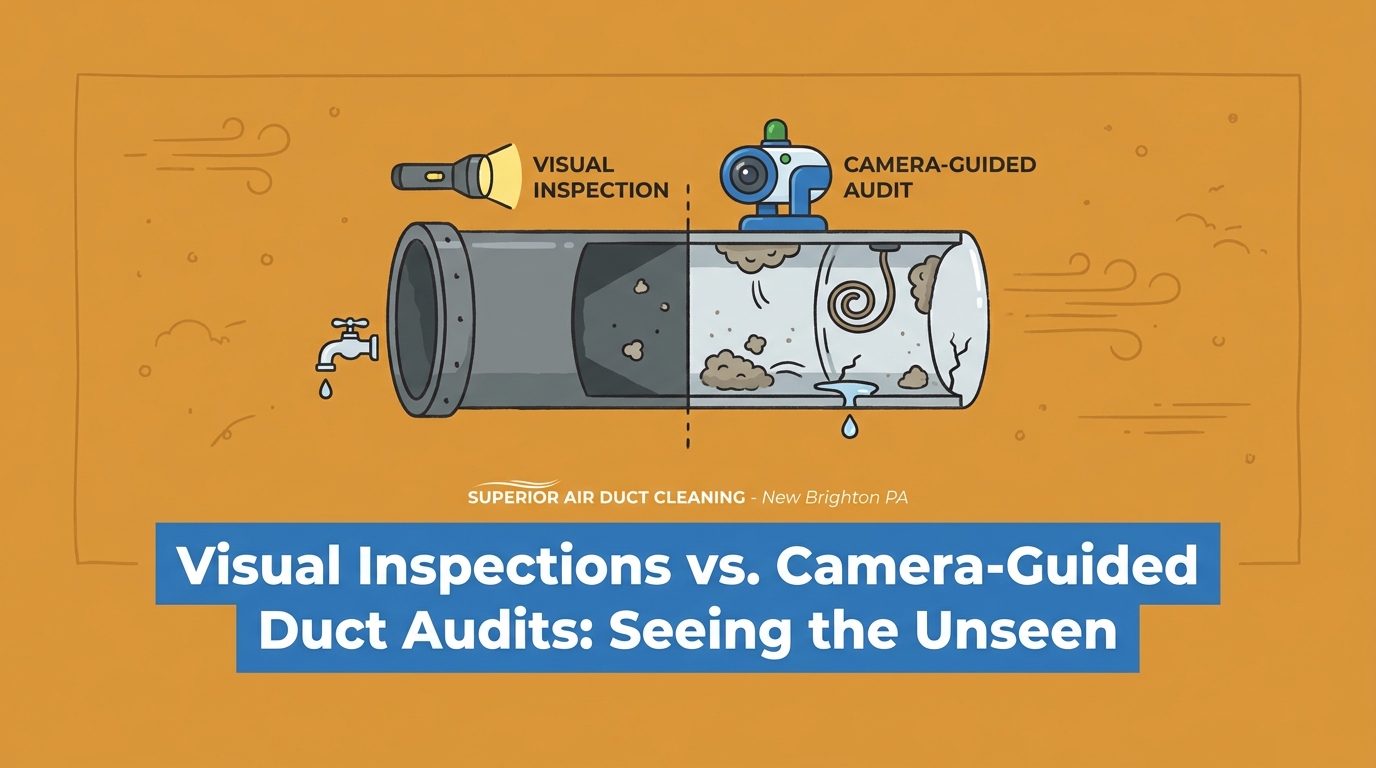
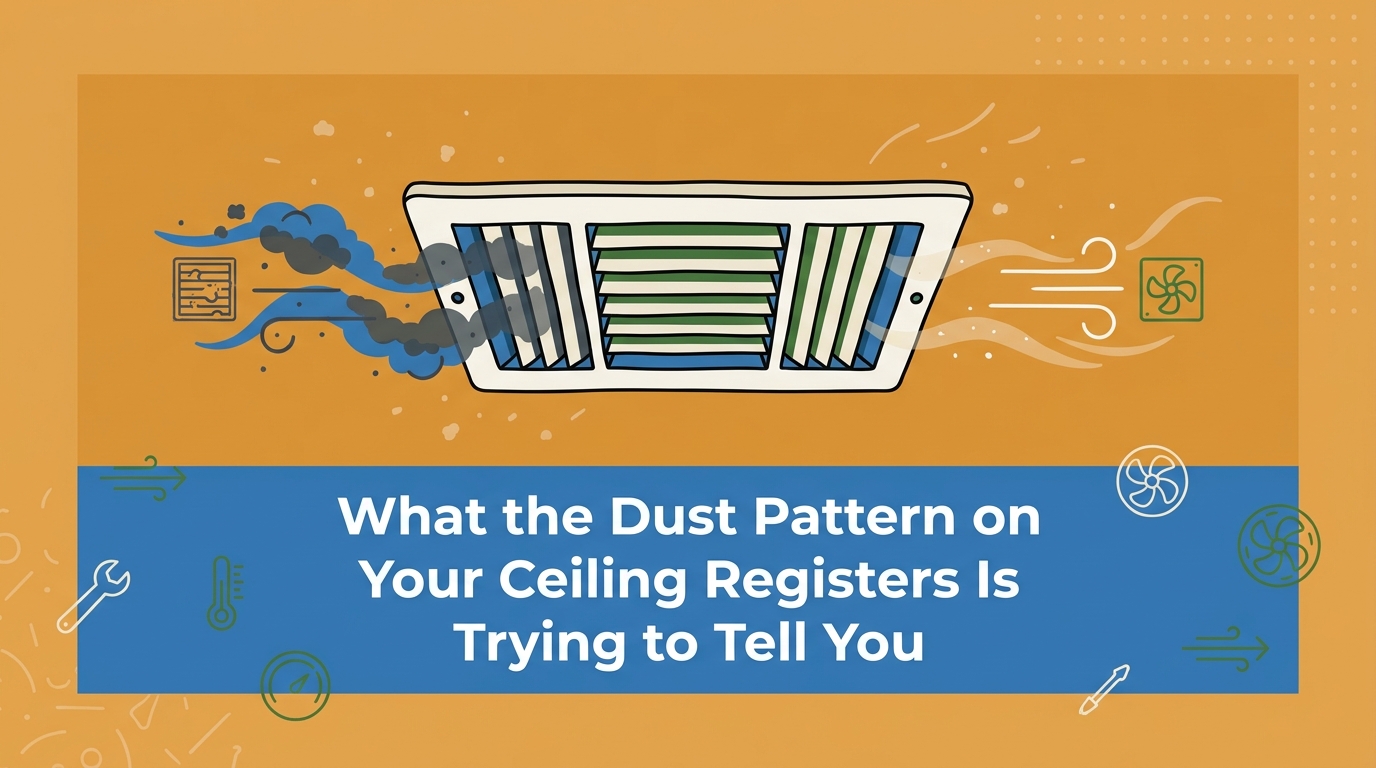
- Ductwork Inspection: Look for signs of "ghosting" (dark streaks on walls near vents) or visible dust buildup on registers.
- Cleaning During Sickness: Air duct cleaning during cold and flu season can help remove biological contaminants that may be lingering in the system.
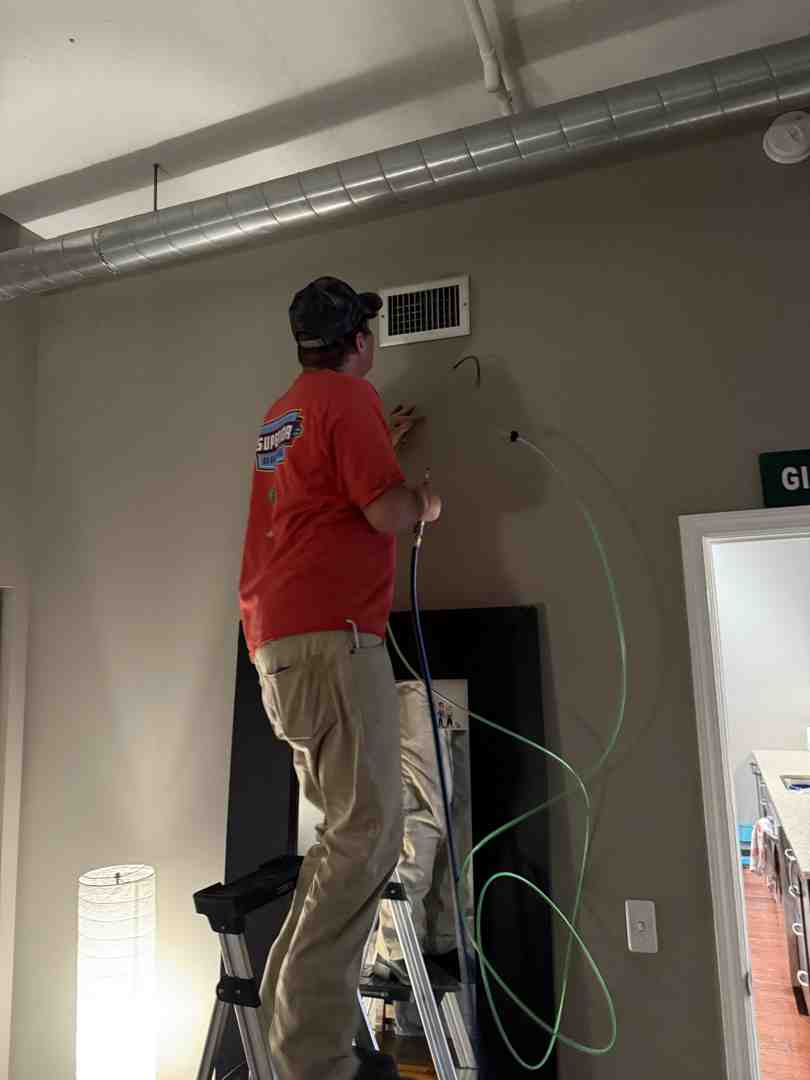
We often see homeowners who are shocked by what we find during an inspection. Superior Air Duct Cleaning looks at the dangers of dirty air ducts every day, from hidden mold growth to actual animal nests that restrict airflow and pump allergens through the house.
Frequently Asked Questions about Winter Air Quality
Why is indoor air more polluted than outdoor air in winter?
It’s a combination of source increase (more cooking, heating, and candle use) and ventilation decrease (sealed windows). Without fresh air to dilute the pollutants, they accumulate to concentrations much higher than you would find outdoors.
How often should I change my furnace filter during the heating season?
We recommend checking it monthly. If the filter looks gray or fuzzy, change it. At a minimum, change it every 3 months. Using a high-quality MERV 13 filter is best for capturing the fine particles that are most common in winter.
Can opening windows in freezing weather actually improve air quality?
Yes! You don't need to leave them open all day. Just 5-10 minutes of "cross-ventilation" (opening windows on opposite sides of the house) can flush out stale air and VOCs with minimal impact on your home's temperature.
Conclusion
At Superior Air Duct Cleaning, we believe that your home should be a sanctuary, not a source of respiratory stress. How cold winters increase indoor air pollution is a complex issue involving physics, weather, and our own daily habits, but the solutions are within reach. By combining smart DIY habits like pulse ventilation and humidity control with professional services like air duct cleaning and HVAC sanitization, you can protect your family throughout the harshest months.
We proudly serve communities across Western Pennsylvania, Northeast Ohio, and the Northern Panhandle of West Virginia, including Allegheny, Butler, Mahoning, and Columbiana counties. Whether you are in the heart of Pittsburgh or the suburbs of Boardman, we are here to help you improve your energy efficiency and breathe cleaner air.
Don't let your home's "sealed box" environment compromise your health this season. Breathe easier with professional air quality solutions and ensure your family stays healthy all winter long.

Customer Reviews


Superior Air Duct cleaning did a phenomenal job in a timely manner with the tech “Rich” being very professional ,personable and considerate of our property! He explained things as he proceeded and answered all our questions!
I LOVE that they provide before & after photos to see the difference. Give them a try… you won’t regret it
Pam T.
Robert was on schedule and communicated what time he would arrive. He was polite, professional, and respectful of our home. I wanted to wait a couple weeks before posting a review because I wanted to see if the duct cleaning actually made a difference. I am happy to say it did! I vacuum multiple times a week and have already noticed a significant reduction in the amount of dust cleaned up each time. As a home with pets, there will always be something to clean, but getting the ducts cleaned has definitely helped improve the air quality and reduce the dust.
alice A.
Technician Rob arrived early explained the days agenda and then proceeded to work methodically and meticulously over the next 6+ hours cleaning my ductwork. Courteous and professional they answered all of my questions and went above and beyond the call of duty. They even located an old dusty box of rat poison buried in our vents. My only regret is not finding these guys sooner. As a realtor of 22 years and owner of a newly purchased (now dust free) home I highly recommended!
Eric K.
Excellent service! I’ve used them to clean out my air ducts as well as my dryer vent duct and they are excellent. I was very pleased with both jobs and will continue to use them in the future. Great communication as well- from the time I scheduled the appointment until they were at my door.
Erika C.
We had such an amazing experience with Superior Air Duct Cleaning. They were so nice and friendly and did an amazing job. I loved seeing the before and after pictures. Besides doing an amazing job cleaning our air ducts they were so quick at responding and setting up the appointment. We will definitely be using them in the future.
Amanda C.