Addressing the Biggest Fear: Will Duct Cleaning Ruin Your Clean Floors?
If you are asking, "Will the technician leave a mess? Our protocol for protecting your floors" is the definitive answer to that exact concern. Inviting contractors into your home often brings a wave of anxiety about muddy boots, scuffed walls, and dust settling on your furniture. This worry peaks during the August back-to-school transition, when families are working hard to maintain a pristine household ahead of a busy new schedule. You want cleaner air, but you certainly do not want to sacrifice the physical cleanliness of your living space to get it.
For comprehensive support, explore our indoor air quality solutions to see how professional care elevates your home environment. Professional indoor air quality services should never compromise the state of your floors, walls, or carpets. A reputable provider understands that a truly clean HVAC system is only part of the job; the other half is treating your property with absolute respect. By utilizing strict standard operating procedures, technicians can guarantee that your home remains spotless from the moment they arrive until the final piece of equipment is packed away.
The difference between a stressful service call and a seamless experience comes down to preparation. When standard operating procedures prioritize structural cleanliness, you never have to worry about the aftermath of a service visit. The focus remains exactly where it should be: on improving the air your family breathes.
Industry Standards for Household Protection During HVAC Service
Protecting the home environment is not just a polite courtesy; it is a fundamental requirement outlined by top industry authorities. The National Air Duct Cleaners Association (NADCA) sets rigorous standards for how technicians should operate inside a residential property. According to these guidelines, containing debris and protecting the living space are mandatory components of proper source removal.
Furthermore, EPA guidelines state clearly that service providers must take active measures to protect the household from dislodged dust and debris. Contractors who view cleanup as an afterthought often fail to meet these essential benchmarks. In contrast, professionals who treat your home's structural cleanliness as equally important to your HVAC system's internal cleanliness follow a strict "Leave No Trace" standard operating procedure. This protocol serves as the ultimate benchmark for quality service in the New Brighton PA area.
Here is what the industry standard for household protection entails:
• Mandatory containment: Using specialized equipment to ensure dust never enters the living space.
• Physical barriers: Deploying heavy-duty materials to shield floors and walls from equipment.
• Continuous monitoring: Checking and replacing protective gear, such as shoe covers, throughout the job.
• Final verification: Performing a meticulous post-job inspection to confirm the space is spotless.
When a company adheres to these guidelines, you can trust that your professional air duct cleaning will be conducted with the highest level of care and precision.
Step 1: The Pre-Service Walkthrough and Preparation
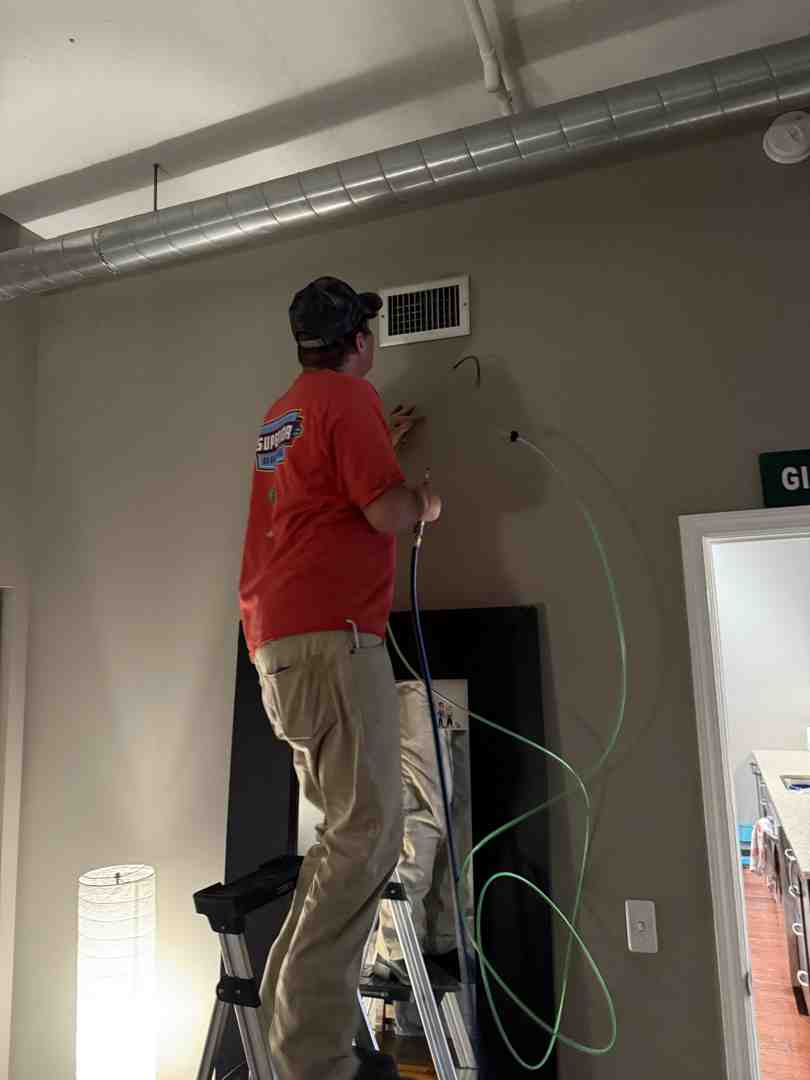
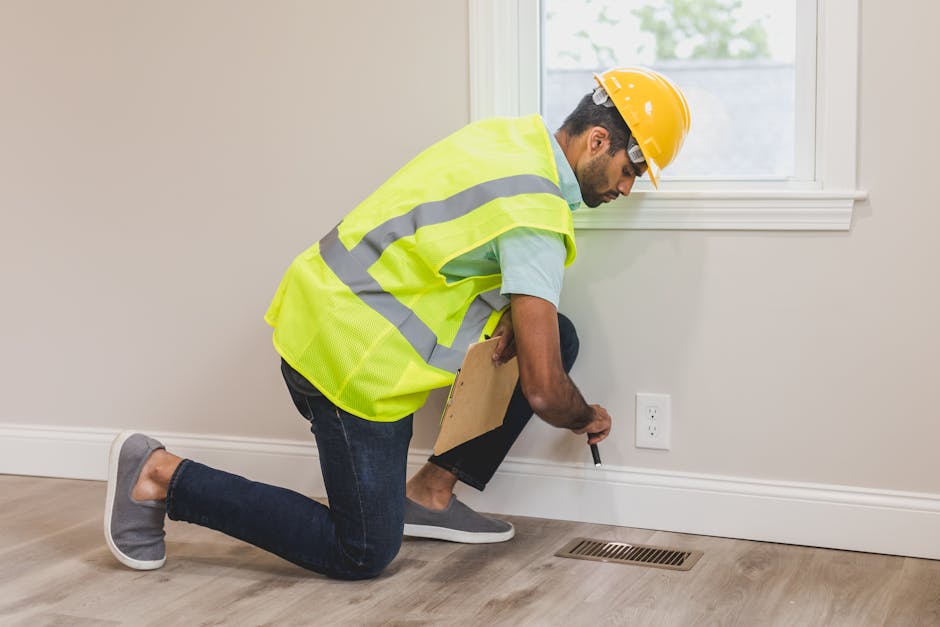
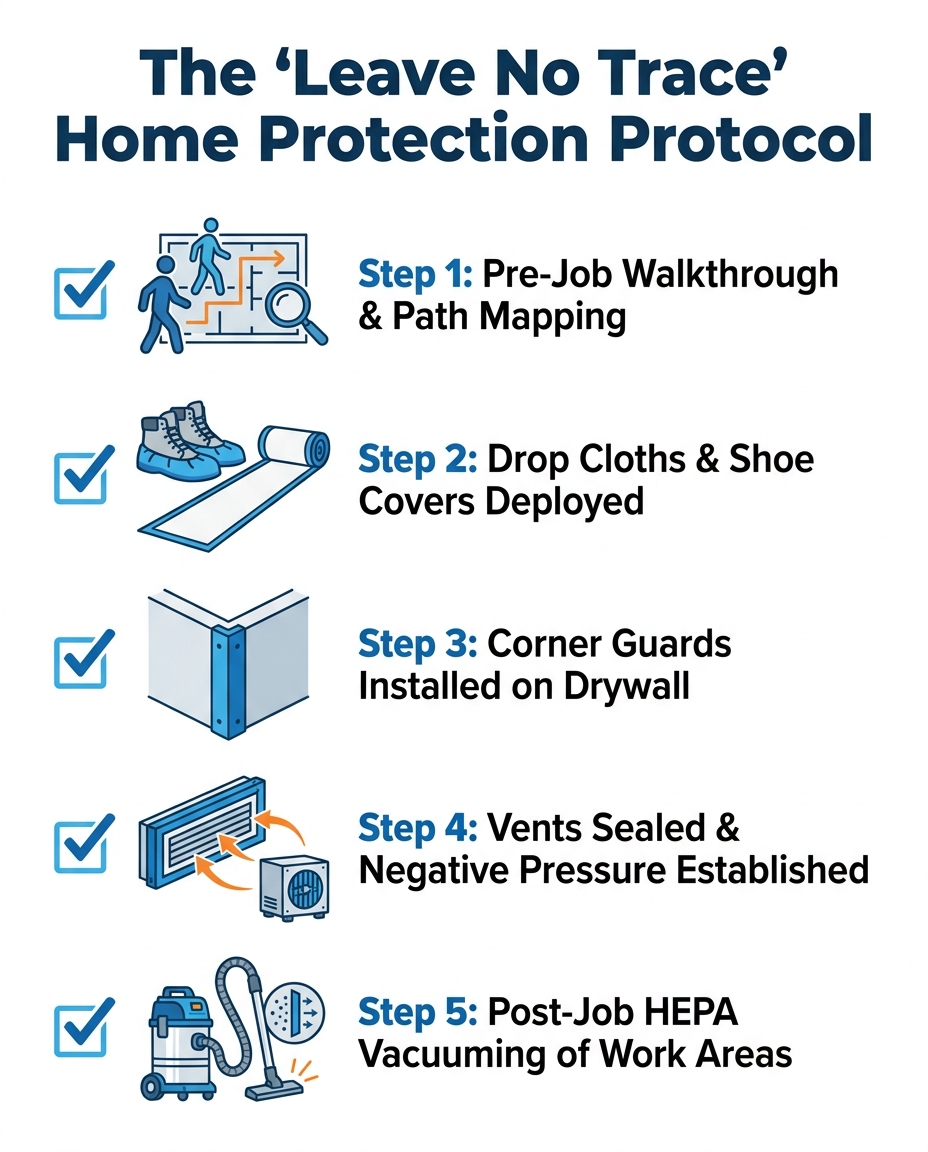
The foundation of a mess-free service visit is established before a single piece of heavy equipment crosses your threshold. Upon arrival, technicians conduct a comprehensive pre-service walkthrough. This initial assessment allows the team to map out the layout of your home, locate every supply and return vent, and identify the safest paths for routing vacuum hoses.
During a recent summer appointment, a homeowner needed their air ducts cleaned and sanitized but had several questions about the process. The technician took the time during this exact type of walkthrough to answer every question thoroughly before bringing in any equipment, ensuring the homeowner felt completely comfortable. Transparent communication regarding the process builds trust and ensures you know exactly what to expect as the job progresses.
Setting Expectations Before the Equipment Enters
Mapping out the equipment path is a critical step in preventing accidental bumps or scrapes against your furniture and walls. Technicians take this time to review the scope of work with you, ensuring all expectations are aligned, especially during the hectic August back-to-school transition when your schedule is tight. The preparation phase involves several distinct actions:
1. Reviewing the service plan: Confirming which systems and vents will be accessed during the visit.
2. Identifying high-traffic zones: Noting areas that require extra floor protection, such as white carpets or newly finished hardwood.
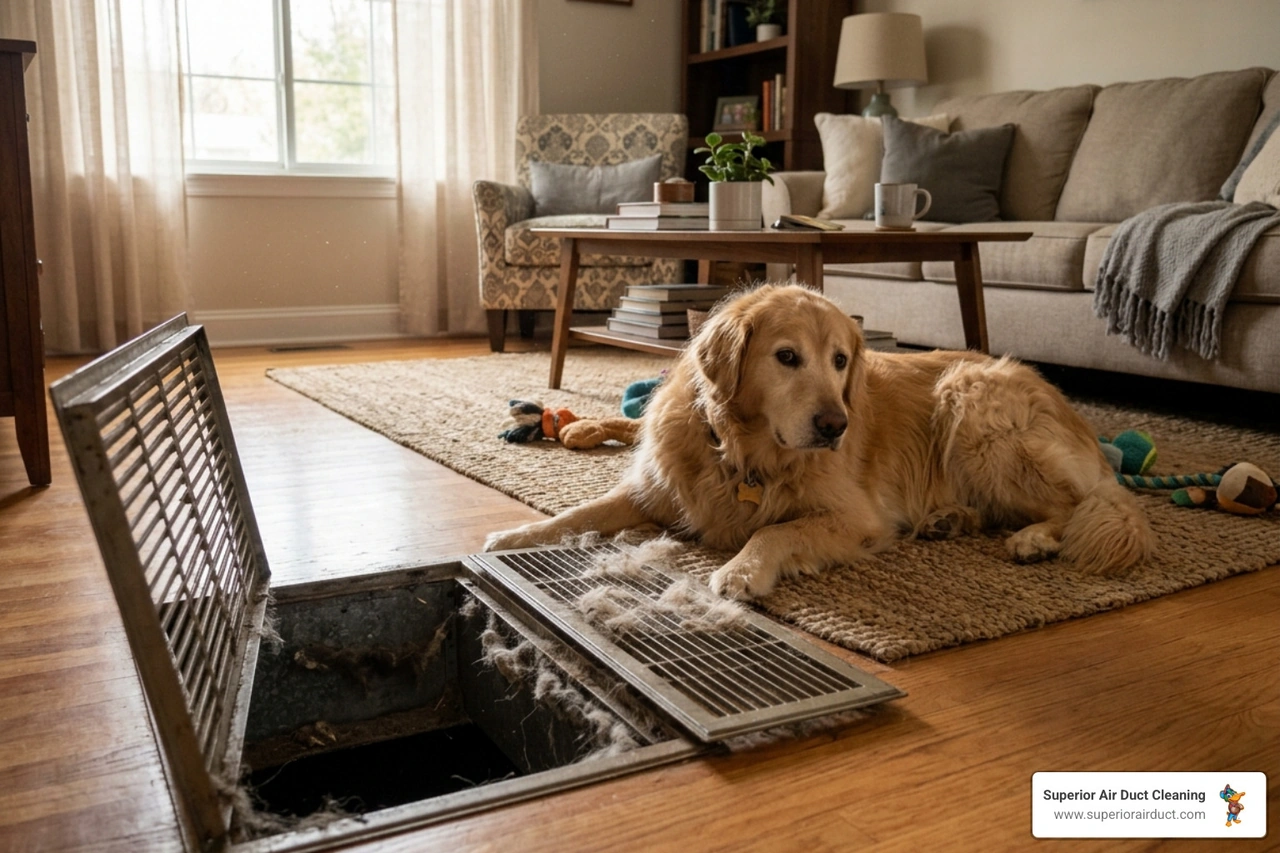
3. Securing the perimeter: Confirming that pets and family members are safely away from the designated work zones.
4. Answering questions: Addressing any lingering concerns about the equipment or the timeline of the service.
By taking these deliberate steps, technicians establish clear boundaries and protective measures, ensuring the actual cleaning process proceeds smoothly and safely.
Step 2: Deploying Drop Cloths, Shoe Covers, and Corner Guards
Once the walkthrough is complete and the path is mapped, the physical protection of your home begins. This phase is where the "Leave No Trace" standard operating procedure truly shines. The deployment of physical barriers is non-negotiable for every job, ensuring that the friction of heavy vacuum hoses and the foot traffic of technicians never leave a mark on your property.
In the New Brighton PA area, late-summer thunderstorms and wet grass can quickly turn a driveway into a muddy hazard. These regional weather patterns necessitate incredibly strict shoe-cover (bootie) protocols. Technicians are required to wear fresh shoe covers every time they enter your home, preventing outdoor elements from tracking onto your clean floors.
Protecting Hardwoods, Carpets, and Drywall
The granular breakdown of these physical barriers highlights the meticulous nature of professional service. Every tool used serves a specific protective purpose:
• Heavy-duty drop cloths: Placed along all walkways and under equipment staging areas, these thick cloths absorb accidental moisture and catch any stray debris before it touches your flooring.
• Specialized corner guards: A detail many competitors overlook, these guards are placed on the corners of your walls. They preserve sharp drywall edges and protect your paint from the friction of heavy, ribbed vacuum hoses being pulled through the hallways.
• Strict shoe-cover protocols: Booties are changed frequently when technicians move between the indoors and the outdoor vacuum unit, ensuring no mud or wet grass makes it past the front door.
These barriers form a continuous shield between the necessary industrial equipment and your delicate home finishes.
Step 3: Containing Ambient Dust with Advanced HEPA Filtration
Protecting your floors and walls is only part of the equation; preventing ambient dust from settling on your furniture is equally vital. When dislodging years of accumulated buildup from inside your ductwork, the risk of that dust escaping into your living space must be mitigated through advanced technology. This is achieved through the strict application of negative air pressure.
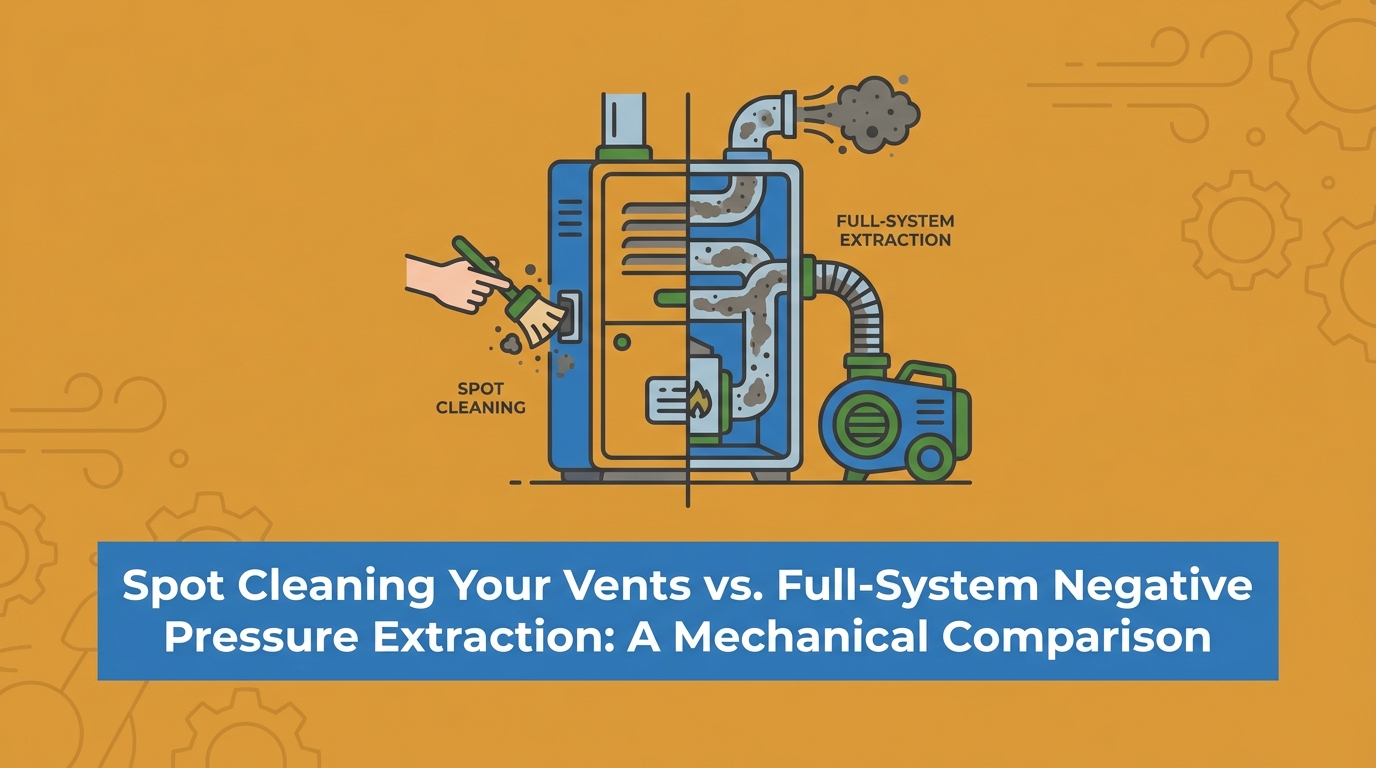
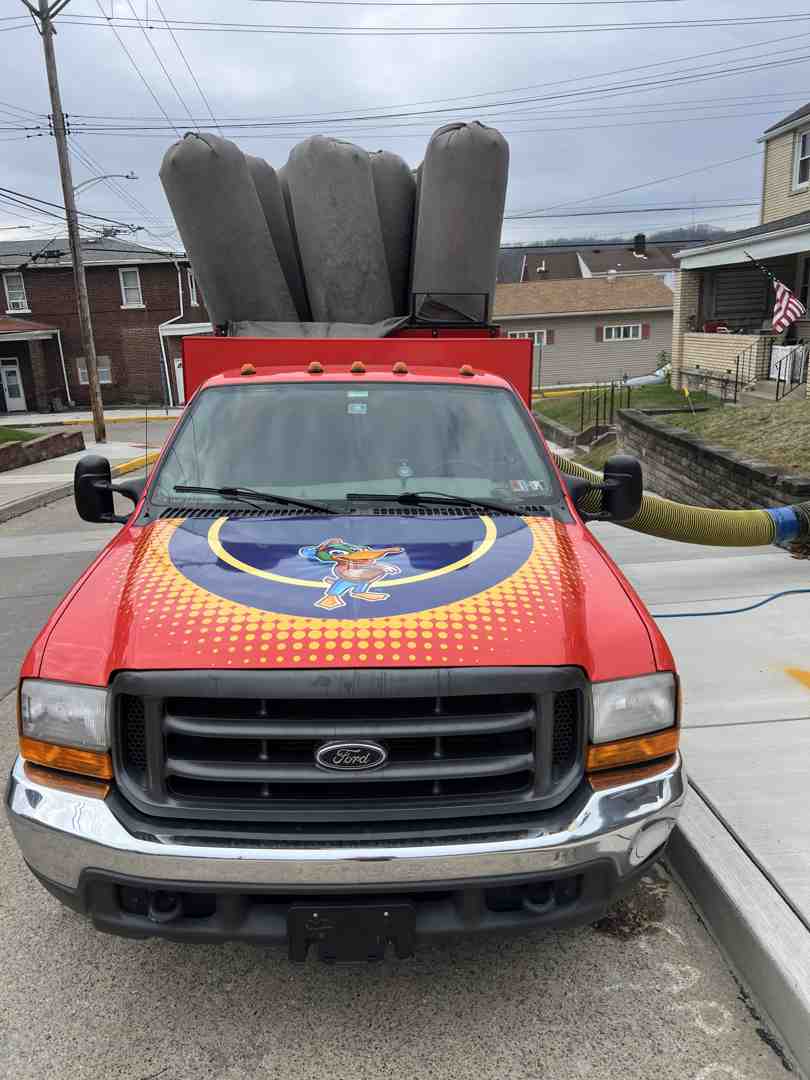
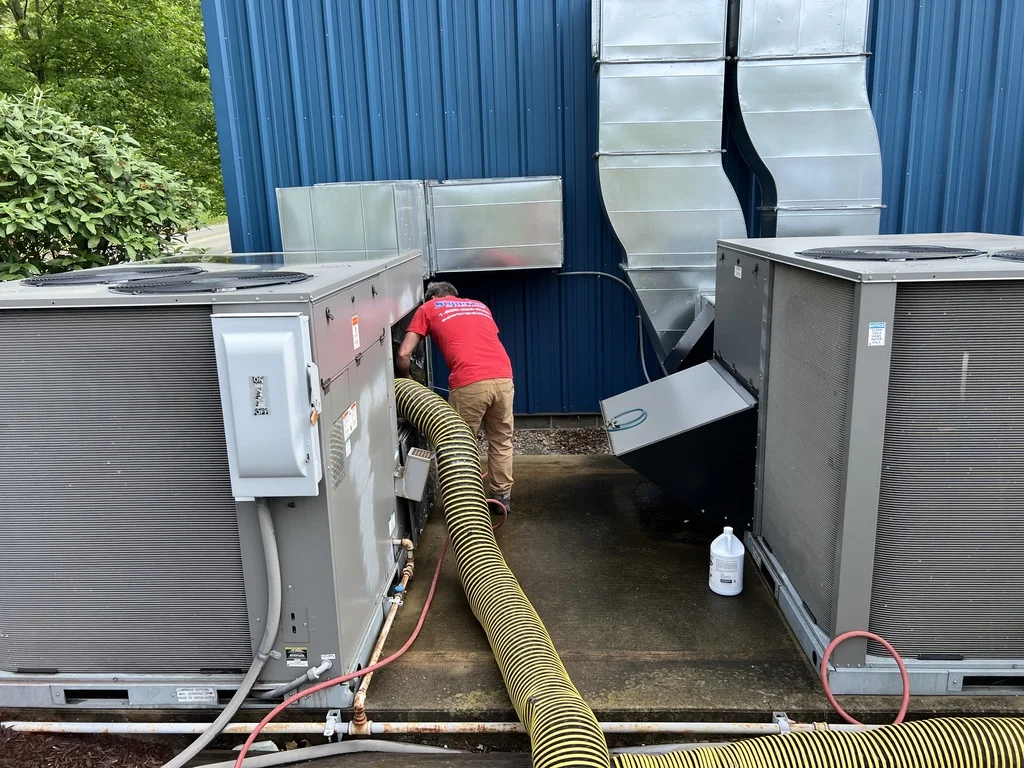
Negative pressure systems keep dust contained entirely within the ductwork during the agitation process. By hooking a massive vacuum collection unit to the main trunk line, technicians create a powerful suction that pulls debris straight out of the house. To ensure this suction is effective, every individual register in the home is carefully sealed. This prevents blowback into the rooms, guaranteeing that the dust has only one place to go: out.
The Science of Negative Air Pressure
When preparing your home during the busy August back-to-school transition, dealing with a layer of settled dust is the last thing you want. That is why HEPA (High-Efficiency Particulate Air) filtration is utilized. These rigorous containment protocols apply to all exhaust services, including dryer vent cleaning, ensuring cross-contamination never occurs.
• Negative Pressure Vacuum — How It Protects Your Home: Pulls debris directly outside, preventing it from entering the living space. — Air Quality Impact: Eliminates blowback from vents during the agitation process.
• Sealed Registers — How It Protects Your Home: Blocks open vents so dust cannot escape into individual rooms. — Air Quality Impact: Maintains system-wide suction for maximum removal efficiency.
• HEPA Filtration — How It Protects Your Home: Captures microscopic particles that standard filters miss. — Air Quality Impact: Ensures ambient air remains clean and breathable during service.
By relying on the science of negative pressure and HEPA technology, technicians ensure that the mess stays contained within the equipment, never reaching your clean floors or countertops.
Step 4: Post-Job Vacuuming and Visual Verification
The final phase of the "Leave No Trace" protocol is what truly separates a standard service from a premium experience. Once the internal ductwork is clear and the heavy equipment is removed, technicians begin the meticulous post-job cleanup. This involves using portable HEPA vacuums to sweep the immediate area around every serviced vent, ensuring the home is left in the exact condition it was found—or cleaner.
Transparency is vital throughout this process, even when daily schedules shift. For example, during a recent summer visit, a same-day rescheduling led to a technician initially being unaware of a requested dryer duct cleaning add-on. Because of strict visual verification and communication protocols, the exact scope of work was reviewed, ensuring the homeowner knew precisely what was completed and what required follow-up. This level of honesty and thoroughness is a cornerstone of the service.
Seeing is Believing: The Value of Before-and-After Photos
The final HEPA vacuum sweep serves as the ultimate mark of respect for your New Brighton PA home. But beyond physical cleanliness, you need proof that the internal system is actually clean. This is where visual verification comes in:
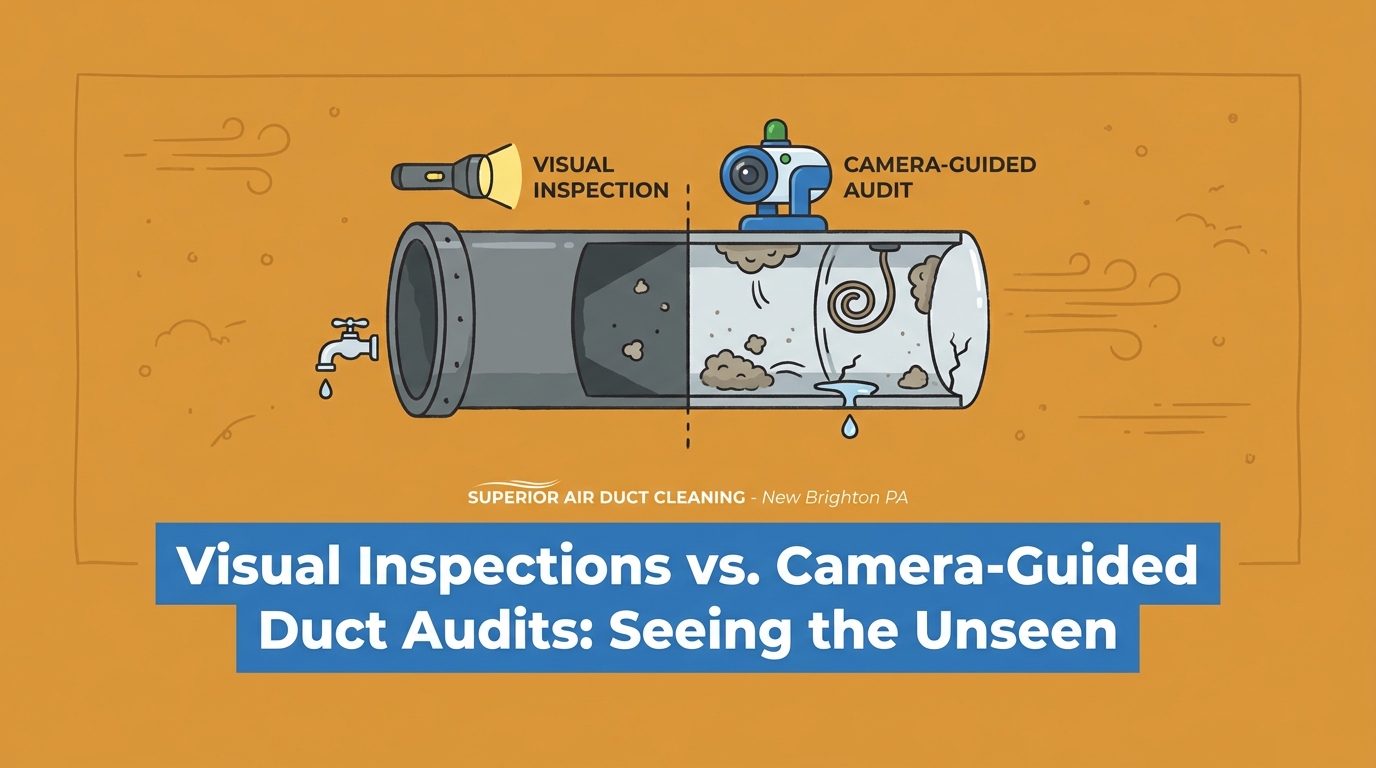
• Providing visual evidence: Technicians capture before-and-after pictures inside the ductwork to visually verify the source removal.
• Safe verification: These photos allow you to inspect the results safely, without needing to climb ladders or peer into dusty areas.
• Complete transparency: Documenting the work ensures you get exactly what you requested, building long-term trust.
A truly clean system, verified by photographic evidence, provides the perfect foundation for comprehensive whole house sanitizing efforts, ensuring your entire indoor environment is optimized for health and comfort.
Frequently Asked Questions About Service Preparation and Cleanup
Homeowners naturally have questions about the logistics of HVAC maintenance. If you are looking for more broad information, you can explore our frequently asked questions about air duct cleaning. Below, we address the specific concerns regarding home preparation and mess prevention.
Do air duct cleaners make a mess?
Professional air duct cleaners do not make a mess when they follow strict standard operating procedures. By utilizing negative air pressure, the dust is pulled directly into a contained collection unit rather than being blown into your rooms. Additionally, the use of drop cloths, shoe covers, and corner guards ensures your floors and walls remain completely protected. If a contractor leaves a mess, they are not adhering to NADCA or EPA guidelines.
How to prepare for air duct cleaning?
To prepare for air duct cleaning, clear a path to your HVAC unit and ensure all floor registers are accessible by moving small pieces of furniture or rugs. Secure your pets in a separate room so they do not get frightened by the noise or slip out an open door. You do not need to cover your furniture with plastic, as the negative pressure system is designed to keep ambient dust fully contained.
What to expect during air duct cleaning?
During air duct cleaning, expect a team of technicians to perform a walkthrough, lay down protective floor coverings, and attach a large vacuum hose to your main HVAC trunk line. They will then visit each individual vent in your home with agitation tools to dislodge stuck-on debris. The process is noisy due to the powerful vacuum and compressed air tools, but it is highly controlled and methodical.
Do duct cleaners vacuum the floors afterwards?
Yes, reputable duct cleaners will vacuum the floors afterwards as part of their final cleanup protocol. Technicians use specialized HEPA vacuums to clean the immediate area around every vent they serviced, capturing any stray particles that might have fallen when the vent covers were removed. The goal is always to leave the work area exactly as clean as it was upon arrival.
How do professionals protect floors during HVAC service?
Professionals protect floors during HVAC service by laying down heavy-duty drop cloths along all walkways and under equipment staging areas. They also wear disposable shoe covers, changing them frequently when moving between the indoors and outdoors. These physical barriers prevent mud, moisture, and equipment scratches from damaging your hardwoods or carpets.
What is the cleanup process after air duct cleaning?
The cleanup process after air duct cleaning involves removing all protective drop cloths, packing up the corner guards, and conducting a final HEPA vacuum sweep of the work zones. Technicians will also perform a visual inspection of the areas they walked through to ensure no smudges or debris were left behind. Finally, they will review before-and-after photos with you to confirm the internal ductwork is clear.
Are corner guards really necessary for vacuum hoses?
Corner guards are absolutely necessary for vacuum hoses because the hoses used in this service are heavy, thick, and ribbed. When these hoses are pulled around the corners of your hallways, the friction can easily scuff paint or chip drywall edges. Placing specialized guards on the corners eliminates this friction, preserving the structural integrity and aesthetic of your walls.
Ready to Experience a Truly Clean Home?
The value of the "Leave No Trace" protocol lies in the absolute peace of mind it provides during the busy August back-to-school transition. A clean HVAC system should never come at the cost of dirty floors or scuffed walls. If you have been wondering, "Will the technician leave a mess? Our protocol for protecting your floors" guarantees that your property is treated with the utmost respect. Schedule your service today with a team that values your home's cleanliness as much as you do.

Customer Reviews


Superior Air Duct cleaning did a phenomenal job in a timely manner with the tech “Rich” being very professional ,personable and considerate of our property! He explained things as he proceeded and answered all our questions!
I LOVE that they provide before & after photos to see the difference. Give them a try… you won’t regret it
Pam T.
Robert was on schedule and communicated what time he would arrive. He was polite, professional, and respectful of our home. I wanted to wait a couple weeks before posting a review because I wanted to see if the duct cleaning actually made a difference. I am happy to say it did! I vacuum multiple times a week and have already noticed a significant reduction in the amount of dust cleaned up each time. As a home with pets, there will always be something to clean, but getting the ducts cleaned has definitely helped improve the air quality and reduce the dust.
alice A.
Technician Rob arrived early explained the days agenda and then proceeded to work methodically and meticulously over the next 6+ hours cleaning my ductwork. Courteous and professional they answered all of my questions and went above and beyond the call of duty. They even located an old dusty box of rat poison buried in our vents. My only regret is not finding these guys sooner. As a realtor of 22 years and owner of a newly purchased (now dust free) home I highly recommended!
Eric K.
Excellent service! I’ve used them to clean out my air ducts as well as my dryer vent duct and they are excellent. I was very pleased with both jobs and will continue to use them in the future. Great communication as well- from the time I scheduled the appointment until they were at my door.
Erika C.
We had such an amazing experience with Superior Air Duct Cleaning. They were so nice and friendly and did an amazing job. I loved seeing the before and after pictures. Besides doing an amazing job cleaning our air ducts they were so quick at responding and setting up the appointment. We will definitely be using them in the future.
Amanda C.