The Myth of the Dusty Register: Why Your Home Is Still Hot
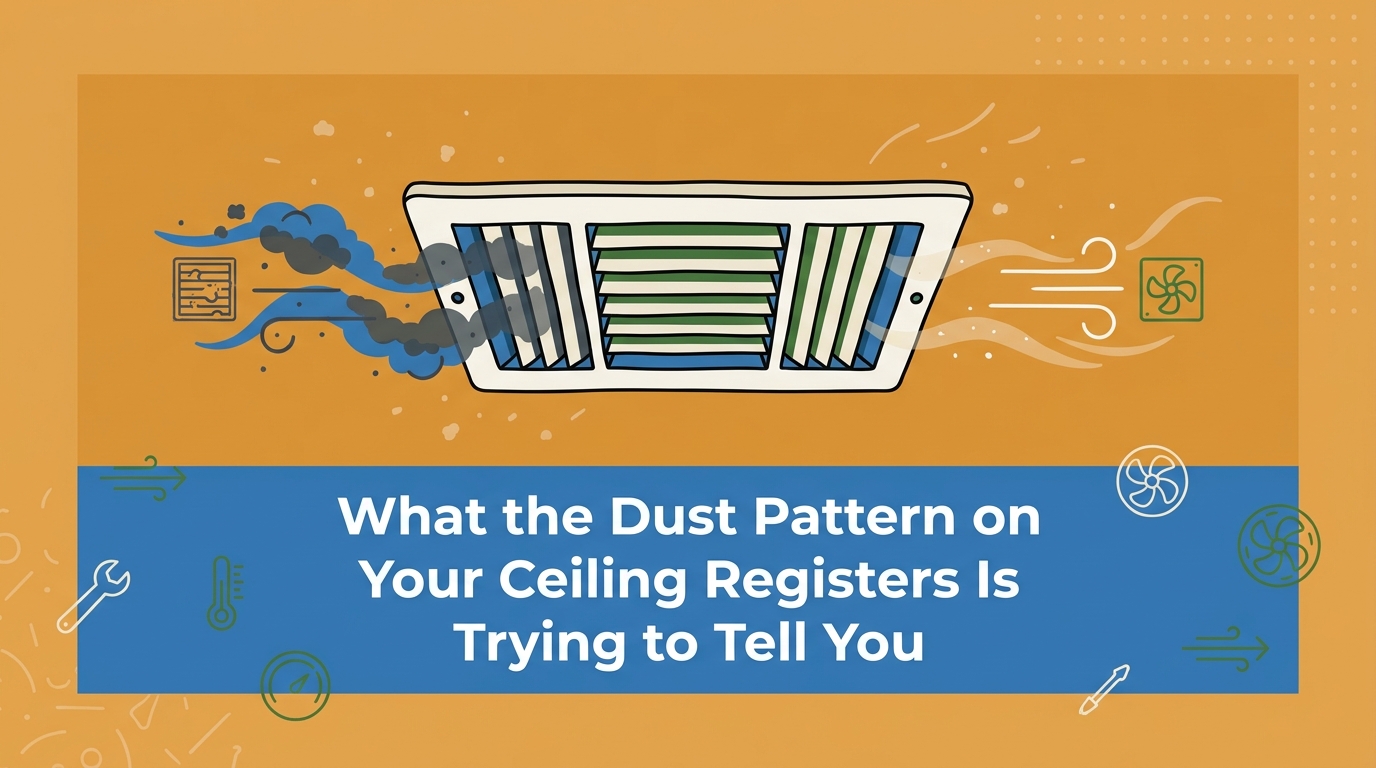
If you are trying to understand AC Coil Cleaning vs. Standard Vent Vacuuming: Where the Real Cooling Bottleneck Hides, you must first let go of a common myth: that dusty registers are the primary reason your house is still hot. You look up at a ceiling vent, see a layer of gray buildup on the louvers, and naturally assume that this visible debris is blocking your cold air. However, as our team frequently explains to homeowners, superficial dust at the end of the duct line is rarely the true cause of a struggling air conditioner.
During a humid summer heatwave, a system that runs continuously but fails to cool the house is usually suffering from a deep systemic blockage, not a dirty vent cover. While dusty vents are certainly an eyesore and contribute to airborne particles, they do not create enough static pressure resistance to shut down your system's cooling capacity on their own. To truly restore your home's comfort, you need to explore comprehensive indoor air quality solutions that address the root cause of the restriction.
The Mechanics of Airflow and Static Pressure
To understand why the vent is not the main bottleneck, you have to look at how air moves through your home. Your HVAC system relies on a delicate balance of static pressure—the resistance to airflow within the ductwork. The blower motor pushes air through the supply ducts and pulls it back through the return ducts.
When debris accumulates at a single register, the air simply redirects to other paths of least resistance. It takes a massive, system-wide blockage to noticeably drop the overall volume of air circulating through your living spaces. The real culprit during peak cooling season usually lies much deeper within the system, right at the point where heat exchange actually happens.
The Visual Deception: What Standard Vent Vacuuming Actually Does
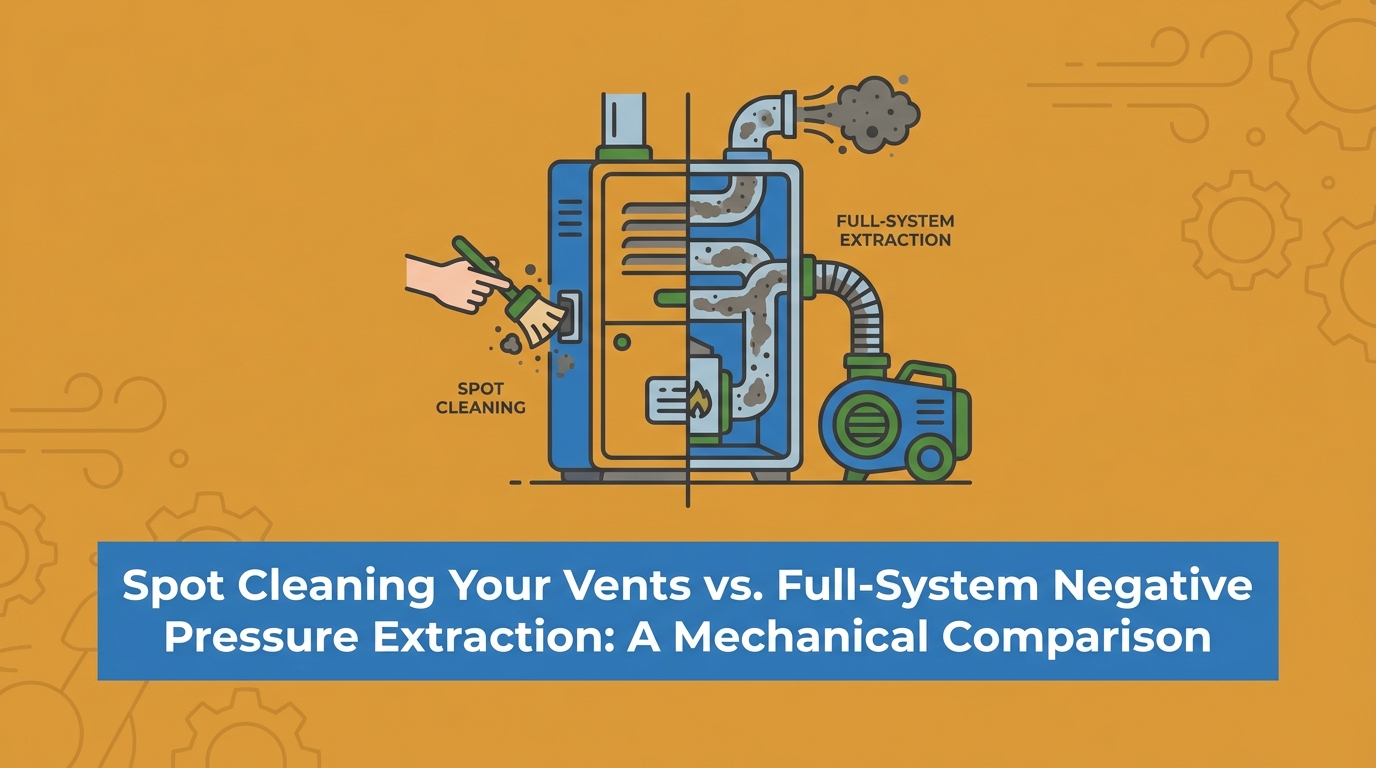
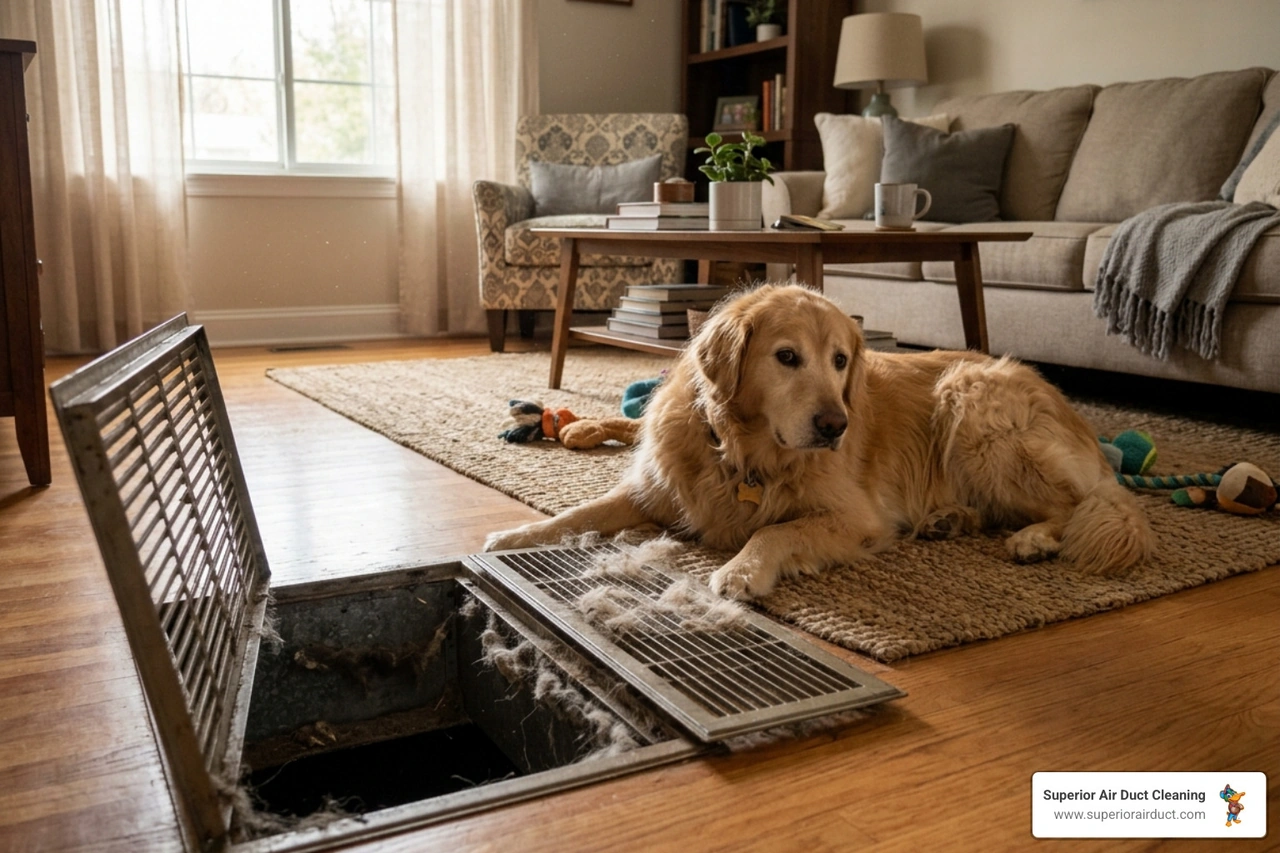
Basic vent vacuuming typically only reaches the first few feet of the ductwork. It removes visible debris, loose pet hair, and surface dust, which certainly improves the aesthetics of your rooms. However, this superficial cleaning has a minimal impact on the overall static pressure of the system.
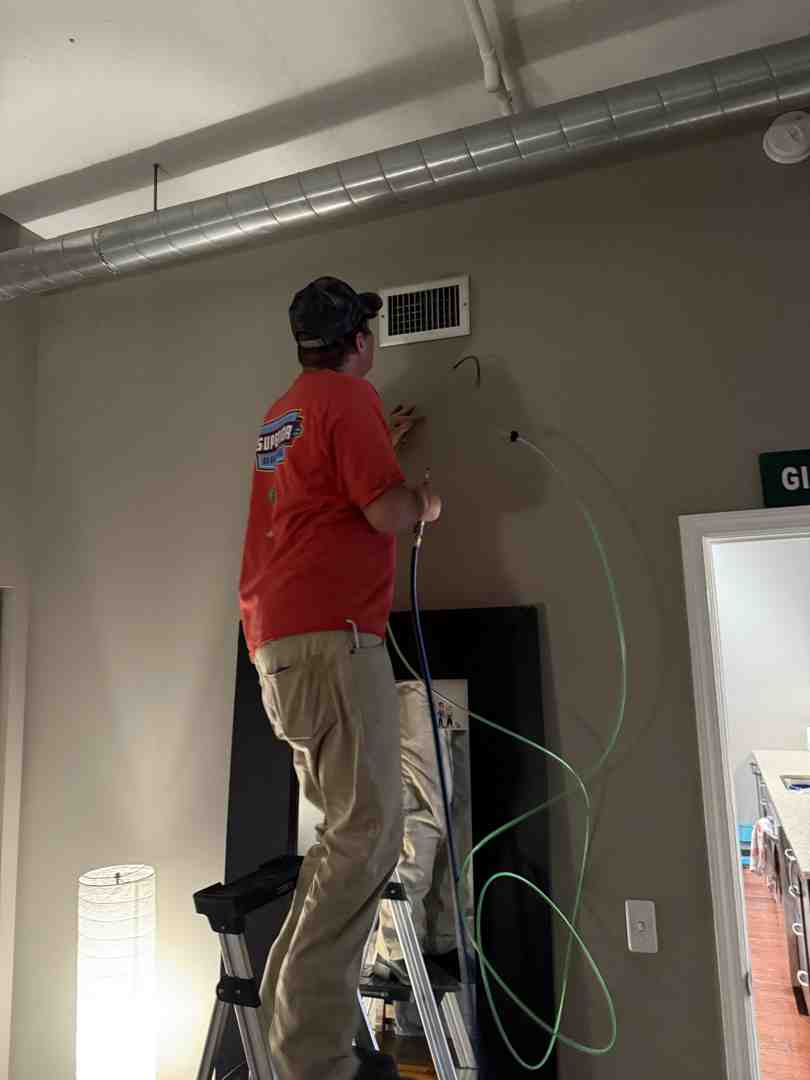
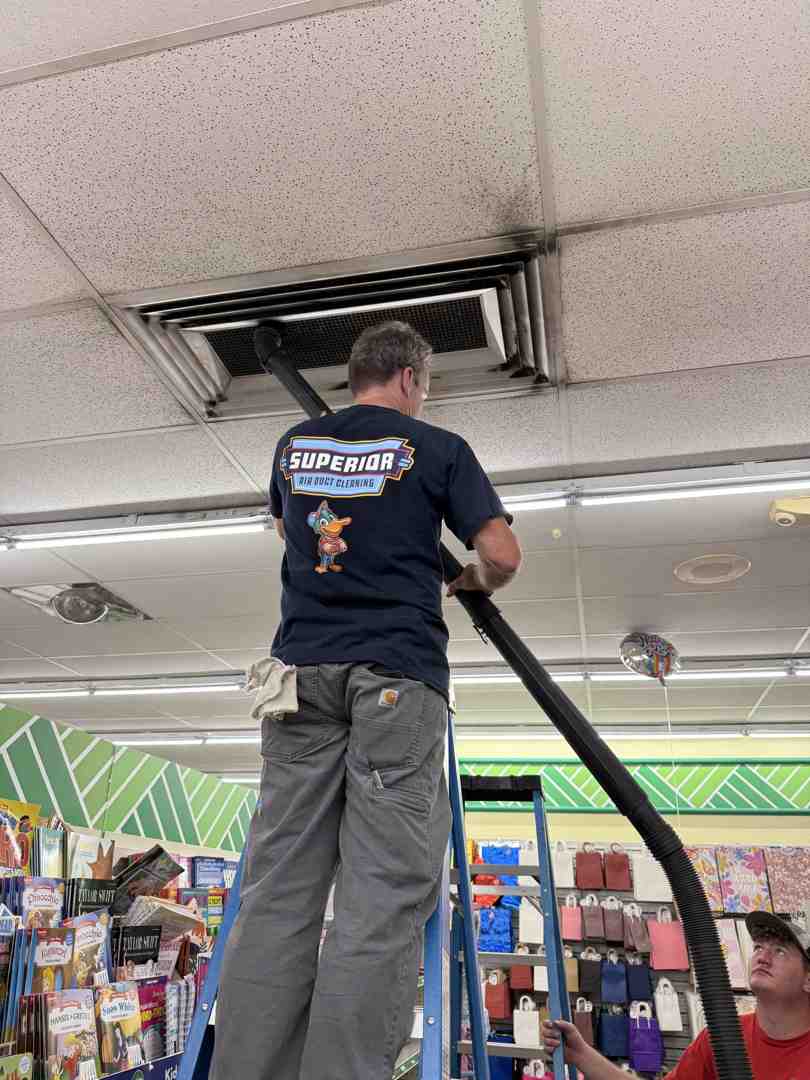
Many homeowners pay for standard vacuuming expecting a massive boost in AC performance, only to be left disappointed when the house still feels warm. We recently helped a homeowner who reached out to our team over the summer because they noticed dirty ducts and vents in their New Brighton PA property. Our technicians thoroughly cleaned the ducts and vents, explaining the process step-by-step, and left the registers looking super clean. While this visual improvement is satisfying and helps reduce circulating dust, a proper airflow restoration requires more than just a shop vac at the register; it requires understanding and clearing the entire airflow path.
The Limits of Basic Equipment
A standard shop vac or basic suction hose lacks the agitation power and reach to dislodge compacted debris deep inside the main trunk lines. More importantly, these basic tools never touch the central air handler where the most critical components live. If you only clean the branch lines, you are essentially washing the hubcaps on a car that has a failing engine.
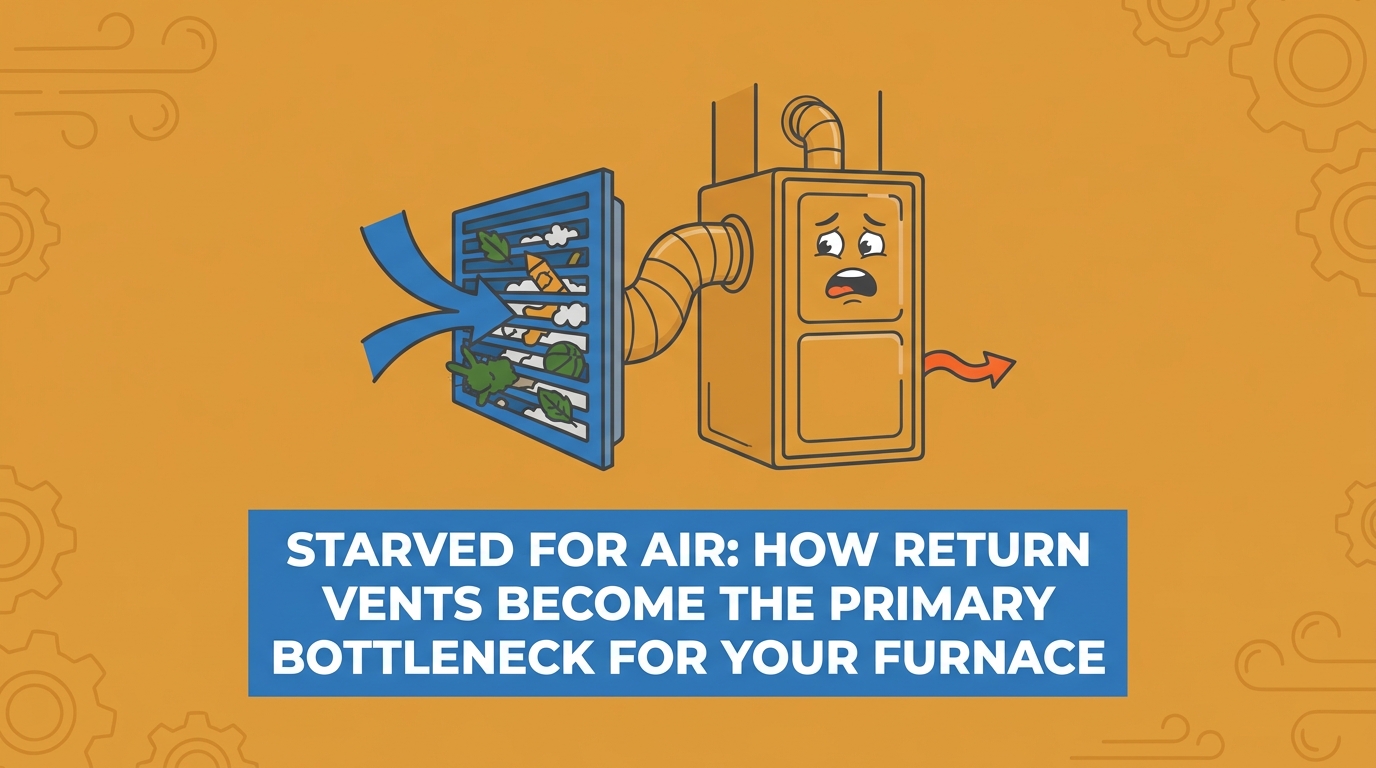
The false sense of security: When you see a clean vent cover, you assume the air flowing behind it is unobstructed. But if the core of the system is choked with debris, that clean vent is simply delivering a fraction of the cold air your home actually needs to stay comfortable.
The Hidden Core: Why the Evaporator Coil Dictates Cooling Power
The indoor evaporator coil is the heart of your air conditioning system. Located inside the central air handler, this component is responsible for absorbing heat from the air inside your home. It consists of a network of copper or aluminum tubes filled with cold liquid refrigerant, surrounded by hundreds of delicate metallic fins.
For the heat exchange process to work efficiently, warm indoor air must pass smoothly over these fins. The refrigerant absorbs the heat, and the newly cooled air is pushed back into your ductwork. When a humid summer heatwave hits, this heat exchange process must operate at peak efficiency to keep your indoor temperature manageable.
The Insulation Effect of Microscopic Buildup
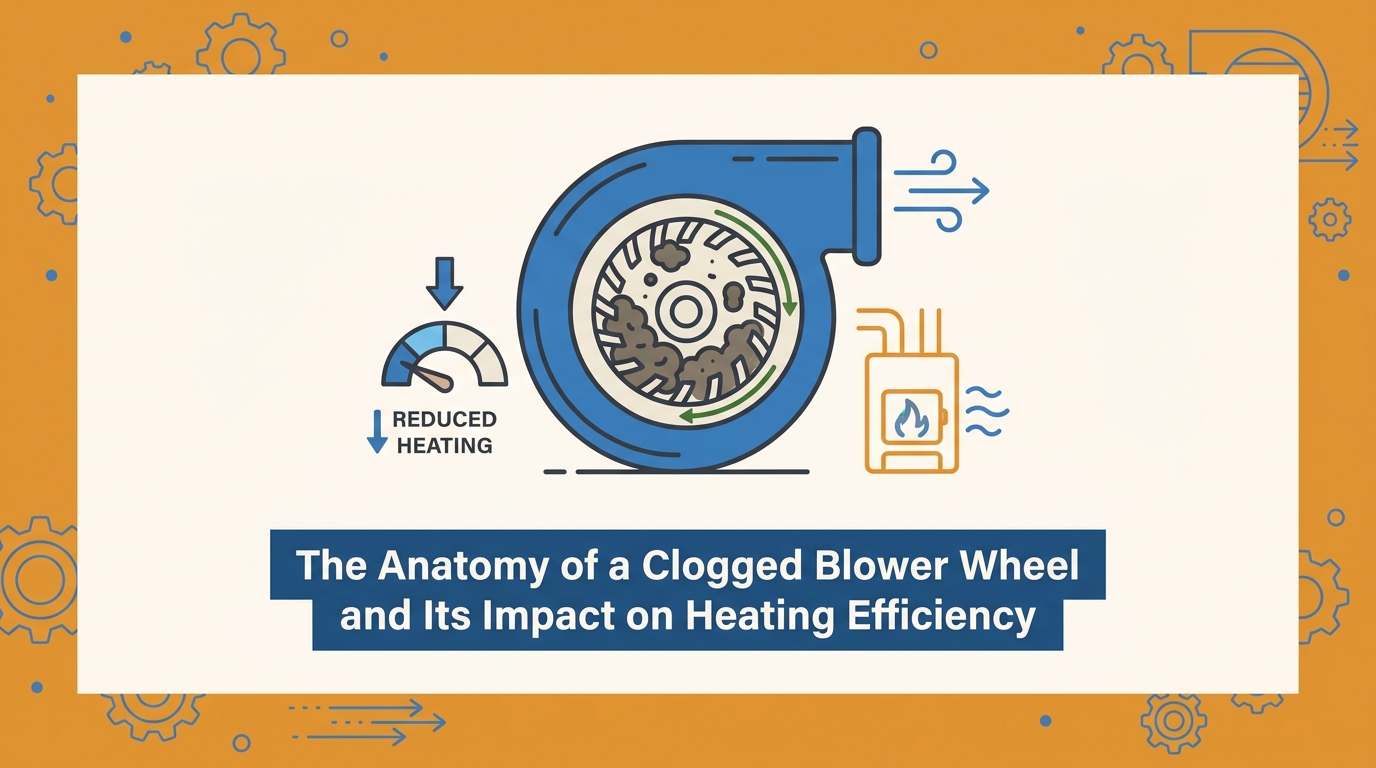
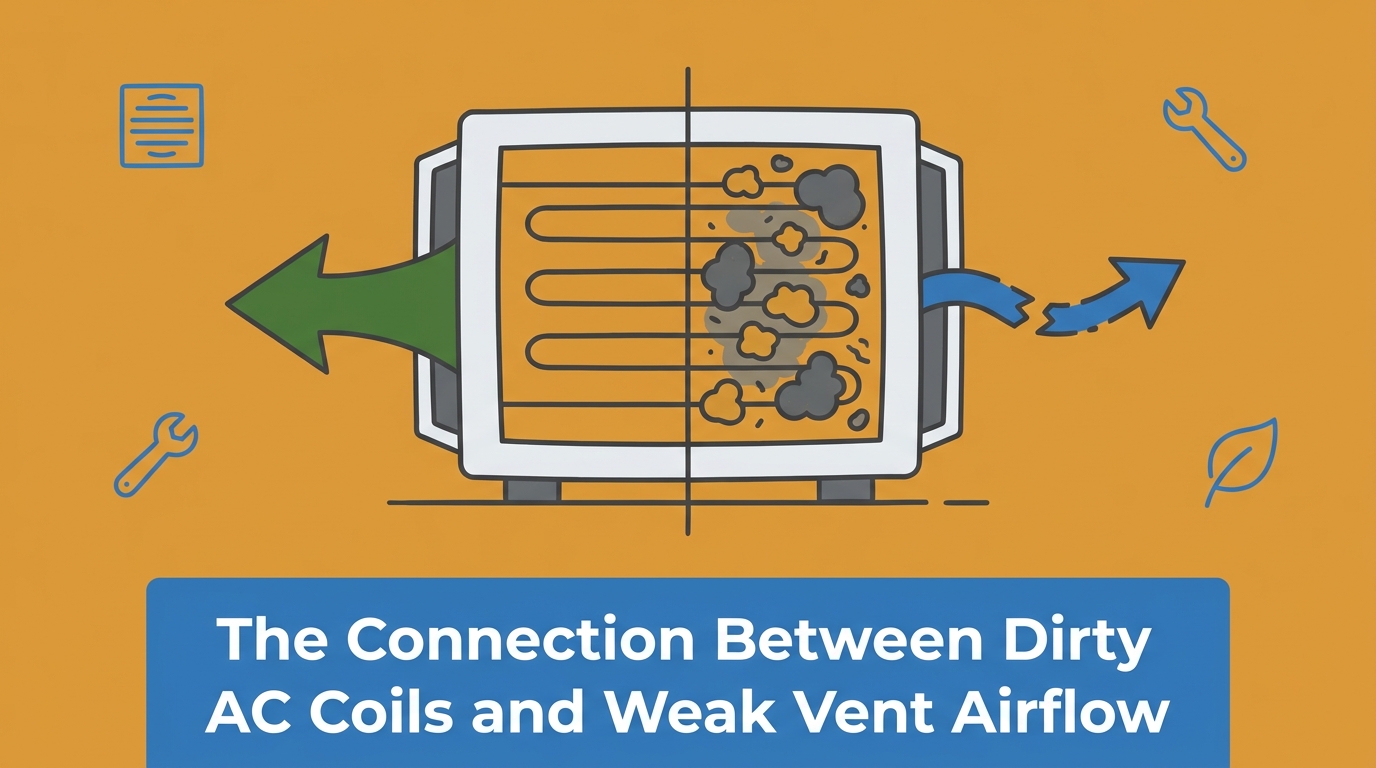
The metallic fins on the evaporator coil are spaced mere millimeters apart. Even a microscopic layer of dust or dirt acts as a powerful insulator, preventing the cold refrigerant from absorbing heat from the passing air. When airflow is restricted at this central point, the entire system suffers.
Because the air cannot transfer its heat to the coil, the compressor outside has to run hotter and longer to achieve the temperature set on your thermostat. This continuous, strained operation wastes a tremendous amount of electrical energy and places severe mechanical stress on the compressor, significantly increasing the risk of premature failure.
The Sludge Effect: When High Humidity Meets Household Dust
The Problem: Evaporator coils naturally produce condensation as they cool warm indoor air. This is why your AC has a drain line to carry moisture away. However, when dry household dust bypasses your air filter and hits this wet coil, a severe mechanical problem begins to form.
The Cause: In our years of restoring HVAC systems throughout the area, we consistently see how hot, humid Pennsylvania summers—where humidity levels frequently exceed 70%—create excessive condensation on the indoor coil. When airborne dust, pet dander, and dead skin cells meet this heavy moisture, they act like a sponge. Instead of blowing past the fins, the dry particulate matter absorbs the water and sticks directly to the metal.
The Solution: Over time, this combination creates a thick, sticky biological sludge that standard vacuums cannot possibly remove. This sludge blocks the narrow gaps between the fins, creating a major bottleneck that can drop cooling efficiency by up to 30 to 40 percent. To combat this deep biological and particulate buildup, homeowners often need to invest in whole house sanitizing services alongside specialized coil restoration to break down the sludge and eliminate the odors it produces.
Why Standard Cleaning Fails Here
You cannot simply wipe or vacuum this sludge away. The fins on an evaporator coil are highly fragile; bending them will permanently restrict airflow and ruin the unit. Removing this dense, sticky barrier requires specialized chemical cleaners that foam up and push the debris out from inside the fin gaps, followed by careful, low-pressure rinsing. This is a delicate, technical process that goes far beyond the capabilities of a standard vent cleaning service.
Head-to-Head: Superficial Vacuuming vs. Deep System Restoration
To make an informed decision for your New Brighton PA home, you need to understand the distinct differences between these two services. While both involve cleaning parts of the HVAC system, their methods, targets, and results are entirely different.
• Target Area — Standard Vent Vacuuming: Registers, vent covers, and the first few feet of branch lines. — Deep Coil & System Restoration: The central air handler, evaporator coil, blower motor, and main trunk lines.
• Equipment Used — Standard Vent Vacuuming: Standard suction vacuums and basic hoses. — Deep Coil & System Restoration: Specialized coil-safe chemicals, agitation tools, and high-powered negative air machines.
• Primary Benefit — Standard Vent Vacuuming: Aesthetic cleanliness and minor reduction in localized dust. — Deep Coil & System Restoration: Restored mechanical cooling efficiency and balanced static pressure.
• Impact on AC — Standard Vent Vacuuming: Negligible efficiency gain; does not resolve deep airflow bottlenecks. — Deep Coil & System Restoration: Up to 40% improvement in heat transfer and overall airflow volume.
Homeowners and property managers alike must recognize these differences. In fact, the principles of deep system restoration are exactly why commercial duct cleaning protocols focus so heavily on the central air handler rather than just the visible registers in an office building.
The Mechanical Reality
Standard vacuuming treats the symptom, while deep restoration treats the disease. If your goal is simply to remove pet hair from a floor register, a basic vacuuming might suffice. But if your goal is to lower your energy bills, stop your AC from running nonstop, and actually cool your home, you must address the evaporator coil.
Identifying the Bottleneck: Symptoms of Vents vs. Coils
Before you call for service during a humid summer heatwave, you can perform a basic visual and sensory check to determine where your airflow bottleneck likely resides. Knowing the symptoms can save you from paying for the wrong service.
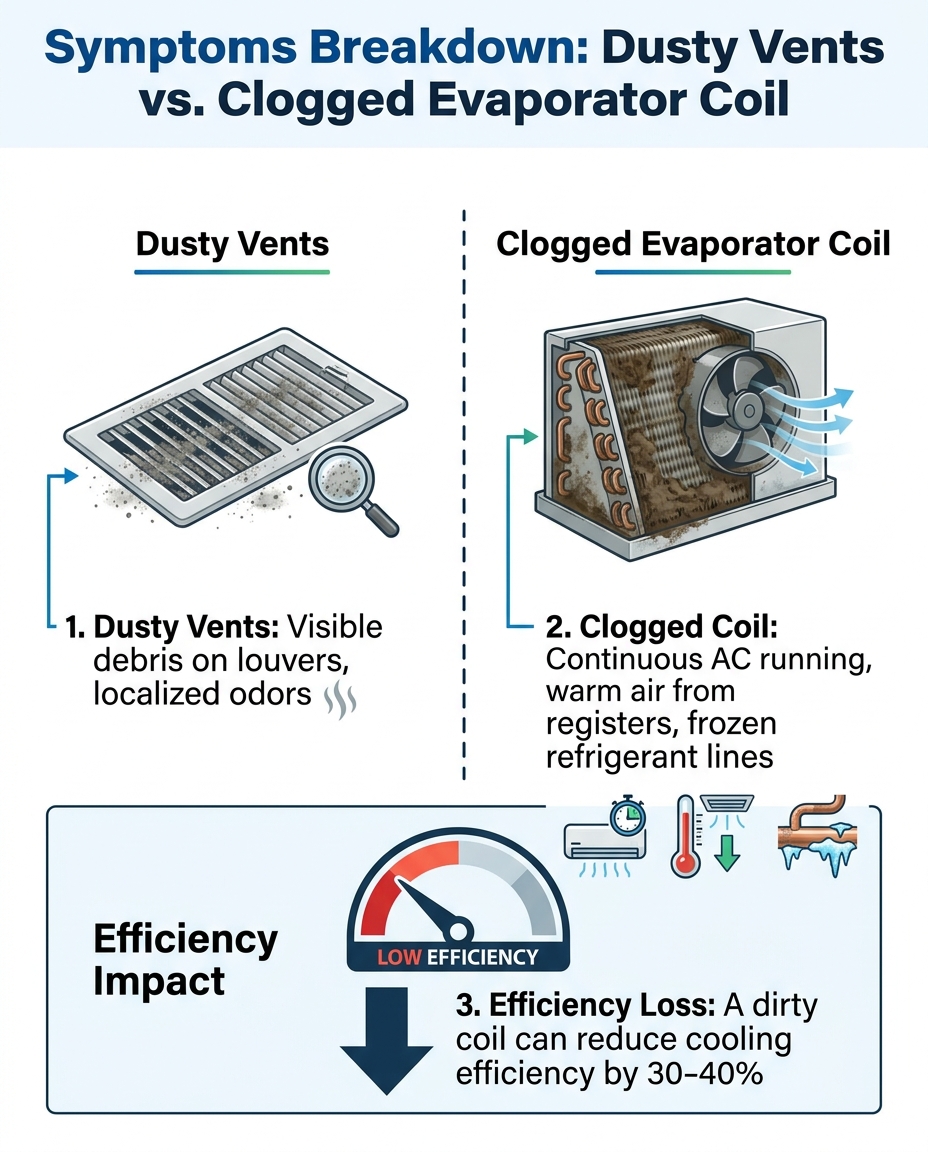
Symptoms of Dusty Vents:
• Visible debris: You can clearly see dust, cobwebs, or pet hair clinging to the louvers of the vent cover.
• Localized odors: A musty smell is noticeable only when standing directly under one specific register.
• Debris blow-out: Small specks of dust occasionally blow out into the room when the blower motor kicks on.
Symptoms of a Clogged Evaporator Coil:
• Continuous operation: The system runs nonstop all afternoon, but the indoor temperature never drops to your thermostat setting.
• Weak airflow globally: Every single vent in the house has weak, anemic airflow, regardless of how close it is to the furnace.
• Spiking energy bills: Your summer electricity costs are unusually high compared to previous years, indicating the compressor is working overtime.
The Ice Red Flag
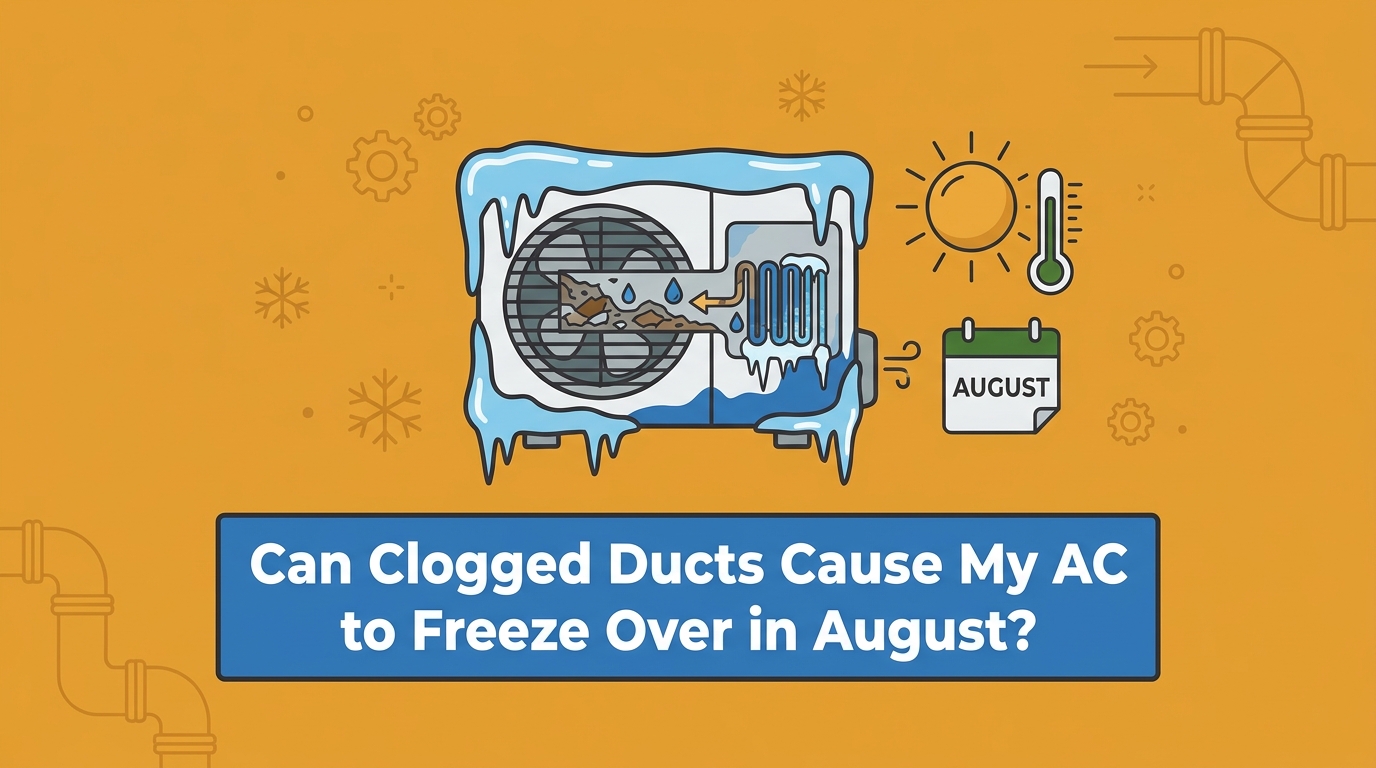
If you ever notice ice formation on the copper refrigerant lines outside, or if your indoor unit literally freezes into a block of ice, this is a massive red flag for a clogged coil. When airflow is so restricted that the warm air cannot reach the cold refrigerant, the condensation on the coil freezes solid. If your air filter is brand new but the airflow is still weak and the system is freezing, the bottleneck is almost certainly a sludge-covered evaporator coil.
The Diagnostic Edge: Finding the True Source of Airflow Loss
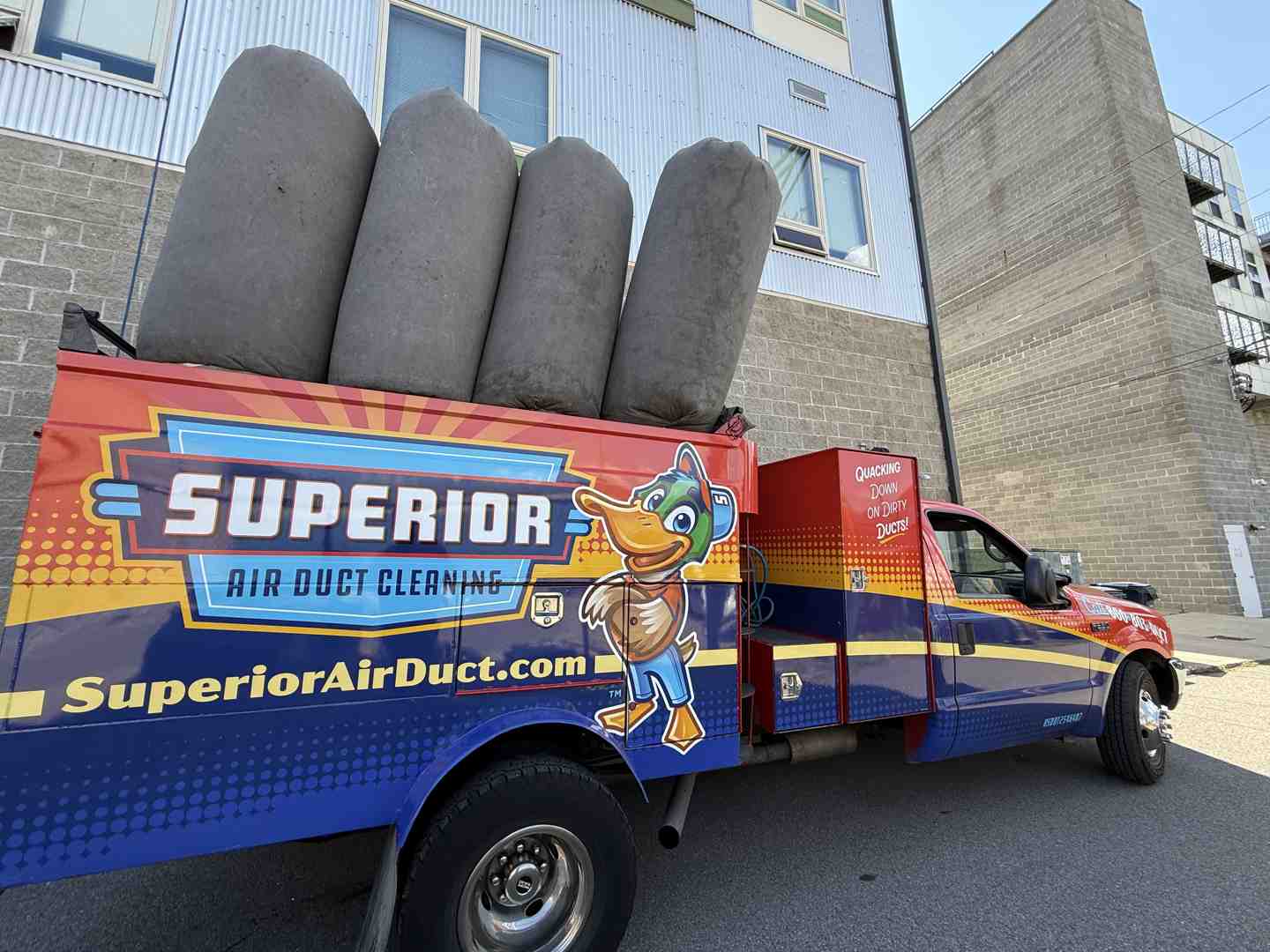
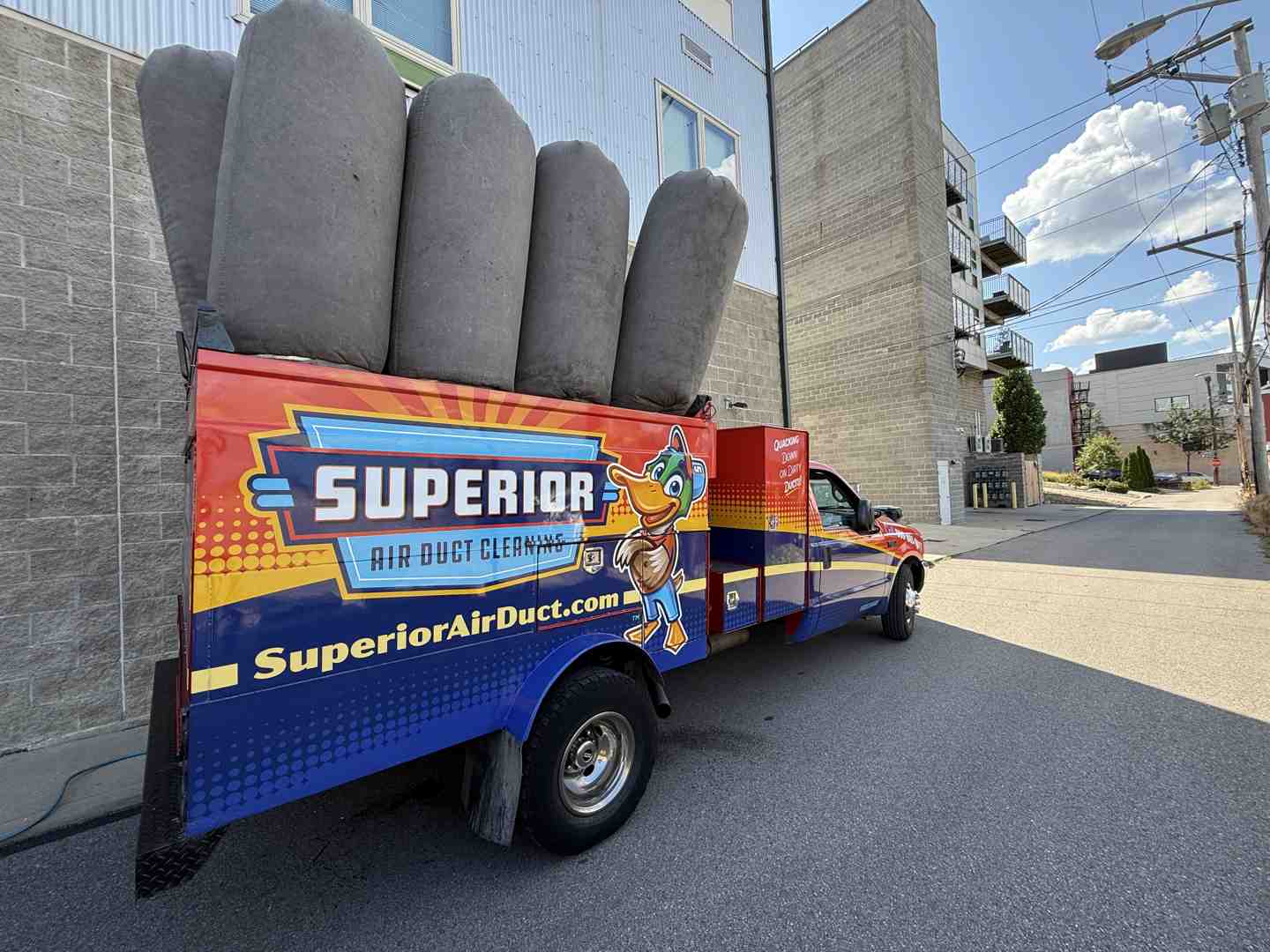
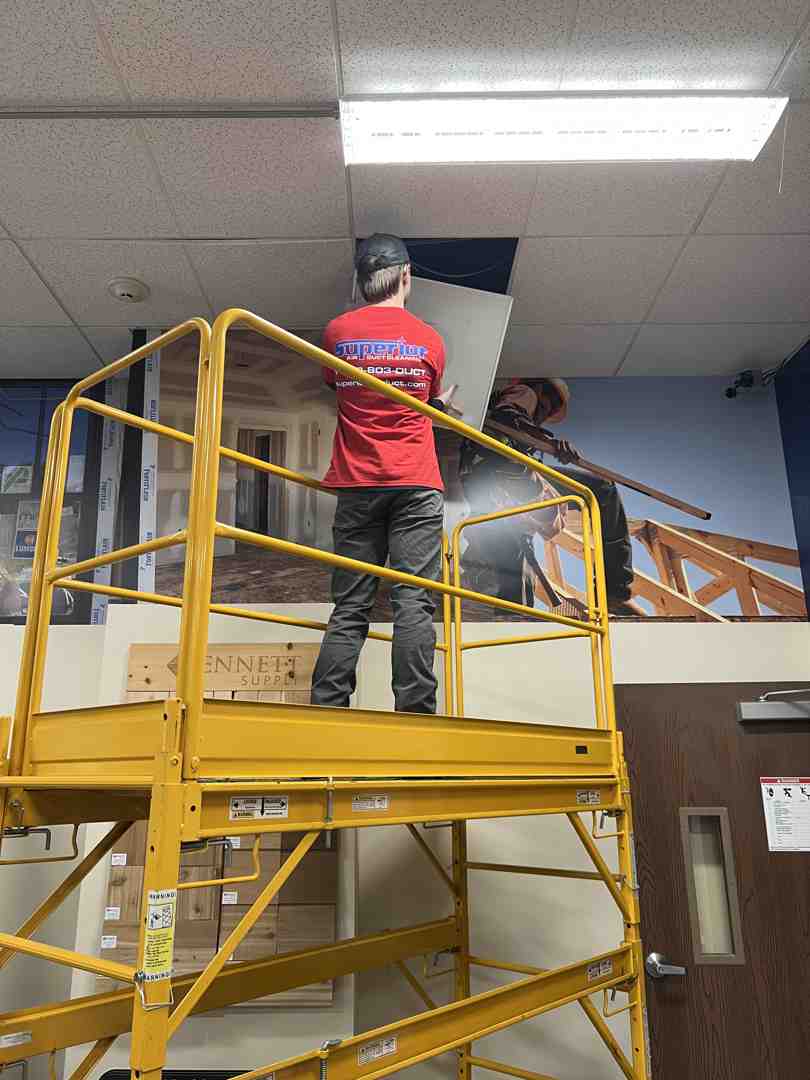
Guesswork leads to wasted money. A proper airflow restoration always starts with a comprehensive diagnostic assessment. At Superior Air Duct Cleaning, our team utilizes a comprehensive diagnostic approach and specialized equipment to identify deep system bottlenecks rather than just performing superficial vacuuming at the registers.
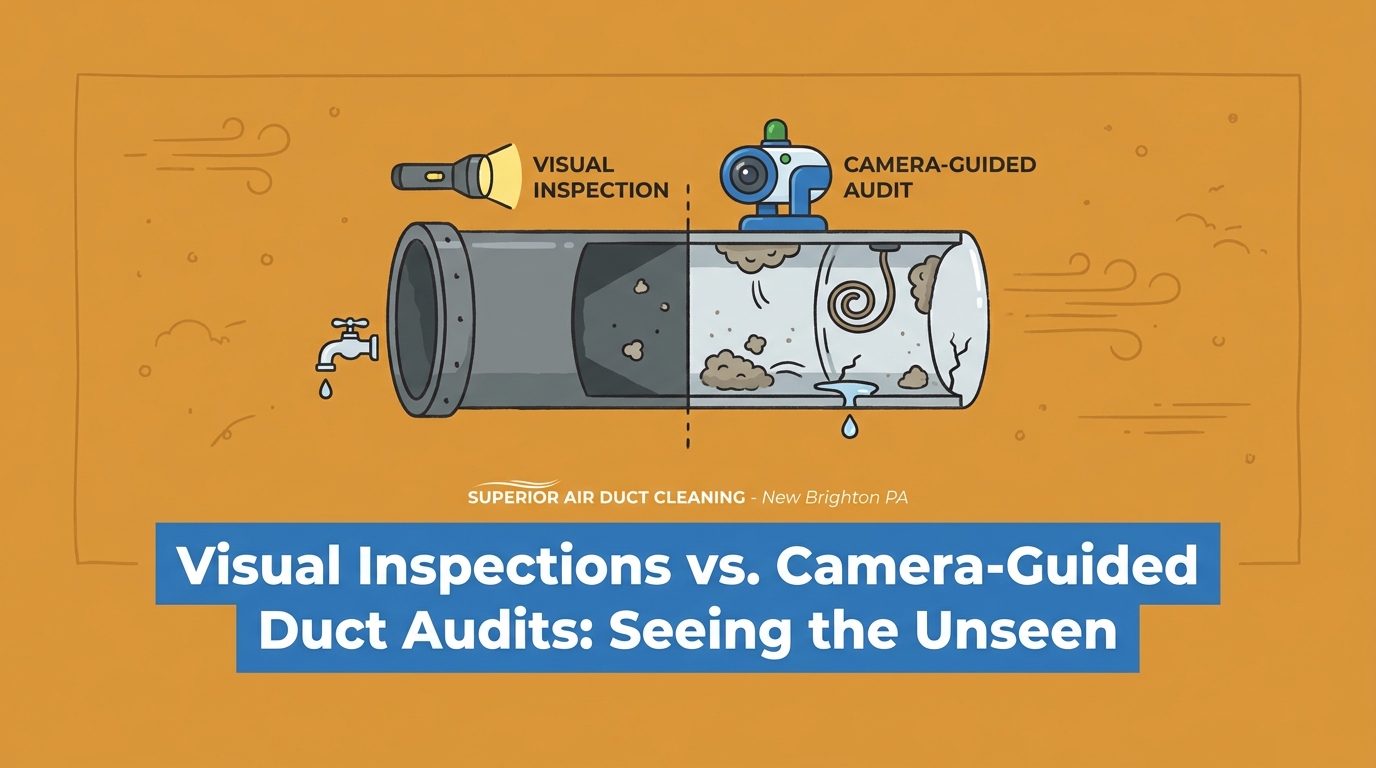
We recently worked with a local homeowner living in an 18-year-old house with uncleaned ducts who called us during the peak of summer because of severe indoor allergens. Instead of just vacuuming the visible vents, our technicians performed a deep systemic cleaning. We used specialized cameras to show before-and-after pictures of the main entry points, proving the hidden buildup was finally gone. This level of verification is crucial for homeowners in New Brighton PA who want certainty that their money was well spent.
Seeing is Believing
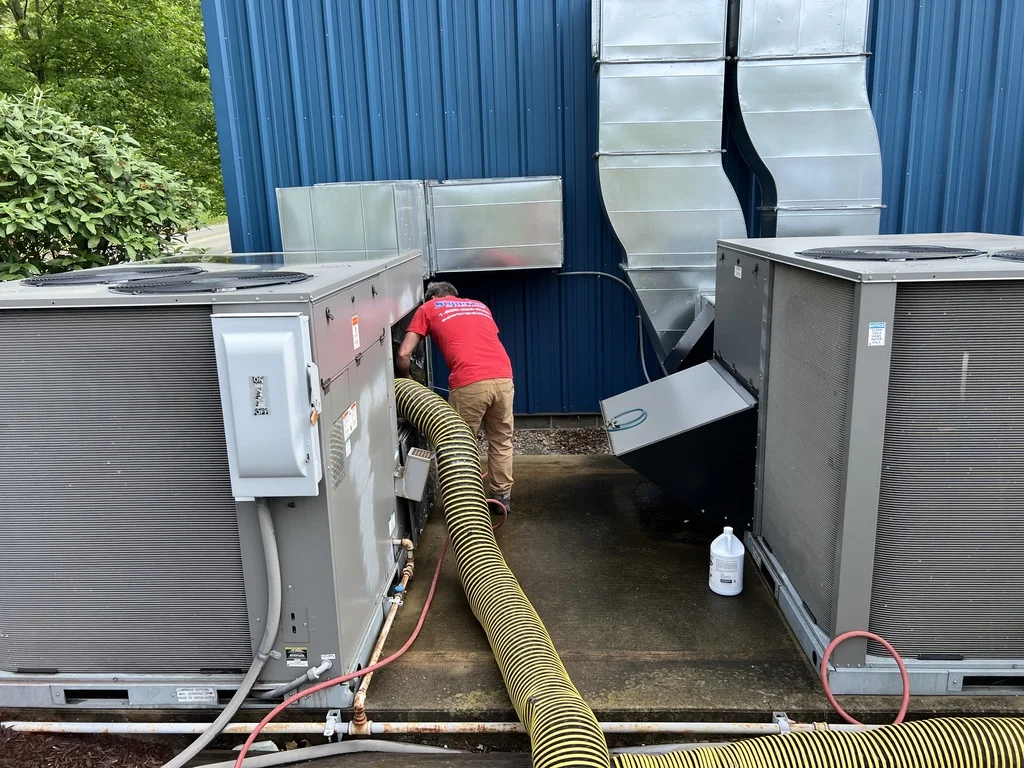
Specialized air duct cleaning equipment allows our technicians to inspect deep inside the air handler and the main trunk lines. By using high-definition inspection cameras, a professional can show you exactly what your evaporator coil looks like before any work begins.
Before and after visual evidence ensures that the actual bottleneck was identified and removed. Treating the root cause rather than just the symptom is the only way to ensure reliable cooling during peak heat. When a technician can show you the sludge on the coil and then show you the gleaming metallic fins after restoration, you know your system's efficiency has been genuinely restored.
Restore Your Cooling Capacity Before the Next Heatwave
Do not let a hidden bottleneck force your AC to work overtime this season. If you are still weighing AC Coil Cleaning vs. Standard Vent Vacuuming: Where the Real Cooling Bottleneck Hides, remember that true comfort comes from an unobstructed central air handler. A professional assessment can pinpoint exactly whether you need a simple branch cleaning or a deep coil restoration. Reach out to our team at Superior Air Duct Cleaning to evaluate your system's airflow, clear the hidden sludge, and ensure your home stays comfortably cool through the worst of the humid summer heatwave.
Frequently Asked Questions
Why is my AC running but not cooling the house?
This usually indicates a severe restriction in airflow or a refrigerant issue. When the system runs constantly without lowering the temperature, the evaporator coil is often blocked by a layer of dust and sludge. This insulating barrier prevents the AC from pulling heat out of your indoor air. A professional diagnostic can confirm if the coil needs a deep chemical cleaning.
What happens when an AC evaporator coil is dirty?
A dirty coil loses its ability to transfer heat efficiently. The dirt acts as insulation, meaning the cold refrigerant inside the coils cannot absorb the warmth from your home's air. This forces the outdoor compressor to run longer and hotter, which drives up your energy bills and significantly increases the risk of a total system breakdown.
Does cleaning air ducts improve AC airflow?
Cleaning the ducts can improve airflow, but only if the main trunk lines and the central air handler are included in the process. Simply vacuuming the ceiling or floor registers will not resolve a major static pressure issue. To see a real improvement in airflow volume, the blower motor and evaporator coil must be cleared of debris.
How do I know if my AC evaporator coil is clogged?
The most common signs include weak airflow coming from all vents, a system that runs continuously, and unusually high cooling bills. You may also notice ice forming on the copper refrigerant lines outside or on the indoor unit itself. If you have recently changed your air filter but the airflow remains poor, the coil is the most likely culprit.
Is duct cleaning the same as HVAC system cleaning?
No, they are very different services. Basic duct cleaning often only targets the sheet metal or flex ducting that carries the air through the house. Full HVAC system cleaning includes restoring the mechanical components that actually condition the air, such as the blower motor assembly, the heat exchanger, and the delicate evaporator coil.
Can high summer humidity make my AC coil dirtier?
Yes, high humidity drastically accelerates coil buildup. The indoor coil naturally creates condensation as it cools the air, and in humid climates, it stays constantly wet. When dry household dust hits this wet surface, it turns into a thick, sticky sludge that is much harder to remove than dry dust alone.

Customer Reviews


Superior Air Duct cleaning did a phenomenal job in a timely manner with the tech “Rich” being very professional ,personable and considerate of our property! He explained things as he proceeded and answered all our questions!
I LOVE that they provide before & after photos to see the difference. Give them a try… you won’t regret it
Pam T.
Robert was on schedule and communicated what time he would arrive. He was polite, professional, and respectful of our home. I wanted to wait a couple weeks before posting a review because I wanted to see if the duct cleaning actually made a difference. I am happy to say it did! I vacuum multiple times a week and have already noticed a significant reduction in the amount of dust cleaned up each time. As a home with pets, there will always be something to clean, but getting the ducts cleaned has definitely helped improve the air quality and reduce the dust.
alice A.
Technician Rob arrived early explained the days agenda and then proceeded to work methodically and meticulously over the next 6+ hours cleaning my ductwork. Courteous and professional they answered all of my questions and went above and beyond the call of duty. They even located an old dusty box of rat poison buried in our vents. My only regret is not finding these guys sooner. As a realtor of 22 years and owner of a newly purchased (now dust free) home I highly recommended!
Eric K.
Excellent service! I’ve used them to clean out my air ducts as well as my dryer vent duct and they are excellent. I was very pleased with both jobs and will continue to use them in the future. Great communication as well- from the time I scheduled the appointment until they were at my door.
Erika C.
We had such an amazing experience with Superior Air Duct Cleaning. They were so nice and friendly and did an amazing job. I loved seeing the before and after pictures. Besides doing an amazing job cleaning our air ducts they were so quick at responding and setting up the appointment. We will definitely be using them in the future.
Amanda C.