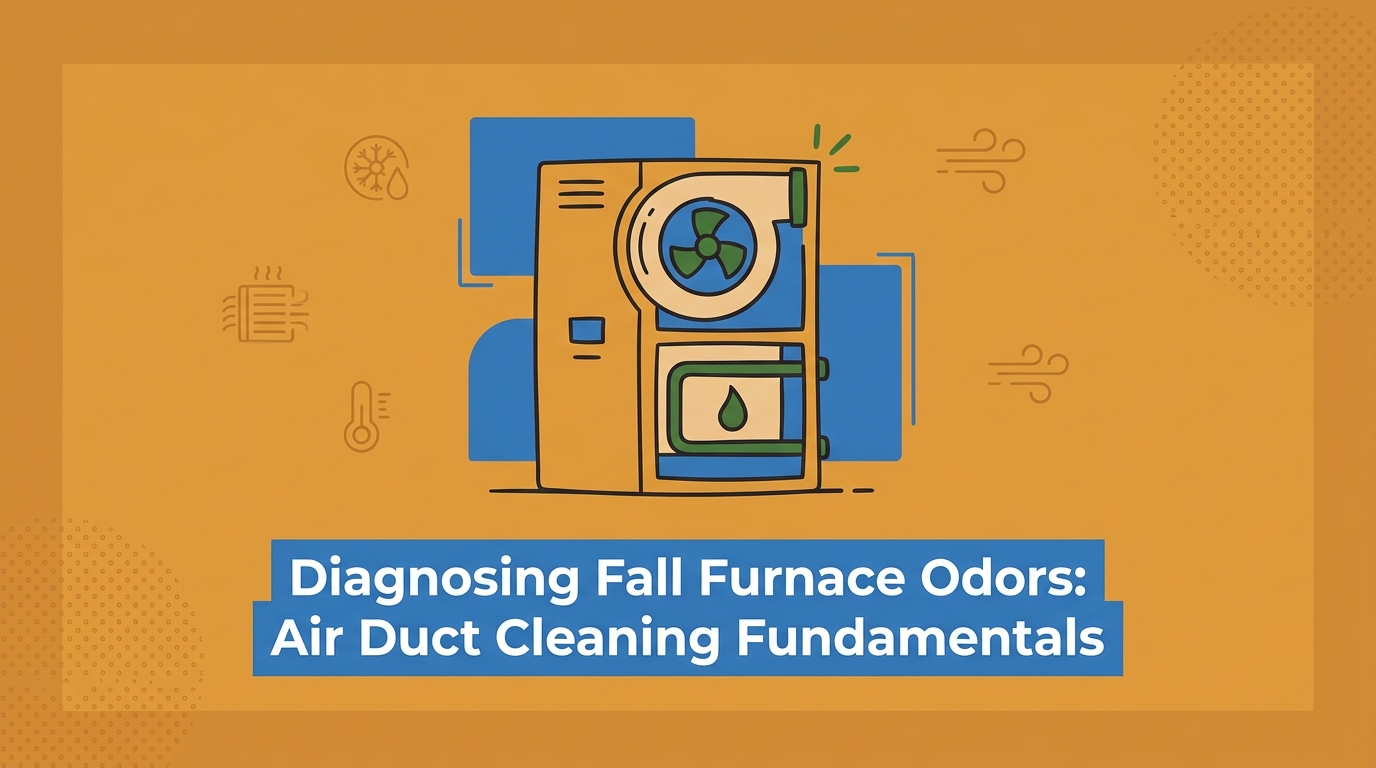
Addressing Burning Dust Odors During Fall Furnace Activation
You adjust the thermostat on the first brisk evening of the year, and almost immediately, a sharp, acrid scent drifts through your living space. When researching reliable home maintenance tips and troubleshooting, identifying whether this distinct scent is a temporary nuisance or a sign of heavily contaminated ductwork becomes a critical decision point. That recognizable burning dust odor is a hallmark of the mid-fall heating startup, and it raises immediate questions about the air circulating through your home.
As forced-air systems activate for the first time in months, they disturb a massive volume of particulates that have quietly settled over the summer. The sudden introduction of heat bakes the dust resting directly on the heat exchanger, while the powerful blower motor dislodges debris resting in the ventilation network. Understanding the mechanical realities of this seasonal shift is essential. Addressing these issues early prevents the prolonged circulation of allergens and establishes a baseline for healthy indoor air before winter forces you to keep the windows permanently shut. If you determine that the buildup exceeds a simple seasonal burn-off, scheduling professional air duct cleaning is the most effective way to restore system hygiene and breathe easier.
The Mechanical Transition: Idle Summer Ducts to Active Fall Heating
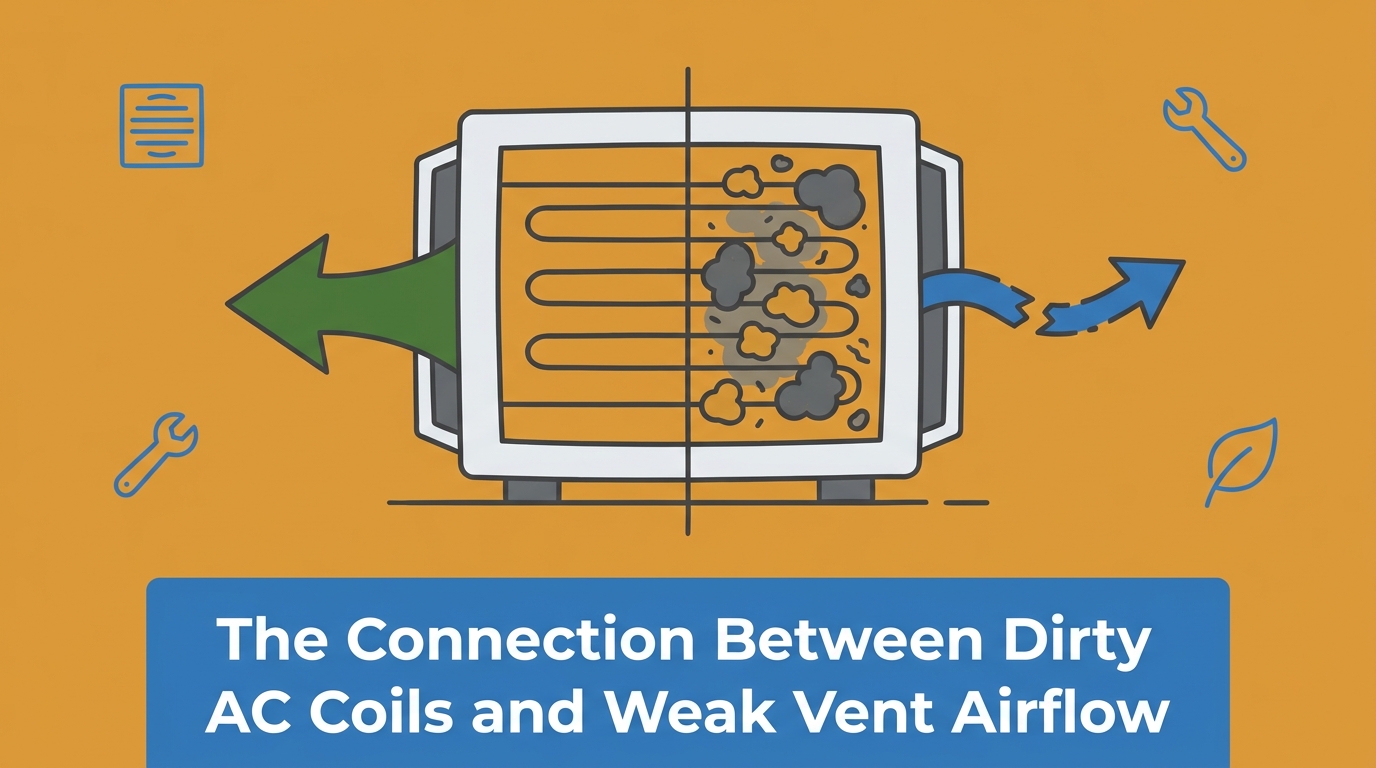
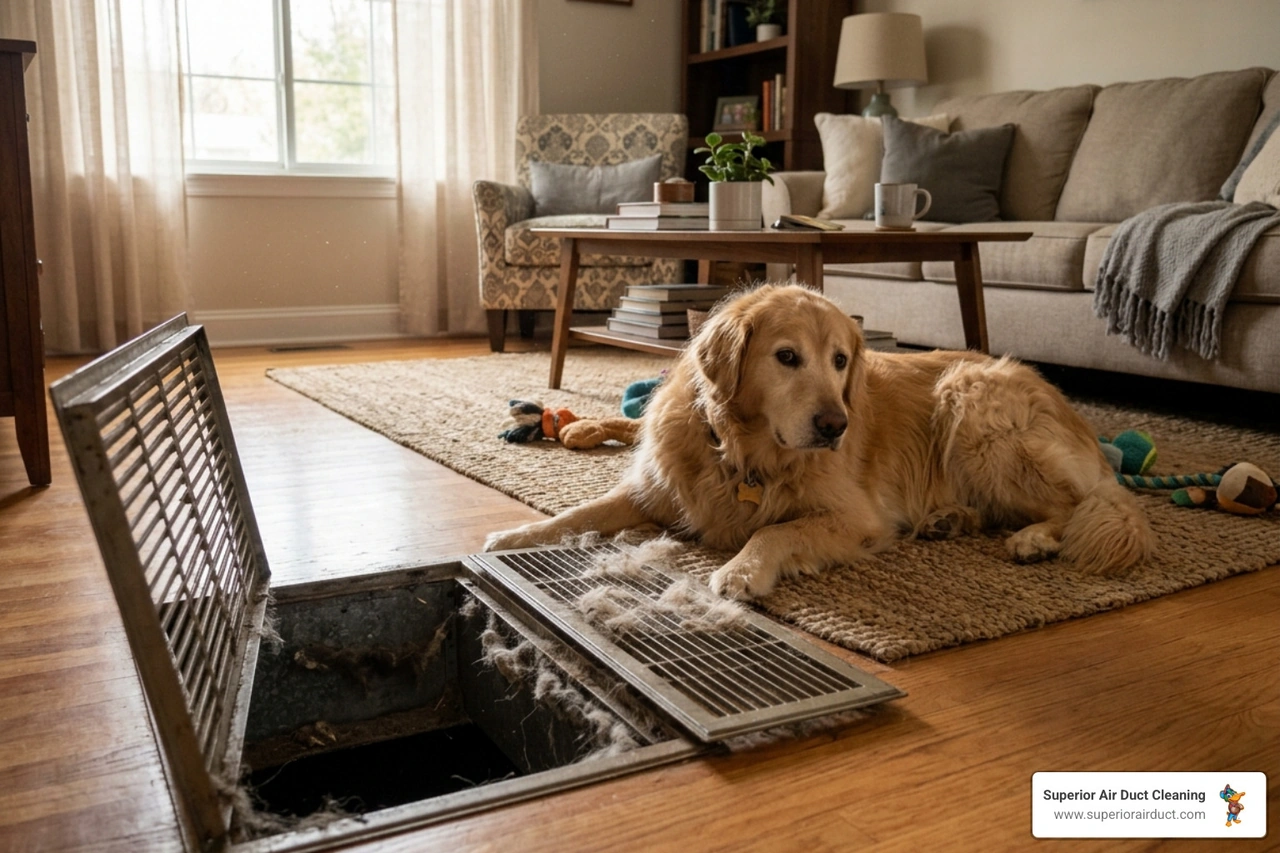
To understand why fall indoor air quality often plummets, you have to look at what happens inside your ventilation system during the summer months. Idle or cooling-focused ductwork acts as a cavernous collection zone. Over several months, heavy particulates, pet dander, microscopic skin cells, and household dust settle along the bottom of horizontal duct runs. Because cold air from an air conditioner is denser and often moves at a different velocity than heated air, certain sections of your ductwork may experience lower airflow, allowing debris to accumulate undisturbed.
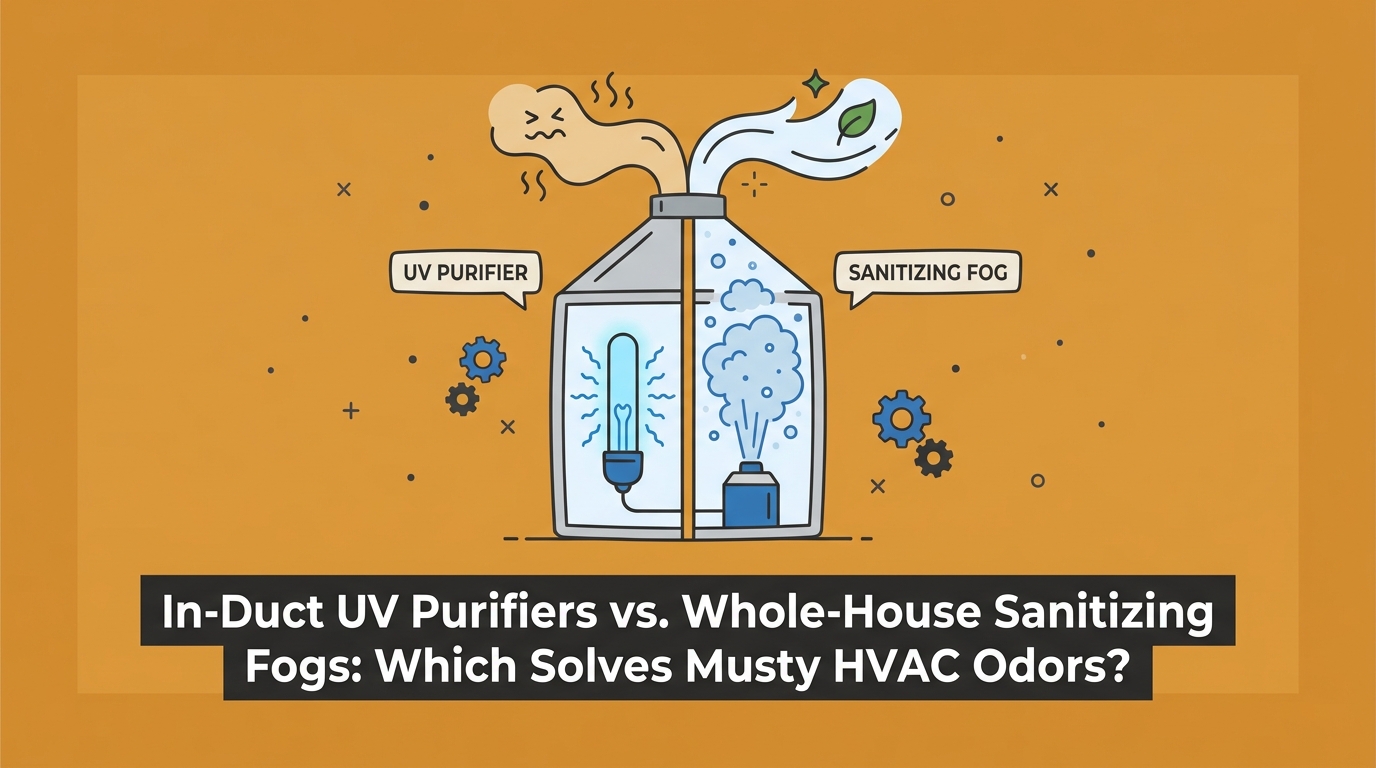
The mechanical reality of the seasonal transition is abrupt. When the furnace blower activates for the fall heating season, it forcefully pushes high-velocity warm air through these precise channels. The sudden change in temperature and air pressure lifts dried, settled particulates and forcefully distributes them into your living spaces. This sudden systemic circulation is often the root cause of unexpected fall allergy flare-ups, persistent coughing, and a general decline in respiratory comfort. Addressing the biological and particulate load inside the system through comprehensive whole house sanitizing can neutralize these hidden contaminants before they degrade your winter air quality.
How Humidity Impacts Particulate Accumulation
In regions like Western Pennsylvania, the climate plays a massive role in how dirty your ducts become. The high summer humidity introduces significant moisture into the ductwork, especially when warm, unconditioned air meets the cold metal of air conditioning ducts. This condensation acts as an adhesive.
• Moisture as a binding agent: Airborne dust, dander, and pollen stick to the damp walls of the ductwork, forming a stubborn, caked-on layer rather than loose dust.
• The drying process: As the humid summer transitions into the dry, heated air of freezing winter heating cycles, this caked-on layer begins to dehydrate, crack, and flake.
• Airborne distribution: The resulting airborne debris severely degrades indoor air quality, as the blower motor detaches these dried flakes and pushes them through the supply registers into every room of the home.
Distinguishing Normal Burn-Off from Systemic Contamination
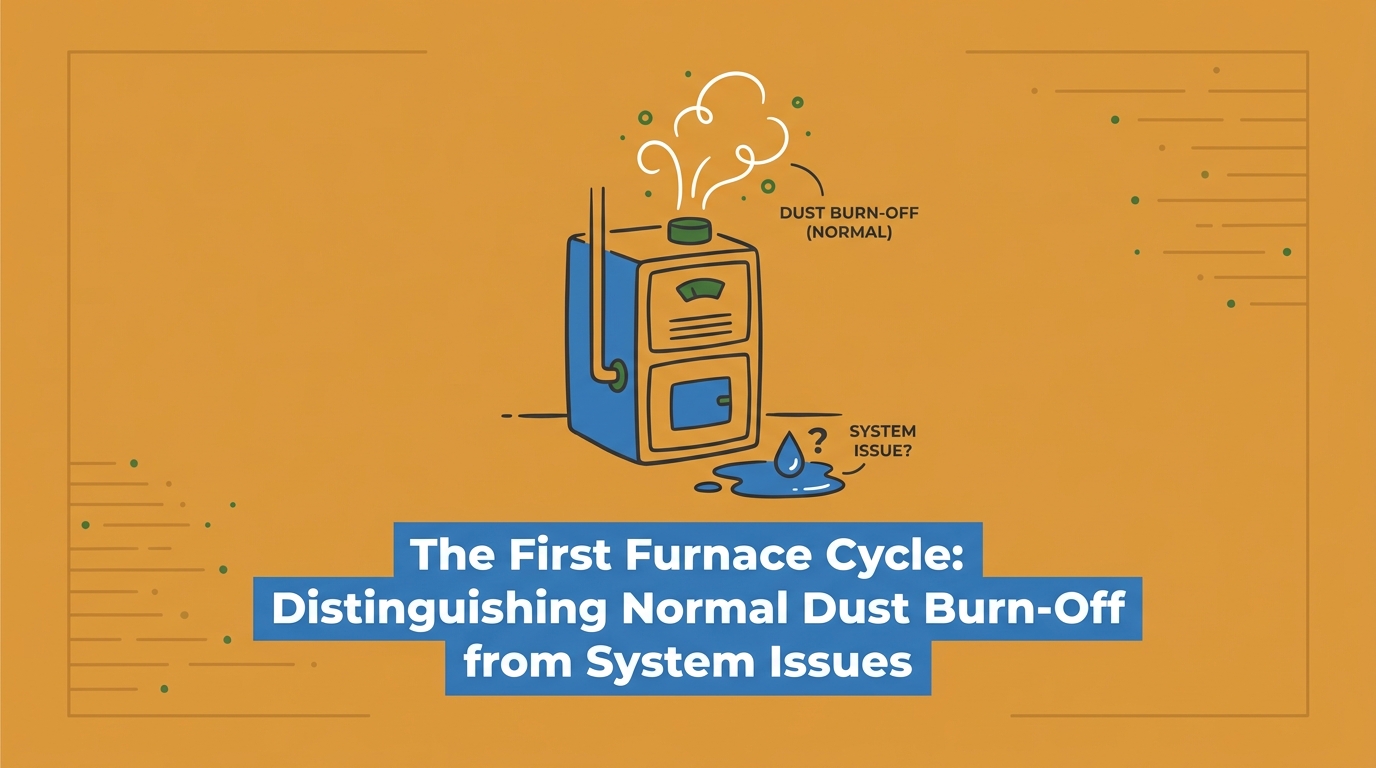
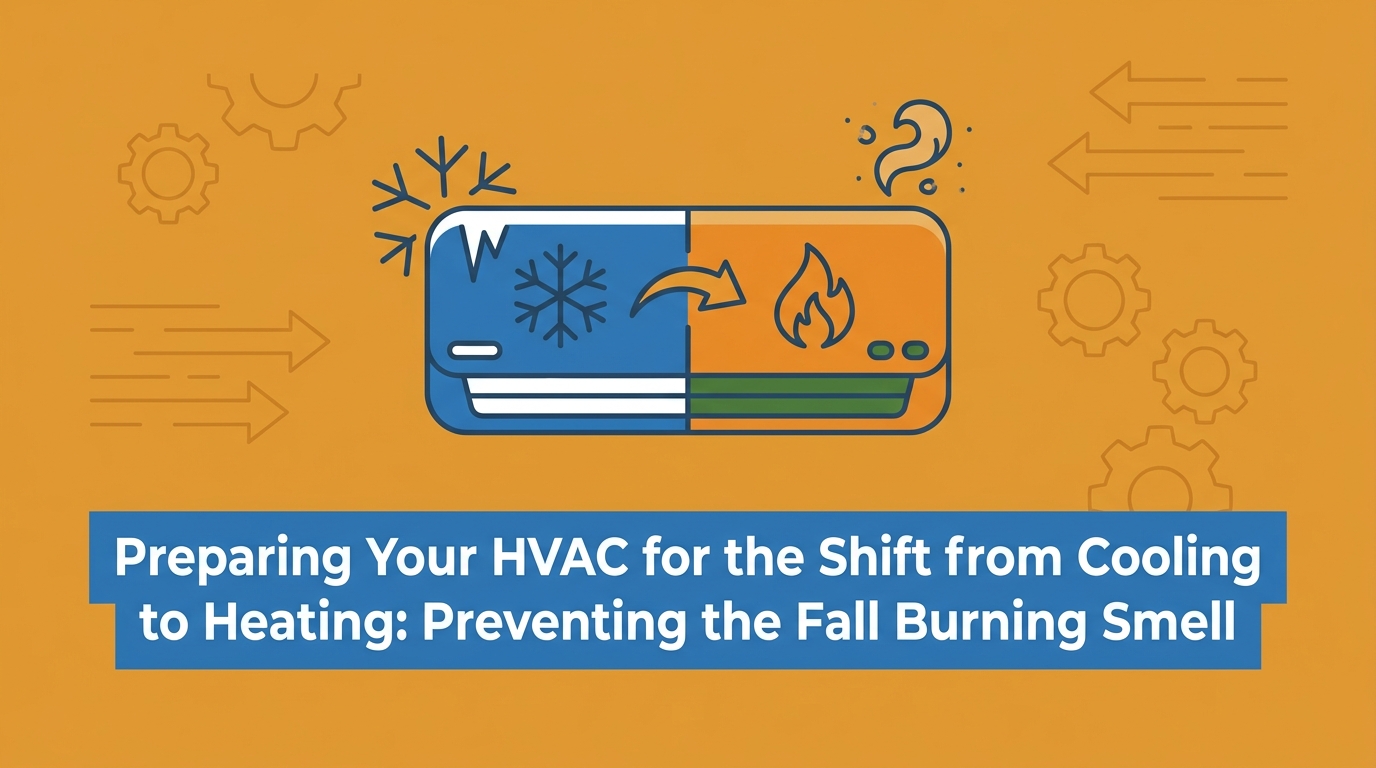
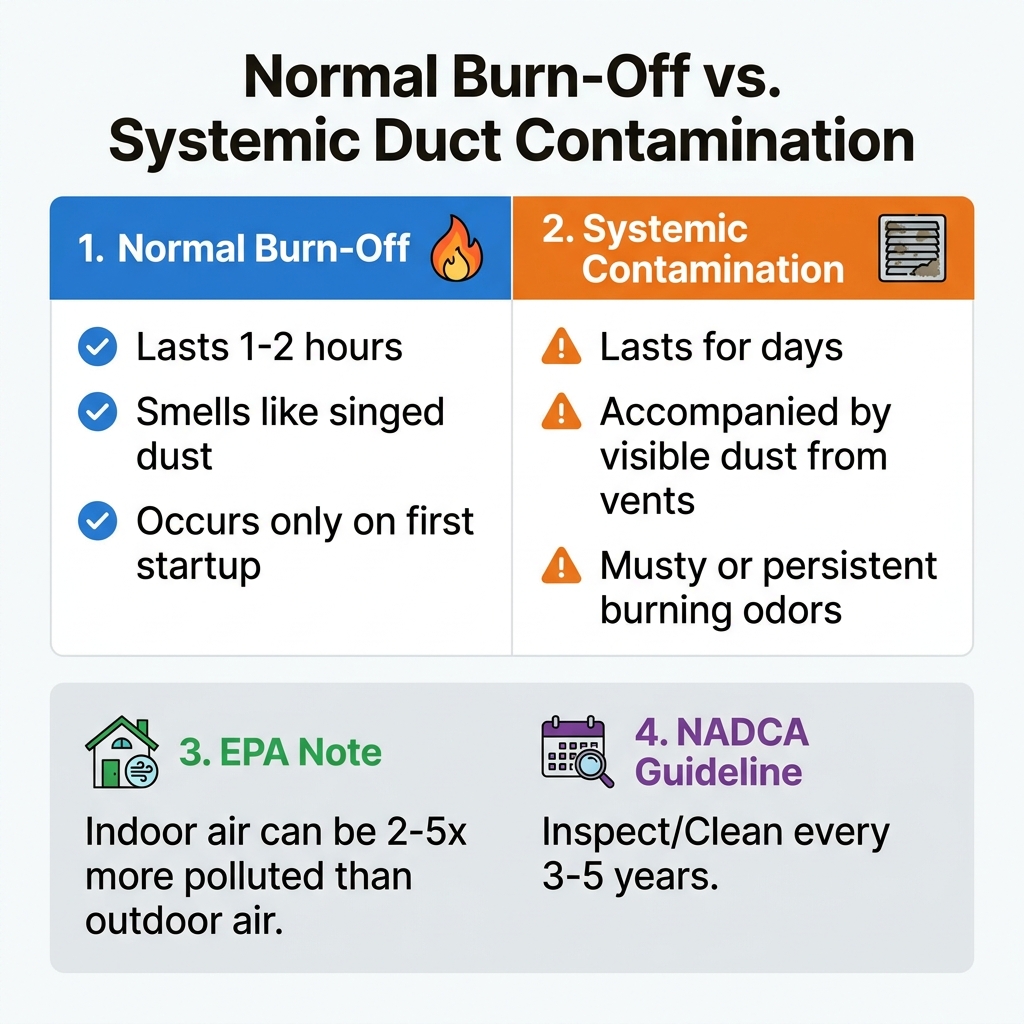
Every homeowner experiences some level of odor during the initial mid-fall heating startup. The challenge lies in distinguishing a harmless, temporary mechanical process from a systemic ventilation issue that requires professional intervention. Normal burn-off is a brief event. Over the summer, a thin layer of household dust settles directly onto the furnace's heat exchanger or heating elements. When the system fires up, these components reach high temperatures rapidly, incinerating that thin layer of dust. This produces a distinct singed smell that typically dissipates within a few hours of operation.
Systemic contamination presents an entirely different set of symptoms. If the odor persists for days, or if it is accompanied by a stale, musty smell, the issue extends beyond the furnace itself. Persistent odors often indicate that the ductwork is harboring significant debris, biological growth, or decaying organic matter. A typical pattern we see involves families transitioning into new properties where the previous owners neglected maintenance. In one instance, a family moved into a new house and experienced severe allergies for their children once the system began circulating air. After cleaning and sanitizing the vents and the furnace thoroughly, the family was able to breathe and sleep better with cleaner air.
• Duration of Odor — Normal Burn-Off: 1 to 3 hours during the very first heating cycle. — Systemic Duct Contamination: Persists for days or returns every time the blower activates.
• Type of Smell — Normal Burn-Off: Brief, dry singed dust or a hot metal scent. — Systemic Duct Contamination: Musty, stale, deeply dusty, or persistent burning odors.
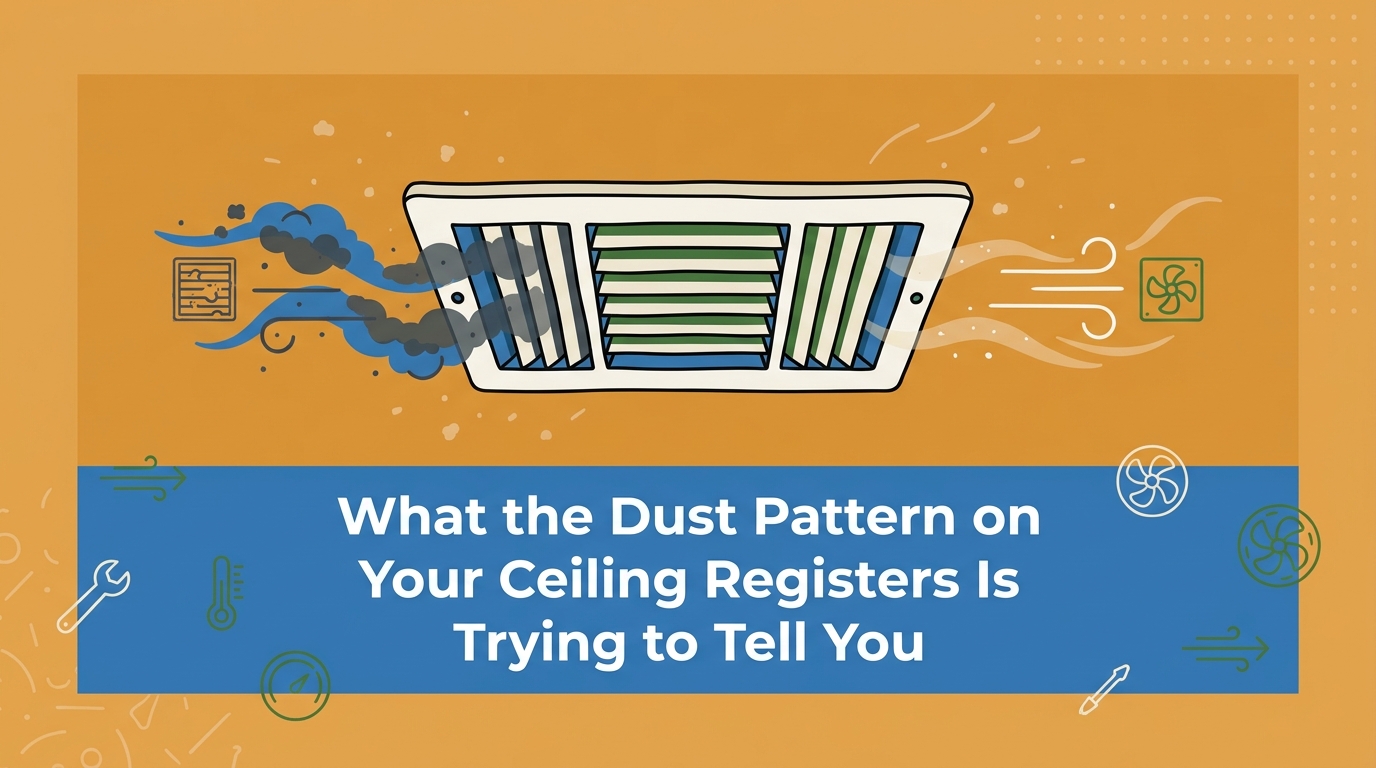
• Visible Evidence — Normal Burn-Off: No visible particles entering the living space. — Systemic Duct Contamination: Visible dust clouds, debris, or dark streaks around vent covers.
• Health Impact — Normal Burn-Off: Minimal to none; perhaps a brief annoyance. — Systemic Duct Contamination: Triggered allergies, sneezing, congestion, and respiratory irritation.
How Accumulated Particulates Impact Indoor Air Quality
The health and environmental impacts of dirty ductwork are well-documented by environmental and air quality authorities. The Environmental Protection Agency (EPA) notes that indoor air can be two to five times more polluted than outdoor air. This statistic becomes particularly relevant in the fall and winter when homes are tightly sealed for energy efficiency. When your forced-air system is heavily contaminated, it acts as a continuous distribution network for indoor pollutants, recycling the same stale, particle-laden air up to seven times a day.
The timing of the heating season startup compounds the issue. The fall allergy season peaks in October, bringing high concentrations of ragweed and mold spores. When these outdoor allergens enter the home, they are pulled into the return vents and trapped in the ductwork. If the system is dirty, these biological contaminants mix with existing pet dander and dust. The continuous circulation of this concentrated allergen mix severely impacts household comfort and respiratory health, leading to morning congestion, dry throats, and increased asthma symptoms.
To combat this systemic degradation of indoor air quality, the National Air Duct Cleaners Association (NADCA) recommends professional air duct cleaning every three to five years. However, this is a baseline guideline. Homes with multiple shedding pets, recent remodeling projects, or family members with severe seasonal allergies often require more frequent intervals to maintain optimal air quality and system efficiency.
The Science of Professional Extraction: Beyond Superficial Sweeps
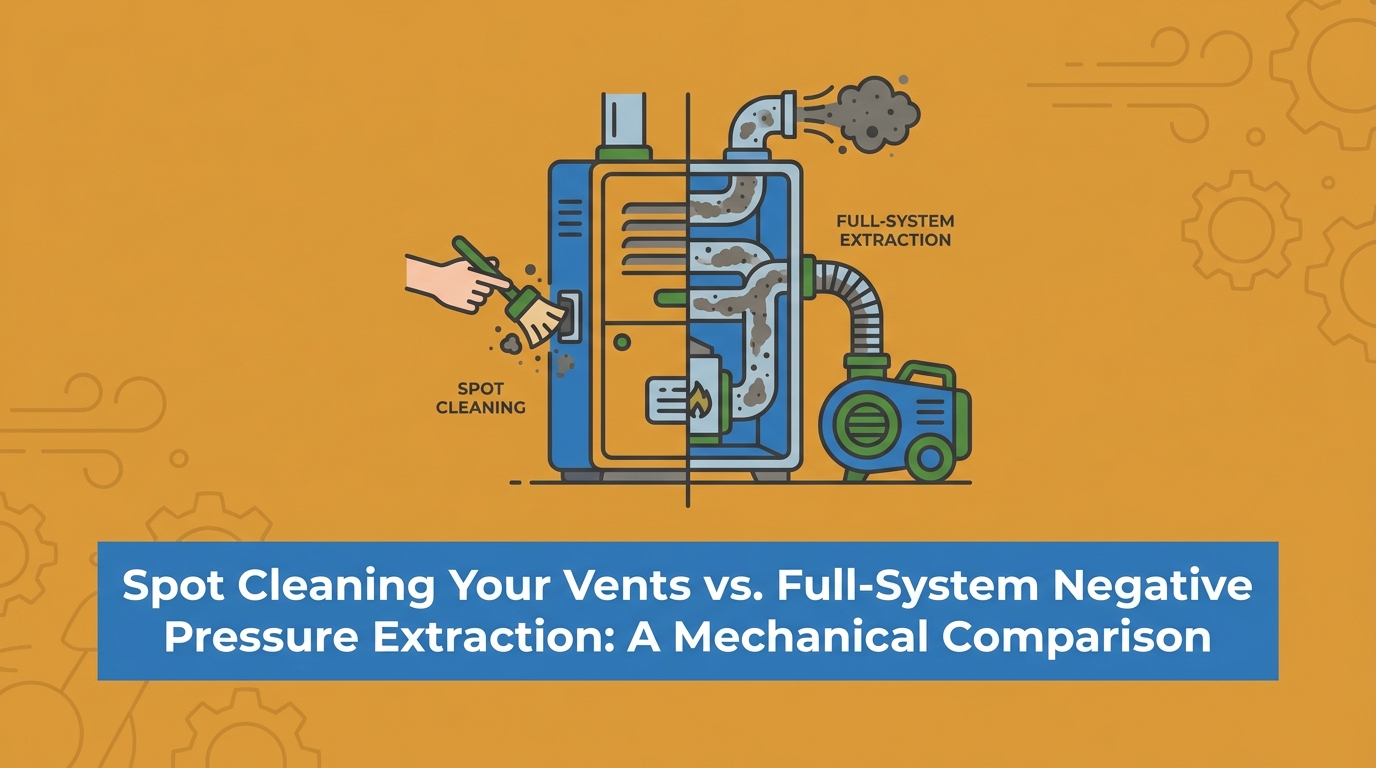
Resolving severe seasonal buildup requires specialized equipment and certified protocols. Many homeowners attempt to mitigate dust by removing vent covers and using a standard household vacuum to reach as far as the hose allows. While this removes superficial debris at the register, it does absolutely nothing for the main trunk lines running through the center of the home. Basic vacuuming lacks the mechanical force necessary to dislodge caked-on seasonal buildup that has bonded to the duct walls.
Professional extraction relies on advanced physics and specialized tooling. NADCA-certified technicians use specialized equipment to ensure a comprehensive, safe, and verifiable clean rather than a superficial sweep. This certification ensures that the technicians understand the intricacies of HVAC components and know how to clean the system without damaging sensitive fan blades or heat exchangers. If you want to ensure the job is done to industry standards, it is always wise to verify a duct cleaning company is NADCA certified before allowing them to alter your system.
The professional extraction process generally follows a strict mechanical sequence:
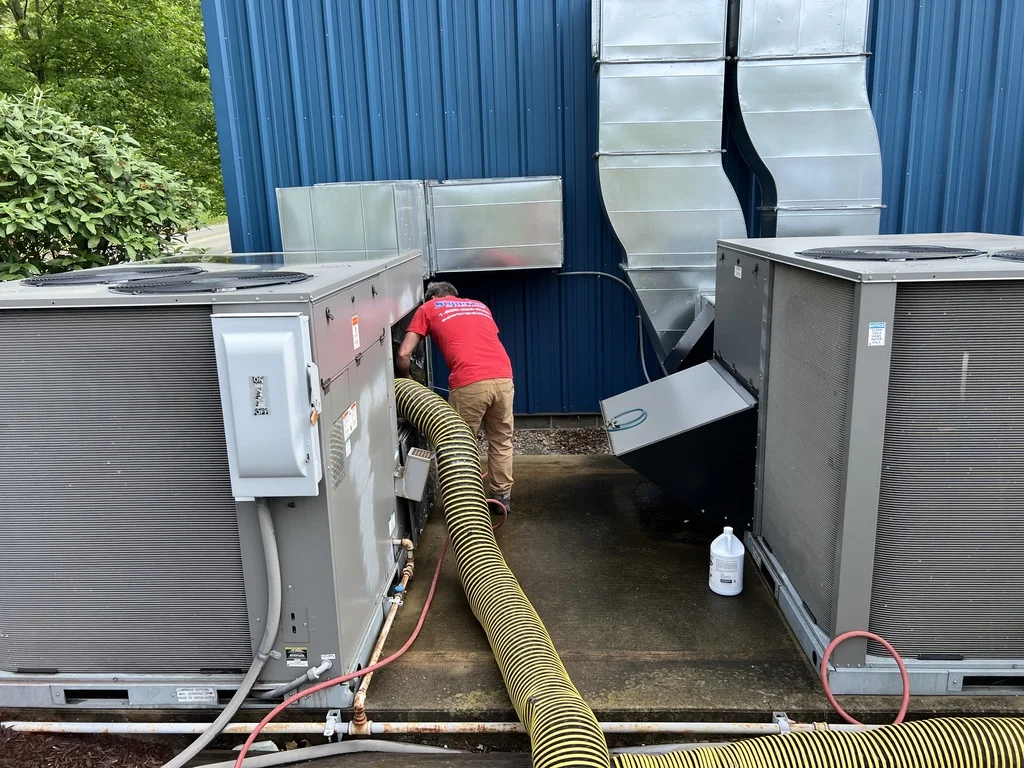
1. System Isolation and Negative Pressure: The entire duct network is sealed, and a high-powered vacuum is attached to the main trunk line, placing the entire system under intense negative pressure.
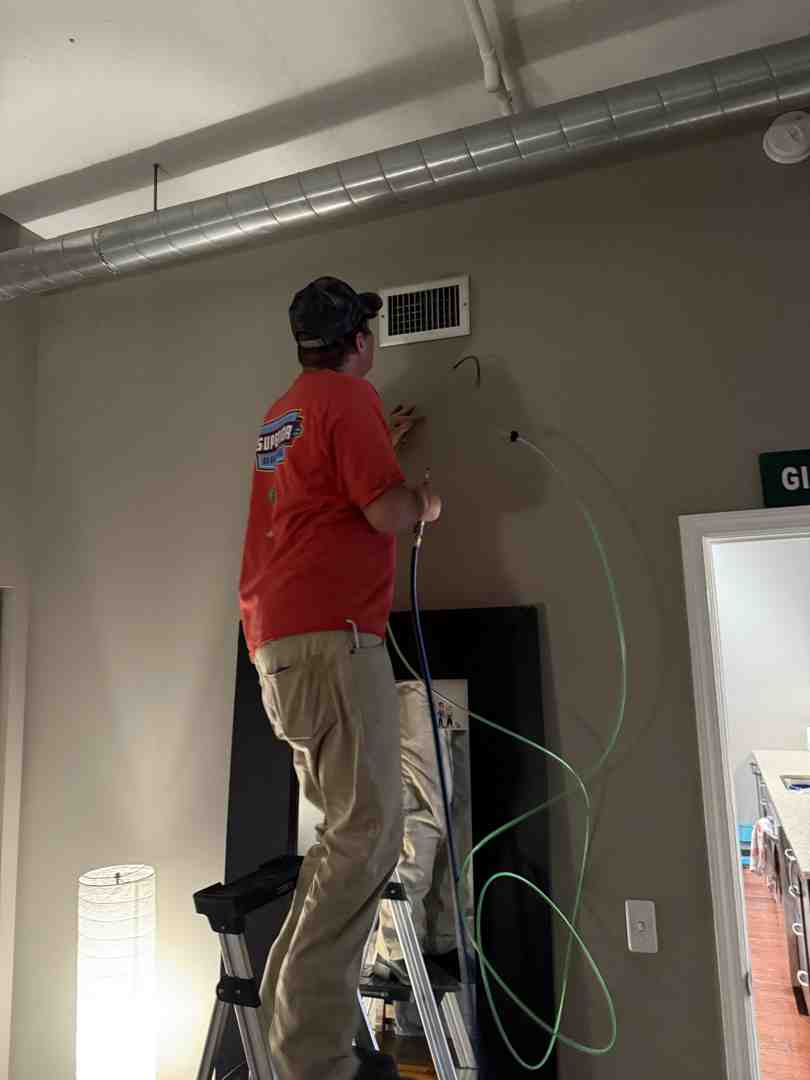
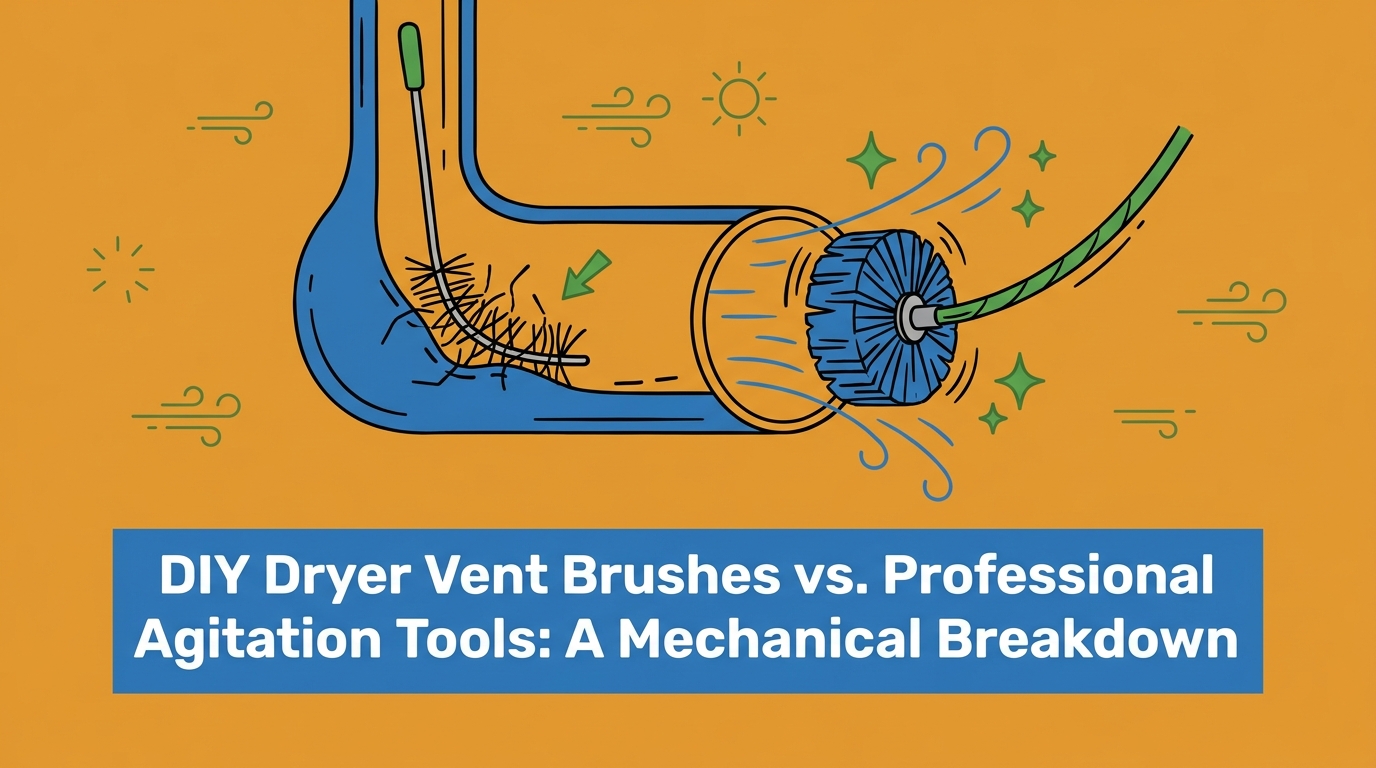
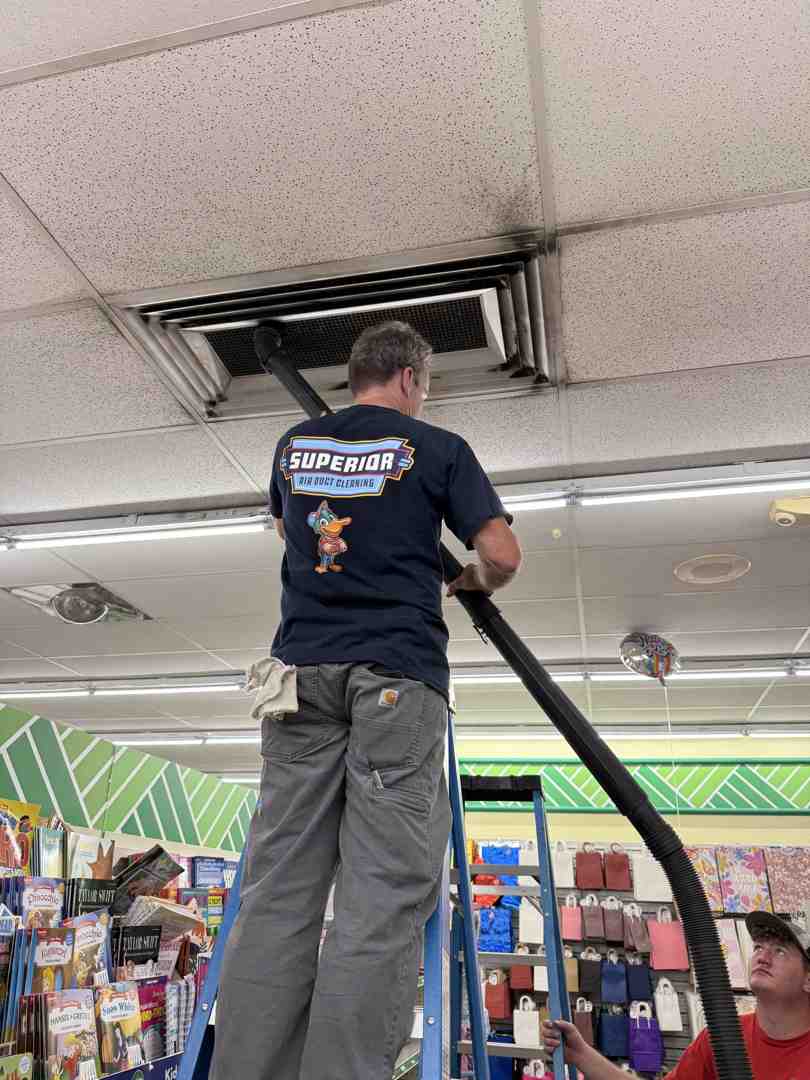
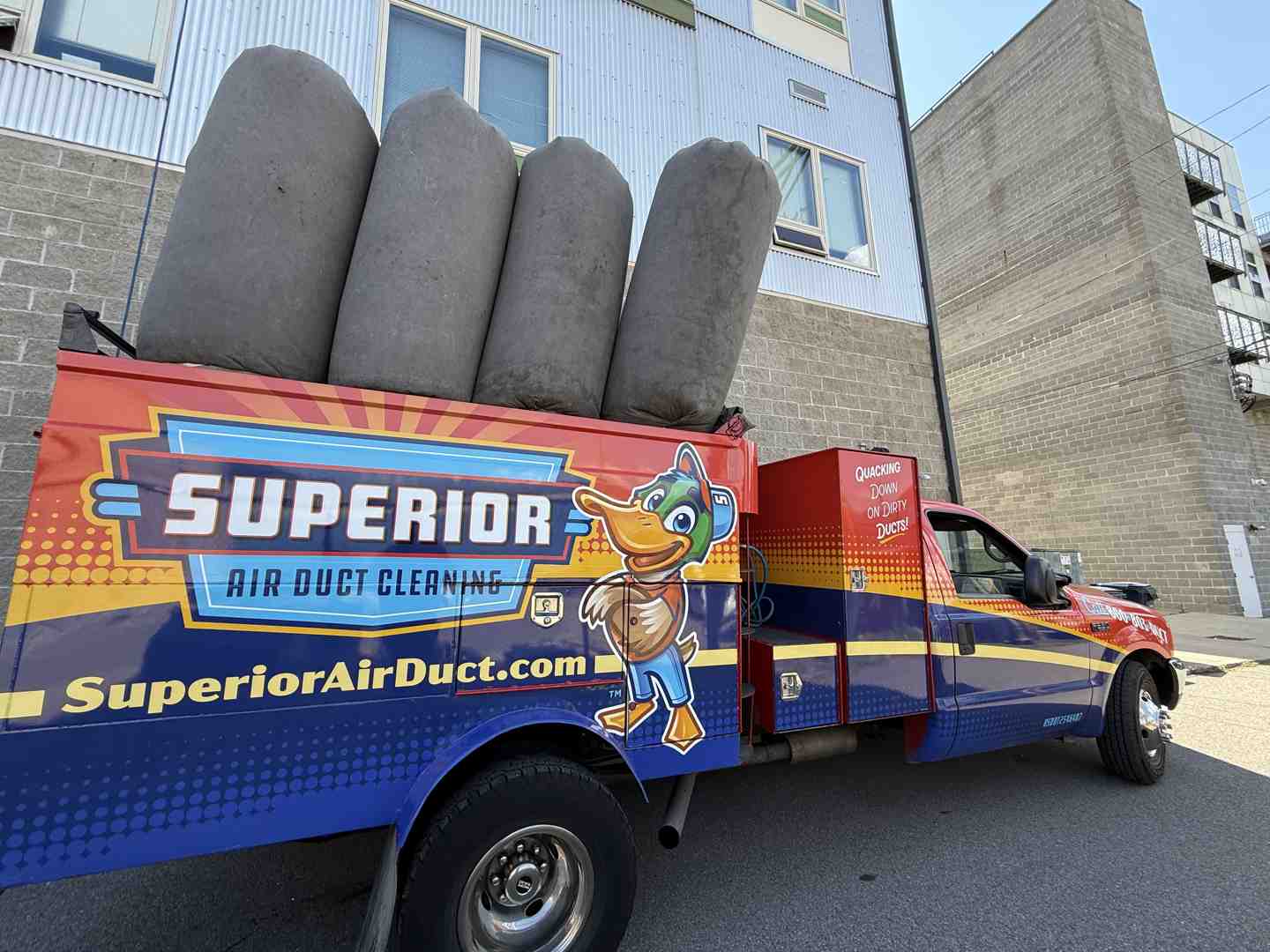
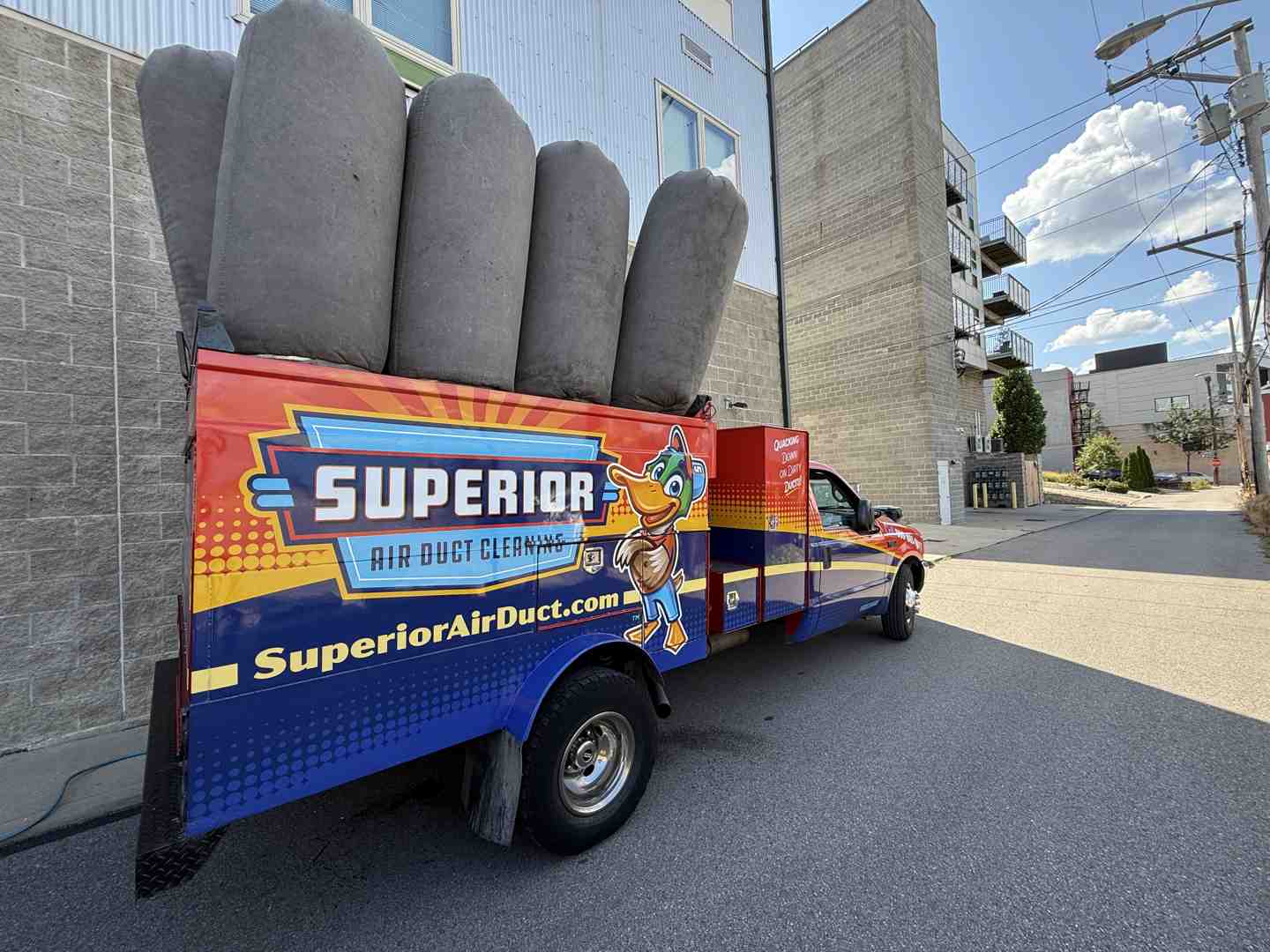
2. Mechanical Agitation: Technicians insert specialized pneumatic whips, rotary brushes, and compressed air tools into every individual supply and return line to physically dislodge caked-on dirt.
3. Directional Extraction: The negative pressure acts as a powerful directional current, immediately pulling the newly dislodged particulates out of the home and into a contained filtration system.
4. Component Cleaning: The blower motor, evaporator coil, and drip pans are meticulously cleaned to ensure no residual dirt is left to re-contaminate the freshly cleaned ducts.
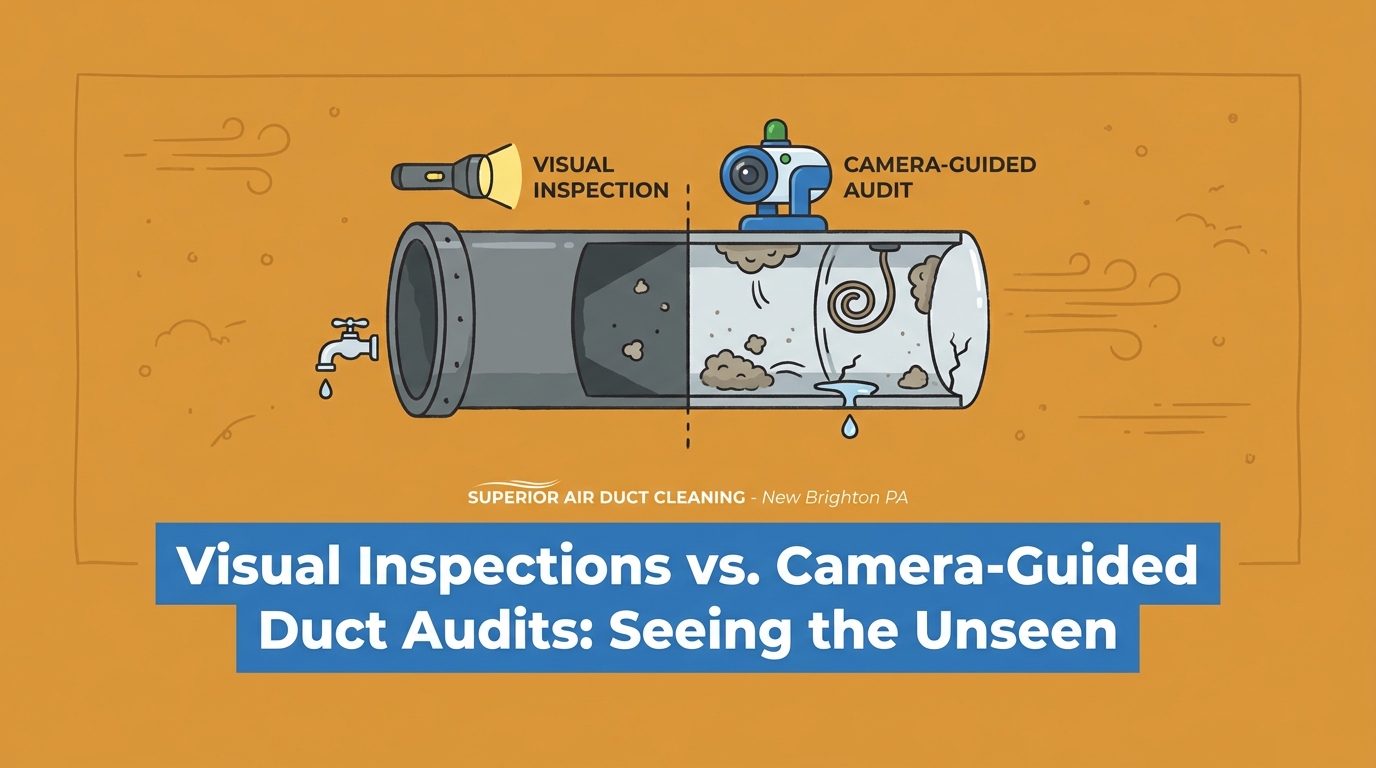
5. Visual Verification: The process concludes with verifiable results, often utilizing specialized cameras to provide before-and-after visual confirmation of the clean metal interior.
Comprehensive Maintenance: Beyond the Main Ductwork
Indoor air quality is a holistic system involving multiple ventilation pathways. While the main HVAC ductwork is the primary lung of the home, other exhaust systems play a crucial role in maintaining building health and safety. Neglecting these secondary ventilation systems can lead to severe consequences that go far beyond a musty smell.
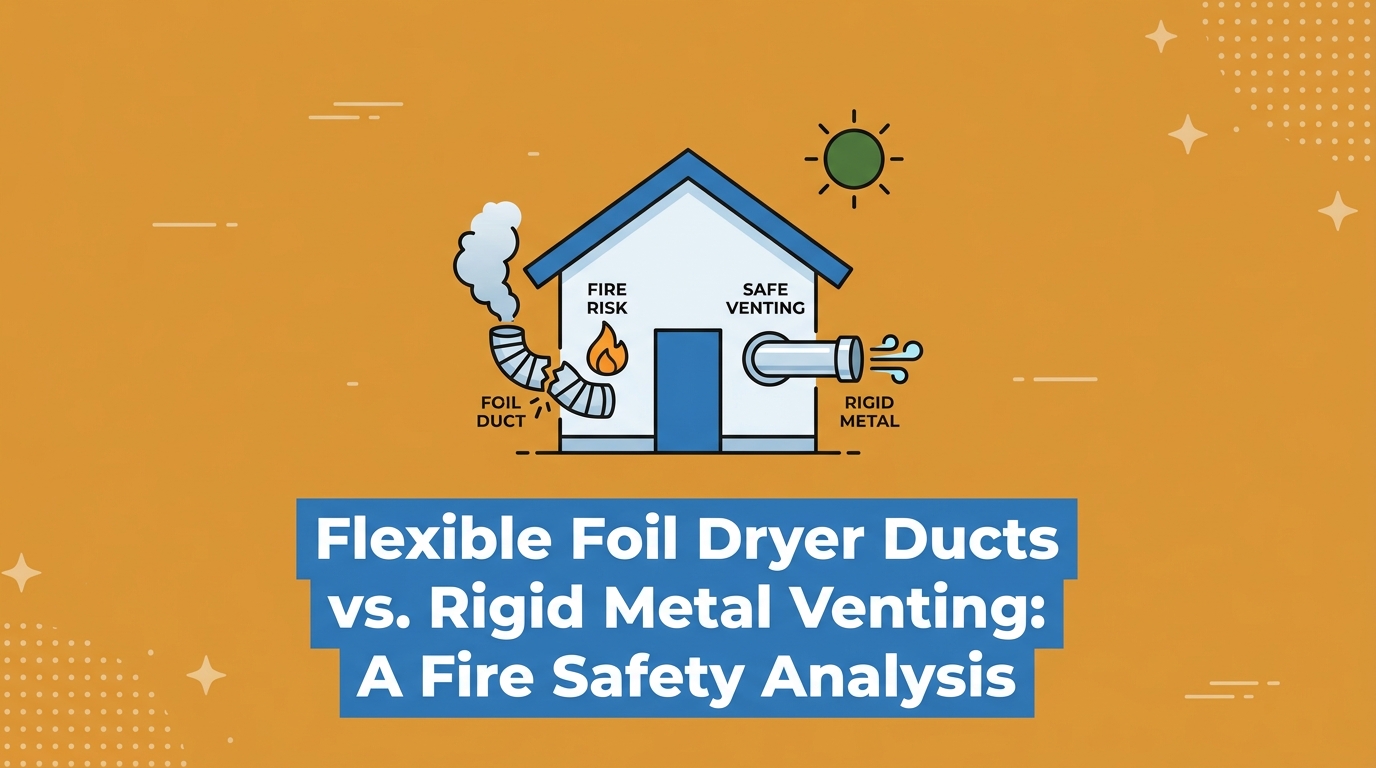
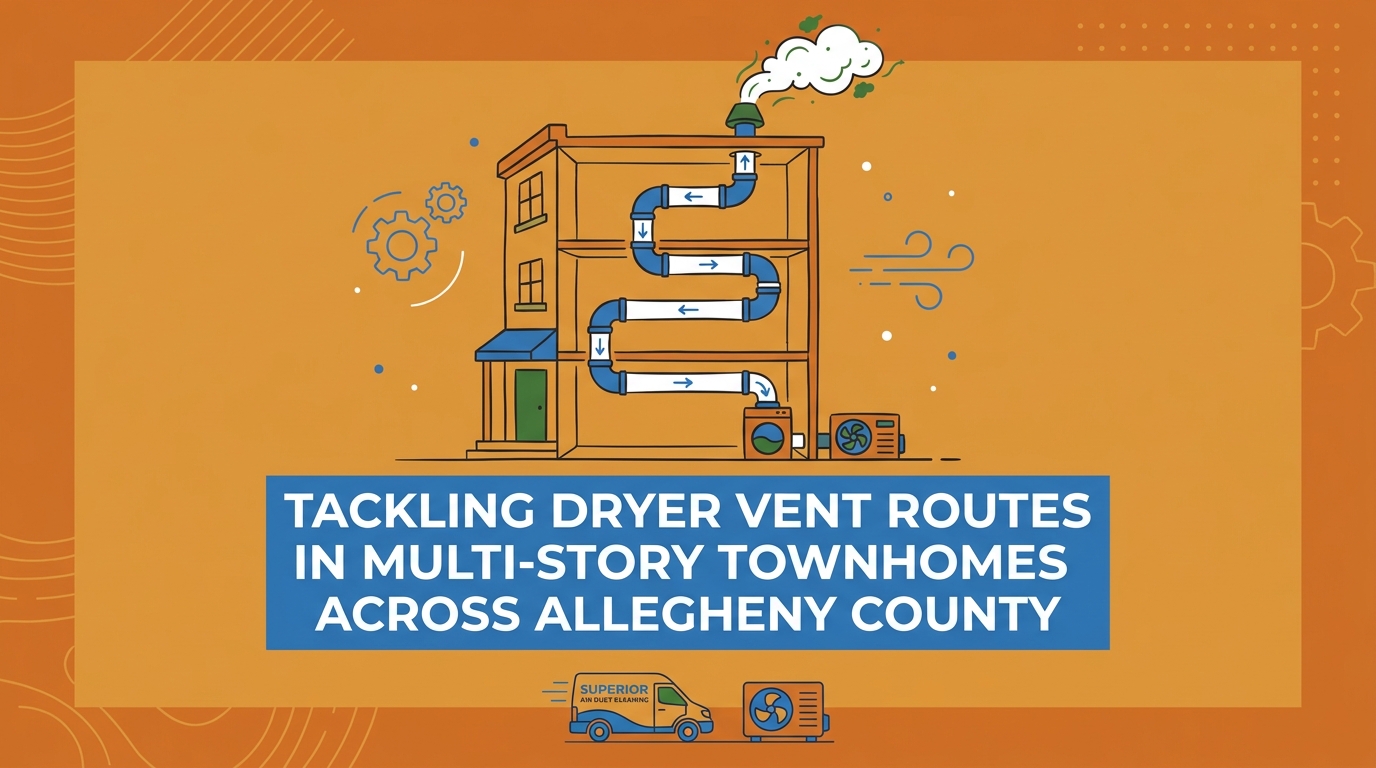
For example, neglected laundry exhaust vents are a prime source of household inefficiency and danger. Just as moisture and dust combine in HVAC ducts, hot moisture and lint combine in exhaust lines to create dense, restrictive blockages. These blockages force the appliance to work harder, driving up utility bills and creating a substantial fire hazard. Integrating dryer vent cleaning into your seasonal maintenance routine ensures that all air moving out of your home flows safely and efficiently.
Applying These Principles to Larger Properties
The same principles of particulate accumulation and airflow restriction apply to larger properties, complex multi-story layouts, and commercial spaces. In fact, larger HVAC zones experience amplified particulate buildup due to the sheer volume of air being processed and the length of the duct runs.
• Amplified Buildup: Longer duct runs provide more surface area for dust and biological contaminants to settle and bond.
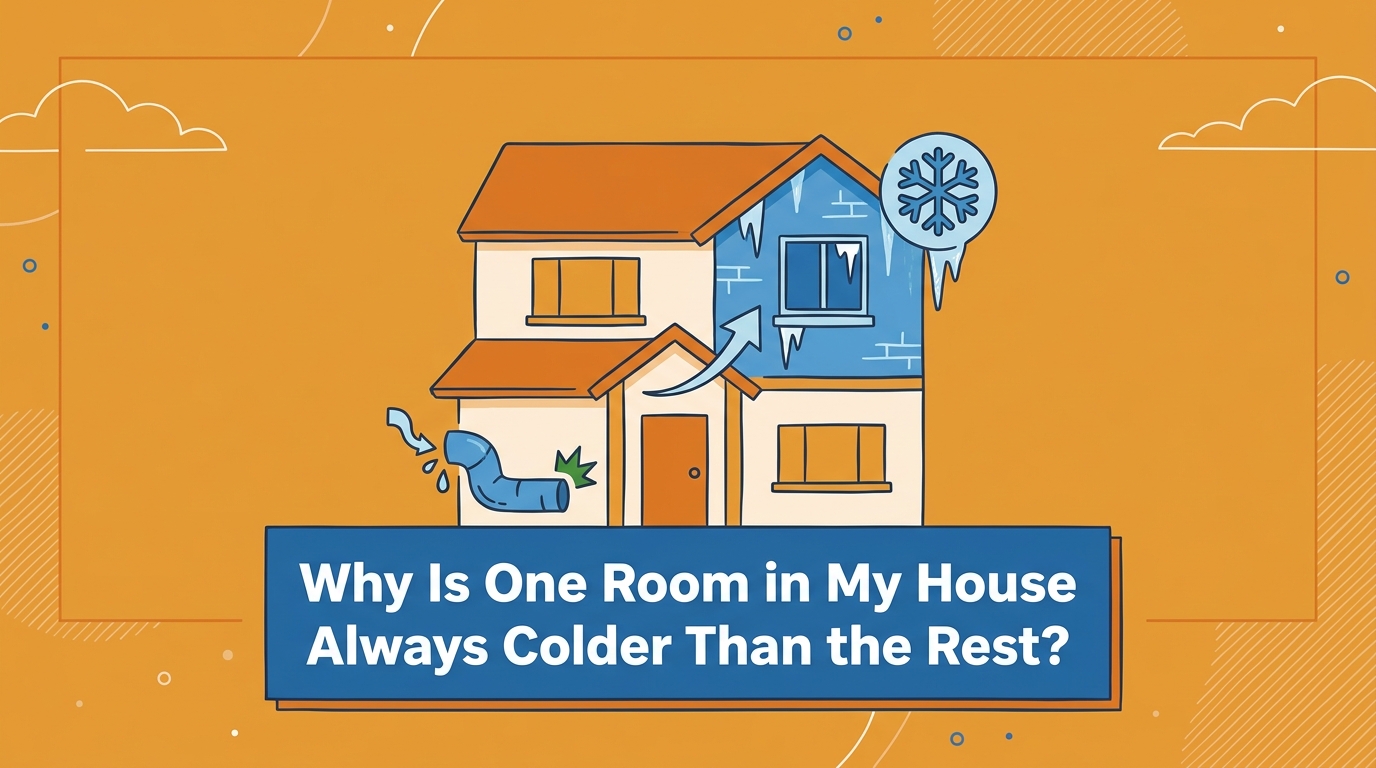
• Airflow Management: Proper airflow management is critical for consistent heating across expansive spaces; blocked ducts lead to significant hot and cold spots.
• System Stress: When commercial blowers have to push against heavy particulate resistance, the mechanical strain drastically reduces the lifespan of the equipment.
Frequently Asked Questions About Fall HVAC Odors and Duct Health
Before addressing specific residential concerns, it is important to note that larger facilities face similar challenges. Facility managers exploring commercial duct cleaning will find that the same biological and mechanical principles apply at scale. Here are the most common questions homeowners ask regarding furnace startup and duct maintenance.
Why does my furnace smell like burning dust when I turn it on?
This odor is caused by the sudden incineration of dust that has settled on the furnace's heat exchanger during the idle summer months. When the heating elements reach their operating temperature for the first time, this thin layer of debris burns off rapidly. The smell is a normal mechanical byproduct of the seasonal transition. However, it should dissipate entirely within the first few hours of continuous heating operation.
How do I know if my air ducts need to be cleaned?
The clearest indicators of dirty air ducts are visible dust blowing out of the supply registers, persistent musty odors when the system runs, and unexplained increases in indoor allergy symptoms. You may also notice dark, web-like streaks forming on the walls or ceiling immediately surrounding the vent covers. If you change your furnace filter and it becomes clogged with heavy debris within just a few weeks, your ductwork likely requires professional extraction.
What is normal furnace burn-off smell?
Normal furnace burn-off smells similar to singed hair, dry hot metal, or lightly toasted dust. It occurs exclusively during the first one or two heating cycles of the fall season. The crucial defining factor of a normal burn-off is its short duration; once the initial layer of settled dust is cleared from the heating elements, the smell will vanish and should not return for the rest of the winter.
How often should you clean your air ducts?
Industry standards established by NADCA recommend scheduling a professional inspection and cleaning every three to five years. This timeline should be accelerated if you have multiple pets that shed heavily, if you have recently completed a dusty home renovation, or if residents suffer from severe asthma or respiratory conditions. Regular visual inspections of your vent covers and furnace filter can help you determine if you need service sooner than the three-year mark.
What happens if you don't clean your air ducts?
Neglecting air duct maintenance allows dust, pet dander, and potential biological growth to accumulate and continuously recirculate through your living space. This degrades indoor air quality, exacerbates respiratory issues, and forces your HVAC system to work harder to push air through restricted passages. Over time, this added mechanical strain can lead to premature component failure and significantly higher monthly energy consumption.
Can dirty air ducts cause my furnace to run less efficiently?
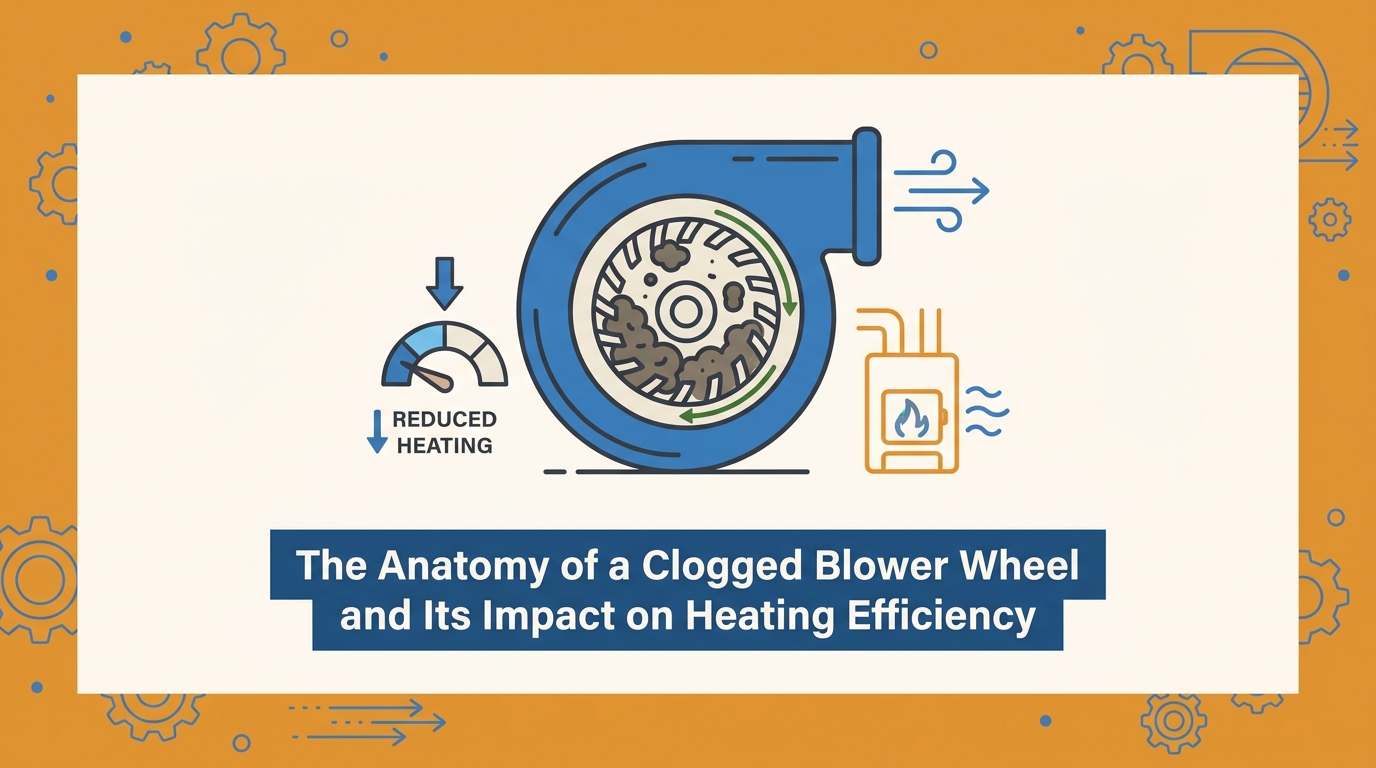
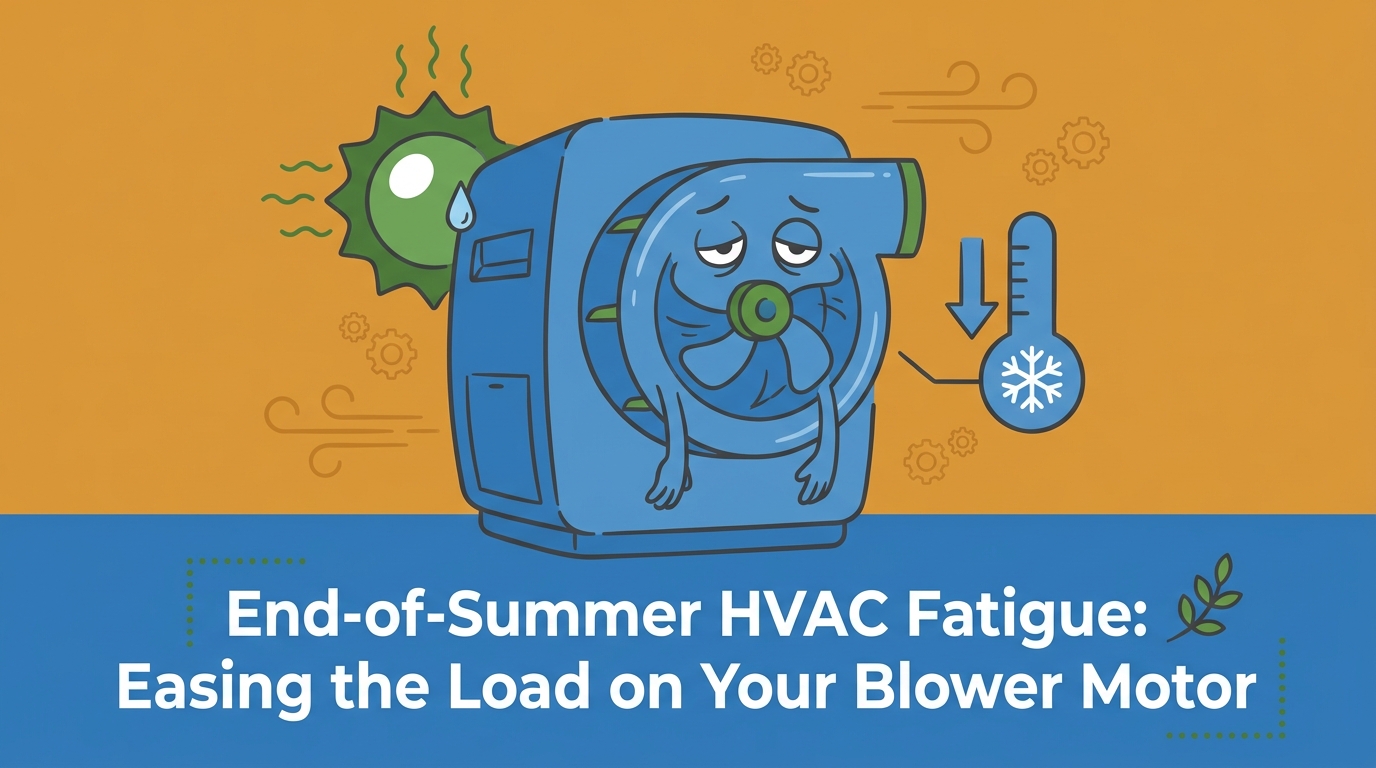
Yes, heavy particulate accumulation in your ductwork directly restricts airflow, which is the lifeblood of any HVAC system. When airflow is impeded, the blower motor must run longer and work harder to achieve the temperature set on the thermostat. This prolonged operation consumes excess energy, increases wear and tear on mechanical parts, and often results in uneven heating throughout the home.
Establishing a Baseline for Clean Indoor Air This Season
Addressing persistent heating startup odors early in the season is one of the most effective ways to protect your home's indoor air quality. By understanding the mechanical realities of how idle summer ductwork accumulates debris—and how the sudden force of the fall furnace blower distributes it—you are better equipped to make informed maintenance decisions. A brief, temporary singed smell is a normal part of the seasonal transition, but persistent odors, visible dust, and lingering indoor allergies are clear signals that your ventilation system is struggling.
Understanding these mechanics empowers you to take control of your home's environment before the freezing weather sets in. If you find that the burning dust odor lasts for days, or if your family is experiencing unexplained congestion, it is time to seek an objective evaluation. Professional, NADCA-certified extraction provides the technical thoroughness required to remove caked-on buildup safely, ensuring your home remains clean, efficient, and comfortable all winter long.

Customer Reviews


Superior Air Duct cleaning did a phenomenal job in a timely manner with the tech “Rich” being very professional ,personable and considerate of our property! He explained things as he proceeded and answered all our questions!
I LOVE that they provide before & after photos to see the difference. Give them a try… you won’t regret it
Pam T.
Robert was on schedule and communicated what time he would arrive. He was polite, professional, and respectful of our home. I wanted to wait a couple weeks before posting a review because I wanted to see if the duct cleaning actually made a difference. I am happy to say it did! I vacuum multiple times a week and have already noticed a significant reduction in the amount of dust cleaned up each time. As a home with pets, there will always be something to clean, but getting the ducts cleaned has definitely helped improve the air quality and reduce the dust.
alice A.
Technician Rob arrived early explained the days agenda and then proceeded to work methodically and meticulously over the next 6+ hours cleaning my ductwork. Courteous and professional they answered all of my questions and went above and beyond the call of duty. They even located an old dusty box of rat poison buried in our vents. My only regret is not finding these guys sooner. As a realtor of 22 years and owner of a newly purchased (now dust free) home I highly recommended!
Eric K.
Excellent service! I’ve used them to clean out my air ducts as well as my dryer vent duct and they are excellent. I was very pleased with both jobs and will continue to use them in the future. Great communication as well- from the time I scheduled the appointment until they were at my door.
Erika C.
We had such an amazing experience with Superior Air Duct Cleaning. They were so nice and friendly and did an amazing job. I loved seeing the before and after pictures. Besides doing an amazing job cleaning our air ducts they were so quick at responding and setting up the appointment. We will definitely be using them in the future.
Amanda C.