Hearing Unfamiliar AC Noises? Decoding the Rattle in Your Vents
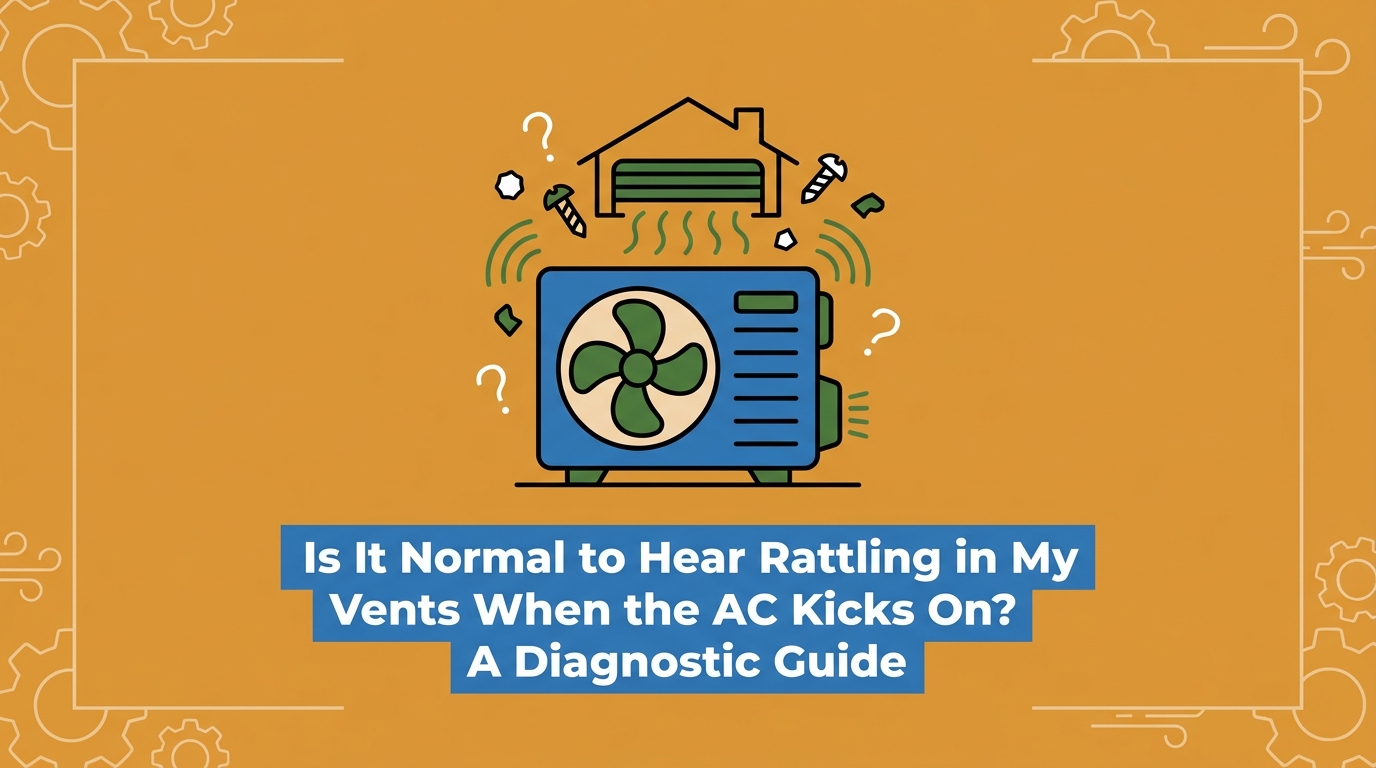
Homeowners frequently ask us, "Is It Normal to Hear Rattling in My Vents When the AC Kicks On?"—and the answer depends on whether your AC is actually broken or your ductwork is just reacting to the intense heat. You walk past a vent, the thermostat clicks, and suddenly you hear a loud, metallic rattling noise echoing through the walls. During the peak of the August late-summer cooling season, your air conditioning system is working overtime, and every new sound can feel like a warning sign of an impending breakdown.
We always acknowledge the immediate concern: sudden, loud noises from your HVAC system are jarring. However, the core diagnostic challenge lies in separating harmless thermal expansion from actual physical issues within your ductwork. You need to know when to ignore a harmless pop and when to call for a professional inspection to protect your home's indoor air quality and system efficiency.
At Superior Air Duct Cleaning, our team typically sees that aging ductwork requires specialized attention, especially after months of heavy use. As the season progresses and families prepare for the back-to-school transition, minor vulnerabilities in your ventilation system can amplify into noticeable acoustic disturbances. Understanding the root cause of these sounds gives you the clarity to make an informed decision about your home's maintenance needs, preventing minor air leaks from turning into major energy waste.
Normal Noises vs. Abnormal Rattling: What You Need to Know
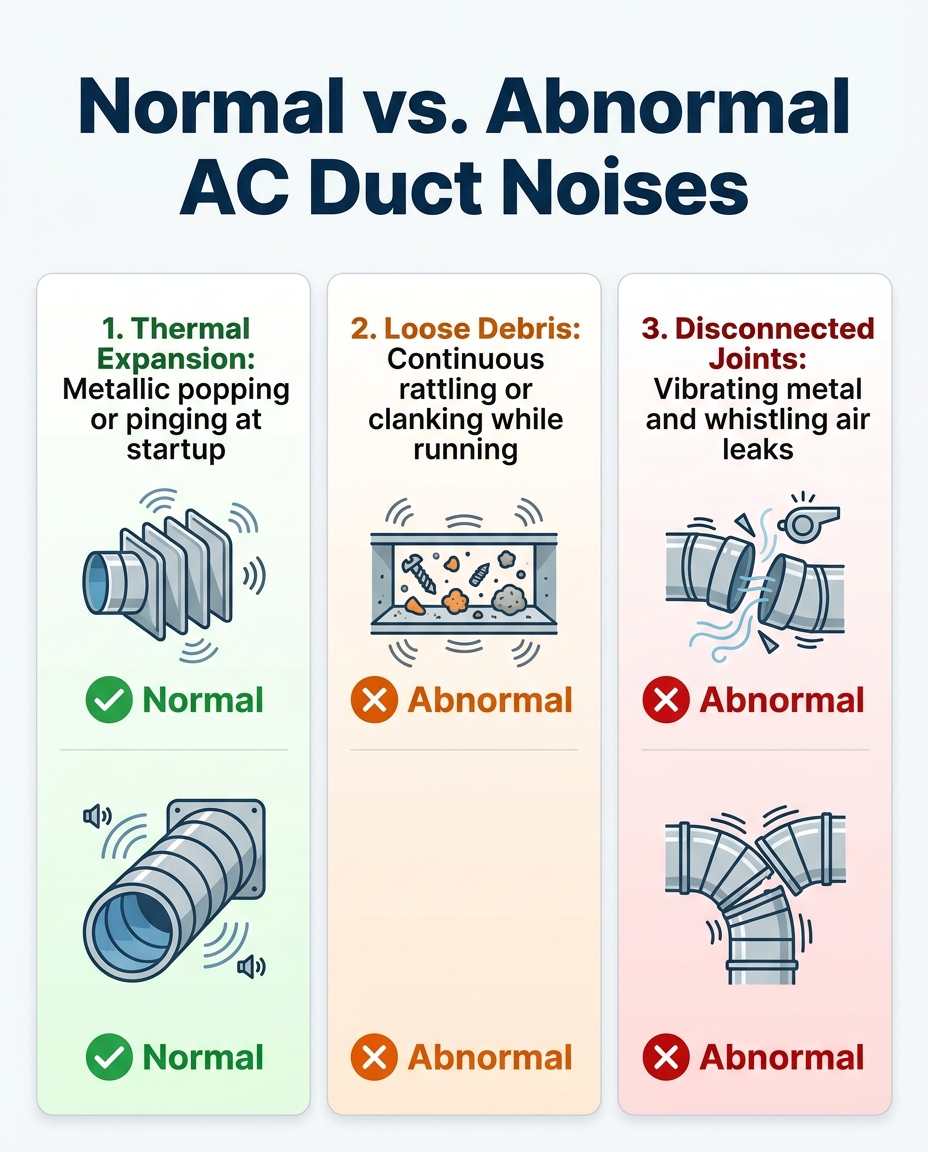
Before assuming your HVAC system requires a major overhaul, you must understand the difference between standard operating sounds and signs of structural failure. Thermal expansion is a natural physical process. As cold, conditioned air rushes through ductwork that has been sitting in a warm attic or wall cavity, the sudden temperature drop causes the sheet metal to contract and expand rapidly.
In New Brighton PA older residential homes, our technicians often find that aging sheet metal ductwork is particularly susceptible to these temperature swings. The resulting sounds are often harmless, but they can be easily confused with more serious mechanical issues if you don't know what to listen for.
• Type of Noise — Normal (Thermal Expansion): Metallic popping, pinging, or a brief creak. — Abnormal (Physical Issue): Continuous rattling, vibrating, clanking, or flapping.
• Duration — Normal (Thermal Expansion): Lasts 10 to 30 seconds immediately after startup or shutdown. — Abnormal (Physical Issue): Persists for the entire duration the air is flowing.
• Likely Cause — Normal (Thermal Expansion): Sheet metal reacting to sudden temperature changes. — Abnormal (Physical Issue): Loose debris, failing joint seals, or unfastened hardware.
• Required Action — Normal (Thermal Expansion): Monitor the system; no immediate repair needed. — Abnormal (Physical Issue): Schedule a professional inspection to locate the blockage or leak.
Abnormal sounds often indicate loose debris tumbling through the system or failing joint seals allowing metal to vibrate against metal. If you are hearing continuous clanking, securing professional air duct cleaning and diagnostic services from an experienced team is the safest way to resolve the underlying issue without damaging fragile ductwork.

How the Timing of the Noise Points to the Problem
The exact moment a noise occurs provides critical diagnostic clues. By paying attention to when the rattling starts and stops relative to your cooling cycle, you can often isolate the root cause before a technician even arrives. This timing is especially telling during the August late-summer cooling season, when systems are cycling frequently.
The Initial Startup Phase
When the blower motor kicks on, two things happen instantly: a sudden change in air pressure and an immediate drop in temperature inside the duct. The sudden air pressure changes cause the flexible walls of the ductwork to flex outward or inward, depending on whether it is a supply or return line. Simultaneously, the immediate temperature drop initiates metal contraction. If the noise you hear is a distinct pop or bang that stops after 60 seconds, it is typically just pressure equalization and thermal adjustment. The system is simply settling into its operating state.
The Continuous Running Phase
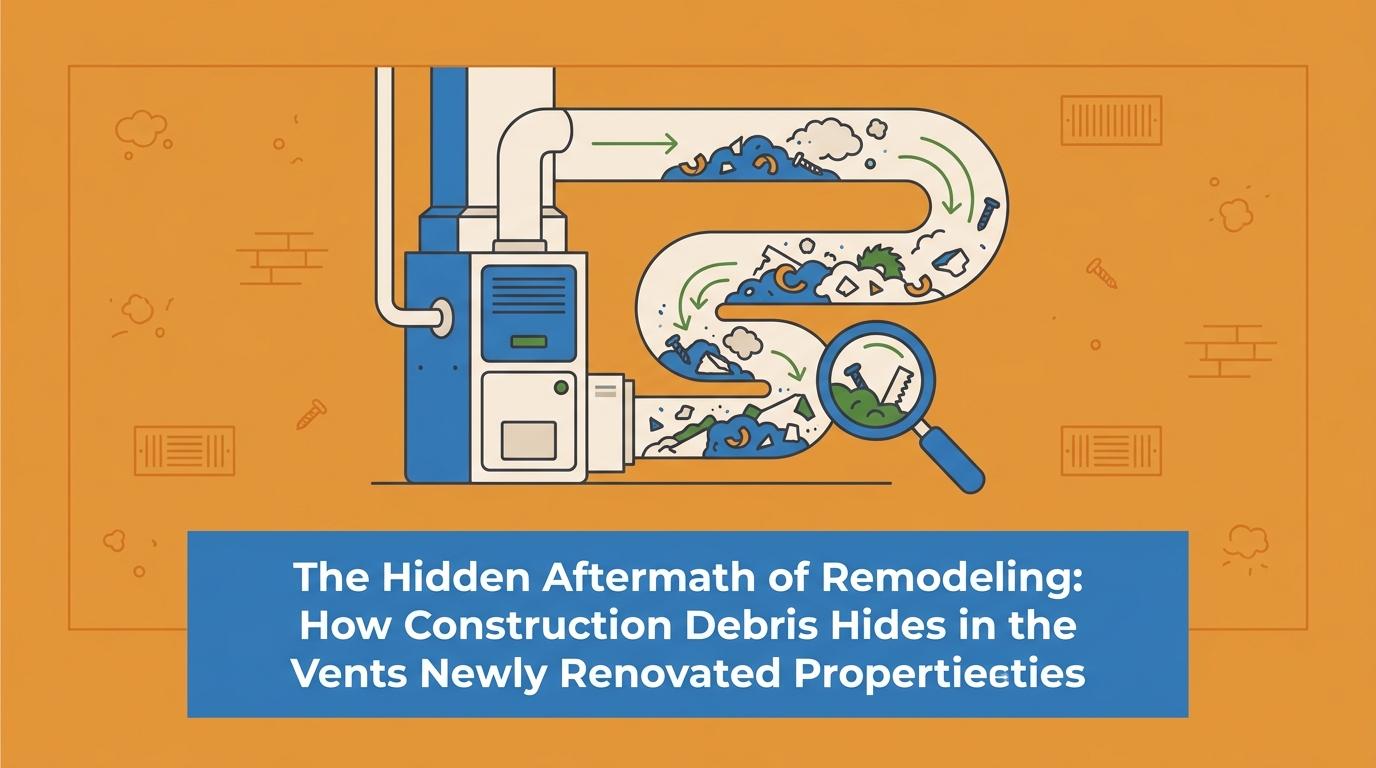
If the rattling continues long after the initial startup phase, the diagnosis shifts. Sustained airflow vibrating against loose screws, unsealed joints, or detached dampers creates a continuous acoustic rattle. Furthermore, high-velocity air pushing debris—such as leftover construction materials, small toys, or hardened dirt clods—around inside the ductwork will cause a rolling, clanking sound that persists until the blower motor shuts off. We highly recommend walking from room to room and listening to multiple vents. Determining if the issue is localized to a single branch line or echoing system-wide helps pinpoint the exact location of the failure.
Common Culprits Behind Continuous Duct Rattling
When the noise doesn't stop, you are dealing with a physical obstruction or a mechanical failure. Identifying the specific physical issues that cause abnormal rattling requires looking at the most common vulnerabilities in residential ventilation systems, particularly in New Brighton PA older residential homes where our team frequently works with materials that have aged over decades.
Loose Vent Covers and Registers: The simplest explanation we see is often a loose vent cover. If the screws holding the register to the drywall or floor have stripped or loosened over time, the steady stream of forced air will cause the metal grate to vibrate rapidly against the surrounding surface.
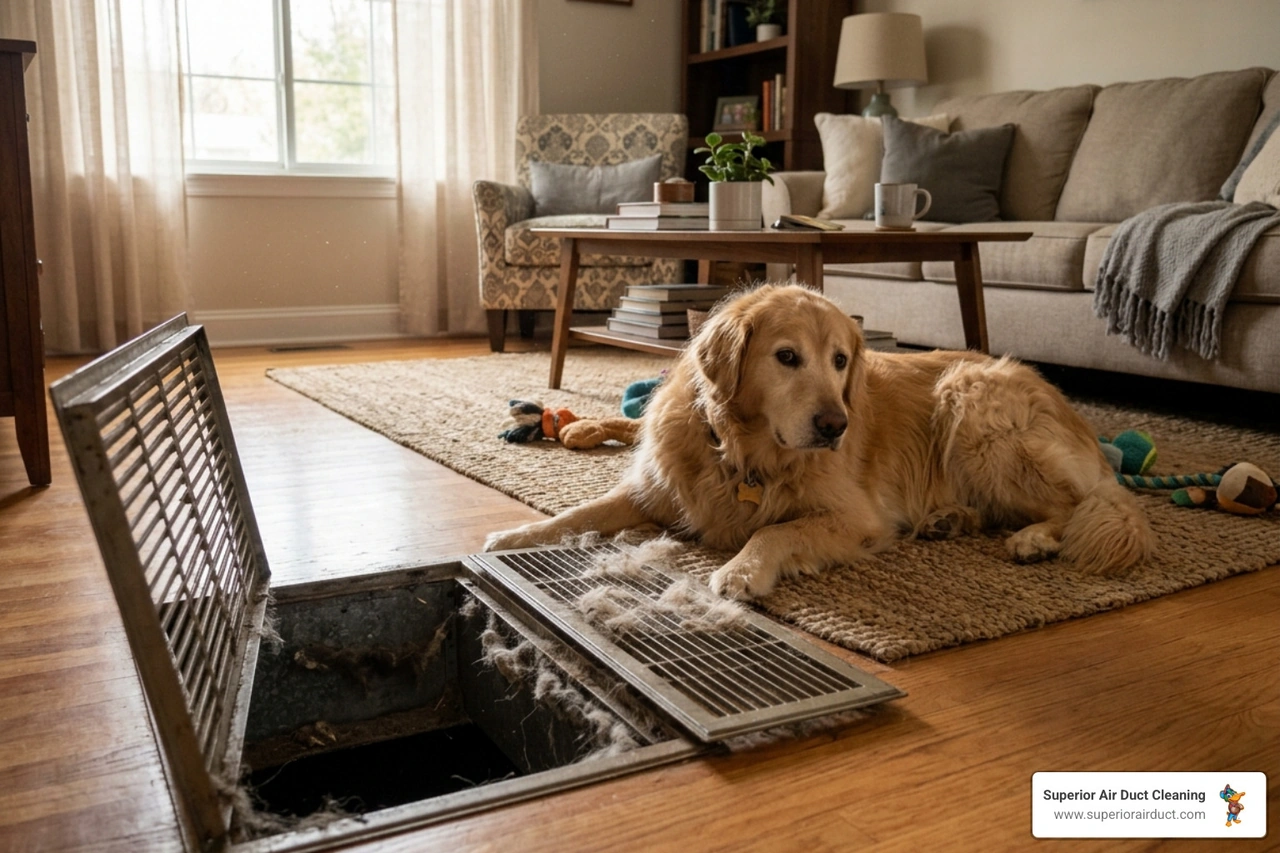
Accumulated Debris and Foreign Objects: Heavy accumulations of dirt, small objects, or debris trapped in the ductwork will rattle as air pushes past them. In one late-summer case our crew handled, a homeowner concerned about severe allergens and strange noises realized their ducts had never been cleaned in 18 years. After a thorough HVAC cleaning, with photographic evidence detailing the interior state, both the debris causing the noise and the allergen sources were safely removed.
Disconnected or Poorly Sealed Joints: Ductwork is assembled in sections. Over time, disconnected or poorly sealed duct joints allow pressurized air to escape. This not only creates a whistling sound but also causes the overlapping metal sections to clash and vibrate against one another.
Biological Growth and Odors: If debris is left trapped in the system, it can absorb moisture from the humid summer air. This creates a breeding ground for biological growth. A persistent rattle accompanied by strange smells is a strong indicator that foreign material is lodged in the system, often requiring immediate attention to stop musty odors from your air ducts from spreading through the house.
The Hidden Toll of Late-Summer Heat on Aging Ductwork
Acoustic complaints tend to spike late in the year. The hot, humid summers in New Brighton PA cause heavy AC cycling, which we've observed severely exacerbates thermal expansion and accelerates the degradation of duct sealants by August. Your system doesn't just run; it cycles on and off dozens of times a day, putting immense mechanical stress on every connection.
Degrading Sealants: Months of continuous thermal cycling degrade standard duct tape and older mastic sealants by the end of the summer. As the adhesive dries out and cracks, the joints lose their airtight seal, leading to increased vibration and rattling.
Stressed Sheet Metal: Extreme temperature differentials—from a hot, humid 90-degree attic to a 55-degree conditioned air stream—stress aging sheet metal. The constant expansion and contraction fatigue the metal, making it more prone to flexing and popping.
Apparent Joint Failures: Joint failures become highly apparent after the system has been overworked for months. What was a minor, silent air leak in June often turns into a loud, vibrating rattle by late August as the connection finally gives way entirely.
The Cost of Ignoring Symptoms: We strongly warn against ignoring these late-season symptoms. A rattling duct is often a leaking duct. Allowing conditioned air to escape into your attic or crawlspace leads to significant energy loss, forcing your AC unit to run longer cycles to cool the living space, which in turn causes even more wear and tear.
Why Professional Diagnostics Matter for Air Duct Troubleshooting
Attempting to fix internal duct noises yourself can often do more harm than good. We always emphasize the risks of DIY duct probing: sticking a vacuum hose or a broom handle down a vent can easily puncture aging sheet metal, detach flexible ducting, or push debris further out of reach. Professional diagnostic expertise is required to visually inspect ductwork, identify disconnected joints, and safely extract loose debris without damaging the HVAC system.
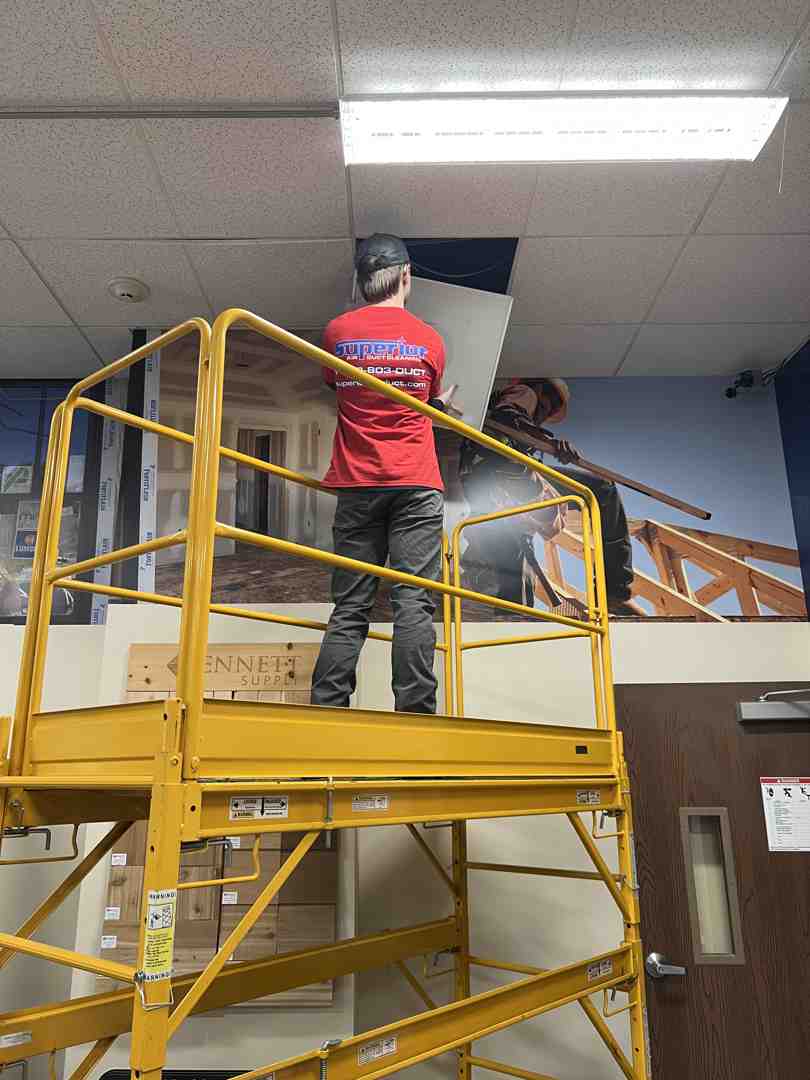
In New Brighton PA older residential homes, a careful, methodical approach is essential. In a recent scenario our team encountered where a home's ducts and vents had gone uncleaned for 18 years, our technician was able to thoroughly clean the system while explaining the entire process to the homeowner, resulting in a restored, quiet system without any accidental damage.
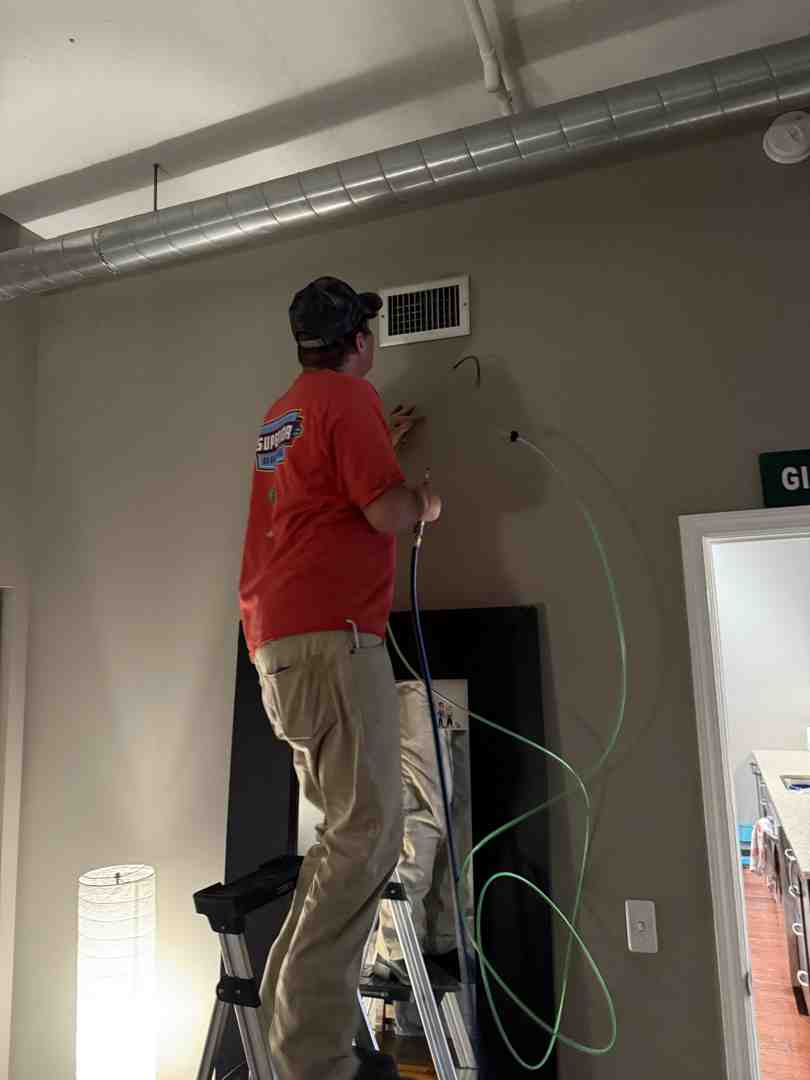
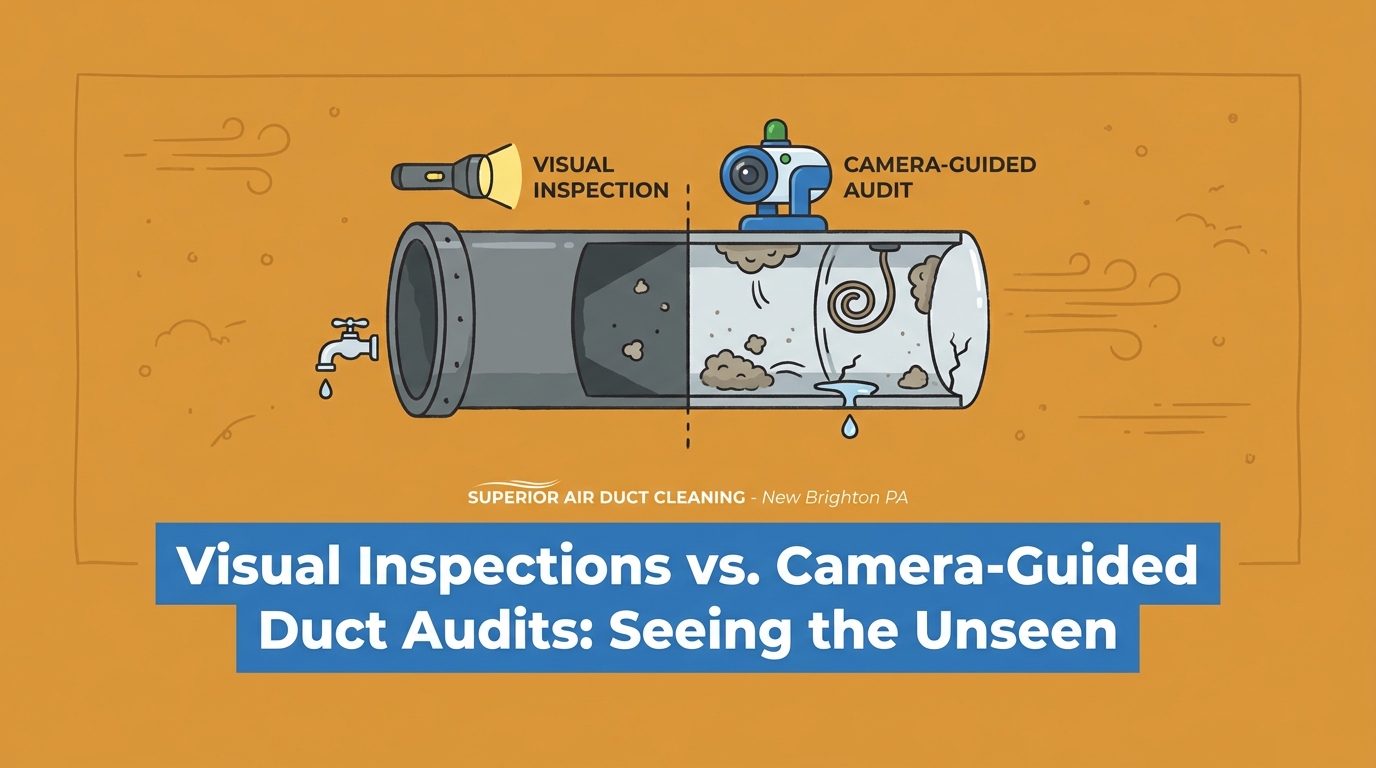
1. Comprehensive Visual Inspection: The professional diagnostic process begins with a visual inspection. Technicians use specialized, flexible cameras fed directly into the ductwork to navigate bends and locate disconnected joints or hidden blockages that are invisible from the room.
2. Pinpointing the Source: By mapping the acoustic signature to the visual feed, professionals can determine exactly which branch line or trunk is causing the continuous rattle, eliminating the guesswork.
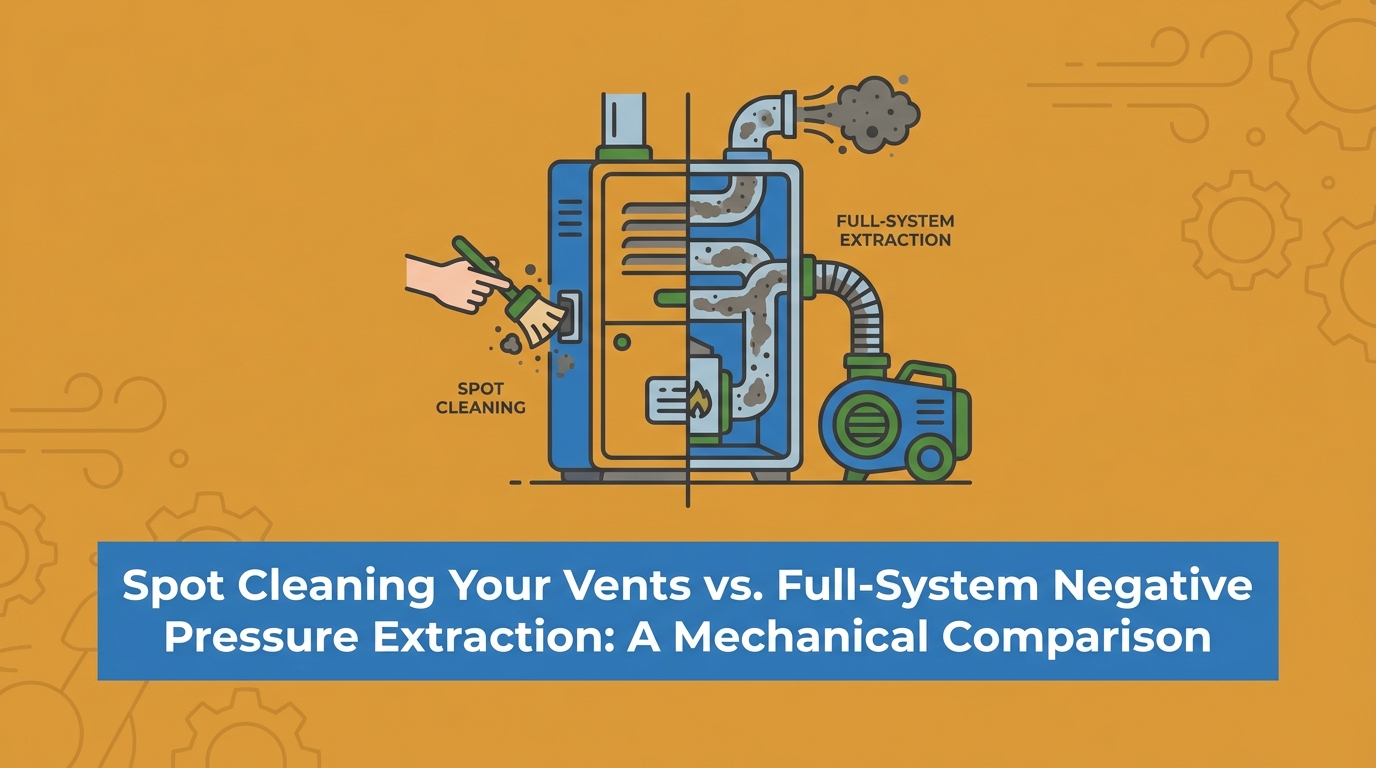
3. Safe Debris Extraction: Once located, technicians utilize safe debris extraction methods. High-powered, negative-pressure vacuums pull debris out of the system efficiently, protecting the structural integrity of the aging HVAC system without pushing dirt deeper into the blower motor.
4. Complete System Sanitization: After the physical debris is removed and the joints are evaluated, comprehensive sanitizing can follow extraction. This ensures the system is entirely clean, eliminating lingering odors and providing true whole house sanitizing benefits.
Do Larger Facilities Experience the Same Acoustic Issues?
While residential homes deal with specific acoustic challenges, larger commercial spaces are not immune to HVAC noises. In fact, the scale of the equipment often amplifies the problem. During the August late-summer cooling season, commercial HVAC systems run almost continuously to combat the heat load generated by occupants and equipment.
Thermal Expansion in Heavy-Gauge Metal: Larger, heavier-gauge ductwork in non-residential buildings also suffers from thermal expansion. Because the metal is thicker and the runs are longer, the popping and banging sounds can be significantly louder, sometimes echoing through entire office floors or warehouse spaces.
High Airflow Volumes: Commercial systems push massive amounts of air. These greater airflow volumes can make debris rattling even louder and more disruptive. A loose piece of metal or a dropped screw in a commercial trunk line will rattle violently under high static pressure.
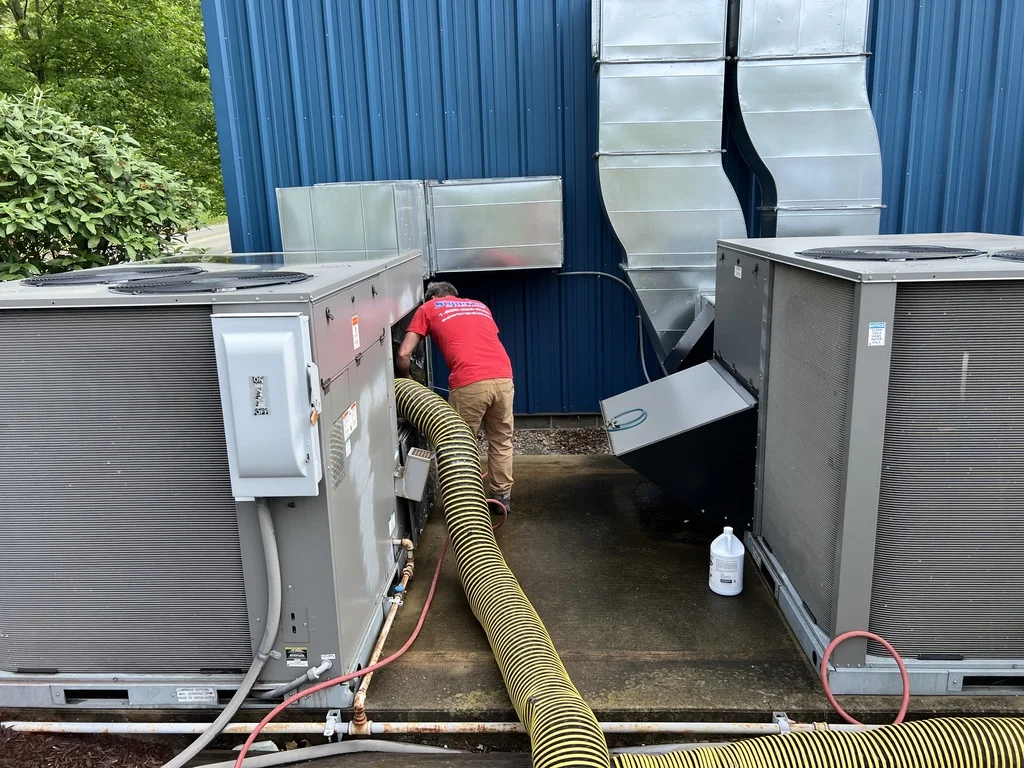
Complex Diagnostic Mapping: Complex, sprawling duct systems require even more precise diagnostic mapping to locate the source of a rattle. A noise heard in a conference room might originate from a damper failure fifty feet away. Resolving these issues efficiently requires specialized commercial duct cleaning and diagnostic protocols to ensure minimal disruption to daily operations.
Frequently Asked Questions About HVAC and Duct Noises
Why does my AC sound like it's rattling?
A rattling sound is usually caused by loose debris in the ductwork, unsealed joints, or a vibrating vent cover. When the blower motor pushes air through the system, it rattles any unsecured objects or loose metal connections. If the sound is continuous while the system runs, it requires a physical inspection.
Is it normal for vents to pop when the AC turns on?
Yes, metallic popping or pinging is a normal result of thermal expansion as cold air hits warm metal. The sudden change in temperature causes the sheet metal to contract rapidly. This sound should subside within a minute of the system starting.
Can dirty air ducts cause rattling?
Yes, heavy accumulations of dirt, hardened debris, or foreign objects can rattle as air pushes past them. Over years of use, construction debris, small toys, or hardened dust clods can become dislodged and tumble through the branch lines, creating a distinct clanking noise.
How do you fix a rattling air vent?
While homeowners can easily tighten external vent cover screws to stop surface vibrations, internal rattling requires a professional to locate and extract debris or reseal joints. Attempting to reach deep into the ductwork yourself can cause permanent damage to the structural integrity of the system.
Does thermal expansion damage ductwork over time?
Continuous expansion and contraction over many years can eventually loosen joints and degrade mastic sealant. In New Brighton PA older residential homes, decades of thermal cycling often lead to minor air leaks and increased acoustic vibrations as the connections weaken.
Silence the Rattle: Secure Your Ductwork Before the Season Ends
Understanding the acoustic signals your HVAC system sends provides immense peace of mind. Knowing the difference between normal thermal expansion and actual physical damage allows you to protect your home effectively. Harmless popping at startup is just physics at work, but a continuous, vibrating rattle is your system asking for help.
As the August late-summer cooling season wraps up, do not ignore continuous rattling. Those noises often point to failing joints or trapped debris that will only worsen as you transition into the heating season. Secure your system's efficiency and your home's air quality by scheduling a professional diagnostic inspection with Superior Air Duct Cleaning to silence the rattle and ensure long-term system health.

Customer Reviews


Superior Air Duct cleaning did a phenomenal job in a timely manner with the tech “Rich” being very professional ,personable and considerate of our property! He explained things as he proceeded and answered all our questions!
I LOVE that they provide before & after photos to see the difference. Give them a try… you won’t regret it
Pam T.
Robert was on schedule and communicated what time he would arrive. He was polite, professional, and respectful of our home. I wanted to wait a couple weeks before posting a review because I wanted to see if the duct cleaning actually made a difference. I am happy to say it did! I vacuum multiple times a week and have already noticed a significant reduction in the amount of dust cleaned up each time. As a home with pets, there will always be something to clean, but getting the ducts cleaned has definitely helped improve the air quality and reduce the dust.
alice A.
Technician Rob arrived early explained the days agenda and then proceeded to work methodically and meticulously over the next 6+ hours cleaning my ductwork. Courteous and professional they answered all of my questions and went above and beyond the call of duty. They even located an old dusty box of rat poison buried in our vents. My only regret is not finding these guys sooner. As a realtor of 22 years and owner of a newly purchased (now dust free) home I highly recommended!
Eric K.
Excellent service! I’ve used them to clean out my air ducts as well as my dryer vent duct and they are excellent. I was very pleased with both jobs and will continue to use them in the future. Great communication as well- from the time I scheduled the appointment until they were at my door.
Erika C.
We had such an amazing experience with Superior Air Duct Cleaning. They were so nice and friendly and did an amazing job. I loved seeing the before and after pictures. Besides doing an amazing job cleaning our air ducts they were so quick at responding and setting up the appointment. We will definitely be using them in the future.
Amanda C.