Avoiding the 45-Minute Trap During Your Late-Summer Maintenance
You are trying to figure out "how long should a proper duct cleaning appointment actually take?" because someone just offered to clean your entire HVAC system in under an hour. As the August back-to-school transition approaches, your family is spending more time indoors, and you want to ensure the air circulating through your home is safe to breathe. But a 45-minute service sounds too good to be true. The reality is, a rushed job often leaves the most harmful dust and allergens right where they started. You are facing a crucial decision: trusting a quick "blow-and-go" service or investing the necessary time for a legitimate, deep-cleaning process. When it comes to improving your indoor air quality, understanding the actual timeline of a genuine appointment is your best defense against a scam.
Why Speed is a Major Red Flag
During the busy late-summer maintenance season, homeowners naturally want home service appointments to be quick and convenient. However, speed is the enemy of thoroughness when dealing with complex ductwork. A proper cleaning physically requires moving heavy equipment, sealing off airflow, and mechanically scrubbing dirt out of hidden spaces. A 45-minute job simply cannot accomplish these necessary mechanical steps.
Signs of a rushed, ineffective service include:
• Minimal equipment: The technician arrives with only a standard shop vacuum or a small portable unit that cannot generate whole-house suction.
• No home protection: They skip laying down drop cloths or corner guards to protect your floors and walls.
• Exposed vents: They do not take the time to seal off the other registers in your home before turning on their vacuum.
• Lack of physical scrubbing: They simply blow compressed air into the register without feeding compressed-air tools or whips deep into the branch lines.
Indoor air quality is directly tied to the thoroughness of this cleaning process. If the heavy, caked-on dust deep inside the ductwork is not physically dislodged and extracted, the appointment was a waste of your time. Setting the expectation that a legitimate air duct cleaning is a meticulous, unhurried process will help you choose the right professional for your home.
The 2-Hour Minimum: What to Expect from a Genuine Appointment
A proper residential duct cleaning requires a 2-hour minimum timeframe. This is the absolute baseline for a standard, single-system home. Industry standards, such as those established by the National Air Duct Cleaners Association (NADCA), dictate a multi-hour process rather than a matter of minutes. Anything less than two hours means critical steps are being skipped. A true professional air duct cleaning follows a strict sequence of events to ensure every inch of your system is addressed.
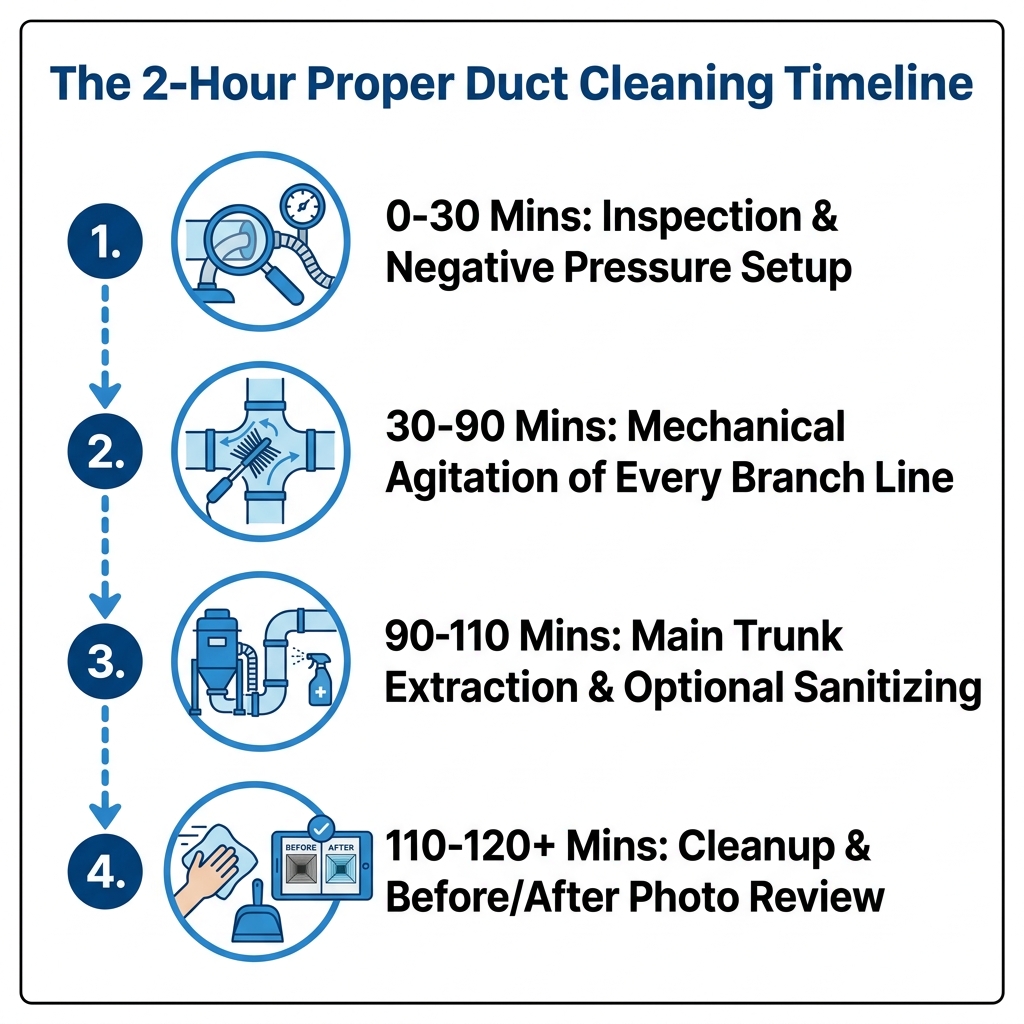
The standard timeline for a genuine appointment involves:
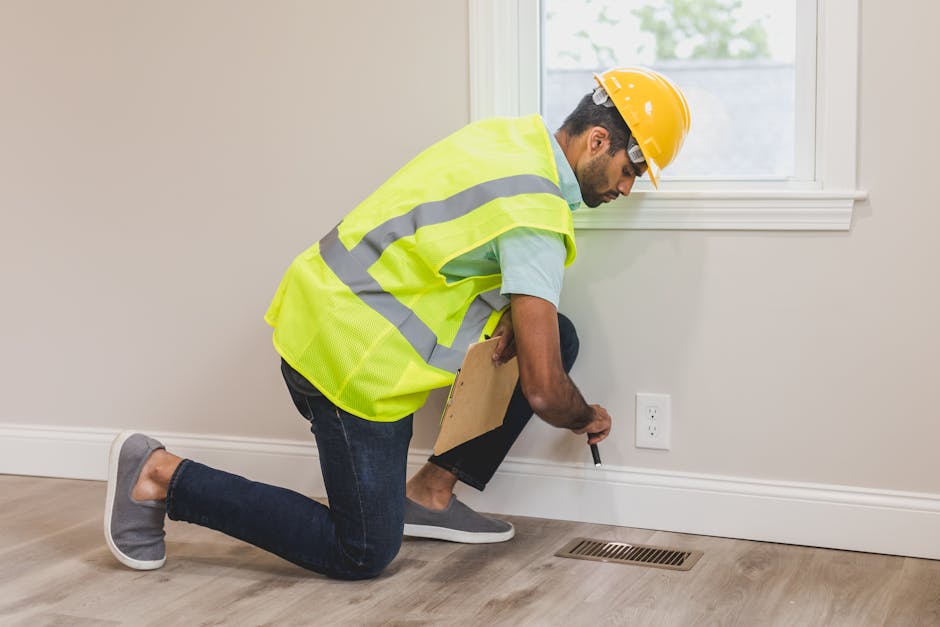
1. Setup and System Inspection: The technician maps your ductwork, protects your home's interior, and inspects the HVAC unit for damage or heavy buildup.
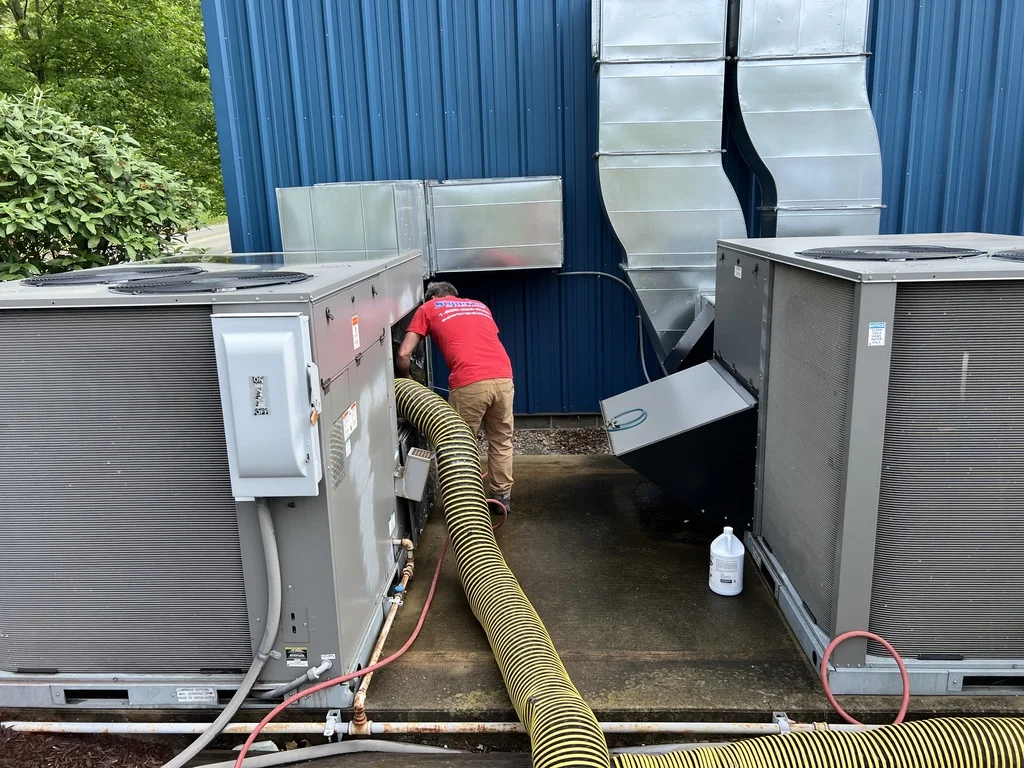
2. Negative Pressure Establishment: Powerful vacuum equipment is safely connected to the main supply and return trunk lines, and every vent in the house is sealed to create a massive vacuum effect.
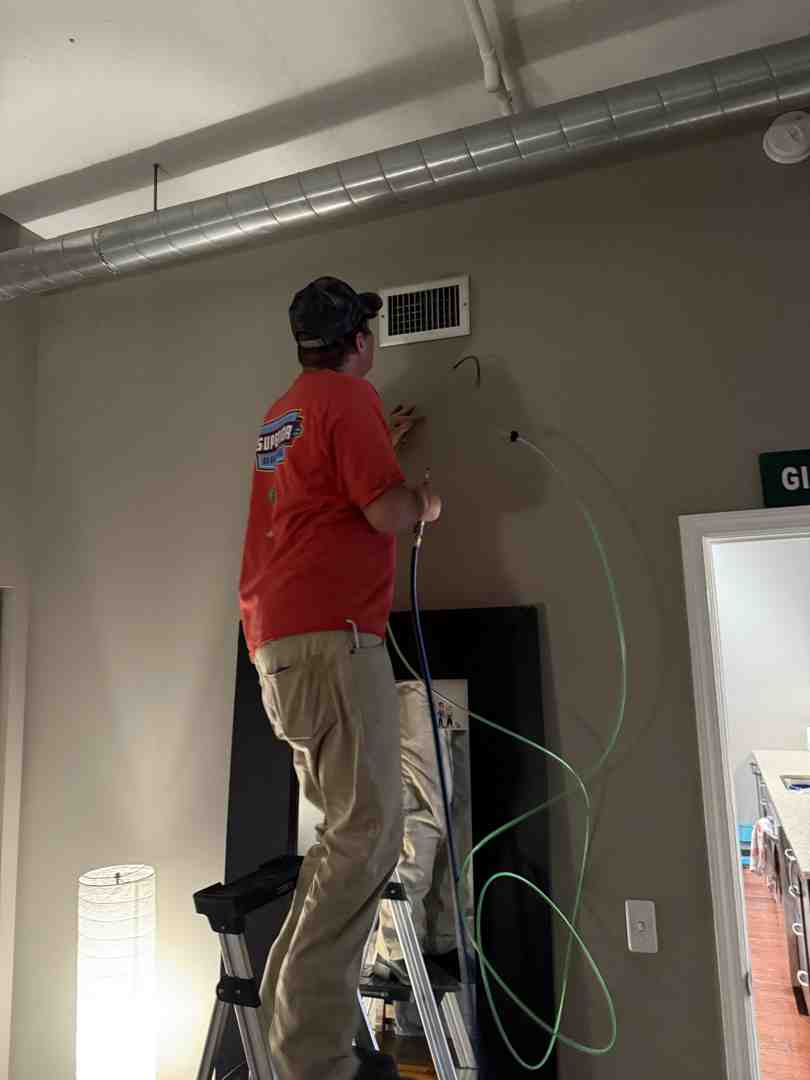
3. Branch Line Agitation: Specialized tools are fed down every individual register to physically scrub the walls of the ductwork, dislodging stuck-on debris.
4. Main Trunk Extraction: The heavy debris pushed from the branch lines is pulled out of the core system and safely removed from your home.
5. Final Review and Cleanup: The technician removes all equipment, cleans the workspace, and provides visual proof of the completed work.
It is important to remember that this 2-hour minimum timeframe is just the starting point. The size of your home, the number of HVAC units, and the overall accessibility of your ductwork will only increase this baseline time. A large home with two furnaces or complex, hard-to-reach ductwork might easily take four to five hours to clean correctly.
Comparing the Timelines
• Setup & Prep — Rushed "Blow-and-Go" Scam: 5 minutes (Carrying a shop-vac inside) — Proper Professional Cleaning: 30-45 minutes (Protecting floors, sealing vents)
• Cleaning Process — Rushed "Blow-and-Go" Scam: 30 minutes (Blowing air into open vents) — Proper Professional Cleaning: 1-2+ hours (Mechanically scrubbing every line)
• System Check — Rushed "Blow-and-Go" Scam: Skipped entirely — Proper Professional Cleaning: 20-30 minutes (Cleaning blower and coils)
• Review & Cleanup — Rushed "Blow-and-Go" Scam: 5 minutes (Handing you an invoice) — Proper Professional Cleaning: 20-30 minutes (Reviewing before/after photos)
Phase 1: System Inspection and Negative Pressure Setup
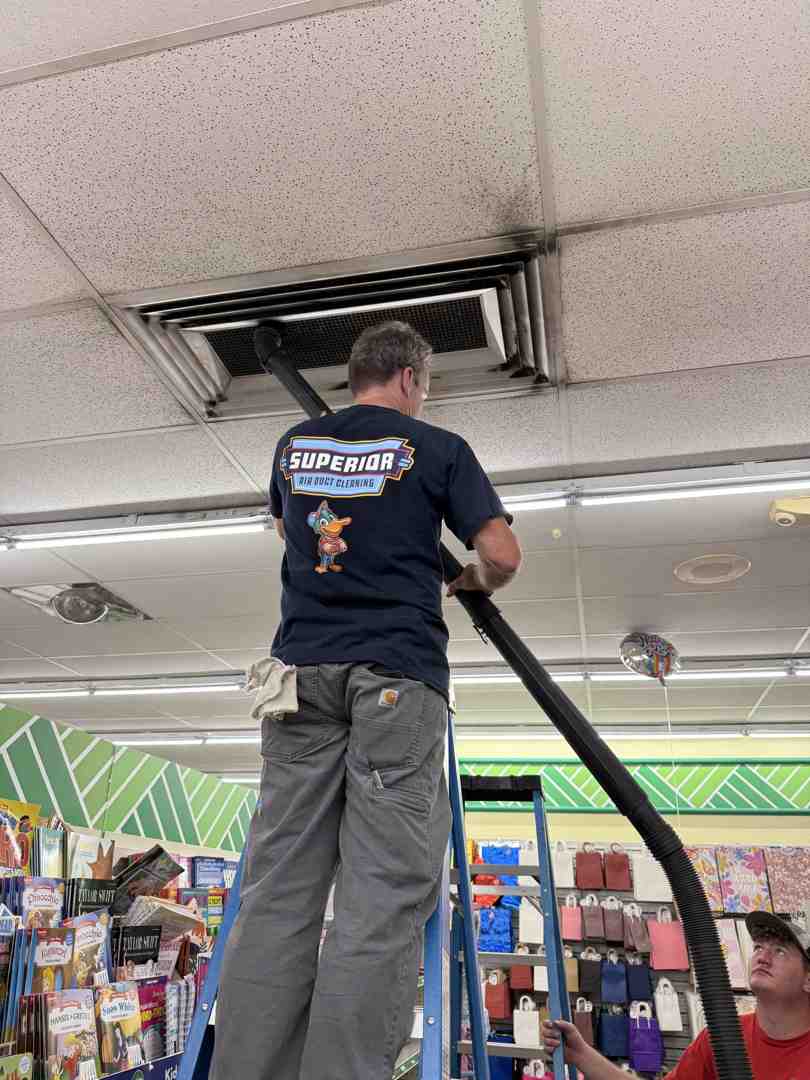
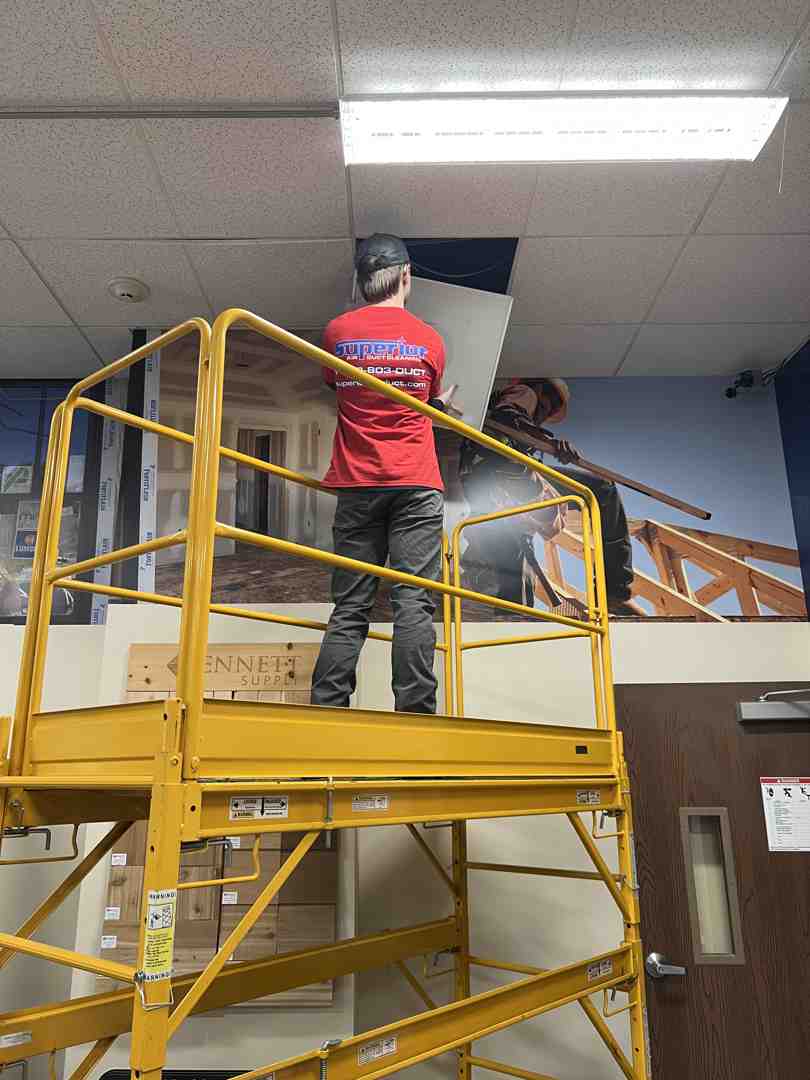
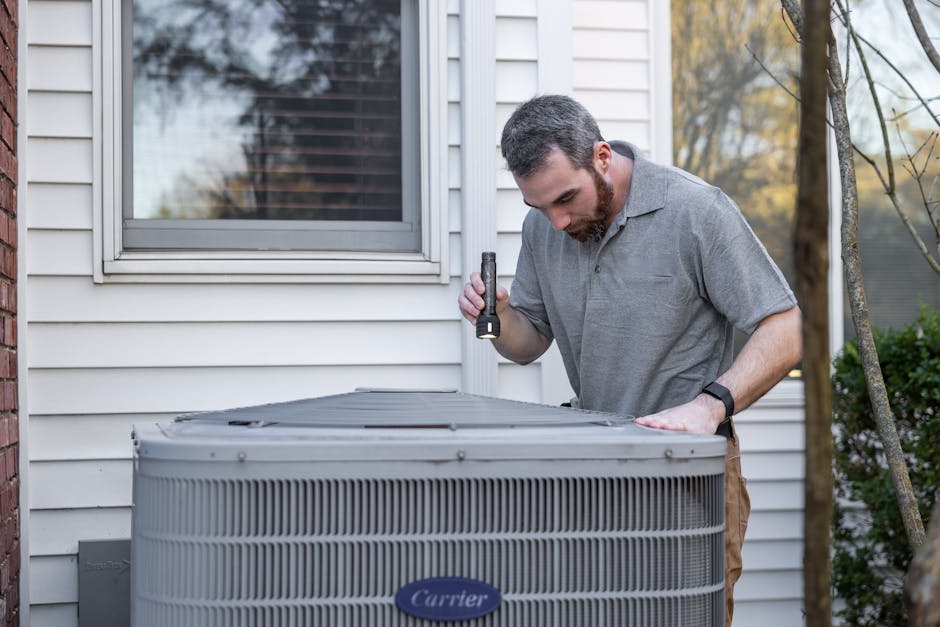
Why does the beginning of the appointment take so long? Because proper preparation is everything. Before a single speck of dust is removed, technicians must thoroughly inspect your HVAC system. They need to locate all supply and return registers, identify the main trunk lines, and check the condition of the furnace. Once the layout is mapped, they protect your home. Technicians lay down clean drop cloths over your flooring and place corner guards on your walls to prevent any damage while moving heavy hoses and equipment.
The Mechanics of Negative Air Pressure
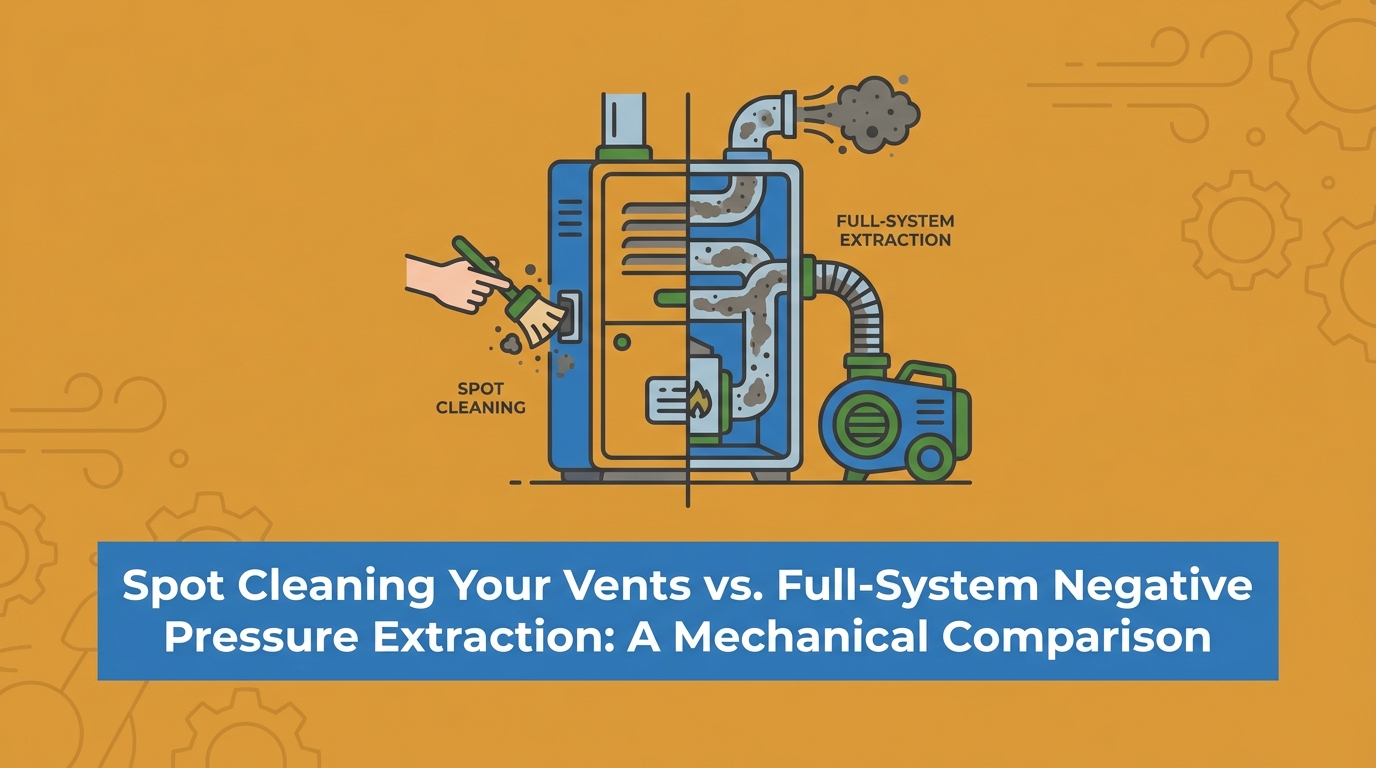
The most time-consuming part of the setup is establishing negative air pressure. To create a massive vacuum effect that pulls dust out of the house instead of blowing it into your living room, the vacuum machine must be fully sealed to the main trunk line. This requires cutting a small access hole in the ductwork and attaching a large collar.
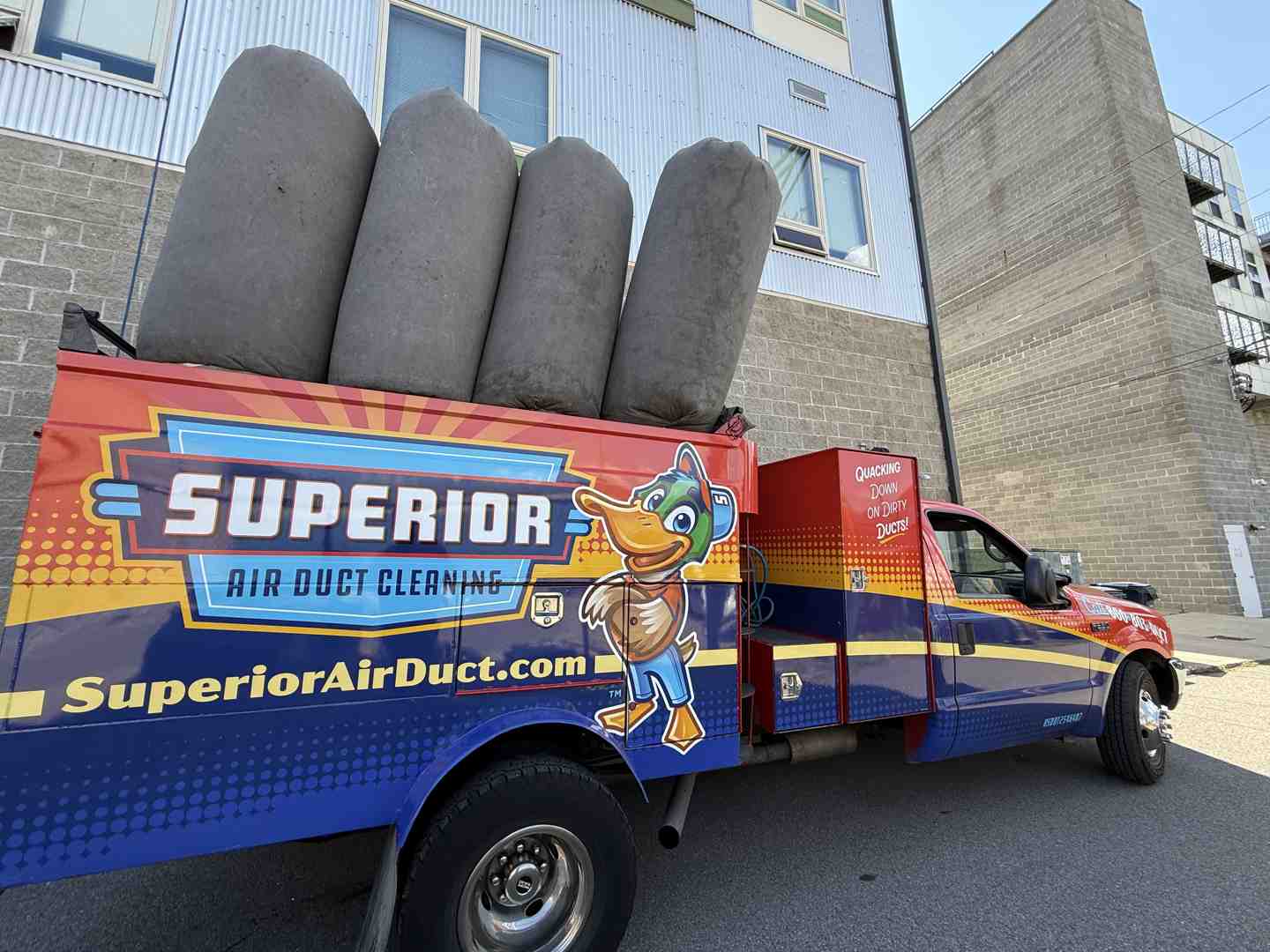
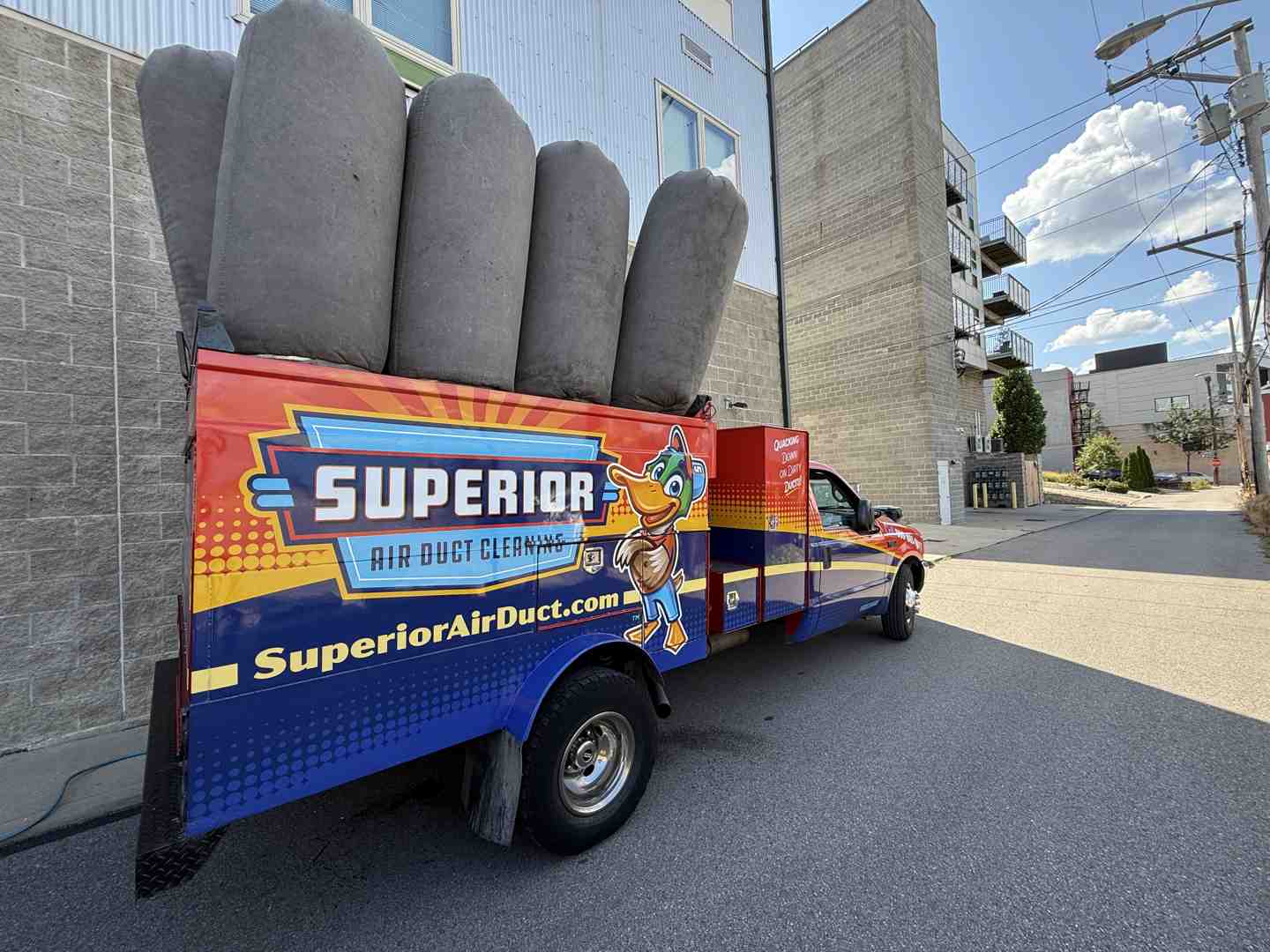
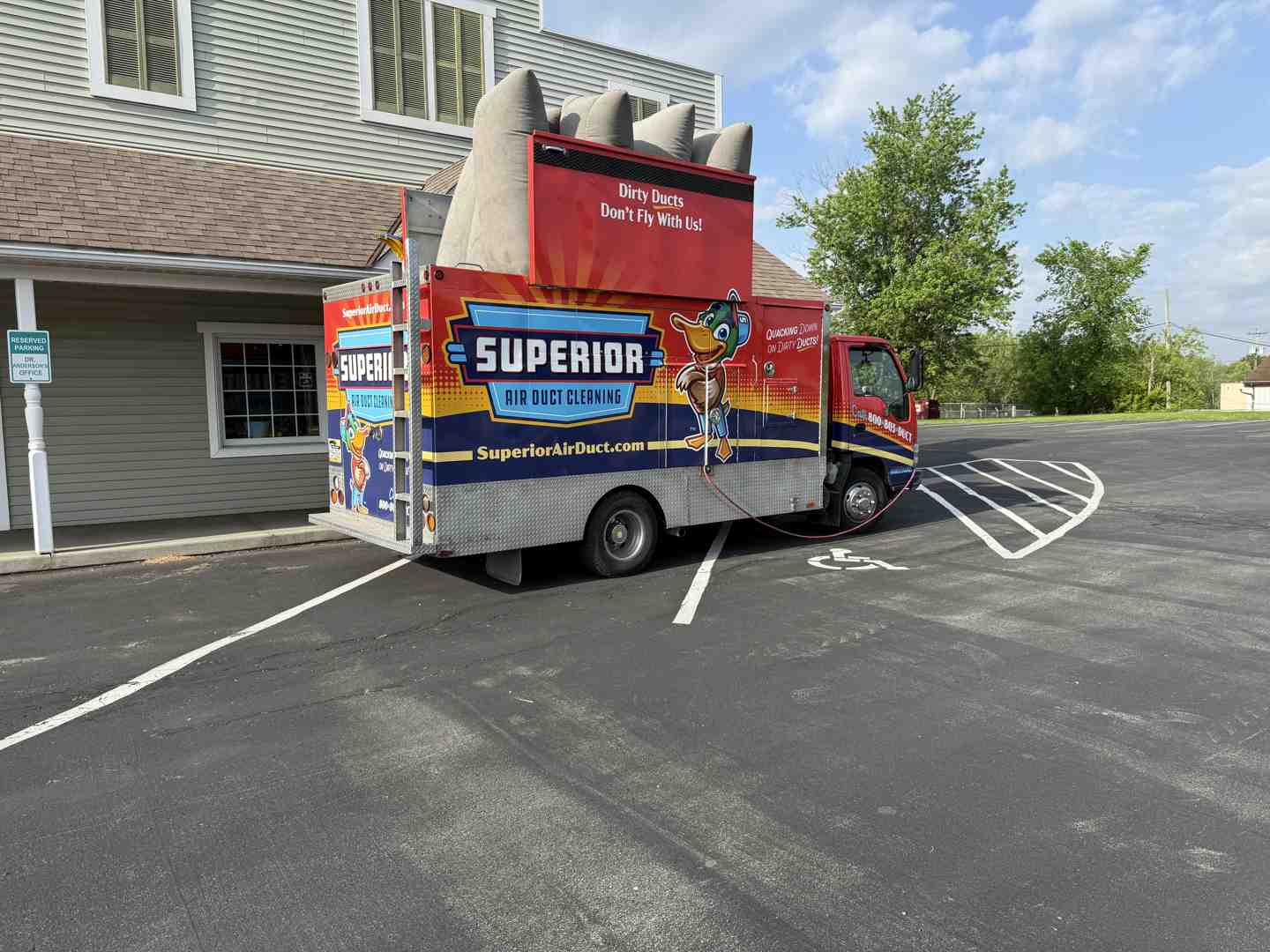
Furthermore, every single vent and register in the home must be blocked off with specialized foam or magnetic covers. If the vents are left open, the vacuum simply pulls air from the room rather than pulling dust through the ducts. Sealing twenty or thirty vents in a standard home is a mandatory, time-consuming step. Whether a company utilizes truck mounted vs portable duct cleaning equipment, establishing true negative pressure is non-negotiable. Contrast this elaborate setup with a rushed job, where a technician simply carries a small vacuum indoors and starts working immediately without sealing a single vent.
Phase 2: Mechanical Agitation (The Antidote to 'Blow-and-Go' Scams)
The core cleaning phase is where the real work happens, and it is also where scams are most evident. A "blow-and-go" scam is a deceptive practice where a company merely blows compressed air into your vents for a few seconds and vacuums the immediate opening. They finish the entire house in 45 minutes because they are barely scratching the surface. Completing a whole house properly in that timeframe is a physical impossibility.
The Climate Challenge in Western Pennsylvania
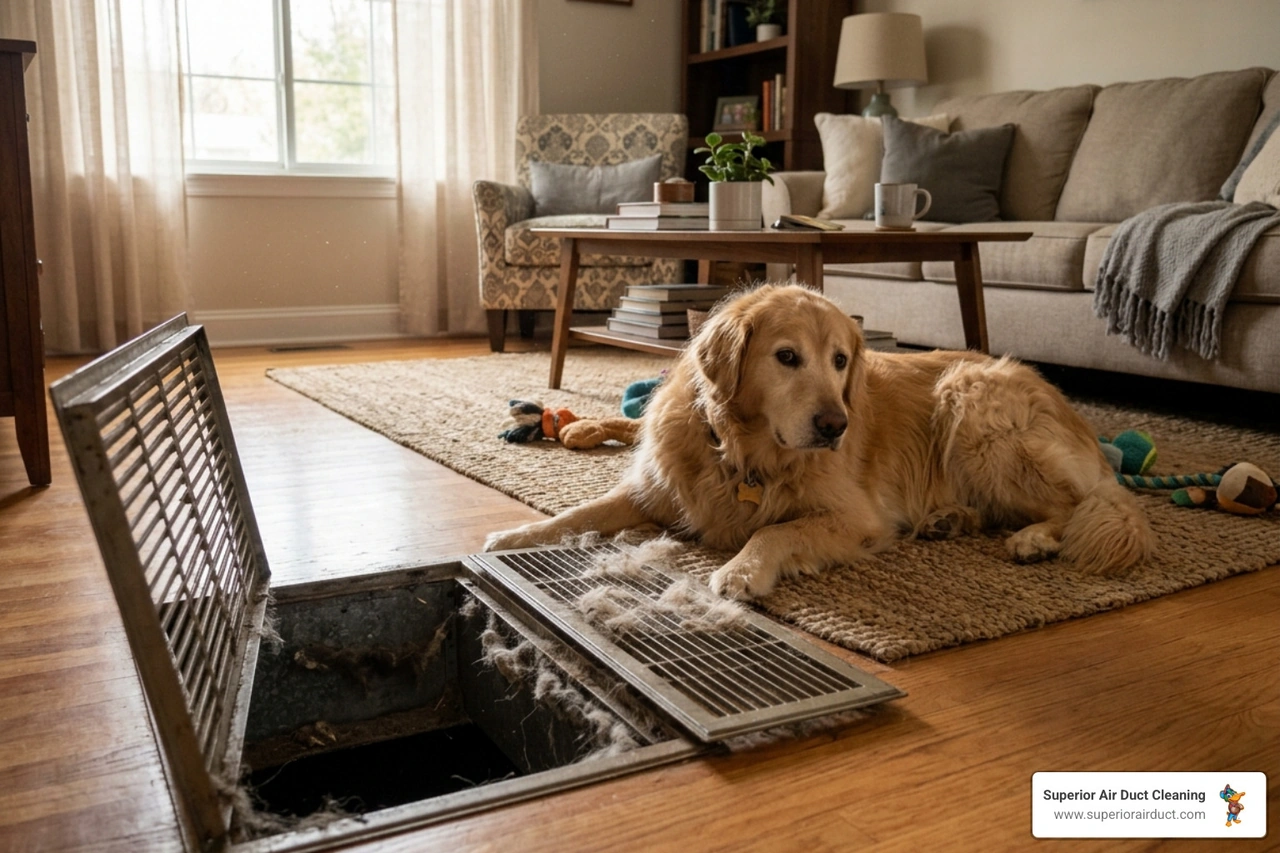
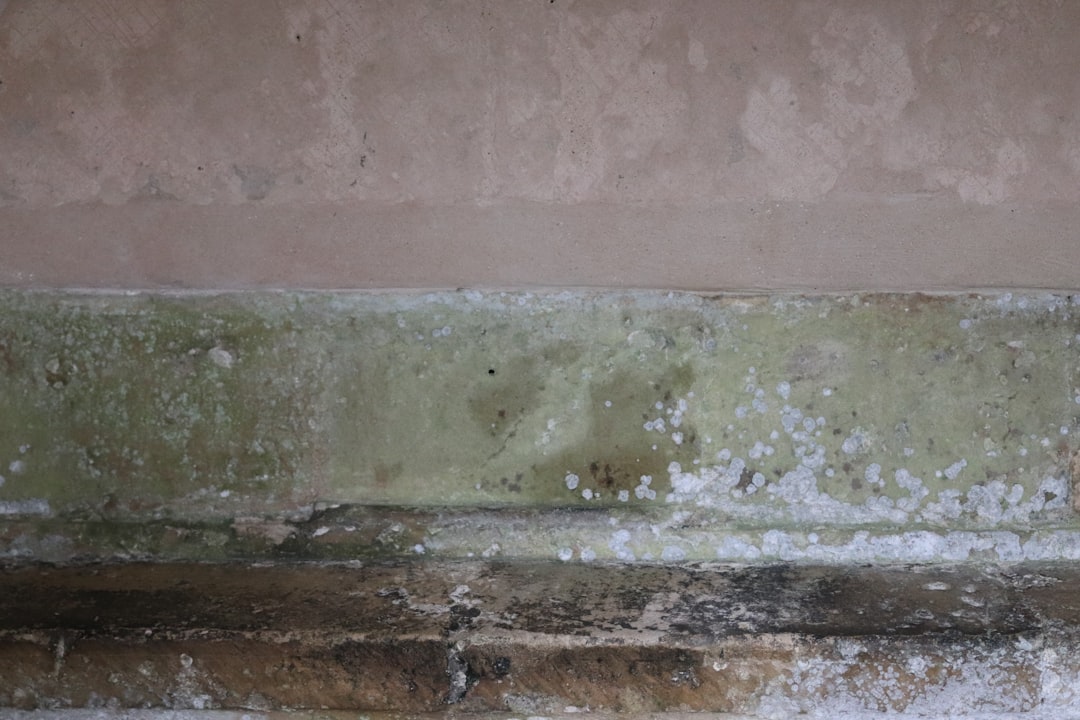
The environment outside your home directly impacts what builds up inside your ducts. Western Pennsylvania's mix of freezing winters and humid summers creates significant condensation inside your vents. Over time, this moisture mixes with household dust, pet dander, and allergens to create a sticky, caked-on layer that clings stubbornly to the metal walls of your ductwork. A quick blast of air from a scam service will not move this heavy, moisture-bound dust.
The Solution: Unhurried Physical Scrubbing
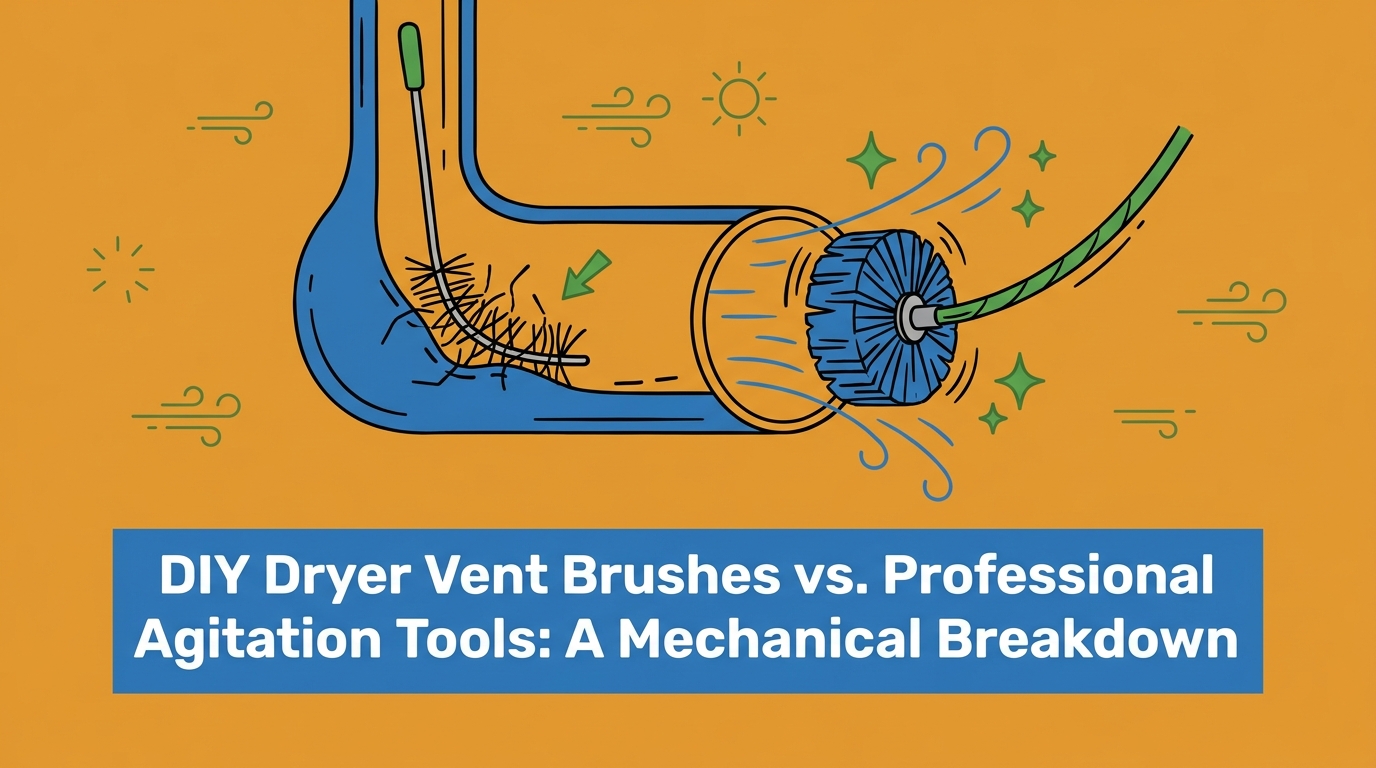
The antidote to this problem is thorough mechanical agitation. Technicians must feed specialized pneumatic whips, skipper balls, or compressed-air tools down every single branch line in your home. This physical scrubbing breaks the sticky dust free from the duct walls so the negative pressure vacuum can pull it away safely. Taking the time to scrub every individual vent is exactly why proper air duct cleaning in New Brighton takes hours, not minutes. Skipping this vital step leaves the most harmful, deeply embedded allergens right where they started.
Phase 3: Main Trunk Cleaning and System Sanitization
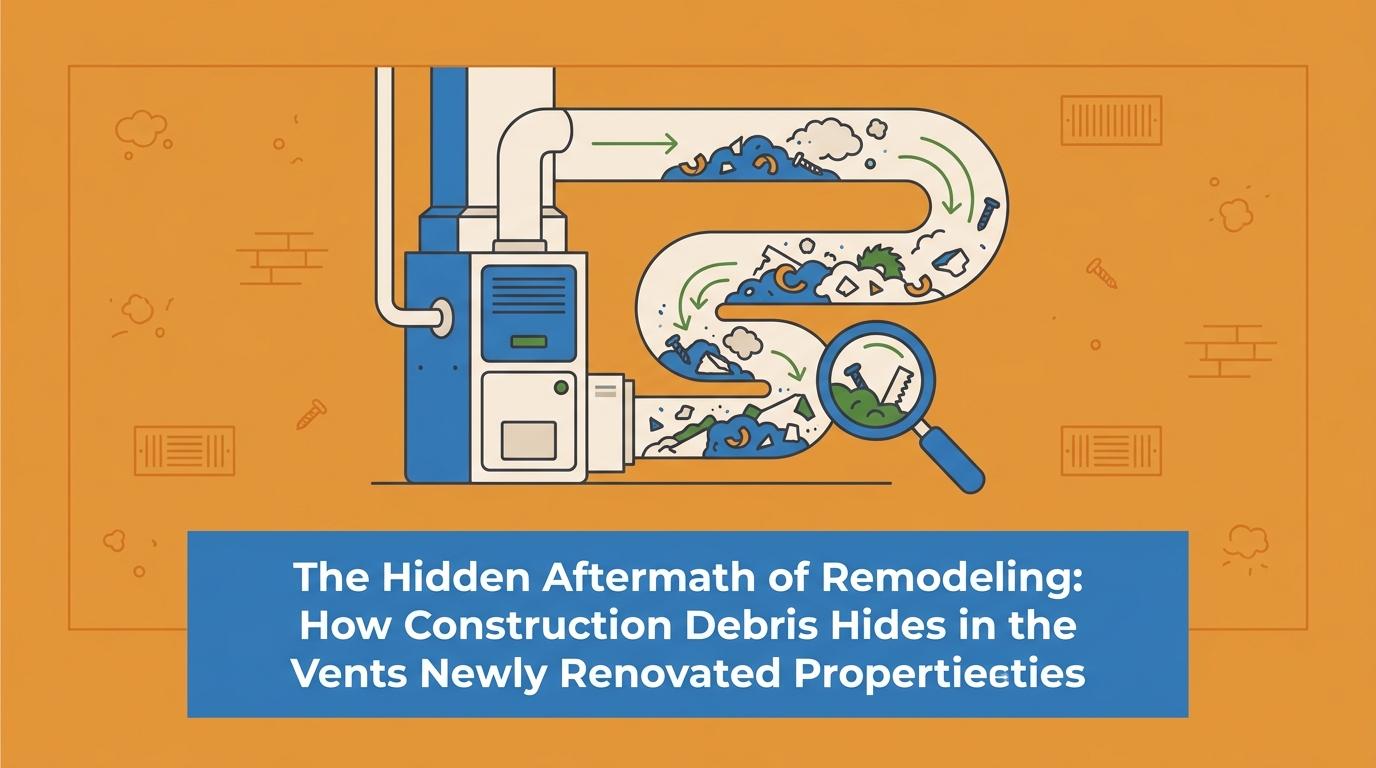
Once all the individual branch lines are scrubbed, the dislodged debris travels down into the main trunk lines—the large rectangular ducts located in your basement or attic. This is where the heaviest accumulation of dirt, hair, and construction debris lives. Technicians use specialized extraction tools to pull this bulk material back to the main vacuum collection system.
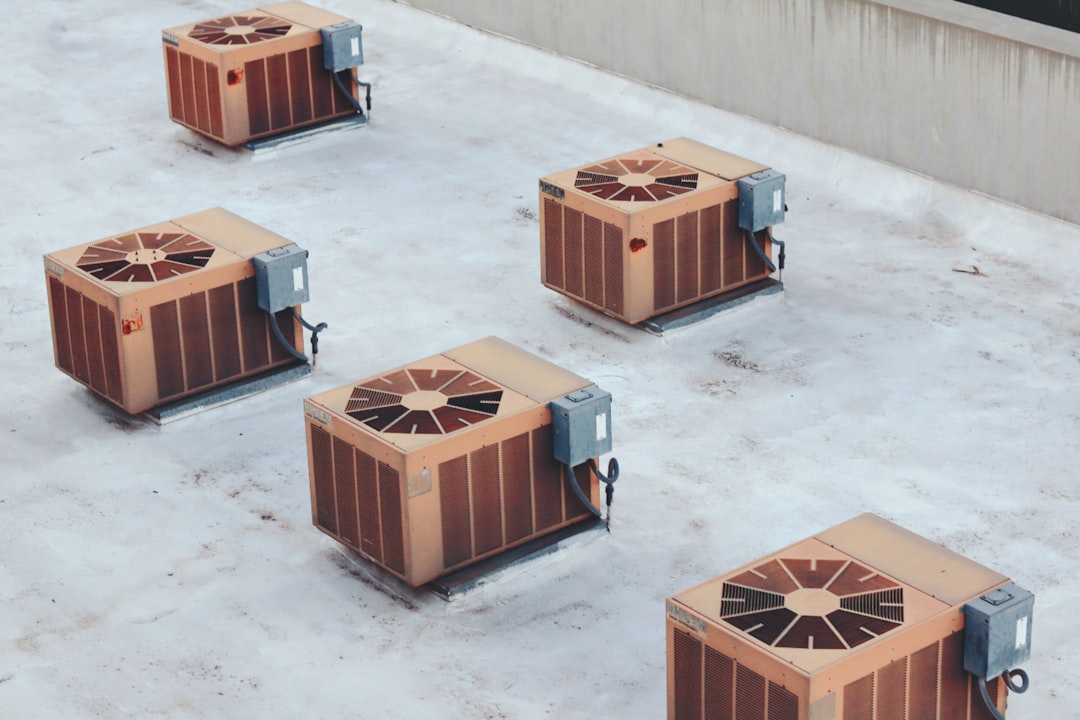
During this phase, a proper service also includes cleaning the accessible components of your HVAC system itself. The technician will typically clean the furnace blower motor, the housing, and the evaporator coils (if accessible). If these components are left dirty, they will immediately blow dust back into your freshly cleaned ducts the moment the system turns on.
Addressing Bacteria and Lingering Odors
For homes dealing with musty smells, pet odors, or bacteria concerns, this phase often includes an optional sanitization process. Applying an EPA-registered sanitizer requires careful application and specific dwell times to be effective, which adds to the overall appointment duration. This thorough approach makes a massive difference for families struggling with indoor air quality. A typical pattern we see involves homeowners moving into a new property during the summer, only to experience severe allergies and difficulty breathing or sleeping. In one recent case, after moving into a new house with severe indoor allergy issues, a family had their vents and furnace meticulously cleaned and treated with whole house sanitizing. The careful removal of deep-seated contaminants and the application of a proper sanitizer allowed the family to finally breathe clearly and sleep comfortably in their new home.
Phase 4: The Final Review and Visual Proof
A proper duct cleaning appointment does not end the moment the vacuum is turned off. The teardown and cleanup process requires meticulous attention to detail. Heavy equipment must be safely removed, drop cloths packed away, and the access holes in your main trunk line professionally sealed with sheet metal panels and foil tape. Ensuring your home is left spotless takes time.
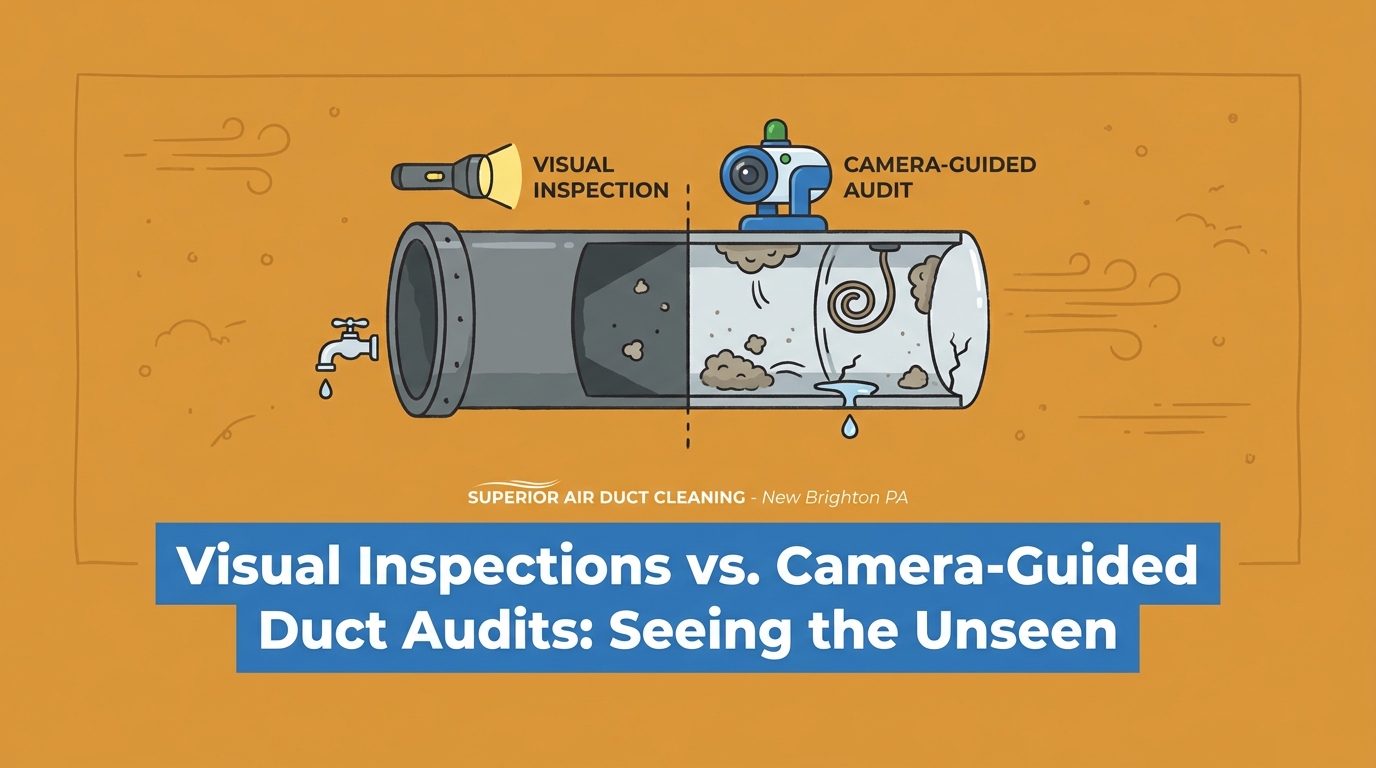
More importantly, this final phase includes a comprehensive visual review and quality assurance check. A professional technician should always walk you through the completed work. Superior Air Duct Cleaning doesn't rush the job; our team always takes the necessary time to provide before-and-after photos of your duct entry points to prove the quality of the work. We believe that transparency builds trust.
Why Visual Proof Matters
Seeing the interior of your ductwork before and after the service is the only way to know for sure that the heavy, deep-seated dust was actually removed. This dedication to transparency addresses long-standing allergen concerns and proves the job was done right. For example, during a recent summer appointment involving heavily soiled ducts and vents, the technician not only performed a deep, multi-hour clean but took the extra time to explain every step of the mechanical agitation process to the homeowner. By the end of the visit, the ducts were super clean, and the homeowner had complete confidence in the results because they saw the visual proof firsthand.
Frequently Asked Questions About Duct Cleaning Timelines
Why does air duct cleaning take so long?
Proper air duct cleaning takes a long time because it requires setting up heavy negative pressure equipment and physically scrubbing every part of the system. Before cleaning begins, technicians must seal every vent in the house to create a vacuum effect. Then, every individual vent and trunk line must be mechanically agitated with compressed-air tools or whips to dislodge sticky dust. Finally, proper teardown, cleanup, and a visual review add to the total duration of the appointment.
What is a blow-and-go air duct cleaning scam?
A blow-and-go scam is a deceptive practice where a company merely blows compressed air into your vents and vacuums the immediate registers without actually cleaning the deep ductwork. These rushed jobs are typically completed in under an hour. Because they fail to utilize proper negative air pressure or mechanical scrubbing tools, they leave the most harmful, deep-seated dust and allergens behind in your system.
What are the steps of proper duct cleaning?
The steps of a proper duct cleaning begin with a thorough inspection and home protection process. Next is the negative pressure setup, where the vacuum is sealed to the main trunk and all household vents are blocked. This is followed by branch line mechanical agitation to scrub the ducts, and main trunk extraction to pull out the heavy debris. The process concludes with a before-and-after visual review to prove the system is clean.
How long does it take to clean air ducts in a 2000 sq ft house?
Cleaning the air ducts in a standard 2000 square foot house typically ranges from 2.5 to 4 hours. The exact timeframe depends heavily on the number of HVAC systems installed and the overall complexity of the ductwork. Accessibility of the furnace and main trunks also plays a major role; if the ductwork is located in a tight crawlspace or a difficult-to-reach attic, the setup and cleaning process will naturally take longer.
How often should air ducts be cleaned?
It is generally recommended that residential air ducts be professionally cleaned every 3 to 5 years. However, more frequent cleaning may be needed for homes with multiple shedding pets, recent drywall or remodeling renovations, or residents with severe asthma or allergies. Having a professional perform an annual HVAC inspection can help determine the exact need and condition of your ductwork.
Schedule Your Comprehensive Duct Cleaning Today
Knowing the actual timeline of a genuine appointment gives you the power to protect your home and your wallet from rushed, ineffective services. The peace of mind that comes from a thorough, 2-plus hour cleaning process is invaluable for your family's health. Late summer is the perfect time to clear out accumulated dust and allergens before the fall heating season forces everyone indoors.
Do not settle for a 45-minute service that leaves the heaviest debris behind. Schedule an inspection with a team that values transparency and provides a clear, step-by-step breakdown of the work. We take the time required to do the job right, giving you the visual proof you need to know your home's air is truly clean and your ductwork is safe for the season ahead.

Customer Reviews


Superior Air Duct cleaning did a phenomenal job in a timely manner with the tech “Rich” being very professional ,personable and considerate of our property! He explained things as he proceeded and answered all our questions!
I LOVE that they provide before & after photos to see the difference. Give them a try… you won’t regret it
Pam T.
Robert was on schedule and communicated what time he would arrive. He was polite, professional, and respectful of our home. I wanted to wait a couple weeks before posting a review because I wanted to see if the duct cleaning actually made a difference. I am happy to say it did! I vacuum multiple times a week and have already noticed a significant reduction in the amount of dust cleaned up each time. As a home with pets, there will always be something to clean, but getting the ducts cleaned has definitely helped improve the air quality and reduce the dust.
alice A.
Technician Rob arrived early explained the days agenda and then proceeded to work methodically and meticulously over the next 6+ hours cleaning my ductwork. Courteous and professional they answered all of my questions and went above and beyond the call of duty. They even located an old dusty box of rat poison buried in our vents. My only regret is not finding these guys sooner. As a realtor of 22 years and owner of a newly purchased (now dust free) home I highly recommended!
Eric K.
Excellent service! I’ve used them to clean out my air ducts as well as my dryer vent duct and they are excellent. I was very pleased with both jobs and will continue to use them in the future. Great communication as well- from the time I scheduled the appointment until they were at my door.
Erika C.
We had such an amazing experience with Superior Air Duct Cleaning. They were so nice and friendly and did an amazing job. I loved seeing the before and after pictures. Besides doing an amazing job cleaning our air ducts they were so quick at responding and setting up the appointment. We will definitely be using them in the future.
Amanda C.