What Pet Owners Need to Know About Air Duct Cleaning Frequency
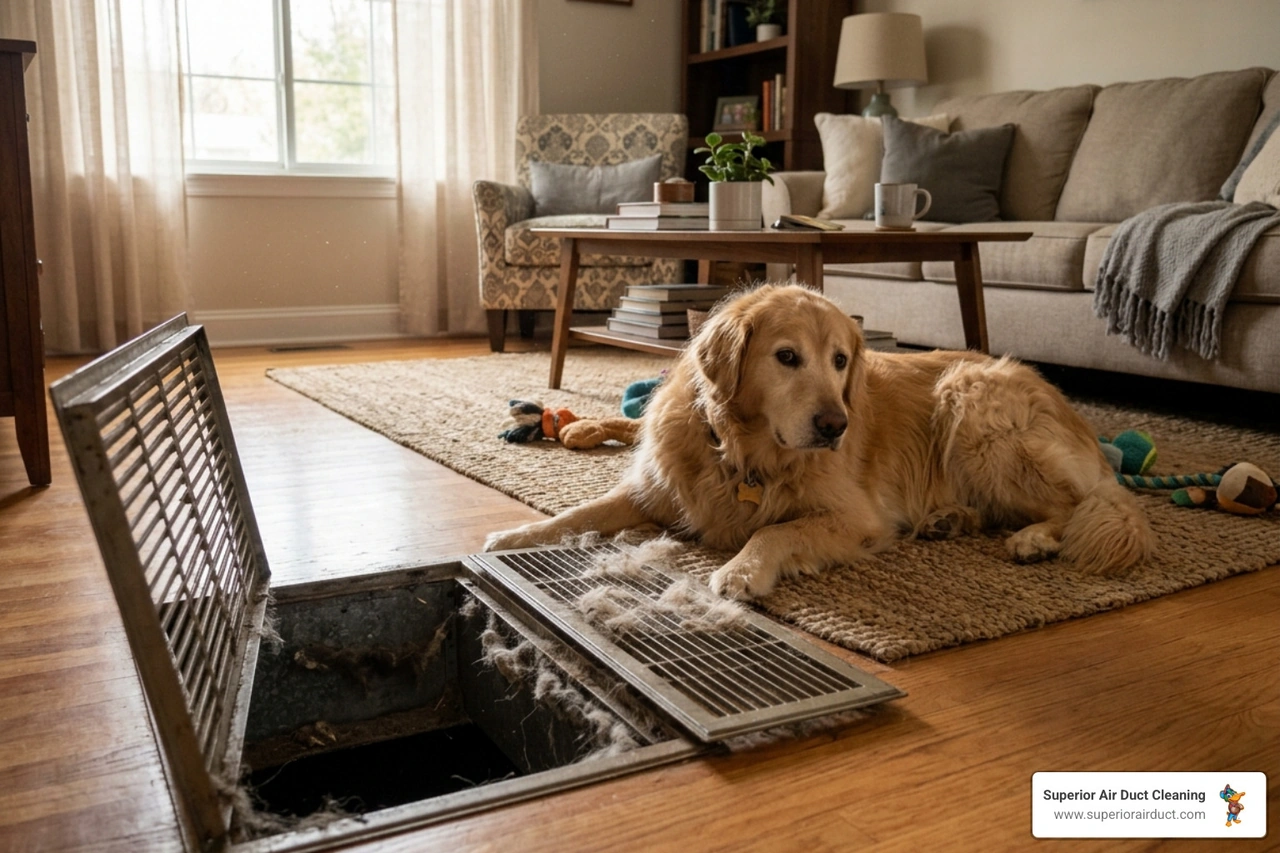
For most homeowners, pet owners and air duct cleaning frequency go hand in hand — and for good reason. If you share your home with dogs, cats, or other furry companions, your HVAC system is working harder than you might think. Pet hair, dander, and even microscopic proteins from saliva and skin oils get pulled into your ductwork every single day, building up far faster than in a pet-free home.
Here's a quick reference for how often pet owners should clean their air ducts:
• No pets — Recommended Cleaning Frequency: Every 3-5 years — Filter Change Frequency: Every 60-90 days
• 1 short-hair pet — Recommended Cleaning Frequency: Every 2-3 years — Filter Change Frequency: Every 60 days
• 2+ pets or long-hair breeds — Recommended Cleaning Frequency: Every 1-2 years — Filter Change Frequency: Every 30-60 days
• Heavy shedders (Husky, Lab, Golden) — Recommended Cleaning Frequency: Every 12-18 months — Filter Change Frequency: Every 30-45 days
• Pets + allergy/asthma sufferers — Recommended Cleaning Frequency: Every 6-12 months — Filter Change Frequency: Every 30 days
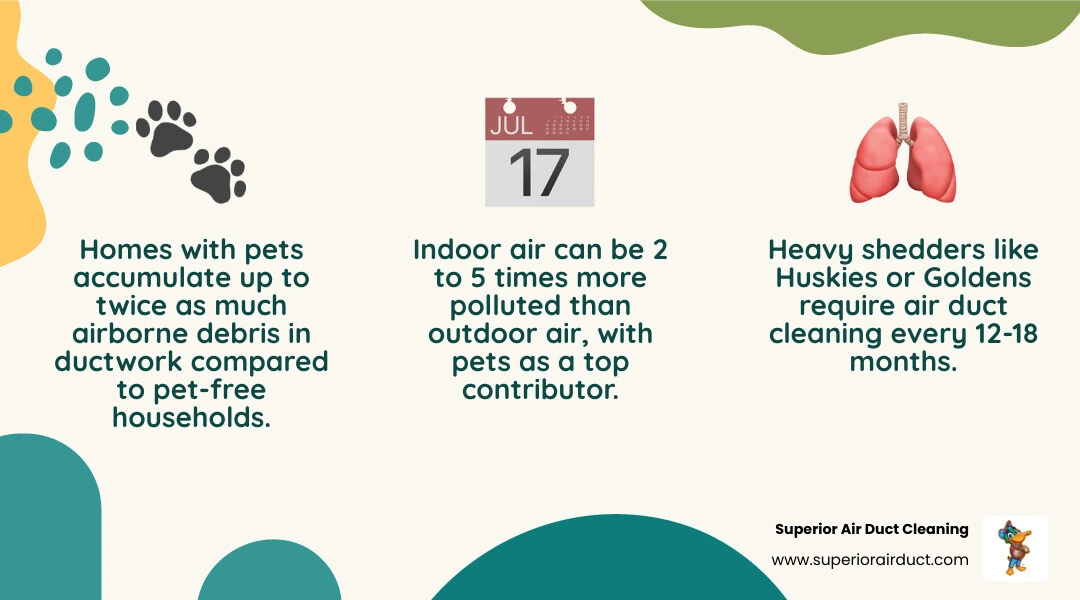
The EPA estimates that indoor air can be 2 to 5 times more polluted than outdoor air — and pets are one of the biggest contributors to that problem in enclosed homes. Research also shows that homes with pets can accumulate up to twice as much airborne debris in their ductwork compared to pet-free households.
Whether you have one small cat or a house full of heavy-shedding dogs, understanding your specific situation can help you protect your family's health and keep your HVAC system running efficiently.
Pet owners and air duct cleaning frequency helpful reading:
• how pet dander accumulates in your air ducts
• how pets affect your indoor air quality
Why Pets Accelerate HVAC Contamination
To understand why our furry friends have such a massive impact on our heating and cooling systems, we have to look at how a home's ventilation system functions. Your HVAC system is the "lungs" of your home, constantly pulling air in through return vents, conditioning it, and pushing it back out through supply registers.
When you have dogs or cats, this continuous cycle pulls in more than just standard household dust. It sucks in pet hair, dander, dried saliva proteins, and microscopic skin flakes.
Several unique physical properties of pet debris make it particularly troublesome for metal and flexible ductwork:
• Static Electricity: As dry air flows through sheet metal ducts, it generates static electricity. Lightweight, charged pet dander particles act like tiny magnets, clinging tightly to the interior walls of your ducts instead of passing through to the filter.
• Moisture as a Binding Agent: Near your air conditioner's evaporator coil, humidity levels are naturally higher. When sticky pet dander and fine hair combine with this localized moisture, they form a thick, organic sludge that adheres stubbornly to system components.
• The Weight of Pet Hair: Unlike lightweight dust, pet hair is coarse, fibrous, and heavy. It easily gets trapped in the tight bends, joints, and screws of your ductwork, creating physical "nets" that capture even more passing debris.
• Paw Sweat and Skin Oils: Pets primarily sweat through their paw pads. They also produce natural skin oils daily. As they run across carpets and lounge near register vents, these oils and sweat compounds become airborne, carrying odors directly into the duct system where they are absorbed by porous duct liners.
Because of these factors, standard filtration alone is rarely enough to keep a pet-friendly home's ventilation system completely clean. Over time, this organic buildup can restrict airflow, strain your blower motor, and continuously redistribute allergens back into your living spaces.
To learn more about this process, read our detailed guides on how pets affect your indoor air quality and explore why pet owners should order air duct cleaning to protect their HVAC systems.
Determining Pet Owners and Air Duct Cleaning Frequency
While the National Air Duct Cleaners Association (NADCA) recommends a general cleaning interval of every 3 to 5 years for typical households, this standard timeline simply does not fit homes with pets. For pet owners, the ideal frequency must be personalized based on the number of animals, their shedding patterns, and whether anyone in the household suffers from respiratory issues.
In Western Pennsylvania and Northeast Ohio, our seasonal weather shifts also play a major role. High summer humidity can cause trapped organic dander to foster microbial growth, while winter closed-window seasons trap pet pollutants inside for months at a time. This makes tracking your system's condition incredibly important.
When determining your home's schedule, we recommend looking at your household characteristics as outlined in our overview of factors that affect how often to clean ducts.
How Do Multiple Animals Impact Pet Owners and Air Duct Cleaning Frequency?
As you might expect, the math is simple: more paws mean more debris. In homes with two or more pets, the sheer volume of dander and hair entering the return air vents is multiplied.
For example, in larger homes across Pittsburgh, PA, or Boardman, OH, a single pet might allow you to stretch your cleaning interval to 3 years. However, if you have a multi-pet household—such as two dogs and a cat—the volume of airborne detritus can easily double or triple.
With multiple animals, return air vents act like high-powered vacuums, pulling hair along the floorboards directly into the main trunk lines. This rapid accumulation can clog standard filters in a matter of weeks, forcing the HVAC system to work harder, which can lead to higher utility bills and premature wear on system components. For multi-pet homes, we highly recommend a professional cleaning every 12 to 24 months to maintain optimal airflow and clean air.
Does Breed Type Affect Pet Owners and Air Duct Cleaning Frequency?
Absolutely. Not all pets impact your HVAC system in the same way. Heavy-shedding breeds with thick double coats—such as Siberian Huskies, German Shepherds, Labrador Retrievers, and Golden Retrievers—undergo seasonal "blow outs" where they lose massive amounts of undercoat.
If you live in Cranberry Township, PA, or Youngstown, OH, and own one of these breeds, you know that vacuuming daily still leaves tumbleweeds of fur behind. A significant portion of this fur is sucked directly into your floor registers. For households with heavy shedders, we recommend scheduling a professional cleaning every 12 to 18 months.
Additionally, cat owners face a unique challenge. Cat dander is microscopic, highly buoyant, and incredibly sticky. Furthermore, cats spread highly allergenic proteins from their saliva onto their fur during grooming. When this fur dries and sheds, these tiny saliva proteins flake off and enter the air stream, settling deep within your ductwork. Because these proteins are highly adhesive, they stick to the duct walls and can trigger severe allergy symptoms even when the home appears spotless on the surface.
Signs Your Pet is Causing Duct Buildup
It is easy to forget about your ductwork because it is hidden behind your walls and ceilings. However, your HVAC system will show clear warning signs when pet hair and dander have accumulated to a problematic level.
Keep an eye out for these common indicators that it is time to schedule a professional cleaning:
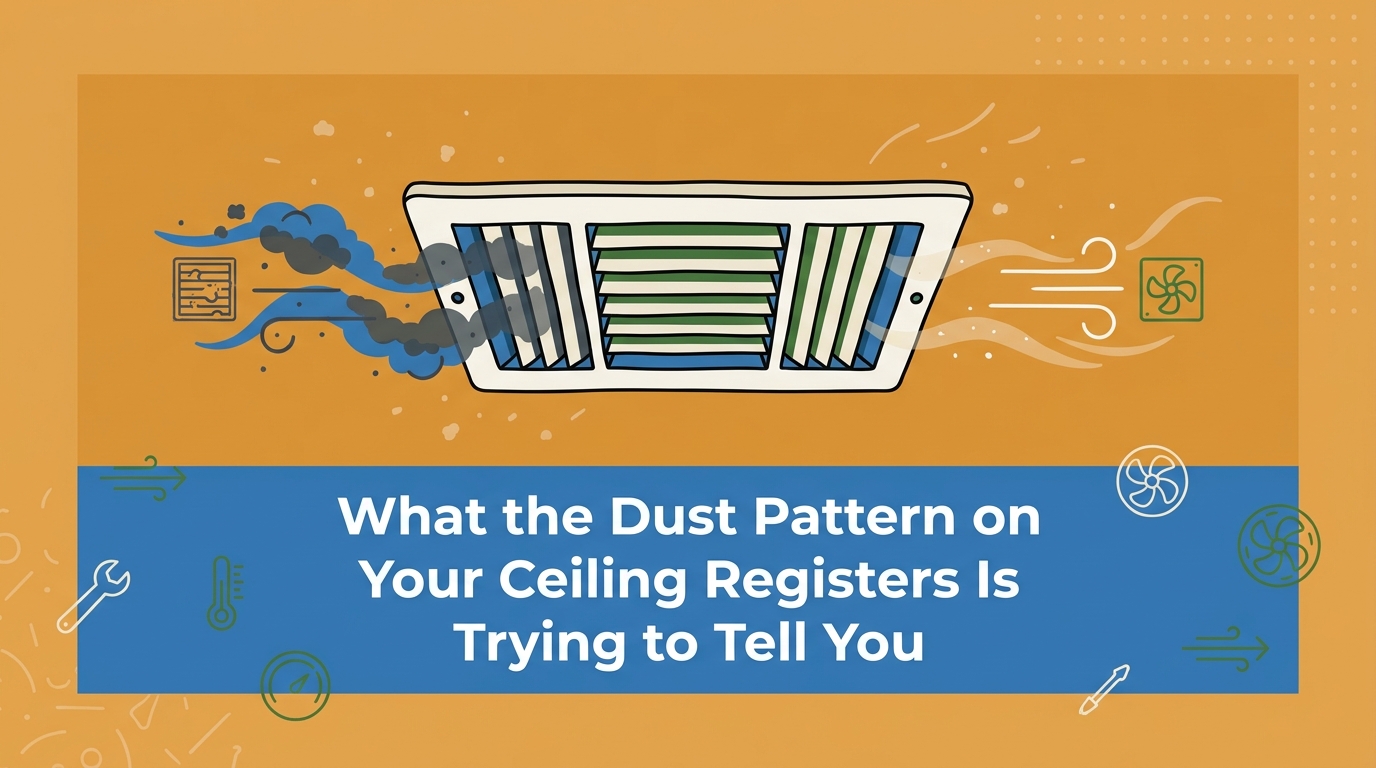
• Visible Fur and Dust on Vent Covers: If you notice gray, fuzzy mats of pet hair and dust clinging to your supply or return registers, it is a clear sign that the air path is heavily congested.
• The "Dust Poof" Effect: Watch your register vents when the heating or cooling system first kicks on. If you see a visible puff of dust or fine hair blow into the room, your ducts have a significant accumulation of loose debris.
• Unexplained, Lingering Odors: If you notice a stale, musty, or distinct "wet dog" smell every time your furnace or air conditioner runs—even after you have cleaned your carpets and washed your pet's bedding—the odor is likely coming from skin oils and dander trapped inside the dark, warm environment of your ductwork.
• Constant Dusting is Required: If you find a thin layer of gray dust settling on your furniture, countertops, and electronics just a few hours after a thorough cleaning, your HVAC system is likely recirculating trapped pet debris throughout your home.
• Increased Allergy and Asthma Flare-ups: If household members experience unexplained sneezing, itchy eyes, congestion, or respiratory irritation that seems to worsen when they are indoors, circulating pet dander is often the primary culprit.
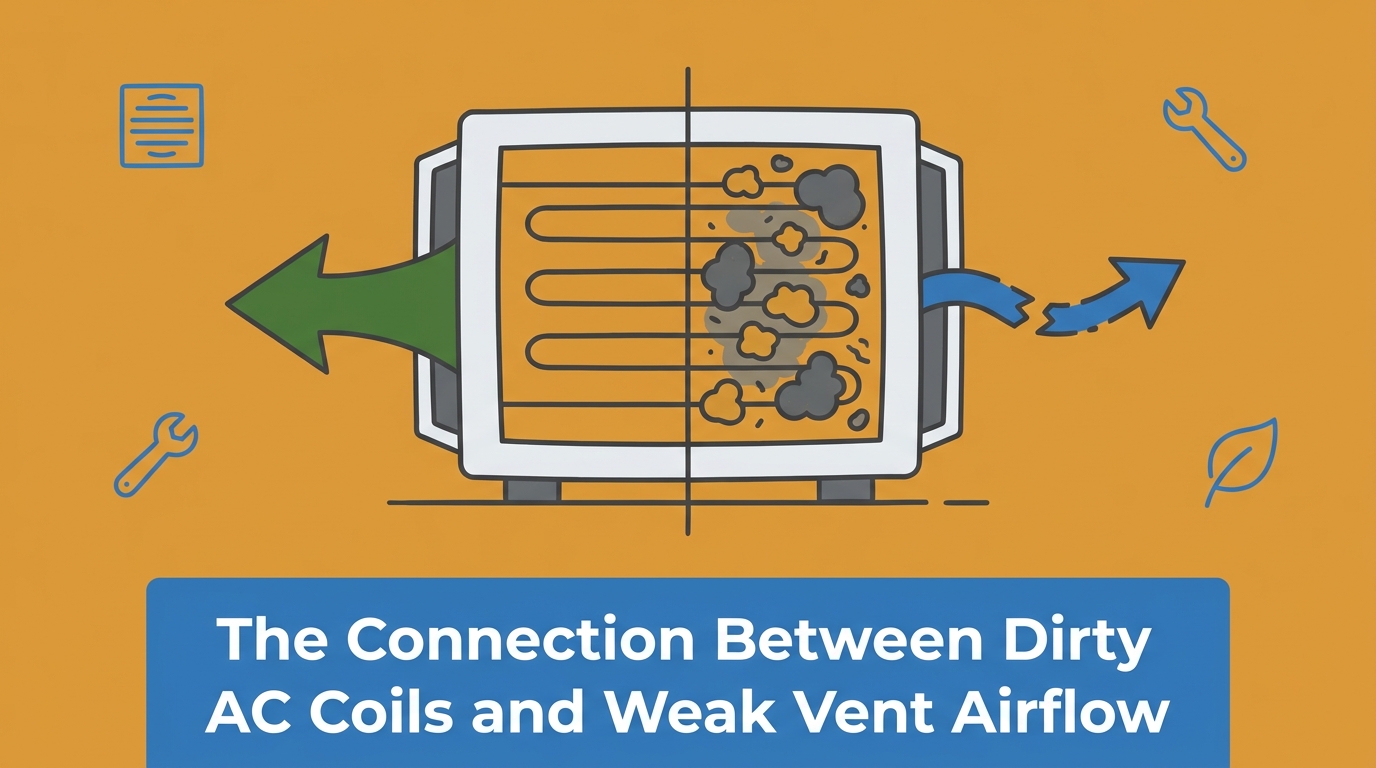
• Uneven Airflow or Temperature Imbalances: When dense mats of pet hair block internal registers or settle against the system's cooling coils, it restricts airflow. You might notice that certain rooms feel significantly warmer or cooler than others.
Recognizing these warnings early can save you from a complete system breakdown and immediately improve your indoor comfort. For a comprehensive list of what to look for, check out our guide on the top signs your air ducts need cleaning.
Professional Methods to Remove Pet Hair, Dander, and Odors
When it comes to removing stubborn, sticky pet dander and deeply tangled fur, DIY methods like inserting a household vacuum hose into your registers are simply ineffective. In fact, DIY attempts often do more harm than good by loosening compacted debris without capturing it, allowing it to blow directly into your living spaces.
To safely and thoroughly restore your ventilation system, specialized professional equipment and training are required. At Superior Air Duct Cleaning, we use a comprehensive source-removal process designed specifically to handle heavy pet contamination:
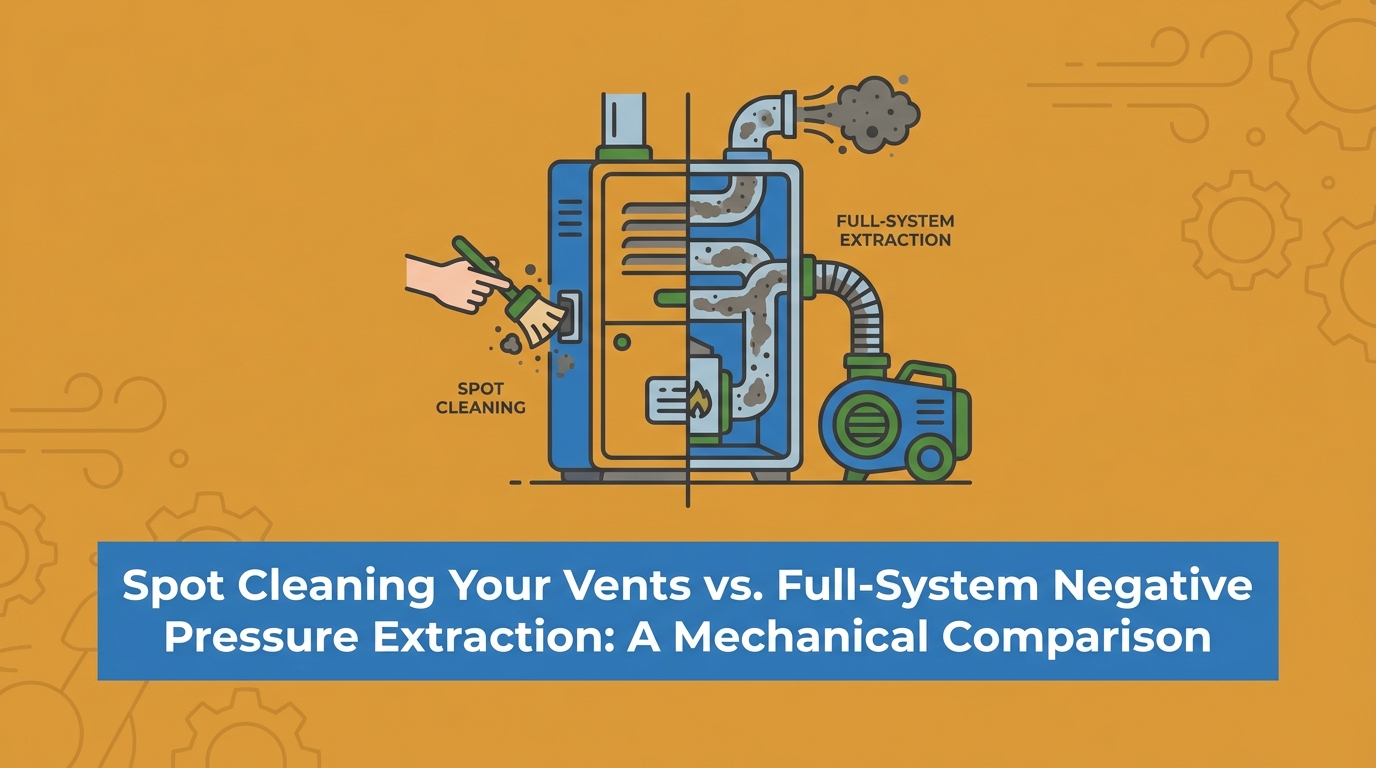
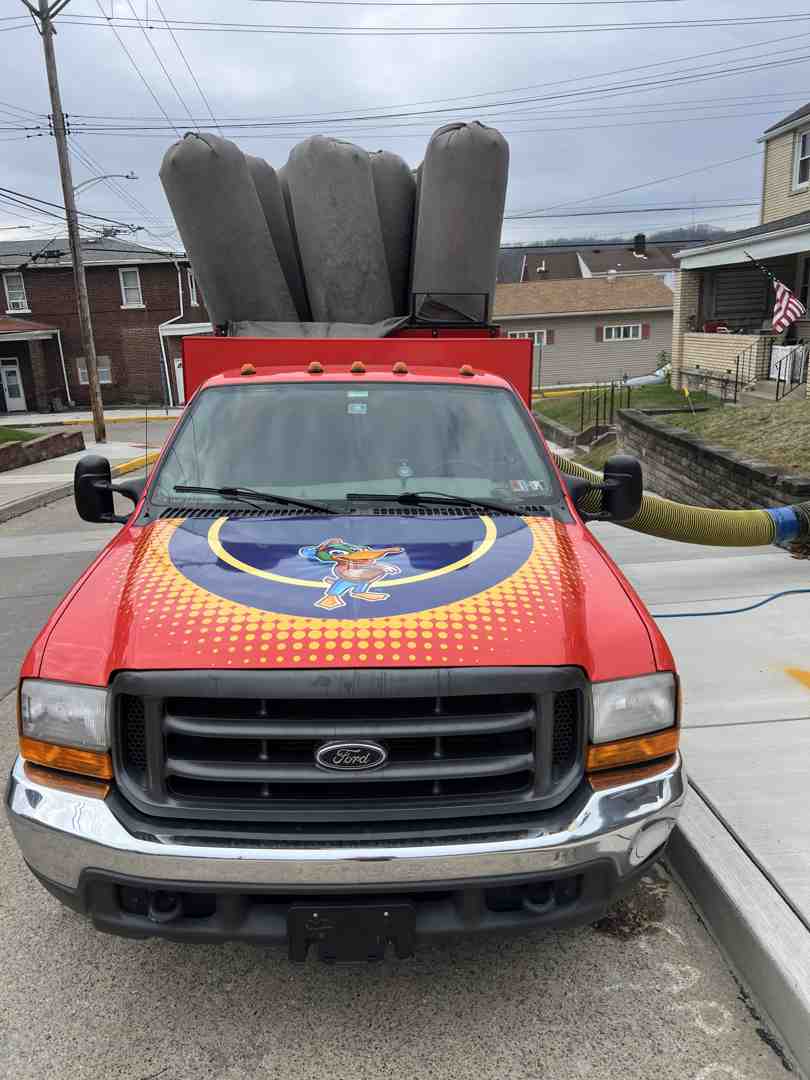
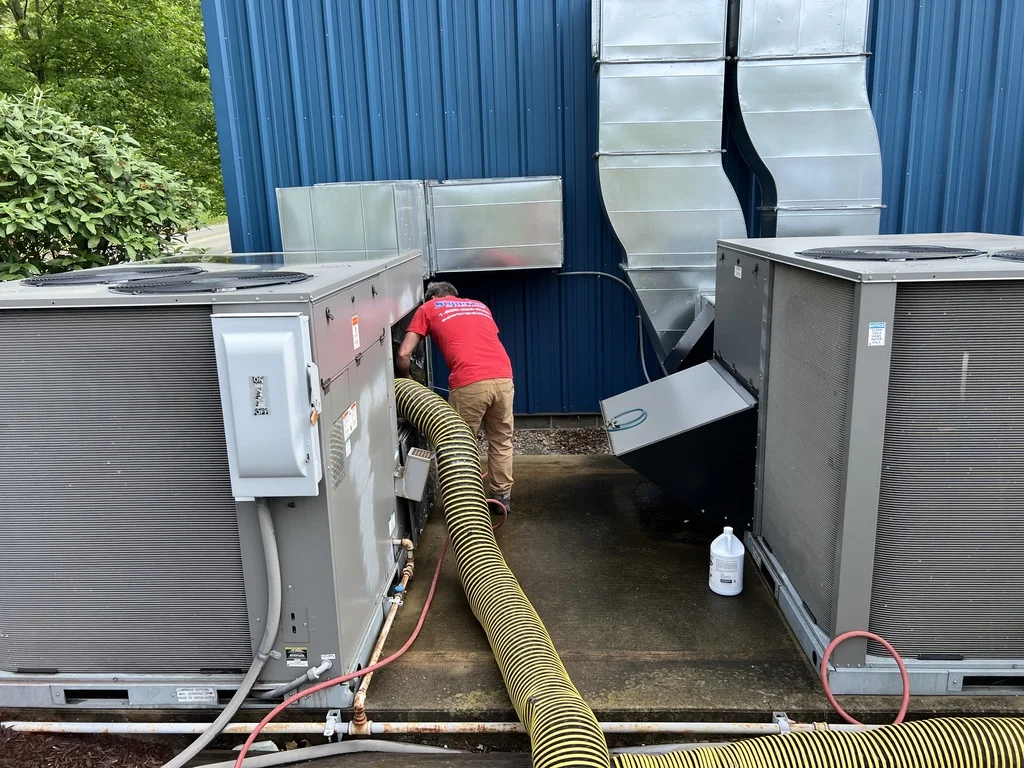
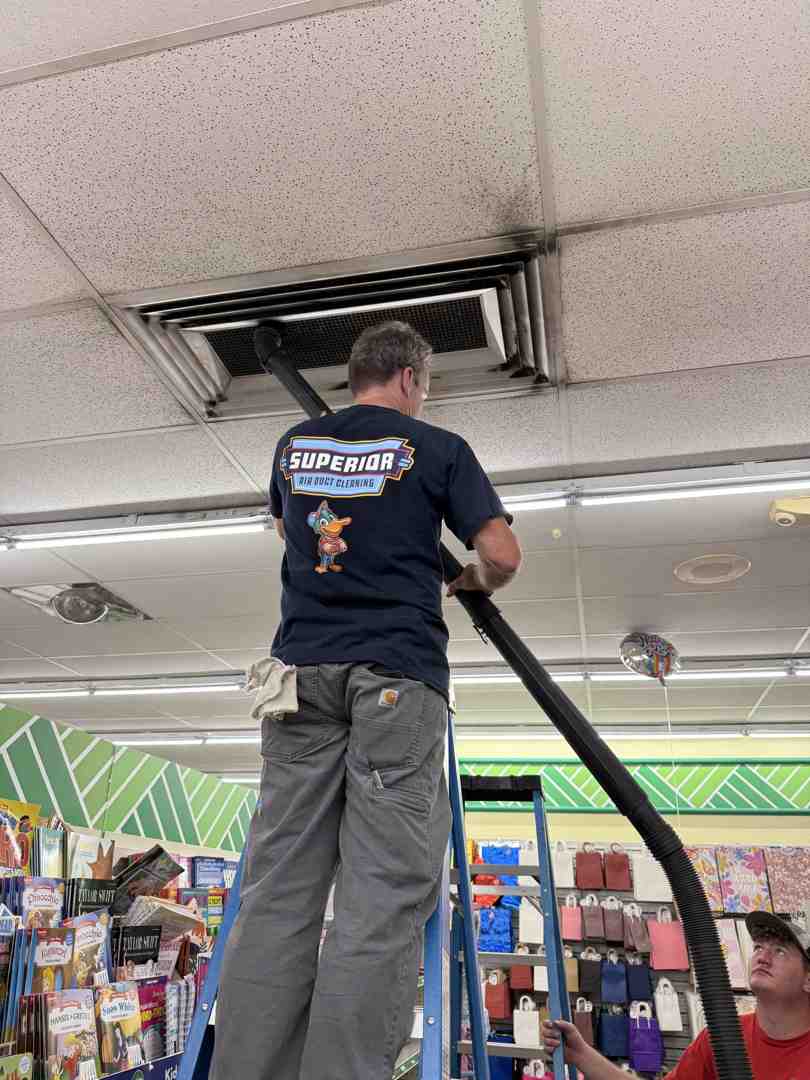
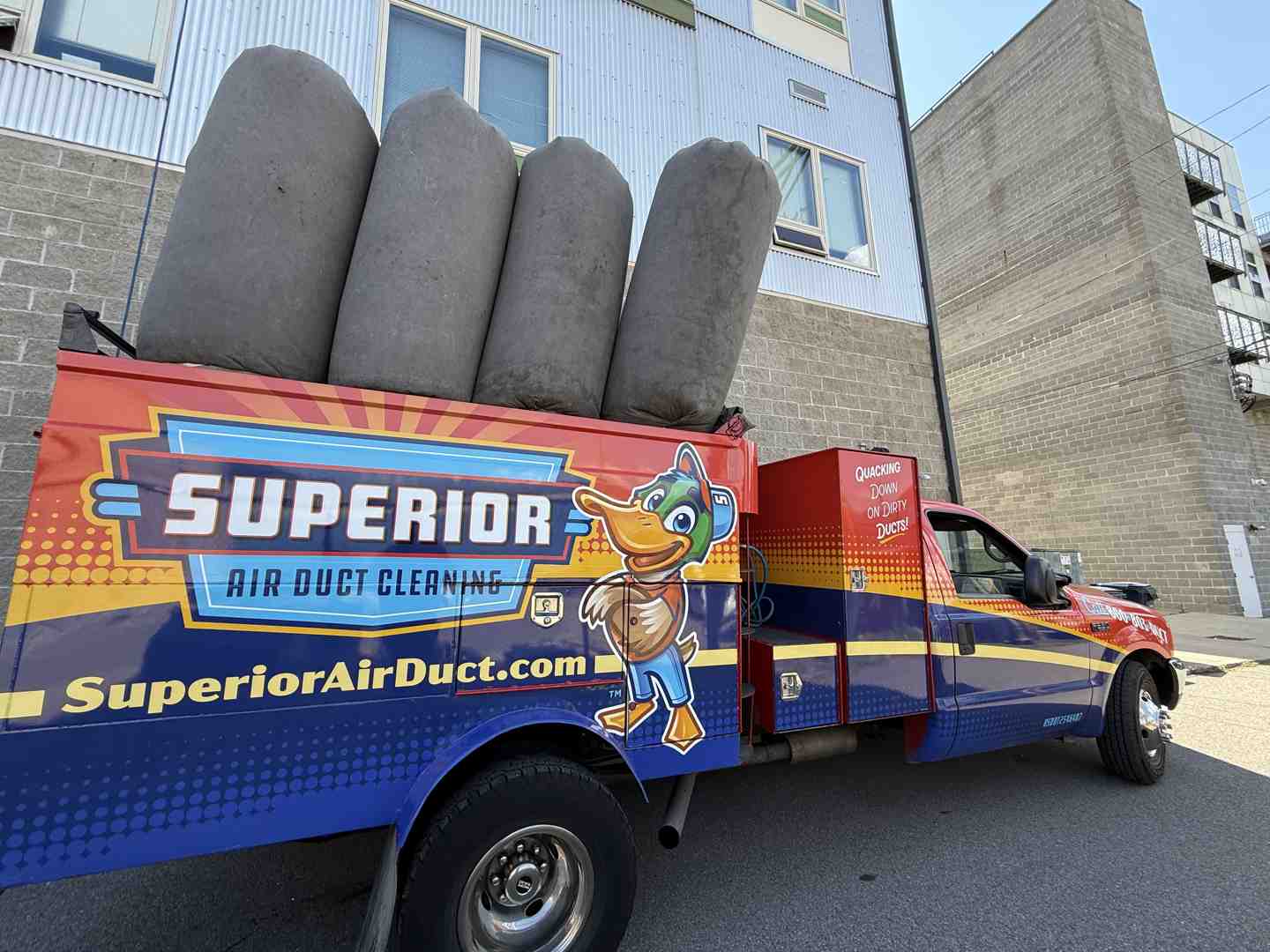
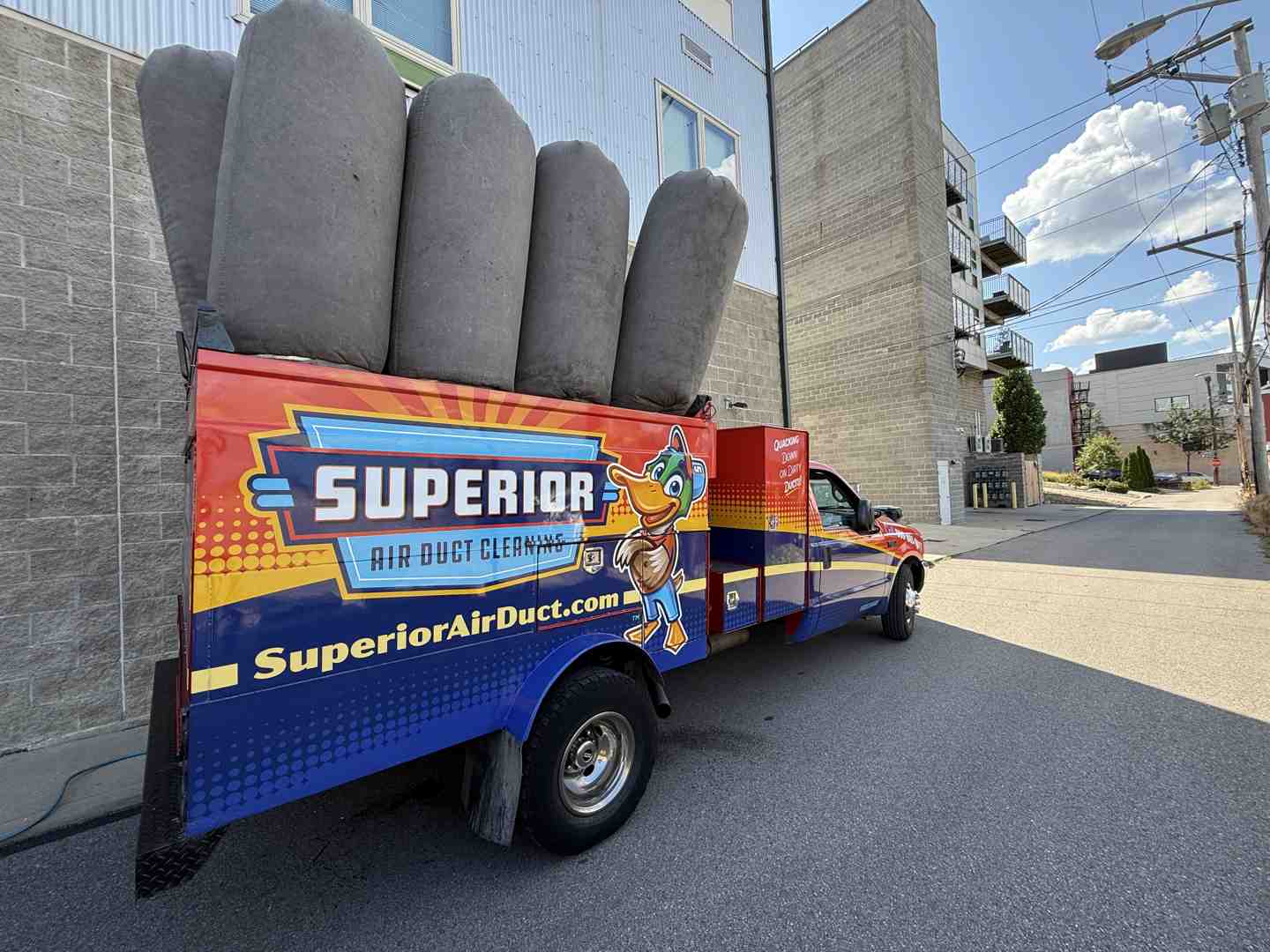
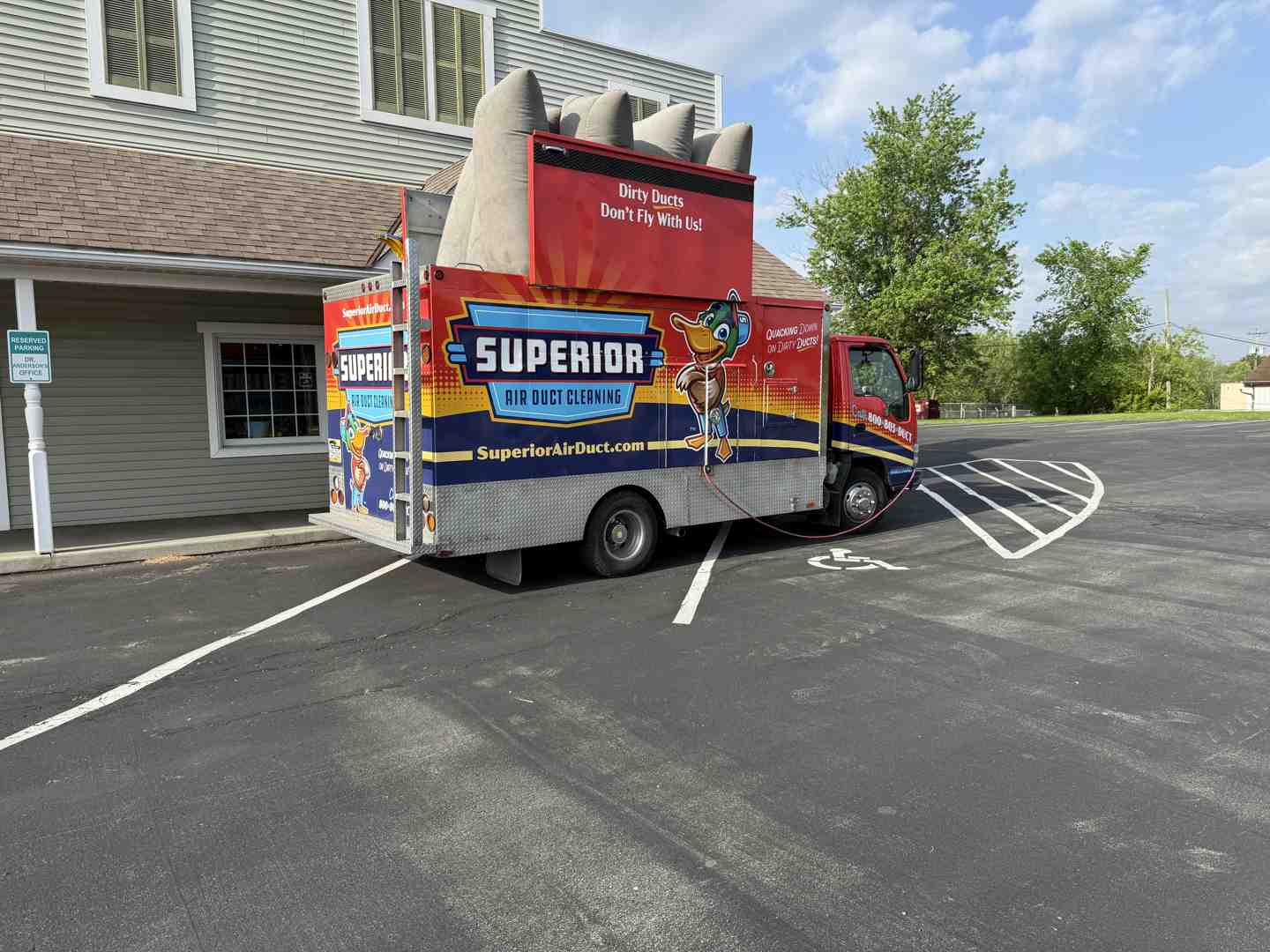
1. System Isolation and Negative Pressure: We connect a high-powered, truck-mounted vacuum system to your main duct trunk lines. This creates a powerful negative pressure (vacuum) throughout your entire ventilation system. This ensures that all loosened dust, hair, and dander are pulled directly out of your home and into our collection truck, preventing any mess in your living areas.
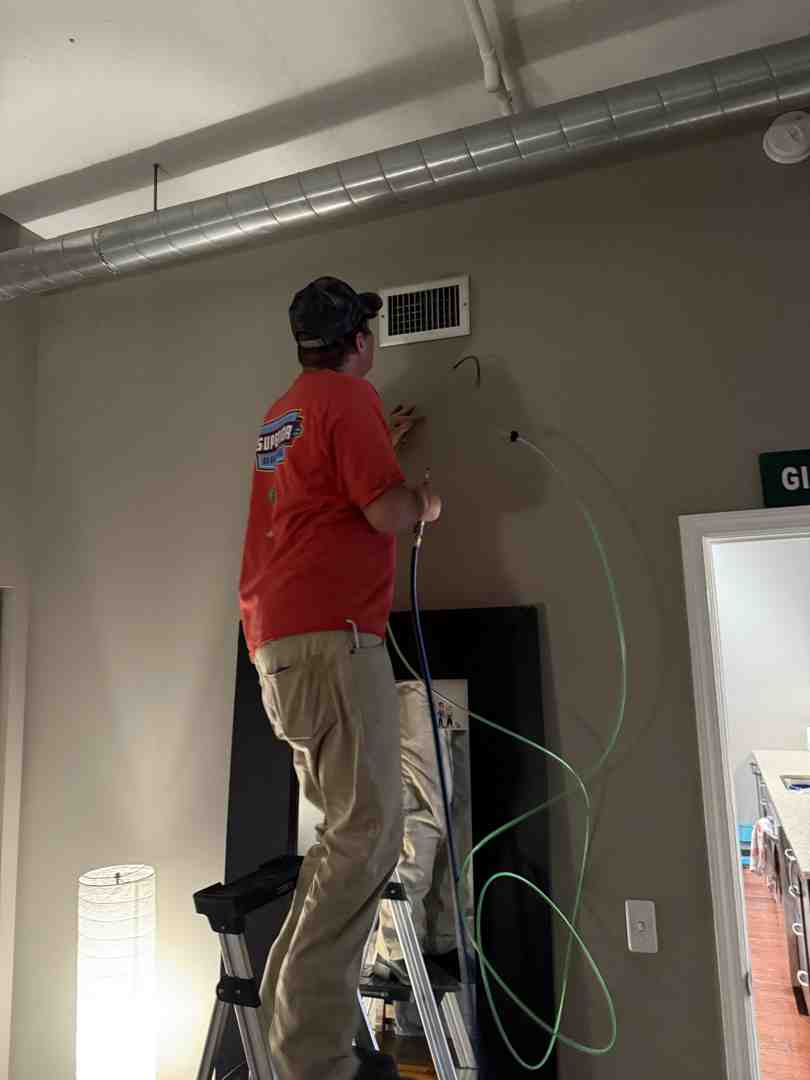
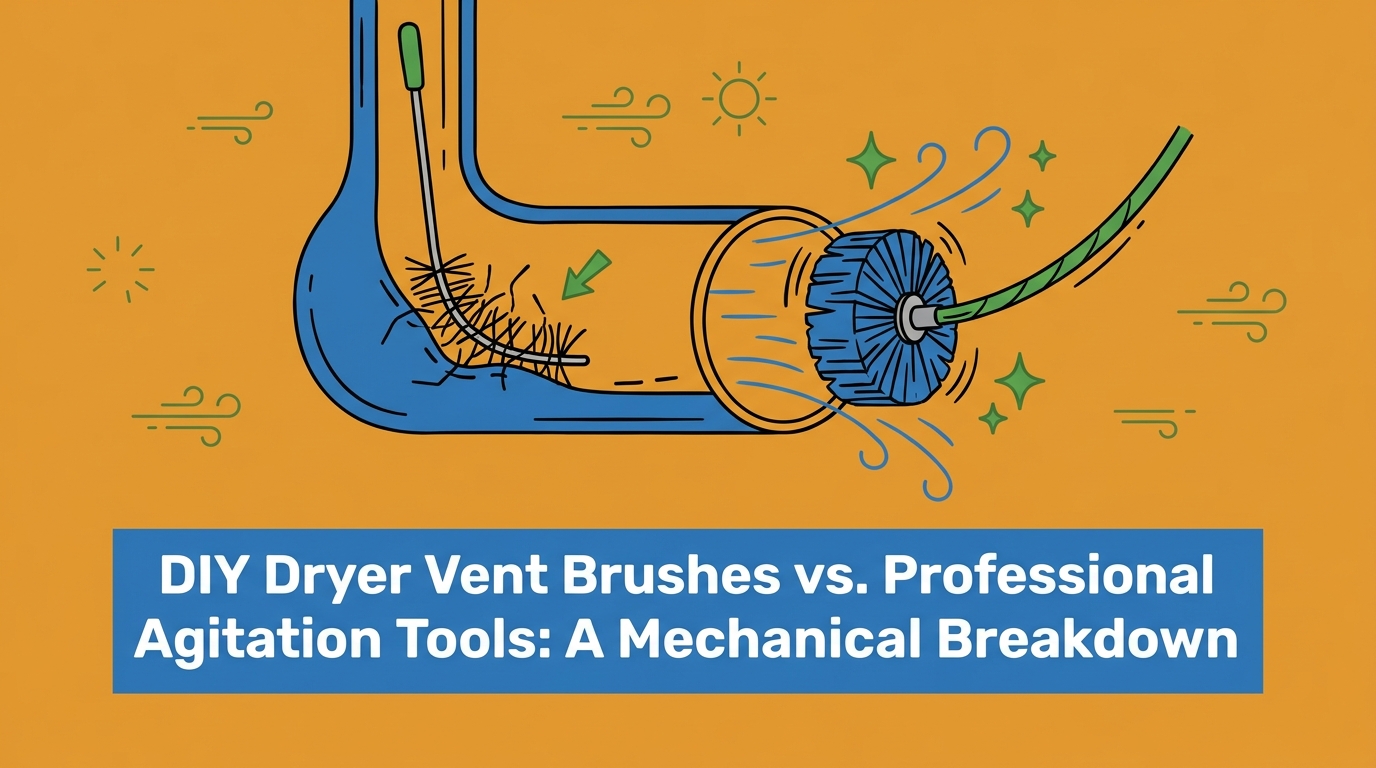
2. Mechanical Agitation: Because pet hair and dander cling to duct walls via static electricity and sticky skin oils, vacuum suction alone is not enough. Our technicians use specialized pneumatic whips, air sweeps, and high-pressure compressed-air tools to physically scrub the interior surfaces of your supply and return ducts, breaking loose stubborn buildup.
3. Detailed Component Cleaning: We don't just clean the duct lines. We thoroughly clean the critical components of your HVAC system, including the blower motor, fan housing, and evaporator coils, where pet hair loves to settle and choke system efficiency.
4. Air Register and Grille Washing: We remove your vent covers and hand-wash them to remove built-up oils and fur, ensuring a clean path for outgoing air.
5. Duct Sanitization and Deodorization: Mechanical cleaning removes the physical debris, but microscopic dander proteins and bacteria can still linger on duct surfaces, continuing to produce odors and trigger allergies. We apply an EPA-registered, pet-safe antimicrobial sanitizer to the interior of your ductwork. This step neutralizes lingering biological contaminants and eliminates deep-seated pet odors at their source.
By combining powerful negative pressure with thorough physical agitation and safe sanitization, we can completely eliminate the stubborn residues that pets leave behind. To learn more about how we target persistent smells and allergens, read our specialized guide on managing pet odors dander.
Maintenance Habits to Reduce Contamination Between Cleanings
While professional air duct cleaning is the only way to remove accumulated buildup from deep within your ventilation system, establishing consistent home maintenance habits can significantly slow down the rate of contamination.
By taking proactive steps, you can keep your indoor air fresher and extend the time between professional cleanings:
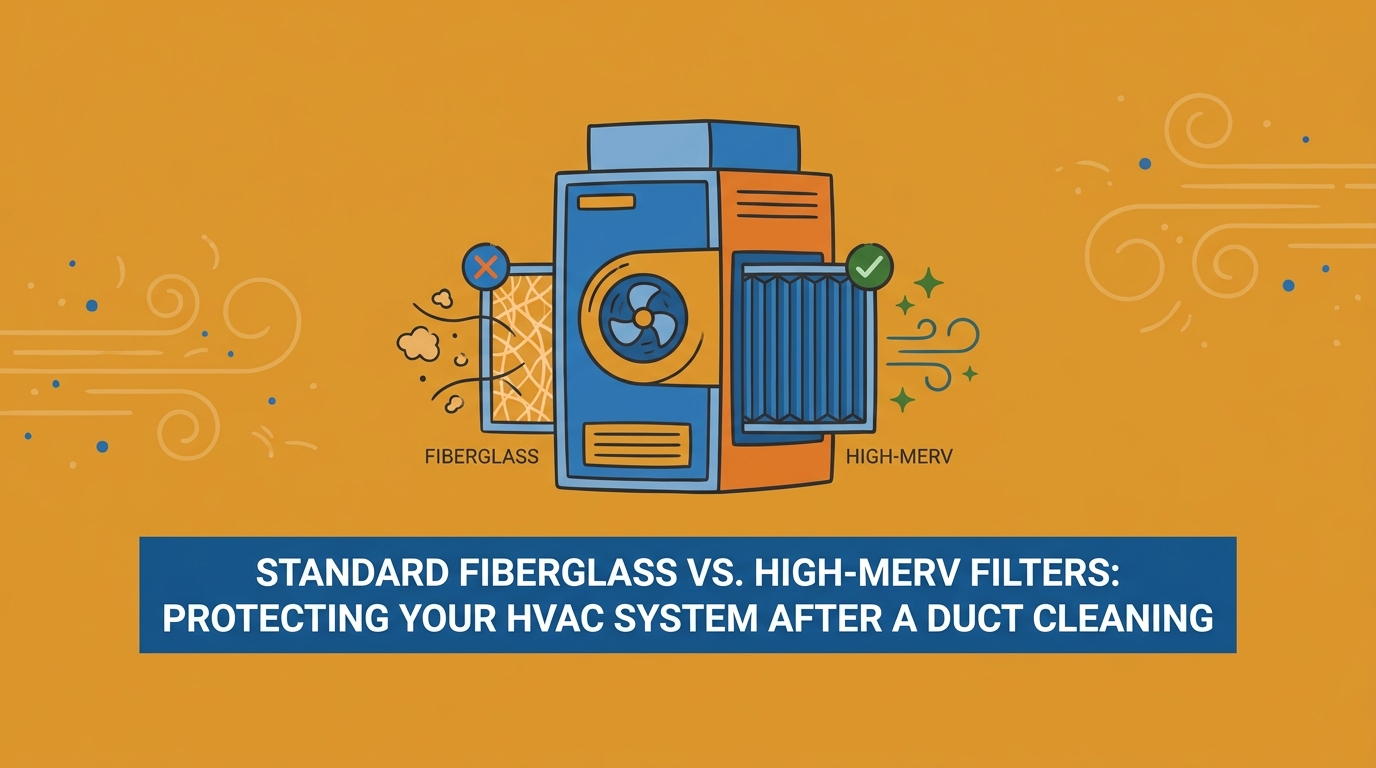
• Upgrade and Change Your HVAC Filters Regularly: Standard fiberglass filters only protect your system from large debris; they do little to capture microscopic dander. Upgrade to a pleated filter with a MERV (Minimum Efficiency Reporting Value) rating of 8 to 11. This range offers the perfect balance of capturing pet dander and fine hair without restricting your system's airflow. During heavy shedding seasons, check your filter monthly and replace it every 30 to 60 days.
• Establish a Consistent Grooming Routine: Brushing your pets regularly is the single most effective way to stop hair from entering your ducts in the first place. Whenever possible, brush your pets outdoors or in a contained room like a laundry room, and consider professional grooming for heavy-shedding breeds.
• Vacuum with HEPA Filtration: Vacuum your carpets, rugs, and upholstered furniture at least twice a week. Make sure your vacuum is equipped with a certified HEPA (High-Efficiency Particulate Air) filter so that pet dander is actually trapped in the canister rather than being blown back out of the exhaust and into your return vents.
• Focus Cleaning Near Return Registers: Pay special attention to the floor areas immediately surrounding your return air grilles. Because these vents pull air in, pet hair naturally gathers nearby. Keeping these areas swept and vacuumed prevents the system from sucking in loose clumps of fur.
• Wash Pet Bedding Weekly: Pet blankets, pillows, and soft toys are massive reservoirs for dander, hair, and skin oils. Washing them weekly in hot water significantly reduces the volume of loose allergens circulating through your home.
• Maintain Healthy Indoor Humidity: Keep your home's relative humidity between 30% and 50%. This prevents the air from becoming too dry, which increases static electricity and causes dander to cling stubbornly to your ductwork.
Frequently Asked Questions about Pet Air Duct Maintenance
Is air duct cleaning safe for pets during the service?
Yes, professional air duct cleaning is entirely safe for your pets, but there are a few important considerations for service day. The powerful truck-mounted vacuums and air compressors we use generate significant noise, which can be stressful for sensitive dogs and cats.
To keep your pets comfortable and safe, we recommend placing them in a quiet, closed room that is not being serviced, keeping them in their crates, or arranging for them to stay with a neighbor or at a daycare during the appointment. This also ensures that curious pets do not accidentally slip out of open doors while our technicians are running hoses to and from our service vehicles.
Can cleaning air ducts reduce pet-related allergies?
Yes! While air duct cleaning cannot prevent your pet from producing new dander, it removes the massive reservoir of accumulated allergens that are constantly recirculated through your home. When your HVAC system runs, it can blow trapped dander, dried saliva, and dust mites back into your breathing zone.
By thoroughly removing these contaminants from the ductwork, you significantly lower the overall allergen load in your home, providing welcome relief from sneezing, congestion, and asthma triggers.
For more details on how this process protects your health, read our guides on reducing allergens with duct cleaning and preventing allergy problems with duct cleaning service.
How often should pet owners clean their dryer vents?
While air ducts are typically cleaned every few years, dryer vents are a completely different story. If you have shedding pets, their hair clings to clothes and blankets, bypassing the dryer's lint trap and settling inside the dryer duct. This creates a highly combustible mix of lint and pet fur that restricts airflow, increases drying times, and poses a severe fire hazard.
For homes with pets, dryer vents should be professionally cleaned every single year without exception. Regular maintenance not only prevents dangerous house fires but also keeps your dryer running efficiently, saving you money on energy bills.
To learn more about keeping your laundry system safe, read our practical guides on how often should you perform dryer duct cleaning and how often should you clean your dryer vent.
Conclusion
Sharing your home with pets brings immense joy, but it also brings unique challenges for your indoor air quality and HVAC efficiency. Over time, the accumulation of pet hair, dander, and odors can take a heavy toll on your ventilation system, making regular maintenance a necessity rather than an option.
At Superior Air Duct Cleaning, we are dedicated to helping families and their beloved pets breathe easier. We proudly serve homeowners and businesses across Western Pennsylvania and Northeast Ohio—including Allegheny, Butler, Mercer, Washington, Beaver, Lawrence, Westmoreland, Mahoning, Trumbull, Columbiana, Jefferson, and Hancock counties.
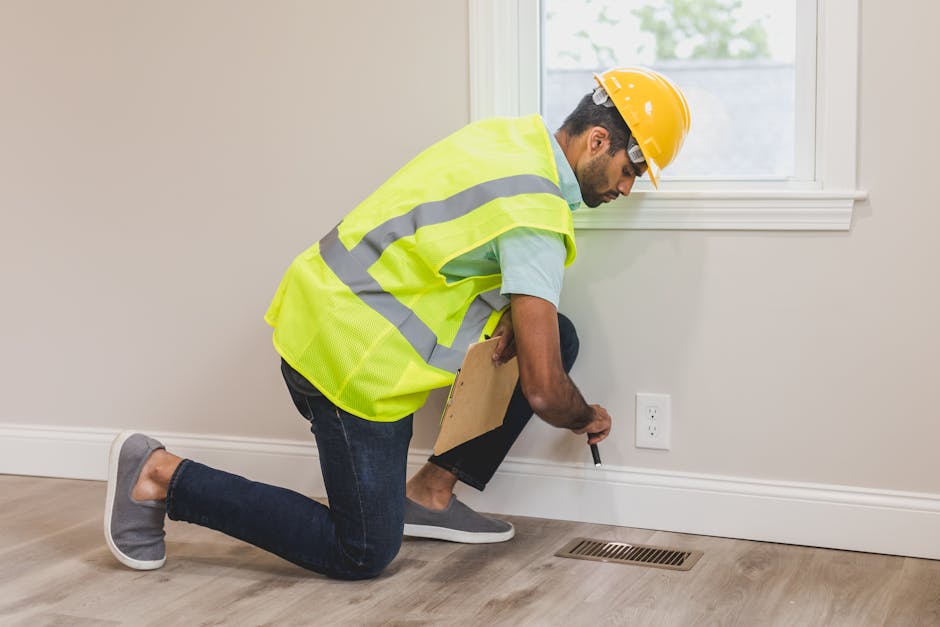
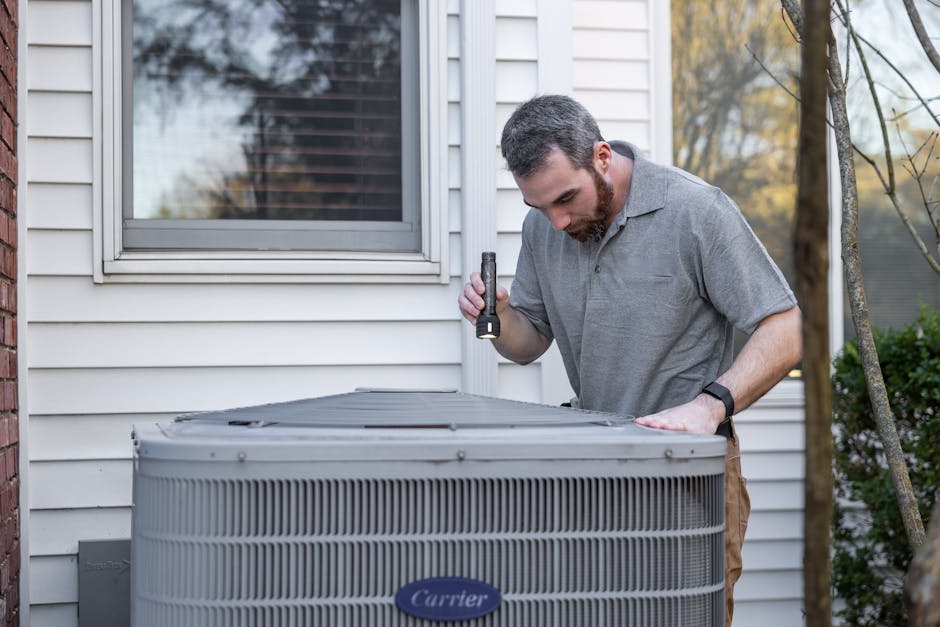
If you are noticing dusty registers, lingering pet odors, or increased allergy symptoms, let our NADCA-certified team restore the health of your home's ventilation system. Explore our comprehensive Superior Air Duct Cleaning Air Quality Services and contact us today to schedule your professional inspection and cleaning!

Customer Reviews


Superior Air Duct cleaning did a phenomenal job in a timely manner with the tech “Rich” being very professional ,personable and considerate of our property! He explained things as he proceeded and answered all our questions!
I LOVE that they provide before & after photos to see the difference. Give them a try… you won’t regret it
Pam T.
Robert was on schedule and communicated what time he would arrive. He was polite, professional, and respectful of our home. I wanted to wait a couple weeks before posting a review because I wanted to see if the duct cleaning actually made a difference. I am happy to say it did! I vacuum multiple times a week and have already noticed a significant reduction in the amount of dust cleaned up each time. As a home with pets, there will always be something to clean, but getting the ducts cleaned has definitely helped improve the air quality and reduce the dust.
alice A.
Technician Rob arrived early explained the days agenda and then proceeded to work methodically and meticulously over the next 6+ hours cleaning my ductwork. Courteous and professional they answered all of my questions and went above and beyond the call of duty. They even located an old dusty box of rat poison buried in our vents. My only regret is not finding these guys sooner. As a realtor of 22 years and owner of a newly purchased (now dust free) home I highly recommended!
Eric K.
Excellent service! I’ve used them to clean out my air ducts as well as my dryer vent duct and they are excellent. I was very pleased with both jobs and will continue to use them in the future. Great communication as well- from the time I scheduled the appointment until they were at my door.
Erika C.
We had such an amazing experience with Superior Air Duct Cleaning. They were so nice and friendly and did an amazing job. I loved seeing the before and after pictures. Besides doing an amazing job cleaning our air ducts they were so quick at responding and setting up the appointment. We will definitely be using them in the future.
Amanda C.