Why the Portable vs Truck Mounted Suction Power Difference Matters for Your Home's Air Quality
The portable vs truck mounted suction power difference is one of the most important factors determining how thoroughly your air ducts get cleaned — and how much dust, allergens, and debris actually leave your home versus simply getting stirred around.
Here is a quick breakdown of what separates the two systems:
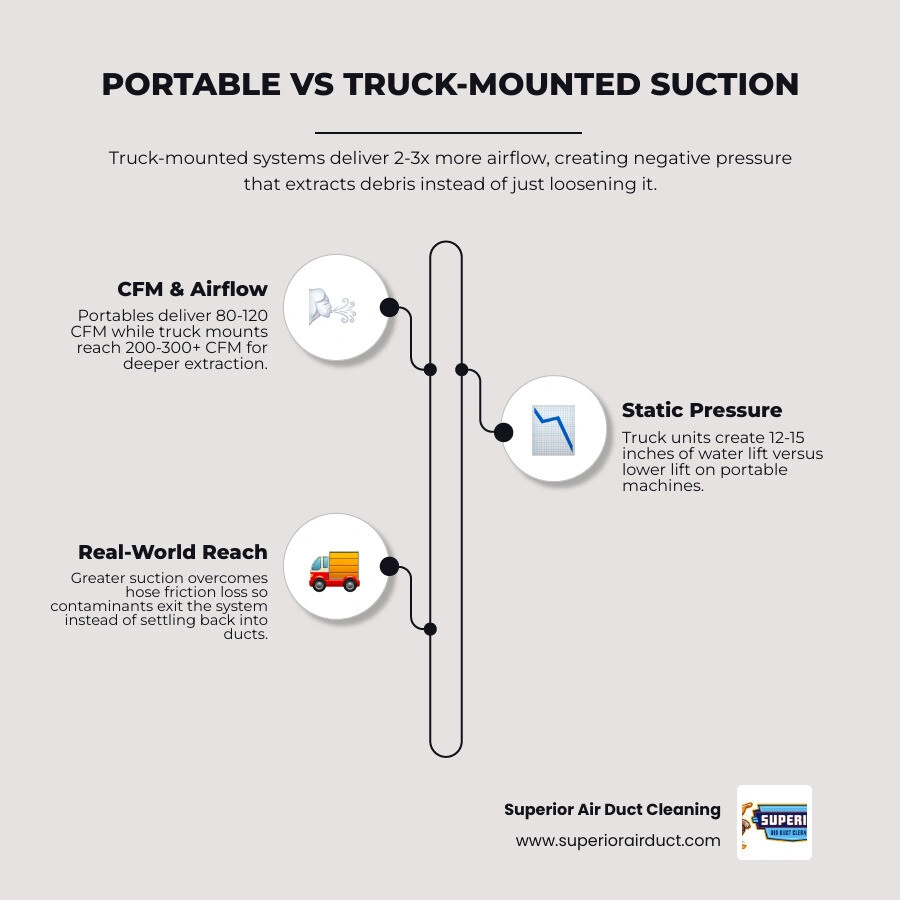
• Suction (CFM) — Portable Units: 80–120 CFM — Truck-Mounted Units: 200–300+ CFM
• Water/Static Lift — Portable Units: Lower — Truck-Mounted Units: 12–15 inches water lift
• Heat Output — Portable Units: 122–160°F — Truck-Mounted Units: 180–250°F
• Water Pressure — Portable Units: 50–300 PSI — Truck-Mounted Units: 400–2,000 PSI
• Power Source — Portable Units: Standard electrical outlet — Truck-Mounted Units: Vehicle engine
• Best For — Portable Units: High-rises, tight spaces, upper floors — Truck-Mounted Units: Ground-level homes, large accessible spaces
• Cleaning Speed — Portable Units: Slower (roughly 2x longer) — Truck-Mounted Units: Faster, deeper extraction
Most professional duct cleaners rely on truck-mounted systems as their primary equipment — and for good reason. Truck mounts generate significantly more negative pressure, which is what actually pulls contaminants out of your ductwork rather than just loosening them. Portable units have their place, especially in multi-story buildings or areas where a service vehicle simply cannot park close enough to run hoses. But the raw suction difference between the two platforms is substantial under real working conditions.
Understanding this difference helps you ask better questions when hiring a duct cleaning service — and makes sure the job actually gets done right.
Portable vs truck mounted suction power difference vocab explained:
• how truck mounted vacuum systems work for ducts
• truck mounted vs portable duct cleaning comparison
• why equipment matters for duct cleaning results
Understanding the Portable vs Truck Mounted Suction Power Difference
To truly understand the portable vs truck mounted suction power difference, we have to look past the marketing brochures and dive into the actual physics of airflow. When we talk about suction in the duct cleaning industry, we are looking at three core metrics: CFM (Cubic Feet per Minute), static pressure (often measured in inches of water lift), and negative pressure.
CFM measures the volume of air a vacuum system can move in a single minute. Static pressure represents the vacuum's pulling force — its ability to overcome resistance, such as bends in your ductwork or heavy debris settled at the bottom of a trunk line. Negative pressure is the state we create inside your HVAC system to ensure that when we dislodge dust and dander, the debris has nowhere to go but straight out to our collection system, preventing recontamination of your living spaces in Pittsburgh, PA, or Boardman, OH.
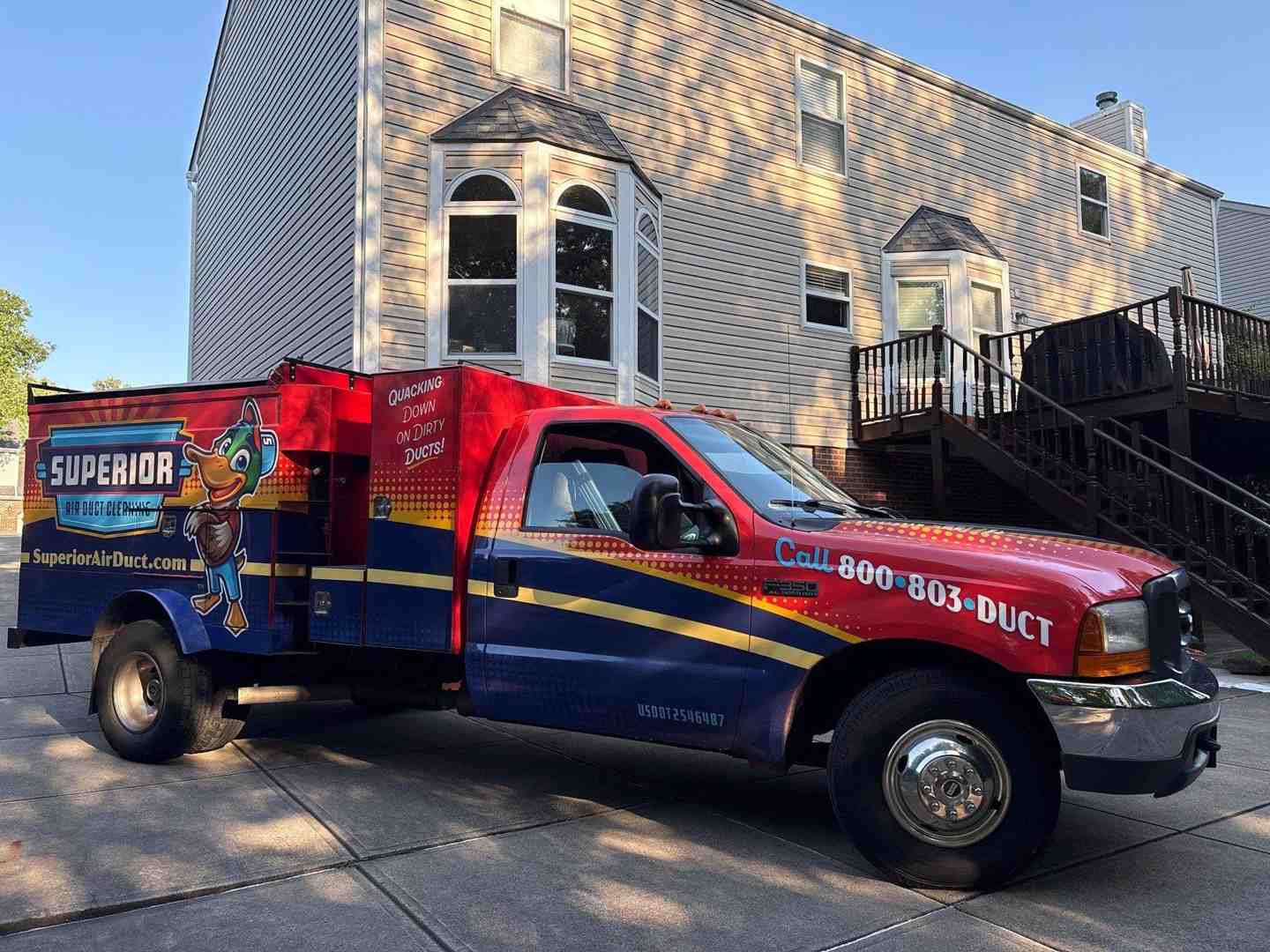
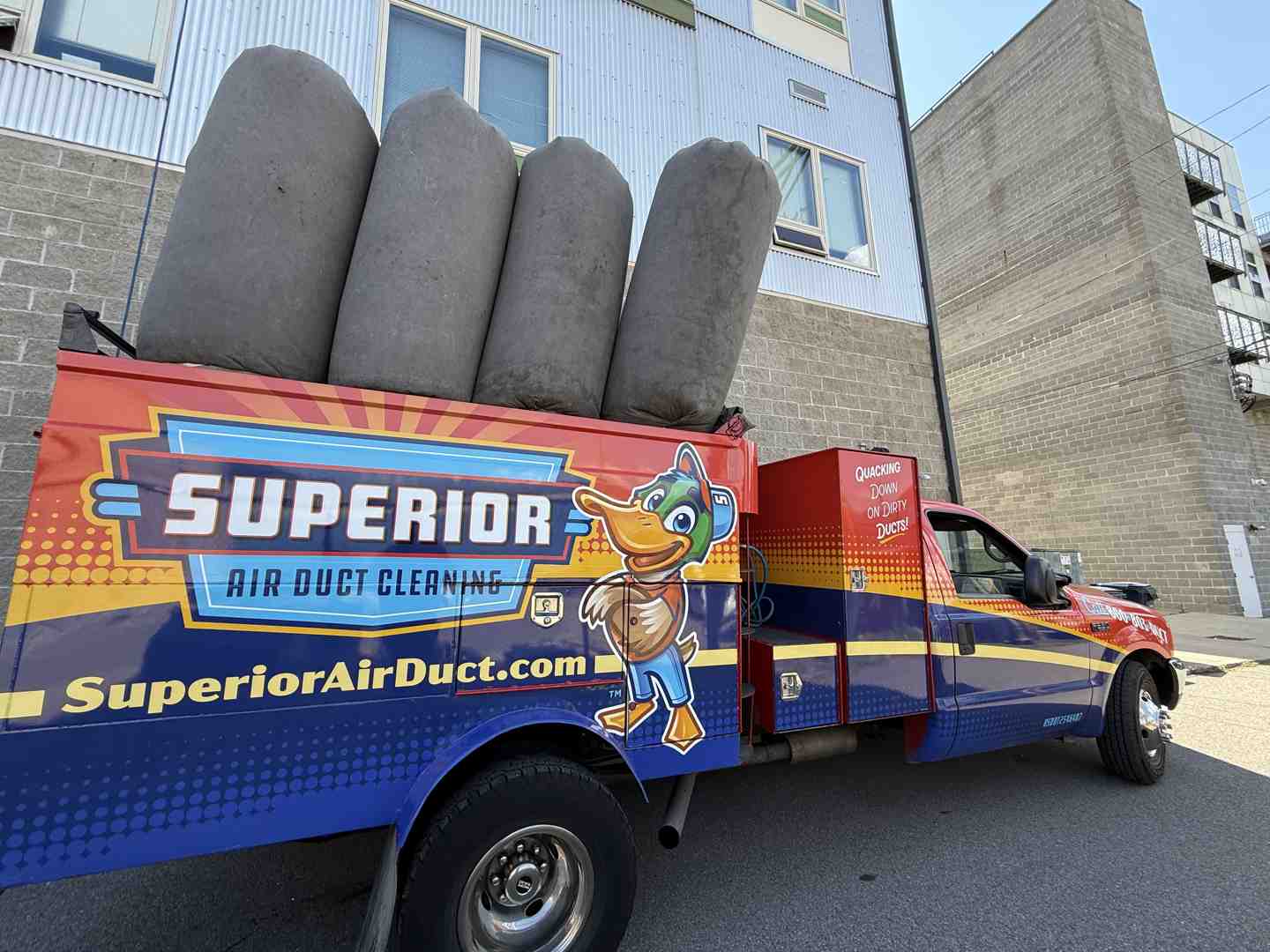
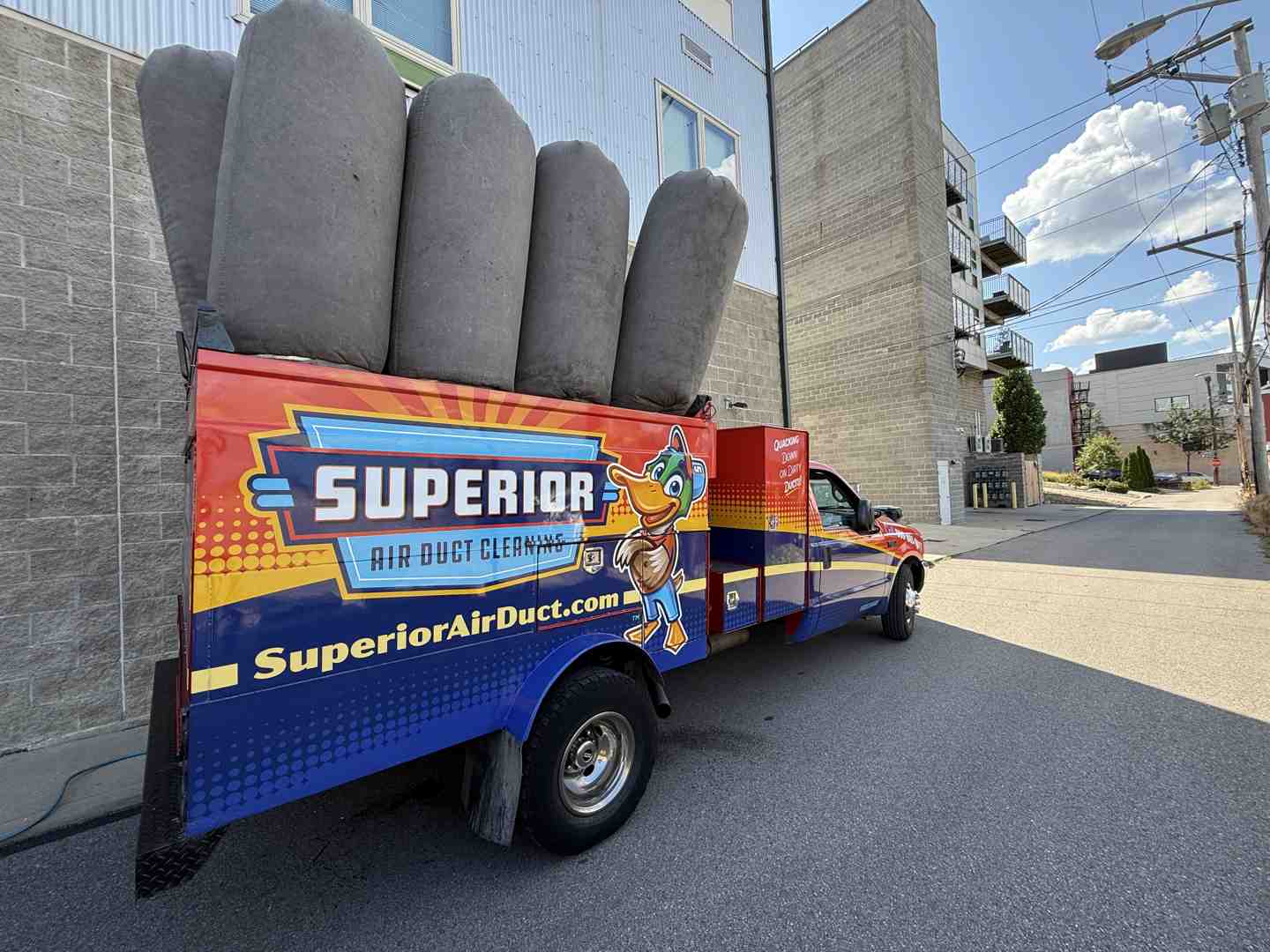
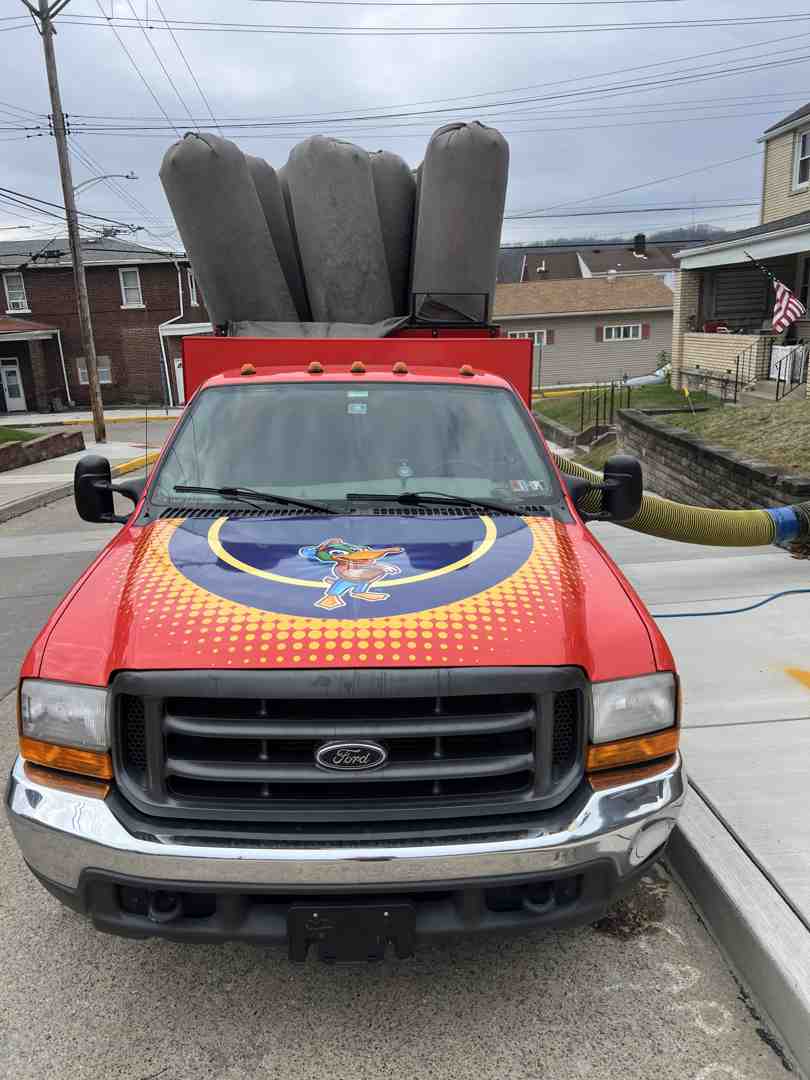
A truck-mounted system is a heavy-duty powerhouse. It is permanently installed in a specialized service vehicle and powered directly by the truck's high-horsepower engine. Because it does not rely on a standard 15-amp residential electrical outlet, a truck mount can pull massive amounts of power. This allows the system to spin large positive-displacement blowers or heavy-duty fans that generate thousands of CFM under a working load.
On the other hand, portable units are compact, self-contained machines that our technicians wheel directly into your home or commercial facility. Because they are limited by the electrical capacity of standard household wall outlets (typically requiring one or two separate 110-volt circuits), their motors are naturally smaller. While modern engineering has made high-end portables incredibly efficient, they simply cannot match the raw mechanical energy generated by a truck's dedicated engine.
To see how these power differences translate to real-world specifications, let us compare the typical metrics of these two platforms:
• Engine/Motor Power — Premium Portable System: Twin or triple electric vacuum motors — Heavy-Duty Truck-Mounted System: Dedicated gas or diesel engine (or PTO)
• Airflow Volume (Free-Air) — Premium Portable System: 1,500 – 3,000 CFM — Heavy-Duty Truck-Mounted System: 8,000 – 12,000+ CFM
• Static Pressure (Water Lift) — Premium Portable System: 2 – 5 inches — Heavy-Duty Truck-Mounted System: 12 – 15+ inches
• Power Dependency — Premium Portable System: Requires 2 separate home circuits — Heavy-Duty Truck-Mounted System: Entirely self-powered by vehicle
• Primary Use Case — Premium Portable System: Hard-to-reach high-rises, tight condos — Heavy-Duty Truck-Mounted System: Single-family homes, commercial facilities
As you can see in this Truck-Mounted vs Portable Duct Cleaning Comparison, the discrepancy is not minor. It is the difference between a compact sedan and an industrial semi-truck. While a portable system works diligently to clean localized areas, a truck-mounted system places the entire HVAC network under a state of high-velocity negative pressure, leaving no room for dust to hide.
How Hose Length and Friction Loss Impact Delivered Suction
One of the most overlooked aspects of the portable vs truck mounted suction power difference is what happens between the vacuum motor and your actual heating and cooling vents. It is easy to look at a machine's rated power and assume that is what you are getting inside your ducts. In reality, the physical hose connecting the machine to your system acts as a major bottleneck. This bottleneck is caused by two compounding forces: friction loss and static pressure drop.
Whenever air travels through a flexible vacuum hose, it rubs against the ribbed interior walls of the hose. This creates resistance, slowing down the air and reducing the effective suction. The longer the hose run, the more resistance the air encounters, and the more suction power is lost before it ever reaches your trunk line.
For a truck-mounted system, we park our service vehicle in your driveway or along the curb in neighborhoods like Cranberry Township, PA, or Youngstown, OH. We then run heavy-duty, 8-inch or 10-inch diameter vacuum hoses from the truck, through an entryway, and down to your furnace or air handler. This setup often requires 100 to 150 feet of hose.
Because the hose run is long, the system must have enough reserve static pressure to overcome this friction loss. This is where the truck mount's massive engine pays off. It has the raw power to push through the resistance of a 150-foot hose run and still deliver incredible negative pressure at the duct connection point. To learn more about this mechanical process, you can read about How Truck-Mounted Vacuum Systems Work for Ducts.
The Physics of Friction Loss and the Portable vs Truck Mounted Suction Power Difference
To understand the mathematics of this drop, consider the physics of airflow velocity. Friction loss in an 8-inch collection hose runs approximately 0.8 to 1.2 inches of water column (WC) per 100 feet at high velocities.
If a system does not have high static pressure capacity, a long hose run will cause the CFM to plummet. For example, a truck mount rated at 10,000 CFM of "free-air" capacity (meaning suction measured directly at the machine with no hoses attached) might deliver around 4,500 to 6,500 CFM at the actual duct trunk line after fighting through 150 feet of hose and several 90-degree turns.
If you were to attach that same 150 feet of hose to a standard portable unit, the portable's smaller motors would be completely overwhelmed by the static pressure drop. The suction at the duct connection would dwindle to a gentle breeze, failing to pull heavy debris out of your vents. This is why understanding Why Equipment Matters for Duct Cleaning Results is so critical when choosing a service provider.
Real-World Performance at the Duct Connection Point
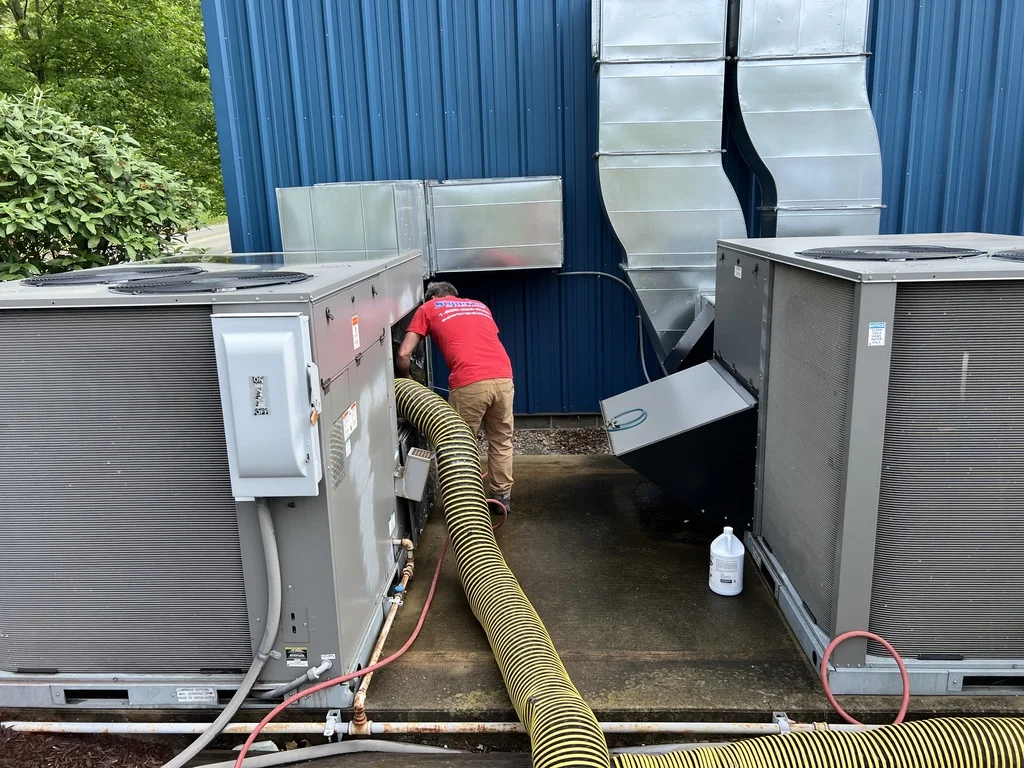
Because of these physical limitations, portable systems are designed to be used with very short hoses — usually only 15 to 25 feet long. By wheeling the portable unit directly next to your furnace, we minimize friction loss. This allows a premium portable unit rated at 2,500 CFM to deliver nearly all of that performance directly to the trunk line.
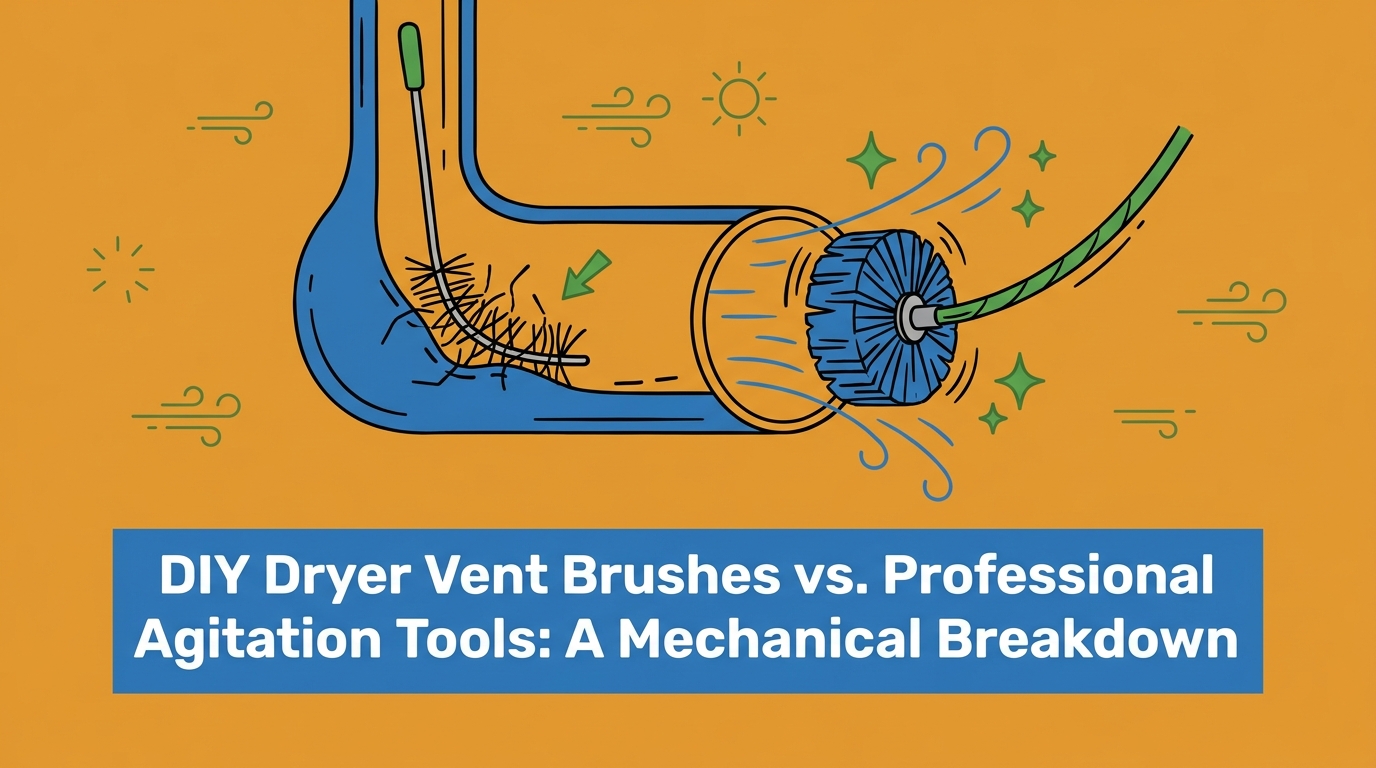
However, even with a short hose, a portable system cannot match the sheer volume of air moved by a truck mount. To compensate for this lower volume, our technicians must use highly specialized agitators, pneumatic air sweeps, and whip tools to physically push the dust toward the vacuum source.
By combining high-velocity compressed air (running at 185 PSI) with localized suction, we can achieve an incredibly thorough clean even when building layout constraints require us to use portable equipment. You can explore these advanced methods in our guide to the High-Tech Tools We Use for Air Duct Cleaning.
Key Trade-offs: Accessibility, Power, and Job Suitability
When deciding which equipment platform is right for a specific property in Western Pennsylvania or Northeast Ohio, we look at a balance of three factors: accessibility, power, and job suitability. There is no one-size-fits-all answer in professional duct cleaning. Instead, we match the tool to the architectural reality of the building.
Truck-mounted systems are the undisputed champions for single-family residential homes and ground-level commercial spaces. They offer unmatched cleaning speed, often completing a thorough whole-house cleaning in a fraction of the time a portable would require. Because they carry their own power and water extraction systems (for specialized sanitization), they do not put any load on your home’s electrical panel, eliminating the risk of tripped circuit breakers.
However, truck mounts have a major physical limitation: parking. If you live in a high-rise condominium in downtown Pittsburgh, or if your commercial building has a large parking garage where our service trucks cannot fit, a truck mount simply cannot be used. Hoses begin losing critical suction pressure rapidly beyond 150 to 200 feet, making upper-floor apartments above the third floor a "dead zone" for truck-mounted extraction.
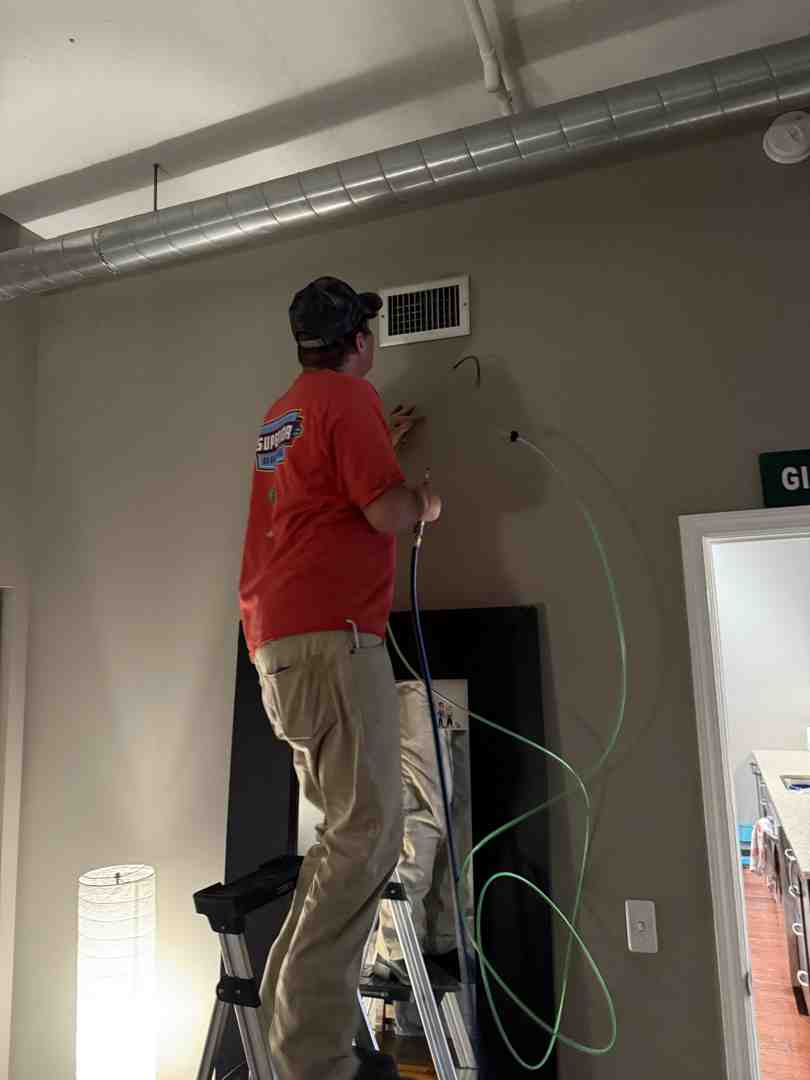
This is where portable equipment shines. Portable units are lightweight, highly maneuverable, and designed to fit into standard passenger elevators and narrow hallways. They allow us to bring professional-grade negative pressure cleaning to penthouse suites, secure commercial offices, and historical buildings where street parking is restricted. For a deeper look into how these systems are integrated into a complete cleaning protocol, check out our Complete Guide to Professional Duct Cleaning.
When Portables Bridge the Portable vs Truck Mounted Suction Power Difference
In dense urban environments or rapidly growing suburbs like Cranberry Township, PA, modern building designs often present major accessibility challenges. When a truck mount cannot park within range, we bridge the portable vs truck mounted suction power difference by utilizing advanced multi-motor portable systems.
These high-tech portables utilize a tri-motor configuration. By running multiple vacuum motors on separate electrical circuits, we can double or triple the static pressure of the portable unit. When paired with physical agitators, such as spinning compressed-air tool systems or pneumatic whips, these advanced portables can achieve a level of cleanliness that rivals truck-mounted results, ensuring that even the most hard-to-reach properties enjoy pristine indoor air quality.
Frequently Asked Questions about Duct Cleaning Suction
Does higher CFM always mean a cleaner duct system?
Not necessarily. While high CFM is incredibly important for carrying loosened dust out of your home, airflow alone cannot remove debris that has adhered to the duct walls. Over years of use, humidity and static electricity cause dust, pet dander, and construction residue to stick to the interior surfaces of your metal or flexible ductwork.
To achieve a truly clean system, high suction must be paired with mechanical agitation. This is why we use pneumatic whips, air sweeps, and compressed-air tools to physically dislodge the debris from the duct walls, allowing the negative pressure vacuum to capture and remove it instantly.
Can portable equipment handle large commercial duct systems?
Yes, but it requires a strategic approach. Large commercial HVAC systems in schools, offices, or retail spaces have massive trunk lines that move tens of thousands of CFM of air. A single portable unit cannot place an entire commercial system under negative pressure all at once.
To solve this, our technicians use a technique called "zoning." We temporarily block off sections of the ductwork using foam physical barriers, isolating smaller runs. We then attach our portable high-vacuum systems to these individual zones one at a time. By concentrating all of the portable's suction power on a single, isolated section, we can achieve the same thorough extraction as a larger truck-mounted system.
How often should air ducts be cleaned in Western Pennsylvania?
According to the National Air Duct Cleaners Association (NADCA), homeowners should have their air ducts professionally inspected and cleaned every 3 to 5 years. However, certain factors in our local region — such as humid summers, cold winters that keep homes sealed tight, pet ownership, or recent home remodeling in communities like Beaver Falls, PA, or Aliquippa, PA — can cause dust and allergens to build up much faster. If you suffer from seasonal allergies or asthma, more frequent cleanings can provide significant respiratory relief.
Conclusion
At Superior Air Duct Cleaning, we believe that clean air is the foundation of a healthy home. Whether your property is best suited for our high-powered truck-mounted systems or our nimble, advanced portable units, our primary goal remains the same: to enhance your indoor air quality, promote respiratory health, and maximize your HVAC system's energy efficiency.
We proudly serve homeowners and businesses across Western Pennsylvania and Northeast Ohio, including Allegheny, Butler, Mercer, Washington, Beaver, Lawrence, and Westmoreland counties in PA, as well as Columbiana, Mahoning, and Trumbull counties in OH. If you are ready to breathe easier and enjoy a cleaner, healthier indoor environment, we are here to help.
Ready to experience the difference that professional, high-suction duct cleaning can make for your property? Schedule your professional air duct cleaning service with us today!

Customer Reviews


Superior Air Duct cleaning did a phenomenal job in a timely manner with the tech “Rich” being very professional ,personable and considerate of our property! He explained things as he proceeded and answered all our questions!
I LOVE that they provide before & after photos to see the difference. Give them a try… you won’t regret it
Pam T.
Robert was on schedule and communicated what time he would arrive. He was polite, professional, and respectful of our home. I wanted to wait a couple weeks before posting a review because I wanted to see if the duct cleaning actually made a difference. I am happy to say it did! I vacuum multiple times a week and have already noticed a significant reduction in the amount of dust cleaned up each time. As a home with pets, there will always be something to clean, but getting the ducts cleaned has definitely helped improve the air quality and reduce the dust.
alice A.
Technician Rob arrived early explained the days agenda and then proceeded to work methodically and meticulously over the next 6+ hours cleaning my ductwork. Courteous and professional they answered all of my questions and went above and beyond the call of duty. They even located an old dusty box of rat poison buried in our vents. My only regret is not finding these guys sooner. As a realtor of 22 years and owner of a newly purchased (now dust free) home I highly recommended!
Eric K.
Excellent service! I’ve used them to clean out my air ducts as well as my dryer vent duct and they are excellent. I was very pleased with both jobs and will continue to use them in the future. Great communication as well- from the time I scheduled the appointment until they were at my door.
Erika C.
We had such an amazing experience with Superior Air Duct Cleaning. They were so nice and friendly and did an amazing job. I loved seeing the before and after pictures. Besides doing an amazing job cleaning our air ducts they were so quick at responding and setting up the appointment. We will definitely be using them in the future.
Amanda C.