The Early Fall Warning Sign: Why Your Furnace is Shutting Down Prematurely
As the early fall pre-heating season arrives, understanding how return vents become the primary bottleneck for your furnace is the most effective way to prevent unexpected breakdowns. The first cold snap of the year usually prompts a familiar routine: you walk over to the thermostat, switch the system from cooling to heating, and wait for that comforting rush of warm air. The furnace kicks on, the blower motor hums, and warm air begins flowing into your living room. But just five or ten minutes later, the system suddenly shuts completely down, long before the house has actually reached your target temperature.
When a furnace shuts off prematurely like this, homeowners instinctively walk over to the nearest floor register and place their hand over the metal grate. They assume that if the system is failing, the problem must lie where the air comes out. However, the root cause of this frustrating early-season system strain is rarely found on the supply side. Instead, the hidden culprit is almost always located on the intake side of the system.
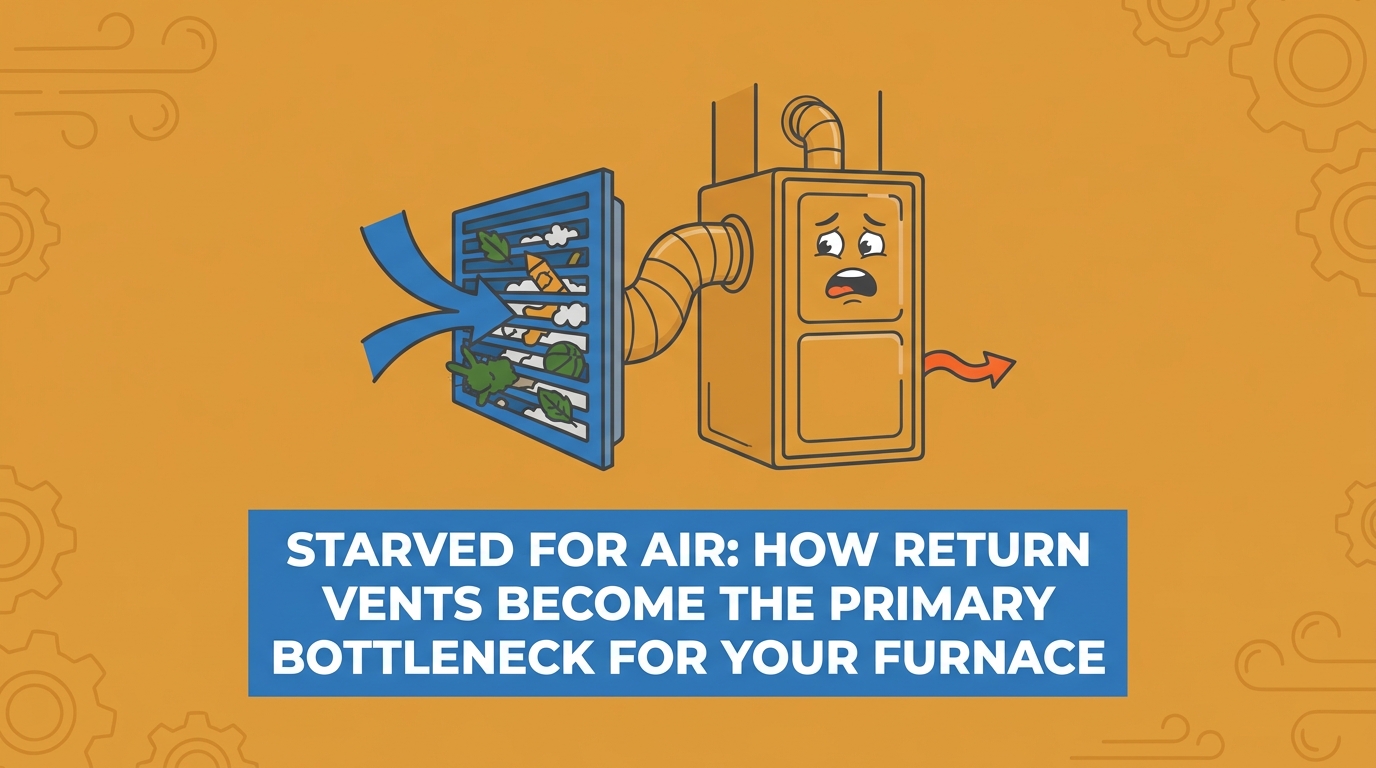
In HVAC terminology, a "bottleneck" occurs when a specific component restricts the overall flow and performance of the entire system. Your heating equipment operates on a simple physical rule: a system cannot push out air that it cannot pull in. When the intake pathways are choked with years of accumulated dust and debris, the furnace literally starves for air. Recognizing this hidden restriction is the first step toward optimizing your indoor air quality and ensuring your heating equipment survives the long winter ahead.
Understanding Intake: The Often-Ignored Half of Forced-Air Furnace Systems
To understand why intake restrictions are so destructive, you have to look at how forced-air furnace systems actually operate. Your home's heating system is not just a box that generates heat; it is a complex, closed-loop breathing machine. It relies on a delicate balance of positive pressure and negative pressure to circulate conditioned air evenly throughout every room.
The supply side of your system creates positive pressure. These are the smaller vents located in your floors, ceilings, or high up on your walls that blow warm air into the room. Because you can feel the air moving and hear the faint rush of the blower, supply vents get all the attention. Homeowners frequently vacuum them, wipe them down, and make sure furniture isn't blocking them.
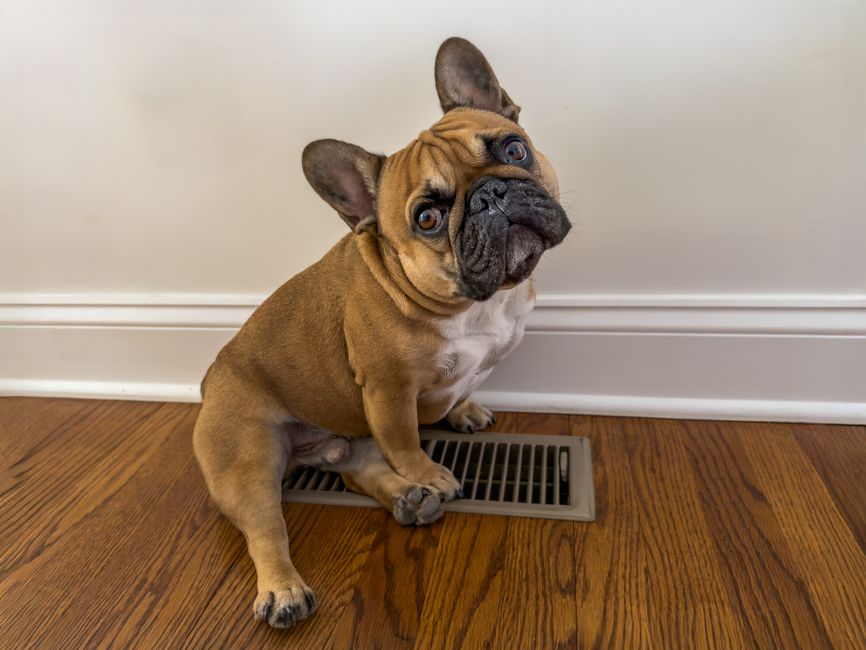
The return side, however, operates on negative pressure. These are typically larger grilles located in hallways, stairwells, or lower on the walls. Their sole job is to pull ambient, unconditioned room air back down into the ductwork and deliver it to the furnace to be heated. The blower motor acts as the heart of this system, and it relies on a steady, unrestricted volume of incoming air to function efficiently. When you ignore the return side, you disrupt the entire pressure balance of the home, a problem that often requires professional air duct cleaning to fully resolve.
The Role of Negative Pressure
Think of negative pressure in simple terms: it is the suction force created by the blower motor pulling air backward through the return drop. The main return drop is the large, vertical sheet metal trunk attached directly to the side or bottom of your furnace. You can think of this massive duct as the "lungs" of your HVAC system.
If you were to try running a marathon while breathing through a narrow plastic straw, your lungs would quickly fatigue, your heart rate would spike, and you would eventually have to stop. This is exactly what happens to your blower motor when negative pressure is restricted. The motor has to work twice as hard to pull the same volume of air, drawing excess electrical current and generating dangerous levels of internal heat.
• Supply Vents — Primary Function: Delivers heated air into individual rooms — Pressure Type: Positive (Blowing) — Typical Visibility & Maintenance: Highly visible; often wiped down by homeowners
• Return Vents — Primary Function: Pulls ambient room air back to the furnace — Pressure Type: Negative (Suction) — Typical Visibility & Maintenance: Often ignored, blocked by furniture, or heavily clogged
• Main Return Drop — Primary Function: Acts as the central lung feeding the blower motor — Pressure Type: High Negative — Typical Visibility & Maintenance: Hidden in basements/utility rooms; collects heavy debris
What Causes a 'Starved Return' in Your HVAC System?
A "starved return" happens when the intake pathway becomes heavily choked by accumulated debris, drastically restricting the volume of air that can physically reach the blower motor. Many homeowners assume that a starved return is simply the result of a dirty air filter. While a heavily soiled one-inch fiberglass filter will certainly restrict airflow, a true starved return involves severe blockages deep inside the permanent sheet metal ductwork.
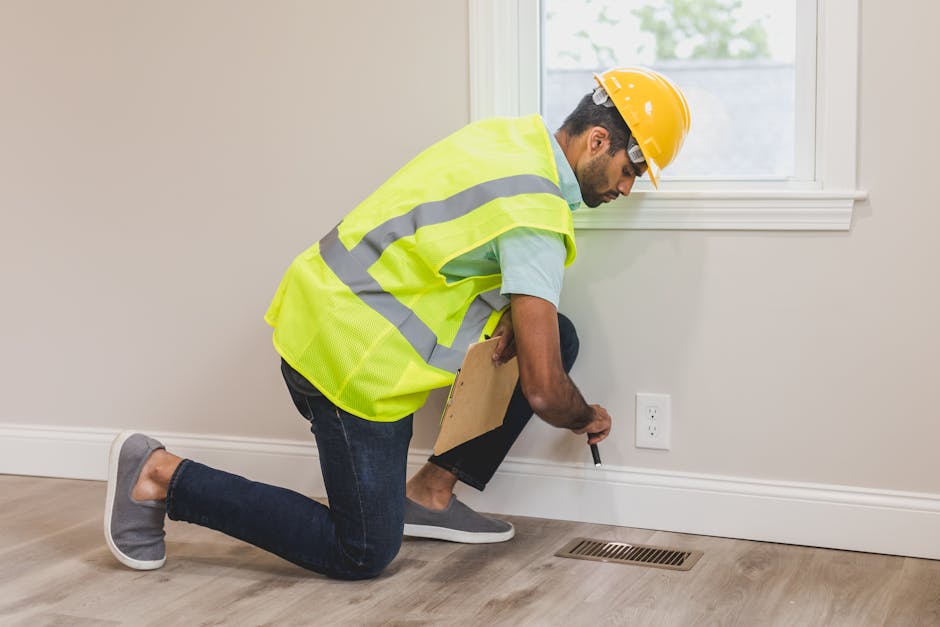
Because return vents actively pull unconditioned air directly from your living spaces, they act as massive vacuum cleaners for your home. They naturally accumulate significantly more dense debris than supply vents. Over the span of several years, this debris binds together, coating the inner walls of the ductwork and narrowing the passage for air to flow. Identifying these deep-seated blockages often requires a specialized air duct inspection to see exactly what is hiding behind the drywall.
Common culprits of return drop blockages include:
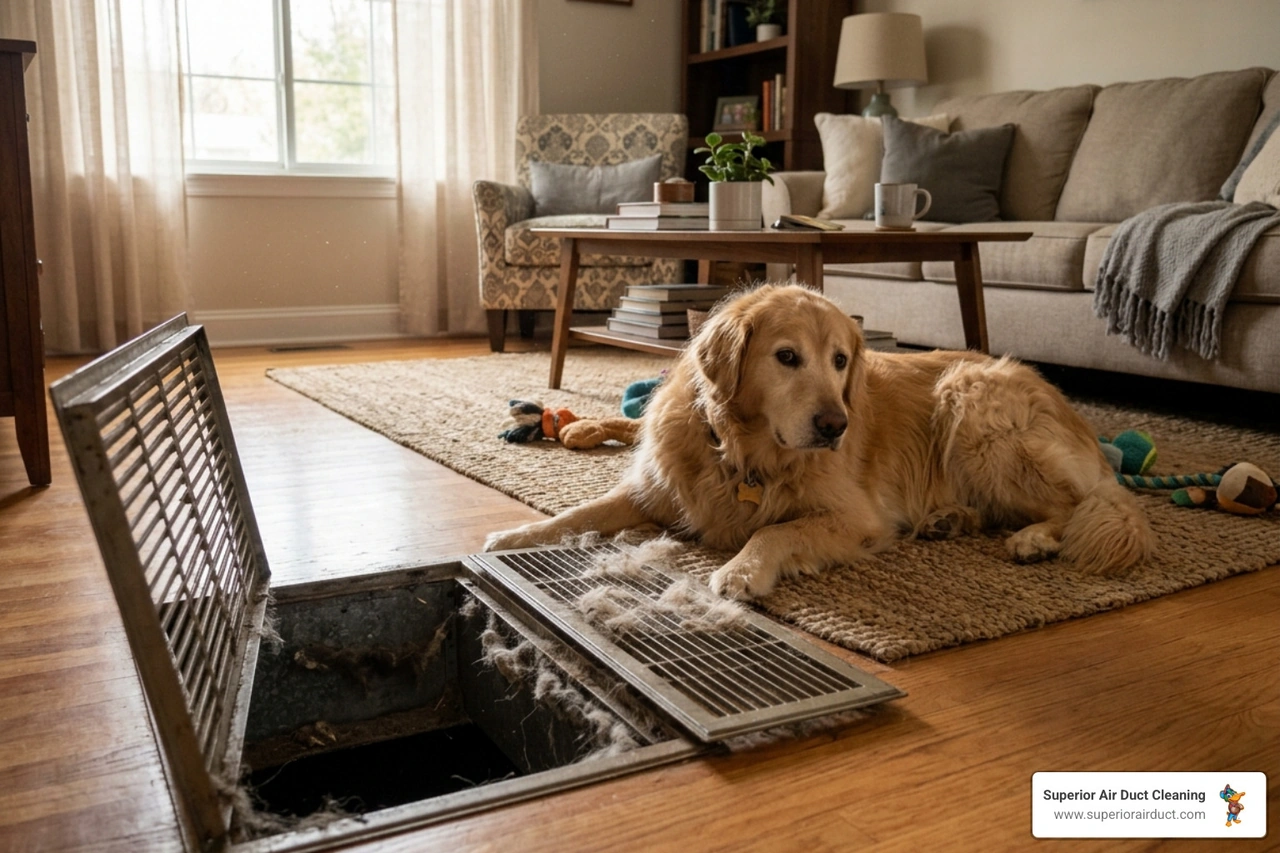
• Pet hair and dander: Shedding from dogs and cats is lightweight and easily pulled into low-wall return grilles, where it mats together like felt inside the ducts.
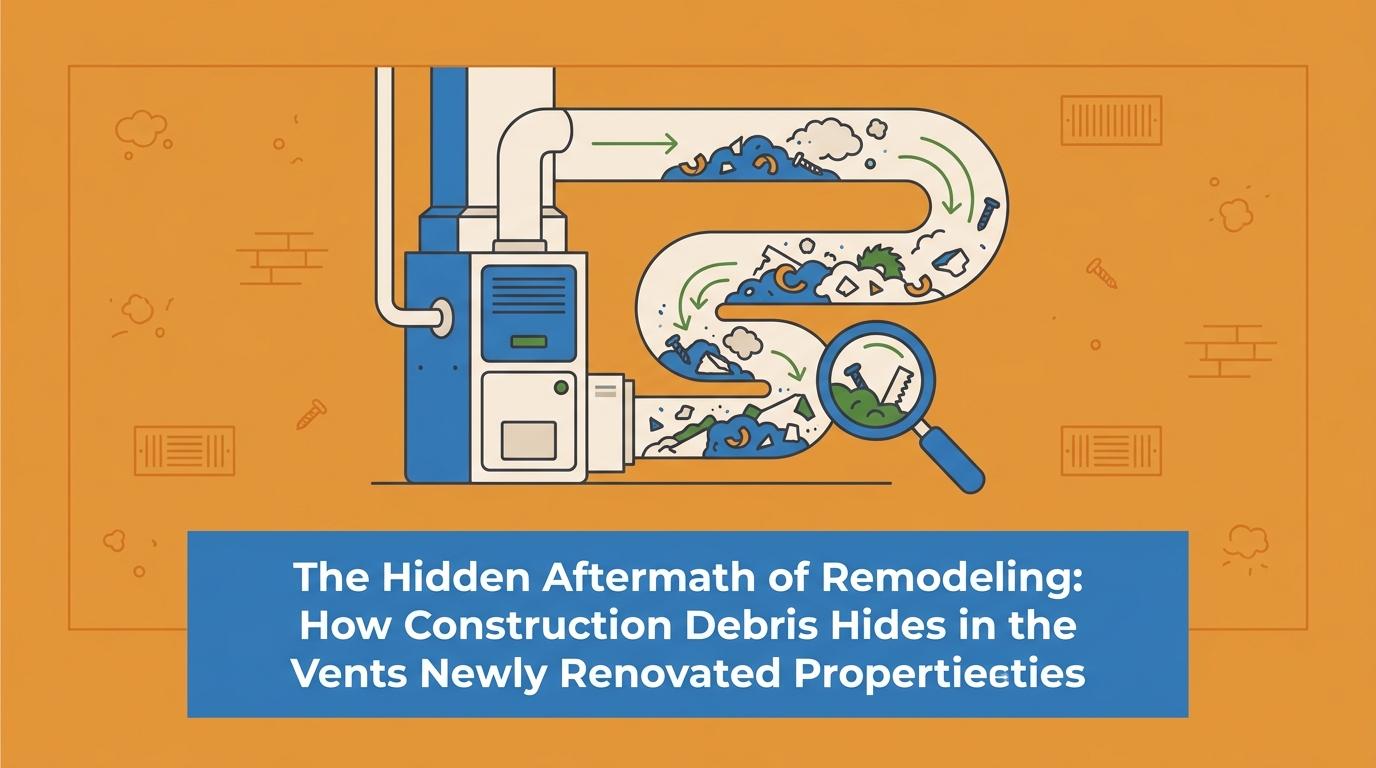
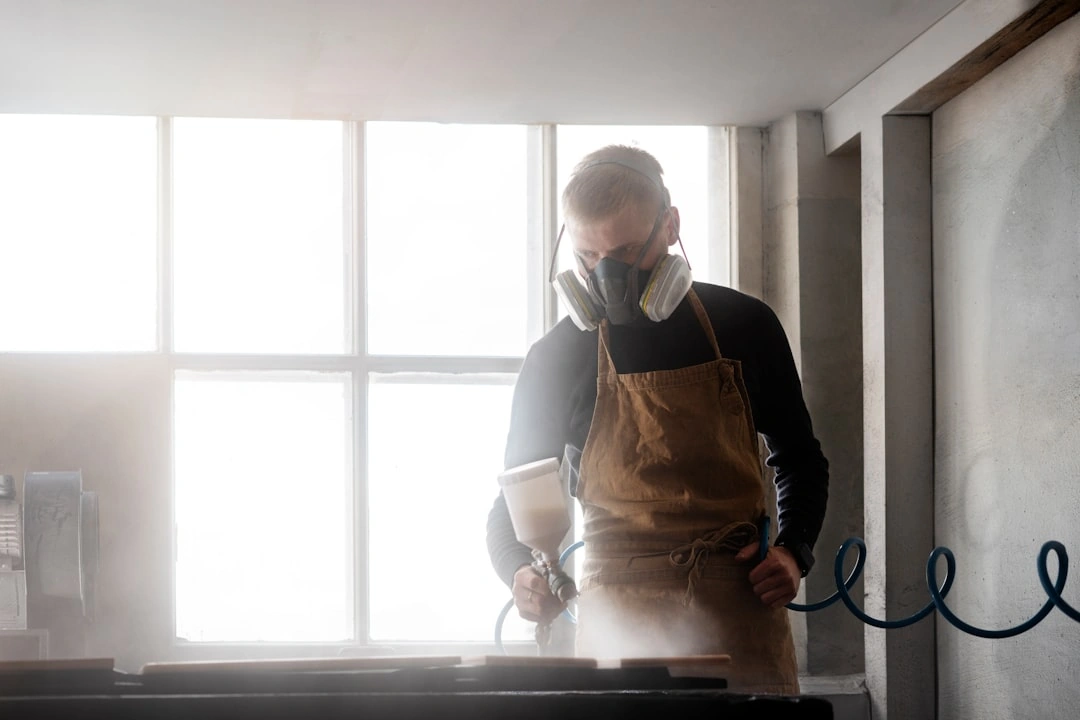
• Construction and renovation dust: Drywall dust and sawdust from past remodeling projects are notorious for bypassing cheap filters and caking onto the walls of the return drop.
• Carpet fibers and lint: Everyday foot traffic kicks up microscopic fibers that are continuously cycled into the intake system.
• Atmospheric dust: General household particulate settles inside the ductwork, hardening over time as humidity levels fluctuate throughout the year.
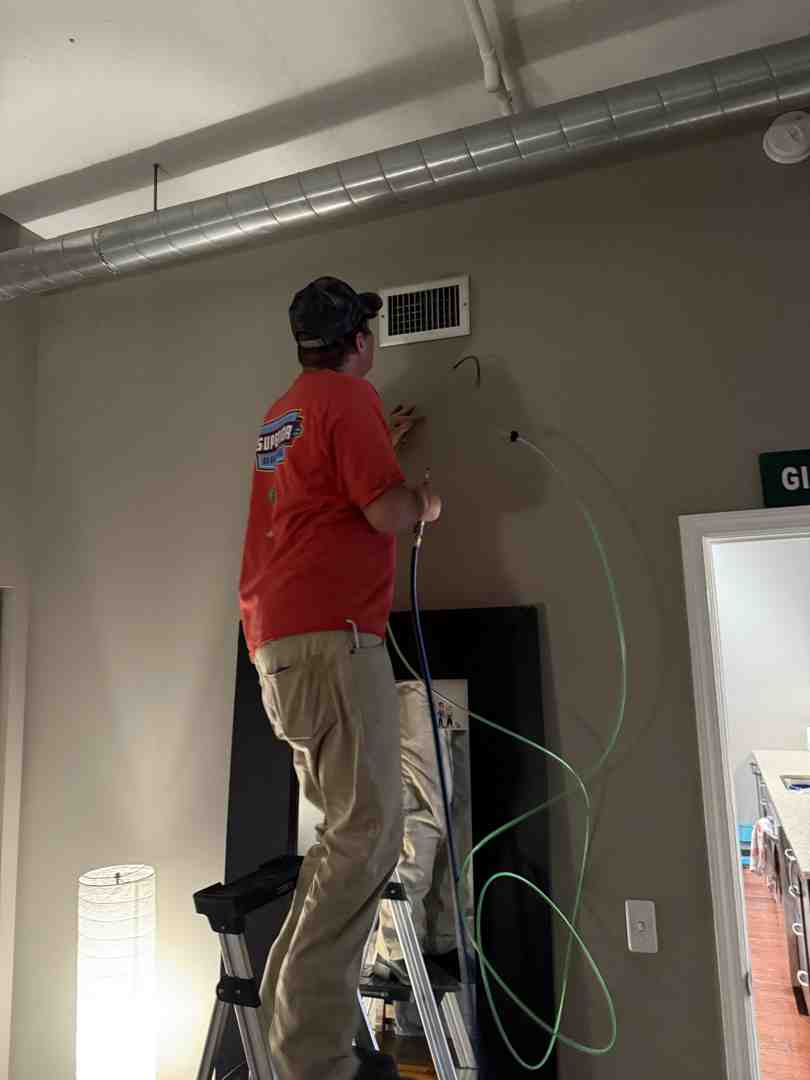
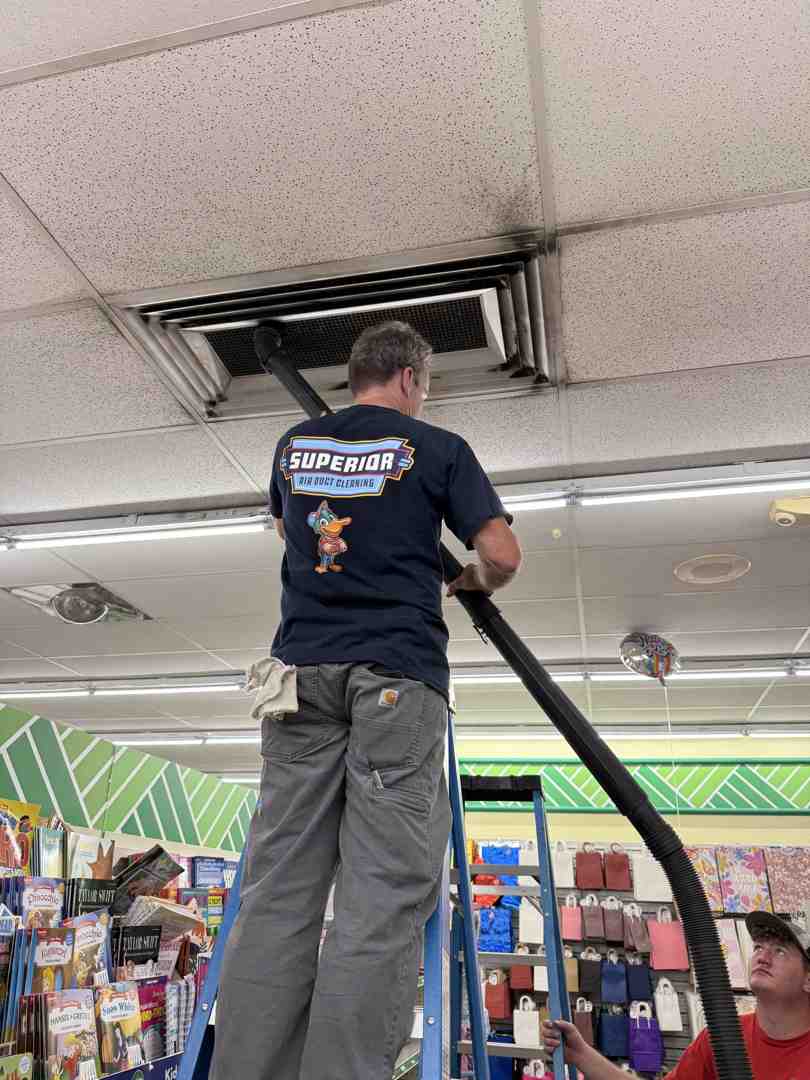
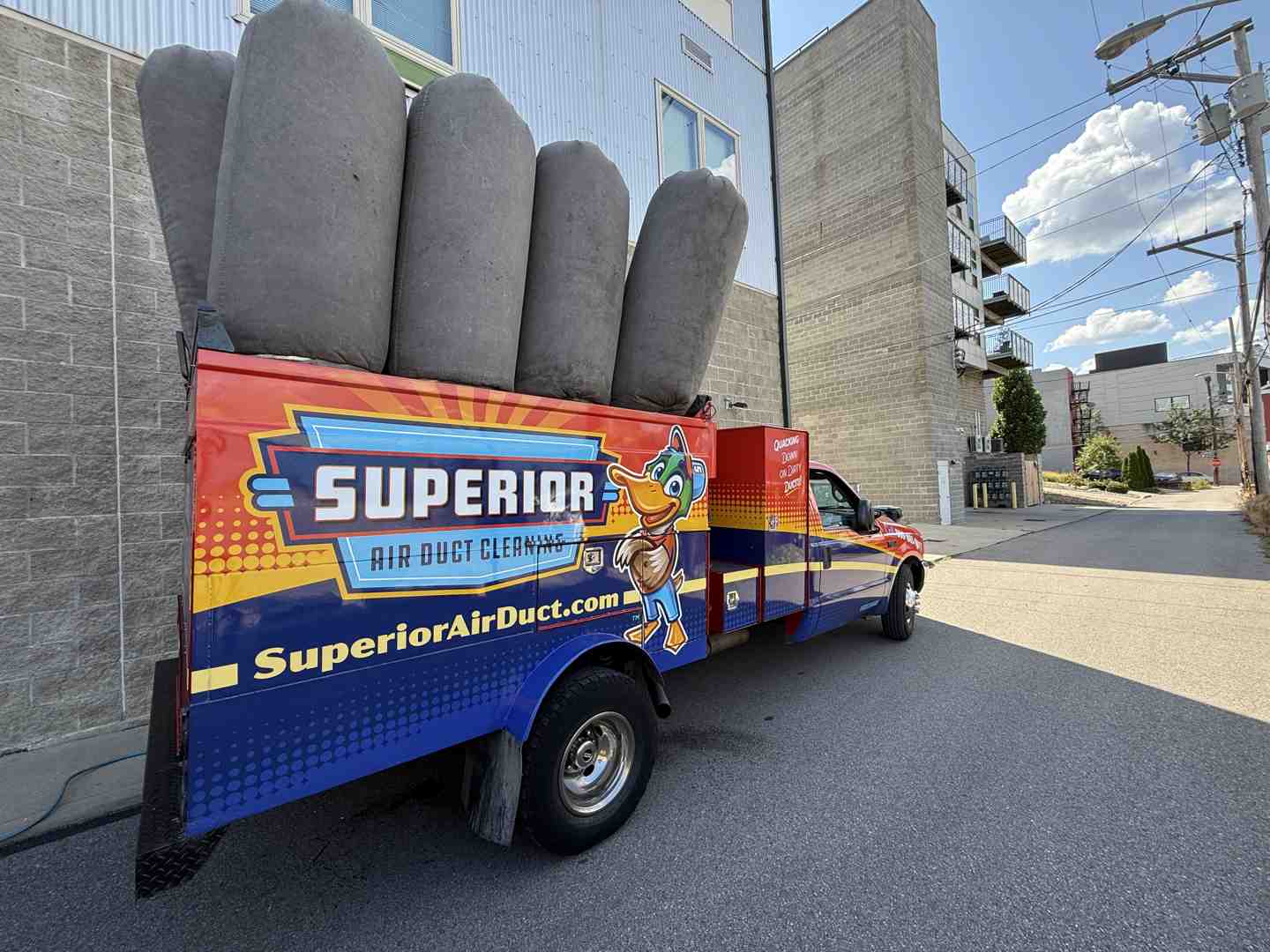
The impact of this buildup is very real. For example, our team at Superior Air Duct Cleaning frequently encounters this exact scenario during early fall tune-ups around New Brighton. Just recently, a local homeowner scheduled a visit after noticing excessively dirty vents and poor air circulation throughout their property. Our technicians thoroughly cleaned the ductwork and took the time to explain the process, showing the homeowner how years of accumulated household debris had severely choked the intake pathways. By removing the deep blockages, the result was super clean vents, restored airflow balance, and a system that could finally breathe freely again.
The Chain Reaction: From Negative Pressure to Furnace Short-Cycling
When your furnace's return drop is starved for air, it sets off a dangerous mechanical chain reaction that directly threatens the lifespan of your heating equipment. The core of this issue revolves around the heat exchanger, which is the metal chamber inside your furnace where the actual combustion and heat transfer take place.
The heat exchanger gets incredibly hot while the furnace is running. The blower motor's primary job is to push a massive, continuous volume of cool indoor air across the exterior of this metal chamber. This moving air absorbs the heat and carries it into your home, which simultaneously cools the metal down and keeps the furnace operating within safe temperature limits. According to data from the Department of Energy, restricted airflow is a leading cause of heat exchanger failure, primarily because it prevents this critical cooling process from happening.
Step-by-Step: The Overheating Process
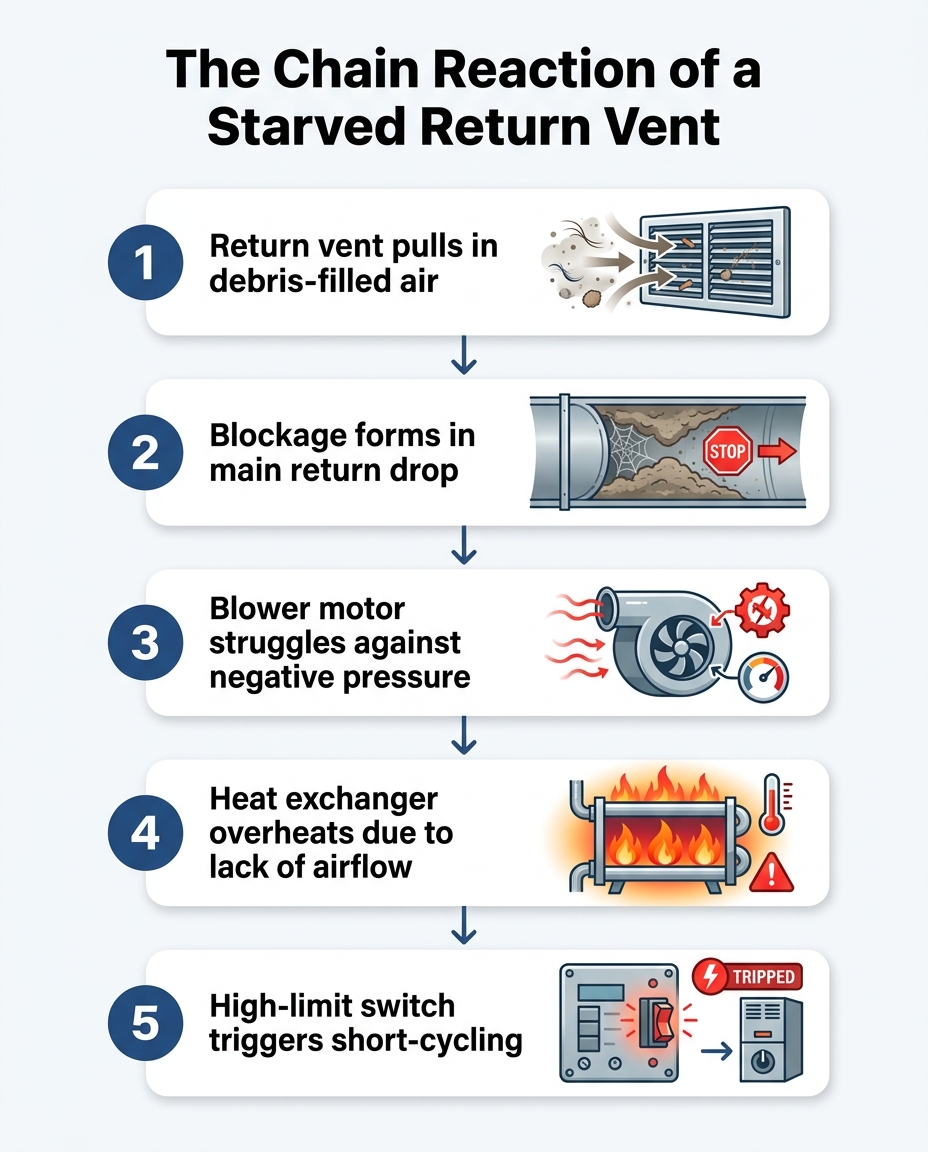
When a bottleneck forms in the return ductwork, the system experiences a rapid sequence of failures known as short-cycling. Here is exactly how that chain reaction unfolds inside your equipment:
1. The blower motor struggles against negative pressure: Because the return drop is blocked by debris, the motor cannot pull enough air into the system, causing its RPMs to drop and its electrical amp draw to spike.
2. Airflow over the heat exchanger drops significantly: With less air moving through the system, the heat generated by the burners has nowhere to go. The heat is trapped inside the furnace cabinet.
3. Internal temperatures spike dangerously high: The metal heat exchanger begins to overheat, expanding rapidly and retaining heat rather than transferring it to your living spaces.
4. The high-limit switch is triggered: Every modern furnace is equipped with a high-limit switch, a built-in safety sensor designed to prevent fires. When it detects that the internal cabinet temperature has exceeded safe operating limits, it immediately cuts power to the gas valve.
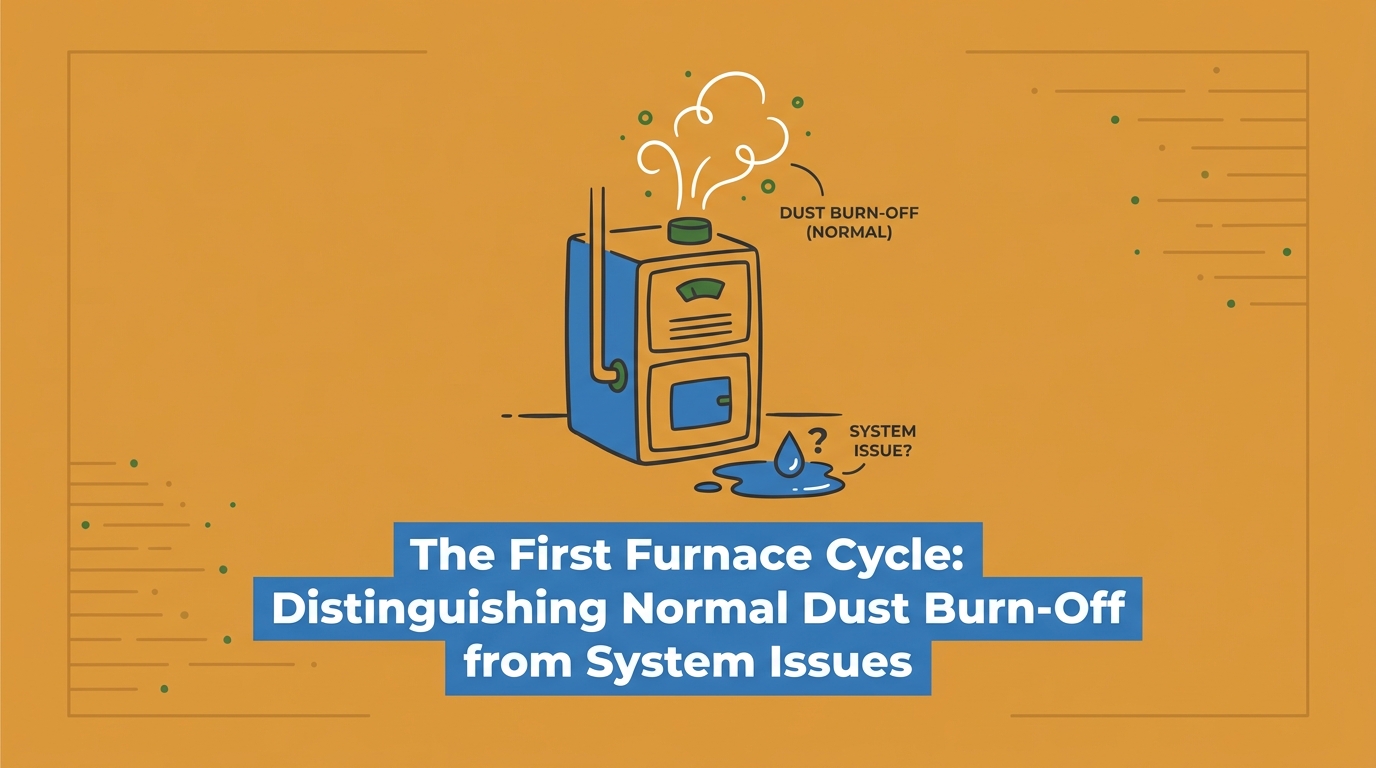
5. The system shuts down prematurely: The burners turn off, but the blower motor may continue running for a few minutes to cool the cabinet down. Once cooled, the furnace turns back on, only to overheat and shut down again a few minutes later. This continuous, destructive loop is called short-cycling.
Why Western Pennsylvania Winters Demand Unrestricted Airflow
Understanding the mechanics of a starved return is important, but contextualizing it within our regional climate reveals why our team stresses this as such an urgent early fall priority. Serving New Brighton and the surrounding areas, we know firsthand the harsh reality Western Pennsylvania homeowners face: freezing temperatures consistently span from late November straight through March. This climate demands absolute peak performance from your heating equipment.
During the mild days of October, a furnace with a minor airflow bottleneck might survive. If the outside temperature is only 45 degrees, the furnace only needs to run for ten or fifteen minutes at a time to keep the house comfortable. That short runtime might not be long enough to trigger the high-limit switch, masking the underlying airflow problem.
However, when a true winter freeze sets in and temperatures plummet into the teens, your furnace is forced to run continuously for forty-five minutes or more at a time. Prolonged, heavy furnace usage during these severe cold snaps pushes the HVAC system to its absolute limits. A starved return that barely caused an issue in autumn will inevitably cause a complete thermal overload and system failure when forced to run non-stop in January. Early fall is the critical window to resolve these bottlenecks, ensuring your system has the unrestricted airflow it needs to survive the heaviest usage periods of the year.
Why Cleaning Just the Supply Vents Won't Fix the Bottleneck
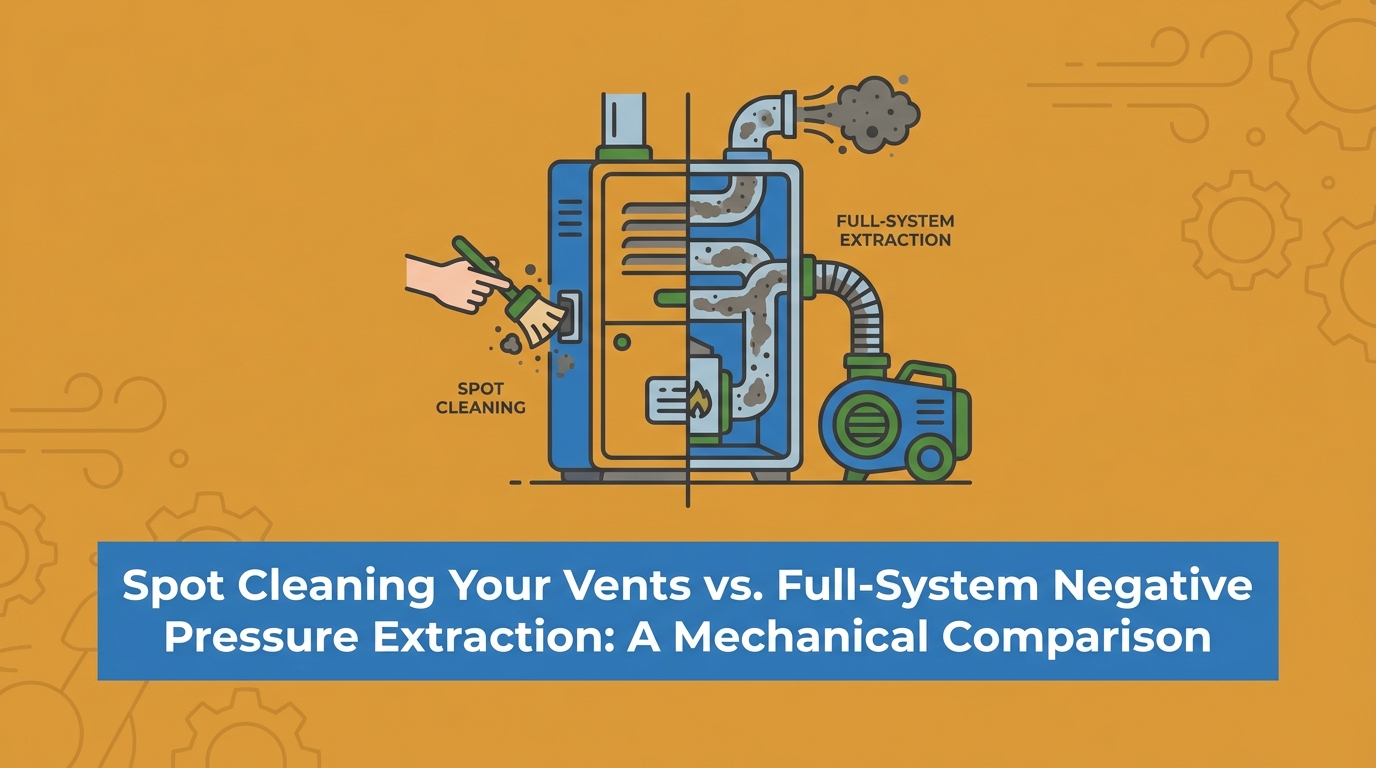
When homeowners realize their ductwork is restricting airflow, they often look for quick solutions. Unfortunately, many basic or "budget" cleaning services only focus on the visible supply registers where the air blows out. They might hook up a standard shop vacuum, wipe down the floor grates, and call the job complete. While this makes the visible parts of the home look nicer, it does absolutely nothing to solve the actual mechanical problem.
Ignoring the main return drop leaves the primary bottleneck completely untouched, allowing the furnace to continue suffocating behind the scenes. To truly restore proper negative pressure, you need a comprehensive approach that targets the deep-seated blockages on the intake side of the system. At Superior Air Duct Cleaning, our team specializes in this comprehensive method. We do not just clean the visible supply vents; our technicians specifically address the massive, critical return drops where we consistently find years of dense debris starving the furnace.
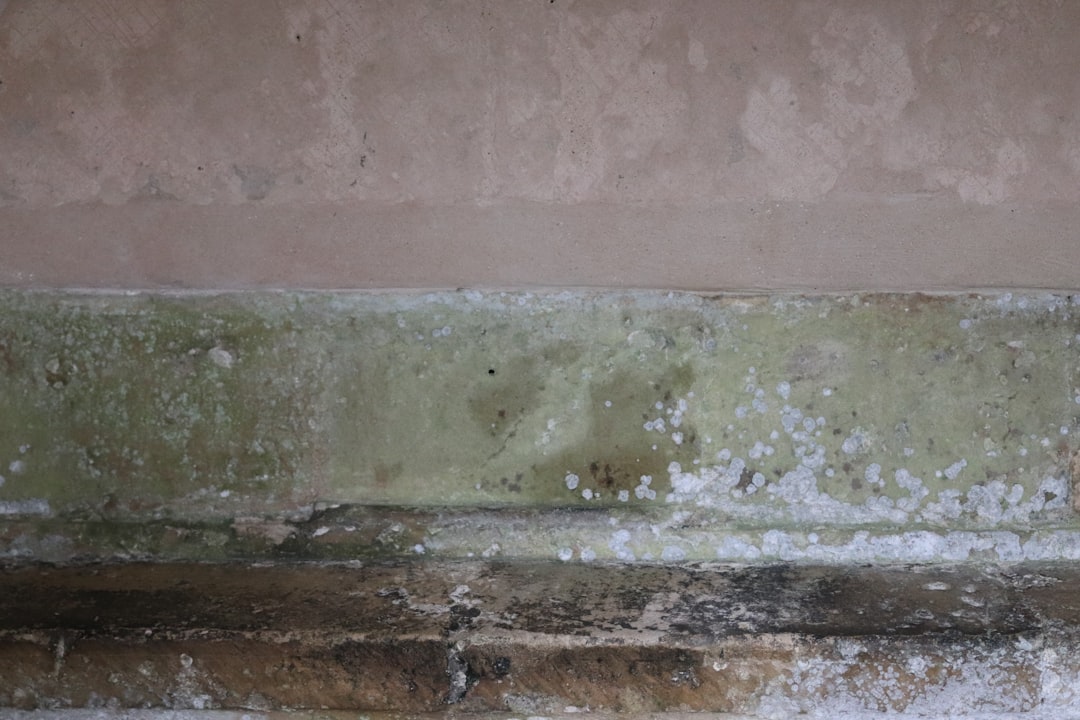
Using specialized negative air machines and high-powered agitation tools, professionals can extract the heavy mats of pet hair, construction dust, and hardened particulate that choke the blower motor. According to data from the Environmental Protection Agency (EPA), a heavy buildup of debris in the HVAC system can decrease overall system efficiency by up to 20 to 40 percent. Proper cleaning restores this pressure balance, stopping the short-cycling loop and occasionally requiring whole house sanitizing to neutralize odors and biological growth that may have thrived in the restricted, dusty environment.
Airflow Bottlenecks in Larger and Commercial Properties
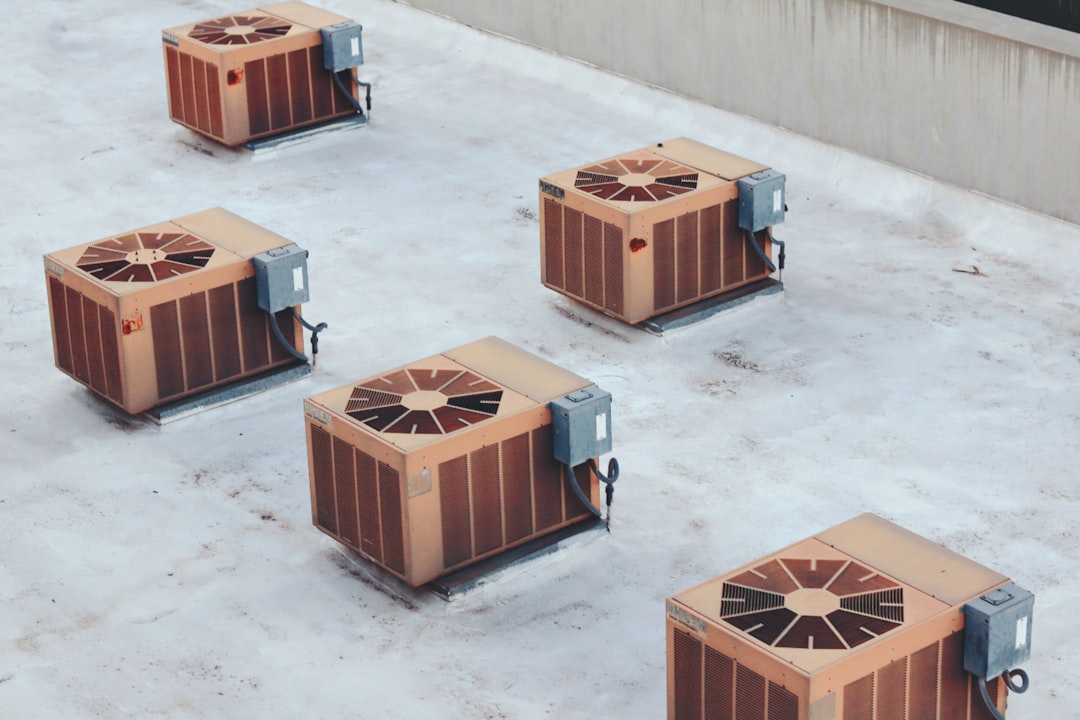
While residential furnaces suffer greatly from starved returns, airflow bottlenecks present an even more complex challenge in larger residential properties and commercial buildings. These expansive structures rely on highly complex return networks, featuring multiple trunk lines, heavy-duty blower motors, and intricate zoning systems designed to maintain precise air pressure across thousands of square feet.
The physics of airflow dictate that longer return duct runs are significantly more susceptible to severe blockages and negative pressure drop-offs. When a commercial-grade HVAC system faces restricted return air across multiple zones, the risks escalate from simple short-cycling to catastrophic, multi-unit failure. A starved return in a commercial rooftop unit can freeze evaporator coils in the summer and crack massive heat exchangers in the winter, leading to massive operational disruptions.
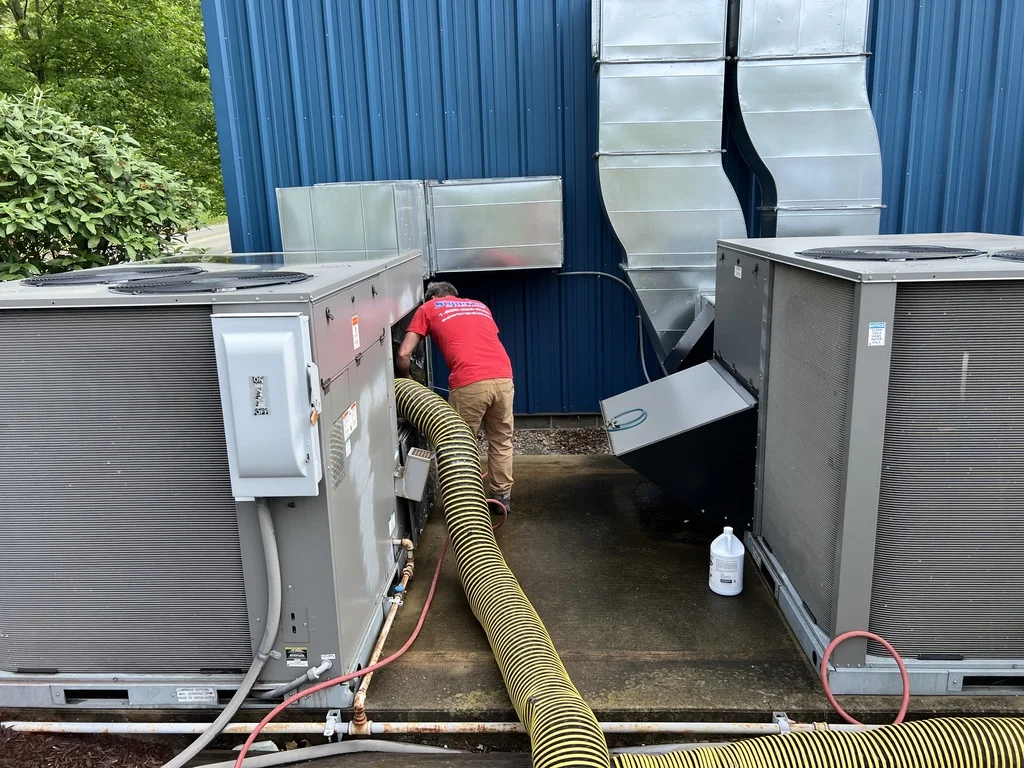
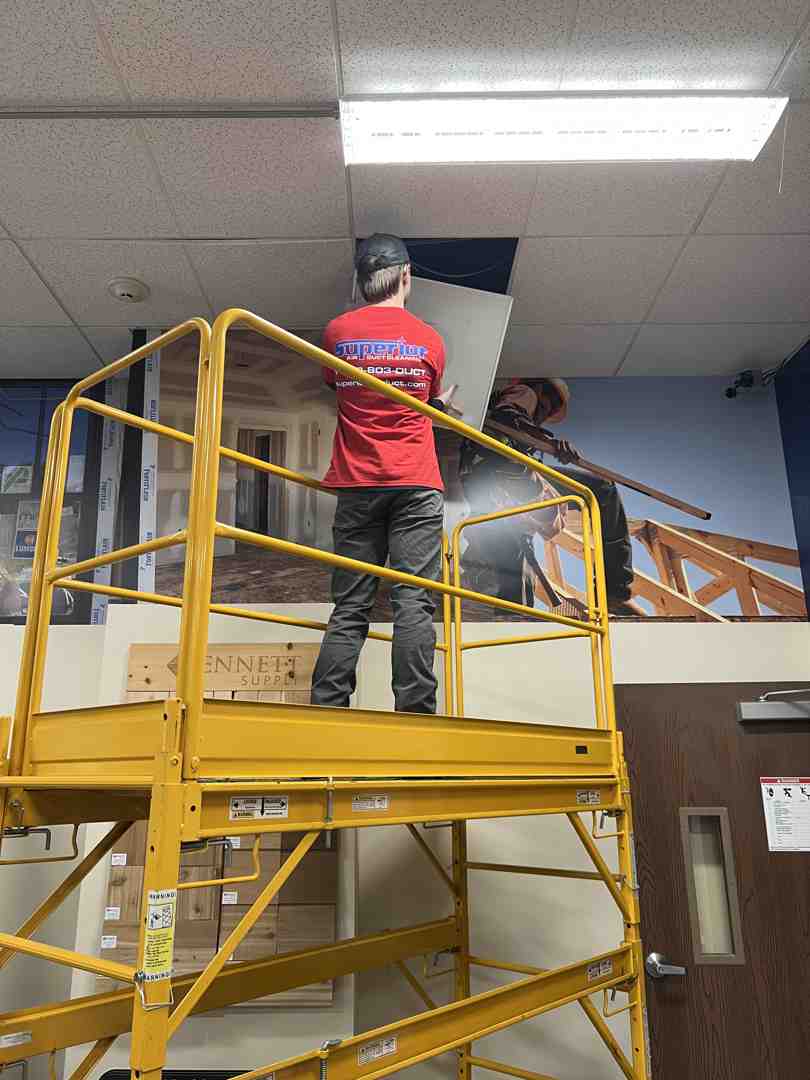
Clearing these expansive networks requires heavy-duty, specialized commercial duct cleaning equipment capable of pulling immense negative pressure over long distances. Standard residential tools simply cannot generate the suction required to clear a 50-foot commercial return plenum. Property managers must prioritize comprehensive intake cleaning to protect these expensive, high-capacity systems from suffocating under their own demand.
Restore Your Furnace's Breathing Room Before Winter Hits
A healthy furnace requires just as much air intake as it does air output. When you neglect the return side of your ductwork, you force your blower motor to work against a wall of negative pressure, driving up energy costs and putting your heat exchanger at severe risk of overheating. Addressing how return vents become the primary bottleneck for your furnace today ensures your system runs safely and efficiently all winter long.
Do not wait until the first freezing night in Western Pennsylvania to find out your furnace is short-cycling. By addressing return vent bottlenecks early in the fall, you prevent emergency breakdowns when you need your heat the most. Reach out to our team at Superior Air Duct Cleaning for a comprehensive professional evaluation and cleaning of your entire duct system, paying special attention to those critical return drops, so your furnace can finally breathe easy.
Frequently Asked Questions
What happens if return air is restricted?
When return air is restricted, the blower motor must work significantly harder to pull air into the system, creating a severe negative pressure imbalance. This lack of incoming air means less air is pushed over the heat exchanger, causing internal temperatures to spike rapidly. Ultimately, this restriction forces the system to consume more electricity while producing less heat, leading to premature wear and tear.
Can blocked return vents damage a furnace?
Yes, blocked return vents can cause severe, permanent damage to a furnace. Without enough incoming air to cool the heat exchanger, the metal chamber can overheat, warp, and eventually crack. A cracked heat exchanger is a major safety hazard and often requires a complete, costly replacement of the entire furnace.
How do I know if my furnace return is blocked?
The most common sign of a blocked return is a furnace that short-cycles, meaning it turns on for a few minutes, shuts off before the house is warm, and then turns back on again. You might also notice weaker airflow coming from your supply vents, unusually high energy bills, or a whistling sound near the return grilles as the motor strains to pull air through a narrow opening.
Why is my furnace short cycling and overheating?
Your furnace is likely short-cycling because the internal high-limit switch is detecting unsafe operating temperatures and shutting the gas valve off to prevent a fire. This overheating is almost always caused by a lack of airflow, meaning the furnace cannot push enough cool indoor air over the heat exchanger. Dirty filters, blocked return vents, and debris-filled ductwork are the primary culprits.
How often should the main return drop be professionally cleaned?
Most HVAC professionals recommend a comprehensive cleaning of the entire duct system, including the main return drop, every three to five years. However, homes with multiple shedding pets, recent drywall or renovation work, or residents with severe allergies may need their return drops inspected and cleared more frequently to prevent serious airflow bottlenecks.

Customer Reviews


Superior Air Duct cleaning did a phenomenal job in a timely manner with the tech “Rich” being very professional ,personable and considerate of our property! He explained things as he proceeded and answered all our questions!
I LOVE that they provide before & after photos to see the difference. Give them a try… you won’t regret it
Pam T.
Robert was on schedule and communicated what time he would arrive. He was polite, professional, and respectful of our home. I wanted to wait a couple weeks before posting a review because I wanted to see if the duct cleaning actually made a difference. I am happy to say it did! I vacuum multiple times a week and have already noticed a significant reduction in the amount of dust cleaned up each time. As a home with pets, there will always be something to clean, but getting the ducts cleaned has definitely helped improve the air quality and reduce the dust.
alice A.
Technician Rob arrived early explained the days agenda and then proceeded to work methodically and meticulously over the next 6+ hours cleaning my ductwork. Courteous and professional they answered all of my questions and went above and beyond the call of duty. They even located an old dusty box of rat poison buried in our vents. My only regret is not finding these guys sooner. As a realtor of 22 years and owner of a newly purchased (now dust free) home I highly recommended!
Eric K.
Excellent service! I’ve used them to clean out my air ducts as well as my dryer vent duct and they are excellent. I was very pleased with both jobs and will continue to use them in the future. Great communication as well- from the time I scheduled the appointment until they were at my door.
Erika C.
We had such an amazing experience with Superior Air Duct Cleaning. They were so nice and friendly and did an amazing job. I loved seeing the before and after pictures. Besides doing an amazing job cleaning our air ducts they were so quick at responding and setting up the appointment. We will definitely be using them in the future.
Amanda C.