Is Your Dryer Venting Hiding a Hidden Fire Hazard?
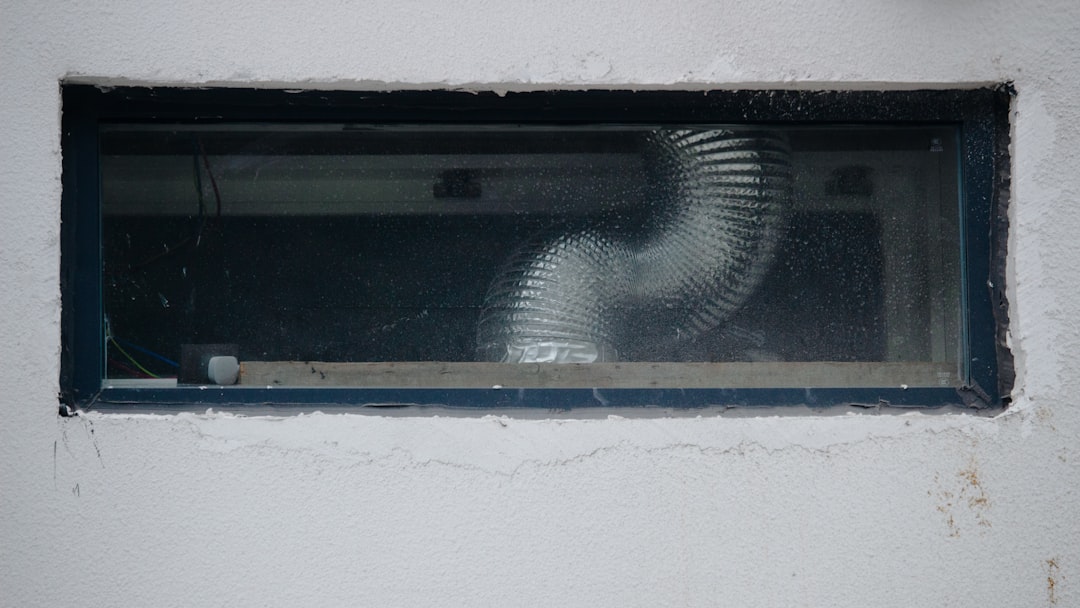
Have you looked behind your laundry equipment recently to see exactly how your appliance is exhausting hot air? If you are currently weighing flexible foil dryer ducts vs. rigid metal venting: a fire safety analysis is the most important step you can take for your home this season. Many homeowners actively working through their September fall-prep (transitioning to heavy blankets and sweaters) pull their appliances away from the wall to clean, only to discover a shiny, ribbed accordion tube connecting the machine to the wall. That flexible foil might look standard, but it often hides a significant and rapidly growing fire hazard right inside your laundry room.
Finding this ribbed foil during routine maintenance presents a critical decision point. You have to choose whether to keep the existing, potentially compromised foil for another heavy laundry season, or upgrade to a much safer, smooth-walled material. Ribbed venting inherently traps debris, and leaving it in place allows lint and trapped heat to compound with every single load of laundry you dry. Upgrading your materials eliminates this hidden danger entirely.
To ensure your home remains safe and efficient, exploring professional dryer vent cleaning paired with the right material installation is the most effective solution. You can often find dryer vent cleaning promotions that make this essential safety upgrade more accessible and straightforward to schedule.
The Physics of Airflow: Smooth Metal vs. Ribbed Foil
Your laundry exhaust system relies entirely on unobstructed, high-velocity airflow to expel heat, moisture, and highly flammable lint efficiently. To understand why certain materials fail, you have to look at the basic aerodynamics inside the pipe. When your machine pushes hot, wet air out of the drum, that air needs a clear, frictionless path to the exterior of your home. Any disruption in that airflow forces the appliance to work significantly harder, driving up internal temperatures and creating a dangerous environment.
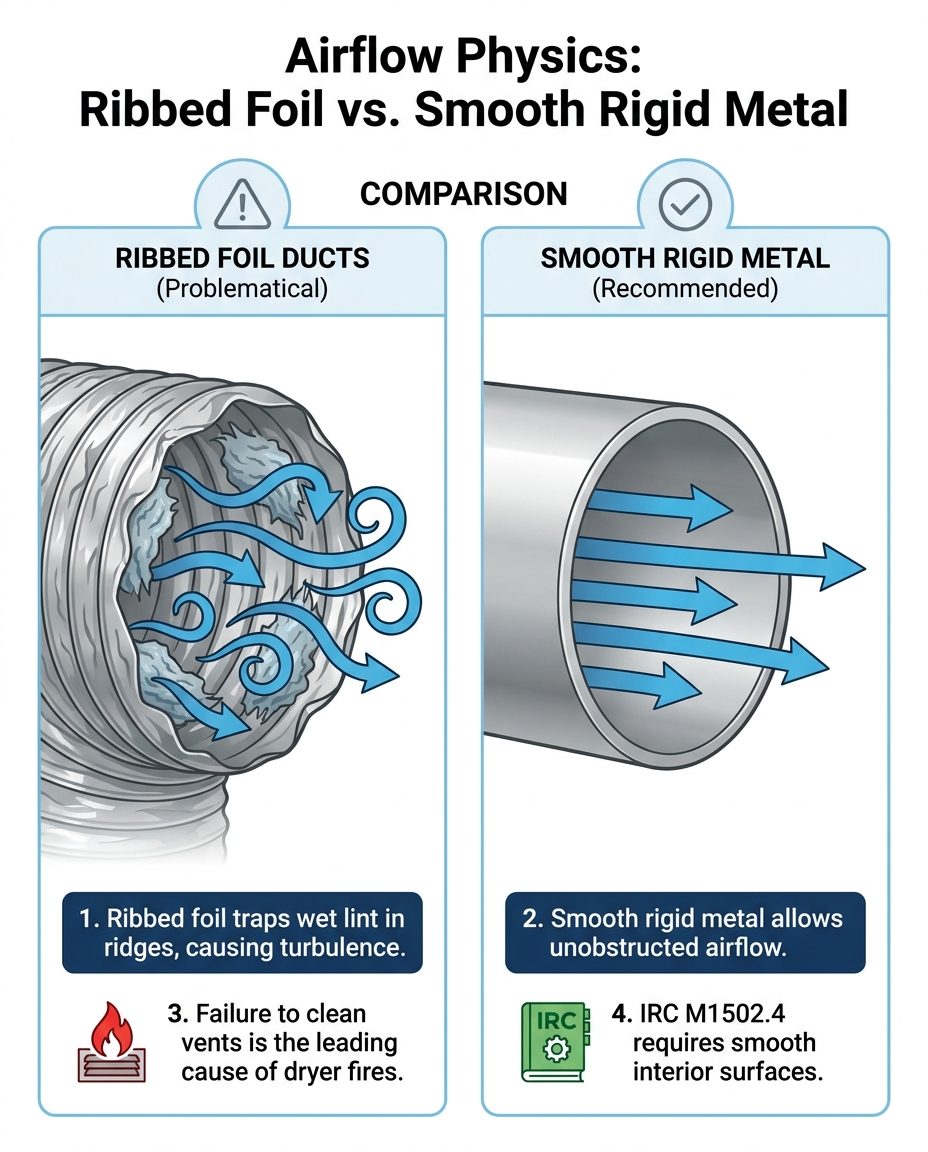
The physics of ribbed flexible foil: The accordion-like structure of flexible foil creates constant turbulence. Instead of flowing in a straight line, the air bounces off every single ridge inside the tube. These ridges act as physical speed bumps, slowing down the exhaust velocity. When the air slows down, it can no longer carry the heavy, wet lint. The lint drops out of the air stream and immediately snags on the foil ridges, creating a foundational layer of debris that only grows thicker with each subsequent load.
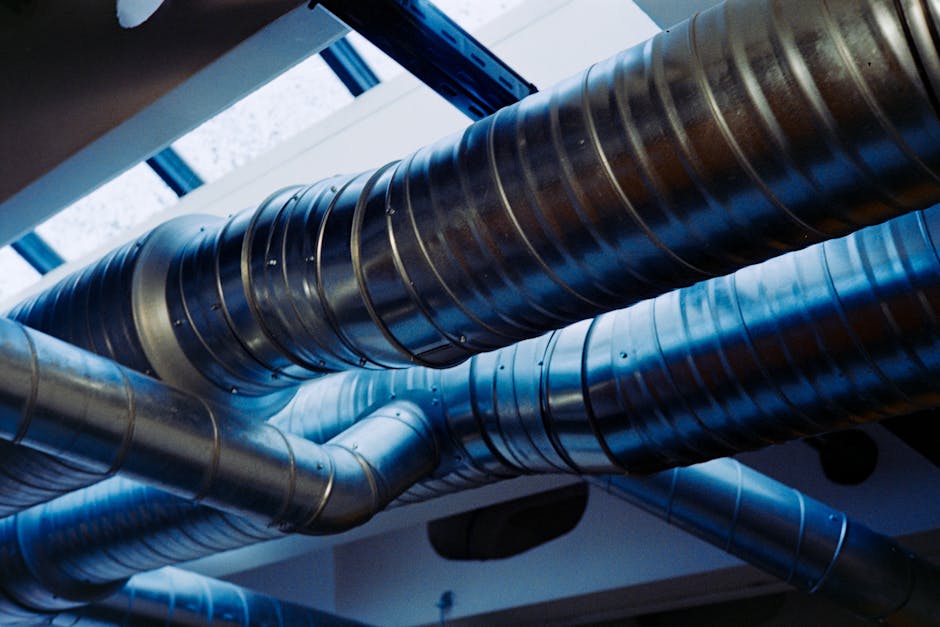
The smooth interior of rigid metal: Contrast this turbulent environment with the interior of a rigid metal pipe. Because the walls are completely smooth and frictionless, the exhaust air maintains its high velocity from the back of the appliance all the way to the exterior vent hood. There are no ridges, dips, or speed bumps for the wet lint to catch on, allowing the debris to glide straight through the system safely.
When airflow is restricted by lint-trapping ridges, the heat has nowhere to go. This dangerous heat buildup bakes the trapped lint inside the foil, turning it into highly combustible tinder. Recognizing these airflow restrictions early is the best way to spot the warning signs your dryer vent is clogged before a catastrophic fire occurs in your home. As you tackle your September fall-prep (transitioning to heavy blankets and sweaters), paying attention to how your exhaust air physically moves is your first line of defense.

How Heavy Seasonal Laundry Accelerates Lint Buildup
The Problem: Not all laundry lint is created equal. The type of fabrics you wash and dry plays a massive role in how quickly your exhaust system becomes clogged. Lightweight summer clothing, like thin cotton t-shirts and synthetic athletic wear, produces a relatively fine, dry lint that moves through exhaust systems with relative ease. However, as the seasons change, the demands on your appliance shift dramatically.
The Cause: During your September fall-prep (transitioning to heavy blankets and sweaters), you are introducing much heavier, denser fabrics into the machine. Fleece, thick wool, heavy cotton towels, and oversized winter bedding hold significantly more moisture than summer clothes. When these items tumble dry, they shed thick, heavy, moisture-laden lint. Western Pennsylvania's cold winters necessitate frequent indoor drying of these heavy, moisture-retaining fabrics and blankets, which rapidly accelerates lint accumulation if improper foil venting is used. Because this winter lint is heavy and damp, it drops out of the exhaust air stream much faster than dry summer lint. When it hits the ridges of a flexible foil duct, it sticks like glue, compounding the blockage at an alarming rate.
The Solution: Rigid metal handles this increased seasonal lint load safely and effectively. Because the interior is completely smooth, even the heaviest, wettest lint from your thickest winter blankets cannot find a foothold. The frictionless environment ensures that the heavy debris is pushed entirely out of the home, rather than building up into a dangerous, combustible blockage directly behind your appliance.
Building Codes and Professional Safety Standards
The transition away from flexible foil is not just a preference; it is a strict requirement mandated by modern safety regulations. Building codes are established based on decades of fire safety data, and the data surrounding laundry exhaust fires is incredibly clear. According to the U.S. Fire Administration, failure to clean the appliance and its exhaust system is the leading cause of home clothes dryer fires. Using non-compliant, lint-trapping materials directly contributes to this failure rate.
To combat this hazard, the International Residential Code (IRC) M1502.4 explicitly specifies that dryer exhaust ducts must have smooth interior surfaces. This code exists specifically to prevent the turbulence and lint accumulation caused by ribbed materials. When you use flexible foil, you are actively bypassing the safety standards designed to keep your home from catching fire.
Beyond the internal ridges, flexible foil presents a severe crush risk. When homeowners push their washing and drying machines back against the wall to save space, the delicate foil easily crushes. A four-inch exhaust pipe can quickly be flattened into a one-inch slit. This crushing chokes off the airflow entirely, causing the appliance to overheat rapidly while forcing carbon monoxide (in gas models) back into the living space. For homes throughout New Brighton PA, adhering to these smooth-pipe codes is a fundamental aspect of household safety.
This is exactly why reputable technicians adhere to a strict professional standard for home safety. A dedicated professional will not compromise on venting materials. By refusing to cut corners with hazardous foil and advocating exclusively for safe, rigid metal venting, professionals ensure that your home meets code requirements and remains protected against easily preventable fire hazards.
Side-by-Side Analysis: Flexible Foil vs. Rigid Metal
When evaluating the safety and efficiency of your laundry room, seeing the differences between these two materials laid out clearly helps illustrate why the upgrade is so necessary. As you finalize your September fall-prep (transitioning to heavy blankets and sweaters), consider how each material handles the stress of daily use, heavy lint production, and long-term structural integrity.
• Lint Accumulation Rate — Flexible Foil Venting: High. Ridges trap wet lint rapidly, creating blockages. — Rigid Metal Venting: Low. Smooth interior allows lint to glide through easily.
• Structural Integrity — Flexible Foil Venting: Weak. Easily crushed or kinked when pushed against a wall. — Rigid Metal Venting: Strong. Maintains full 4-inch diameter and resists crushing.
• Code Compliance — Flexible Foil Venting: Fails modern IRC M1502.4 requirements for smooth interiors. — Rigid Metal Venting: Fully compliant with all residential building safety codes.
• Appliance Efficiency — Flexible Foil Venting: Poor. Turbulence restricts airflow, increasing drying times. — Rigid Metal Venting: Excellent. Unobstructed airflow keeps drying cycles short.
Flexible Foil Drawbacks
The popularity of flexible foil in older homes usually comes down to convenience during installation, but that short-term convenience creates long-term hazards. The primary drawbacks include:
• Traps wet lint in ridges: The accordion shape is perfectly designed to catch heavy, damp debris, building a highly flammable layer right behind the heat source.
• Easily crushed behind appliances: The thin material offers no structural resistance. Pushing the machine back restricts the exhaust flow, causing the system to overheat.
• Fails to meet smooth-interior code requirements: Because it violates the IRC standards for smooth exhaust paths, it poses a documented safety risk to the property.
Rigid Metal Advantages
Rigid metal is the industry standard for a reason. It is engineered specifically to handle the high heat and heavy moisture generated by modern laundry equipment. The primary advantages include:
• Smooth interior prevents snagging: Without ridges, there is nowhere for the lint to catch, drastically reducing the risk of a blockage.
• Maintains shape and structural integrity: The solid metal construction cannot be easily crushed, ensuring the exhaust path remains fully open at all times.
• Fully compliant with safety standards: It meets all building codes, providing true protection against exhaust-related appliance fires.
Making the Safe Upgrade for Your Home
If you discover ribbed foil behind your appliance, the safest next step is to have it professionally replaced. We strongly advise against attempting a DIY replacement of concealed venting. Improperly sealing the joints or using the wrong type of tape can lead to dangerous exhaust leaks, pushing moisture and potentially carbon monoxide directly into your wall cavities. Work that requires a licensed professional ensures that the system is sealed, routed, and secured correctly.
During a professional inspection and material upgrade in New Brighton PA, you can expect a thorough, step-by-step process. First, the technician will evaluate the current airflow and measure the back pressure caused by the existing foil. They will then carefully remove the hazardous material. Before installing the new rigid setup, the technician will thoroughly clean the entire exhaust line from the laundry room all the way to the exterior vent hood, ensuring no hidden blockages remain in the walls or attic. Finally, they will install the smooth metal pipe and explain the new setup to you, demonstrating how the improved airflow benefits your appliance.
One homeowner recently researching local companies over the summer decided to schedule a comprehensive exhaust cleanout and material evaluation. After the technician completed the work and provided before-and-after pictures of the newly cleared lines, the homeowner noted that having the ducts entirely free of bacteria and dangerous buildup was completely worth the investment. Comprehensive home care often includes evaluating your overall HVAC health, making this upgrade an excellent time to consider broader air duct cleaning services to ensure your entire home breathes easier.
Frequently Asked Questions
Why is rigid metal better for dryer vents?
Rigid metal is superior because its completely smooth interior allows hot air and wet lint to flow without obstruction. Unlike ribbed materials that create turbulence and catch debris, smooth metal maintains high airflow velocity, keeping the appliance efficient and drastically reducing the risk of a fire.
Are flexible foil dryer vents a fire hazard?
Yes, flexible foil vents are a significant fire hazard. The accordion-style ridges act as speed bumps that trap heavy, wet lint over time, and the thin material is easily crushed behind the appliance, blocking airflow and causing dangerous heat buildup.
Can I use flexible foil for my dryer vent?
Using flexible foil is highly discouraged and violates modern safety standards. Professional technicians and building codes require smooth-interior materials because foil traps lint and restricts airflow, leading to overheating and potential fires.
Are foil dryer vents up to building code?
No, ribbed foil vents generally do not meet modern building codes. The International Residential Code (IRC) M1502.4 specifically requires dryer exhaust ducts to have smooth interior surfaces to prevent the dangerous accumulation of combustible lint.
How does heavy seasonal laundry affect my dryer vent?
Heavy seasonal laundry, like thick winter blankets and fleece, produces denser, wetter lint than lightweight summer clothing. This heavy lint drops out of the exhaust air stream faster and sticks stubbornly to the ridges in foil vents, rapidly accelerating dangerous blockages.
How often should rigid metal dryer vents be professionally cleaned?
Even with safe rigid metal installed, you should have your exhaust system professionally cleaned at least once a year. Regular professional maintenance ensures that the smooth walls remain completely clear of minor buildup and that the exterior vent hood operates correctly.
Understanding the physics behind flexible foil dryer ducts vs. rigid metal venting: a fire safety analysis is the key to protecting your property and extending the life of your appliances. By prioritizing smooth, code-compliant materials, you eliminate hidden hazards and ensure your equipment runs safely all year long. Schedule a professional inspection today to clear away dangerous buildup, upgrade your venting materials, and enjoy the confidence of a thoroughly protected home.

Customer Reviews


Superior Air Duct cleaning did a phenomenal job in a timely manner with the tech “Rich” being very professional ,personable and considerate of our property! He explained things as he proceeded and answered all our questions!
I LOVE that they provide before & after photos to see the difference. Give them a try… you won’t regret it
Pam T.
Robert was on schedule and communicated what time he would arrive. He was polite, professional, and respectful of our home. I wanted to wait a couple weeks before posting a review because I wanted to see if the duct cleaning actually made a difference. I am happy to say it did! I vacuum multiple times a week and have already noticed a significant reduction in the amount of dust cleaned up each time. As a home with pets, there will always be something to clean, but getting the ducts cleaned has definitely helped improve the air quality and reduce the dust.
alice A.
Technician Rob arrived early explained the days agenda and then proceeded to work methodically and meticulously over the next 6+ hours cleaning my ductwork. Courteous and professional they answered all of my questions and went above and beyond the call of duty. They even located an old dusty box of rat poison buried in our vents. My only regret is not finding these guys sooner. As a realtor of 22 years and owner of a newly purchased (now dust free) home I highly recommended!
Eric K.
Excellent service! I’ve used them to clean out my air ducts as well as my dryer vent duct and they are excellent. I was very pleased with both jobs and will continue to use them in the future. Great communication as well- from the time I scheduled the appointment until they were at my door.
Erika C.
We had such an amazing experience with Superior Air Duct Cleaning. They were so nice and friendly and did an amazing job. I loved seeing the before and after pictures. Besides doing an amazing job cleaning our air ducts they were so quick at responding and setting up the appointment. We will definitely be using them in the future.
Amanda C.