Why the NADCA Certified vs Non-Certified Duct Cleaning Comparison Matters for Your Home
When making a nadca certified vs non certified duct cleaning comparison, the core difference comes down to whether a company follows a verified, industry-standard process — or simply shows up with inadequate equipment and no accountability.
Here's a quick breakdown:
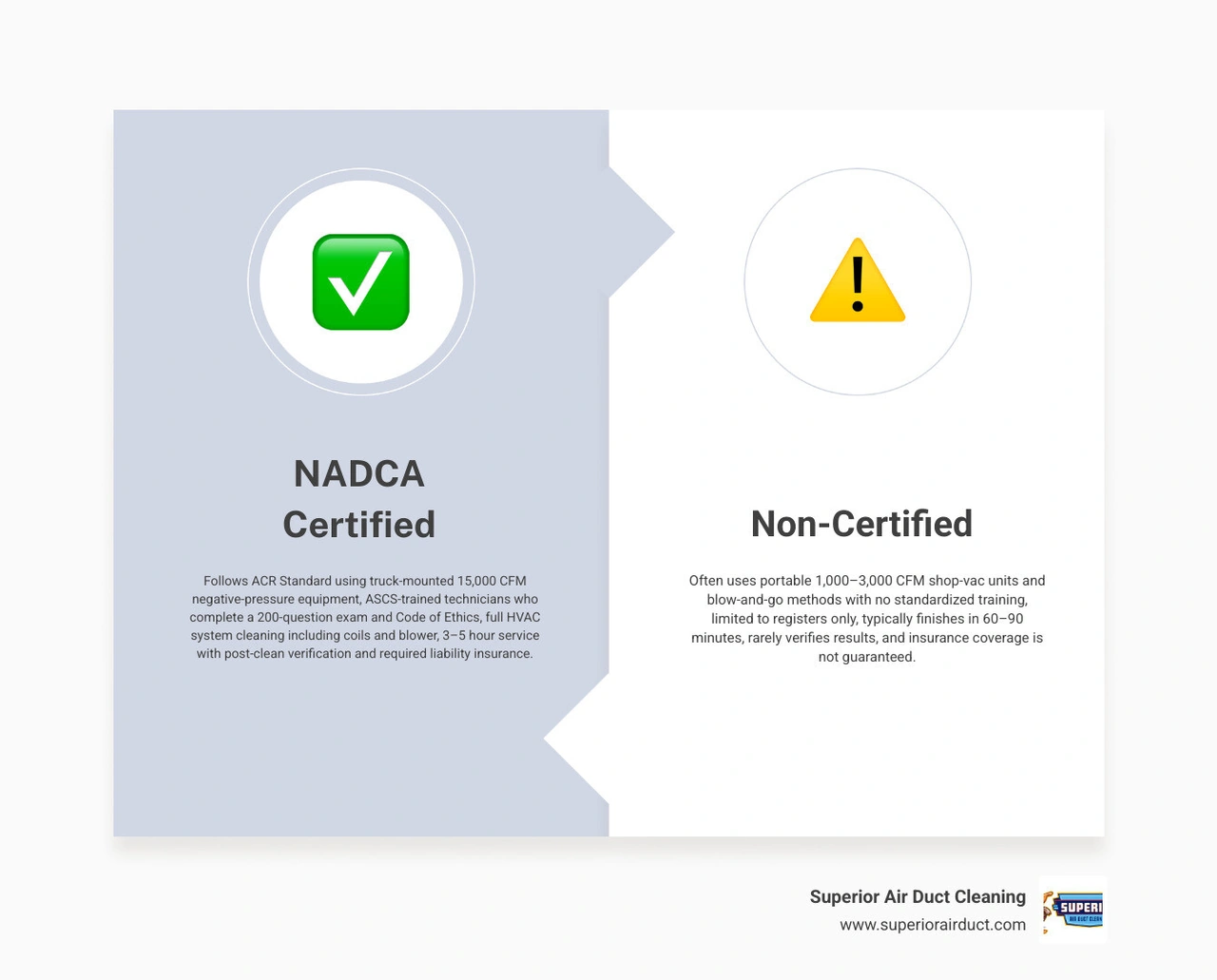
• Cleaning method — NADCA-Certified: Source removal with negative pressure — Non-Certified: Often "blow-and-go" or shop vac
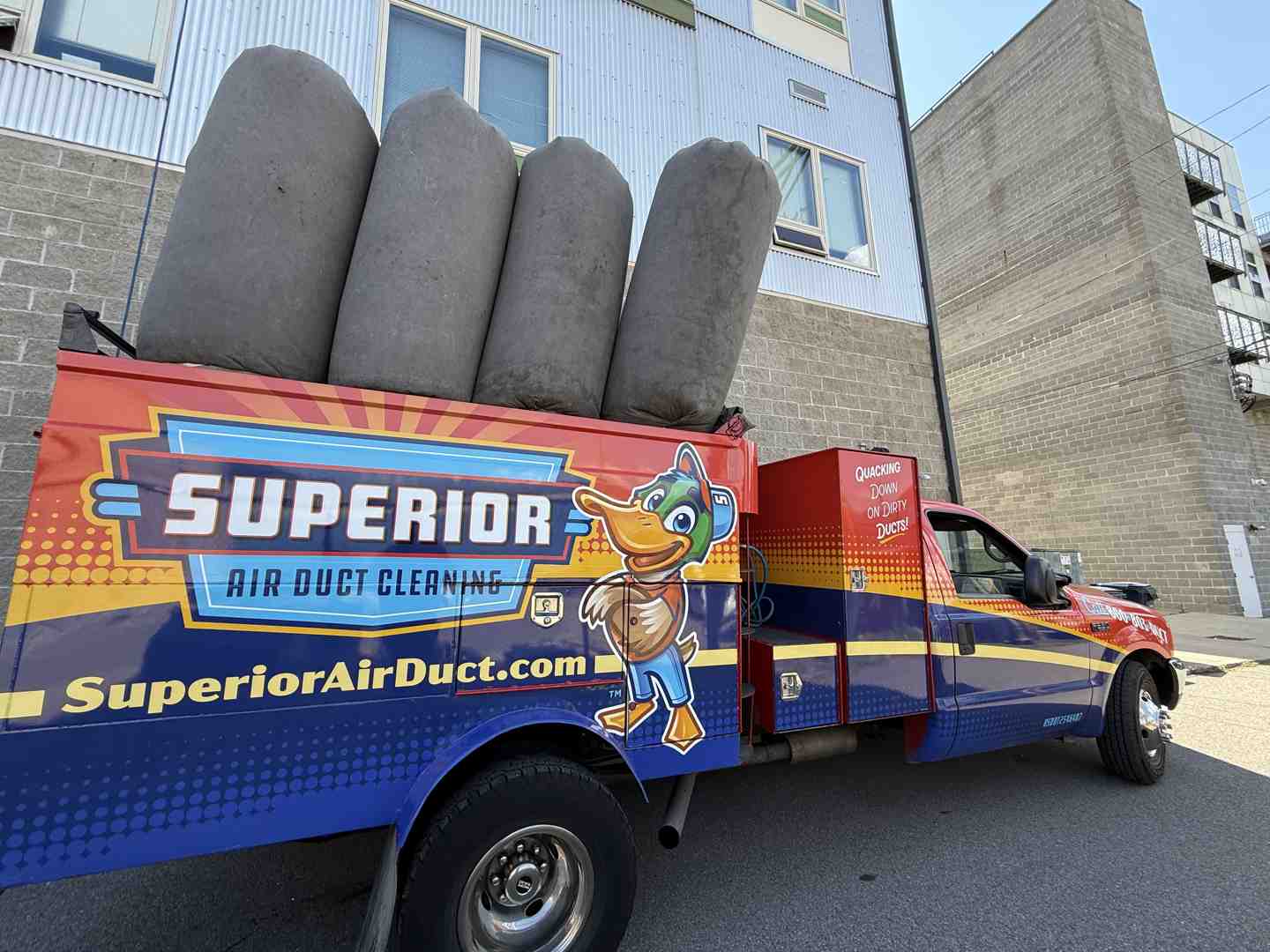
• Suction power — NADCA-Certified: Up to 15,000 CFM (truck-mounted) — Non-Certified: 1,000–3,000 CFM (portable units)
• Technician training — NADCA-Certified: ASCS-certified, 200-question exam — Non-Certified: No standardized requirement
• Scope of work — NADCA-Certified: Full HVAC system including coils and blower — Non-Certified: Typically vents and registers only
• Code of Ethics — NADCA-Certified: Required by NADCA membership — Non-Certified: None
• Liability insurance — NADCA-Certified: Required — Non-Certified: Not guaranteed
• Job duration — NADCA-Certified: 3–5 hours — Non-Certified: Often 60–90 minutes
• Post-cleaning verification — NADCA-Certified: Required under ACR Standard — Non-Certified: Rarely performed
The duct cleaning industry is largely unregulated in most states — including Pennsylvania and Ohio. That means virtually anyone can show up with a portable vacuum and call themselves a professional. For homeowners in Western Pennsylvania and Northeast Ohio, this matters more than many people realize.
The average six-room home collects up to 40 pounds of dust, allergens, and debris inside its air duct system every single year. When that buildup is disturbed by an untrained technician using underpowered equipment, contaminants don't get removed — they get redistributed back into the air your family breathes.
NADCA — the National Air Duct Cleaners Association — was founded in 1989 specifically to set a higher standard in an otherwise unregulated industry. Today, it represents over 1,500 member companies worldwide and publishes the ACR Standard, the only widely recognized benchmark for HVAC inspection, cleaning, and restoration.
Understanding what separates certified from non-certified service is the first step toward making a genuinely informed decision about who you let work on your home's air system.
Nadca certified vs non certified duct cleaning comparison word list:
• how nadca certification protects homeowners
• what is nadca certification for duct cleaning
What is NADCA and What Does Certification Require?
To truly understand a nadca certified vs non certified duct cleaning comparison, we have to look closely at what the National Air Duct Cleaners Association (NADCA) actually is. Founded in 1989 with just 25 members, NADCA has grown to represent over 1,500 certified HVAC cleaning and restoration companies globally. It serves as the absolute gold standard for the industry, establishing the rigorous rules and guidelines that keep homeowners safe.
At the heart of NADCA's requirements is the ACR Standard (the Assessment, Cleaning, and Restoration of HVAC Systems). This globally recognized document outlines exactly how systems must be inspected, cleaned, and evaluated.
To achieve and maintain certification, a company must meet several strict operational requirements:
• Employ an Air Systems Cleaning Specialist (ASCS): A certified company must have at least one full-time ASCS on staff to supervise all cleaning projects. Passing the ASCS exam is no walk in the park—it requires passing a comprehensive, proctored 200-question exam covering HVAC design, advanced cleaning methodologies, safety protocols, and indoor air quality science.
• Mandatory Continuing Education: Learning doesn't stop once the exam is passed. To maintain their credentials, certified specialists must earn Continuing Education Credits (CECs) annually to stay up-to-date with 2026 industry standards and evolving HVAC technologies.
• Adherence to a Strict Code of Ethics: Members must pledge to engage in honest consumer pricing, provide transparent descriptions of services, and protect consumers from deceptive "bait-and-switch" marketing tactics.
• Verification of Liability Insurance: NADCA requires all member companies to carry general liability insurance, protecting your property in the rare event of an accident.
When you read about What is NADCA Certification for Duct Cleaning, you quickly realize it is far more than just a badge on a website. It is a continuous, legally backed commitment to technical excellence and consumer safety.
The Core Differences in Methods, Equipment, and Standards
If you've ever seen a cheap duct cleaning advertisement, you might wonder how those operators compare to certified professionals. The physical difference in their equipment and methods is staggering.
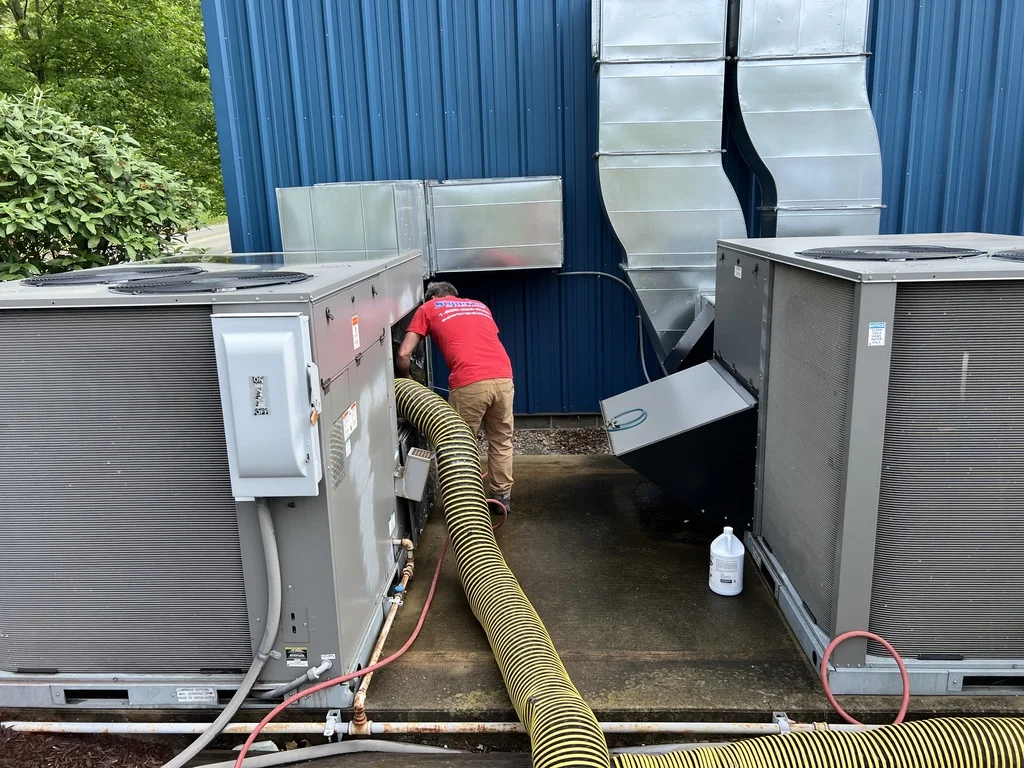
A certified team utilizes the "source removal" method, which is the only cleaning methodology recognized as effective by NADCA. This process relies on two distinct phases:
1. Continuous Negative Pressure: Using a specialized, high-powered vacuum system to pull a continuous vacuum on the entire ductwork network.
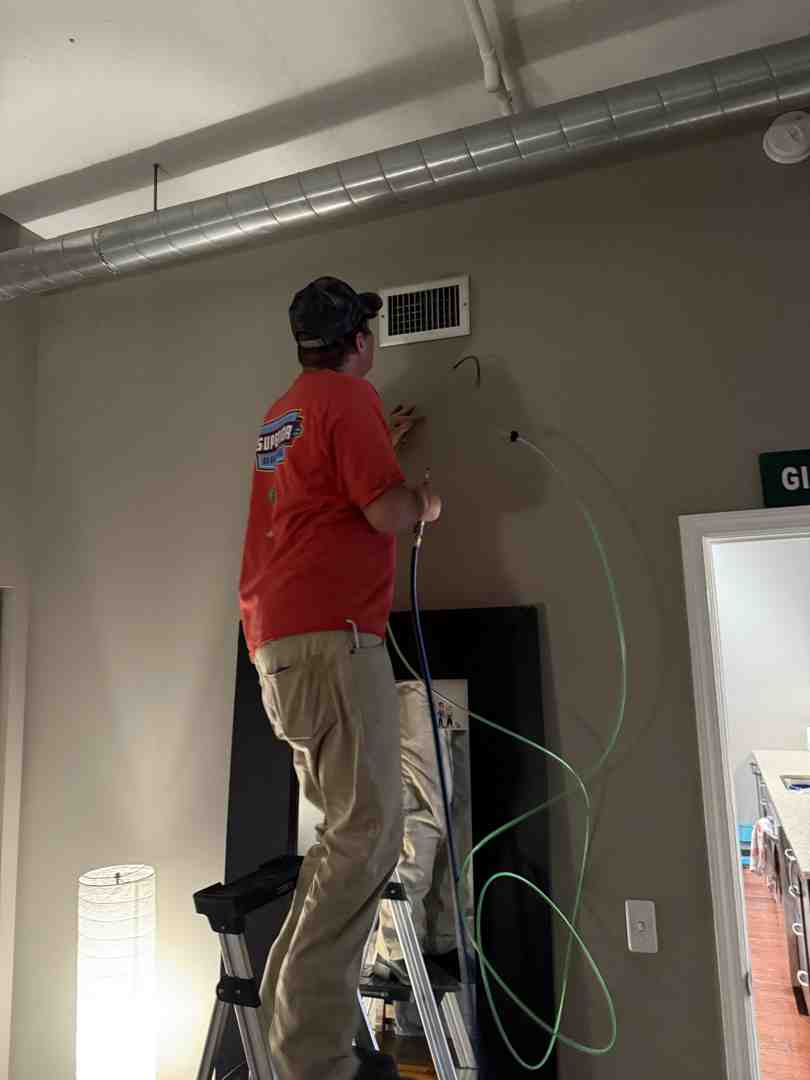
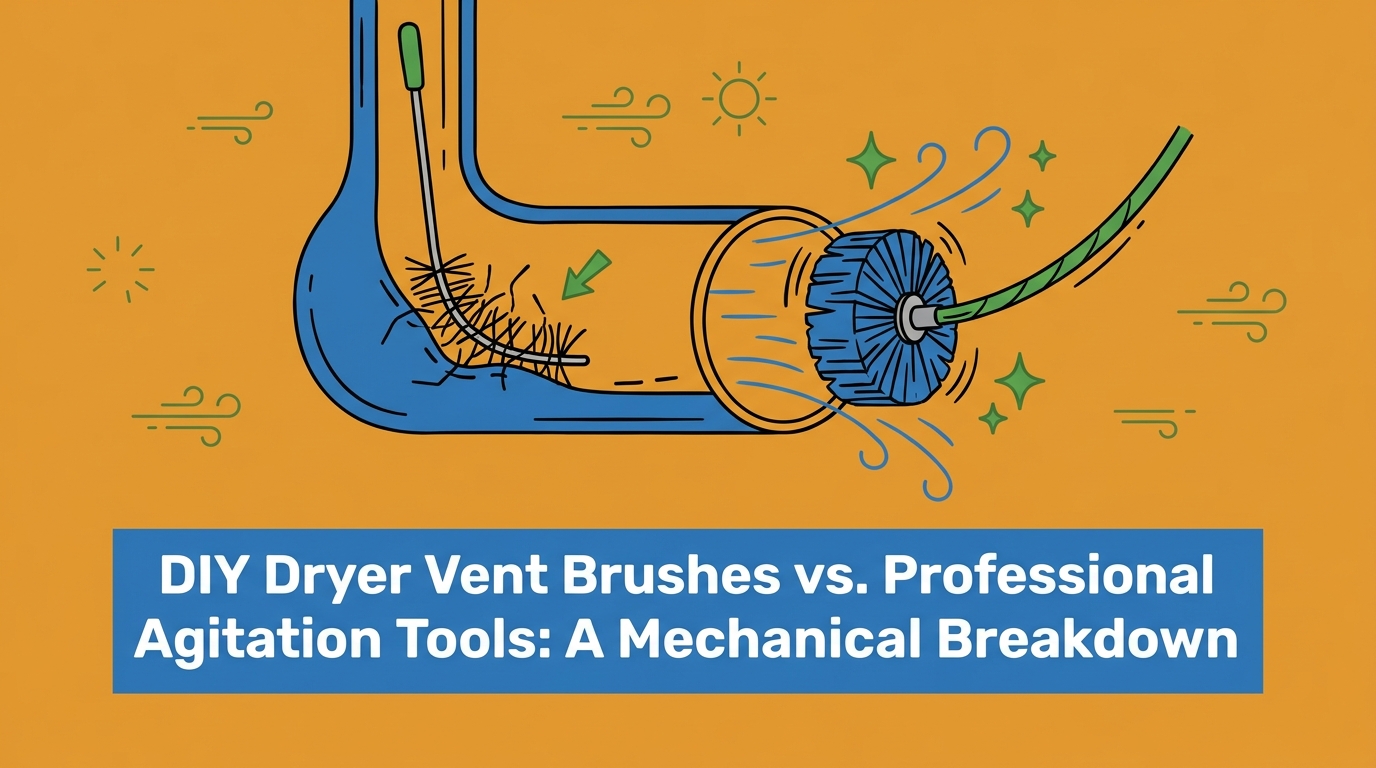
2. Mechanical Agitation: Using specialized pneumatic whips, compressed-air tools, and air sweeps to physically dislodge dust and debris from the inner walls of the ducts, sending the particles directly into the vacuum stream.
The difference in equipment performance is where the comparison becomes incredibly clear:
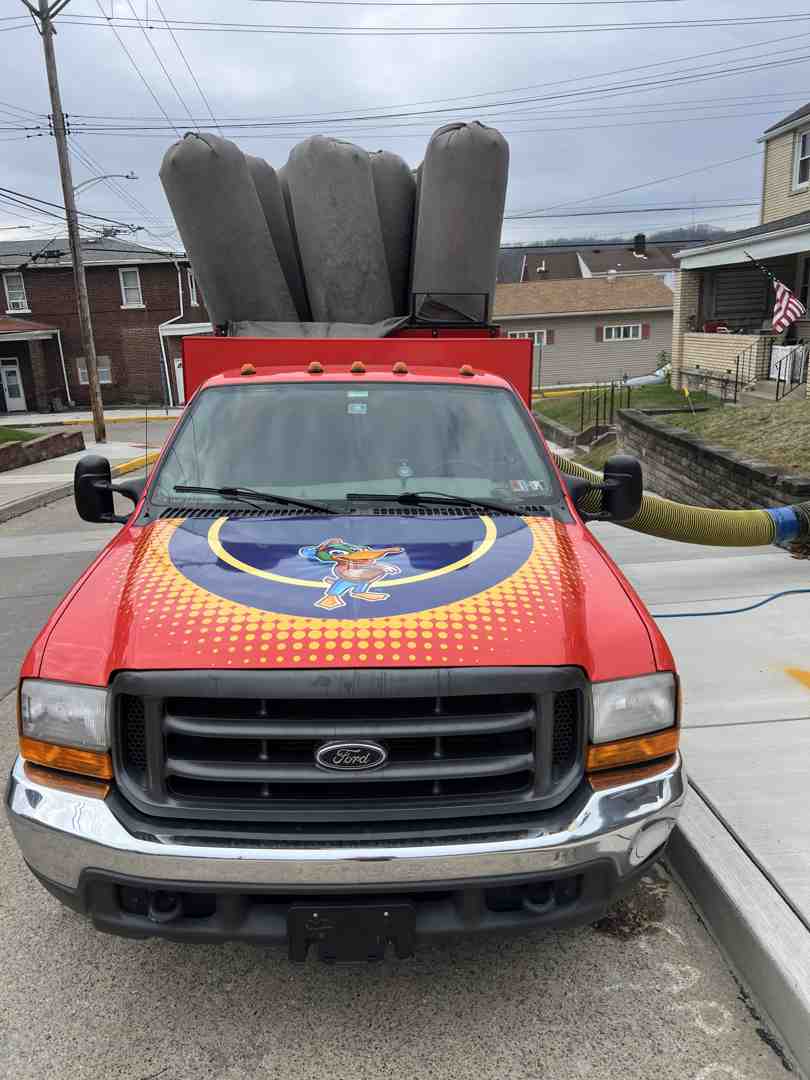
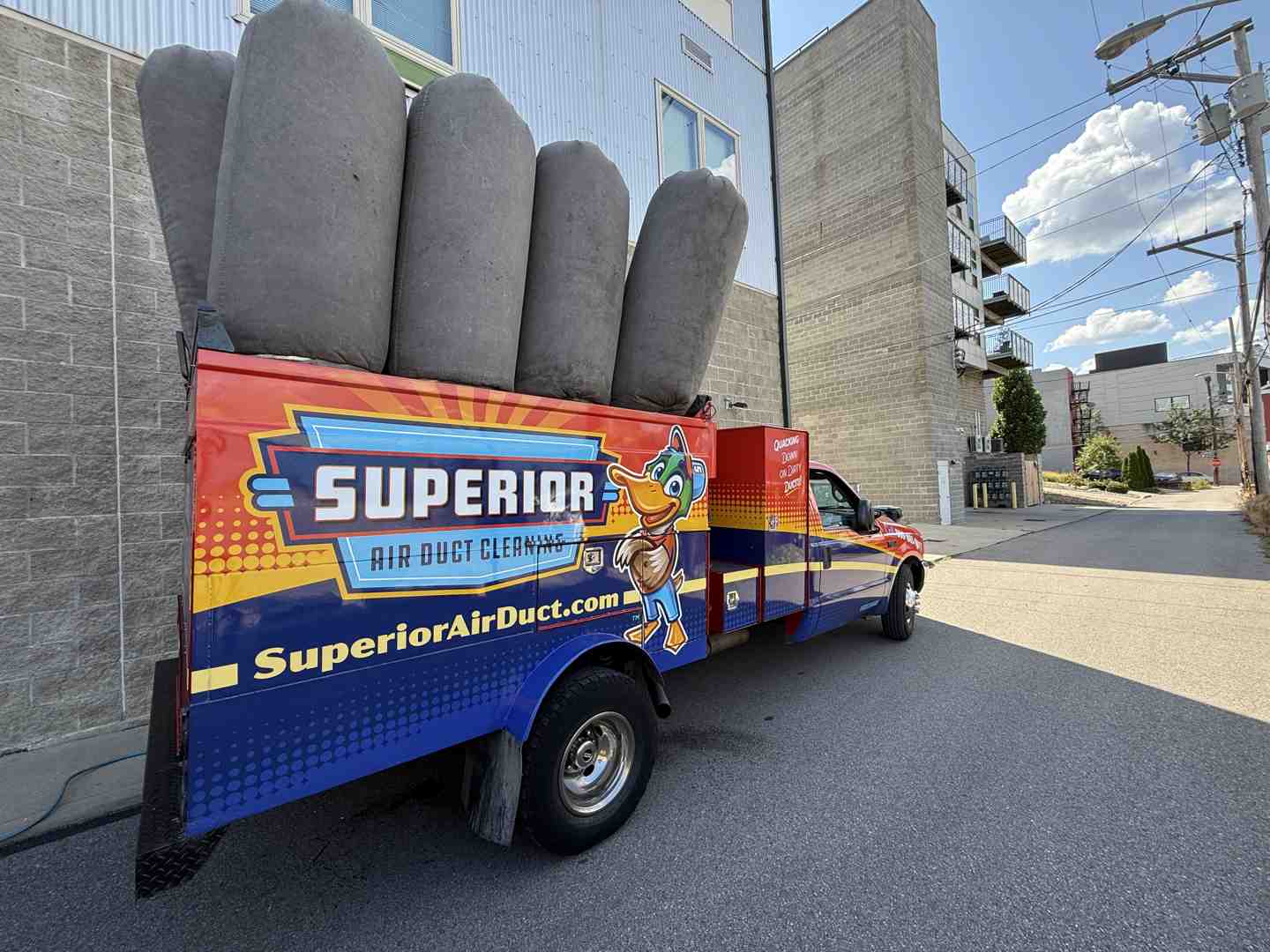
• Vacuum Type — NADCA-Certified Standards: Commercial-grade, high-CFM vacuum trucks or specialized HEPA-filtered collectors — Non-Certified Standard Cleaners: Portable shop-vacs or basic carpet-cleaning vacuum attachments
• Suction Power — NADCA-Certified Standards: Up to 15,000 CFM (Cubic Feet per Minute) — Non-Certified Standard Cleaners: 1,000 to 3,000 CFM
• Particulate Containment — NADCA-Certified Standards: Sealed collector systems with multi-stage HEPA filtration — Non-Certified Standard Cleaners: Often lacks proper filtration, leading to dust escaping into the living space
• Agitation Tools — NADCA-Certified Standards: Compressed-air whips, high-pressure compressed-air tools, and direct-contact air sweeps — Non-Certified Standard Cleaners: Handheld manual brushes or no agitation tools at all
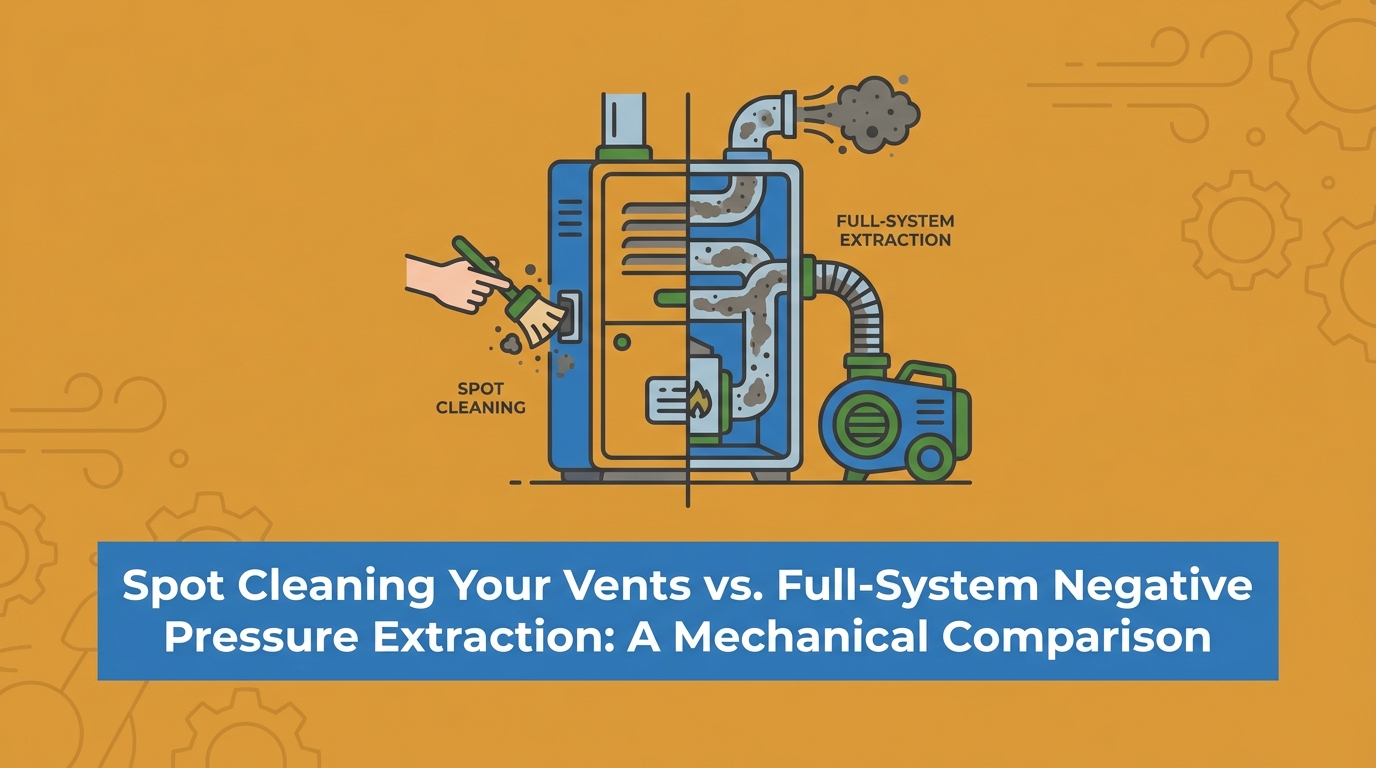
When a non-certified company pulls up with a portable shop-vac style unit, they lack the suction power required to clean the main trunk lines of your heating and cooling system. Without negative pressure, any brushing they do simply pushes the dust further down the line, or worse, blows it straight out of your registers and into your living room.
Using a certified approach, like the one detailed in this NADCA Certified vs Uncertified Duct Cleaning Comparison, ensures that every ounce of dislodged dust is pulled completely out of your home and into a secure containment system.
How a nadca certified vs non certified duct cleaning comparison Impacts Your HVAC System's Scope of Work
The scope of work is another massive differentiator in a nadca certified vs non certified duct cleaning comparison. Many uncertified operators practice what the industry calls "blow-and-go" cleaning. They spend 60 to 90 minutes at your house, run a small vacuum hose down a few register vents, and call it a day.
A true, certified cleaning takes between 3 to 5 hours because it addresses the entire HVAC system. According to the ACR Standard, you cannot clean just a portion of the ductwork; if you leave the blower motor or the coils dirty, the system will immediately re-contaminate itself the moment the furnace or air conditioner kicks back on.
System Components Cleaned in a nadca certified vs non certified duct cleaning comparison
When we perform a certified cleaning, we systematically clean every component that air passes through. This includes:
• Supply and Return Ducts: The main pathways carrying air to and from your living spaces.
• Plenums: The large chambers directly above or beside your furnace where air is distributed.
• Registers, Grilles, and Diffusers: The metal covers on your walls, floors, and ceilings.
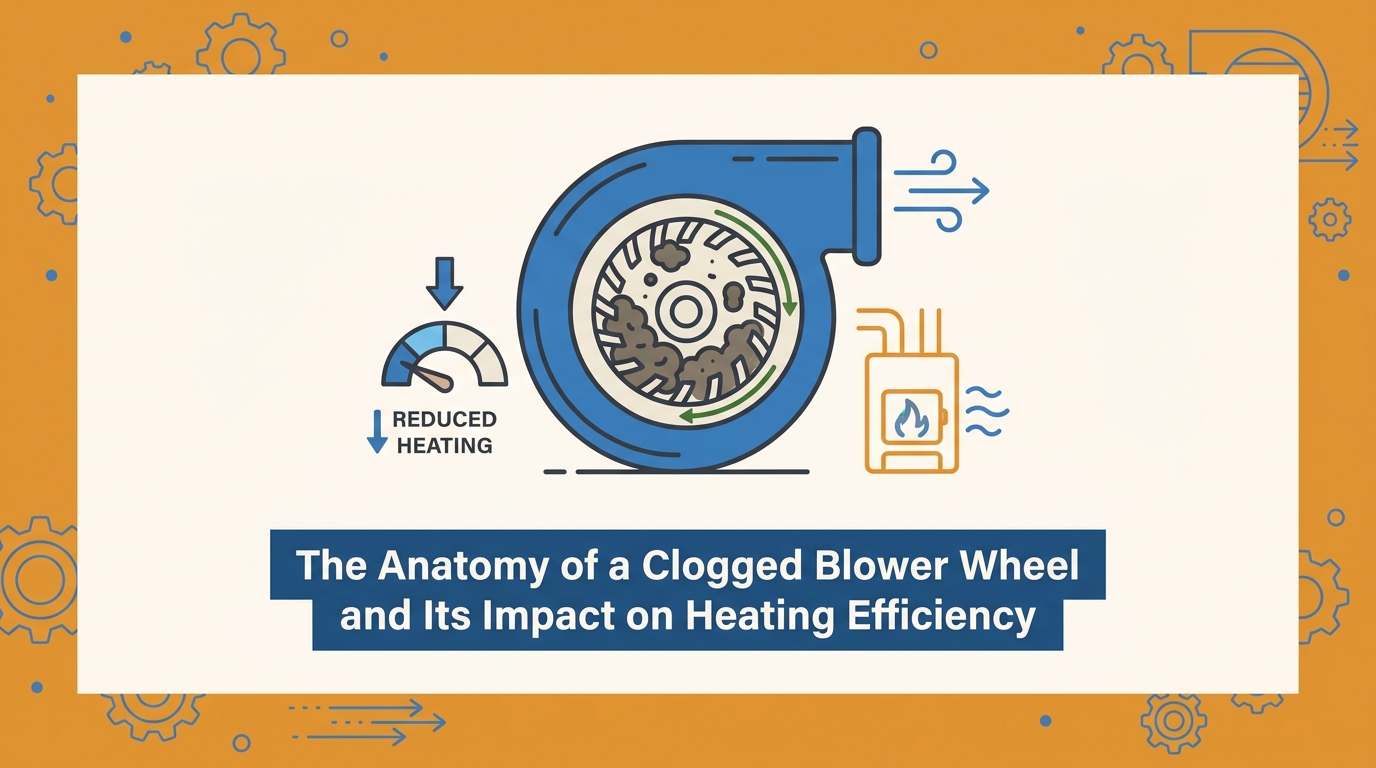
• Blower Motor and Assembly: The fan that physically moves the air through your home.
• Evaporator Coils and Drain Pan: The cooling components that are highly susceptible to dust buildup and mold.
• Heat Exchangers: The primary heating elements inside your furnace.
Properly cleaning all of these components does more than just clear the air—it drastically reduces strain on your system. In fact, studies show that a comprehensive, professional duct cleaning can improve HVAC system efficiency by up to 21%, resulting in lower utility bills and a significantly longer lifespan for your heating and cooling equipment.
Risks of Incomplete Work in a nadca certified vs non certified duct cleaning comparison
Hiring an uncertified company that performs incomplete work carries major risks. When untrained technicians use high-pressure air tools without establishing proper negative pressure, they run the risk of tearing flexible ductwork or damaging delicate internal components like evaporator coils.
Furthermore, simply blowing air through the vents without capturing the dust redistributes allergens, mold spores, and pet dander throughout your home. You can read more about how these standards keep your family safe in this guide on how nadca certification protects homeowners.
Health and Indoor Air Quality Benefits for Pennsylvania and Ohio Homes
Our local climate in Western Pennsylvania and Northeast Ohio poses unique challenges for residential indoor air quality. From the humid summer months in Beaver County, PA, to the high seasonal pollen counts in Youngstown, OH, our HVAC systems work incredibly hard year-round.
During the summer, high humidity can cause moisture to settle inside uncleaned ductwork. When combined with the 40 pounds of dust that accumulates annually in an average home, this moisture creates the perfect breeding ground for mold, mildew, and bacteria. When winter arrives and we seal our homes against the cold in Pittsburgh or Cranberry Township, PA, our furnaces continuously recirculate these biological contaminants.
For families dealing with asthma, seasonal allergies, or respiratory sensitivities, a certified cleaning makes a night-and-day difference. By choosing a certified professional, you ensure the complete removal of:
• Asthma Triggers: Fine dust, soot, and insect residue.
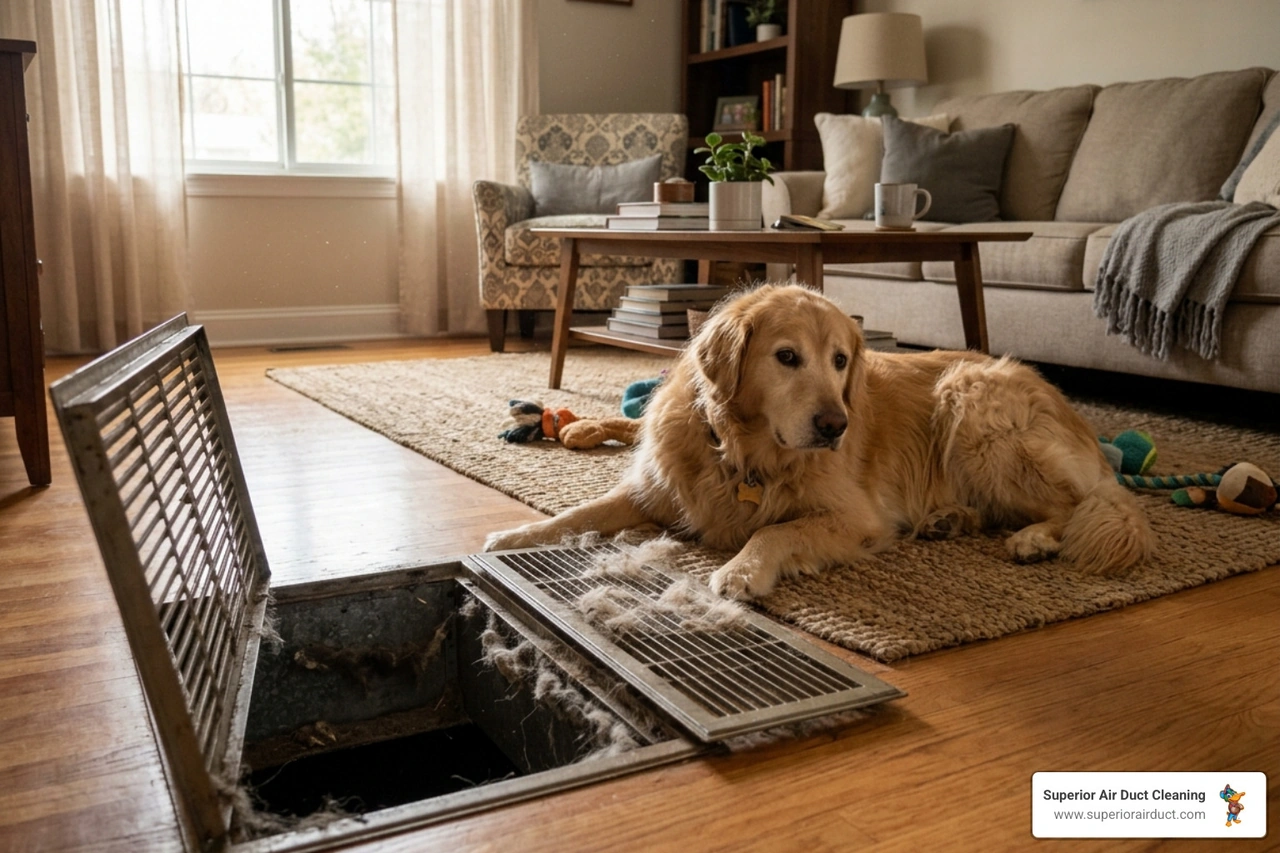
• Pet Hair and Dander: Which can wedge deep into duct joints and resist basic vacuuming.
• Pollen and Wildfire Particulates: Which settle in the return ducts and recirculate every season.
By utilizing the source removal method, we ensure these microscopic irritants are physically extracted from your home. To learn more about why local expertise and certified standards are so crucial for our region's homes, explore the Benefits of Choosing a NADCA Certified Local Company.
How to Verify Credentials and Avoid Common Scams
Unfortunately, the air duct cleaning industry has been plagued by deceptive marketing practices. You have likely seen social media posts or received unsolicited phone calls offering "whole-house duct cleaning" for an unbelievably low flat rate. These are classic "bait-and-switch" scams.
Once these uncertified operators get inside your home, they will often show you a blurry photo of "black mold" inside your system (which is usually just harmless dust or a stock photo on their phone) and try to pressure you into paying hundreds of dollars for unnecessary chemical treatments or superficial cleanings.
Protecting yourself is simple when you know How to Verify Duct Cleaning Credentials. Follow these foolproof steps before hiring any contractor:
1. Search the Official NADCA Directory: Go directly to nadca.com and use the "Find a Professional" tool. If a company is not listed in this database, they are not a certified member, regardless of what logos they display on their truck or website.
2. Ask for the ASCS Certificate: Ask the company to provide the name of their certified Air Systems Cleaning Specialist and verify their current standing.
3. Confirm the Use of Negative Pressure: Ask the contractor, "Will you be hooking up a negative air machine or vacuum truck to my main trunk lines before you begin cleaning?" If they say they only use a compressed-air tool and vacuum hose from the register side, do not hire them.
4. Verify Liability Insurance: Ensure the company carries active liability insurance to protect your property during the service.
By taking a few minutes to verify these credentials, you can easily filter out the scammers and ensure you are working with a legitimate, ethical professional.
Frequently Asked Questions about Duct Cleaning Standards
How often should homeowners schedule professional duct cleaning?
NADCA recommends that most homeowners have their air ducts professionally cleaned every 3 to 5 years. However, this recommended frequency can vary based on several lifestyle and environmental factors.
You should consider scheduling a cleaning sooner if you have shedding pets, smokers in the household, or family members who suffer from severe allergies or respiratory illnesses. Additionally, if you have recently completed a home renovation project in areas like Boardman, OH, or Butler County, PA, a professional cleaning is highly recommended to remove fine drywall dust, sawdust, and construction debris from your ventilation system.
Does certification guarantee the technician on-site is an ASCS?
NADCA requires that a certified member company have at least one full-time Air Systems Cleaning Specialist (ASCS) on staff to oversee all projects and ensure that the company's cleaning processes strictly adhere to the ACR Standard.
While the technician physically performing the work in your home may not always be the primary ASCS cardholder, they must be trained under their direct supervision and use the company’s certified methodologies, commercial-grade equipment, and safety protocols.
What are the risks of hiring non-certified duct cleaners?
Hiring an uncertified cleaner exposes your home to several serious risks, including:
• Ductwork Damage: High-pressure tools in untrained hands can easily rip flexible ducts, leading to costly air leaks behind your walls.
• Inadequate Cleaning: Without high-CFM negative pressure, a non-certified cleaner will leave behind the majority of the dust and debris.
• Voided HVAC Warranties: Many modern HVAC manufacturers require documented, professional maintenance. Improper cleaning that damages internal components can completely void your system's warranty.
• Lack of Insurance Protection: If an uninsured, uncertified operator damages your furnace or causes a house fire, you could be left holding the bill.
Conclusion
When it comes to the air your family breathes, there is no room for compromise. A nadca certified vs non certified duct cleaning comparison highlights that investing in certified service is the only way to guarantee a safe, thorough, and effective clean for your home's heating and cooling system.
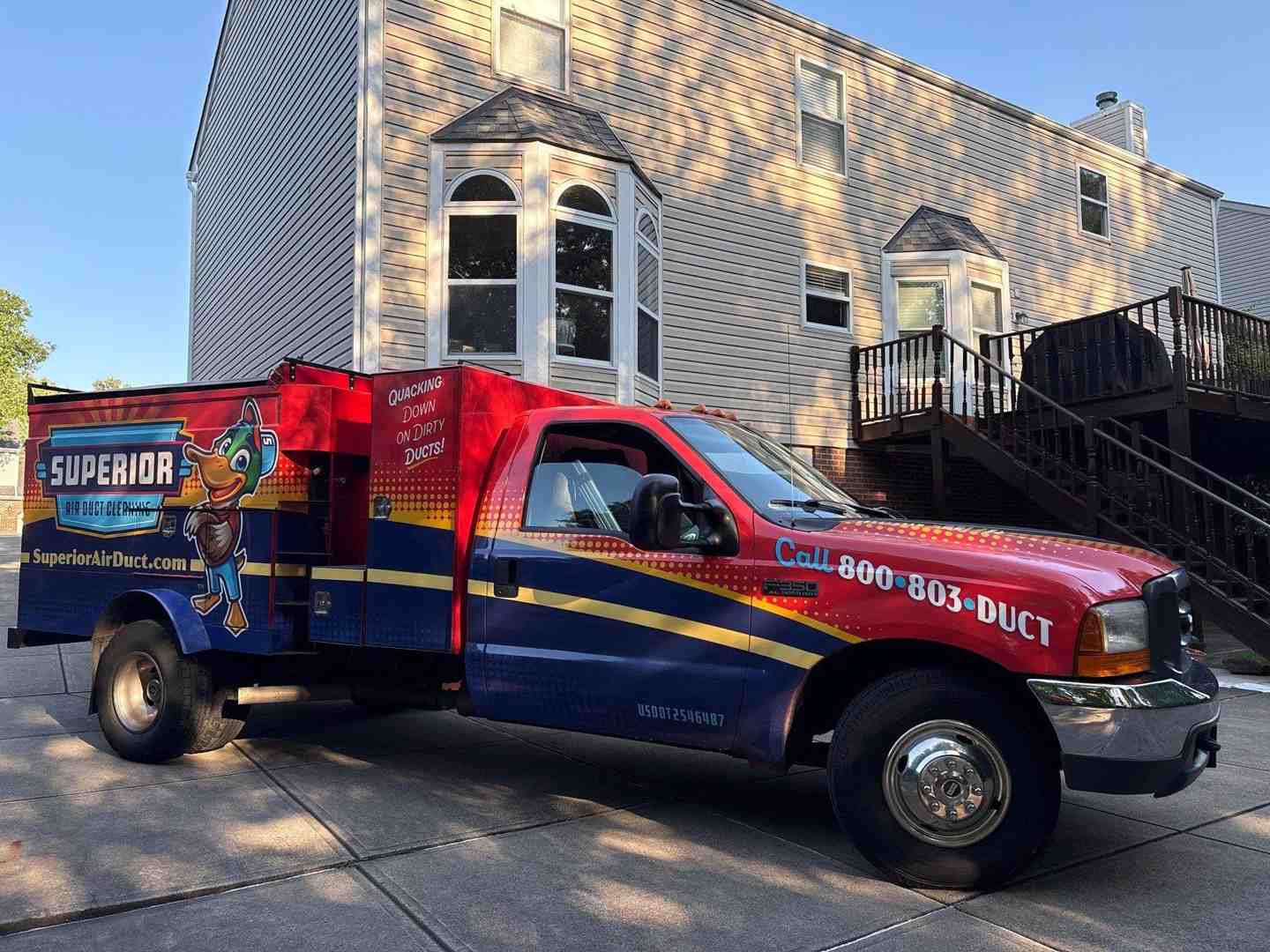
At Superior Air Duct Cleaning, we are proud to serve homeowners across Western Pennsylvania and Northeast Ohio—from Allegheny and Washington County to Mahoning and Columbiana County. We strictly adhere to the highest professional standards, utilizing commercial-grade vacuum trucks and certified techniques to protect your health, improve your home’s energy efficiency, and give you complete peace of mind.
Don't leave your indoor air quality to chance. Schedule professional air duct cleaning today with our certified team and breathe the difference that true expertise makes!

Customer Reviews


Superior Air Duct cleaning did a phenomenal job in a timely manner with the tech “Rich” being very professional ,personable and considerate of our property! He explained things as he proceeded and answered all our questions!
I LOVE that they provide before & after photos to see the difference. Give them a try… you won’t regret it
Pam T.
Robert was on schedule and communicated what time he would arrive. He was polite, professional, and respectful of our home. I wanted to wait a couple weeks before posting a review because I wanted to see if the duct cleaning actually made a difference. I am happy to say it did! I vacuum multiple times a week and have already noticed a significant reduction in the amount of dust cleaned up each time. As a home with pets, there will always be something to clean, but getting the ducts cleaned has definitely helped improve the air quality and reduce the dust.
alice A.
Technician Rob arrived early explained the days agenda and then proceeded to work methodically and meticulously over the next 6+ hours cleaning my ductwork. Courteous and professional they answered all of my questions and went above and beyond the call of duty. They even located an old dusty box of rat poison buried in our vents. My only regret is not finding these guys sooner. As a realtor of 22 years and owner of a newly purchased (now dust free) home I highly recommended!
Eric K.
Excellent service! I’ve used them to clean out my air ducts as well as my dryer vent duct and they are excellent. I was very pleased with both jobs and will continue to use them in the future. Great communication as well- from the time I scheduled the appointment until they were at my door.
Erika C.
We had such an amazing experience with Superior Air Duct Cleaning. They were so nice and friendly and did an amazing job. I loved seeing the before and after pictures. Besides doing an amazing job cleaning our air ducts they were so quick at responding and setting up the appointment. We will definitely be using them in the future.
Amanda C.