Is It Safe to Step on Floor Vents After Routine Maintenance?
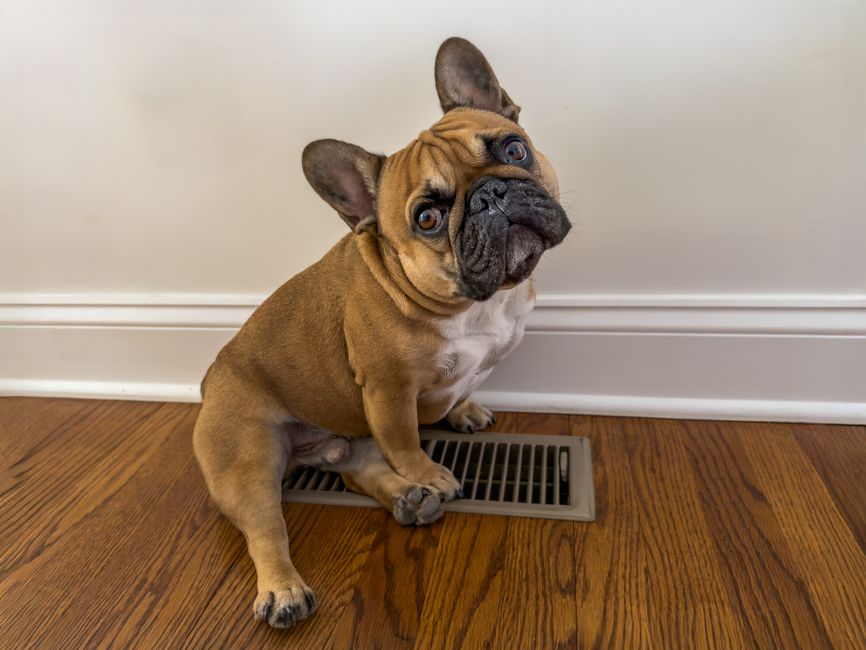
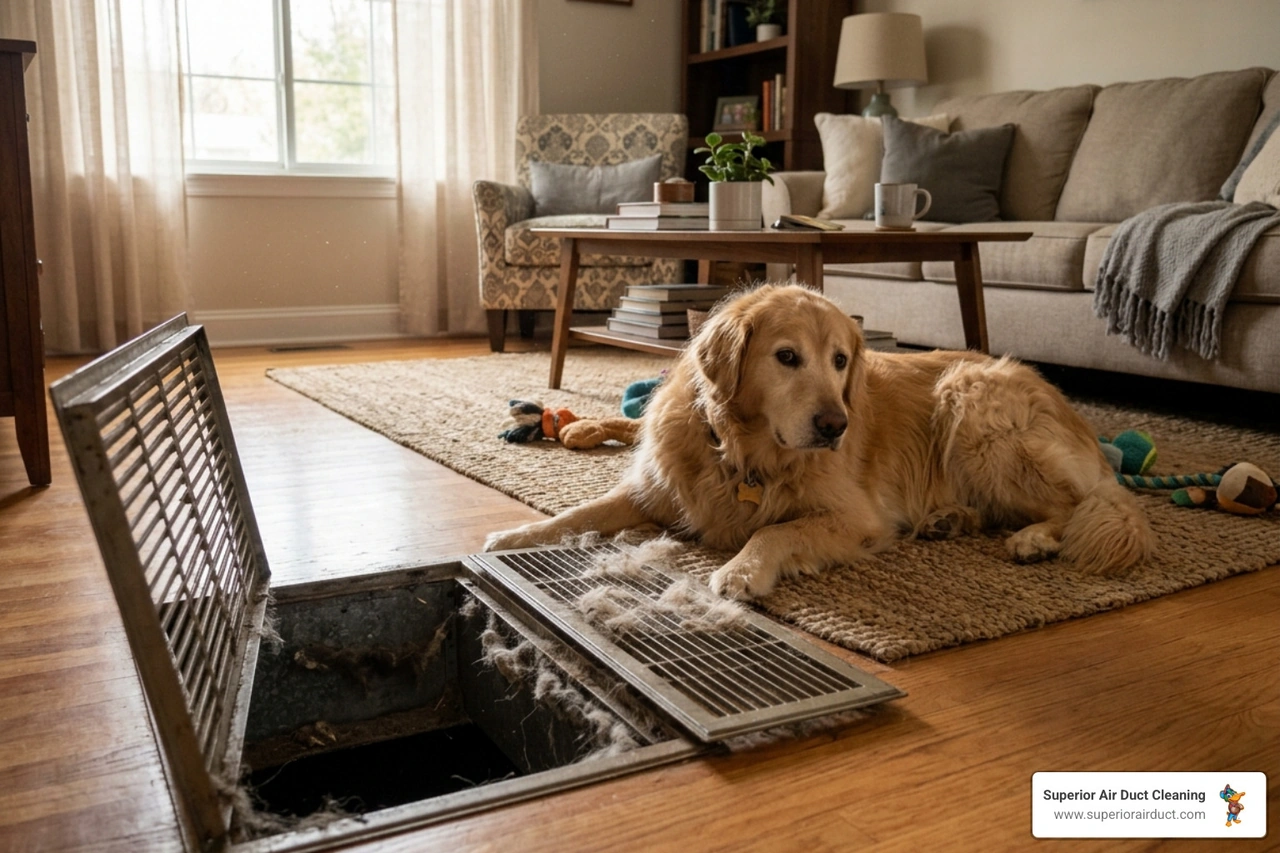
Are my floor registers safe to walk on after being removed and cleaned? It is a question many homeowners ask themselves right as they wrap up their early fall pre-heating prep. You pull up the vent, vacuum out the accumulated summer dust, drop the grate back into the floor, and suddenly wonder if it will hold your weight the next time you walk across the room. The anxiety of hearing a sharp crack or feeling the metal give way under your foot is completely understandable, especially if the register feels slightly looser than it did before.
The short answer is yes, floor registers are generally safe to walk on after routine maintenance, provided they remain structurally sound and are seated perfectly flush with the subfloor. Floor vents are engineered as load-bearing surfaces designed to handle the point load of human foot traffic. However, improper removal techniques, accumulated environmental wear, or incorrect reinstallation can severely compromise this structural capability. If you are exploring comprehensive indoor air quality solutions for the season, verifying the physical safety of your home's fixtures is just as important as clearing the dust out of them.
When a vent is pulled up and forced back down, the delicate balance of weight distribution can shift. Even a tiny piece of debris trapped under the lip can create a pressure point that leads to bending or collapsing. Understanding how these fixtures bear weight, and knowing exactly what to check before the heating season begins in earnest, is the key to keeping your floors safe and secure.
Understanding the Load-Bearing Mechanics of Floor Registers
To understand why a vent might fail, it helps to understand how it is designed to succeed. Standard residential floor registers are not just decorative covers; they are engineered structural components. When you step on a floor vent, your foot exerts a "point load"—a concentrated amount of weight in a small area. The register must take that concentrated weight and distribute it outward to the solid subfloor surrounding the duct opening.
The material composition of the register plays a massive role in its load-bearing capacity. Not all vents are created equal, and their ability to withstand repeated removal and foot traffic varies dramatically based on what they are made of.
• Cast Iron — Structural Characteristics: Extremely rigid, heavy, and thick. Does not flex under pressure. — Load-Bearing Capacity: Very High (can easily support heavy furniture and foot traffic). — Vulnerability During Removal: Low risk of bending, but can chip or crack if dropped onto a hard surface.
• Heavy-Gauge Steel — Structural Characteristics: Strong, durable, and resistant to minor flexing. — Load-Bearing Capacity: High (supports standard residential foot traffic safely). — Vulnerability During Removal: Moderate risk if pried aggressively with metal tools.
• Stamped Metal — Structural Characteristics: Thin, lightweight, and highly flexible. Often found in modern builder-grade homes. — Load-Bearing Capacity: Moderate to Low (prone to denting under heavy, concentrated weight). — Vulnerability During Removal: High risk. The flanges bend easily if forced in or out of a tight boot.
• Hardwood — Structural Characteristics: Interlocking wooden slats, aesthetically pleasing but reliant on joint integrity. — Load-Bearing Capacity: Moderate (depends entirely on the thickness of the wood and joint glue). — Vulnerability During Removal: High risk of splintering, stripping, or cracking at the joints.
If you are scheduling professional air duct cleaning, technicians will often encounter a mix of these materials throughout a single home. Regardless of the material, the structural integrity drops significantly if the vent relies solely on the thin sheet metal of the ductwork shaft for support, rather than resting firmly on the surrounding wooden floor joists and subfloor.
How Weight is Distributed Across the Subfloor
The secret to a floor register's strength lies in its outer rim, known as the flange. The flange is the lip that extends past the duct opening and rests on top of your hardwood, tile, or carpet.
• Continuous Contact: For the vent to support weight safely, the entire perimeter of the flange must make continuous, unbroken contact with the solid flooring beneath it. This allows the weight of a footstep to transfer directly into the floor joists.
• The Danger of Gaps: If the vent is raised even slightly on one side, it creates a fulcrum. When you step on the raised side, the vent acts like a seesaw. This concentrates all your body weight onto the small section of the flange that is touching the floor, which can cause the metal to permanently bend, or cause a wooden grate to snap in half.
How Repeated Removal Impacts Older Wooden and Stamped Metal Grates
Homeowners often view floor vents as permanent fixtures, but they endure a surprising amount of handling over their lifespan. Pulling up older wooden and stamped metal grates year after year for cleaning takes a mechanical toll on the materials.
The most common damage occurs during the removal process itself. When a register has been sitting in a duct boot for months, it often becomes stuck due to settled dust, floor wax, or slight shifting of the flooring. The natural instinct is to grab a flathead screwdriver and pry the vent up by its edges. This improper leverage subtly bends the thin metal flanges of stamped steel grates. Over several seasons, this repeated bending causes metal fatigue. The steel loses its rigid memory, meaning it will never sit perfectly flat again. Once a stamped metal grate develops a permanent wave or warp along its edge, it crosses the threshold from a functional fixture into a tripping and structural hazard.
Older wooden grates suffer a different type of degradation. Wooden registers are typically constructed using mortise and tenon joints or small glued dowels holding the louvers in place. The friction of pulling a wooden vent in and out of a tight floor opening stresses these joints. Over time, the glue dries out and the joints become stripped, loose, or splintered. When you step on a wooden vent with compromised joints, the internal slats can collapse inward, even if the outer rim is fully supported by the floor. If you are weighing the options of replacing vs. cleaning heavily soiled register grilles, evaluating this joint degradation is a critical part of the decision process.
The Hidden Threat: How Winter Moisture Weakens Floor Vents
Mechanical wear and tear is only half the story. The environment inside your home plays a massive role in the structural safety of your floor registers. With Western Pennsylvania's distinct four-season climate, these fixtures are subjected to extreme heating and cooling cycles that cause the materials to constantly expand and contract.
The most severe damage, however, comes from winter precipitation. During the colder months, melting snow, slush, and moisture from heavy winter boots frequently pool around floor vents located near entryways, mudrooms, and living room walkways. Because heat rises, these vents become the perfect environment for accelerated corrosion.
When snowmelt drips through the louvers of a stamped steel grate, it often becomes trapped between the underside of the flange and the duct boot. This hidden moisture sparks a chemical reaction, causing rust to develop on the bottom side of the vent. Homeowners usually don't notice this corrosion because the top surface still looks painted and pristine. However, as the rust eats away at the steel from the bottom up, the metal flakes and thins out, drastically reducing the vent's load-bearing capacity. A vent that safely supported 200 pounds last winter might buckle under half that weight if hidden rust has compromised the flange.
For older wooden grates, this same winter moisture causes a different failure: warping. When wood absorbs snowmelt, it swells. When the furnace kicks on and blasts hot, dry air through the vent, the wood rapidly dries out and shrinks. This aggressive cycle of swelling and shrinking causes the wooden frame to warp and cup. A warped wooden vent is impossible to seat flush against the subfloor, guaranteeing that it will rock back and forth when stepped on, ultimately leading to structural failure.
Checklist: How to Inspect Your Reinstalled Floor Registers for Safety
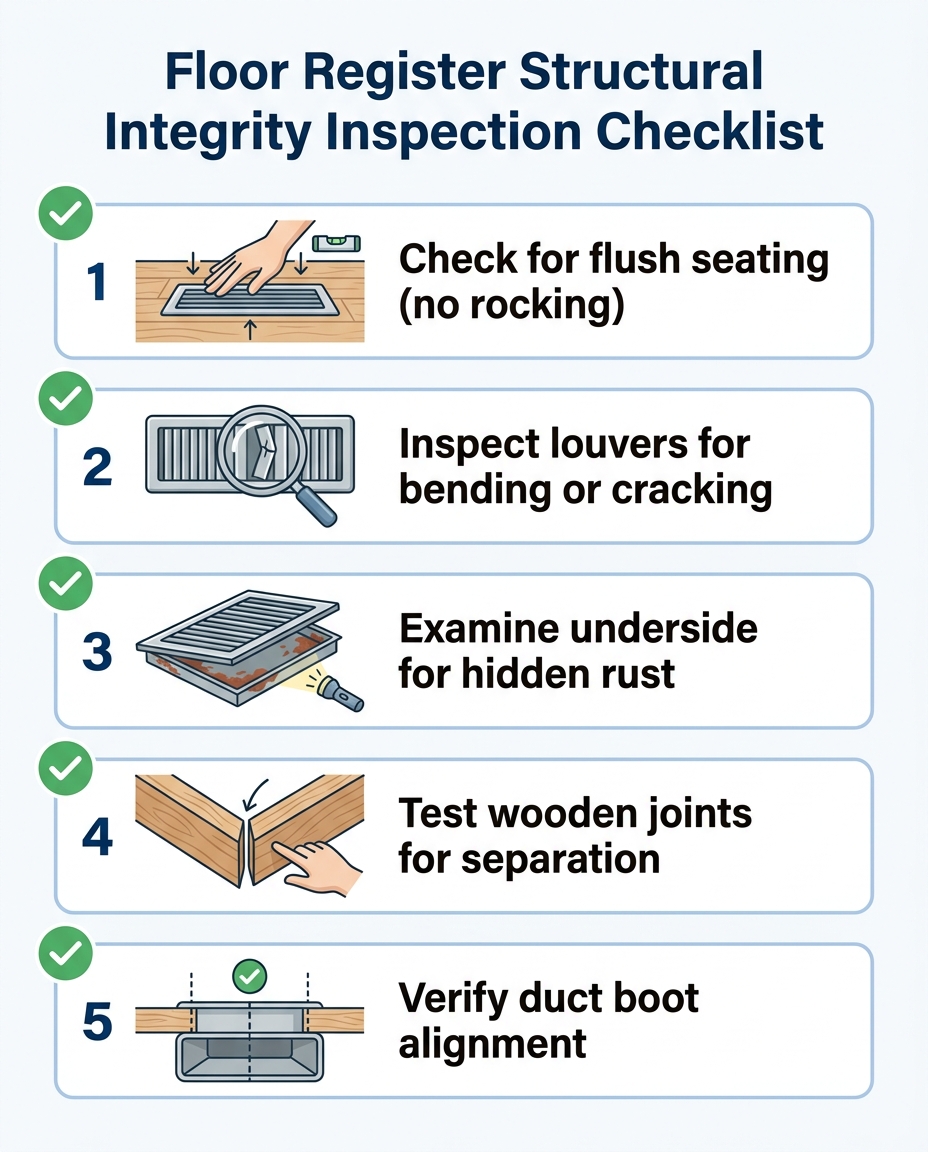
Before you consider your early fall pre-heating prep complete, you need to verify that every floor register you removed is safe to walk on. Use this detailed inspection checklist to confirm the structural integrity of your vents before securing them for the winter.
• Check for flush seating: Run your hand over the edges of the vent. The entire outer lip must rest completely flat against the floor. Press down on all four corners; if the vent rocks, clicks, or shifts even a fraction of an inch, it is not seated safely and cannot properly distribute weight.
• Inspect the louvers: Look closely at the directional fins inside the grate. For metal vents, look for bent or detached fins. For wooden vents, gently wiggle the slats. Loose or cracked louvers indicate that the overall structural frame has lost its rigidity and is vulnerable to collapsing.
• Examine for hidden rust: Always flip metal vents over before reinstalling them. Inspect the underside flanges and the corners where the louvers meet the frame. If you see bubbling paint, orange flaking, or deep pitting, the steel's strength is compromised.
• Test wooden joints: Before dropping a wooden grate back into the floor, hold it by the edges and apply gentle, twisting pressure. If the frame flexes easily or you hear the wood creaking, the interlocking joints have separated, making it unsafe for foot traffic.
• Verify duct boot alignment: Look down into the floor opening. Ensure the sheet metal ductwork below hasn't shifted, collapsed, or bent inward. If the boot is deformed, it will block the register from dropping in fully, forcing the vent to sit at an unsafe angle.

The Dangers of Improper Flush Seating
Of all the factors that determine floor vent safety, proper seating is the most critical. Flush seating means there is zero gap between the bottom of the register's flange and the surface of the floor. When a vent is seated flush, the flooring material itself is doing the heavy lifting when someone steps on the grate.
When a vent is not seated flush, the dangers multiply rapidly. The most immediate risk is the structural failure of the vent itself. As mentioned earlier, a gap of even a single millimeter creates a fulcrum. If someone steps on a raised edge with the hard heel of a shoe, the concentrated force can easily snap a wooden frame or permanently crease a stamped metal flange. Once creased, the metal loses its structural integrity permanently.
Beyond the vent breaking, improper seating creates significant secondary hazards. A raised metal edge instantly becomes a severe tripping hazard in high-traffic areas like hallways or the foot of a staircase. Catching a toe on a raised steel flange can cause a dangerous fall.
Furthermore, an improperly seated vent causes long-term damage to the floor itself. If a vent rocks back and forth every time someone walks past it, the hard metal edges act like sandpaper. Over a few months, this rocking motion will grind dirt and grit into the surrounding hardwood, laminate, or luxury vinyl plank, leaving deep, permanent scratches and gouges in a perfect rectangle around the duct opening. Ensuring a flush fit protects both your family and your flooring investment.
Professional Vent Handling: Ensuring Safety and Leaving No Trace
While DIY fall prep is common, there is a distinct difference between a homeowner pulling up a stubborn vent with a screwdriver and a professional technician executing a systematic cleaning. Professional vent handling is designed specifically to mitigate the risks of bending, cracking, and improper seating.
Trained technicians understand the mechanical limits of older wooden and stamped metal grates. They use specialized, non-marring tools to gently break the seal of dust and floor wax without bending the fragile flanges or chipping the surrounding hardwood. This careful extraction preserves the structural memory of the metal.
A core part of professional service is the "leave no trace" protocol. This means that before a register is returned to the floor, the technician ensures the duct boot is entirely clear of debris—no dropped screws, no clumps of pet hair, and no hardened drywall dust left on the lip. This meticulous clearing is what guarantees the register returns to its exact flush position. During comprehensive system maintenance, professionals also inspect the structural integrity of every vent, alerting you if a grate has become too rusted or stripped to bear weight safely.
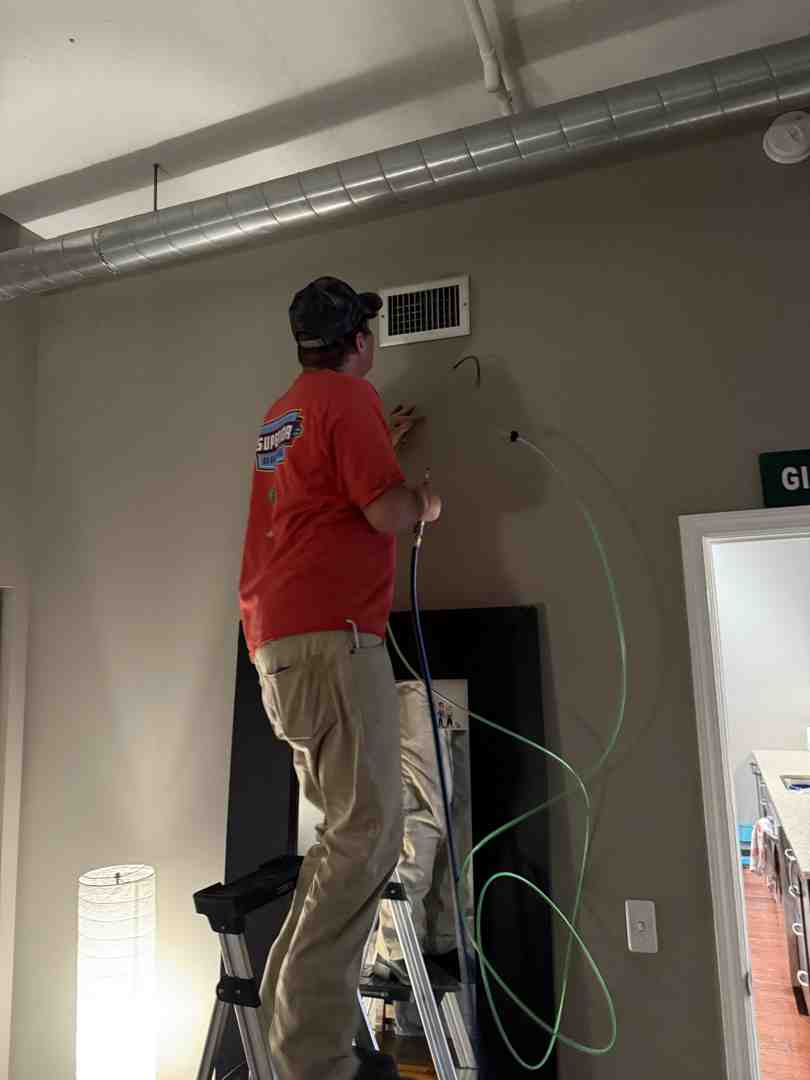
For example, when addressing allergens in a house built 18 years ago where the system had never been cleaned, the priority wasn't just pulling out debris—it was ensuring every fixture was handled safely. Technicians performed the HVAC cleaning, explained the details, and showed pictures of the entry points, ensuring that every original fixture was safely extracted and securely reseated without damage. This level of careful handling is a hallmark of Superior Air Duct Cleaning's protocols, ensuring that your home is treated with respect and your fixtures remain structurally sound. Homeowners seeking whole house sanitizing can expect this same rigorous attention to detail, providing the peace of mind that comes from knowing all fixtures have been safely handled and securely reseated.
Frequently Asked Questions About Floor Register Safety
Before diving into specific questions regarding the mechanics of your grates, remember that comprehensive home maintenance extends beyond your primary ductwork. Ensuring safe, unobstructed airflow and clean fixtures also applies to other critical systems, which is why many homeowners schedule dryer vent cleaning services in tandem with their seasonal prep.
Can you walk on floor vent covers?
Yes, standard residential floor vents are designed to bear normal walking weight, provided they are seated flush and made of appropriate materials like steel, cast iron, or thick wood. As long as the vent's outer rim makes continuous contact with a solid subfloor, the weight of foot traffic is safely distributed. However, if the vent is bent, rusted, or made of very thin plastic, it should be avoided or replaced.
How much weight can a floor register hold?
While it varies by material, most standard steel residential registers can hold 200 to 250 pounds of static weight when properly supported by the subfloor. Heavy-duty cast iron grates can hold significantly more, often supporting the weight of heavy furniture without flexing. Conversely, older stamped metal grates or thin wooden vents may struggle to hold even 150 pounds safely if their structural integrity has been compromised by age or moisture.
Why do my floor vents bend when I walk on them?
Vents typically bend because they are made of thin stamped metal, have developed hidden rust, or are not seated perfectly flat. When a vent is not seated flush, the weight presses down on unsupported sections, creating a fulcrum effect that forces the metal to crease. Repeated bending causes metal fatigue, making the vent permanently warped and unsafe for regular foot traffic.
How do you properly seat a floor vent?
Clear all debris, dust, and pet hair from the duct opening and the lip of the floor. Ensure the duct boot is aligned and hasn't shifted inward. Drop the vent in straight down without forcing or prying it, and verify that the outer lip rests completely flat against the flooring with absolutely no rocking when you press on the corners.
How do you know if a floor register needs to be replaced?
Replace the register if you notice bent or detached louvers, severe rust on the underside flanges, or stripped and splintering wooden joints. Additionally, if the vent rocks back and forth when stepped on despite the floor opening being completely clean, the frame is warped and the fixture should be replaced to prevent a tripping hazard or collapse.
Does routine duct maintenance damage older vents?
Professional maintenance does not damage vents, as technicians use specialized, non-marring tools and techniques to remove and reinstall them safely. They are trained to handle older, fragile materials without compromising their shape. However, aggressive DIY prying with screwdrivers or improper tools can easily warp older grates and ruin their load-bearing capacity.
Ensure Your Home's Air System is Clean and Secure
Taking the time to inspect and properly seat your registers during early fall pre-heating prep is a simple step that prevents accidents and protects your flooring from damage. Floor vents are functional, load-bearing fixtures that require a flat, secure resting place to do their job safely. When you notice signs of rust, metal fatigue, or stripped wooden joints, it is time to address the issue before the heavy foot traffic of the holiday season begins.
Remember that professional handling ensures both a deep clean of your system and the long-term safety of your home's fixtures. If you are preparing your home for the colder months, consult with local experts for comprehensive system care that respects your home, preserves your structural fixtures, and leaves you with a clean, safe, and efficient environment.

Customer Reviews


Superior Air Duct cleaning did a phenomenal job in a timely manner with the tech “Rich” being very professional ,personable and considerate of our property! He explained things as he proceeded and answered all our questions!
I LOVE that they provide before & after photos to see the difference. Give them a try… you won’t regret it
Pam T.
Robert was on schedule and communicated what time he would arrive. He was polite, professional, and respectful of our home. I wanted to wait a couple weeks before posting a review because I wanted to see if the duct cleaning actually made a difference. I am happy to say it did! I vacuum multiple times a week and have already noticed a significant reduction in the amount of dust cleaned up each time. As a home with pets, there will always be something to clean, but getting the ducts cleaned has definitely helped improve the air quality and reduce the dust.
alice A.
Technician Rob arrived early explained the days agenda and then proceeded to work methodically and meticulously over the next 6+ hours cleaning my ductwork. Courteous and professional they answered all of my questions and went above and beyond the call of duty. They even located an old dusty box of rat poison buried in our vents. My only regret is not finding these guys sooner. As a realtor of 22 years and owner of a newly purchased (now dust free) home I highly recommended!
Eric K.
Excellent service! I’ve used them to clean out my air ducts as well as my dryer vent duct and they are excellent. I was very pleased with both jobs and will continue to use them in the future. Great communication as well- from the time I scheduled the appointment until they were at my door.
Erika C.
We had such an amazing experience with Superior Air Duct Cleaning. They were so nice and friendly and did an amazing job. I loved seeing the before and after pictures. Besides doing an amazing job cleaning our air ducts they were so quick at responding and setting up the appointment. We will definitely be using them in the future.
Amanda C.