That First Chilly Morning: Why Your Heater Smells Like It's Burning
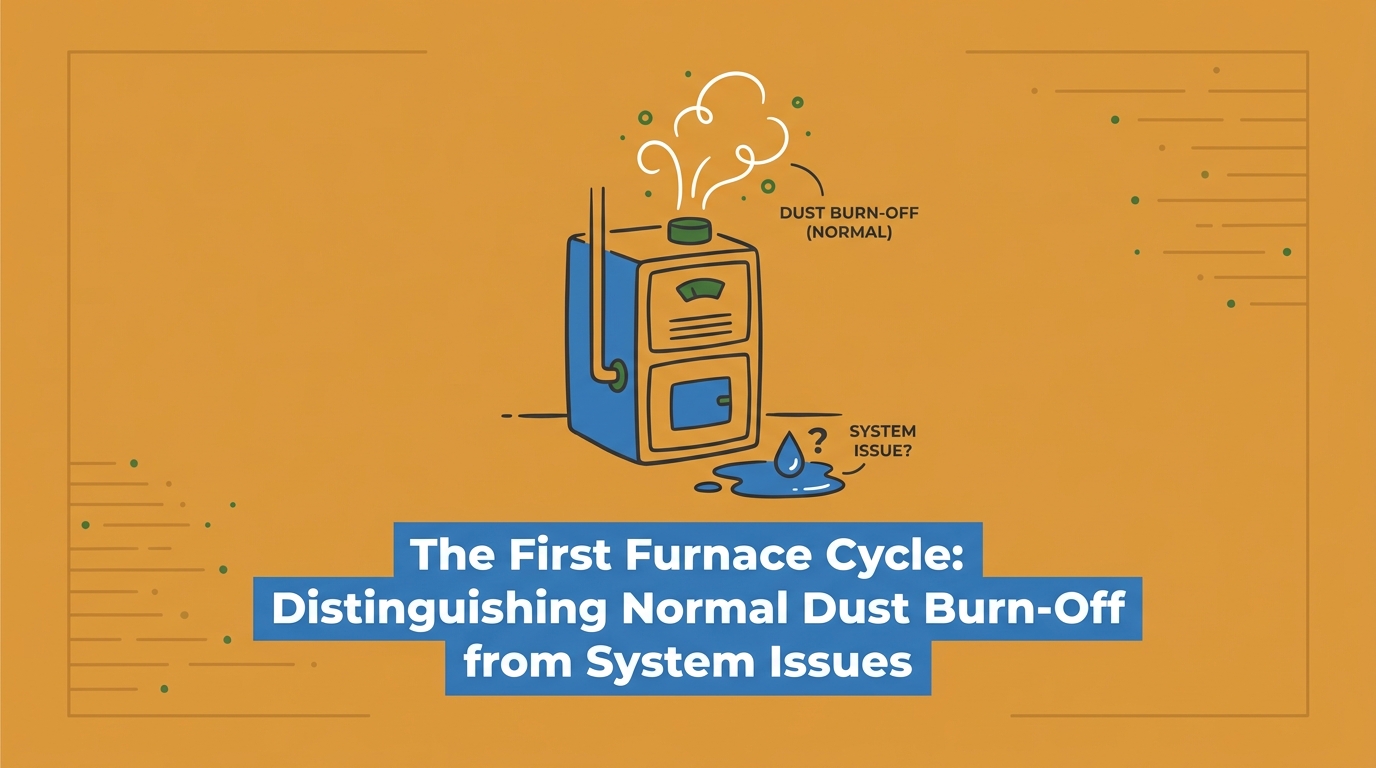
When the crisp September air arrives in Western Pennsylvania, mastering The First Furnace Cycle: Distinguishing Normal Dust Burn-Off from System Issues is the key to a safe, comfortable home. You walk over to your thermostat, switch it from cooling to heating for the first time in months, and wait for that comforting rush of warm air. But within minutes, a distinct and alarming odor fills the room, leaving you wondering if it's a simple nuisance or a serious hazard.
That sudden burning smell often triggers immediate panic. You might find yourself checking the vents, sniffing the air near the furnace room, and wondering if you have a dangerous fire hazard on your hands. The central decision point is stressful but common: should you just open the windows and let the odor dissipate, or do you need to shut down the system entirely to prevent a disaster?
While some odors are completely harmless and mechanically expected, your overall indoor air quality is heavily impacted by whatever is cooking inside your ductwork and circulating through your living spaces. Breathing in high concentrations of burnt particulate matter is never ideal for your respiratory system, even if the source isn't an active fire. If the smell lingers or returns every time the heat kicks on, professional air duct cleaning is the most effective solution for neutralizing persistent, irritating odors.
The Anatomy of Dust Burn-Off: What Happens Inside Your Furnace
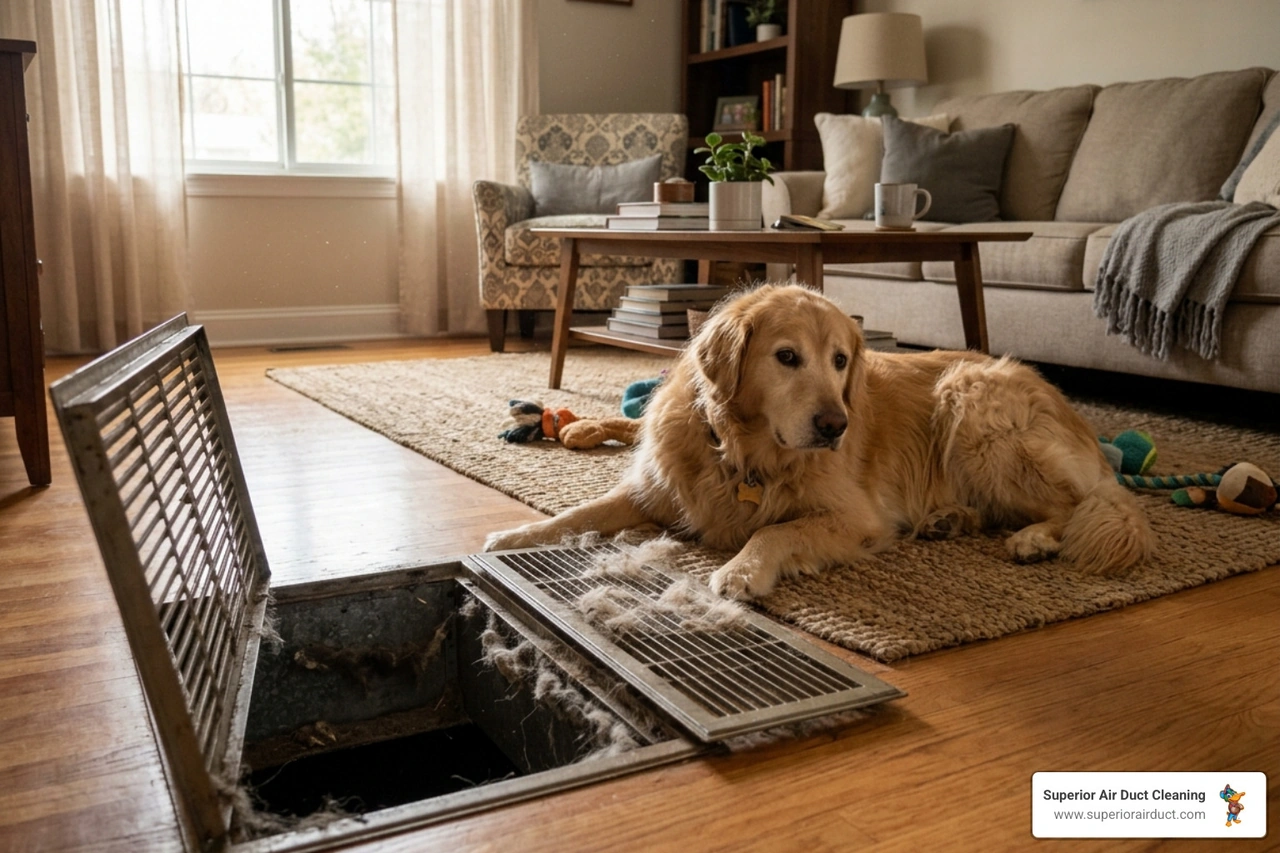
To understand why your house smells like a dusty campfire, you have to look at what happens inside your heating system during its long off-season. Over the three to five months of summer non-use, your furnace sits completely dormant. During this time, household air continues to circulate through the ductwork, carrying airborne particulates like pet dander, skin cells, clothing lint, and cooking oils. These microscopic particles settle directly onto the cold, inactive heating components.
When you finally turn the thermostat up, the furnace's heat exchanger engages. This metal component rapidly reaches incredibly high temperatures to warm the air passing over it. As the metal heats up, that accumulated layer of settled debris physically incinerates. The resulting smoke and odor are then pushed directly into your combustion chamber and out through the supply vents into your bedrooms and living areas. For many New Brighton PA area homes, this is a completely normal, unavoidable mechanical process.
Taking proactive steps by preparing your HVAC for the shift from cooling to heating can significantly minimize how intense this burn-off period feels, but a minor odor is usually expected for the first run of the season.
How Summer Humidity Traps Dust
Western Pennsylvania's sharp transition from humid, sticky summers to crisp autumns creates ideal conditions for this specific problem. High summer humidity fundamentally changes how dust behaves inside your home.
• Moisture makes dust heavy: Highly humid air causes airborne dust to become heavy, sticky, and damp.
• Adhesion to metal: Instead of floating freely through the return vents and getting caught by your air filter, these sticky particulates adhere stubbornly to the metal surfaces of the furnace and ductwork.
• A caked-on layer: Over months of high humidity, this creates a dense, caked-on layer of grime that requires a significant amount of heat and time to fully incinerate once the furnace is activated.
Because the dust is literally baked onto the metal components, the resulting smell is much stronger and more noticeable than standard airborne dust.
A Sensory Guide: Decoding the Smells from Your Vents
Not all burning smells are created equal. Your nose is one of the best diagnostic tools you have for determining whether your heating system is functioning normally or experiencing a dangerous malfunction. By paying close attention to the specific characteristics of the odor, you can definitively categorize what is happening inside your vents.
A "normal" dust burn-off has a very specific profile. It usually smells toasted, slightly musty, and earthy—very similar to warm dirt, singed lint, or a hot clothes iron left on a cotton shirt. It might be unpleasant, but it shouldn't sting your eyes or smell chemical in nature. On the other hand, dangerous electrical or mechanical failures produce sharp, acrid odors that demand immediate action.
Normal vs. Hazardous Odor Profiles
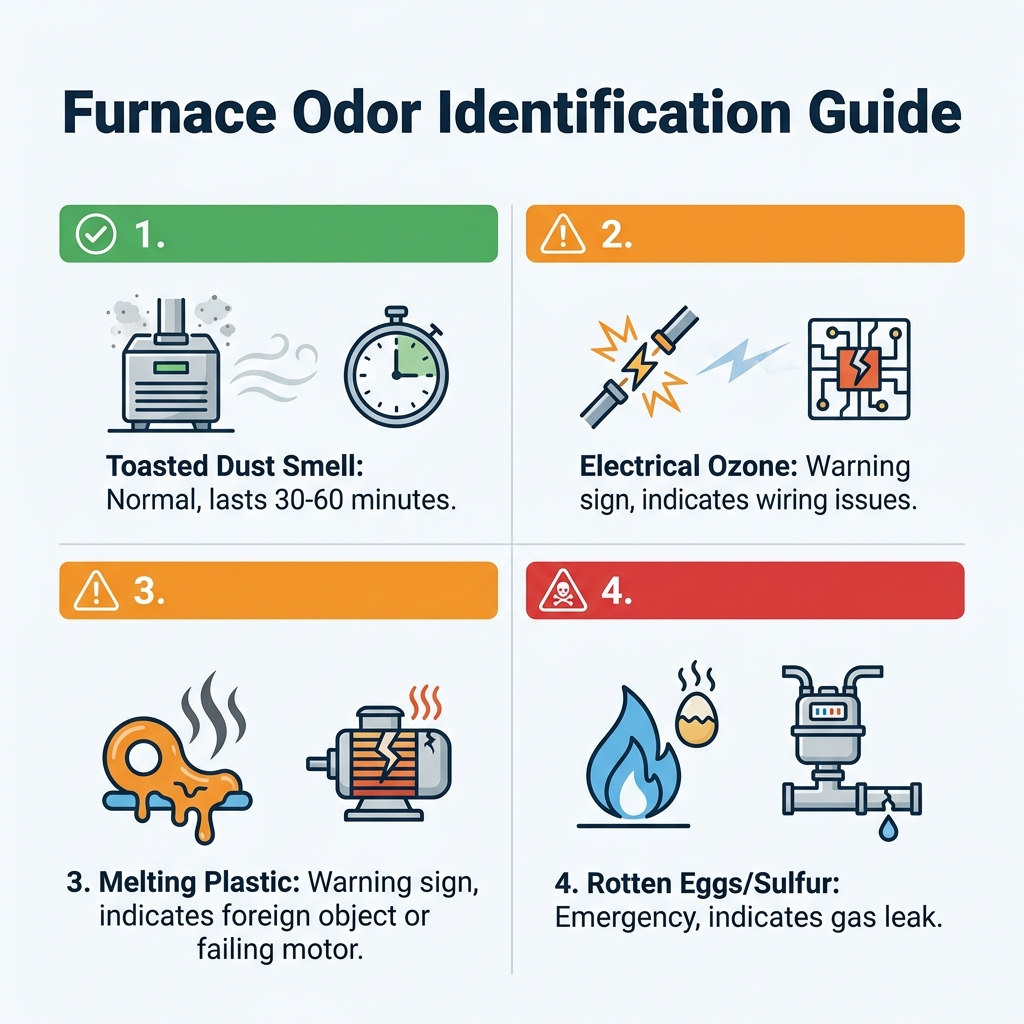
• Toasted dust, warm dirt, or singed lint — Likely Cause: Normal accumulation of summer dust burning off the heat exchanger. — Safety Level: Safe and expected. — Required Action: Monitor for 30-60 minutes; ventilate the area.
• Acrid, sharp ozone or burning wire insulation — Likely Cause: Failing blower motor, frayed wiring, or electrical short. — Safety Level: Unsafe / Fire Hazard. — Required Action: Shut down system immediately at the thermostat and breaker.
• Melting plastic or burning rubber — Likely Cause: Foreign object in the ductwork or a seized fan belt/motor. — Safety Level: Unsafe. — Required Action: Shut down system immediately; inspect visible vents.
• Sulfur, rotten eggs, or raw sewage — Likely Cause: Natural gas leak or severe biological growth in ducts. — Safety Level: Extreme Emergency. — Required Action: Evacuate the home and call the gas company or emergency services.

The 60-Minute Rule: When to Open Windows and When to Shut It Down
Knowing what the smell is provides peace of mind, but knowing exactly how long you should tolerate it is where practical safety comes into play. We recommend following a strict 60-minute rule when firing up your heating system for the first time each fall. This gives the equipment enough time to clear out harmless debris without ignoring potential warning signs.
1. Test smoke detectors first: Before you even touch the thermostat, walk through your home and test every smoke and carbon monoxide detector. This is a standard, non-negotiable safety precaution for the start of heating season.
2. Start the clock: Turn the heat on and note the time. Normal dust burn-off typically peaks within the first 10 to 15 minutes of operation and should completely dissipate within 30 to 60 minutes of continuous running.
3. Ventilate the space actively: Do not just sit in a closed room breathing in the toasted dust. Open several windows to create a cross-breeze and turn on your ceiling fans to help push the stale, odorous air out of your living spaces.
4. Evaluate and escalate: If the smell grows noticeably stronger, changes from a dusty odor to a sharp electrical smell, or persists beyond the 60-minute mark, turn off the thermostat immediately. Running the system longer will not fix a mechanical issue and could cause severe damage.
The quick fix: If the smell vanishes within the hour, your system has successfully cleared its heat exchanger. Just be sure to swap out your HVAC filter, as the initial blast of air likely pushed a significant amount of loose debris directly into the filter media.
Persistent Odors: Distinguishing Furnace Dust from Severe Duct Debris
If you have passed the 60-minute mark, or if the burning smell returns every single time the furnace cycles on throughout the week, the issue is no longer just a dusty heat exchanger. When odors persist for days, the problem is almost always located deeper inside the ventilation system itself.
Over years of use, heavy debris, pet dander, construction dust, and settled allergens can form thick mats inside your ductwork. When the furnace blows hot air through these heavily soiled passages, the warm air continuously "cooks" the debris. This creates a lingering, stale, and sometimes foul odor that permeates the entire house. Masking these smells with air fresheners, candles, or plug-in scents is entirely ineffective because the source of the odor is actively being heated and distributed through every vent in the home.
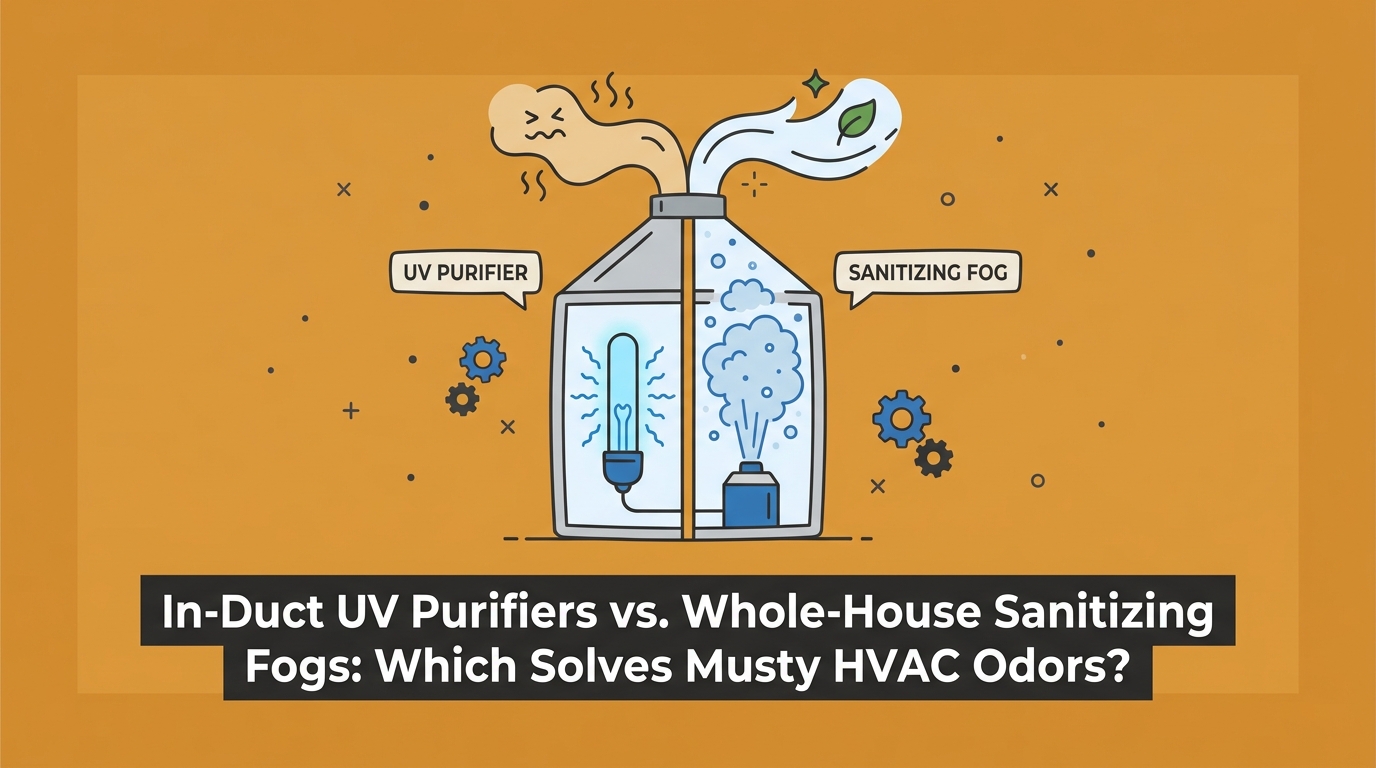
This is a frequent pattern in properties with unknown histories. For instance, a local resident recently moved into a rental property and noticed horrible, musty smells coming from the vents whenever the air circulated. Attempting to cover up the odor did nothing to solve the underlying poor air quality. The issue was only resolved after the vents and furnace were thoroughly vacuumed, cleaned, and treated. In cases involving deep-seated odors, heavy pet presence, or biological contaminants, whole house sanitizing is often required to fully neutralize the contaminants trapped inside the metal walls of the ductwork.
Why an Expert Inspection is the Safest Next Step
You should never have to guess whether the air inside your home is safe for your family to breathe. If your heating system is producing persistent, unidentifiable, or irritating odors, calling in a certified professional is the safest and most logical next step. A comprehensive evaluation goes far beyond a simple filter change—it addresses the entire circulatory system of your home.
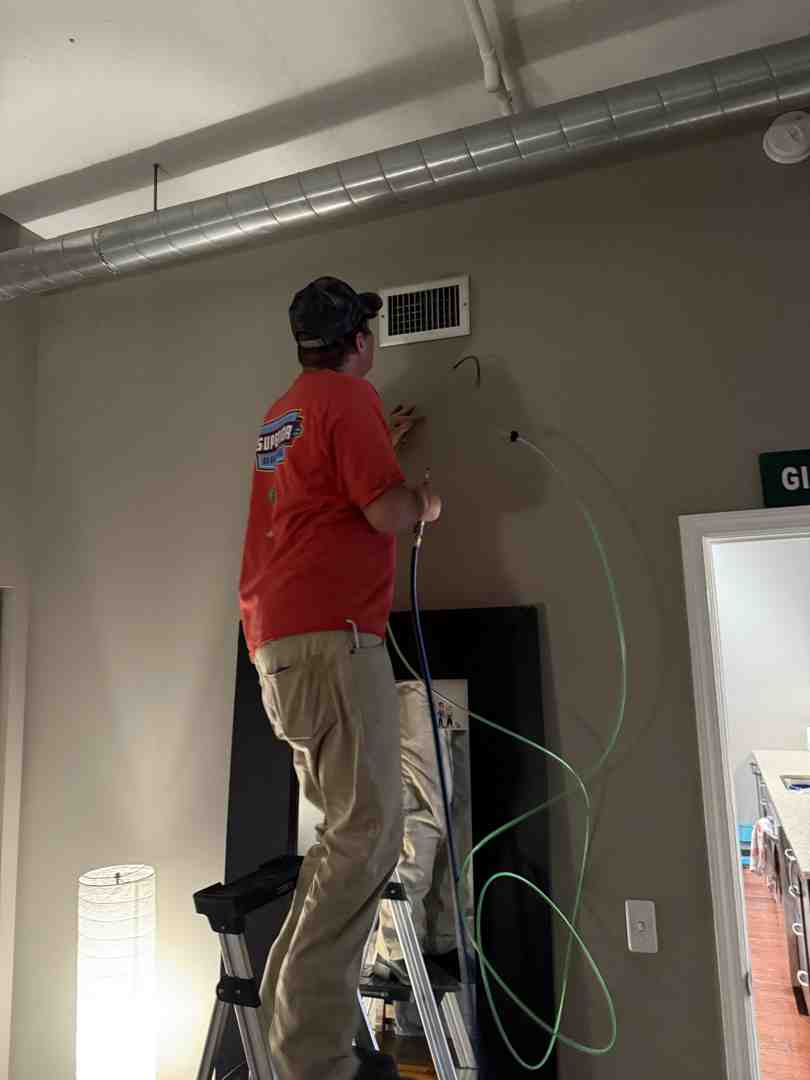
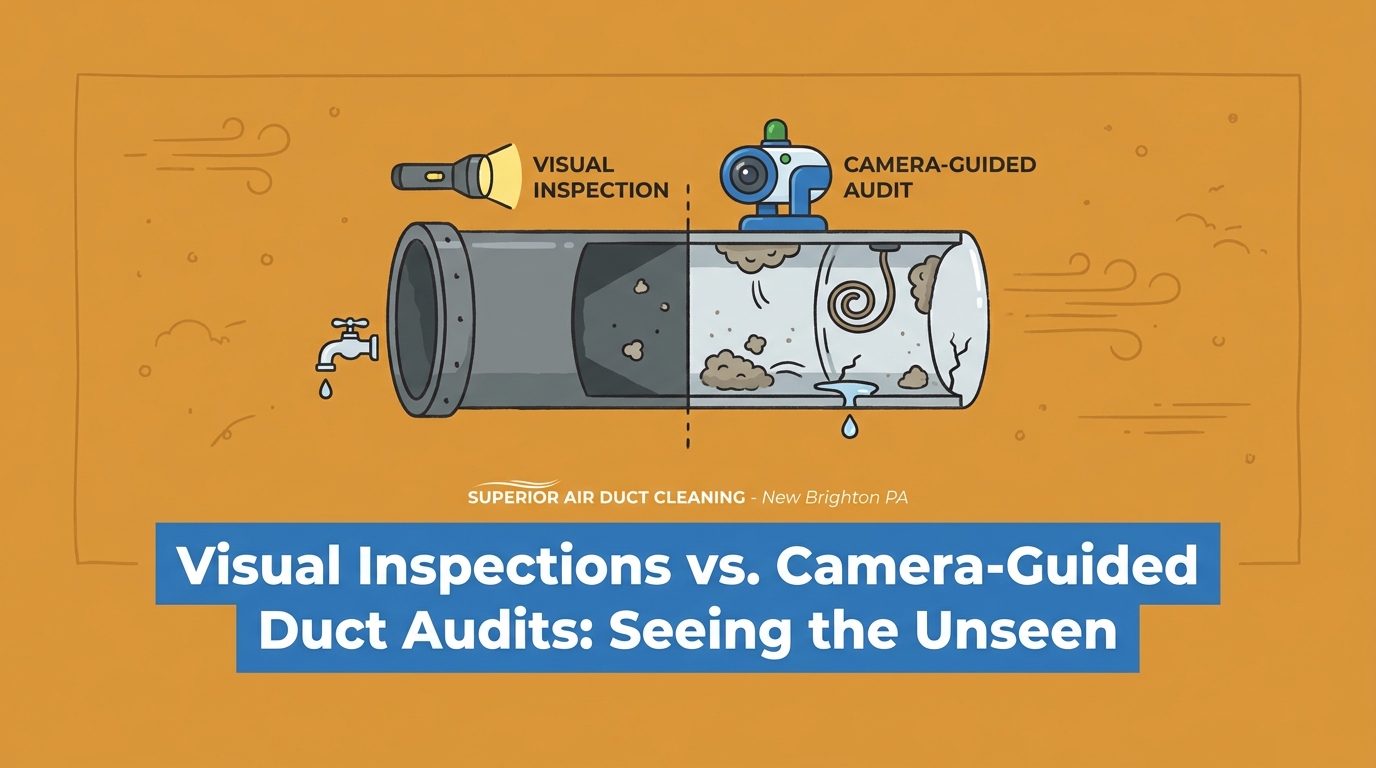
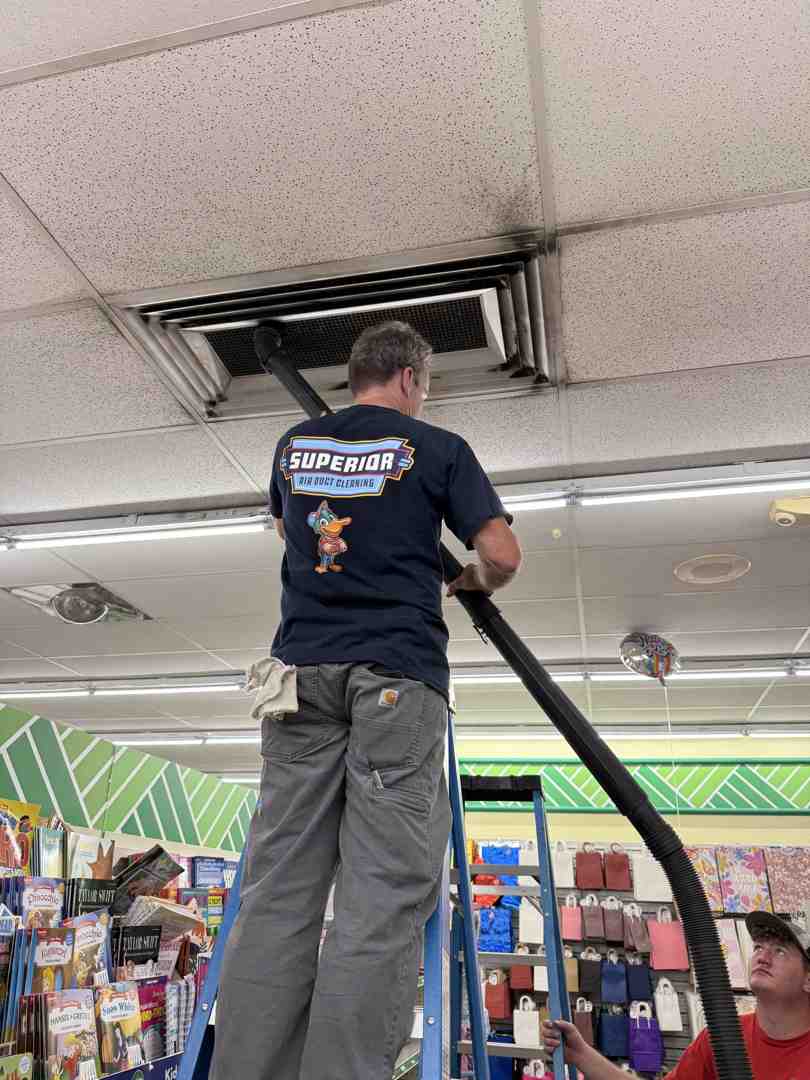
During a professional duct and HVAC inspection, technicians look for specific visual evidence that homeowners cannot see. They use specialized cameras and high-powered lighting to check for severe debris blockages, signs of mold or biological growth, and component wear that could be causing friction and burning smells. Older homes, especially those where the ductwork hasn't been touched in decades, benefit massively from a baseline cleaning to remove years of accumulated allergens and mystery debris.
A common scenario we see involves older properties with long-standing air quality issues. In one case, an 18-year-old house had never had its ducts cleaned, leaving the residents highly concerned about the sheer volume of allergens circulating through their living spaces. A comprehensive HVAC and duct cleaning was performed, with technicians explaining every detail of the process and providing clear before-and-after pictures to verify the system was finally clear.
Leveraging NADCA-certified expertise means you are bringing in highly trained specialists who follow strict, standardized protocols. This level of technical knowledge is required to safely and accurately distinguish between harmless settled dust and hazardous duct debris, ensuring your home is ready for a safe, comfortable winter.
Frequently Asked Questions
How long does it take for dust to burn off a furnace?
Normal dust burn-off typically takes between 30 to 60 minutes of continuous furnace operation to completely dissipate. The smell is usually strongest during the first 10 to 15 minutes as the heat exchanger reaches its maximum temperature. If the odor lasts for several hours or returns the next day, it indicates a deeper issue, such as severe duct debris or a failing component, rather than standard burn-off.
Is it safe to run the furnace if it smells like burning?
It is generally safe to run the furnace if the smell resembles toasted dust or warm dirt, as this is a normal mechanical process at the start of the season. However, you should actively ventilate the home by opening windows while the dust clears. If the smell resembles burning plastic, melting rubber, or electrical ozone, it is not safe; you must shut the system down immediately to prevent a potential fire hazard.
Why does my heater smell like burning plastic?
A burning plastic smell is a major warning sign that usually indicates a foreign object has fallen into the ductwork and is melting against a hot surface. It can also point to a failing blower motor, melting wire insulation, or a seized fan belt overheating from friction. Because melting plastic releases toxic fumes and presents a serious fire risk, the heating system should be turned off right away until a professional can inspect it.
What does an electrical fire in a furnace smell like?
An electrical issue in a furnace produces a very sharp, acrid, and metallic odor, often described as smelling like ozone, burning hair, or melting wire casing. It is distinctly different from the earthy, musty smell of burning dust. This type of odor usually means a motor is overheating or a wire has short-circuited, requiring immediate shutdown and professional repair.
Can a dirty furnace filter cause a burning smell?
Yes, a severely clogged or dirty furnace filter can cause a burning smell by restricting vital airflow through the system. When the furnace cannot pull enough cool air over the heat exchanger, the internal components overheat, causing the trapped dust and debris in the filter to essentially bake. Replacing the filter before the first heating cycle of the year is the easiest way to prevent this specific issue.
How often should air ducts be cleaned to prevent fall furnace odors?
Air ducts should generally be professionally cleaned every three to five years to prevent heavy debris buildup and minimize intense fall furnace odors. Homes with multiple pets, recent remodeling projects, or residents with severe allergies may require more frequent cleanings. Regular maintenance ensures that the volume of dust settling on the furnace components during the summer remains as low as possible.
Wrapping Up Your Fall Furnace Prep
Navigating the first furnace cycle: distinguishing normal dust burn-off from system issues doesn't have to be a stressful guessing game. By knowing the difference between harmless toasted dust and dangerous electrical odors, you can keep your home safe and comfortable. If you are dealing with persistent smells or suspect your ductwork is overdue for attention, scheduling a professional inspection will give you the clear, actionable answers and clean air you deserve.

Customer Reviews


Superior Air Duct cleaning did a phenomenal job in a timely manner with the tech “Rich” being very professional ,personable and considerate of our property! He explained things as he proceeded and answered all our questions!
I LOVE that they provide before & after photos to see the difference. Give them a try… you won’t regret it
Pam T.
Robert was on schedule and communicated what time he would arrive. He was polite, professional, and respectful of our home. I wanted to wait a couple weeks before posting a review because I wanted to see if the duct cleaning actually made a difference. I am happy to say it did! I vacuum multiple times a week and have already noticed a significant reduction in the amount of dust cleaned up each time. As a home with pets, there will always be something to clean, but getting the ducts cleaned has definitely helped improve the air quality and reduce the dust.
alice A.
Technician Rob arrived early explained the days agenda and then proceeded to work methodically and meticulously over the next 6+ hours cleaning my ductwork. Courteous and professional they answered all of my questions and went above and beyond the call of duty. They even located an old dusty box of rat poison buried in our vents. My only regret is not finding these guys sooner. As a realtor of 22 years and owner of a newly purchased (now dust free) home I highly recommended!
Eric K.
Excellent service! I’ve used them to clean out my air ducts as well as my dryer vent duct and they are excellent. I was very pleased with both jobs and will continue to use them in the future. Great communication as well- from the time I scheduled the appointment until they were at my door.
Erika C.
We had such an amazing experience with Superior Air Duct Cleaning. They were so nice and friendly and did an amazing job. I loved seeing the before and after pictures. Besides doing an amazing job cleaning our air ducts they were so quick at responding and setting up the appointment. We will definitely be using them in the future.
Amanda C.