The Late-Summer Dust Dilemma: Unmasking the Grille-Wiping Myth
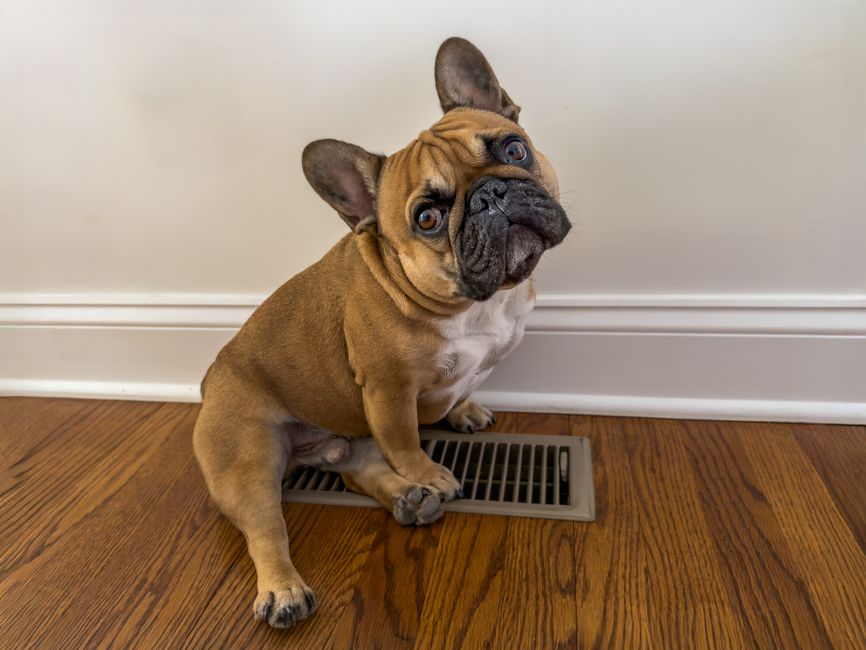
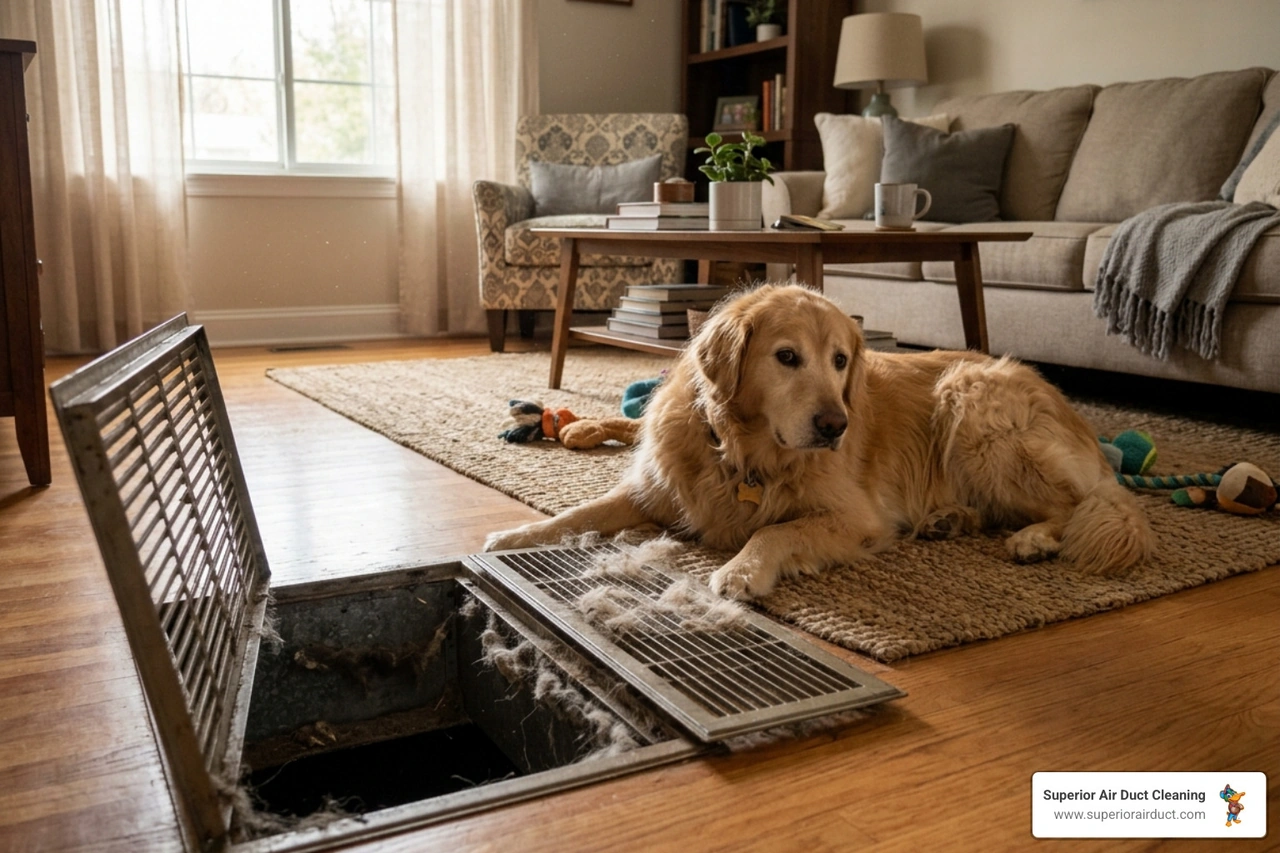
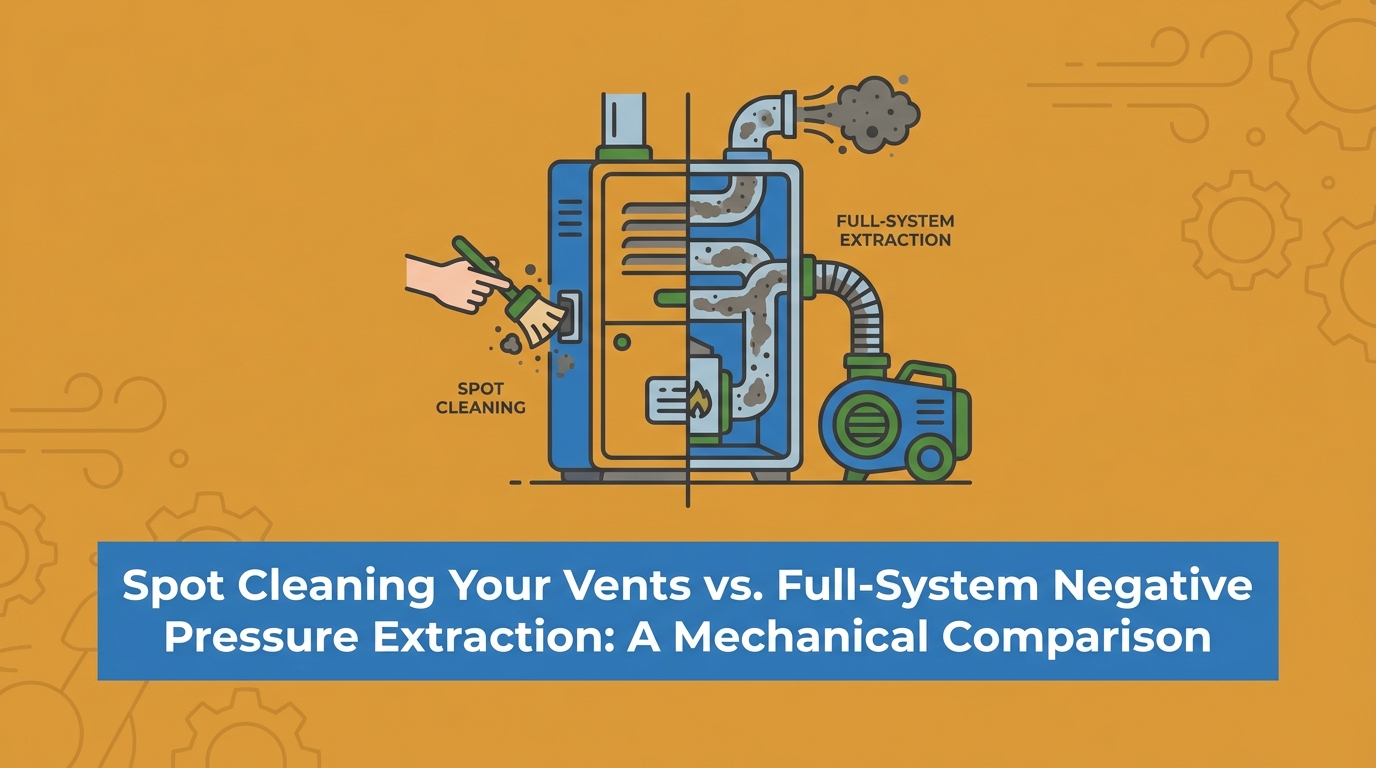
When weighing the benefits of Spot Cleaning Your Vents vs. Full-System Negative Pressure Extraction, many homeowners mistakenly believe that a quick cosmetic dusting is enough to improve their environment. Wiping down dusty vent covers with a damp rag does not actually clean your HVAC system—it often just pushes the structural problem deeper inside. As the late summer heat fades and the back-to-school transition begins in New Brighton PA, our team at Superior Air Duct Cleaning frequently fields calls from homeowners who notice a sudden buildup of gray fuzz clinging to their ceiling and floor grilles. In our experience, this visible accumulation is just the tip of the iceberg, signaling a much larger mechanical issue hidden behind your walls.
If you want to genuinely improve your indoor air quality, you have to move past superficial chores and invest in professional full-system negative pressure air duct cleaning. Relying on a feather duster or a household vacuum attachment only addresses the very end of a complex, sprawling respiratory system for your home. To make an informed decision for your household, it is critical to understand the engineering differences between a cosmetic surface wipe and a comprehensive mechanical extraction.
The 1% Reality: The Hidden Limitations of Spot Cleaning
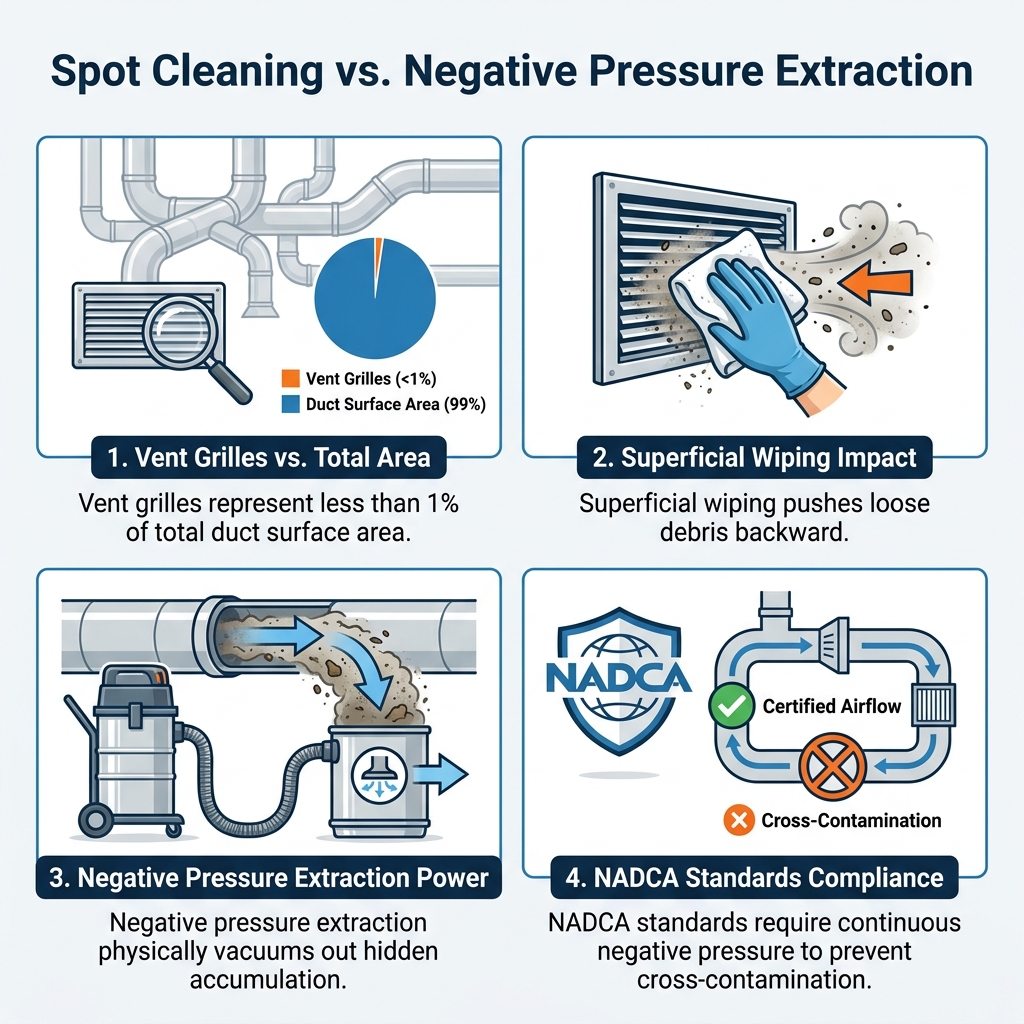
The underlying problem: The exposed exterior of your vent grilles represents less than one percent of your total ductwork surface area. When you spot clean a vent cover, you are entirely ignoring the dozens of feet of galvanized steel or flexible ducting winding through your attic, basement, and wall cavities. Wiping down the grilles is a purely aesthetic chore that gives a false sense of accomplishment.
The root cause: During the late summer and the back-to-school transition, your air conditioner has likely been running almost non-stop for months. This heavy, continuous usage pulls in high volumes of airborne particulates, pet dander, and seasonal pollen. Over time, these microscopic particles bypass your standard fiberglass filter, settling into the long, dark corridors of your ductwork. A simple rag cannot reach this massive volume of accumulated debris.
The mechanical solution: Recognizing that DIY spot cleaning fails to address deep-seated dust is the first step toward better air quality. Homeowners must shift their perspective from treating the symptom (dirty grilles) to treating the source (contaminated ductwork).
Why Debris Gets Pushed Backward
The physical mechanics of spot cleaning often make the internal problem worse. Here is exactly what happens when you attempt to wipe down a vent:
• Forced particulate matter: The pressure of rags and dusters physically forces loose particulate matter backward through the grille slats.
• Lost debris: Clumps of dust detach from the metal and fall down into the duct shaft, sitting just out of reach of your household vacuum.
• Immediate redistribution: As soon as your blower motor kicks back on, the returning airflow picks up this newly dislodged dust and distributes it immediately back into your living space.
The Physics of Full-System Negative Pressure Extraction
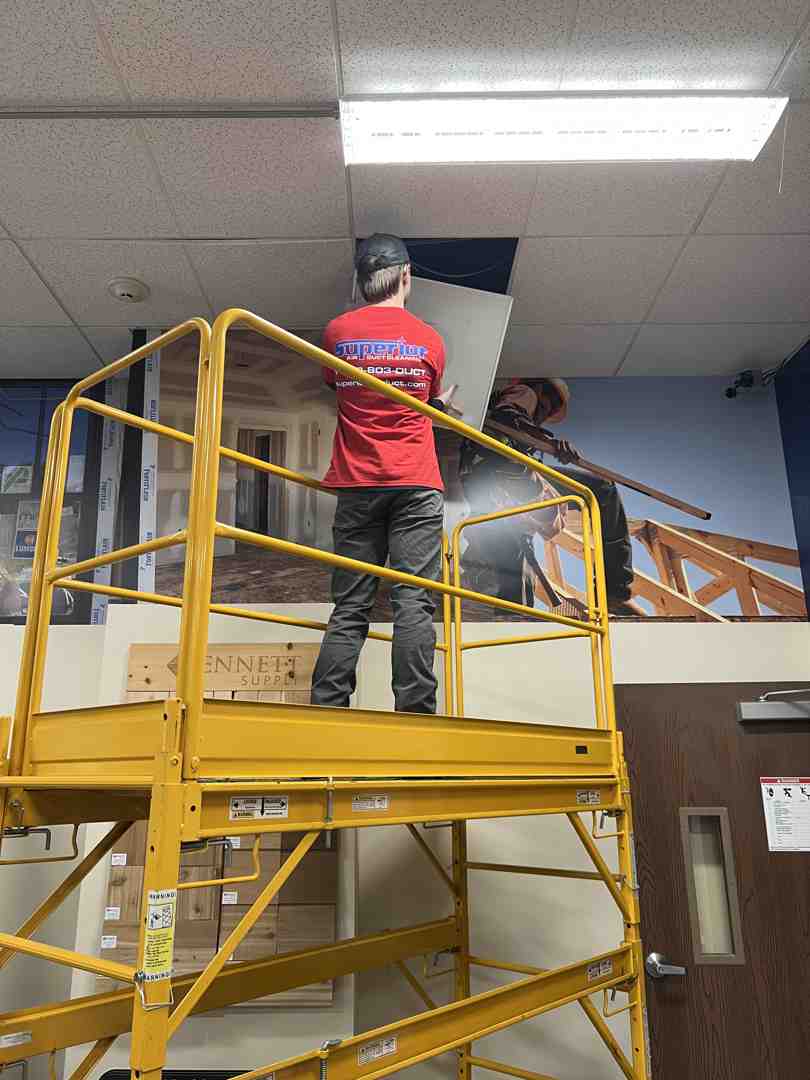
Full-system negative pressure extraction is an engineering solution designed to overcome the physical limitations of household vacuums. Instead of trying to reach into the ducts from the outside, this method turns your entire HVAC network into a closed, high-velocity suction chamber. Recently, our technicians helped a New Brighton PA homeowner who realized their house ducts had never been cleaned in 18 years. Our crew performed a complete HVAC cleaning, explaining the details of the process and showing pictures of the deep entry points. The outcome was a thoroughly cleaned network that actively helped reduce the allergens circulating in their home.
Meeting NADCA Standards
The National Air Duct Cleaners Association (NADCA) sets strict guidelines for how this extraction must be performed to ensure safety and effectiveness. The process relies on two critical components working in tandem:
• Continuous suction: The extraction equipment must maintain a powerful, uninterrupted vacuum on the entire system, ensuring that no dust escapes into the living areas during the cleaning process.
• Mechanical agitation: Suction alone cannot remove debris that is stuck to the duct walls. Specialized agitation tools must be sent through the network to actively scrub the interior surfaces.
The step-by-step mechanical process our technicians follow includes:
1. Sealing the network: Technicians block off all supply and return registers to create a completely airtight environment.
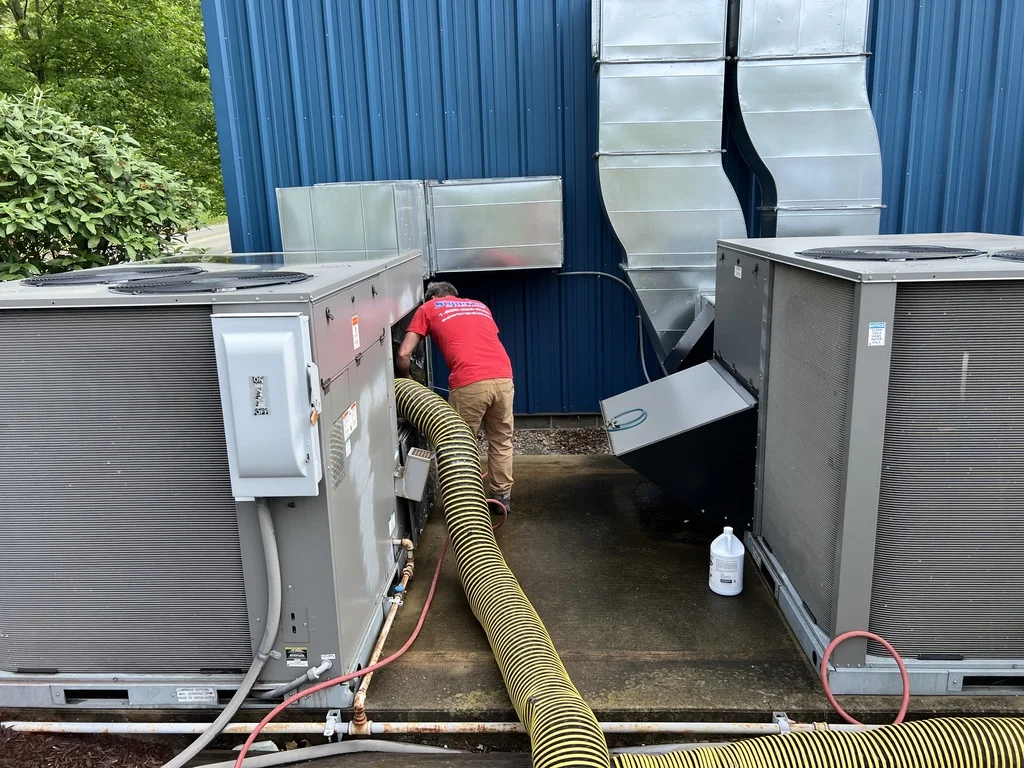
2. Establishing negative pressure: A massive, professional-grade vacuum is connected directly to the main trunk line, pulling air backward through the system at a high velocity.
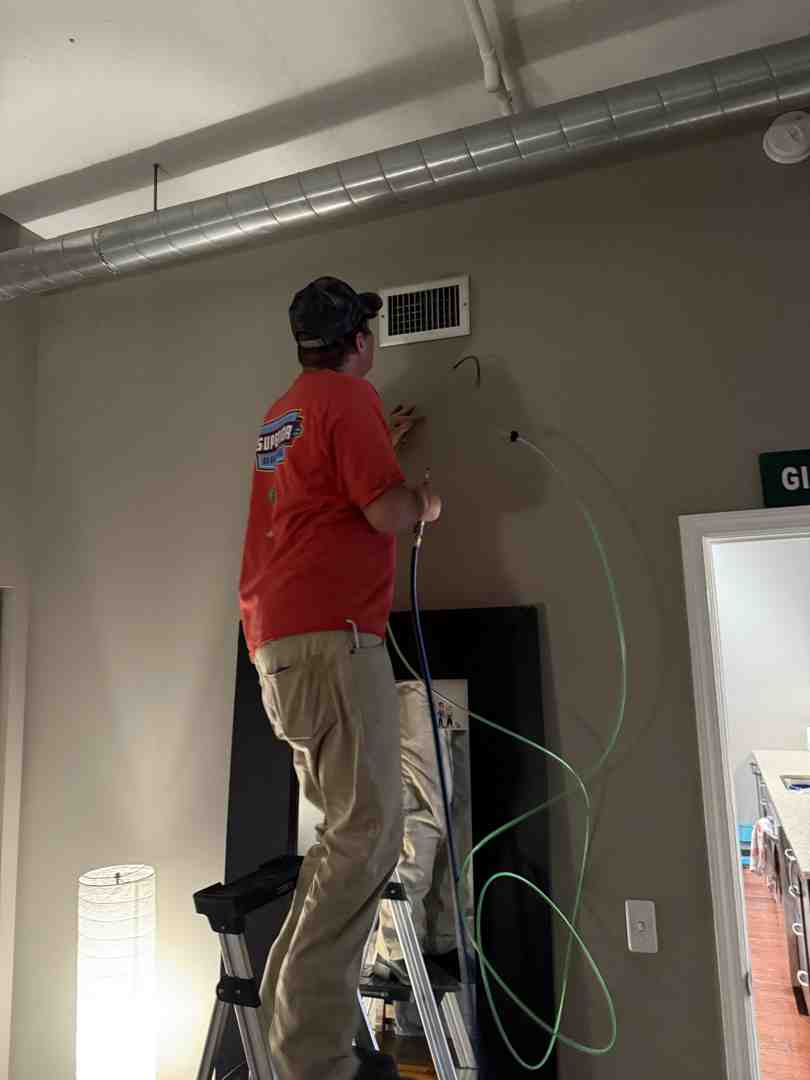
3. Active agitation: While the vacuum pulls, technicians insert pneumatic whips and compressed-air tools into each branch line to physically dislodge adhered debris.
4. Safe containment: All dislodged contaminants are pulled straight into a HEPA-filtered containment unit, completely bypassing your home's indoor air.
How Western Pennsylvania's Climate Cakes Contaminants to Duct Walls
In our years of servicing HVAC systems across Western Pennsylvania, we've learned firsthand that the local climate plays a massive role in why superficial wiping is so ineffective. During the peak of summer, the region experiences high levels of humidity. As your air conditioner runs, it naturally dehumidifies the air, causing slight condensation to form on the cold metal interior of your ductwork.
When airborne dust, pet hair, and pollen mix with this condensation, it does not remain loose and powdery. Instead, it forms a damp sludge that eventually dries and cakes onto the duct walls. By the time the late summer and back-to-school transition arrives, this caked-on layer has hardened into a stubborn crust. A damp rag wiped across a vent cover does absolutely nothing to address this hardened layer hidden ten feet deep in your ceiling.
Because this climate-driven buildup is physically bonded to the metal, standard airflow—and even standard vacuuming—cannot remove it. This is precisely why the mechanical agitation used in professional extraction is mandatory. The pneumatic whips physically break the bond between the caked-on mud and the galvanized steel, allowing the negative pressure to finally pull it out of your home before the fall heating season begins.
Side-by-Side: Surface Wiping vs. Mechanical Extraction
To clearly illustrate the vast difference between these two approaches, we can compare them across four critical mechanical parameters. For homeowners in New Brighton PA looking to protect their HVAC investment, understanding this contrast is vital.
• Scope of Cleaning — Surface Wiping (Spot Cleaning): Exposed grilles and register covers only (less than 1% of system). — Mechanical Extraction (Negative Pressure): The entire ductwork network, main trunk lines, and blower compartments.
• Mechanism Used — Surface Wiping (Spot Cleaning): Manual wiping and pushing with household rags or dusters. — Mechanical Extraction (Negative Pressure): High-velocity mechanical suction paired with pneumatic agitation tools.
• End Result — Surface Wiping (Spot Cleaning): Cosmetic appearance improvement; often pushes debris deeper. — Mechanical Extraction (Negative Pressure): Physical removal of deep-seated contaminants and caked-on allergens.
• Ideal Use Case — Surface Wiping (Spot Cleaning): Weekly household dusting and basic aesthetic upkeep. — Mechanical Extraction (Negative Pressure): Professional indoor air quality remediation and seasonal maintenance.
Beyond Dust: Addressing Deep-Seated Bacteria and Allergens
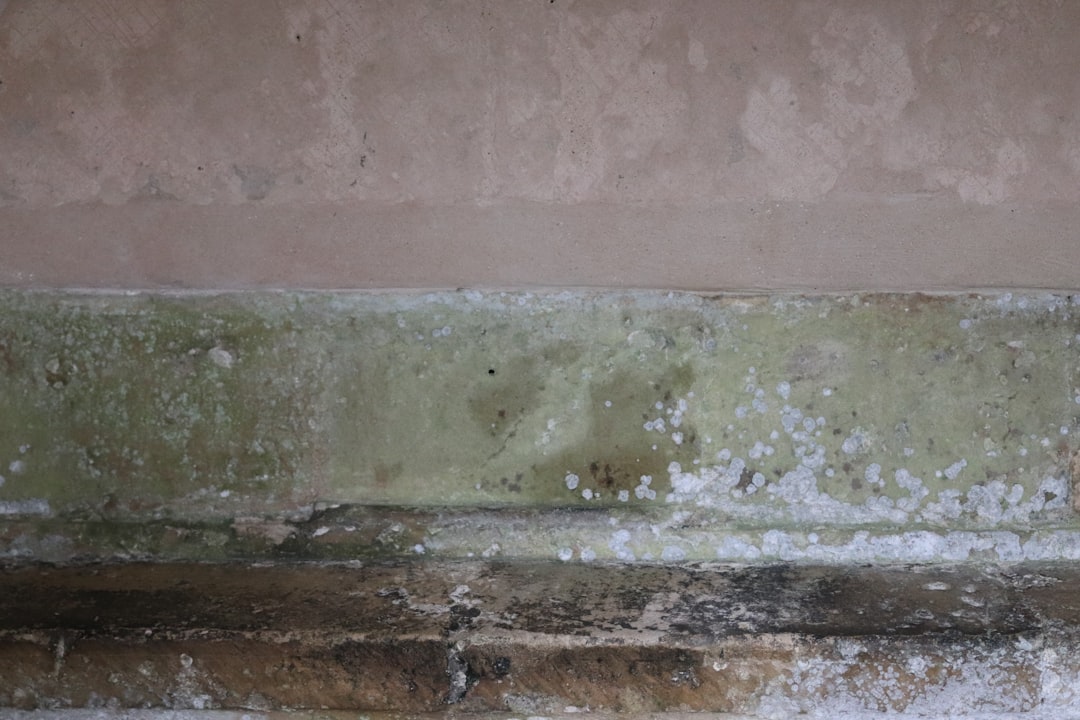
It is not uncommon for dark, humid duct environments to harbor much more than just dry dust. Bacteria, mold spores, and biological contaminants thrive in the hidden recesses of your HVAC system, entirely untouched by superficial surface cleaning. In one recent late summer scenario, our crew uncovered a local system full of bacteria due to trapped moisture. We thoroughly cleaned and sanitized the ducts, providing before and after pictures to demonstrate the results. This completely neutralized the environment and vastly improved the home's air quality.
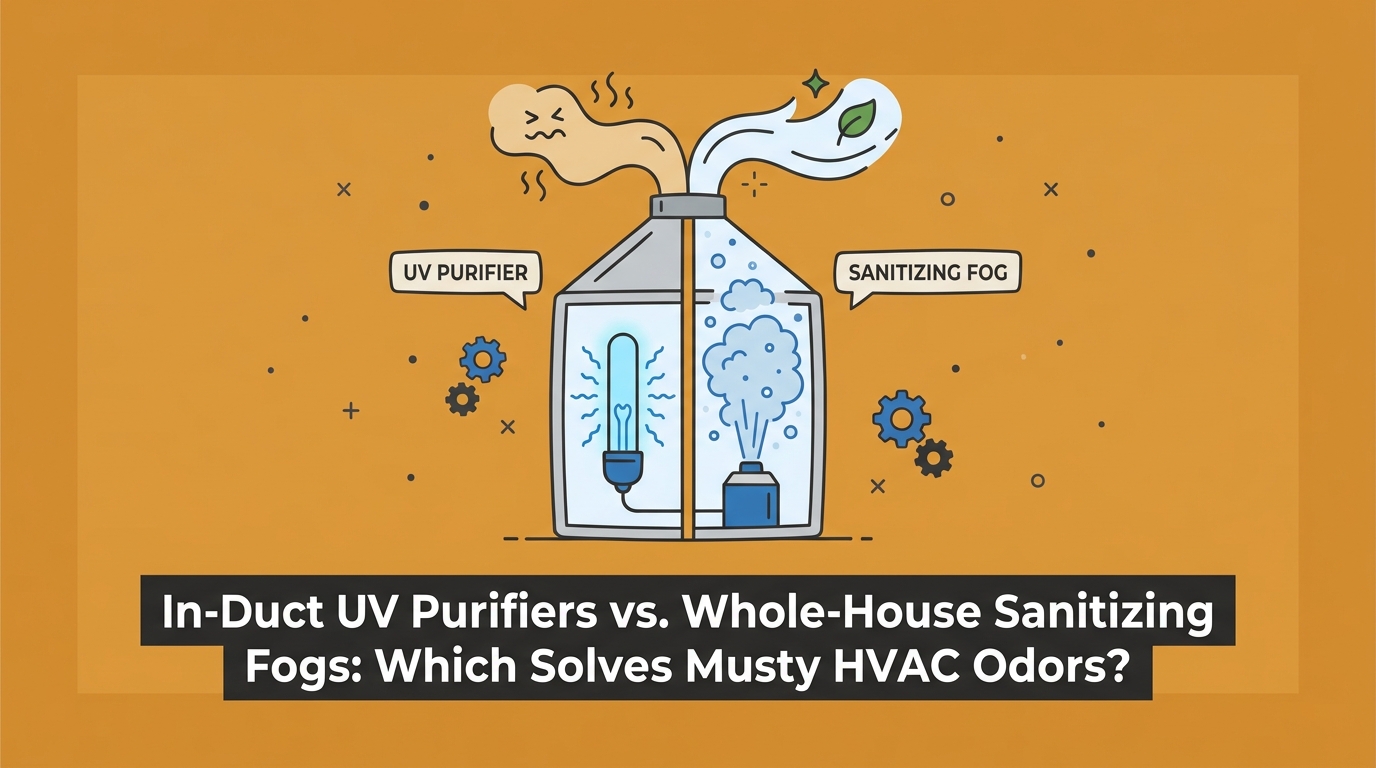
When dealing with severe buildup or biological contaminants, extraction alone is just the first step. Once the physical debris is removed via negative pressure, the bare metal surfaces can be properly treated. This is where professional whole house sanitizing comes into play. A specialized, EPA-registered sanitizing agent is fogged through the newly cleaned ductwork, neutralizing remaining bacteria and ensuring that the air circulating through your vents is truly clean, not just cosmetically dusted.
Professional Engineering vs. 'Blow-and-Go' Services
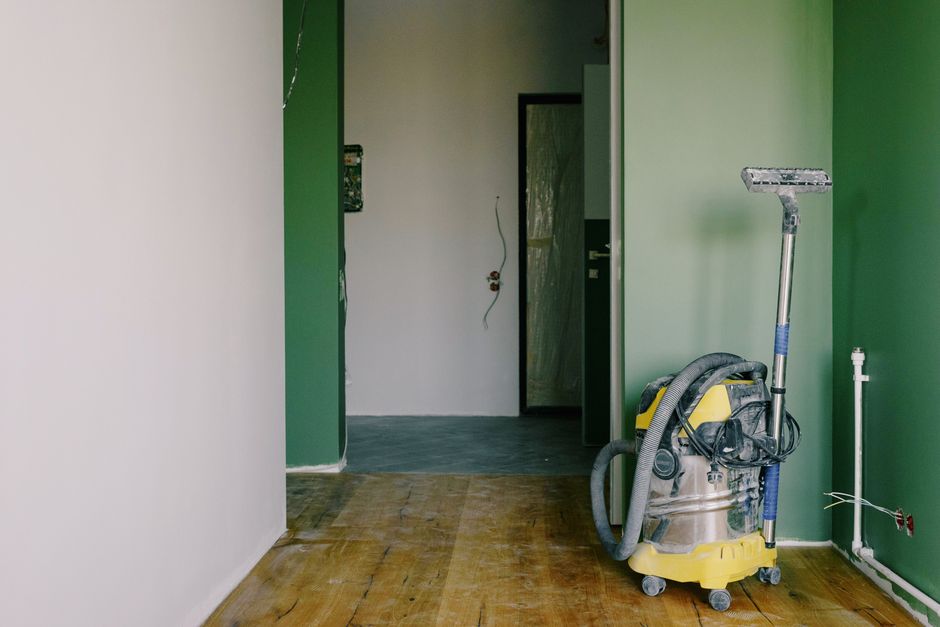
The quick trap: Not all duct cleaning services utilize true negative pressure extraction. Many uncertified operators run what the industry calls "blow-and-go" services. These companies show up with cheap, portable household shop-vacuums and simply blow compressed air down your vents.
The underlying risk: A blow-and-go service fails to meet NADCA standards because it lacks the massive suction required to place the entire network under negative pressure. As a result, they agitate the dust but fail to extract it, leaving a massive cloud of airborne contaminants to blow directly into your New Brighton PA living room the moment they turn your furnace back on.
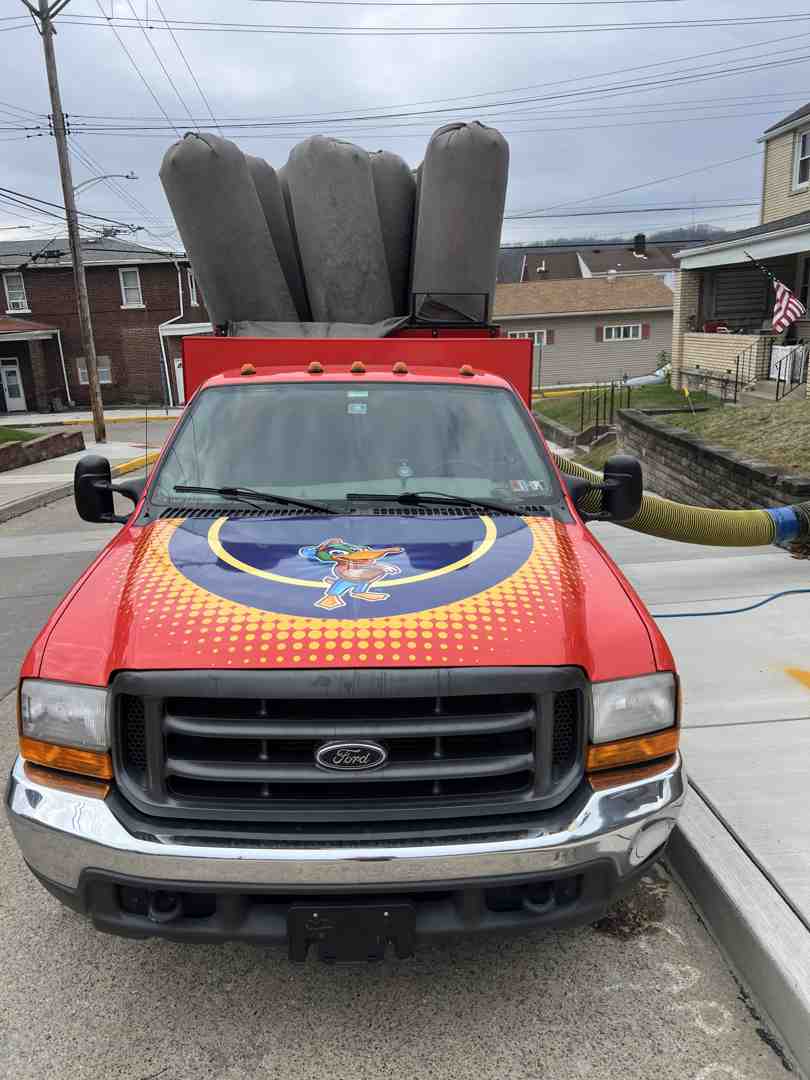
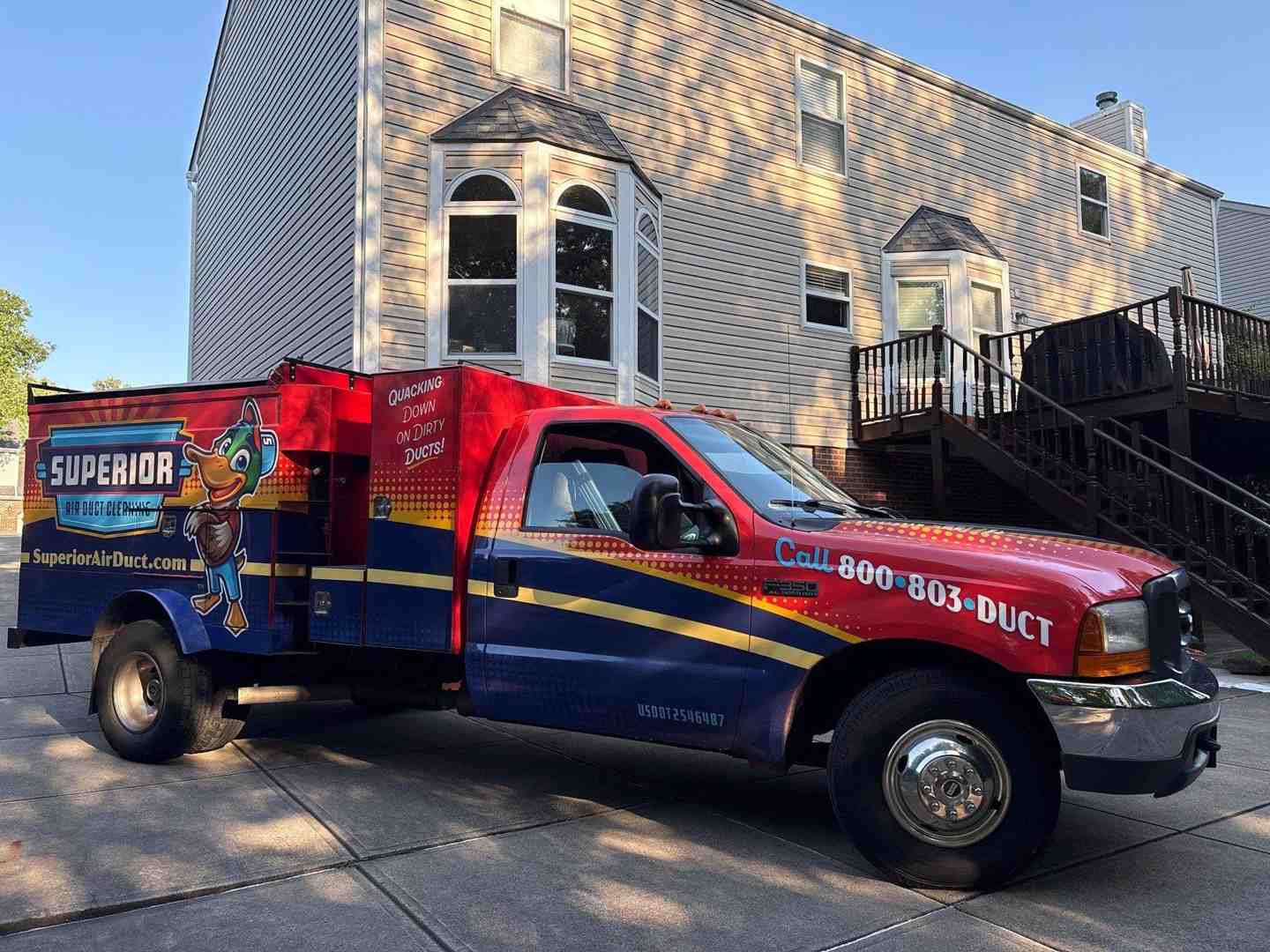
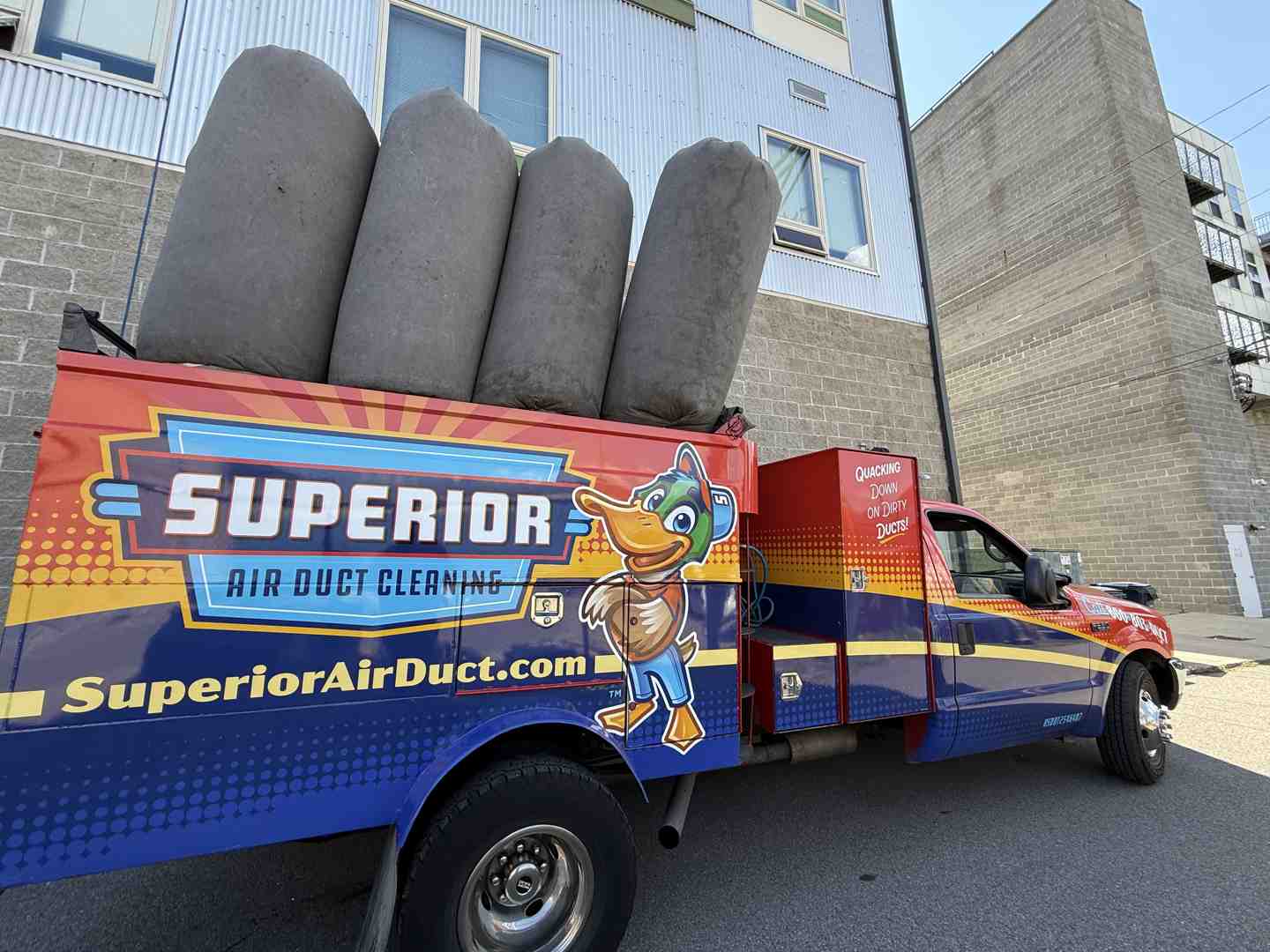
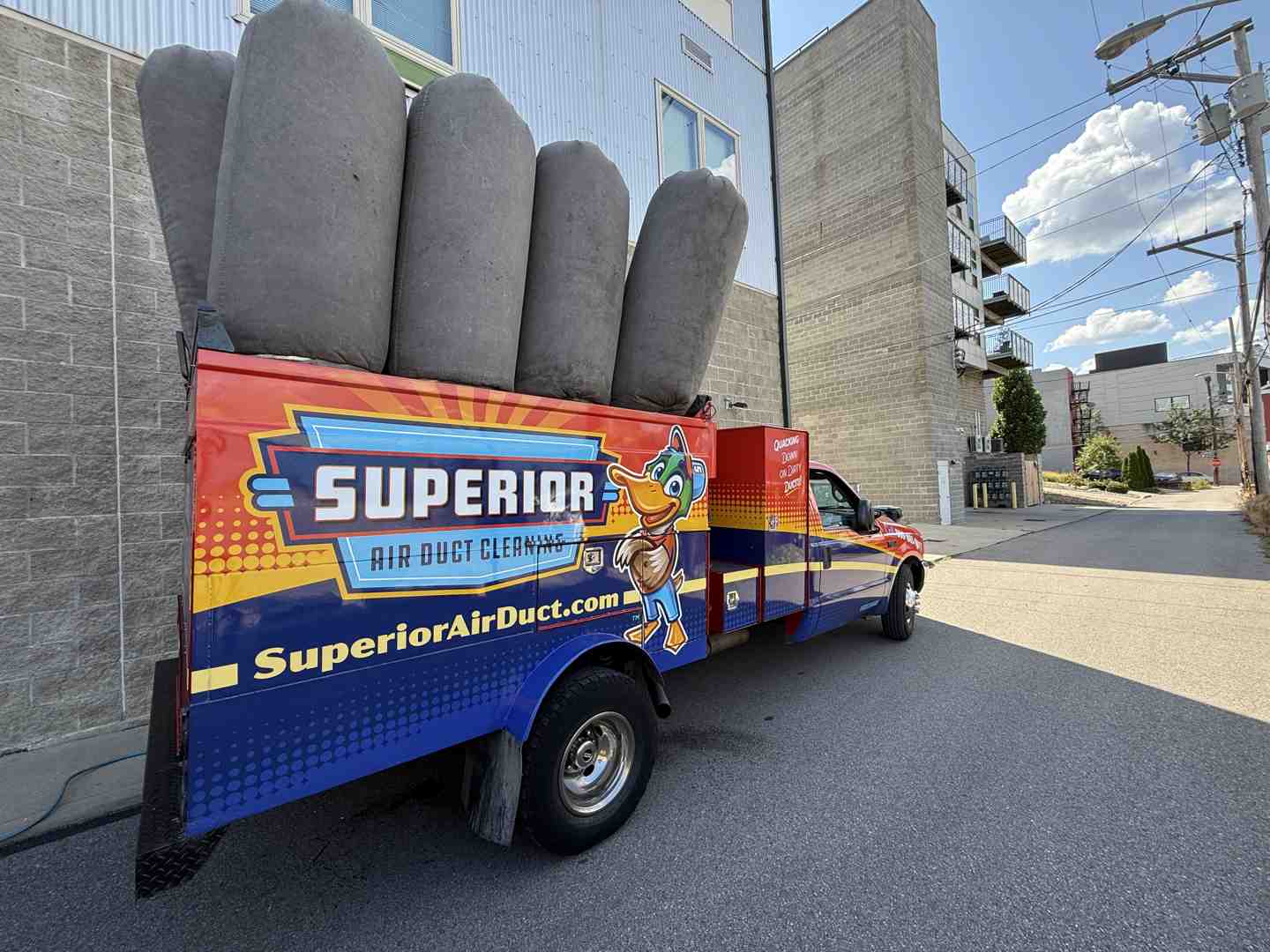
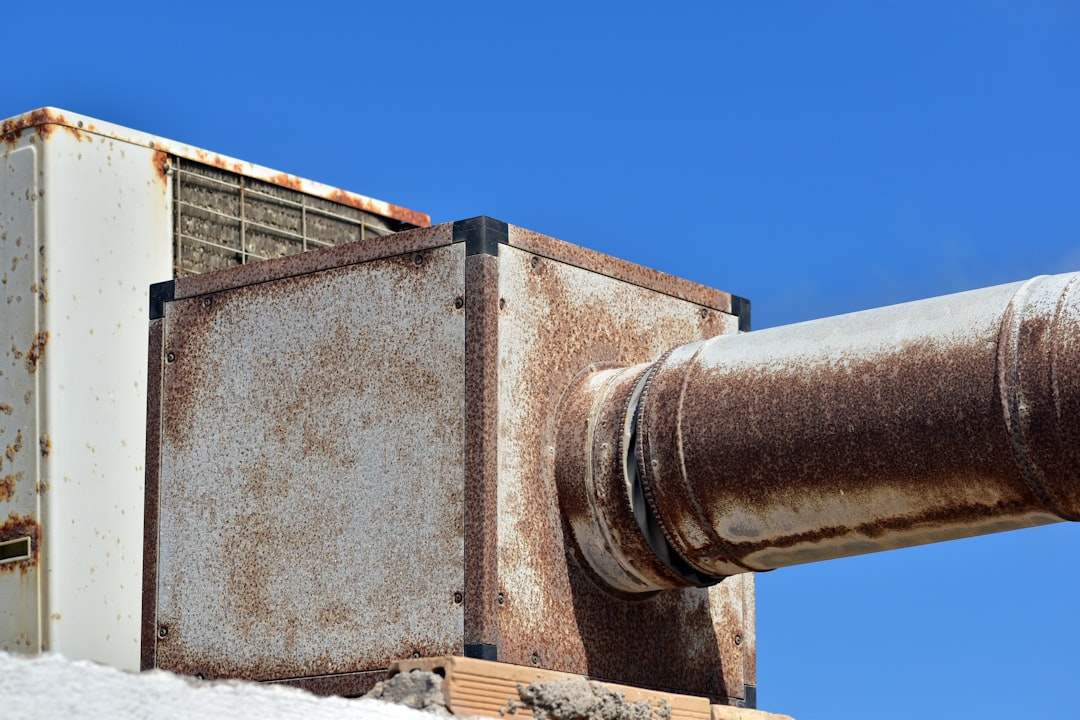
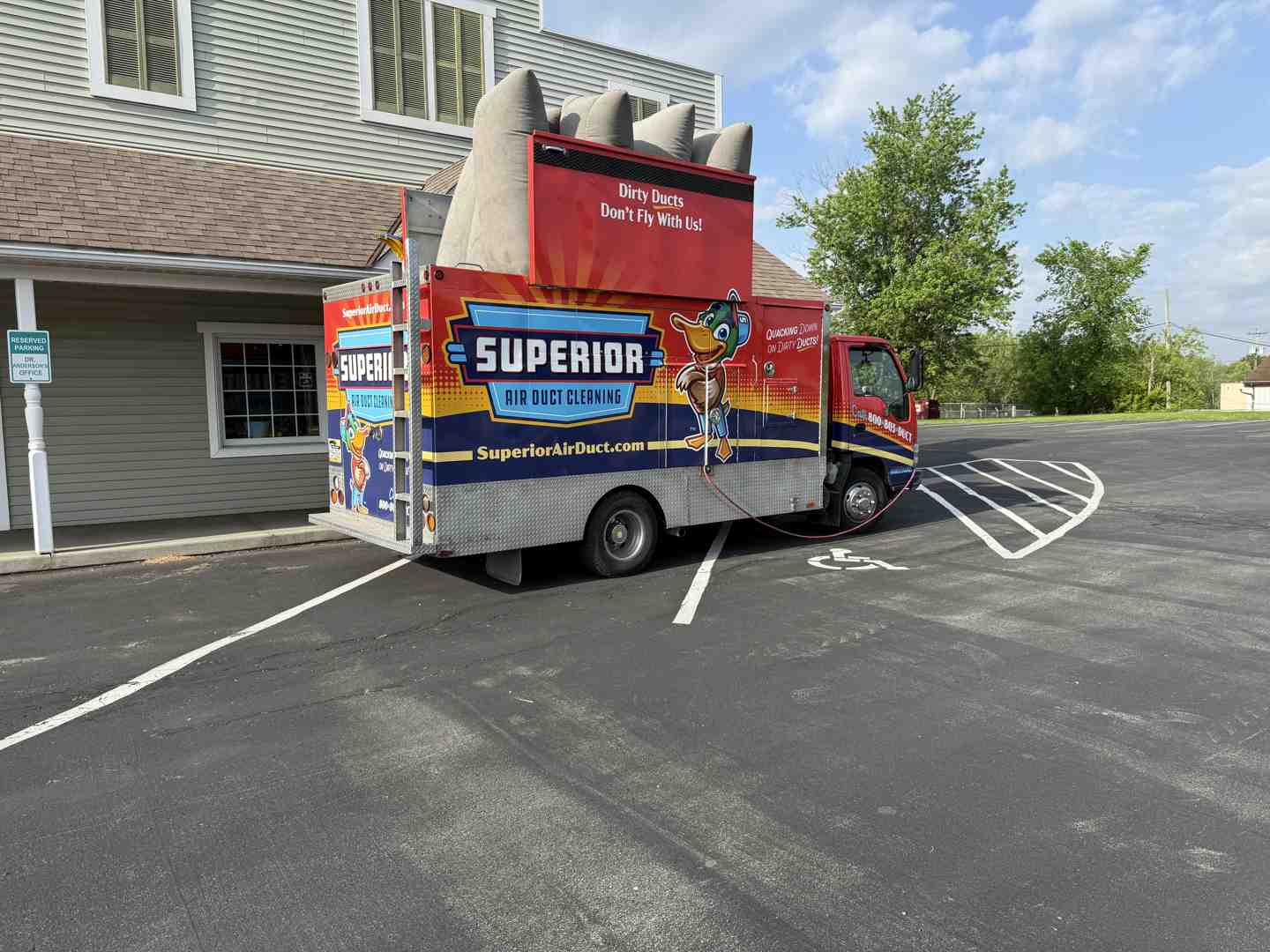
The professional standard: True engineering requires heavy-duty machinery. At Superior Air Duct Cleaning, our team utilizes professional-grade, full-system negative pressure equipment designed specifically to handle complex HVAC networks. When comparing a truck-mounted vs. portable duct cleaning comparison, the difference in extraction power is night and day. Professional equipment ensures that the debris is pulled completely out of the home's envelope, rather than just being stirred up and left behind.
A Complete Maintenance Approach for the Heating Season
The transition from cooling to heating is the optimal time to schedule mechanical extraction. During the late summer and back-to-school transition, removing the heavy summer accumulation prevents that notorious "burning dust" smell from filling your home when the furnace kicks on for the first time in autumn.
To ensure your home is fully prepared for the heating season, follow this comprehensive maintenance checklist:
• Schedule full-system extraction: Remove the summer's caked-on dust and pollen before the system switches to heating mode.
• Address adjacent exhaust systems: Your HVAC ducts aren't the only lines that need clearing. This is the perfect time to schedule professional dryer vent cleaning to remove highly combustible lint buildup.
• Replace HVAC filters: Always install a fresh, high-quality pleated filter immediately following a professional duct cleaning to protect the newly cleaned interior.
• Inspect for airflow restrictions: Have your technician verify that all dampers are open and that no flexible ducting was crushed or kinked during summer attic storage.
Frequently Asked Questions About Air Duct Cleaning Methods
Can I clean my own air ducts?
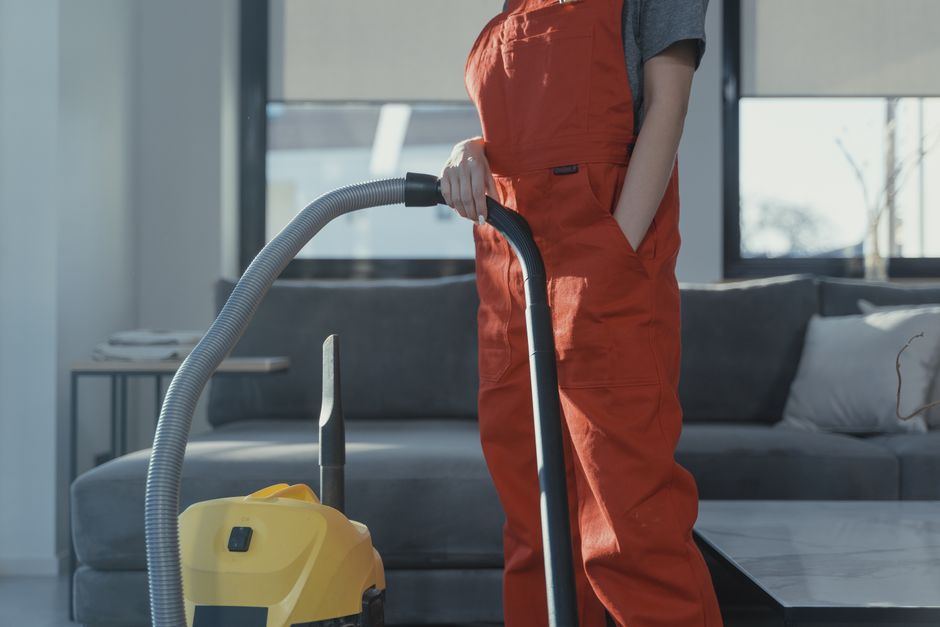
The short answer is no, you cannot properly clean your own air ducts. While you can easily wipe down the exterior grilles and change your standard air filters, reaching deep into the ductwork requires professional-grade negative pressure equipment. Attempting to push a household vacuum hose down a vent usually just compacts the dirt further into the bends of the ducting, making the restriction worse.
What happens if you just vacuum the vents?
If you just vacuum the vents, you are only removing the top layer of loose dust sitting in the first few inches of the register box. The vast majority of the ductwork remains completely untouched. Furthermore, the limited suction of a household vacuum cannot dislodge the caked-on grime that adheres to the metal walls due to summer humidity.
How does negative pressure duct cleaning work?
Negative pressure duct cleaning works by turning your entire HVAC system into a sealed vacuum chamber. A massive extraction unit is attached to the main trunk line, pulling air backward at high velocity. While this suction is active, technicians use pneumatic whips to scrub the interior walls, allowing the vacuum to safely pull all dislodged debris out of the home.
Why is wiping vents not enough to improve air quality?
Wiping vents is not enough because the grilles account for less than one percent of the system's total surface area. The dust you see on the cover is a symptom of a much larger volume of contaminants circulating through the hidden ductwork. Improving actual air quality requires physically removing the hidden source of the allergens, not just treating the visible symptom.
Is negative pressure duct cleaning safe for older HVAC systems?
Yes, when performed by trained professionals following NADCA standards, negative pressure duct cleaning is completely safe for older HVAC systems in New Brighton PA. Technicians assess the condition of the ductwork—whether it is rigid sheet metal or older flexible ducting—and adjust the mechanical agitation tools accordingly to ensure thorough cleaning without causing any structural damage.
Make an Informed Decision for Your HVAC System's Health
When it comes to Spot Cleaning Your Vents vs. Full-System Negative Pressure Extraction, the science is clear. Wiping down your grilles is a cosmetic chore that does nothing to resolve the deeper accumulation of allergens, pet dander, and bacteria hiding in your walls. As the late summer fades and the back-to-school transition begins, removing this deep-seated contamination is vital for protecting your indoor air quality before heavy fall and winter usage.
Do not settle for superficial fixes or cheap blow-and-go services that leave the actual problem behind. By seeking out NADCA-compliant mechanical extraction, you guarantee that your system is truly cleared of harmful buildup. If you are unsure about the current health of your ductwork, reach out to our team at Superior Air Duct Cleaning. We use professional-grade negative pressure equipment to determine the right cleaning method for your home and ensure your air is as clean as possible.

Customer Reviews


Superior Air Duct cleaning did a phenomenal job in a timely manner with the tech “Rich” being very professional ,personable and considerate of our property! He explained things as he proceeded and answered all our questions!
I LOVE that they provide before & after photos to see the difference. Give them a try… you won’t regret it
Pam T.
Robert was on schedule and communicated what time he would arrive. He was polite, professional, and respectful of our home. I wanted to wait a couple weeks before posting a review because I wanted to see if the duct cleaning actually made a difference. I am happy to say it did! I vacuum multiple times a week and have already noticed a significant reduction in the amount of dust cleaned up each time. As a home with pets, there will always be something to clean, but getting the ducts cleaned has definitely helped improve the air quality and reduce the dust.
alice A.
Technician Rob arrived early explained the days agenda and then proceeded to work methodically and meticulously over the next 6+ hours cleaning my ductwork. Courteous and professional they answered all of my questions and went above and beyond the call of duty. They even located an old dusty box of rat poison buried in our vents. My only regret is not finding these guys sooner. As a realtor of 22 years and owner of a newly purchased (now dust free) home I highly recommended!
Eric K.
Excellent service! I’ve used them to clean out my air ducts as well as my dryer vent duct and they are excellent. I was very pleased with both jobs and will continue to use them in the future. Great communication as well- from the time I scheduled the appointment until they were at my door.
Erika C.
We had such an amazing experience with Superior Air Duct Cleaning. They were so nice and friendly and did an amazing job. I loved seeing the before and after pictures. Besides doing an amazing job cleaning our air ducts they were so quick at responding and setting up the appointment. We will definitely be using them in the future.
Amanda C.