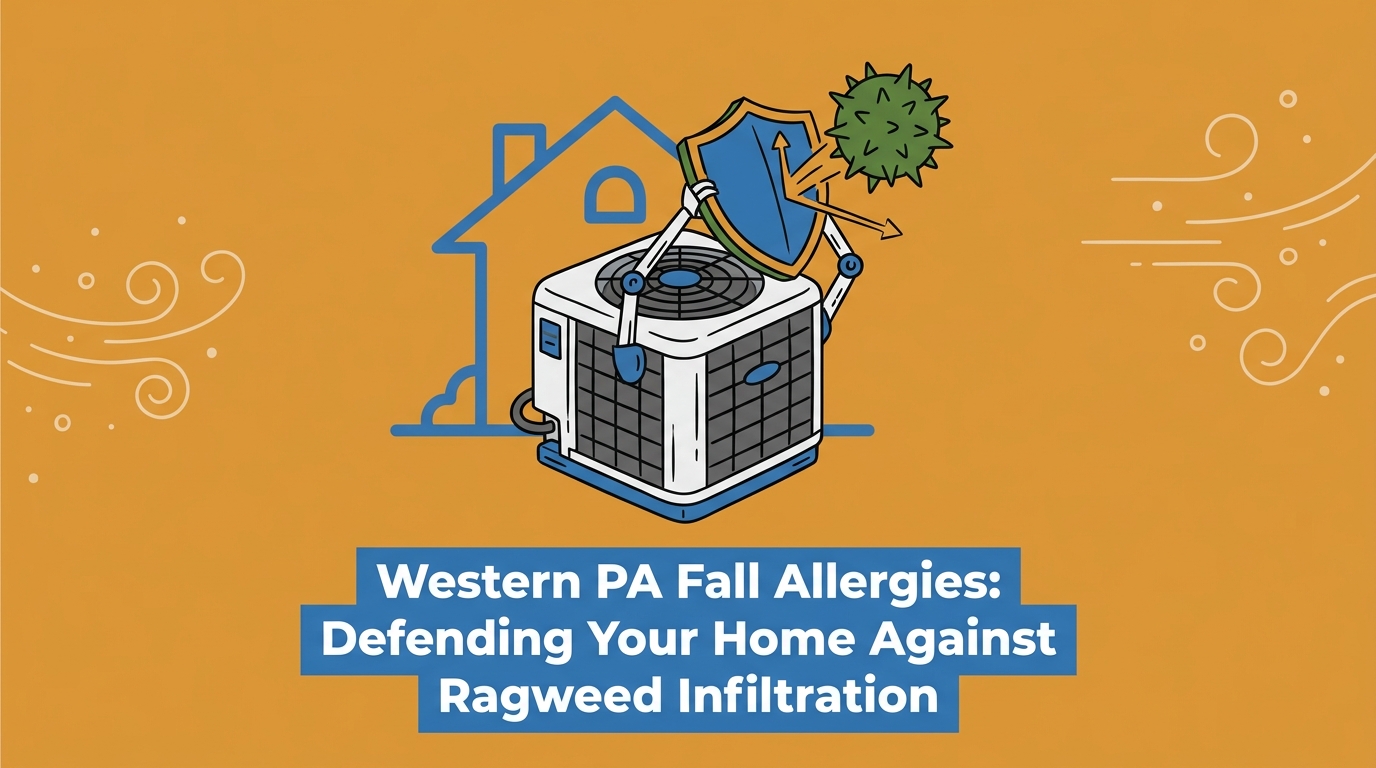
The Invisible Threat: Western PA Fall Allergies: Defending Your Home Against Ragweed Infiltration
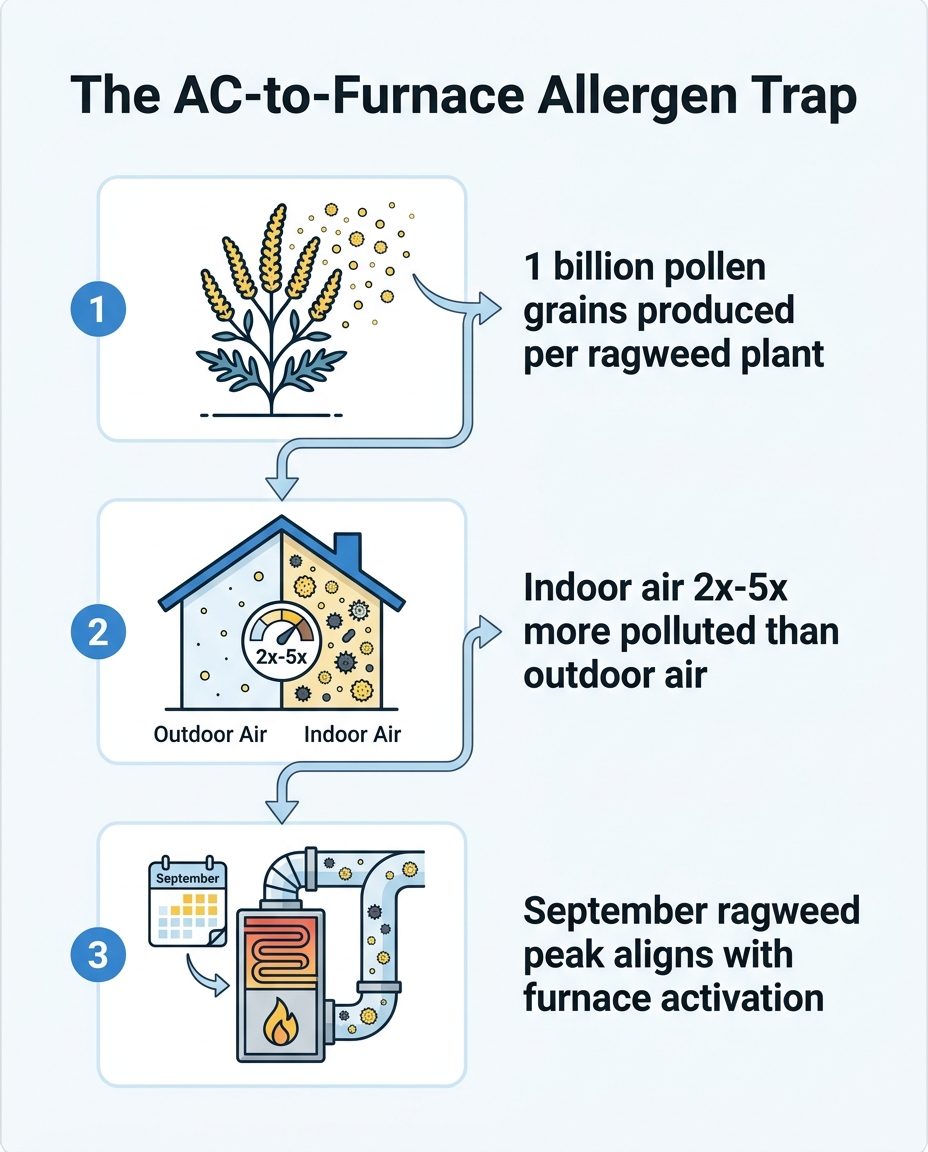
At Superior Air Duct Cleaning, we constantly remind homeowners that a single ragweed plant can produce up to one billion pollen grains in a single season. If you find yourself sneezing and rubbing your eyes the moment you walk through your front door, conquering Western PA Fall Allergies: Defending Your Home Against Ragweed Infiltration starts with understanding exactly how these microscopic invaders get inside. During the September ragweed peak, this ultra-fine pollen coats vehicles, window screens, and outdoor furniture. Unfortunately, homeowners often unknowingly invite this massive volume of pollen indoors, where it bypasses the living space and settles directly into the dark, winding corridors of the HVAC system.
Once inside, your home's ductwork acts as a massive distribution network for seasonal allergens. The critical decision point for allergy sufferers often comes down to relying solely on standard, passive HVAC filters versus scheduling professional air duct cleaning to actively remove the source of the irritation. For homes heavily impacted by the fall pollen surge, adding whole house sanitizing services can further neutralize trapped biological irritants before the heavy heating season begins and doors are locked tight for the winter.
How a Billion Pollen Grains Enter Your Living Space
Ragweed pollen is incredibly lightweight and aerodynamic, designed by nature to travel for hundreds of miles on a gentle breeze. Because the grains are microscopic—measuring just 15 to 20 microns in diameter—they easily pass through standard window screens and slip under weatherstripping. Every time you open a door to let the dog out, bring in the groceries, or simply walk across the lawn, you are introducing thousands of pollen grains into your indoor environment.
Your HVAC system operates by pulling air from the living space into the return vents to be conditioned. Because ragweed pollen remains airborne for hours, the system's powerful suction draws these particles directly into the return ducts. Over a matter of weeks, a fine, yellow-green dust begins to coat the interior walls of the galvanized steel, transforming your home's respiratory system into a holding pen for the exact allergens you are trying to escape.
Understanding Western PA's Unique Early Fall Climate Trap
Our technicians know firsthand that the specific weather patterns of the region create a perfect storm for indoor pollen accumulation. Western PA experiences notoriously fluctuating temperatures during the early fall. It is common to see warm, humid September days reaching into the 80s, followed by rapidly cooling nights that dip down into the 50s. This sharp temperature fluctuation drives a very specific, mixed behavior among homeowners: running the air conditioning during the heat of the afternoon, and then throwing open the windows at night to capture the crisp evening breeze.
While the cross-breeze feels refreshing, it pulls massive volumes of outdoor particulates directly into the home. When windows are open, the natural draft of the house carries the September ragweed peak straight toward the large return grilles located in your hallways and living rooms. Because the HVAC fan might still be set to "auto" or "on" to circulate the fresh air, the system actively vacuums the night air's pollen load into the ductwork.
The Reservoir Effect in Your Ductwork
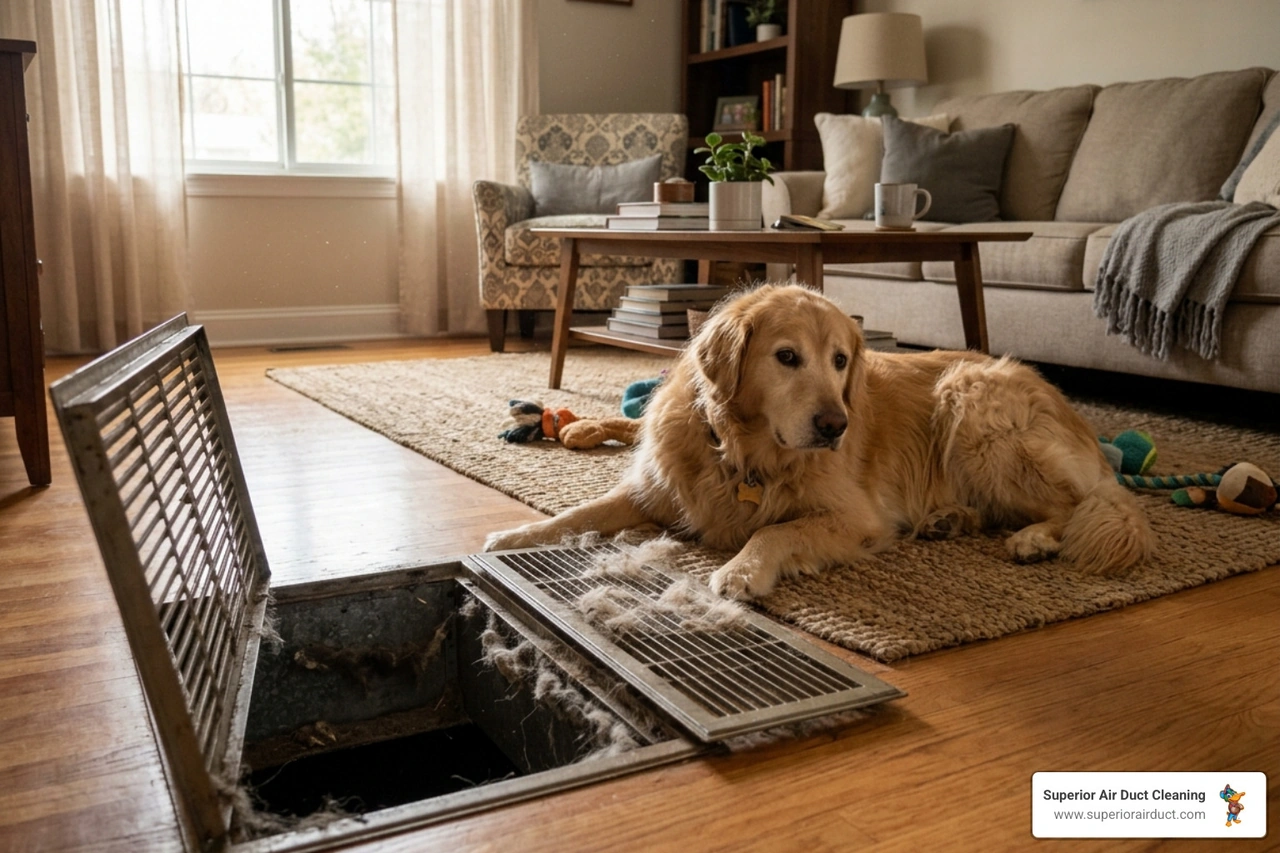
Without professional intervention, the ductwork acts as a long-term reservoir for this accumulated ragweed. The interior of a duct system is rarely bone dry during the cooling season; condensation from the air conditioner creates a slightly damp environment. As the ultra-fine ragweed pollen blows through the return vents, it strikes the interior walls and sticks to this mild moisture, creating a stubborn crust of dust, pet dander, and pollen.
Day after day, night after night, the cycle repeats. The open windows load the house with pollen, the return vents suck it in, and the damp duct walls trap it. By the time the weather permanently shifts and the windows are closed for good, the hidden pathways of your home are heavily lined with the very irritants causing your fall allergy flare-ups.
The AC-to-Furnace Transition: Why Indoor Allergies Spike
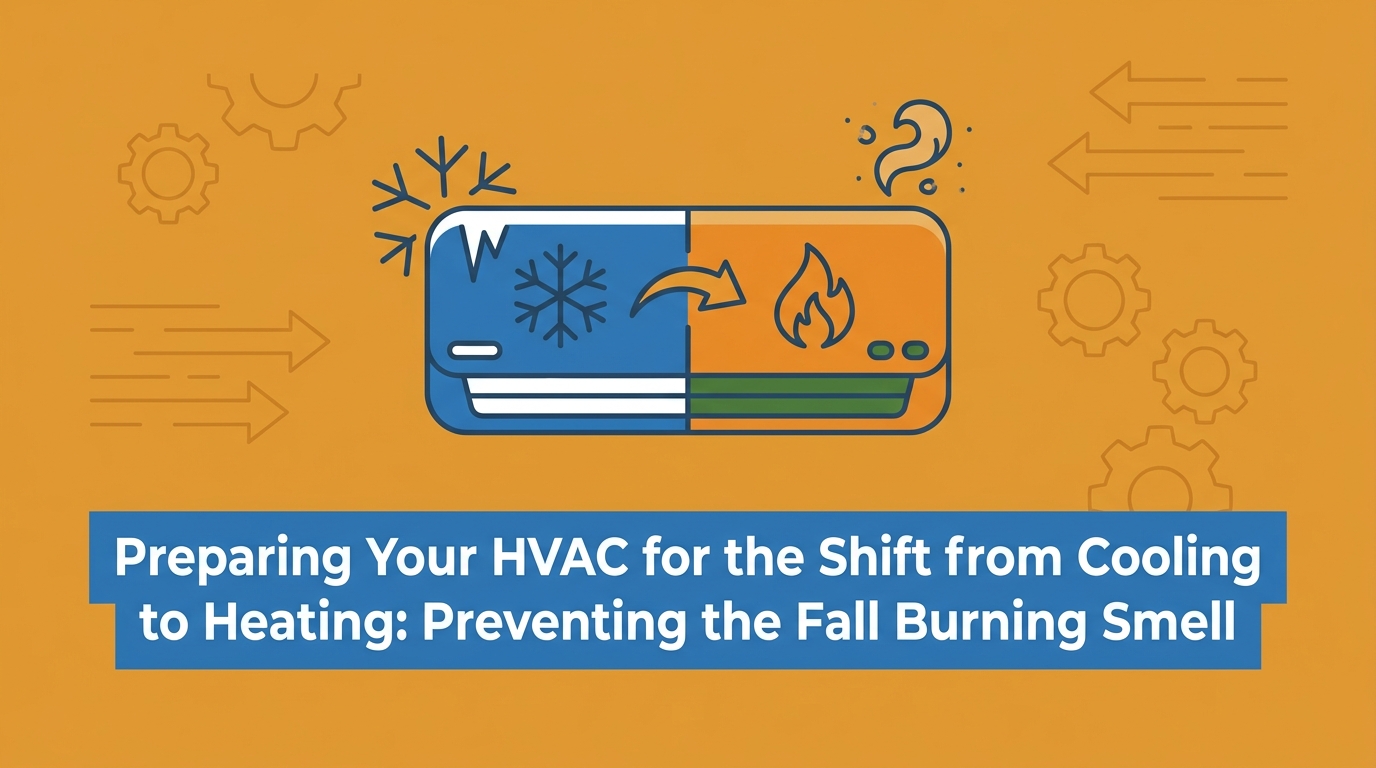
The HVAC system functions as the respiratory system of the house, breathing in and breathing out the exact same air multiple times an hour. Months of summer cooling and early fall open-window ventilation line the duct walls with an incredibly dense layer of dust and ragweed. The true indoor air quality crisis occurs the moment the weather breaks and you switch the thermostat from cooling to heating for the very first time.
Turning on the furnace blasts a sudden wave of hot, dry air through the ductwork. This intense heat rapidly dries out the slightly damp crust of summer and fall pollen clinging to the metal walls. As the particulate layer dries and cracks, the high-velocity blower motor dislodges these dried particulates, launching a concentrated cloud of allergens out of the supply registers and directly into your bedrooms, living rooms, and kitchen. This is precisely why many homeowners experience a sudden, severe spike in allergy symptoms on the first cold night of the year.
Many older homes, or those with neglected maintenance histories across New Brighton and Western PA communities, suffer from decades of this cyclical buildup. This is a pattern our team at Superior Air Duct Cleaning sees frequently across the region. For example, we recently serviced a local rental property that began experiencing horrible vent smells just as the seasons changed. After our technicians performed a thorough vacuuming, cleaning, and sanitizing of the vents, along with a comprehensive furnace check, the odors were completely resolved and the air quality dramatically improved for the tenants.
Why Standard HVAC Filters Fail to Stop Ragweed Infiltration
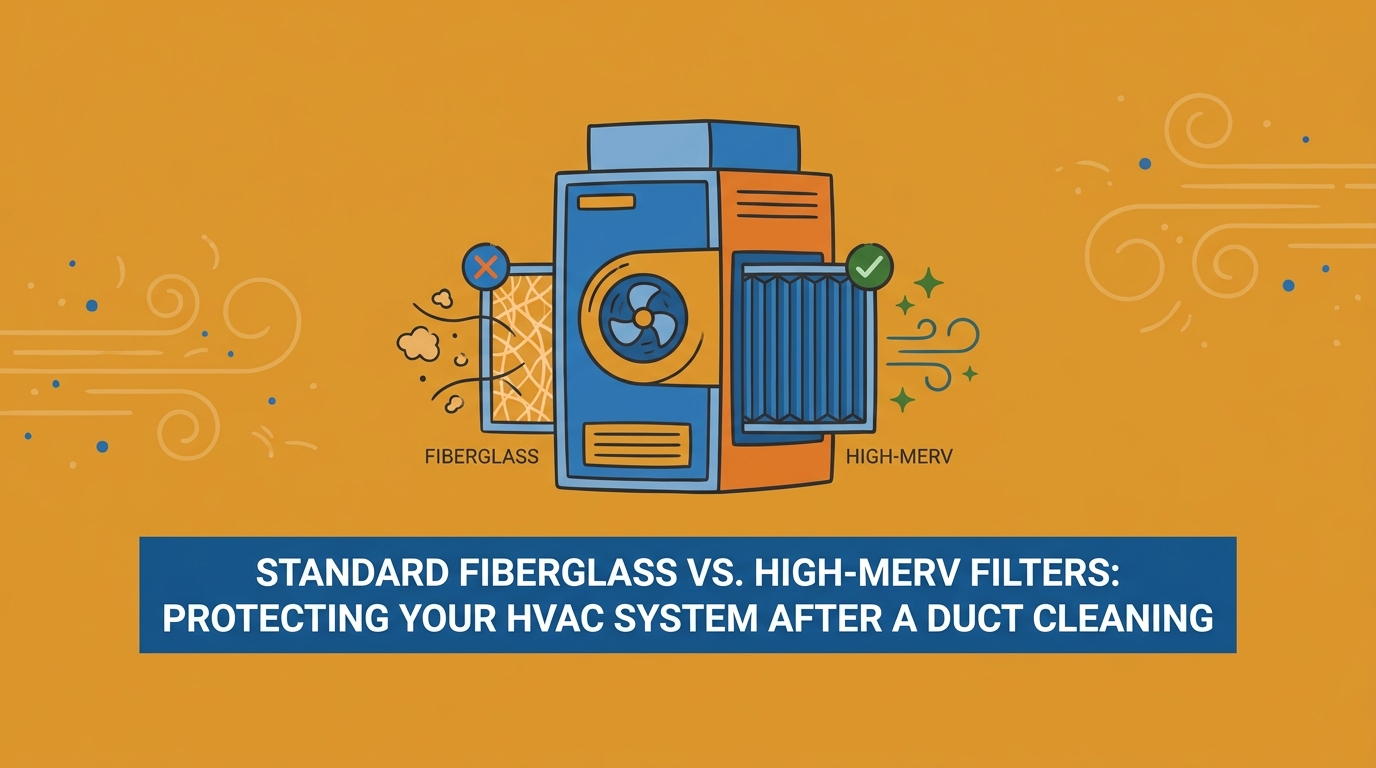
A common misconception among homeowners is that a standard furnace filter will protect the household from seasonal allergies. In reality, standard one-inch fiberglass filters are designed for a single purpose: to protect the furnace blower motor from large, damaging debris like pet hair, carpet fibers, and heavy dust. They are entirely ineffective at purifying the air of microscopic irritants during the September ragweed peak.
Ragweed pollen is simply too small for a cheap fiberglass filter to catch. The grains pass right through the loose weave of the filter media, travel through the blower, and get pushed into the supply ducts. Furthermore, relying solely on closing windows and changing filters ignores the massive reservoir of allergens that has already bypassed the filter and settled deep inside the ductwork.
The Limits of Passive Filtration
Even if you upgrade to a high-MERV (Minimum Efficiency Reporting Value) pleated filter, you are still relying on a passive system. A high-efficiency filter only catches the particulates that actually make it back to the filter rack. It cannot reach into the supply ducts to remove the pollen that has already settled there. When the blower turns on, the pollen sitting in the supply lines is blown directly into your face, never having passed through the filter at all.
• Standard Fiberglass Filter — How It Works: Catches large debris to protect the furnace motor. — Effectiveness on Settled Ragweed: Zero impact. Pollen passes right through.
• High-MERV Pleated Filter — How It Works: Traps microscopic airborne particles at the intake. — Effectiveness on Settled Ragweed: Cannot remove pollen already settled in supply ducts.
• Source Removal (Duct Cleaning) — How It Works: Physically extracts debris from the entire system. — Effectiveness on Settled Ragweed: Completely removes the allergen reservoir from the home.
True relief from severe seasonal allergies requires comprehensive indoor air quality solutions that address the source of the contamination, rather than just attempting to filter the air after it has already been polluted.
The Science of Source Removal: NADCA-Certified Extraction
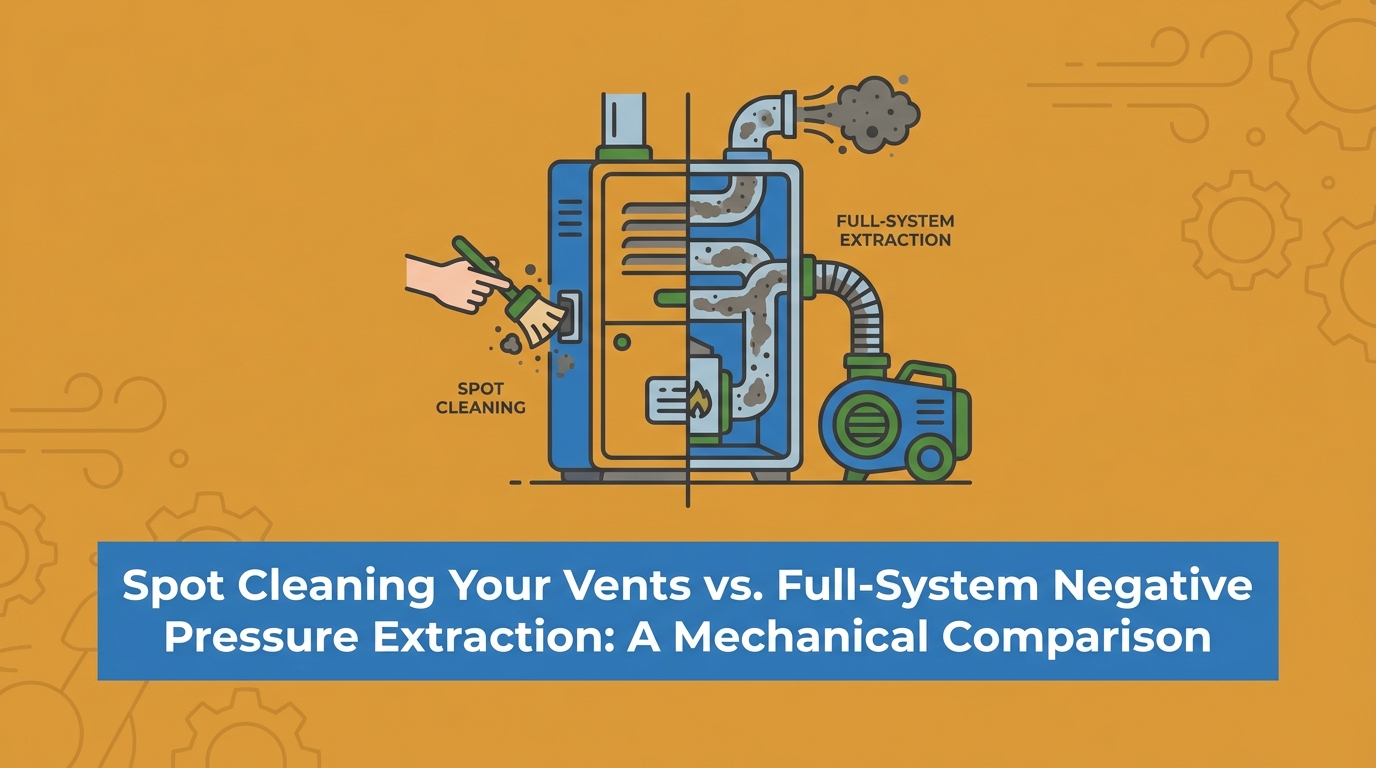
When the ductwork is heavily contaminated, generic duct cleaning often does more harm than good. A technician showing up with a standard shop vacuum and a basic rotary brush will merely agitate the settled dust, kicking the ragweed pollen into the air stream and blowing it further into the home. To truly defend your respiratory environment, the process requires scientific source removal.
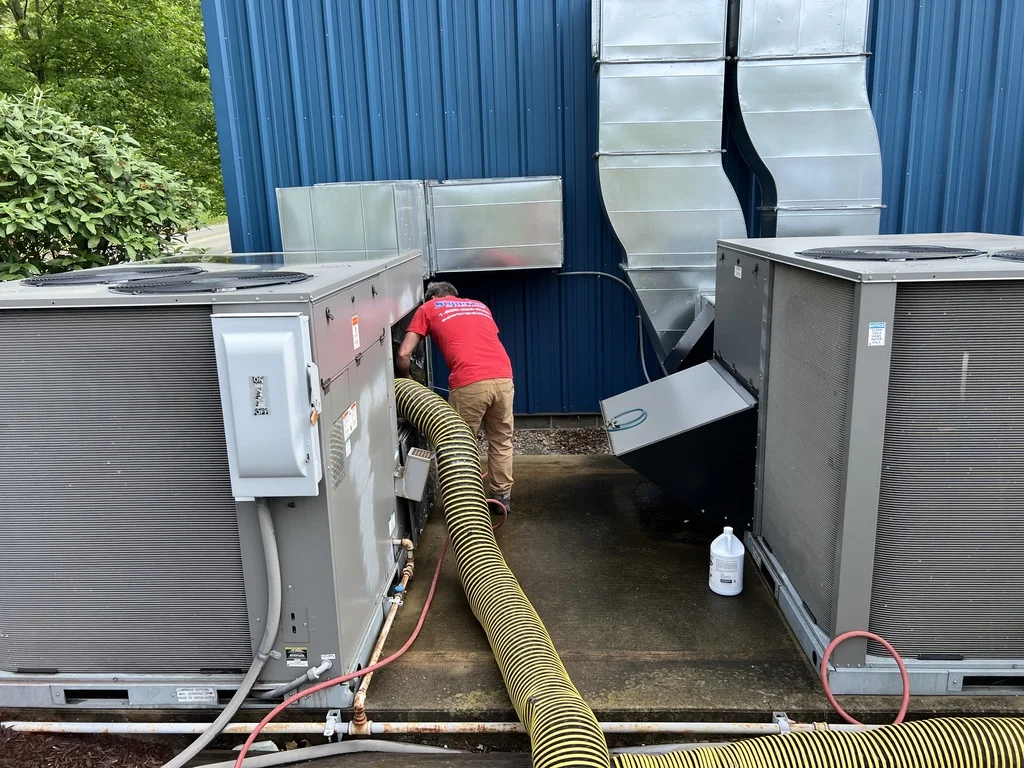
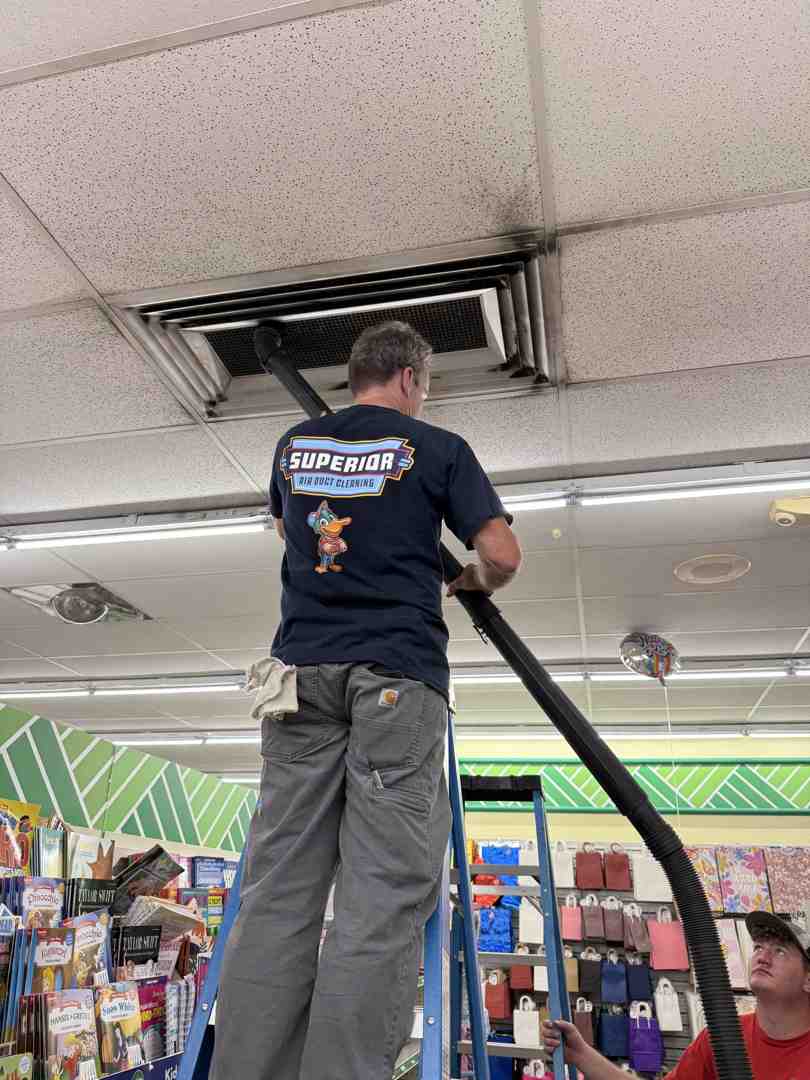
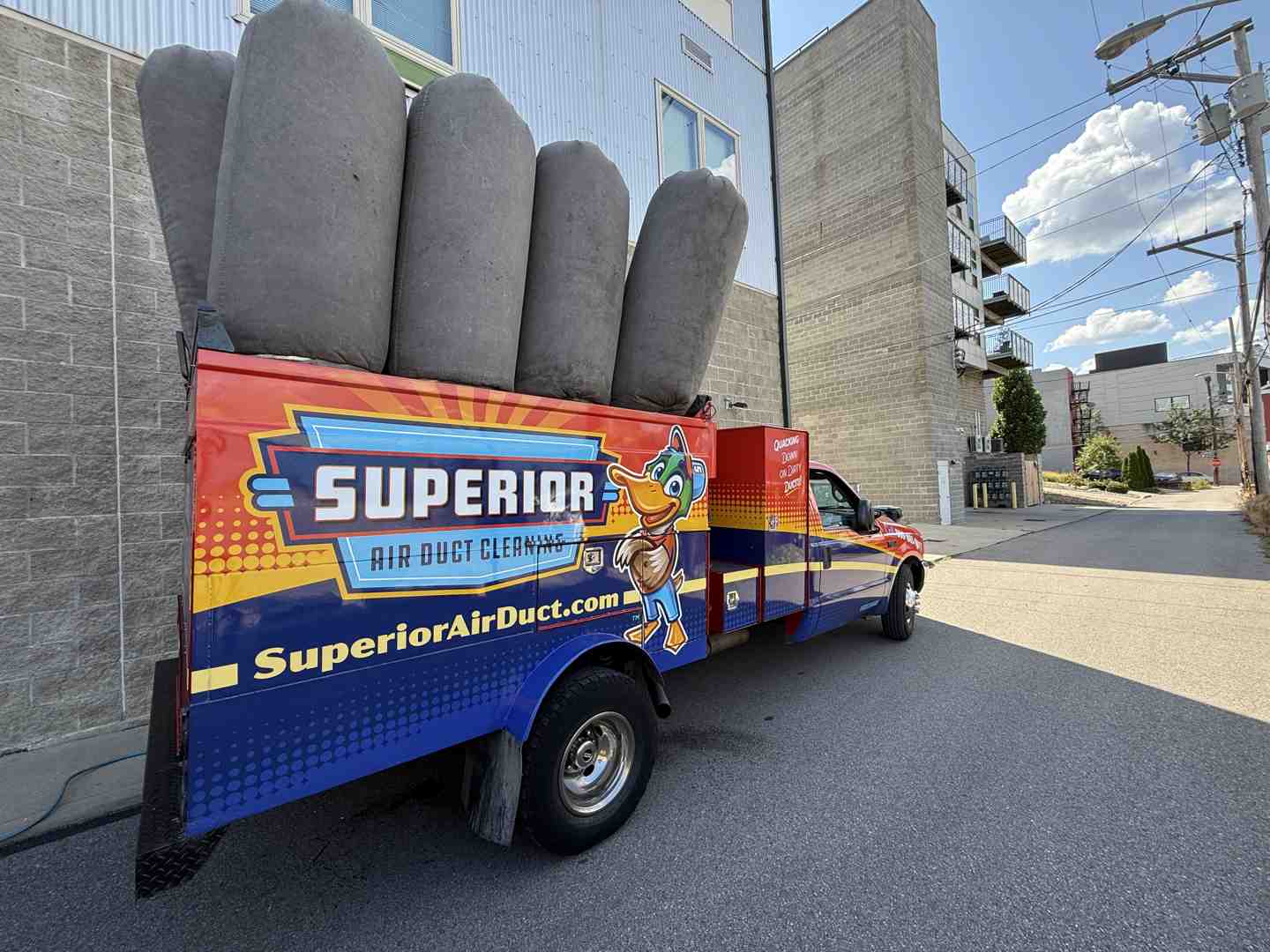
Professional extraction utilizes high-powered negative air pressure combined with specialized mechanical agitation. By adhering to NADCA-certified (National Air Duct Cleaners Association) standards, the entire HVAC system is placed under massive negative pressure. A heavy-duty vacuum collection unit is connected directly to the main trunk line of the ductwork, effectively turning the entire system into a giant vacuum cleaner.
The Mechanical Agitation Process
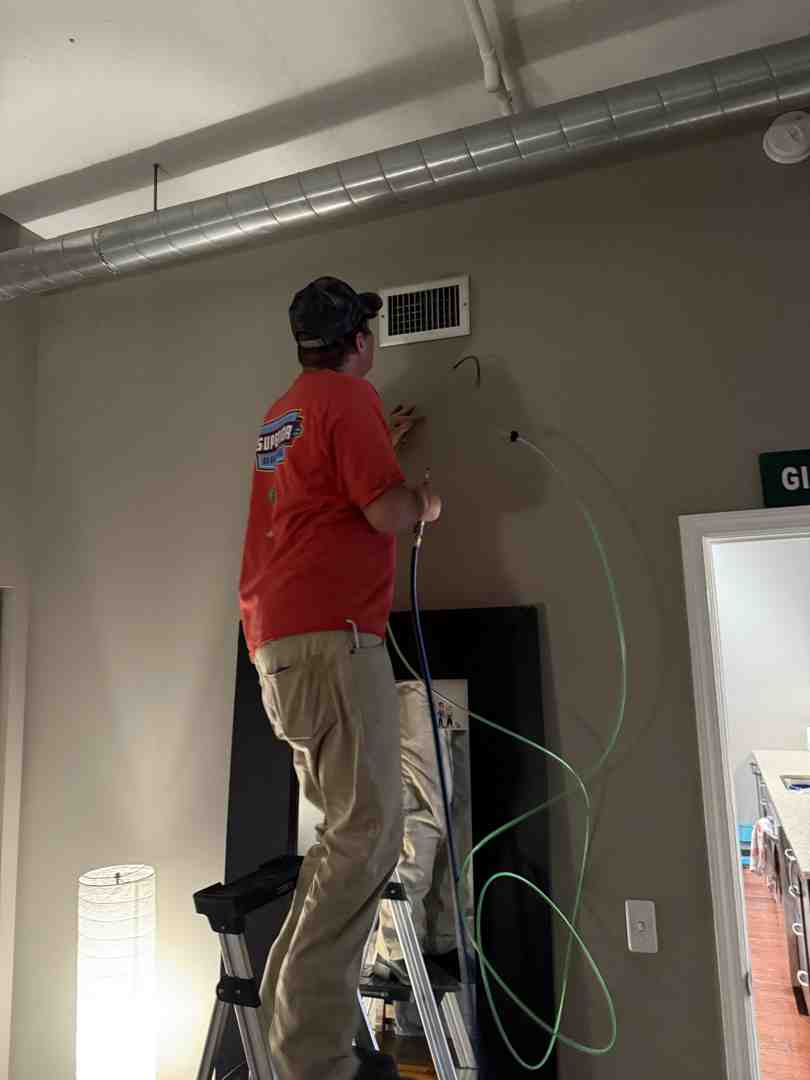
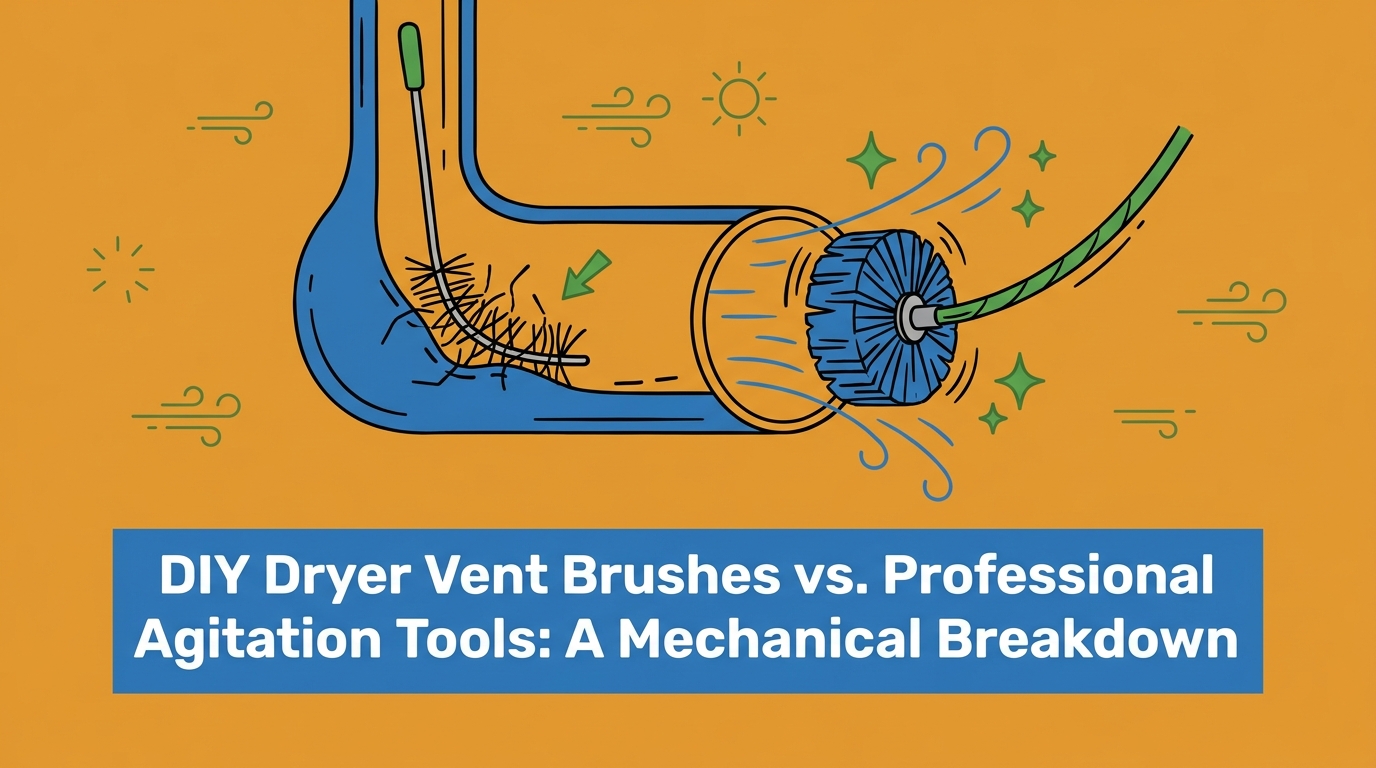
Once the system is under negative pressure, technicians insert specialized agitation tools—such as air whips, skipper balls, and compressed-air tools—into every individual branch line. These tools aggressively scrub the interior walls of the galvanized steel, dislodging the stubborn, caked-on layers of dust and ragweed.
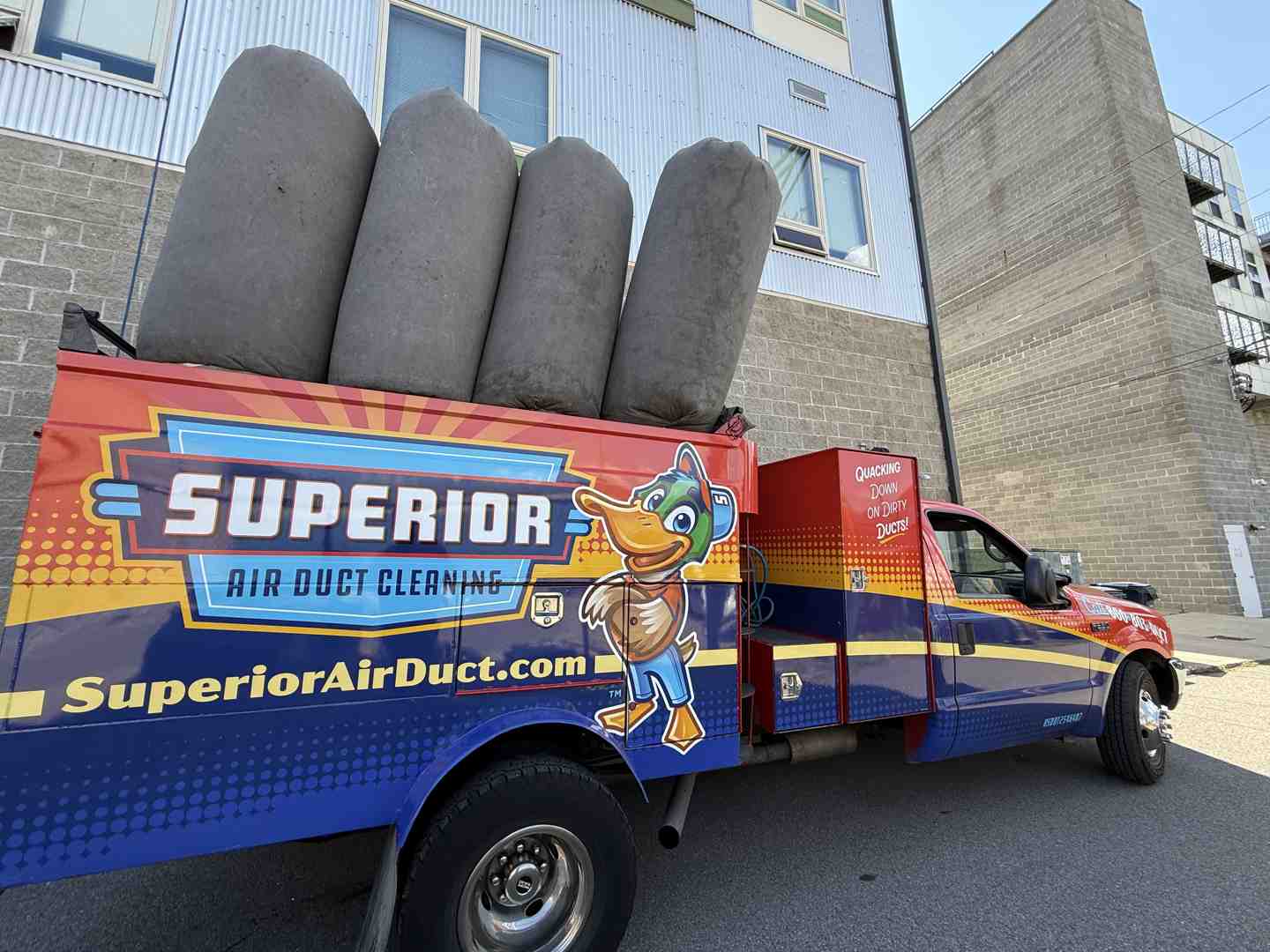
Because the system is under negative pressure, the dislodged particulates cannot escape into the living space. Instead, they are instantly pulled backward down the trunk line and safely extracted into a sealed containment unit outside the home. For residents in New Brighton and Western PA communities, this physical source removal is the only definitive way to stop the relentless recirculation of seasonal allergens and restore the home's indoor air quality.
Beyond Vacuuming: Neutralizing Trapped Biological Irritants
While physical extraction removes the bulk of the ragweed pollen and dust, pollen isn't the only irritant trapped in your ductwork. The fluctuating fall humidity in Western PA can easily encourage microbial growth inside the dark, unconditioned spaces of the HVAC system. If you notice a damp, earthy smell when the blower kicks on, you are likely dealing with a combination of trapped dust, pollen, and biological contaminants.
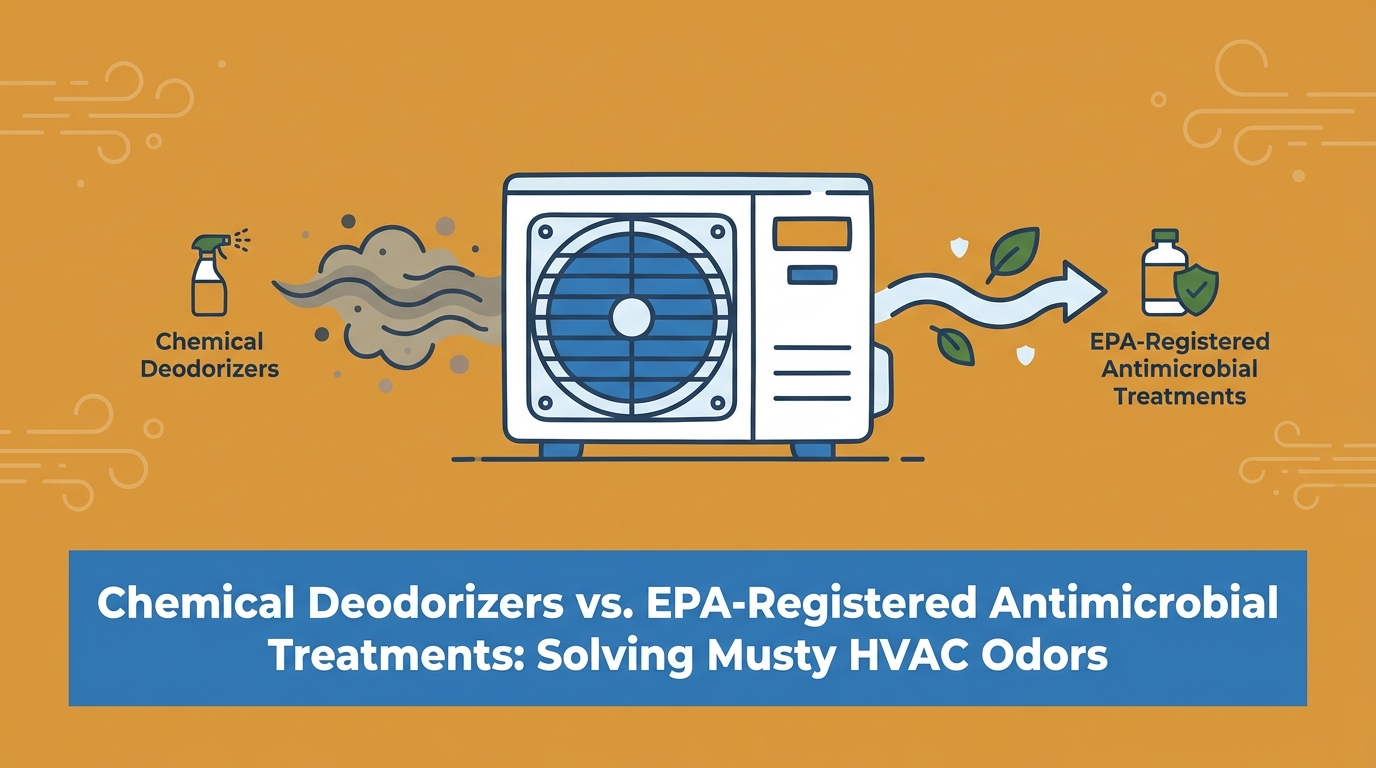
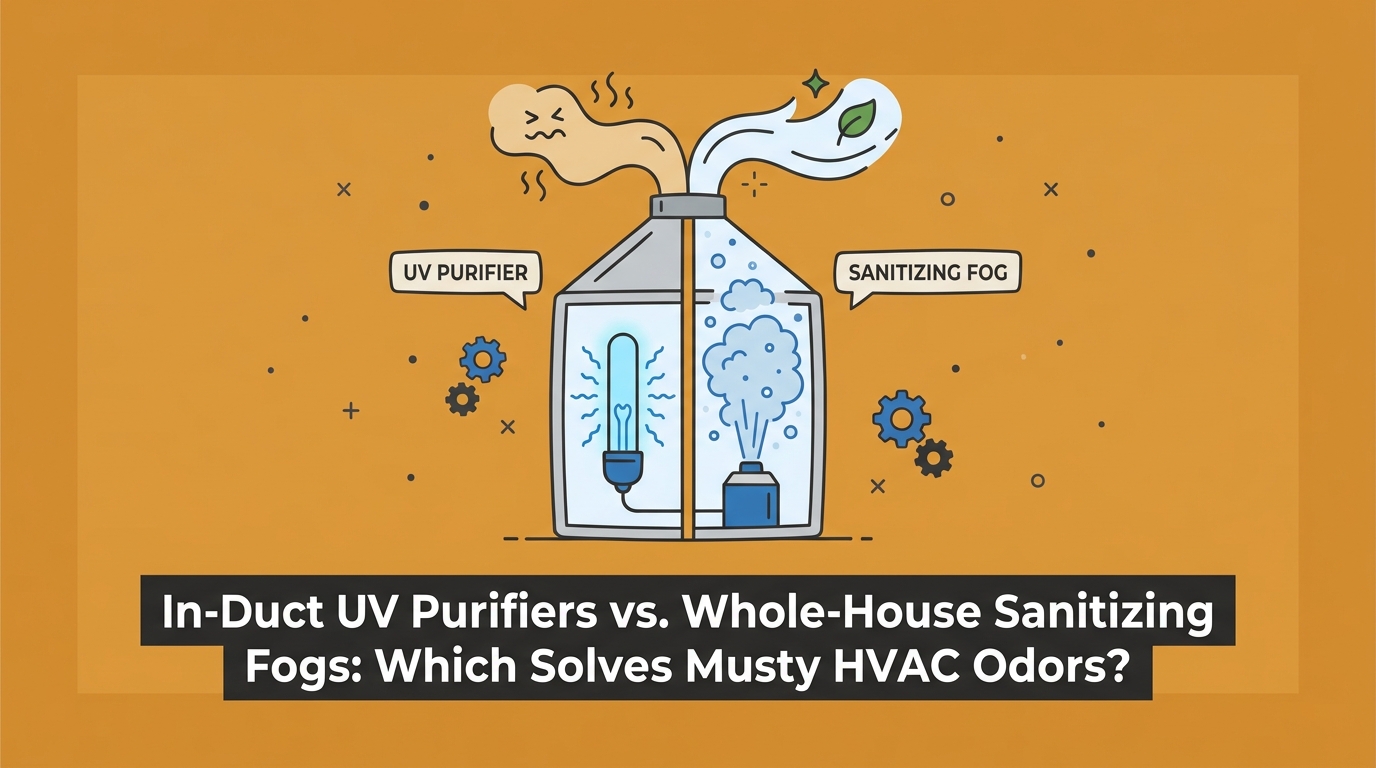
Addressing these issues goes beyond just vacuuming. Addressing musty odors from your air ducts often requires a secondary step: sanitization. Applying an EPA-registered sanitizing agent immediately after physical extraction neutralizes any lingering biological contaminants, bacteria, and microscopic irritants that the physical compressed-air tools could not reach.
The Impact of System Sanitization
The sanitizing agent is introduced into the ductwork as a fine, microscopic mist. Because the ducts have just been scrubbed clean, the fog can penetrate the microscopic pores of the galvanized steel, neutralizing odors at their source. This two-step process of extraction and sanitization dramatically improves breathing and sleep quality for allergy sufferers.
This approach is especially critical in newly purchased or highly insulated homes, which trap indoor air tightly. In one recent case, our Superior Air Duct Cleaning crew worked with homeowners in a newly built house who were struggling with severe allergy issues and poor air quality. Once we thoroughly cleaned and sanitized their vents and furnace, the indoor air quality improved immediately, allowing the family to finally breathe easier and sleep through the night without irritation.
Pre-Heating Season Checklist: Securing Your Respiratory Environment
Taking proactive steps before the deep cold sets in is the most effective way to manage indoor allergies. By preparing your home during the September ragweed peak, you can ensure a clean, comfortable environment all winter long. Follow this pre-heating season checklist to secure your home's air quality:
• Schedule a professional duct inspection and cleaning: We recommend doing this before the first major frost forces you to turn on the furnace. Removing the allergen reservoir early prevents the initial blast of pollen from contaminating the living space.
• Upgrade to a high-efficiency pleated furnace filter: Install a high-MERV filter immediately after the ducts are professionally cleaned. A clean system allows the high-efficiency filter to work properly without restricting airflow.
• Seal gaps around windows and doors: Apply fresh weatherstripping and caulk to prevent late-season ragweed from drifting indoors on windy autumn afternoons.
• Monitor indoor humidity levels: Keep your home's humidity between 30% and 50%. This prevents the dry winter air from exacerbating respiratory irritation while remaining low enough to discourage microbial growth in the ductwork.
• Keep windows closed during peak pollen hours: Ragweed counts are typically highest between 10:00 AM and 3:00 PM. Run the air conditioner on warm fall days instead of relying on the cross-breeze.
Frequently Asked Questions About Fall Indoor Air Quality
How long does ragweed season last in PA?
Ragweed season in Pennsylvania typically begins in mid-August as the days begin to shorten. The pollen production steadily increases, reaching its absolute peak in mid-September. The season only truly ends after the first hard frost of the late fall, which kills the ragweed plants and halts pollen production until the following year.
Can dirty air ducts cause fall allergies?
Dirty ductwork itself does not cause the biological allergy, but it acts as a highly efficient distribution network for the allergens. When outdoor irritants like ragweed enter the home, they become trapped in the dust lining the duct walls. The HVAC blower then constantly recirculates these trapped allergens through the living space, triggering continuous, severe allergy symptoms.
How do you remove ragweed pollen from your home's air?
In our experience, the most effective strategy involves multiple layers of defense, starting with keeping windows closed during peak morning hours. Using high-quality HEPA air purifiers in the bedrooms can help manage airborne particulates. However, the most critical step is to physically extract the settled pollen from the HVAC system via professional duct cleaning, removing the hidden reservoir completely.
Why are my allergies worse inside my house in the fall?
Indoor air can frequently be two to five times more polluted than outdoor air because modern homes are tightly sealed for energy efficiency. During the fall, the transition from air conditioning to heating stirs up months of settled dust and pollen from the ductwork. Because this polluted air has nowhere to escape, you are constantly inhaling concentrated doses of the allergen.
What is the difference between air filtration and physical duct extraction?
Air filtration is a passive process that relies on airborne particles passing through the HVAC unit's filter rack to be caught. Physical extraction is an active process that utilizes negative pressure and mechanical agitation to remove heavy, settled particulates from the duct walls before they ever have the chance to become airborne again.
Reclaim Your Indoor Air Before the Cold Weather Sets In
Don't let trapped ragweed ruin the comfort and safety of your home this fall. As the September ragweed peak loads your ductwork with microscopic irritants, taking action now is the only way to prevent months of indoor suffering. Physical extraction is the proven, scientific method to stop your HVAC system from endlessly recirculating these allergens into your bedrooms and living spaces.
If you are serious about managing Western PA Fall Allergies: Defending Your Home Against Ragweed Infiltration, professional intervention is your strongest defense. Contact our team at Superior Air Duct Cleaning to schedule a comprehensive inspection and cleaning before the heavy heating season forces you to turn on the furnace. By removing the hidden reservoir of dust and pollen, we can help you secure a clean, breathable environment for your family all winter long.

Customer Reviews


Superior Air Duct cleaning did a phenomenal job in a timely manner with the tech “Rich” being very professional ,personable and considerate of our property! He explained things as he proceeded and answered all our questions!
I LOVE that they provide before & after photos to see the difference. Give them a try… you won’t regret it
Pam T.
Robert was on schedule and communicated what time he would arrive. He was polite, professional, and respectful of our home. I wanted to wait a couple weeks before posting a review because I wanted to see if the duct cleaning actually made a difference. I am happy to say it did! I vacuum multiple times a week and have already noticed a significant reduction in the amount of dust cleaned up each time. As a home with pets, there will always be something to clean, but getting the ducts cleaned has definitely helped improve the air quality and reduce the dust.
alice A.
Technician Rob arrived early explained the days agenda and then proceeded to work methodically and meticulously over the next 6+ hours cleaning my ductwork. Courteous and professional they answered all of my questions and went above and beyond the call of duty. They even located an old dusty box of rat poison buried in our vents. My only regret is not finding these guys sooner. As a realtor of 22 years and owner of a newly purchased (now dust free) home I highly recommended!
Eric K.
Excellent service! I’ve used them to clean out my air ducts as well as my dryer vent duct and they are excellent. I was very pleased with both jobs and will continue to use them in the future. Great communication as well- from the time I scheduled the appointment until they were at my door.
Erika C.
We had such an amazing experience with Superior Air Duct Cleaning. They were so nice and friendly and did an amazing job. I loved seeing the before and after pictures. Besides doing an amazing job cleaning our air ducts they were so quick at responding and setting up the appointment. We will definitely be using them in the future.
Amanda C.