Preparing Your Laundry Routine for the Western PA Winter
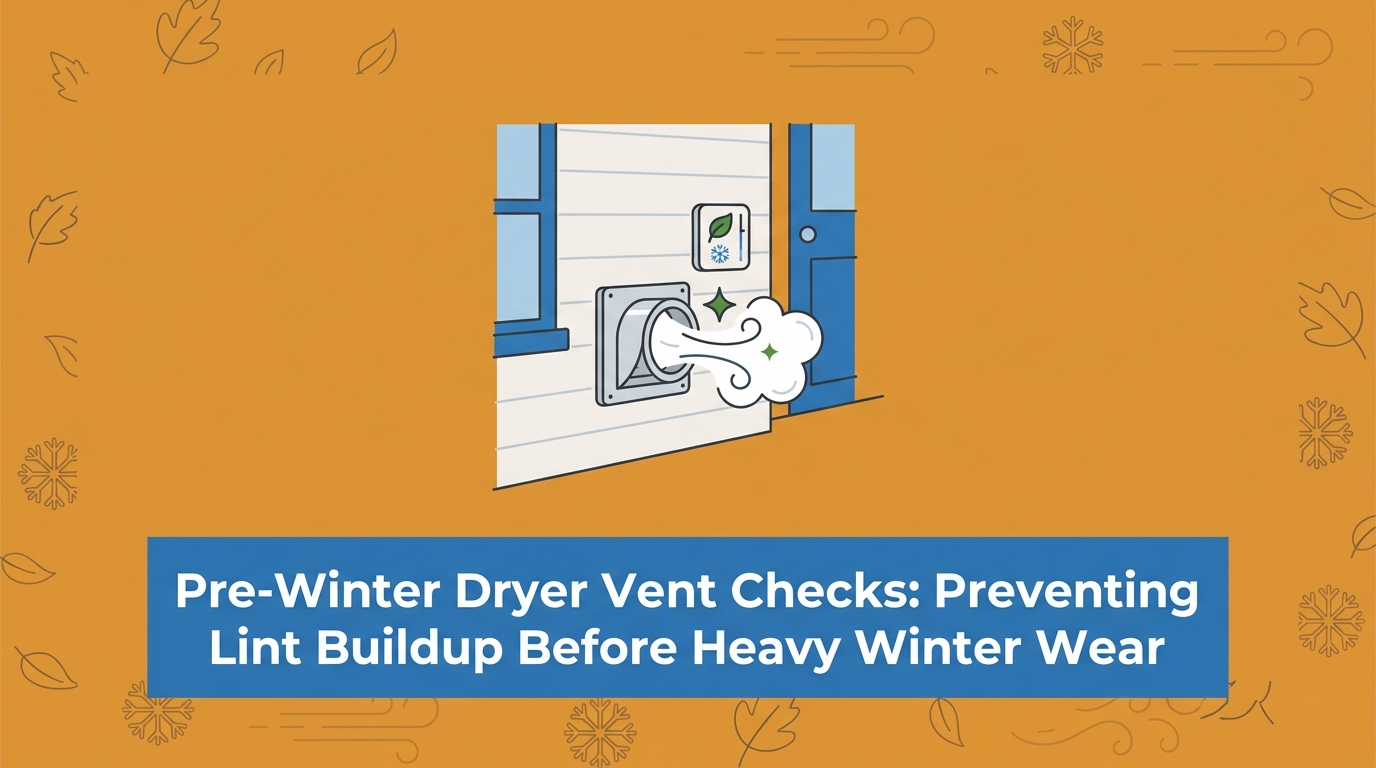
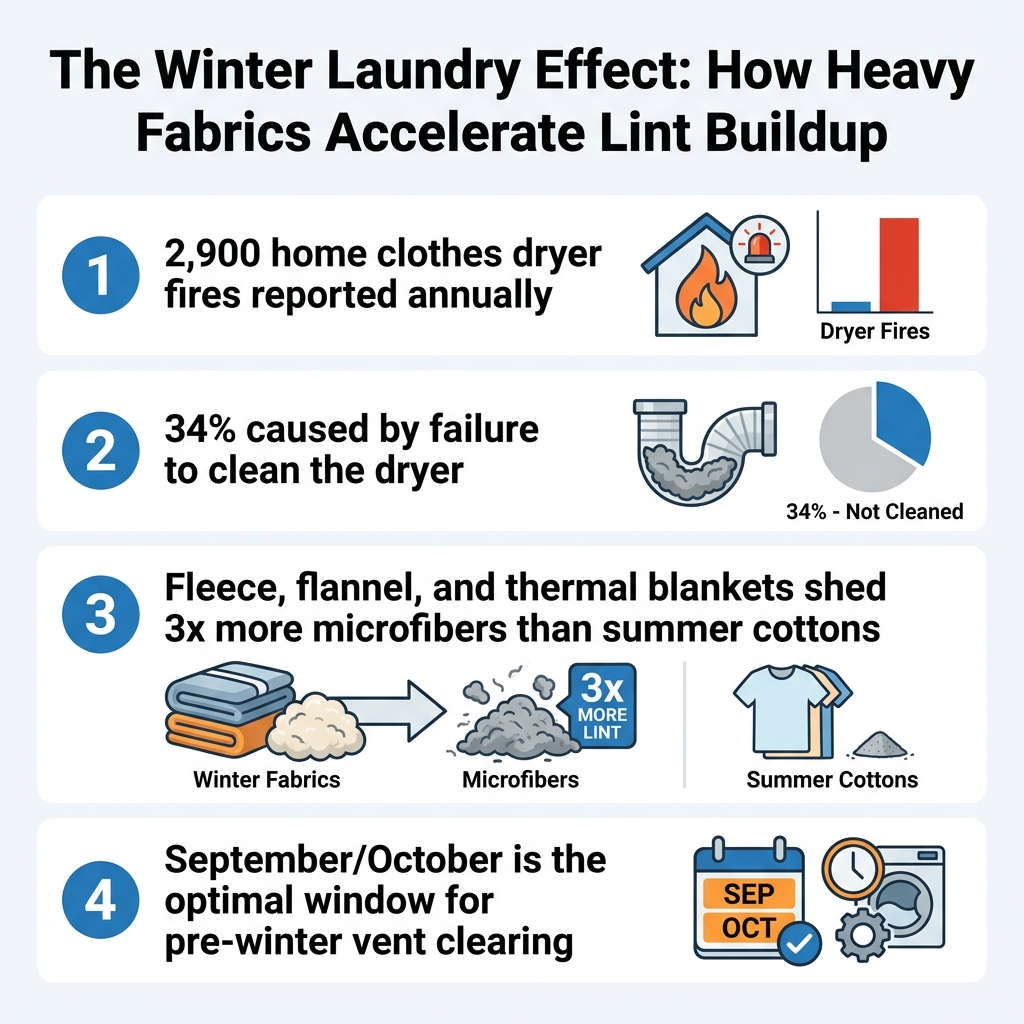
As the September pre-heating season approaches and temperatures begin to drop across Western PA, your household laundry habits are about to undergo a massive shift, making pre-winter dryer vent checks: preventing lint buildup before heavy winter wear an absolute priority. Right now, you are likely packing away lightweight summer clothing and pulling out thick sweaters, heavy thermal blankets, and fleece jackets. While this transition keeps your family warm, it introduces a hidden hazard to your home. Heavier winter fabrics shed significantly more lint than summer clothing, easily overwhelming a dryer exhaust system that is already partially clogged from months of summer use.
The concrete problem our team at Superior Air Duct Cleaning frequently sees is that this accelerated lint production creates dangerous bottlenecks deep inside the ductwork, drastically increasing the risk of fire right as homes are sealed tight against the cold. The smartest decision you can make is to address this hidden hazard proactively before peak winter usage begins. By clearing the exhaust line now, you ensure your appliance runs safely and efficiently. To learn more about how proper ventilation supports your indoor air quality, or to schedule a professional dryer vent cleaning, taking action early is your best defense against unexpected breakdowns.
The Heavy Fabric Factor: Why Winter Wardrobes Produce More Lint
When we visit New Brighton PA area homes for fall maintenance, we often explain that understanding exhaust risks requires looking at the physics of the fabrics going into your dryer. During the summer, your laundry loads consist mostly of lightweight cottons, thin synthetics, and swimsuits. These materials are relatively smooth and shed very few loose fibers during the tumbling process. Winter wardrobes are a completely different story.
When you wash heavy winter materials like fleece, flannel, and thick terry cloth, the dense weave of these fabrics undergoes significant friction. This friction breaks down the microfibers much faster than summer clothing. As a result, a single load of winter sweaters can produce three to four times the amount of lint as a load of summer t-shirts. This rapid shedding causes blockages much faster than most homeowners typically expect, turning a clear exhaust pipe into a restricted hazard in just a few weeks of heavy use.
The Anatomy of Fleece and Flannel Shedding
Fleece and flannel are designed to trap heat by utilizing a raised, fuzzy surface. While this makes them incredibly warm, it also means they are composed of thousands of tiny, loose fibers that are easily agitated during the washing and drying cycles. When these thick natural and synthetic fibers break down, they create a dense, sticky type of lint.
Unlike the light, dusty lint from cotton sheets, winter fabric lint is heavy. It easily bypasses standard lint screens inside the dryer drum and gets pushed directly into the exhaust duct. Once inside the duct, this dense material clings to the walls, collecting around elbows and ridges, and rapidly shrinking the diameter of the airway.
Thermal Blankets and Peak Laundry Loads
As the first freeze approaches, families inevitably wash all their heavy bedding at once. Washing thermal blankets, comforters, and heavy duvet covers simultaneously creates peak laundry loads that push your dryer to its limits.
The moisture problem: Heavy items retain massive amounts of water from the washing machine. This forces your dryer to run much longer cycles to fully evaporate that moisture. Longer drying cycles mean more tumbling, more friction, and ultimately, a massive surge in lint creation. When you combine high-moisture loads with high-friction fabrics, you get a perfect storm for rapid vent blockages.
• Lightweight Cottons — Typical Season: Summer — Lint Production Level: Low — Impact on Exhaust System: Minimal buildup, easily caught by the primary lint screen.
• Swimwear & Thin Synthetics — Typical Season: Summer — Lint Production Level: Very Low — Impact on Exhaust System: Almost no shedding; low risk to ductwork.
• Fleece & Flannel — Typical Season: Winter — Lint Production Level: High — Impact on Exhaust System: Dense, sticky fibers that bypass screens and cling to duct walls.
• Thermal Blankets & Towels — Typical Season: Winter — Lint Production Level: Severe — Impact on Exhaust System: Massive shedding combined with long drying cycles accelerates clogs.

Summer Leftovers: The Danger of Compounding Lint Blockages
One of the biggest misconceptions we encounter on the job is that a dryer exhaust system is completely clear until you notice a problem. In reality, vents accumulate a baseline layer of lint throughout the spring and summer months. Even lightweight clothing leaves behind a fine dust that settles on the interior walls of the exhaust duct. During the September pre-heating season, this baseline layer becomes a serious liability.
Summer humidity plays a massive role in this process. When hot, humid air mixes with the exhaust from your dryer, it can cause the existing lint dust to cake onto the interior walls, forming a tough, felt-like lining. If you enter the heavy laundry season with a vent that is already partially restricted by this hardened summer lint, you are setting the stage for a dangerous bottleneck. If you are unsure about the current state of your system, knowing the warning signs your dryer vent is clogged can help you catch the problem before it escalates.
The Bottleneck Effect in Fall
Adding high-volume winter lint to a narrowed passageway creates an immediate restriction. A duct that was only 10% restricted in August can quickly become a 50% or 60% blockage by October once the heavy blankets and fleece sweaters hit the drum.
When airflow is choked, the dryer's heating element is forced to work twice as hard to push exhaust air outside. This strain not only shortens the lifespan of your appliance but also creates a highly combustible environment. Waiting until spring to clean the vent completely ignores the highest-risk period of the year. You must clear out the summer leftovers before the winter bulk arrives.
• Excessive heat in the laundry room: If the room feels like a sauna while the dryer is running, exhaust air is not escaping properly.
• Clothes are hot but still damp: The heating element is working, but the moisture has nowhere to go due to restricted airflow.
• A burning smell during operation: This is an immediate red flag that lint is getting too close to the heating element.
• The exterior flapper valve won't open: If the vent cover outside your house barely moves when the dryer is on, the line is choked.
Fire Safety Facts During the Peak Laundry Season
The urgency of pre-winter maintenance is not just about appliance efficiency; it is fundamentally about protecting your family and your property. The data surrounding appliance fires paints a clear picture of why proactive maintenance is non-negotiable for New Brighton PA area homes.
According to the U.S. Fire Administration, approximately 2,900 home clothes dryer fires are reported annually. These incidents cause significant property damage, injuries, and tragic loss of life. The most alarming part of this data is that these fires are largely preventable. The statistics show that 34 percent of these fires are caused directly by a failure to clean the dryer system. When you connect these facts back to the accelerated lint production of winter fabrics, the risk factor during the fall and winter months becomes undeniable.
Understanding the 34% Statistic
Why is neglect the leading cause of dryer fires? The answer lies in the ignition process. When a vent is clogged with dense winter lint, the exhaust air cannot escape. The heat inside the dryer drum and the internal cabinet continues to rise far beyond safe operating temperatures.
Lint is highly flammable—in fact, it is commonly used as a fire starter by campers. When the high heat from the struggling appliance meets a dense blockage of highly combustible lint, ignition can happen rapidly. Many homeowners operate under a false sense of security, believing that cleaning the small lint trap after every load is enough to prevent a fire. While clearing the trap is essential, it does absolutely nothing to remove the hidden buildup deep inside the wall ducts where fires frequently start.
How a Professional Cleaning Protects Your Home Before the Freeze
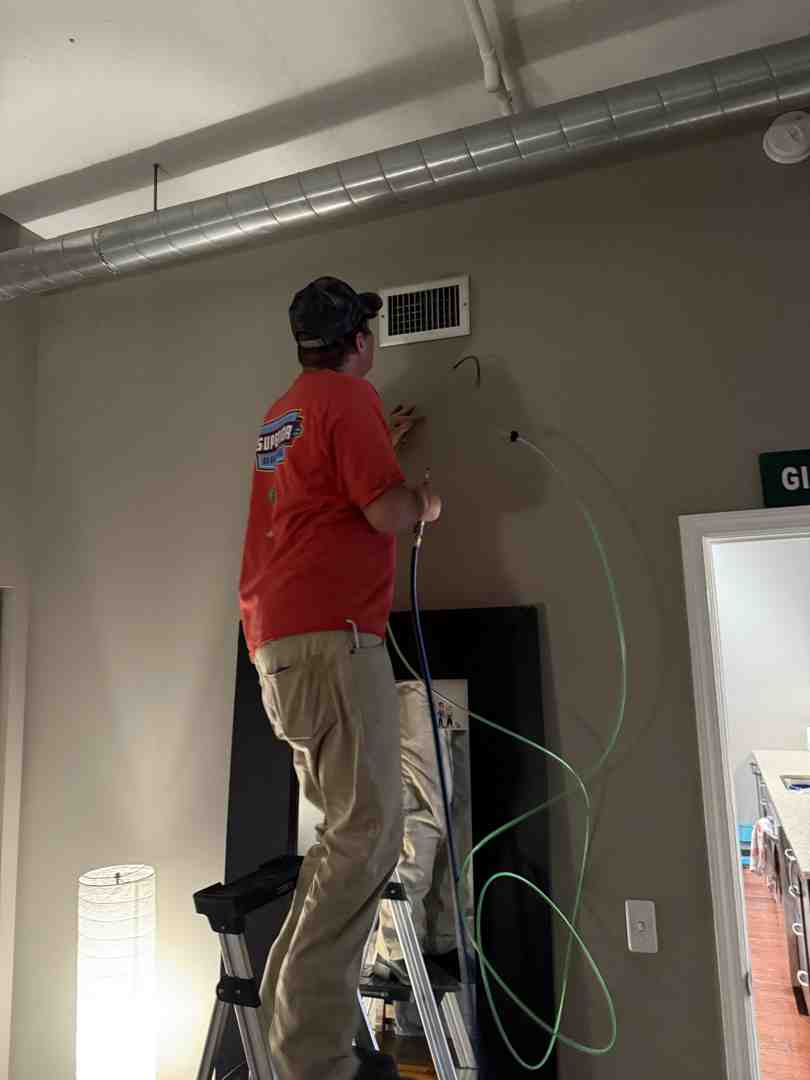
There is a massive difference between basic homeowner maintenance and a deep, professional-grade duct sweeping. As proactive local educators, our Superior Air Duct Cleaning team focuses on ensuring neighborhood safety before the hazard peaks. While you should always clean your lint screen, clearing the actual exhaust line is not a DIY job. It requires specialized tools and diagnostic equipment to ensure the entire run is safe.
During our professional services, our technicians do more than just push a compressed-air tool through a pipe. We measure the airflow before and after the service using precise instruments to ensure complete clearance. This scientific approach guarantees that the appliance can breathe freely, drastically reducing drying times and eliminating the fire hazard just in time for the September pre-heating season.
Advanced Diagnostic and Clearing Tools
We use high-powered negative air vacuums and high-pressure compressed-air tools to navigate the complex elbows and long runs hidden behind your drywall. These tools are specifically designed to safely scrub the interior walls of the ductwork without damaging the fragile metal or foil lining.
Store-bought DIY kits simply cannot generate the torque or the suction required to remove caked-on, moisture-heavy lint that has hardened over the summer. Attempting to force a flimsy compressed-air tool through a long duct often results in compacting the lint further, creating an even more dangerous blockage deep inside the wall.
The Value of Visual Verification
One of the most important aspects of our professional cleaning process is visual verification. Seeing the results provides incredible peace of mind. For example, during a recent early fall service visit here in New Brighton, our technicians thoroughly cleaned a heavily restricted vent and made sure to show the homeowner clear before and after pictures of the ductwork. This visual proof ensures that the entire line, from the back of the machine all the way to the exterior cap, is completely clear.
If you are looking to prepare your home right now, checking for dryer vent cleaning promotions in New Brighton is a great way to secure this vital service before the winter rush begins.
Beyond the Dryer: Comprehensive Air Flow in Fall
While the dryer exhaust is a critical focus, we always remind homeowners that it is just one component of your home's overall respiratory system. A struggling dryer vent often indicates broader airflow restrictions throughout the house. In our years of preparing New Brighton PA area homes for the cold months, we know you will soon be shutting the windows and sealing the doors to keep the heat inside. This confinement makes indoor air quality management absolutely critical.
When a home is sealed tight, any dust, dander, or microscopic lint that escapes a leaky dryer vent or a dirty HVAC system gets trapped indoors, circulating continuously through your living spaces. Assessing all ventilation pathways during the pre-heating season ensures that your family breathes clean air all winter long.
Synergy Between Ductwork and Exhaust Systems
There is a direct synergy between your home's ductwork and its exhaust systems. Clogged vents contribute to ambient dust in the laundry room, which is then pulled into the main HVAC return vents and distributed throughout the house. By preparing the whole house for winter confinement, you maximize the efficiency gains of your heating system and lower your utility bills.
Having multiple systems assessed simultaneously is highly efficient. When our customers are on a tight schedule—such as needing a rapid cleaning on short notice before a move—our professional teams can often work them into the schedule quickly to handle both the dryer exhaust and the main air ducts in one visit, delivering awesome results without the stress of multiple appointments. Exploring comprehensive air duct cleaning services alongside your dryer maintenance is the best way to secure your home's total air quality.
Secure Your Home's Safety Before the Heavy Winter Laundry Begins
The connection between heavy winter fabrics and rapid lint buildup is a seasonal reality we see year after year. Fleece, flannel, and thermal blankets shed massive amounts of lint, turning partially clogged vents into serious fire hazards. Acting during the early fall window, specifically the September pre-heating season, is the most effective way to protect your property and your appliance.
Do not wait until your dryer is taking three cycles to dry a load of towels, or worse, until you smell burning lint. We highly encourage you to schedule a thorough inspection and clearing with our local experts today. Book your professional dryer vent cleaning now to enjoy the peace of mind and appliance efficiency that comes with a perfectly clear exhaust system all winter long.
Frequently Asked Questions
Why does my dryer produce more lint in the winter?
Your dryer produces more lint in the winter because you are washing heavier, thicker fabrics. Materials like fleece, flannel, and thermal blankets undergo significant friction during the tumbling cycle, causing their fibers to break down rapidly. This rapid breakdown sheds substantially more microfibers than lightweight summer cottons, leading to faster buildup in your exhaust system.
Is it necessary to clean the dryer vent before winter?
Yes, cleaning the exhaust line before winter is highly recommended. Throughout the summer, humidity can cause a baseline layer of lint to cake onto the duct walls. Removing this hardened layer before you introduce the massive volume of lint generated by heavy winter bedding prevents dangerous bottlenecks and reduces the risk of fire.
What fabrics cause the most dryer lint?
Thick, highly textured materials cause the most lint. Fleece, heavy terry cloth towels, flannel sheets, and synthetic thermal blankets are the biggest culprits. The loose weave and raised surfaces of these fabrics are easily agitated in the dryer drum, causing them to shed dense, sticky fibers that easily bypass the primary lint screen.
How often should a dryer vent be cleaned?
Most manufacturers and safety organizations recommend a professional cleaning at least once a year. However, if you have a large family, wash heavily soiled work clothes, or frequently dry heavy winter bedding, you may need to have the system inspected and cleared every six to eight months to maintain safe airflow.
Can a clogged dryer vent cause a fire?
Absolutely, a clogged exhaust line is a leading cause of appliance fires. When airflow is restricted by a lint blockage, the internal temperature of the machine rises dangerously high. Because lint is highly combustible, this intense trapped heat can easily ignite the buildup, starting a fire that quickly spreads through the wall ducts.
Why does my dryer take longer to dry clothes in the winter?
Longer drying times are usually the first symptom of restricted airflow. When the exhaust pipe is choked with lint, the moist air evaporated from your wet clothes has nowhere to go and remains trapped in the drum. Additionally, winter fabrics hold significantly more water than summer clothes, requiring more time and unobstructed airflow to dry completely.
How do freezing Western PA temperatures impact exterior dryer vent exhaust?
Freezing temperatures can cause the warm, moist exhaust air to condense rapidly as it reaches the exterior vent cap. If lint is trapped near the exit, this condensation can freeze, causing the exterior flapper valve to stick shut. A frozen, stuck valve completely blocks exhaust air, forcing all the heat and moisture back into your laundry room and severely stressing the appliance.

Customer Reviews


Superior Air Duct cleaning did a phenomenal job in a timely manner with the tech “Rich” being very professional ,personable and considerate of our property! He explained things as he proceeded and answered all our questions!
I LOVE that they provide before & after photos to see the difference. Give them a try… you won’t regret it
Pam T.
Robert was on schedule and communicated what time he would arrive. He was polite, professional, and respectful of our home. I wanted to wait a couple weeks before posting a review because I wanted to see if the duct cleaning actually made a difference. I am happy to say it did! I vacuum multiple times a week and have already noticed a significant reduction in the amount of dust cleaned up each time. As a home with pets, there will always be something to clean, but getting the ducts cleaned has definitely helped improve the air quality and reduce the dust.
alice A.
Technician Rob arrived early explained the days agenda and then proceeded to work methodically and meticulously over the next 6+ hours cleaning my ductwork. Courteous and professional they answered all of my questions and went above and beyond the call of duty. They even located an old dusty box of rat poison buried in our vents. My only regret is not finding these guys sooner. As a realtor of 22 years and owner of a newly purchased (now dust free) home I highly recommended!
Eric K.
Excellent service! I’ve used them to clean out my air ducts as well as my dryer vent duct and they are excellent. I was very pleased with both jobs and will continue to use them in the future. Great communication as well- from the time I scheduled the appointment until they were at my door.
Erika C.
We had such an amazing experience with Superior Air Duct Cleaning. They were so nice and friendly and did an amazing job. I loved seeing the before and after pictures. Besides doing an amazing job cleaning our air ducts they were so quick at responding and setting up the appointment. We will definitely be using them in the future.
Amanda C.