Diagnosing the Dust: Is It Time for Action?
As we navigate the peak heat of July 2026 here in New Brighton PA, you just finished wiping down your baseboards and vacuuming the floors, only to look up and see dark streaks of dust clinging to your AC supply registers—and getting your common homeowner questions answered about this specific frustration is the first step toward a cleaner home. At Superior Air Duct Cleaning, our team frequently fields calls from homeowners seeking quick fixes for visible dust on their supply registers. However, in our experience, the true diagnostic challenge lies in determining if this dust is a symptom of a simple, easily corrected filter issue or an indicator of deep system contamination common in older local homes.
Objective diagnostics must always precede scheduling a professional service. Jumping straight to a massive cleaning project without understanding where the dust is coming from often leads to returning symptoms. Understanding the fundamental mechanics of airflow in your home is the crucial first step in solving the problem effectively. By isolating the root cause, you can make an informed decision between basic maintenance and professional extraction.
If you are concerned about your overall home environment, improving your indoor air quality starts with accurate diagnostics.
The Physics of Airflow: Why Dust Accumulates on Supply Registers
The Problem: You notice dust sticking stubbornly to the metal grilles of your vents, especially during the peak summer cooling months. It looks unsightly, requires constant cleaning, and makes you worry about what particulates are circulating through the air you breathe every day.
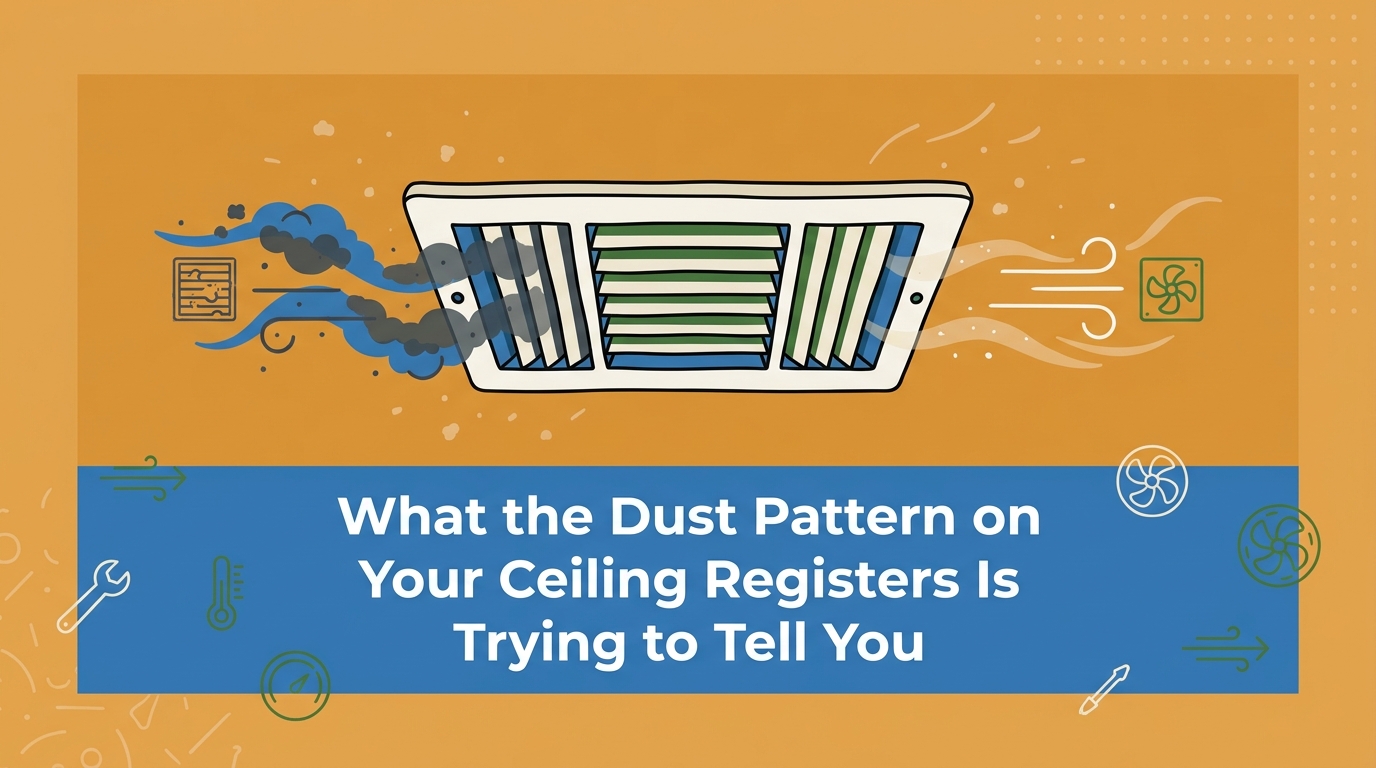
The Cause: High-velocity AC airflow from modern 14 to 18 SEER units can easily dislodge particulate matter that settled deep in the system months ago. Specifically, the continuous blower cycles required during peak-heat summer months contribute to a constant movement of dust that often lies dormant in the ductwork. When the powerful AC blower kicks into high gear under heavy cooling loads, it moves this settled dust toward the end of the line. We often explain to our New Brighton customers that a principle of fluid dynamics called the "Coanda effect" plays a major role here. This effect explains how moving air tends to hug flat surfaces like ceilings and walls as it exits the vent. As the air scrapes along the metal edges of the register, it leaves behind fine dust deposits.
The Solution: Recognize that a small amount of dust on a metal grille does not automatically mean the entire duct network is heavily soiled. Regular wiping of the registers and monitoring how quickly the dust returns is a good baseline diagnostic step. If the dust takes months to return, it is likely just normal household particulate settling. If it returns in a matter of days, you need to look deeper into the system's mechanics.
The Role of Summer Condensation
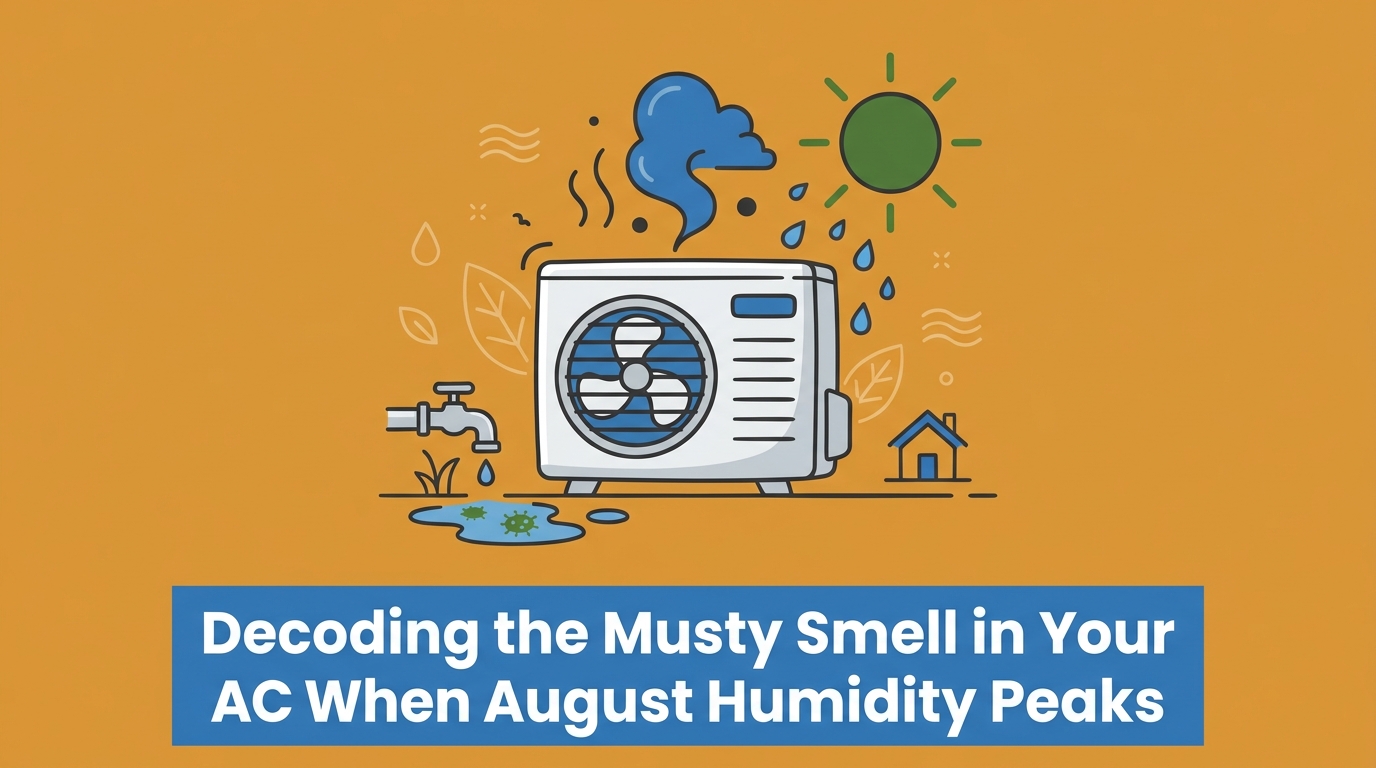
In Western Pennsylvania's humid summer climate—especially on days when relative humidity spikes above 80%—condensation frequently forms on cool metal AC registers. This moisture acts as an adhesive, creating a sticky surface that rapidly traps airborne dust as it passes through the vent.
• Temperature differentials: The clash between the chilled, conditioned air exiting the vent and the warmer, ambient room heat creates immediate condensation on the metal.
• Moisture as an adhesive: This microscopic layer of water grabs passing airborne particles that would otherwise float harmlessly into the room, cementing them to the grille.
• Surface-level symptoms: Wiping the register often reveals that the dust is merely a surface issue on the grille itself, exacerbated by the humidity, rather than a symptom of a completely clogged duct network.
Filter Bypass vs. Deep Duct Contamination
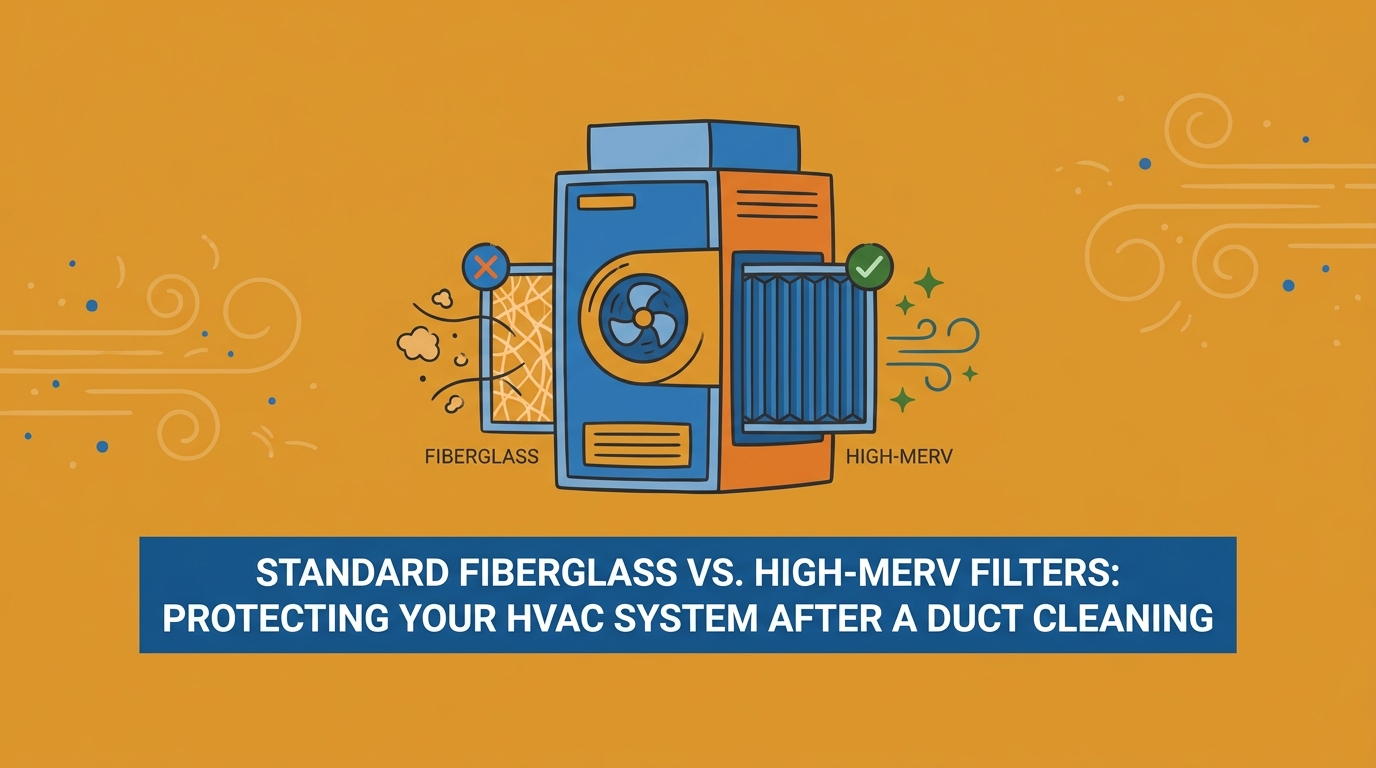
In our years of inspecting residential HVAC systems, one of the most critical diagnostic distinctions a homeowner can make is identifying the difference between filter bypass and actual dirty ductwork. Filter bypass occurs when air takes the path of least resistance around a poorly fitted furnace filter, rather than passing through the filter media itself. When this happens, the bypass carries household particulates directly into the blower motor, over the evaporator coil, and into the supply ducts.
Many homeowners assume their ducts are filthy when, in reality, their filter rack is simply leaking. If you have gaps around your filter, even a high-quality MERV 11 pleated filter will not protect your system. The air will simply flow around the cardboard edges, bringing pet dander, skin cells, and carpet fibers right into the mechanical core of your HVAC system.
• Return Rate of Dust — Filter Bypass Symptoms: Dust returns quickly, even immediately after changing the filter. — Deep Duct Contamination Symptoms: Dust builds up slowly over years; historical debris is present.
• Visual Inspection — Filter Bypass Symptoms: Blower motor and compartment are coated in fine, fresh dust. — Deep Duct Contamination Symptoms: Thick mats of dust, pet hair, or debris are visible deep inside the trunk lines.
• Filter Fit — Filter Bypass Symptoms: Filter slides loosely in the rack; gaps are visible around the edges. — Deep Duct Contamination Symptoms: Filter fits snugly, but the ductwork itself has never been cleaned.
• Airflow Sounds — Filter Bypass Symptoms: Whistling or suction noises coming from the filter slot during operation. — Deep Duct Contamination Symptoms: Muffled or restricted airflow at the supply registers.
How to Check Your Filter Rack
Diagnosing filter bypass is something you can safely observe with a few simple visual checks at your indoor air handler.
• Feel for air leaks: Turn on the HVAC fan at your thermostat. Go to the filter slot and run your hand around the exterior edges of the cover or door. If you feel air pulling inward, you have a bypass issue.
• Inspect the exterior housing: Shine a flashlight around the seams of your filter housing. If you see heavy dust tracking along the outside seams of the unit, your filter is likely not sealing properly.
• Verify filter sizing: Ensure the filter size exactly matches the manufacturer's housing requirements (for instance, a true 16x25x1 dimension). A filter that leaves even a half-inch gap will allow massive amounts of unfiltered air to bypass the media.

Recognizing the Signs of Severe Duct Buildup
When you have ruled out filter bypass and surface-level condensation, it is time to evaluate the actual condition of the ductwork. The EPA provides clear guidance on when ducts require cleaning, focusing on objective physical evidence rather than routine timeframes. Severe accumulation transitions from a simple filter fix to a scenario requiring professional extraction.
1. Look for excessive debris: The EPA recommends cleaning when there is excessive debris clogging the system. This means visible mats of dust, pet hair, or construction debris that actively restrict the flow of air.
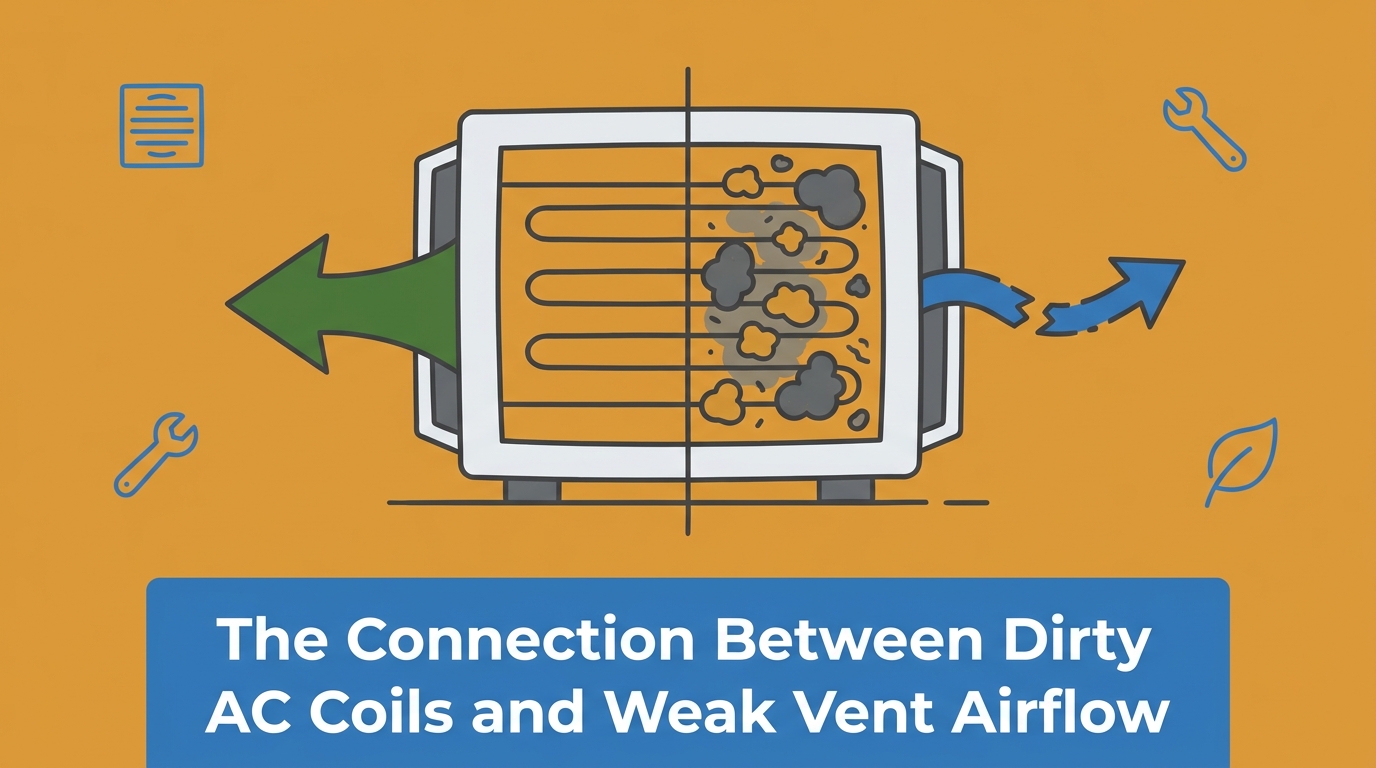
2. Check for restricted airflow: If some rooms in your home are significantly warmer than others during peak July heat, and you feel very little air coming from the registers, severe buildup inside the main trunk lines could be acting as a physical blockage.
3. Perform a flashlight inspection: Remove a floor or wall register and shine a bright flashlight down into the duct. If the metal walls are coated in a thick, heavy layer of dust that looks like a carpet, the system needs attention. A light dusting is normal; a thick mat is not.
4. Consider the home's history: Older homes or properties that have never had a cleaning often harbor significant, hidden particulate weight. Our Superior Air Duct Cleaning technicians recently serviced a 1980s colonial where we uncovered unknown setup details within the ductwork and ultimately removed 8 pounds of dust from the system.
If your diagnostic checks reveal these severe signs, it is time to look into professional air duct cleaning to restore your system's efficiency and cleanliness.
The Importance of NADCA Standards in Professional Diagnostics
When you decide that professional intervention is necessary, the standards of the company you hire matter immensely. The industry is unfortunately plagued by uncertified operators who use a dusty register as a scare tactic to sell services without ever checking the filter rack or diagnosing the root cause.
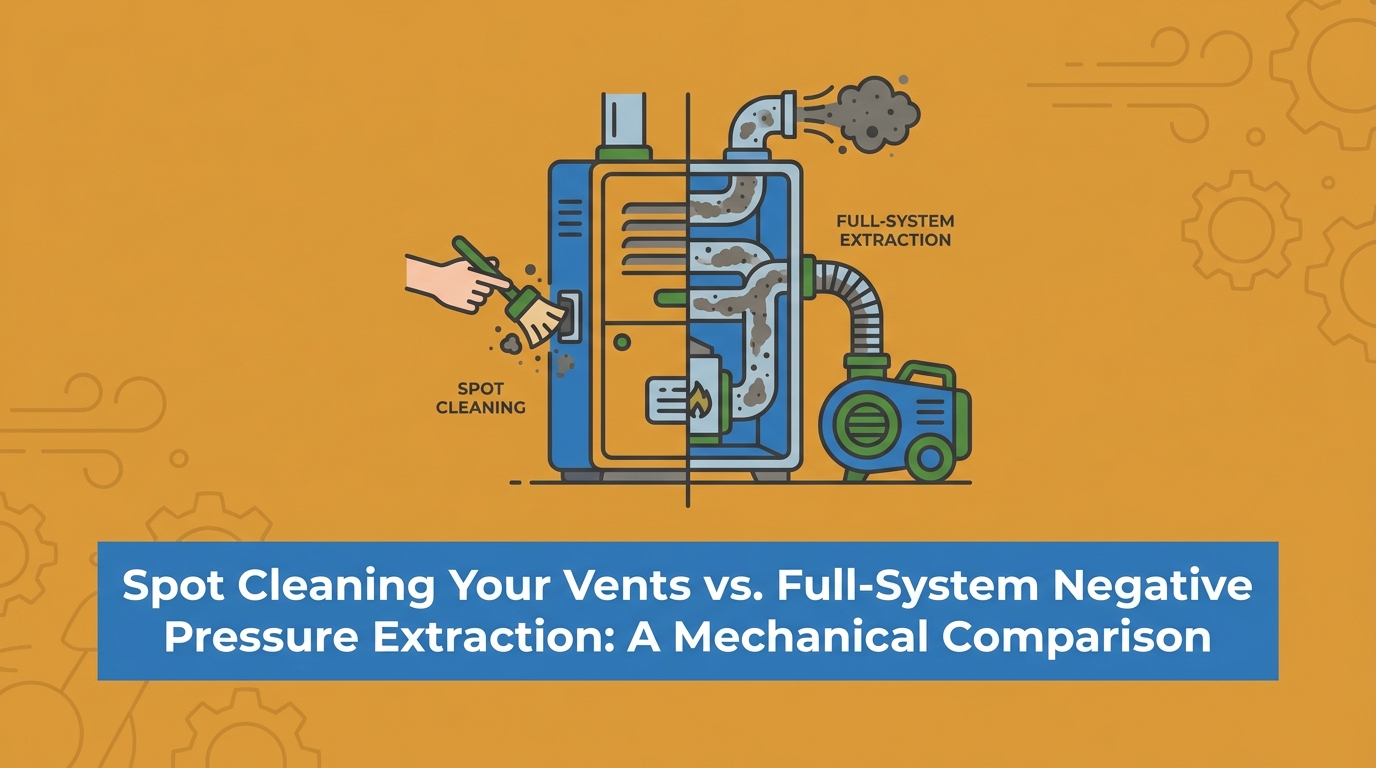
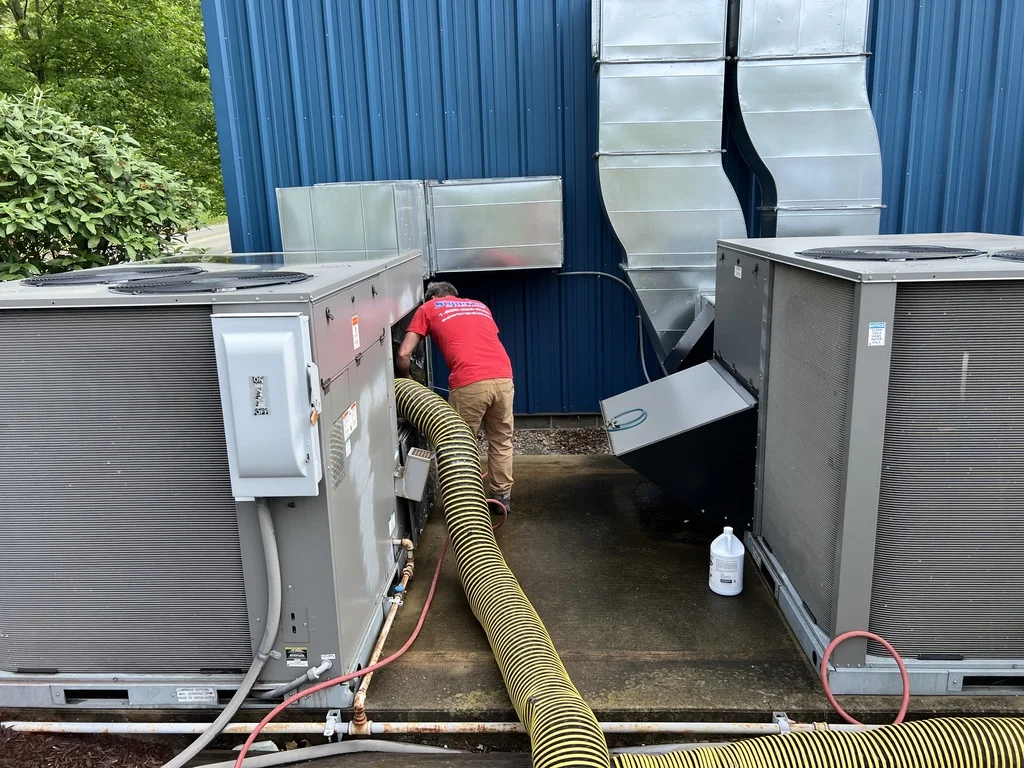
NADCA certification (National Air Duct Cleaners Association) guarantees that the technicians follow strict protocols for source removal and system protection. At Superior Air Duct Cleaning, our certified professionals approach the HVAC system holistically. We do not just vacuum the vents; we ensure the blower motor, evaporator coils, and main trunk lines are all addressed under negative air pressure. This prevents the dust from simply being blown back into your living space.
Working with a company that prioritizes correct diagnostics means they will check for filter bypass and mechanical issues first, utilizing NADCA-certified professionals and equipment to solve the root cause rather than pushing unnecessary cleanings. This objective approach protects your home and your cooling efficiency.
When you need help quickly during the busy cooling season, certified professionals still maintain these high standards. Just this month, our certified crew squeezed a local customer into a Saturday schedule, performed an excellent, thorough job, and left the home perfectly neat. The outcome of proper mechanical cleaning is always quieter operation, improved airflow, and a cleaner home environment.
To ensure you are getting this level of service, it helps to research the best duct cleaning services that adhere strictly to these national standards.
Comprehensive Indoor Air Quality and System Maintenance
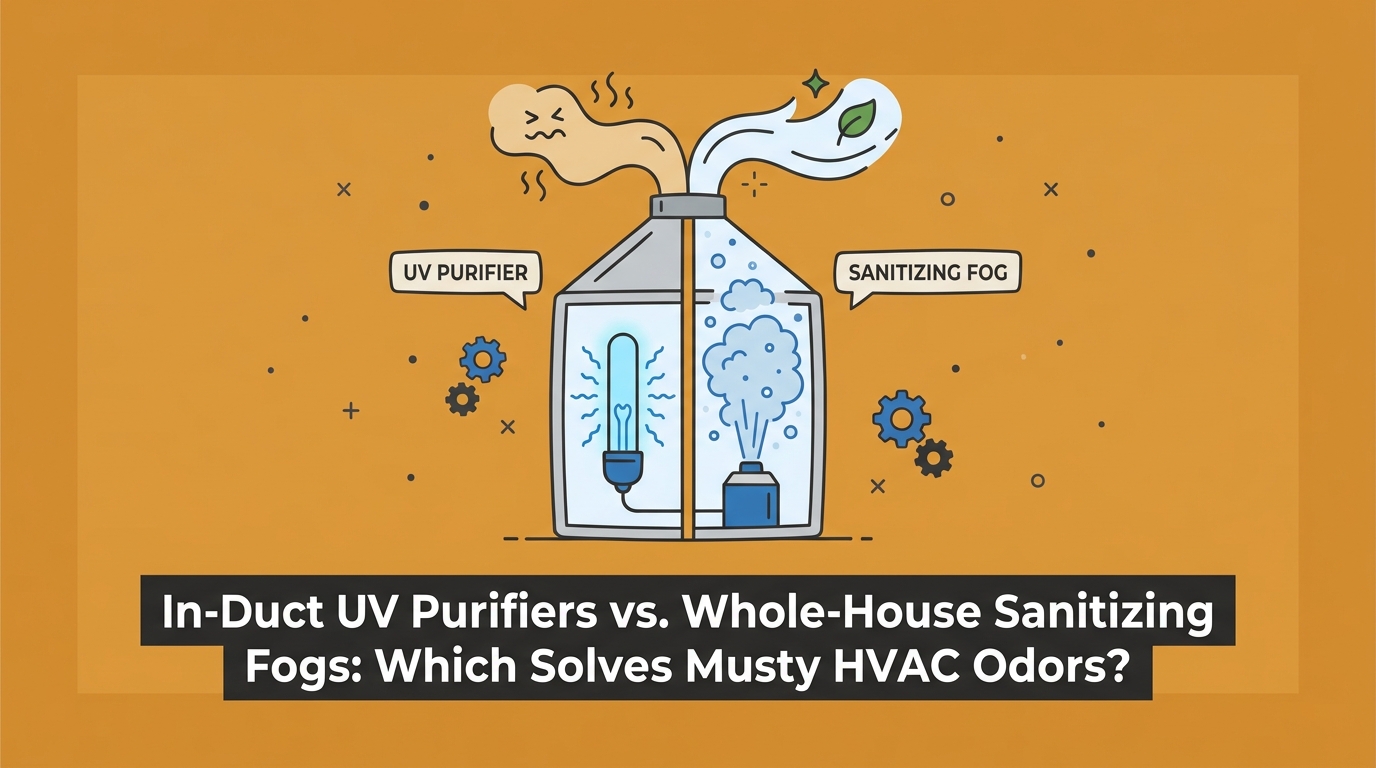
Duct health is just one component of overall indoor air quality management. Once the physical debris is removed from your ductwork, you must consider the microscopic factors that impact the air you breathe. Neutralizing lingering odors, pet smells, and microbial growth requires specialized sanitization that goes far beyond basic vacuuming.
Establishing a seasonal maintenance routine is the best way to monitor airflow performance and particulate levels over time. Check your filters monthly, inspect your registers for excessive condensation during peak summer operation, and keep an eye on the exterior of your blower motor compartment. Proactive maintenance prevents small bypass issues from turning into massive contamination problems.
For homes dealing with persistent odors or post-illness concerns, pairing mechanical cleaning with whole house sanitizing ensures that the ductwork is not just physically clear, but hygienically clean.
Don't Forget the Exhaust Systems
While supply ducts push conditioned air into your home, your exhaust systems pull dangerous air out. There is a critical difference between supply duct maintenance and exhaust vent safety.
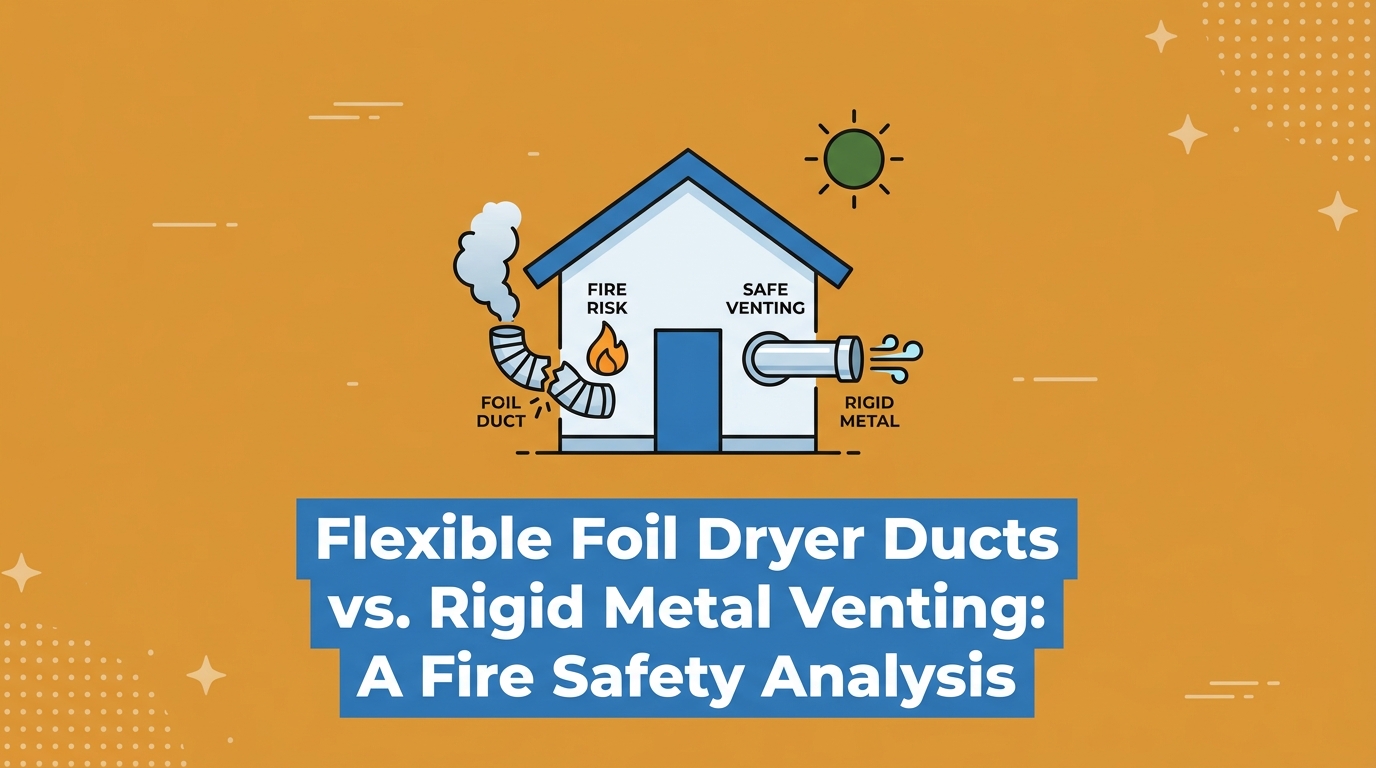
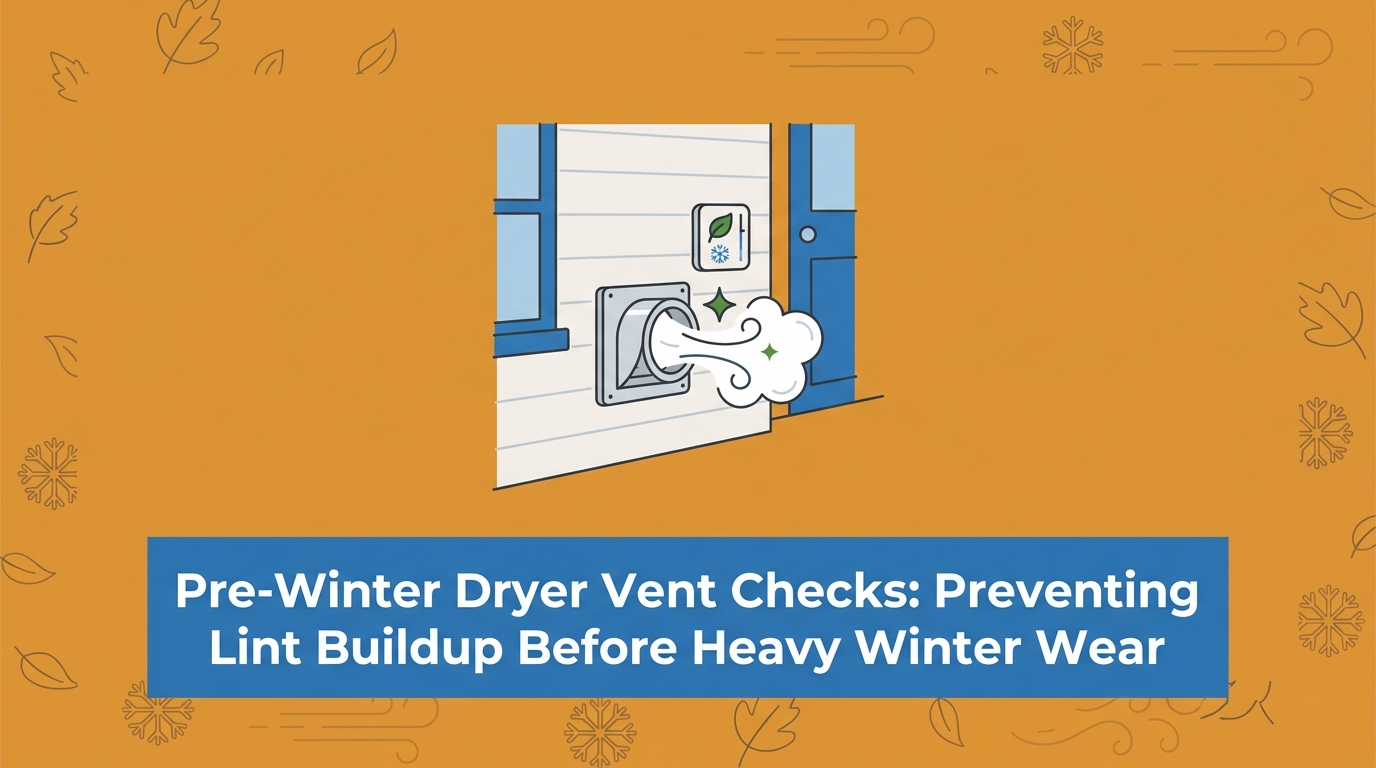
• Lint buildup restricts airflow: In our experience, exhaust vents connected to heavy appliances, particularly dryers, collect highly flammable lint. This restriction not only forces the appliance to work harder but creates a severe fire hazard.
• Moisture management: Bathroom exhaust fans pull humid air out of the home. If these ducts are clogged with dust, the moisture stays inside, leading to structural issues and poor air quality.
• Routine integration: Integrating appliance vent checks into your routine home maintenance schedule is just as important as changing your AC filter.
Frequently Asked Questions About Vent Dust and Diagnostics
Before diving into the specific questions about supply registers, it is worth noting that exhaust pathways require equal attention; scheduling routine dryer vent cleaning is a critical part of maintaining a safe and efficient home environment. Here are the most common diagnostic questions our Superior Air Duct Cleaning team answers for homeowners.
Why is there black dust around my air vents?
Black dust around air vents is usually a combination of normal household dust, soot from burning candles, or particulate matter bypassing your furnace filter. As high-velocity air exits the vent, it scrapes against the metal edges, leaving these particles behind due to the Coanda effect. In humid summer months, condensation on the cool metal makes the surface sticky, causing the dust to accumulate much faster. Our team finds it is rarely a sign of dangerous mold unless accompanied by a strong musty odor.
How do I know if my air ducts need cleaning?
You know your air ducts need cleaning when you observe objective physical evidence of severe contamination. The EPA recommends cleaning if you see visible mold growth inside hard surface ducts, if there is an active pest infestation, or if excessive debris is actively restricting airflow. You can perform a basic diagnostic check by removing a vent cover and shining a flashlight inside; if you see a thick, carpet-like mat of dust coating the metal walls, professional extraction is warranted.
Does duct cleaning fix a dusty house?
Duct cleaning can significantly reduce the amount of dust circulating in your home if the ductwork is heavily contaminated with historical debris. However, if your home is dusty due to a leaking filter rack (filter bypass), leaky windows, or high indoor particulate generation (like pets or construction), duct cleaning alone will not solve the problem. We always advise addressing the root cause by sealing the filter housing and upgrading your HVAC filter first.
How do you check for filter bypass?
You can safely check for filter bypass by turning your HVAC fan on and feeling around the exterior edges of the filter slot for air leaks. Listen carefully for whistling or suction noises, which indicate air is pulling around the filter frame instead of through the pleated media. If you see heavy dust accumulation on the outside seams of the filter housing, it is a clear diagnostic sign that your filter is bypassing air.
Can high summer humidity make vent dust look worse than it is?
Yes, high summer humidity can make vent dust look significantly worse than the actual condition of your ductwork. When chilled AC air hits warmer, humid room air at the register, it creates condensation on the metal grille. This moisture acts like a glue, instantly trapping any minor airborne dust that passes through. Wiping the register often reveals that the duct behind it is relatively clean, and the buildup is purely a surface-level humidity issue.
Making an Informed Decision for Your HVAC System
Diagnosing dust around your vents does not have to be a guessing game. By understanding the physics of airflow and checking for simple issues like filter bypass, you can take control of your home's air quality. Summarize your findings objectively: not all dust requires a massive cleaning project, and sometimes upgrading to a properly fitted 16x25x1 filter is all that is needed.
However, if your diagnostic checks reveal thick mats of debris, restricted airflow, or historical buildup, reiterate the value of having a certified professional evaluate the system. At Superior Air Duct Cleaning, we encourage you to prioritize objective diagnostics over panic. By taking a step-by-step approach, you protect your HVAC equipment, avoid unnecessary services, and ensure a clear resolution that truly improves the air you breathe under heavy summer cooling loads.

Customer Reviews


Superior Air Duct cleaning did a phenomenal job in a timely manner with the tech “Rich” being very professional ,personable and considerate of our property! He explained things as he proceeded and answered all our questions!
I LOVE that they provide before & after photos to see the difference. Give them a try… you won’t regret it
Pam T.
Robert was on schedule and communicated what time he would arrive. He was polite, professional, and respectful of our home. I wanted to wait a couple weeks before posting a review because I wanted to see if the duct cleaning actually made a difference. I am happy to say it did! I vacuum multiple times a week and have already noticed a significant reduction in the amount of dust cleaned up each time. As a home with pets, there will always be something to clean, but getting the ducts cleaned has definitely helped improve the air quality and reduce the dust.
alice A.
Technician Rob arrived early explained the days agenda and then proceeded to work methodically and meticulously over the next 6+ hours cleaning my ductwork. Courteous and professional they answered all of my questions and went above and beyond the call of duty. They even located an old dusty box of rat poison buried in our vents. My only regret is not finding these guys sooner. As a realtor of 22 years and owner of a newly purchased (now dust free) home I highly recommended!
Eric K.
Excellent service! I’ve used them to clean out my air ducts as well as my dryer vent duct and they are excellent. I was very pleased with both jobs and will continue to use them in the future. Great communication as well- from the time I scheduled the appointment until they were at my door.
Erika C.
We had such an amazing experience with Superior Air Duct Cleaning. They were so nice and friendly and did an amazing job. I loved seeing the before and after pictures. Besides doing an amazing job cleaning our air ducts they were so quick at responding and setting up the appointment. We will definitely be using them in the future.
Amanda C.