The Hidden Threat of the First Fall Freeze on Your HVAC System
September is slipping away, and before long, the mild autumn air will give way to biting cold. Sealing duct leaks before the first frost hits Western Pennsylvania is one of the most effective ways to prepare your home for the long heating season ahead. When you think of winterizing your property, you probably check the weatherstripping around your doors or schedule a standard furnace tune-up. However, there is a hidden threat lurking in the unconditioned spaces of your home—your attic and crawlspace.
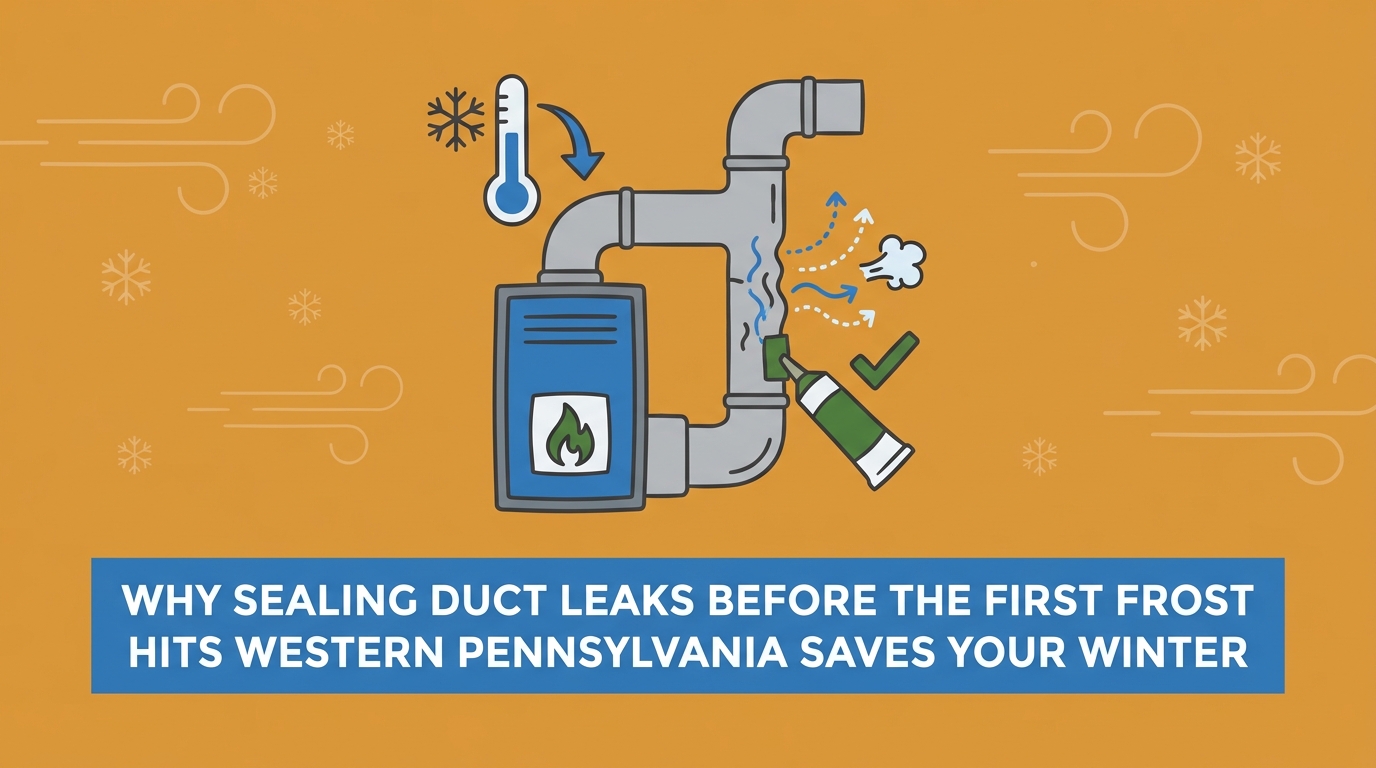
During the September pre-heating transition, the weather starts to shift rapidly. The days might still feel comfortable, but the nights bring sharp temperature drops. This creates a concrete problem: exposed, leaky ductwork in these freezing spaces causes massive heat loss and energy waste just as the heating season begins. You face a clear decision right now. You can proactively seal those exposed ducts during this mild window, or you can wait until your furnace runs constantly, bleeding expensive heat into a freezing crawlspace.
Addressing these leaks connects directly to broader indoor air quality solutions and maximizes the benefits of professional air duct cleaning. When your system is sealed tight, the air you pay to heat actually reaches your living areas, keeping your family comfortable and your energy use in check.
Understanding the Thermal Dynamics of Unconditioned Spaces
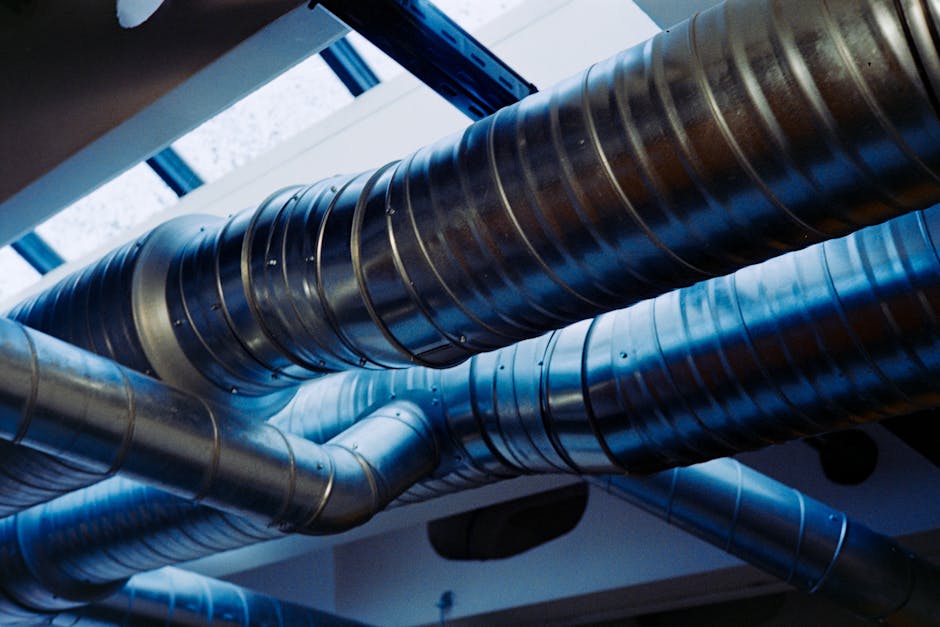
To understand why a fall freeze is so hard on your HVAC system, you have to look at the unconditioned spaces where your ductwork lives. Unconditioned spaces are areas like unfinished attics, basements, and crawlspaces that do not receive direct heating or cooling. Because they lack climate control, these areas are at the mercy of the outdoor weather.
The regional weather patterns—mild days followed by sudden freezing nights—create extreme thermal expansion and contraction in metal ductwork. As the metal swells and shrinks, joints loosen, and tiny gaps turn into significant leaks. Here is exactly what happens when the weather turns:
1. The baseline condition: Throughout the summer and early fall, your ductwork expands and contracts with daily temperature swings, slowly weakening the seals at the joints and connections.
2. The frost impact: When first fall frost temperatures hit, the air inside your unconditioned attic or crawlspace drops to freezing almost instantly.
3. The thermal clash: Your furnace kicks on, sending 70-degree heated air through ducts that are surrounded by 30-degree air. The temperature differential is massive.
4. The stack effect: As warm air rises and escapes through leaks in the upper levels of your home, negative pressure pulls freezing, unconditioned air into the return leaks in your crawlspace.
How Temperature Differentials Accelerate Heat Loss
The physics of heated air escaping into a freezing environment are unforgiving. When the temperature gap between the air inside the duct and the air outside the duct widens, heat transfer accelerates. A small hole that barely mattered in a 60-degree attic becomes a major energy drain in a 30-degree attic. The system has to run longer and push harder just to overcome the heat lost through the exposed metal and the physical leaks.
Why Older Regional Homes Face Higher Ductwork Risks
Western Pennsylvania has a high concentration of homes built before 1970. These historic properties boast incredible character, but they frequently feature retrofitted HVAC systems. When central heating was added decades after the home was built, contractors had to route the ductwork wherever it would fit—often through drafty, inaccessible crawlspaces and poorly insulated attics.
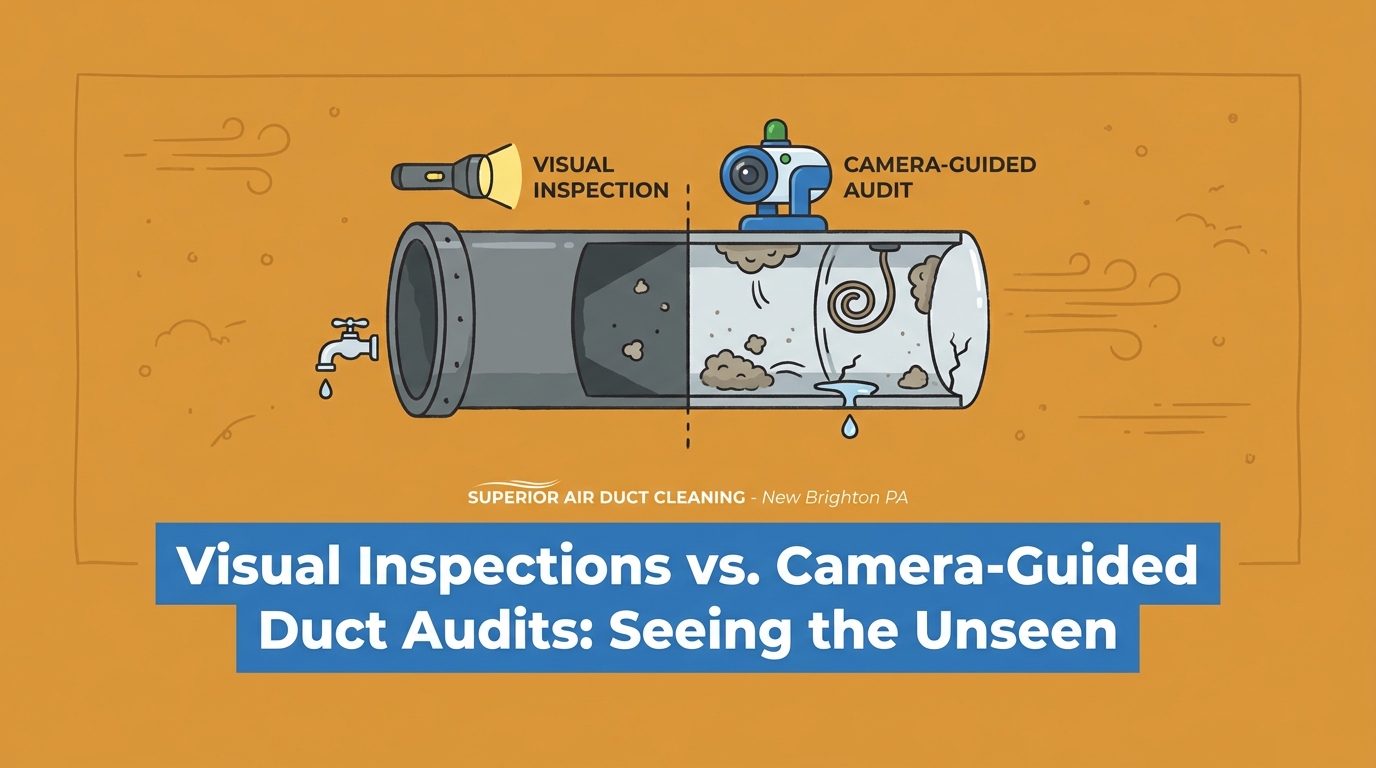
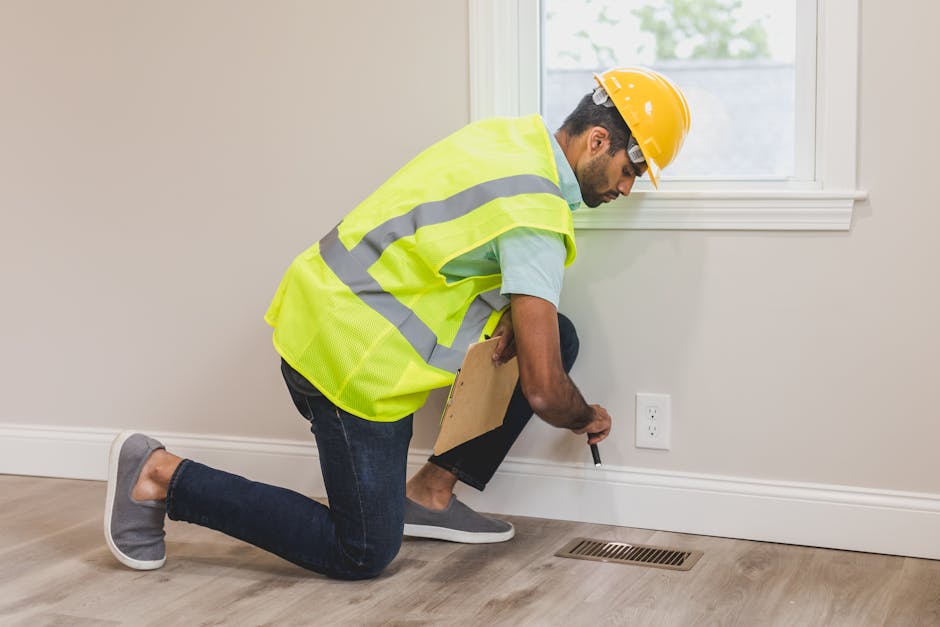
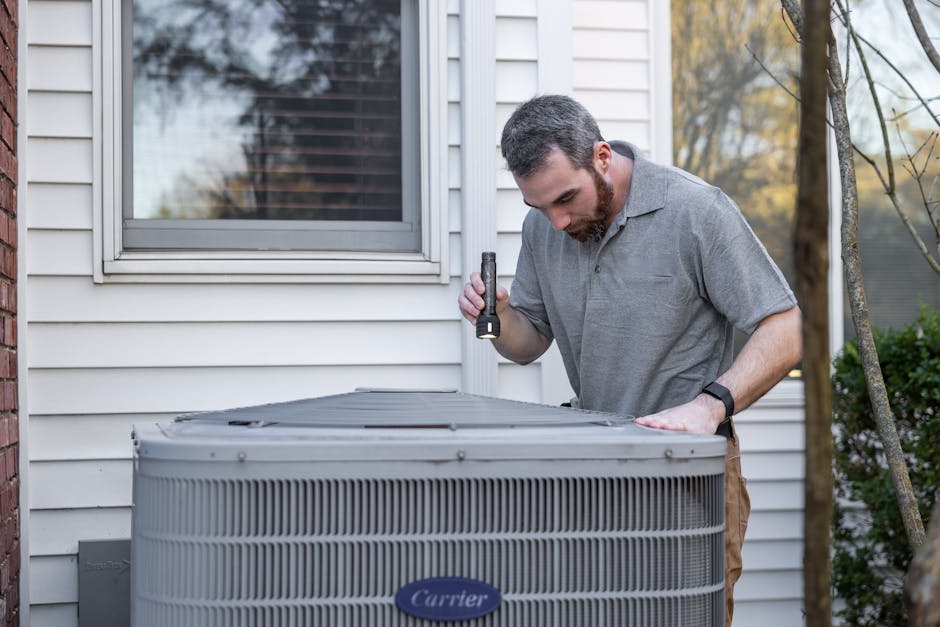
This architectural reality makes standard visual checks inadequate. A quick glance with a flashlight will miss the hidden vulnerabilities tucked behind old floor joists or buried under decades-old attic insulation. In our experience serving New Brighton and the surrounding communities, our team at Superior Air Duct Cleaning frequently encounters these exact issues. We know exactly how to navigate older, historic Western PA home architectures to uncover and address hidden duct vulnerabilities that standard visual checks miss. Specialized professional navigation is required to find the gaps where your winter heat is escaping.
The impact of neglected systems: One local homeowner recently reached out to us because their house had never had the HVAC system or ducts cleaned in 18 years. They were increasingly concerned about allergens circulating through the home. Our technicians performed a thorough cleaning, taking the time to explain the process and share before-and-after pictures to show exactly what was hiding in the system. The ducts were finally clear, addressing the potential allergen issues that had been building up for nearly two decades. A pattern we see often is that when systems sit untouched for that long, the seals around the duct joints are almost certainly compromised as well.
The Challenge of Retrofitted HVAC Systems
Older homes adapted for modern central heating often rely on a patchwork of duct materials. You might find rigid metal ducts connected to flexible ducting, sealed with outdated cloth tape that dried out and crumbled years ago. These aging connections and joints are the most common failure points. As the house settles over the decades, the rigid ductwork shifts, pulling the seams apart and creating direct pathways for your winter heat to escape into the attic.
The Ripple Effect: Energy Waste and Furnace Strain
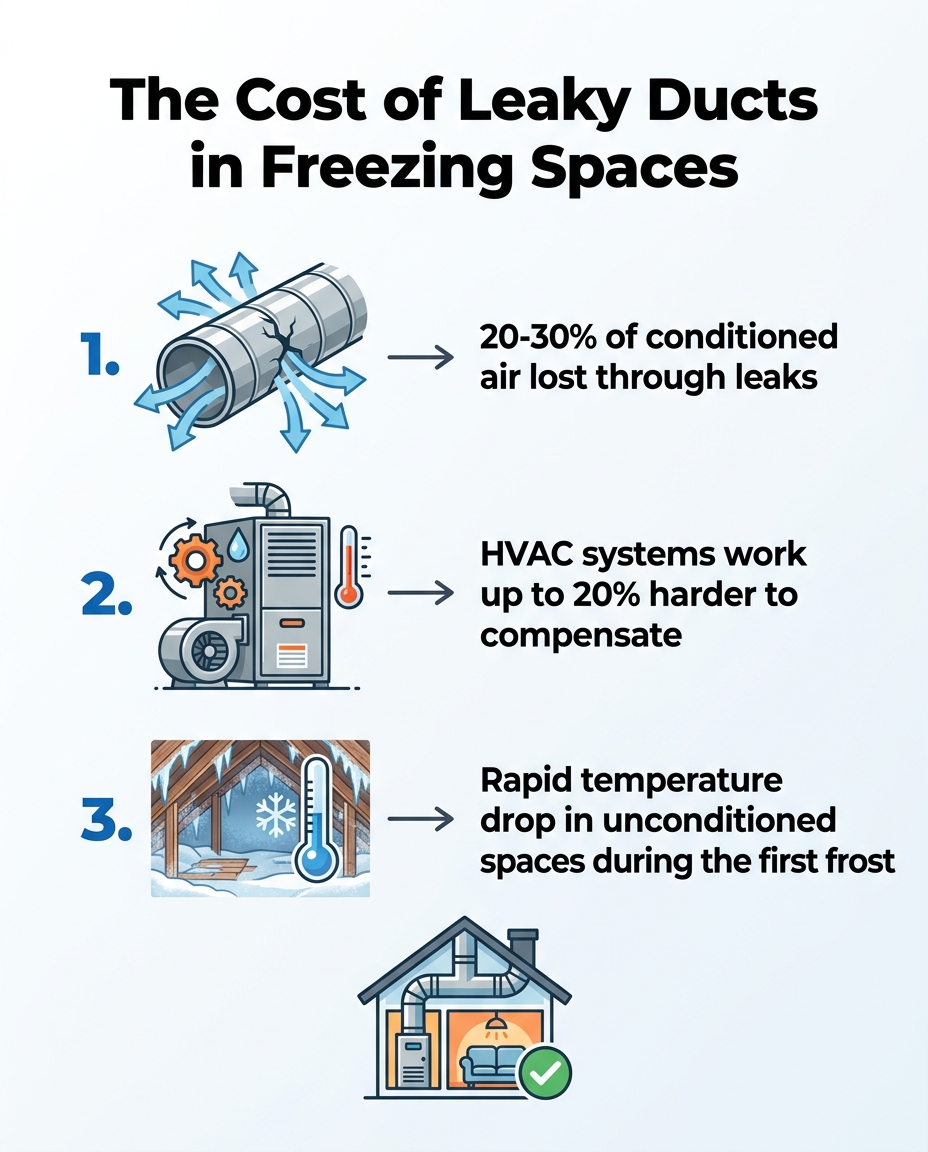
The consequences of leaky ductwork go far beyond a drafty hallway. The energy waste is substantial, and the strain on your heating equipment can lead to premature failure. According to ENERGY STAR data, in a typical house, about 20 to 30 percent of the air that moves through the duct system is lost due to leaks, holes, and poorly connected ducts. That means up to 30 percent of the heating energy you pay to generate is blowing straight into an unconditioned space.
• Increased workload: Leaky ducts in freezing spaces force HVAC systems to work up to 20 percent harder just to maintain the thermostat's set temperature.
• Continuous operation: Because the heated air never reaches the thermostat to satisfy the temperature setting, the furnace runs continuously, burning excess fuel.
• Blower motor strain: The blower motor has to push a higher volume of air to compensate for the pressure drops caused by the leaks, leading to overheating and accelerated wear.
• Heat exchanger risk: Short-cycling and constant operation put immense thermal stress on the heat exchanger, increasing the risk of cracks and failure.
These inefficiencies translate into the tangible reality of higher winter heating bills and reduced indoor comfort. You end up paying more for a home that still feels cold, all because the heat is being siphoned off before it reaches your living room.

Beyond Temperature: When Duct Leaks Compromise Air Quality
While heat loss is the most immediate financial concern, duct leaks create a secondary consequence that affects your daily comfort: the intrusion of contaminants and odors. Duct leaks are a two-way street. While the supply ducts push expensive heated air out into the attic, the return ducts pull unconditioned air in via negative pressure.
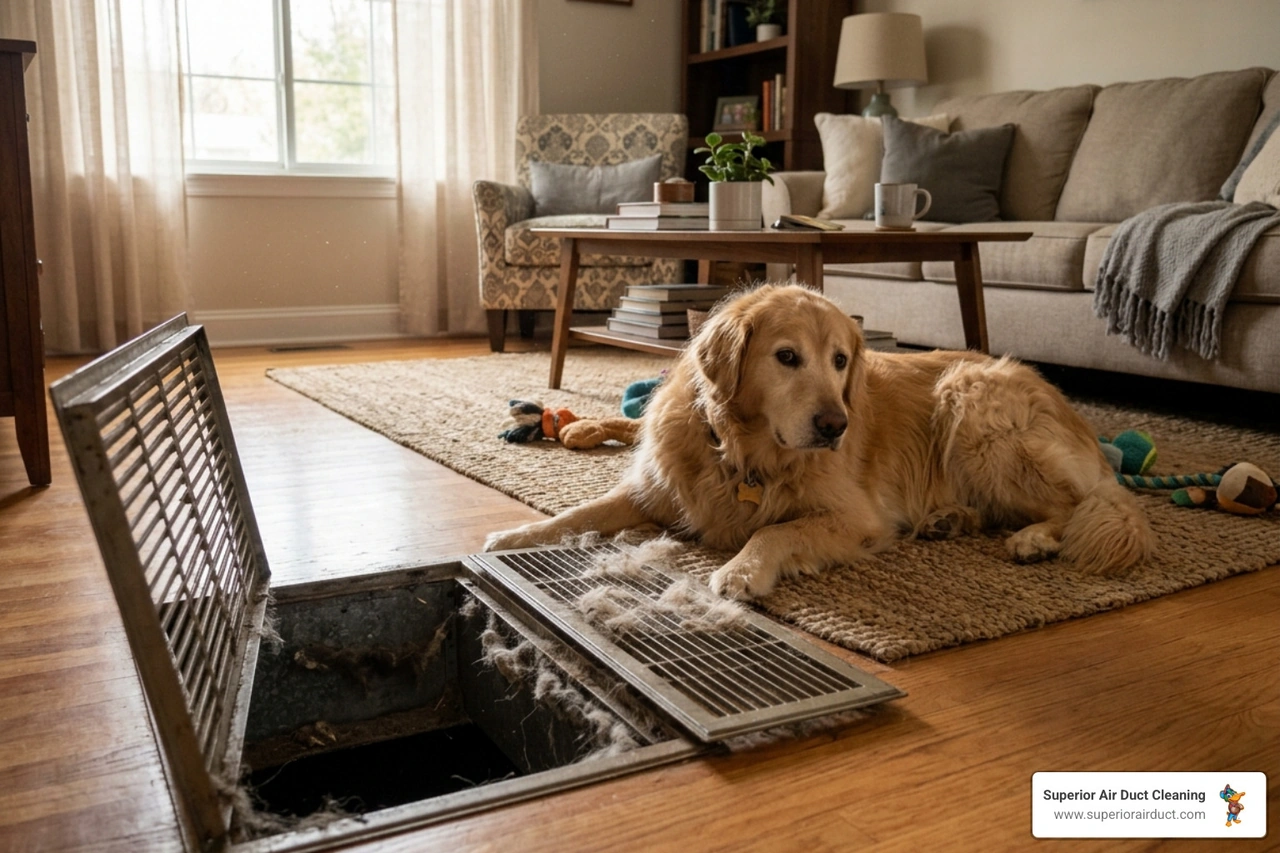
When your furnace blower kicks on, it creates a powerful suction. If there are holes in the return ductwork running through your crawlspace, the system vacuums up whatever is down there and distributes it throughout your home. This includes dust, old insulation particles, insect debris, and moisture. During a cold snap, the damp, stagnant air from a crawlspace is drawn directly into your clean ductwork.
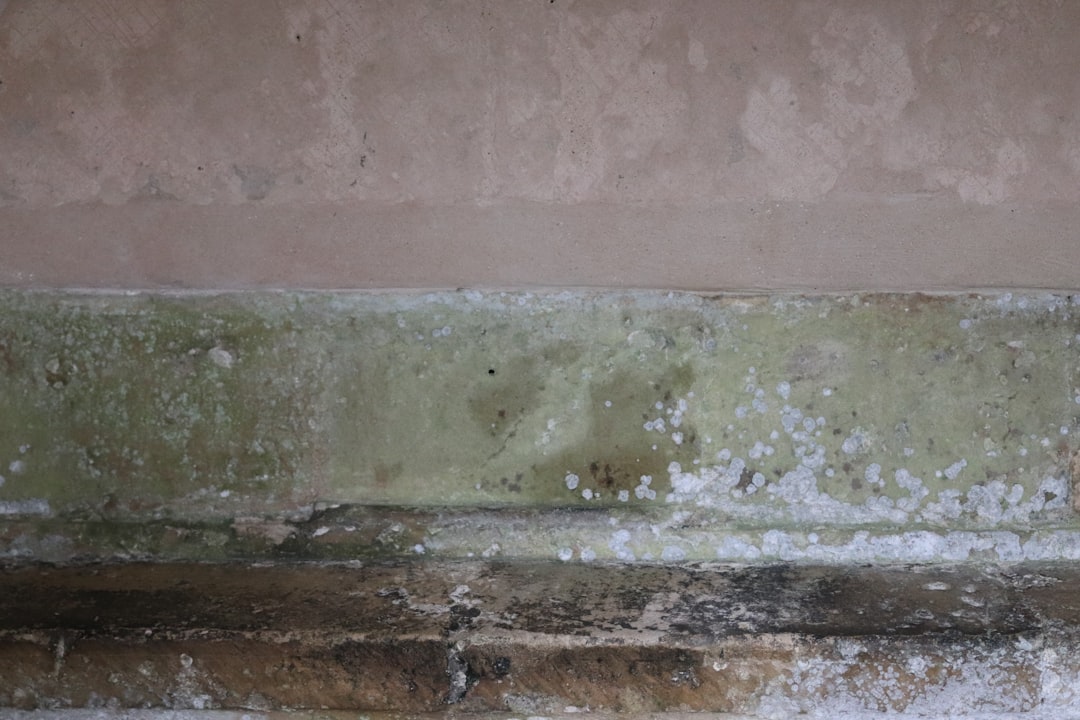
This moisture intrusion leads to persistent indoor air quality issues. Damp air circulating through warm ducts creates the perfect environment for musty smells to develop and linger in your living spaces. Sealing the physical leaks is the only way to break this cycle and prevent unwanted odors from taking over your home.
The Link Between Crawlspace Air and Indoor Odors
Seasonal dampness in unconditioned spaces is a major driver of indoor air quality complaints. As the fall weather brings rain and dropping temperatures, the air in a crawlspace becomes heavy with moisture. Negative pressure forces this damp air into the living areas, bringing stale, earthy smells with it. If you notice a strange smell every time the heat kicks on, addressing musty odors from your air ducts starts with ensuring the system is completely sealed off from the crawlspace.
Sealing vs. Insulating: Prioritizing Your Pre-Winter Upgrades
Homeowners often confuse duct sealing with duct insulation, but they serve two entirely different purposes. Understanding the difference is critical for effective winter preparation.
Duct insulation prevents conductive heat loss. It stops the heat from radiating through the solid metal walls of the ductwork into the cold attic air. Duct sealing, on the other hand, prevents convective heat loss. It stops the physical air you paid to heat from escaping through holes, gaps, and disconnected joints.
• Duct Sealing — Primary Function: Stops physical air leaks (convective loss) — Proper Sequence: Must always be done first — Result of Doing it Wrong: Heated air escapes before reaching vents
• Duct Insulation — Primary Function: Stops heat radiation (conductive loss) — Proper Sequence: Must be done second — Result of Doing it Wrong: Leaking air ruins the insulation's R-value
Sealing must always come before insulating. If you wrap a leaky duct with fiberglass insulation without properly sealing the joints first, the forced air will simply blow right through the fiberglass. This traps moisture against the metal, ruins the insulation's thermal resistance (R-value), and wastes your time and materials.
When our team tackles pre-winter upgrades, our professional approach involves diagnosing the exact location of the leaks, applying specialized mastic sealant or metal-backed tape to the joints, and then evaluating the insulation needs. We recommend avoiding DIY approaches that involve wrapping leaky ducts with store-bought insulation; without the proper diagnostic tools to find the hidden gaps, the underlying problem remains untouched.
The Mild Weather Window: Why Timing the Repair Matters
Timing your duct maintenance is just as important as the maintenance itself. The September pre-heating transition offers a brief, mild weather window to get your home's infrastructure ready. Contrasting the ease of performing duct maintenance during early fall with the difficulty of emergency repairs during a freezing winter storm makes the choice obvious.
Acting before the furnace becomes a daily necessity prevents the initial shock of wasted energy during the first major cold front. When the temperature drops below freezing, you want the peace of mind knowing your system is pushing all of its heat into your living room, not your attic.
Scheduling proactively also means you can take advantage of seasonal availability. Booking a professional before peak winter demand hits ensures your system is evaluated thoroughly without the rush of emergency no-heat calls. Taking advantage of air duct cleaning promotions in New Brighton during the fall allows you to prepare the home's infrastructure to handle the harsh winter efficiently.
Frequently Asked Questions About Pre-Winter Duct Care
Does sealing ductwork actually save money in the winter?
Yes, sealing ductwork directly reduces your winter heating bills by ensuring the air you pay to heat reaches your living spaces. According to energy efficiency data, homes can lose up to 30 percent of their conditioned air through leaks in the duct system. By closing those gaps, your furnace runs for shorter cycles, burns less fuel, and maintains your thermostat setting with far less effort. Over a long heating season, these efficiency gains add up significantly.
What happens to leaky ducts in unconditioned spaces during a freeze?
When the temperature in an unconditioned attic or crawlspace drops below freezing, the metal ductwork contracts, which can widen existing leaks at the joints. As the furnace pushes warm air through these freezing pipes, massive amounts of heat escape through the gaps into the cold air. Additionally, the extreme temperature difference causes the furnace to work up to 20 percent harder to push the remaining heat into your home, accelerating wear and tear on the system.
Should I insulate or seal my ductwork first?
You must always seal your ductwork before adding insulation. If you insulate over a leaky duct, the forced air from the furnace will blow directly into the insulation material. This not only wastes the heated air but also introduces moisture into the fiberglass, which ruins its insulating properties (R-value) and can lead to mold growth against the metal.
How do professionals find hidden duct leaks in older homes?
As professionals, our team uses specialized diagnostic equipment, such as blower doors, pressure gauges, and smoke pencils, to identify leaks that are invisible to the naked eye. In older homes where ductwork is often retrofitted behind walls or buried under decades of attic insulation, visual inspections are rarely enough. Technicians understand the architectural quirks of historic homes and know exactly where joints are most likely to fail due to settling and age.
How much energy is typically lost through leaky ducts in an attic?
In a typical home with unsealed ductwork, between 20 and 30 percent of the air moving through the system is lost to leaks and poor connections. When those ducts are located in a freezing attic, the energy loss is compounded by the extreme temperature differential. The furnace has to run continuously to make up for the lost volume, wasting substantial amounts of energy and putting heavy thermal stress on the equipment.
Secure Your Home's Efficiency Before the Cold Sets In
Understanding how heating energy is wasted through unsealed ducts in unconditioned spaces is the first step toward a more comfortable winter. As the weather in Western Pennsylvania / New Brighton PA begins its rapid cooldown, the window to act is closing. Getting your ductwork professionally sealed before the hard freezes begin ensures your furnace isn't working overtime just to heat your attic. Take control of your home's thermal boundary today and schedule an inspection with a local expert to ensure your system is completely winter-ready.

Customer Reviews


Superior Air Duct cleaning did a phenomenal job in a timely manner with the tech “Rich” being very professional ,personable and considerate of our property! He explained things as he proceeded and answered all our questions!
I LOVE that they provide before & after photos to see the difference. Give them a try… you won’t regret it
Pam T.
Robert was on schedule and communicated what time he would arrive. He was polite, professional, and respectful of our home. I wanted to wait a couple weeks before posting a review because I wanted to see if the duct cleaning actually made a difference. I am happy to say it did! I vacuum multiple times a week and have already noticed a significant reduction in the amount of dust cleaned up each time. As a home with pets, there will always be something to clean, but getting the ducts cleaned has definitely helped improve the air quality and reduce the dust.
alice A.
Technician Rob arrived early explained the days agenda and then proceeded to work methodically and meticulously over the next 6+ hours cleaning my ductwork. Courteous and professional they answered all of my questions and went above and beyond the call of duty. They even located an old dusty box of rat poison buried in our vents. My only regret is not finding these guys sooner. As a realtor of 22 years and owner of a newly purchased (now dust free) home I highly recommended!
Eric K.
Excellent service! I’ve used them to clean out my air ducts as well as my dryer vent duct and they are excellent. I was very pleased with both jobs and will continue to use them in the future. Great communication as well- from the time I scheduled the appointment until they were at my door.
Erika C.
We had such an amazing experience with Superior Air Duct Cleaning. They were so nice and friendly and did an amazing job. I loved seeing the before and after pictures. Besides doing an amazing job cleaning our air ducts they were so quick at responding and setting up the appointment. We will definitely be using them in the future.
Amanda C.