The Unmistakable Burning Dust Smell of Mid-Fall Heating Startup
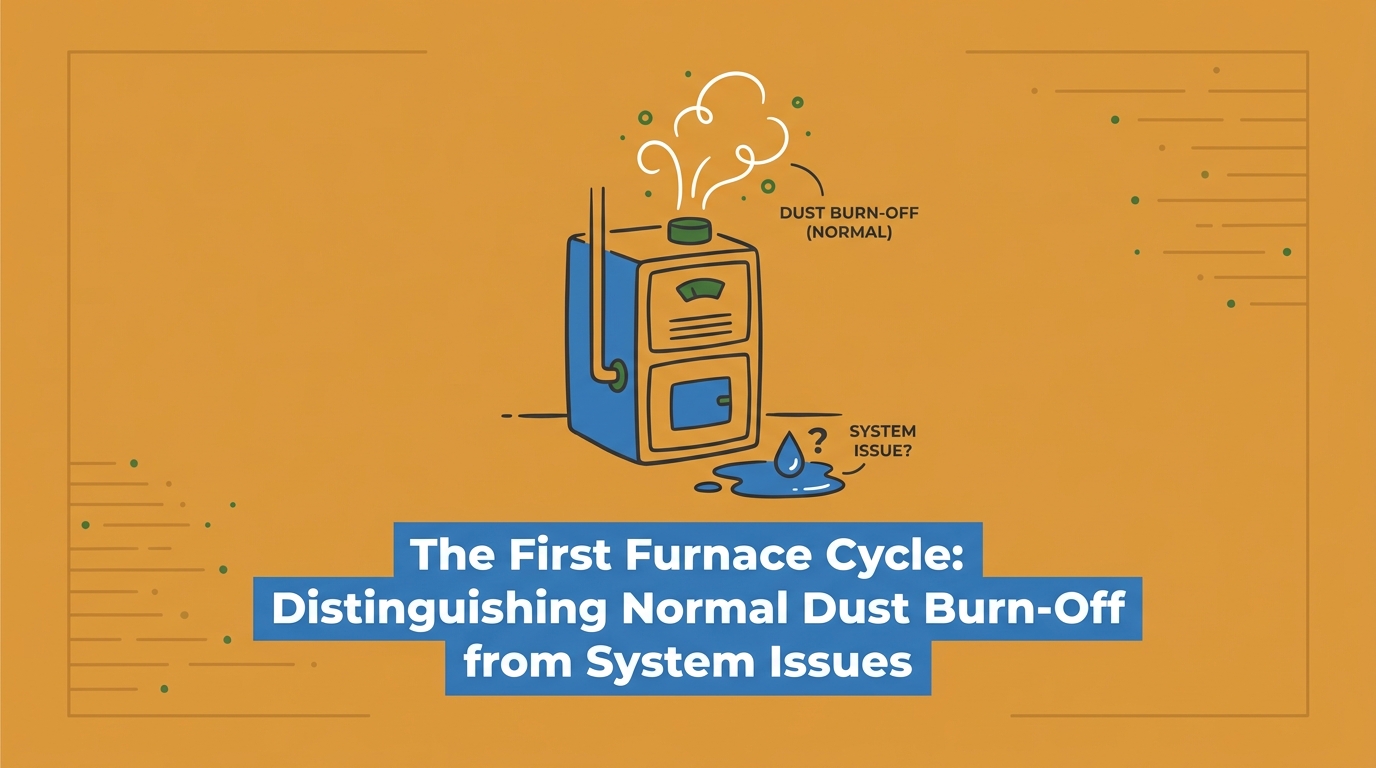
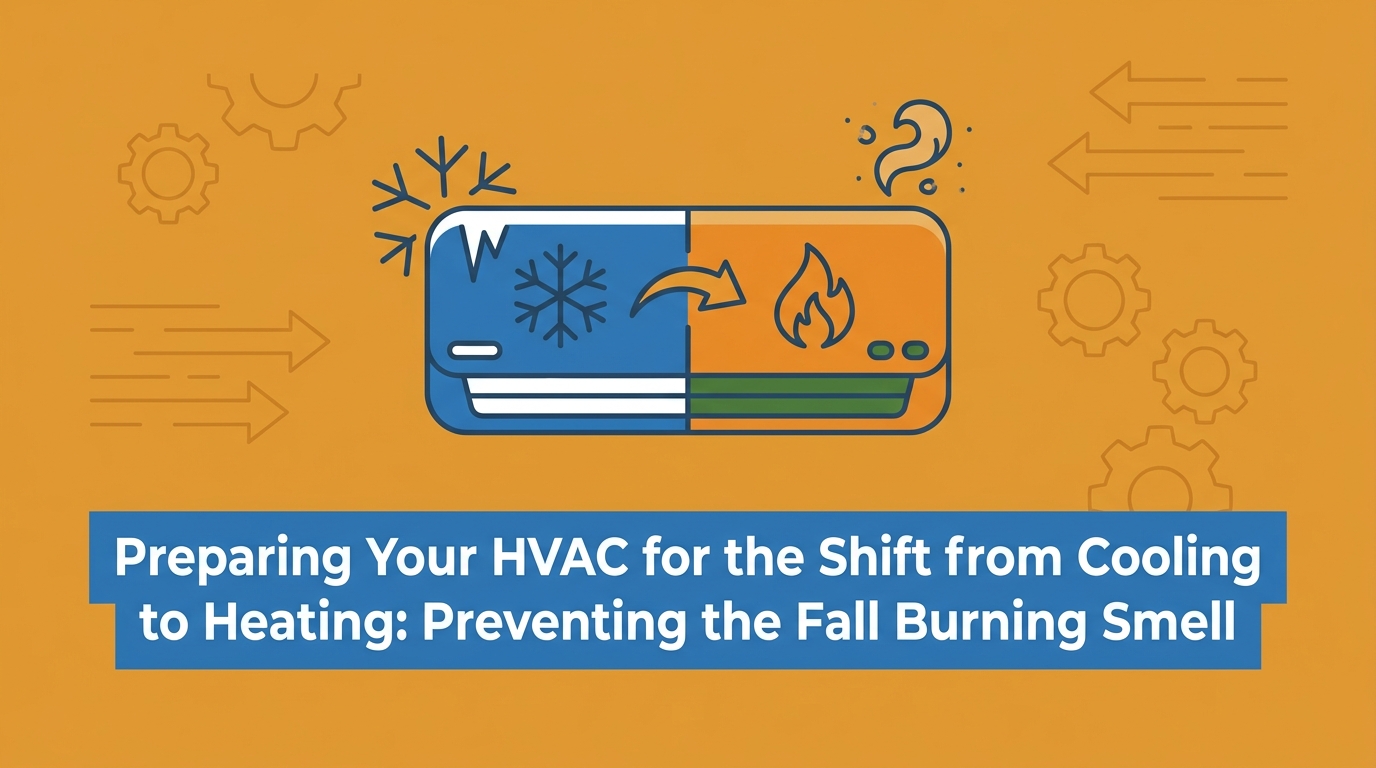
That strange, acrid odor filling your living room isn't going away on its own, which is why you are likely looking for home maintenance tips and troubleshooting advice to explain the sudden smell. When you turn on your heating system for the first time in October, the distinct scent of burning dust often floods the house. This highly common experience happens during a mid-fall heating startup because the dust, pet dander, and airborne debris that settled inside your HVAC system over the long summer months are suddenly subjected to intense heat.
Addressing this issue at the source often requires professional air duct cleaning, and in some cases, comprehensive whole house sanitizing services to completely neutralize lingering indoor air quality issues.
In Western PA, the seasonal shift is distinct and rapid. Homes transition quickly from heavy air conditioning usage during humid summers to the sudden need for forced-air heating in autumn. During those idle weeks between cooling and heating, the dormant debris rests directly on the furnace's heat exchanger and along the walls of your ductwork. When the system fires up, that resting layer of dust essentially bakes, creating the burning odor that alarms so many homeowners. While the smell itself is a nuisance, it serves as a valuable indicator that your home's respiratory system is holding onto months of accumulated contamination.
How High Humidity and Summer Debris Impact Your Ductwork
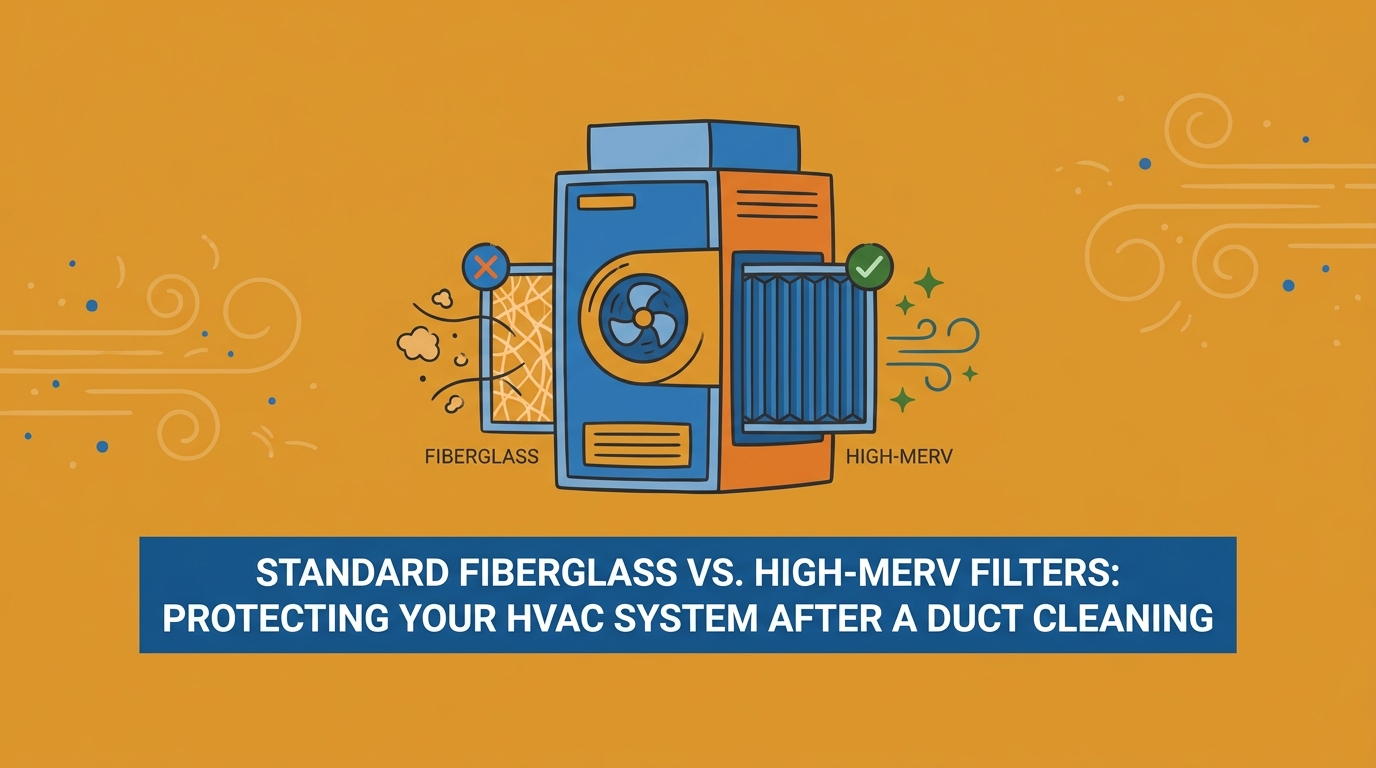
The problem: Throughout the cooling season, your ductwork acts as a collection point for microscopic airborne particles. Because Western PA experiences highly humid summers, the moisture in the air interacts with these dry particles inside the dark, cool environment of your ventilation system. This creates a sticky, stubborn layer of grime that standard fiberglass air filters simply cannot catch or prevent.
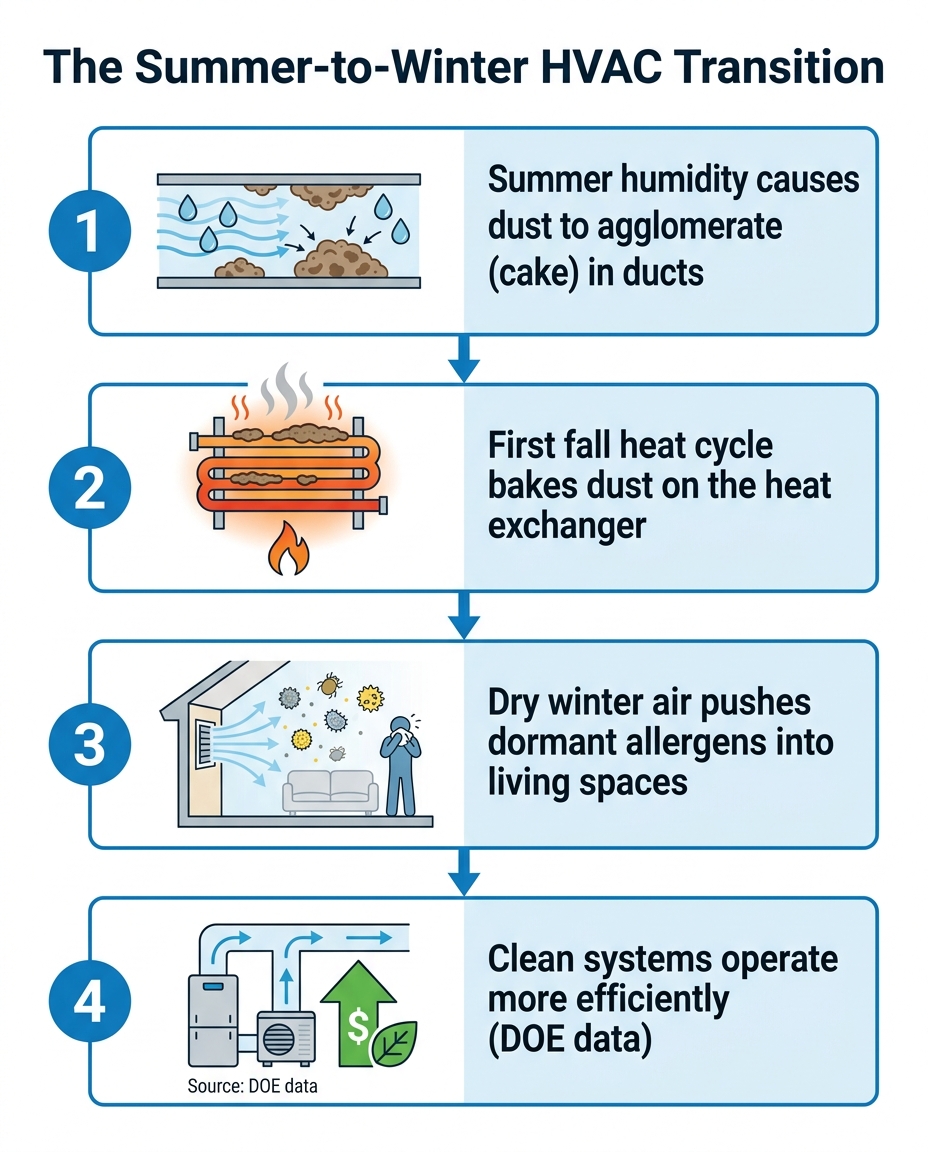
The cause: This process is known as particulate agglomeration. Instead of loose dust that blows freely through the vents, the high summer humidity causes the dust to "cake" onto the interior walls of the ductwork. One local homeowner found themselves dealing with this exact excessive dust accumulation on a short timeline before a summer move. They needed their air ducts cleaned rapidly to ensure the new occupants wouldn't inherit years of caked-on debris, and the system was successfully cleared out within the required timeframe.
The solution: Once the dry winter heating cycle begins, this caked-on summer debris dries out rapidly, creating the perfect conditions for burning odors and restricted airflow. Thorough mechanical cleaning is required to dislodge the agglomerated dust before it hardens entirely.
The Hidden Accumulation in Historic and Aging Homes
Older architecture, particularly in neighborhoods throughout New Brighton PA, often features complex duct runs where debris easily settles. These older homes frequently have uninsulated metal trunks, sharp 90-degree elbows, and long horizontal runs that act as traps for heavier particulates. Years of neglected maintenance compound the volume of trapped debris, making the mid-fall transition much more noticeable.
• Moisture Level — Summer Environment (Cooling): High humidity, damp air, condensation — Winter Environment (Heating): Very dry air, low humidity
• Debris State — Summer Environment (Cooling): Sticky, agglomerated, caked onto walls — Winter Environment (Heating): Brittle, dried out, easily airborne
• Airflow Impact — Summer Environment (Cooling): Slowly restricts airflow as layers build — Winter Environment (Heating): Friction increases; blower works harder
What Happens Inside Your HVAC System During the First Fall Heat Cycle
Understanding the mechanical transition from cooling to heating reveals exactly why a mid-fall heating startup disturbs so much dormant debris. When the thermostat clicks over to "heat" for the first time, a specific sequence of events takes place inside the cabinet.
1. The Heat Exchanger Warms Up: Before the blower motor even engages, the furnace burners ignite to warm the heat exchanger. Any dust that settled directly on this metal component over the summer is instantly subjected to temperatures exceeding 140 degrees Fahrenheit, causing the immediate burning smell.
2. Airflow Dynamics Shift: The blower motor forces warm, dry air through a duct network that previously carried cool, damp air. This sudden shift in temperature and pressure changes the internal environment of the ductwork drastically.
3. Debris Dislodges: The dry heat rapidly removes moisture from the caked-on summer dust. As it dries, it flakes off the duct walls. The high-velocity airflow then pushes this newly loosened debris straight into your living spaces.
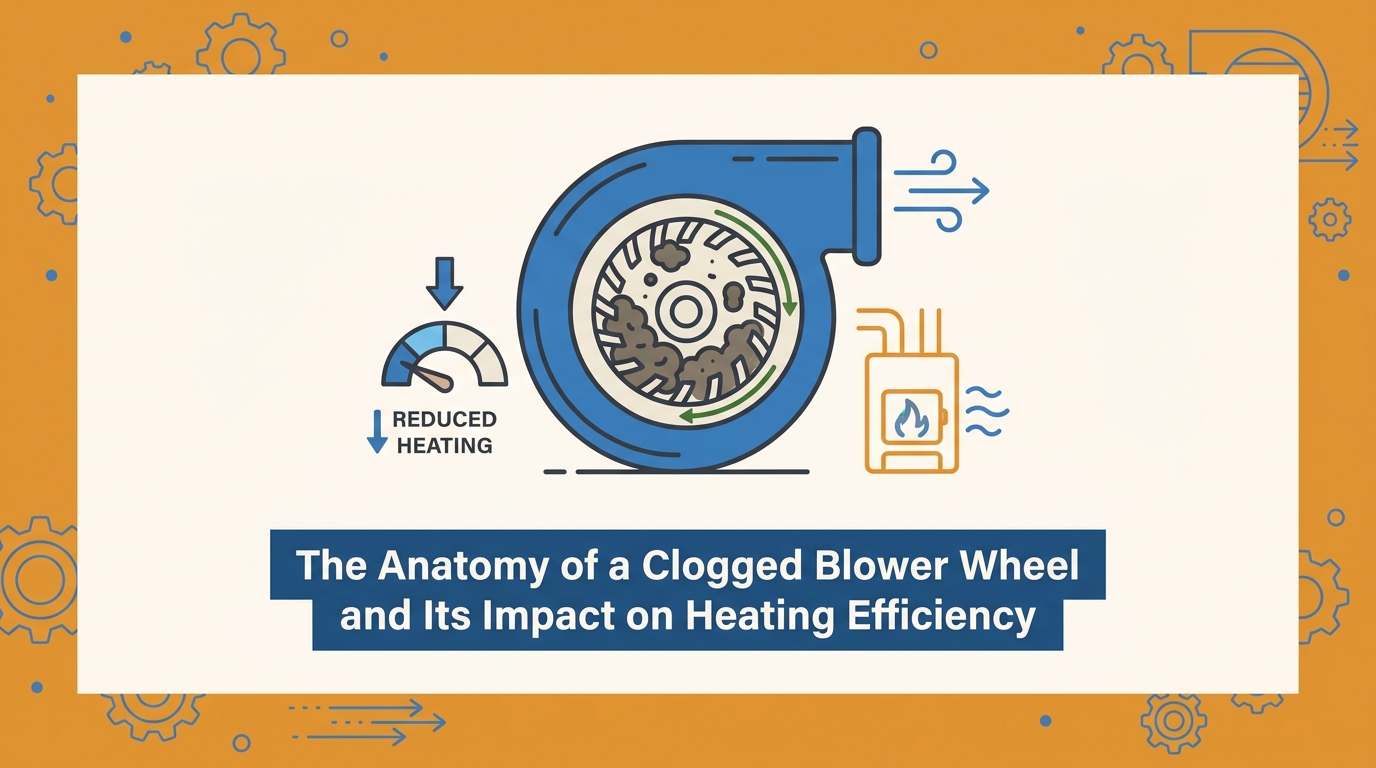
4. Mechanical Strain Increases: According to Department of Energy data, pushing air through a heavily restricted, dirty system forces the blower motor to work harder. A clean HVAC system operates much more efficiently and significantly reduces mechanical wear on delicate furnace components.
Combating Ragweed and Trapped Allergens in Your Air Supply
Indoor air quality takes a significant hit during the autumn months. Environmental Protection Agency (EPA) data notes that indoor air can be two to five times more polluted than outdoor air, a statistic that becomes especially relevant when windows are closed tight for the winter. The very system designed to keep you warm can inadvertently become a distribution network for respiratory irritants.
During a mid-fall heating startup, the system pulls in peak fall allergens native to the region, such as ragweed pollen, mold spores, and decaying leaf particulate. These biological contaminants get trapped in the ductwork. When researching how to handle dirty ducts filled with bacteria over the summer, one homeowner compared several duct cleaning companies before opting to have their air ducts fully cleaned and sanitized. The resulting before-and-after photos confirmed the ducts were free of bacterial growth, vastly improving their indoor air quality just as the seasons changed.
To understand what is circulating through your home, consider these common trapped allergens:
• Ragweed pollen: Peaks in late summer and early fall, easily bypassing standard fiberglass filters to settle in the return ducts.
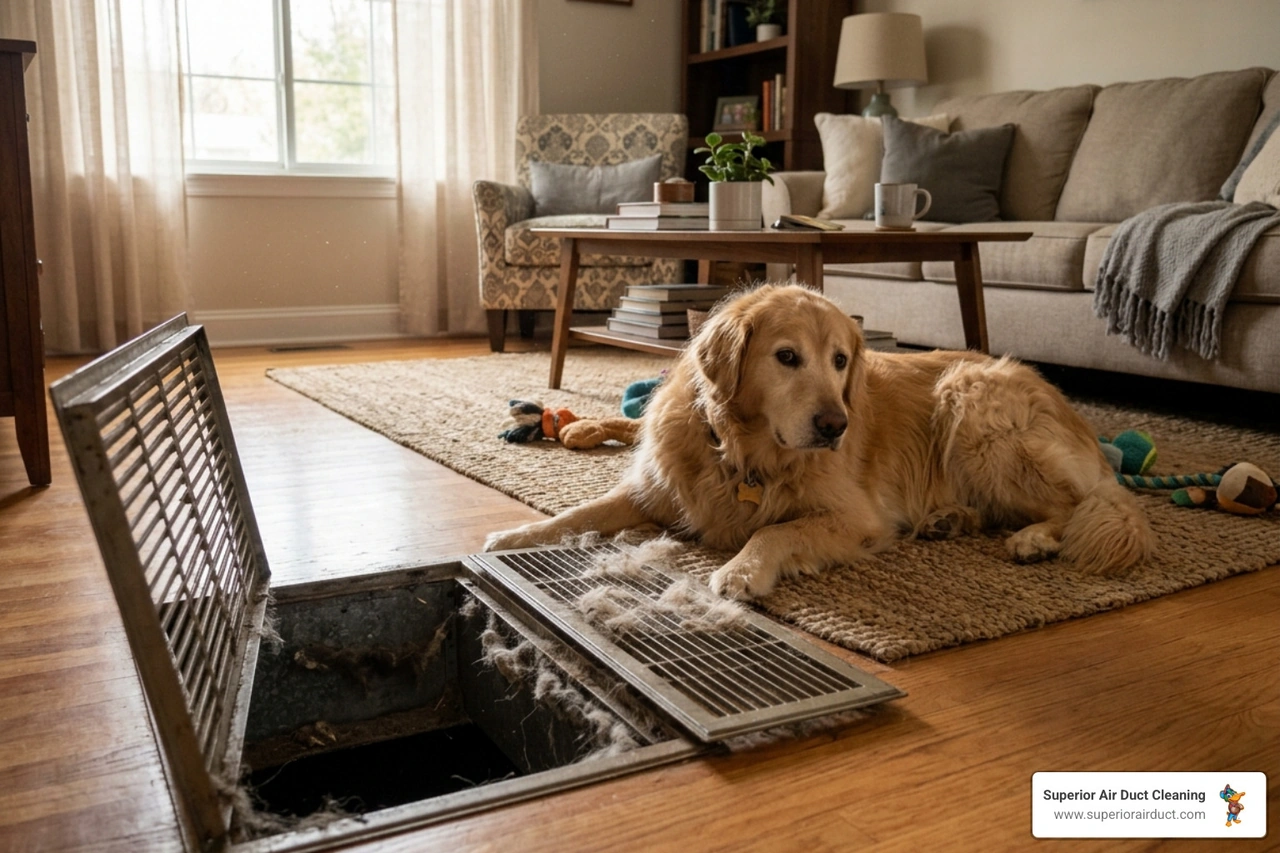
• Pet dander: Accumulates heavily during the hot months when pets shed their summer coats, creating a sticky layer of protein inside the vents.
• Mold spores: Thrive in the humid, dark environment of summer ductwork and go dormant until the dry winter air scatters them.
• Dust mites: Feed on the organic matter trapped in the ductwork, leaving behind microscopic waste that triggers severe winter allergies.
Targeted cleaning and sanitizing of the vents and furnace components can drastically improve indoor breathing conditions, ensuring that these dormant allergens are physically removed from the property rather than repeatedly cycled through the living room.
Preparing the Entire Ventilation System for Winter Efficiency
Ductwork is just one part of your home's overall respiratory system. While addressing the main supply and return lines is critical for a healthy New Brighton PA home, other exhaust vents require equal attention before the heavy winter weather sets in. A holistic approach to ventilation maintenance ensures the home is both safe and energy-efficient.
During a routine spring maintenance check, another homeowner realized their dirty air ducts needed a thorough clearing. The technicians explained the entire process step-by-step and provided before-and-after pictures to verify the thorough job done on the air ducts. This level of comprehensive care should extend to every vent in the house as winter approaches.
Before the cold weather forces your heating system to run constantly, check these critical ventilation points:
• The dryer exhaust line: Lint buildup poses a severe fire hazard, especially when indoor heating runs constantly and dries out the ambient air. Coordinating comprehensive dryer vent cleaning alongside standard HVAC preparation is highly recommended.
• Bathroom exhaust fans: These pull heavy moisture out of the house. If they are clogged with dust, that moisture stays indoors, promoting mold growth on cold exterior walls.
• Kitchen range hoods: Grease and dust combine here to create sticky blockages that reduce the fan's ability to pull cooking odors and smoke out of the home.
• Fresh air intakes: High-efficiency furnaces rely on clear PVC intake pipes. Fall leaves and debris can easily block these, causing the furnace to shut down entirely on a freezing night.
Removing airflow restrictions across all household vents improves overall energy efficiency during the colder months, reducing the strain on your mechanical systems.
Why Industry Standards Matter for Effective Debris Removal
When it comes to removing caked-on summer humidity dust, the method matters just as much as the timing. There is a stark contrast between thorough, standard-compliant cleaning and ineffective "blow-and-go" methods. Uncertified operators often use little more than a powerful shop vacuum, which only removes the loose, top layer of dust while leaving the hardened, agglomerated debris firmly attached to the duct walls.
To guarantee verifiable results in your New Brighton PA home, it is vital to verify a duct cleaning company is NADCA certified. The National Air Duct Cleaners Association (NADCA) sets strict ACR (Assessment, Cleaning, and Restoration) standards for the industry. Working with a NADCA-certified provider ensures the cleaning process adheres to strict, industry-recognized standards, providing verifiable results rather than superficial dust removal.
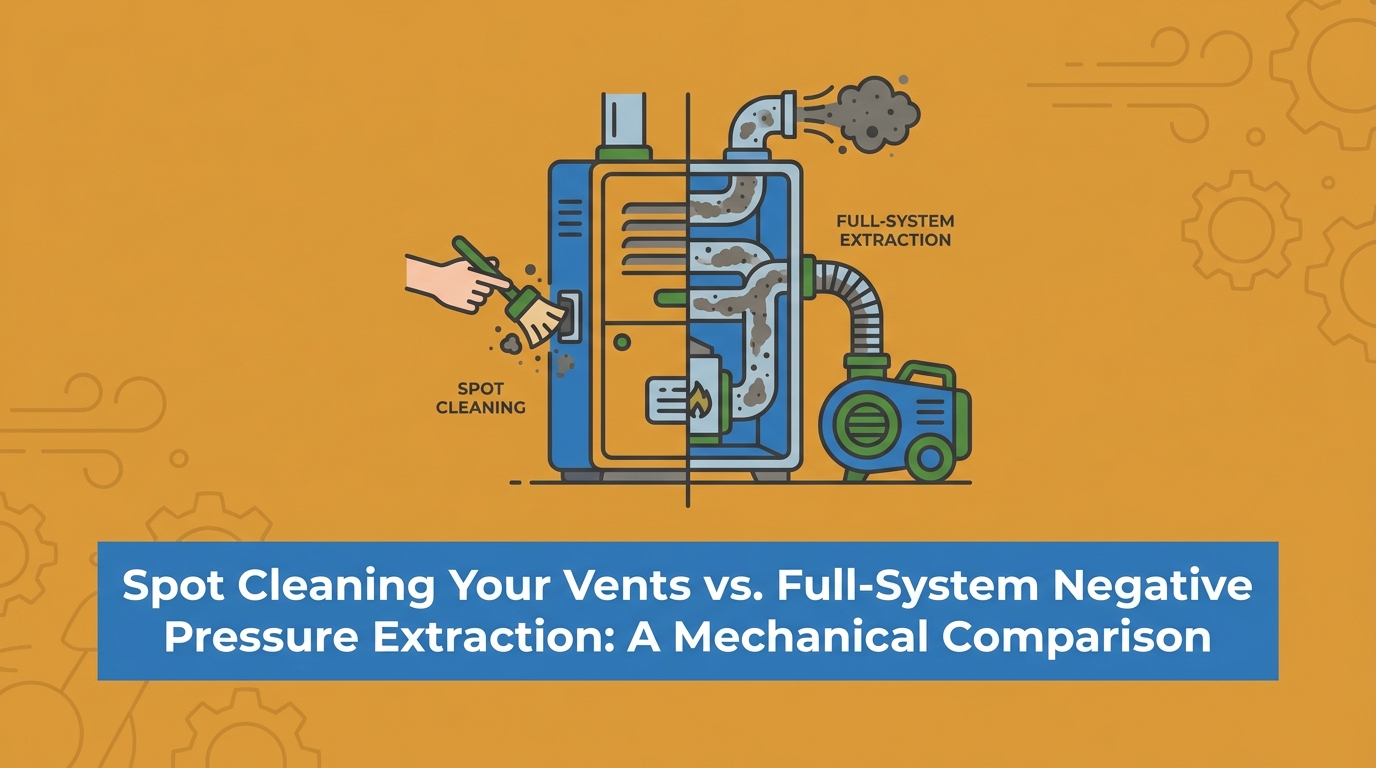
• Standard "Blow-and-Go" — Tooling Used: Basic vacuums, limited reach hoses — Impact on Caked-On Debris: Fails to remove humidity-baked dust; leaves allergens behind.
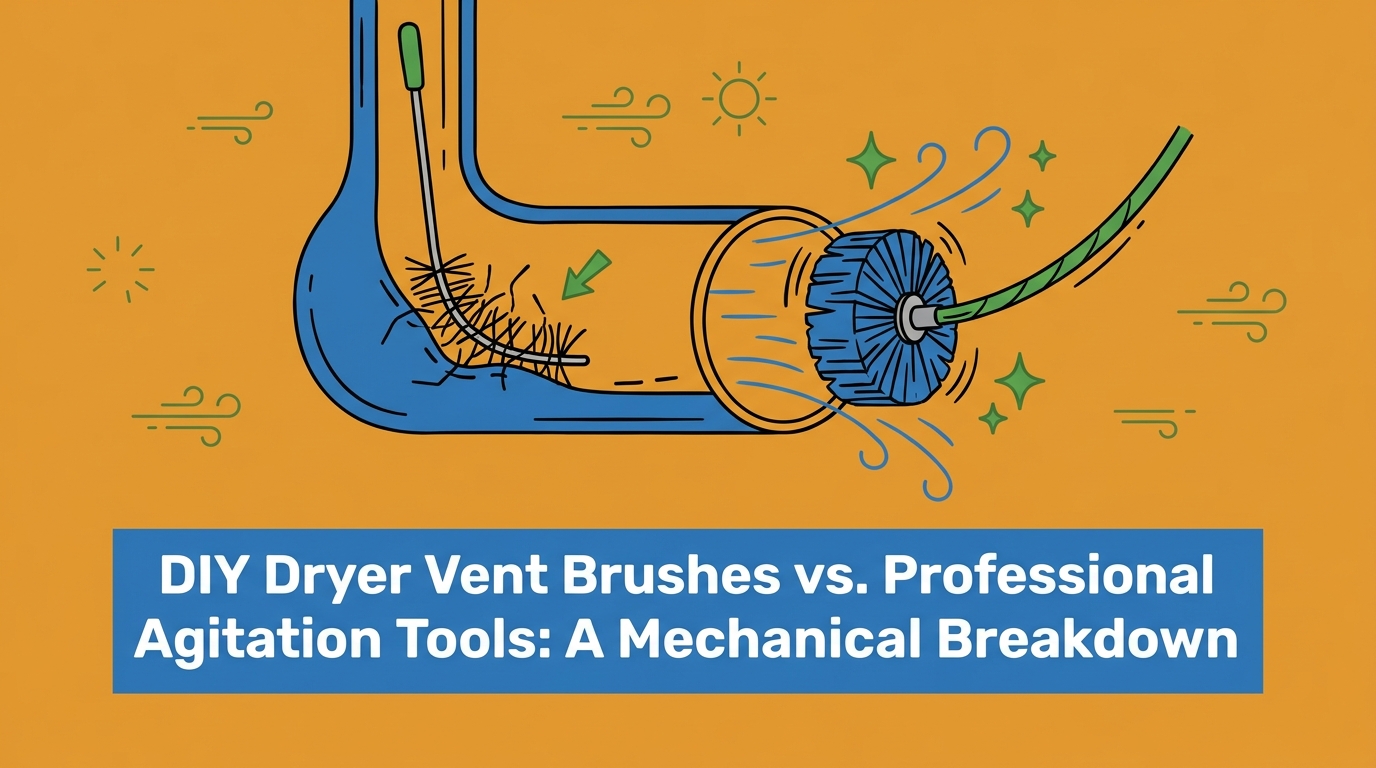
• NADCA Certified ACR — Tooling Used: Pneumatic whips, rotary brushes, negative air machines — Impact on Caked-On Debris: Physically breaks loose stubborn dirt before vacuuming it entirely out of the home.
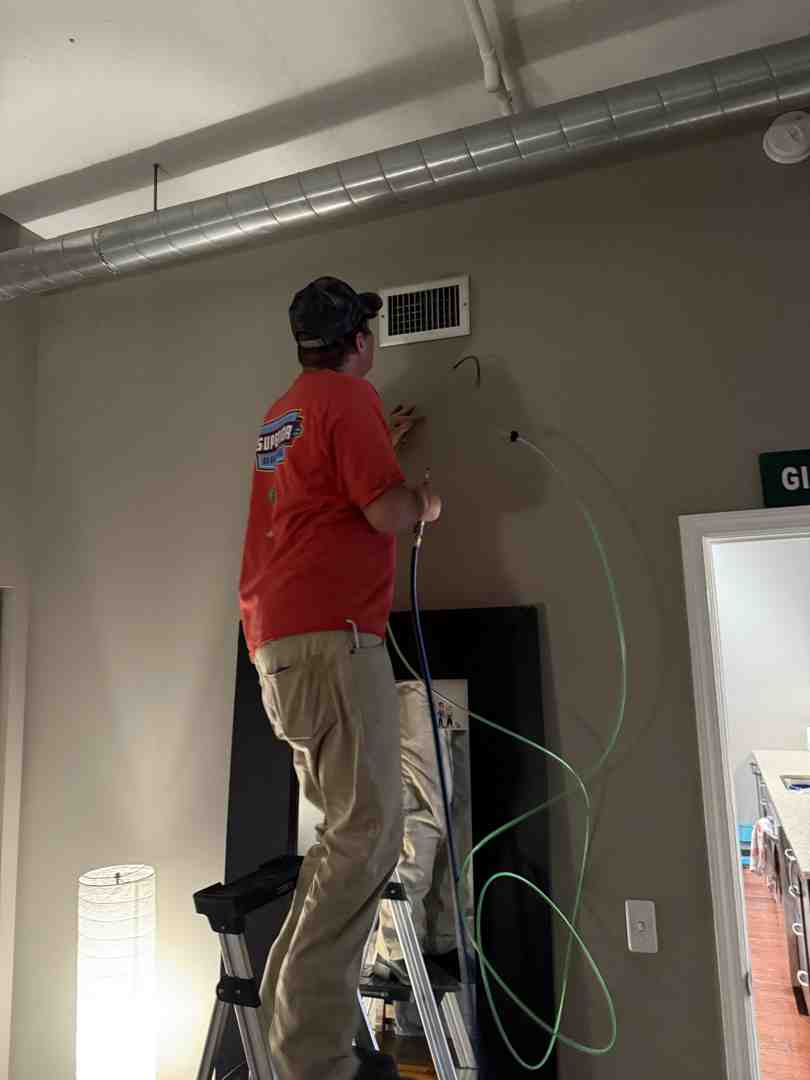
Certified technicians use specialized agitation tools to break loose the stubborn, humidity-baked dust. Once the debris is agitated, a high-powered negative air machine places the entire duct system under suction, pulling the dislodged contaminants safely out of the home without contaminating the living spaces.
Home Maintenance Tips and Troubleshooting: Frequently Asked Questions About Pre-Winter Duct Maintenance
Why does my furnace smell like burning dust?
Dust, pet dander, and airborne debris settle on the heat exchanger and inside the ducts over the long summer months. When you initiate a mid-fall heating startup, the sudden high temperatures bake this resting layer of dust. The initial heating cycle burns off this accumulation, creating a temporary but highly noticeable odor throughout the house.
Is duct cleaning really necessary?
Professional cleaning is necessary when there is visible mold growth, excessive dust blowing from the vents, or signs of pest infestation inside the ductwork. Beyond those critical issues, it is highly recommended for improving overall HVAC efficiency and significantly reducing indoor allergens that trigger winter respiratory issues.
Should I get my ducts cleaned before winter?
Mid-fall is the absolute ideal time to remove summer accumulation before the HVAC system is sealed up and running constantly. Cleaning the ducts before winter ensures that dormant allergens and humidity-caked debris are not continuously circulated through your tightly closed home during the coldest months of the year.
Does duct cleaning improve airflow?
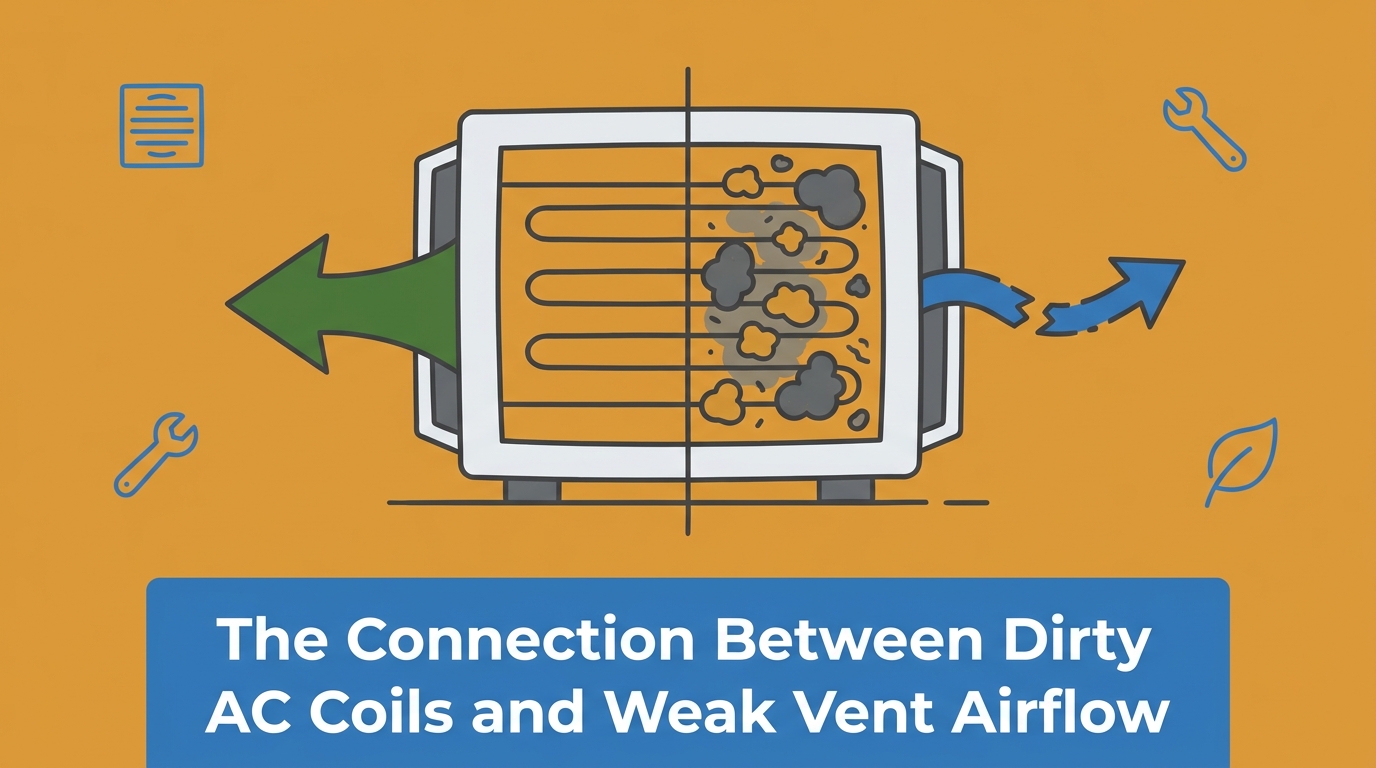
Yes, removing heavy buildup directly reduces friction and blockages inside the ventilation network. When the duct walls are smooth and clear of debris, the blower motor can distribute conditioned air much more freely, which reduces mechanical wear and lowers energy consumption.
What does NADCA certified mean?
It indicates the service provider follows the National Air Duct Cleaners Association's strict ACR standards for the proper assessment, cleaning, and restoration of HVAC systems. A certified company uses specific agitation tools and negative air pressure to ensure contaminants are safely and entirely removed from the property.
Ensuring a Clean, Odor-Free Transition to Winter Heating
As you finalize your home maintenance tips and troubleshooting list for the season, remember that burning dust smells are a clear, undeniable indicator of accumulated summer debris. The transition from humid cooling to dry heating places unique stress on your ductwork, turning dormant dust and trapped ragweed pollen into active indoor air quality threats.
Addressing this buildup during a mid-fall heating startup protects your indoor air quality and preserves your HVAC system's efficiency all winter long. By exploring professional, certified options like comprehensive whole house sanitizing services, you can prepare your home's respiratory system for the cold months ahead, ensuring that every breath you take indoors is clean, fresh, and free of seasonal contaminants.

Customer Reviews


Superior Air Duct cleaning did a phenomenal job in a timely manner with the tech “Rich” being very professional ,personable and considerate of our property! He explained things as he proceeded and answered all our questions!
I LOVE that they provide before & after photos to see the difference. Give them a try… you won’t regret it
Pam T.
Robert was on schedule and communicated what time he would arrive. He was polite, professional, and respectful of our home. I wanted to wait a couple weeks before posting a review because I wanted to see if the duct cleaning actually made a difference. I am happy to say it did! I vacuum multiple times a week and have already noticed a significant reduction in the amount of dust cleaned up each time. As a home with pets, there will always be something to clean, but getting the ducts cleaned has definitely helped improve the air quality and reduce the dust.
alice A.
Technician Rob arrived early explained the days agenda and then proceeded to work methodically and meticulously over the next 6+ hours cleaning my ductwork. Courteous and professional they answered all of my questions and went above and beyond the call of duty. They even located an old dusty box of rat poison buried in our vents. My only regret is not finding these guys sooner. As a realtor of 22 years and owner of a newly purchased (now dust free) home I highly recommended!
Eric K.
Excellent service! I’ve used them to clean out my air ducts as well as my dryer vent duct and they are excellent. I was very pleased with both jobs and will continue to use them in the future. Great communication as well- from the time I scheduled the appointment until they were at my door.
Erika C.
We had such an amazing experience with Superior Air Duct Cleaning. They were so nice and friendly and did an amazing job. I loved seeing the before and after pictures. Besides doing an amazing job cleaning our air ducts they were so quick at responding and setting up the appointment. We will definitely be using them in the future.
Amanda C.