The September Migration: When Pests Target Your Ductwork
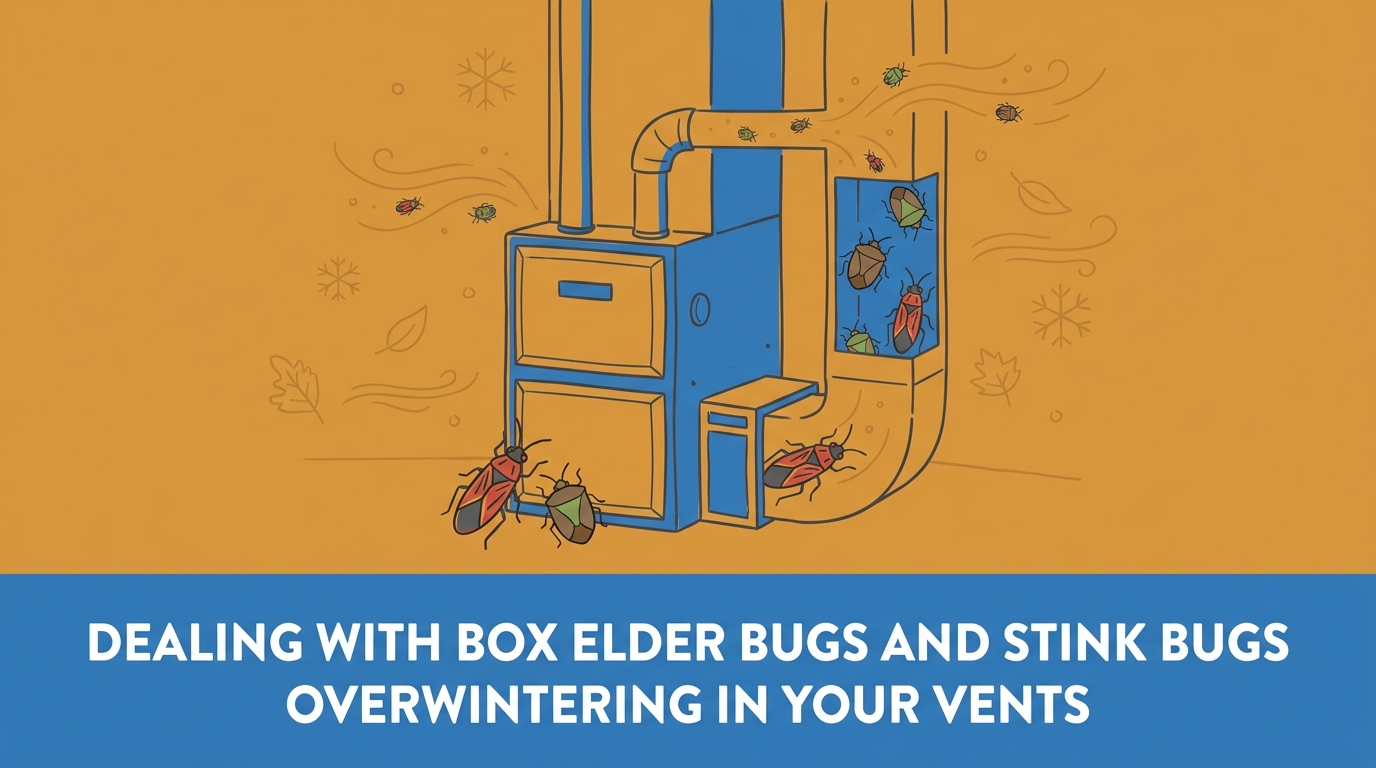
Dealing with Box Elder Bugs and Stink Bugs Overwintering in Your Vents becomes an urgent priority the moment those first sharp September temperature drops hit. As the calendar shifts and the evening air grows cold, insects that spent the summer outdoors immediately begin searching for a warm, sheltered place to survive the winter. Here in New Brighton and throughout Western PA, our team at Superior Air Duct Cleaning sees this migration firsthand every early fall. Your home's exterior offers plenty of crevices, but the metal HVAC ductwork provides something even better: a thermally conductive environment that retains ambient heat from the house. If you are already noticing a foul odor or seeing insects near your registers, scheduling professional air duct cleaning paired with whole house sanitizing is the safest way for our technicians to clear your system before you turn on the furnace.
The sudden shift in weather characteristic of a Western Pennsylvania early fall drives massive numbers of these pests indoors. They crawl through unsealed exterior exhaust vents, slip under loose siding, and navigate through tiny gaps in the foundation until they find the dark, protected runs of your ductwork. Once inside, they settle in for the season. In our experience, the concrete problem for homeowners usually begins just a few weeks later. You might spot a few sluggish bugs crawling out of a floor register, or worse, you turn on the heating system for the first time and are immediately hit with a highly unpleasant, pungent odor blowing into every room.
This creates a critical decision point. We find that most homeowners instinctively want to grab a household vacuum or a can of bug spray to eliminate the pests immediately. However, choosing the wrong removal method actively worsens the problem. Because of the unique biological defenses of these specific insects, aggressive DIY removal often guarantees that their foul-smelling chemical compounds will be permanently distributed throughout your home's breathing air. Understanding how to extract them safely requires looking at why they are there in the first place.
Understanding Diapause in Western Pennsylvania Pests
To safely remove these insects, you have to understand their biological behavior. During the fall, these pests enter a state called diapause. Diapause is a dormant, overwintering condition—similar to hibernation in mammals—where the insect's metabolic rate slows down drastically. They do not reproduce, they do not build nests, and they do not feed while inside your vents. Their singular biological imperative is simply surviving the freezing winter temperatures.
In our years of servicing HVAC systems, we have found that homes in New Brighton PA and surrounding Western PA areas are particularly vulnerable to this phenomenon. The region features a unique mix of agricultural land, dense wooded areas, and suburban housing. This environment creates the perfect breeding ground for these insects during the summer, resulting in exceptionally high populations that inevitably migrate toward residential heating systems when the seasons change.
The Brown Marmorated Stink Bug
The brown marmorated stink bug is an invasive species that has heavily colonized Pennsylvania. Unlike native pests that might burrow under tree bark, this specific stink bug has a strong preference for high, warm, and dry spaces inside human-made structures.
• High-level entry: They often access the home through attic vents, soffit gaps, or second-story window frames before migrating downward into the return air ducts.
• Cluster behavior: They release an aggregation pheromone when they find a suitable overwintering spot, signaling dozens or hundreds of other stink bugs to join them inside the same vent.
• Thermal preference: They specifically seek out the radiant heat provided by metal ductwork, making your HVAC system their ideal winter habitat.
Box Elder Bugs
Box elder bugs are native insects easily identified by their dark gray or black bodies with distinct red stripes. While they do not produce the same intense odor as stink bugs, our crews find they are equally problematic when they invade your ventilation system.
• Sun-seeking migration: On crisp autumn days, thousands of box elder bugs will congregate on the sun-facing southern and western walls of your home to absorb the heat.
• Ventilation infiltration: As the sun goes down and the wall cools, they crawl into the nearest available opening to maintain their body temperature, which is very often an exterior fresh air intake or exhaust vent.
• Ductwork accumulation: Once inside, they travel through the branch lines, often ending up trapped behind the grilles of your floor or ceiling registers.
The Mechanical Risks of DIY Bug Removal
When homeowners discover a cluster of insects in a floor register, the immediate reaction is usually to grab a standard household vacuum or a heavy-duty shop vac. We strongly caution against this, as it is a massive mistake that directly leads to severe indoor air quality issues. The problem lies in the chemical defense mechanisms of the insects and the mechanical action of the vacuum itself.
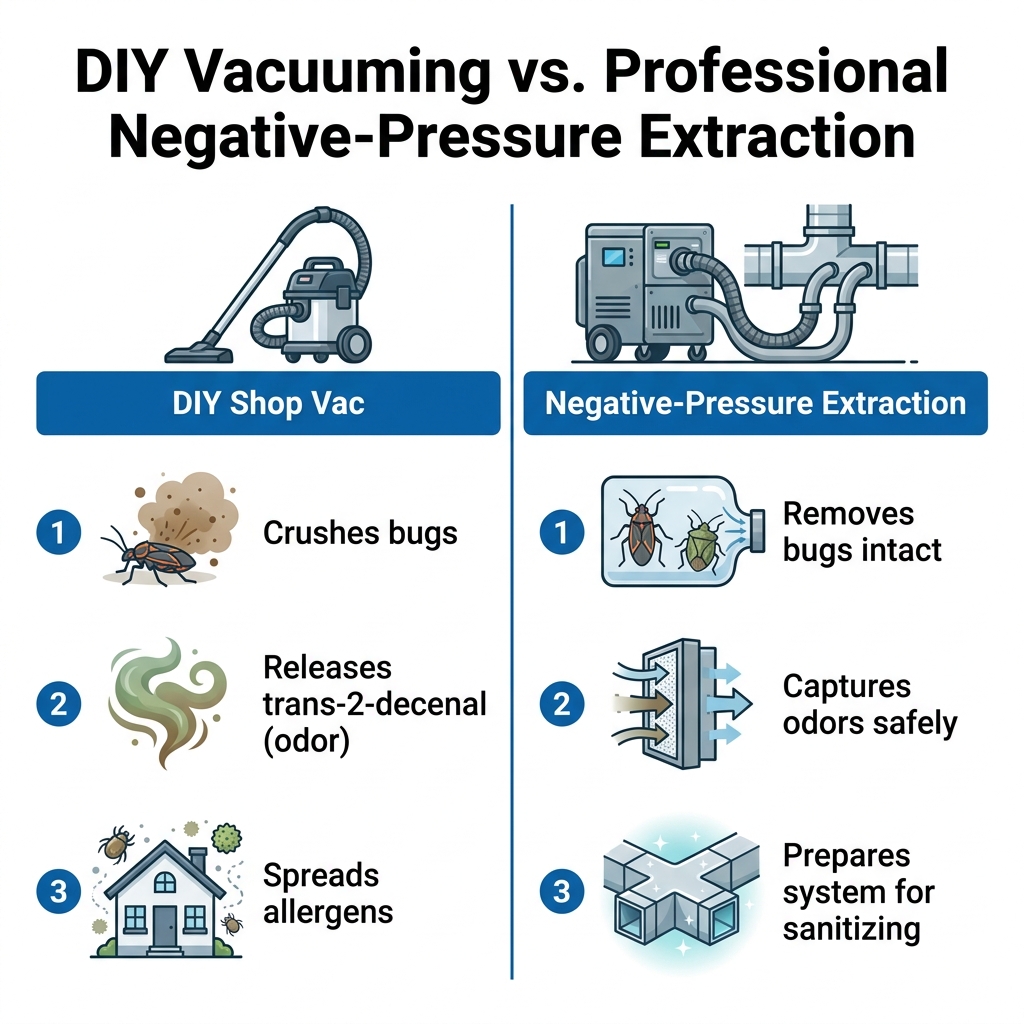
The problem: Stink bugs possess specialized glands on their abdomen that produce a defensive chemical cocktail, primarily consisting of trans-2-decenal and trans-2-octenal. When the bug feels threatened, is roughly handled, or is physically crushed, it releases these compounds. This is why a common internet search pattern in early fall is "stink bugs in vents smell"—homeowners are frantically trying to figure out why their house suddenly smells like rotting cilantro, sulfur, or burnt tires.
The cause: A standard shop vacuum uses a high-speed impeller to generate suction. When you suck a stink bug into the hose, it travels at high velocity and slams into the internal plastic housing, the filter, or other debris. This violent mechanical action instantly crushes their fragile exoskeletons. The moment the bug ruptures, those potent mercaptans and aldehydes are released. Because standard vacuums exhaust their air right back into the room, you are effectively aerosolizing the stink bug chemicals and spraying them directly into your living space.
The solution: We advise our customers to never use a standard vacuum with an impeller to remove these pests from ductwork. Furthermore, never spray over-the-counter pest control chemicals down into your registers. Your HVAC system is the lungs of your home; spraying toxic insecticides into the ducts guarantees that those chemical volatile organic compounds (VOCs) will be distributed into every room the next time the blower motor engages.
• Standard Household Vacuum — Mechanical Action: High-speed impeller impacts and crushes the insect — Odor Consequence: Instantly aerosolizes defensive chemicals into the room
• Shop Vac (Wet/Dry) — Mechanical Action: Violent suction slams bugs against the rigid filter — Odor Consequence: Releases potent aldehydes; ruins the vacuum filter permanently
• Chemical Bug Sprays — Mechanical Action: Introduces liquid toxins directly into the metal ductwork — Odor Consequence: Circulates dangerous VOCs throughout the entire home
• Professional Negative Pressure — Mechanical Action: Gentle, massive air volume pulls the insect entirely intact — Odor Consequence: Zero odor release; chemicals remain trapped inside the bug
How Crushed Pests Compromise Indoor Air Quality
The physical presence of overwintering bugs is only half the issue; the broader concern we address is how their presence severely degrades your indoor air quality over the winter months. Your HVAC blower is an incredibly efficient distribution system. It is designed to take conditioned air and push it evenly into every corner of your home. Unfortunately, it does the exact same thing with localized pest odors.
If a cluster of stink bugs dies inside a main trunk line, or if they are crushed by a homeowner attempting a DIY cleanup, the resulting odor does not stay contained to one room. The blower motor pulls that contaminated air through the return drops and forces it out of every supply register in the house. This constant circulation is a primary factor we look for when addressing musty odors from your air ducts during the heating season.
Beyond the immediate smell, deceased bugs break down over the winter. As the dry, heated air blows over their remains, their exoskeletons become brittle and fragment into microscopic airborne particles. According to EPA guidelines on indoor air quality, pest droppings and insect body parts are classified as significant biological pollutants. These microscopic insect allergens are easily carried by the airflow, bypassing standard fiberglass furnace filters, and circulating directly into the air your family breathes.
In one recent fall-prep service call, a local homeowner noted a distinct drop in air quality after years of accumulated debris and overwintering pests had built up in their system. Our team thoroughly cleaned the ducts and vents, explaining our intact extraction process step-by-step. The outcome was super clean ductwork, the complete removal of the organic particulate matter, and an immediate end to the lingering smells that had been plaguing the property.
Negative-Pressure Cleaning: Intact Pest Extraction
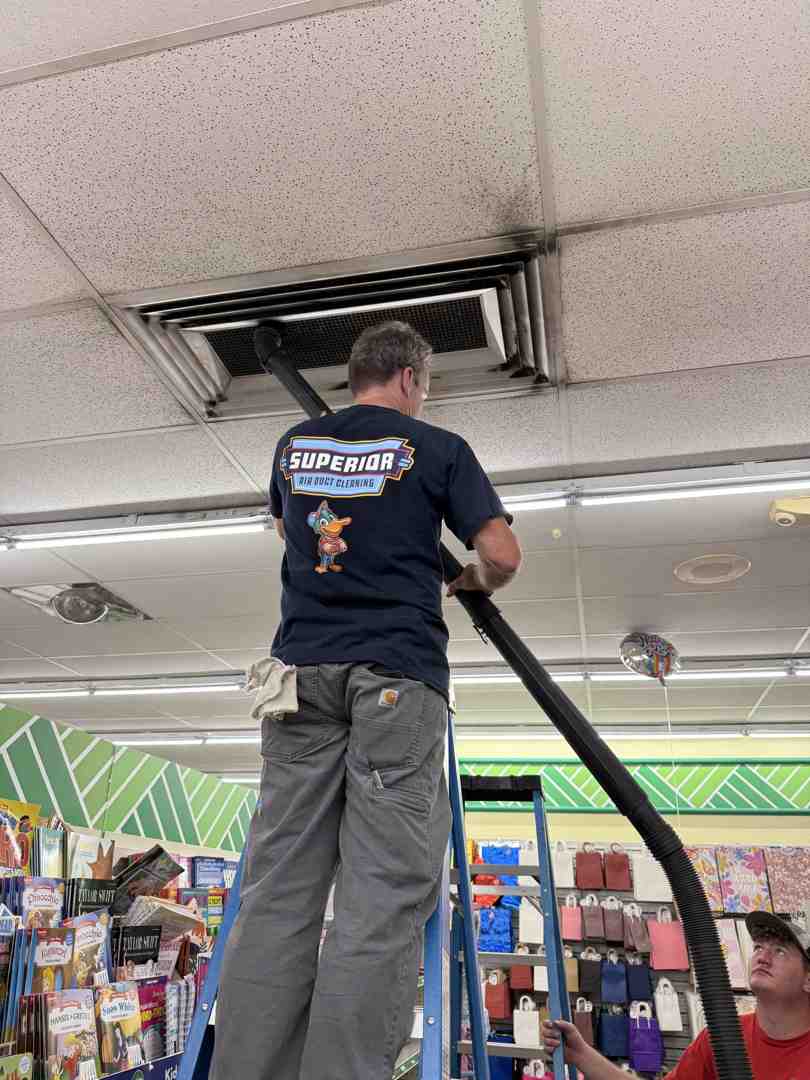
Because crushing the insects causes such severe odor and air quality issues, standard suction is inadequate for the job. The professional solution requires specialized equipment designed specifically for intact extraction. At Superior Air Duct Cleaning, our team utilizes advanced negative-pressure equipment, which we have found to be the only reliable method for safely removing overwintering pests without triggering their chemical defenses.
Negative-pressure duct cleaning differs fundamentally from a standard vacuum. Instead of localized, high-velocity suction at a single register, negative pressure places the entire HVAC duct system under a massive, uniform vacuum. Here is how our technicians execute the process to ensure safe removal:
1. System Isolation: Our technician seals off every supply and return register in the home to create a closed loop.
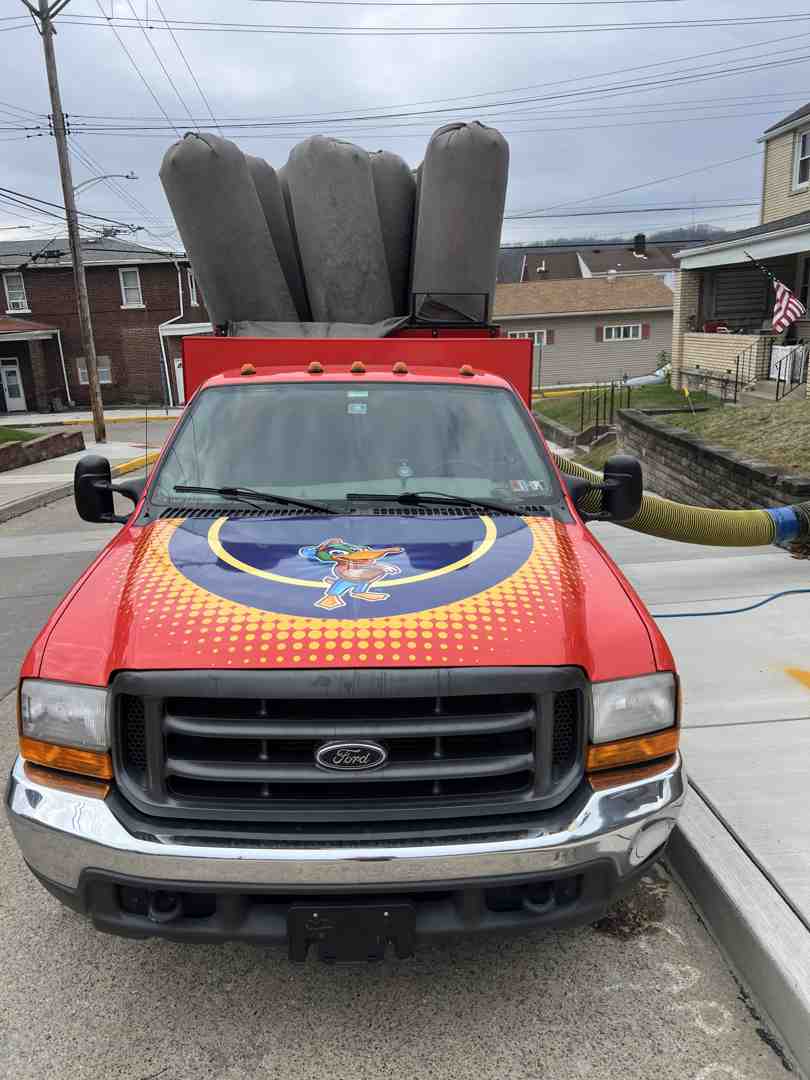
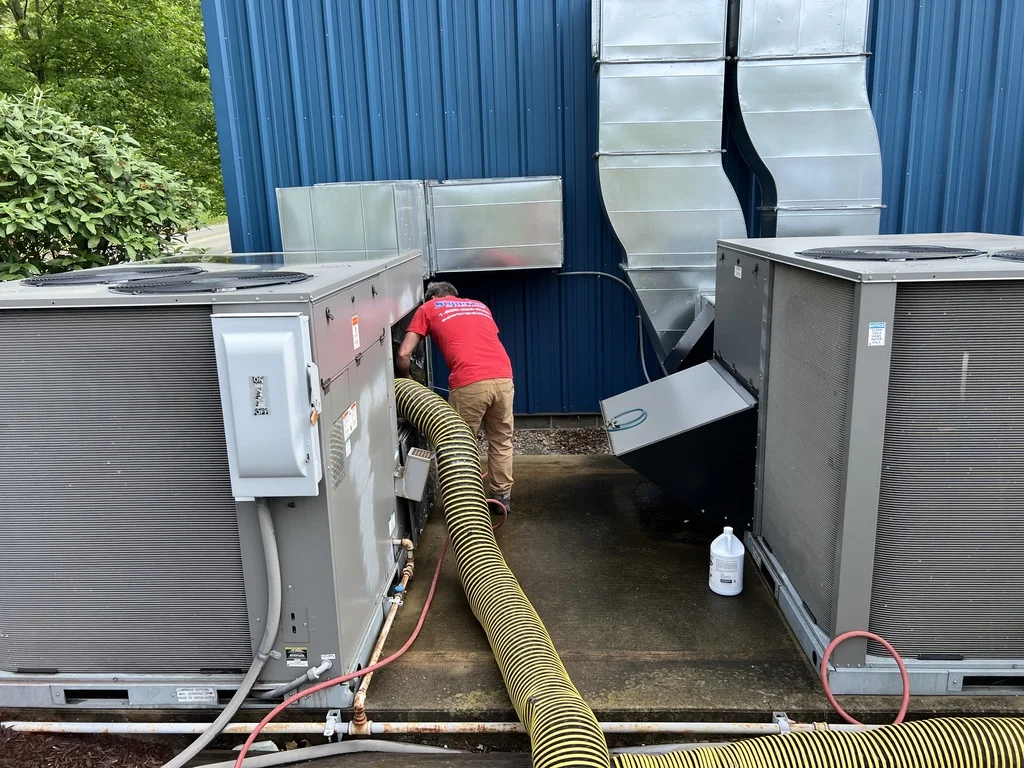
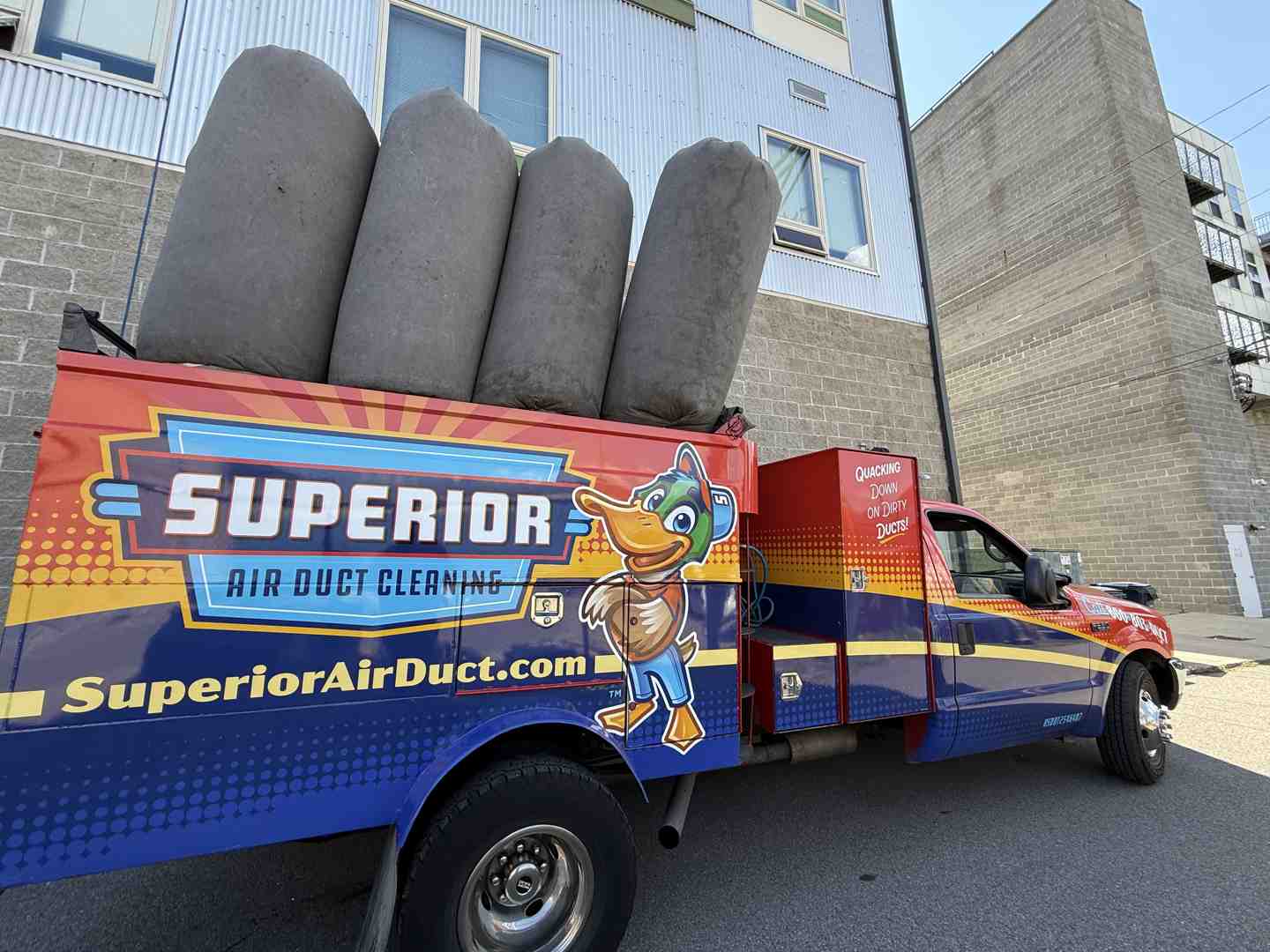
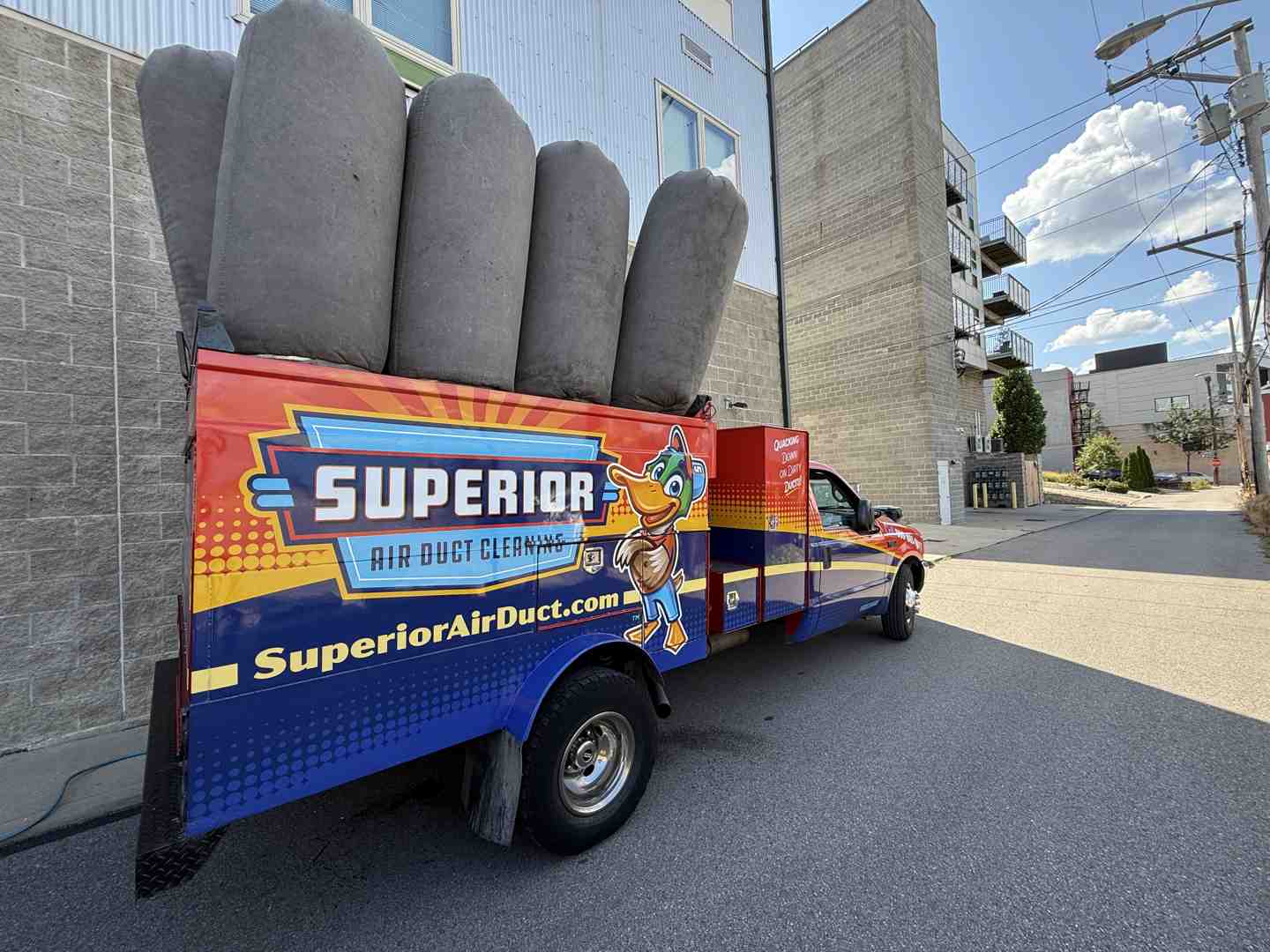
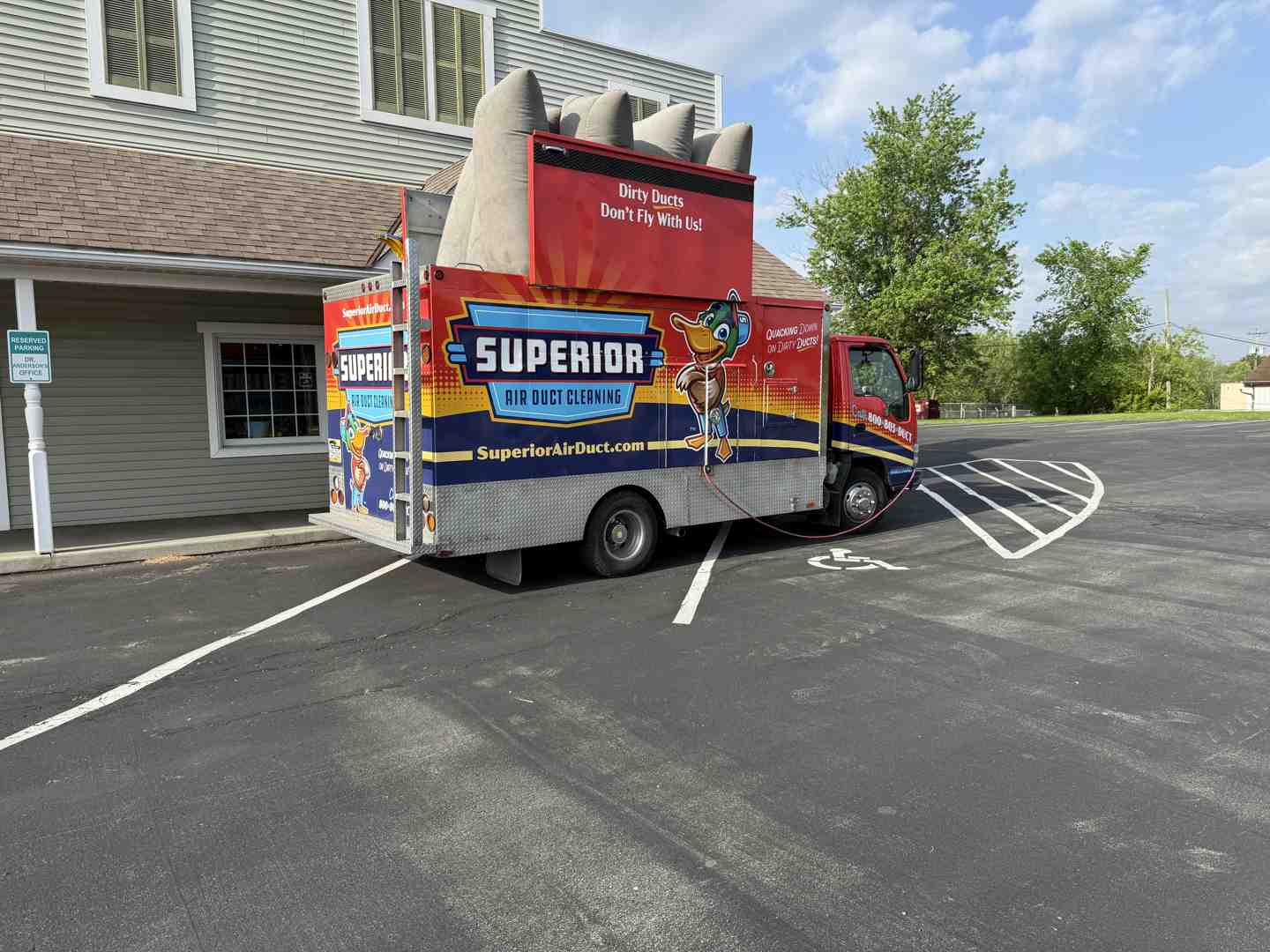
2. Vacuum Connection: A high-powered, truck-mounted or heavy-duty portable negative-pressure machine is connected directly to the main trunk line near the furnace.
3. Intact Pull: The machine generates an immense volume of airflow (measured in thousands of cubic feet per minute). This gentle but powerful draft pulls the dormant bugs backward through the smooth metal ducts entirely intact, rather than sucking them through a violent impeller.
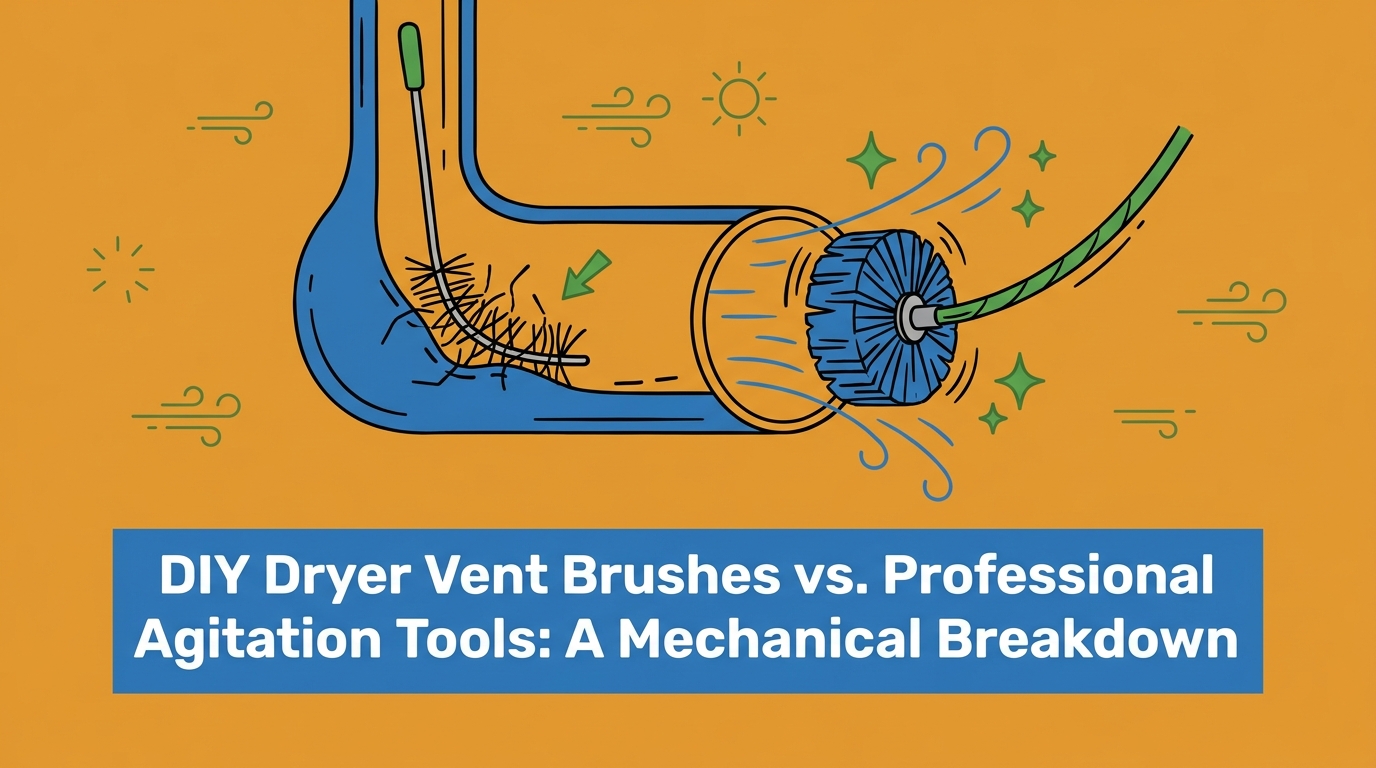
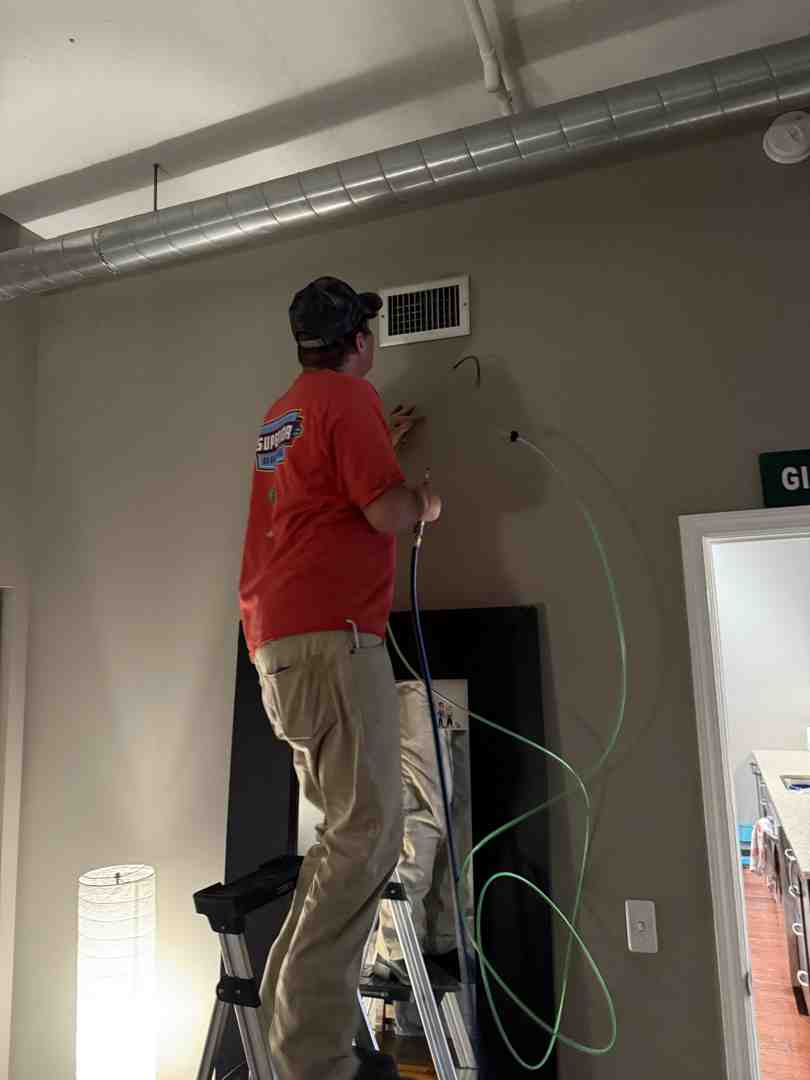
4. Specialized Agitation: For bugs that are clinging stubbornly to the duct walls, our technicians use soft, compressed-air agitation tools. These air whips dislodge the insects gently, sweeping them into the negative pressure stream without breaking their fragile exoskeletons.
5. Safe Containment: The bugs are pulled out of the home and into a sealed, HEPA-filtered containment unit outside the living space, ensuring zero odor chemicals are released indoors.
Restoring Your System with Whole-House Sanitizing
Extracting the physical insects from the ductwork is a vital first step, but in our experience, it is rarely the end of the process. Even when bugs are removed perfectly intact, they leave behind microscopic traces that continue to impact your home. Overwintering insects naturally secrete aggregation pheromones—chemical markers that signal other bugs to join them. Furthermore, they track outdoor bacteria and organic waste into the sterile environment of your metal ductwork.
This is where our whole-house sanitizing service serves as the ultimate differentiator for complete post-infestation cleanup. Sanitizing is the critical follow-up step that neutralizes the microscopic remnants left behind by the pests. Our process involves fogging an EPA-registered, HVAC-safe antimicrobial agent throughout the entire duct system. This fine mist travels the exact same path the air takes, coating the interior walls of the supply and return lines.
The chemical neutralization: Proper sanitizing actively breaks down the specific organic compounds—the aldehydes and mercaptans—that cause the lingering "stink bug smell." It also eliminates the aggregation pheromones, reducing the likelihood that new pests will be attracted to the exact same vents next fall. By treating the entire system, our team ensures that the air blowing out of your registers is genuinely clean.
During a recent early fall inspection, a property owner realized their ducts were full of bacteria from previous pest migrations and required serious intervention. After consulting with our team, they opted for a comprehensive approach. We thoroughly cleaned and sanitized the entire duct system, providing before and after pictures to verify the results. The outcome was a system completely free of bacteria, which drastically improved the home's overall indoor air quality. Implementing indoor air quality solutions like this ensures that your family is breathing fresh, healthy air, entirely free of pest-related pollutants.
Frequently Asked Questions About Overwintering Pests in Vents
Why does my heater smell like stink bugs?
Your heater smells like stink bugs because dormant insects have crawled into your ductwork to survive the winter. When you turn on the furnace, the hot air blows directly over their bodies, essentially baking them. This sudden heat volatilizes the defensive chemical compounds stored in their glands, instantly circulating that pungent, rotting odor through the supply registers and into your living space.
How do you get stink bugs out of air vents?
The safest way to get stink bugs out of air vents is through professional negative-pressure extraction. We strongly advise against using standard household vacuums or shop vacs, as the internal impellers will crush the bugs and spray their foul-smelling chemicals back into the room. A professional duct cleaning pulls the insects out intact, preventing the release of odors and allergens.
Can bugs survive in HVAC ducts?
Yes, certain insects can survive in HVAC ducts during the winter by entering a dormant state called diapause. They do not eat, drink, or reproduce while inside the metal ventilation lines; they simply use the ambient heat of the house to keep from freezing. However, many of them eventually die from dehydration, leaving behind brittle exoskeletons that break down into airborne allergens.
Do box elder bugs live in vents?
Box elder bugs do not "live" or breed in vents permanently. They are outdoor insects that feed on trees during the spring and summer. They only use residential ductwork as a temporary, emergency overwintering shelter when the temperatures drop in early fall, seeking out the radiant warmth of the metal to survive until spring.
Will a standard vacuum permanently remove stink bug odors from ductwork?
No, a standard vacuum will actually cause or worsen the odor by crushing the insects inside the machine's housing. Even if you manage to suck up the bugs, the vacuum cannot remove the microscopic pheromones, bacteria, or chemical residues left behind on the metal duct walls. Professional whole-house sanitizing is required to permanently neutralize and remove the smell.
Protect Your Home's Air Before Heating Season Begins
Addressing overwintering pests before your furnace begins running regularly is the most effective way to protect your indoor air quality. Once the Western PA winter sets in and the heat runs constantly, any trapped insects or crushed remains will turn into a daily nuisance, pushing foul odors and biological allergens into every room of your house round-the-clock.
You do not have to live with the smell or the anxiety of insects lurking behind your registers. Safe, completely odor-free removal is entirely possible when the right negative-pressure equipment is utilized. By scheduling a professional inspection and extraction with our team now, followed up with whole house sanitizing, you can ensure that the air circulating through your home remains clean, healthy, and fresh all winter long.

Customer Reviews


Superior Air Duct cleaning did a phenomenal job in a timely manner with the tech “Rich” being very professional ,personable and considerate of our property! He explained things as he proceeded and answered all our questions!
I LOVE that they provide before & after photos to see the difference. Give them a try… you won’t regret it
Pam T.
Robert was on schedule and communicated what time he would arrive. He was polite, professional, and respectful of our home. I wanted to wait a couple weeks before posting a review because I wanted to see if the duct cleaning actually made a difference. I am happy to say it did! I vacuum multiple times a week and have already noticed a significant reduction in the amount of dust cleaned up each time. As a home with pets, there will always be something to clean, but getting the ducts cleaned has definitely helped improve the air quality and reduce the dust.
alice A.
Technician Rob arrived early explained the days agenda and then proceeded to work methodically and meticulously over the next 6+ hours cleaning my ductwork. Courteous and professional they answered all of my questions and went above and beyond the call of duty. They even located an old dusty box of rat poison buried in our vents. My only regret is not finding these guys sooner. As a realtor of 22 years and owner of a newly purchased (now dust free) home I highly recommended!
Eric K.
Excellent service! I’ve used them to clean out my air ducts as well as my dryer vent duct and they are excellent. I was very pleased with both jobs and will continue to use them in the future. Great communication as well- from the time I scheduled the appointment until they were at my door.
Erika C.
We had such an amazing experience with Superior Air Duct Cleaning. They were so nice and friendly and did an amazing job. I loved seeing the before and after pictures. Besides doing an amazing job cleaning our air ducts they were so quick at responding and setting up the appointment. We will definitely be using them in the future.
Amanda C.