Why Protecting Your Air Quality Through Every Season Matters for Your Family's Health
Protecting your air quality through every season is one of the most important — and most overlooked — responsibilities of any homeowner or business owner. Most people think about air quality only when something goes wrong: a smoky haze rolls in, allergy symptoms spike, or a musty smell appears after a humid summer. But the truth is, indoor air quality shifts constantly as the seasons change, and without a consistent plan, your home can quietly accumulate pollutants year-round.
Here's a quick overview of how to protect your air quality in every season:
- Spring - Keep windows closed on high-pollen days, replace HVAC filters, and run HEPA air purifiers 24/7 in bedrooms
- Summer - Control humidity to prevent mold, monitor ground-level ozone levels, and keep AC filters clean
- Fall - Prepare for ragweed season, clean air ducts before activating your heating system, and step up to a higher MERV filter
- Winter - Increase ventilation in tightly sealed spaces, watch for carbon monoxide risks, and change recirculated-air filters more frequently
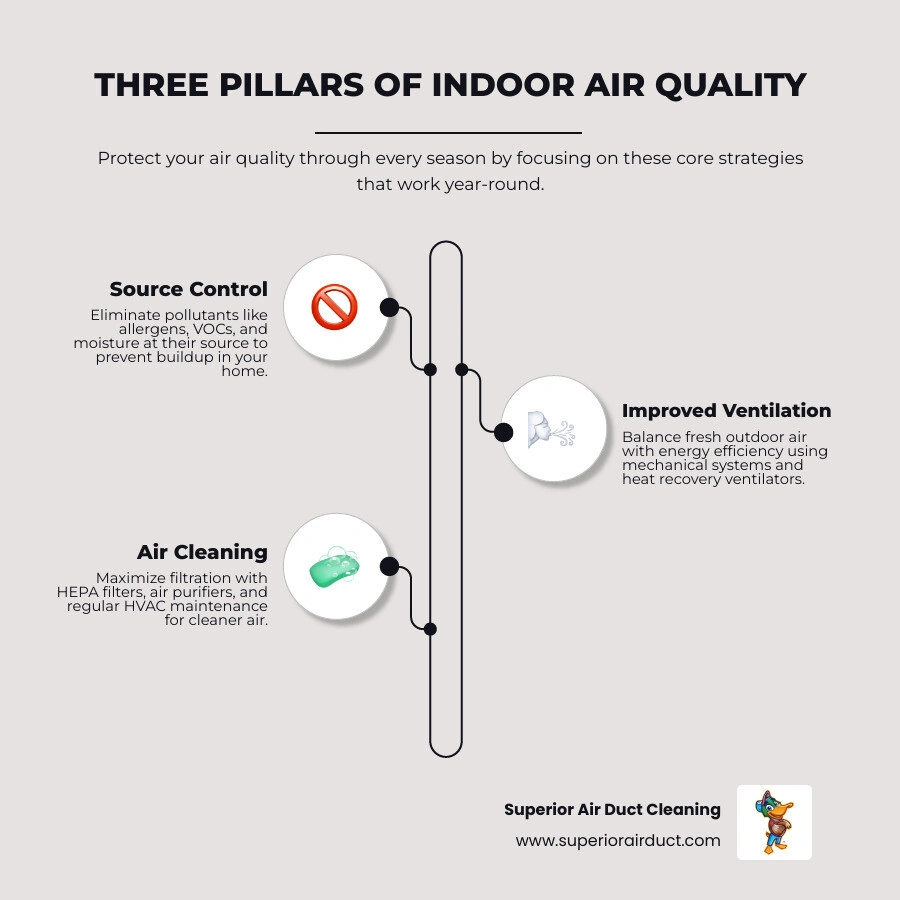
The three core strategies that work across all seasons are:
- Source control - Eliminate or reduce pollutants at their origin
- Improved ventilation - Bring in fresh outdoor air safely and efficiently
- Air cleaning and filtration - Use filters and purifiers to capture what gets through
Consider this: indoor air pollutant levels can climb to three to four times higher than outdoor levels during winter, simply because homes are sealed up tight with little fresh air coming in. And with over 81 million Americans dealing with seasonal allergies, the stakes for getting this right are real — especially for children, older adults, and anyone with a respiratory condition.
This guide walks through everything you need to know — season by season, room by room — to keep the air in your home clean, healthy, and safe all year long.
Basic protecting your air quality through every season vocab:
- how four season weather affects your hvac and ducts
- how pennsylvania climate affects indoor air quality
The Three Core Pillars of Protecting Your Air Quality Through Every Season
Achieving pristine indoor air quality (IAQ) isn't about buying a single gadget and hoping for the best. True, long-term success relies on three core pillars recommended by environmental experts. By balancing these three strategies, you can maintain a clean-breathing environment while keeping your monthly utility bills in check.
Source Control: Eliminating Pollutants at the Root
The most cost-effective way to protect your indoor air is to stop pollutants from entering or circulating in the first place. This is known as source control. If you have a pollutant source in your home, no amount of ventilation or filtration will completely solve the problem.
Common sources of indoor pollution include building materials, household products, and natural outdoor elements that make their way inside. For example, sealing or enclosing asbestos-containing materials is a classic form of source control. In the kitchen, adjusting gas stoves to ensure they burn cleanly, or upgrading to induction cooktops, eliminates harmful nitrogen dioxide at the source.
Moisture control is another critical element. By fixing plumbing leaks, keeping crawlspaces dry, and scheduling regular maintenance, you prevent mold from ever taking root. When you proactively eliminate these hazards, you protect your household from breathing in dangerous microscopic particles. For a deeper look at what might be floating around your living spaces, explore our article on What Are Some Items That Affect the Air in Your Home.
Ventilation: Balancing Fresh Air and Energy Costs
Once you have controlled your pollution sources, the next pillar is ventilation. Most traditional residential heating and cooling systems do not mechanically bring fresh air into the home. Instead, they simply recirculate the same air over and over.
To refresh your indoor environment, you have to look at three types of ventilation:
- Infiltration: This is the natural exchange of air through tiny cracks, gaps, and seams in your home's structure. While it happens automatically, it is highly unpredictable and often brings in unconditioned, unfiltered air.
- Natural Ventilation: Opening your windows and doors is a great way to let fresh air in and flush out indoor contaminants, provided the outdoor air is clean and weather permits.
- Mechanical Ventilation: Modern, energy-efficient homes often feature dedicated mechanical ventilation systems, such as Heat Recovery Ventilators (HRVs) or Energy Recovery Ventilators (ERVs). These systems mechanically pull fresh air in from the outside, pre-temper it using the temperature of the outgoing indoor air, and filter it before it reaches your living areas.
While increasing ventilation is crucial for diluting indoor pollutants, doing so recklessly can drive up your energy bills. This is why mechanical ventilation systems are so valuable—they allow you to exchange stale air for fresh air without wasting heat in the winter or cool air in the summer. For practical ways to balance air exchange and utility costs during the coldest months, check out our Energy Saving Tips for the Winter.
Air Cleaning: Maximizing Filtration for Protecting Your Air Quality Through Every Season
The final pillar of year-round IAQ protection is air cleaning. No matter how carefully you manage sources and ventilation, some particles will always find a way in. This is where air purifiers and high-efficiency HVAC filters come into play.
Portable air purifiers equipped with True HEPA filters can reduce indoor pollen counts by 50-80% when run 24/7 in closed rooms, such as bedrooms. For whole-home protection, your central HVAC system serves as the primary air cleaner. By upgrading to a high-quality filter and ensuring your ductwork is clean, you can capture dust, pet dander, mold spores, and fine particulate matter before it recirculates.
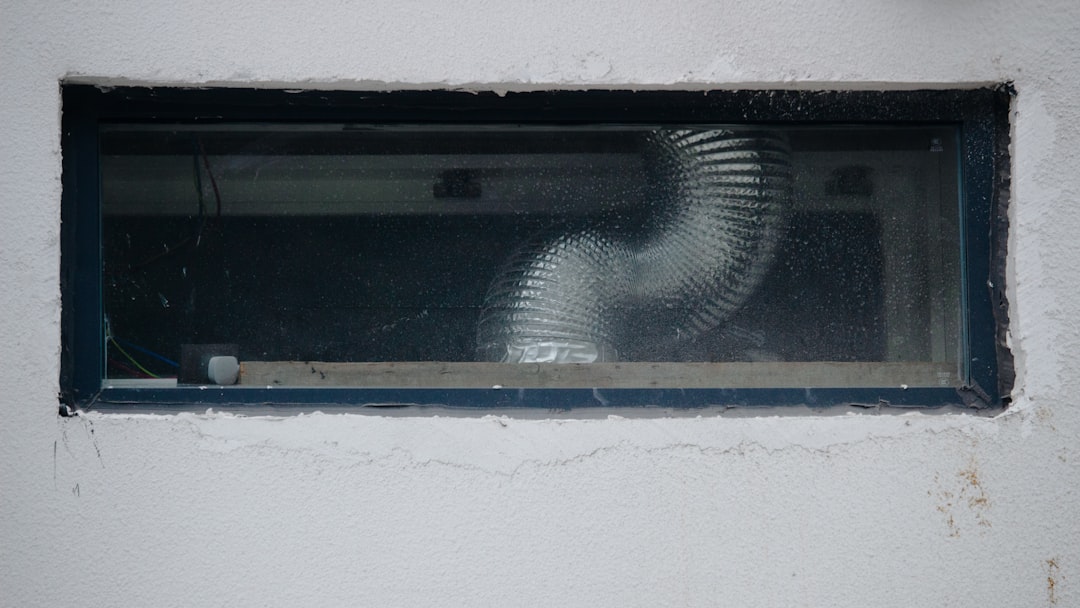
However, filtration only works if the air can actually reach the filter. If your air ducts are caked with years of debris, your HVAC system has to work twice as hard, reducing airflow and spreading contaminants. Discover how a professional cleaning can restore your system's filtration efficiency by reading how Air Duct Cleaning Boosts IAQ and how you can Improve Air Quality with Clean Ducts.
How the Four Seasons Affect Air Quality in Pennsylvania and Ohio

Living in Western Pennsylvania, Northeast Ohio, or the Northern Panhandle of West Virginia means experiencing four distinct, beautiful seasons. However, these dramatic weather transitions bring unique, predictable challenges to our indoor and outdoor air quality. From the heavy pollen of a Beaver County spring to the sealed-in winter air of a Youngstown home, understanding these seasonal patterns is key to protecting your health.
Spring: Pollen Explosions and Rising Moisture
Spring in cities like Cranberry Township, PA, and Boardman, OH, is a welcome sight, but it is also a time of high airborne particle counts. As temperatures rise, tree pollen (typically February through May) and grass pollen (May through July) surge outdoors. This massive pollen explosion affects millions of seasonal allergy sufferers across our region.
At the same time, spring brings frequent rain showers and rising outdoor humidity. This moisture can seep into basements and crawlspaces, creating a breeding ground for mold spores and dust mites. When homeowners open their windows to let in a "fresh breeze," they often unwittingly invite millions of pollen grains and mold spores inside, where they settle into carpets, upholstery, and air ducts.
Summer: Ground-Level Ozone and High Humidity
Summer in our region brings hot, sunny days that are perfect for outdoor activities, but these conditions also trigger the formation of ground-level ozone. Ground-level ozone forms when emissions from vehicles and industrial facilities react chemically in the presence of intense heat and sunlight. This pollutant is a powerful respiratory irritant, particularly during hot afternoon hours in metropolitan areas like Pittsburgh.
Indoors, the primary summer challenge is high humidity. When indoor relative humidity climbs above 50%, it creates the ideal environment for mold to grow. This is especially true inside dark, cool air ducts where condensation can collect when your air conditioning is running. To learn more about how to prevent these hidden summer hazards, read about the Summer Mold Risk in Your Ductwork.
Fall: Ragweed Surges and Heating System Activation
As summer transitions to fall, a new allergen takes center stage: ragweed. An estimated 23 million Americans are affected by ragweed pollen, which can release up to one billion pollen grains per plant in a single season. Ragweed pollen is incredibly light and can travel hundreds of miles on the wind, making it a major trigger for late-season allergies in places like Aliquippa, PA, and Warren, OH.
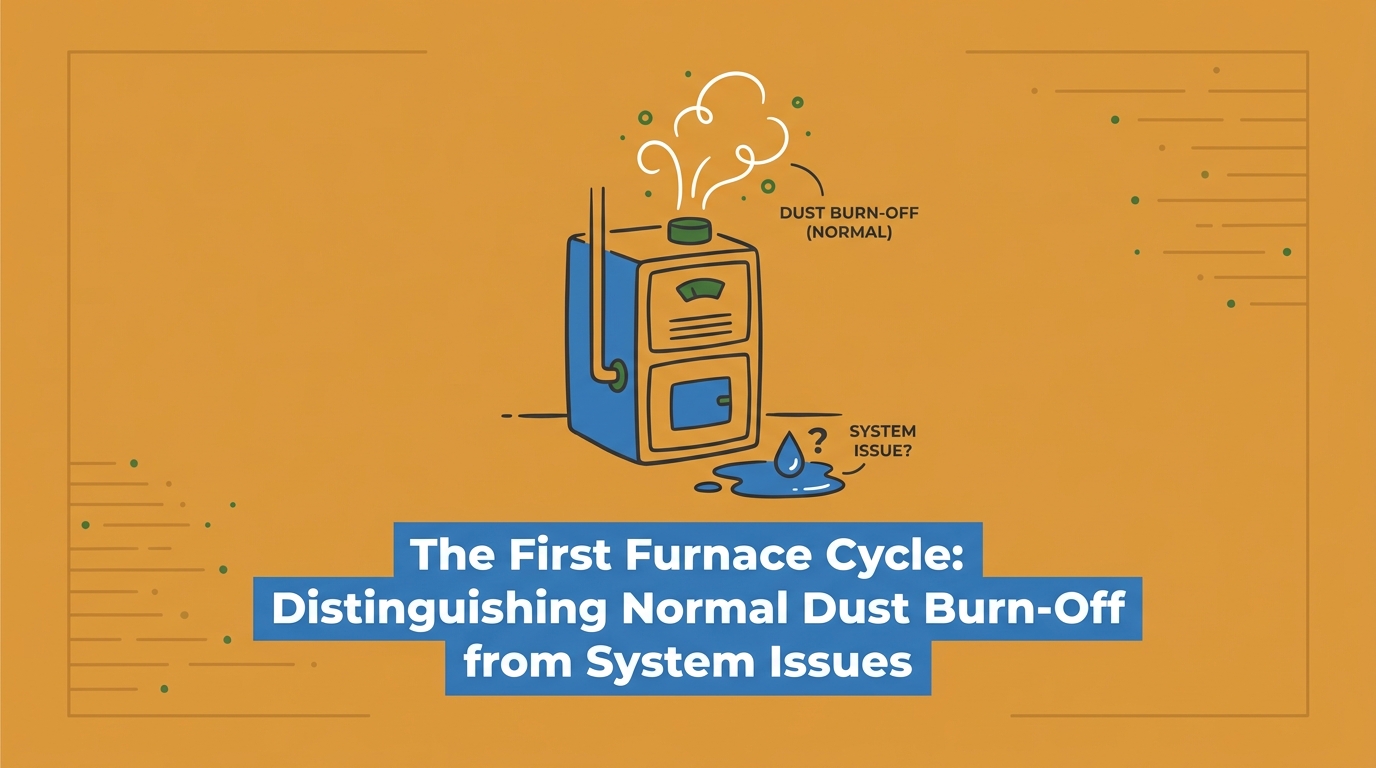
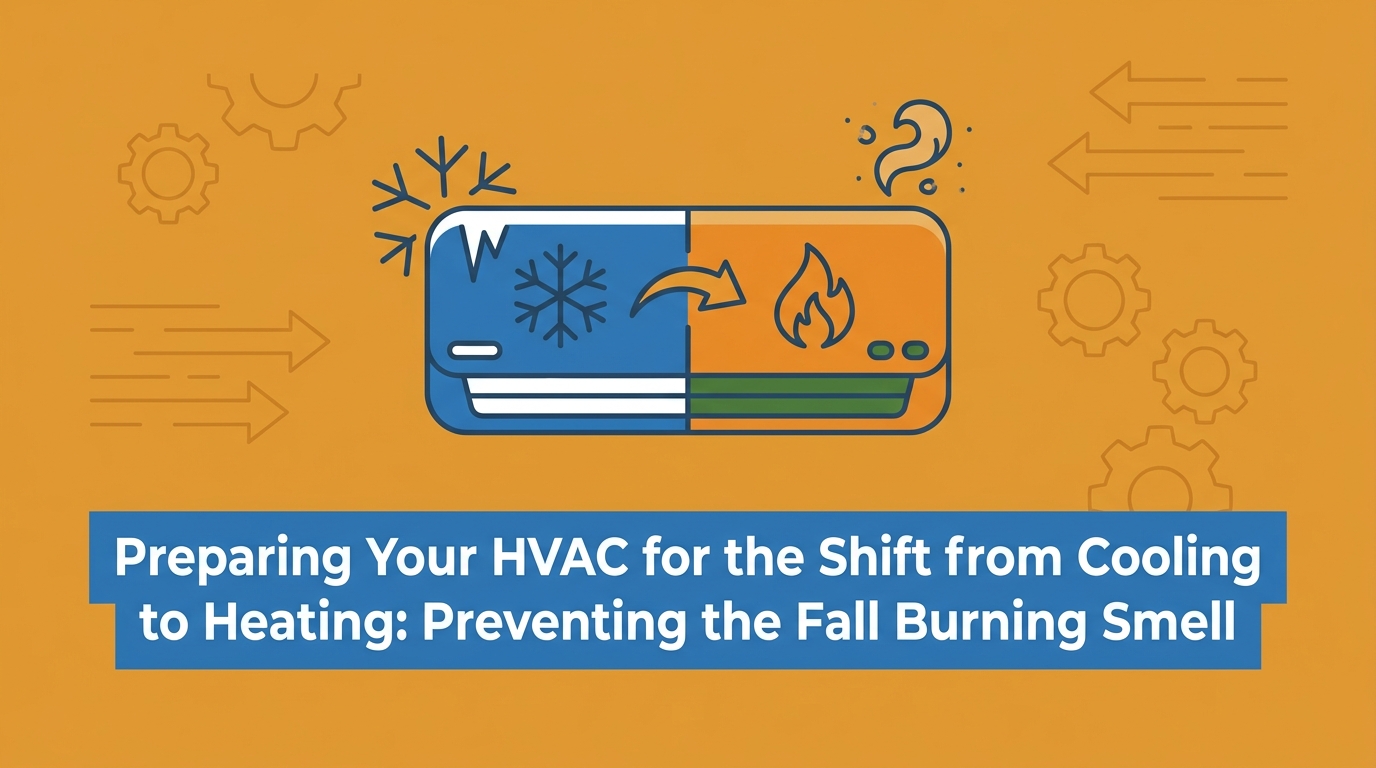
Late fall also marks the time when homeowners turn on their furnaces for the first time in months. Over the spring and summer, dust, pet dander, and outdoor pollen settle inside your ductwork. When the furnace fan kicks on, it stirs up this accumulated winter dust, blowing it directly into your living spaces and causing immediate respiratory irritation. If you notice a dusty, burning smell or a sudden increase in sneezing when your heat turns on, it is one of the classic Signs Your Air Ducts Need Cleaning.
Winter: Sealed Homes and Recirculated Pollutants
During the freezing winter months in Western Pennsylvania and Northeast Ohio, we naturally seal our homes tight to keep the cold air out and the warm air in. While this is great for energy efficiency, it has a devastating effect on indoor air quality.
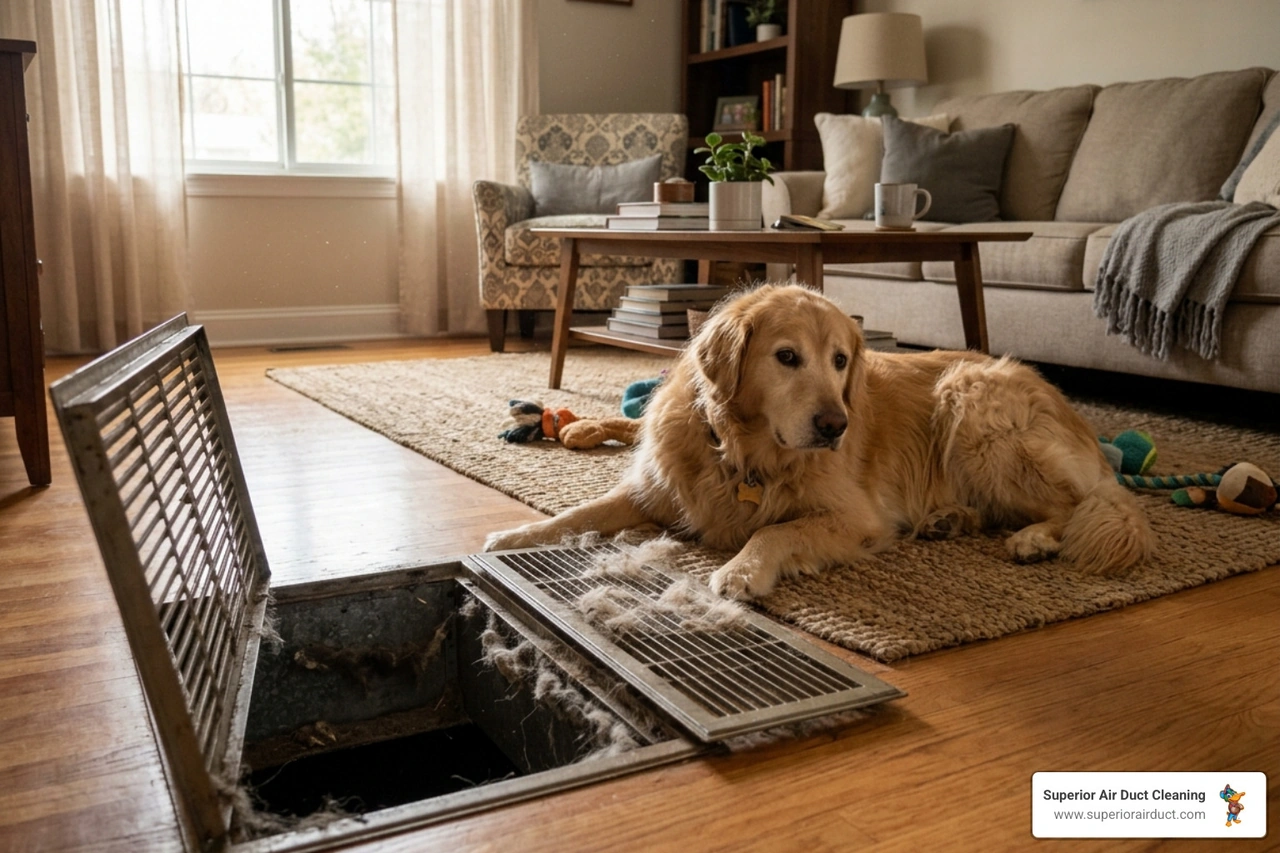
With zero natural ventilation, indoor air pollutant levels can climb to three to four times higher than outdoor levels. Every time you cook, clean, or pet your dog, those particles remain trapped inside, recirculating through your HVAC system. Furthermore, winter brings increased risks from combustion pollutants, such as carbon monoxide from gas furnaces, fireplaces, and space heaters, making proper ventilation maintenance and carbon monoxide detectors absolute necessities.
Seasonal HVAC Filter Adjustments and Pre-Season Preparation
To keep your indoor air clean throughout these seasonal shifts, your HVAC filtration strategy must adapt. Using the exact same filter type and rating year-round can either starve your system of airflow or fail to capture the specific allergens of the season.
Adjusting MERV Ratings for Protecting Your Air Quality Through Every Season
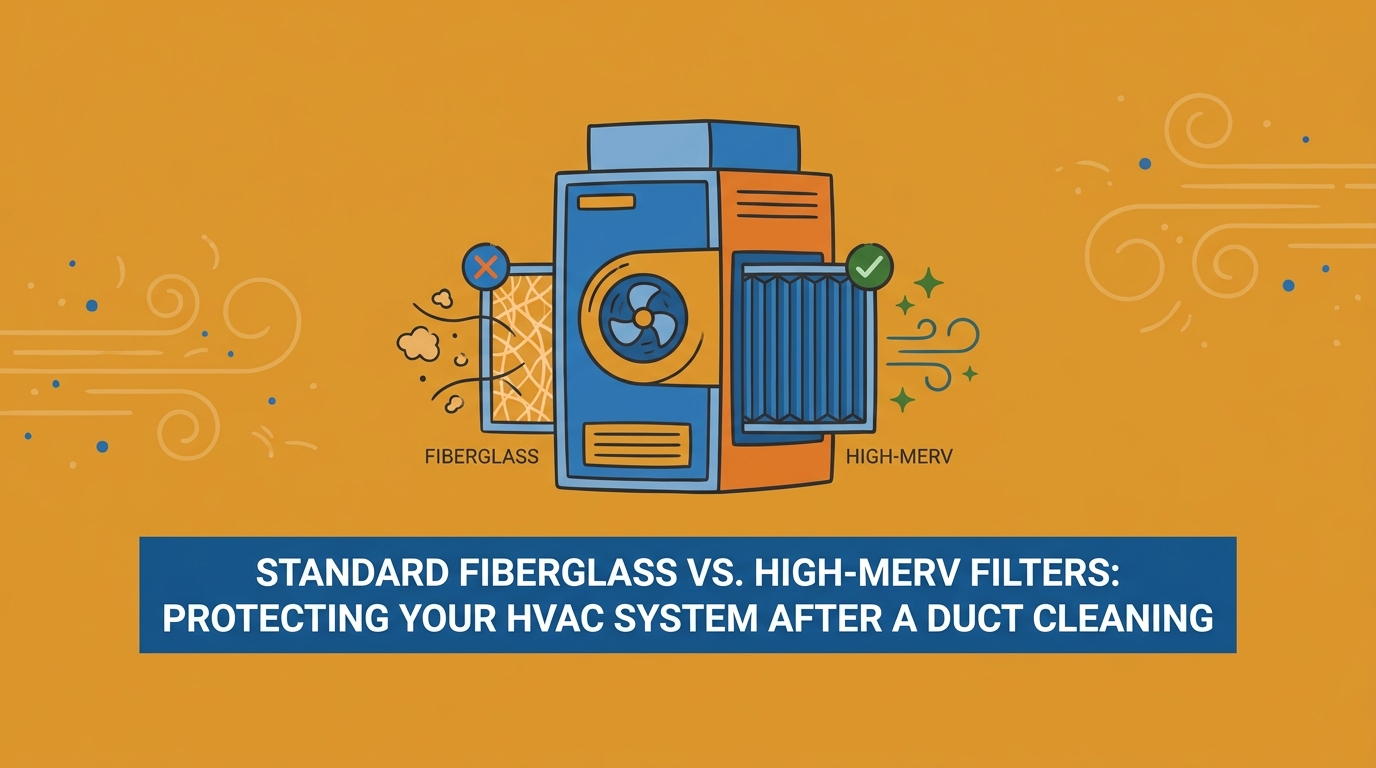
The Minimum Efficiency Reporting Value (MERV) scale measures a filter's ability to capture particles of varying sizes. Ratings range from 1 to 16, with higher numbers indicating tighter filtration. However, tighter filters also restrict airflow more, which can strain older HVAC systems.
Adjusting your filter ratings seasonally allows you to optimize both your air quality and your system's energy efficiency. Strategic filter selection and seasonal MERV rating adjustments can save up to 15% on energy costs while maintaining excellent air quality.
| Season | Typical Allergen Focus | Recommended MERV Rating | Key Benefits |
|---|---|---|---|
| Spring | Tree & Grass Pollen, Mold Spores | MERV 11 to 13 | Captures fine pollen particles and mold spores during peak allergy season. |
| Summer | Dust, Pet Dander, Light Smoke | MERV 8 to 11 | Balances good filtration with maximum airflow for high AC usage. |
| Fall | Ragweed, Weed Pollen, Furnace Dust | MERV 11 to 13 | Captures fine weed pollen and initial dust kicked up by the heating system. |
| Winter | Recirculated Dust, Pet Dander, Viruses | MERV 11 to 13 | Provides maximum filtration for tightly sealed, recirculated indoor air. |
During mild shoulder seasons (like late spring or early autumn) when allergen counts are low and you are not running your system constantly, dropping back to a fresh MERV 8 filter allows your system to breathe easily and run with minimal energy consumption.
Pre-Season Checklist for Air Purifiers and Allergy Prep
If you or your family members battle seasonal allergies, do not wait until you are already sneezing to prepare. Taking action two to four weeks before the pollen calendar peaks prevents allergens from accumulating inside your home.
- Replace HEPA Filters Early: Install fresh True HEPA (H13) filters in your portable air purifiers ahead of the spring tree pollen surge (typically late February) and the fall ragweed surge (early August).
- Clean Pre-Filters: Vacuum or wash the reusable pre-filters on your purifiers to remove large dust bunnies and hair, ensuring maximum airflow.
- Prioritize Bedrooms: Position air purifiers in the bedrooms of allergy sufferers. Running a properly sized unit 24/7 with the bedroom door closed can reduce indoor pollen counts by 50-80%.
- Position Correctly: Keep purifiers at least three feet away from walls and furniture to allow clean air to circulate freely.
Navigating Poor Outdoor Air Quality Events and Wildfire Smoke
In recent years, seasonal air quality challenges have been compounded by extreme weather events and distant wildfires. Homeowners in Pennsylvania and Ohio have experienced how wildfire smoke from thousands of miles away can blanket our local communities in a dangerous, smoky haze. Protecting your household during these events requires a rapid, coordinated response.
Understanding the Air Quality Index (AQI)
The Air Quality Index (AQI) is a standardized tool used by the EPA to report daily air quality. It runs on a scale from 0 to 500, with higher values representing greater levels of air pollution. The index is calculated based on five major air pollutants, with fine particulate matter (PM2.5) and ground-level ozone posing the greatest health risks.
- 0 to 50 (Green - Good): Air quality is satisfactory, and air pollution poses little or no risk.
- 51 to 100 (Yellow - Moderate): Air quality is acceptable, but there may be a risk for some people, particularly those who are unusually sensitive to air pollution.
- 101 to 150 (Orange - Unhealthy for Sensitive Groups): Members of sensitive groups may experience health effects. This includes children, the elderly, pregnant individuals, and people with lung or heart disease.
- 151 to 200 (Red - Unhealthy): Everyone may begin to experience health effects; members of sensitive groups may experience more serious health effects.
- 201 to 300 (Purple - Very Unhealthy): Health alert: the risk of health effects is increased for everyone.
- 301+ (Maroon - Hazardous): Health warning of emergency conditions: everyone is more likely to be affected.
Children are especially vulnerable during high AQI events because they breathe in more air relative to their body weight than adults do, meaning they inhale a higher dose of pollutants.
Best Practices for Sheltering in Place and Sealing Your Home
When wildfire smoke or industrial emissions push the local AQI into unhealthy territory, your home must become a safe haven. Take these immediate steps to protect your indoor air:
- Seal the House: Close all windows and doors tightly. Seal gaps around drafty doors and windows with weatherstripping or painter's tape.
- Recirculate Your Air: Set your central HVAC system to "recirculate" mode so it does not pull smoky air from the outside.
- Run the Fan Continuously: Switch your thermostat's fan setting from "Auto" to "On." This keeps air moving through your home's central filter continuously, even when the heating or cooling is not actively running.
- Create a "Clean Room": Choose a central room (like a main bedroom), close the door, and run a high-capacity HEPA air purifier on high speed to create a pollutant-free sanctuary.
- Avoid Activities That Create Particles: Do not vacuum (unless you have a sealed HEPA vacuum), burn candles, use gas stoves, or smoke indoors, as these activities quickly build up dangerous PM2.5 levels.
- Wear Protection If Outdoors Is Necessary: If you must go outside during a high AQI event, wear a well-fitted N95 or KN95 mask. Standard cloth or paper surgical masks do not filter out microscopic smoke particles.
Frequently Asked Questions About Seasonal Air Quality
How often should I change my central air system filters?
As a general rule, standard 1-inch pleated filters should be replaced every 1 to 3 months, while thicker 4-inch media filters can last anywhere from 4 to 6 months. However, this timeline depends heavily on your household. If you have pets, live in a high-pollen area like Canfield, OH, or suffer from severe allergies, you may need to change your filters much more frequently.
To replace your filter, locate the filter slot, which is typically found in the return air duct tract right before the air handler unit, inside the blower compartment, or within the return plenum. Always turn off your system at the thermostat before sliding out the old filter and inserting the new one.
How do I monitor both indoor and outdoor air quality effectively?
For outdoor air quality, the most reliable tool is the EPA’s AirNow website or mobile app, which provides real-time AQI tracking and localized forecasts. Many weather services also provide separate daily pollen forecasts, which are incredibly helpful for planning outdoor activities during the spring and fall.
For indoor air quality, consider investing in a digital indoor air quality monitor. These compact devices track real-time levels of PM2.5, volatile organic compounds (VOCs), humidity, and carbon dioxide, allowing you to see exactly when it is time to turn on your air purifiers or run your kitchen exhaust fan.
Why does professional duct cleaning matter for seasonal allergies?
Even if you change your HVAC filters regularly, microscopic allergens like pollen, mold spores, pet dander, and dust mites will bypass the filter over time and settle deep within your ductwork. Your air ducts can easily become one of the most unsanitary parts of your home. Every time your heating or cooling system kicks on, these settled particles are blown back into your living spaces, triggering allergy and asthma attacks.
Scheduling a professional air duct cleaning every 3 to 5 years (or every 3 years for allergy and asthma sufferers) removes this hidden reservoir of allergens completely. To learn more about how a thorough cleaning can restore your home's breathing environment, check out Why Regular Duct Cleaning Matters and explore the many Benefits of Ductwork Cleaning.
Conclusion
Protecting your air quality through every season requires a mix of smart daily habits, consistent maintenance, and professional care. By practicing source control, managing your ventilation, keeping your filters fresh, and monitoring seasonal pollen and AQI levels, you can create a healthy, comfortable, and energy-efficient home for your family.
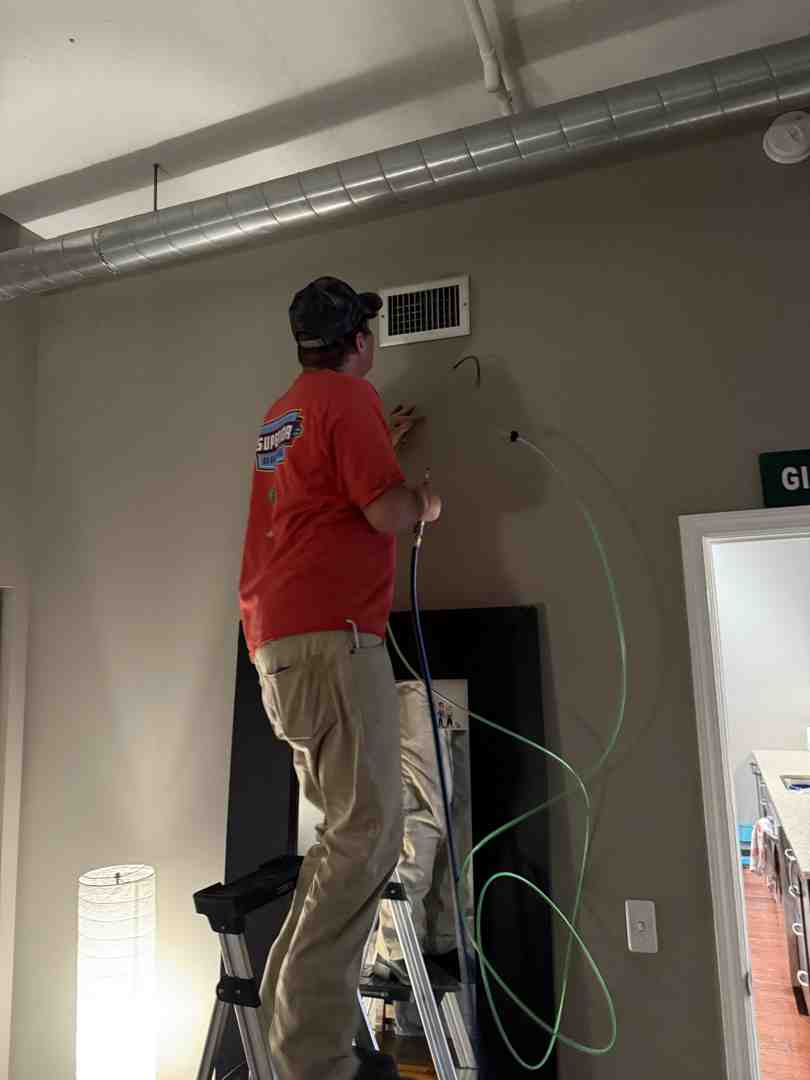
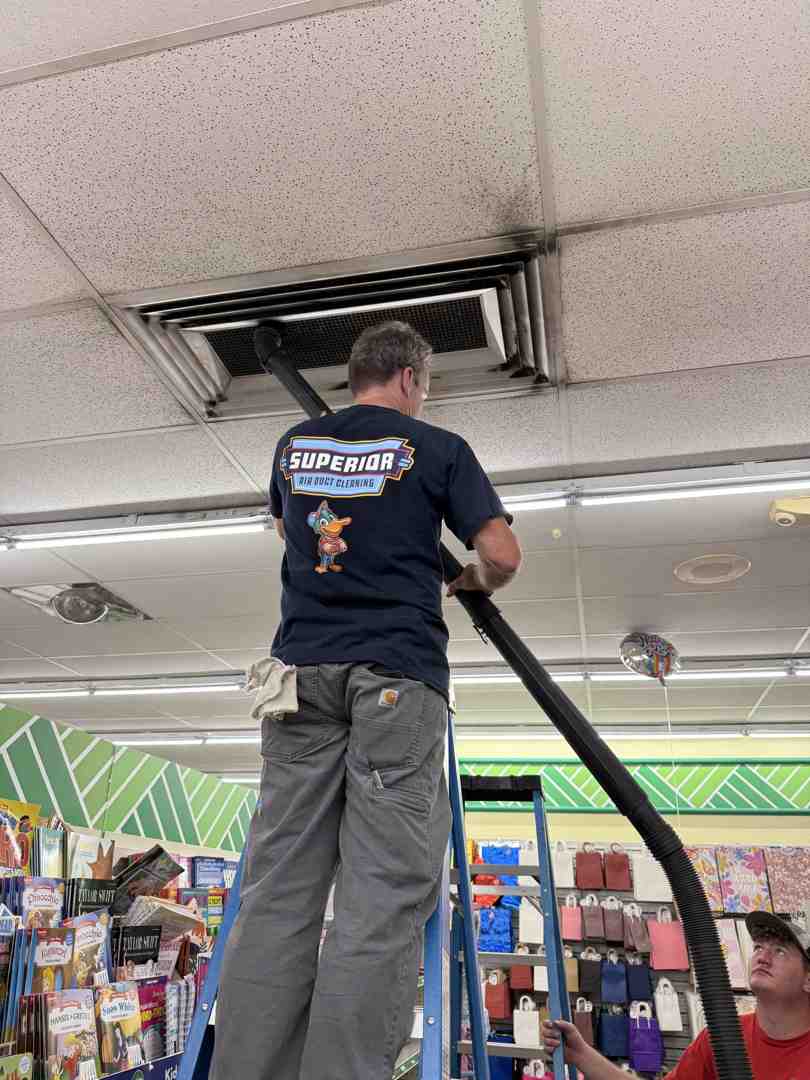
At Superior Air Duct Cleaning, we are dedicated to helping families and businesses across Western Pennsylvania, Northeast Ohio, and Hancock County, WV, breathe easier. Our professional residential and commercial air duct and dryer vent cleaning services eliminate years of accumulated dust, pollen, and mold, boosting your system's efficiency and protecting your indoor air quality year-round.
Ready to make a lasting upgrade to your home's health? More info about air quality services is just a click away. Contact us today to schedule your seasonal system inspection and cleaning!

Customer Reviews


Superior Air Duct cleaning did a phenomenal job in a timely manner with the tech “Rich” being very professional ,personable and considerate of our property! He explained things as he proceeded and answered all our questions!
I LOVE that they provide before & after photos to see the difference. Give them a try… you won’t regret it
Pam T.
Robert was on schedule and communicated what time he would arrive. He was polite, professional, and respectful of our home. I wanted to wait a couple weeks before posting a review because I wanted to see if the duct cleaning actually made a difference. I am happy to say it did! I vacuum multiple times a week and have already noticed a significant reduction in the amount of dust cleaned up each time. As a home with pets, there will always be something to clean, but getting the ducts cleaned has definitely helped improve the air quality and reduce the dust.
alice A.
Technician Rob arrived early explained the days agenda and then proceeded to work methodically and meticulously over the next 6+ hours cleaning my ductwork. Courteous and professional they answered all of my questions and went above and beyond the call of duty. They even located an old dusty box of rat poison buried in our vents. My only regret is not finding these guys sooner. As a realtor of 22 years and owner of a newly purchased (now dust free) home I highly recommended!
Eric K.
Excellent service! I’ve used them to clean out my air ducts as well as my dryer vent duct and they are excellent. I was very pleased with both jobs and will continue to use them in the future. Great communication as well- from the time I scheduled the appointment until they were at my door.
Erika C.
We had such an amazing experience with Superior Air Duct Cleaning. They were so nice and friendly and did an amazing job. I loved seeing the before and after pictures. Besides doing an amazing job cleaning our air ducts they were so quick at responding and setting up the appointment. We will definitely be using them in the future.
Amanda C.