The Hidden Airflow Crisis in Historic Pittsburgh Homes
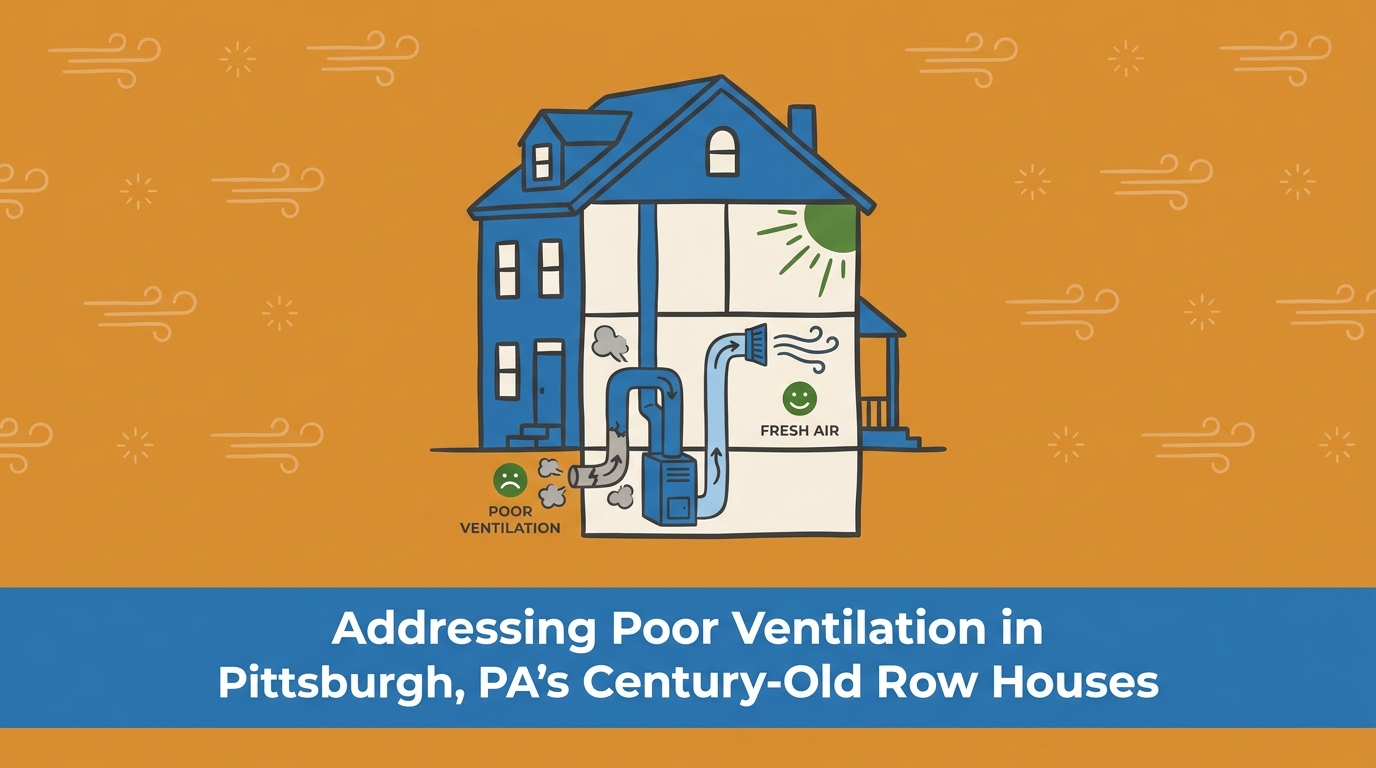
At Superior Air Duct Cleaning, our team frequently sees this across New Brighton and the greater Pittsburgh area: if your air conditioner has been running nonstop but the third floor still feels like an oven, addressing poor ventilation in Pittsburgh's century-old row houses is likely the most pressing maintenance challenge you face. Your central cooling system might be pushing out perfectly chilled air in the basement and first-floor living areas, but by the time you walk up the narrow staircase to the bedrooms, you are hit with a wall of stagnant, sweltering air. This extreme temperature gradient is a concrete problem that peaks during the oppressive August late-summer heat, leaving many homeowners frustrated and uncomfortable in their own bedrooms.
When the continuous cooling load reaches its absolute maximum, these upper floors become increasingly unlivable. The core issue traces back to severe static pressure drops inside the ductwork. As the cold air attempts to travel vertically through multiple stories, it loses momentum, resulting in barely a trickle of airflow at the uppermost registers. This leaves you at a critical decision point: determining whether the weak airflow is a permanent structural limitation of your home's architecture, or if it is a maintenance failure that can be resolved by clearing out hidden blockages.
To start reclaiming your comfort, understanding the relationship between your home's unique multi-story layout and your indoor air quality is the crucial first step. Restoring proper airflow is not just about temperature control; it is about ensuring that the air circulating through your living spaces is clean, healthy, and moving at the correct velocity to keep your entire home comfortable.
Why Retrofitted HVAC Systems Struggle in Vertical Architecture
The fundamental problem with forced-air cooling in these historic properties comes down to basic physics and original architectural intent. Homes featuring early 1900s construction were never designed to accommodate modern sheet metal ductwork or high-velocity blower motors. Instead, they relied heavily on passive ventilation.
The Shift from Passive to Forced Air
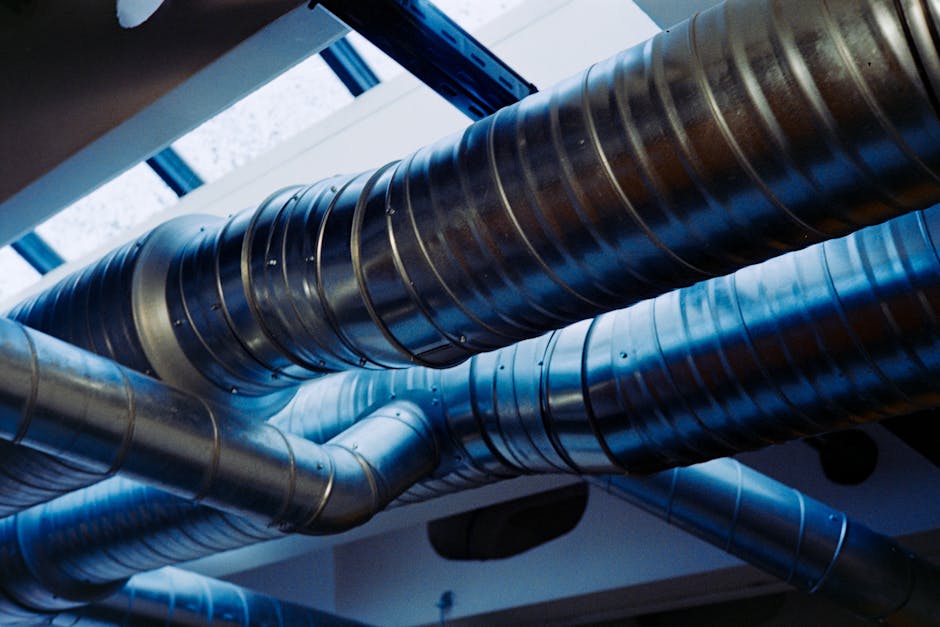
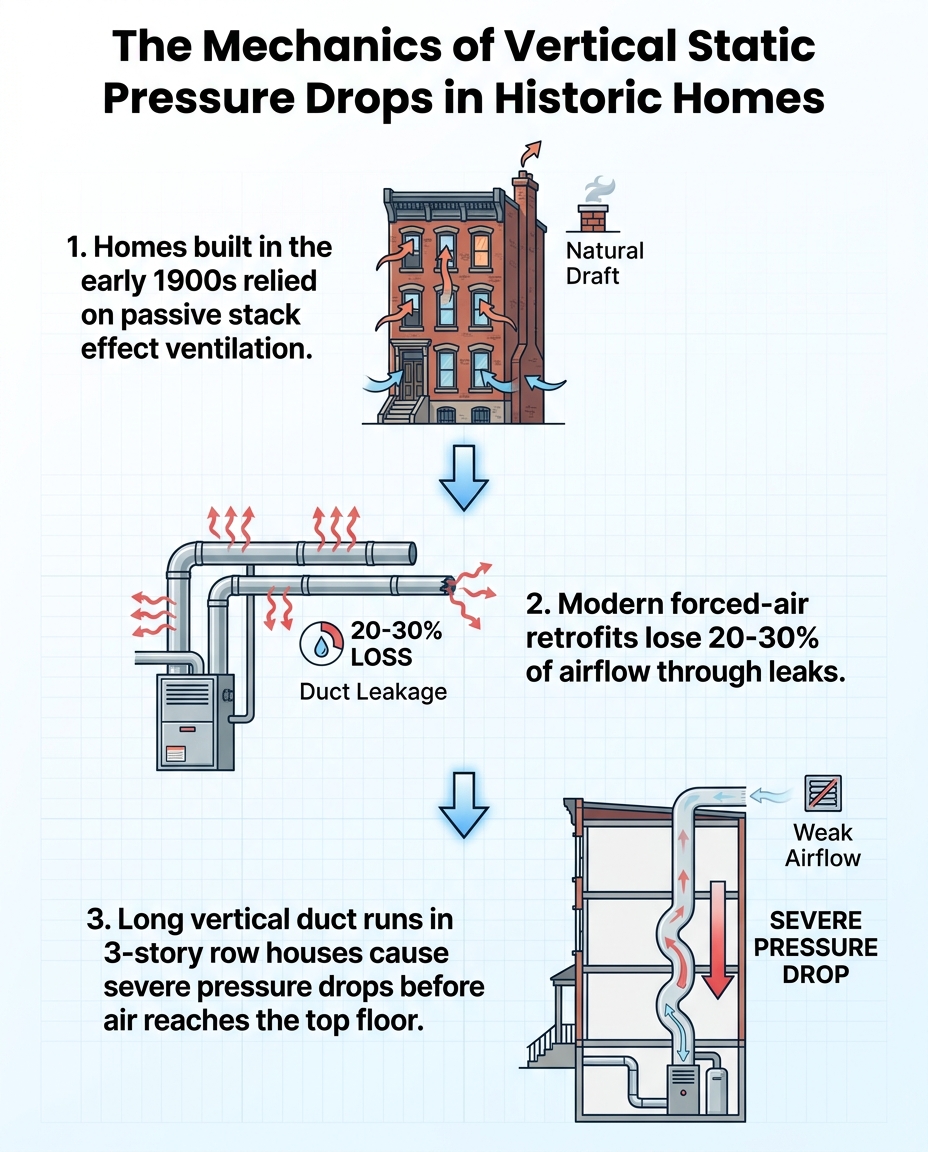
A century ago, builders utilized the natural "stack effect" to cool homes. Hot air naturally rises, escaping through upper-floor windows or roof vents, which in turn pulls cooler air in from the shaded lower levels. When modern central air conditioning is retrofitted into these spaces, our technicians are often forced to work with ductwork squeezed into narrow wall cavities, abandoned chimney flues, or tight corners that were never meant to handle mechanical airflow.
• Passive Stack Effect (Original) — Primary Air Movement: Natural thermal buoyancy (heat rising) — Architectural Design Focus: Transoms, high ceilings, roof vents — Modern Cooling Efficiency: Poor (cannot distribute chilled air)
• Forced Air Retrofit (Current) — Primary Air Movement: Mechanical blower motor pushing air — Architectural Design Focus: Narrow shafts, long vertical duct runs — Modern Cooling Efficiency: Struggles with severe static pressure loss
The Physics of Vertical Static Pressure Drops
Static pressure is the resistance to airflow within a heating and cooling system. In a sprawling single-story ranch home, the air travels horizontally, maintaining relatively consistent pressure. In a three-story row house, the blower motor must fight gravity to push heavy, conditioned air up two or three flights of stairs through exceptionally long vertical duct runs.
Every foot of vertical rise, every sharp 90-degree elbow joint, and every narrow bottleneck strips away static pressure. By the time the air reaches the top-floor master bedroom, the mechanical force is often entirely depleted. Furthermore, data from the Department of Energy shows that typical forced-air duct systems lose 20 to 30 percent of their air due to leaks, holes, and poorly connected joints. When you compound a 30 percent air loss with extreme vertical pressure drops, the system must be kept absolutely clear of any internal blockages just to function at a baseline level.

How Late-Summer Weather Exacerbates Poor Ventilation
The mechanical shortcomings of vertical ductwork are present year-round, but we notice they become painfully obvious for our clients when the regional climate shifts. The combination of narrow layouts and intense seasonal weather creates a perfect storm for ventilation failures.
The Burden of High Humidity
With Pittsburgh's highly humid summers, the ambient air holds a massive amount of moisture. High humidity makes stagnant air feel significantly heavier and hotter than the thermostat indicates. When the August late-summer heat peaks, and families are gearing up for the back-to-school transition, the air on the second and third floors becomes trapped. Because the mechanical airflow is too weak to create proper circulation, the humid air sits still, making the upper levels feel oppressive and sticky.
Continuous Cooling Loads Expose Weaknesses
During a mild spring day, your air conditioner might cycle on for fifteen minutes and shut off. But during a late-summer heatwave, the system faces a continuous cooling load. It runs hour after hour, desperately trying to satisfy the thermostat located on the cooler first floor. This continuous strain exposes the severe pressure drops in the upper-floor ductwork.
Common symptoms of climate-exacerbated airflow failure include:
• Extreme temperature variance: A difference of 10 to 15 degrees between the ground floor and the top floor.
• Heavy, sticky air: Rooms that feel damp and uncomfortable despite the AC running constantly.
• Condensation risks: Weak mechanical airflow combined with high moisture levels increasing the risk of condensation forming on vents or windows.
• Stale odors: A lack of fresh air exchange allowing everyday household odors to linger indefinitely on the upper levels.
When the heavy, humid air cannot be cycled back through the return vents effectively, the overall indoor air quality plummets, leaving occupants miserable.
Identifying Airflow Restrictions in Hard-to-Reach Ductwork
Because the inherent static pressure in a multi-story home is already compromised by the architectural layout, even the smallest internal restriction can cause a massive disruption in airflow. Connecting the mechanical problem to the solution requires understanding how debris accumulation chokes off your system.
The Accumulation Problem in Vertical Shafts
Over decades of use, dust, pet dander, dead skin cells, and microscopic allergens get pulled into the return vents. In a standard home, much of this is caught by the filter. But in the long vertical runs found throughout Pittsburgh historic row house districts, heavy debris often settles into the ductwork before it ever reaches the basement furnace. This debris acts as a physical barrier. As the layers of dust build up along the interior walls of the narrow ducts, they reduce the overall diameter of the pipe, increasing friction and starving the top floor of conditioned air.
Permanent Limitations vs. Maintenance Blockages
It is vital to differentiate between permanent structural limitations (which cannot be changed without massive renovation) and maintenance-related blockages (which can be resolved). You cannot easily widen a duct hidden behind a century-old plaster wall, but you can remove the half-inch of accumulated debris coating its interior.
During a recent service call our team handled for a local homeowner struggling with dirty ducts and vents, our thorough cleaning and a step-by-step explanation of the process revealed exactly how much debris was choking the system. Once we got the ducts and vents super clean, the airflow to the restricted rooms improved dramatically, proving that our targeted maintenance can overcome many perceived structural flaws.
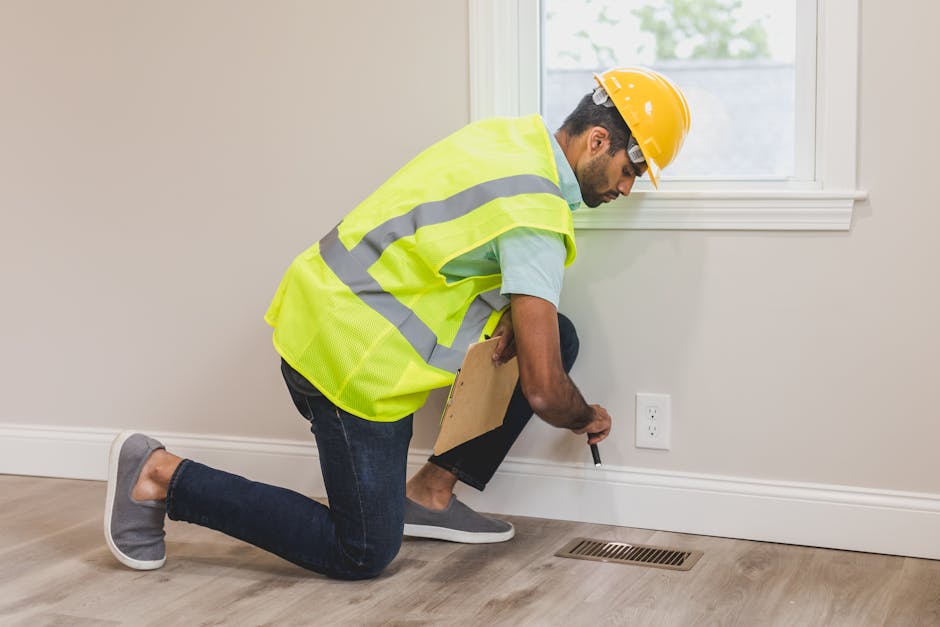
Because these hidden blockages are impossible to see with the naked eye, a thorough evaluation is essential. Securing a proper Pittsburgh air duct inspection and cleaning will identify exactly where the airflow is being choked off, allowing our technicians to target the most restricted vertical runs.
Safely Navigating Fragile Duct Systems in Older Homes
Recognizing that your ducts are blocked is only half the battle; clearing them out safely in a historic property requires a completely different approach than servicing a modern suburban build.
The Fragility of Historic Retrofits
Retrofitted ducts in older homes are notoriously fragile. Because they were often installed decades after the home was built, the sheet metal might be awkwardly pieced together, routed through tight floor joists, or hidden directly behind delicate lath and plaster walls. The joints connecting these vertical runs are often sealed with aging tape or brittle mastic that can easily crack under pressure.
In our years of servicing historic properties, we've seen that using standard, aggressive cleaning methods—like heavy, uncalibrated whipping tools or oversized compressed-air tools—can cause catastrophic structural damage. A rigid brush forced up a narrow, early 1900s construction shaft can easily pop a duct joint loose behind a finished wall. Once a joint is disconnected inside a wall cavity, your air conditioner will spend the rest of the summer pumping cold air into the space between your studs rather than into your bedroom.
Precision Over Power
Reclaiming lost airflow does not require compromising the historic integrity of your property. It requires specialized expertise to navigate and clean the long, narrow, and hard-to-reach duct runs typical of historic Pittsburgh architecture without damaging the property.
Safe navigation requires:
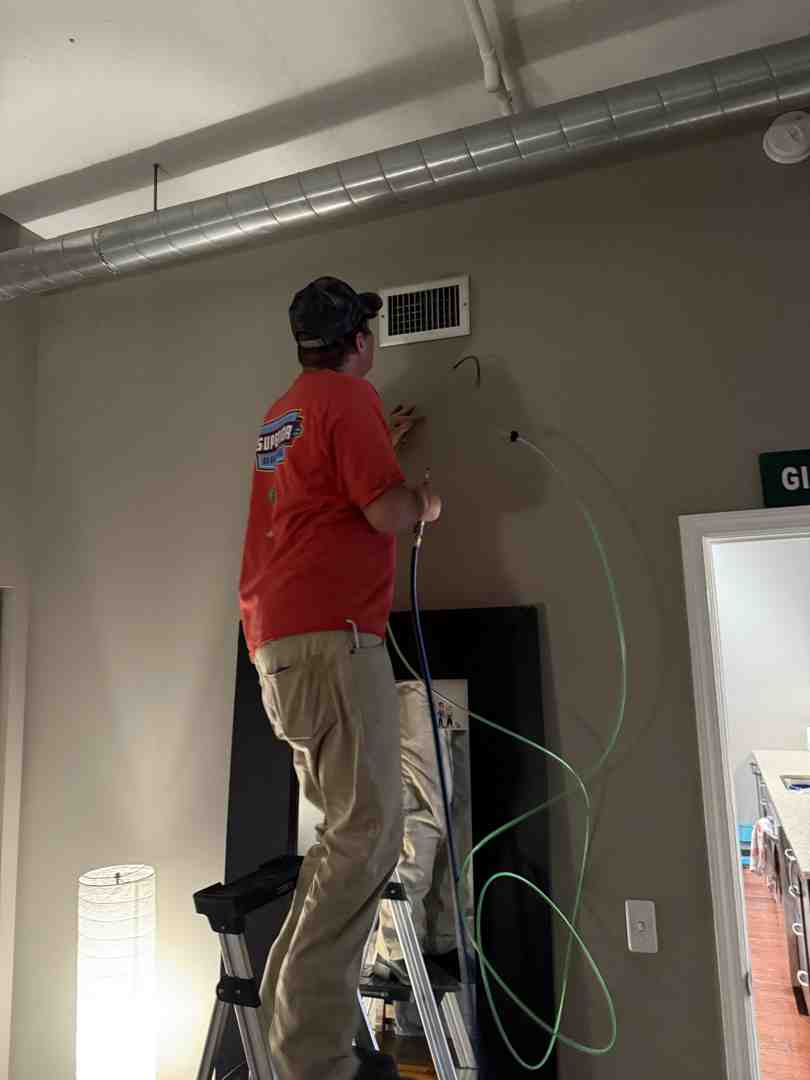
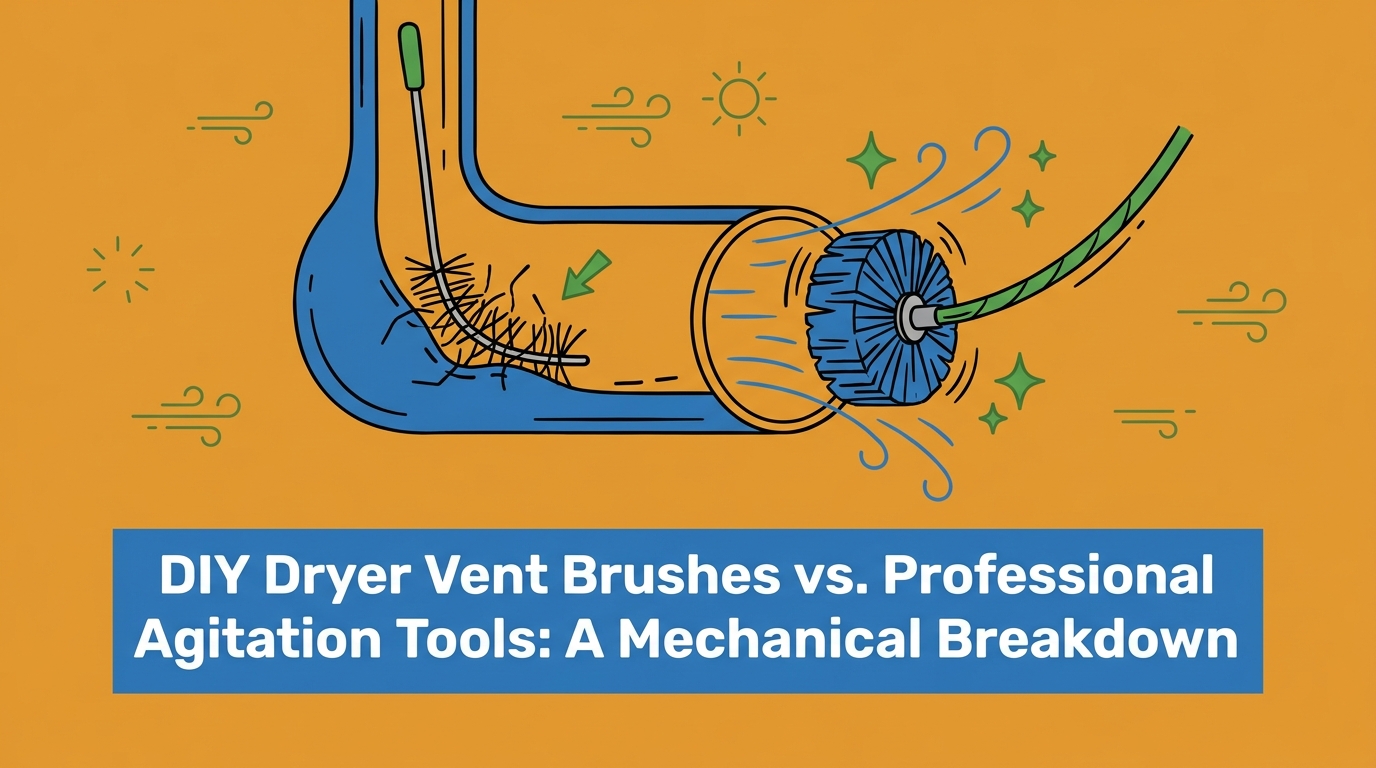
• Flexible, calibrated agitation tools: Equipment designed to snake through awkward 90-degree turns without putting undue stress on the metal joints.
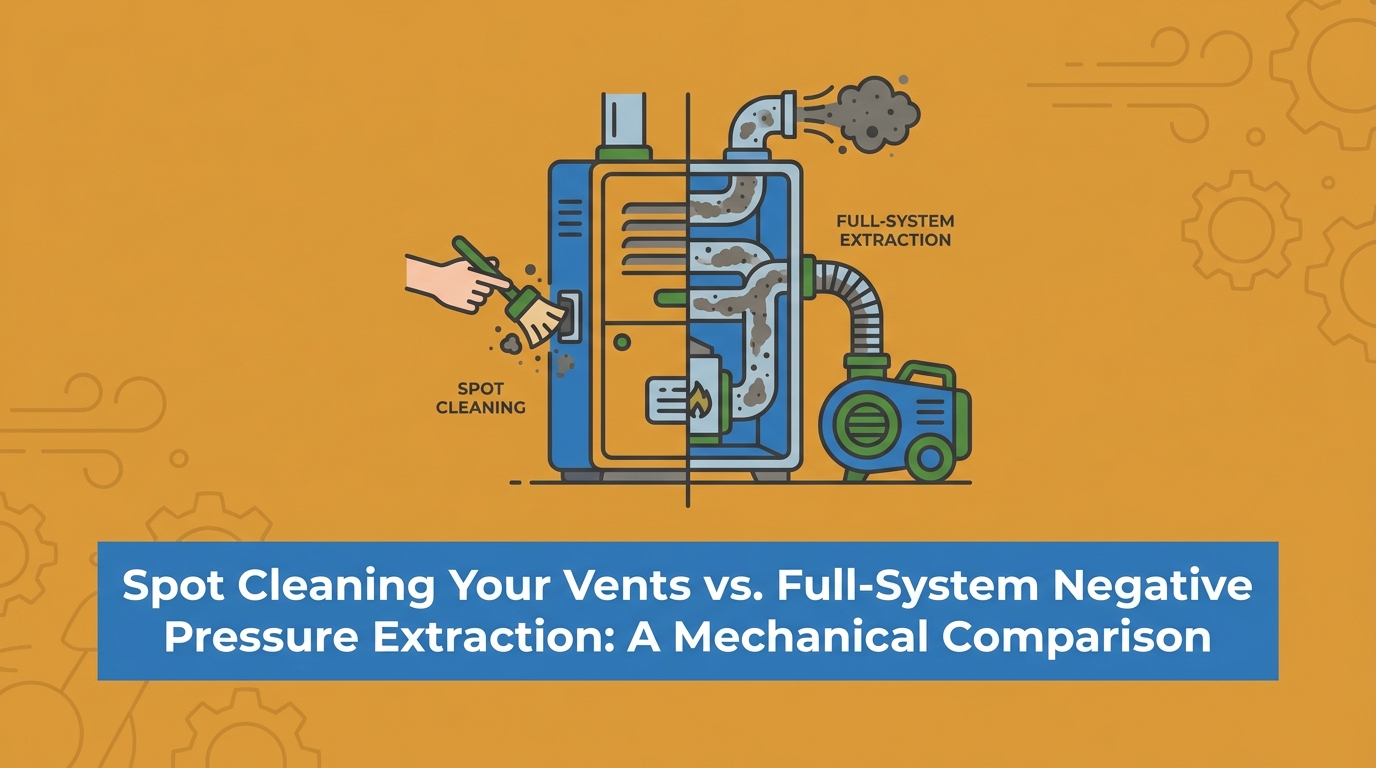
• Negative pressure systems: High-powered vacuums that pull the dislodged debris downward safely, ensuring dust is not blown back into the living space.
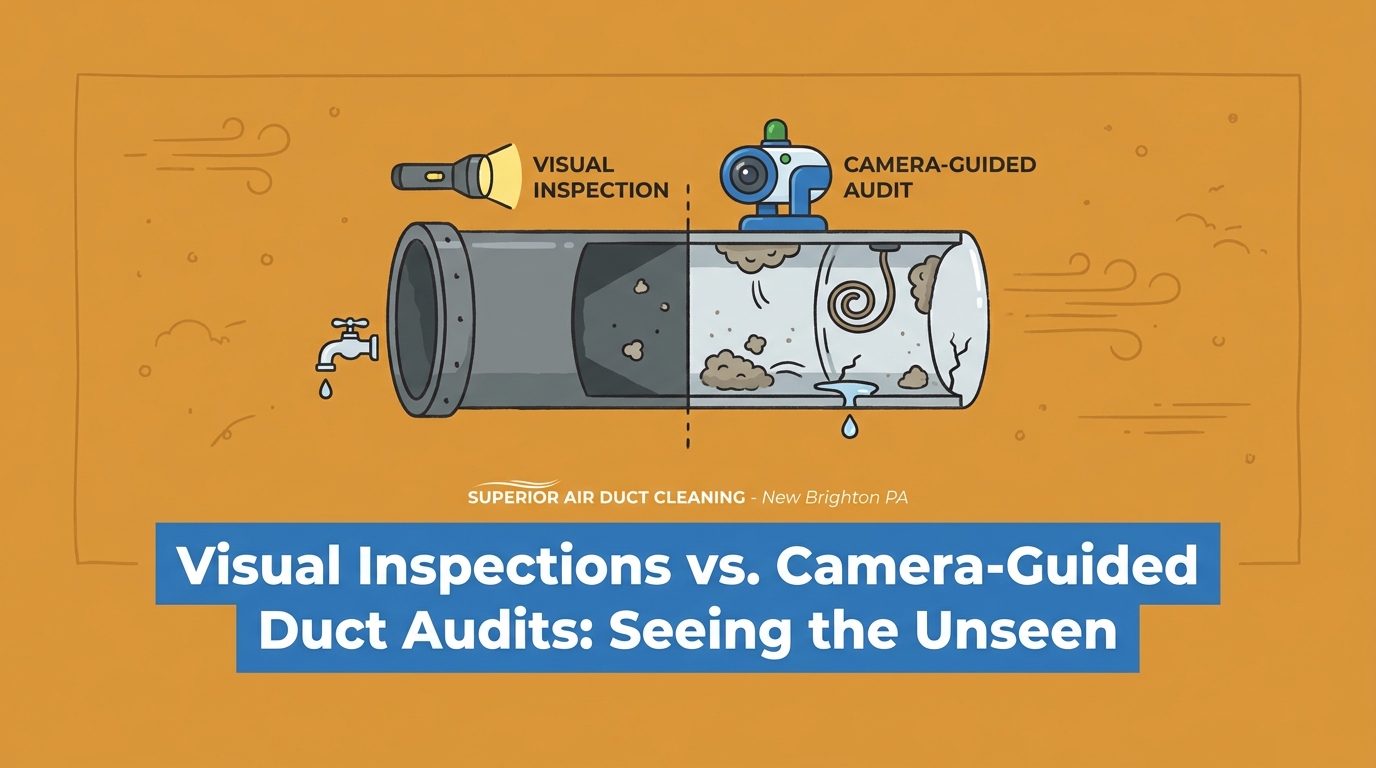
• Camera inspections: Visual verification to ensure the path is clear and the ductwork remains intact before, during, and after the process.
By relying on professionals experienced in navigating hard-to-reach ductwork in older Pittsburgh homes, you ensure that the physical restrictions are removed safely, restoring critical static pressure to the upper floors.
Addressing Odors and Contaminants in Aging Ducts
While clearing physical blockages restores static pressure and improves airflow velocity, it may not resolve all the issues lurking inside aging ductwork. Historic homes often suffer from lingering air quality problems that go beyond simple dust accumulation.
The Biological Impact of Stagnant Air
Years of accumulated moisture, organic dust, and periods of passive, stagnant airflow can create an ideal environment for biological growth. When humid summer air hits the cold metal of the ductwork, condensation forms. In the dark, narrow shafts typical of Pittsburgh historic row house districts, this moisture mixes with settled debris to create musty odors that permeate the upper floors.
We recently helped a local resident who discovered their system was harboring bacteria and causing noticeable odors throughout the home. After our technicians performed a comprehensive cleaning with before-and-after photos to verify the work, an added sanitizing service left the ducts completely free of bacteria, significantly improving the home's overall air quality.
Comprehensive Sanitization Strategies
Physical agitation and vacuuming remove the dirt, but they do not neutralize microscopic contaminants. To truly refresh the air in a historic home, a multi-step approach is required:
1. Physical Debris Removal: Extracting the heavy buildup that restricts airflow and holds moisture.
2. System Isolation: Ensuring the ductwork is sealed off so contaminants do not escape into the living areas during treatment.
3. Targeted Application: Applying an EPA-registered sanitizing agent through the duct network to neutralize bacteria, mold spores, and lingering odors.
4. Final Verification: Confirming the system is clean, clear, and operating at peak efficiency.
Combining physical clearing with whole house sanitizing treatments ensures that the air circulating through your historic property is not only moving at the right speed, but is also clean and safe to breathe, granting you ultimate peace of mind.
Reclaim Your Upper-Floor Comfort Before Summer Ends
Living in a century-old home comes with unique architectural charms, but suffering through sweltering upper-floor temperatures should not be one of them. Poor vertical airflow is a solvable mechanical problem, not an inevitable quirk of historic living. By clearing out the accumulated debris in your long vertical duct runs, you restore the critical static pressure your HVAC system needs to push conditioned air all the way to the top floor.
As the August late-summer heat continues to put a continuous strain on your cooling system, now is the time to take action. Do not settle for stagnant, heavy air in your bedrooms. Consult with local experts who understand the unique structural challenges of your property, and schedule an assessment to evaluate your system's performance. Investing in professional air duct cleaning is the most effective way to reclaim your upper-floor comfort and ensure your historic home remains a healthy, welcoming sanctuary.
Frequently Asked Questions
Why is the top floor of my historic home so hot in the summer?
The top floor of your historic home gets excessively hot due to a combination of natural heat rising (the stack effect) and severe static pressure drops in your retrofitted ductwork. Because early 1900s homes were not built for forced-air systems, the long vertical duct runs lose mechanical force before the chilled air can reach the upper levels. High summer humidity further exacerbates the issue by making the stagnant air feel heavier and warmer.
How can I increase AC airflow to the second and third floors?
Increasing airflow to the upper floors starts with removing physical restrictions inside the ductwork that choke off static pressure. Having a professional thoroughly clean the vertical duct runs removes layers of accumulated debris, widening the pathway for the air to travel. Additionally, ensuring your system's blower motor is clean and your air filters are fresh will help maximize the mechanical force pushing air upward.
Can you fix ductwork in a historic home without damaging the walls?
Yes, ductwork in a historic home can be safely maintained and cleaned without damaging the surrounding lath and plaster walls. This requires specialized, flexible agitation tools and high-powered negative pressure vacuums rather than rigid, aggressive compressed-air tools. Technicians experienced with older architecture know how to navigate awkward, narrow shafts without putting stress on fragile duct joints.
How do you improve air circulation in narrow multi-story houses?
Improving air circulation in narrow multi-story houses requires maximizing the efficiency of both the supply and return vents. Keeping all vents completely unblocked by furniture and ensuring the internal ductwork is free of heavy dust buildup allows the system to cycle air properly. In homes with severe architectural limitations, keeping interior doors open can also help equalize pressure and promote better cross-ventilation.
Are severe pressure drops normal in century-old row houses?
Severe pressure drops are very common in century-old row houses because the modern HVAC systems were retrofitted into spaces built for passive ventilation. The long, vertical distances the air must travel naturally strip away the blower motor's force. However, while common, these pressure drops should not result in zero airflow; if your upper vents have almost no air coming out, it usually indicates a severe debris blockage that needs professional attention.

Customer Reviews


Superior Air Duct cleaning did a phenomenal job in a timely manner with the tech “Rich” being very professional ,personable and considerate of our property! He explained things as he proceeded and answered all our questions!
I LOVE that they provide before & after photos to see the difference. Give them a try… you won’t regret it
Pam T.
Robert was on schedule and communicated what time he would arrive. He was polite, professional, and respectful of our home. I wanted to wait a couple weeks before posting a review because I wanted to see if the duct cleaning actually made a difference. I am happy to say it did! I vacuum multiple times a week and have already noticed a significant reduction in the amount of dust cleaned up each time. As a home with pets, there will always be something to clean, but getting the ducts cleaned has definitely helped improve the air quality and reduce the dust.
alice A.
Technician Rob arrived early explained the days agenda and then proceeded to work methodically and meticulously over the next 6+ hours cleaning my ductwork. Courteous and professional they answered all of my questions and went above and beyond the call of duty. They even located an old dusty box of rat poison buried in our vents. My only regret is not finding these guys sooner. As a realtor of 22 years and owner of a newly purchased (now dust free) home I highly recommended!
Eric K.
Excellent service! I’ve used them to clean out my air ducts as well as my dryer vent duct and they are excellent. I was very pleased with both jobs and will continue to use them in the future. Great communication as well- from the time I scheduled the appointment until they were at my door.
Erika C.
We had such an amazing experience with Superior Air Duct Cleaning. They were so nice and friendly and did an amazing job. I loved seeing the before and after pictures. Besides doing an amazing job cleaning our air ducts they were so quick at responding and setting up the appointment. We will definitely be using them in the future.
Amanda C.