How Renovations Change Your Duct Cleaning Schedule — And What to Do About It
How renovations change your duct cleaning schedule is something most homeowners don't think about until they notice dust settling back on surfaces hours after cleaning, or family members start sneezing more than usual. The short answer: any significant renovation resets your cleaning timeline — regardless of when you last had your ducts serviced.
Here's a quick overview of how renovations affect your duct cleaning needs:
• Major renovation (drywall, demo, flooring) — Action Needed: Schedule professional duct cleaning 1-2 weeks after all work is complete
• HVAC was running during construction — Action Needed: Cleaning is strongly recommended — dust was actively pulled into ductwork
• HVAC was off and vents were sealed — Action Needed: Inspect first; cleaning may still be needed from dust settling into open registers
• New construction home — Action Needed: Clean before move-in — new ductwork commonly contains construction debris
• Minor renovation (painting only, no sanding) — Action Needed: Inspect; cleaning usually not required unless visible dust is present
• Routine maintenance (no renovation) — Action Needed: Follow standard 3-5 year cleaning interval per NADCA guidelines
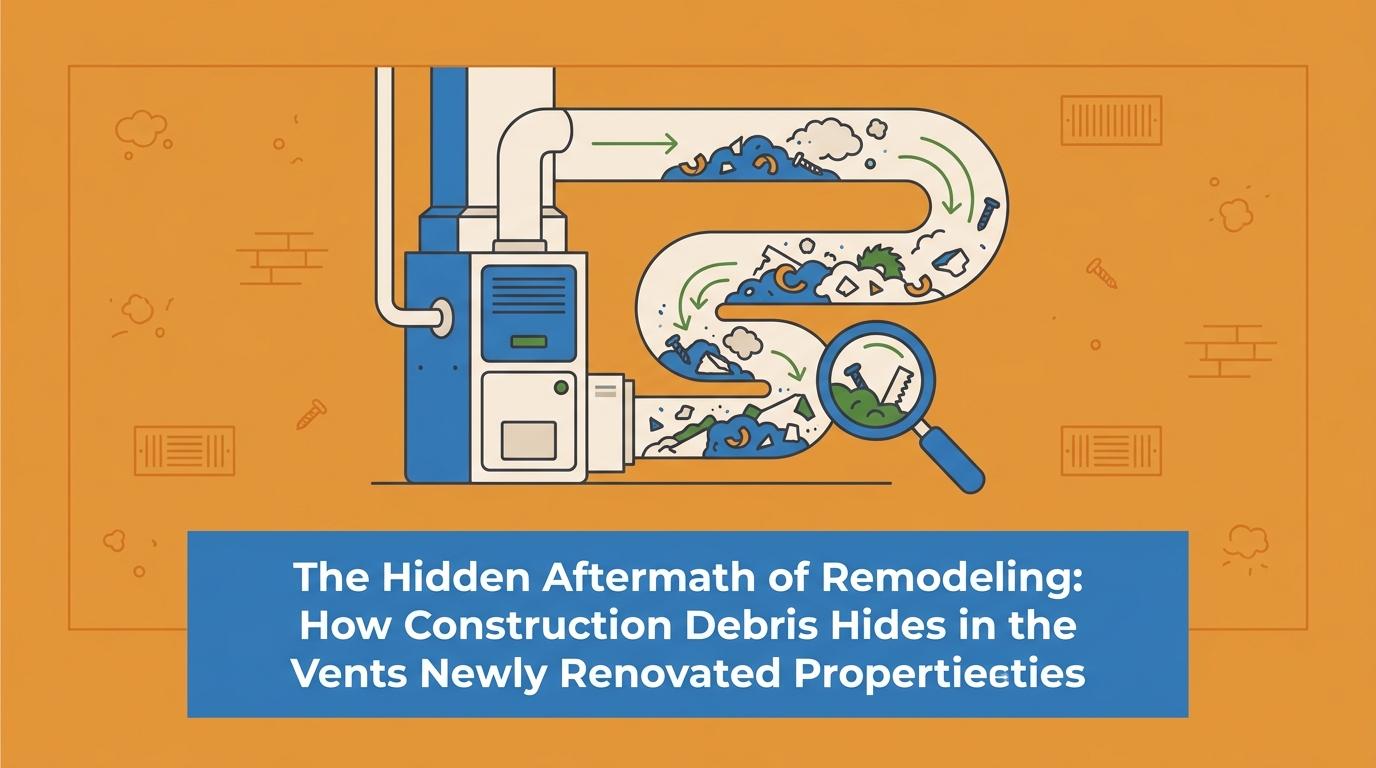
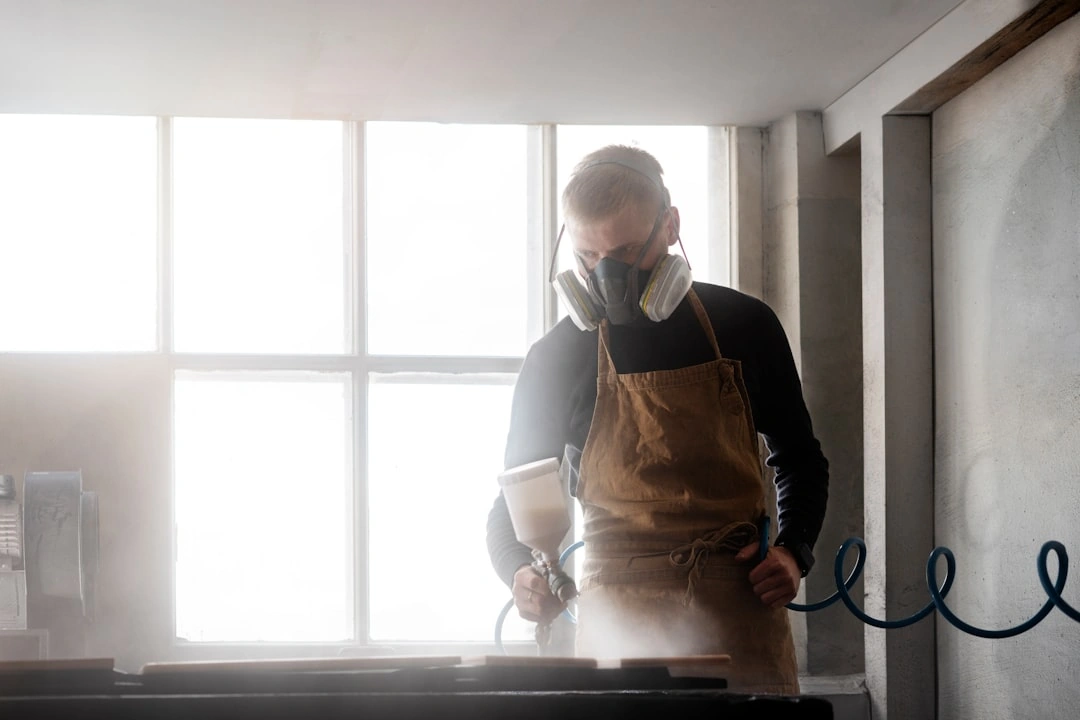
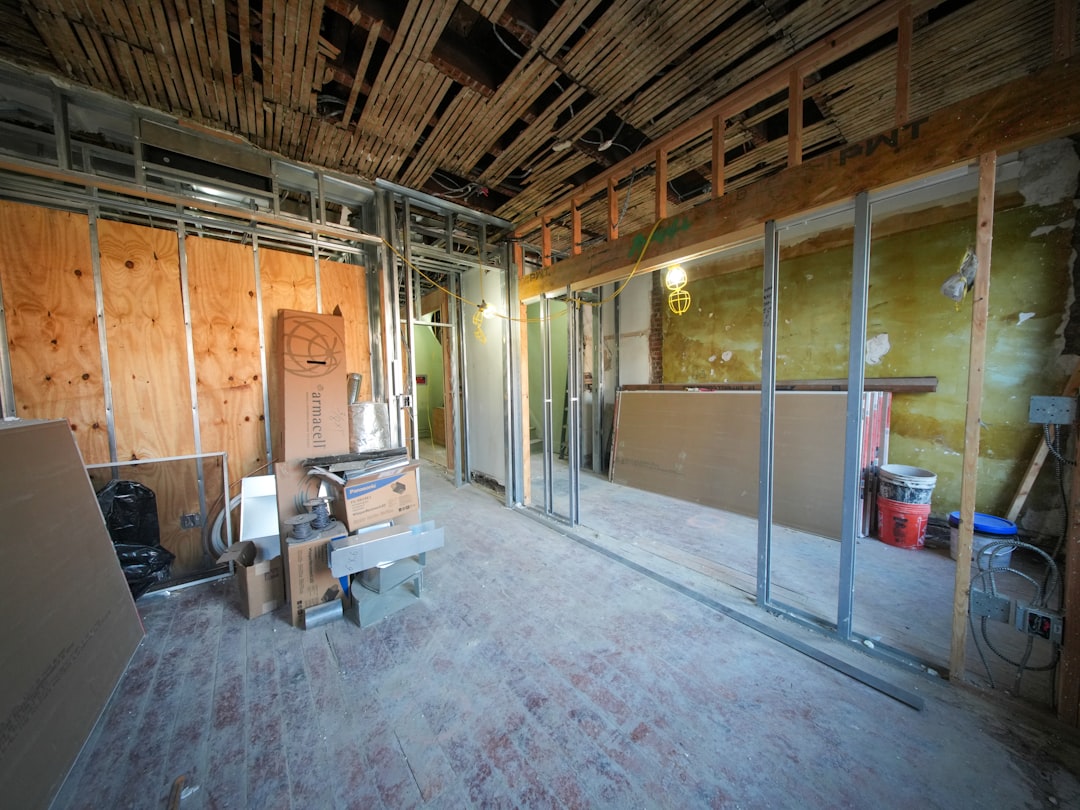
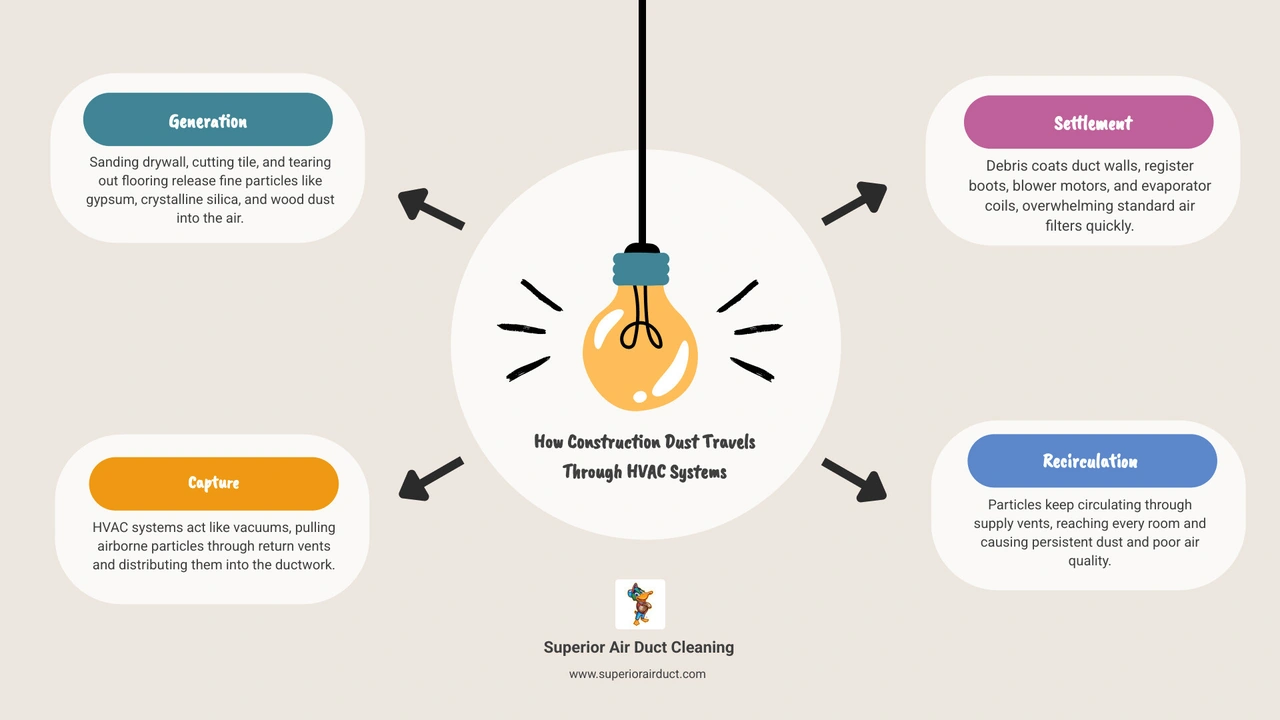
When contractors sand drywall, cut tile, or tear out flooring, they generate fine particles — including gypsum, silica, and wood dust — that become airborne almost immediately. If your HVAC system is running during any part of that work, it acts like a vacuum, drawing those particles through return vents and distributing them throughout your entire duct system. Even rooms far from the renovation zone can end up with construction debris circulating through their supply vents.
The tricky part is that this debris doesn't resolve on its own. It settles on duct walls, collects in register boots, and coats components like blower motors and evaporator coils. Standard air filters help, but they can't capture what's already stuck inside your ductwork — and they get overwhelmed by renovation dust far faster than normal household dust.
Knowing when and whether to act is the key question — and the answer depends on what type of work was done, whether the HVAC was running, and what you find when you look.
How Renovations Change Your Duct Cleaning Schedule and Air Quality
When we talk about how renovations change your duct cleaning schedule, we are really talking about a fundamental shift in your home’s air quality. Standard household dust is mostly made up of skin cells and fabric fibers. Renovation dust is an entirely different beast. It consists of fine particulates like drywall gypsum, crystalline silica from concrete or tile, and microscopic sawdust.
These materials are abrasive and heavy. When they enter your HVAC system, they don't just float through; they settle deep into the crevices of your ductwork. Why Regular Duct Cleaning Matters becomes even more apparent when you realize that these construction materials can harbor VOCs (Volatile Organic Compounds) from new paints, primers, and adhesives. These chemicals can linger in your air circulation long after the "new house smell" has faded.
• Composition — Standard Maintenance Dust: Skin cells, pet dander, lint — Post-Renovation Debris: Gypsum, silica, wood fibers, grout
• Particle Size — Standard Maintenance Dust: 10+ microns (larger) — Post-Renovation Debris: 1-10 microns (very fine)
• Adhesion — Standard Maintenance Dust: Loose, easily vacuumed — Post-Renovation Debris: Can "cake" onto duct walls with moisture
• Filter Impact — Standard Maintenance Dust: Changed every 3 months — Post-Renovation Debris: Can clog in 2-3 days during sanding
• Cleaning Need — Standard Maintenance Dust: Every 3-5 years — Post-Renovation Debris: Immediately following project
Understanding how renovations change your duct cleaning schedule for new builds
It is a common misconception that a brand-new home in Pittsburgh or Boardman has the cleanest ducts possible. In reality, new construction is often the most contaminated. During the building process, the HVAC system is frequently turned on to help dry drywall compound or keep workers comfortable.
We often find that new ductwork becomes a catch-all for construction site debris. It isn’t unusual for our technicians to find sawdust, insulation fibers, and even discarded lunch wrappers or screws inside the vents of a "move-in ready" home. If you are moving into a new build, you may even need to consider Duct Replacement Installation if the original ducts were improperly sealed and allowed heavy moisture or vermin to enter during the months the house sat unfinished.
Why the 3-5 year rule is reset by remodeling
Under normal conditions, the National Air Duct Cleaners Association (NADCA) suggests a cleaning every three to five years. However, a major kitchen remodel in Cranberry Township or a basement finishing project in Youngstown effectively "resets" this clock to zero.
The volume of dust produced in a single week of drywall sanding can exceed several years' worth of normal living. This creates a massive strain on your blower motor and can coat your evaporator coils, reducing your system’s efficiency by as much as 21%. There are many Factors That Affect How Often to Clean Ducts, but none are as impactful as a home renovation.
Identifying the Best Time to Schedule Post-Construction Cleaning
Timing is everything. If you schedule your cleaning too early, you risk re-contaminating the system with the final "punch list" tasks. If you wait too long, you’ll be breathing in silica and gypsum for weeks. We generally recommend a 1-2 week window after the heavy work is done. This allows any remaining airborne particles to settle so they can be removed once and for all. Knowing When to Schedule Air Duct Cleaning is about finding that sweet spot between the end of construction and your official move-back-in date.
Signs that show how renovations change your duct cleaning schedule in Boardman, OH
If you live in Boardman or surrounding areas like Canfield or Poland, you might notice specific red flags that your ducts are struggling post-renovation:
• The "Dusting Loop": You dust your coffee table in the morning, and by evening, a fine white film has returned.
• Musty or Chemical Odors: When the heat or AC kicks on, you smell a stale, "chalky" scent.
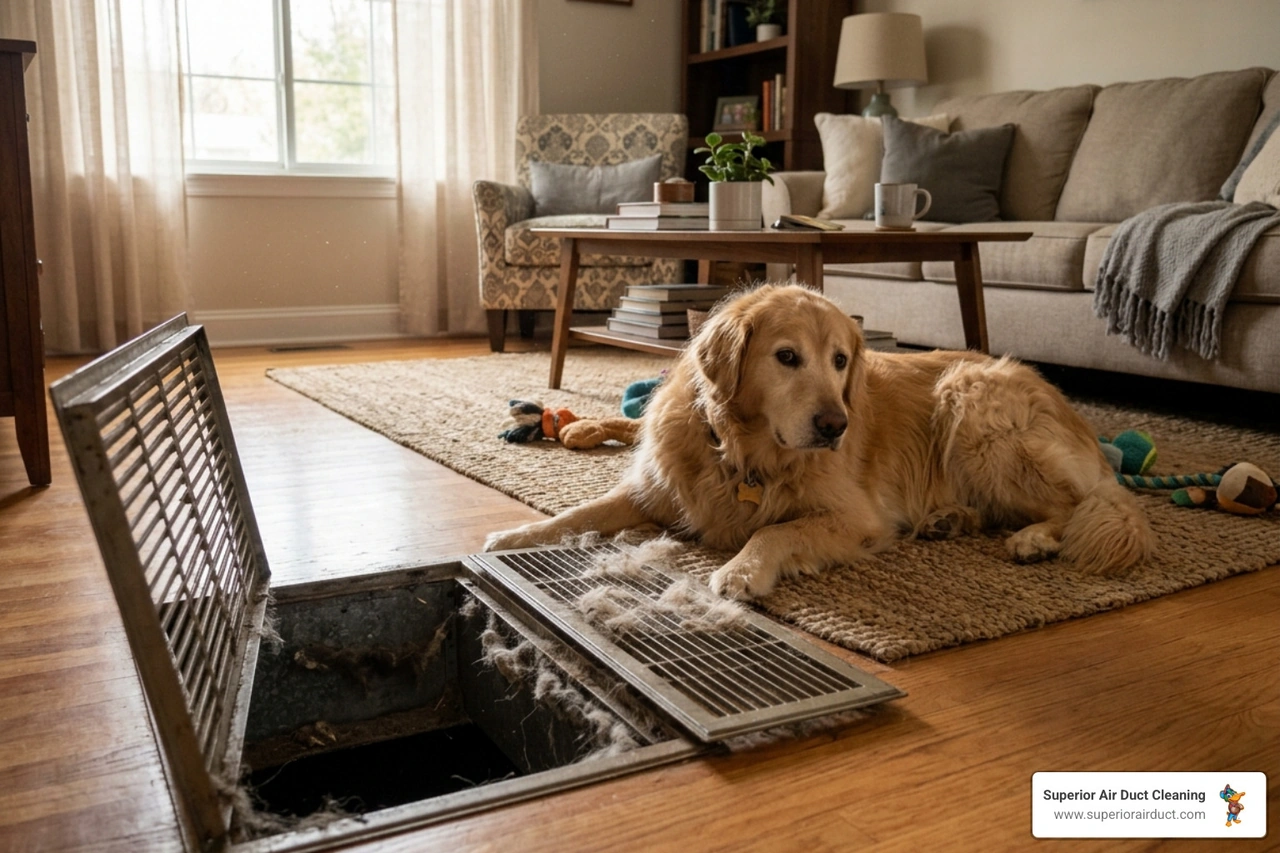
• Visible Grit: You can see small piles of sawdust or white powder inside your register boots when you pull the floor grates.
• Allergy Flare-ups: Family members experience sudden sneezing or itchy eyes that only happen when they are indoors.
In some cases, construction debris can even migrate into your wall cavities. If you notice strange smells or drafts, it might be Signs You Need Insulation Removal in Your Home to fully restore your air quality.
Why you should wait until the final cleanup phase
It is tempting to call us the moment the drywall is hung, but we urge homeowners in Aliquippa and Monaca to wait. You want to ensure that all floor sanding, painting, and major cleaning are finished. Painting, in particular, releases VOCs that can be absorbed by the dust sitting in your ducts. By waiting until the final cleanup phase, we can perform an Air Duct Cleaning After Home Renovation that acts as the "final seal" on your project, ensuring the air you breathe is as fresh as your new surroundings.
Protecting Your HVAC System During Future Projects in Youngstown
Prevention is the best medicine. If you are planning a future project in Youngstown or Warren, you can minimize the impact on your HVAC system by being proactive. The most effective step is to turn the system off entirely during high-dust activities like demolition or sanding.
We also suggest using magnetic vent covers or plastic sheeting and painter's tape to seal off every register and return in the work zone. This prevents gravity from pulling debris into the lines. For a deeper look at keeping your system airtight, check out our Ductwork Sealing Aliquippa PA Guide.
Managing airflow during kitchen and bath remodels
Kitchen and bathroom remodels are notorious for duct contamination because these rooms often contain large return vents. If the system must run to provide climate control, we recommend using temporary high-efficiency filters over the return vents to catch debris before it enters the main trunk.
If your renovation involves changing the footprint of your home, you might be wondering What to Expect When You Have Your HVAC Unit Replaced. Often, a new, more powerful unit is installed to handle the added square footage, which makes starting with a clean, debris-free duct system even more critical for the new equipment's longevity.
The Professional Process for Restoring Air Quality After Remodeling
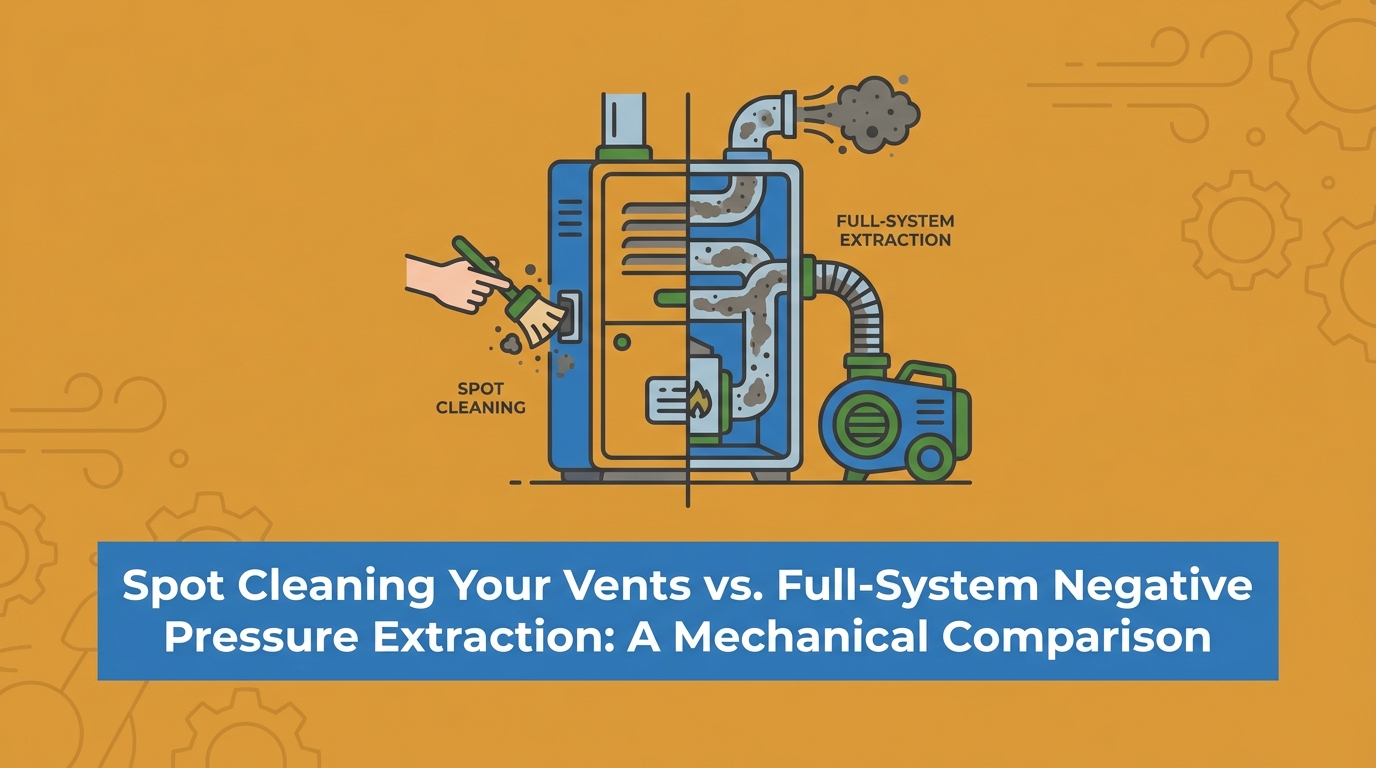
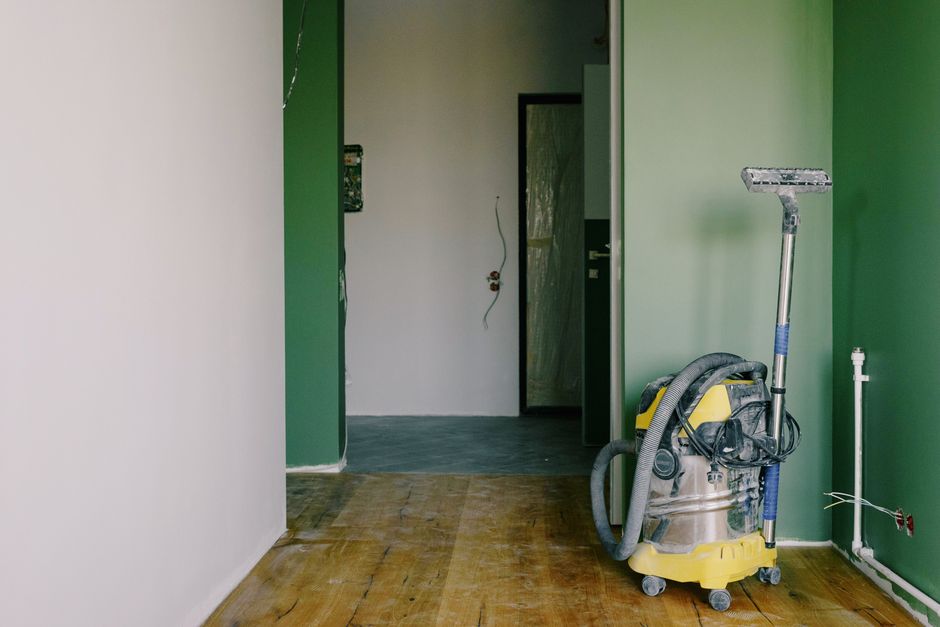
Standard "shop-vac" cleaning won't cut it for renovation debris. Drywall dust is heavy and often becomes "caked" if there is any moisture in the system. Our professional process involves several key steps:
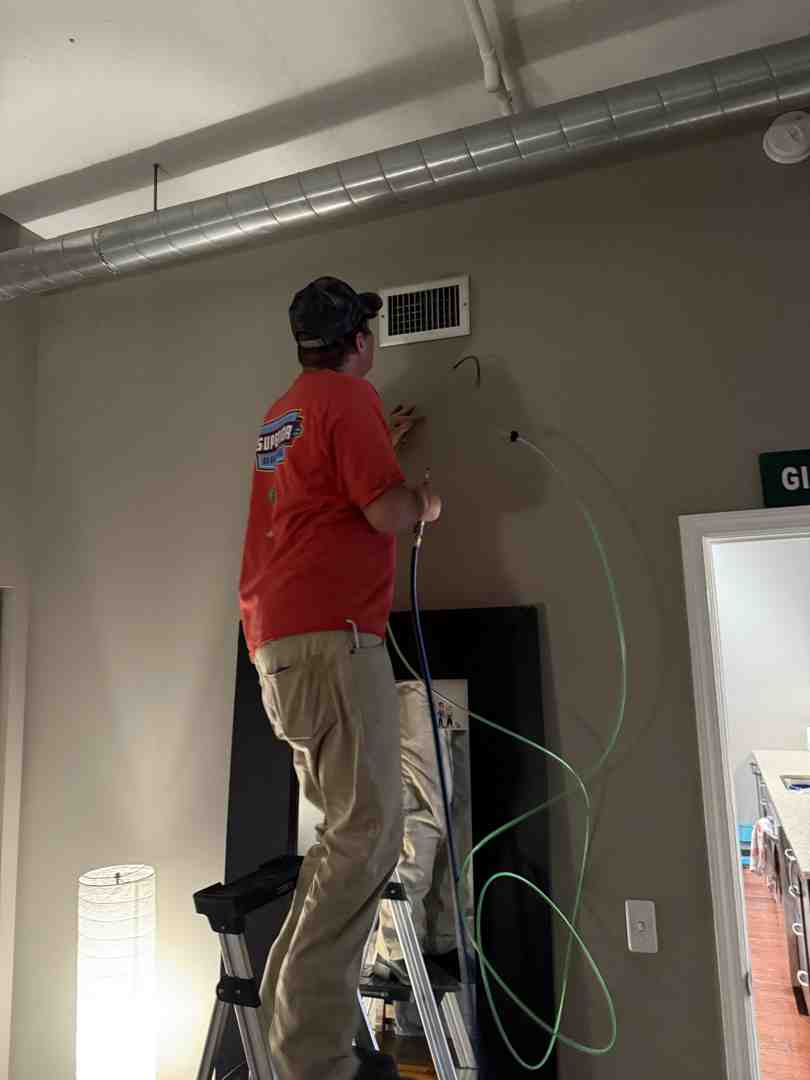
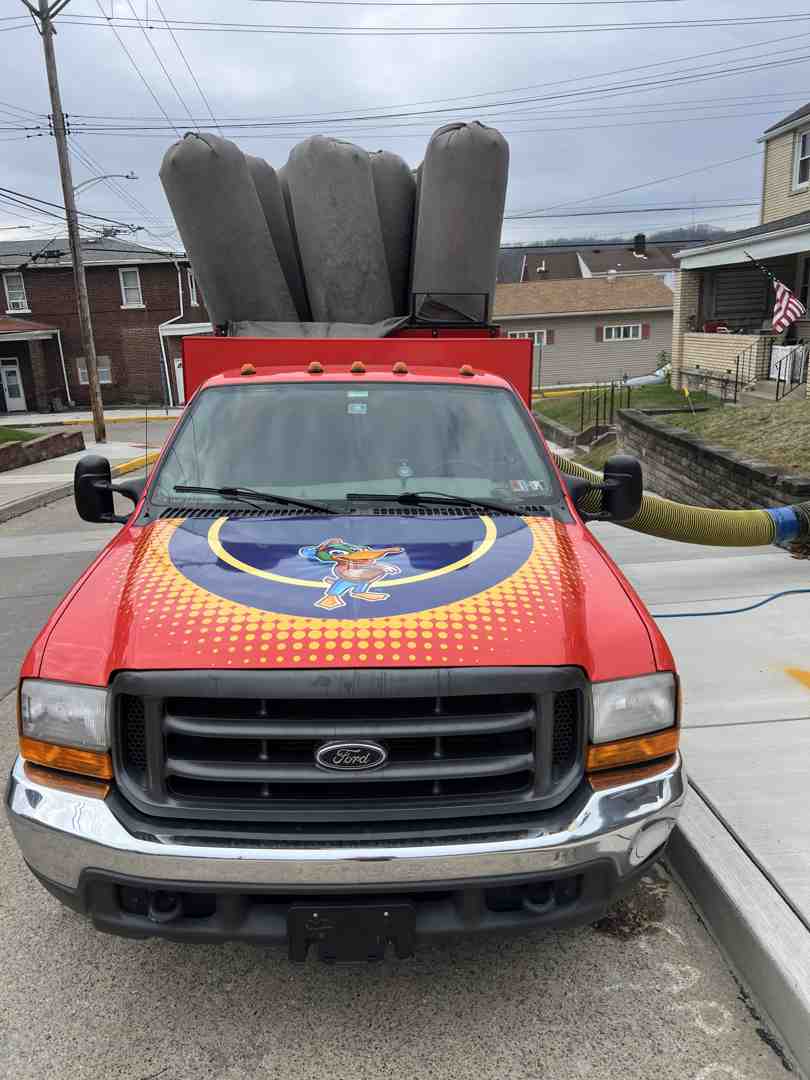
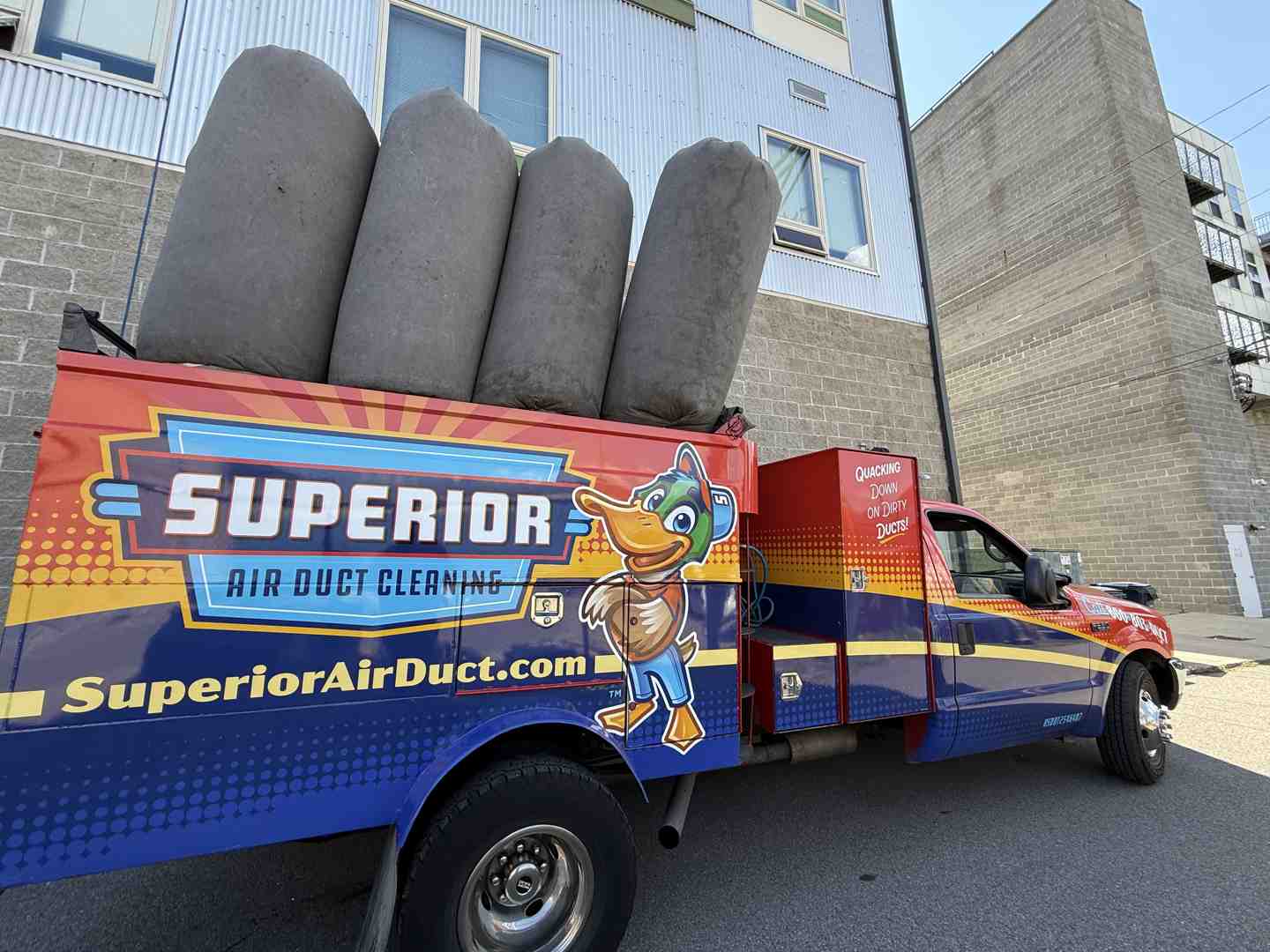
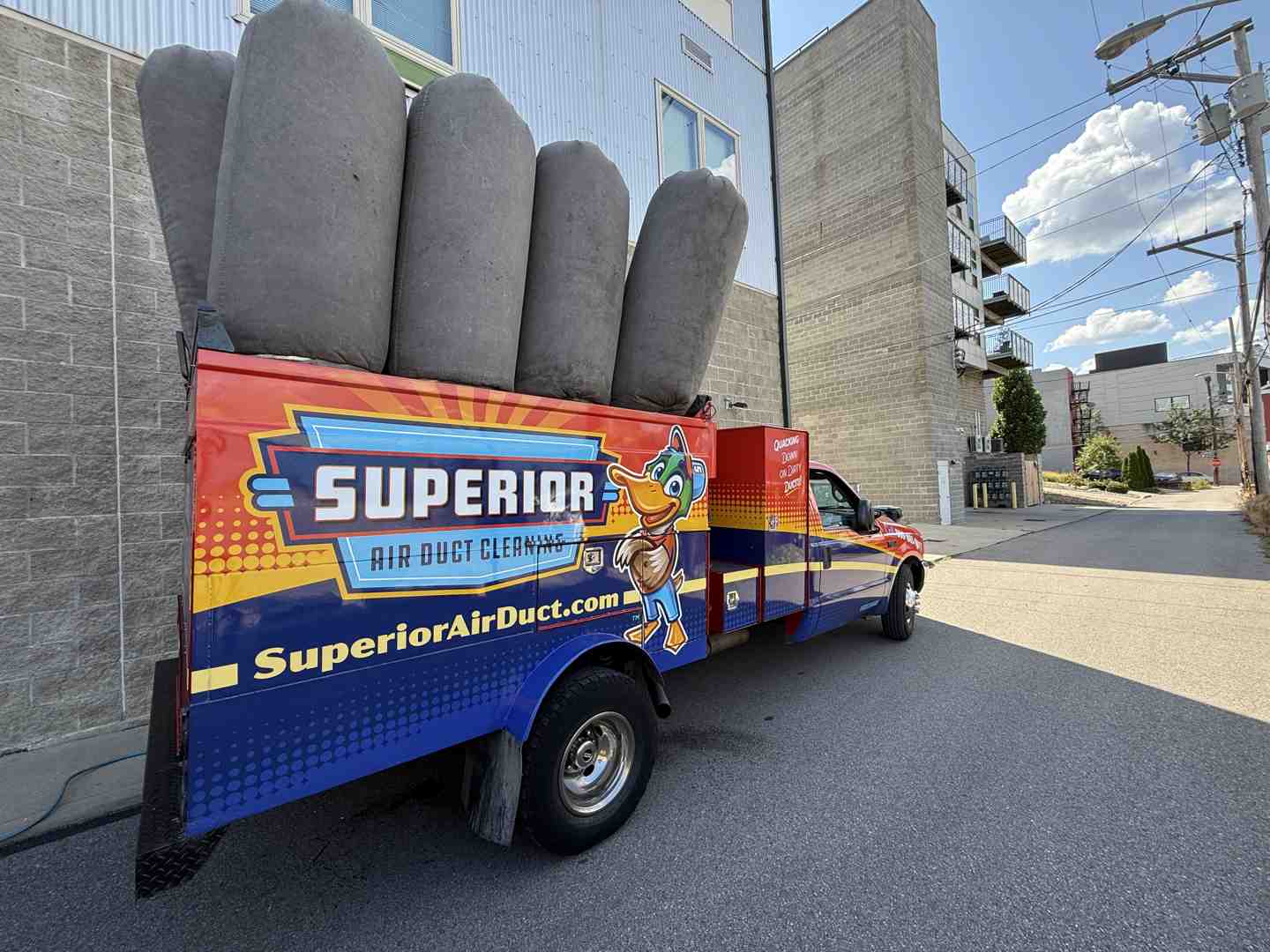
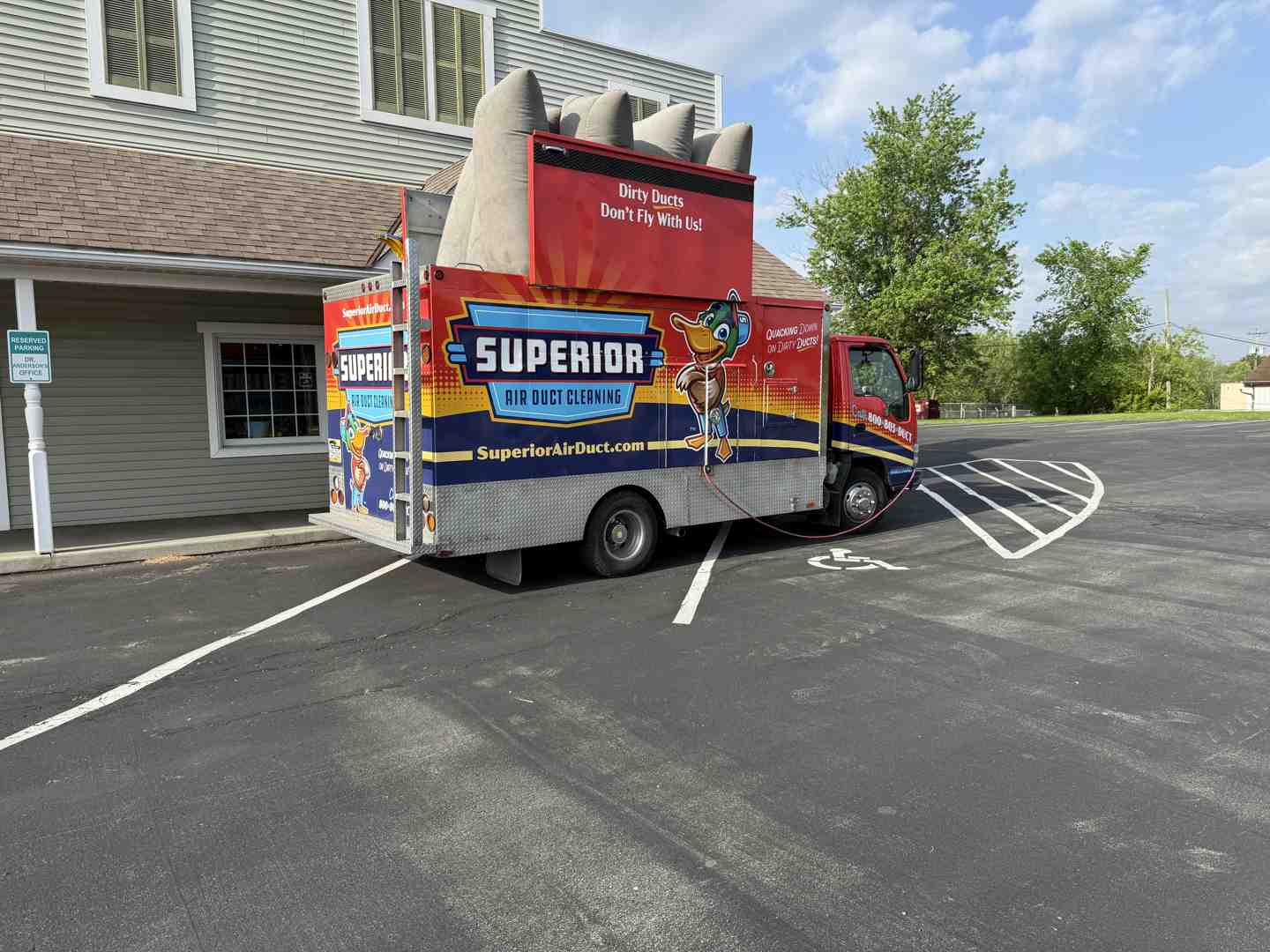
1. Negative Pressure Setup: We use a high-powered, truck-mounted vacuum to create a powerful suction throughout the entire duct system. This ensures that when we dislodge dust, it is pulled directly out of your home and into our truck, rather than blowing into your living room.
2. Mechanical Agitation: We use compressed-air tools and air whips to scrub the interior walls of the ducts. This is essential for removing fine gypsum dust that "clings" to the metal.
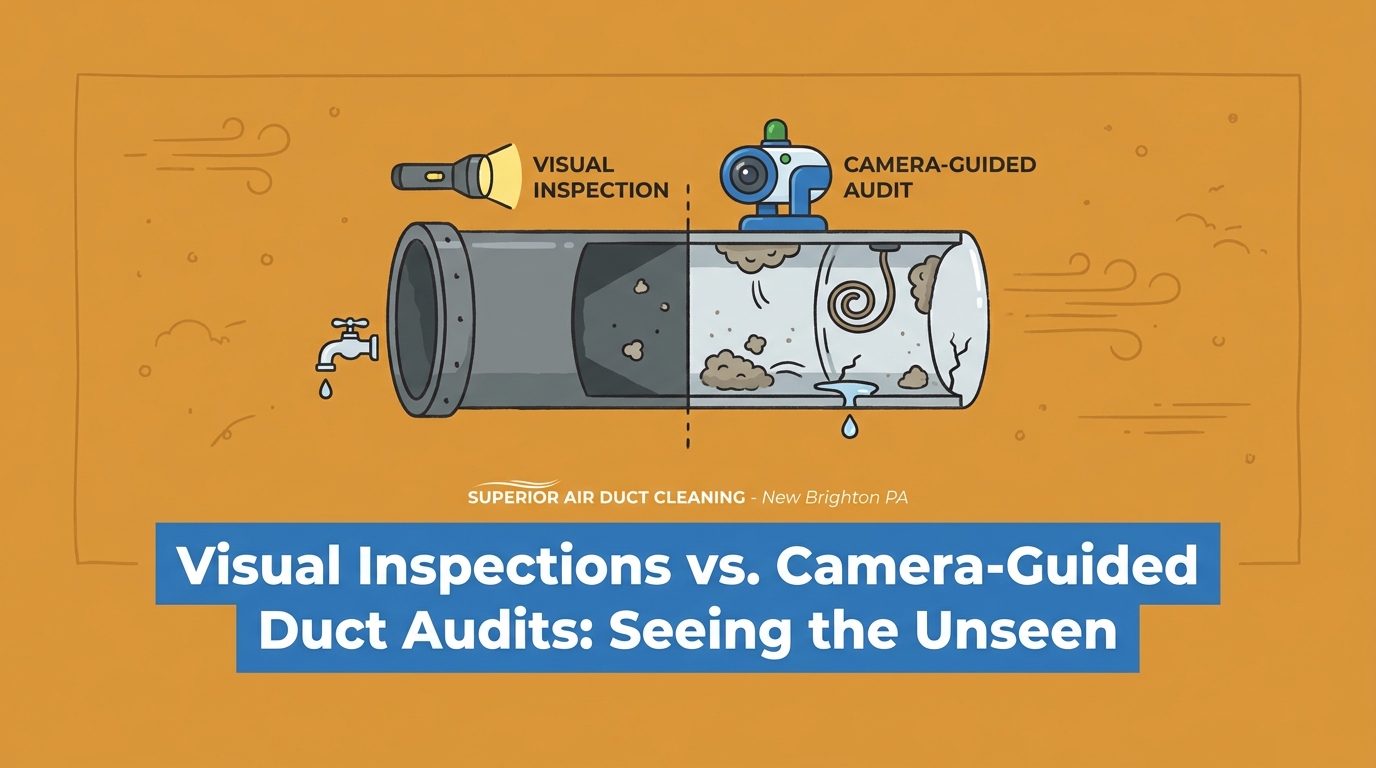
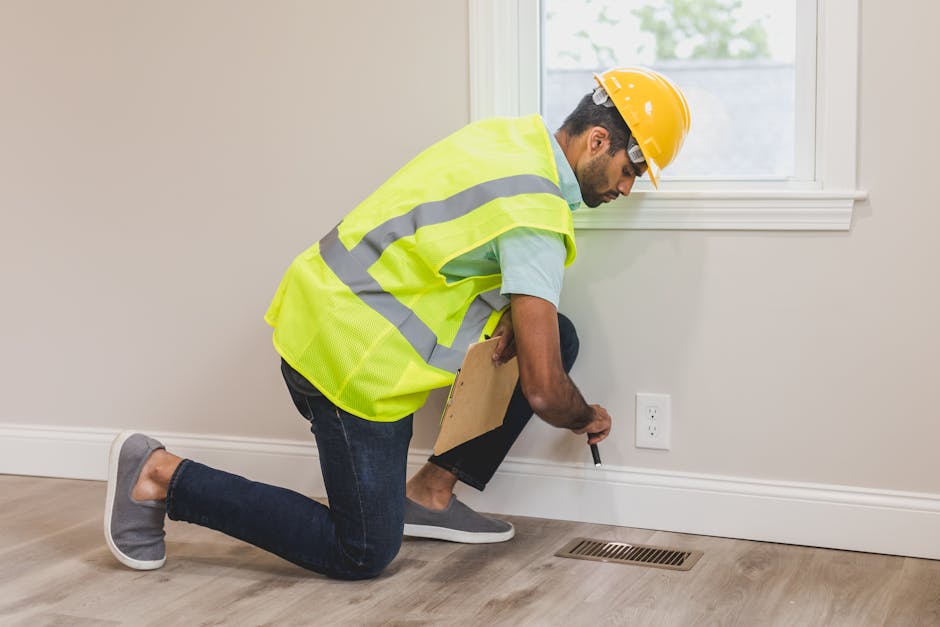
3. Camera Inspection: We don't guess; we look. Using remote cameras, we can verify that corners and junctions are completely clear of construction debris.
4. Component Cleaning: We don't just clean the "pipes." We inspect and clean the blower motor, the housing, and the evaporator coils, which are often the primary victims of construction dust.
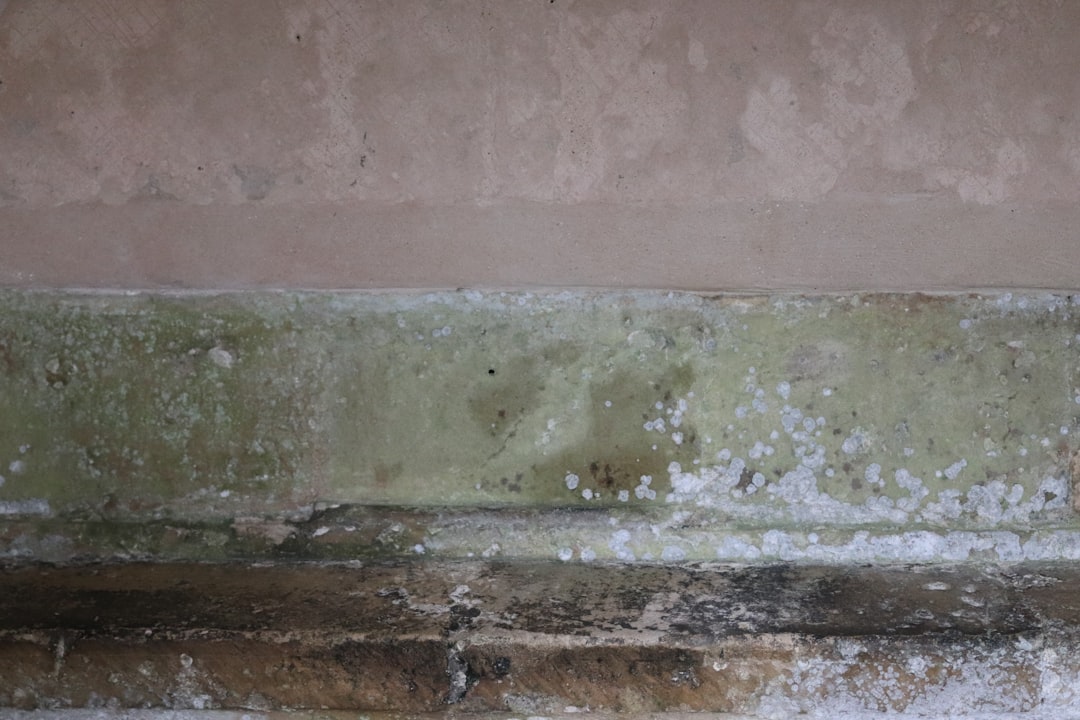
5. Sanitization: After the physical debris is gone, we can apply an EPA-approved sanitizer to eliminate any lingering odors or mold spores that might have been stirred up during demolition.
Frequently Asked Questions about Post-Renovation Duct Cleaning
Should I clean my ducts before or after a renovation?
Always after. Cleaning before a renovation is essentially a waste of resources because the construction process will immediately re-contaminate the system. The only exception is if you are moving into a home that is already filthy and you plan to live there for several months before starting your remodel. For the most effective results, wait until the dust has settled—literally. You can learn more about this timing in our guide on Air Duct Cleaning After Home Renovation.
How long can construction dust remain in my vents?
Indefinitely. Construction dust does not "blow out" on its own. Because it is often heavier and finer than household dust, it settles in the low points of your ductwork and register boots. Every time the air kicks on, a small portion of that dust is recirculated into your breathing air. We have performed cleanings in homes where renovations occurred years prior, and we still found significant amounts of drywall dust and sawdust trapped in the system.
Does every small renovation require a professional cleaning?
Not necessarily. If you are just repainting a bedroom or replacing a light fixture, a standard filter change is likely enough. However, if the project involved demolition, drywall sanding, floor refinishing, or tile cutting, a professional cleaning is highly recommended. These activities produce "micro-dust" that standard vacuuming and air filters simply cannot handle.
Conclusion
At Superior Air Duct Cleaning, we understand that a home renovation is a massive investment of time and money. Don't let that investment be tarnished by poor indoor air quality. Whether you are in Allegheny County, PA, or Mahoning County, OH, we are here to help you cross that final item off your renovation checklist.
We serve a wide range of communities, including New Brighton, Beaver Falls, Pittsburgh, and Boardman. Our goal is to ensure that your "new" home feels truly fresh, healthy, and energy-efficient. Schedule your post-renovation air duct cleaning today and breathe easy knowing your HVAC system is as clean as your beautiful new renovation.

Customer Reviews


Superior Air Duct cleaning did a phenomenal job in a timely manner with the tech “Rich” being very professional ,personable and considerate of our property! He explained things as he proceeded and answered all our questions!
I LOVE that they provide before & after photos to see the difference. Give them a try… you won’t regret it
Pam T.
Robert was on schedule and communicated what time he would arrive. He was polite, professional, and respectful of our home. I wanted to wait a couple weeks before posting a review because I wanted to see if the duct cleaning actually made a difference. I am happy to say it did! I vacuum multiple times a week and have already noticed a significant reduction in the amount of dust cleaned up each time. As a home with pets, there will always be something to clean, but getting the ducts cleaned has definitely helped improve the air quality and reduce the dust.
alice A.
Technician Rob arrived early explained the days agenda and then proceeded to work methodically and meticulously over the next 6+ hours cleaning my ductwork. Courteous and professional they answered all of my questions and went above and beyond the call of duty. They even located an old dusty box of rat poison buried in our vents. My only regret is not finding these guys sooner. As a realtor of 22 years and owner of a newly purchased (now dust free) home I highly recommended!
Eric K.
Excellent service! I’ve used them to clean out my air ducts as well as my dryer vent duct and they are excellent. I was very pleased with both jobs and will continue to use them in the future. Great communication as well- from the time I scheduled the appointment until they were at my door.
Erika C.
We had such an amazing experience with Superior Air Duct Cleaning. They were so nice and friendly and did an amazing job. I loved seeing the before and after pictures. Besides doing an amazing job cleaning our air ducts they were so quick at responding and setting up the appointment. We will definitely be using them in the future.
Amanda C.