The Overlooked Hazard in Your Home's Child-Proofing Plan
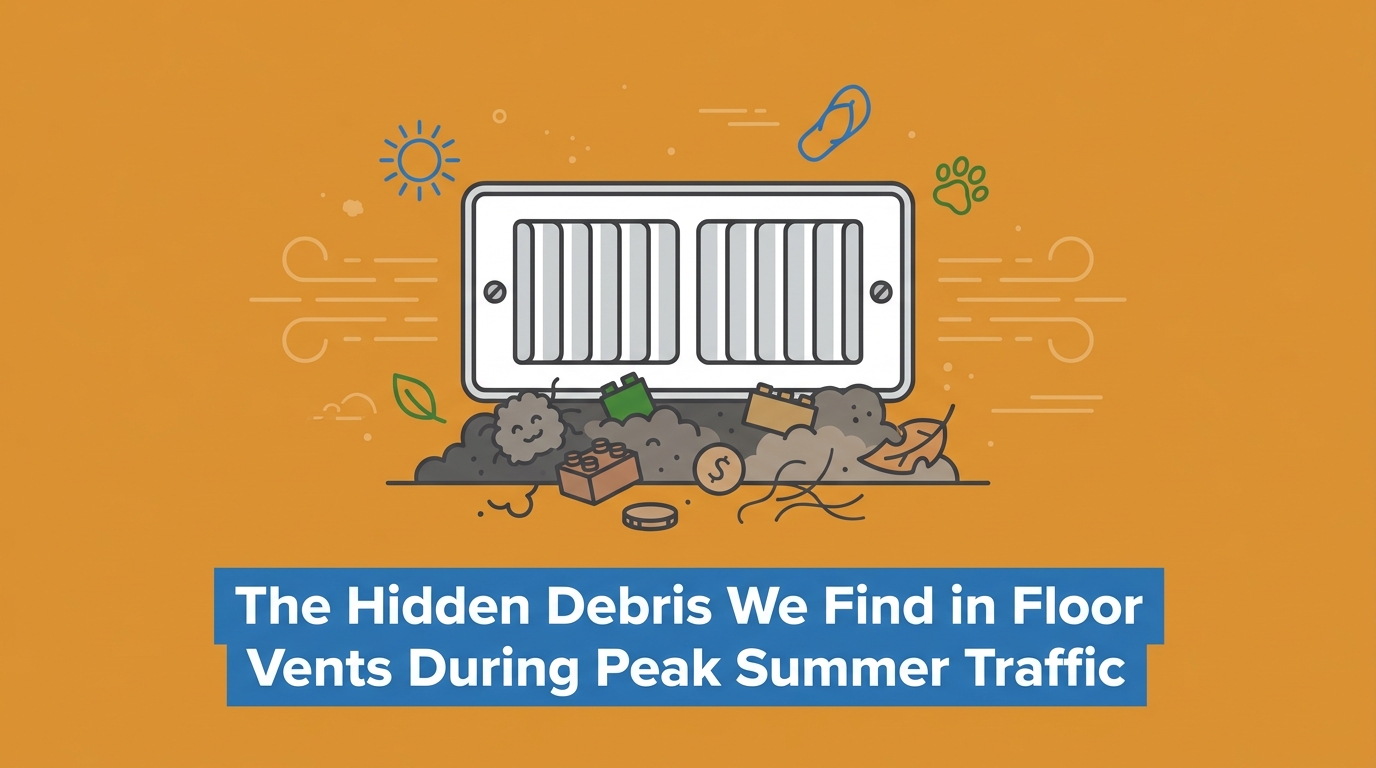
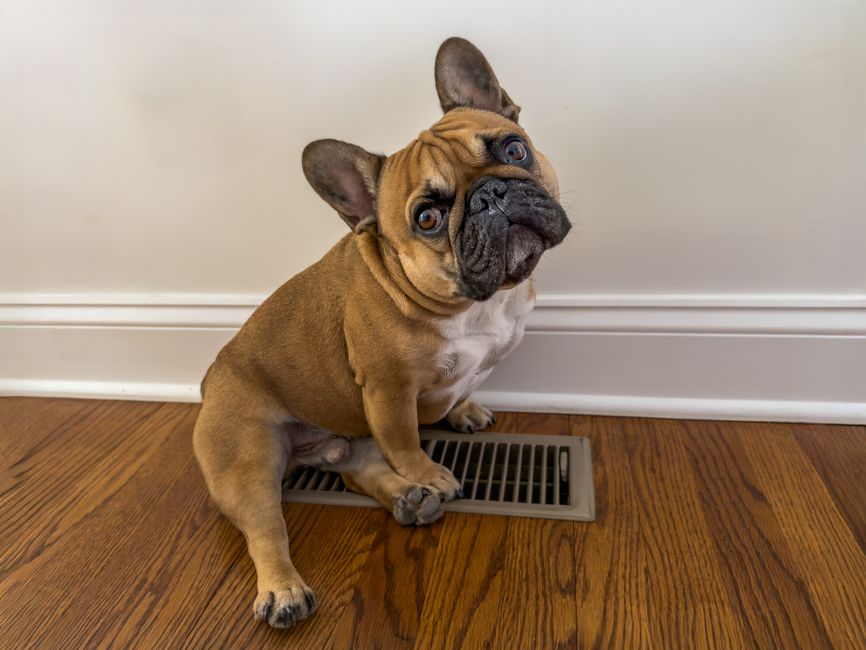
You have meticulously secured the cabinets, covered the electrical outlets, and padded the sharp corners, but you might be missing the truth about floor register debris in homes with crawling toddlers. Floor vents naturally act as shallow collection bins for dropped snacks, small toys, and environmental allergens. While parents spend hours making sure the living room is a safe zone, the metal grates on the floor are often ignored. Because toddlers spend the majority of their day exploring at ground level, they are constantly interacting with whatever has settled into these vents.
To address this hidden hazard, many parents rely on professional air duct cleaning to ensure the environment is truly safe.
As we approach the August late-summer and back-to-school transition, this accumulation reaches its peak. Months of tracked-in dirt, pet hair, and dropped crumbs have settled right at your crawling toddler's eye and breathing level. This creates an immediate decision point for parents: is your weekly routine of running the household vacuum over the vent grates enough to protect your child, or does the HVAC system require a deeper, professional clean before the fall heating season begins?
Child-proofing usually focuses on physical dangers—preventing bumps, bruises, and pinched fingers. However, the air quality immediately surrounding the floor registers is just as critical. When a child drops a wet piece of fruit or a small plastic toy through the slats, it does not just disappear. It lands on a bed of dust and pet dander, sitting stagnant in the dark ductwork. Understanding how these registers function as collection points is the first step in creating a truly secure environment for your family.
Understanding the Toddler 'Breathing Zone'
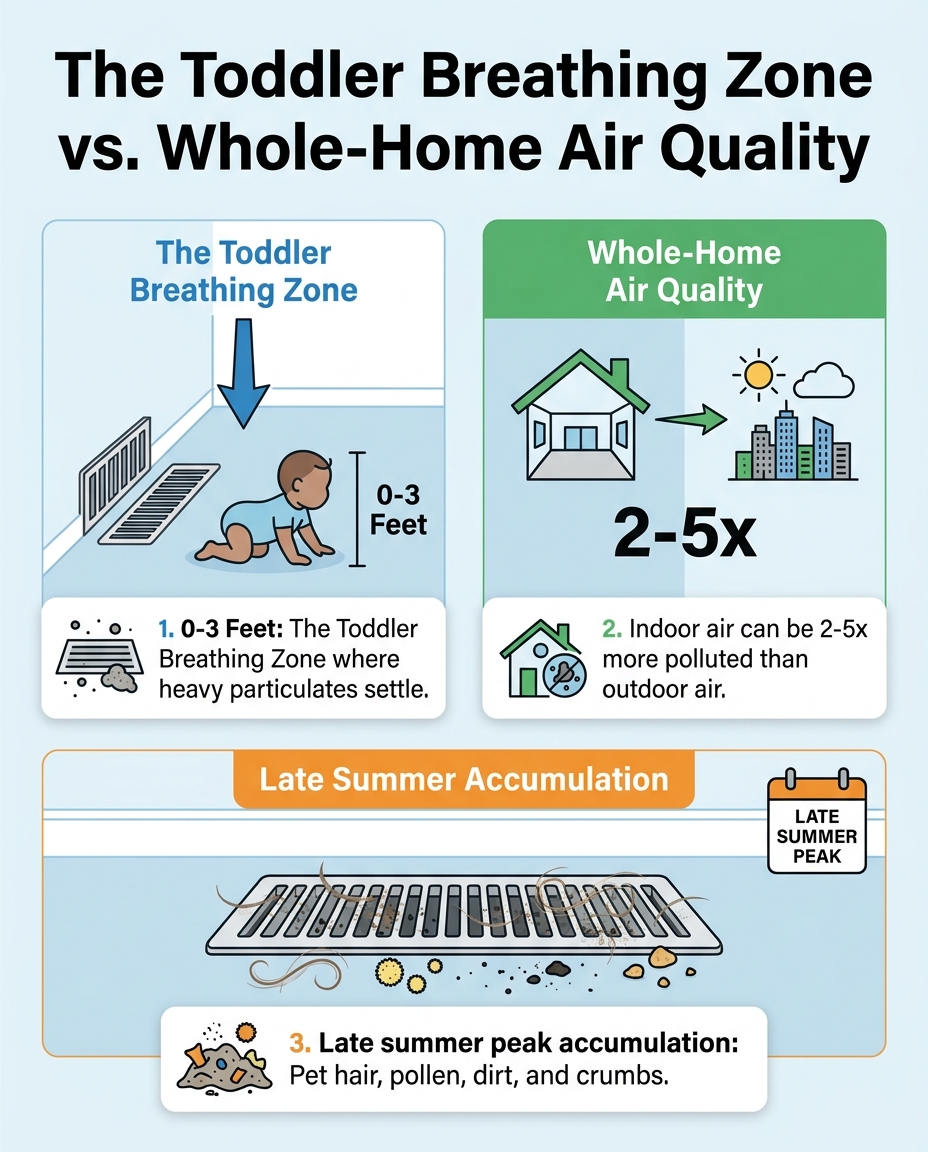
The air your toddler breathes is fundamentally different from the air you breathe while standing. Indoor air quality experts refer to the space between zero and three feet off the ground as the "breathing zone" for infants and toddlers. According to guidelines from organizations like the EPA and the World Health Organization, indoor air can frequently be significantly more polluted than outdoor air, and this pollution is highly concentrated near the floor.
When your baby crawls, scoots, or rolls across the carpet or hardwood, their movement naturally kicks up settled dust, pet dander, and pollen from the immediate floor register area. Because their respiratory systems are still developing, exposure to these unmitigated allergens in the breathing zone can lead to poor respiratory comfort, coughing, and congestion.
During routine maintenance in New Brighton PA homes, a distinct pattern often emerges. Homeowners will schedule a standard cleaning to address dirty ducts and vents that have been neglected. Once a technician thoroughly cleans the system and explains the extraction process, parents are consistently surprised by the volume of debris removed. The ducts and vents are left completely clean, highlighting just how much hidden particulate matter was previously circulating in their child's primary play area.
Why Floor-Level Air is Heavier with Particulates
The concentration of pollutants at floor level comes down to basic physics. Gravity pulls heavier particles downward, meaning the most dense indoor pollutants inevitably settle on the floor and into the lowest points of the room—the floor registers.
• Dust mites and pet dander: These microscopic organic materials are heavier than standard household dust and quickly fall out of the upper air circulation.
• Tracked-in dirt and soil: Shoes and pets bring heavy particulate matter indoors, which gets pushed across the floor and swept down into the vents.
• Pollen and outdoor allergens: Open windows and doors allow seasonal allergens to enter, which eventually drift down into the ductwork's shallow bends.
Because floor registers become the final resting place for these dense pollutants, the micro-environment directly above them requires dedicated attention to maintain a healthy breathing zone.
Late-Summer Accumulation: What Hides Beneath the Grates
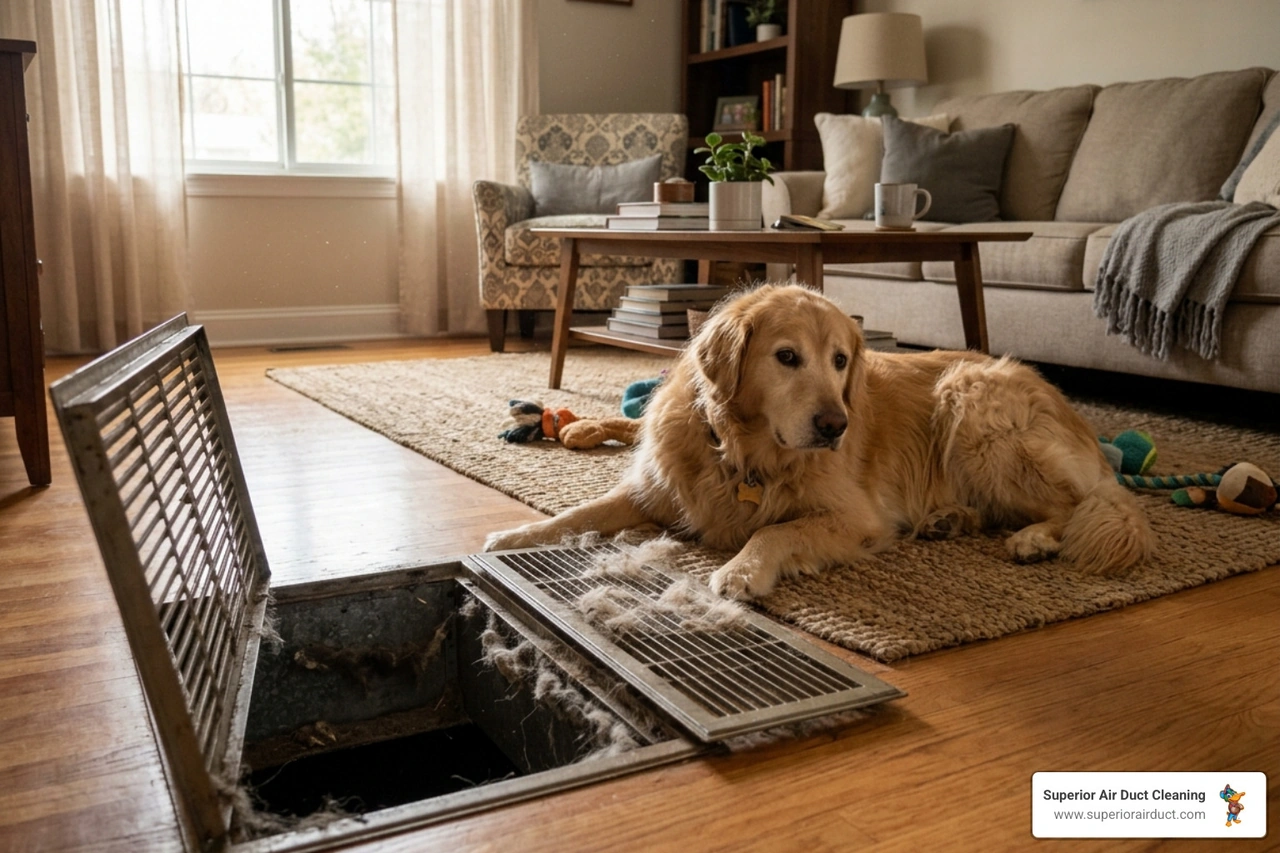
The anatomy of vent debris is complex, especially as the summer draws to a close. If you were to lift a floor register in late August, you would likely find a dense, layered mixture of debris. This includes leftover spring pollen, tracked-in summer sand, heavy shedding from family pets, and an assortment of toddler snack crumbs.
New Brighton PA's distinct four seasons cause a specific, layered accumulation. The heavy spring allergens settle first, followed by the dirt and humidity of summer. This dense mixture settles heavily into low-lying vents. As the August late-summer and back-to-school transition arrives, this accumulation reaches its absolute peak. The hidden debris found in floor vents at this time of year is staggering, simply because the HVAC system has been cycling heavily during the hot months, drawing in and trapping particles.
The real danger occurs when dropped items interact with this organic matter. A piece of a crayon, a damp cracker, or a small toy part can easily slip through the grates. When these items mix with the stagnant dust and pet hair during periods when the HVAC system is idle, they create an ideal breeding ground for bacteria right inside the ductwork.
• Spring — Primary Debris Type: Pollen, mold spores, early pet shedding — Impact on Ductwork: Creates a sticky base layer of organic allergens.
• Summer — Primary Debris Type: Sand, dirt, grass clippings, high humidity — Impact on Ductwork: Adds heavy particulate weight and moisture to the base layer.
• Late Summer — Primary Debris Type: Snack crumbs, small toys, accumulated dust — Impact on Ductwork: Mixes with earlier layers, creating stagnant, bacteria-friendly zones.
Because the air conditioning might cycle on and off less frequently as the late summer evenings cool down, this mixture sits entirely undisturbed. The stagnant environment allows odors to develop and bacteria to multiply, all resting just inches below where your child is playing.
The Illusion of Surface Vacuuming for Vent Safety
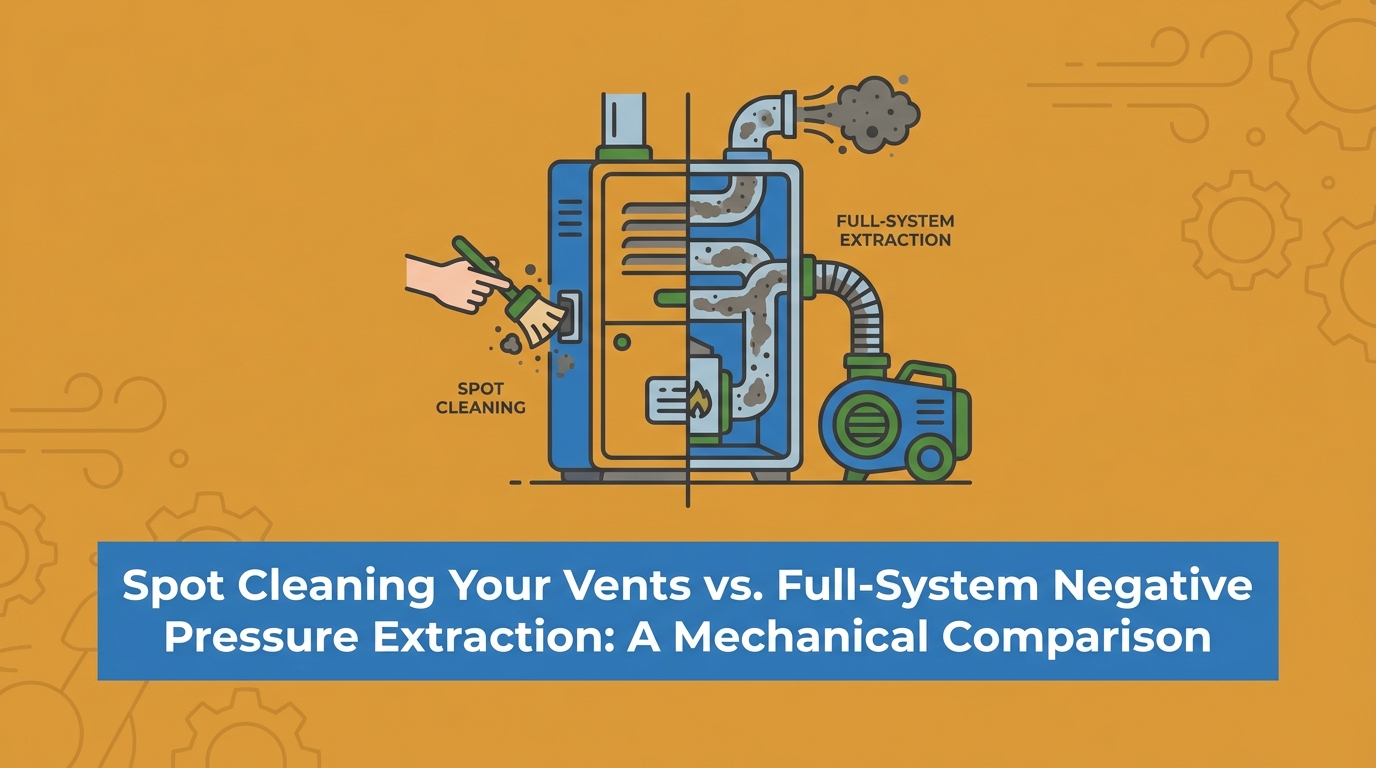
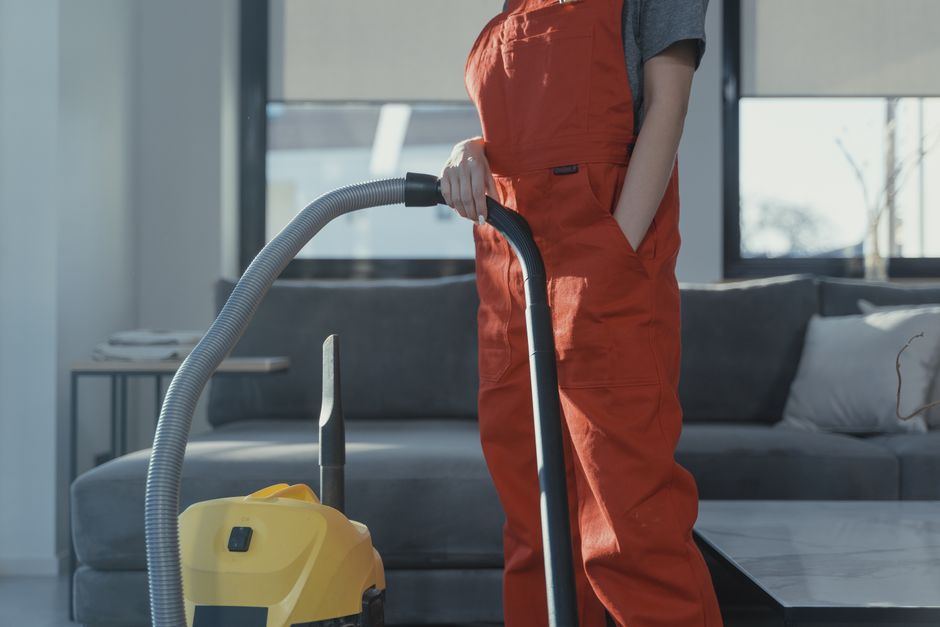
Running a household vacuum over the vent grate is a common weekly chore for most families. It visually removes the dust bunnies clinging to the metal slats and gives the appearance of a clean floor. However, relying on this method for true child safety is an illusion. Standard household vacuums have severe physical limitations when it comes to HVAC systems.
Surface vacuuming only removes the very top layer of loose debris. It cannot generate the suction required to pull heavy, packed-in particulates out of the duct's bends and elbows. In many cases in New Brighton PA homes, standard vacuums can actually make the problem worse. The exhaust from a standard upright vacuum can push smaller, lighter allergens deeper into the register rather than extracting them.
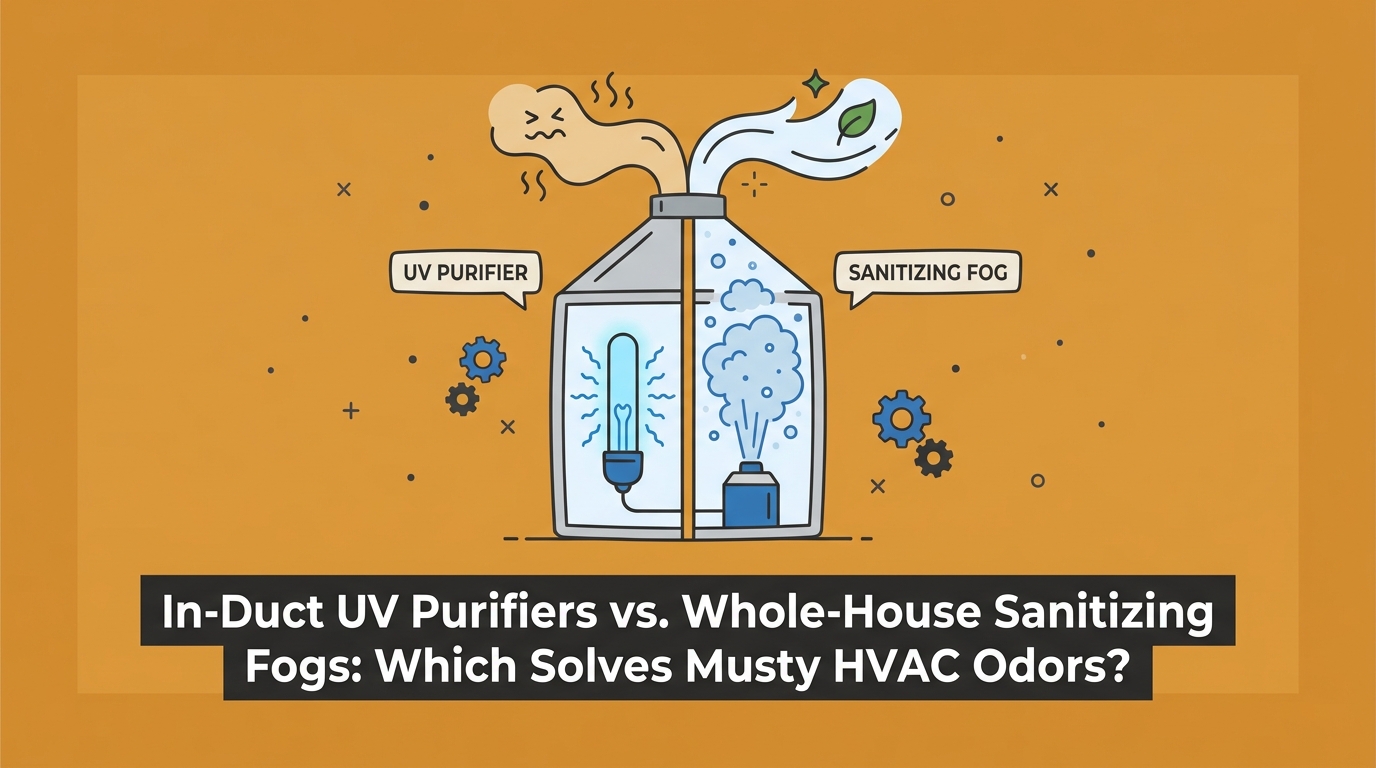
If you are looking to truly reset the environment, whole house sanitizing services go far beyond what a household vacuum can achieve.
When is surface cleaning adequate?
• Daily maintenance: Quickly removing a dropped dry cereal piece before it falls deep into the vent.
• Pet hair management: Catching loose dog or cat hair that is resting on top of the metal grate.
• Aesthetic cleaning: Wiping down the register cover to keep the room looking tidy.
When is deep extraction required?
• Musty odors: If you smell a damp or stale odor coming from the vent, surface vacuuming will not solve the underlying bacterial growth.
• Visible buildup below the grate: If you shine a flashlight down the vent and see a carpet of dust and debris.
• After a long summer: When the accumulated seasonal debris needs to be entirely removed to protect your child's breathing zone.
Recognizing the difference between daily tidying and deep extraction is vital for parents who want to ensure their toddler's play area is genuinely safe.
The Fall Furnace Threat: When Settled Debris Becomes Airborne
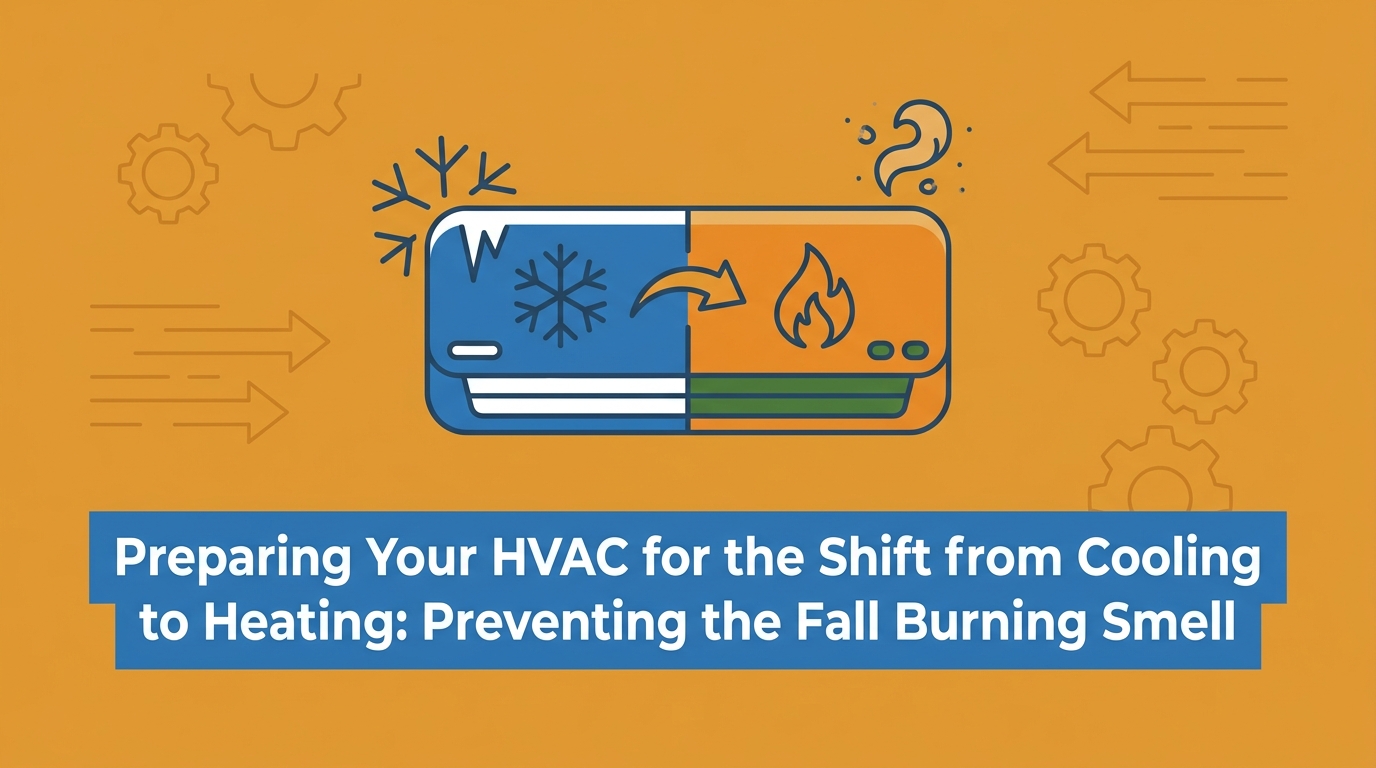
The transition from the idle periods of late summer to the first use of the fall furnace presents a unique challenge for indoor air quality. During the August late-summer and back-to-school transition, the debris in your floor vents is mostly stationary. But the moment the thermostat drops and the heating system kicks on, that stagnant environment changes rapidly.
The specific shift from humid PA summers to cooler autumns dictates exactly when furnaces kick on and disturb this settled debris. When the blower motor engages for the first time in months, it creates a powerful "blowback" effect. The forced hot air dislodges the dense summer debris, blowing fine particulate matter, dust mites, and dried pet dander directly up and out of the register—straight into the toddler's breathing zone.
Furthermore, any dust or pet hair that has settled directly onto the furnace's heat exchangers over the summer will literally bake when the system fires up. This is what causes that recognizable burning dust smell during the first cold snap of the year. While the smell usually dissipates, the fine particulate matter continues to circulate through your home's air supply.
Proactive removal of this debris before the seasonal switch is the most effective way to protect your indoor air quality. By extracting the accumulated summer dirt before the furnace is activated, you prevent the blowback effect entirely, ensuring that the warm air entering your home is clean and safe for your family to breathe.
Visual Proof: Validating Your Indoor Air Quality Concerns
It is completely normal for parents to feel anxious about invisible threats in their home. You can see a sharp table edge or an uncovered outlet, but you cannot easily see bacteria, dust mites, or mold spores circulating in the air. This lack of visibility makes it difficult to know if your child-proofing efforts are actually working.
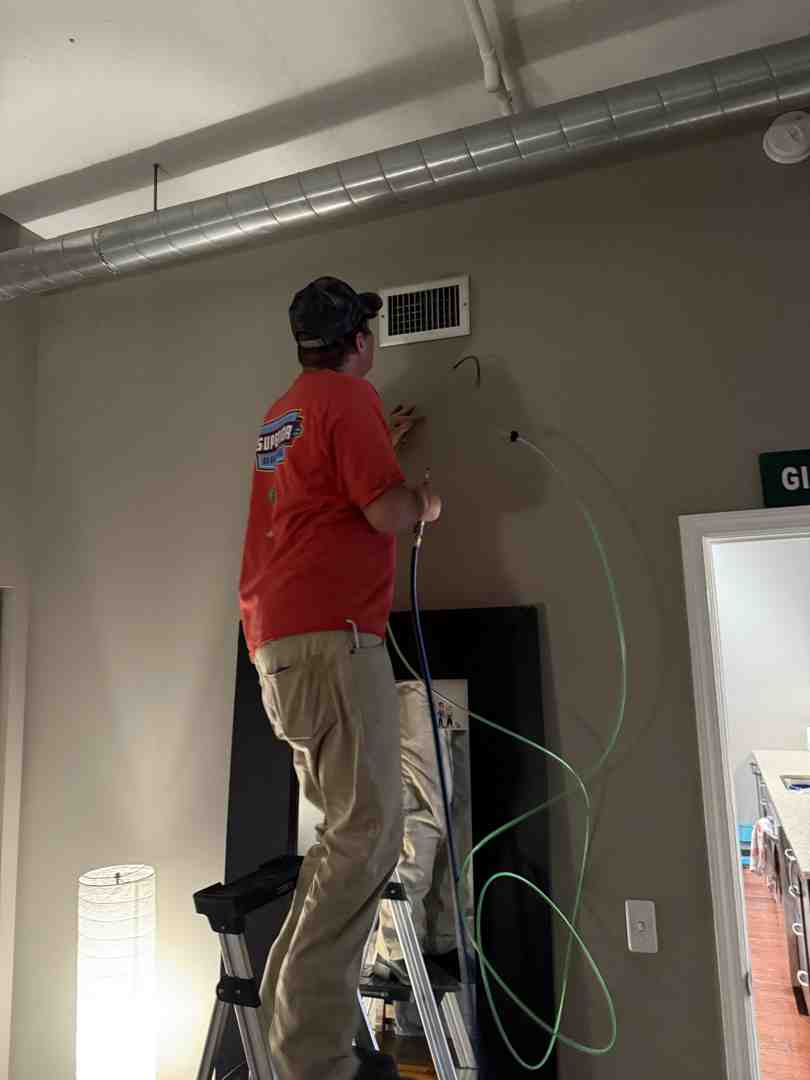
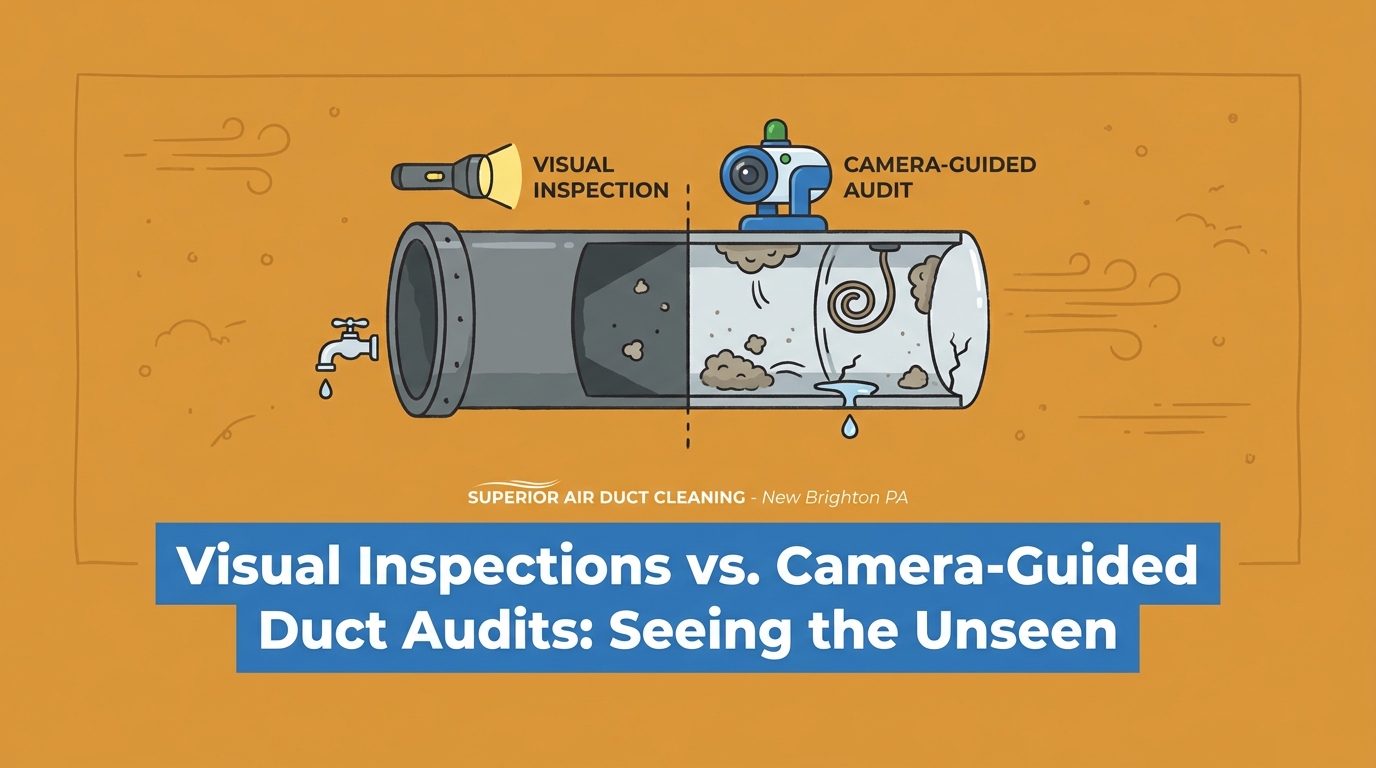
This is where visual documentation changes the game. When researching duct cleaning companies, a common concern among parents is whether sanitizing services actually eliminate the bacteria and buildup hidden in the ducts. During typical service calls in New Brighton PA homes, technicians address these exact fears by thoroughly cleaning the system, answering questions, and providing clear before-and-after pictures. This visual confirmation proves that the ducts are completely free of bacteria after the cleaning and sanitizing process.
Seeing the interior of your ductwork before and after a professional cleaning removes all the guesswork from indoor air quality. It provides the exact transparency anxious parents need. You no longer have to wonder if surface vacuuming was enough; you have photographic evidence that the micro-environment where your toddler plays is genuinely clean.
Professional sanitizing offers a measurable reduction in the allergens that trigger respiratory issues. By utilizing specialized indoor air quality solutions, you can eliminate the stagnant debris and bacterial growth that standard cleaning misses, giving you total confidence in the safety of your home's air.
Creating a Safer Floor Environment for Your Family
Addressing the zero-to-three-foot breathing zone is a vital step in comprehensive child-proofing. Floor registers are not just metal grates; they are active collection bins that gather the heaviest, most dense particulate matter in your home. From spring pollen to summer sand and dropped toddler snacks, the debris that hides beneath these vents directly impacts the air your crawling child breathes every day.
The August late-summer and back-to-school transition is the optimal time to reset your indoor air quality before closing up the house for the fall heating season. Taking action now prevents the inevitable blowback of dust and allergens when the furnace kicks on for the first time.
If you notice excessive debris, lingering odors, or if your child is experiencing unexplained allergy symptoms, surface vacuuming is likely not enough. We encourage you to seek a professional assessment to evaluate the health of your ductwork. Taking proactive steps today ensures that the floor where your toddler learns, plays, and grows remains a safe, clean environment for the seasons ahead.
Frequently Asked Questions
Is it safe for babies to crawl over floor vents?
Generally, the physical act of crawling over a sturdy, properly installed metal floor vent is safe for babies. However, the air quality directly above the vent is the main concern. Because vents act as collection points for dust, pet dander, and small dropped items, crawling over them can stir up allergens into the baby's immediate breathing zone. Ensuring the ducts below the grates are clean minimizes this respiratory risk.
What happens when debris falls into floor registers?
When items like snack crumbs, small toys, or pet hair fall into floor registers, they settle into the shallow bends of the ductwork. Over time, this organic matter mixes with standard household dust and moisture from the HVAC system. This creates a stagnant environment that can breed bacteria and produce musty odors, which are then blown back into the room when the system turns on.
Should I vacuum or professionally clean my floor vents?
You should vacuum your floor vents weekly as part of standard aesthetic maintenance to remove surface-level pet hair and loose dust. However, standard vacuums lack the suction power to pull heavy debris out of the ductwork's deeper bends. If you notice odors, visible buildup below the grate, or if it has been years since your last service, professional deep cleaning is required to fully extract the settled particulates.
How do I baby proof my floor vents without blocking airflow?
To baby proof floor vents without restricting your HVAC system, avoid using solid heavy rugs or plastic covers that completely block the air supply. Instead, use specialized mesh vent screen inserts that sit just below the grate to catch small toys and crumbs while allowing air to flow freely. Additionally, ensure the metal register covers are screwed securely into the floor so a toddler cannot lift them.
Can dirt in floor vents make my baby sick?
Yes, an excessive accumulation of dirt, dust mites, and organic matter in floor vents can negatively impact a baby's health. Because infants breathe closer to the ground, they inhale higher concentrations of whatever is blown out of the registers. Prolonged exposure to these concentrated allergens and potential bacteria can lead to respiratory irritation, coughing, and worsened allergy symptoms.
What is the best way to retrieve small toys dropped into air ducts?
If a toy has just been dropped and is visible, you can remove the vent cover and carefully retrieve it by hand or with a vacuum hose attachment. Do not reach deep into the ductwork blindly, as there can be sharp metal edges or screws. If the toy has slid out of reach down the duct line, a professional duct cleaner has the specialized extraction tools and cameras needed to safely retrieve the item without damaging the system.

Customer Reviews


Superior Air Duct cleaning did a phenomenal job in a timely manner with the tech “Rich” being very professional ,personable and considerate of our property! He explained things as he proceeded and answered all our questions!
I LOVE that they provide before & after photos to see the difference. Give them a try… you won’t regret it
Pam T.
Robert was on schedule and communicated what time he would arrive. He was polite, professional, and respectful of our home. I wanted to wait a couple weeks before posting a review because I wanted to see if the duct cleaning actually made a difference. I am happy to say it did! I vacuum multiple times a week and have already noticed a significant reduction in the amount of dust cleaned up each time. As a home with pets, there will always be something to clean, but getting the ducts cleaned has definitely helped improve the air quality and reduce the dust.
alice A.
Technician Rob arrived early explained the days agenda and then proceeded to work methodically and meticulously over the next 6+ hours cleaning my ductwork. Courteous and professional they answered all of my questions and went above and beyond the call of duty. They even located an old dusty box of rat poison buried in our vents. My only regret is not finding these guys sooner. As a realtor of 22 years and owner of a newly purchased (now dust free) home I highly recommended!
Eric K.
Excellent service! I’ve used them to clean out my air ducts as well as my dryer vent duct and they are excellent. I was very pleased with both jobs and will continue to use them in the future. Great communication as well- from the time I scheduled the appointment until they were at my door.
Erika C.
We had such an amazing experience with Superior Air Duct Cleaning. They were so nice and friendly and did an amazing job. I loved seeing the before and after pictures. Besides doing an amazing job cleaning our air ducts they were so quick at responding and setting up the appointment. We will definitely be using them in the future.
Amanda C.