The Hidden Cost of the Steel Valley on Your Home's Air
You wipe down the living room on Tuesday, but by Thursday, a fresh layer of dark, heavy grit covers the coffee table—a frustrating reality that perfectly illustrates why Youngstown's industrial legacy makes indoor air filtration crucial. Your air conditioner is running nonstop, but instead of just cooling the house, it feels like the system is actively distributing a fine layer of dirt across every surface. That strange, persistent dust isn't a sign that you are bad at cleaning. As our team at Superior Air Duct Cleaning often explains to frustrated homeowners, it is a direct result of the specific environment surrounding your home.
Living in a historically rich manufacturing region means the environmental footprint remains long after the mills close. During the heavy August end-of-season cooling and back-to-school transition, your HVAC system cycles constantly. This intense operational period maximizes the circulation of particulate matter that has been trapped inside your ductwork for months. For many homeowners we serve across the region, this creates an immediate decision point: continue fighting a losing battle with standard fiberglass filters, or upgrade your approach to indoor air quality before the windows are sealed tight for the upcoming fall and winter.
The core issue: Standard filters are designed for typical suburban lint and pet hair. They consistently fail to capture the dense, heavy particulate matter specific to the Mahoning Valley.
How Decades of Manufacturing Altered Local Ambient Dust
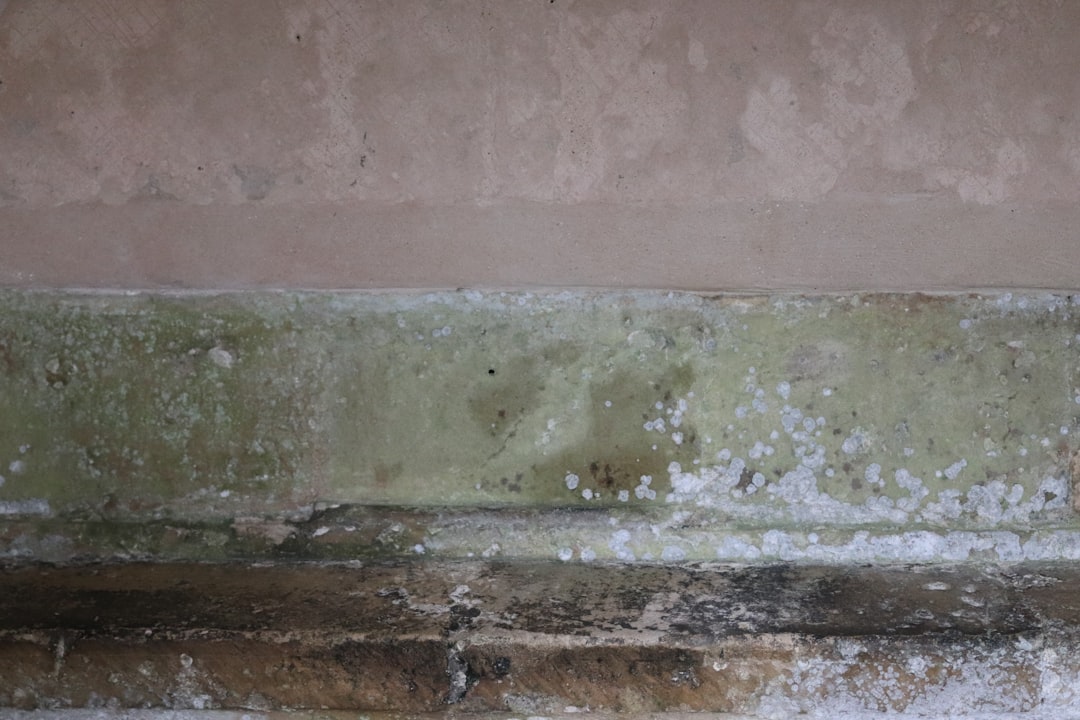
The Mahoning Valley has a proud history of steel production and heavy manufacturing. For generations, local mills produced the materials that built the nation. However, that massive industrial output left behind legacy particulate matter—specifically PM2.5 and PM10—deeply embedded in the local soil. This isn't just regular dirt; it is a complex mixture of microscopic metallic flakes, soot, and industrial byproducts that behave very differently than standard household dust.
In Youngstown historically industrial residential zones, this dense soil dust tracks into homes on shoes, clings to pets' fur, and drifts in through natural drafts around aging window frames. Once inside, it gets pulled into your return vents. Because this material is significantly heavier than normal dust, it settles deep inside the lateral branches of your air ducts, waiting for the blower motor to kick on and agitate it back into your breathing space. In our years of experience servicing local ventilation systems, we've found that if you want to permanently resolve this issue, investing in professional air duct cleaning is the most effective first step.
The Science of PM2.5 in Historic Neighborhoods
The Environmental Protection Agency (EPA) closely monitors fine particulate matter, commonly referred to as PM2.5. These particles are 2.5 micrometers in diameter or smaller—about 30 times smaller than a single human hair.
• Microscopic infiltration: Because of their size, PM2.5 particles can bypass standard HVAC filters entirely, circulating endlessly through your rooms.
• Health impact: Unlike larger dust particles that get trapped in your nose or throat, PM2.5 can travel deeply into the respiratory tract.
• Regional concentration: Historic industrial zones naturally have higher ambient concentrations of these specific particulates compared to newer, rural developments located miles away from old manufacturing hubs.
When you combine decades of settled industrial soil with a standard residential HVAC system, you create an environment where, as our technicians frequently observe, microscopic pollutants are constantly recycled rather than removed.
The Climate Trap: Why Humid Summers Keep Legacy Dust Indoors
The local climate plays a massive role in how indoor air quality degrades over time. Youngstown experiences highly humid summers, forcing residents to keep their homes sealed tight for months at a time. While closing the windows and cranking the AC keeps the humidity at bay, it completely eliminates natural fresh air exchange. Your home essentially becomes a sealed container, trapping legacy industrial soil dust indoors.
Without fresh air diluting the indoor environment, the continuous recirculation of the same stale air concentrates particulate matter inside the ductwork. Every time the thermostat triggers the cooling cycle, the blower motor pulls air from the rooms, drags it across the filter, and pushes it back out. Because standard filters cannot catch the ultra-fine industrial particles, our crews routinely extract massive "dust loads" that have accumulated in local vents by late summer.
The mechanics of recirculation:
• Intake: The return vents pull in airborne dust, pet dander, and microscopic soil particles from your living spaces.
• Bypass: Dense, fine particulate matter slips through cheap, 1-inch fiberglass filters.
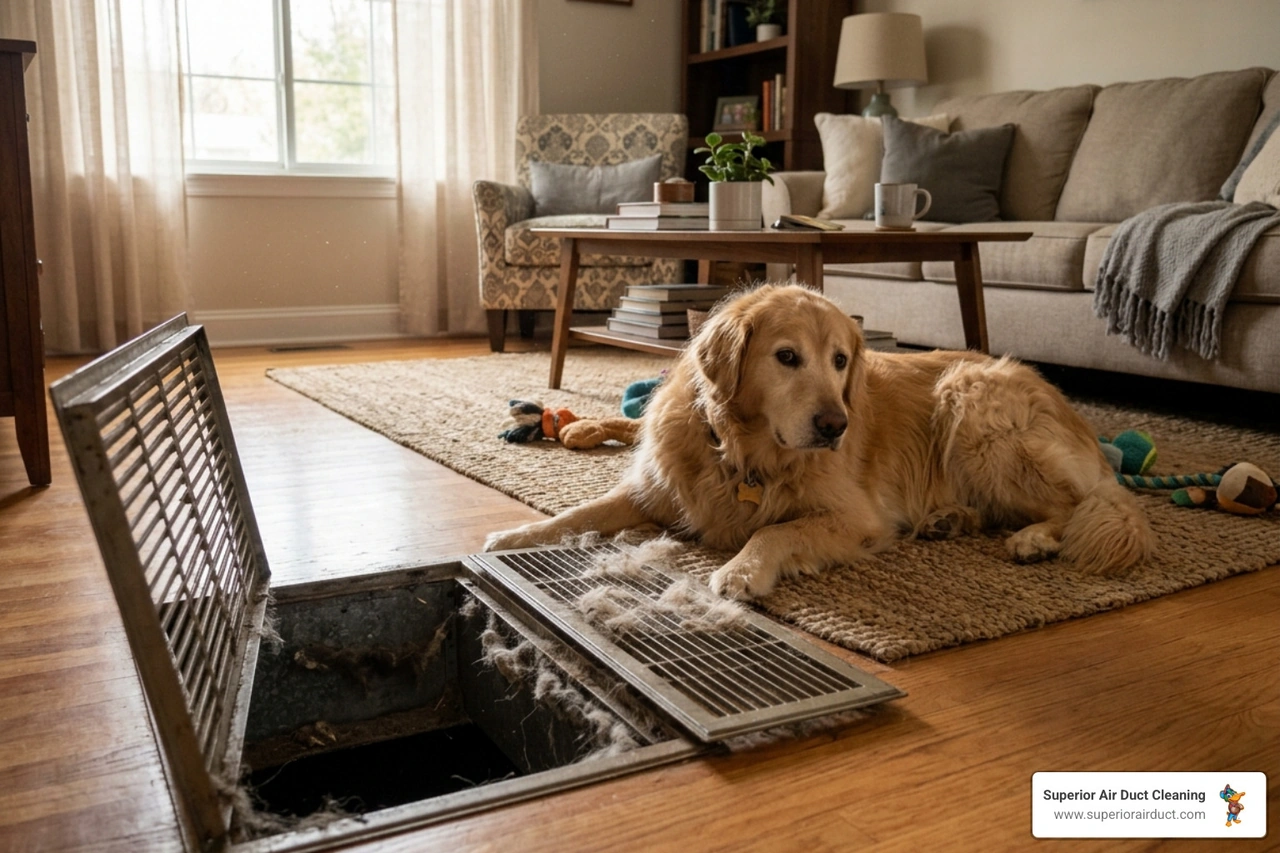
• Accumulation: The heavier particles settle inside the ductwork when the system cycles off, building up a thick, dark layer of grime.
• Redistribution: The next time the system turns on, the initial blast of air dislodges the top layer of this grime, blowing it directly onto your furniture and carpets.
Recognizing the Symptoms of Industrial Particulate Circulation
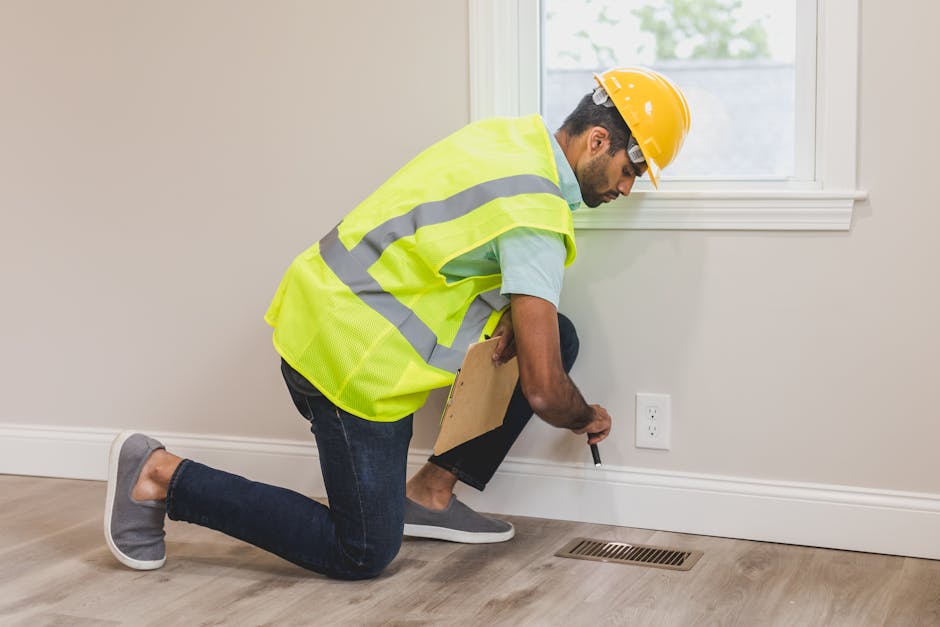
How do you know if your home is suffering from legacy dust circulation rather than just normal household mess? The signs are usually a combination of physical environmental clues and noticeable health symptoms that peak when the AC runs constantly during the hottest late-summer weeks.
1. Rapid, dark dust buildup: If you thoroughly dust your wooden furniture and notice a dark, almost gritty layer returning within 48 hours, you are likely dealing with heavy particulate matter blowing from the vents.
2. Severe seasonal allergies indoors: Experiencing sneezing, watery eyes, or congestion that actually gets worse when you step inside your air-conditioned home is a major red flag.
3. Difficulty breathing at night: Because bedroom doors are often closed at night, the concentration of recirculated dust increases, leading to disrupted sleep patterns and morning congestion.
4. Dark streaks around vent covers: Also known as "ghosting," dark streaks on the ceiling or walls radiating out from your supply registers indicate heavy particulate matter being forced out under pressure.
Moving into a new house in an older neighborhood often exposes residents to preexisting duct contamination left behind by previous owners. Our team at Superior Air Duct Cleaning saw this firsthand last summer when we helped a family moving into a newly purchased house in an older Mahoning Valley neighborhood. Despite the home being visually clean, they suffered from severe allergies and poor indoor air quality almost immediately. It wasn't until our professional team cleaned and sanitized their vents and furnace that they finally experienced significantly cleaner air, allowing the whole family to breathe and sleep better.
Why Standard Cleaning Equipment Fails on Legacy Industrial Dust
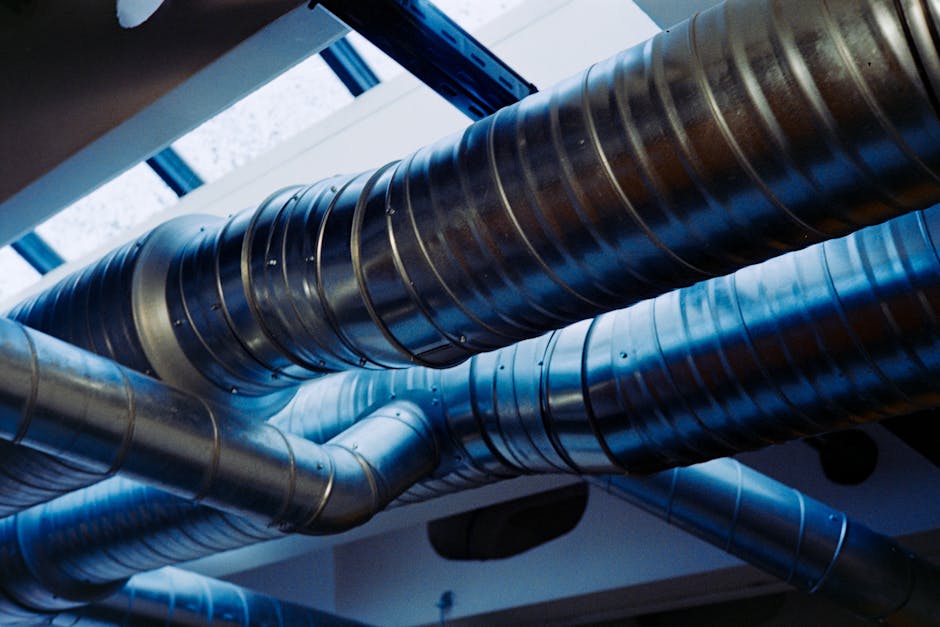
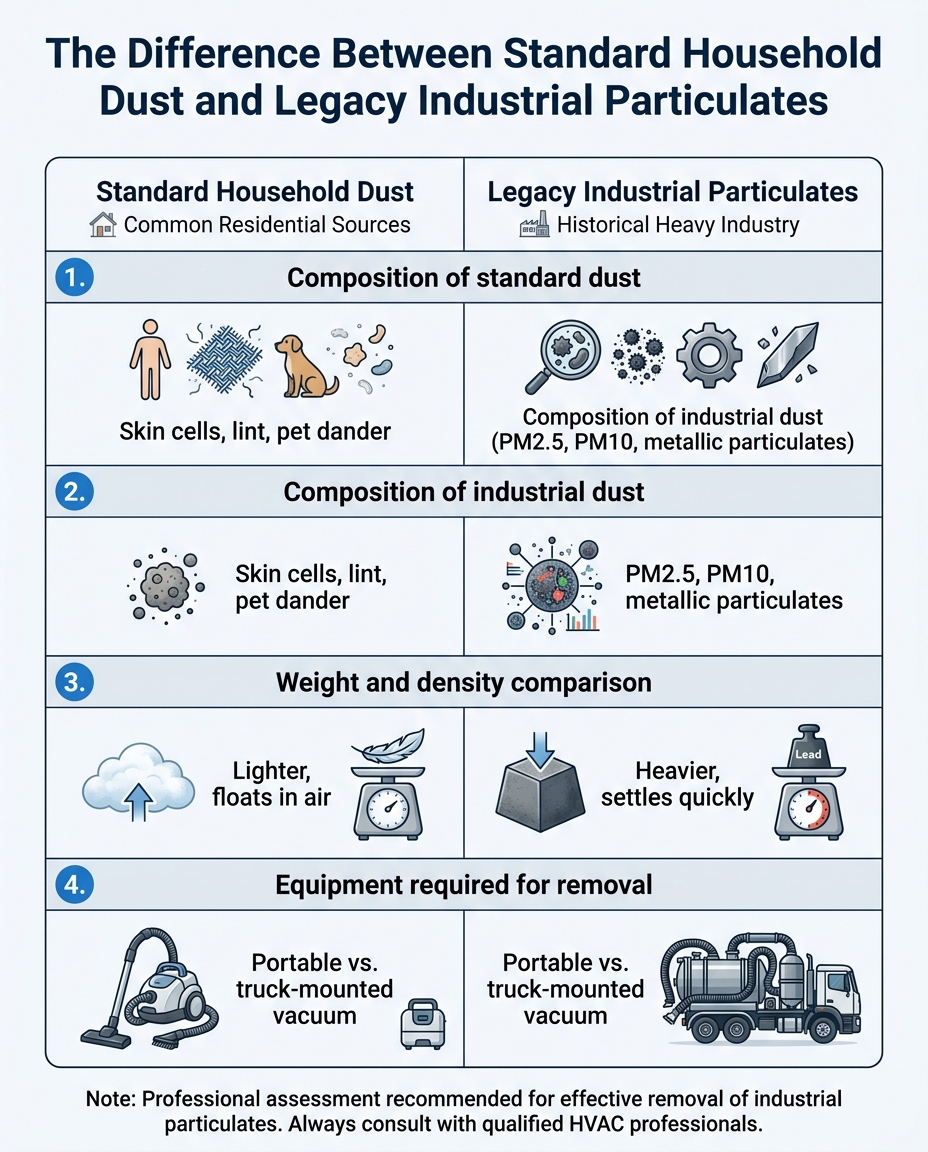
Not all dust is created equal, which means not all cleaning methods are effective. Standard household dust is primarily composed of fabric lint, human skin cells, and pet dander. It is light, fluffy, and relatively easy to vacuum up. Legacy industrial particulate matter, on the other hand, is dense, heavy, and often slightly metallic or oily, causing it to stick stubbornly to the galvanized steel inside your ductwork.
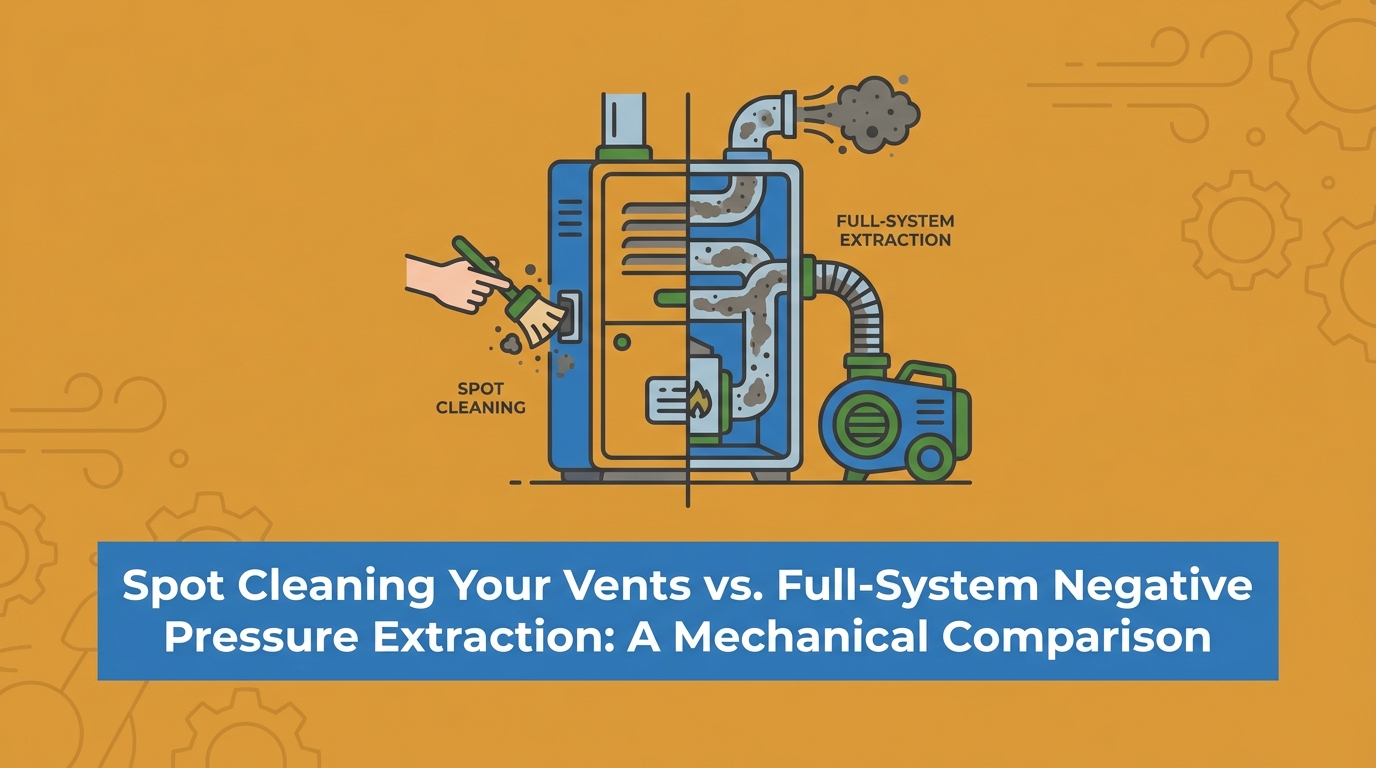
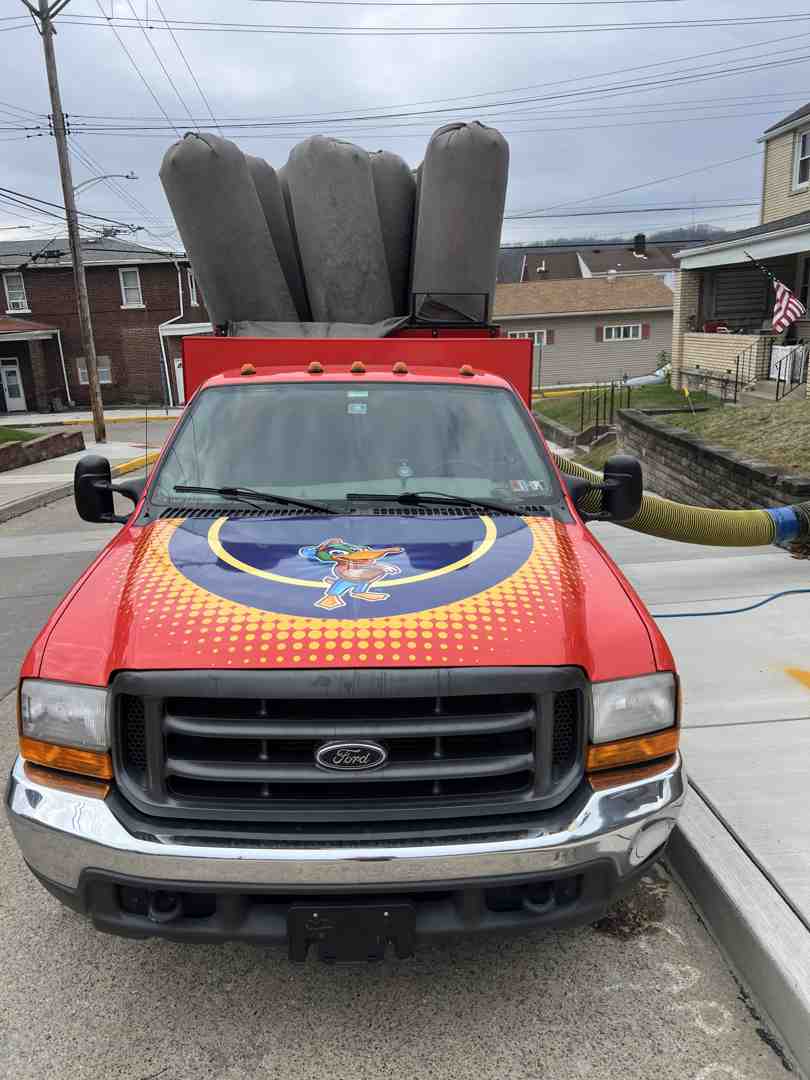
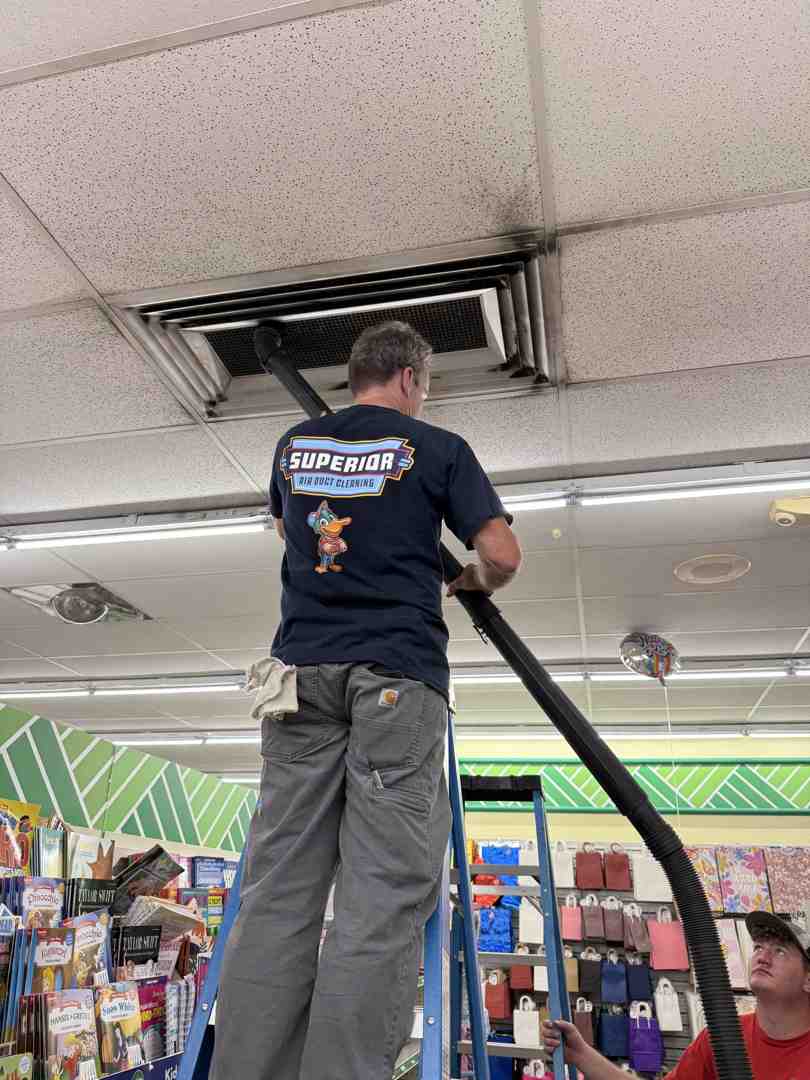
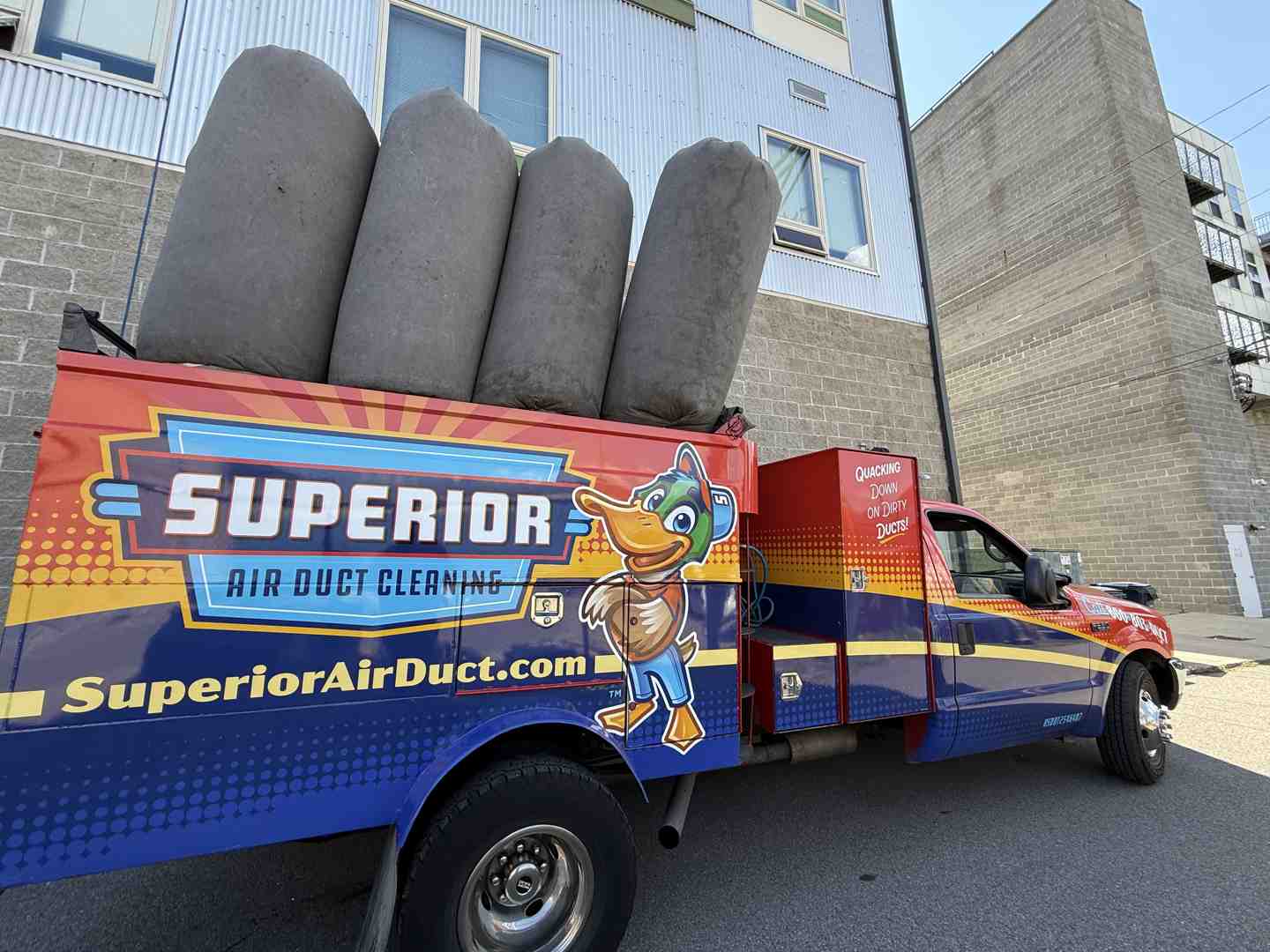
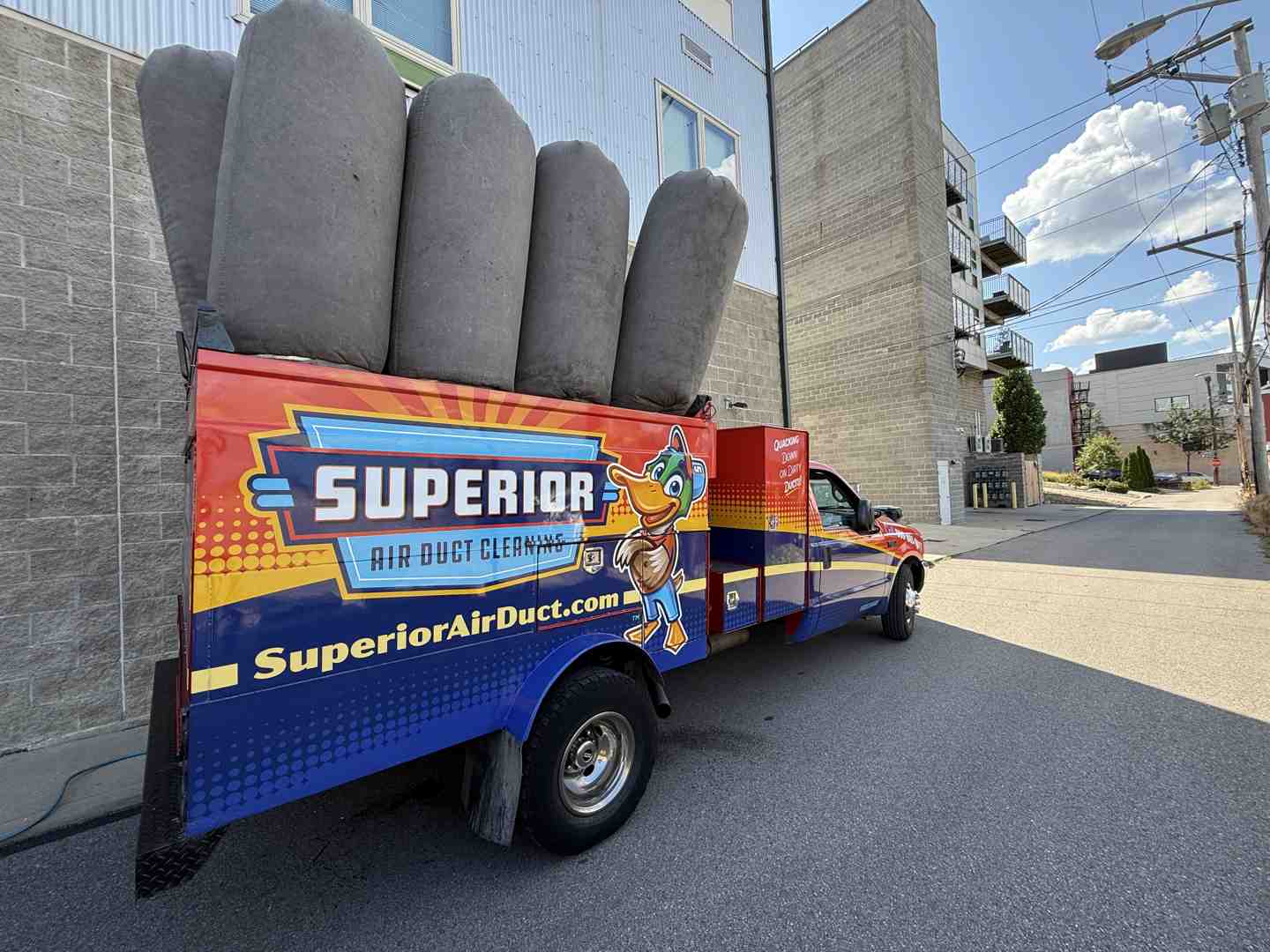
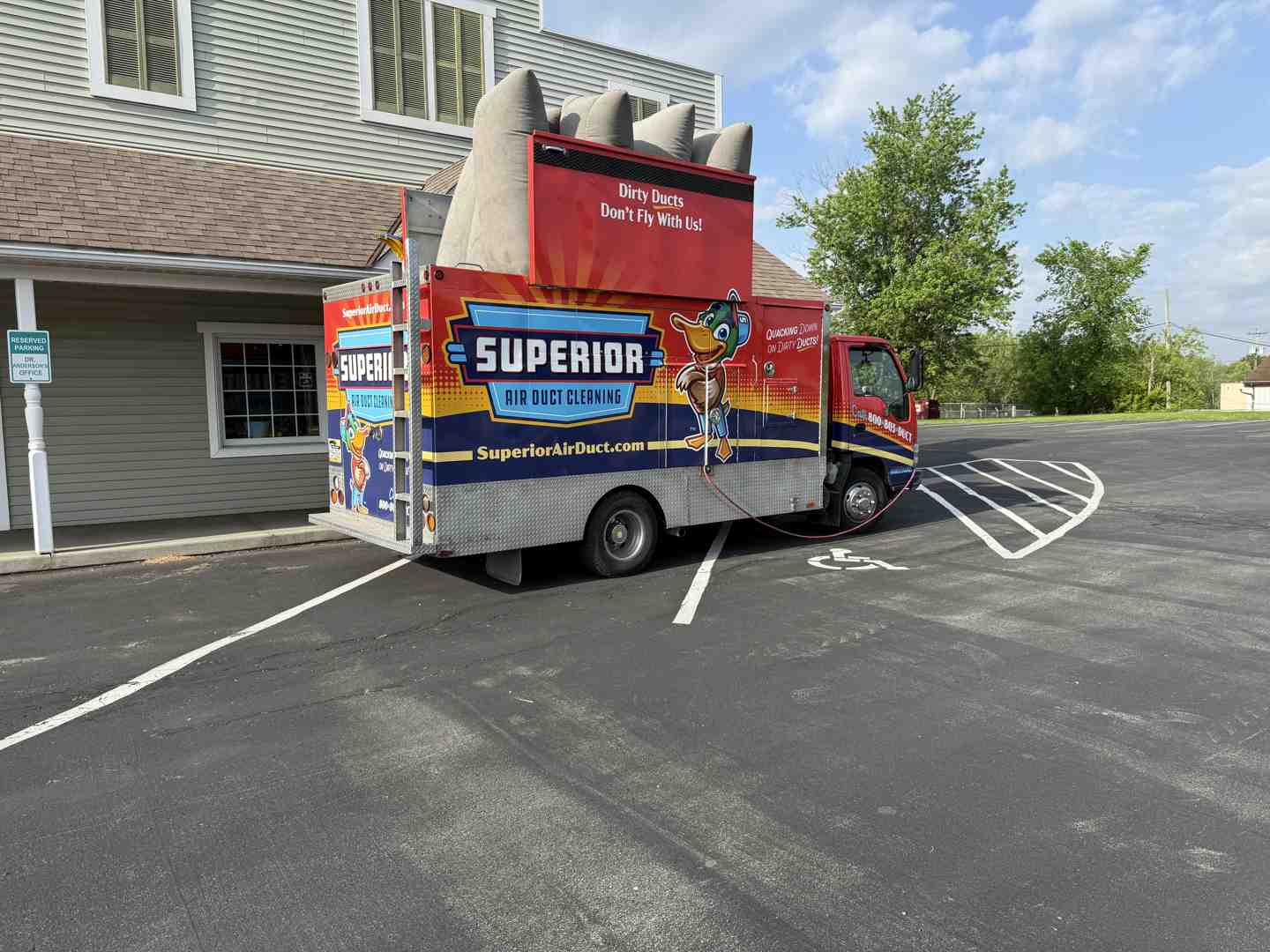
This distinct difference in density is exactly why our team warns against using standard portable vacuums and basic "blow-and-go" duct cleaning methods in our region. Removing dense, legacy particulate matter requires the heavy-duty truck-mounted vacuums we utilize, as standard portable units simply lack the suction power to clear historic industrial dust. You need massive negative air pressure to physically dislodge the heavy soil particulates from deep within the HVAC branches and pull them completely out of the house.
• Standard Portable Vacuums — Suction Power: Low to Moderate — Effectiveness on Industrial Dust: Poor (leaves dense particles stuck to duct walls) — Risk of Indoor Contamination: High (can agitate dust and blow it into living spaces)
• Truck-Mounted Vacuums — Suction Power: Extremely High (Creates Negative Pressure) — Effectiveness on Industrial Dust: Excellent (extracts heavy, dense particulates entirely) — Risk of Indoor Contamination: Low (vents all contaminated air directly outside the home)
If you are looking for affordable duct cleaning in Youngstown, it is critical to ensure the technicians are using the right equipment for the environment, rather than just the cheapest portable tools available.
The Danger of Partial Cleaning
Using underpowered equipment doesn't just fail to clean the ducts—it can actually make your air quality worse. Weak portable vacuums often generate just enough suction to loosen the dense dust from the duct walls without actually extracting it. The next time your air conditioner turns on, all that newly loosened industrial dust is pushed directly into your living space in one massive cloud.
Upgrading Your Filtration Strategy for the Back-to-School Season
As the intense heat of August begins to wane, the focus shifts toward the back-to-school season and preparing the home for the cooler months ahead. This transition period is the ideal time to address duct cleanliness. Years—and sometimes decades—of neglected maintenance compound the allergen load in older homes, making proactive intervention essential.
Just recently, our team worked with another local homeowner who noticed heavily contaminated air ducts while preparing their home for the late summer transition. By scheduling a timely and efficient professional cleaning with us before the fall rush, they were able to get the ducts completely cleared out, resulting in an amazing job that restored their home's air quality before the windows were locked down for winter.
Steps to upgrade your home's air quality defense:
• Schedule negative-pressure extraction: Clear out the decades of accumulated legacy dust using truck-mounted equipment.
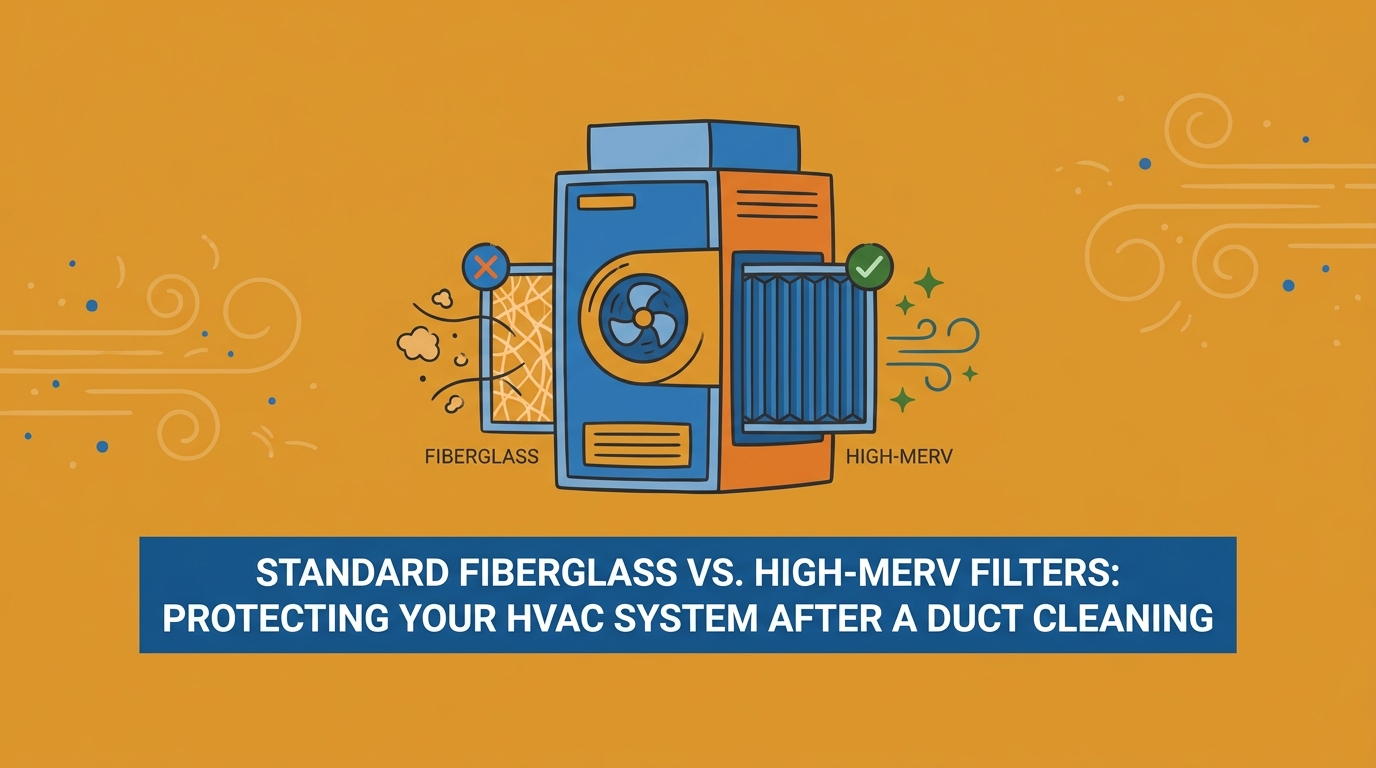
• Upgrade to high-MERV filtration: Once the ducts are clean, install MERV 11 or MERV 13 filters (if your system can handle the airflow) to capture fine PM2.5 particles before they enter the clean ductwork.
• Invest in comprehensive sanitization: Pair physical cleaning with whole house sanitizing to neutralize bacteria, mold spores, and organic allergens that thrive in dark, humid AC vents.
• Maintain a strict filter replacement schedule: In historically industrial areas, filters should be checked monthly and replaced at least every 60 to 90 days.
Taking these steps provides immense peace of mind, knowing the air your family breathes is clean before the house is sealed up for the long winter.
Addressing Legacy Dust in Commercial and Large-Scale Properties
Residential homes are not the only buildings dealing with this regional challenge. Commercial properties across the Mahoning Valley face the exact same legacy dust accumulation. In fact, because larger buildings pull in significantly more outside air, the volume of industrial particulate matter entering the system is exponentially higher.
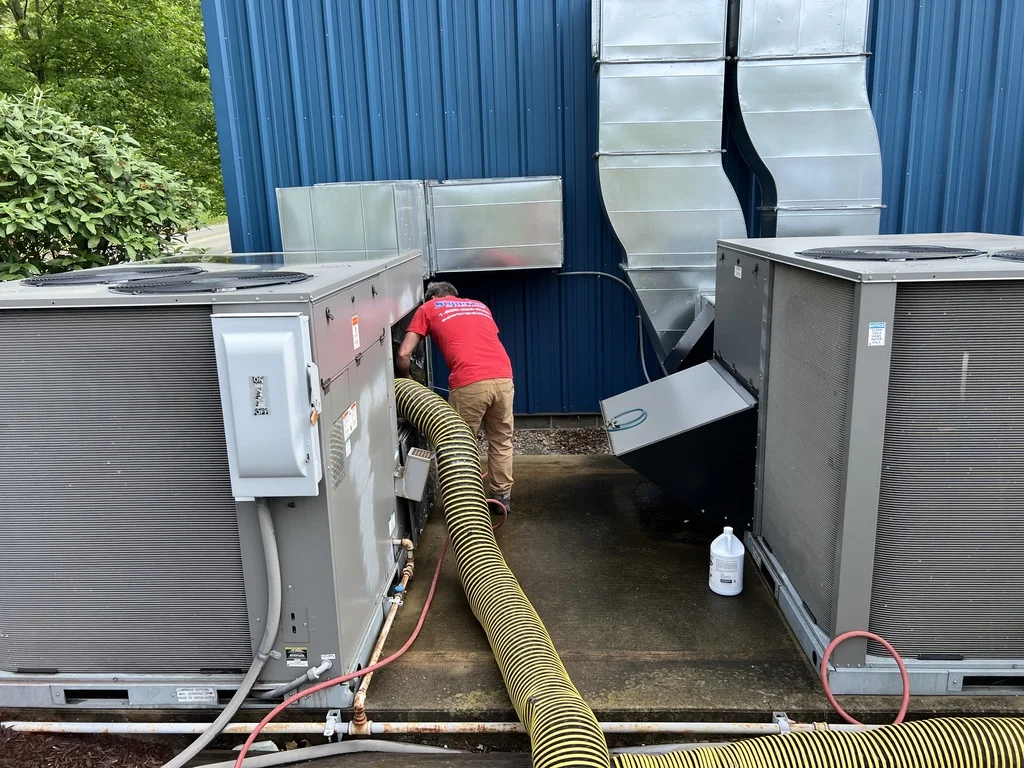
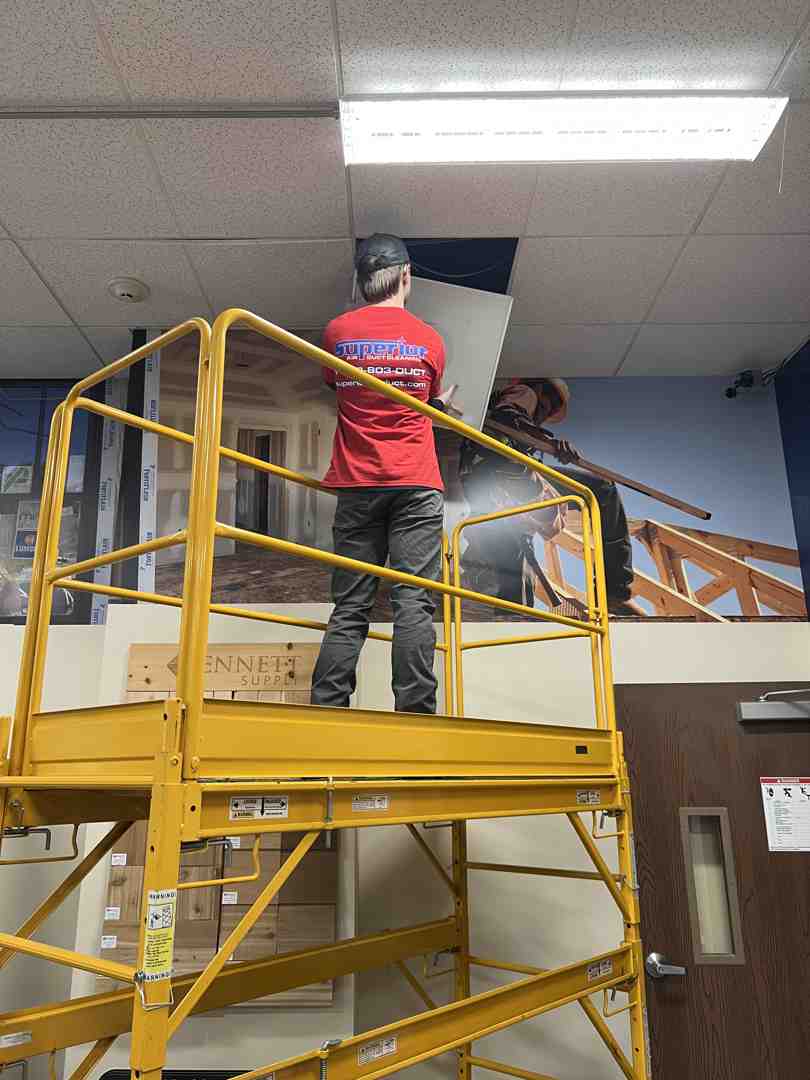
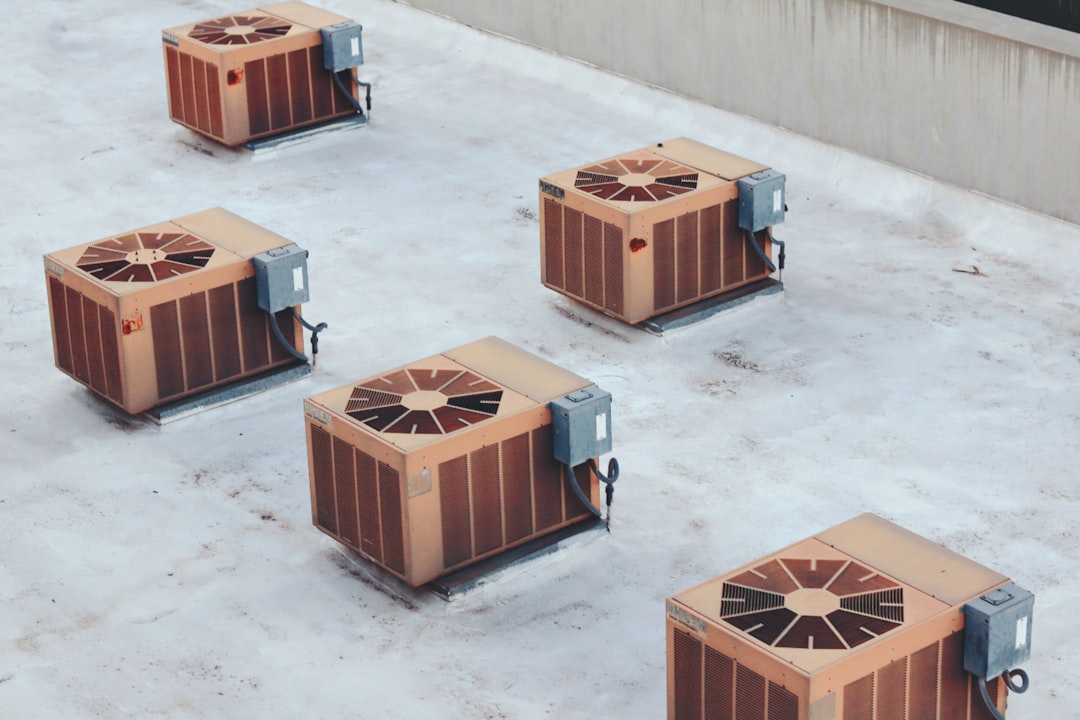
Larger, complex HVAC systems in commercial buildings require even more rigorous maintenance schedules. Poor indoor air quality during the late summer can severely impact employee health, leading to increased sick days and reduced productivity. Furthermore, customers quickly notice when a retail space or office feels dusty or smells stale. Because commercial ductwork is wider and more intricate, our commercial crews know that specialized, high-powered extraction is absolutely non-negotiable. Routine commercial duct cleaning ensures that rooftop units and massive air handlers aren't just blowing legacy steel-valley dust down onto desks and merchandise.
Frequently Asked Questions About Youngstown Air Quality and HVAC Maintenance
Why is Youngstown air quality historically challenging for homeowners?
The region's deep history in steel production and heavy manufacturing left lasting environmental footprints. Decades of industrial output embedded fine particulate matter into the local soil. This dense, metallic dust easily tracks into homes and gets pulled into HVAC systems, creating a heavier dust load than what is typically found in newer suburban areas.
Does industrial dust stay trapped in older homes?
Yes, without professional intervention, industrial dust can remain trapped in ductwork for decades. Because it is heavier and denser than standard household lint, it settles into the lateral branches of the air ducts. Every time the AC turns on, a small amount is blown into the living space, while the bulk of the heavy particulate matter remains stuck inside the metal vents.
What pollutants are commonly found in industrial soil dust?
Industrial soil dust frequently contains high levels of PM2.5 and PM10 fine particulates. This includes microscopic metallic flakes, soot, ash, and other manufacturing byproducts. When mixed with standard residential allergens like pollen and pet dander, it creates a dense, irritating compound that degrades indoor air quality.
How does legacy industrial dust affect indoor air quality?
Legacy dust drastically lowers indoor air quality by constantly recirculating ultra-fine particles that standard HVAC filters cannot catch. This constant circulation leads to rapid dust buildup on furniture, increased respiratory irritation, and severe indoor allergies, particularly during the summer when homes are sealed tight for air conditioning.
What is the best air filter rating for homes in historically industrial areas?
Homes dealing with heavy industrial particulates generally benefit from MERV 11 to MERV 13 pleated filters. Our technicians recommend these higher-rated filters because they are dense enough to trap microscopic PM2.5 particles before they enter the ductwork. However, we always advise homeowners to verify that their specific HVAC system can handle the increased airflow resistance of a high-MERV filter to prevent overworking the blower motor.
How can I improve indoor air quality in an older Mahoning Valley home?
The most effective approach we recommend is a two-step process: remove the existing contamination and prevent future buildup. First, hire a professional to perform a heavy-duty, negative-pressure duct cleaning to extract the trapped legacy dust. Second, upgrade to high-quality pleated air filters and maintain a strict replacement schedule to keep the newly cleaned system pristine.
Breathe Easier in Your Historic Home This Fall
Living in a historically industrial area requires a proactive, informed approach to indoor air quality. You cannot treat the dense, legacy particulate matter in the Mahoning Valley the same way you would treat ordinary household dust. Heavy-duty, truck-mounted equipment is the only way to permanently remove this stubborn buildup from your home's respiratory system. As the August end-of-season cooling and back-to-school transition approaches, now is the time to take action. This explains why Youngstown's industrial legacy makes indoor air filtration crucial, and why our team at Superior Air Duct Cleaning believes scheduling a professional inspection and cleaning before the seasonal shift is the best way to ensure your family breathes easier all year long.

Customer Reviews


Superior Air Duct cleaning did a phenomenal job in a timely manner with the tech “Rich” being very professional ,personable and considerate of our property! He explained things as he proceeded and answered all our questions!
I LOVE that they provide before & after photos to see the difference. Give them a try… you won’t regret it
Pam T.
Robert was on schedule and communicated what time he would arrive. He was polite, professional, and respectful of our home. I wanted to wait a couple weeks before posting a review because I wanted to see if the duct cleaning actually made a difference. I am happy to say it did! I vacuum multiple times a week and have already noticed a significant reduction in the amount of dust cleaned up each time. As a home with pets, there will always be something to clean, but getting the ducts cleaned has definitely helped improve the air quality and reduce the dust.
alice A.
Technician Rob arrived early explained the days agenda and then proceeded to work methodically and meticulously over the next 6+ hours cleaning my ductwork. Courteous and professional they answered all of my questions and went above and beyond the call of duty. They even located an old dusty box of rat poison buried in our vents. My only regret is not finding these guys sooner. As a realtor of 22 years and owner of a newly purchased (now dust free) home I highly recommended!
Eric K.
Excellent service! I’ve used them to clean out my air ducts as well as my dryer vent duct and they are excellent. I was very pleased with both jobs and will continue to use them in the future. Great communication as well- from the time I scheduled the appointment until they were at my door.
Erika C.
We had such an amazing experience with Superior Air Duct Cleaning. They were so nice and friendly and did an amazing job. I loved seeing the before and after pictures. Besides doing an amazing job cleaning our air ducts they were so quick at responding and setting up the appointment. We will definitely be using them in the future.
Amanda C.