The Hidden Risk of Transition Seasons for Commercial HVAC
According to Environmental Protection Agency data, proactive commercial HVAC maintenance drastically reduces indoor air quality complaints from building tenants, yet many facility managers overlook the critical transitional months. In our years of keeping New Brighton PA facilities breathing easy, the team at Superior Air Duct Cleaning has found that if you are analyzing why August is the strategic time for commercial property duct audits, the answer lies in the hidden accumulation of moisture and particulate matter that builds up during peak summer cooling. By the time late summer arrives, commercial air handling systems have spent months fighting high humidity and pulling immense volumes of air—and airborne debris—through the building's ventilation network.
The concrete problem facing property administrators is that this cooling-season particulate buildup does not simply vanish. Instead, it sits in the ductwork, interacting with condensation and creating an ideal environment for biological growth. As a facility manager, your primary decision point is whether to execute a facility-wide duct audit and cleaning now, during the August late-summer cooling transition, or wait until the peak winter heating season when tenant disruption is significantly higher and HVAC contractors are overbooked with emergency calls.
August is often viewed as a maintenance lull, but we consistently see it as the most strategic operational window to assess system health. Addressing these issues now ensures your building is prepared before the heating system locks the facility down for winter. To explore how this fits into your broader facility management plan, review our Commercial Services.
Key operational factors to consider during this transition:
• Particulate loading: Months of continuous summer cooling draw pollen, dust, and outdoor pollutants deep into the commercial ventilation network.
• Moisture retention: High summer humidity creates condensation zones within the ductwork, particularly near cooling coils and poorly insulated joints.
• Tenant occupancy shifts: Late summer often precedes a return to higher building occupancy, making indoor air quality a sudden priority.
• System changeover: The mechanical shift from cooling to heating disrupts settled dust, pushing it into occupied spaces if not cleared beforehand.
Analyzing the Impact of Late-Summer Humidity on Ductwork
Continuous commercial air conditioning use throughout the summer draws immense amounts of moisture into your building's ventilation system. In Western PA, the peak humidity of August creates a critical window to address cooling-season condensation before transitioning to cooler fall weather. When warm, humid outdoor air interacts with the chilled metal of your ductwork, condensation naturally forms. Over a long, hot summer, this moisture settles deep within the system, creating damp zones that are rarely exposed to dry air.
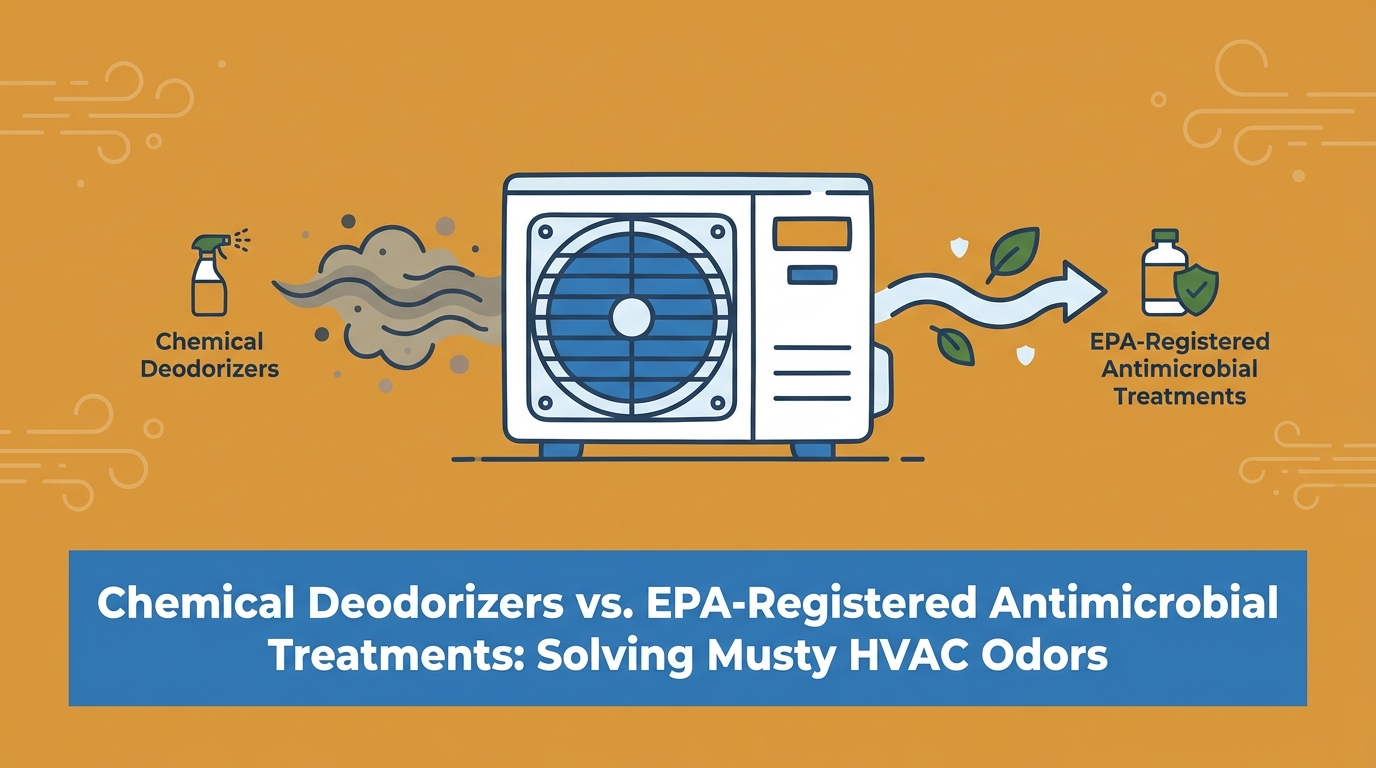
The core problem occurs when this trapped moisture interacts with the dust, pollen, and debris that have bypassed your commercial air filters. Our field technicians frequently see this mixture create a dense, sludge-like buildup along the walls of the ductwork. If left unaddressed during the August late-summer cooling transition, this damp particulate matter degrades indoor air quality before the building is even sealed for winter. When temperatures eventually drop and your commercial heating system is activated, the sudden introduction of hot, dry air bakes this moist debris into a hardened crust, making it significantly more difficult—and disruptive—to remove later in the year.
The solution is a targeted assessment and intervention before the seasonal shift occurs. By scheduling a comprehensive evaluation now, facility managers can identify condensation pooling, assess the integrity of duct insulation, and clear out biological growth before the heating season begins. Addressing these issues in New Brighton PA commercial properties ensures that the air distributed throughout your facility remains clean and odor-free when windows are firmly shut for the winter. For a detailed breakdown of how we address these specific seasonal buildups, explore our Commercial Duct Cleaning solutions.
The progression of humidity-driven duct degradation:
1. Continuous cooling cycles: High-capacity AC units run constantly, keeping ductwork surfaces well below the ambient dew point.
2. Condensation pooling: Moisture collects in low spots, unsealed joints, and near air handling units.
3. Particulate binding: Airborne dust and allergens stick to the damp surfaces, layering over the course of the summer.
4. Heating activation: The sudden shift to winter heating bakes the damp layers into the duct walls, releasing stale odors into tenant spaces.
Operational and Budgetary Advantages of Q3 Maintenance
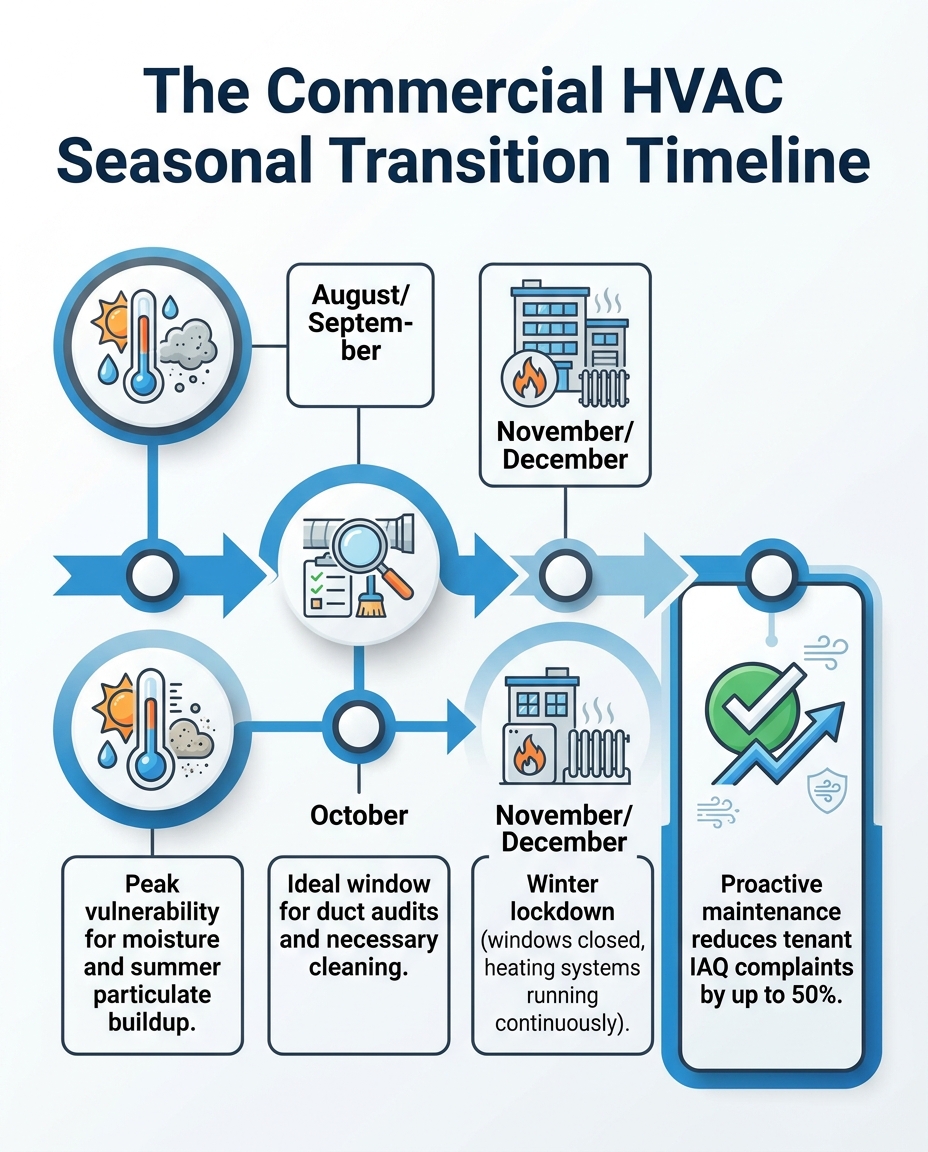
From a facility management perspective, scheduling maintenance is just as much about financial efficiency and tenant satisfaction as it is about mechanical upkeep. Executing a duct audit during the August late-summer cooling transition provides a distinct logical and operational advantage over waiting for the end of the year. The third quarter represents a strategic sweet spot: the heaviest cooling demands are beginning to taper off, but the frantic rush of winter heating preparations has not yet begun.
By scheduling your commercial duct audits in August, you actively avoid the inevitable Q4 maintenance rush. We consistently remind our commercial clients that once the first freeze hits, HVAC contractors are universally overbooked with emergency heating repairs, making it difficult to secure a comprehensive, zero-disruption audit without paying premium emergency rates or accepting inconvenient service times. Furthermore, Q3 audits provide a massive budgeting advantage. Identifying necessary duct repairs, insulation replacements, or extensive cleaning requirements in late summer allows facility managers to allocate remaining annual funds effectively or accurately forecast capital expenditures for the upcoming fiscal year before budgets are finalized.
This proactive timeline is especially critical for specific sectors preparing for increased fall occupancy. Educational facilities, corporate offices returning from summer remote-work schedules, and retail spaces gearing up for Q4 foot traffic cannot afford unexpected downtime. Early audits prevent emergency system failures during critical winter months when indoor air quality relies entirely on the mechanical ventilation system. If you manage specialized facilities, understanding the timeline for air duct cleaning for schools and universities can further optimize your operational calendar.
• Contractor Availability — Q3 (August/September) Audits: High availability; flexible scheduling options. — Q4 (November/December) Audits: Severely limited; emergency heating calls take priority.
• Budget Forecasting — Q3 (August/September) Audits: Allows time to allocate end-of-year funds accurately. — Q4 (November/December) Audits: Forces reactive spending; often requires emergency budget approvals.
• Tenant Disruption — Q3 (August/September) Audits: Minimal; can be scheduled during transitional occupancy lulls. — Q4 (November/December) Audits: High risk; heating system downtime in cold weather causes immediate complaints.
• IAQ Impact — Q3 (August/September) Audits: Clears summer pollutants before buildings are sealed for winter. — Q4 (November/December) Audits: Pollutants are already circulating in a closed-loop winter environment.
Navigating NADCA Standards for Baseline IAQ Compliance
Maintaining a commercial facility requires strict adherence to industry regulations to protect both tenant health and property liability. The National Air Duct Cleaners Association (NADCA) establishes the premier technical guidelines for HVAC hygiene. Specifically, the NADCA ACR Standard recommends annual inspections for commercial and industrial air handling systems. Understanding and navigating these standards is a critical component of professional facility management, particularly in large-scale New Brighton PA commercial properties where air distribution networks are complex and sprawling.
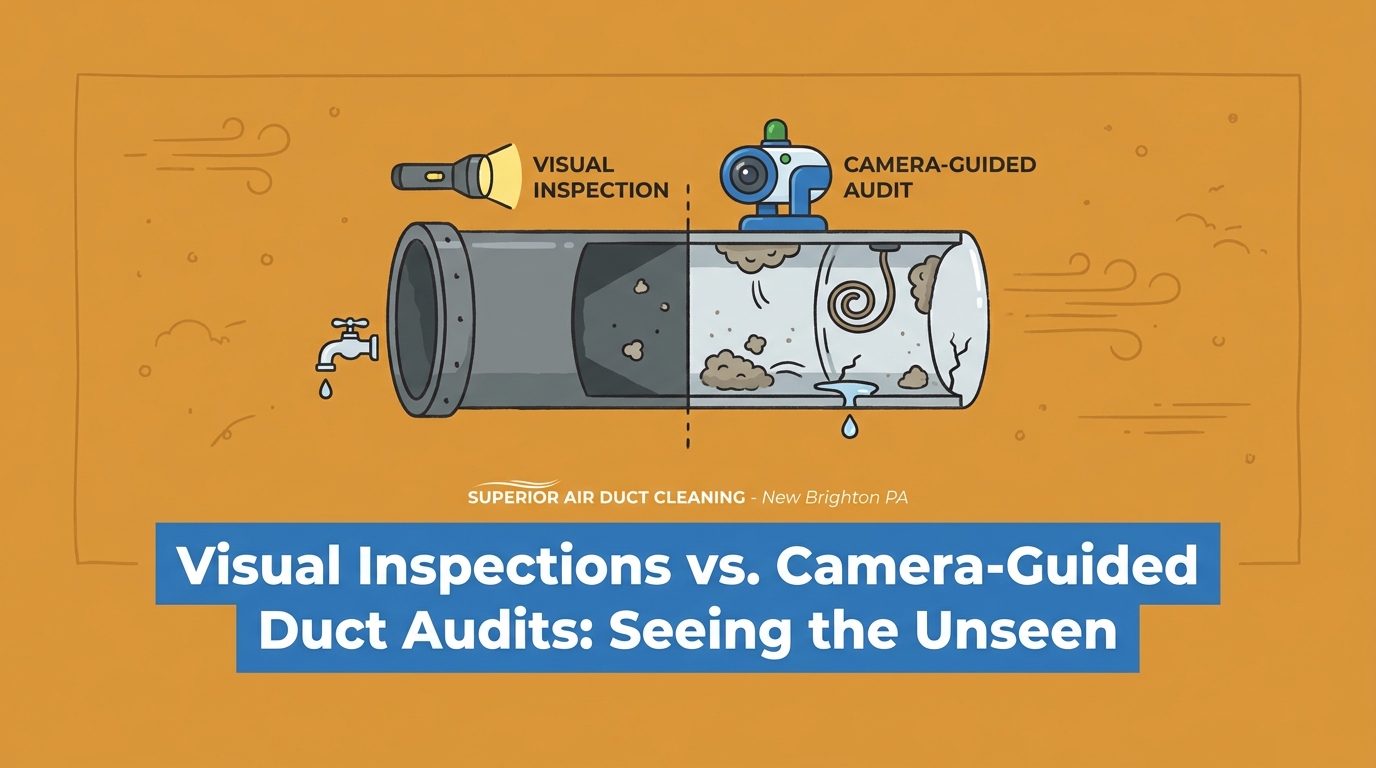
A comprehensive commercial duct audit goes far beyond a simple visual check of the return vents. When executed properly, an audit entails a deep technical assessment of the entire air conveyance system. This includes visual inspections using robotic cameras to navigate extensive duct runs, rigorous moisture assessments to identify active condensation or biological growth, and particulate measurement to quantify the volume of debris restricting airflow. Meeting these stringent standards does more than just tick a compliance box; it actively mitigates liability by documenting the proactive steps taken to ensure a safe, healthy breathing environment for building occupants.
Furthermore, baseline IAQ compliance connects directly to long-term energy efficiency and reduced mechanical strain on your HVAC infrastructure. When ductwork is heavily loaded with summer particulate, the air handler must work significantly harder to push conditioned air through the restricted space. This elevates energy consumption and accelerates wear and tear on blower motors and heat exchangers. By validating your system against NADCA standards during the transitional season, you optimize airflow just in time for the demanding winter heating cycle. To learn more about integrating these standards into your building operations, review our comprehensive Indoor Air Quality Solutions.
Core components of a NADCA-aligned commercial audit:
• Systematic access: Creating temporary service openings to inspect internal components without compromising duct integrity.
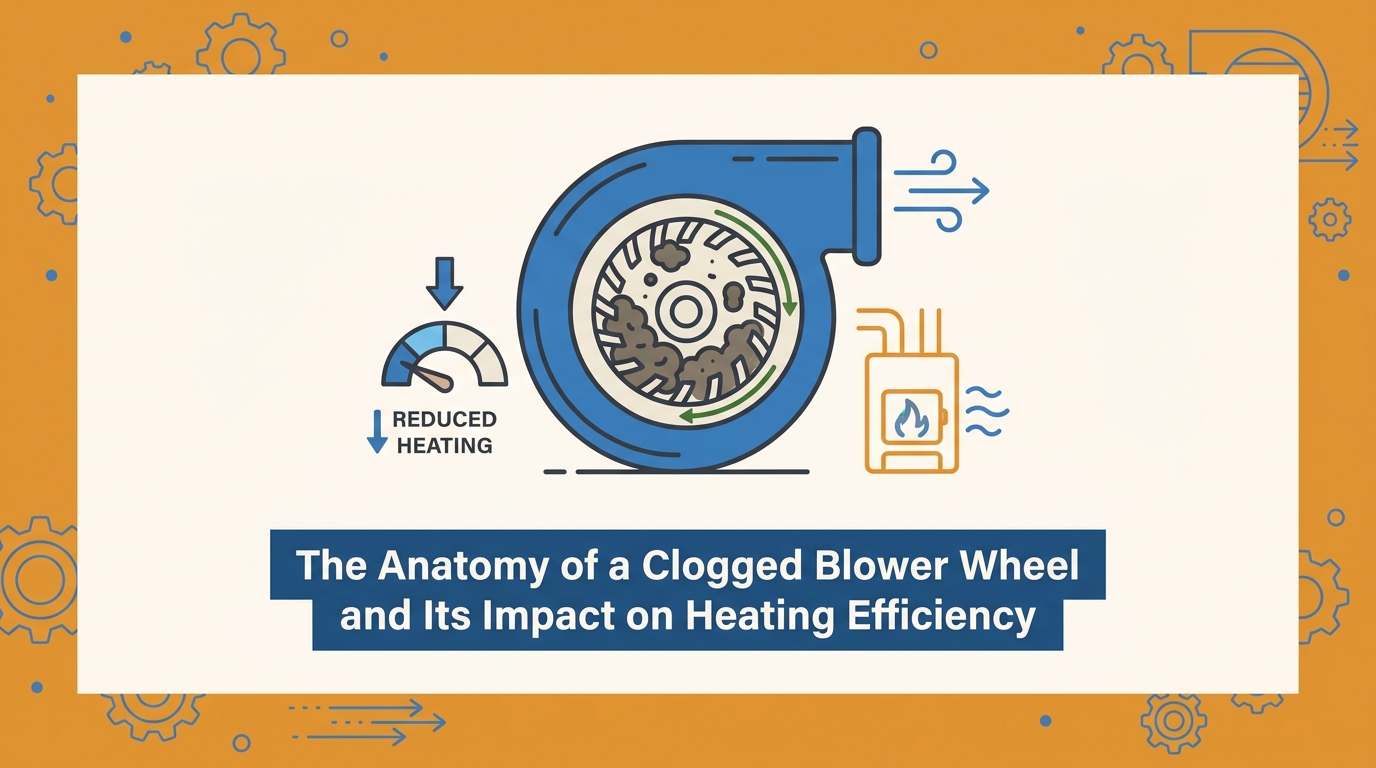
• Air handler evaluation: Inspecting the blower motor, cooling coils, and drain pans for heavy fouling.
• Contaminant assessment: Identifying the exact nature of the buildup (e.g., construction dust, biological growth, standard office lint).
• Documentation: Generating detailed reports that facility managers can keep on file for compliance and liability protection.
Executing Zero-Disruption Audits in Active Facilities
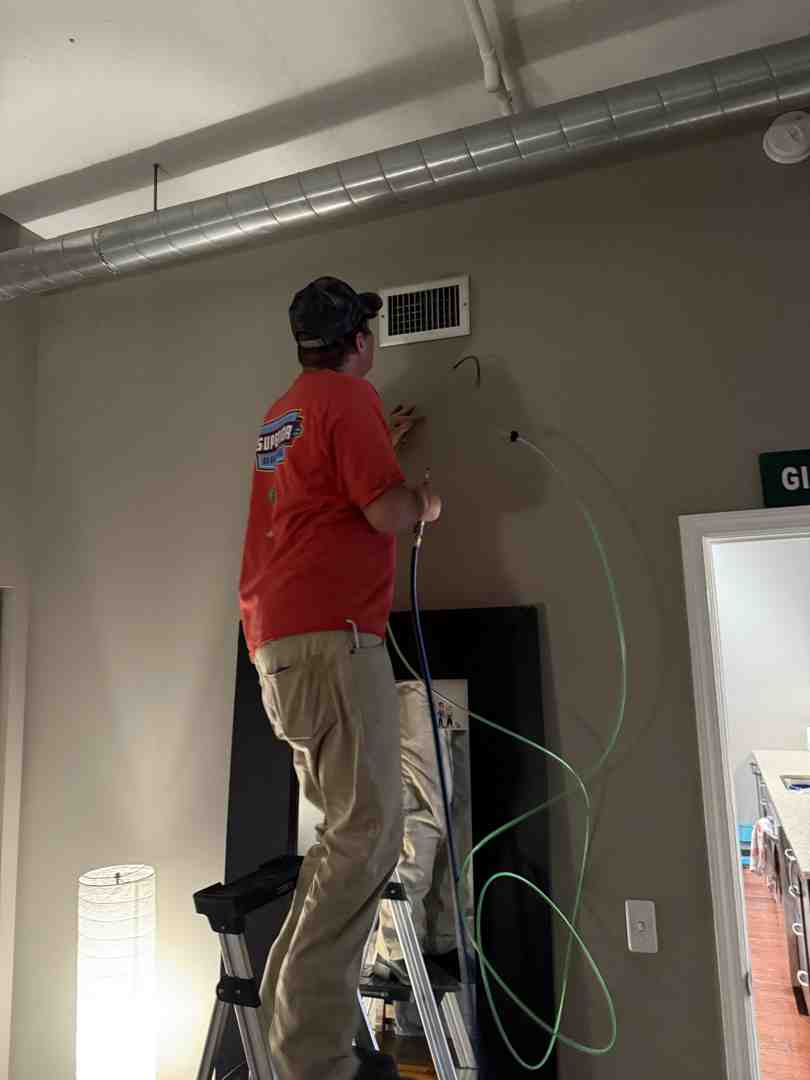
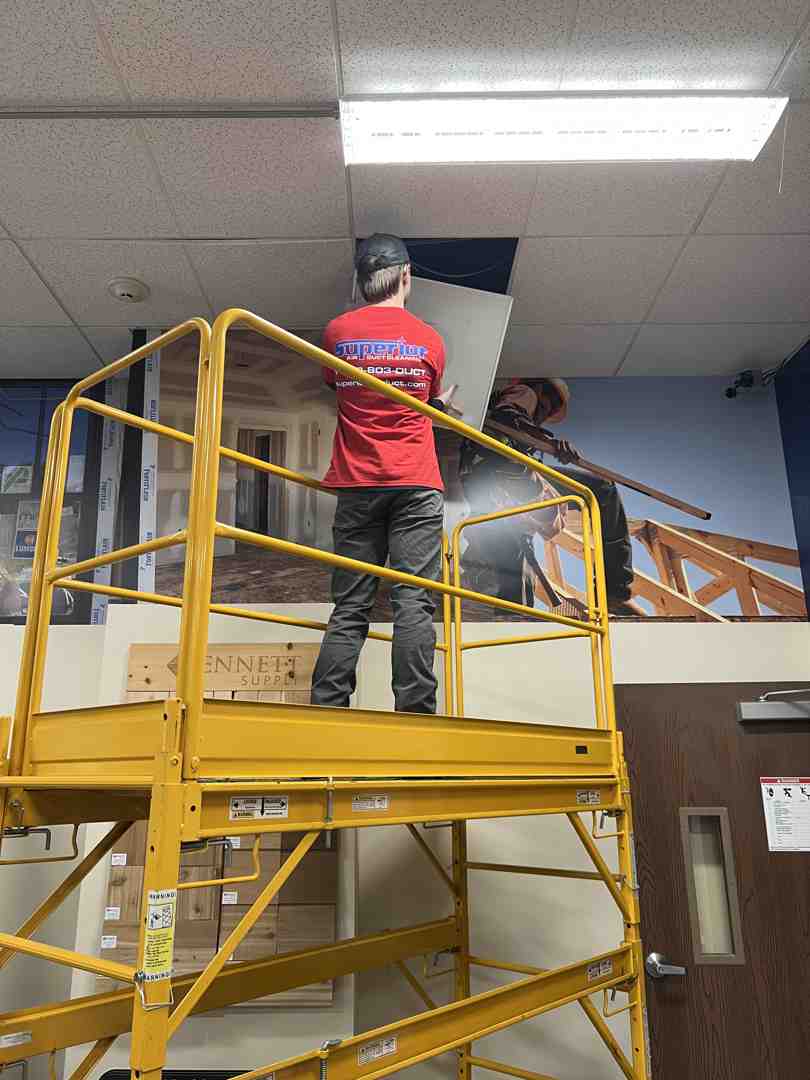
The most common hesitation facility managers express regarding proactive maintenance is the fear of operational downtime or tenant complaints. In a bustling commercial environment, shutting down the HVAC system or navigating loud equipment through occupied office spaces is simply not an option. However, modern commercial duct auditing has evolved significantly. Utilizing specialized commercial equipment, professional technicians can now perform comprehensive, zero-disruption audits that remain entirely invisible to daily building operations.
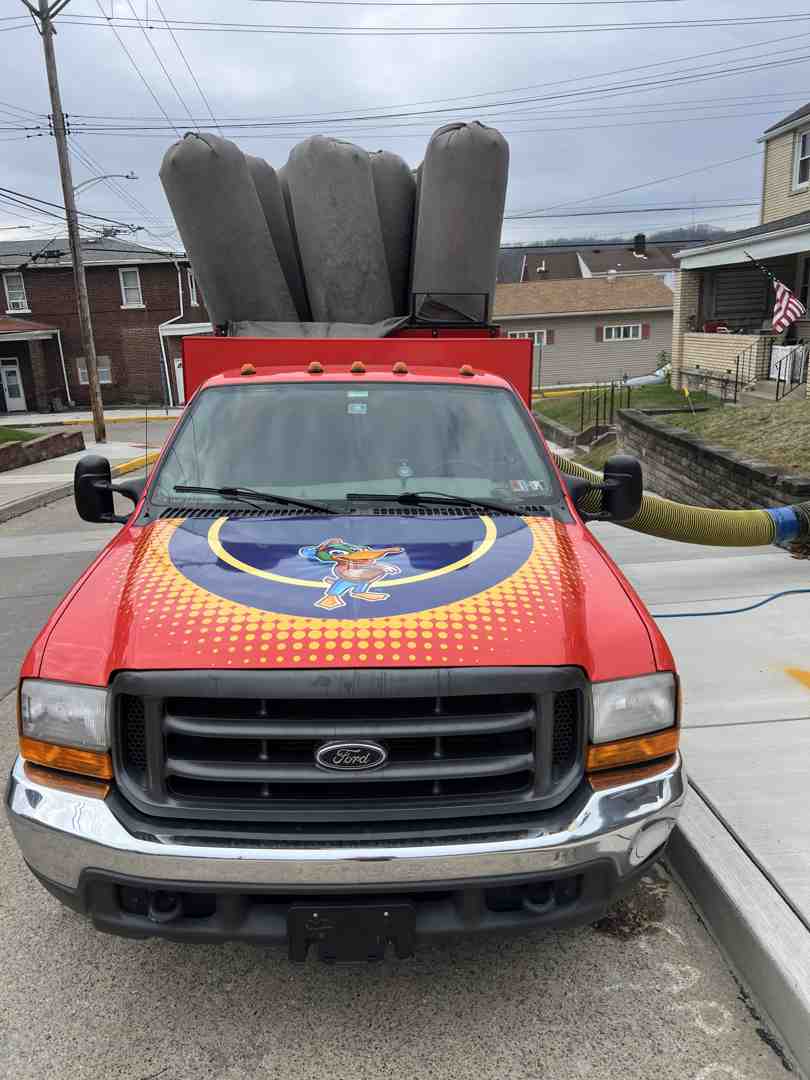
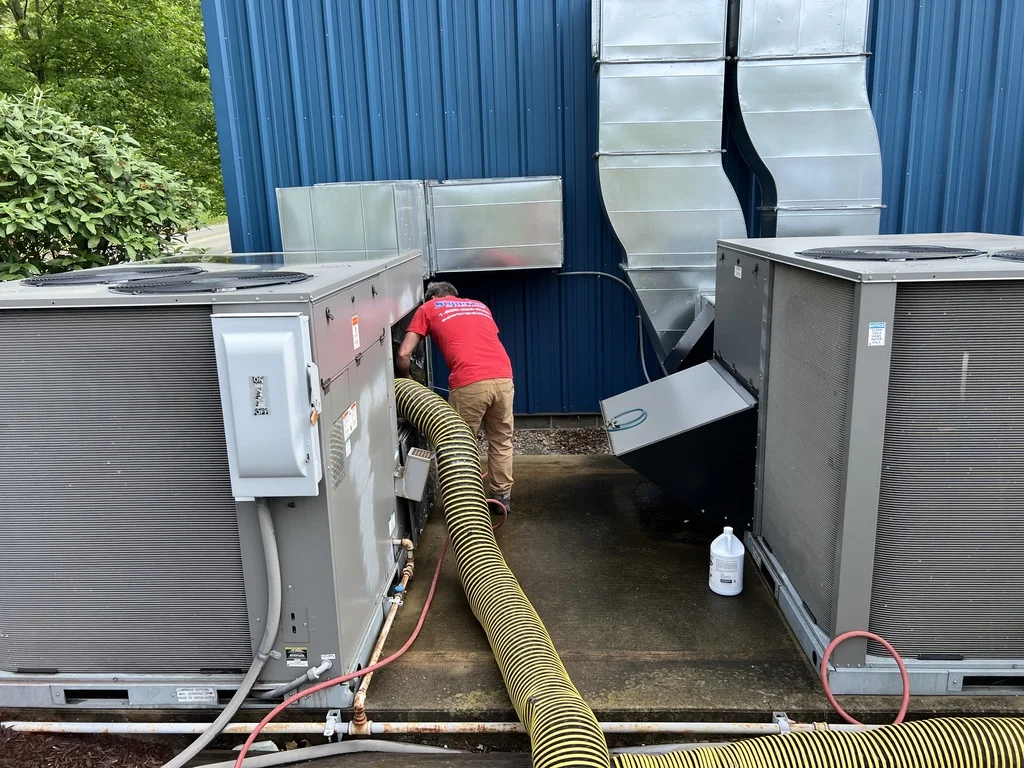
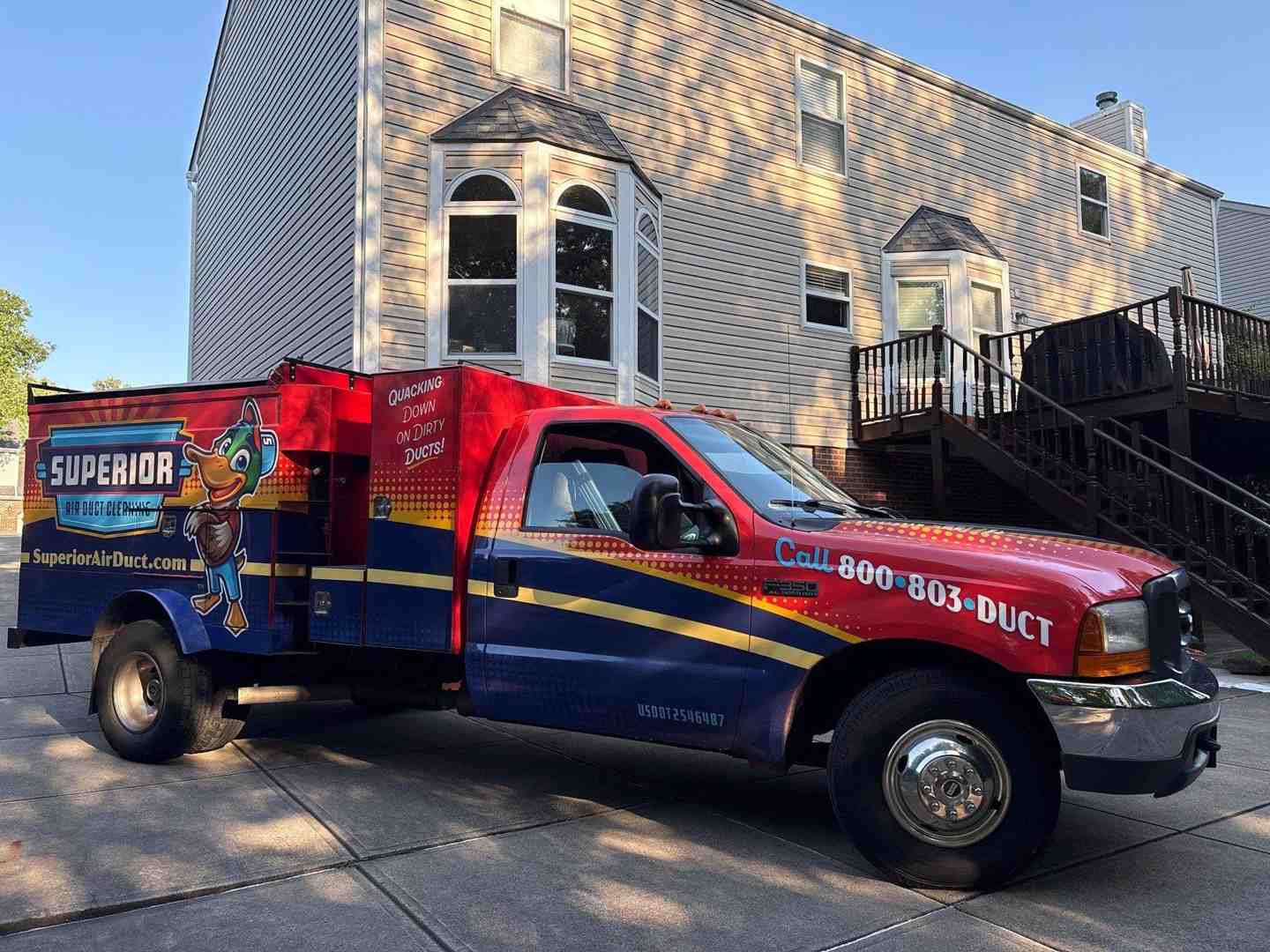
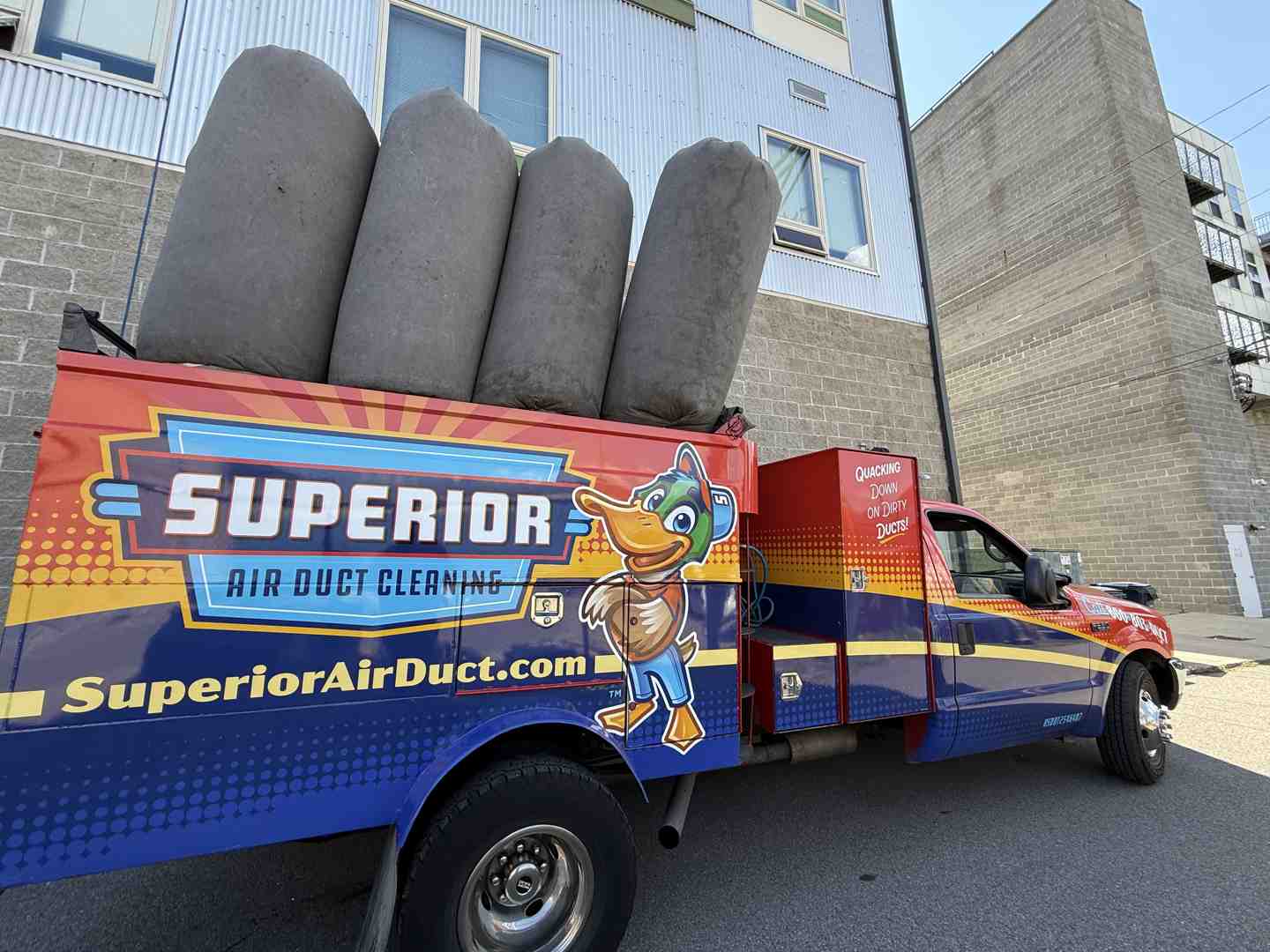
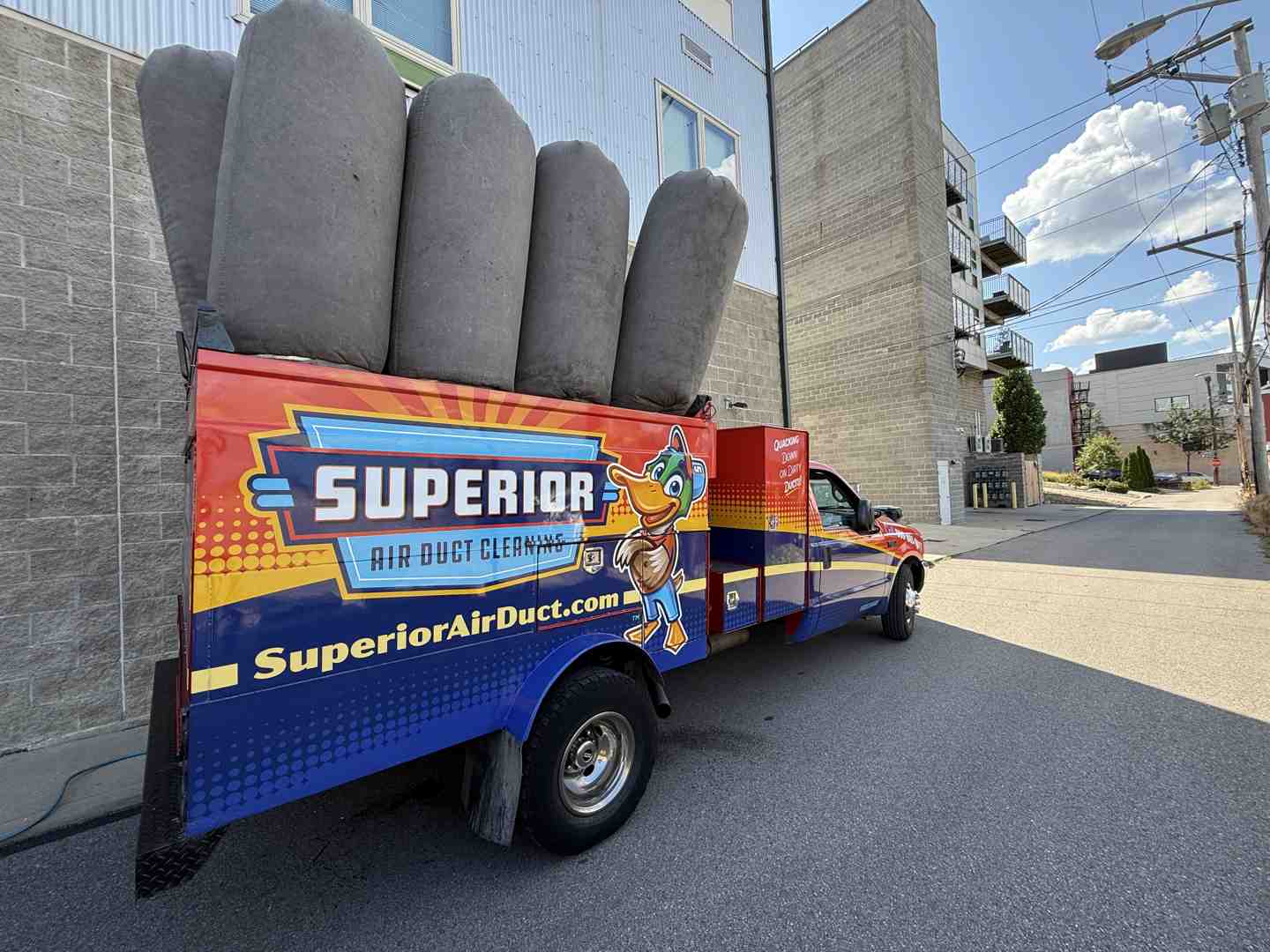
This capability is a distinct advantage of working with Superior Air Duct Cleaning, as our specialized commercial equipment and capacity allow us to perform comprehensive audits without disrupting facility operations. By utilizing advanced zoning techniques and high-powered, truck-mounted negative air machines, the inspection and cleaning process is isolated to specific sections of the building. This means that while one wing of the facility undergoes a rigorous audit during the August late-summer cooling transition, the rest of the building continues to operate with full climate control and zero interference.
The value of this zero-disruption approach is heavily reinforced by visual proof. Our team recently partnered with a local property manager who sought preventative maintenance during the late-summer back-to-school transition to ensure their facility's ducts were completely free of bacteria and allergens. Through a highly coordinated service plan, we seamlessly performed thorough duct cleaning and sanitization. Supplying them with clear before-and-after pictures not only verified the complete removal of contaminants but also provided the administration with total peace of mind regarding their indoor air quality. Proactive, scheduled audits are inherently less disruptive than emergency winter repairs, allowing you to maintain total control over your building's operational environment.
How zero-disruption audits are achieved:
1. Off-hours scheduling: Coordinating heavy equipment setup during evening or weekend shifts to keep lobbies and loading docks clear.
2. Zoned isolation: Using heavy-duty pneumatic bladders to block off specific duct branches, allowing targeted work without shutting down the main air handler.
3. Negative pressure containment: Ensuring that any dust disturbed during the inspection is immediately pulled out to a HEPA-filtered collection unit, preventing it from entering tenant spaces.
4. Robotic inspection: Deploying remote-controlled inspection crawlers that navigate the ductwork silently from a single access point.
Transitioning from Cooling to Heating: A Facility Checklist
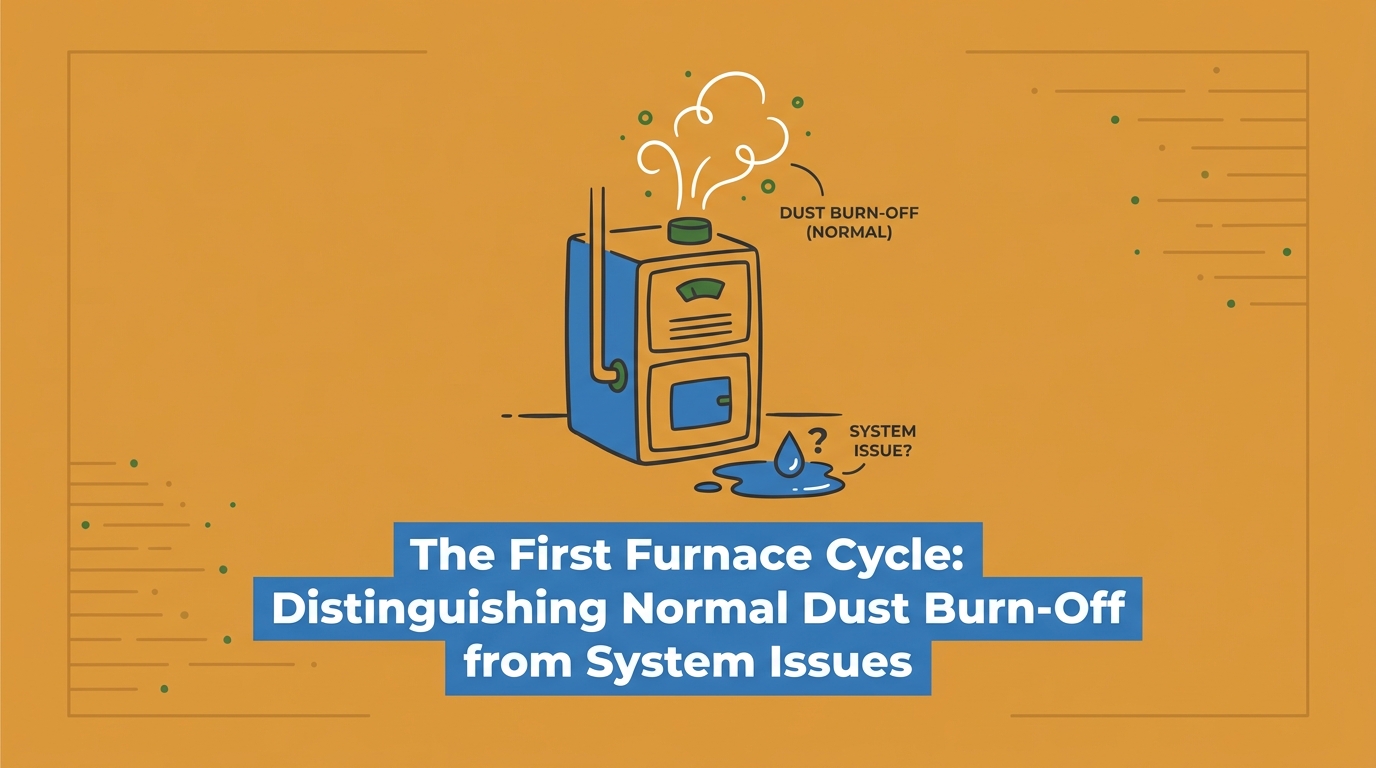
As the late summer heat begins to wane, facility managers must pivot their focus toward winter preparation. Transitioning a massive commercial HVAC system from continuous cooling to continuous heating requires a methodical approach. Skipping steps during this transition often leads to the infamous "burning dust" smell on the first cold day of the year, followed by a spike in tenant IAQ complaints. To ensure New Brighton PA commercial properties are fully prepared for the seasonal shift, follow this actionable facility checklist.
Step 1: Schedule the comprehensive duct audit to assess summer particulate accumulation.
Before you activate the heating coils, you must know what is resting inside the ductwork. A professional audit will identify if the high humidity of summer has caused dust and allergens to cake onto the interior walls. By scheduling this now, you ensure that the system is clean before the building is sealed tight for the winter, maximizing the effectiveness of your Air Duct Cleaning initiatives.
Step 2: Review and replace commercial air filters following the heavy-use cooling season.
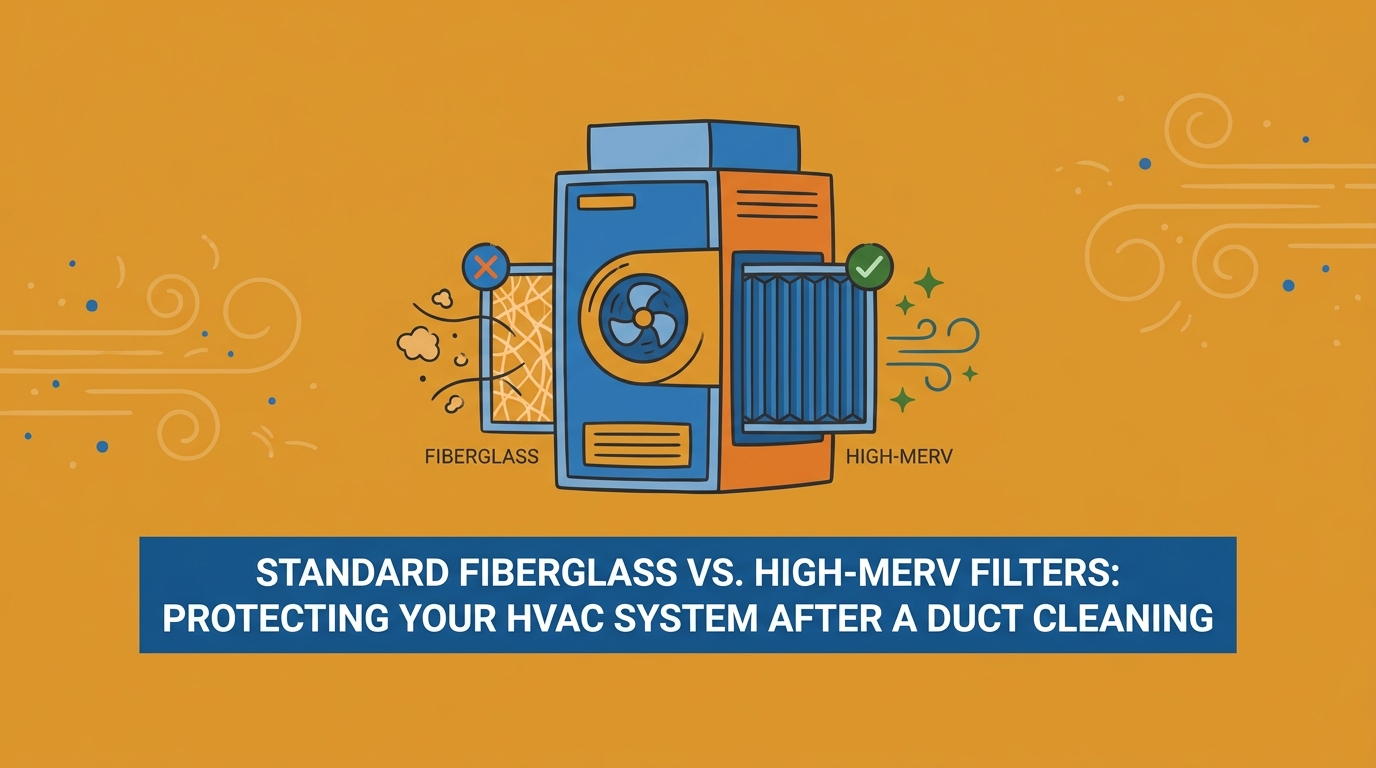
Commercial filters take a beating from May through August, capturing immense amounts of pollen, outdoor pollution, and internal office dust. Transitioning to heating with clogged filters forces the blower motor to work against severe static pressure, drastically reducing efficiency and increasing the risk of mechanical failure. Upgrade to the highest MERV rating your system can comfortably handle without restricting airflow.
Step 3: Clear all supply and return vents of physical obstructions in office or tenant spaces.
During the summer, tenants often block vents to avoid cold drafts blowing directly on their desks. If these obstructions are left in place during the winter, it disrupts the carefully balanced airflow of the entire floor, leading to hot and cold spots. Walk the facility and ensure a clear perimeter around all intake and output grilles.
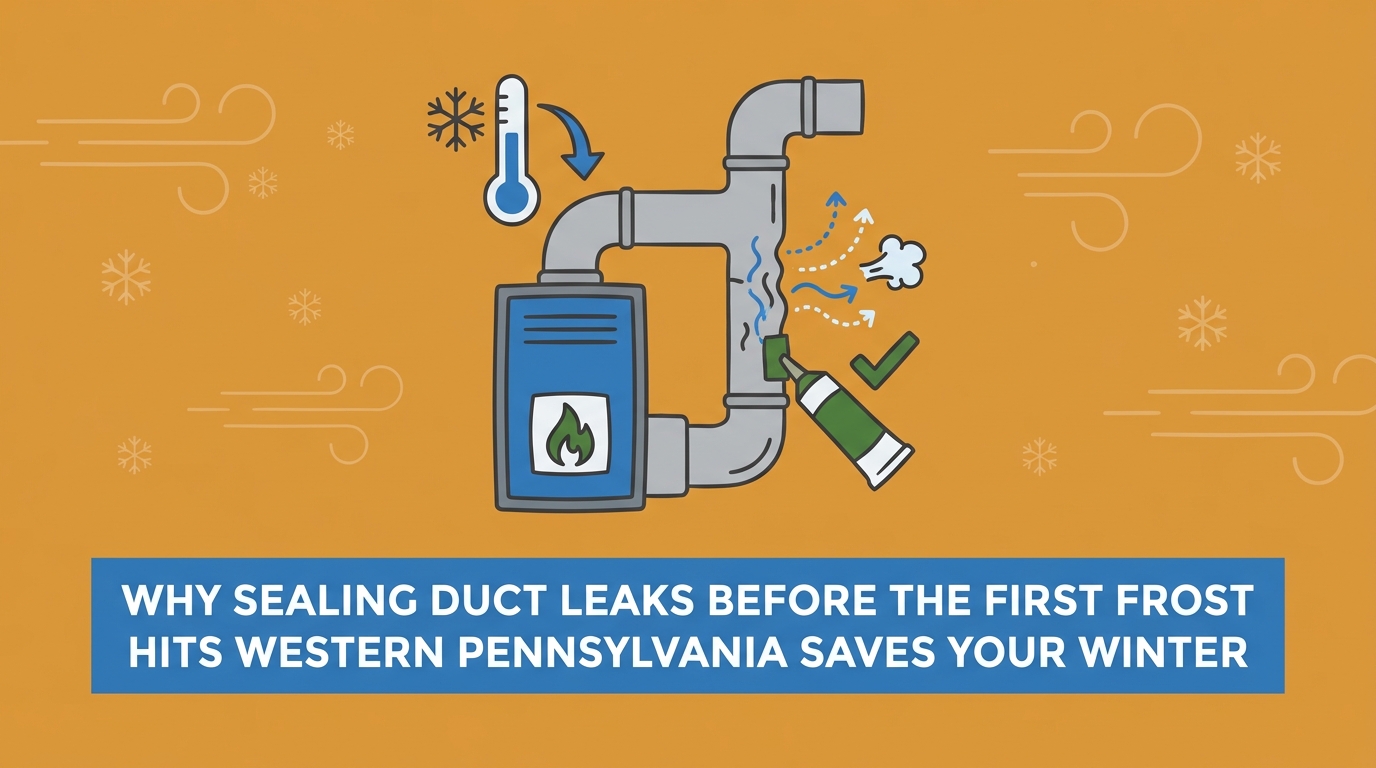
Step 4: Verify the integrity of duct insulation to prevent heat loss during winter.
In unconditioned spaces like commercial attics, drop ceilings, or parking garages, compromised duct insulation leads to massive energy waste. Inspect the exterior of the ductwork for tears, sagging insulation, or areas where summer condensation may have degraded the vapor barrier. Repairing these breaches now ensures that the expensive heat your system generates actually reaches the tenant spaces.
Frequently Asked Questions About Commercial Duct Audits
What is the best time of year to clean commercial air ducts?
Late summer to early fall is the optimal time for commercial duct maintenance. Scheduling during the August late-summer cooling transition clears out summer humidity, pollen, and accumulated dust before buildings are sealed tight for winter heating. This proactive timing prevents the sudden distribution of stale, contaminated air when the heating system is first activated.
How often should commercial air ducts be cleaned?
The National Air Duct Cleaners Association (NADCA) recommends that commercial and industrial air handling systems undergo professional inspections annually. While the actual cleaning frequency depends heavily on facility use, environmental factors, and occupancy levels, yearly audits are essential to determine when a full cleaning is required to maintain baseline indoor air quality.
Why is duct inspection important before winter?
A thorough inspection before winter prevents the notorious burning dust smells that occur when commercial heaters activate for the first time. Furthermore, it ensures optimal airflow and system efficiency during the coldest months, when windows are permanently closed and the facility's indoor air quality relies entirely on the continuous circulation of the HVAC system.
What is a commercial duct audit?
A commercial duct audit is a comprehensive, technical assessment of a building's HVAC hygiene and airflow efficiency. It goes beyond a simple visual check and includes deep visual inspections using robotic cameras, moisture and condensation checks, and particulate evaluations to determine the exact health of the air conveyance system.
How do you inspect commercial ductwork without disrupting tenants?
Professional technicians inspect commercial ductwork without disruption by utilizing specialized robotic cameras and commercial-grade containment equipment. By scheduling work during off-hours or utilizing advanced zoned inspection methods with negative air pressure, the audit remains completely isolated, allowing the rest of the facility to operate normally without noise or air quality interference.
Secure Your Facility's Air Quality Before Winter Lockdown
Understanding why August is the strategic time for commercial property duct audits empowers facility managers to take control of their operational timeline. Late summer duct audits save valuable time, improve Q4 heating efficiency, and drastically minimize tenant complaints regarding indoor air quality. By addressing the heavy particulate and humidity buildup left behind by the summer cooling season, you ensure that your New Brighton PA commercial properties transition smoothly into the colder months.
It is imperative to act before the freezing weather forces your system into continuous heating mode, locking in airborne contaminants for the remainder of the year. Do not wait for the inevitable winter maintenance rush when contractor availability plummets and emergency repair demands peak. Secure a logical, operational plan for your building's health today. Schedule your comprehensive commercial duct inspection now to guarantee a clean, efficient, and fully compliant HVAC system this winter.

Customer Reviews


Superior Air Duct cleaning did a phenomenal job in a timely manner with the tech “Rich” being very professional ,personable and considerate of our property! He explained things as he proceeded and answered all our questions!
I LOVE that they provide before & after photos to see the difference. Give them a try… you won’t regret it
Pam T.
Robert was on schedule and communicated what time he would arrive. He was polite, professional, and respectful of our home. I wanted to wait a couple weeks before posting a review because I wanted to see if the duct cleaning actually made a difference. I am happy to say it did! I vacuum multiple times a week and have already noticed a significant reduction in the amount of dust cleaned up each time. As a home with pets, there will always be something to clean, but getting the ducts cleaned has definitely helped improve the air quality and reduce the dust.
alice A.
Technician Rob arrived early explained the days agenda and then proceeded to work methodically and meticulously over the next 6+ hours cleaning my ductwork. Courteous and professional they answered all of my questions and went above and beyond the call of duty. They even located an old dusty box of rat poison buried in our vents. My only regret is not finding these guys sooner. As a realtor of 22 years and owner of a newly purchased (now dust free) home I highly recommended!
Eric K.
Excellent service! I’ve used them to clean out my air ducts as well as my dryer vent duct and they are excellent. I was very pleased with both jobs and will continue to use them in the future. Great communication as well- from the time I scheduled the appointment until they were at my door.
Erika C.
We had such an amazing experience with Superior Air Duct Cleaning. They were so nice and friendly and did an amazing job. I loved seeing the before and after pictures. Besides doing an amazing job cleaning our air ducts they were so quick at responding and setting up the appointment. We will definitely be using them in the future.
Amanda C.