Diagnosing That First Chilly Night Furnace Smell
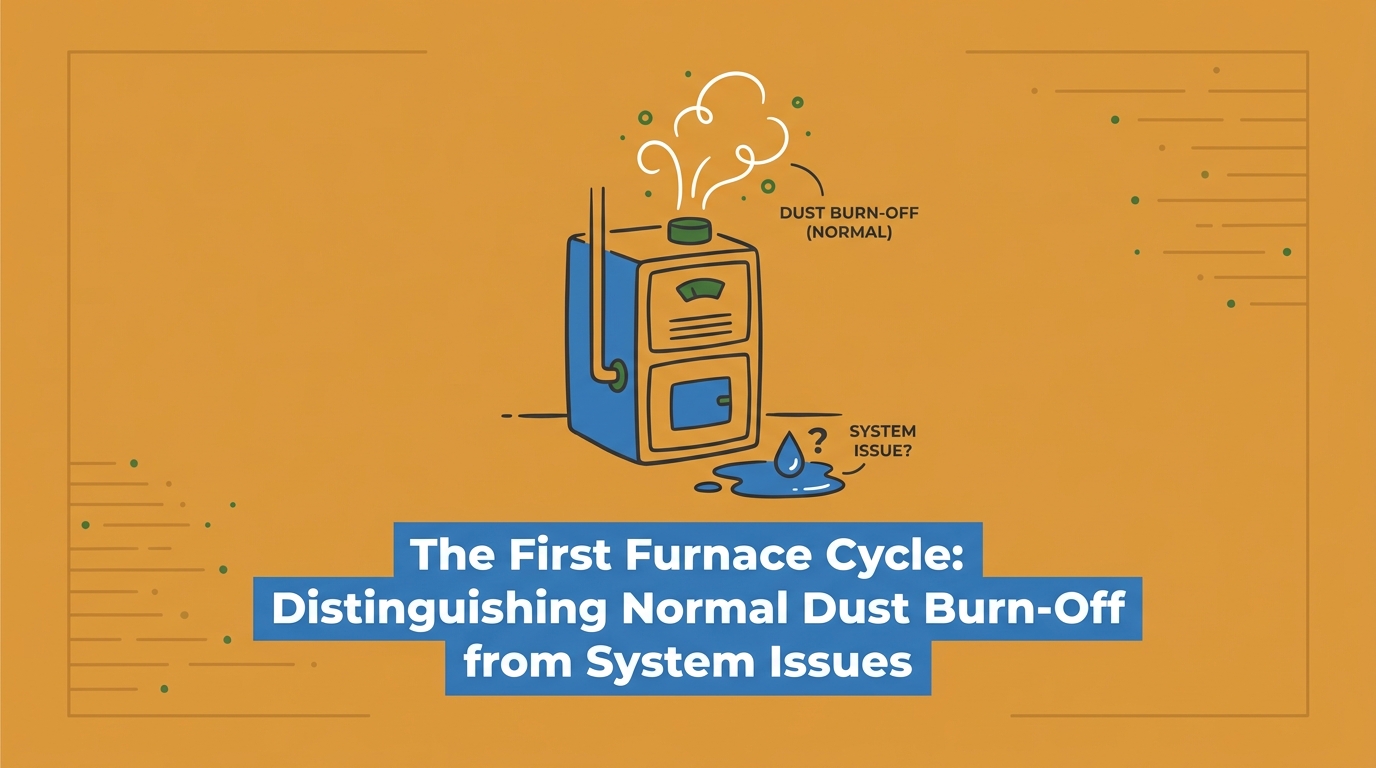
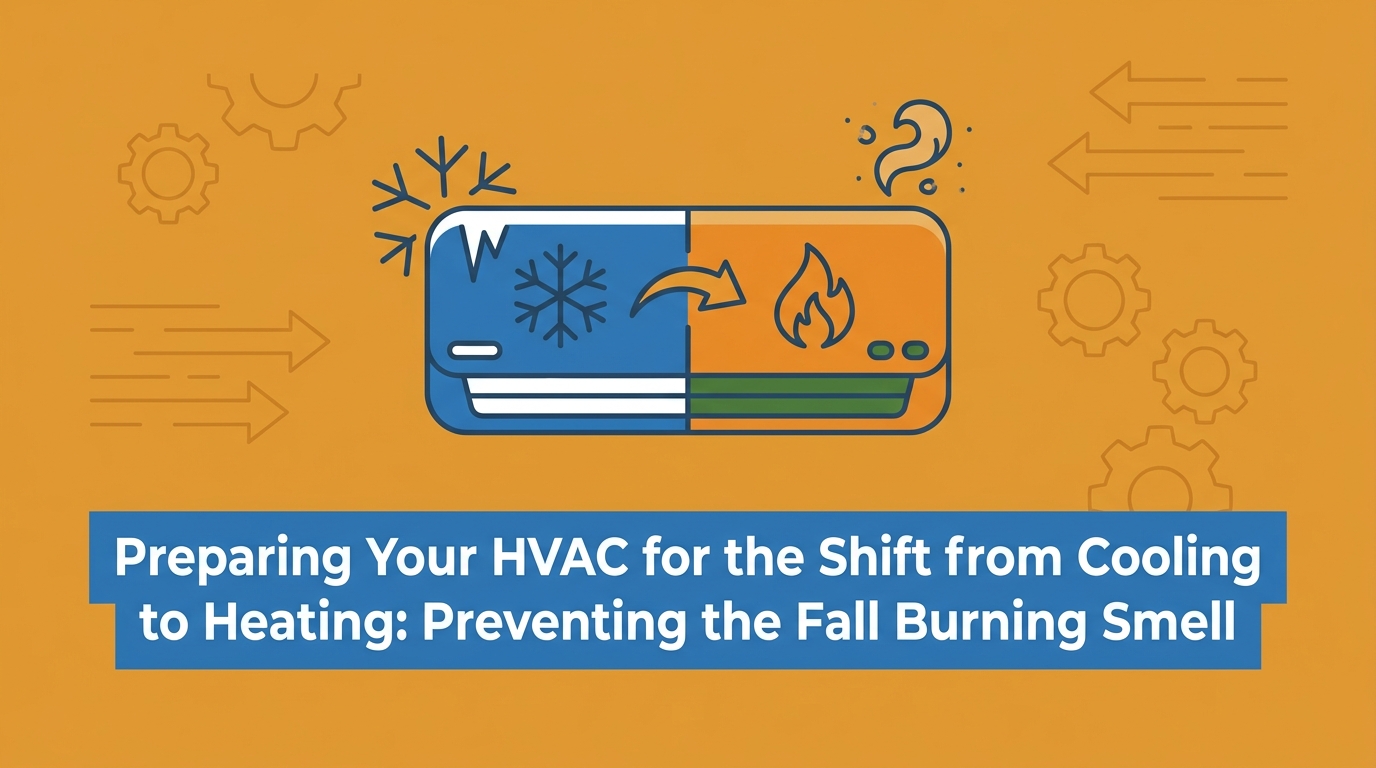
You turn on the thermostat as the temperature drops, expecting cozy warmth, but instead, your house fills with a distinct, acrid burning scent. As a critical part of home maintenance tips and troubleshooting, our team at Superior Air Duct Cleaning finds that addressing that sudden burning dust smell during the October heating-startup is one of the most common challenges homeowners face. After sitting dormant for months, your heating system accumulates a layer of settled particulate matter. When the heat exchanger ignites for the first time, it literally bakes this dust, sending a highly noticeable odor through your vents and into your living spaces.
If you are concerned about persistent odors or circulating debris, scheduling professional air duct cleaning with our experienced crew is the most reliable way to evaluate your system.
The primary decision point for any homeowner in this situation is determining whether this odor is a harmless, temporary mechanical process or a red flag indicating severe systemic contamination. Ignoring a persistent smell can lead to circulating degraded indoor air precisely when your home is being sealed tightly against the cold weather. Understanding exactly what is happening inside your ductwork requires a clear distinction between normal seasonal operation, standard physical debris removal, and professional antimicrobial sanitizing.
The underlying mechanics: Your furnace's heat exchanger reaches high temperatures very rapidly. Any organic matter, pet dander, or household dust resting on this component will vaporize. While a brief odor is standard, heavy particulate buildup throughout the broader duct network will continue to burn and circulate, signaling that standard filter changes are no longer sufficient to protect your indoor air quality.
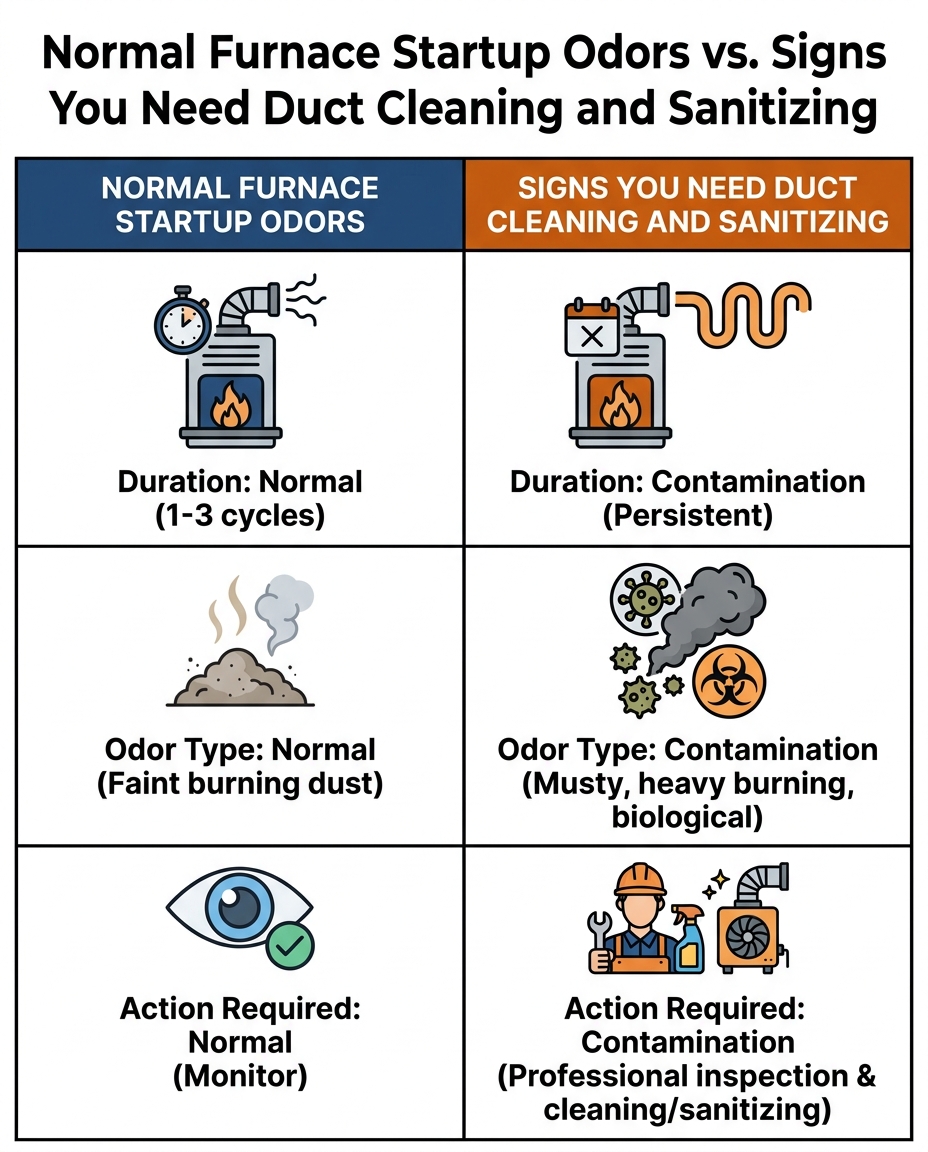
Normal Seasonal Burn-Off vs. Signs You Need Duct Cleaning and Sanitizing
In our years of servicing Western Pennsylvania homes, we've found that distinguishing between a standard October heating-startup odor and a serious contamination issue comes down to duration and the specific characteristics of the smell. A normal vaporization process is brief, while systemic buildup creates lingering issues that require professional intervention.
• Duration of Odor — Normal Seasonal Burn-Off: Dissipates within 1 to 3 heating cycles (usually under 24 hours). — Signs of Systemic Contamination: Persists for days or returns every time the furnace ignites.
• Odor Profile — Normal Seasonal Burn-Off: Faint, dry burning dust smell, similar to a hot iron. — Signs of Systemic Contamination: Musty, damp, heavy burning, or distinctly biological odors.
• Visual Indicators — Normal Seasonal Burn-Off: No visible debris coming from the vents. — Signs of Systemic Contamination: Puffs of dust, dark streaks around registers, or visible mold growth.
• Physical Symptoms — Normal Seasonal Burn-Off: No change in household comfort. — Signs of Systemic Contamination: Increased sneezing, coughing, or allergy symptoms when the heat runs.
• Required Action — Normal Seasonal Burn-Off: Monitor the system for the first day of active use. — Signs of Systemic Contamination: Schedule a professional inspection and physical duct cleaning.
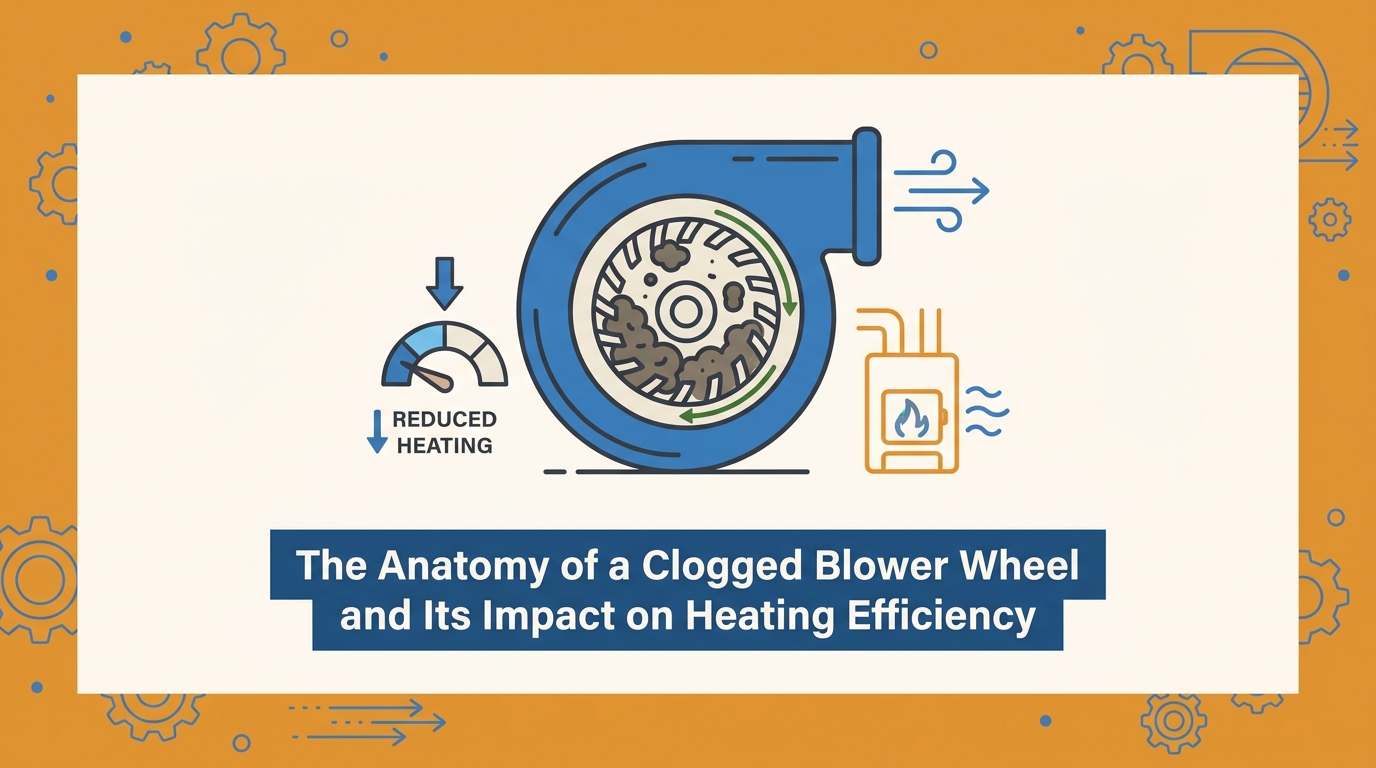
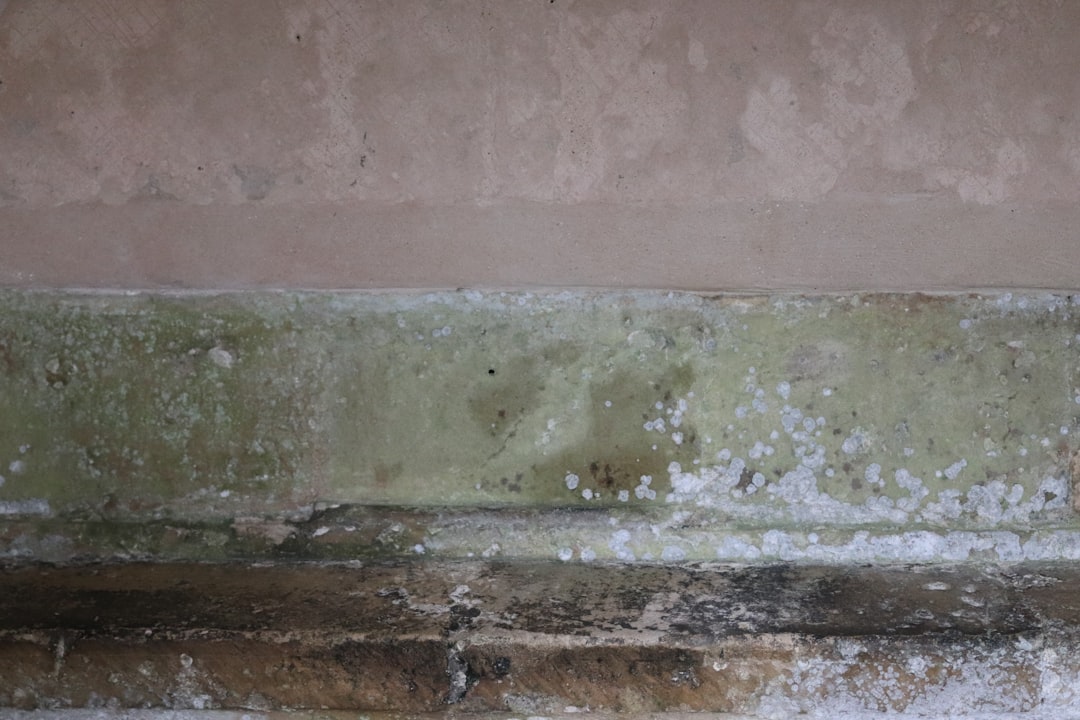
If your system falls into the contamination category, it is vital to understand that the problem will not resolve itself. The continuous circulation of heavy particulate matter forces your HVAC blower to work harder, reducing efficiency while coating your living spaces in fine dust. Persistent musty or biological odors are an even greater concern, as they often indicate that moisture has allowed microbial growth to take hold inside the dark, enclosed spaces of your ventilation system.
The Mechanics of Physical Air Duct Cleaning
When systemic contamination is identified, the mandatory first step is the physical extraction of the debris. You cannot sanitize dirt. If a contractor attempts to spray chemicals into a duct network without first removing the physical particulate matter, the treatment will merely sit on top of the dust layer, failing to reach the actual duct surfaces. Proper physical cleaning is the foundation of all effective indoor air quality solutions.
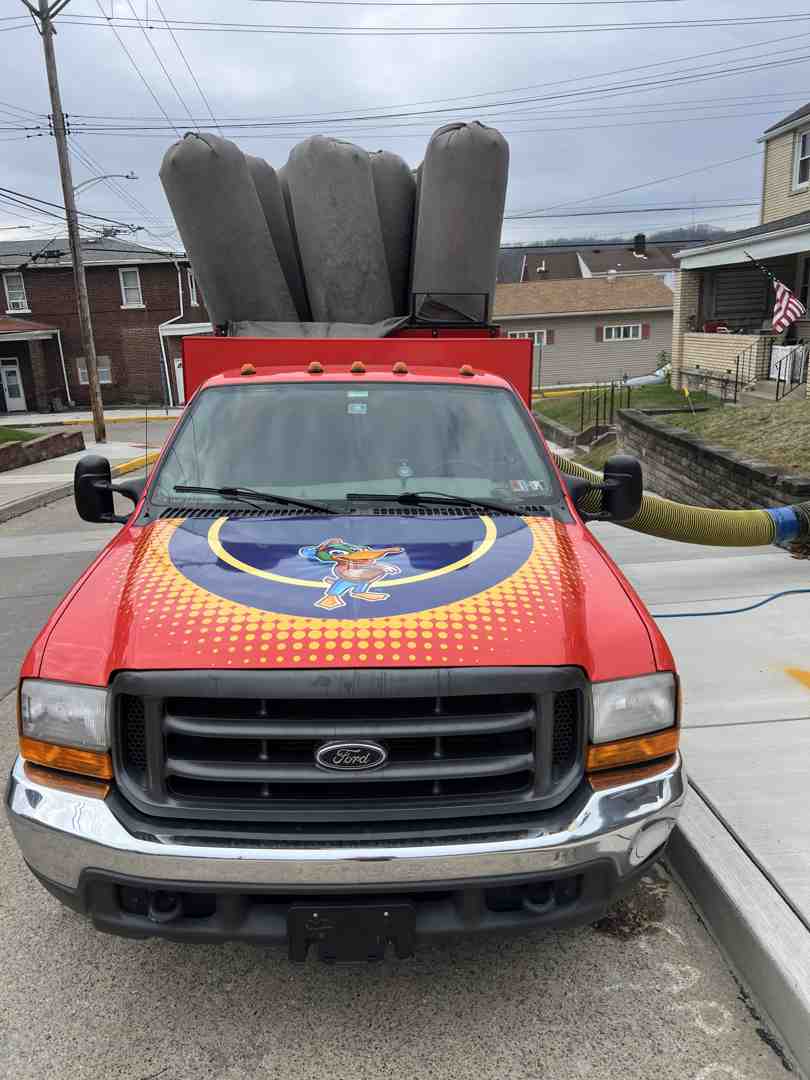
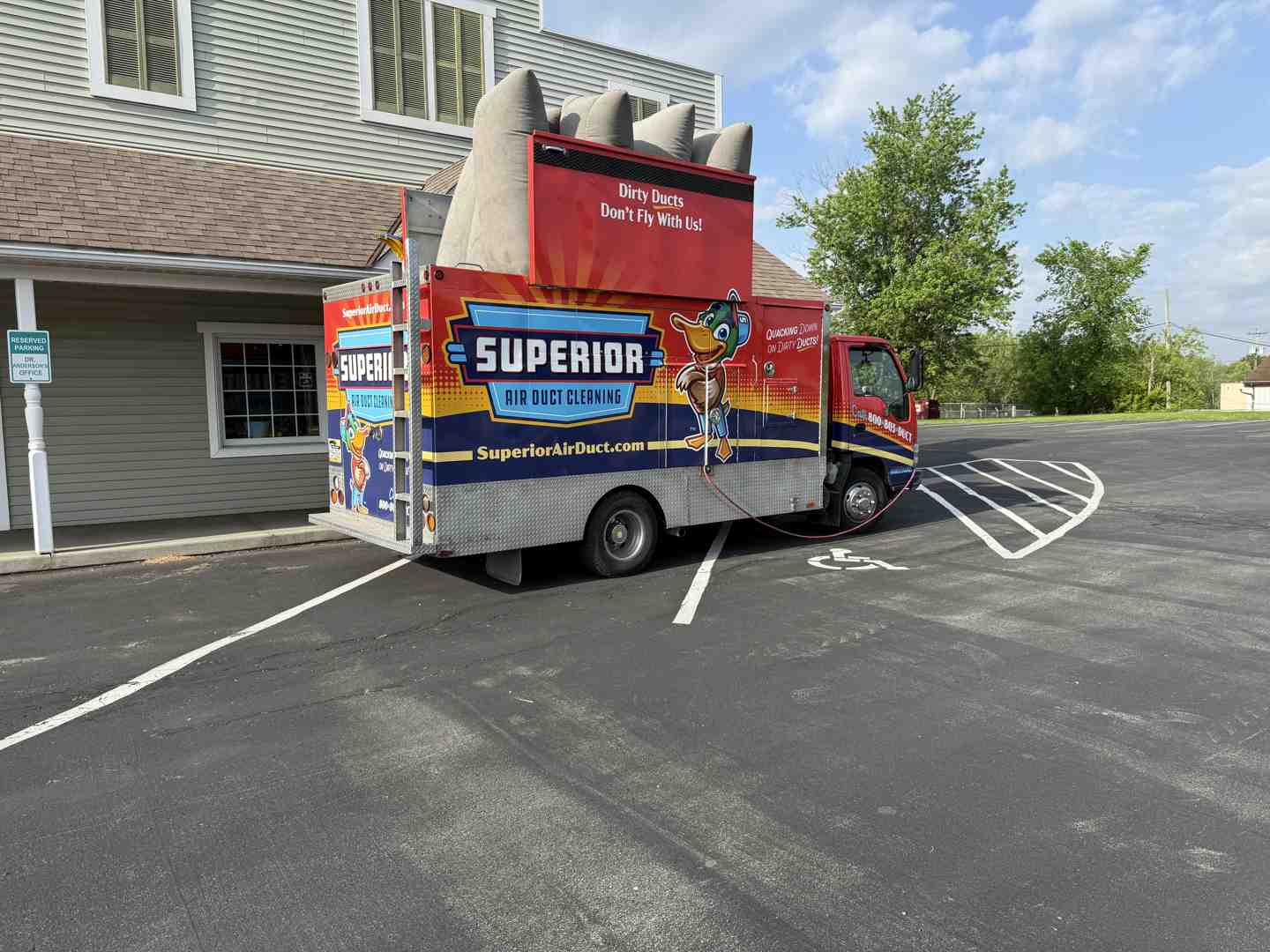
Recently, our team helped a local property owner who noted a general need for duct maintenance before the winter season. Our professional technicians efficiently established negative pressure and utilized agitation tools to clear the network in a timely manner. By strictly following the mechanics of physical removal first, we left the home's ducts amazingly clean and ready for safe winter operation in New Brighton PA.
The professional physical cleaning process follows a strict sequence to ensure contaminants are removed without escaping into your living space:
1. System Isolation and Preparation: Technicians seal off the supply and return registers to ensure the entire duct network is closed. This prevents dust from blowing back into the rooms during the cleaning process.
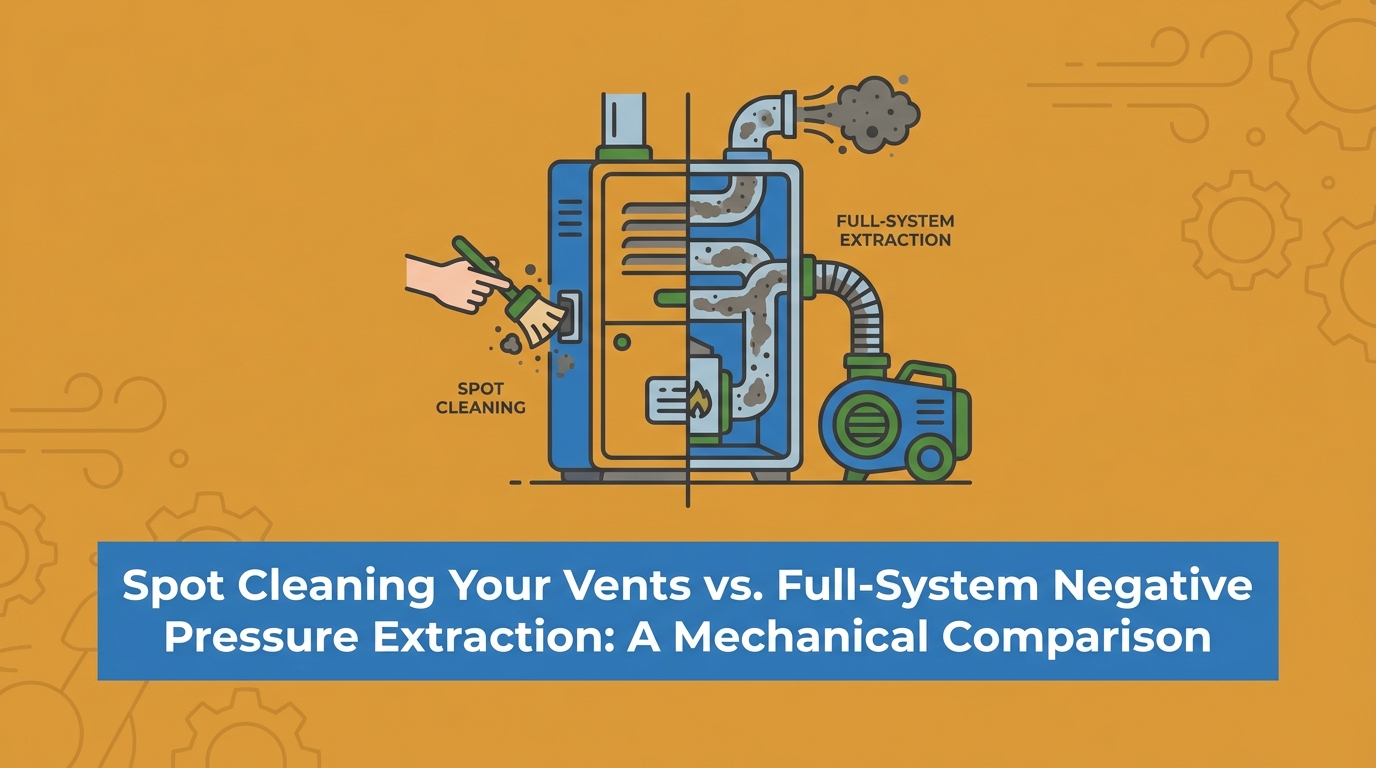
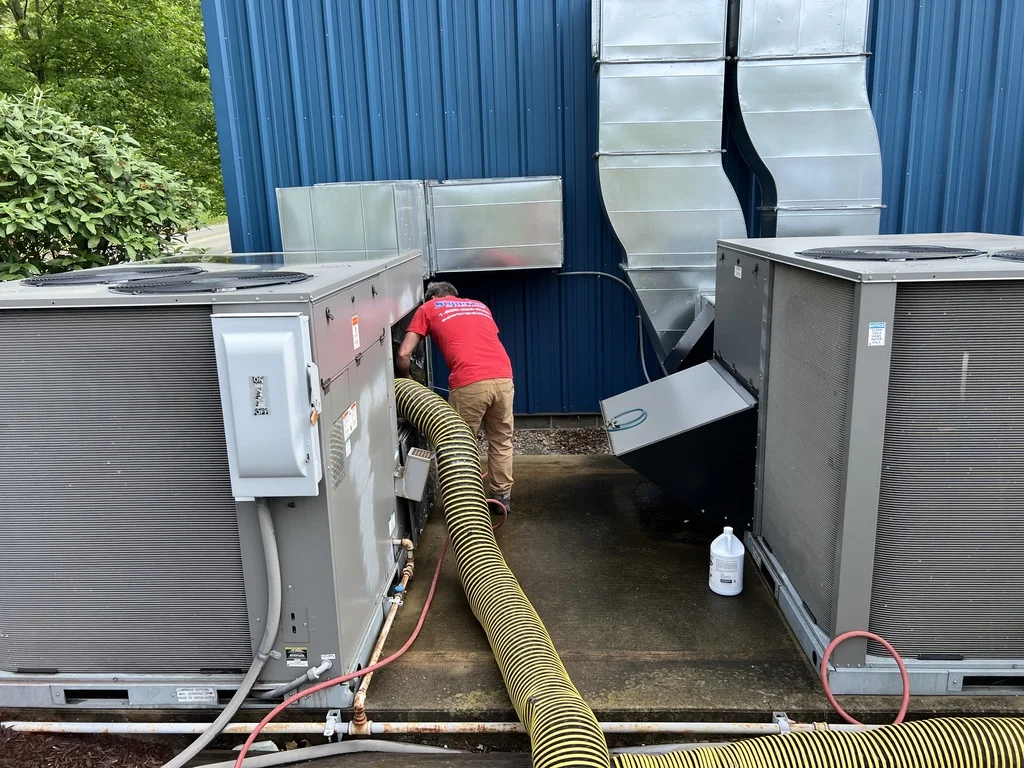
2. Establishing Negative Pressure: A high-powered, HEPA-filtered vacuum is connected to the main trunk line of the HVAC system. This creates a powerful vacuum effect, pulling air backward through the ducts so that dislodged debris flows directly into the containment system.
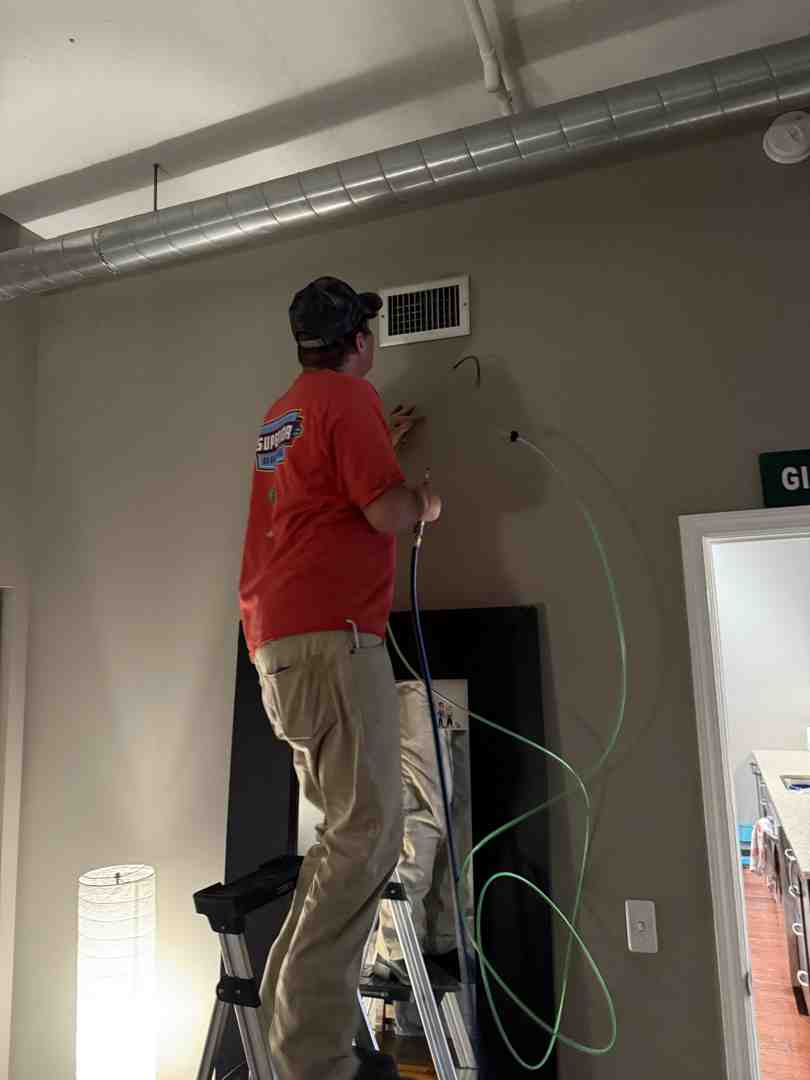
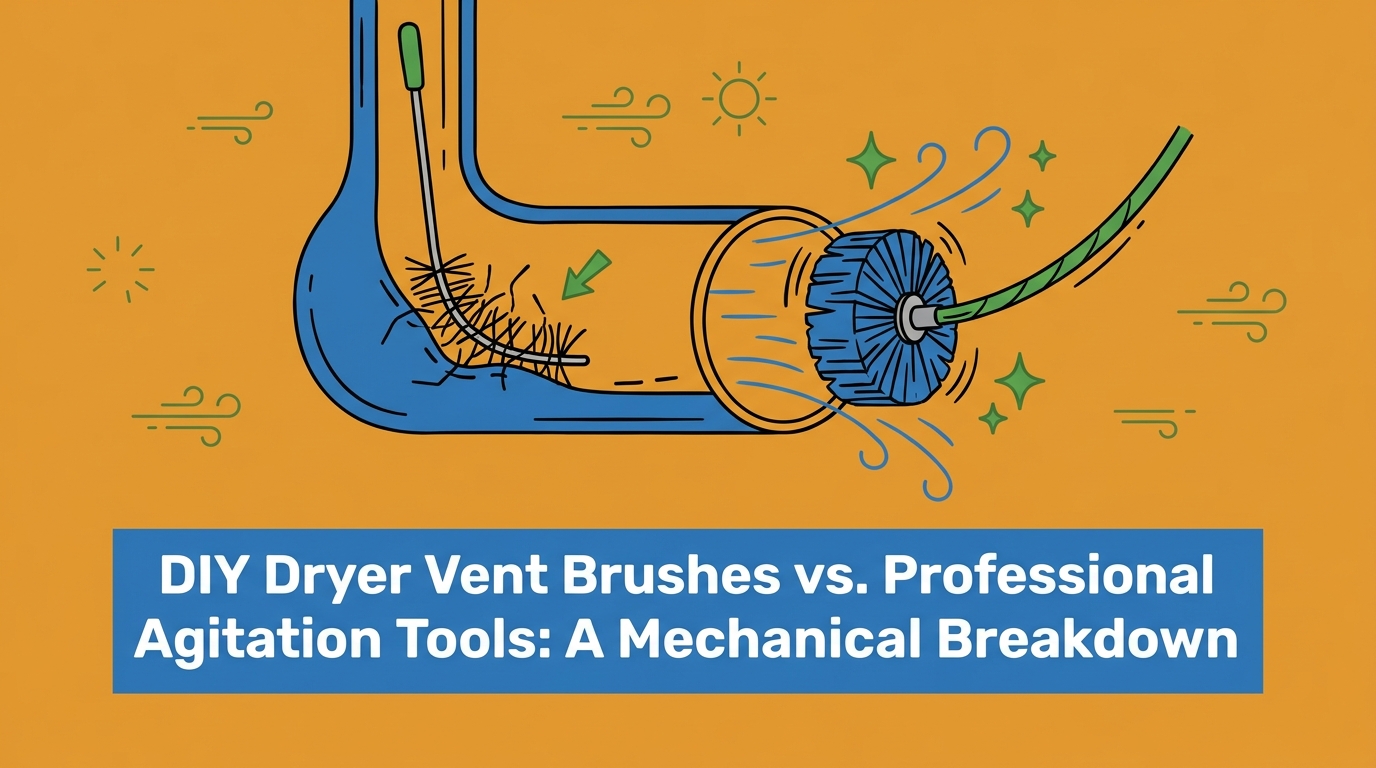
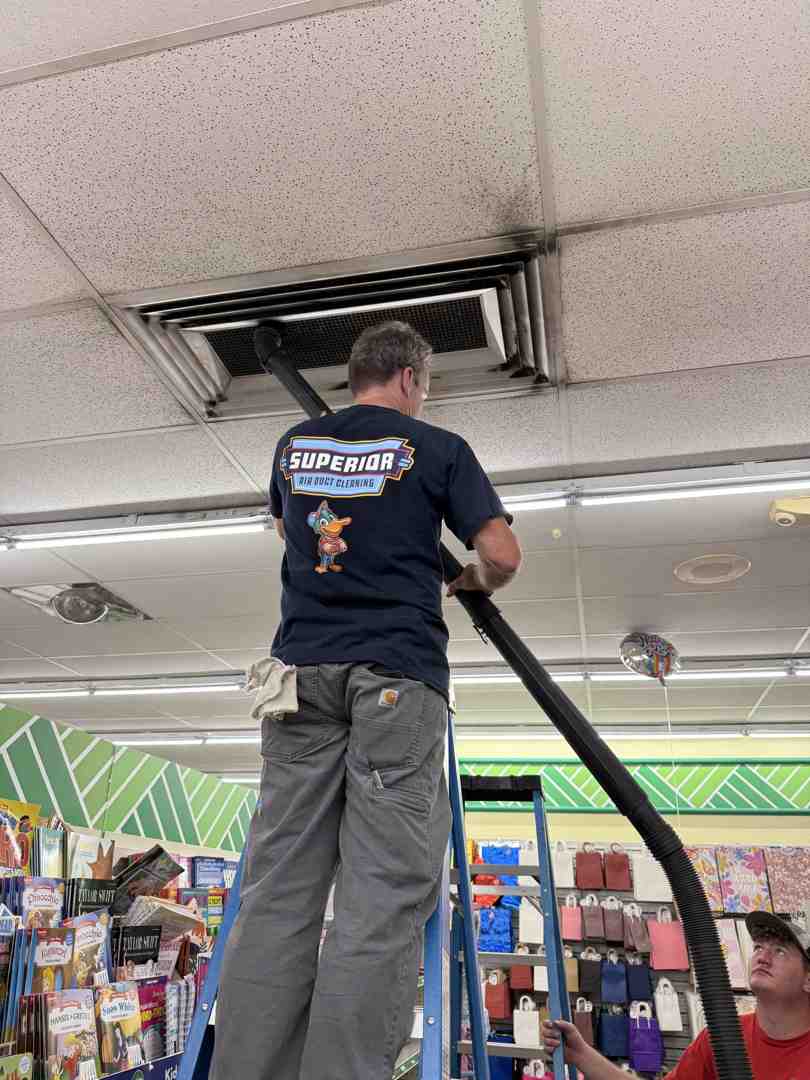
3. Mechanical Agitation: While the system is under negative pressure, technicians insert specialized agitation tools—such as pneumatic whips, rotary brushes, and compressed air nozzles—into each individual branch line. This scrubs the interior walls of the ductwork, breaking loose years of caked-on dust, pet hair, and construction debris.
4. Extraction and Verification: The loosened material is instantly pulled out of the home by the negative pressure vacuum. Technicians then verify the cleanliness of the main trunks and branch lines to ensure the physical barrier of dirt has been completely removed.
While this mechanical process is highly effective at removing solid particulate matter, it is important to note that physical cleaning alone does not actively kill lingering bacteria, mold spores, or biological odors that may have embedded themselves in the system.
When is Antimicrobial Duct Sanitizing Necessary?
Once the physical debris is cleared, the system can be evaluated for sanitization. Antimicrobial duct sanitizing is a specialized process designed to eliminate biological contaminants that survive mechanical cleaning. This step utilizes EPA-registered antimicrobials specifically formulated and approved for use in HVAC systems. These solutions neutralize bacteria, mold, and mildew at the microscopic level.
Sanitizing is not always required for every home, but it becomes necessary under specific conditions. If there is suspected microbial growth, lingering biological odors after physical cleaning, or a history of moisture problems within the HVAC system, sanitizing provides a critical layer of protection. It is especially relevant during the October heating-startup, when dormant summer contaminants are suddenly exposed to high furnace heat.
A homeowner recently contacted us highly concerned about bacteria in their ducts following a particularly damp season. After our thorough assessment revealed biological buildup, our team performed a comprehensive physical cleaning followed by whole house sanitizing treatments. Before and after pictures confirmed the ducts were completely free of bacteria, drastically improving the home's air quality and eliminating the source of their respiratory irritation.
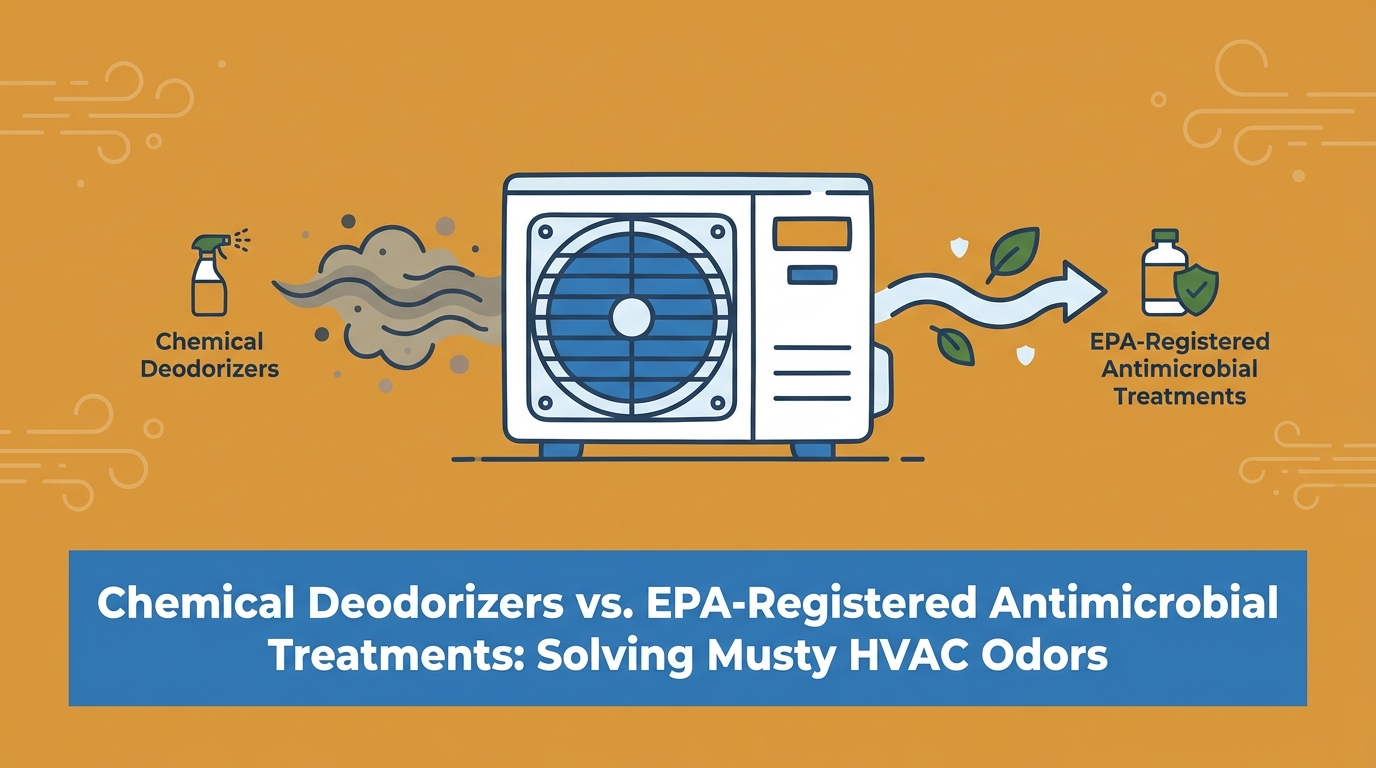
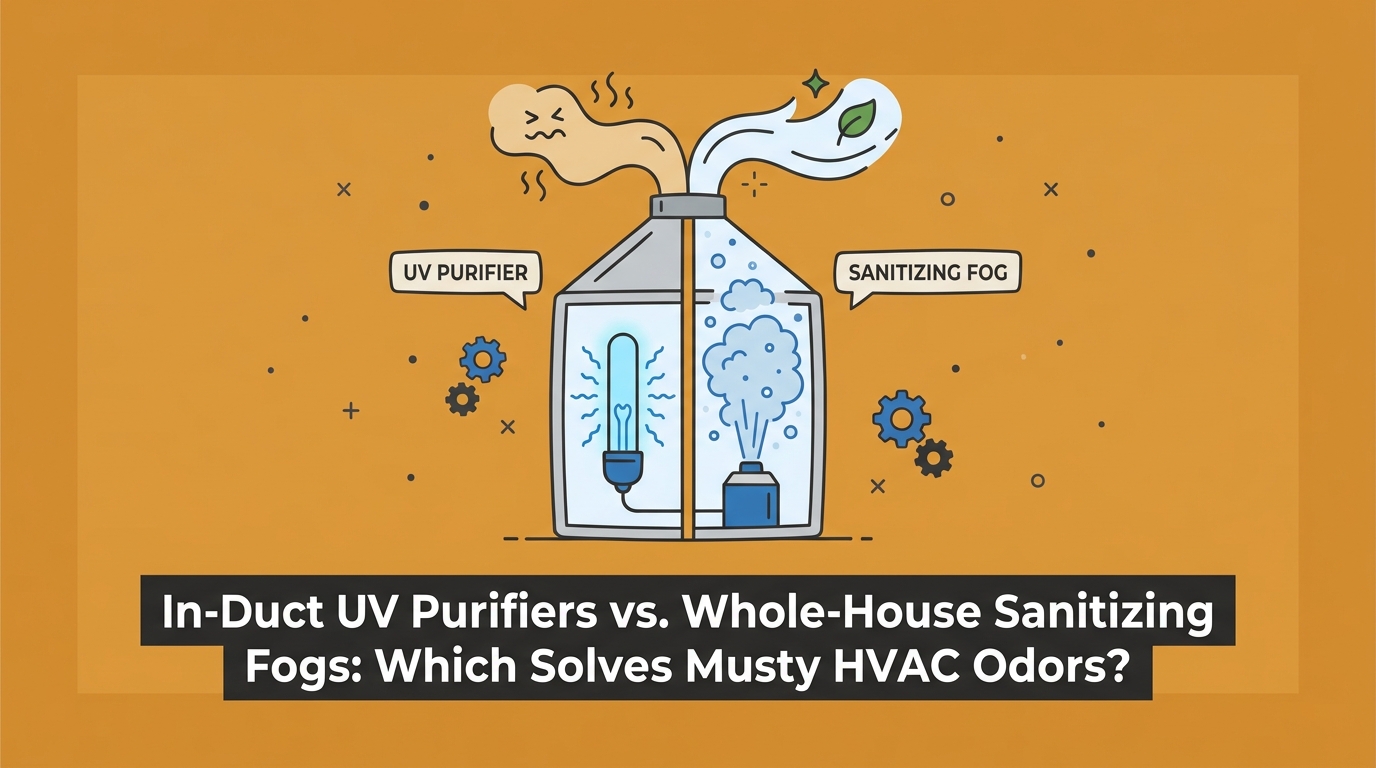
The danger of masking agents: It is crucial to contrast proper, targeted sanitization with the use of ineffective chemical deodorizers. Low-quality contractors often use heavily fragranced sprays to mask bad odors temporarily. These masking agents do nothing to kill the underlying bacteria or mold; they simply cover up the smell for a few weeks while introducing unnecessary volatile organic compounds (VOCs) into your breathing air. True sanitization requires specialized, unscented, or lightly scented EPA-registered products that actively destroy biological threats.
How Summer Humidity Fuels Fall Ductwork Problems
To understand why fall furnace odors occur, you have to look at what happens to your ductwork during the summer. In regions experiencing damp transitional seasons and high summer humidity, such as Western Pennsylvania, the climate acts as a powerful catalyst for indoor air quality issues.
During highly humid months, moisture naturally infiltrates the home. When the air conditioning runs, the cold metal ductwork often experiences condensation—much like a cold glass of water sweating on a hot day. In the periods when the HVAC system sits dormant, this dark, damp environment becomes the ideal breeding ground for microbial growth, mold spores, and bacteria. The dust sitting in the ducts acts as a food source for these biological contaminants.
When the crisp New Brighton PA autumn arrives and the furnace is ignited for the first time, a drastic environmental shift occurs inside the ventilation system. The sudden blast of 120-degree heat bakes these dormant, moisture-fed contaminants. This rapid heating process releases highly distinct, unpleasant odors that are immediately pushed into every room of the house.
We recently worked with a landlord dealing with a rental property who experienced horrible vent smells just as the seasonal weather changed. The dormant ducts had trapped significant moisture, leading to severe biological odors that made the home uncomfortable. By vacuuming, cleaning, and sanitizing the vents while thoroughly checking the furnace, our technicians effectively and permanently resolved the bad vent smells, proving to our clients that addressing the root climate-driven cause is the only reliable solution.
This cycle of summer moisture followed by fall heat degrades indoor air quality at the exact moment homeowners are closing their windows and sealing their houses tightly against the incoming winter cold, trapping those contaminants inside.
Trusting the Process: Why Industry Certification Matters
Because the ductwork acts as the respiratory system of your home, who you hire to clean and treat it matters immensely. The HVAC cleaning industry has strict protocols designed to protect occupant safety, but these standards are only followed by certified professionals.
Uncertified contractors pose a significant risk to your home. They frequently use inadequate equipment that fails to establish proper negative pressure, resulting in dust being blown out of the vents and into your living spaces. Worse, uncertified operators are known for applying unapproved chemical masking agents or using EPA-registered products incorrectly, which can introduce hazardous fumes into your breathable air.
To protect your home in New Brighton PA, we always emphasize how essential it is to verify your duct cleaning company is NADCA certified. At Superior Air Duct Cleaning, we adhere to the National Air Duct Cleaners Association (NADCA) gold standard for the industry through its Assessment, Cleaning, and Restoration (ACR) standards.
The NADCA difference:
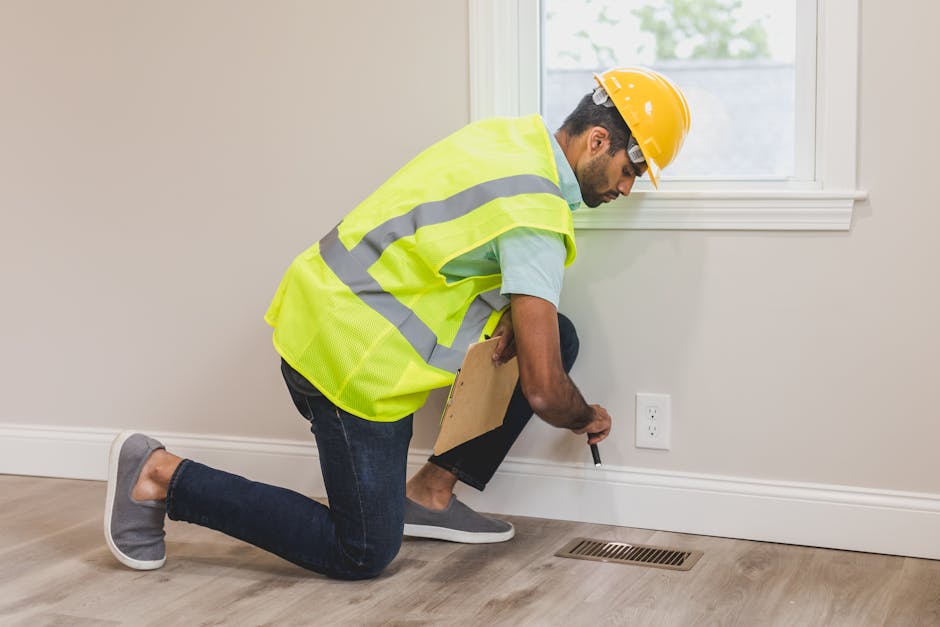
• Comprehensive Assessment: Certified professionals do not guess; they perform a thorough inspection to determine exactly what type of contamination exists before recommending a treatment plan.
• Source Removal Standard: NADCA strictly mandates that all physical debris must be mechanically removed from the system before any antimicrobial treatments are applied.
• Chemical Safety: Certified technicians are trained in the precise application of EPA-registered antimicrobials, ensuring that the correct volume and concentration are used safely, without leaving dangerous residues behind.
Emphasizing these stringent safety protocols ensures that when a chemical treatment is applied inside your home's respiratory system, it is done with the highest level of professional oversight.
Frequently Asked Questions About Duct Maintenance
What is the difference between air duct cleaning and sanitizing?
Cleaning is the physical removal of dust, dirt, and debris from the ductwork using mechanical agitation and negative pressure vacuuming. Sanitizing is a secondary process that involves applying EPA-registered antimicrobials to the cleaned surfaces to address lingering bacteria, mold, and biological growth. You cannot effectively sanitize a duct system without first performing a thorough physical cleaning, as chemicals cannot penetrate heavy layers of dust.
Why does my heater smell like burning dust when I turn it on?
Settled dust on the heat exchanger vaporizes during the initial startup after the system has sat dormant for the summer. This normal burn-off process creates a distinct, temporary odor that is completely standard for the first chilly night of the season. However, if the smell is exceptionally heavy, musty, or persists beyond the first few heating cycles, it indicates a larger systemic buildup that requires professional attention.
Is air duct sanitizing worth it?
Sanitizing is highly beneficial when there is clear evidence of microbial growth, persistent musty odors, or post-summer humidity buildup inside the ventilation system. It actively neutralizes biological threats that physical vacuuming alone cannot eliminate. It is absolutely worth the investment for homes with allergy sufferers, provided it is preceded by a comprehensive mechanical cleaning by certified professionals.
How long does the burning smell last when turning on the heater?
The normal burning dust smell typically dissipates after one to three heating cycles, usually resolving completely within the first 24 hours of active use. The odor should fade steadily as the settled dust is burned away from the heat exchanger. Odors lasting beyond a day of active use, or smells that return every time the blower engages, warrant a professional inspection to check for heavy contamination.
Is duct sanitizing safe?
Duct sanitizing is completely safe when performed by NADCA-certified professionals using carefully measured, EPA-registered products designed specifically for HVAC interiors. These specialized treatments neutralize biological growth without leaving harmful residues in your breathing air. It is only unsafe when uncertified contractors attempt to use unapproved chemical deodorizers, ozone generators, or heavy fragrances to mask underlying odors.
Securing Clean Air for the Winter Season
Navigating the transition into colder weather shouldn't involve worrying about the air circulating through your home. By understanding the difference between a brief, normal startup odor and the warning signs of systemic contamination, you can make informed decisions about your indoor air quality. Whether your New Brighton PA home requires standard physical debris removal or a comprehensive antimicrobial treatment, professional oversight ensures the job is done safely and effectively.
If you are experiencing lingering odors, visible debris, or simply want the peace of mind that comes with a clean system, do not wait until the house is completely sealed for winter. Reach out to our local certified experts at Superior Air Duct Cleaning to discuss your specific home maintenance tips and troubleshooting needs, and ensure your family breathes clean, healthy air all season long.

Customer Reviews


Superior Air Duct cleaning did a phenomenal job in a timely manner with the tech “Rich” being very professional ,personable and considerate of our property! He explained things as he proceeded and answered all our questions!
I LOVE that they provide before & after photos to see the difference. Give them a try… you won’t regret it
Pam T.
Robert was on schedule and communicated what time he would arrive. He was polite, professional, and respectful of our home. I wanted to wait a couple weeks before posting a review because I wanted to see if the duct cleaning actually made a difference. I am happy to say it did! I vacuum multiple times a week and have already noticed a significant reduction in the amount of dust cleaned up each time. As a home with pets, there will always be something to clean, but getting the ducts cleaned has definitely helped improve the air quality and reduce the dust.
alice A.
Technician Rob arrived early explained the days agenda and then proceeded to work methodically and meticulously over the next 6+ hours cleaning my ductwork. Courteous and professional they answered all of my questions and went above and beyond the call of duty. They even located an old dusty box of rat poison buried in our vents. My only regret is not finding these guys sooner. As a realtor of 22 years and owner of a newly purchased (now dust free) home I highly recommended!
Eric K.
Excellent service! I’ve used them to clean out my air ducts as well as my dryer vent duct and they are excellent. I was very pleased with both jobs and will continue to use them in the future. Great communication as well- from the time I scheduled the appointment until they were at my door.
Erika C.
We had such an amazing experience with Superior Air Duct Cleaning. They were so nice and friendly and did an amazing job. I loved seeing the before and after pictures. Besides doing an amazing job cleaning our air ducts they were so quick at responding and setting up the appointment. We will definitely be using them in the future.
Amanda C.