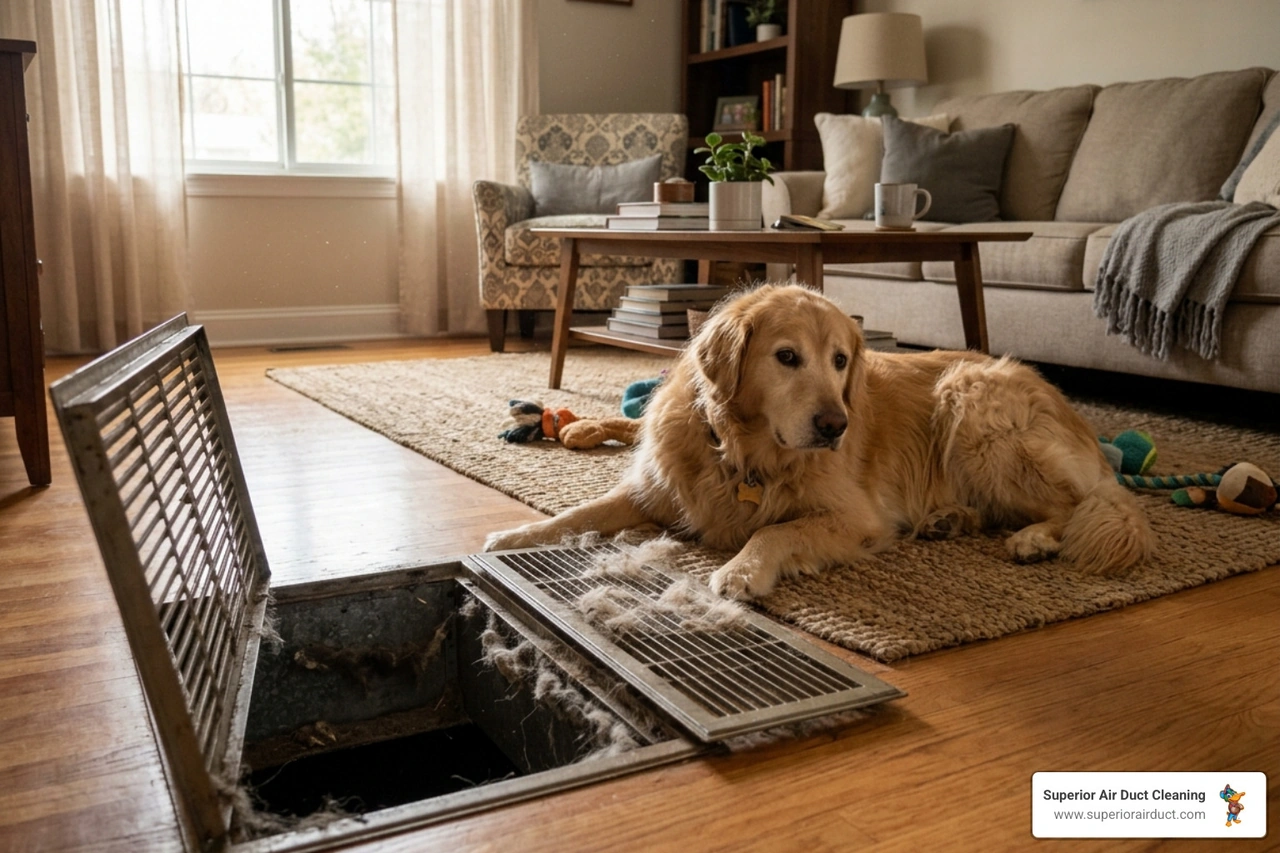
Why How Pets Affect Duct Cleaning Frequency Matters for Every Pet Owner
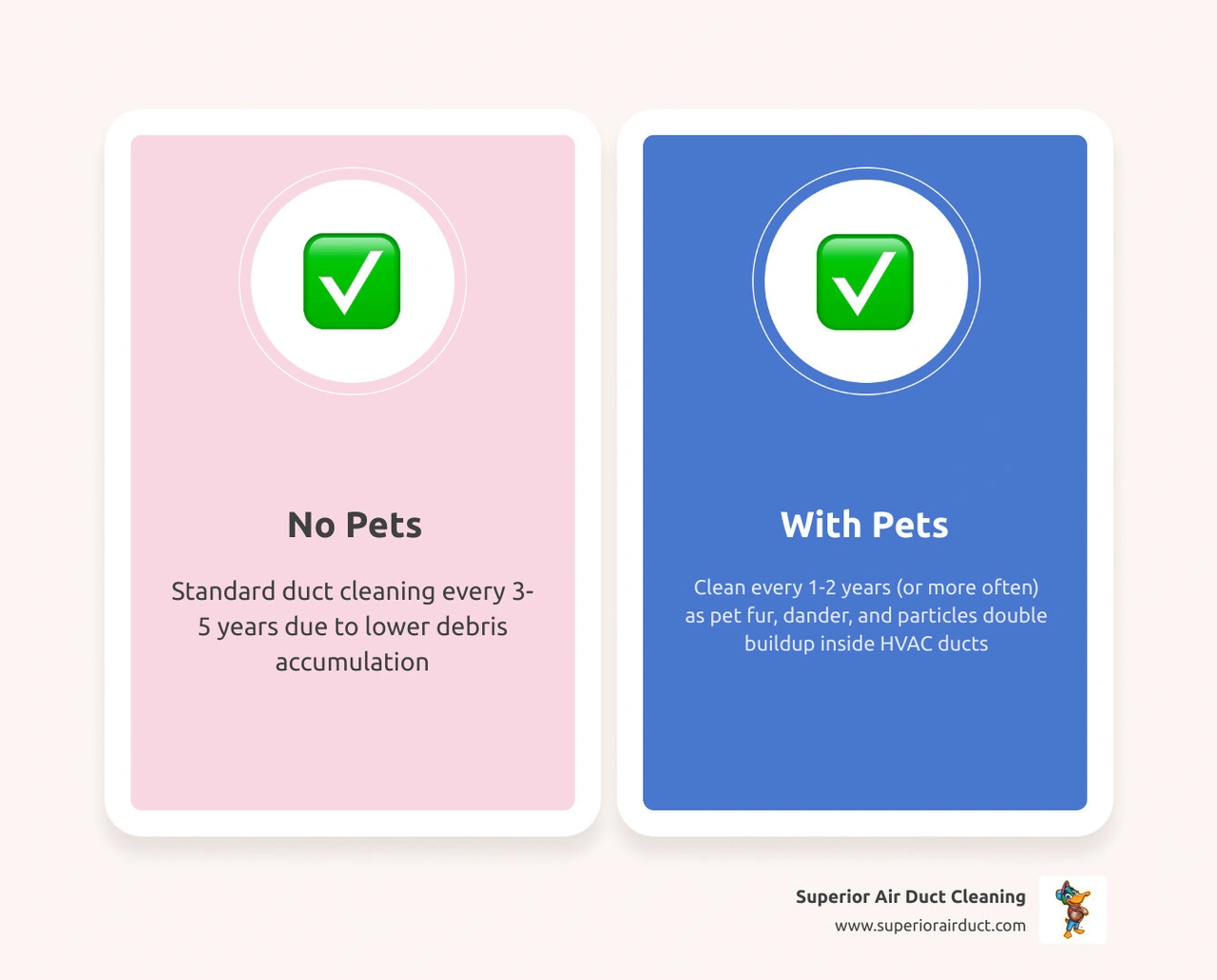
How pets affect duct cleaning frequency is straightforward: homes with pets need their air ducts cleaned significantly more often than pet-free homes. Here's a quick breakdown:
• No pets — Recommended Cleaning Interval: Every 3-5 years
• 1 pet (low-shedding) — Recommended Cleaning Interval: Every 2-3 years
• 1-2 pets (moderate shedding) — Recommended Cleaning Interval: Every 2 years
• 2+ pets or heavy shedders — Recommended Cleaning Interval: Every 1-2 years
• 3+ pets or allergy sufferers — Recommended Cleaning Interval: Every 12-18 months
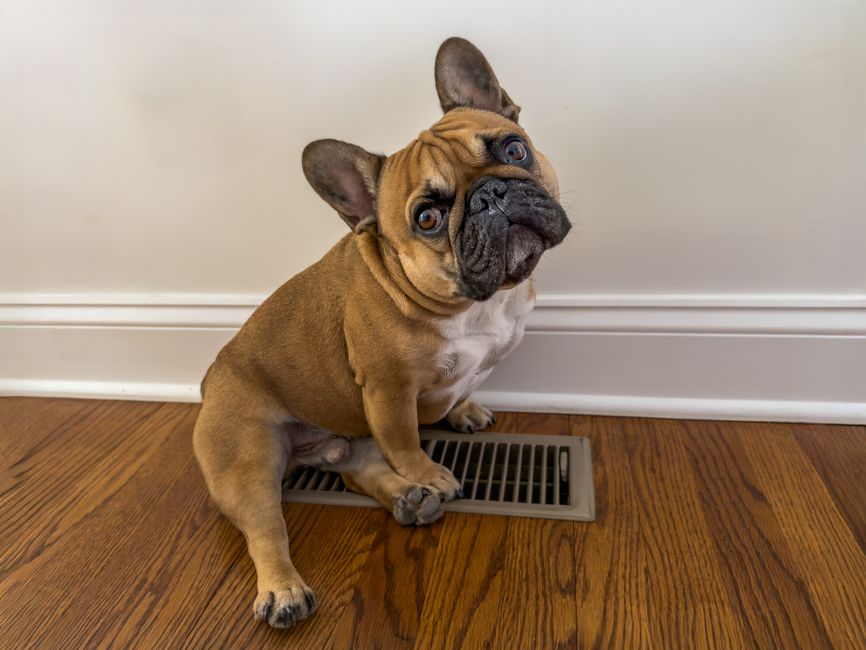
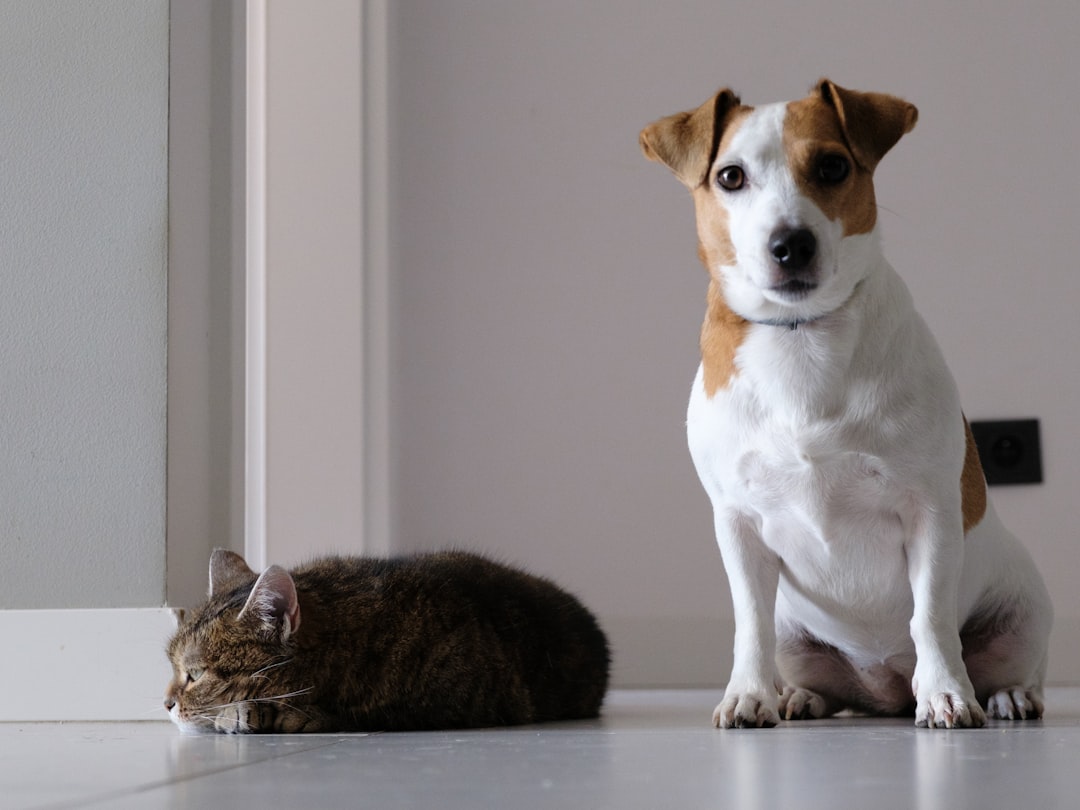
Pets are wonderful. But every dog shake, cat stretch, and bird ruffle sends a cloud of fur, dander, and skin particles into the air — and your HVAC system pulls all of it in.
According to indoor air quality research, homes with pets can accumulate up to twice as much airborne debris in their ductwork compared to pet-free homes. The EPA also notes that indoor air can already be 2 to 5 times more polluted than outdoor air. Add a shedding golden retriever or two cats to that equation, and your ducts are working against you.
What makes this harder to spot is that most of the buildup happens out of sight — deep inside your duct lines, behind your return air grilles, and coating the interior walls of your ventilation system. By the time you notice a persistent pet smell or a spike in your energy bill, the contamination has usually been building for months.
This guide breaks down exactly how pet ownership changes your duct cleaning schedule, what warning signs to watch for, and what steps make the biggest difference for your home's air quality.
The Biological Load: How Pets Impact Indoor Air Quality
When we talk about the mess pets make, we usually think of muddy paw prints on the floor or fur on the sofa. However, the real impact on your home's health is the "biological load" they introduce into the air. This load consists of more than just visible hair; it includes microscopic elements that your HVAC system breathes in and out all day long.
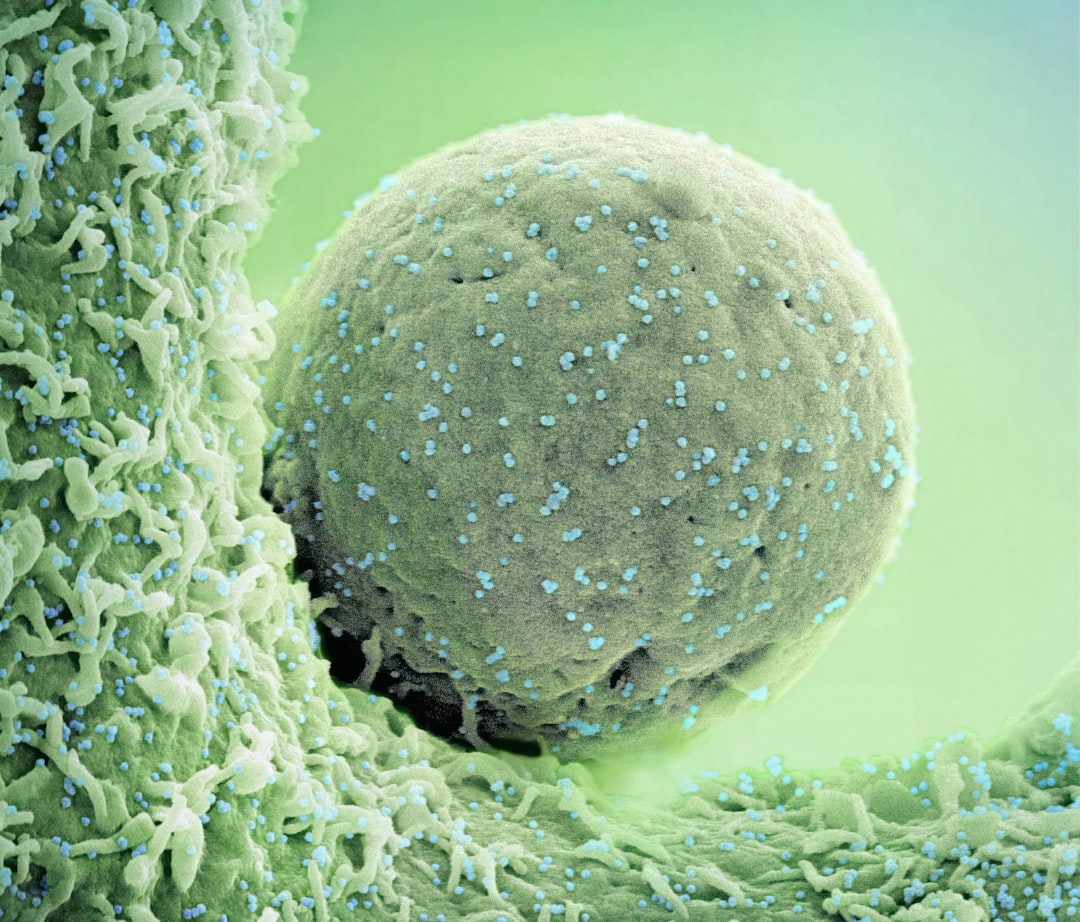
The primary culprit is pet dander. These are tiny skin flakes shed by animals with fur or feathers. Dander is incredibly small—typically ranging from 1 to 10 microns in diameter. To put that in perspective, these particles are small enough to bypass standard, low-efficiency air filters. Once they enter the system, they don't just disappear. They circulate through your home, settling deep within the nooks and crannies of your ductwork. Superior Air Duct Cleaning Explains Pet Dander as a persistent allergen that can remain airborne for hours due to its light weight.
Beyond dander, there are saliva proteins and skin oils. Every time a cat grooms itself or a dog licks its fur, proteins are deposited. As the saliva dries, these proteins become airborne and hitch a ride on dander particles. Your pet's skin also produces natural oils that can be distributed into the air, eventually coating the interior of your metal or flexible ducts.
Then there is the matter of "Frito feet." This distinct odor, often compared to corn chips, is caused by bacteria and yeast that thrive in the sweat glands of a pet's paw pads. These chemical compounds become airborne and are sucked into the return vents. Once inside the dark, sometimes humid environment of the ducts, they can fester and create persistent smells that permeate the home every time the fan kicks on. For a deeper dive into these mechanics, see our guide on How Pets Affect Your Indoor Air Quality.
Determining How Pets Affect Duct Cleaning Frequency in Your Home
As we move into May 2026, many homeowners in Western Pennsylvania and Northeast Ohio are realizing that the old "once every five years" rule for duct cleaning doesn't apply to them. If you share your home with animals, your maintenance clock ticks much faster.
• 0 Pets — Recommended Cleaning Frequency: 3–5 Years
• 1 Indoor Cat or Small Dog — Recommended Cleaning Frequency: 2–3 Years
• 2 Dogs/Cats — Recommended Cleaning Frequency: 2 Years
• 3+ Pets (Multi-pet household) — Recommended Cleaning Frequency: 12–18 Months
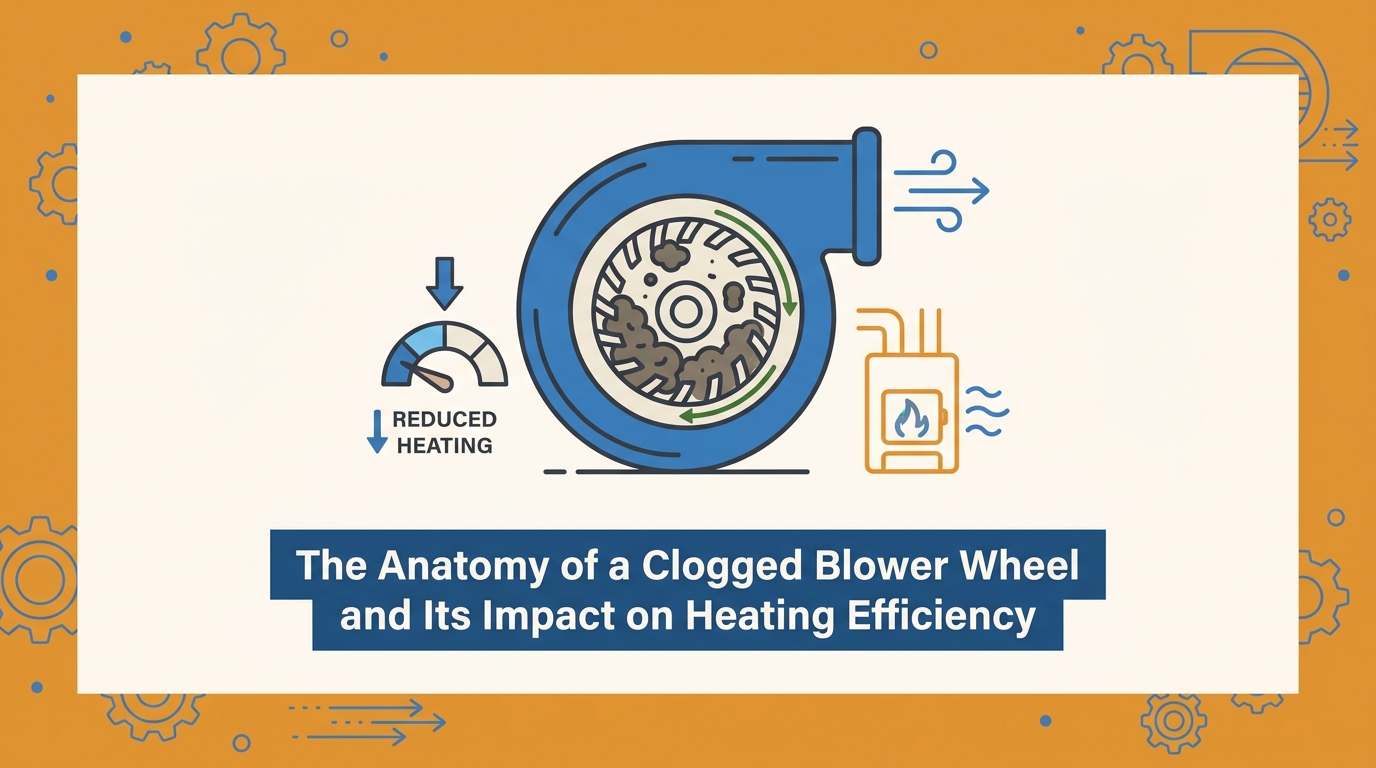
The reason for this accelerated schedule is the "funnel effect." Your return air grilles act like high-powered vacuums, pulling in loose fur and dander from the floor and high-traffic areas. This material creates "debris mats"—thick layers of fur and dust that tangle together at the bends and elbows of your ductwork. This accumulation forces your HVAC system to run longer to reach the desired temperature, increasing wear and tear. You can learn more about Removing Pet Dander From Your Home's Air Ducts to prevent these performance issues.
Factors Influencing How Pets Affect Duct Cleaning Frequency
Not all pets are created equal when it comes to HVAC impact. Several variables determine if you can wait two years or if you should be calling us annually:
• Shedding Breeds: High-shedding dogs like German Shepherds, Golden Retrievers, and Siberian Huskies have double coats that release massive amounts of fur seasonally. A single medium-sized dog can partially obstruct a return air grille within just a few weeks during heavy cooling or heating seasons.
• The Number of Pets: It’s a simple matter of volume. Multi-pet households (3 or more animals) typically see measurable debris accumulation in return ducts within 12 to 18 months. This is one of the top 5 Reasons to Have Your Residential Ducts Cleaned more frequently.
• Species Differences: Cat dander is notoriously "sticky" and lightweight, allowing it to settle in parts of the system where heavier dog hair might not reach. Birds, on the other hand, contribute fine dust and feathers that can create unique obstructions.
• Indoor Activity: Pets that spend more time outdoors track in pollen and dirt, which then becomes airborne inside the home, adding to the biological load in the vents. This is a primary reason Why Pet Owners Should Order Air Duct Cleaning.
How Pets Affect Duct Cleaning Frequency for Allergy Sufferers
If someone in your home suffers from asthma or chronic allergies, the stakes are much higher. For these individuals, clinical-level air quality is a necessity, not a luxury. Pet dander contains specific proteins (like Fel d 1 in cats) that are potent triggers for sinus irritation and respiratory distress.
Even if you use high-quality MERV 8 or higher filters, some particulate matter will inevitably settle in the ducts. Over time, this creates a reservoir of allergens that is "kicked up" every time the air cycles. For households with health sensitivities, we recommend a strict 3-year maximum interval, though many find relief with biennial cleanings. This is a cornerstone of Preventing Allergy Problems with Duct Cleaning Service.
Signs Your HVAC System is Struggling with Pet Contamination
How do you know if you've reached the tipping point? Your home will usually give you a few clues that the biological load has become too much for the system to handle.
1. Persistent Pet Odors: If you’ve steam-cleaned the carpets and washed the dog, but a "stale" or "musty" smell remains, the odor is likely trapped in the ducts. Debris inside the vents absorbs pet oils and sweat, acting as a giant air freshener—except it’s freshening your home with the scent of "wet dog." Read more on How Air Duct Cleaning Can Reduce Odors in Your Home.
2. Dust Rebound: Do you find yourself dusting the coffee table on Saturday only to see a layer of gray fuzz by Sunday? This is often a sign that the ducts are so full of dander and hair that they are simply blowing it back out into the living space.
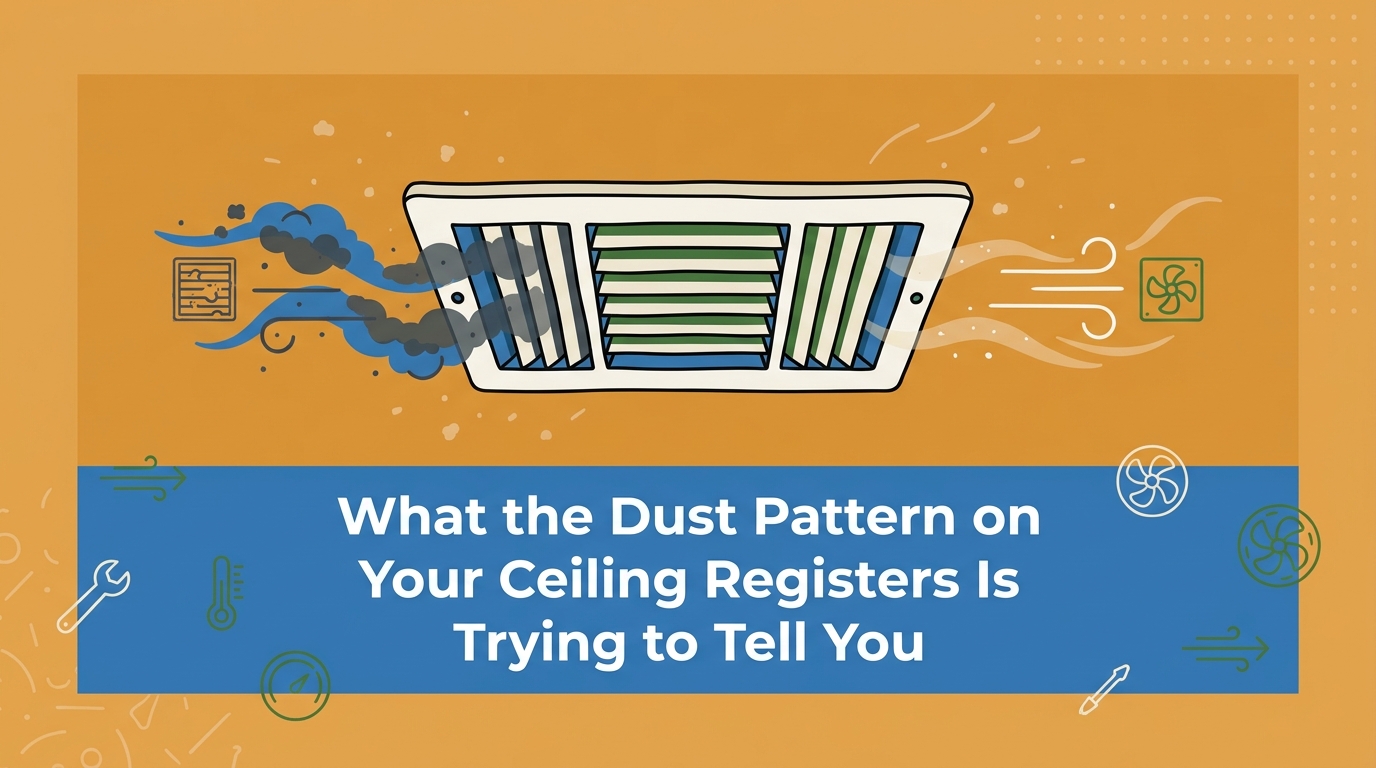
3. Ghosting Around Vents: Look at the ceiling or walls around your supply registers. If you see dark, shadowy streaks (often called "ghosting"), it’s a sign that particulate matter—including dander—is being pushed out and sticking to the surfaces due to static or moisture.
4. Higher Energy Bills: When fur clogs the internal components, your HVAC has to work harder to push air through. If your bills are creeping up in 2026 compared to previous years without a change in weather, your ducts might be "choked."
5. Visible Fur on Grilles: If you can see hair hanging from your return vents, the internal lines are likely already heavily impacted. This is a clear signal for Managing Pet Odors and Dander through professional intervention.
Professional vs. DIY: Removing Pet Dander and Fur Safely
Many homeowners try to tackle duct cleaning with a shop vac or a brush attachment. While we appreciate the DIY spirit, this can often do more harm than good.
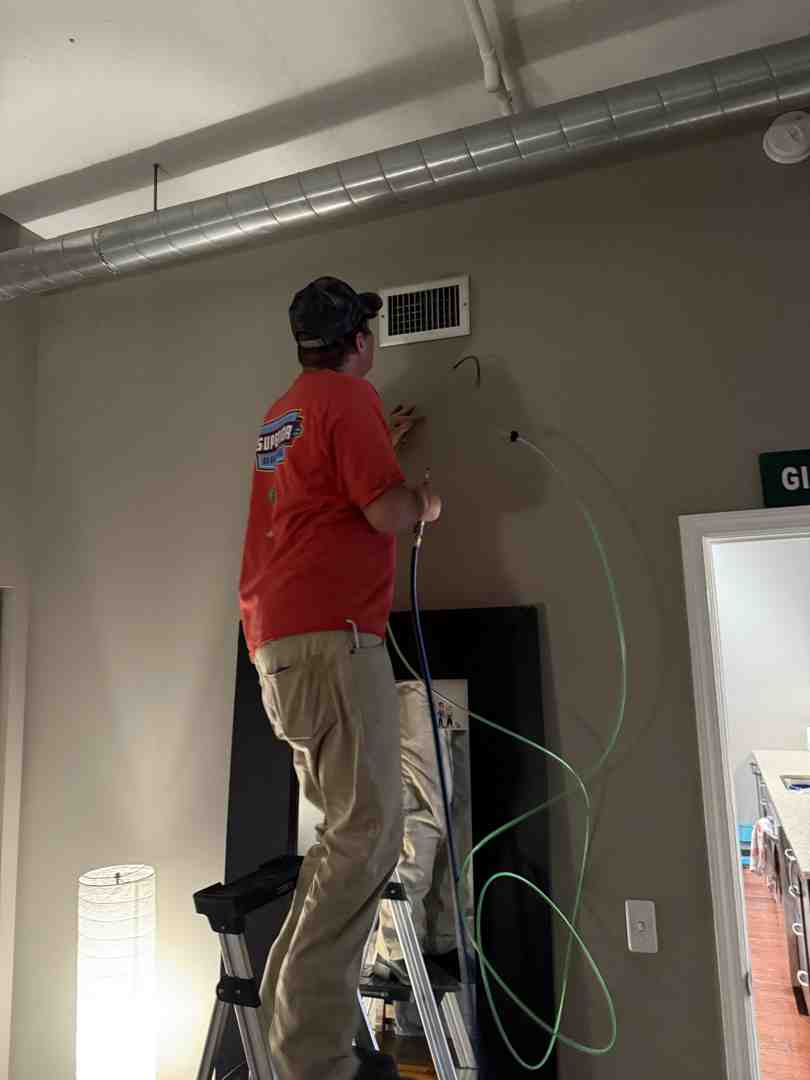
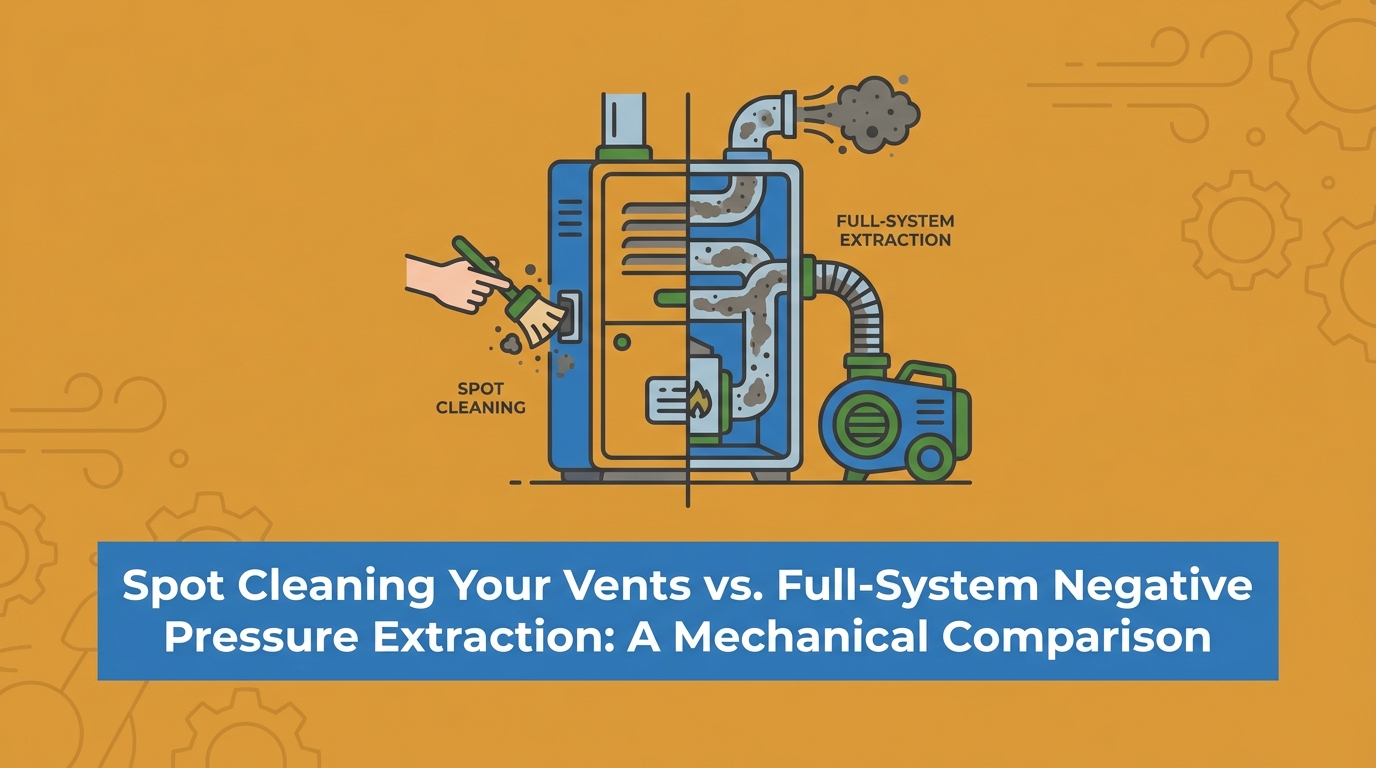
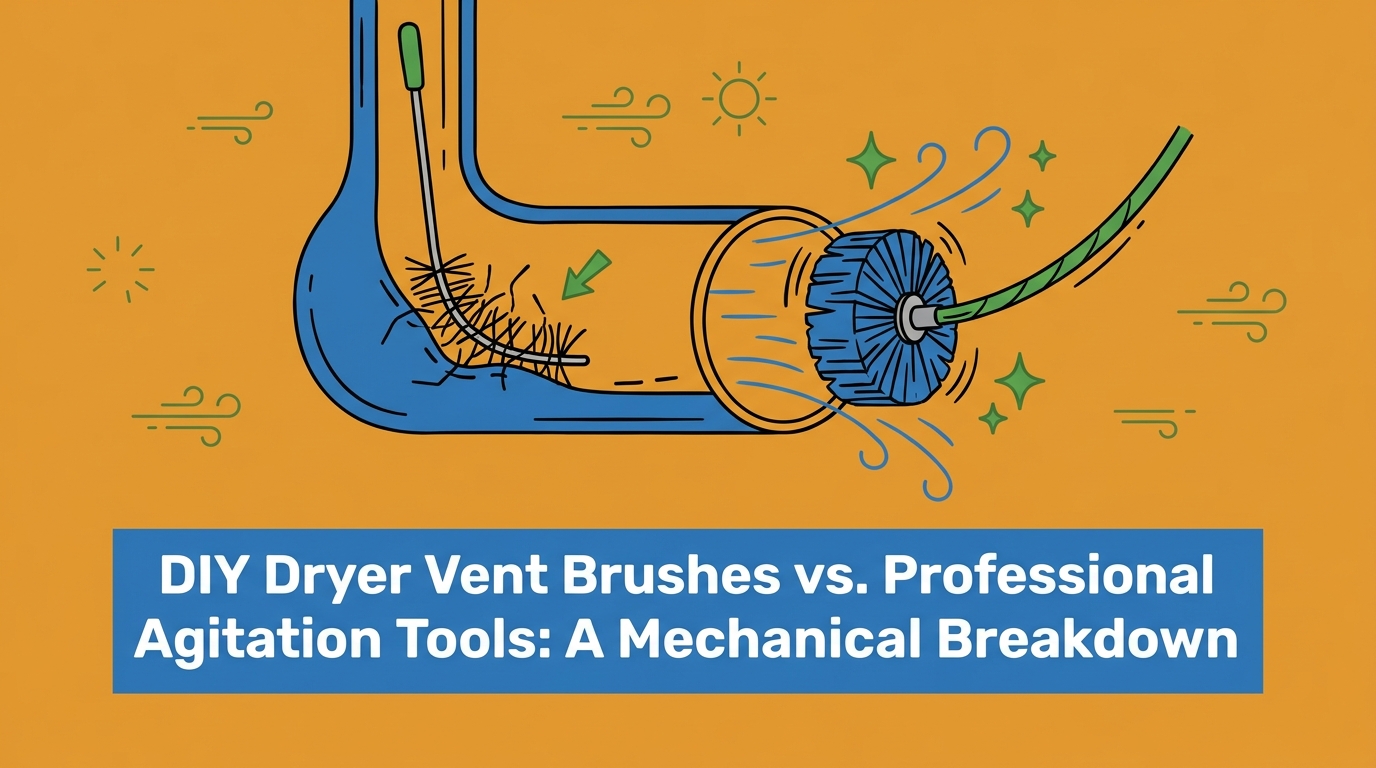
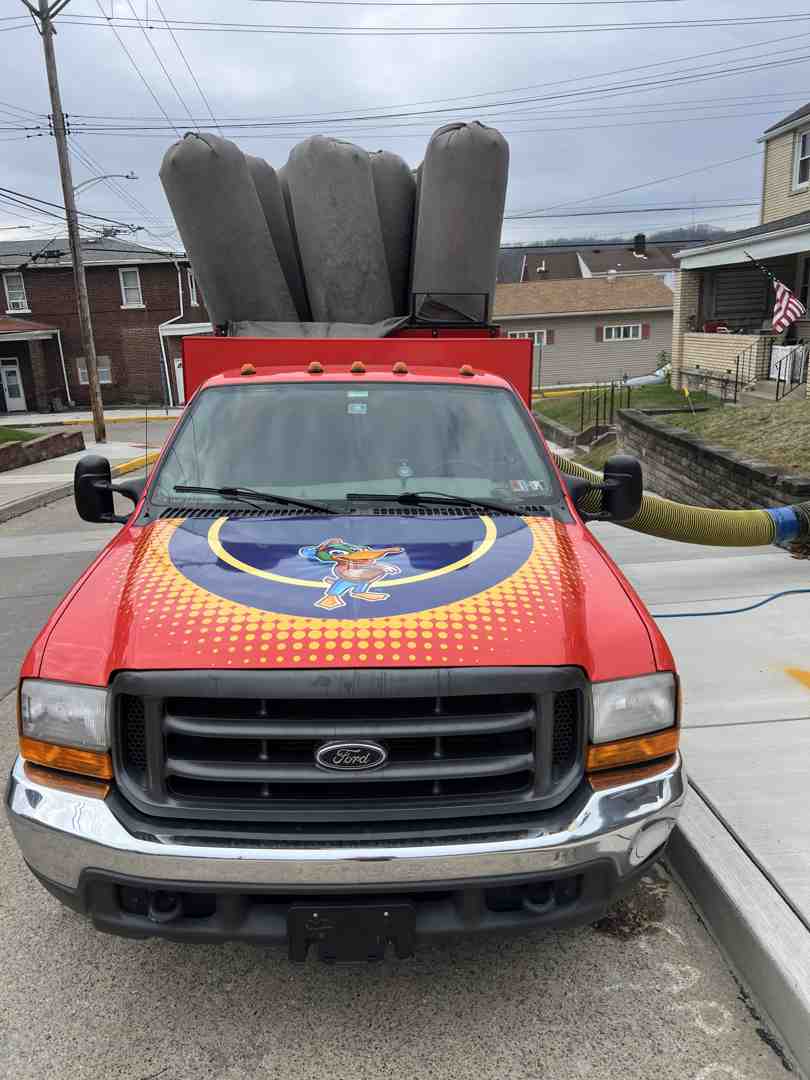
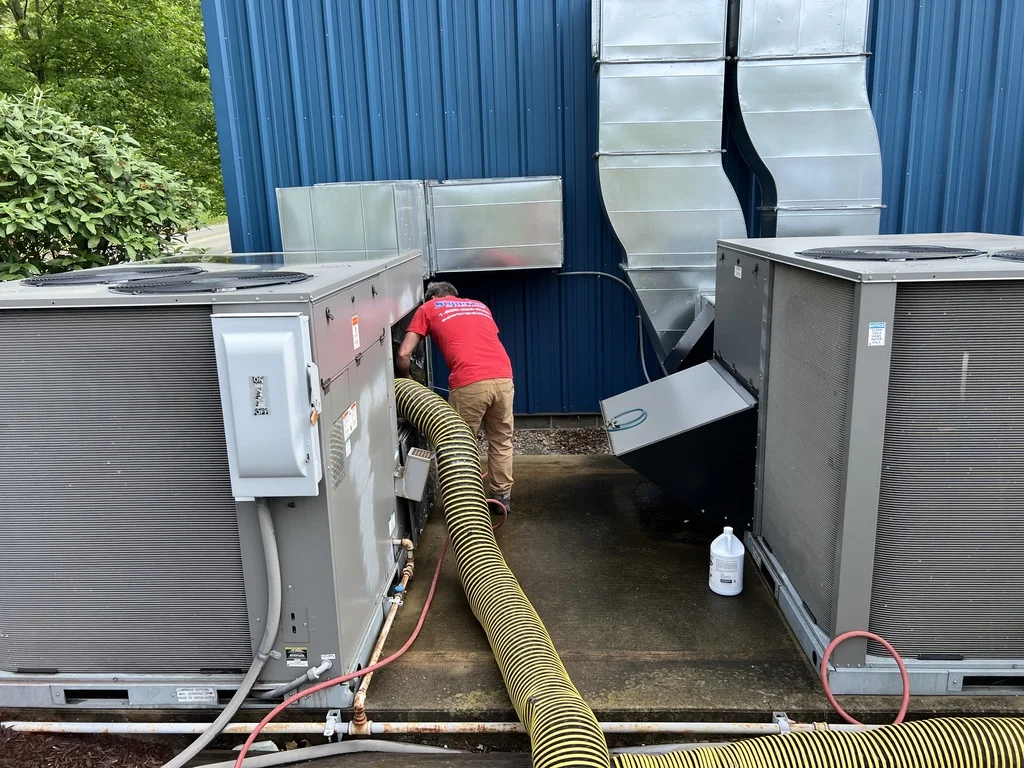
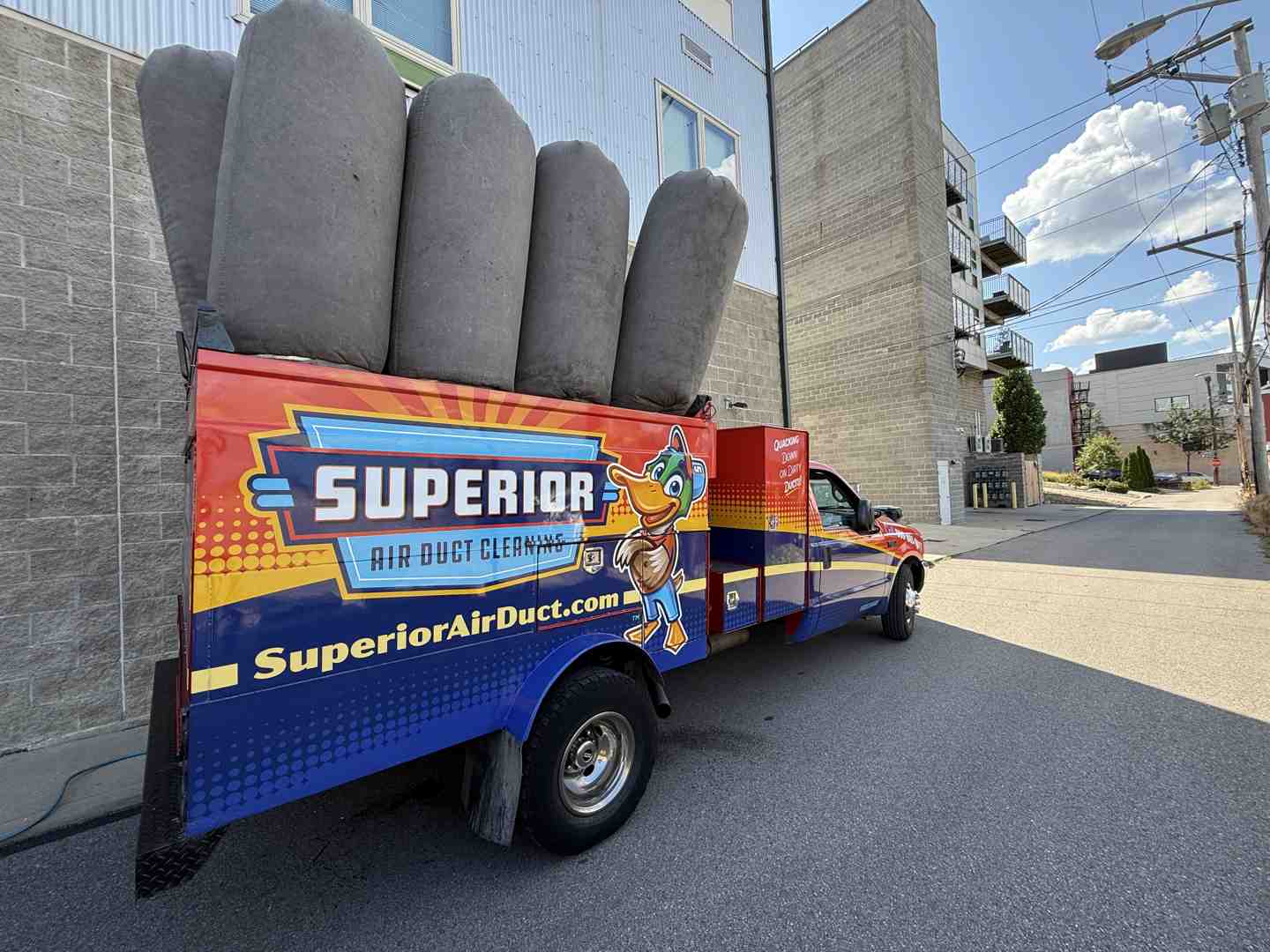
Professional duct cleaning relies on negative air pressure. We use high-powered vacuum trucks that create a vacuum throughout the entire system. This ensures that when we dislodge the pet hair and dander using mechanical agitation tools—like air whips and compressed-air nozzles—the debris is sucked directly out of your home and into our truck.
DIY methods often lack the suction power to actually remove the debris. Instead, they just stir it up, causing it to settle in other parts of the system or, worse, blow it into your living room. Furthermore, professional cleaning includes the evaporator coils. Pet hair and dander often bond to the moisture on these coils, creating a breeding ground for bacteria. Only professional-grade HEPA filtration and specialized tools can safely clean these sensitive components without causing damage or cross-contamination.
Proactive Maintenance for Pet Owners in Western PA and Northeast Ohio
Living in areas like Pittsburgh, PA, Boardman, OH, or Cranberry Township, PA, means our HVAC systems work hard through humid summers and freezing winters. To keep your system running efficiently between professional cleanings, we recommend a proactive maintenance routine.
• Filter Changes (30-60 Days): While the standard advice is 90 days, pet owners should check filters every month. If you have multiple pets in New Brighton, PA, or Beaver Falls, PA, a 30-day change might be necessary during peak shedding seasons.
• HEPA Vacuuming: Use a vacuum equipped with a HEPA filter to trap fine dander on carpets and upholstery before it can be sucked into your return vents.
• Professional Grooming: Regular compressed-air agitation (ideally outdoors) and seasonal deshedding treatments for double-coated breeds significantly reduce the amount of loose hair that enters your ventilation.
• Humidity Control: Maintain indoor humidity between 30% and 50%. This helps prevent dander from becoming too dry and airborne while also discouraging microbial growth on pet debris inside the ducts.
• Clear the Path: Ensure that pet beds or furniture aren't blocking return vents, as this forces the system to pull air (and fur) from the floor more aggressively.
Pet-Friendly HVAC Maintenance Checklist
• [ ] Check HVAC filter every 30 days; replace if visible hair is present.
• [ ] Vacuum around return air grilles weekly.
• [ ] Wipe down vent covers with a damp cloth every two weeks.
• [ ] Brush pets frequently to manage the "source" of the debris.
• [ ] Schedule a professional inspection if "dust rebound" occurs.
Frequently Asked Questions about Pets and Ductwork
Does vacuuming my vents replace professional cleaning?
No. While surface vacuuming your vent covers helps with aesthetics, it cannot reach the internal duct lines where the majority of pet dander and hair accumulate. Standard household vacuums lack the negative pressure required to clean the entire length of the ductwork and can actually push debris further into the system.
Can pet hair cause a fire hazard in my vents?
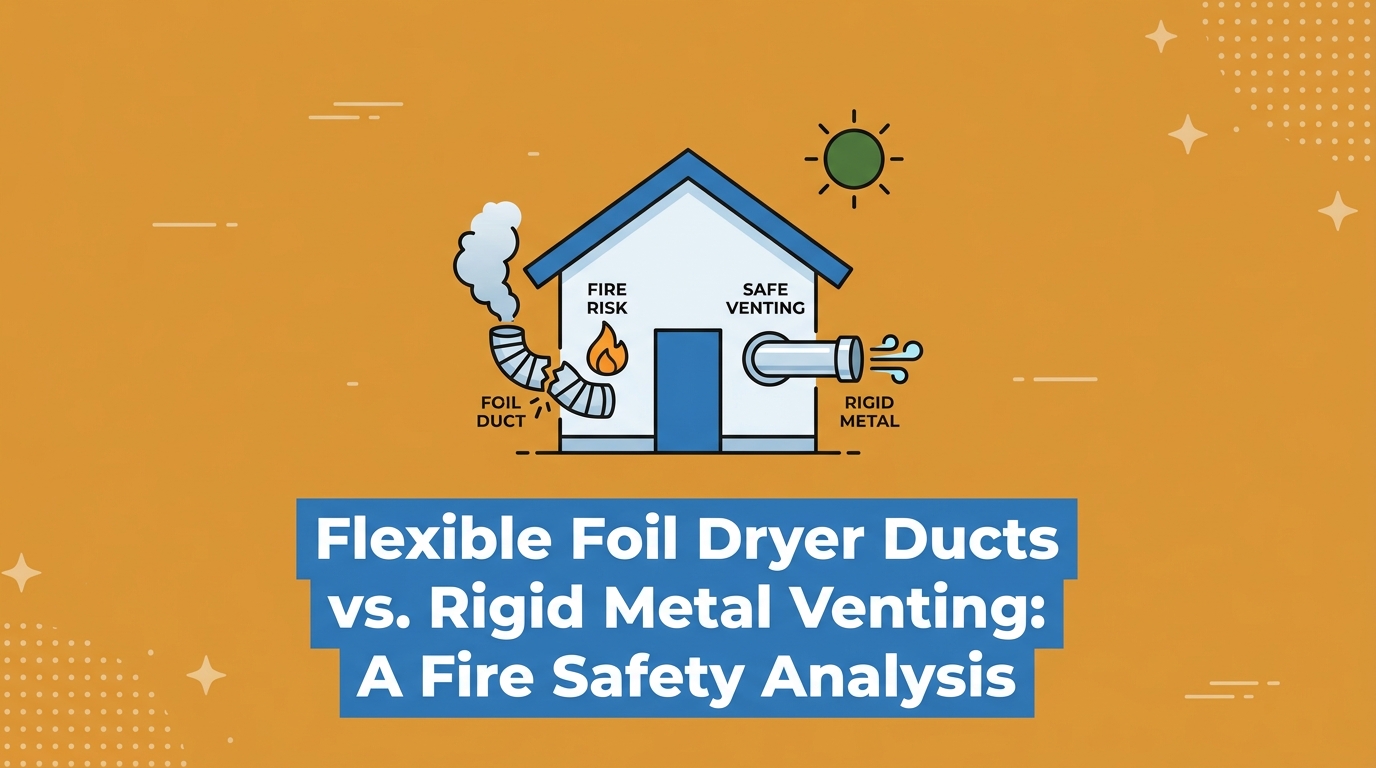
In your air ducts, it primarily causes efficiency and air quality issues. However, pet hair is a major fire hazard in dryer vents. Hair sticks to wet lint in the dryer line, creating heavy clogs that restrict airflow and cause the dryer to overheat. We always recommend cleaning your dryer vents at the same time as your air ducts for total home safety.
Why does my house still smell like pets after I clean the carpets?
Odors from pet sweat and oils are not just on the floor; they are recirculated through the HVAC cycle. Many air ducts have porous insulation or flexible liners that can absorb these smells. Until the physical debris (the "source") is removed from the ducts, the odor will continue to distribute throughout the house every time the air cycles.
Conclusion
At Superior Air Duct Cleaning, we know that your pets are part of the family. Our goal is to make sure you can enjoy their company without sacrificing your health or your home's efficiency. By understanding how pets affect duct cleaning frequency, you can stay ahead of the buildup and breathe easier.
Whether you are in Allegheny County, PA, Mahoning County, OH, or Hancock County, WV, our team is ready to provide the deep, source-removal cleaning your home deserves. We specialize in enhancing indoor air quality for residential and commercial spaces across Western Pennsylvania and Northeast Ohio, ensuring your home remains a clean, safe sanctuary for both you and your furry friends.
Don't let pet dander dictate your air quality. Schedule your professional air duct cleaning today and feel the difference that truly clean air makes.

Customer Reviews


Superior Air Duct cleaning did a phenomenal job in a timely manner with the tech “Rich” being very professional ,personable and considerate of our property! He explained things as he proceeded and answered all our questions!
I LOVE that they provide before & after photos to see the difference. Give them a try… you won’t regret it
Pam T.
Robert was on schedule and communicated what time he would arrive. He was polite, professional, and respectful of our home. I wanted to wait a couple weeks before posting a review because I wanted to see if the duct cleaning actually made a difference. I am happy to say it did! I vacuum multiple times a week and have already noticed a significant reduction in the amount of dust cleaned up each time. As a home with pets, there will always be something to clean, but getting the ducts cleaned has definitely helped improve the air quality and reduce the dust.
alice A.
Technician Rob arrived early explained the days agenda and then proceeded to work methodically and meticulously over the next 6+ hours cleaning my ductwork. Courteous and professional they answered all of my questions and went above and beyond the call of duty. They even located an old dusty box of rat poison buried in our vents. My only regret is not finding these guys sooner. As a realtor of 22 years and owner of a newly purchased (now dust free) home I highly recommended!
Eric K.
Excellent service! I’ve used them to clean out my air ducts as well as my dryer vent duct and they are excellent. I was very pleased with both jobs and will continue to use them in the future. Great communication as well- from the time I scheduled the appointment until they were at my door.
Erika C.
We had such an amazing experience with Superior Air Duct Cleaning. They were so nice and friendly and did an amazing job. I loved seeing the before and after pictures. Besides doing an amazing job cleaning our air ducts they were so quick at responding and setting up the appointment. We will definitely be using them in the future.
Amanda C.