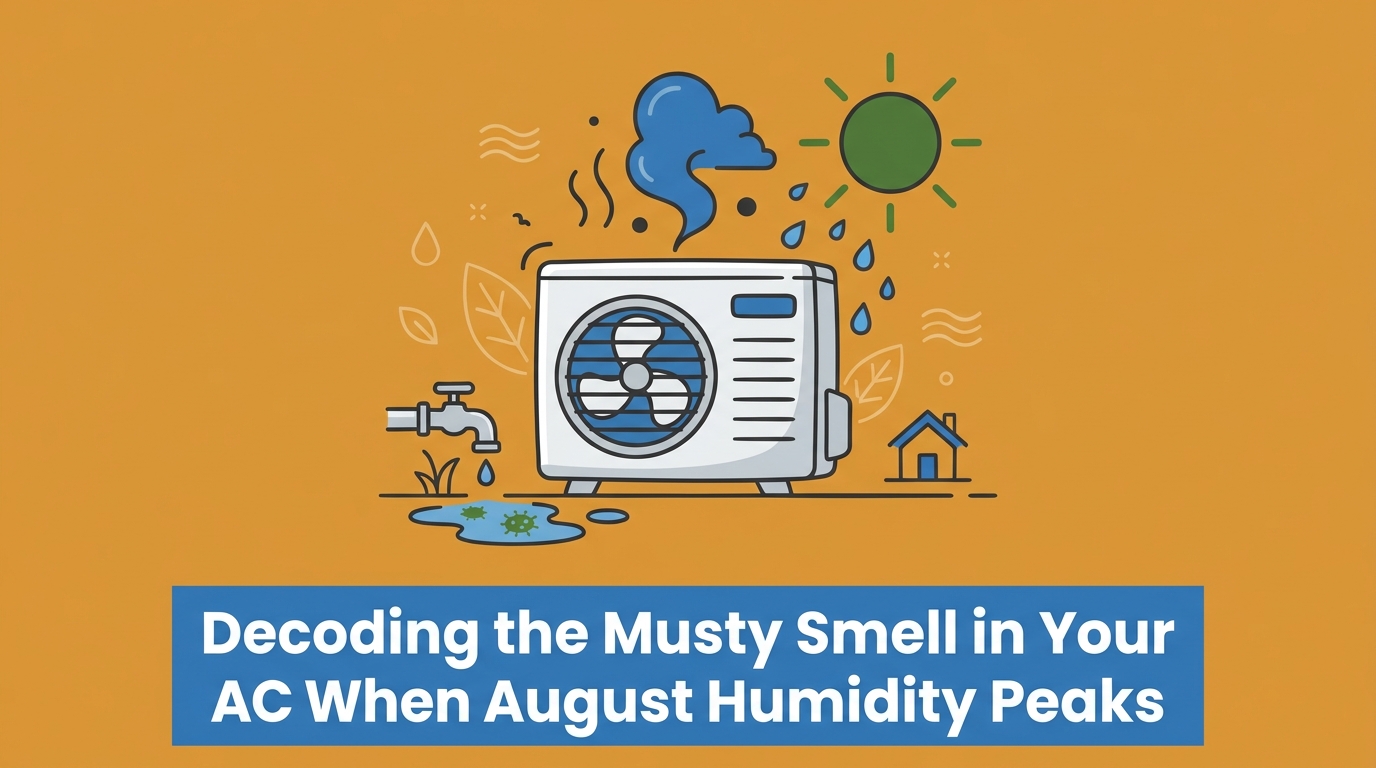
That Sudden Pungent Odor: Identifying Dirty Sock Syndrome
Your air conditioning system kicks on, but instead of a crisp, refreshing breeze, you are hit with a wave of foul, damp air. Decoding the musty smell in your AC when August humidity peaks is a frustrating reality for many homeowners. You might notice the odor right as the blower fan starts, filling the room with a scent that resembles a damp locker room or wet cardboard. At Superior Air Duct Cleaning, our team frequently fields calls from panicked homeowners dealing with this specific and unpleasant phenomenon, known in the HVAC industry as "dirty sock syndrome."
When this odor first appears, you face an immediate decision point: is this a minor issue you can solve with a quick DIY filter change, or is it a sign of deeper biological growth that requires professional intervention? Most homeowners initially assume their system just needs a tune-up or a fresh filter. However, standard maintenance often falls short once the smell becomes noticeable in your living space. By the time you can smell it, the biological growth is already well-established inside the dark, damp recesses of your system.
If you are tired of masking the odor and want a permanent solution, professional air duct cleaning gets to the root of the problem.
To help you understand what you are dealing with, here is a quick breakdown of common HVAC odors versus actual dirty sock syndrome:
• Musty / Damp — Typical Characteristics: Smells like wet laundry or stale gym socks, peaking during high humidity. — Likely Culprit: Dirty Sock Syndrome (bacteria/mold on coils or in ducts).
• Burning / Electrical — Typical Characteristics: Smells like melting plastic or an overheated motor when the system runs. — Likely Culprit: Electrical failure, failing blower motor, or a stuck relay.
• Rotten Eggs — Typical Characteristics: Distinct sulfur smell, often noticeable near the furnace or water heater. — Likely Culprit: Natural gas leak (requires immediate emergency attention).
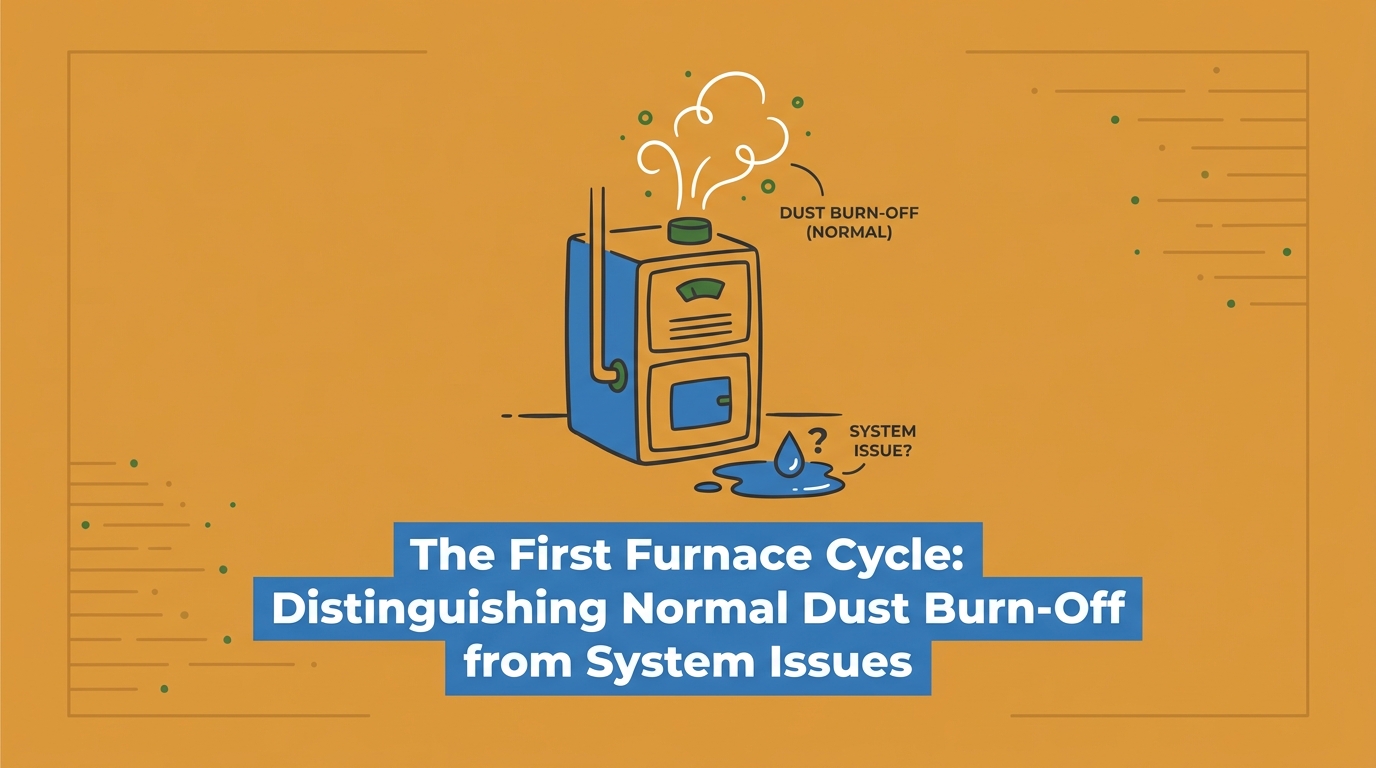
• Dusty / Stale — Typical Characteristics: Smells like burning dust, usually only when turning the heat on for the first time. — Likely Culprit: Accumulated dust burning off the heat exchanger.
The Mechanics of Moisture: How AC Systems Breed Odors
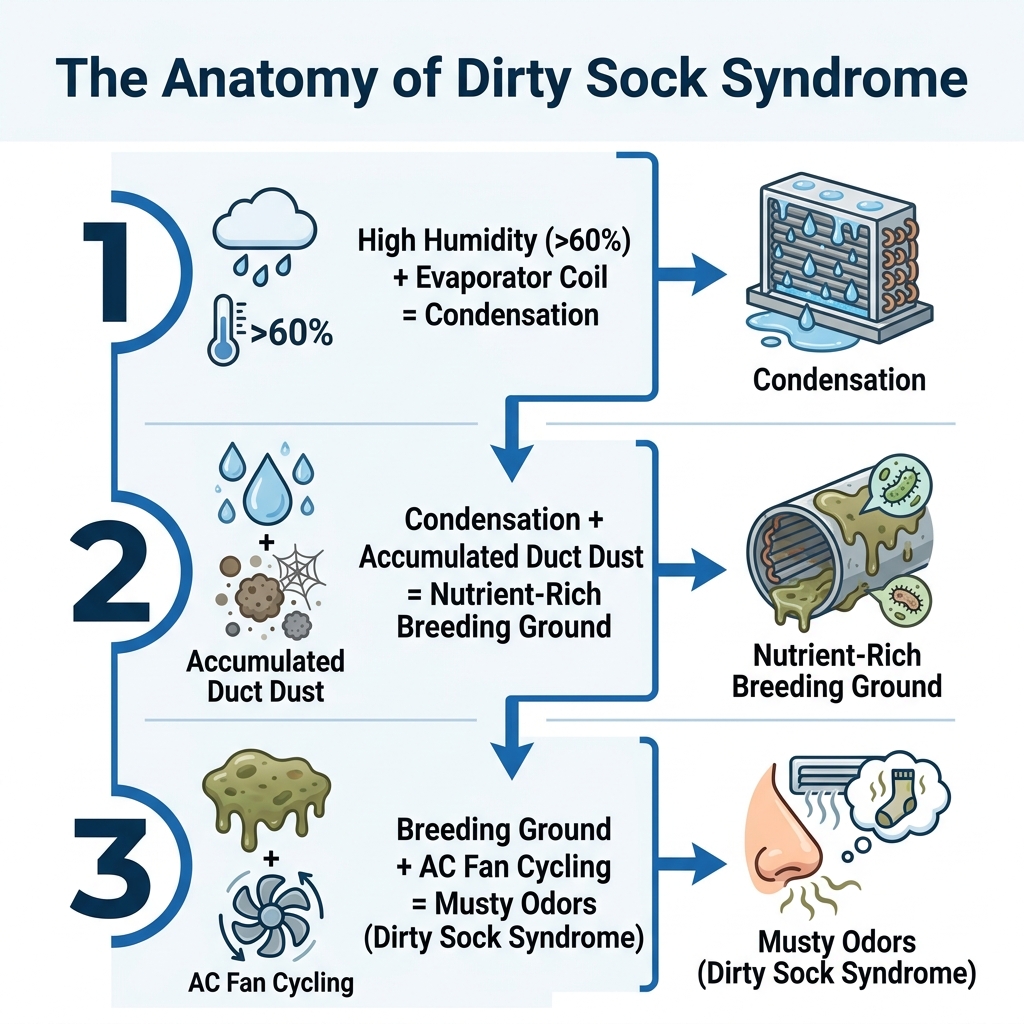
To understand why your vents smell like a damp basement, you have to look at the basic science of how cooling systems operate. Air conditioning does not just cool the air; it conditions it by removing heat and moisture. This biological and mechanical science explains exactly how condensation creates the perfect environment for odor-causing bacteria to thrive.
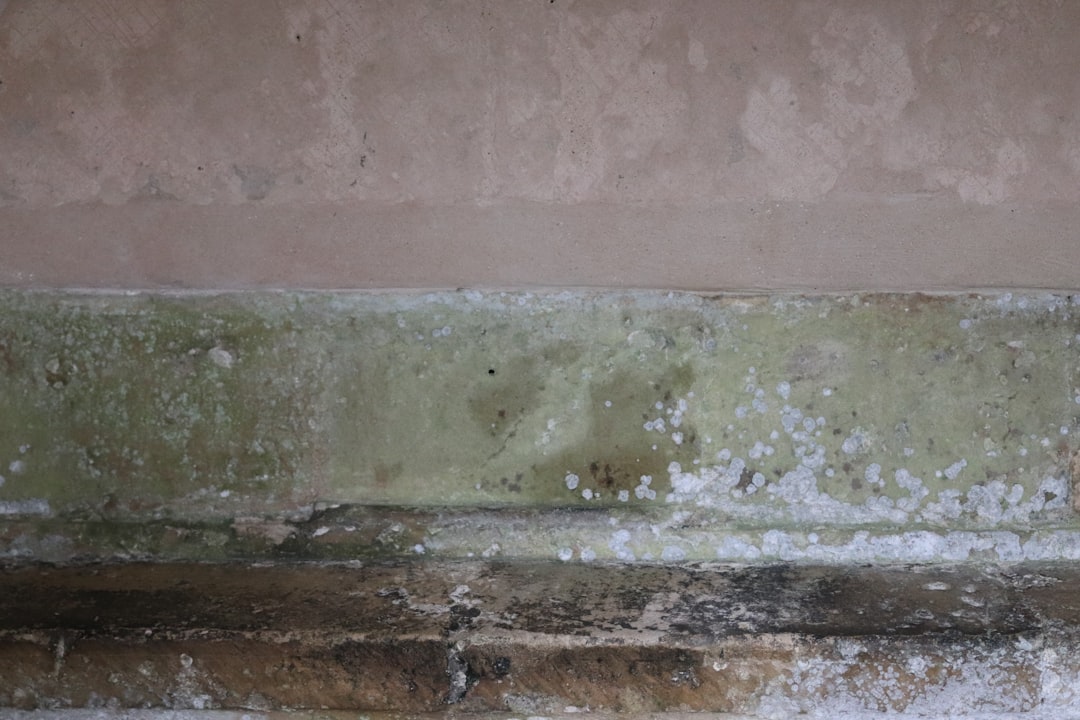
When warm indoor air passes over the freezing cold coils inside your HVAC unit, the moisture in that air condenses into liquid water. This is a continuous process during the cooling season. Under normal conditions, this water drips into a drain pan and flows safely out of your home. However, when moisture cannot drain properly or dry quickly enough between cooling cycles, it becomes stagnant. This standing water creates a dark, damp, and highly hospitable environment for microbial growth, including bacteria, mold, and mildew. The foul smell blasting from your vents is actually the off-gassing of these biological contaminants as they multiply.
If you are struggling with balancing indoor moisture and airflow, managing high-humidity airflow issues is a critical step in preventing these odors from forming in the first place.
The Role of the Evaporator Coil
The evaporator coil is the heart of the moisture extraction process. Because cooling cycles naturally produce water, the coil is almost always wet during the summer months. When your system undergoes rapid, short cycling—turning on and off frequently without running long enough to complete a full cycle—the coil and the surrounding ductwork never get the chance to dry out completely. This constant state of dampness accelerates the growth of the microbes responsible for dirty sock syndrome.
Furthermore, when high indoor relative humidity levels persist throughout the home, the system has to work overtime just to extract the excess moisture. The more moisture the system pulls, the wetter the internal components remain, creating a vicious cycle of condensation and bacterial blooming.
Why Late Summer is the Tipping Point for Musty Vents
You might wonder why dirty sock syndrome rarely happens in May or June, but suddenly overwhelms your home later in the season. The answer lies in cumulative moisture buildup. Months of continuous AC usage lead to a slow, steady accumulation of condensation and microscopic debris. By the time late summer arrives, the internal components of your HVAC system have been damp for months.
In our years of serving New Brighton and the surrounding areas, our team has seen firsthand how Western Pennsylvania's specific late-summer climate profile plays a massive role in this timeline. The region is known for hot, highly humid days transitioning to cooler nights. This specific weather pattern maximizes condensation cycling. During the sweltering day, the AC runs constantly, pulling gallons of water from the air. When the temperature drops at night, the system runs less frequently, allowing that accumulated moisture to sit stagnant on the coils and inside the ductwork without fully drying out.
This is why August late-summer peak humidity is the ultimate trigger. Dormant biological growth that has been slowly building up since early summer suddenly blooms when the humidity reaches its annual peak. The bacteria and mold colonies reach a critical mass, and the off-gassing becomes strong enough to travel through your vents and into your living spaces.
Ignoring the smell during this peak season is a mistake. Allowing the AC to continue running while it smells musty gives the contaminants a free pass to spread further into the ductwork, contaminating the entire ventilation system rather than just the air handler unit.
The Dangerous Synergy of Dust and Stagnant Moisture
Moisture alone does not cause dirty sock syndrome. A puddle of clean distilled water will eventually evaporate without smelling like a locker room. For biological growth to occur, the moisture requires a nutrient source. Inside your HVAC system, ordinary household dust acts as the perfect fuel for the bacteria and mold causing the odor.
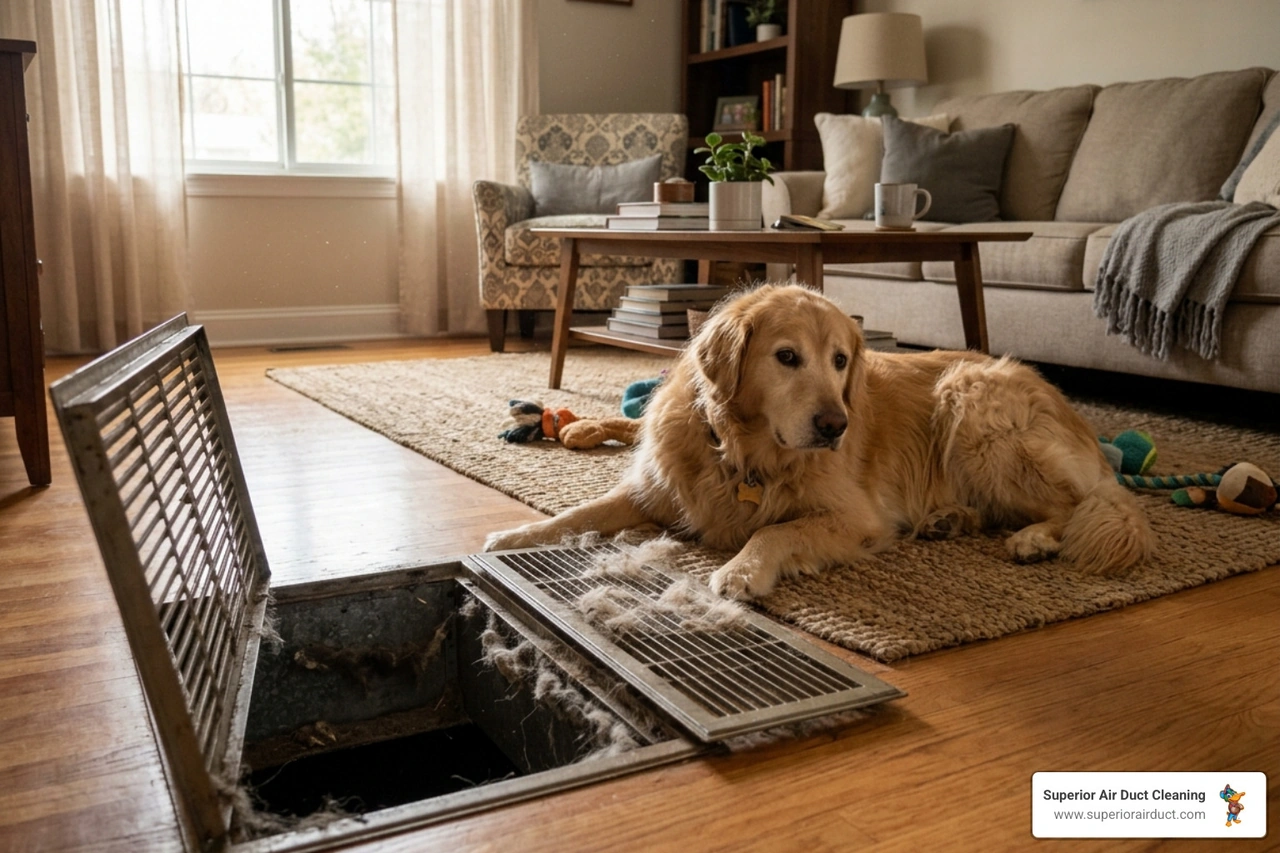
Over the years, your ductwork accumulates a significant amount of debris. This includes standard household dust, pet dander, skin cells, pollen, and microscopic organic matter. When high indoor relative humidity levels saturate this accumulated dust, it creates a nutrient-rich sludge. The bacteria and mold feed on this damp debris, multiplying rapidly in the dark environment of your air ducts.
This synergy between dust and moisture has a secondary impact on your overall respiratory comfort. When the AC blower fan turns on, it does not just push the foul odor into your rooms; it also circulates the microscopic spores and particulate matter. This can trigger sneezing, coughing, and respiratory irritation for anyone living in the home.
Our crew recently helped a family moving into a newly purchased house who experienced severe allergies and difficulty sleeping due to existing duct contamination. Once we thoroughly cleaned and sanitized the vents and furnace, the indoor air quality significantly improved, allowing the family to finally breathe easier and sleep soundly. Addressing the physical debris inside the system is vital for restoring a healthy breathing environment.
Taking proactive steps to improve your indoor air quality ensures that your family is not breathing in the byproducts of this biological growth.
Why Changing the Air Filter Won't Stop Dirty Sock Syndrome
When faced with a musty AC, the most common first step for any homeowner is to swap out the air filter. While this is an excellent maintenance habit, it will not cure dirty sock syndrome. Here is exactly why a simple filter change fails to resolve the odor:
1. Filters only capture airborne particles: A high-quality pleated filter is designed to trap dust, pet hair, and pollen as air enters the return vent. It does absolutely nothing to address the established biological growth that is already living on the evaporator coil or deep inside the supply ducts.
2. The root cause is downstream: The air filter sits at the beginning of the airflow process. The moisture, condensation, and bacterial growth occur downstream at the coil and in the ductwork. Changing the filter does not clean the air that passes over the contaminated coil after it has been filtered.
3. Masking agents are temporary: Many homeowners try to use scented air filters, aerosol sprays, or essential oils injected into the vents to hide the smell. These masking agents only cover up the off-gassing temporarily. The bacteria continue to multiply, and the musty smell always returns once the artificial scent fades.
4. DIY cleaning is ineffective and risky: Attempting to clean internal HVAC components yourself is highly discouraged. The aluminum fins on an evaporator coil are incredibly delicate and easily crushed. Spraying household bleach or generic cleaners into your ductwork can corrode metal components and circulate toxic fumes into your living space.
Because August late-summer peak humidity creates such an aggressive breeding ground, superficial fixes simply cannot keep up with the rate of biological growth.
Eradicating the Root Cause with Professional Extraction
If changing the filter and using air fresheners will not work, the definitive solution is removing the nutrient source entirely. Professional negative pressure air duct cleaning is designed to safely extract years of accumulated dust, dirt, and debris from the deepest parts of your ventilation system.
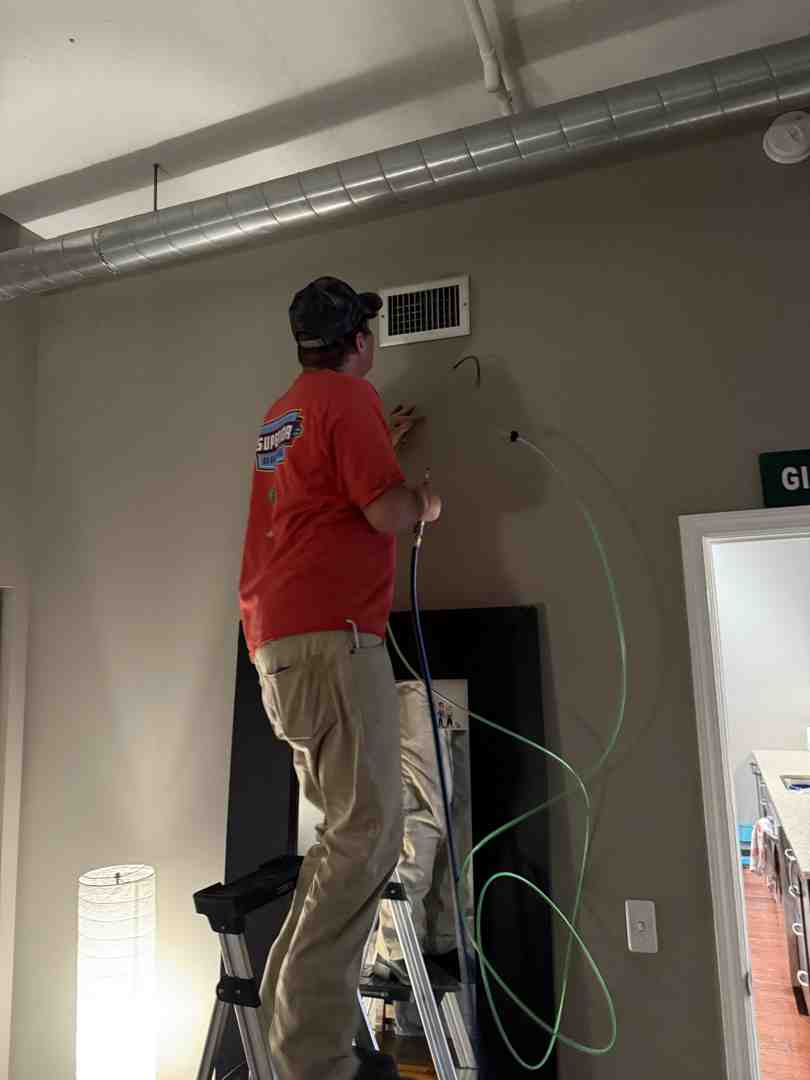
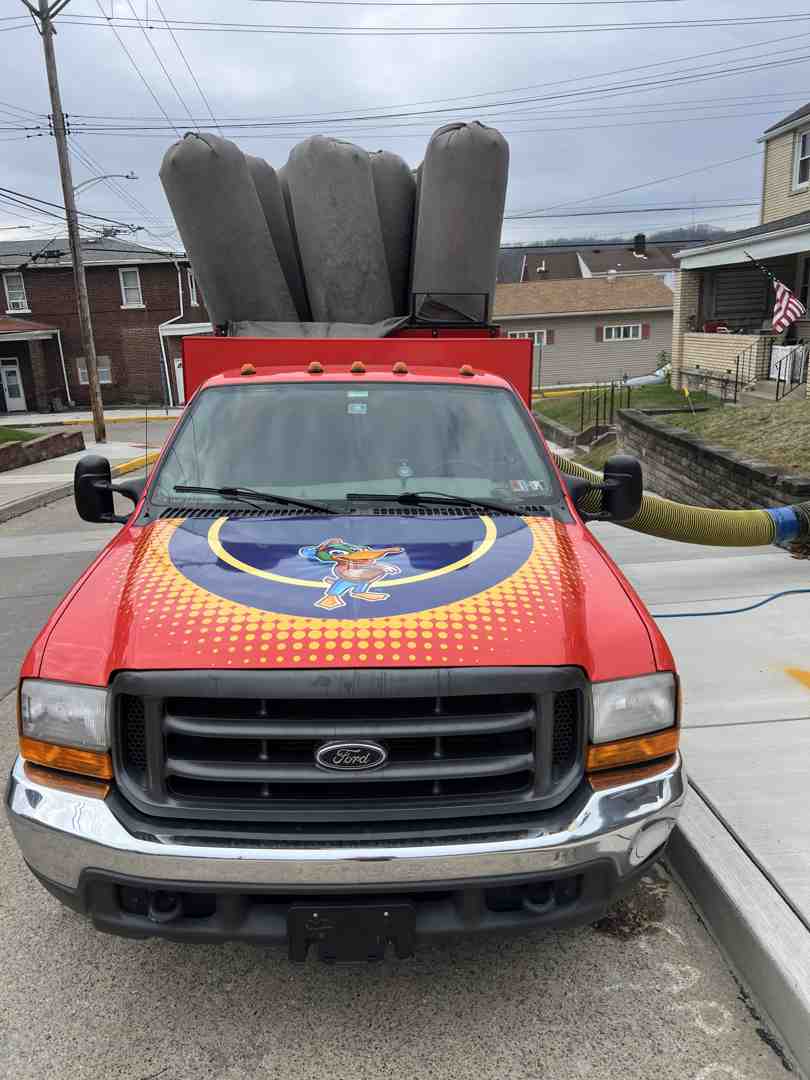
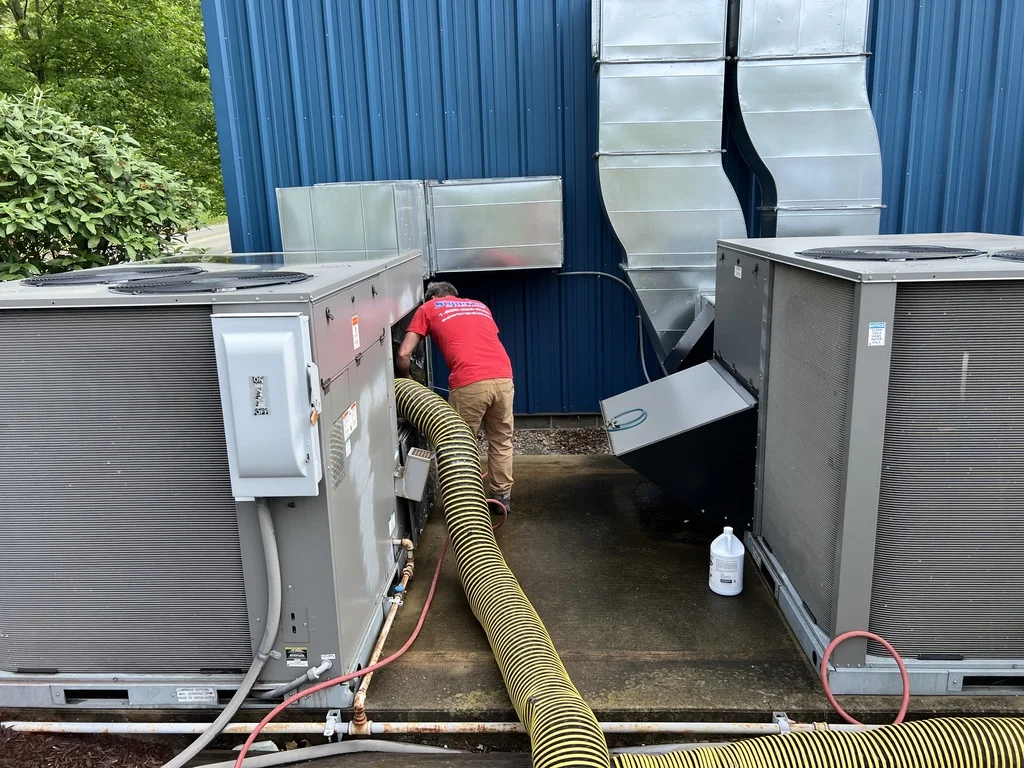
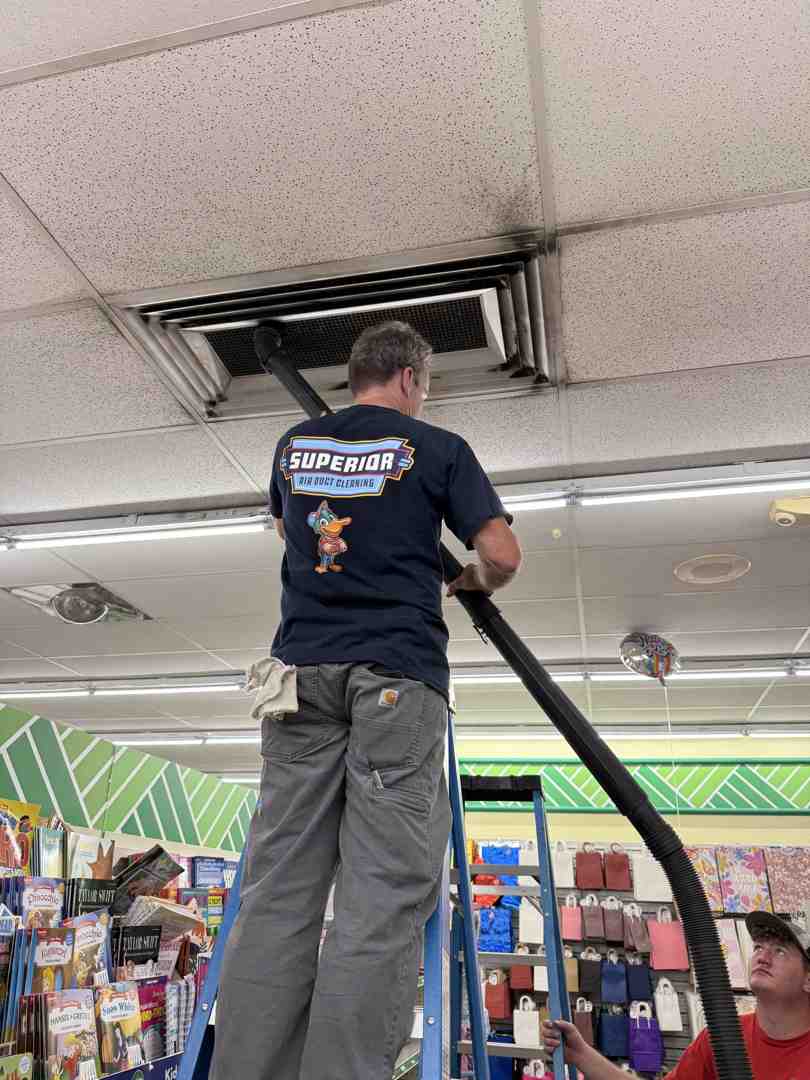
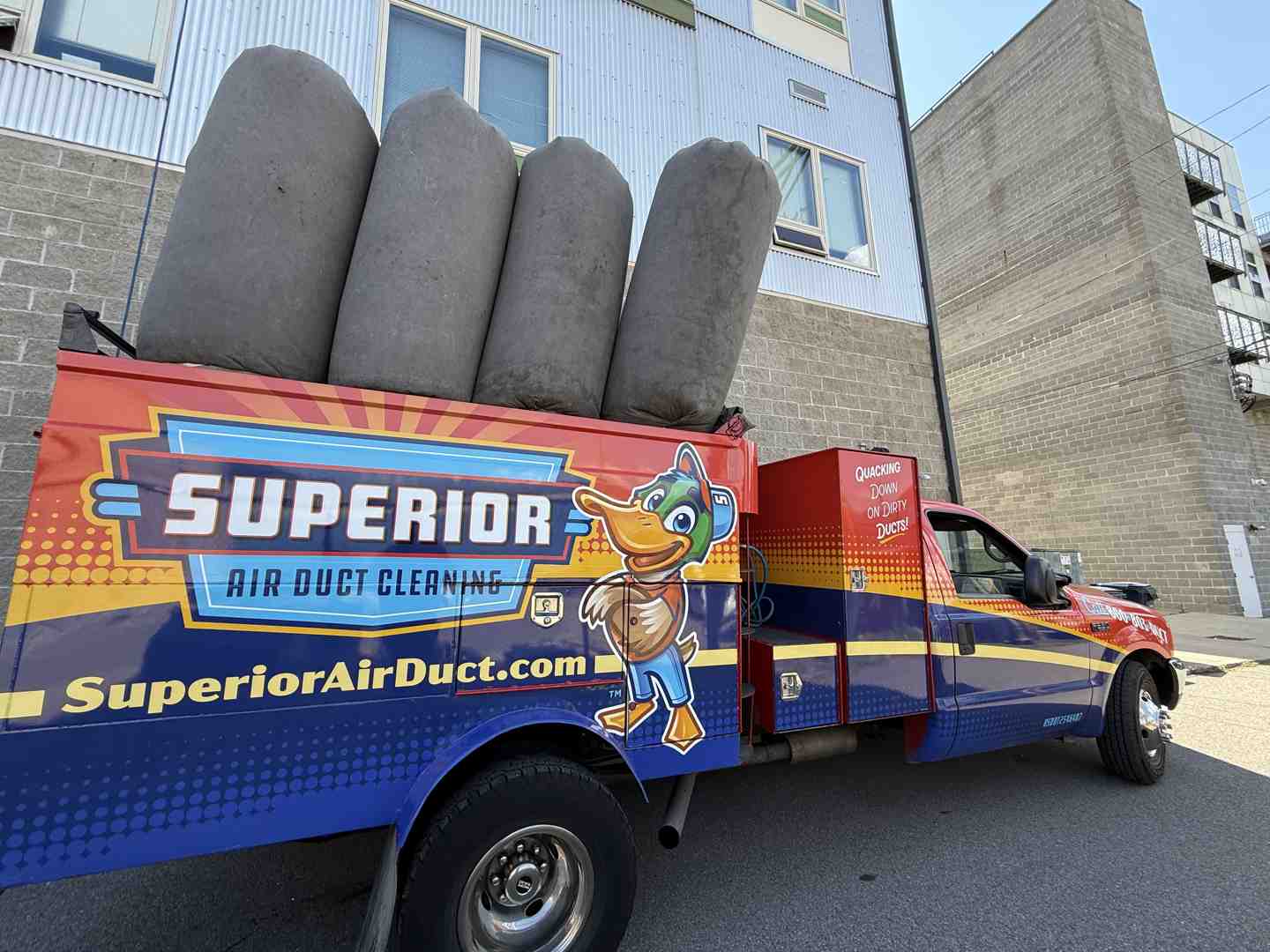
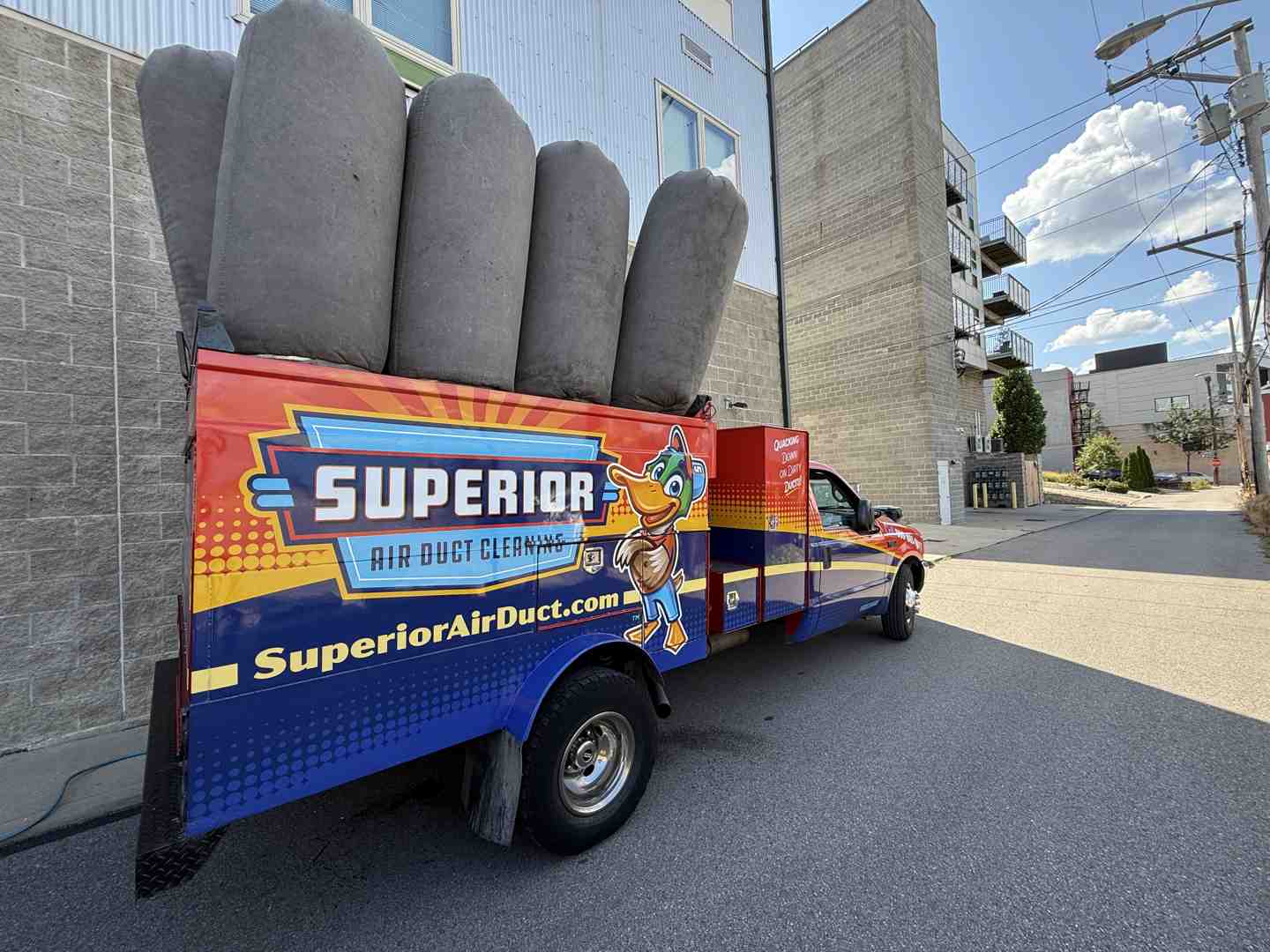
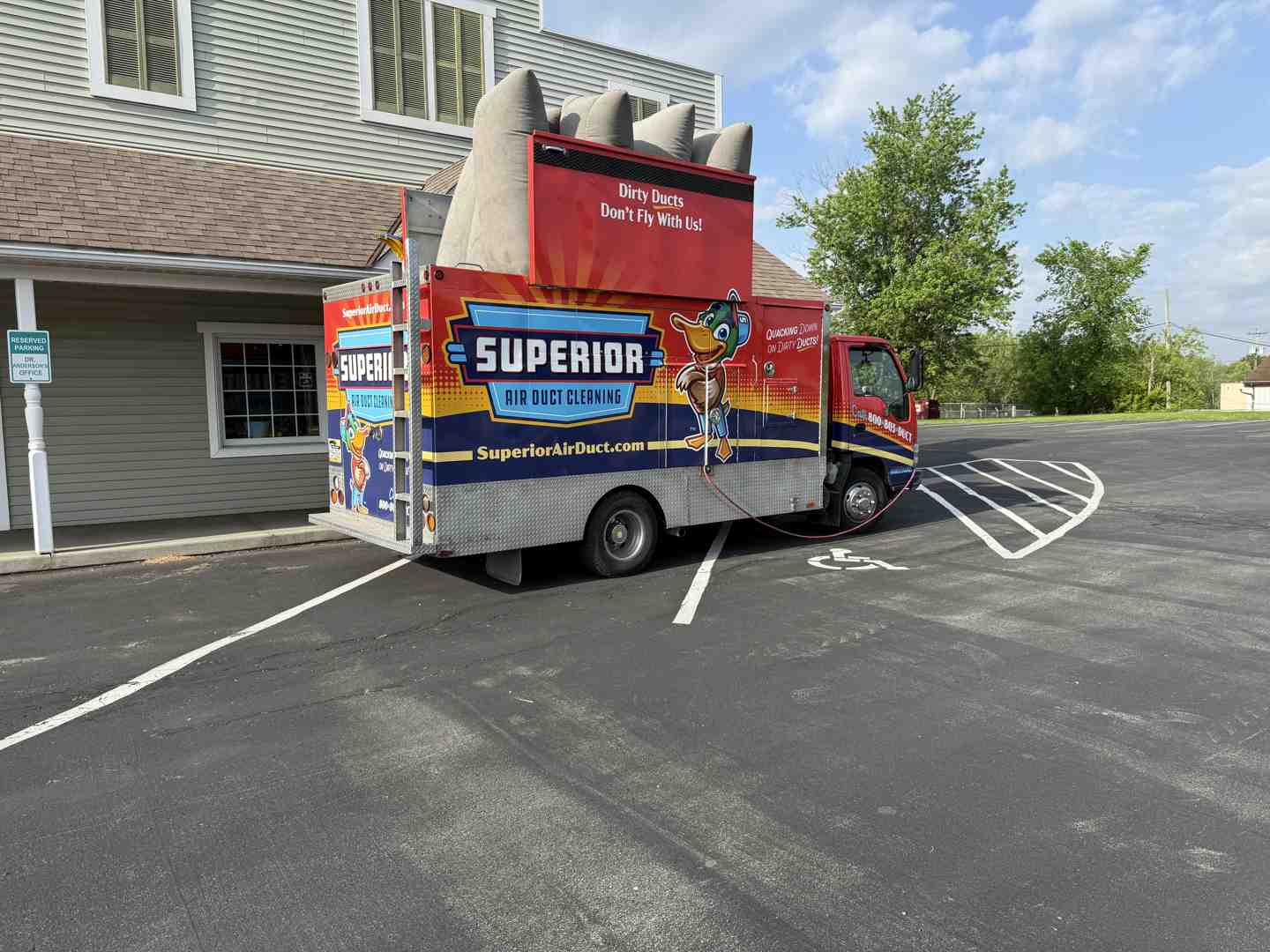
The process utilizes powerful, truck-mounted vacuums and specialized agitation tools to dislodge the organic matter clinging to the walls of your ductwork. By physically removing the dust and pet dander, you are eliminating the primary food source for the odor-causing bacteria. Without this nutrient-rich debris, the microbes cannot sustain themselves, even when condensation occurs.
It is crucial to address the entire system, not just the vents you can see. Professional extraction cleans the return drops, the supply trunks, the branch runs, and the delicate internal components of the air handler. This comprehensive approach ensures that no hidden pockets of debris are left behind to reignite the odor.
In a recent service call involving a local rental property with horrible existing vent smells, our technicians performed a complete vacuuming, cleaning, and sanitizing of the vents and furnace. This successfully resolved the bad odors and restored the air quality. Professional intervention is a safe, proven method for restoring system hygiene without risking damage to your expensive HVAC equipment.
If you are ready to eliminate the source of the odor, taking advantage of air duct cleaning promotions in New Brighton is a smart way to protect your home's air quality.
Beyond Cleaning: The Critical Role of Whole-House Sanitizing
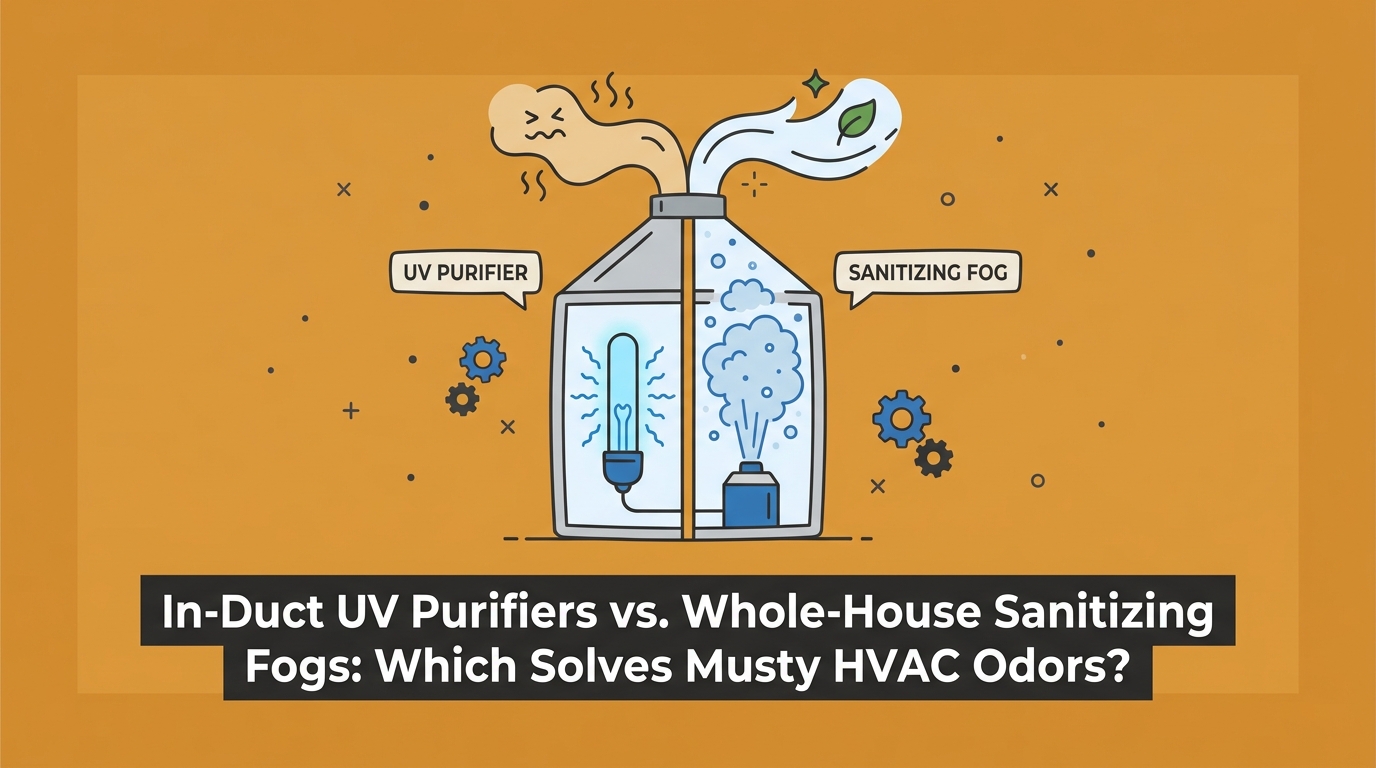
While deep cleaning successfully removes the physical debris and the nutrient source, microscopic bacteria and mold spores may still remain on the bare metal surfaces of your ductwork. To completely neutralize the biological odors of dirty sock syndrome, a final, crucial step is required: whole-house sanitizing.
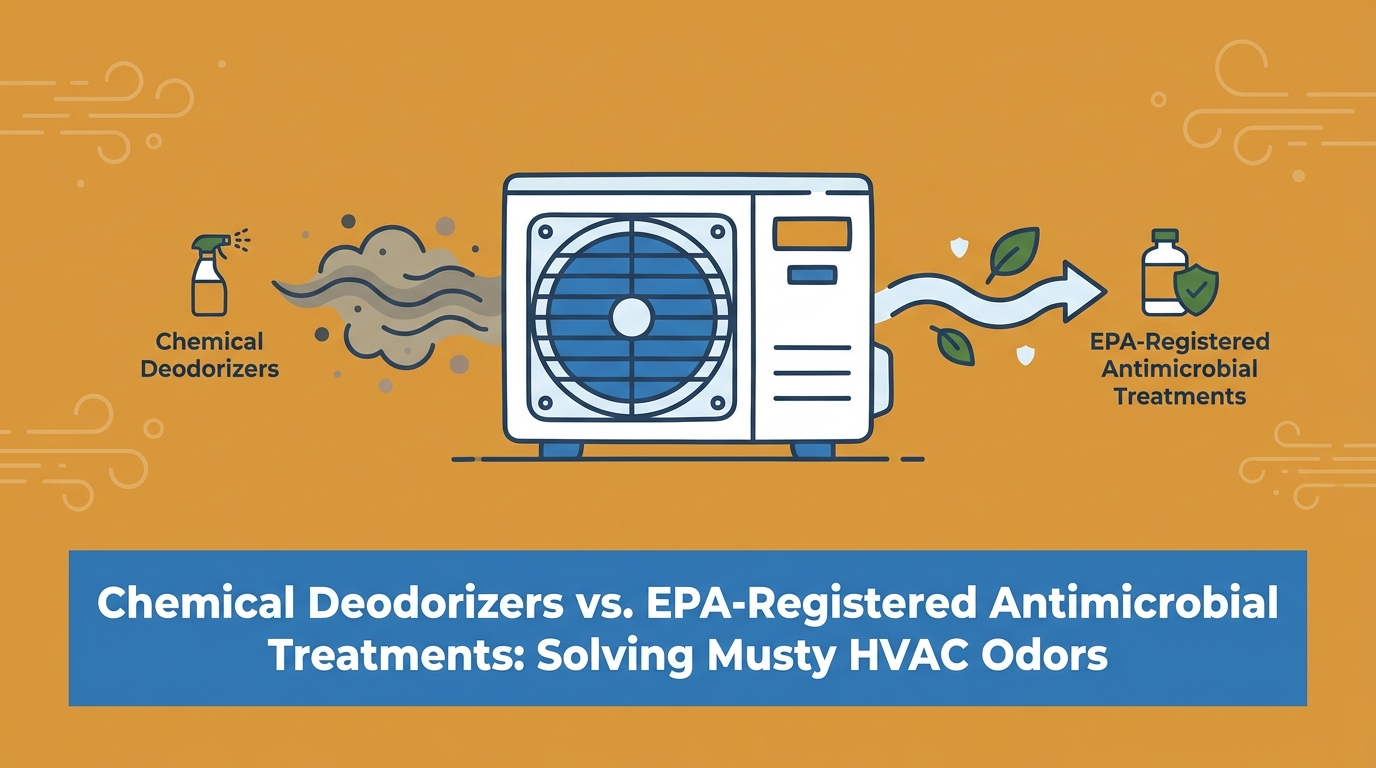
This is exactly why our team at Superior Air Duct Cleaning insists on a comprehensive approach. By pairing deep duct cleaning with whole-house sanitizing, the biological root cause is eliminated rather than just temporarily masked. After the ducts are scrubbed clean, an EPA-registered sanitizing agent is carefully fogged throughout the entire ventilation system. This specialized mist travels along the exact same path as your conditioned air, reaching every corner, seam, and bend in the ductwork.
The sanitizing agent neutralizes the remaining biological threats on contact. It effectively resets the hygiene level of your HVAC system, preventing the immediate return of dirty sock syndrome even when August late-summer peak humidity continues to challenge the system.
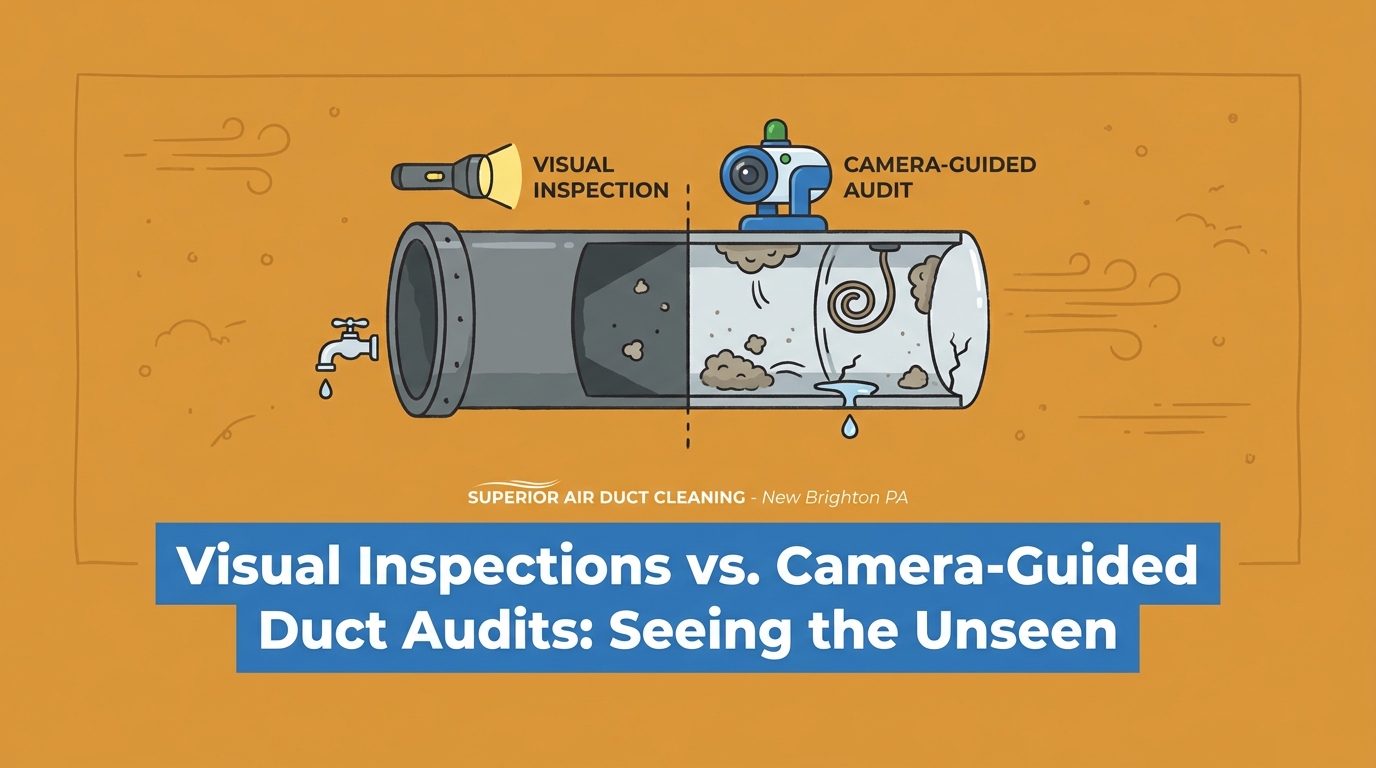
It is natural to worry about unseen bacteria lingering in your ductwork. Recently, a local homeowner opted for our combined cleaning and sanitizing service to address this exact fear. By reviewing the before-and-after pictures provided by our technicians, they received clear, undeniable evidence of the duct cleanliness and the effectiveness of the sanitization process.
This comprehensive two-step approach provides true peace of mind. To ensure your home is completely protected from lingering biological growth, professional whole house sanitizing is the definitive final step in the process.
Frequently Asked Questions
What is dirty sock syndrome in an AC?
Dirty sock syndrome is an industry term for a foul, musty odor that blasts from AC vents when the system turns on. It is caused by a buildup of bacteria, mold, and mildew on the indoor evaporator coil and inside the ductwork. These microbes thrive in the dark, damp environment created by AC condensation.
Why does my AC smell musty during high humidity?
High humidity forces your air conditioner to extract larger volumes of moisture from the indoor air. This excess condensation saturates the dust and debris inside your ductwork, creating a perfect breeding ground for odor-causing bacteria. The musty smell is the off-gassing produced by these microbes as they multiply.
Can changing the air filter fix a musty AC?
Changing the air filter is a good maintenance habit, but it will not fix a musty AC. Filters are designed to catch airborne dust and pollen as air enters the system, but they cannot remove established biological growth located deeper inside the ductwork or on the evaporator coil.
Is a musty smelling AC dangerous to my family's health?
While the smell itself is a nuisance, the underlying cause can impact respiratory health. The bacteria and mold spores causing the odor are circulated throughout your home every time the fan runs. This can trigger allergies, asthma flare-ups, coughing, and general respiratory irritation for sensitive individuals.
How long does it take to professionally sanitize HVAC ductwork?
The sanitizing process is typically performed immediately following a comprehensive air duct cleaning. The fogging process itself usually takes less than an hour, but the entire appointment—including the deep physical cleaning of the vents, trunks, and system components—generally requires three to five hours depending on the size of the home.
Will running the AC fan constantly help dry out the moisture?
Running the fan constantly can actually make the problem worse during high humidity. When the cooling cycle shuts off but the fan keeps blowing, it pushes the stagnant moisture sitting on the evaporator coil back into your living spaces. This increases indoor humidity and spreads the musty odor more rapidly.
Don't let a foul-smelling AC ruin your indoor comfort this season. If you are dealing with persistent odors and want to eradicate the biological growth for good, schedule a professional deep cleaning today to restore your home's fresh, healthy air.

Customer Reviews


Superior Air Duct cleaning did a phenomenal job in a timely manner with the tech “Rich” being very professional ,personable and considerate of our property! He explained things as he proceeded and answered all our questions!
I LOVE that they provide before & after photos to see the difference. Give them a try… you won’t regret it
Pam T.
Robert was on schedule and communicated what time he would arrive. He was polite, professional, and respectful of our home. I wanted to wait a couple weeks before posting a review because I wanted to see if the duct cleaning actually made a difference. I am happy to say it did! I vacuum multiple times a week and have already noticed a significant reduction in the amount of dust cleaned up each time. As a home with pets, there will always be something to clean, but getting the ducts cleaned has definitely helped improve the air quality and reduce the dust.
alice A.
Technician Rob arrived early explained the days agenda and then proceeded to work methodically and meticulously over the next 6+ hours cleaning my ductwork. Courteous and professional they answered all of my questions and went above and beyond the call of duty. They even located an old dusty box of rat poison buried in our vents. My only regret is not finding these guys sooner. As a realtor of 22 years and owner of a newly purchased (now dust free) home I highly recommended!
Eric K.
Excellent service! I’ve used them to clean out my air ducts as well as my dryer vent duct and they are excellent. I was very pleased with both jobs and will continue to use them in the future. Great communication as well- from the time I scheduled the appointment until they were at my door.
Erika C.
We had such an amazing experience with Superior Air Duct Cleaning. They were so nice and friendly and did an amazing job. I loved seeing the before and after pictures. Besides doing an amazing job cleaning our air ducts they were so quick at responding and setting up the appointment. We will definitely be using them in the future.
Amanda C.