The Invisible Threat Lurking After Your Summer Remodel
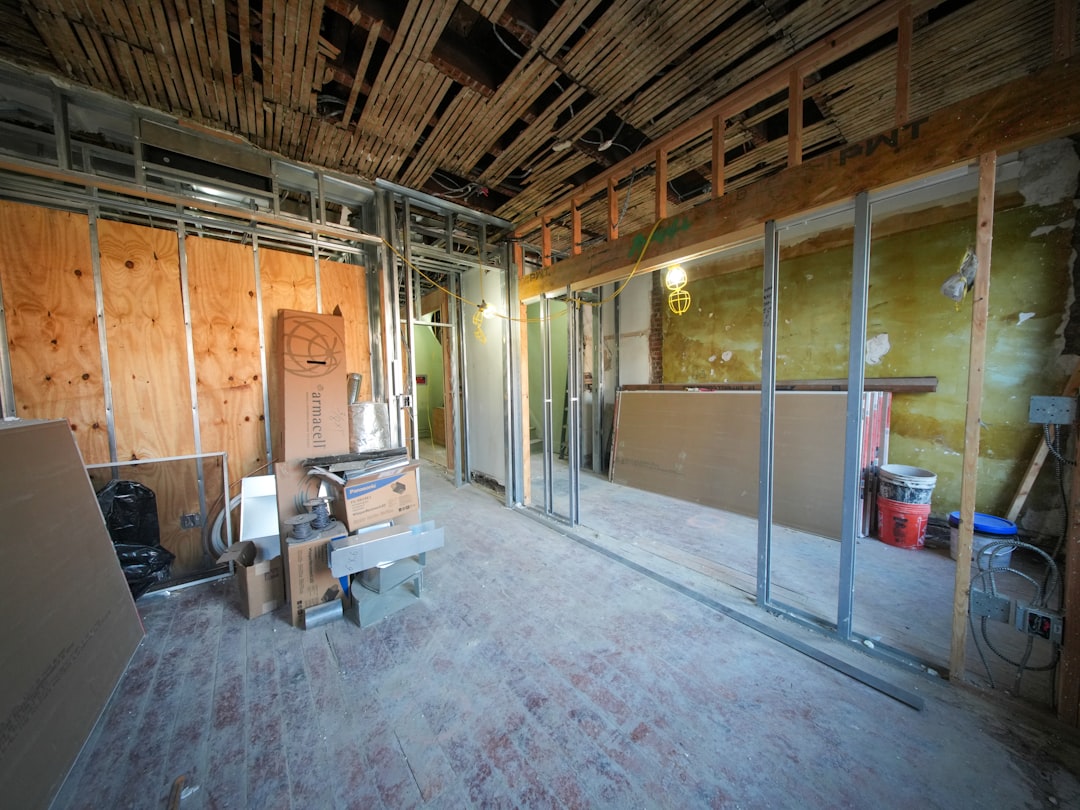
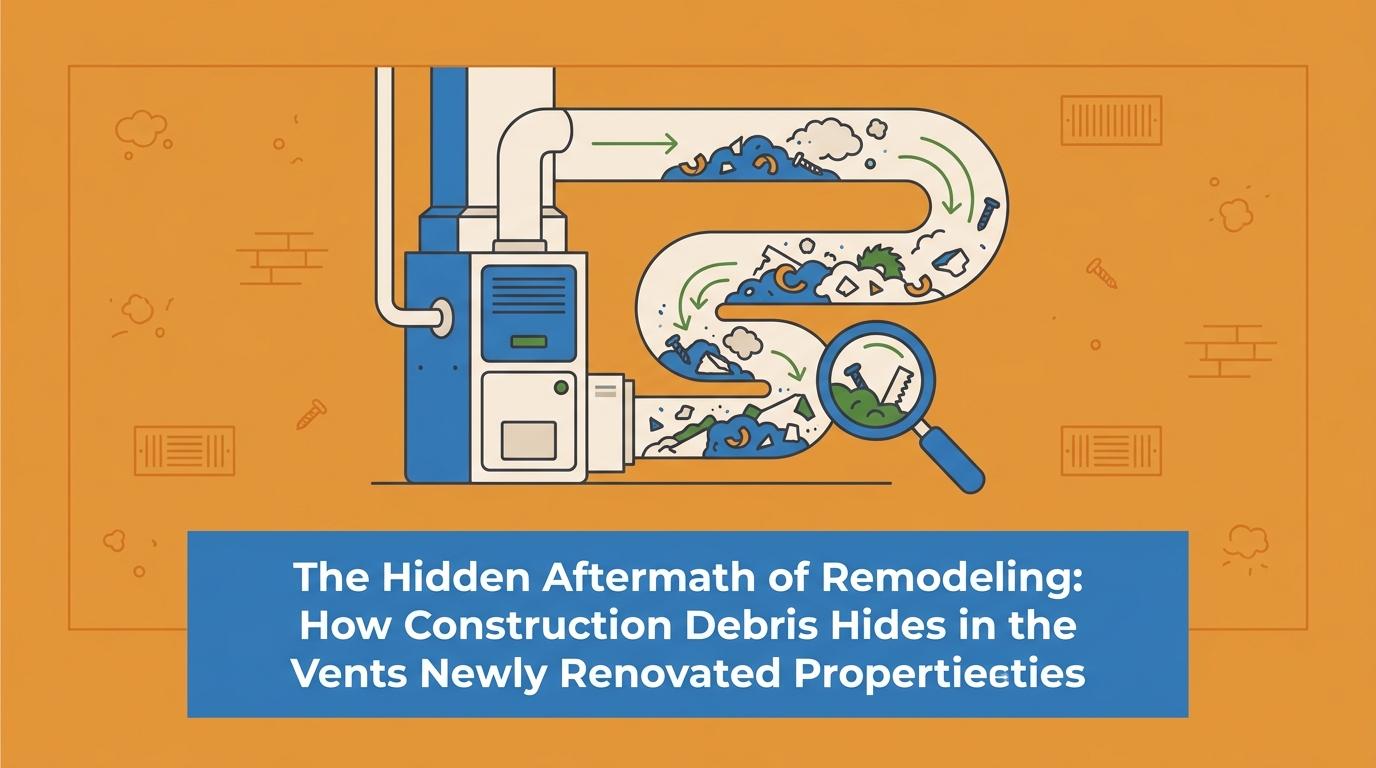
You have finally finished the upgrades, but despite the pristine new surfaces, a fine layer of white powder keeps settling on your furniture—a clear sign of how construction debris hides in the vents of newly renovated properties. Homeowners often admire the visible surfaces of a fresh remodel, completely unaware of the thick coats of joint compound dust trapped entirely out of sight. While the contractor's brooms and shop-vacs handle the obvious mess, the home's ductwork acts as a passive vacuum system during construction, quietly pulling in airborne particulate and heavy debris.
If you want to protect your home's indoor air quality, scheduling professional air duct cleaning is the most effective next step.
The critical decision point for any homeowner is addressing this hidden mess before switching the HVAC system to heating mode for the fall. Ignoring the ductwork compromises the home's overall air quality from the exact moment the blower kicks on. As we approach the September pre-heating season, it is crucial to understand what is actually sitting inside your vents.
Signs that construction debris is trapped in your ductwork:
• Persistent white dust: A chalky film that reappears on tables and televisions just days after wiping them down.
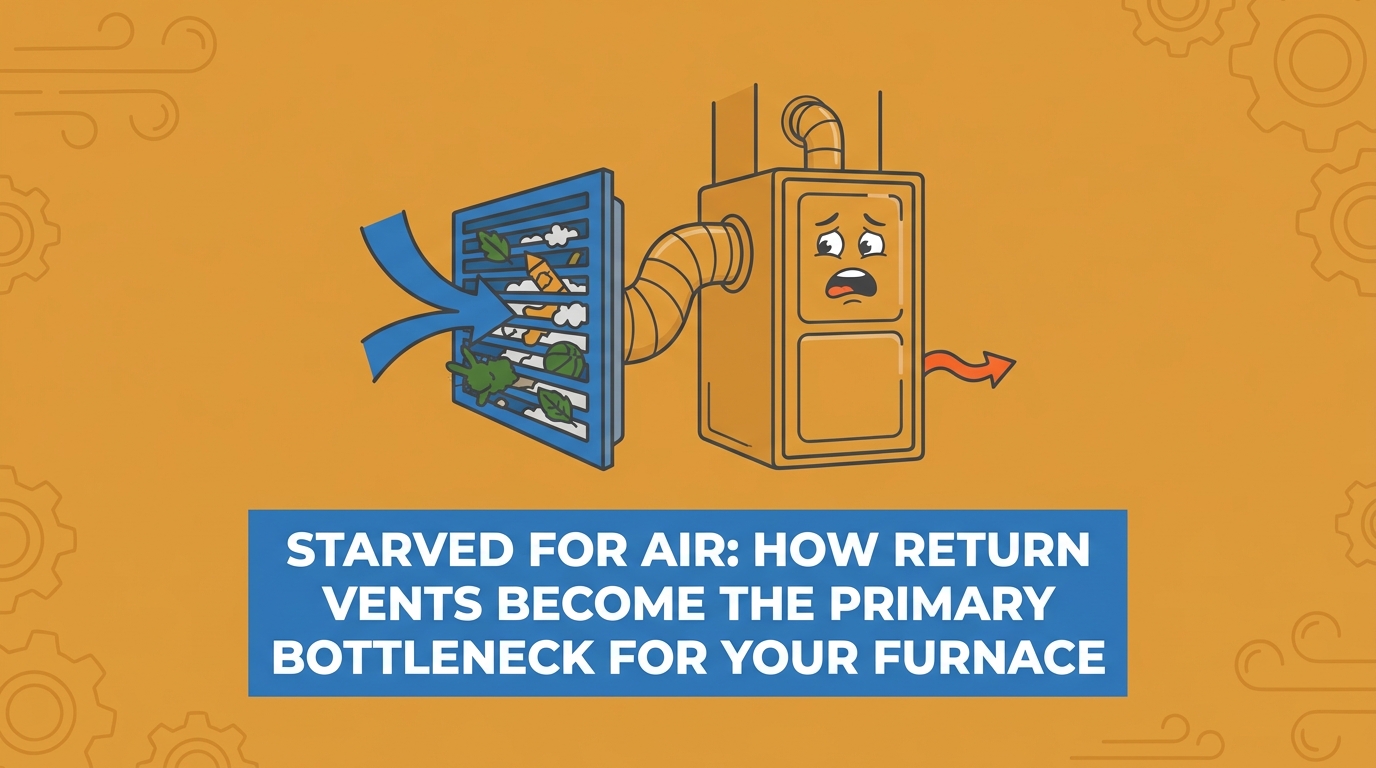
• Reduced airflow: Certain rooms feeling stuffy or receiving less air from the registers than they did before the remodel.
• Unusual odors: A stale, dusty, or chemical-like smell whenever the air conditioning or heating system cycles on.
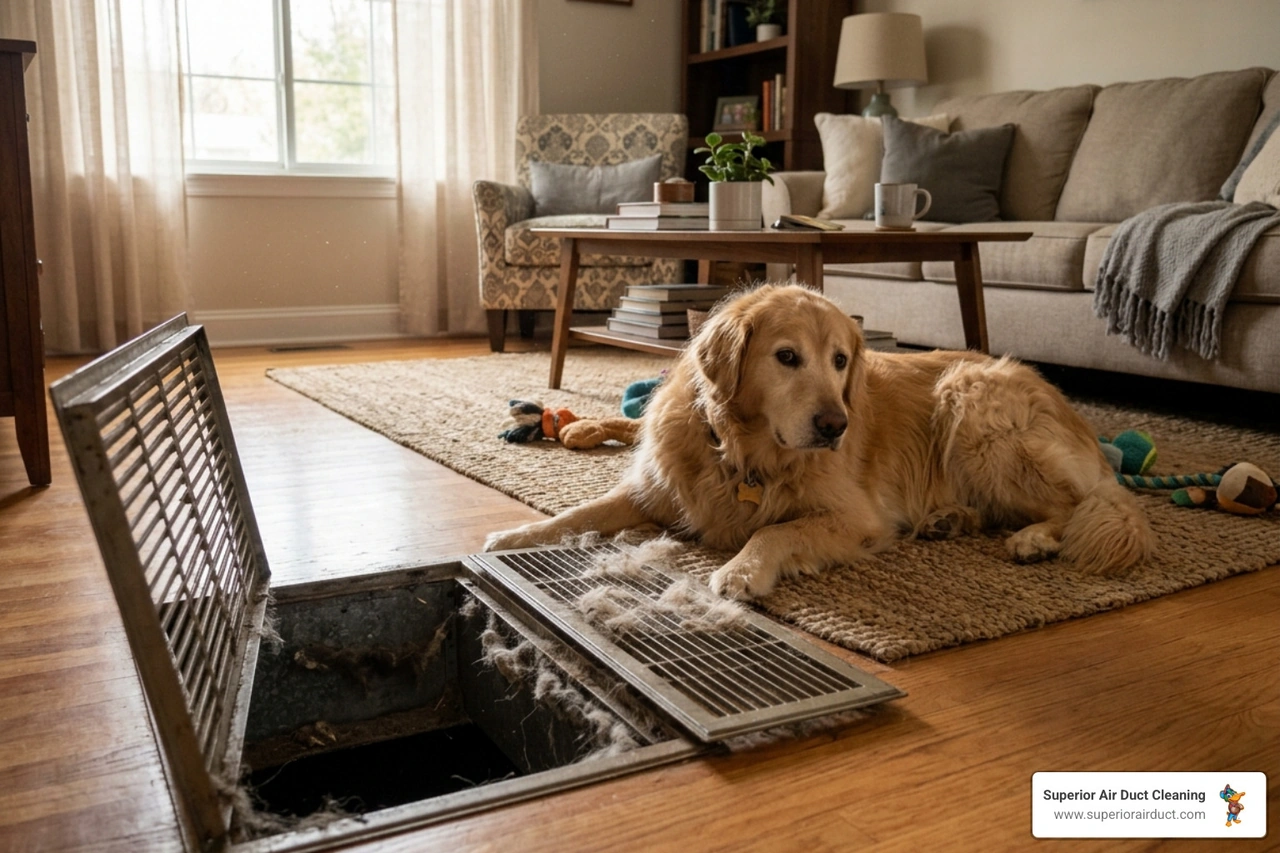
• Visible debris: Taking off a floor register cover and seeing sawdust, drywall chunks, or screws sitting just out of reach.
The Hidden Vacuum Effect: How Debris Bypasses Floor Registers
The mechanics of how renovation debris enters and hides within the HVAC system often surprise homeowners. During a chaotic renovation project, floor registers are frequently treated as sweep-in dustpans by rushed contractors. Even when vents are taped over or covered with plastic, the negative pressure generated by the return vents is powerful enough to pull in fine particulate from across the room.
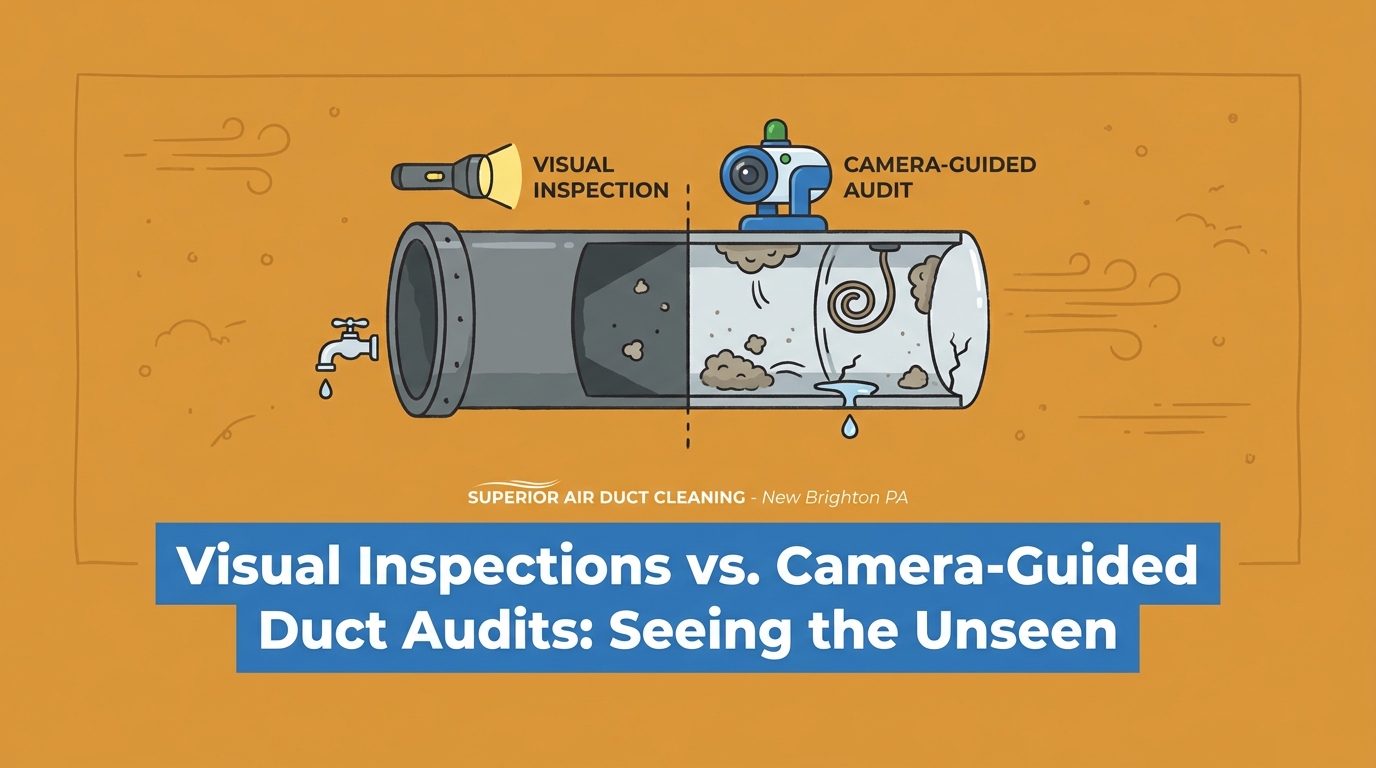
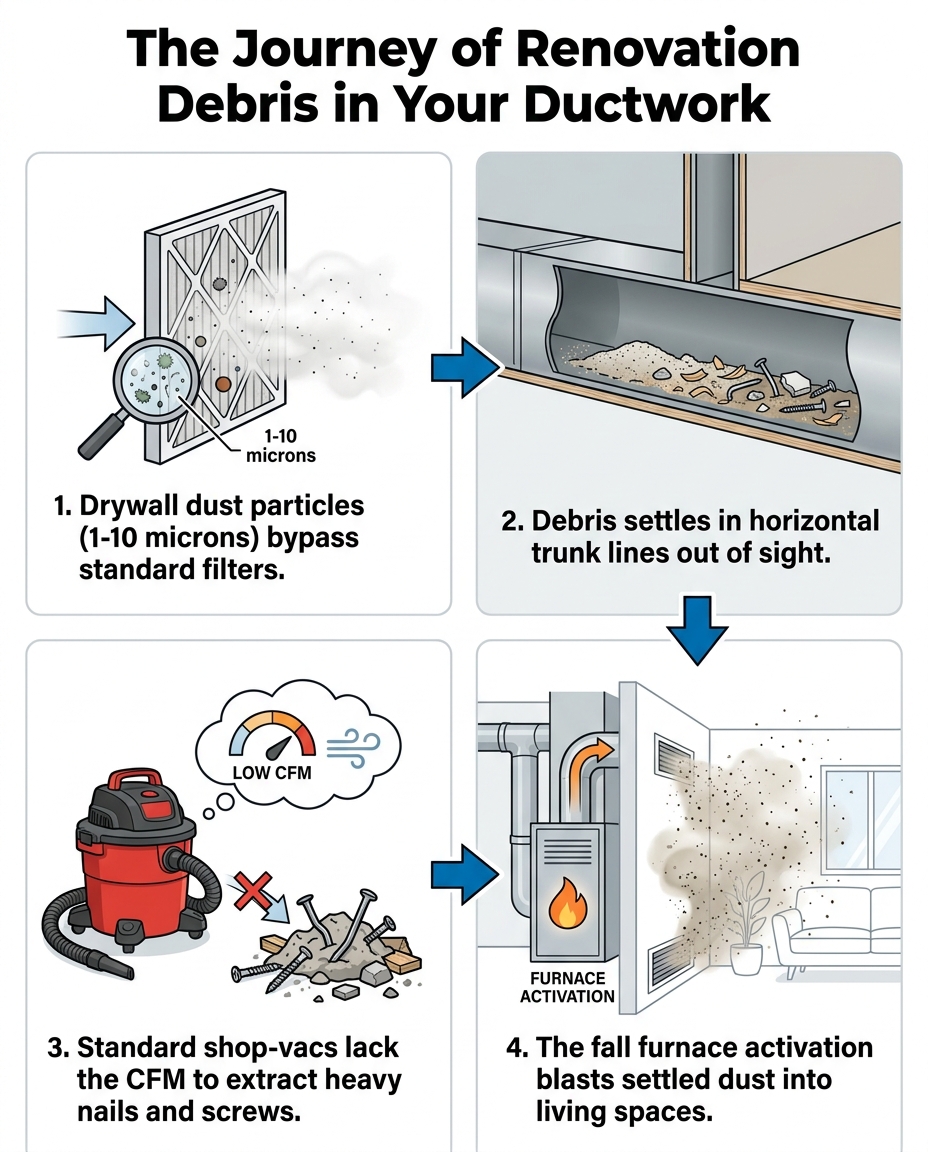
Drywall dust particles are incredibly fine—often measuring just 1 to 10 microns in size. Because they are so lightweight, they easily bypass standard HVAC filters and travel deep into the system. Once inside, this debris settles in the long horizontal runs of the ductwork, hiding far beyond the reach of a standard flashlight. For New Brighton PA area homes undergoing extensive summer renovations, this creates a hidden reservoir of dust that standard cleaning simply cannot touch.
The Journey of Drywall Dust
Understanding how this dust travels helps explain why surface cleaning is never enough to resolve the issue:
1. Airborne suspension: Sanding drywall creates a dense cloud of microscopic dust that can stay suspended in the indoor air for hours.
2. The negative pressure pull: Return vents, which pull air back to the furnace to be conditioned, draw this floating dust directly into the main trunk lines.
3. Internal coating: As the dust travels through the system, it coats the interior walls of the ducts, eventually creating a sticky, dense layer as it mixes with normal household humidity and pet dander.
What Technicians Actually Pull Out of Post-Remodel Ducts
When professional duct cleaning technicians open up a system after a major home renovation, they rarely find just standard household dust. Instead, they encounter a dense, heavy accumulation of construction materials that have been swept, dropped, or sucked into the ventilation network. The sheer volume and variety of this debris can be staggering.
Common findings include thick, caked-on layers of joint compound dust that look like snow drifts inside the metal trunks. Alongside the fine particulate, technicians routinely extract heavy sawdust, stray framing nails, and dropped drywall screws. When flooring installations are part of the remodel, it is incredibly common to find wood chips, laminate shards, and long strands of carpet fibers clogging the main trunk lines.
This heavy debris does more than just sit there; it creates physical blockages that severely restrict airflow throughout the newly renovated space. When a handful of nails and wood chips create a dam inside a branch line, it traps even more dust behind it, compounding the problem and forcing the HVAC system to work significantly harder just to push air into the room.
The Danger to Blower Motors and Coils
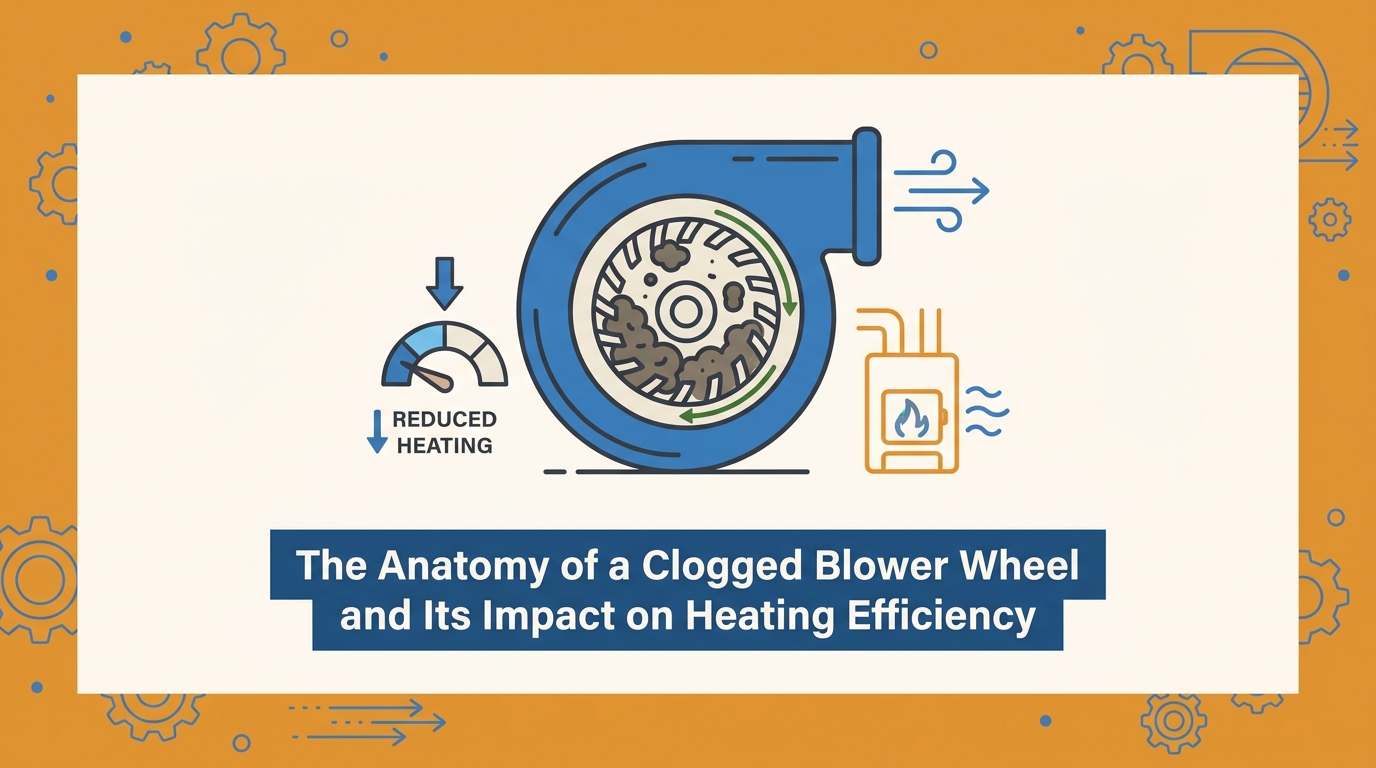
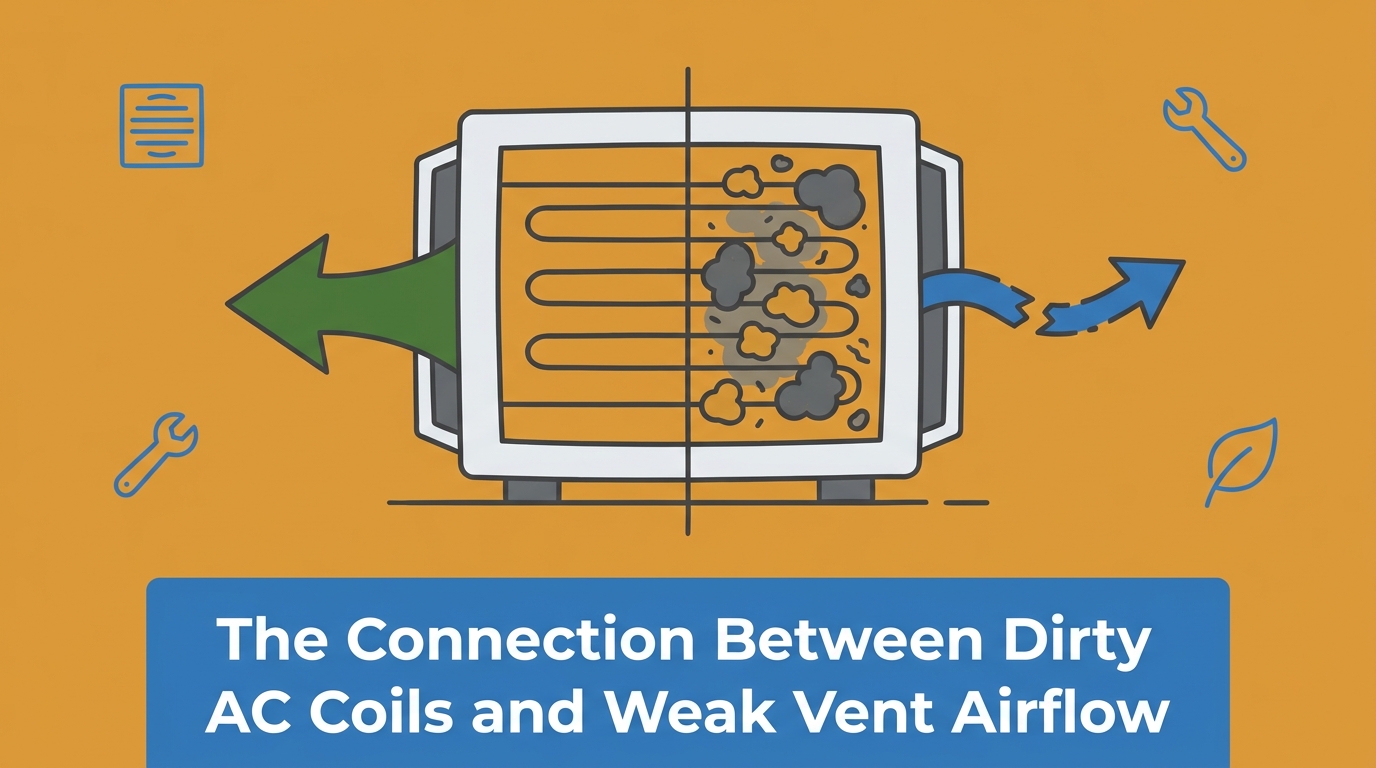
Leaving drywall dust and construction debris unaddressed causes severe, long-term mechanical damage to your HVAC system. Fine particulate matter does not just stay in the ductwork; it eventually circulates back to the air handler, settling directly on sensitive HVAC components, including the blower motor and the evaporator coils.
A blower motor coated in fine drywall dust loses its ability to dissipate heat. Consequently, it runs hotter, works harder to move air, and becomes highly prone to premature failure. Meanwhile, drywall dust acts like a highly effective blanket of insulation on the evaporator and condenser coils. This drastically reduces the system's energy efficiency, as the coils can no longer properly transfer heat. Furthermore, heavy debris like stray nails and screws pose an immediate physical threat. If a heavy object rattles its way into the moving parts of the blower assembly, it can cause catastrophic damage to the fan blades.
Why Standard Filters Aren't Enough
Many homeowners assume their furnace filter will catch the post-remodel mess. However, standard filters are designed for normal household dust, pet dander, and pollen—not the overwhelming, concentrated volume of a construction site.
• Rapid clogging: A filter subjected to drywall sanding will clog entirely in a matter of days, immediately strangling the system's airflow.
• Filter bypass: When a filter becomes completely impacted, the static pressure often forces air—and dust—around the edges of the filter frame.
• Unprotected mechanics: Once the filter is bypassed, the internal mechanics of the furnace and air conditioner are completely unprotected from the abrasive construction dust.
Professional duct cleaning technicians frequently find that systems run during renovations have heavily compromised filters, meaning the sensitive internal components have already been exposed to the debris.
Why Standard Cleanups and Shop-Vacs Fail
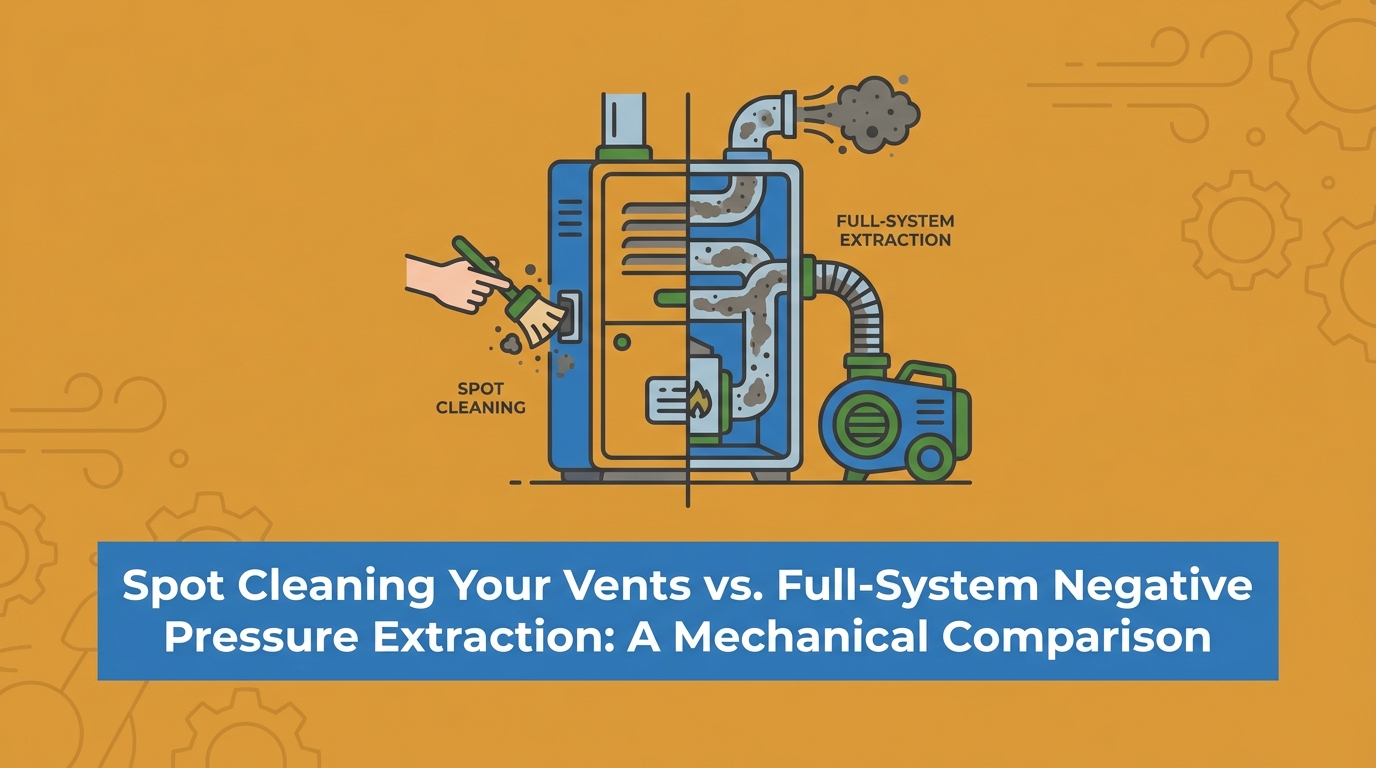
Relying on a contractor's final cleanup to address the HVAC system is a common mistake. Contractors often perform a thorough surface-level sweep, making the floors and counters shine, but leaving the internal ductwork completely untouched. Even if a well-meaning contractor attempts to vacuum the vents, they simply do not have the right tools for the job.
Standard shop-vacs lack the suction power—measured in Cubic Feet per Minute (CFM)—required to pull heavy debris like nails and screws from deep within horizontal duct runs. A typical DIY vacuuming effort only reaches the first two feet of a register, leaving the massive main trunk lines full of densely packed dust. To truly clear the system, professional-grade extraction equipment is required to dislodge and remove dense, caked-on joint compound dust from the furthest reaches of the ventilation network.
• Contractor Shop-Vac — Reach & Capability: Reaches 1-2 feet into floor registers. Low CFM. — Effectiveness on Renovation Debris: Only removes loose, visible debris near the vent opening. Leaves drywall dust behind.
• DIY Vacuum Attachments — Reach & Capability: Reaches 3-4 feet. Standard household suction. — Effectiveness on Renovation Debris: Fails to dislodge caked-on joint compound or pull heavy screws up vertical runs.
• Professional Extraction — Reach & Capability: Reaches the entire duct network using negative air machines and agitation tools. — Effectiveness on Renovation Debris: Fully dislodges and extracts microscopic drywall dust, sawdust, and heavy metal debris.
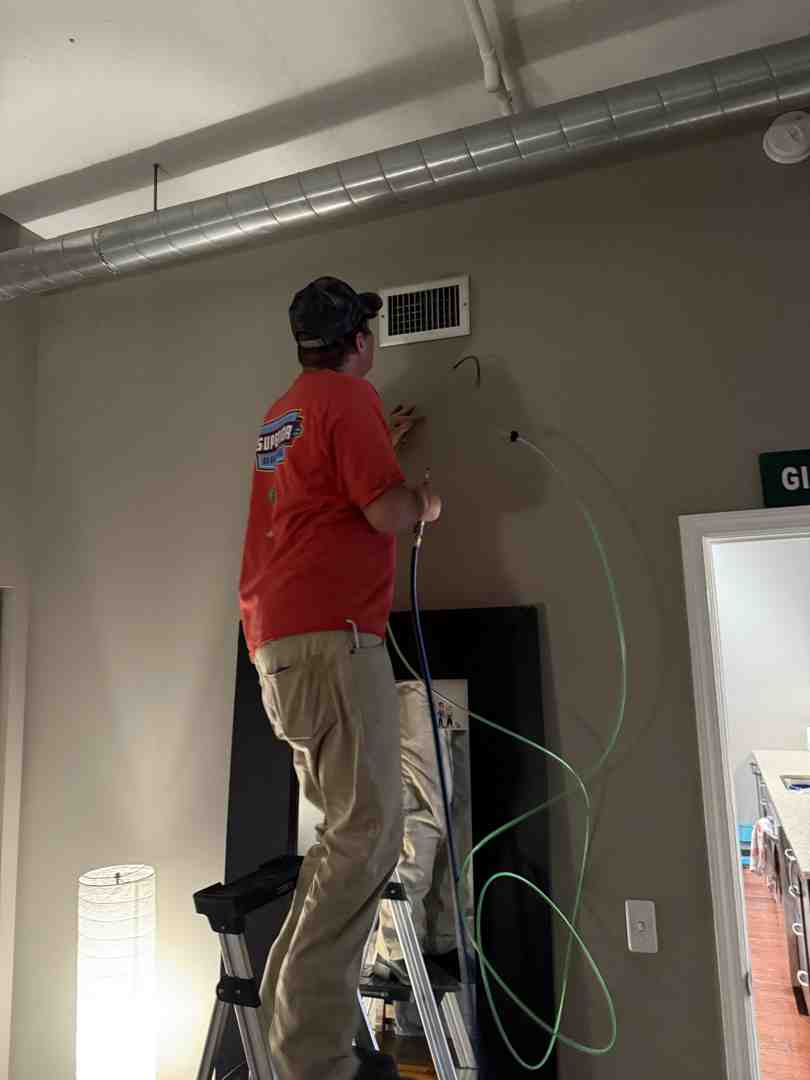
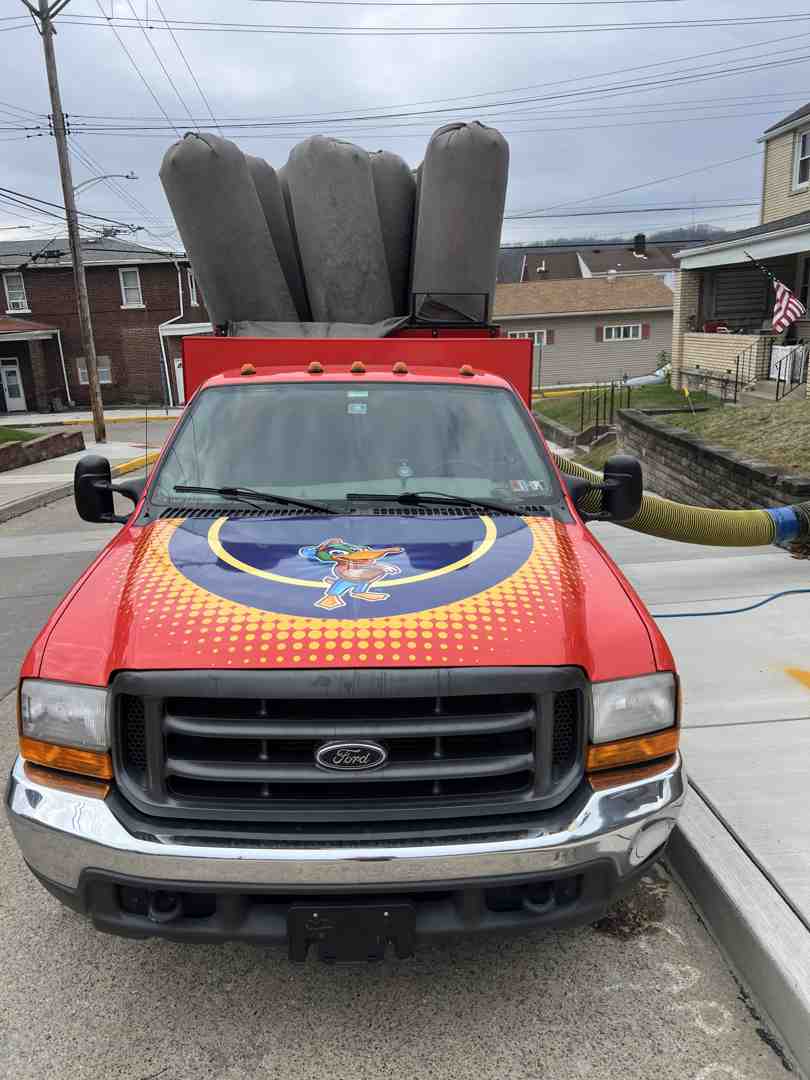
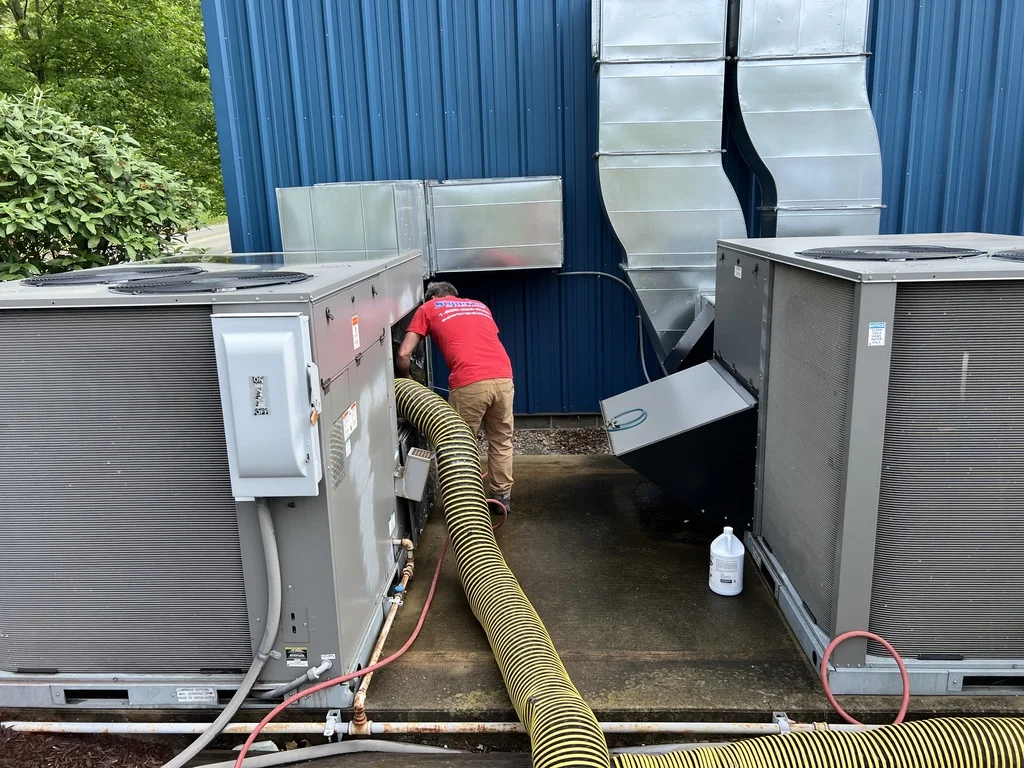
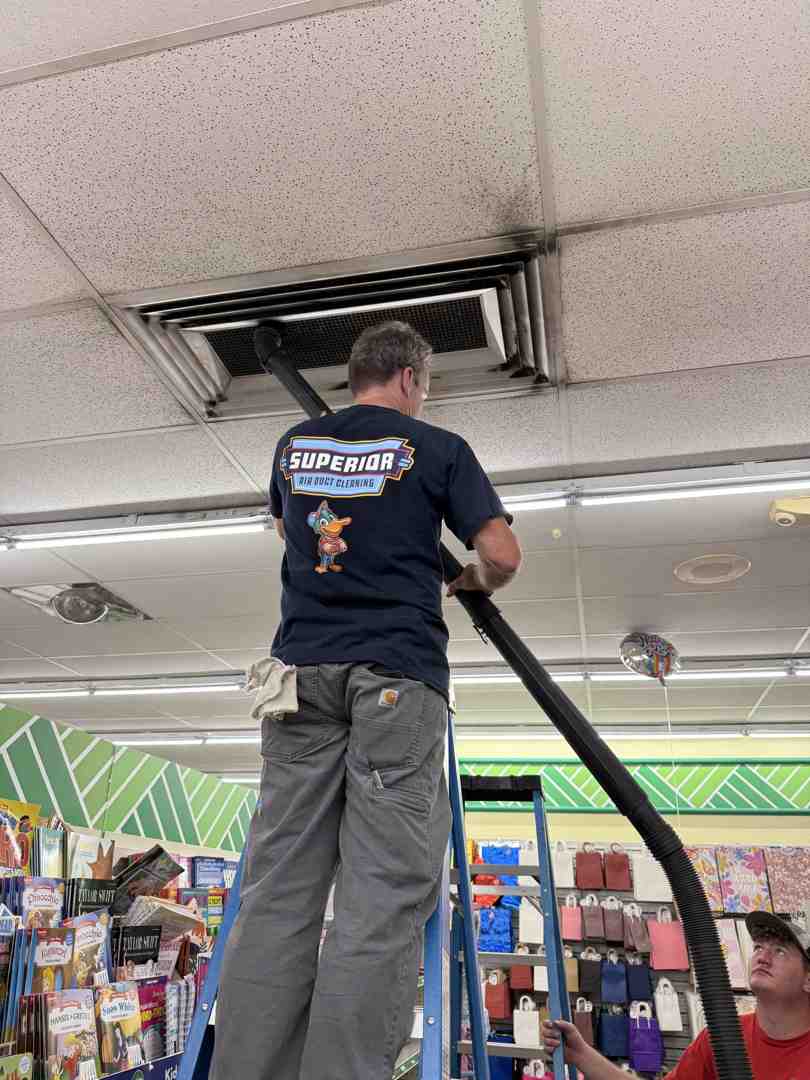
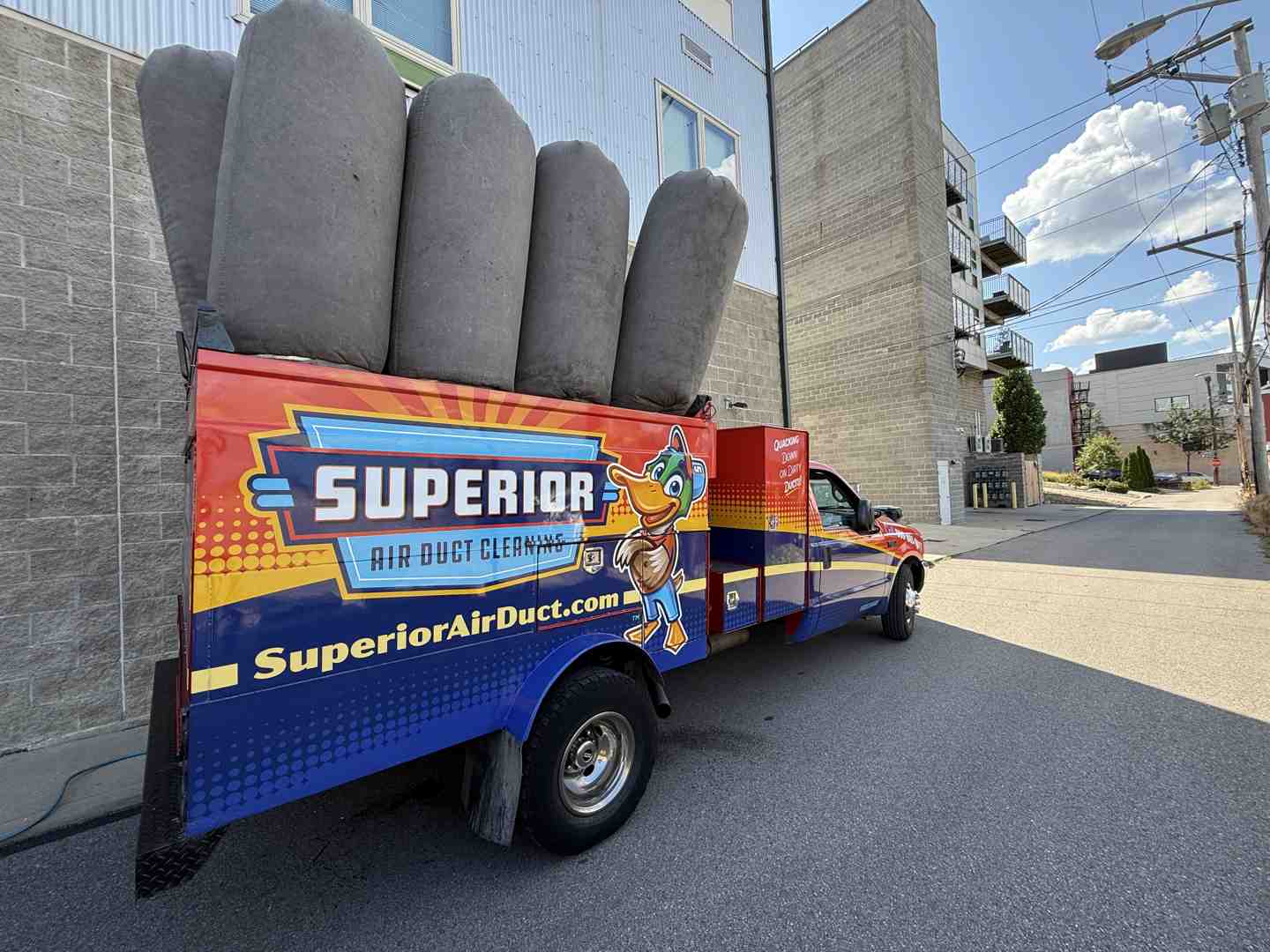
This is where specialized equipment makes the difference. Superior Air Duct Cleaning uses powerful, professional-grade extraction equipment capable of pulling out heavy construction debris that standard shop-vacs leave behind, ensuring the entire network is cleared from the registers all the way back to the main plenum.
The Fall Heating Trigger: Blasting Summer Dust into the Home
Summer renovations generate massive amounts of dust that settle quietly into the ductwork while the air conditioning is running at a low speed, or while the system is turned off entirely with the windows open. This creates a dormant threat that waits in the dark throughout July and August. The real issue occurs during the seasonal transition.
Western PA homes experience distinct seasons, and the transition from summer cooling to fall heating acts as a massive trigger for blowing trapped renovation dust into the home. The first time the furnace kicks on during the September pre-heating season, the sudden shift in airflow dynamics, temperature, and blower speed dislodges this settled debris. The system blasts a cloud of fine particulate directly into the living spaces, instantly ruining the fresh, clean feel of the remodel.
Addressing the ductwork before this seasonal transition is critical to protecting the home. By scheduling air duct cleaning after home renovation, you remove the dormant dust before the furnace fan has a chance to distribute it across your newly painted walls and fresh carpets.
Sanitizing and Restoring the Home's Air After Construction
Physical extraction removes the heavy debris, sawdust, and drywall powder, but the restoration process is not truly complete until the system is sanitized. The dust and debris from a construction site often carry bacteria, mold spores from exposed wall cavities, and lingering chemical odors from fresh paint, stains, and adhesives.
A thorough sanitizing treatment neutralizes these lingering odors and stops microbial growth in its tracks. One New Brighton PA area homeowner reached out this past summer after a project left their ducts full of construction debris and persistent, stale odors. A knowledgeable technician took the time to do the job right, providing before-and-after pictures to prove the system was physically clear. With the addition of a comprehensive sanitizing treatment, the ducts were left completely free of bacteria and smells, adding immense value to the service.
Before-and-after visual evidence ensures homeowners that the hidden mess has been completely resolved. This final step of whole house sanitizing provides the ultimate peace of mind, ensuring the newly renovated space is genuinely clean, fresh, and safe to breathe.
Frequently Asked Questions
Can drywall dust ruin my HVAC system?
Yes, drywall dust can cause significant mechanical damage to your HVAC system. Because the particles are so fine, they bypass standard filters and coat the blower motor and evaporator coils. This insulation effect causes the motor to overheat and forces the system to work harder, leading to premature failure and drastically reduced efficiency.
Can a standard shop vac clean air ducts?
No, a standard shop vac does not have the necessary suction power or reach to clean air ducts effectively. A shop vac can only reach the first foot or two inside a register, and it lacks the Cubic Feet per Minute (CFM) required to pull heavy debris like nails or dense drywall dust from deep inside horizontal trunk lines.
Why is my house so dusty after a remodel?
Your house remains dusty after a remodel because the HVAC system acted as a hidden vacuum during construction, pulling airborne particulate into the ductwork. Every time the heating or cooling system cycles on, it blows a portion of that trapped drywall dust and sawdust back into your living spaces.
Do I really need to clean my ducts after a minor renovation?
Even minor renovations, such as sanding a single room of drywall or installing new hardwood floors, generate millions of microscopic particles. Because the return vents circulate air from the entire house, that localized dust is quickly drawn into the main HVAC system, making professional extraction highly recommended.
How do professionals remove heavy debris like nails from ductwork?
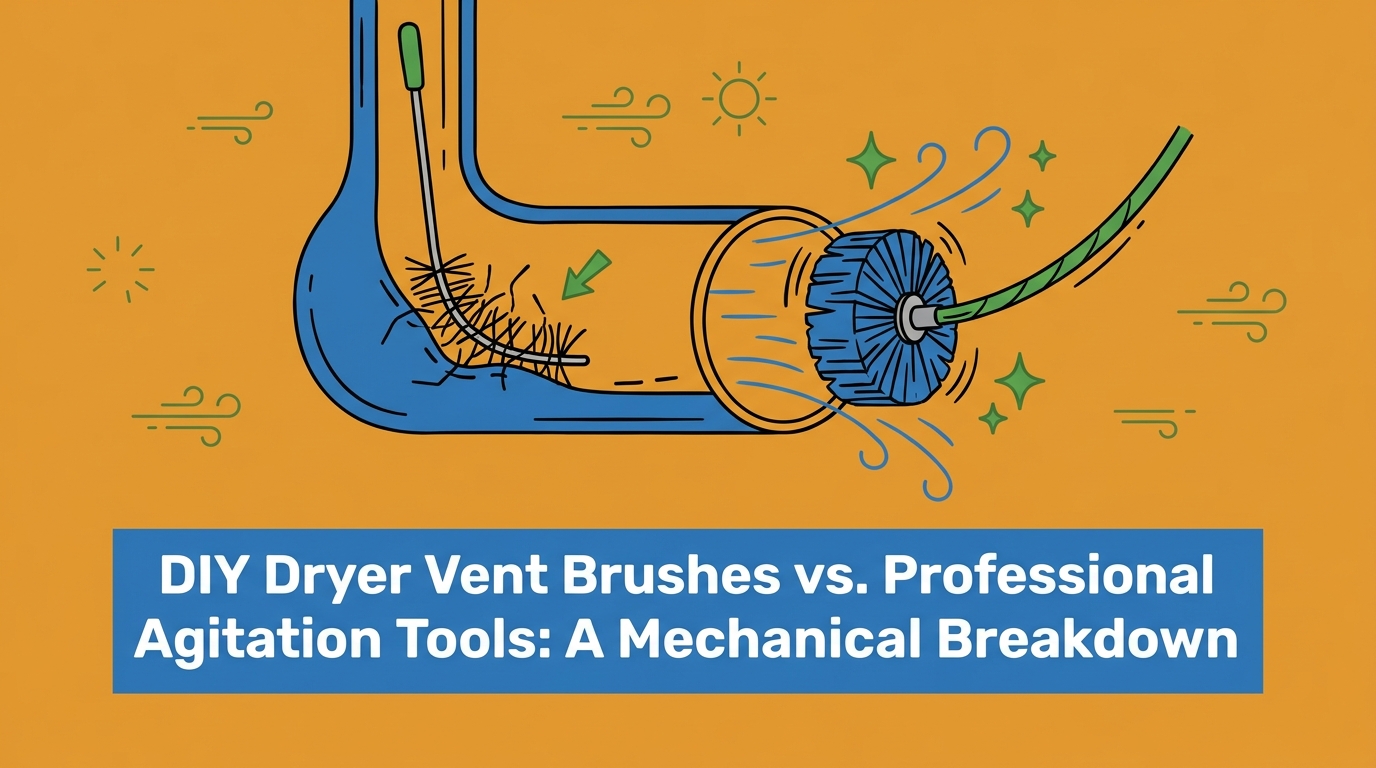
Professionals use powerful negative air machines combined with specialized agitation tools, like air whips and high-pressure compressed-air tools. The agitation tools physically dislodge caked-on dust and heavy items like nails, while the massive suction of the negative air machine pulls the debris safely out of the home into a contained filtration unit.
When is the best time to schedule duct cleaning after construction?
The best time to schedule duct cleaning is immediately after the final cleanup by your contractors, but before you turn on your furnace or air conditioning for the new season. Addressing the vents before the heavy seasonal usage begins prevents the trapped dust from being blown into your newly finished rooms.
A beautiful remodel shouldn't be ruined by the hidden mess left behind in your ventilation system. If you are preparing to turn on your furnace for the first time this fall, a clear, vivid explanation of what is in your vents is only the first step. Protect your newly renovated home and your HVAC equipment by scheduling a professional extraction today.

Customer Reviews


Superior Air Duct cleaning did a phenomenal job in a timely manner with the tech “Rich” being very professional ,personable and considerate of our property! He explained things as he proceeded and answered all our questions!
I LOVE that they provide before & after photos to see the difference. Give them a try… you won’t regret it
Pam T.
Robert was on schedule and communicated what time he would arrive. He was polite, professional, and respectful of our home. I wanted to wait a couple weeks before posting a review because I wanted to see if the duct cleaning actually made a difference. I am happy to say it did! I vacuum multiple times a week and have already noticed a significant reduction in the amount of dust cleaned up each time. As a home with pets, there will always be something to clean, but getting the ducts cleaned has definitely helped improve the air quality and reduce the dust.
alice A.
Technician Rob arrived early explained the days agenda and then proceeded to work methodically and meticulously over the next 6+ hours cleaning my ductwork. Courteous and professional they answered all of my questions and went above and beyond the call of duty. They even located an old dusty box of rat poison buried in our vents. My only regret is not finding these guys sooner. As a realtor of 22 years and owner of a newly purchased (now dust free) home I highly recommended!
Eric K.
Excellent service! I’ve used them to clean out my air ducts as well as my dryer vent duct and they are excellent. I was very pleased with both jobs and will continue to use them in the future. Great communication as well- from the time I scheduled the appointment until they were at my door.
Erika C.
We had such an amazing experience with Superior Air Duct Cleaning. They were so nice and friendly and did an amazing job. I loved seeing the before and after pictures. Besides doing an amazing job cleaning our air ducts they were so quick at responding and setting up the appointment. We will definitely be using them in the future.
Amanda C.