Why Equipment Differences Between Residential and Commercial Cleaning Matter More Than You Think
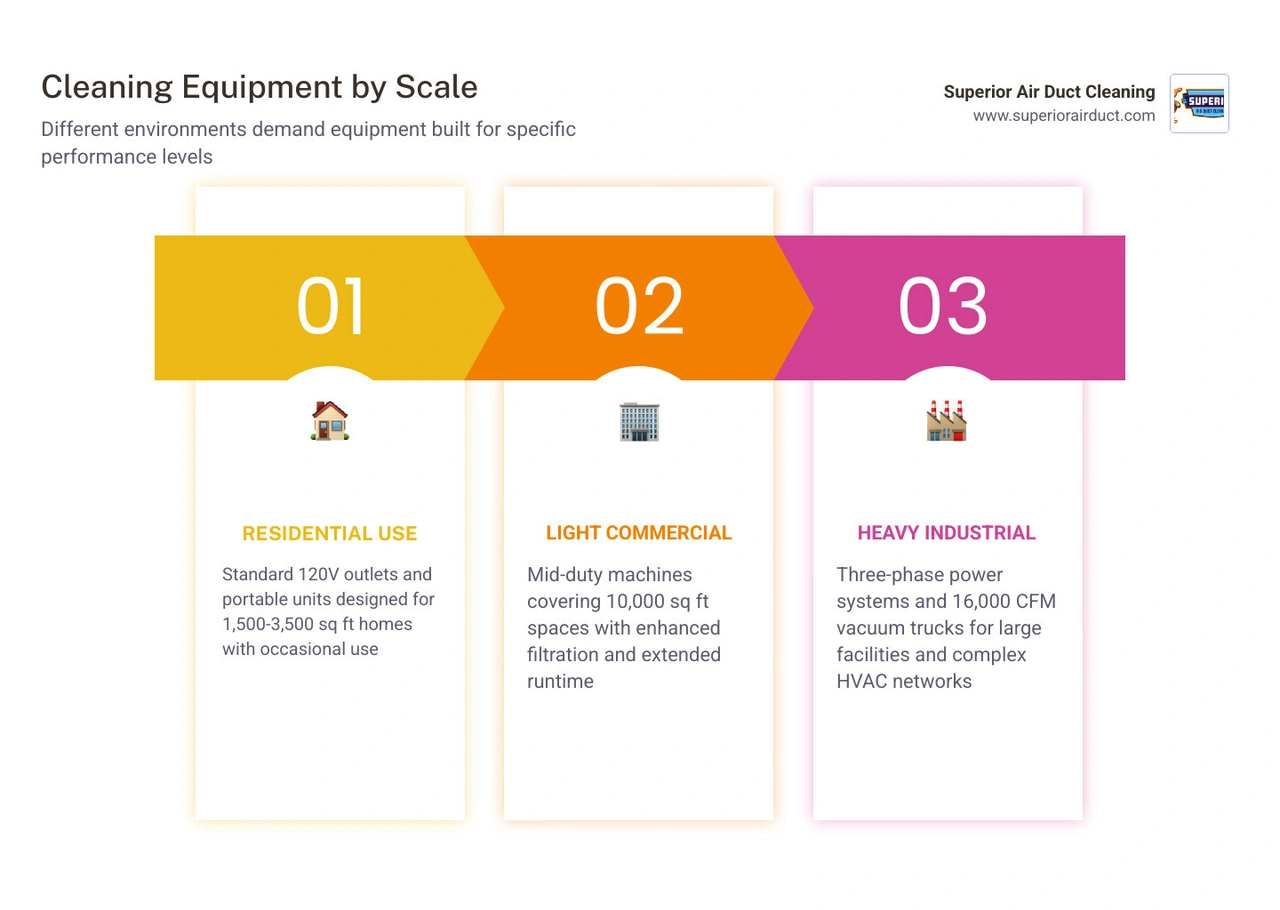
Understanding the equipment differences between residential and commercial cleaning is the fastest way to see why a home cleaning kit and a commercial-grade setup are not interchangeable. Here is a quick breakdown:
• Vacuum — Residential: Consumer upright/canister — Commercial: HEPA backpack or industrial upright
• Floor Care — Residential: Mop and bucket — Commercial: Auto-scrubber, burnisher
• Air Duct Cleaning — Residential: Portable HEPA vacuum — Commercial: 16,000 CFM vacuum truck
• Disinfectants — Residential: Retail sprays — Commercial: EPA-registered, OSHA-compliant chemicals
• Power Needs — Residential: Standard 120V outlet — Commercial: 208-480V, three-phase systems
• Typical Coverage — Residential: 1,500-3,500 sq ft — Commercial: 10,000+ sq ft
Most people assume cleaning is cleaning. But the tools used in a family home and those used in a large office building, school, or medical facility are built for completely different demands. Residential equipment is designed for convenience and occasional use. Commercial equipment is built for continuous duty, high foot traffic, and strict health and safety standards.
The gap becomes especially clear with air duct and HVAC cleaning. A portable vacuum used in a home simply cannot generate the airflow needed to properly clean the large trunk lines and multi-zone duct systems found in commercial buildings. That difference in equipment directly affects indoor air quality for everyone inside the building.
Equipment differences between residential and commercial cleaning helpful reading:
• how commercial duct cleaning differs from residential
• why commercial buildings need more frequent duct cleaning
Core Equipment Differences Between Residential and Commercial Cleaning
When we look closely at the equipment differences between residential and commercial cleaning, the primary differentiators are durability, motor strength, waste capacity, and power requirements. While a homeowner needs tools that are lightweight, easy to store in a hallway closet, and simple to operate, a professional commercial crew requires heavy-duty machines engineered to run for hours at a time without overheating or breaking down.
The physical environments dictate these design variations. A typical home in Western Pennsylvania might span 1,500 to 3,500 square feet, whereas a commercial office building, retail space, or medical facility in Pittsburgh can easily exceed 10,000 to 50,000 square feet. Cleaning these massive areas with household tools is not only inefficient, but it also rapidly burns out consumer-grade motors.
For a deeper dive into how these environmental differences impact specialized systems like heating and cooling vents, you can read our guide on Residential vs Commercial Duct Cleaning.
Vacuum Cleaner Variations and Airflow Capacity
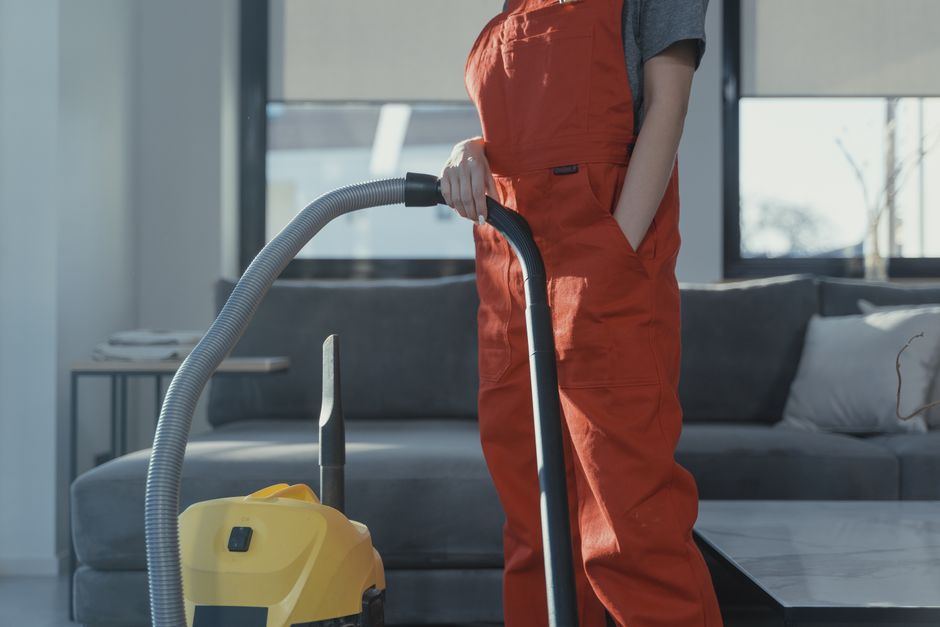
The vacuum cleaner is a perfect example of how residential and commercial needs diverge. In a household setting, lightweight uprights or canister vacuums are favored for their maneuverability around furniture and multi-surface versatility. These consumer vacuums focus on user-friendly features like bagless dust bins, cord-rewind buttons, and specialized pet hair attachments. However, their motors are generally designed for intermittent use—perhaps an hour or two per week.
In contrast, commercial vacuum cleaners are built as continuous-duty workhorses. They prioritize raw airflow capacity, filtration efficiency, and serviceability. A key difference lies in how they are worn and operated:
• Backpack Vacuums: Commercial crews frequently use backpack vacuums because they allow the operator to clean two to three times more floor area in the same amount of time compared to a standard upright. By carrying the weight of the motor on the hips, technicians experience less fatigue while moving quickly through large office corridors.
• HEPA Filtration: True commercial vacuums feature multi-stage, sealed HEPA filtration systems. For instance, high-end commercial backpack units utilize 4-stage filtration systems capable of capturing 99.97% of particulates down to 0.3 microns, preventing fine dust and allergens from being exhausted back into the communal breathing zone.
• Airflow vs. Suction: While residential vacuums often boast high "suction" or static lift to pull dirt from thick household carpets, commercial vacuums focus heavily on airflow, measured in Cubic Feet per Minute (CFM). High CFM ratings ensure that large debris is swept up rapidly across wide commercial carpet tiles or hard floors.
Commercial vacuums are also designed to be repaired rather than replaced. They feature heavy-duty, long-lasting cords, easily replaceable compressed-air tool strips, and simple mechanical layouts that allow worn parts to be swapped out on-site to minimize downtime.
Floor Care and Surface Sanitation Machinery
Hard floor surfaces in residential homes are typically maintained using standard mops, microfiber pads, and retail spray bottles. Because foot traffic is limited to a few family members and pets, these manual tools are perfectly adequate for routine upkeep.
In commercial settings—such as retail centers, schools, and hospitals—the sheer volume of foot traffic brings in massive amounts of dirt, salt, and moisture. Manual mopping is simply too slow and often spreads dirty water around rather than removing it. This is where specialized floor care machinery becomes essential:
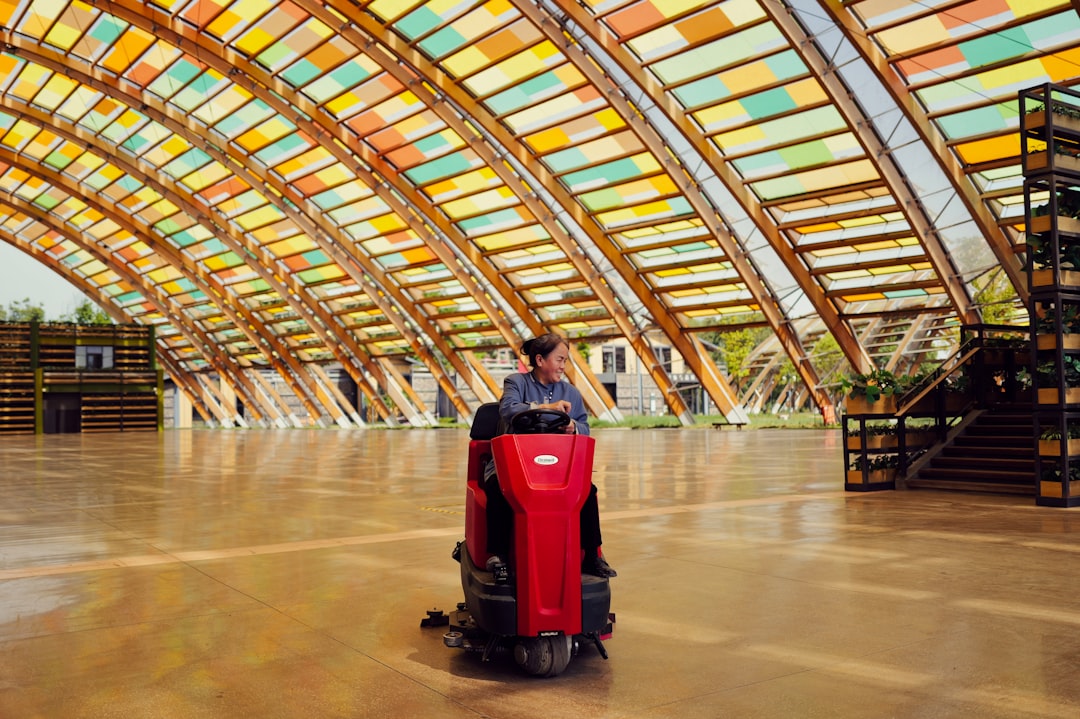
• Automatic Scrubbers (Auto-Scrubbers): An auto-scrubber is a walk-behind or ride-on machine that applies a cleaning solution, agitates the floor with compressed-air tools or pads, and immediately vacuums up the dirty residue, leaving the floor completely dry and safe to walk on. A commercial auto-scrubber can clean and dry up to 30,000 square feet of hard flooring per hour. A manual mop and bucket team attempting to cover the same area would take many times longer and leave behind slip-and-fall hazards.
• High-Speed Burnishers: To maintain the protective wax coating on commercial vinyl composition tile (VCT), crews use high-speed burnishers. Operating at speeds between 1,500 and 2,500 RPM, these machines generate the friction and heat required to polish floor finishes to a glossy, slip-resistant shine.
• Color-Coded Microfiber Systems: To prevent cross-contamination between restrooms, kitchens, and common areas, commercial operations implement strict color-coded microfiber systems. Red cloths and mops are used exclusively in restrooms, blue for general office spaces, and green for food preparation zones. This level of systematic sanitation is rarely necessary in a single-family home but is critical for public health compliance.
Scale and Power: Why Commercial Spaces Demand Industrial-Grade Tools
The scale of commercial facilities requires a level of power that standard residential electrical systems cannot support. Household appliances run on 120-volt, single-phase power, which limits the electrical draw of cleaning tools to avoid tripping breakers. Commercial buildings, however, are constructed with robust electrical infrastructures, often utilizing 208-volt to 480-volt, three-phase power. This allows for the operation of high-amperage, heavy-duty machinery.
To understand why simple household tools cannot scale up to commercial projects, read our detailed comparison on How Commercial Duct Cleaning Differs from Residential.
Understanding Equipment Differences Between Residential and Commercial Cleaning in Large Facilities
In large facilities throughout the Pittsburgh, PA region, productivity is the ultimate goal. If a cleaning crew relies on residential-grade vacuums or small portable carpet extractors, they will spend a significant portion of their shift emptying recovery tanks, changing bags, and searching for power outlets.
Industrial-grade equipment solves this productivity bottleneck by maximizing the "square footage per hour" metric:
• Continuous Duty Cycles: Commercial motors are engineered with heavy-duty cooling fans and cast-iron or reinforced aluminum housings, allowing them to run continuously for an entire shift without thermal shutdown.
• Large Capacity Tanks: Commercial carpet extractors and wet/dry vacuums feature massive recovery tanks, allowing technicians to work for hours before needing to drain and refill.
• Wide Cleaning Paths: While a typical home vacuum has a cleaning path of 12 inches, commercial uprights and wide-area vacuums can cover 20 to 28 inches in a single pass, cutting cleaning times in half.
Power Distribution and Material Handling Tools
For massive commercial restoration or deep-cleaning projects—such as those following water damage or major building renovations in Cranberry Township, PA—crews cannot rely on the building's permanent power alone. These projects require specialized power distribution and material handling tools that are never seen in residential cleaning:
• Temporary Power Generation: When cleaning large warehouses or commercial sites under construction, crews deploy diesel generator sets ranging from 100 kW to over 2 MW. These generators feed power through heavy-duty cam-lock connectors and portable distribution panels (spider boxes) to safely run multiple high-draw machines.
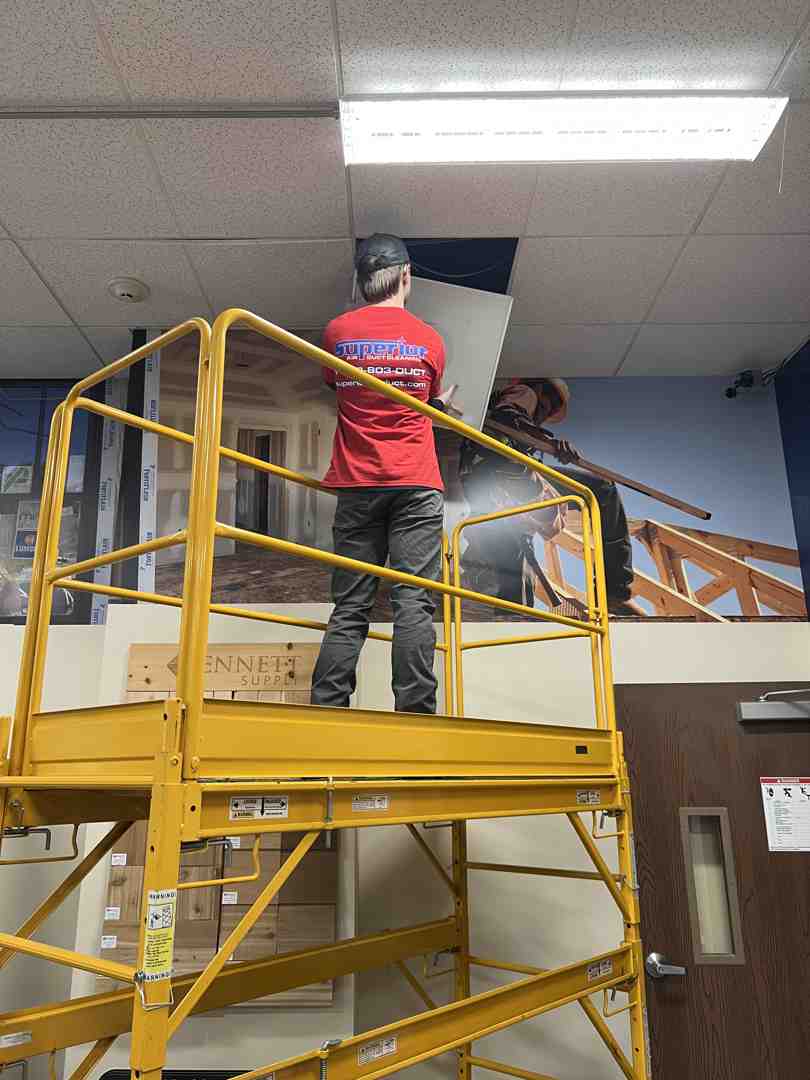
• Aerial Work Platforms: Commercial buildings often feature high ceilings, exposed ductwork, and grand entryways. Cleaning these areas requires scissor lifts or boom lifts that can safely elevate technicians and their equipment to working heights of 19 to 32 feet.
• Material Hoists and Roll-Off Containers: Debris removal in a commercial setting requires heavy-duty logistics. Instead of standard household trash cans, commercial crews utilize material hoists, pallet jacks, and large 20-, 30-, or 40-yard roll-off dumpsters to manage waste safely and efficiently.
Specialized Ventilation and Air Duct Cleaning Systems
One of the most dramatic examples of equipment differences between residential and commercial cleaning is found in the specialized tools used to clean heating, ventilation, and air conditioning (HVAC) ductwork. Indoor air quality is heavily dependent on the cleanliness of these systems, which collect dust, pollen, pet dander, mold spores, and construction debris over time.
To see how specialized professional equipment handles these complex systems, check out our Commercial Duct Cleaning Pittsburgh Guide.
Equipment Differences Between Residential and Commercial Cleaning for HVAC Systems
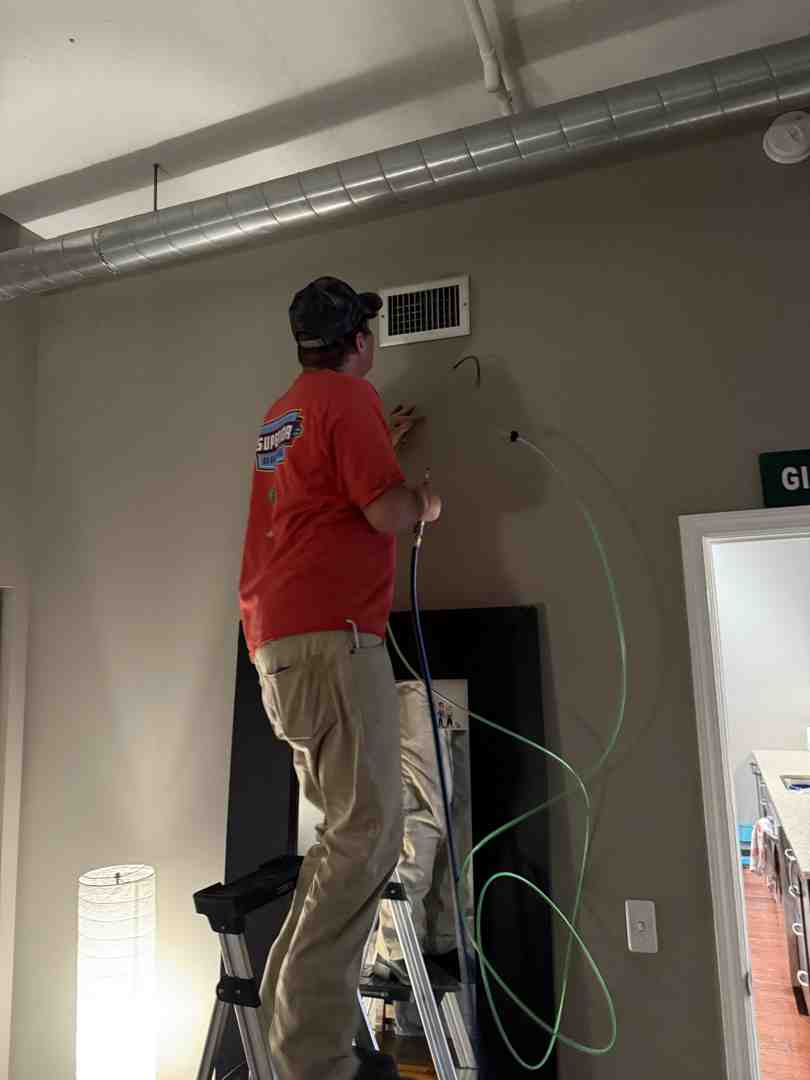
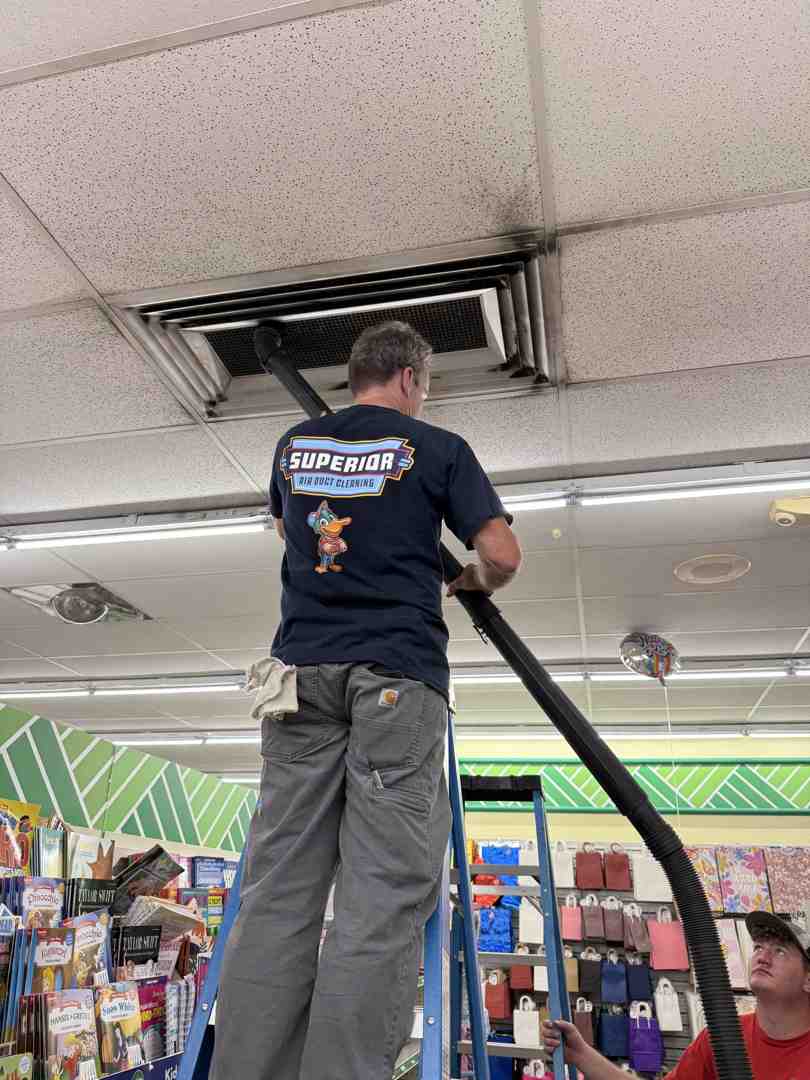
The equipment we use for residential air duct cleaning is highly advanced, but it is scaled appropriately for a family home. For typical residential jobs, we place the home's ductwork under constant negative pressure using high-powered portable HEPA vacuum systems or specialized vacuum trucks. We then use pneumatic whip agitators and air snakes through the individual registers to loosen dust and push it toward the main collection source.
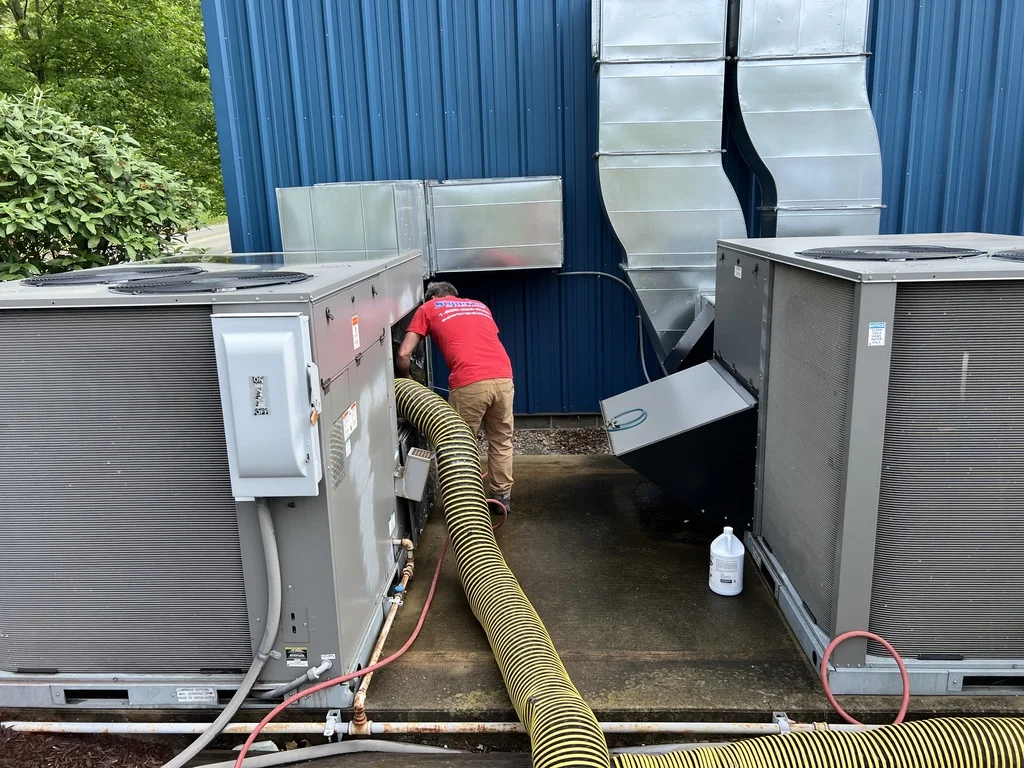
However, when we transition to commercial air duct cleaning in places like Boardman, OH, the complexity increases exponentially. Commercial buildings feature massive, multi-zone HVAC systems with extensive trunk lines, turning vanes, fire dampers, and variable air volume (VAV) boxes. Cleaning these systems requires industrial-strength machinery:
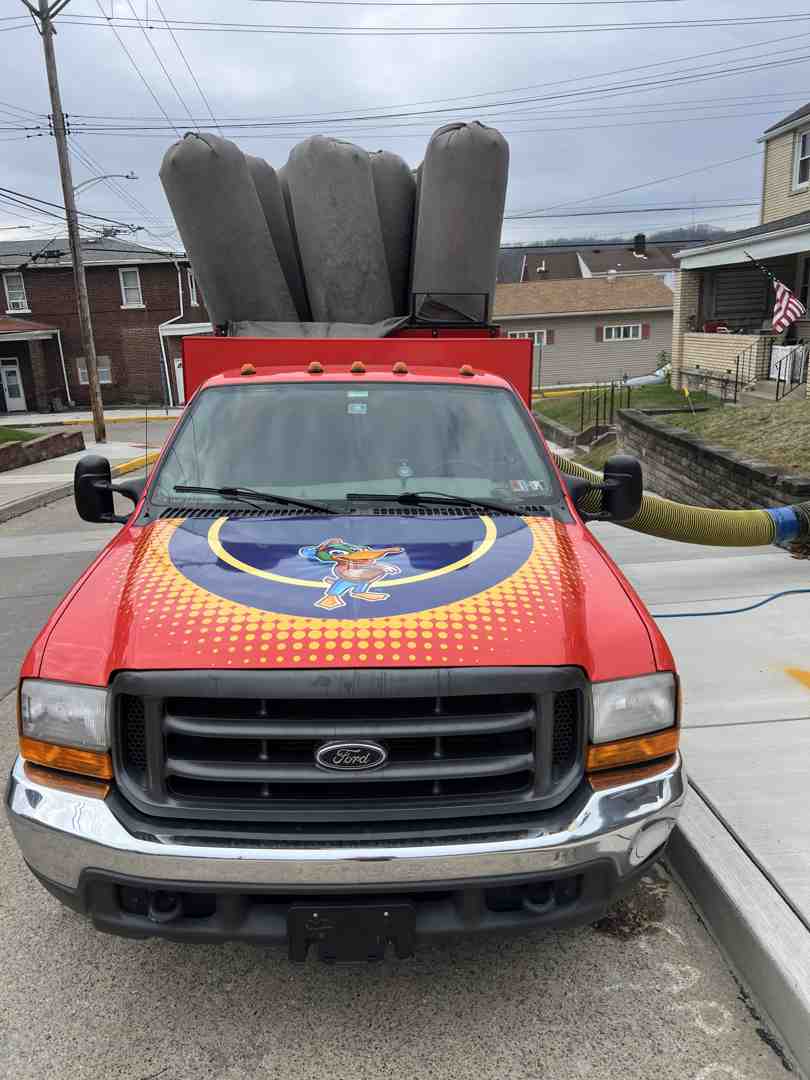
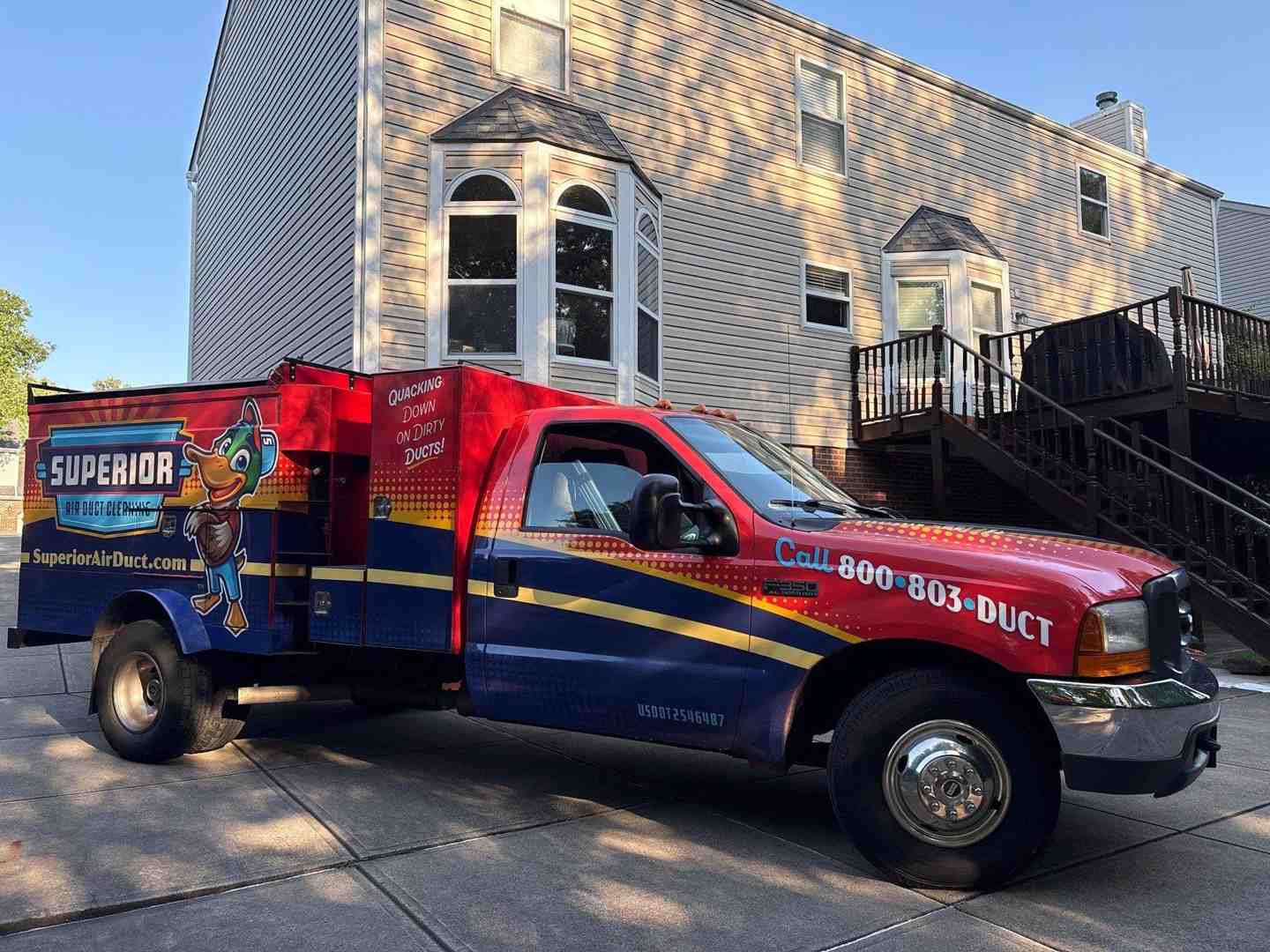
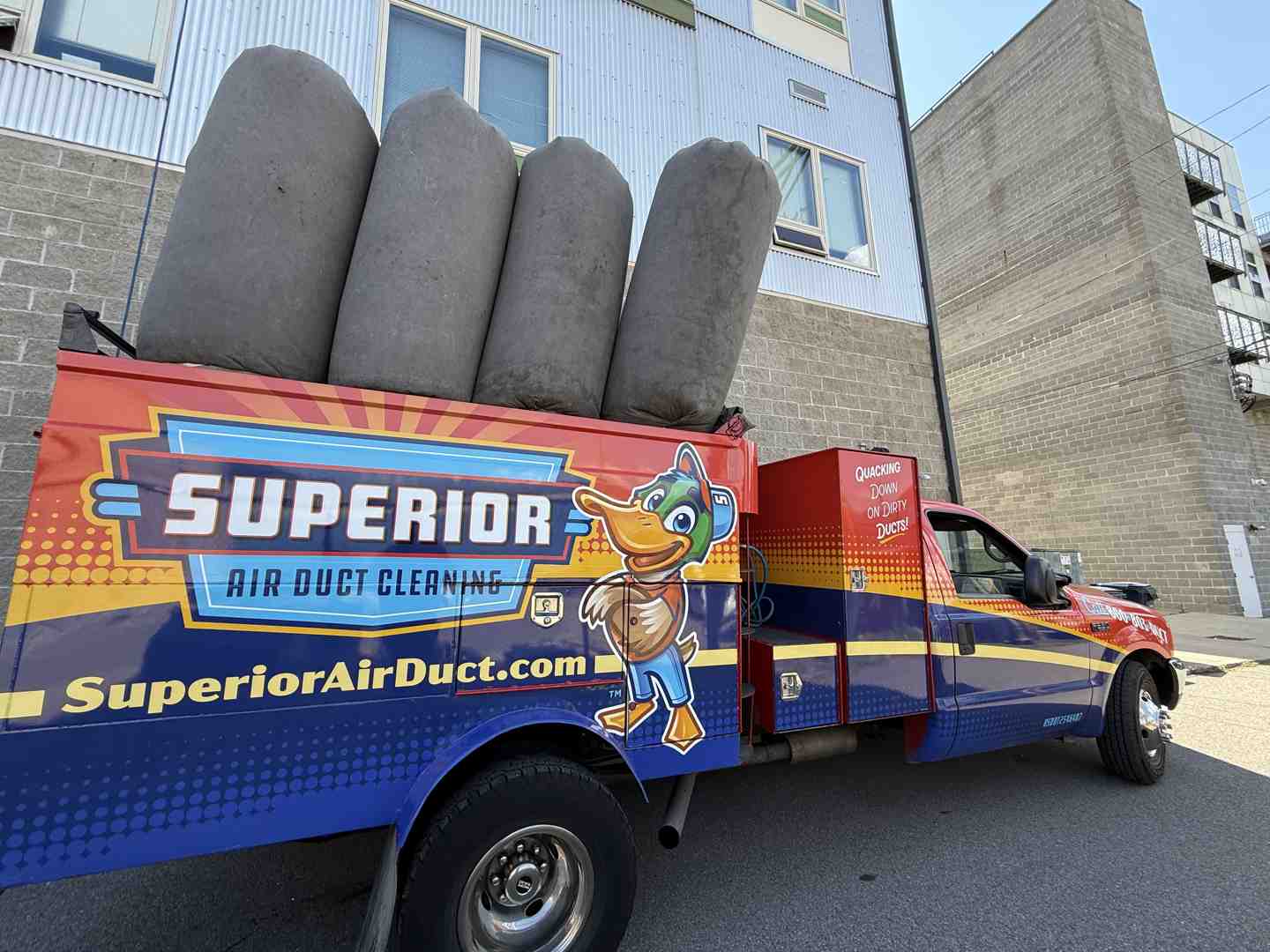
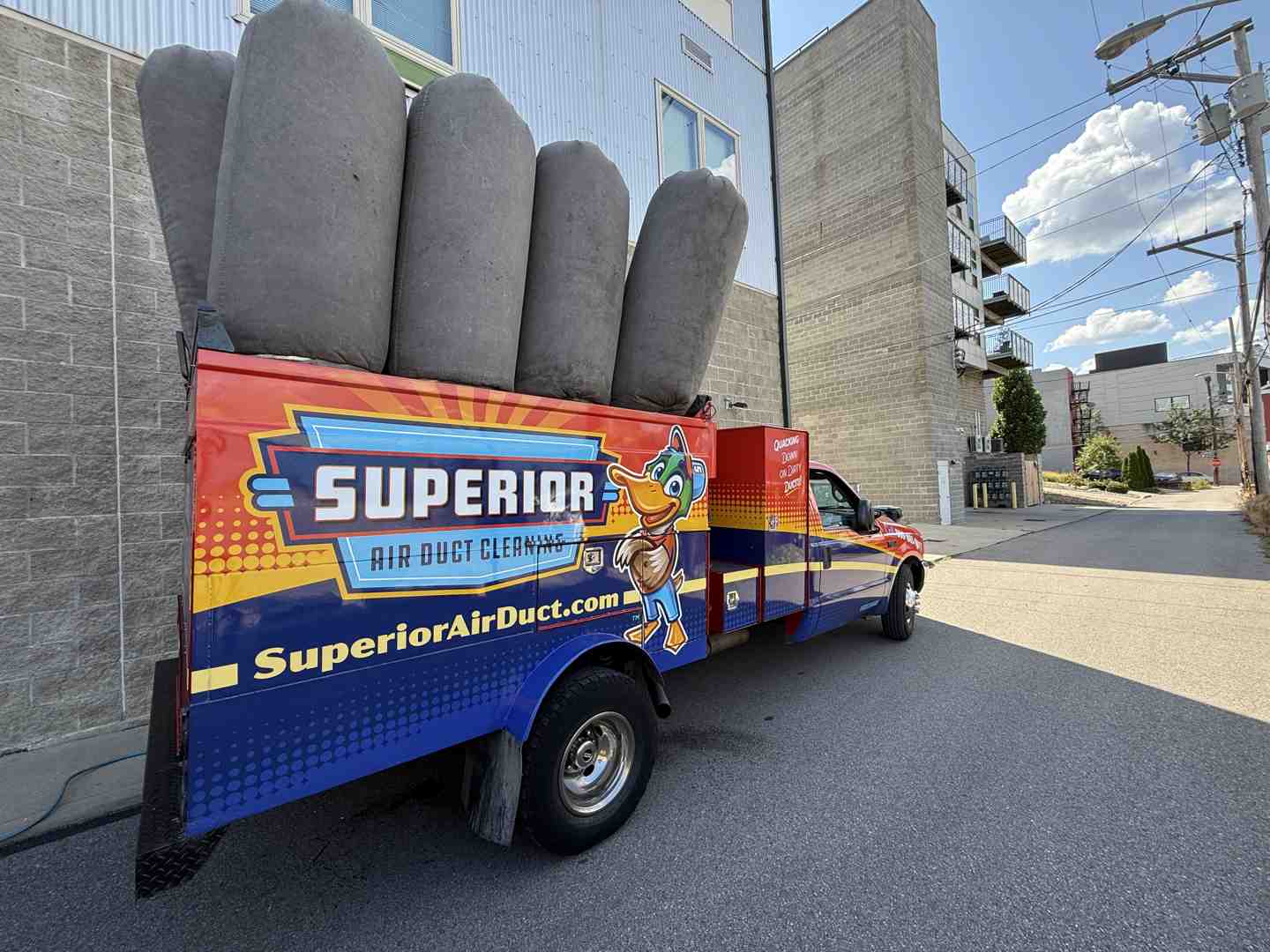
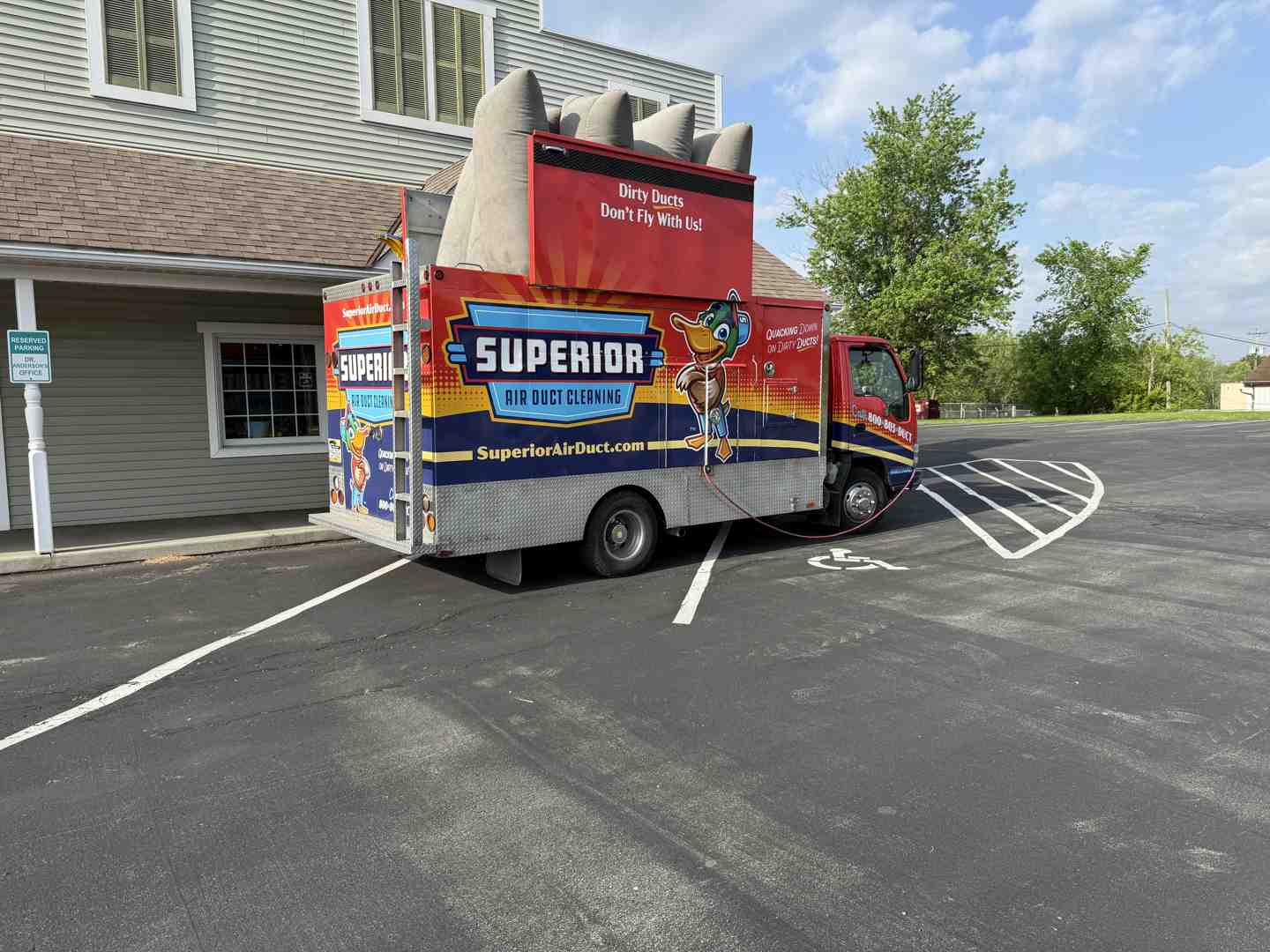
• 16,000 CFM Vacuum Trucks: To pull a proper negative pressure on a large commercial duct system, standard portable vacuums are simply not powerful enough. We utilize large, custom-built vacuum trucks that deliver an incredible 16,000 CFM of airflow. This massive pull ensures that all loosened dust and debris are drawn completely out of the building and directly into the truck's collection system, preventing any indoor recontamination.
• Pneumatic Whips and High-Static Air Tools: Because commercial ductwork can be several feet wide, we use larger, heavy-duty pneumatic whips and robotic agitation systems that can travel deep into the trunk lines to scrub the duct walls clean.
• Ductwork Accessibility Tools: Accessing commercial ductwork often requires cutting precise access panels into heavy-gauge sheet metal, which are then sealed air-tight with professional-grade access doors upon completion.
For more information on our commercial capabilities, visit our Commercial Air Duct Cleaning page.
Sanitization and Disinfection Tools for Air Quality
Once the physical debris is removed from the ductwork, the next step is ensuring the system is thoroughly sanitized to eliminate microscopic pathogens, mold, and bacteria. This is especially critical in high-occupancy spaces, medical offices, and schools in Youngstown, OH:
• Electrostatic Sprayers: We use electrostatic sprayers to apply sanitizing agents inside the ductwork. These sprayers charge the liquid droplets as they leave the nozzle, causing them to wrap around and cling to every surface of the duct interior, ensuring complete, even coverage.
• EPA-Registered Disinfectants: In commercial settings, we use specialized, hospital-grade disinfectants like SNiPER. These products are highly effective at neutralizing viruses, mold, and odor-causing bacteria, yet they are safe, non-toxic, and approved for use in HVAC systems.
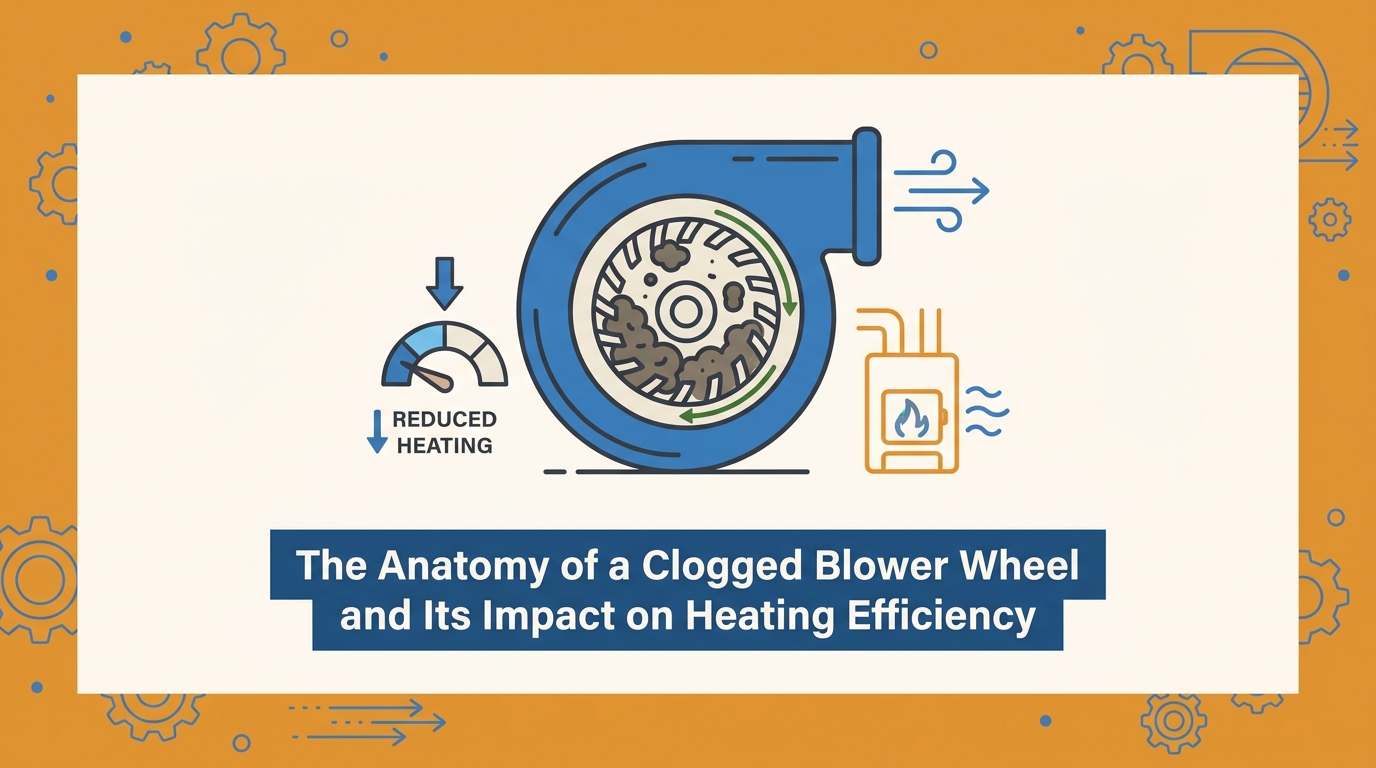
• Coil and Blower Cleaning Tools: Commercial air handlers have massive evaporator coils and blower wheels that require specialized pressure washers, coil cleaning chemical solutions, and wet-vacuum extraction systems to remove impacted grime and restore system efficiency by up to 40 percent.
To understand how these specialized sanitization steps benefit a business, read about the Benefits of Commercial Duct Cleaning.
Safety, Compliance, and Operational Standards
Another major area of divergence between residential and commercial cleaning is the regulatory and safety framework that governs the equipment and products used. While a homeowner can choose to use any retail cleaning spray or vacuum they like, commercial cleaning operations must adhere to strict state and federal guidelines to protect workers and building occupants.
For more on the standards required for commercial properties, view our Commercial Duct Cleaning service page.
Regulatory Frameworks and Liability Coverage
Commercial cleaning is highly regulated to mitigate risk and ensure public health safety. When we operate in commercial environments, our equipment choices and chemical selections must comply with several regulatory bodies:
1. OSHA Regulations: The Occupational Safety and Health Administration (OSHA) mandates that all electrical equipment used in commercial spaces must be safety-certified (such as UL listed) and properly grounded. Commercial cords must feature three-prong grounded plugs, and technicians must be trained in Lockout/Tagout procedures when servicing heavy machinery.
2. Safety Data Sheets (SDS): Under OSHA's Hazard Communication Standard, commercial cleaning operations must maintain a binder of Safety Data Sheets for every chemical used on-site. These sheets outline the chemical properties, physical hazards, and first-aid measures required for safe handling.
3. EPA List N Compliance: For disinfection against specific pathogens, commercial cleaners must use disinfectants that are registered on the EPA's List N, ensuring they meet rigorous log-reduction targets for viruses and bacteria.
4. Insurance and Bonding: Unlike residential cleaners who may carry basic general liability, commercial cleaning companies must carry robust coverage. This typically includes $1M+ in general liability, workers' compensation to protect staff, and surety bonds to protect the client's physical assets.
Frequently Asked Questions About Cleaning Equipment
Can you use commercial cleaning equipment in a residential home?
Technically, yes, but it is rarely practical. Commercial equipment is designed for large, open spaces, making it heavy, bulky, and difficult to maneuver around residential furniture, tight hallways, and staircases.
Additionally, commercial machines often require significant electrical power. High-amperage commercial vacuums or floor machines can easily trip standard 15-amp household circuit breakers. Finally, the sheer weight of commercial auto-scrubbers or heavy carpet extractors can damage residential flooring materials like delicate hardwood or plush carpeting.
Why do commercial vacuums have much longer cords than household models?
While a typical household vacuum has a cord length of 20 to 30 feet, commercial vacuums feature cords that are 35, 50, or even 75 feet long.
In a large office building, school corridor, or hotel hallway, stopping every few minutes to unplug the vacuum and find a new outlet is incredibly inefficient. A 50-foot or 75-foot heavy-duty cord allows the cleaning technician to cover massive areas from a single power source, significantly increasing productivity and reducing the overall time required to clean the facility.
How does air duct cleaning equipment differ for commercial buildings in Western Pennsylvania?
Commercial buildings in Western Pennsylvania, particularly older properties in Pittsburgh, PA, often feature complex, multi-story duct systems with heavy-gauge metal construction and complicated layouts.
Cleaning these systems requires industrial-grade negative air machines and high-powered vacuum trucks delivering 16,000 CFM of pull. Standard residential portable vacuums cannot generate the static pressure needed to draw dust through hundreds of feet of commercial ductwork. Furthermore, commercial systems require specialized heavy-duty air whips, mechanical compressed-air tools, and custom-cut access panels that are not used in residential homes.
To learn more about how these heavy-duty systems are cleaned, see our Commercial Duct Cleaning Benefits Guide.
Conclusion
Understanding the equipment differences between residential and commercial cleaning is key to choosing the right service for your property. While household tools are perfect for maintaining a cozy, comfortable home, they simply cannot handle the scale, complexity, and rigorous standards of a commercial facility.
At Superior Air Duct Cleaning, we have spent years investing in the absolute best tools for both worlds. Whether we are helping a homeowner improve their family's indoor air quality in Beaver Falls, PA, or deploying our massive 16,000 CFM vacuum trucks to clean a complex multi-story office building in Pittsburgh, we bring the exact right tool for the job.
We proudly serve communities across Western Pennsylvania and Northeast Ohio, including Cranberry Township, Boardman, Youngstown, New Brighton, Aliquippa, Monaca, Ambridge, Rochester, Canfield, Poland, Austintown, Warren, Niles, and Columbiana.
If you are ready to experience the difference that professional, specialized equipment makes for your indoor air quality, contact us today to request a free quote for your home or business.
For a final look at how we tailor our services to your specific property, review our guide on Residential vs Commercial Duct Cleaning.

Customer Reviews


Superior Air Duct cleaning did a phenomenal job in a timely manner with the tech “Rich” being very professional ,personable and considerate of our property! He explained things as he proceeded and answered all our questions!
I LOVE that they provide before & after photos to see the difference. Give them a try… you won’t regret it
Pam T.
Robert was on schedule and communicated what time he would arrive. He was polite, professional, and respectful of our home. I wanted to wait a couple weeks before posting a review because I wanted to see if the duct cleaning actually made a difference. I am happy to say it did! I vacuum multiple times a week and have already noticed a significant reduction in the amount of dust cleaned up each time. As a home with pets, there will always be something to clean, but getting the ducts cleaned has definitely helped improve the air quality and reduce the dust.
alice A.
Technician Rob arrived early explained the days agenda and then proceeded to work methodically and meticulously over the next 6+ hours cleaning my ductwork. Courteous and professional they answered all of my questions and went above and beyond the call of duty. They even located an old dusty box of rat poison buried in our vents. My only regret is not finding these guys sooner. As a realtor of 22 years and owner of a newly purchased (now dust free) home I highly recommended!
Eric K.
Excellent service! I’ve used them to clean out my air ducts as well as my dryer vent duct and they are excellent. I was very pleased with both jobs and will continue to use them in the future. Great communication as well- from the time I scheduled the appointment until they were at my door.
Erika C.
We had such an amazing experience with Superior Air Duct Cleaning. They were so nice and friendly and did an amazing job. I loved seeing the before and after pictures. Besides doing an amazing job cleaning our air ducts they were so quick at responding and setting up the appointment. We will definitely be using them in the future.
Amanda C.