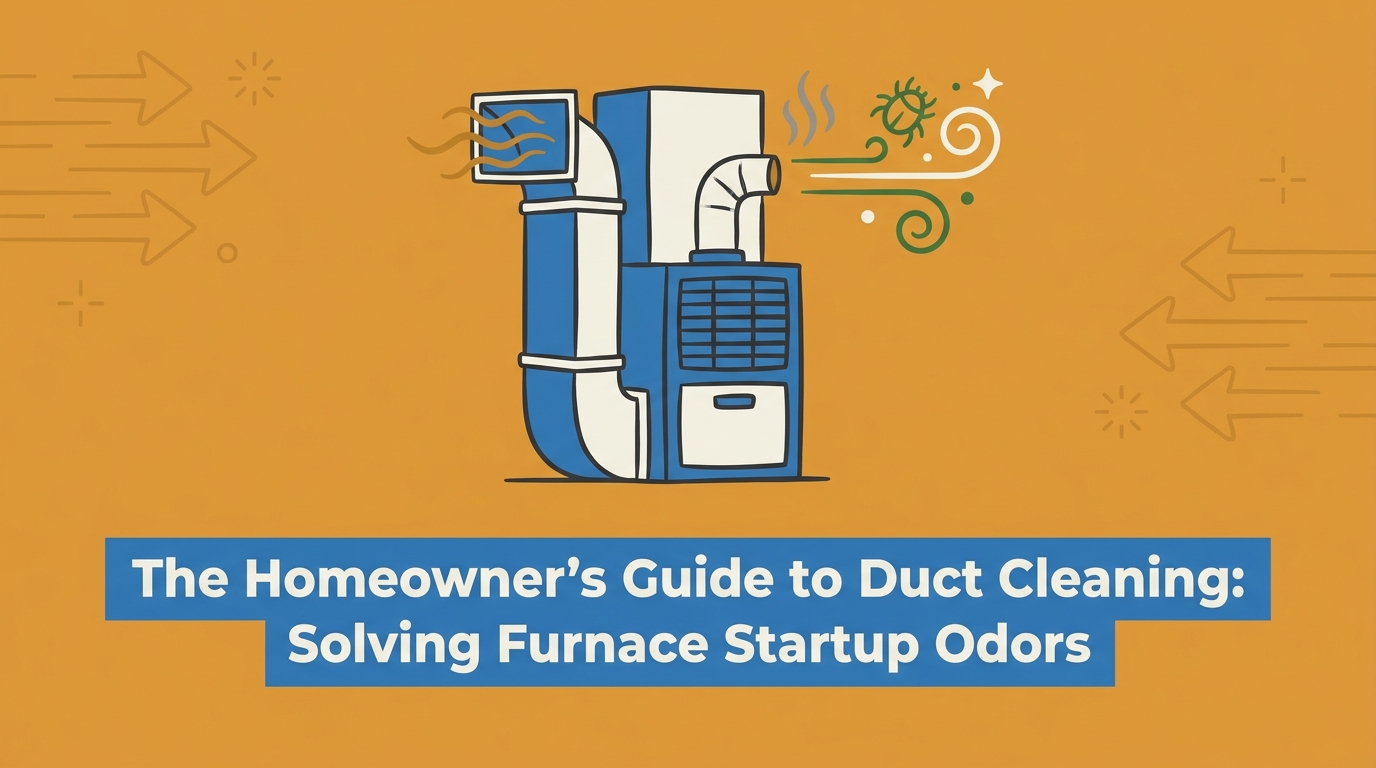
That First Chilly Night: Decoding Furnace Startup Odors
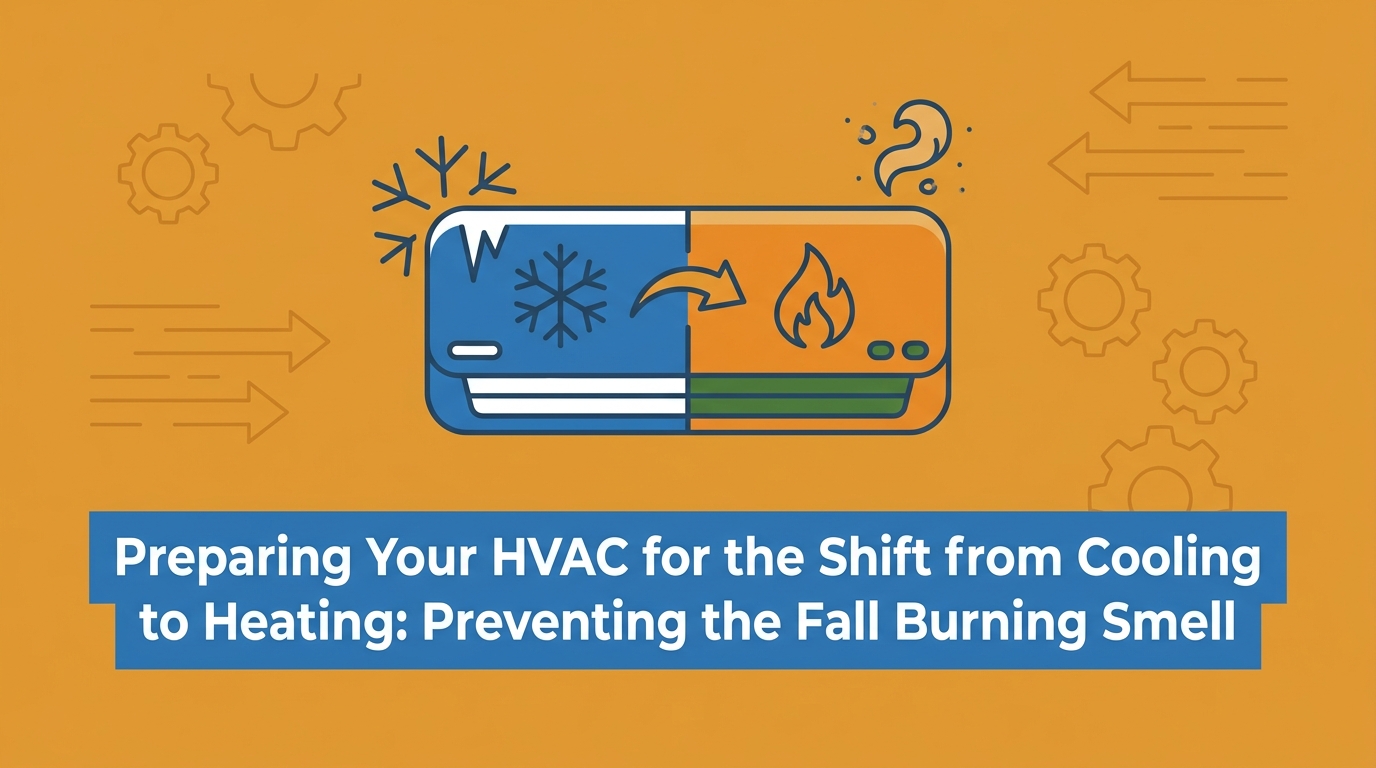
You switch your thermostat from cooling to heating on a brisk autumn evening, anticipating cozy warmth. Instead, your house immediately fills with a harsh, burning dust odor. For those seeking reliable home maintenance tips and troubleshooting, addressing this specific seasonal smell is a top priority during the October heating-startup. At Superior Air Duct Cleaning, our team fields dozens of calls every fall from homeowners wondering if this scent is a normal part of homeownership or a red flag signaling a deeper issue within your HVAC system.
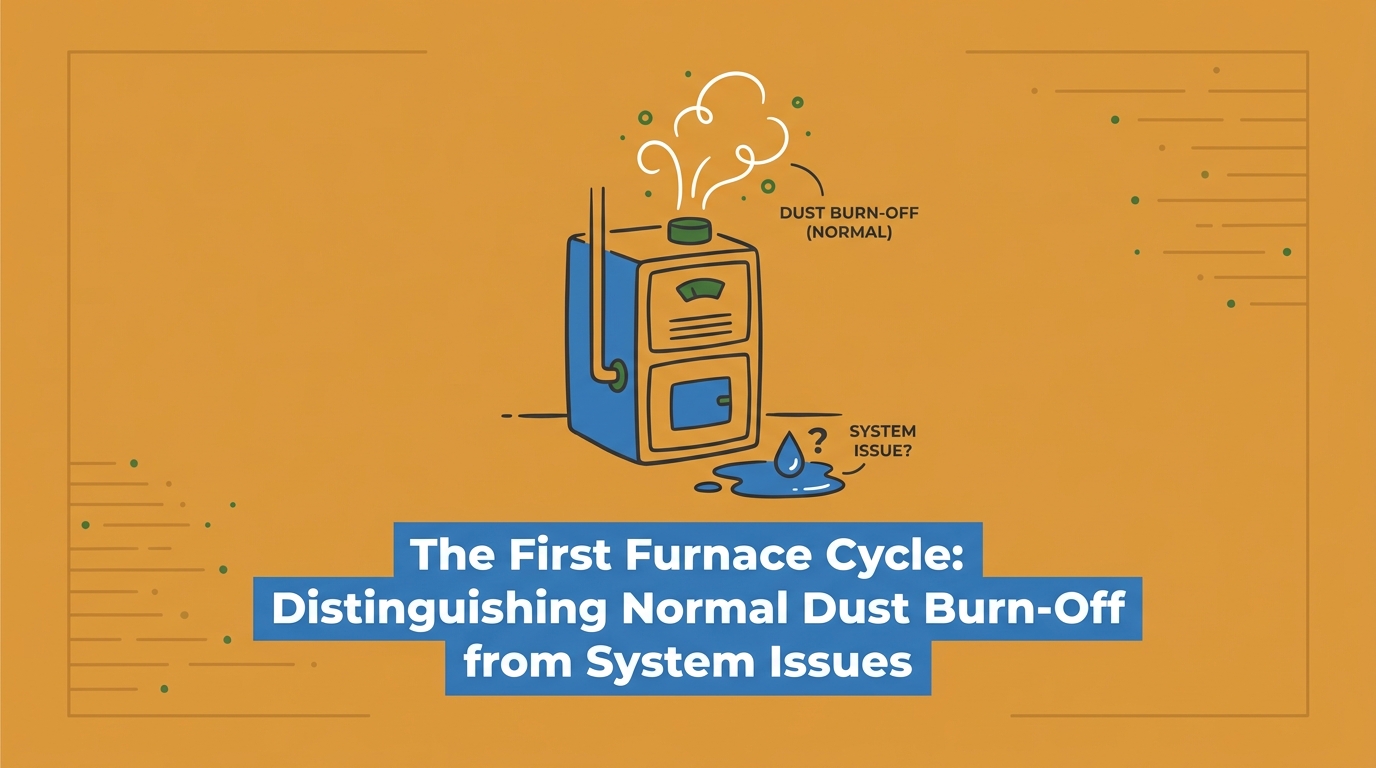
A brief, faint odor during the first heating cycle of the year is entirely common. Over the summer, a thin layer of particulate matter settles on your furnace's heat exchanger. When the burners ignite for the first time, that microscopic layer safely burns off. However, if the smell permeates every room, lingers for hours, or is accompanied by visible dust circulating out of your vents, you are dealing with a larger contamination problem. Resolving this often requires professional air duct cleaning to remove the accumulated debris before it continuously cycles through your living space.
The underlying issue: Your ductwork acts as the respiratory system of your home. When it becomes congested with months of settled pet dander, skin cells, and household dust, the initial blast of hot air forces that debris directly into your breathable air. Recognizing the difference between a harmless seasonal startup and a severely contaminated system is the first step toward securing a healthier indoor environment for your family this winter.
The Mechanics Behind the 'Burning Dust' Smell
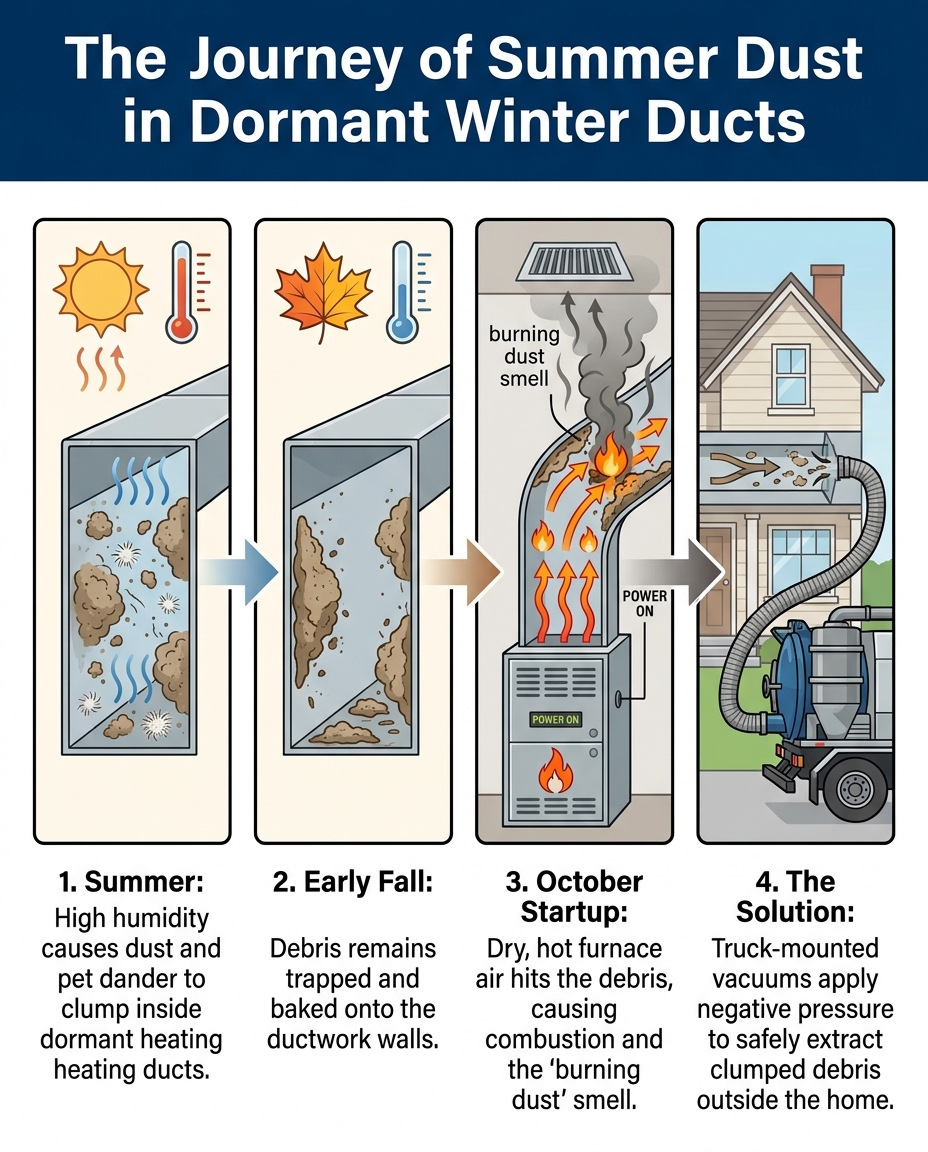
To understand why your furnace produces such a strong odor in the fall, you have to look at what happens inside your dormant heating ducts over the summer months. Your HVAC system's ductwork is a natural collection point for airborne particulate matter. Every time your air conditioner runs, it pulls microscopic debris through the return vents. While your air filter catches a significant portion of this, smaller particles inevitably slip through and settle along the interior walls of the ductwork.
The situation compounds due to regional weather patterns. Western Pennsylvania's specific shift from humid summers to cold falls creates the perfect environment for moisture retention in dormant duct dust. High ambient humidity interacts with the settled debris, causing it to clump together and adhere stubbornly to the galvanized metal or flex-duct walls. This is not loose, dry dust that can easily blow away; it is a heavy, baked-on layer of organic material and household contaminants.
When the October heating-startup finally arrives, the sudden shock of dry, high-temperature air hits this clumped debris. The furnace ignites, and the intense heat essentially bakes the outer layer of the adhered dust, resulting in that distinct burning odor. Because this debris is firmly stuck to the duct walls, the standard airflow from your furnace fan is simply not strong enough to dislodge it. The smell persists because the heat continues to interact with the contaminated layer every time the system cycles on. Addressing this baked-on buildup effectively often requires whole house sanitizing and professional extraction to neutralize the lingering odors at their source.
Normal Odors vs. Signs of Contaminated Ductwork
Homeowners often struggle to determine whether the smell coming from their vents is a harmless seasonal quirk or a sign of severe contamination. Establishing clear criteria helps you make informed decisions about your home's air quality before you lock the windows for the winter.
A "normal" startup odor typically dissipates within one to three hours of the very first heating cycle. It smells faintly of warm dust, similar to a space heater that has just been turned on, and it does not trigger coughing or sneezing fits. Once the initial layer of dust on the heat exchanger burns away, the air should smell clean and neutral.
On the other hand, persistent, horrible vent smells indicate deeper issues. If the burning odor lasts for multiple days, or if it is accompanied by a damp, musty scent, your system is likely harboring severe contamination. Mold, bacteria, or even pest activity within the system can create foul odors that continuously circulate through your living spaces. Ignoring these warning signs guarantees that these contaminants will continue to degrade your indoor air quality all winter long.
Just last spring, a local homeowner reached out to us at Superior Air Duct Cleaning after noticing persistent odors and dirty ducts. Our technicians thoroughly cleaned the system and showed them before and after pictures of the ductwork. The visual evidence revealed exactly why the odors were lingering—heavy particulate buildup had coated the interior walls, requiring our professional agitation tools to remove. The outcome was a thoroughly cleaned system that no longer circulated foul smells.
• Duration — Normal Startup Odor: Fades within 1 to 3 hours — Contaminated Ductwork: Persists for days or weeks
• Scent Profile — Normal Startup Odor: Faint, dry, warm dust — Contaminated Ductwork: Harsh burning, musty, or foul
• Physical Symptoms — Normal Startup Odor: None — Contaminated Ductwork: Increased sneezing or coughing
• Visible Dust — Normal Startup Odor: None from the vents — Contaminated Ductwork: Visible particles blowing into rooms
The Hidden Impact of Dormant Debris on Indoor Air Quality
The consequences of neglecting your home's ductwork extend far beyond a temporary, unpleasant smell. The Environmental Protection Agency (EPA) notes that indoor air can be two to five times more polluted than outdoor air. This statistic becomes especially relevant during the closed-window months of winter, when your forced-air system continuously recirculates the same trapped air.
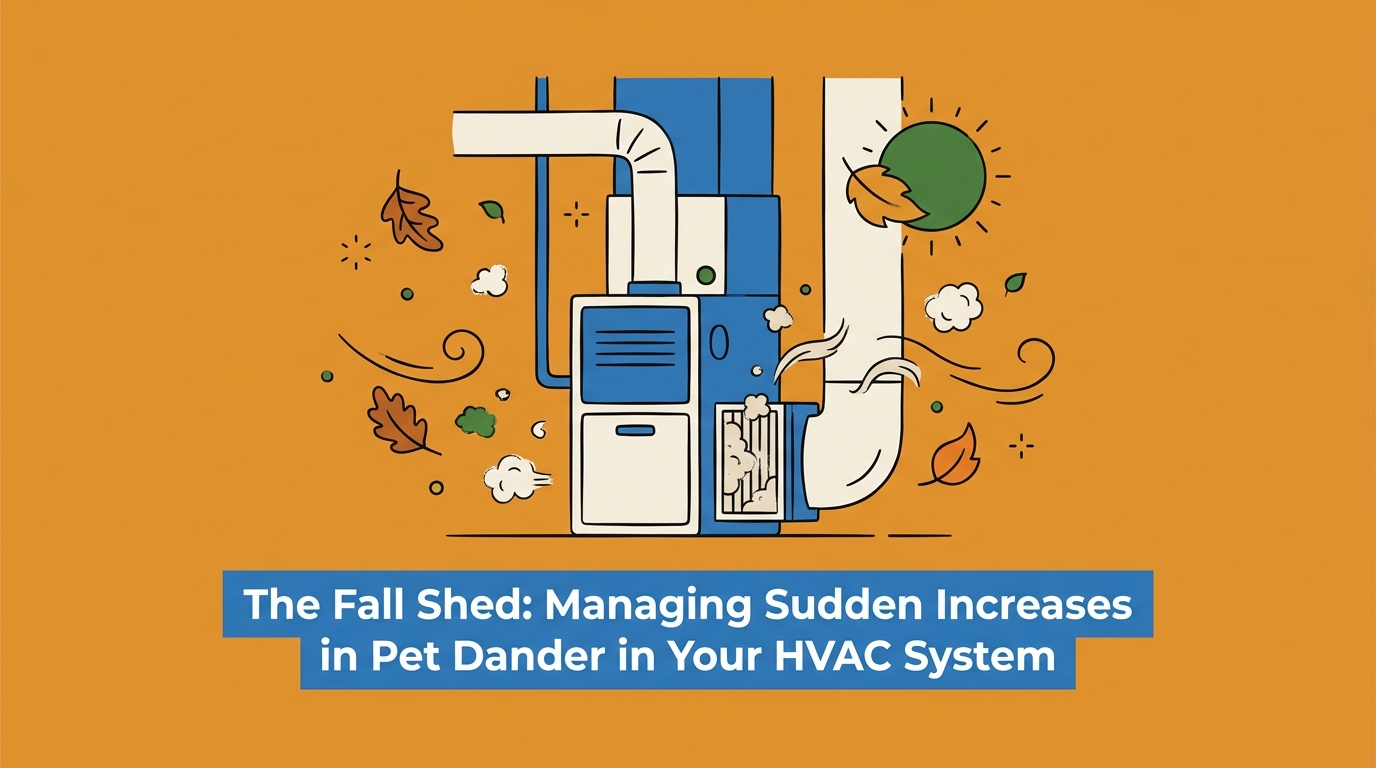
Decades of unaddressed buildup in a home's ductwork acts as a continuous reservoir for allergens. Every time the blower motor kicks on, the system disturbs the top layer of this dormant debris, distributing concentrated allergens, pet dander, and microscopic skin cells into your living spaces. For sensitive individuals, this creates a miserable winter environment filled with constant respiratory irritation.
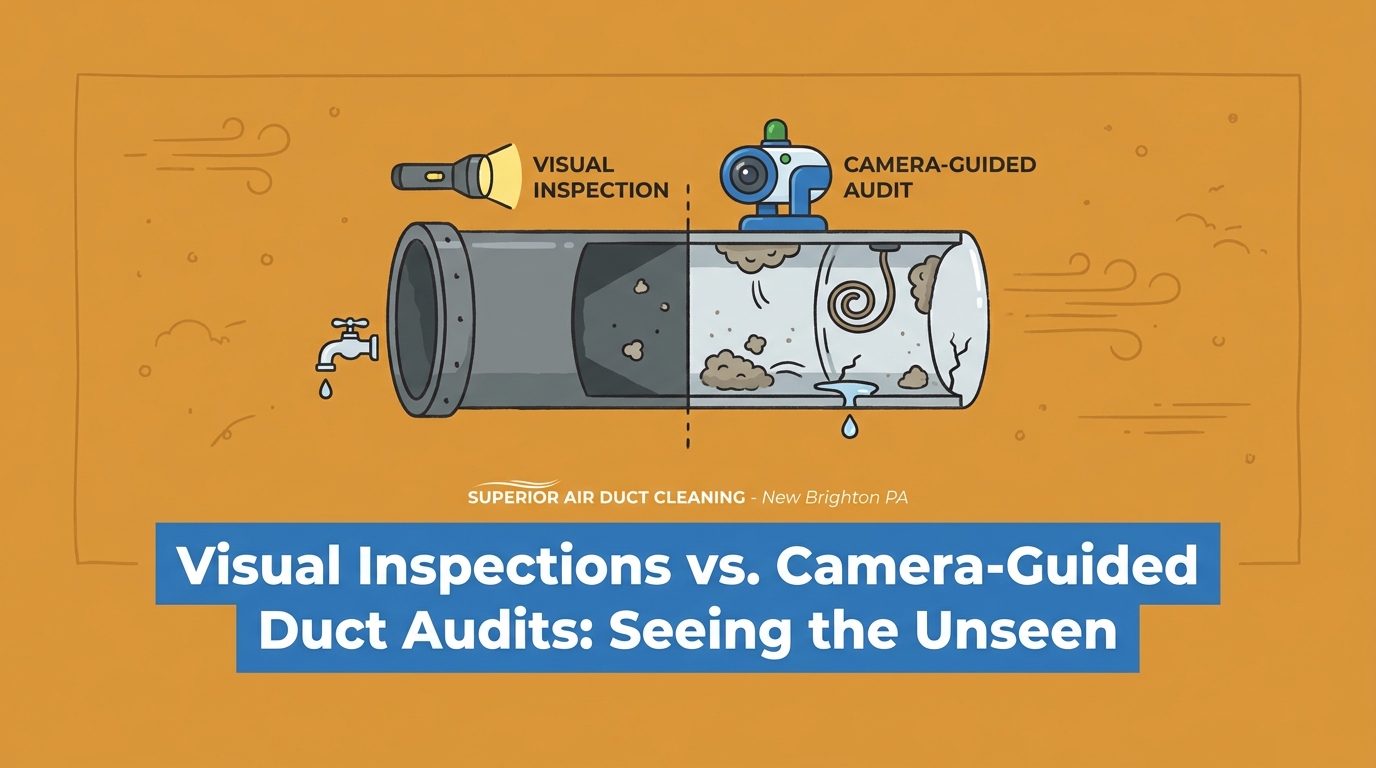
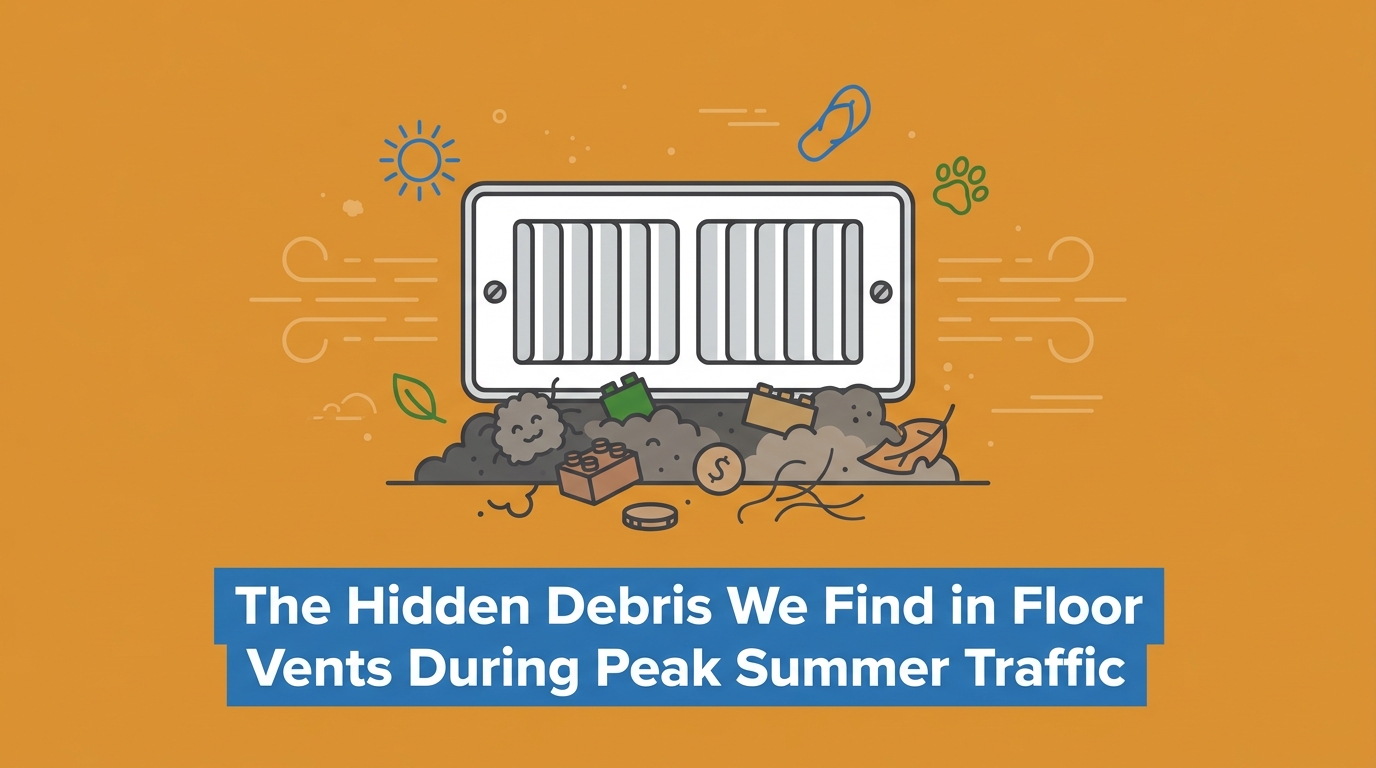
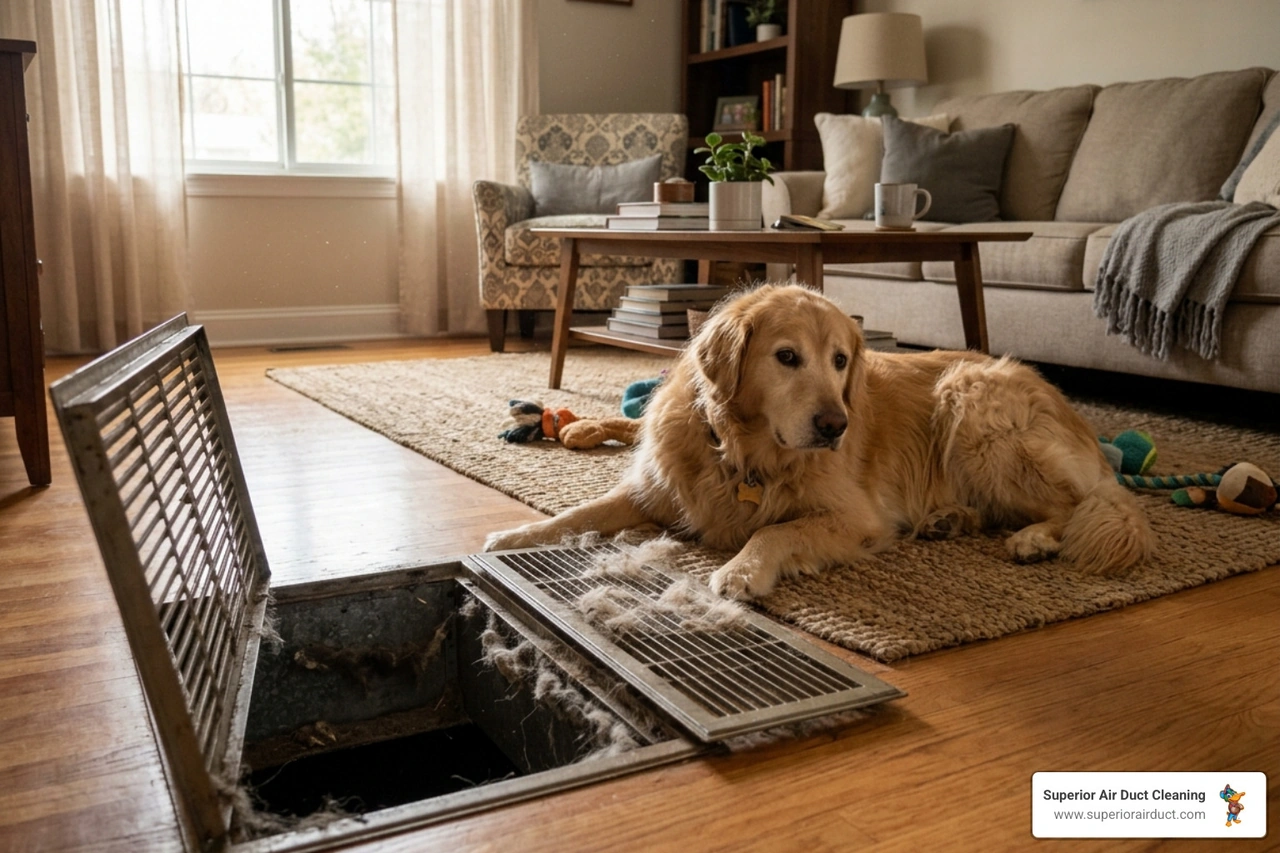
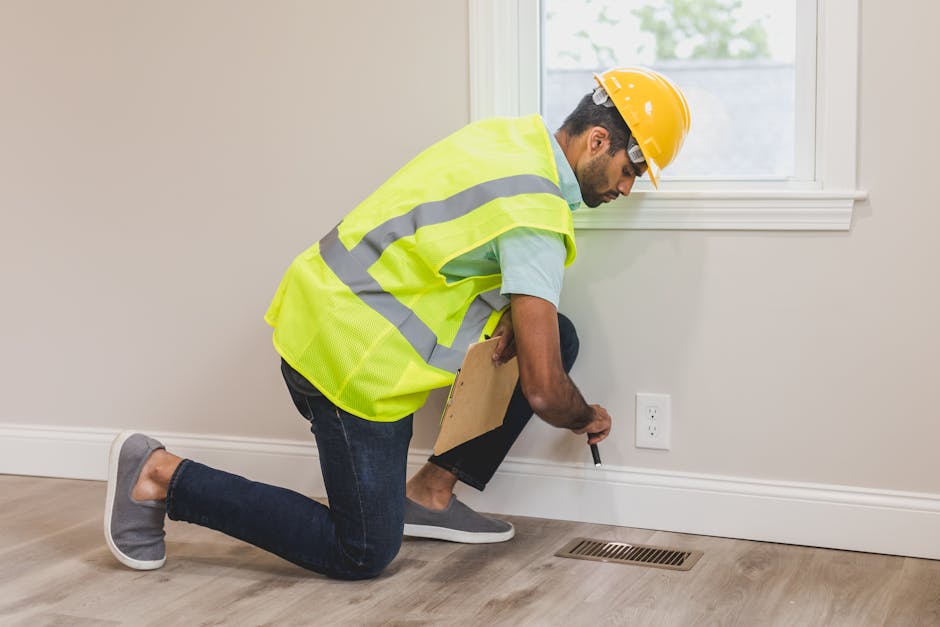
Visual evidence of this contamination is often found right at the vent entry points. If you remove a floor register and shine a flashlight down into the duct, a neglected system will show thick, felt-like layers of debris clinging to the metal. This buildup restricts airflow, forcing your furnace to work harder while simultaneously degrading the air you breathe.
We frequently see this scenario firsthand. Recently, our crew serviced an 18-year-old house that had never had its ducts cleaned, where severe allergens were affecting the family. Our technicians performed a comprehensive HVAC cleaning, explaining the details of the process and showing pictures of the heavily contaminated entry points. Once the decades of buildup were professionally removed, the homeowner found that the clean ducts helped mitigate the allergens circulating through their home.
How Professional Extraction Works: Beyond the Shop Vacuum
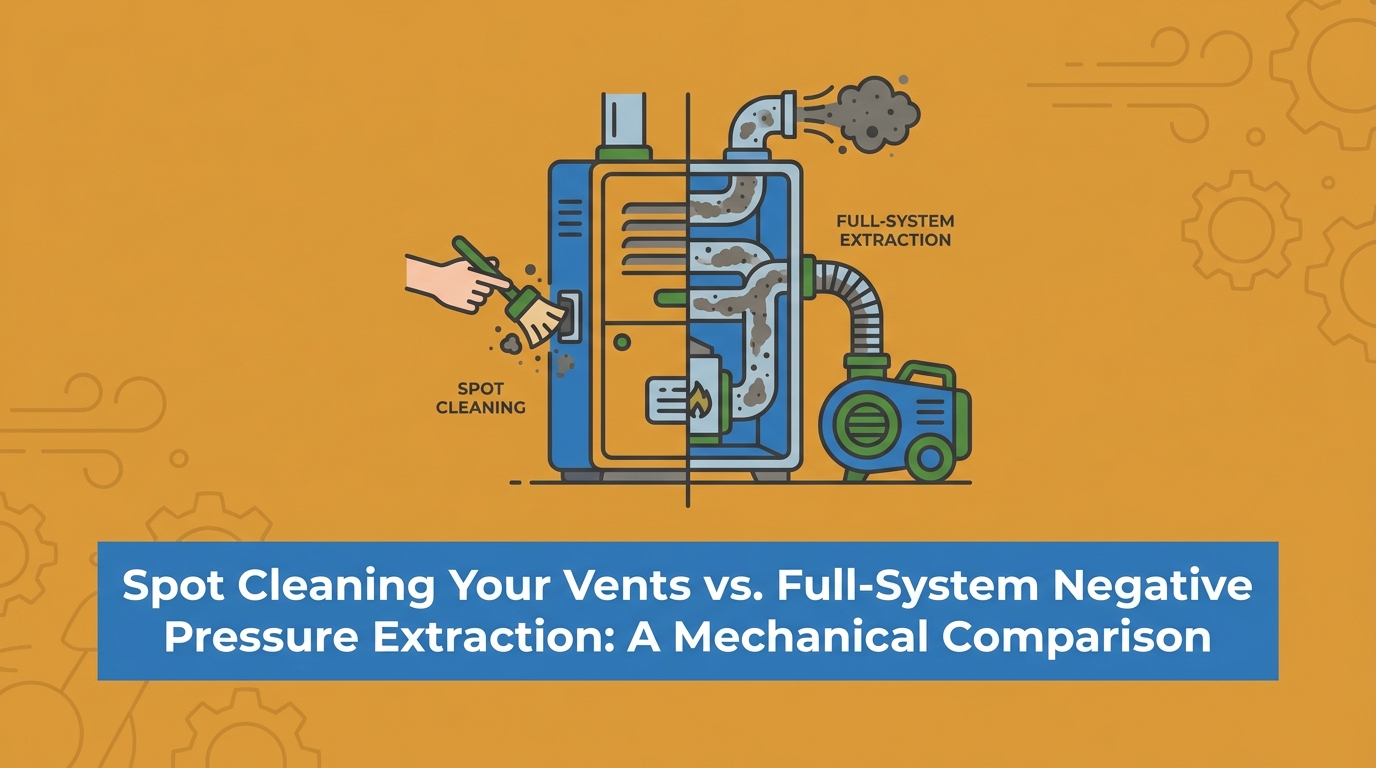
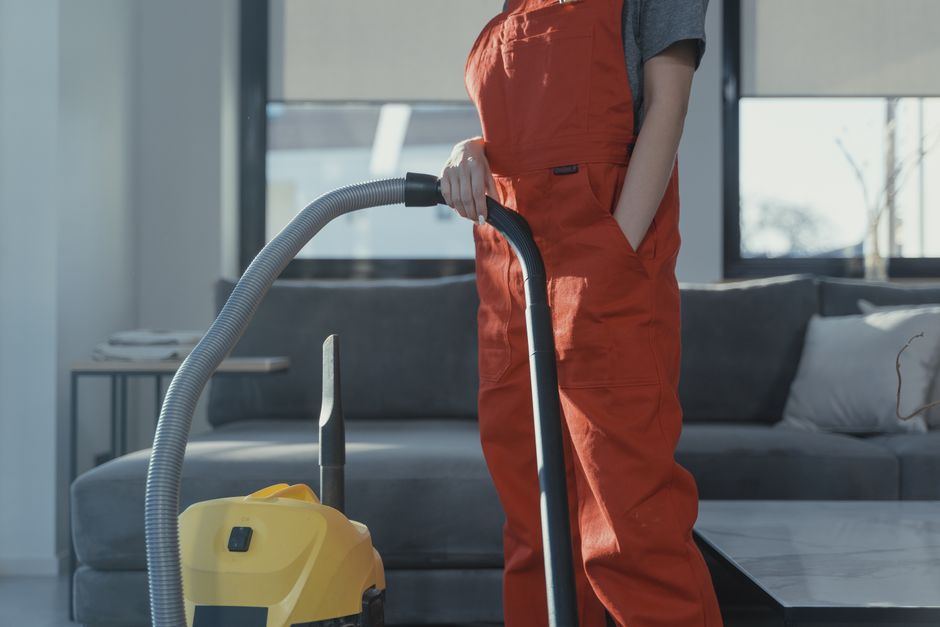
When homeowners realize their ducts are contaminated, a common mistake is attempting to clean the system themselves using a standard household vacuum or a portable shop vacuum. This approach is not only ineffective but can actually make the air quality worse. To truly remove humidity-baked summer dust, you need advanced mechanical extraction.
Standard portable shop vacuums simply do not possess the suction power required to pull microscopic contaminants from deep within a duct network. More importantly, they lack the necessary filtration. When you stick a shop vacuum hose into a vent, you often agitate the debris, sucking up the largest particles while blowing the microscopic, lung-damaging dust right back into your living room through the vacuum's exhaust.
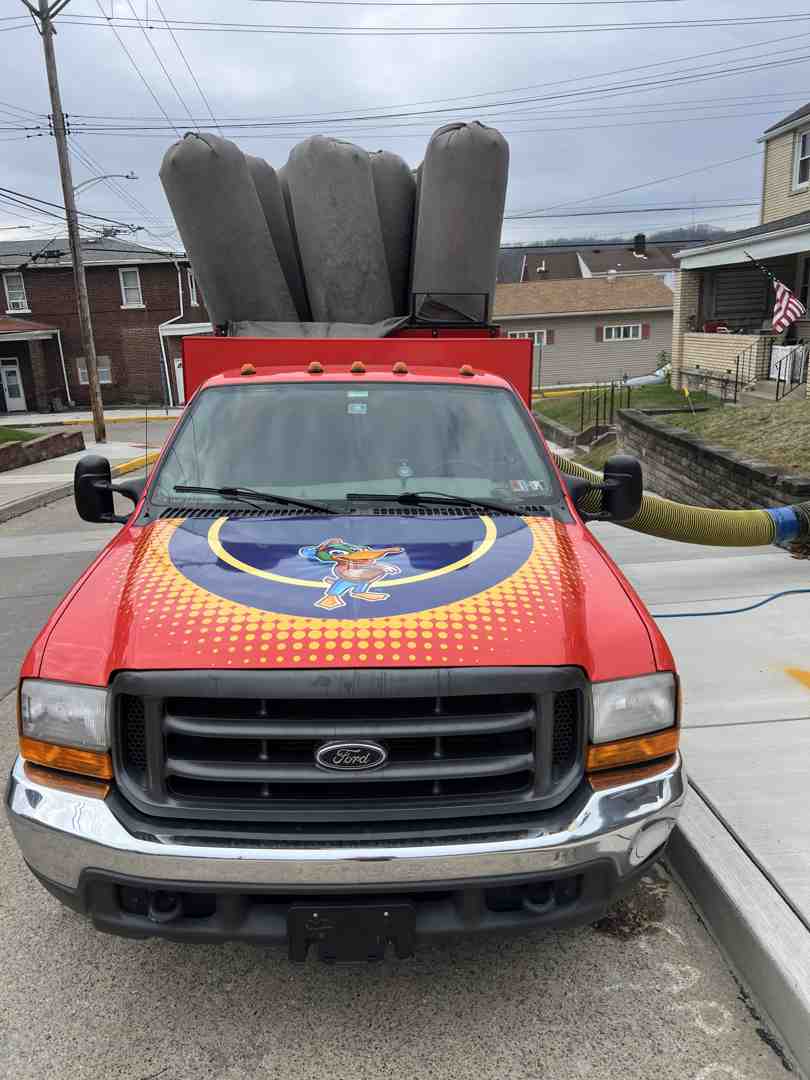
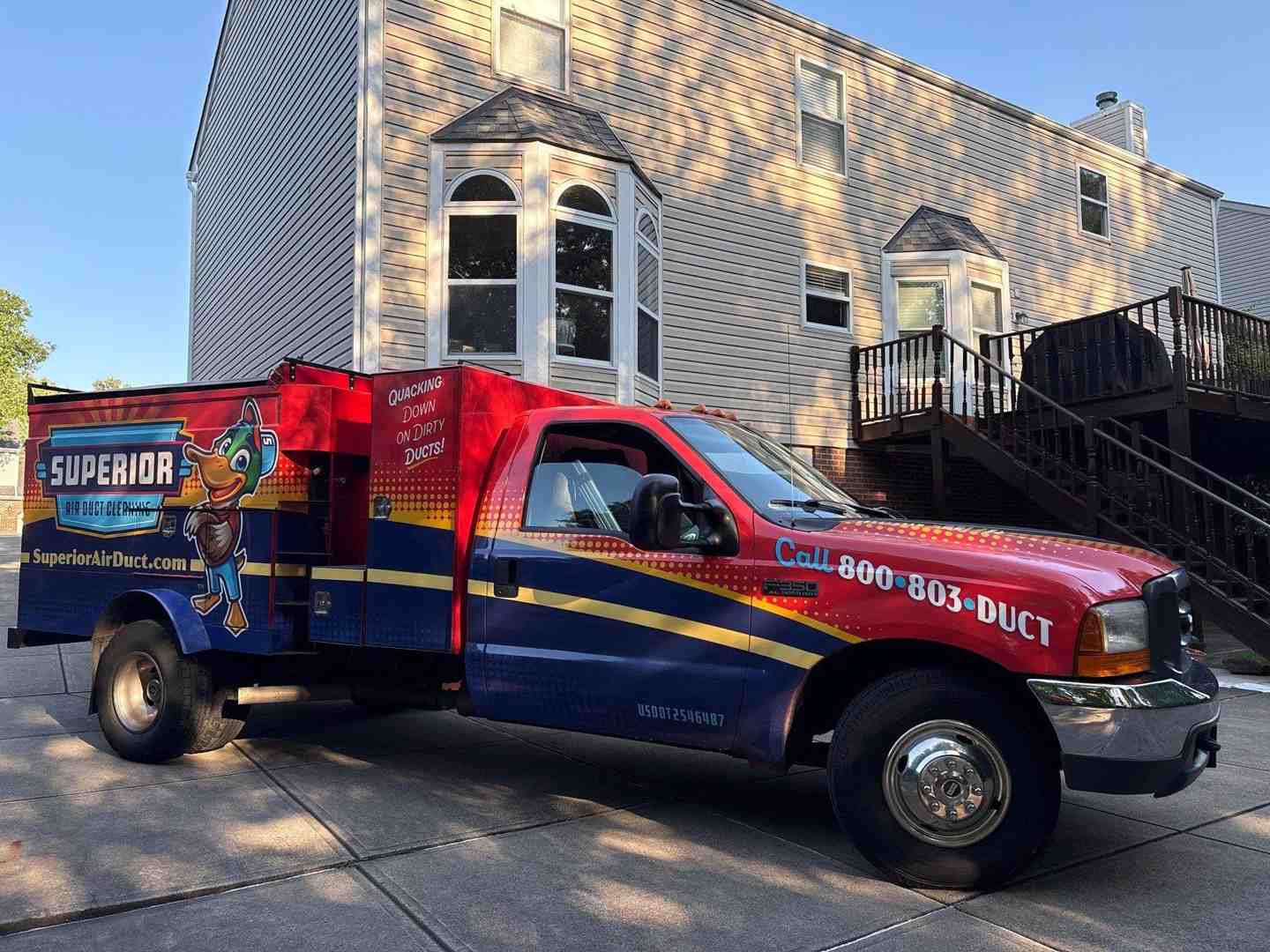
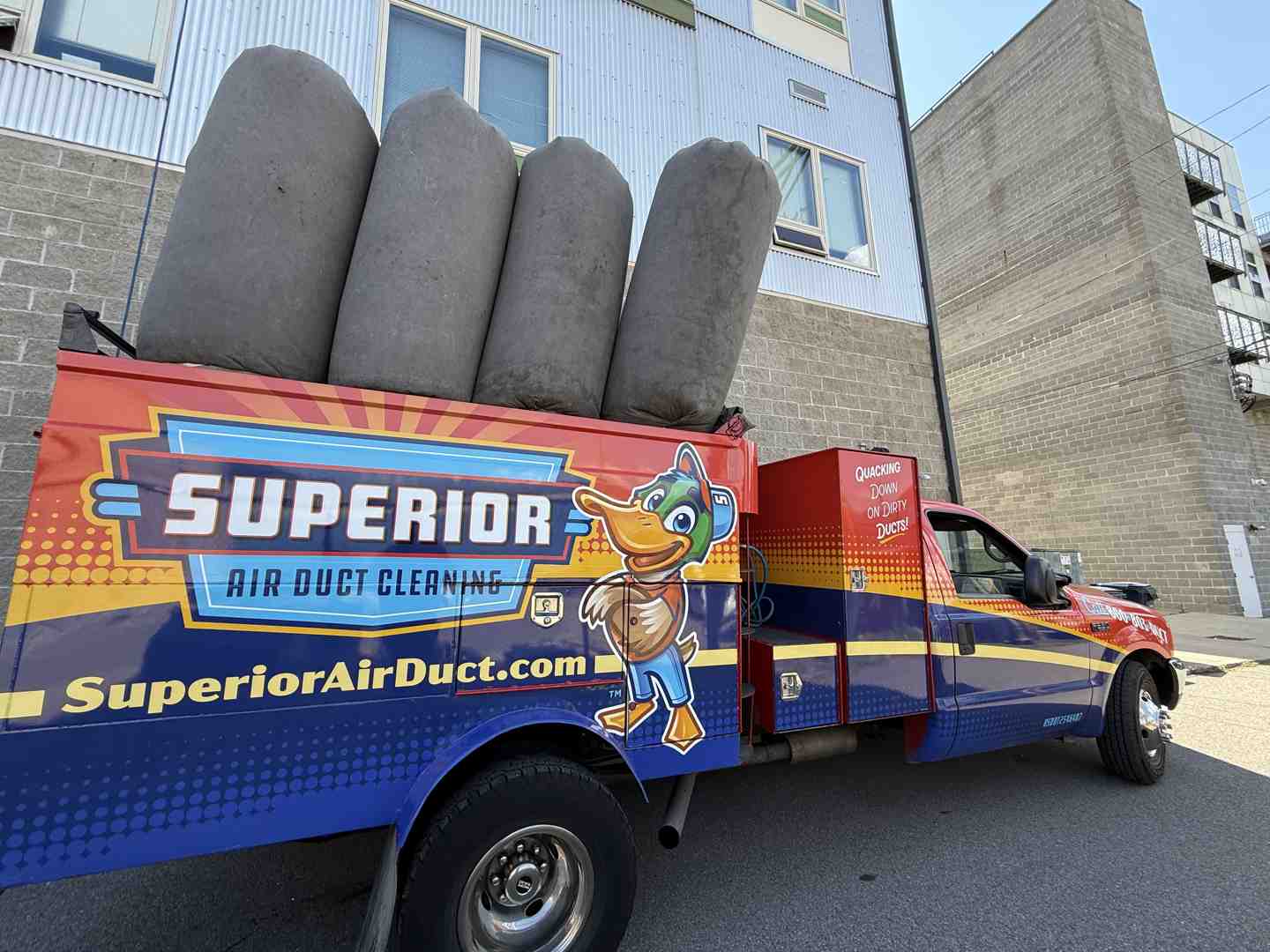
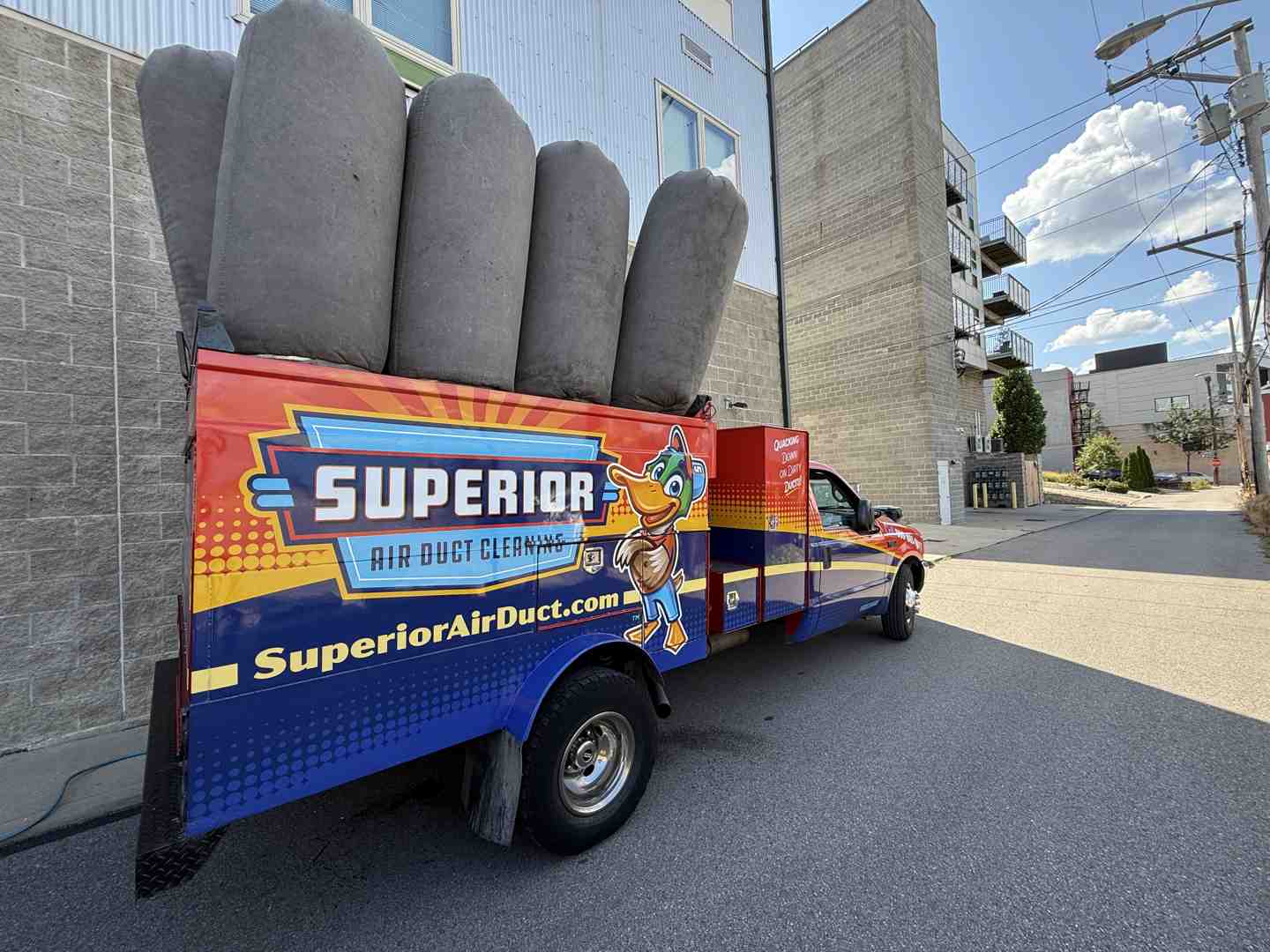
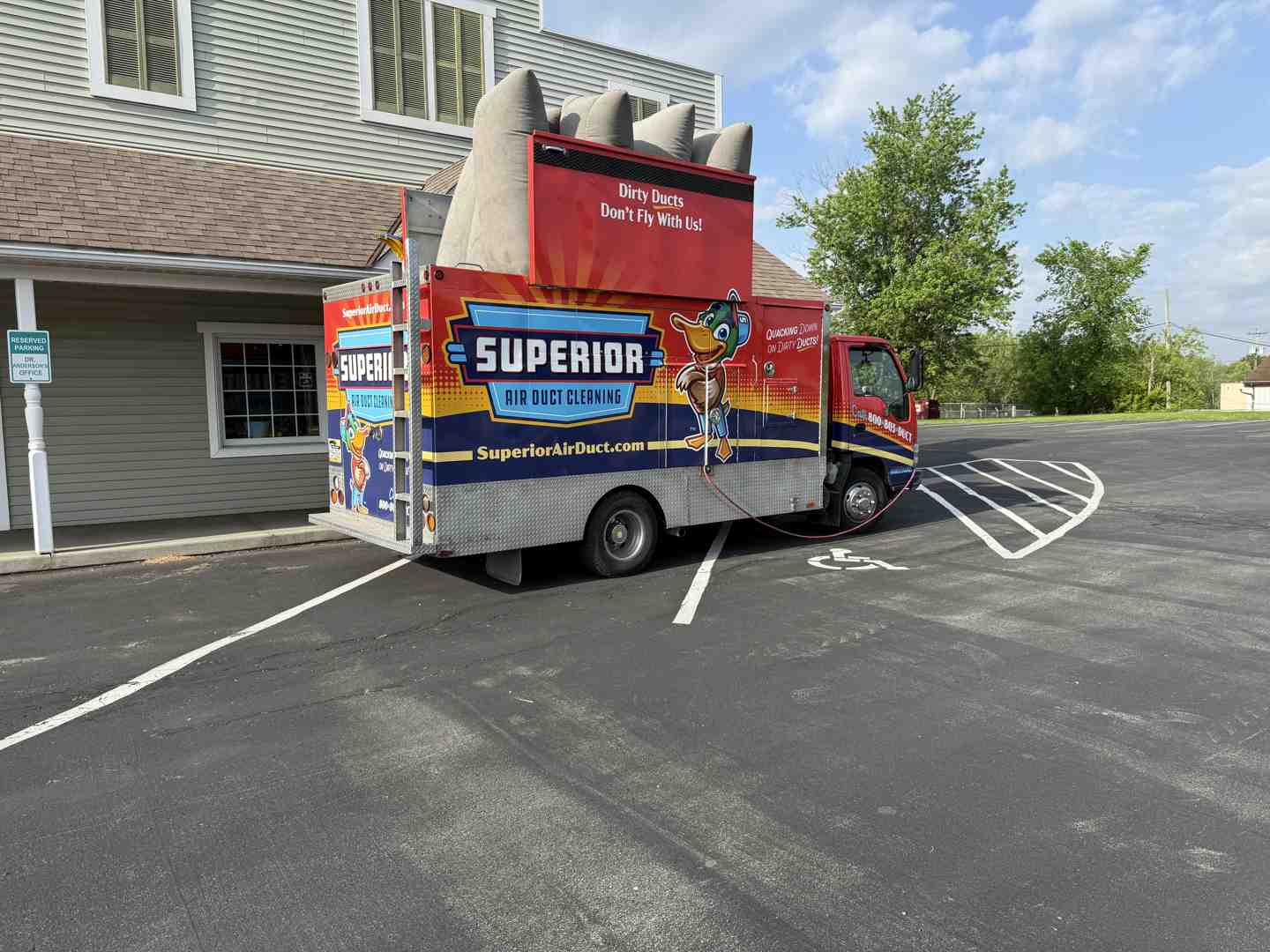
Professional-grade extraction relies on truck-mounted vacuums. These powerful machines pull microscopic contaminants entirely out of the house and exhaust them safely outside the living space. This guarantees that the clumped, humidity-baked dust is permanently removed from your environment rather than just relocated to your furniture. In our years of serving New Brighton PA, our team has found that local seasonal shifts cause significant dust clumping, making this professional level of extraction absolutely essential.
The Role of Negative Pressure
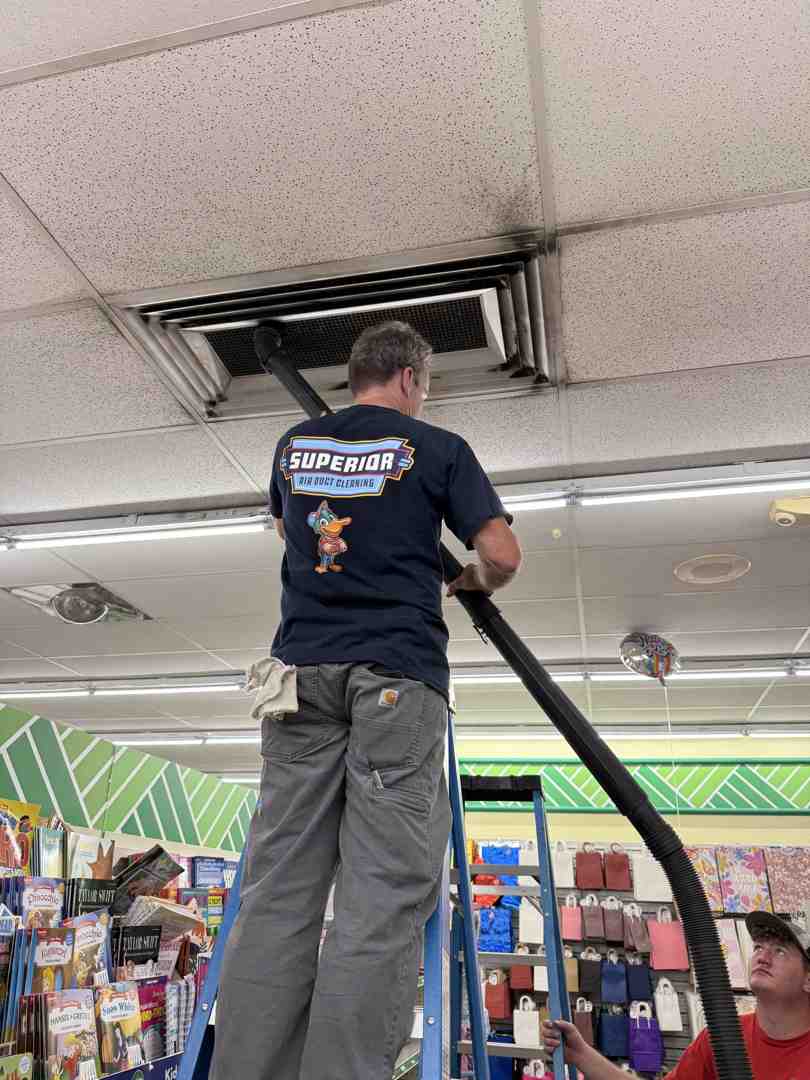
• Creating a vacuum seal: Professional technicians seal off your vent registers to create a closed loop.
• Total system containment: The truck-mounted vacuum places the entire duct network under continuous negative pressure.
• Protecting your home: Because air is constantly being pulled inward toward the main vacuum hose, no agitated dust can escape into your living space, protecting your furniture and surfaces during the cleaning process.
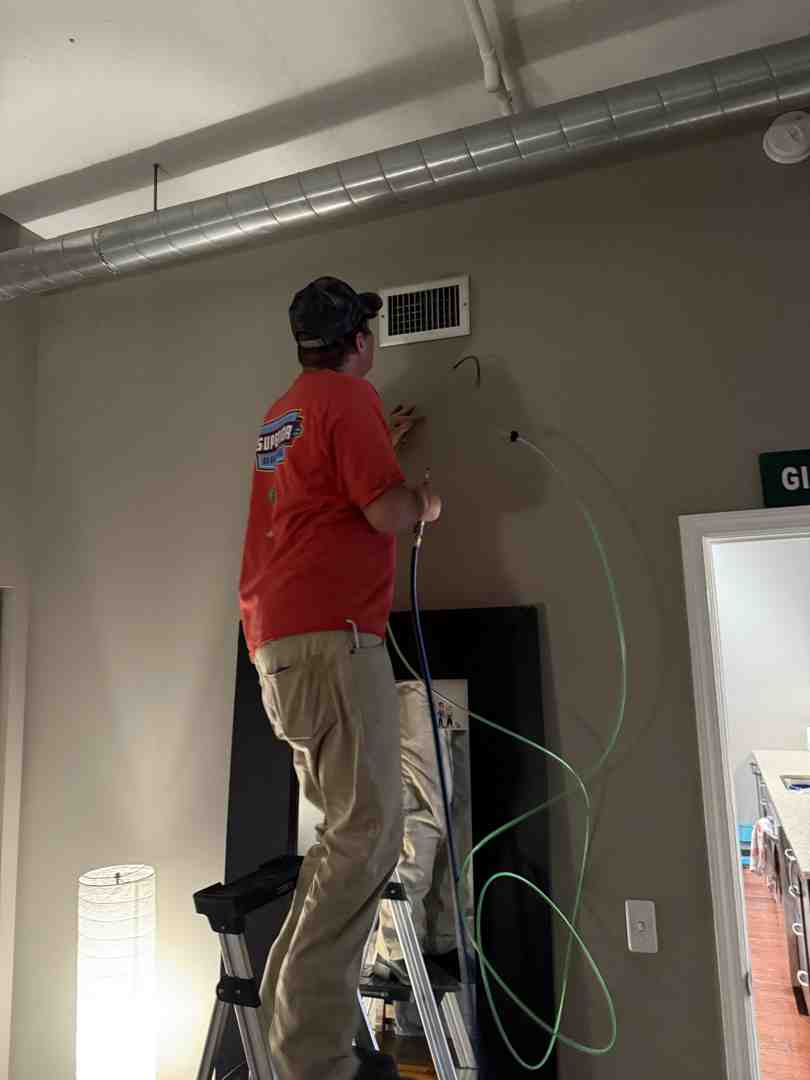
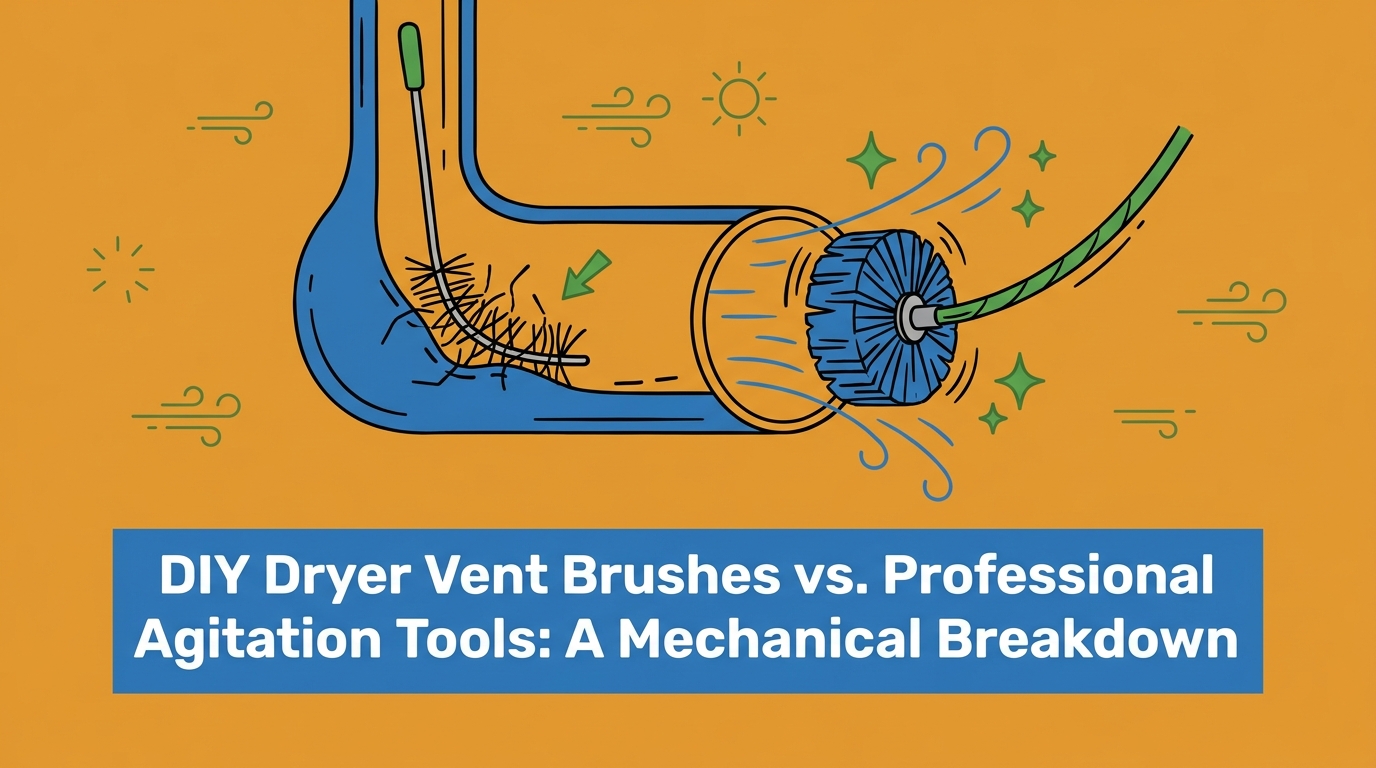
Once negative pressure is established, technicians use specialized agitation tools—like compressed air whips and rotary brushes—to scour the interior walls of the ductwork. This physically breaks the bond of the humidity-baked dust, allowing the powerful vacuum to carry it away.
What to Expect from a NADCA-Certified Cleaning Process
Not all duct cleaning services are created equal. To ensure your system is properly sanitized without risking damage, it is critical to rely on standards established by the National Air Duct Cleaners Association (NADCA). This organization sets the industry benchmark for assessment, cleaning, and restoration of HVAC systems.
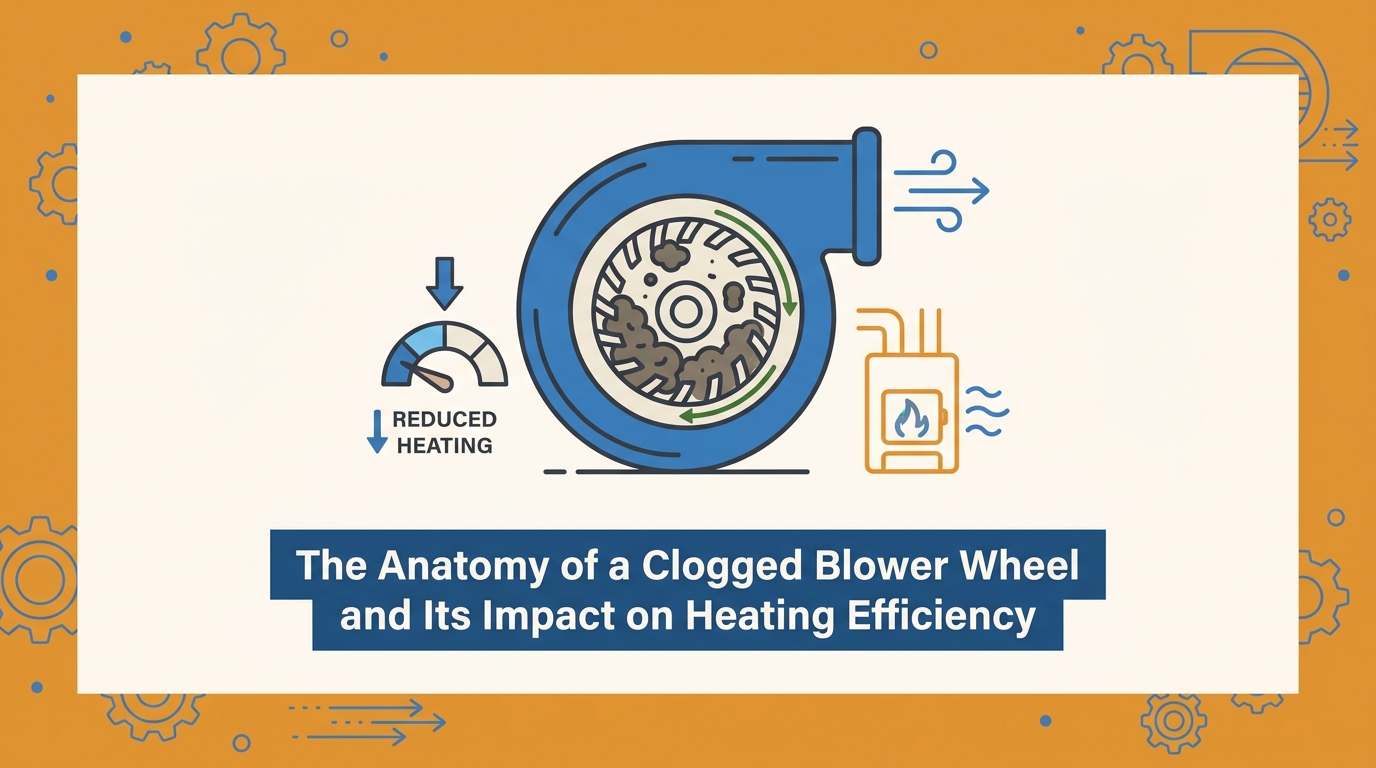
The NADCA ACR Standard dictates a comprehensive approach to indoor air quality. A certified cleaning does not just involve vacuuming out the floor vents; it requires a meticulous process that addresses the entire forced-air system. This includes the supply ducts, the return ducts, the air handler, the cooling coils, and the blower motor. If any of these components are left dirty, they will immediately re-contaminate the newly cleaned ductwork the moment the system turns back on.
Understanding how to verify a duct cleaning company is NADCA certified is a critical step for homeowners seeking legitimate indoor air quality improvements. A true professional will gladly provide their certification credentials, explain the process step-by-step, and offer complete transparency throughout the service. They will never pressure you into unnecessary treatments or refuse to show you the inside of your own ductwork.
A standard certified process includes:
1. A thorough pre-inspection of the HVAC system to identify heavy buildup or moisture issues.
2. The establishment of negative pressure using a high-powered, truck-mounted extraction unit.
3. Mechanical agitation of all supply and return ductwork to dislodge adhered debris.
4. Cleaning of the furnace blower motor, evaporator coil, and heat exchanger.
5. A final visual inspection to ensure all interior surfaces meet the required cleanliness standards.
Addressing Whole-Home Air Quality: Allergies and Beyond
The technical aspects of negative pressure and mechanical agitation ultimately serve a very human purpose: improving your daily comfort. Comprehensive cleaning and sanitizing of your vents and furnace directly impacts the air you breathe, which is especially noticeable for allergy sufferers who spend the winter trapped indoors with their forced-air heating.
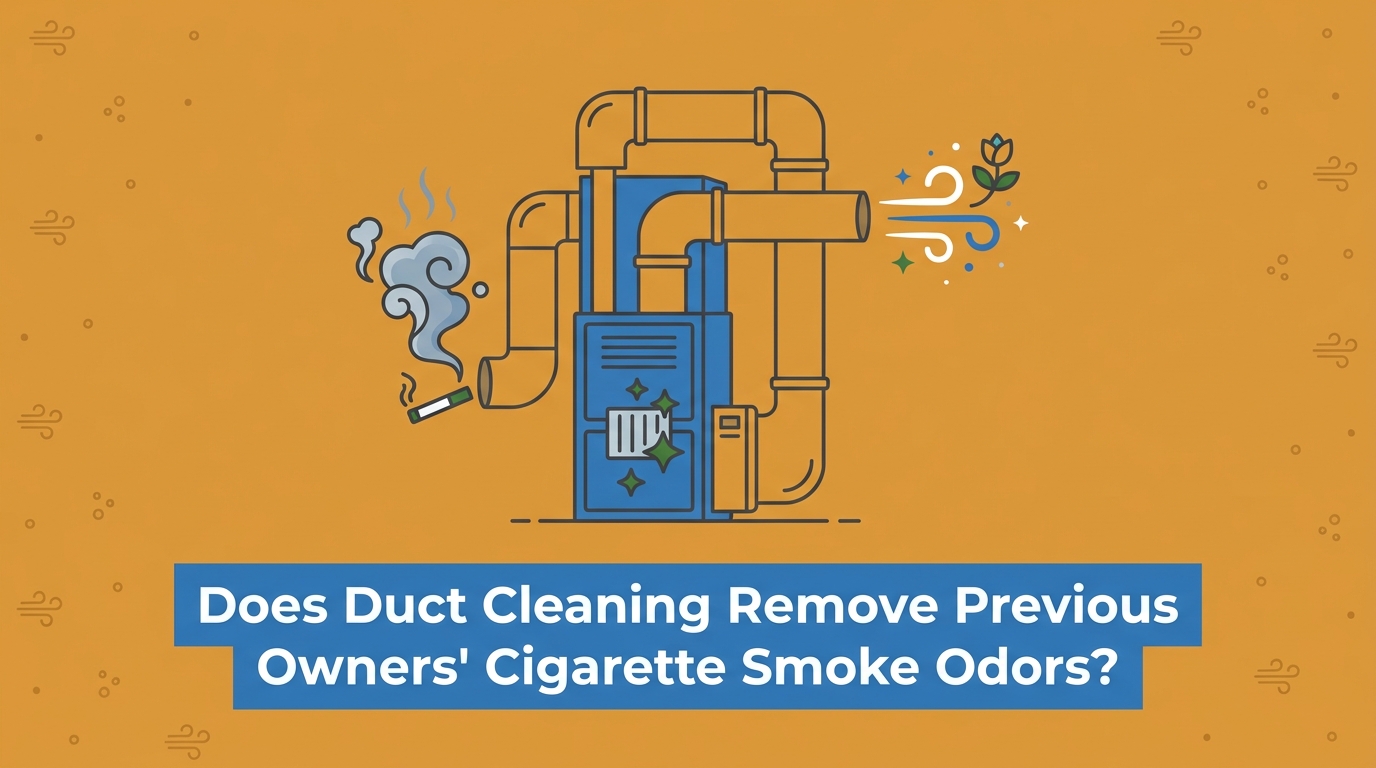
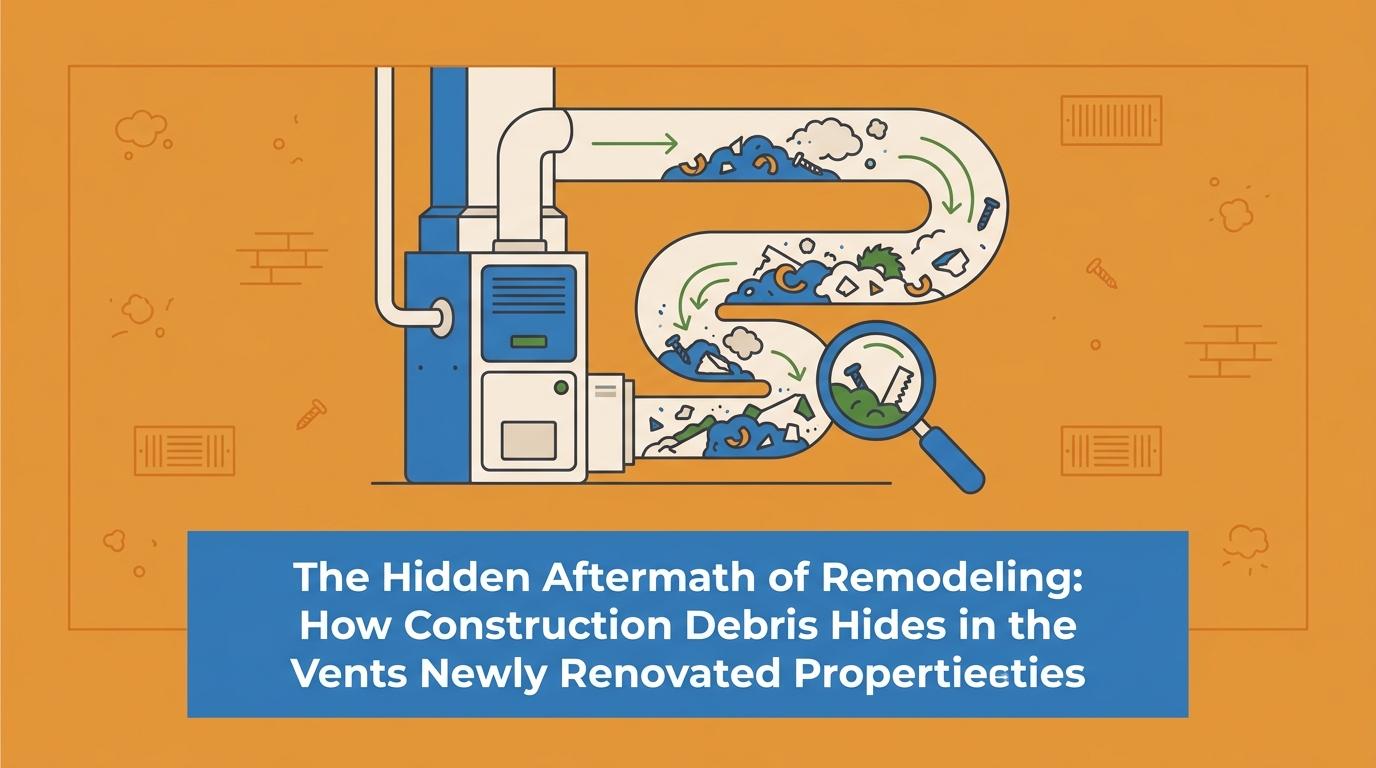
This is particularly relevant when moving into a new residence. Moving into a new house often means inheriting the previous owners' lifestyle habits—including their pet dander, skin cells, lingering odors, and leftover construction debris hidden in the vents. We recently worked with a family who experienced poor air quality and severe allergies shortly after moving into a new home. Our Superior Air Duct Cleaning technicians arrived on time, cleaned and sanitized the vents and furnace, and thoroughly cleaned up the work area afterward. The outcome was significantly improved air quality, which allowed the family to breathe easier and sleep better.
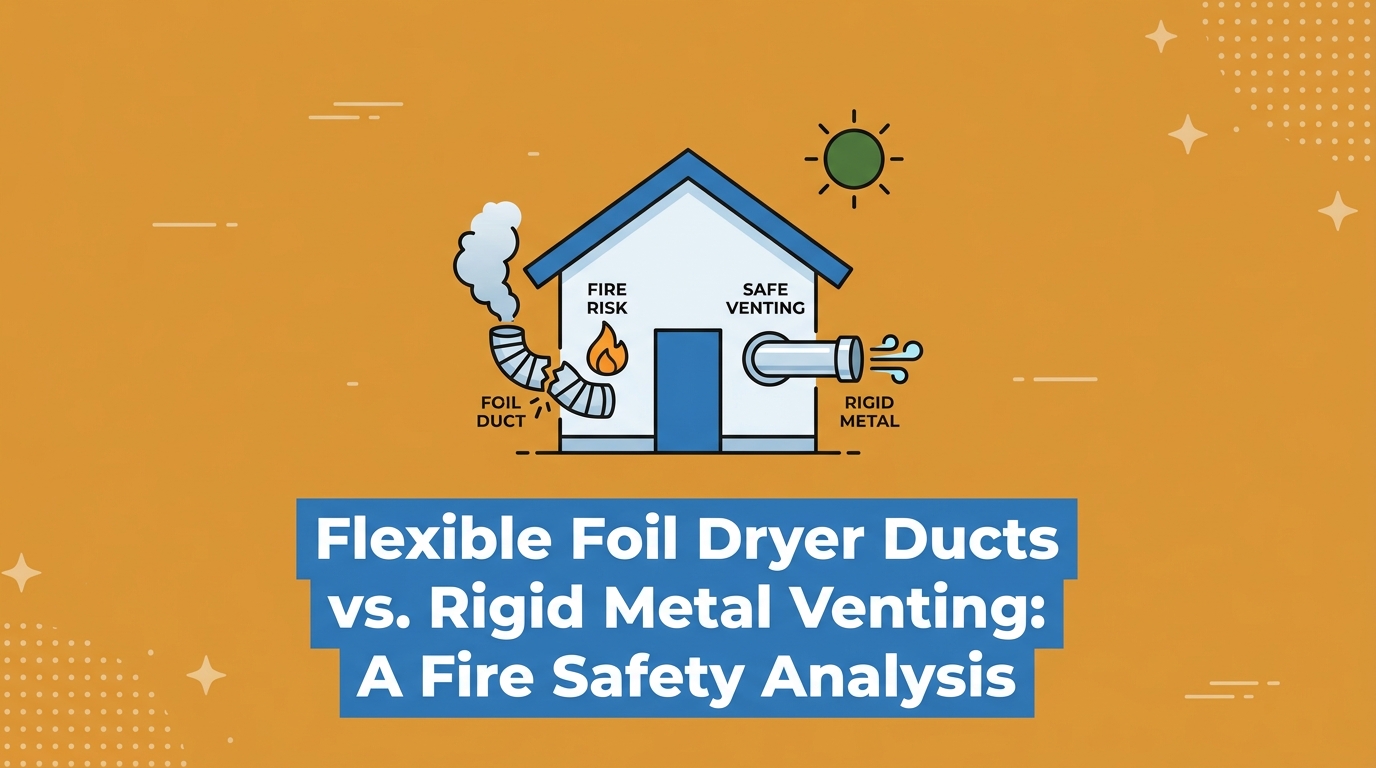
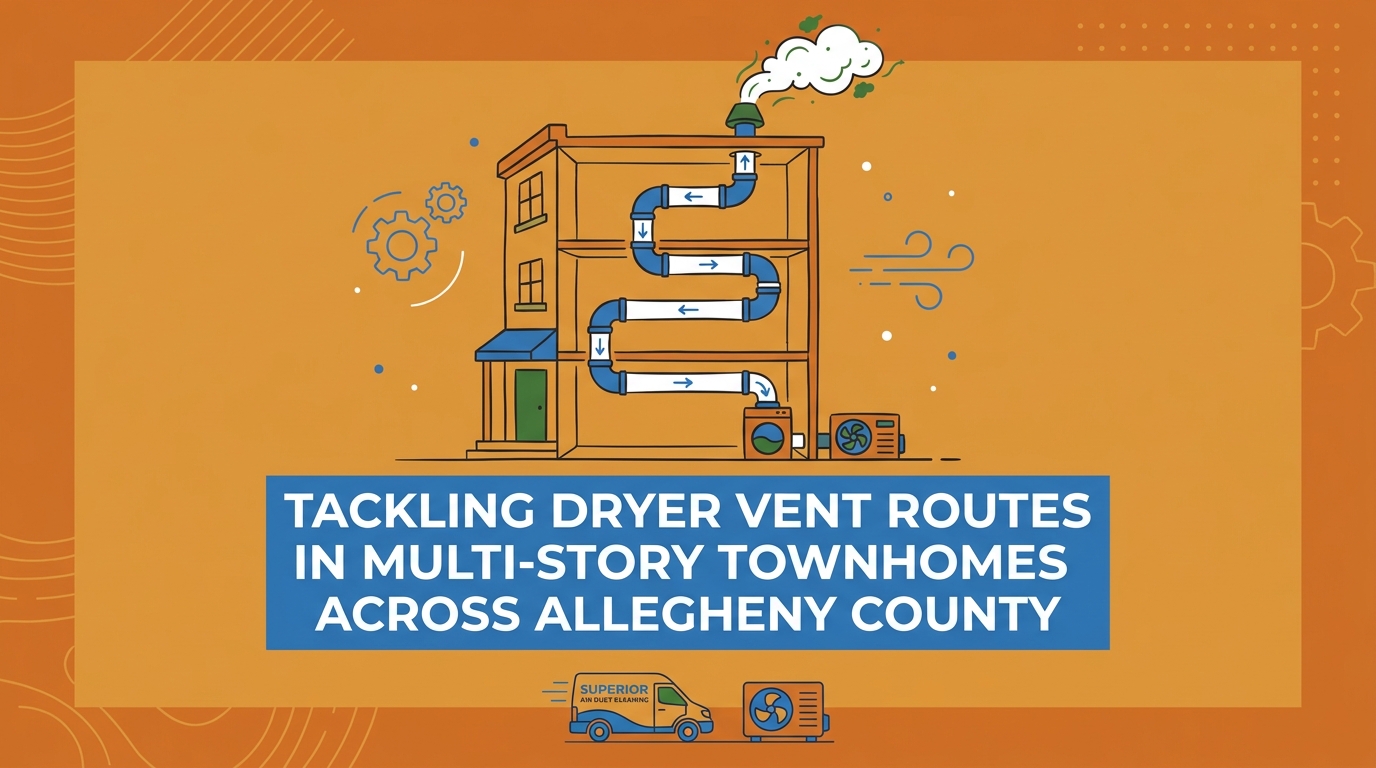
Broadening the scope of home maintenance, comprehensive airflow improvement also includes related systems that pose their own safety and efficiency risks. For example, scheduling dryer vent cleaning alongside your HVAC maintenance ensures that highly flammable lint is removed from your exhaust lines. This not only prevents dangerous dryer fires but also drastically improves the efficiency of your appliance, saving you time and energy on laundry day.
Ultimately, professional extraction provides the peace of mind that comes from knowing the air circulating through your home is genuinely clean, rather than just filtered through layers of hidden debris.
Scaling the Solution: Residential vs. Commercial Duct Systems
While residential homes deal primarily with seasonal startup odors and household allergens, the principles of proper extraction scale up to much larger environments. The core concepts of negative pressure, mechanical agitation, and total system containment apply equally to both homes and large-scale buildings.
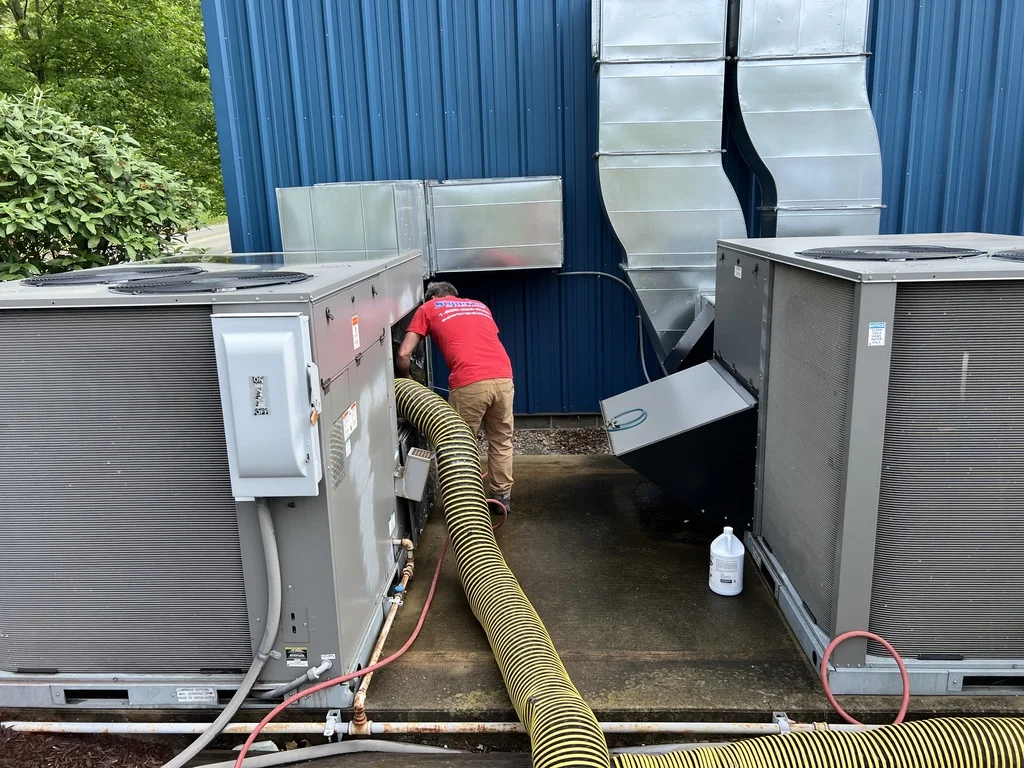
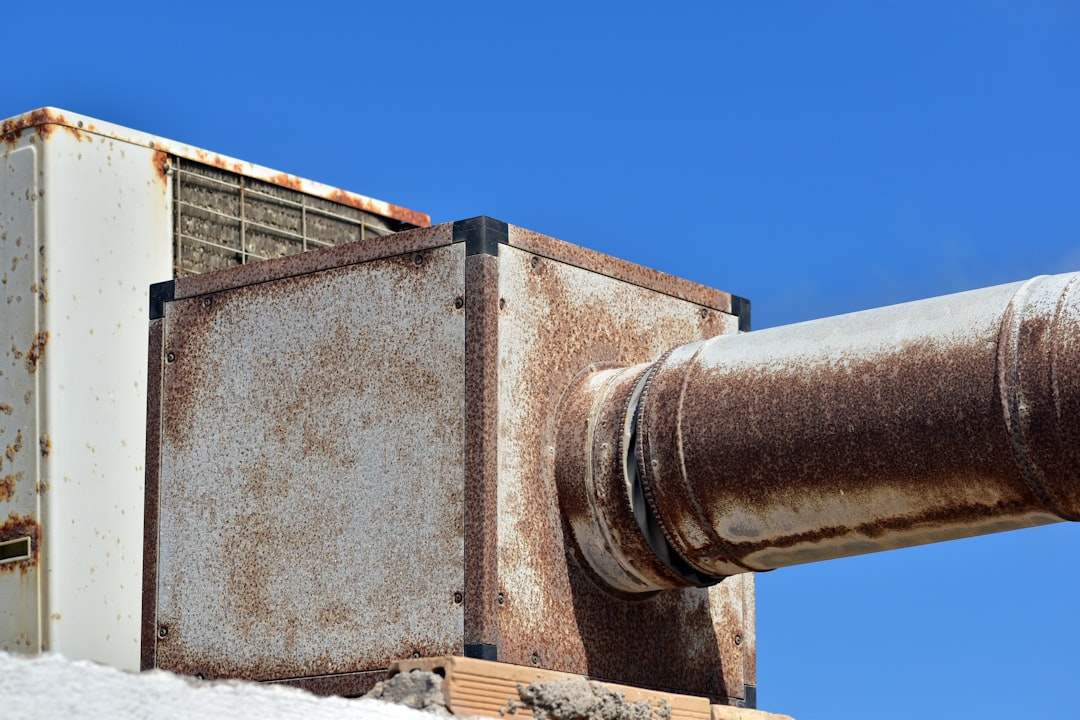
However, commercial environments present unique challenges. While residential systems deal with pet hair and dust, commercial duct cleaning often involves mitigating heavy-duty industrial particulate, managing complex multi-zone layouts, and navigating extensive rooftop units. A manufacturing facility or a large office building requires specialized equipment capable of generating massive amounts of suction to clear hundreds of feet of commercial-grade ductwork.
Despite the difference in scale, the same rigorous NADCA standards apply. Whether our team is cleaning a single-family home or a multi-story office complex, ensuring safety, compliance, and total contaminant removal remains the primary goal. This comprehensive expertise guarantees that every job is handled with the exact same level of precision and care.
Breathe Easier This Winter with Expert Care
That initial burning dust smell on a chilly autumn evening is more than just a seasonal nuisance; it is a clear signal from your HVAC system that it is time for proactive maintenance. Ignoring the odor means allowing humidity-baked summer dust, pet dander, and allergens to continuously circulate through your home all winter long.
Proper extraction requires specialized, truck-mounted equipment and strict adherence to industry standards to ensure contaminants are safely exhausted outside your living space. For homeowners in New Brighton PA and the surrounding areas, prioritizing your indoor air quality before the deep winter freeze sets in is one of the smartest investments you can make in your home's comfort.
If you are tired of breathing in dormant debris and want to ensure a healthy home environment this season, take the time to explore professional air duct cleaning options. A clean system means better airflow, reduced allergens, and the peace of mind that comes from knowing your family is breathing truly clean air.
Frequently Asked Questions
Why does my house smell when I turn on the heat?
The smell is caused by the combustion of dust and debris that has settled on your furnace's heat exchanger over the summer. When the furnace ignites for the first time, this layer of particulate matter burns off, creating a distinct burning dust odor. If the smell persists for more than a few hours, it usually indicates a heavy accumulation of debris in the ductwork that requires professional extraction.
How do I know if my air ducts need cleaning?
Watch for visible signs like dust blowing out of your vents, dark streaks on the walls around your registers, or a persistent musty odor when the HVAC system runs. Additionally, if your family experiences a sudden increase in allergy symptoms or respiratory irritation while indoors, your ductwork may be harboring excessive allergens and pet dander.
What does NADCA certified mean?
NADCA certification means a company adheres to the strict assessment, cleaning, and restoration standards set by the National Air Duct Cleaners Association. It ensures that technicians are properly trained to clean the entire HVAC system safely, using negative pressure to prevent cross-contamination in your home.
What does a professional duct cleaning include?
A professional cleaning goes far beyond just vacuuming the floor vents; it involves cleaning the entire forced-air system. This includes the supply and return ductwork, the blower motor, the heat exchanger, and the cooling coils, ensuring that no hidden debris is left behind to re-contaminate the system.
Can summer humidity really affect my home's heating ducts?
Yes, high ambient humidity interacts with the dust and pet dander sitting in your dormant heating ducts, causing it to clump and stick to the metal walls. This humidity-baked debris cannot be blown out by the furnace fan alone and requires mechanical agitation to properly remove before winter.

Customer Reviews


Superior Air Duct cleaning did a phenomenal job in a timely manner with the tech “Rich” being very professional ,personable and considerate of our property! He explained things as he proceeded and answered all our questions!
I LOVE that they provide before & after photos to see the difference. Give them a try… you won’t regret it
Pam T.
Robert was on schedule and communicated what time he would arrive. He was polite, professional, and respectful of our home. I wanted to wait a couple weeks before posting a review because I wanted to see if the duct cleaning actually made a difference. I am happy to say it did! I vacuum multiple times a week and have already noticed a significant reduction in the amount of dust cleaned up each time. As a home with pets, there will always be something to clean, but getting the ducts cleaned has definitely helped improve the air quality and reduce the dust.
alice A.
Technician Rob arrived early explained the days agenda and then proceeded to work methodically and meticulously over the next 6+ hours cleaning my ductwork. Courteous and professional they answered all of my questions and went above and beyond the call of duty. They even located an old dusty box of rat poison buried in our vents. My only regret is not finding these guys sooner. As a realtor of 22 years and owner of a newly purchased (now dust free) home I highly recommended!
Eric K.
Excellent service! I’ve used them to clean out my air ducts as well as my dryer vent duct and they are excellent. I was very pleased with both jobs and will continue to use them in the future. Great communication as well- from the time I scheduled the appointment until they were at my door.
Erika C.
We had such an amazing experience with Superior Air Duct Cleaning. They were so nice and friendly and did an amazing job. I loved seeing the before and after pictures. Besides doing an amazing job cleaning our air ducts they were so quick at responding and setting up the appointment. We will definitely be using them in the future.
Amanda C.