The Unpleasant Surprise of the First Fall Furnace Cycle
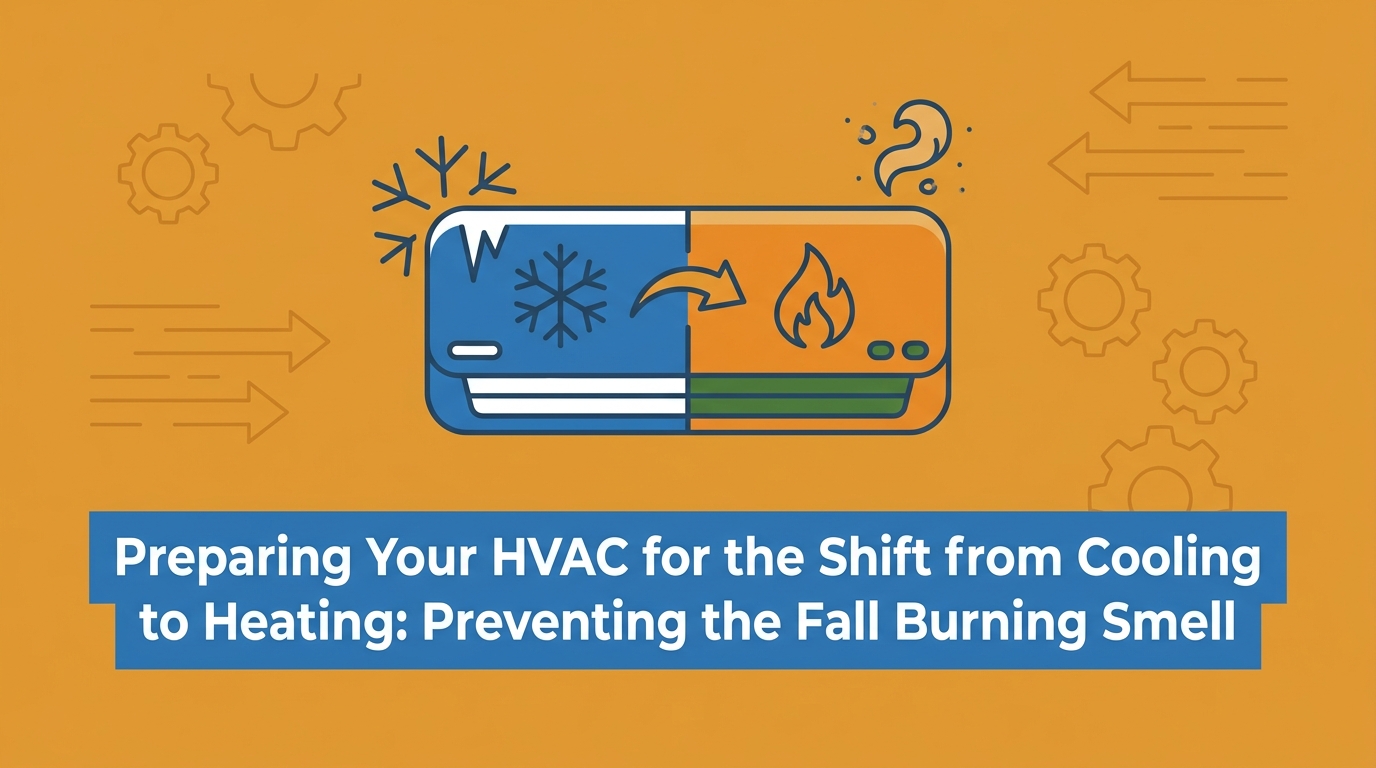
The sudden chill of a brisk morning hits, and you walk over to bump the thermostat up for the first time in months. Preparing your HVAC for the shift from cooling to heating is often overlooked until that exact moment, right when a harsh, acrid odor begins pouring out of your vents. Ten minutes later, your living room smells like a dusty campfire. At Superior Air Duct Cleaning, our team fields countless calls about this alarming, unpleasant surprise every late August and early September, when crisp mornings suddenly interrupt the lingering summer heat.
Many homeowners assume this smell is just a harmless nuisance—a quirk of an aging system waking up from a long hibernation. However, that sudden odor is actually a direct symptom of a larger indoor air quality issue. When your furnace ignites and pushes air through the house, it is not just circulating warmth; it is circulating the vaporized remnants of everything that settled in your system over the summer.
You face a clear decision point when that first wave of odor hits. You can either ignore the smell, letting your system continuously circulate burnt debris and allergens throughout your living space, or you can establish a clean slate before you seal your windows for the winter. Understanding exactly what is happening inside your ductwork is the first step toward breathing easier this back-to-school season.
The Mechanics Behind the Cooling-to-Heating Switch
To understand why that initial shift in modes causes such a dramatic reaction, you have to look at the internal mechanics of your climate control system. Your HVAC setup is a complex network of components that handle air very differently depending on whether you are calling for chilled air or warm air. In New Brighton, PA area homes, these systems work overtime during the summer months. Based on what our technicians see in the field every day, this heavy usage creates an environment inside the unit that sets the stage for fall odors.
From the Evaporator Coil to the Heat Exchanger
During the summer, your air conditioner relies on the indoor evaporator coil. This coil gets incredibly cold to extract heat from the air inside your home. As a natural byproduct of this cooling process, the coil generates condensation. For months, the interior of your air handler and the beginning of your ductwork remain cold, damp, and dark.
When you switch your thermostat to heating mode, the system bypasses the cooling process and activates the furnace heat exchanger. This component gets exceptionally hot, sometimes reaching temperatures well over 100 degrees Fahrenheit in a matter of seconds.
The Shock of Dry, High-Temperature Heat
The transition is jarring for the system. You are suddenly introducing dry, high-temperature heat into an environment that has been cold and damp for months. Any residual moisture from the summer cooling season is instantly evaporated, and the airflow dynamics inside the cabinet shift. The blower motor pushes this freshly heated air over the heat exchanger and directly into your air duct cleaning target zones—the main supply trunks and branch ducts that have been quietly accumulating debris all summer long.
Why Does My Heater Smell Like It Is Burning?
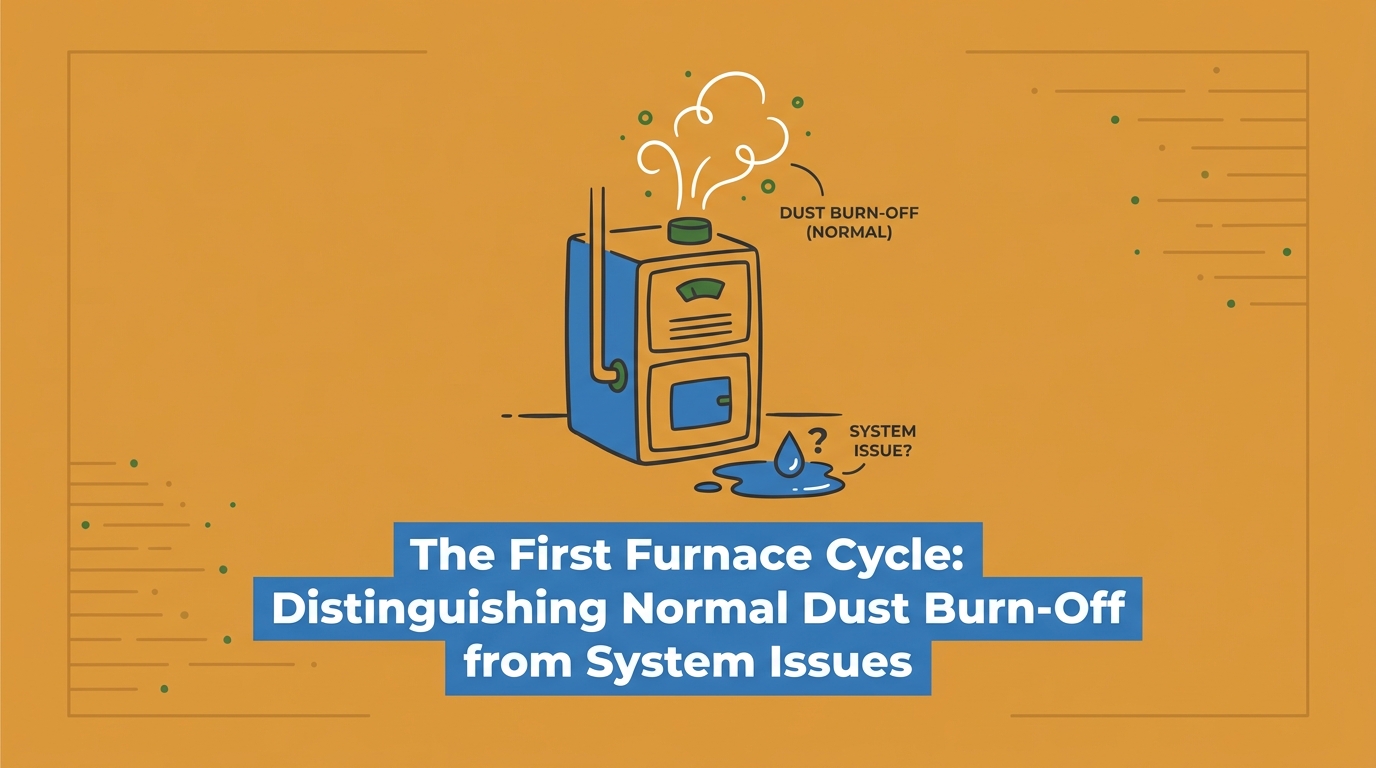
If you have ever panicked over a burning smell when turning on heat for the first time in the fall, you are not alone. This is one of the most common seasonal concerns our team addresses, but the root cause is rarely an electrical fire or a broken motor. Instead, it comes down to the combustion of everyday household dust.
The Problem: Settled Summer Debris
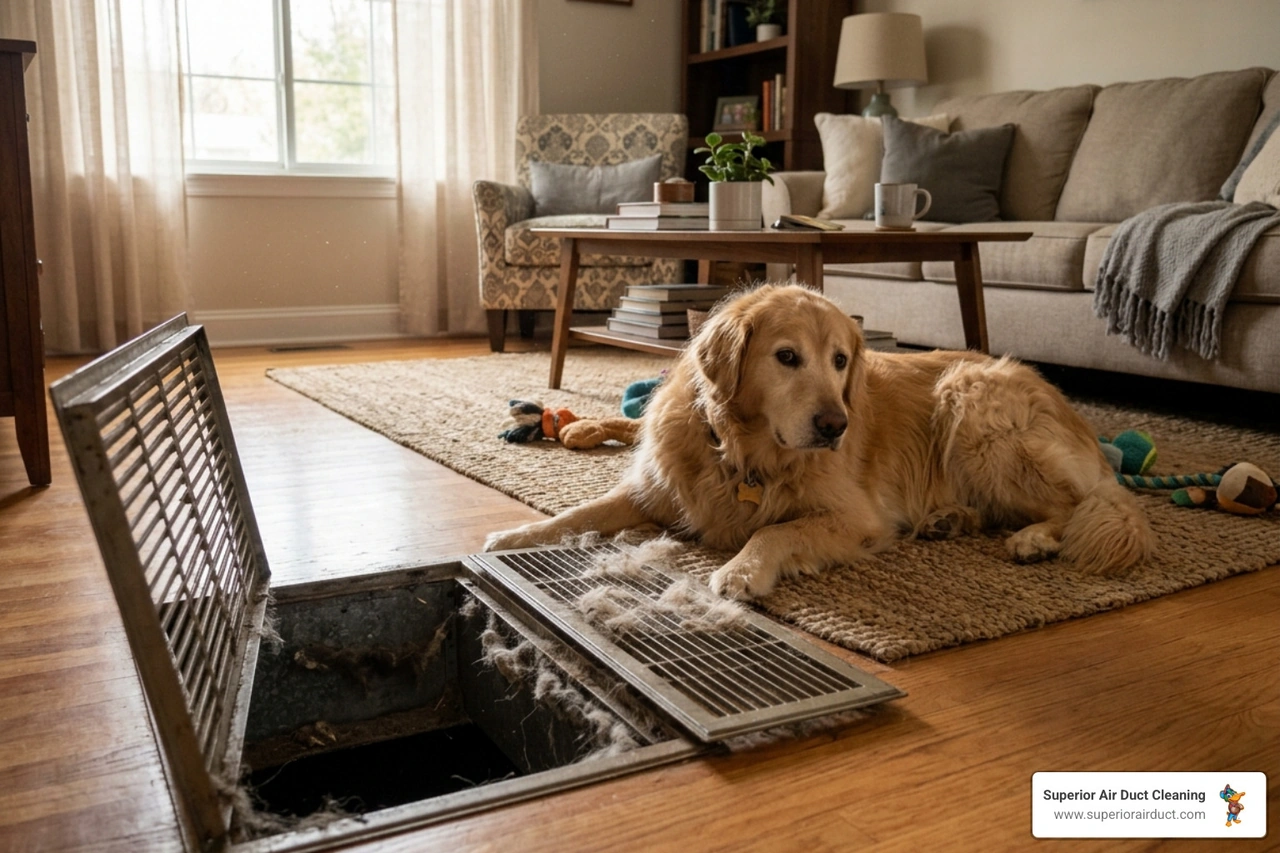
Throughout the long cooling season, microscopic organic matter, pet dander, skin cells, and allergens are pulled into your return vents. While your air filter catches a large portion of this, a significant amount inevitably slips through and settles directly on the cold, dormant surface of your furnace heat exchanger, as well as deep inside the ductwork.
The Cause: Instant Vaporization
When the furnace burners ignite for the first time, the heat exchanger rapidly heats up. The layer of dust and organic matter that has been resting on the metal is instantly scorched and vaporized. The blower fan then takes this smoke and burnt particulate matter and pushes it through your vents, resulting in that notorious campfire odor. If your system also suffers from musty odors from your air ducts, the sudden blast of dry heat can amplify the smell, creating a deeply unpleasant indoor environment.
The Solution: Professional Extraction
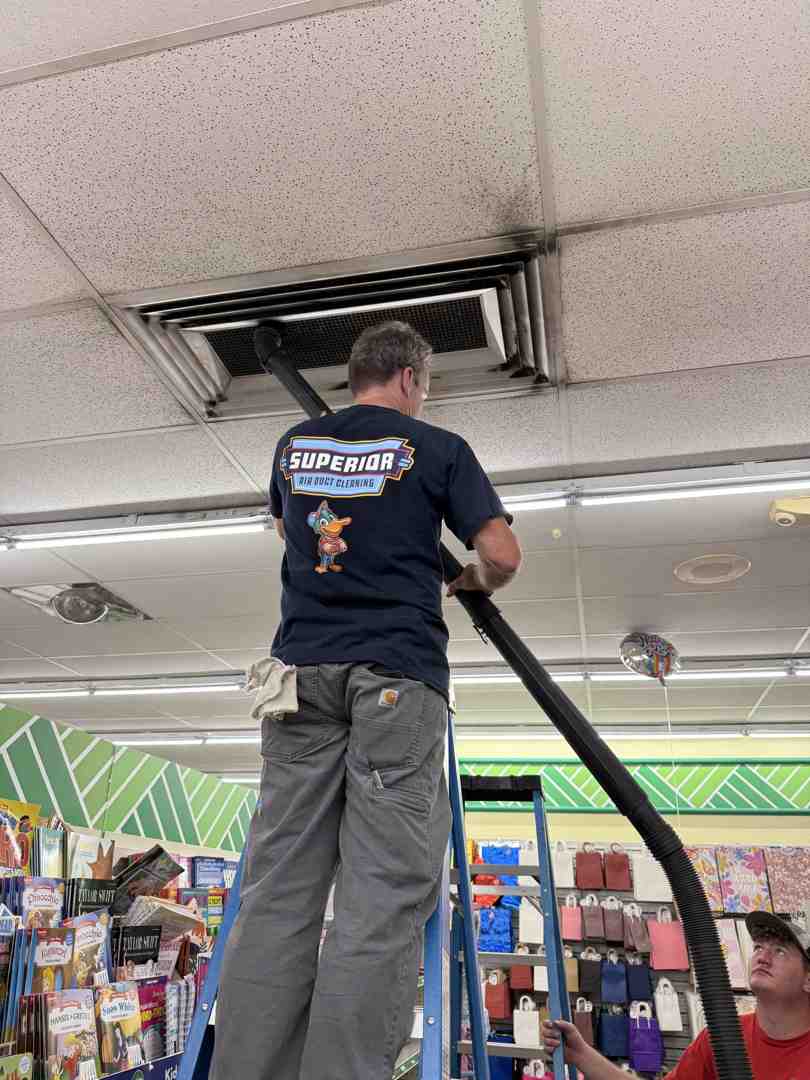
While a brief, faint odor that dissipates after an hour or two can be considered a normal burn-off, a strong or persistent smell indicates a heavy buildup of debris that requires intervention. One local property owner reached out to us late this summer when a rental property developed horrible vent smells. After our crew performed a thorough vacuuming, cleaning, and sanitizing of the vents alongside a comprehensive furnace check, the odors were completely resolved, proving that removing the fuel source is the only way to stop the smell.
How Summer Humidity Traps Debris in Your Ductwork
In our years of experience serving Western Pennsylvania, we know the local climate plays a massive role in how dirty your ductwork gets, and it directly influences the severity of the odors you experience in the fall. The drastic day-to-night temperature shifts in Western PA late summers—where hot, humid days give way to brisk mornings—require your system to switch modes rapidly, exposing the hidden debris trapped inside your walls.
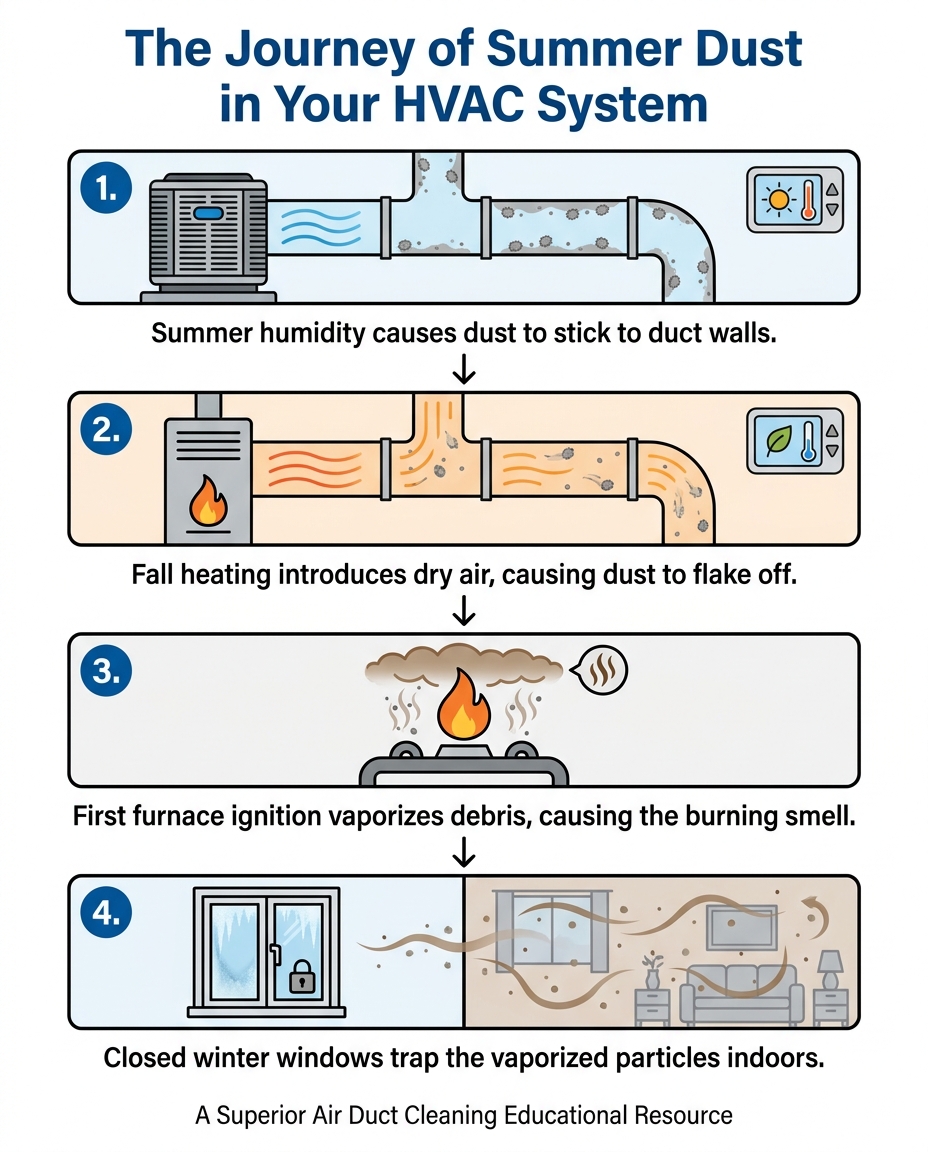
The role of humidity: High summer humidity causes airborne particulates to become heavy, sticky, and clumped together. As your air conditioner pulls warm, humid air from your home, this sticky dust is drawn into the return ducts.
Adhering to the walls: Because the dust is weighed down by moisture, much of it never makes it to the air filter. Instead, it adheres to the interior walls of your ductwork, forming a thick, stubborn layer of grime that standard airflow cannot dislodge.
The fall dry-out: When the late August / early September transition arrives and you turn on the furnace, the sudden introduction of dry, heated air changes the environment inside the ducts. The caked-on, sticky dust dries out rapidly, flakes off the metal walls, and becomes airborne. This cycle is a primary contributor to poor winter air quality, as your blower fan pushes these dried, contaminated flakes directly into your living spaces.
Why a Standard Filter Change Isn't Enough for Fall Prep
When preparing for the heating season, the most common advice homeowners hear is to simply replace their HVAC filter. While changing your filter is an absolutely critical step for maintaining proper airflow and system efficiency, we often see that it falls dangerously short of solving the root problem of duct buildup and seasonal odors in New Brighton, PA area homes.
Filters are designed to catch airborne particles as they enter the HVAC cabinet, but they have a fatal limitation: they cannot reach, loosen, or remove the debris that has already settled deep within the ductwork. Once dust has bypassed the filter and coated the supply lines, it will continuously blow into your rooms regardless of how clean the filter in the basement is.
For example, a local homeowner with an 18-year-old house that had never had its ducts cleaned sought our help late this summer to reduce severe indoor allergens. Our comprehensive, professional-grade HVAC extraction removed nearly 25+ years of buildup, successfully addressing their allergen concerns—something a standard filter replacement could never achieve. Emphasizing thorough, professional-grade extraction that removes summer debris completely is the only way to truly prevent the burning smell and protect your system.
• Standard Filter Change — Impact on Airflow: Improves intake efficiency and reduces strain on the blower motor. — Impact on Deep Duct Debris: Zero impact. Cannot remove dust already settled in supply vents. — Effect on Fall Burning Smell: Minimal. Does not clean the heat exchanger where the smell originates.
• Professional Duct Extraction — Impact on Airflow: Restores maximum airflow by clearing blockages throughout the entire system. — Impact on Deep Duct Debris: Removes heavy, caked-on summer dust and allergens from deep within the walls. — Effect on Fall Burning Smell: Eliminates the fuel source, providing a clean, odor-free transition to heating.
Protecting Your Home's Air Quality Before Winter Sets In
The transition from cooling to heating is about much more than just temperature control; it is a critical juncture for your family's health and comfort. According to guidelines from the EPA, indoor air can be significantly more polluted than outdoor air—often two to five times worse. This staggering statistic becomes even more relevant as the weather cools down and kids head back to school.
During the summer, you might occasionally open windows to let in a fresh breeze. But as winter approaches, homes undergo the "sealed home" effect. Windows are locked tight, weatherstripping is applied, and doors are kept shut to conserve energy. If you experience a burning smell when turning on heat, those vaporized particles, allergens, and bacteria have nowhere to go. They become trapped inside the envelope of your home, recirculating through your rooms dozens of times a day.
Investing in a complete system sanitization neutralizes lingering summer odors and eliminates the bacteria that thrive in dark, humid ductwork. Consider a family who moved into a new house over the summer and experienced severe allergies and difficulty breathing due to dirty air. Once they invested in whole house sanitizing with our team to clean the vents and furnace, the air quality improved drastically, allowing the family to finally breathe and sleep better. Knowing that the air circulating through your home is clean provides profound peace of mind as you prepare to spend more time indoors.
Your Late-Summer HVAC Transition Checklist
Taking a proactive approach to the late August / early September transition ensures that your system runs safely and efficiently when the temperatures finally drop. Following a structured checklist helps you catch minor issues before they turn into major mid-winter breakdowns.
Here are the essential steps our technicians recommend to prepare your home for the heating season:
• Clear outdoor debris: Remove late-summer leaves, overgrown vegetation, and dirt from around your outdoor condenser unit to ensure it can breathe properly if a sudden warm day requires the AC to run again.
• Test the thermostat early: Pick a mild day in late summer to switch your thermostat to heat mode and bump the temperature up a few degrees. Testing early ensures the furnace actually ignites before the first freezing night arrives.
• Unobstruct all interior vents: Walk through every room and ensure that all supply and return vents are fully open and not blocked by heavy furniture, back-to-school storage, or curtains. Blocked vents severely restrict airflow and strain the blower motor.
• Replace the air filter: Swap out your summer filter for a high-quality pleated filter to ensure the furnace has maximum airflow during its critical first cycles. (Note: Many local utility programs or federal tax credits may apply to qualifying high-efficiency heat pump installations if you find your system needs upgrading; check with your utility provider for current generic incentives).
• Schedule professional extraction: Book a professional duct cleaning and sanitization service to clear out the heavy summer buildup, preventing the burning odor and establishing a clean baseline for winter.
Frequently Asked Questions About the Cooling-to-Heating Switch
Why does my heater smell like it is burning when I turn it on?
The burning smell when turning on heat is caused by the sudden combustion of dust, skin cells, and organic matter that settled on the furnace heat exchanger during the summer. When the furnace ignites for the first time, this debris is instantly vaporized, sending a smoky odor through your vents. While a brief smell is common, a persistent odor indicates a heavy buildup that requires professional cleaning.
How long should you wait to switch from AC to heat?
You do not need to wait days, but we recommend allowing the system to rest in the "off" position for at least 5 to 10 minutes before switching modes. This brief pause allows the system's refrigerant pressures to equalize and prevents the compressor from short-cycling. Rushing the switch can cause unnecessary electrical strain on the equipment.
Should I turn off my AC before turning on the heat?
Yes, you should always turn the thermostat to the "off" position before switching over to the heating mode. Giving the system a few minutes to fully shut down the cooling components ensures that the blower motor and internal relays reset properly before the furnace ignition sequence begins.
How do I get rid of the burning dust smell in my heater?
Based on our field experience, the most effective way to eliminate the burning dust smell is to remove the dust itself through professional HVAC cleaning and duct extraction. While changing your air filter helps improve airflow, it cannot remove the caked-on debris already resting on the heat exchanger or deep inside the ductwork that is causing the odor.
How do I prepare my HVAC for winter?
Preparing your HVAC for winter involves testing the furnace on a mild day, replacing the air filter, clearing debris away from the outdoor unit, and ensuring all indoor vents are open. Most importantly, scheduling a professional duct cleaning and mechanical tune-up ensures the system operates safely and maintains high indoor air quality all season long.
Can switching from AC to heat cause indoor allergies to flare up?
Yes, the sudden shift to heating can easily trigger indoor allergies. The blast of dry, heated air causes sticky summer dust and allergens trapped in the ductwork to dry out, flake off, and blow into your living spaces, severely degrading indoor air quality just as homes are sealed up for the colder months.
Ensure a Clean, Odor-Free Start to the Heating Season
The transition from cooling to heating doesn't have to mean enduring poor air quality or suffering through the harsh smell of vaporized dust. For New Brighton, PA area homes, taking a proactive stance on indoor air quality makes all the difference in how comfortable your home feels during the colder months.
Remember that establishing a clean slate by removing summer debris is the only surefire way to prevent the notorious burning dust smell. As winter approaches and your windows stay firmly closed, you want absolute confidence that the air circulating through your rooms is pure and healthy. We encourage you to explore professional extraction and sanitization options with Superior Air Duct Cleaning today to protect your home's air quality and ensure a fresh, odor-free start to the heating season.

Customer Reviews


Superior Air Duct cleaning did a phenomenal job in a timely manner with the tech “Rich” being very professional ,personable and considerate of our property! He explained things as he proceeded and answered all our questions!
I LOVE that they provide before & after photos to see the difference. Give them a try… you won’t regret it
Pam T.
Robert was on schedule and communicated what time he would arrive. He was polite, professional, and respectful of our home. I wanted to wait a couple weeks before posting a review because I wanted to see if the duct cleaning actually made a difference. I am happy to say it did! I vacuum multiple times a week and have already noticed a significant reduction in the amount of dust cleaned up each time. As a home with pets, there will always be something to clean, but getting the ducts cleaned has definitely helped improve the air quality and reduce the dust.
alice A.
Technician Rob arrived early explained the days agenda and then proceeded to work methodically and meticulously over the next 6+ hours cleaning my ductwork. Courteous and professional they answered all of my questions and went above and beyond the call of duty. They even located an old dusty box of rat poison buried in our vents. My only regret is not finding these guys sooner. As a realtor of 22 years and owner of a newly purchased (now dust free) home I highly recommended!
Eric K.
Excellent service! I’ve used them to clean out my air ducts as well as my dryer vent duct and they are excellent. I was very pleased with both jobs and will continue to use them in the future. Great communication as well- from the time I scheduled the appointment until they were at my door.
Erika C.
We had such an amazing experience with Superior Air Duct Cleaning. They were so nice and friendly and did an amazing job. I loved seeing the before and after pictures. Besides doing an amazing job cleaning our air ducts they were so quick at responding and setting up the appointment. We will definitely be using them in the future.
Amanda C.