Why Your CO Detector is Sounding on the First Chilly Night
Are you wondering, can dirty ducts trigger false alarms on my carbon monoxide detector? It is a terrifying moment for any homeowner. The September pre-heating season arrives, the temperature finally drops, and you switch on your furnace to take the chill out of the air. Suddenly, a piercing alarm shatters the quiet of your home. Because the system has been sitting idle for months, your first instinct might be to blame the dust that has settled inside your ventilation system over the summer. You might assume a cloud of debris simply tricked the sensor.
Here is the short answer: No, dirty ducts cannot trigger a false alarm on a carbon monoxide (CO) detector. If your carbon monoxide alarm is sounding, you must treat it as a real, life-threatening emergency. While dust itself does not set off these specific chemical sensors, severe dust buildup in your ductwork creates a dangerous chain reaction inside your heating system. That restricted airflow can cause your furnace to overheat, crack the heat exchanger, and release a very real carbon monoxide leak into your home's breathing air.
To protect your home and your family, you need to understand the critical connection between your HVAC equipment's airflow and your indoor air quality.
Dust vs. Gas: What Actually Triggers Your Alarms?
To understand why a CO alarm should never be dismissed as a dusty "false alarm," you have to look at how different home safety devices actually work. Many homeowners in Western Pennsylvania / New Brighton area homes confuse the mechanics of smoke detectors with carbon monoxide detectors. While they look similar and are often mounted near each other on the ceiling or wall, they monitor completely different threats using entirely different technology.
Smoke detectors use either photoelectric or ionization sensors. These sensors project a beam of light or a small electrical current inside a chamber. If physical particles—like smoke from a burnt dinner, heavy steam from a shower, or a massive cloud of dust blown from a dirty air vent—enter that chamber and break the beam, the alarm sounds. Because smoke detectors measure physical particulate matter, they can occasionally be tricked by extremely dirty vents.
Carbon monoxide detectors are completely different. Carbon monoxide is a colorless, odorless, tasteless gas produced by the incomplete combustion of fossil fuels (like natural gas, oil, or propane). CO detectors use electrochemical sensors. Inside the device, a chemical solution reacts specifically and exclusively to carbon monoxide molecules. When the gas enters the chamber, it creates an electrical current that triggers the alarm.
Comparing Home Safety Sensors
• Sensor Technology — Smoke Detectors: Photoelectric or Ionization (measures particles) — Carbon Monoxide Detectors: Electrochemical (measures chemical reactions)
• What It Detects — Smoke Detectors: Physical particles (smoke, steam, heavy dust) — Carbon Monoxide Detectors: Carbon monoxide gas molecules only
• Reaction to Dust — Smoke Detectors: Can trigger a false alarm if dust is thick enough — Carbon Monoxide Detectors: Will not trigger; dust cannot cause the chemical reaction
• Common False Alarms — Smoke Detectors: Cooking smoke, bathroom steam, burnt dust — Carbon Monoxide Detectors: Low battery, expired unit (usually a chirp, not a full alarm)
Because dust, pet dander, and pollen are physical particles, they cannot bridge the chemical reaction required to set off a CO detector. If your CO alarm is blaring a full emergency sequence, it is detecting actual gas. This is why investing in professional air duct cleaning is not about preventing false alarms—it is about preventing the mechanical failures that cause real gas leaks.
The Chain Reaction: How Restricted Airflow Creates Real CO Dangers
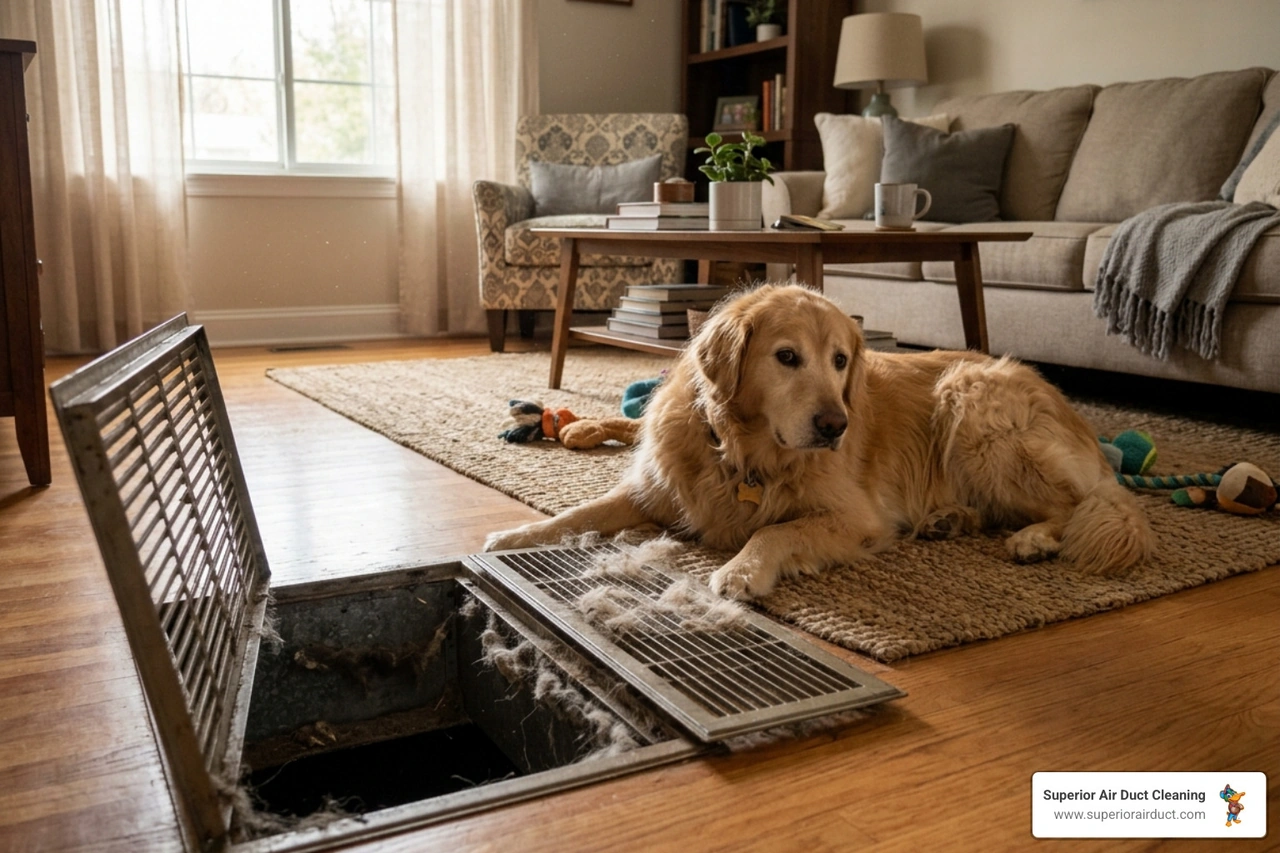
If dust does not set off the alarm directly, how do dirty ducts cause carbon monoxide leaks? The answer lies in airflow dynamics and heat management. Your furnace relies on a steady, unhindered flow of air to operate safely. When years of debris accumulate in your ductwork, it acts like a thick blanket choking the system.
We see this pattern frequently. In one instance, a homeowner in an 18-year-old house was trying to reduce severe indoor allergens. They realized the home's ductwork had never been cleaned since the day it was built. When an HVAC cleaning was performed and the technicians showed pictures of the entry points, the ducts were heavily choked with nearly 25+ years of buildup. That level of blockage does more than trigger allergies—it actively damages the heating equipment.
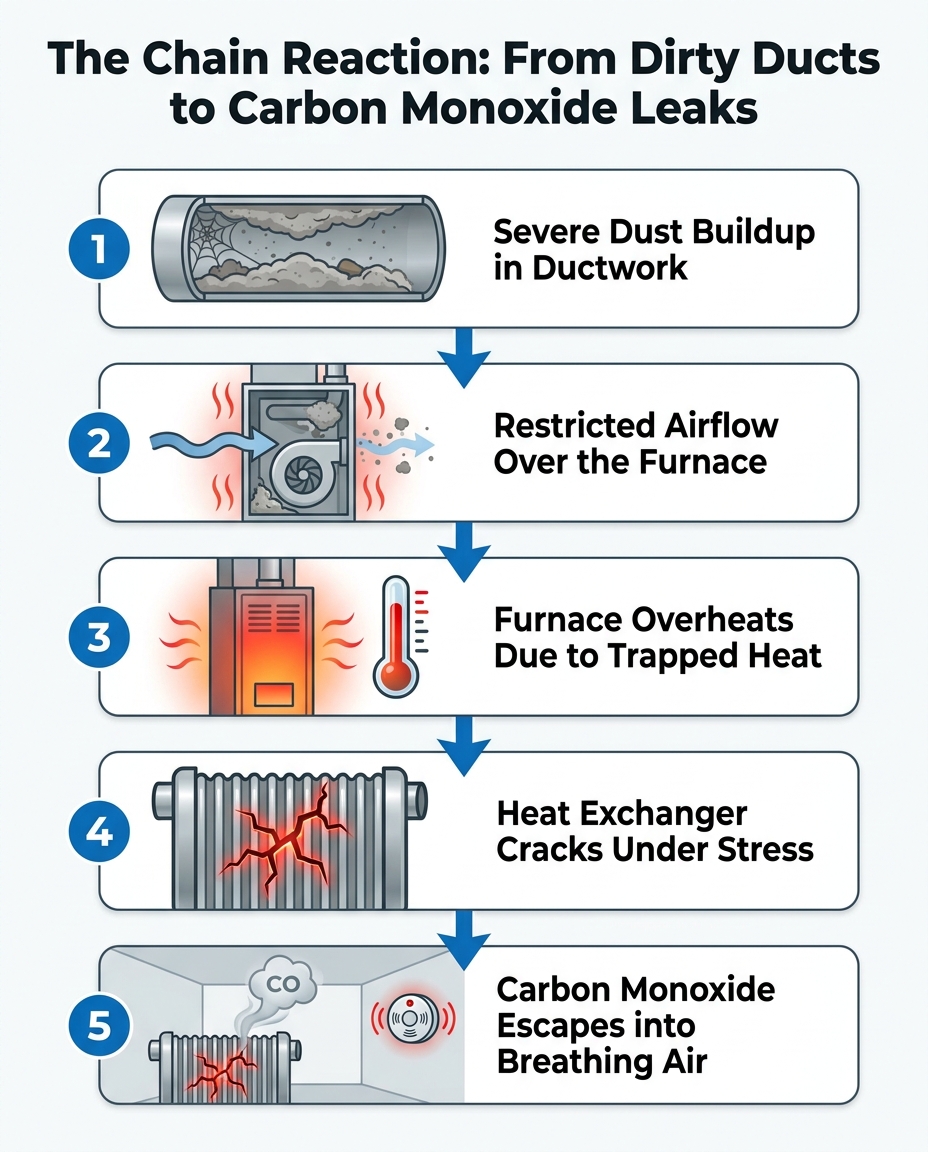
In regions requiring prolonged, heavy furnace run times to combat freezing winter temperatures, this restricted airflow exacerbates wear and tear on the system much faster. Here is the dangerous progression that occurs hidden behind your walls:
1. Severe Dust Buildup: Years of pet hair, dead skin cells, construction debris, and everyday dust accumulate in the supply and return ducts, narrowing the passage for air to flow.
2. Restricted Airflow Over the Furnace: Your furnace blower has to push air over a metal component called the heat exchanger. This metal shield separates the toxic exhaust gases (created by burning fuel) from the clean air blowing into your rooms. The clean air absorbs the heat and carries it away, cooling the metal in the process.
3. Trapped Heat Causes Overheating: When ducts are clogged, not enough air passes over the heat exchanger to cool it down. The heat becomes trapped inside the furnace cabinet, causing the internal temperature to skyrocket past safe operating limits.
4. The Heat Exchanger Cracks Under Stress: Metal expands when heated and contracts when cooled. Repeated, extreme overheating causes the metal of the heat exchanger to fatigue, warp, and eventually crack.
5. Carbon Monoxide Escapes: Once the heat exchanger cracks, the barrier is broken. Deadly combustion gases, including carbon monoxide, escape through the fissures and are blown directly into your home's breathing air rather than venting safely outside through the flue.

Warning Signs Your Furnace Heat Exchanger is Failing
By the time the September pre-heating season arrives, the damage to your heat exchanger may have already been done during the heavy usage of the previous winter. A cracked heat exchanger is a severe structural failure. While you should never attempt to dismantle your furnace or inspect the heat exchanger yourself—this strictly requires a licensed HVAC professional with specialized diagnostic tools—there are secondary signs you can look for.
If you notice any of the following symptoms in your home, accompanied by a CO alarm or restricted airflow, you must act immediately:
• Soot buildup around registers: If you see fine, black, powdery soot accumulating on the walls or ceiling around your heating vents, it means combustion byproducts are escaping the furnace.
• Unusual odors: Carbon monoxide itself is odorless, but the other combustion gases escaping with it are not. A strong smell of formaldehyde, sulfur, or a general "exhaust" odor coming from your vents is a major red flag.
• Short cycling: If your furnace turns on, runs for only a few minutes, and shuts off before the house is warm, the internal high-limit safety switch may be tripping to prevent a catastrophic fire due to overheating.
• A yellow or dancing burner flame: The flames inside your furnace should burn a steady, crisp blue. A yellow, orange, or flickering flame indicates incomplete combustion and a high likelihood of carbon monoxide production.
• Physical symptoms of exposure: The most critical warning signs are physical. Headaches, dizziness, nausea, confusion, and fatigue that magically disappear when you leave the house are classic symptoms of CO poisoning.
If you suspect restricted airflow is threatening your equipment, scheduling a professional air duct inspection can identify the blockages before they cause a permanent, dangerous failure.
Why Fall Furnace Startups Expose Hidden HVAC Dangers
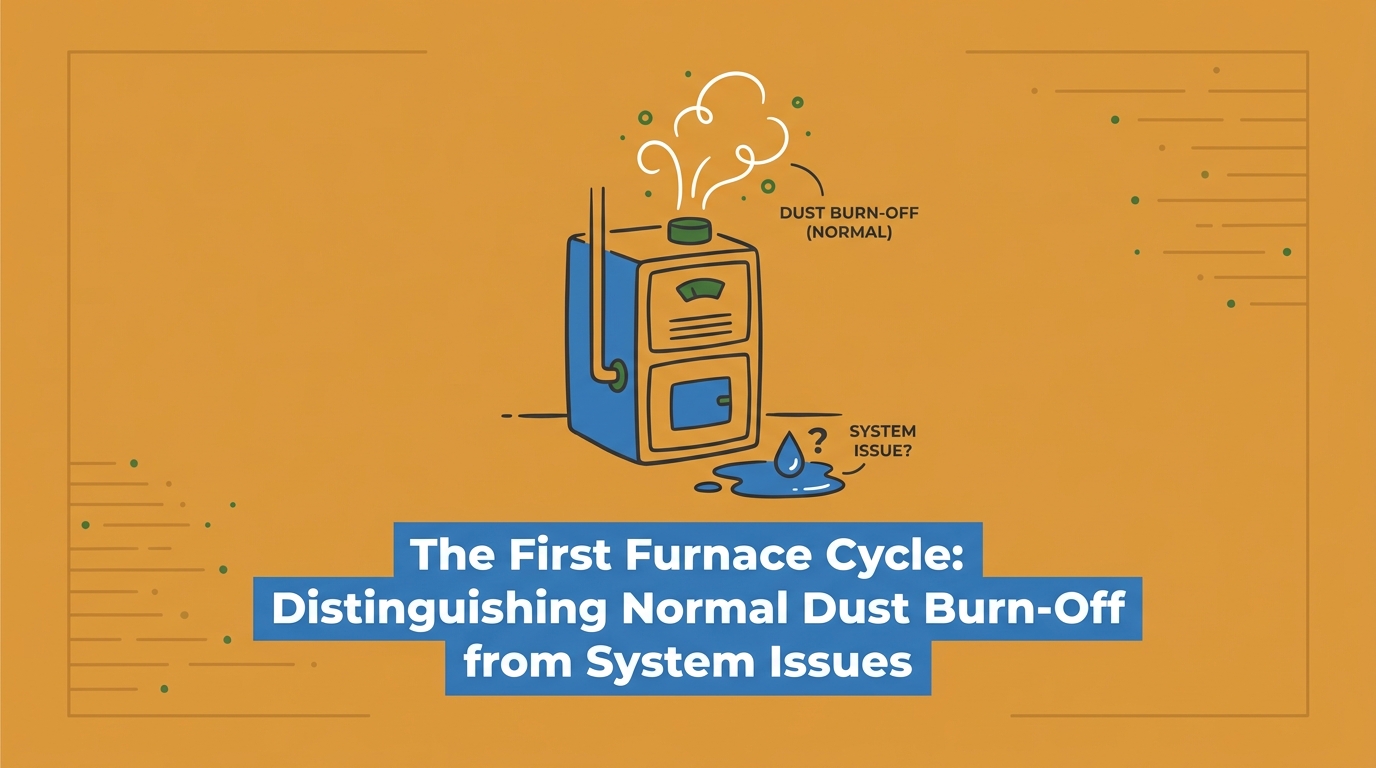
There is a specific reason why CO alarms frequently trigger during the first chilly nights of the year. When you turn your furnace on for the first time in the September pre-heating season, the system burns off all the dust and pet dander that settled directly on the heat exchanger over the summer.
This creates a temporary, noticeable burning smell throughout the house. This "burn-off" smell is completely normal and usually dissipates within an hour. However, the smell often causes immediate panic, leading homeowners to assume their dusty vents have triggered their CO alarm.
The critical difference: A burn-off smell is a temporary nuisance. An actual CO detector alarm indicates a structural failure in the furnace that likely occurred late last season. Because the furnace sat completely idle all summer, the cracked heat exchanger went unnoticed. The moment the burners ignite for the fall season, the toxic gas immediately begins leaking through the existing fractures. Freezing winters make the initial fall startup a high-stakes moment for system safety, as the equipment is suddenly thrust back into heavy operation.
Verifying System Safety with Camera-Guided Inspections
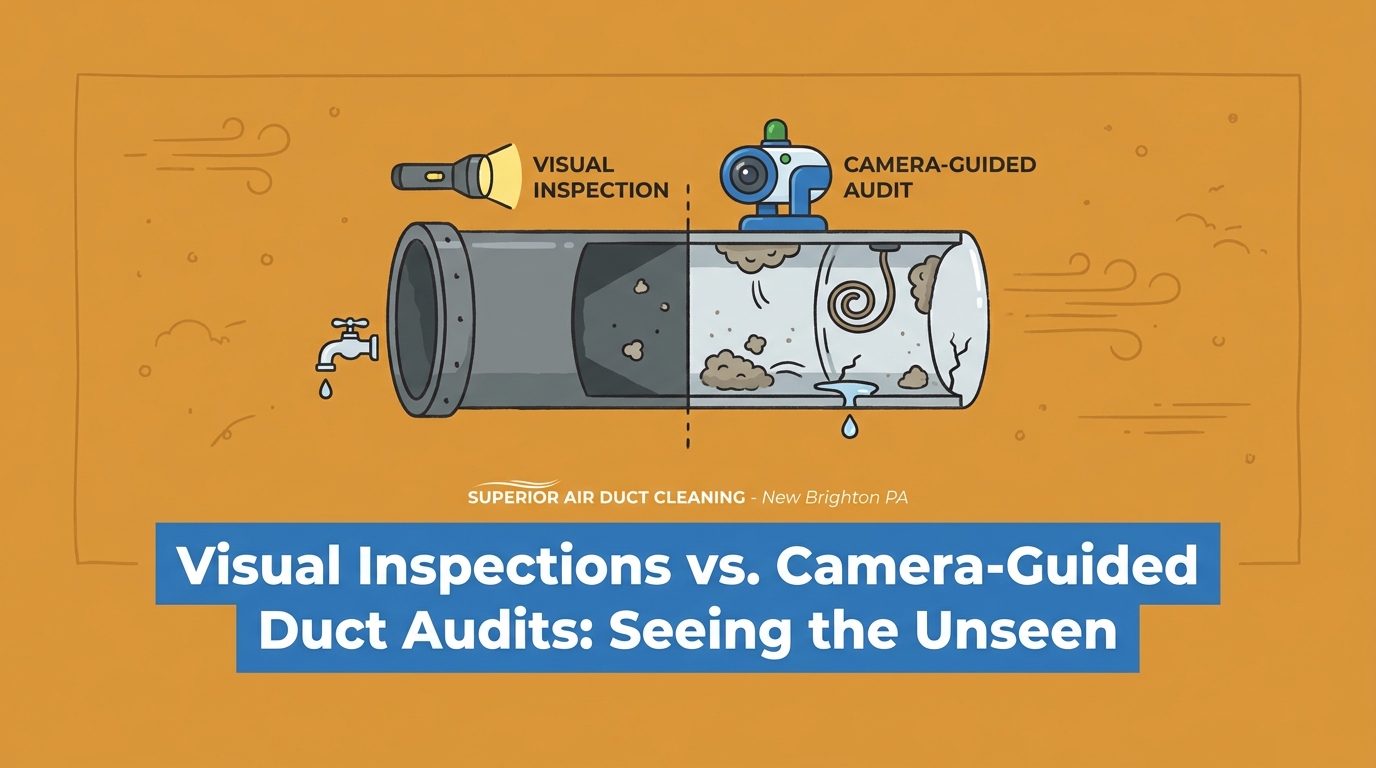
Homeowners often try to gauge the cleanliness of their ductwork by shining a flashlight down a floor register. Unfortunately, this only reveals the first two or three feet of a system that spans hundreds of feet throughout the walls and floors of Western Pennsylvania / New Brighton area homes. Guessing the state of your airflow based on what you can see from a vent cover is a gamble you cannot afford to take.
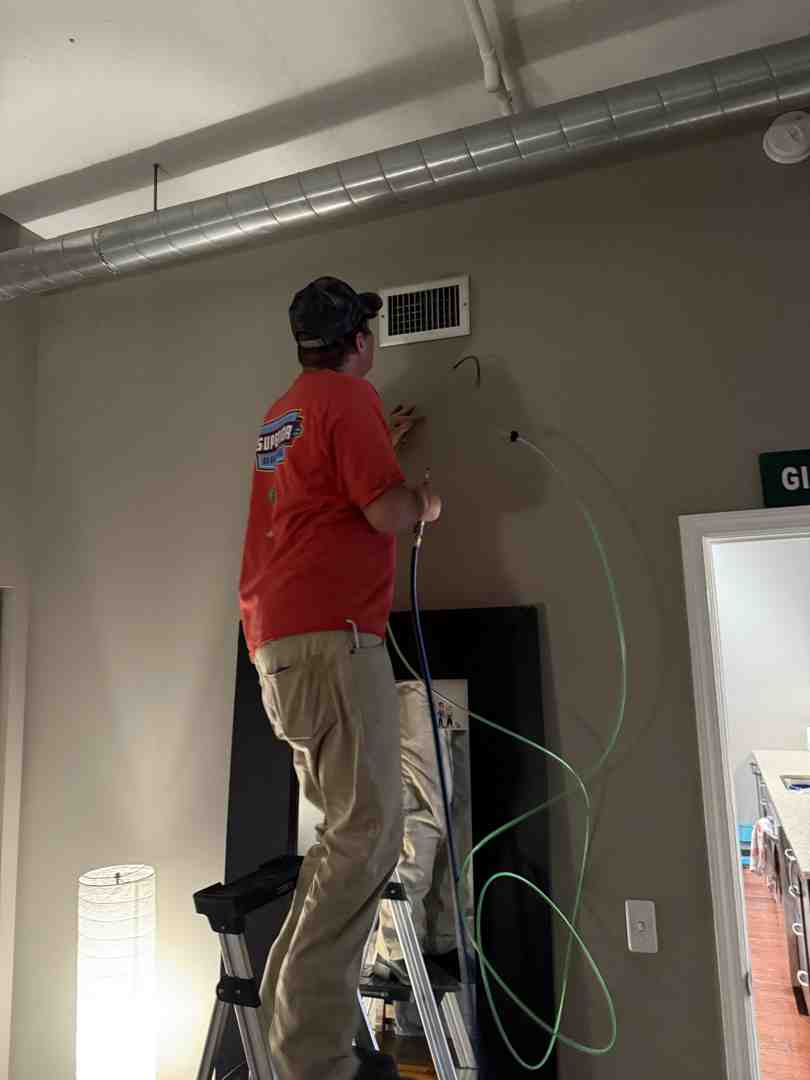
The only way to truly verify system safety and identify severe blockages is through professional, camera-guided duct inspections. By feeding specialized cameras deep into the ductwork, professionals can visually verify the exact state of your airflow restriction. This technology accurately identifies severe blockages, collapsed flexible ducts, or heavy debris buildup that threatens your HVAC equipment. Visual verification ensures you understand exactly what is happening inside your system before it overheats and damages your furnace.
Who to Call First: HVAC Emergency Tech or Duct Cleaner?
When a carbon monoxide alarm goes off, many homeowners in Western Pennsylvania / New Brighton area homes face a confusing decision point: Do I call the fire department, a furnace repair company, or a duct cleaner to clear the dust? Handling a CO alarm requires a strict, step-by-step protocol to ensure your family's safety.
1. Step 1: Evacuate the home immediately. Do not open windows to air out the house, and do not waste time trying to find the source of the leak. Get everyone, including pets, outside to fresh air. Once safely outside, call 911 or your local gas company's emergency line. They will send first responders with specialized meters to confirm the presence of gas and shut off the fuel supply.
2. Step 2: Contact a licensed emergency HVAC technician. Once the fire department clears the home and confirms the gas is shut off, you need a licensed HVAC professional. They must inspect the furnace, diagnose the cracked heat exchanger or failing flue pipe, and repair or replace the damaged heating equipment. A duct cleaner cannot repair a broken furnace.
3. Step 3: Contact a professional duct cleaner. Once the immediate danger is resolved and the furnace is repaired, you must address the root cause of the failure. If severe airflow restriction caused the original furnace to overheat and crack, it will destroy the replacement furnace just as quickly. Schedule a comprehensive cleaning and consider whole house sanitizing to remove the severe blockages and restore safe, efficient airflow to your new equipment.
Frequently Asked Questions About Ductwork and Carbon Monoxide
Can dust set off a carbon monoxide alarm?
No, dust cannot set off a carbon monoxide alarm. Electrochemical sensors in CO alarms are designed to only detect carbon monoxide gas molecules. While heavy dust blown from a vent can occasionally trigger a false alarm on a smoke detector, it physically cannot cause the chemical reaction required to trigger a CO detector.
What causes a false alarm on a carbon monoxide detector?
The most common cause of a false alarm is a low battery or an expired detector, as most CO units expire after 5 to 7 years. Additionally, placing the detector too close to high-humidity areas like bathrooms, or right next to gas appliances where minor, safe combustion occurs upon startup, can cause nuisance tripping. If the alarm sounds a full emergency pattern, you must assume it is real.
Can a dirty furnace cause carbon monoxide leaks?
Yes, a dirty furnace and a clogged filter severely restrict airflow, causing the system to trap heat inside the cabinet. This extreme overheating can warp and crack the metal heat exchanger. Once the heat exchanger is cracked, carbon monoxide and other toxic combustion gases leak directly into the home's breathing air.
Why did my carbon monoxide alarm go off then stop?
It may have detected a transient spike in CO that quickly dissipated, such as exhaust from an idling car in an attached garage seeping into the house. It could also indicate a low battery chirp rather than a full alarm sequence. However, intermittent alarms should never be ignored, as they often warn of a developing draft issue or a small crack in the heat exchanger.
Can a dirty air filter cause carbon monoxide?
Indirectly, yes. A severely clogged air filter creates the exact same airflow restriction as heavily clogged ductwork. This lack of airflow leads to the furnace overheating, which places immense thermal stress on the heat exchanger and eventually leads to mechanical failure and a carbon monoxide leak.
Protect Your Home's Air Quality and Safety This Heating Season
The realization that your ductwork impacts your home's safety can be daunting. As the September pre-heating season gets underway, remember this fundamental rule: dirty ducts don't create carbon monoxide, but they can destroy the equipment designed to keep it safely contained. A carbon monoxide alarm is never a "false alarm" caused by dust; it is a critical warning that your system has failed.
You do not have to wait for an emergency to ensure your system is breathing properly. Addressing airflow restrictions before the heavy heating season begins protects your furnace from overheating and protects your family from the dangers of a cracked heat exchanger. Do not guess about the health of your ventilation system. Schedule a professional duct inspection and cleaning today to ensure your home stays safe, warm, and comfortable all winter long.

Customer Reviews


Superior Air Duct cleaning did a phenomenal job in a timely manner with the tech “Rich” being very professional ,personable and considerate of our property! He explained things as he proceeded and answered all our questions!
I LOVE that they provide before & after photos to see the difference. Give them a try… you won’t regret it
Pam T.
Robert was on schedule and communicated what time he would arrive. He was polite, professional, and respectful of our home. I wanted to wait a couple weeks before posting a review because I wanted to see if the duct cleaning actually made a difference. I am happy to say it did! I vacuum multiple times a week and have already noticed a significant reduction in the amount of dust cleaned up each time. As a home with pets, there will always be something to clean, but getting the ducts cleaned has definitely helped improve the air quality and reduce the dust.
alice A.
Technician Rob arrived early explained the days agenda and then proceeded to work methodically and meticulously over the next 6+ hours cleaning my ductwork. Courteous and professional they answered all of my questions and went above and beyond the call of duty. They even located an old dusty box of rat poison buried in our vents. My only regret is not finding these guys sooner. As a realtor of 22 years and owner of a newly purchased (now dust free) home I highly recommended!
Eric K.
Excellent service! I’ve used them to clean out my air ducts as well as my dryer vent duct and they are excellent. I was very pleased with both jobs and will continue to use them in the future. Great communication as well- from the time I scheduled the appointment until they were at my door.
Erika C.
We had such an amazing experience with Superior Air Duct Cleaning. They were so nice and friendly and did an amazing job. I loved seeing the before and after pictures. Besides doing an amazing job cleaning our air ducts they were so quick at responding and setting up the appointment. We will definitely be using them in the future.
Amanda C.