Is Your Home's Air as Clean as You Think? What Pittsburgh-Area Homeowners Need to Know
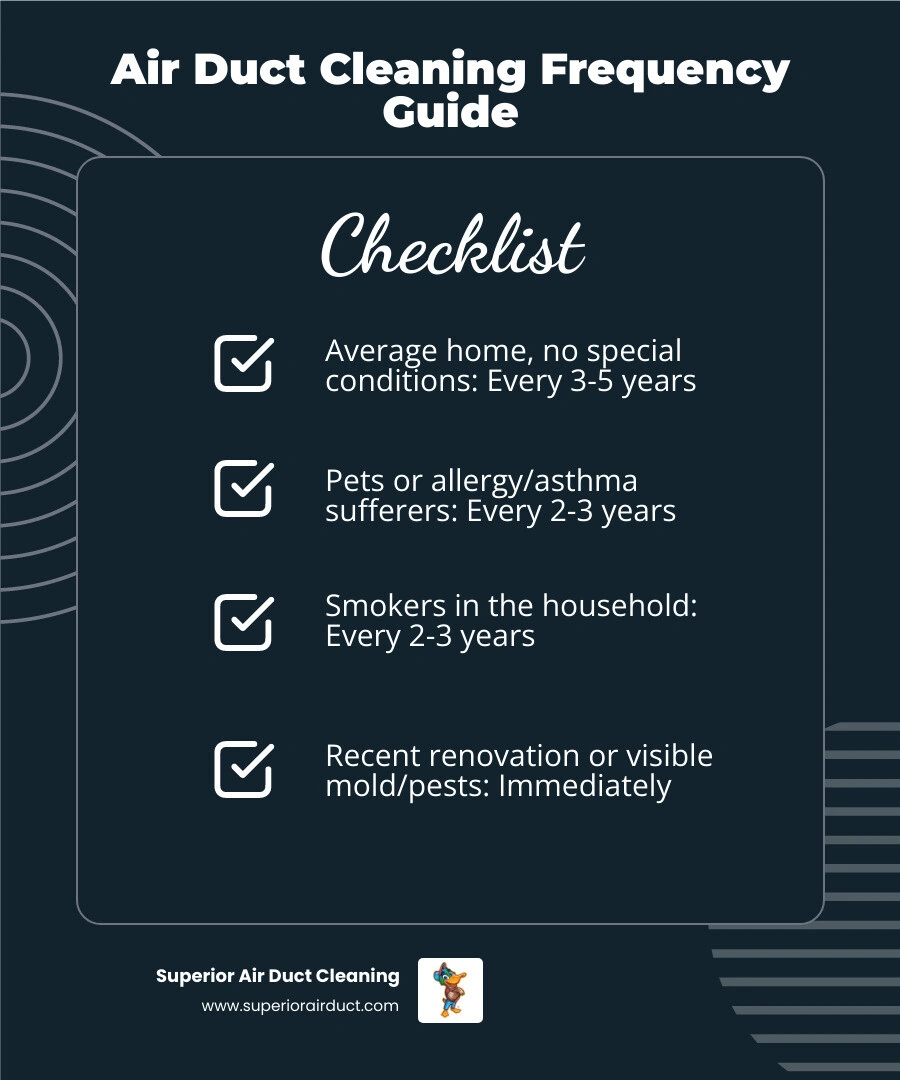
How often should you clean your air ducts depends on your household — but for most homes, the answer is every 3 to 5 years. If you have pets, allergies, or recently completed a renovation, you may need cleaning every 2 to 3 years or sooner.
Quick reference guide:
• Average home, no special conditions — Recommended Frequency: Every 3-5 years
• Pets or allergy/asthma sufferers — Recommended Frequency: Every 2-3 years
• Smokers in the household — Recommended Frequency: Every 2-3 years
• Recent renovation (drywall, tile, plaster) — Recommended Frequency: Immediately after
• Visible mold, pests, or dust blowing from vents — Recommended Frequency: Right away
• Humid climate or moisture issues — Recommended Frequency: Annually or as needed
Think about it this way: your HVAC system circulates all the air your family breathes, every single day. Over time, dust, pet dander, pollen, and other particles build up inside the ductwork. Your air filter catches a lot of it — but not everything. The rest settles into the ducts and can recirculate through your home with every heating or cooling cycle.
For homeowners across Western Pennsylvania and Northeast Ohio — from Pittsburgh and Cranberry Township to Boardman and Youngstown — local conditions like seasonal humidity, older housing stock, and harsh winters can accelerate that buildup faster than the national average suggests.
The good news? A simple, personalized cleaning schedule keeps your indoor air fresh, your HVAC running efficiently, and your family breathing easier.
How Often Should You Clean Your Air Ducts According to Experts?
When we look for the gold standard in indoor air health, we turn to the National Air Duct Cleaners Association (NADCA). As of April 2026, their stance remains clear: the average household should schedule a professional air duct cleaning every 3 to 5 years. This interval is designed to catch the gradual accumulation of "living dust"—a cocktail of skin cells, hair, lint, and outdoor pollutants—before it begins to impact your system’s performance.
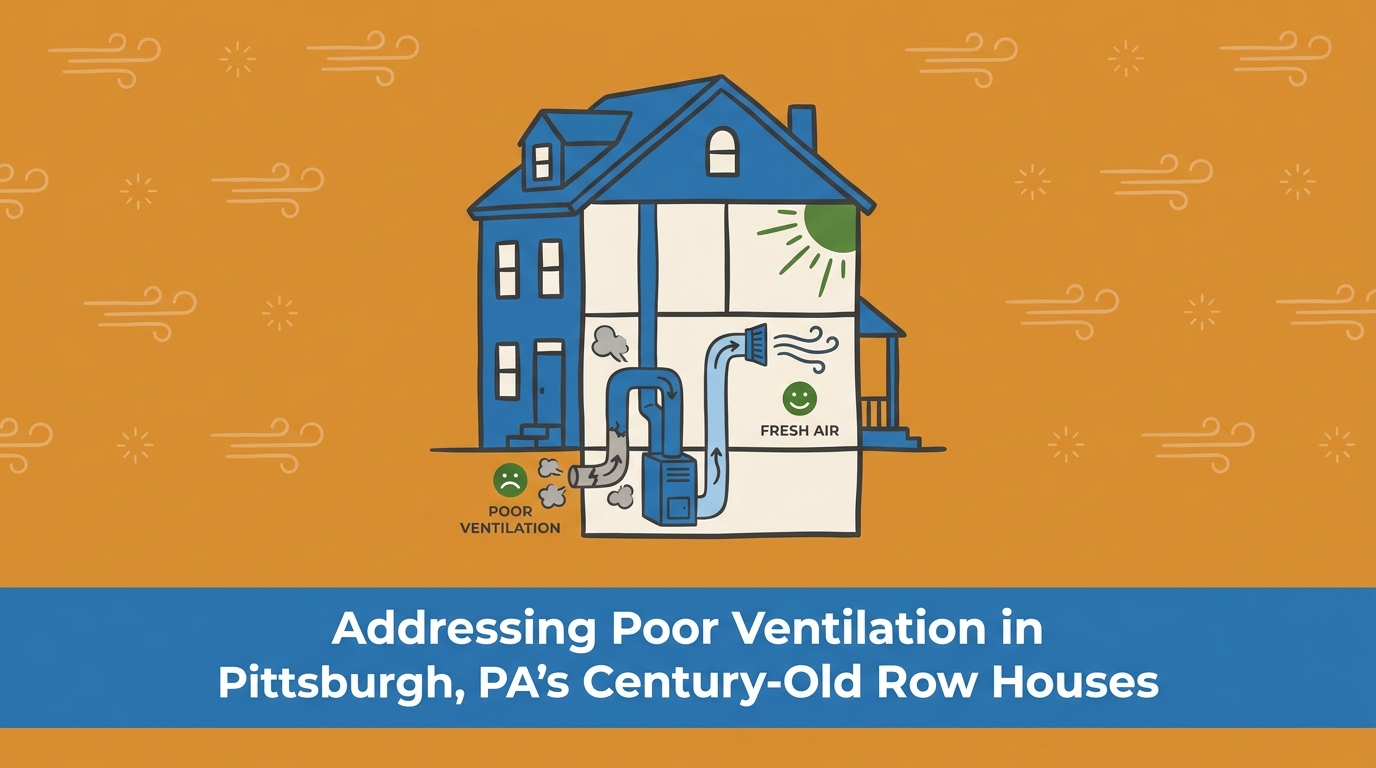
However, the Environmental Protection Agency (EPA) offers a slightly different perspective. They suggest cleaning on an "as-needed" basis. This doesn’t mean you should wait until dust is billowing out of your vents like a desert sandstorm. Instead, it means being proactive about the specific conditions in your home. If you live in a newer build in Mars, PA, your needs might differ from someone living in a century-old home in the South Side of Pittsburgh.
We find that the best approach is a blend of both expert views. By following a regular maintenance schedule, you prevent problems before they start, rather than waiting for a health issue or a system breakdown to force your hand. For more details on these intervals, you can explore our guide on how often to clean your air ducts.
Why Most Homes Benefit from a 3 to 5 Year Cycle
You might wonder why we don't suggest cleaning every single year. The truth is, for a standard home without pets or major respiratory concerns, a 3 to 5-year cycle is the "sweet spot." During this time, dust naturally settles on the bottom of your horizontal duct runs. While your air filter does the heavy lifting for the air currently in motion, it can't reach the debris that has already settled deep within your system.
Regular cleaning at this interval provides several key benefits:
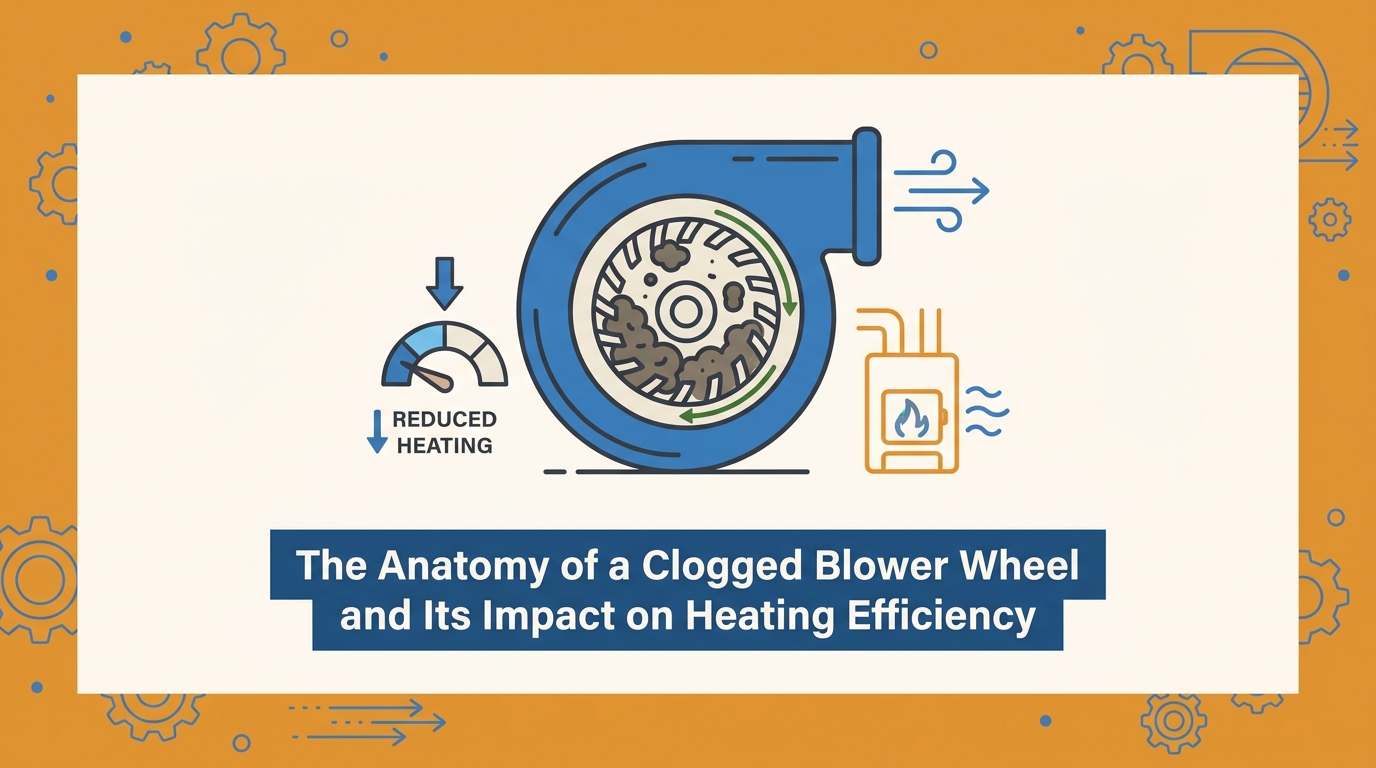
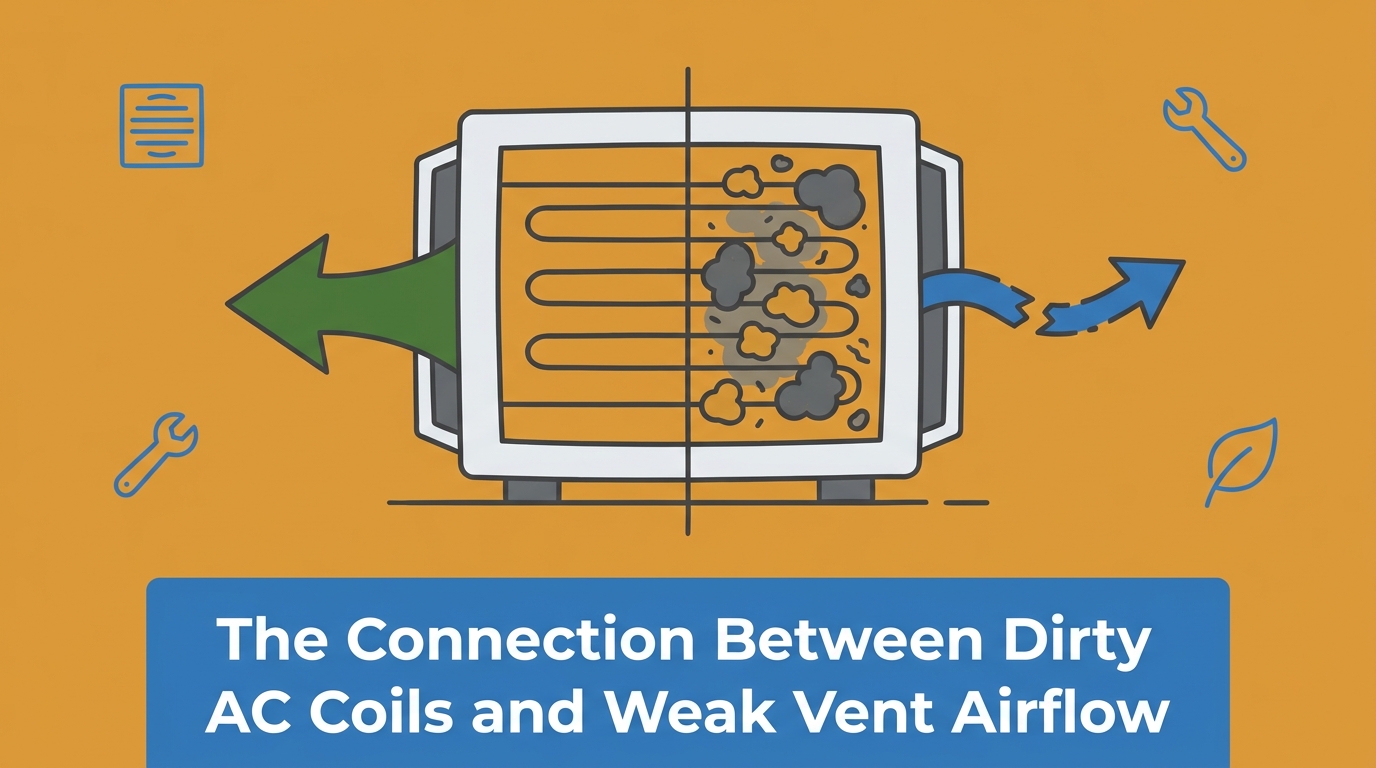
1. HVAC Efficiency: When dust coats your blower motor and cooling coils, your system has to work harder to move air. This leads to higher wear and tear.
2. System Longevity: A clean system is a happy system. By removing the grit that acts like sandpaper on moving parts, you extend the life of your furnace and AC unit.
3. Reduced Dusting: If you feel like you’re dusting your coffee table in Boardman, OH, every other day, the culprit might be your ducts blowing fine particles back into your living space.
Knowing when to schedule air duct cleaning can save you from the headache of unexpected repairs during the peak of a humid Ohio Valley summer or a freezing Pennsylvania winter.
When to Shorten the Timeline to 2 Years
For many of our neighbors, the "standard" schedule isn't quite enough. There are three major "accelerants" that fill up ductwork faster than usual: pets, allergies, and smoking.
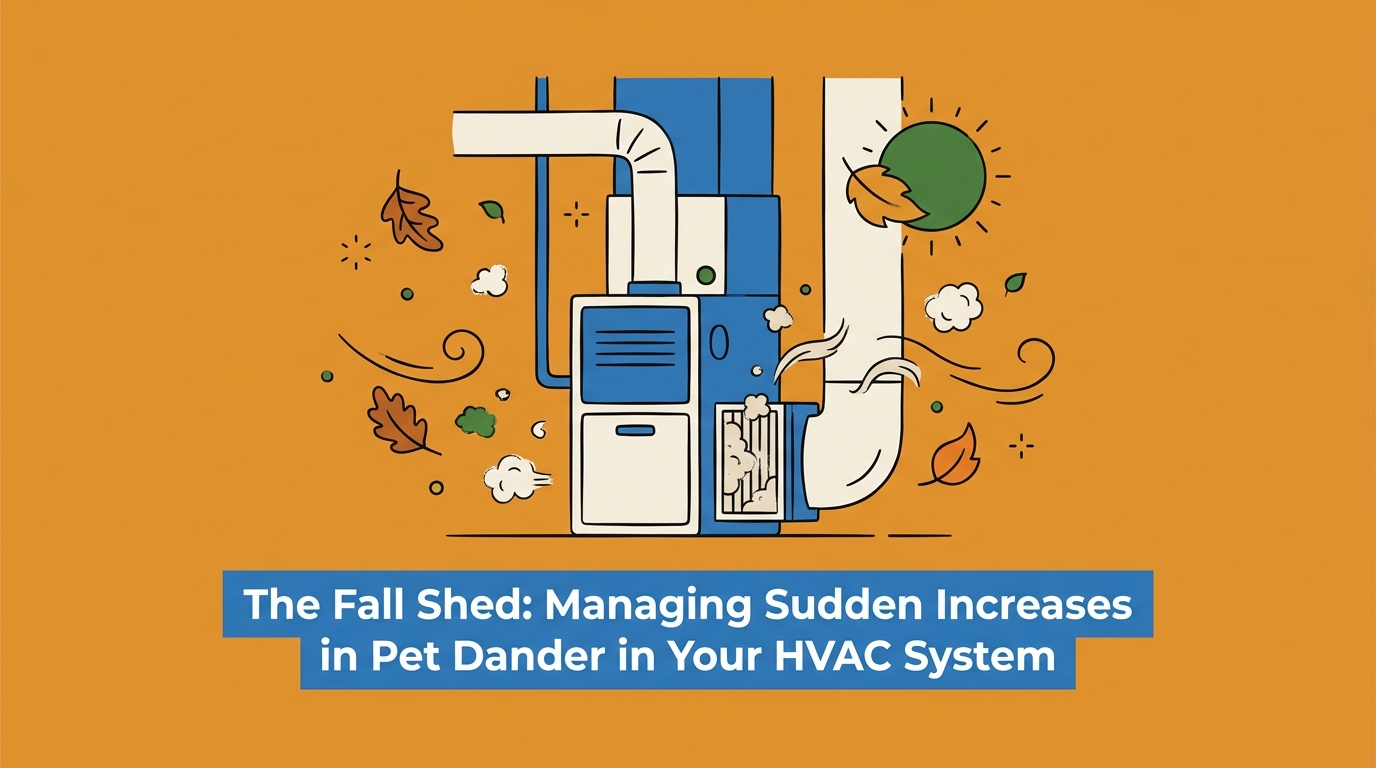
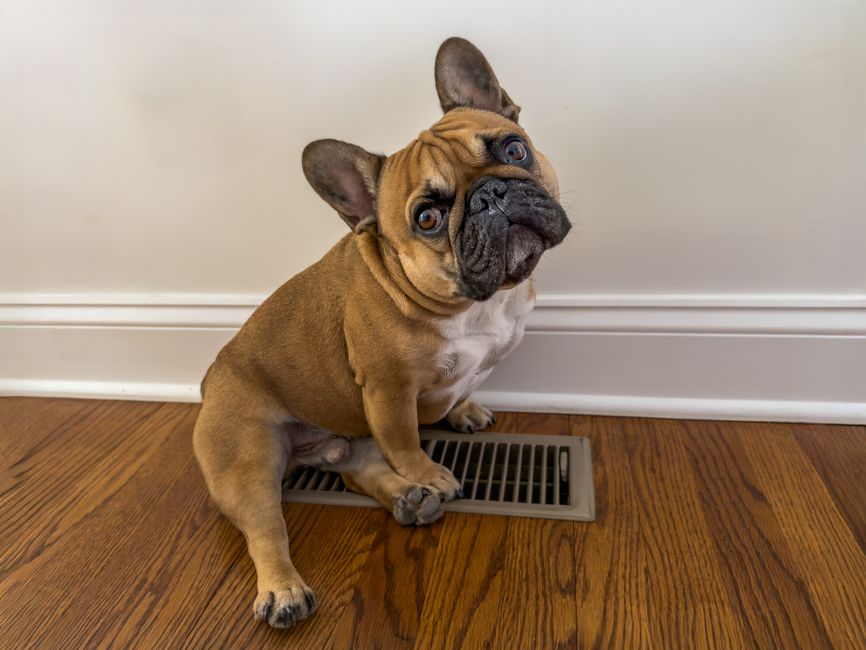
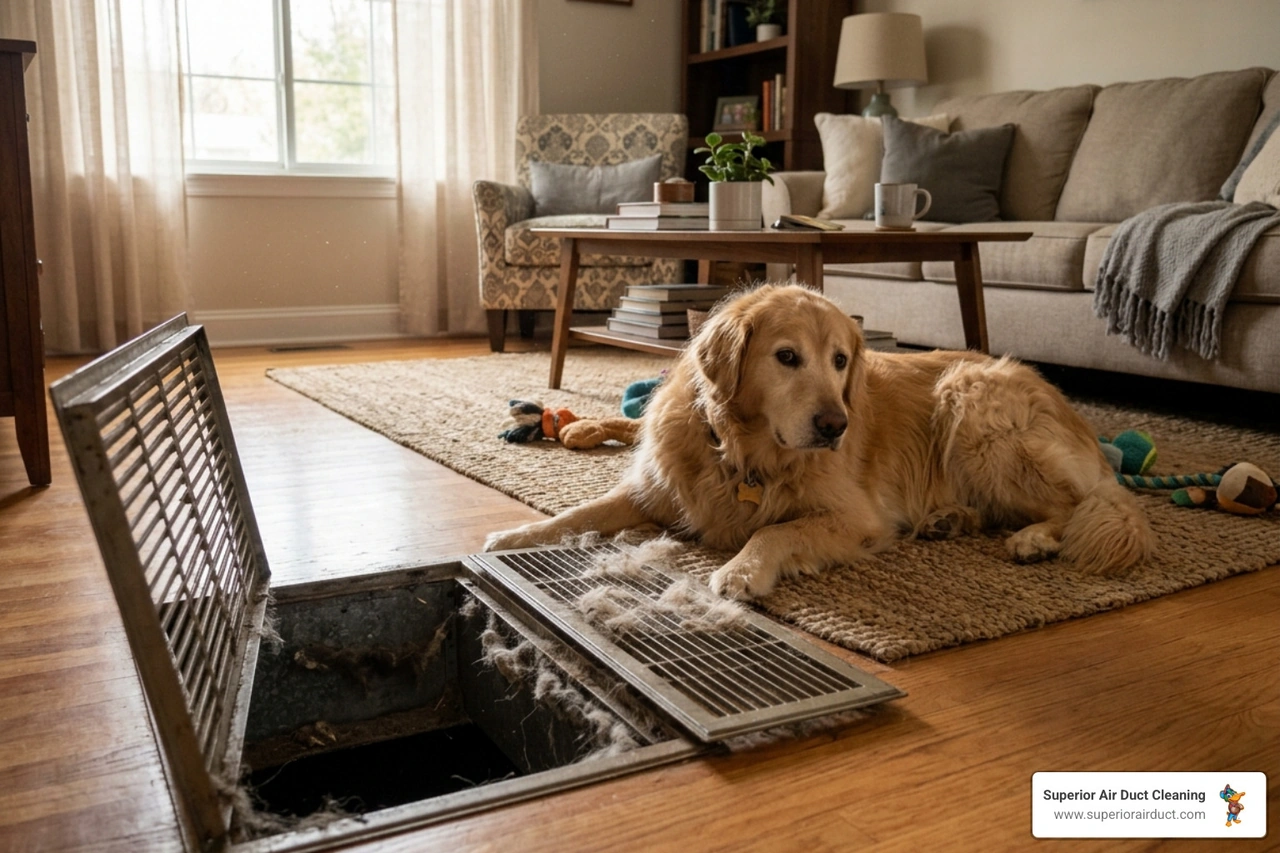
If you share your home with furry family members, their hair and dander don't just stay on the carpet. The HVAC system pulls these lightweight particles into the return vents, where they can become trapped in the ductwork. Over two years, a Golden Retriever or a pair of cats can contribute a surprising amount of biological material to your vents.
Similarly, for those dealing with asthma or severe seasonal allergies, the ducts act as a reservoir for triggers. Even if it isn't peak pollen season in April 2026, old pollen trapped in your ducts from the previous year can still cause sneezing and itchy eyes every time the fan kicks on. For these households, we recommend a 2-year cycle to keep the air truly pristine. You can learn more about these specific triggers in our article Superior Air Duct - How to Know When to Clean Your Ducts.
Factors That Change Your Cleaning Frequency
Every home is a unique ecosystem. While the 3-5 year rule is a great baseline, several factors can shift your personal "due date."
• Household Size: More people means more activity, more skin cells shed, and more doors opening and closing, which lets in outdoor pollutants. A large family in a busy Beaver Falls home will likely need cleaning sooner than a single occupant in a quiet condo.
• Local Pollution: If you live near a busy highway or in an area with high industrial activity, your intake vents are naturally pulling in more particulate matter.
• Climate Humidity: Here in the Northeast, our summers can be incredibly muggy. High humidity can cause dust within the ducts to become damp and "sticky," making it easier for it to clump together and harder for your filter to capture.
Understanding these reasons to schedule air duct cleaning helps you stay ahead of the curve.
Impact of Pets and Allergies on How Often You Should Clean Your Air Ducts
It’s a common story: a homeowner in Youngstown notices their allergy symptoms are actually worse when they are inside the house than when they are out for a walk. This is a classic sign that the home's "lungs"—the ductwork—are congested.
Pet dander is microscopic and incredibly "sticky." It clings to the walls of metal ducts and provides a food source for dust mites. When you combine this with the pollen that hitches a ride on your clothes into the house, your ducts become a concentrated source of allergens. Regular cleaning breaks this cycle by removing the physical reservoir of these triggers. We've seen time and again how the importance of air duct cleaning manifests in better sleep and fewer "mystery" sneezes for our clients.
How Often Should You Clean Your Air Ducts After a Home Remodel?
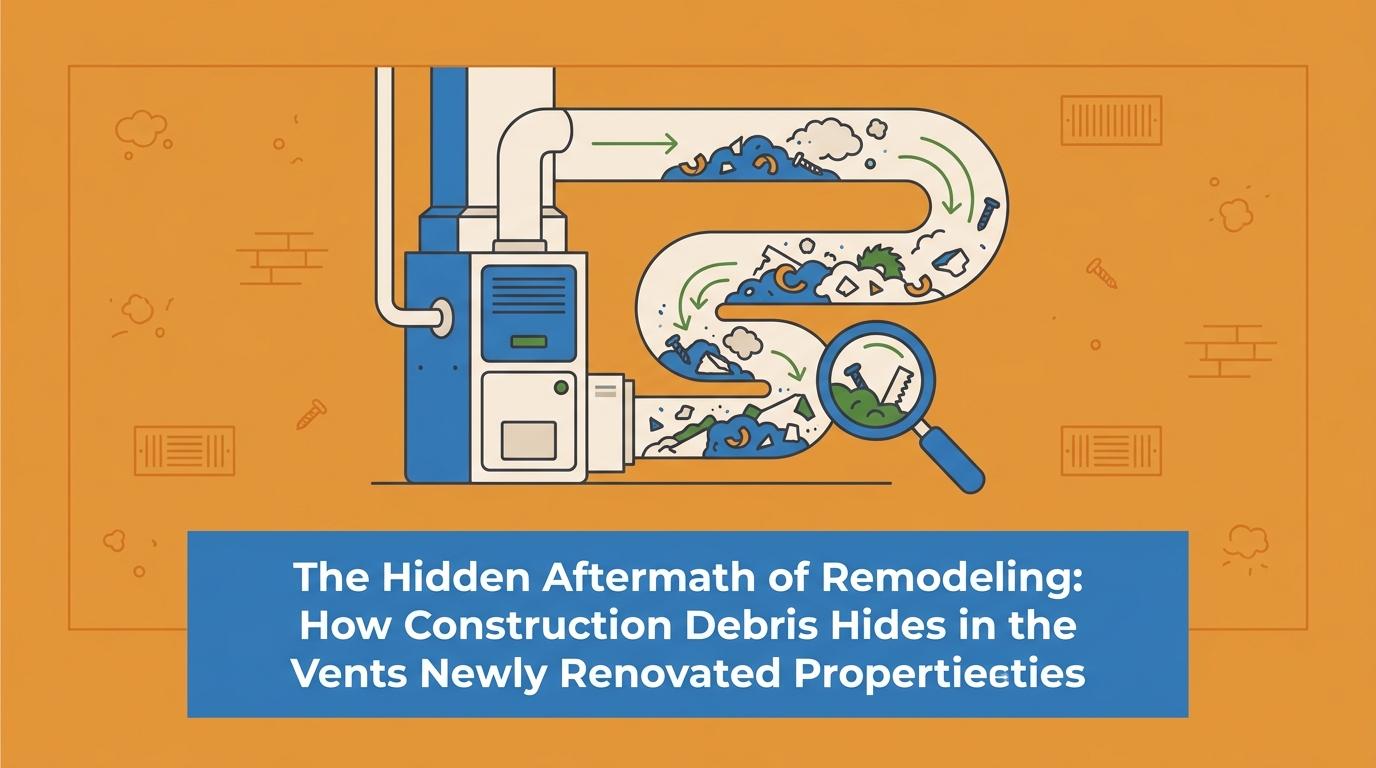
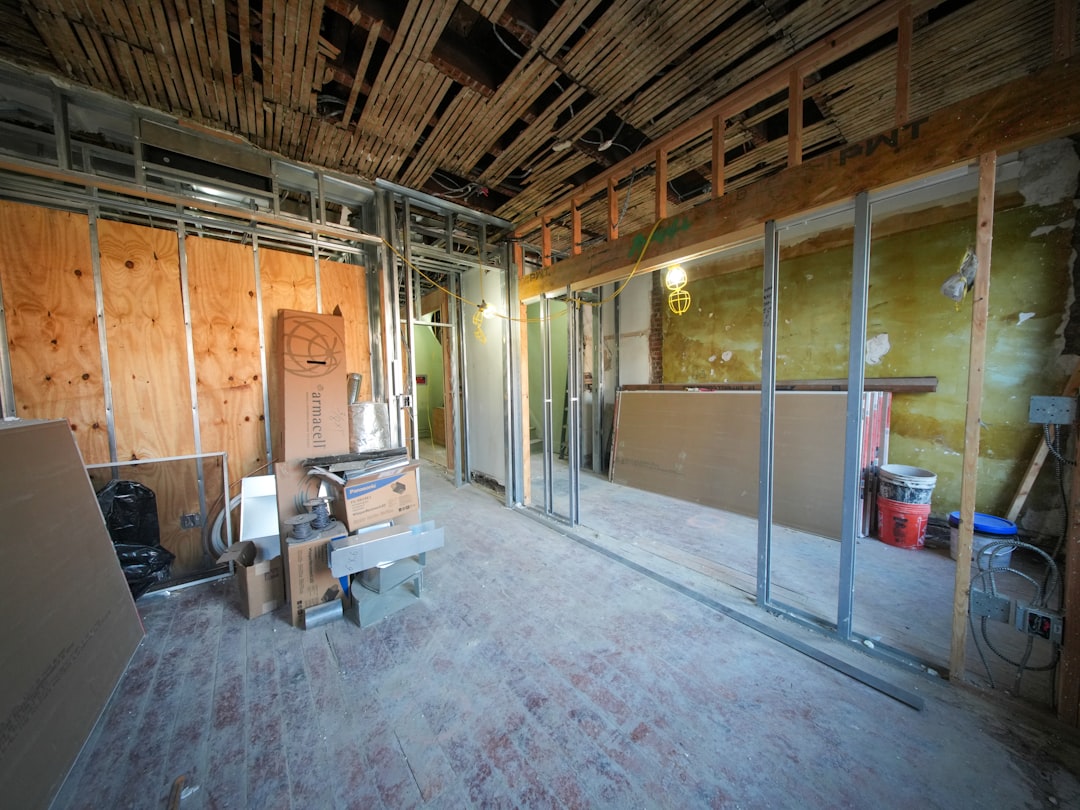
If you’ve recently finished a kitchen renovation in Cranberry Township or a basement remodel in Moon Township, your ducts are likely full of construction debris. Even if you were careful, fine particles like drywall dust, sawdust, and ceramic tile grit are small enough to bypass most standard filters.
Drywall dust is particularly troublesome because it is chemically inert but physically irritating. It can coat the sensitive sensors in your HVAC system and settle in a thick, white layer throughout your ductwork. Unlike standard household dust, construction debris should be removed immediately after the project is finished. Running your furnace with ducts full of sawdust is a recipe for efficiency loss and potential fire hazards.
If you're asking when should I have air duct cleaning companies service my air ducts, the answer is: as soon as the last contractor leaves the driveway.
Clear Signs Your HVAC System Needs Immediate Attention
Sometimes, you don't need a calendar to tell you it's time for a cleaning; your house will tell you itself. Here are the red flags that suggest you shouldn't wait another month:
1. The "Puff" of Dust: When your HVAC system starts up, do you see a small cloud of dust exit the registers? That’s a sign that the accumulation is so heavy it's being physically dislodged by airflow.
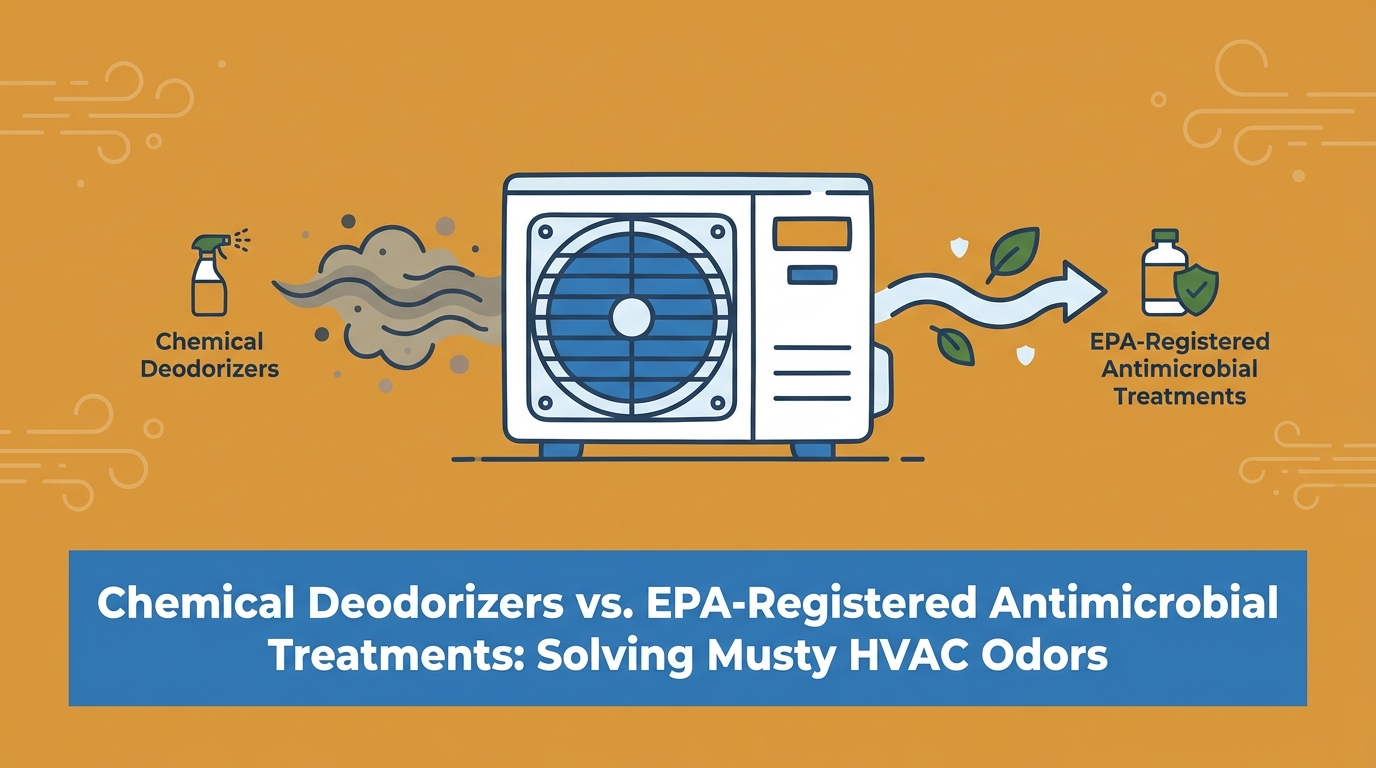
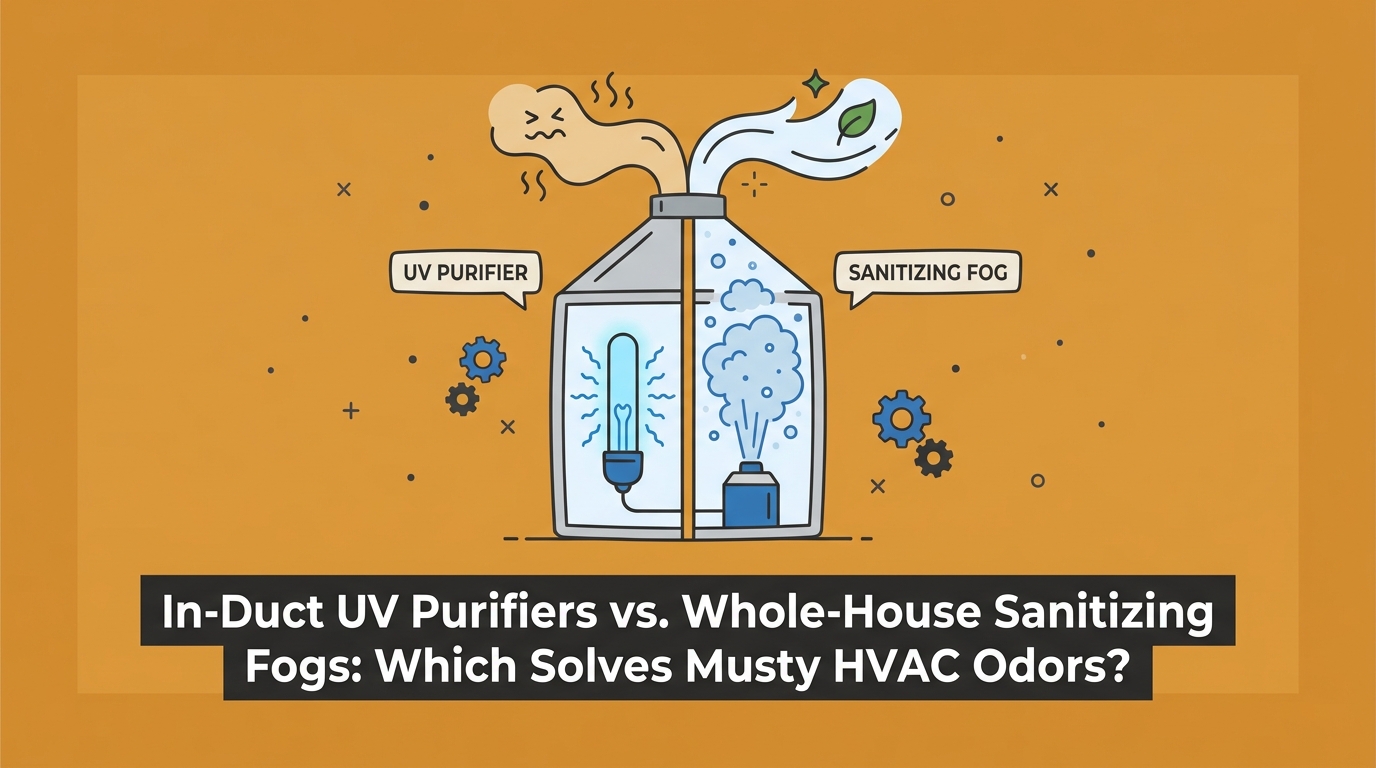
2. Unexplained Odors: If there’s a musty, earthy, or "stale" smell every time the heat comes on, you likely have organic growth or accumulated debris that is holding onto moisture.
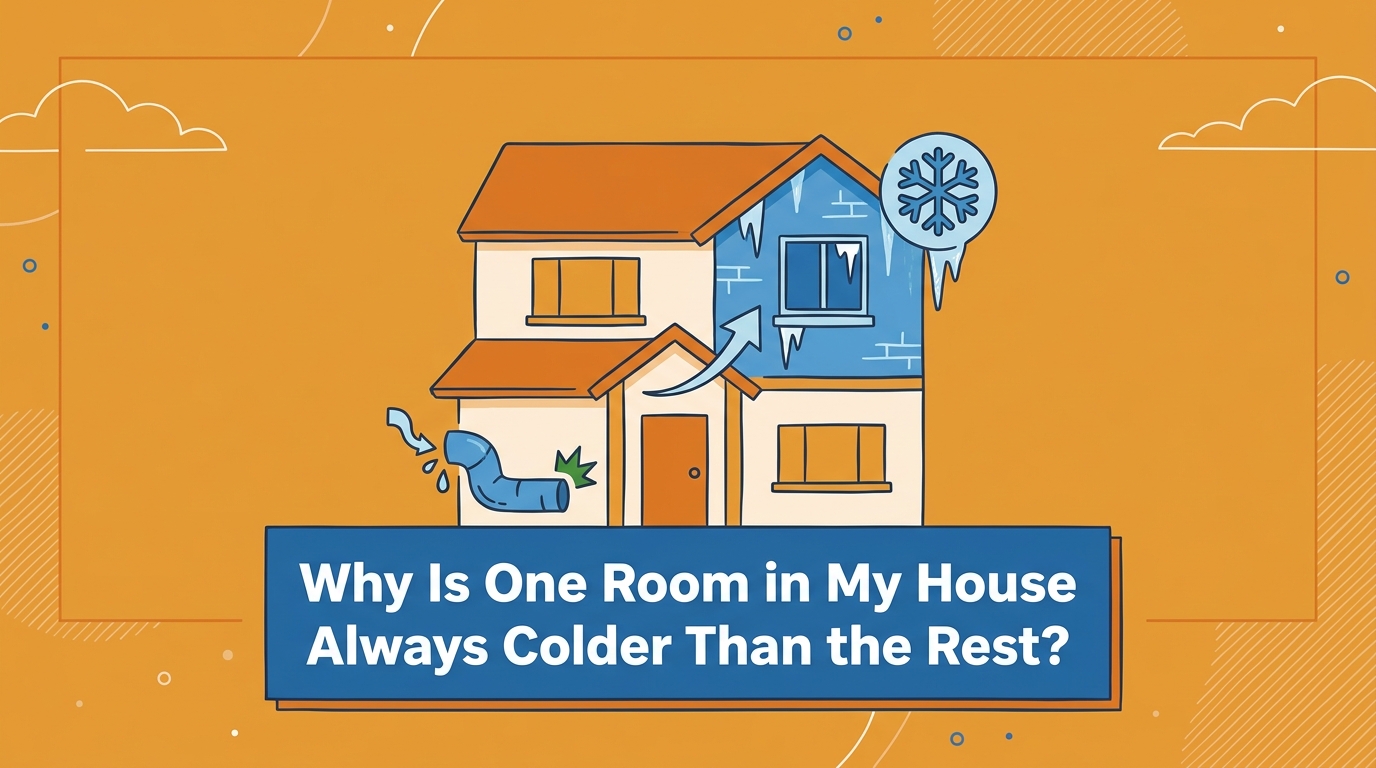
3. Weak Airflow: If one room in your Washington, PA, home feels significantly stuffier than the others, a blockage of dust or debris in that specific duct run could be the cause.
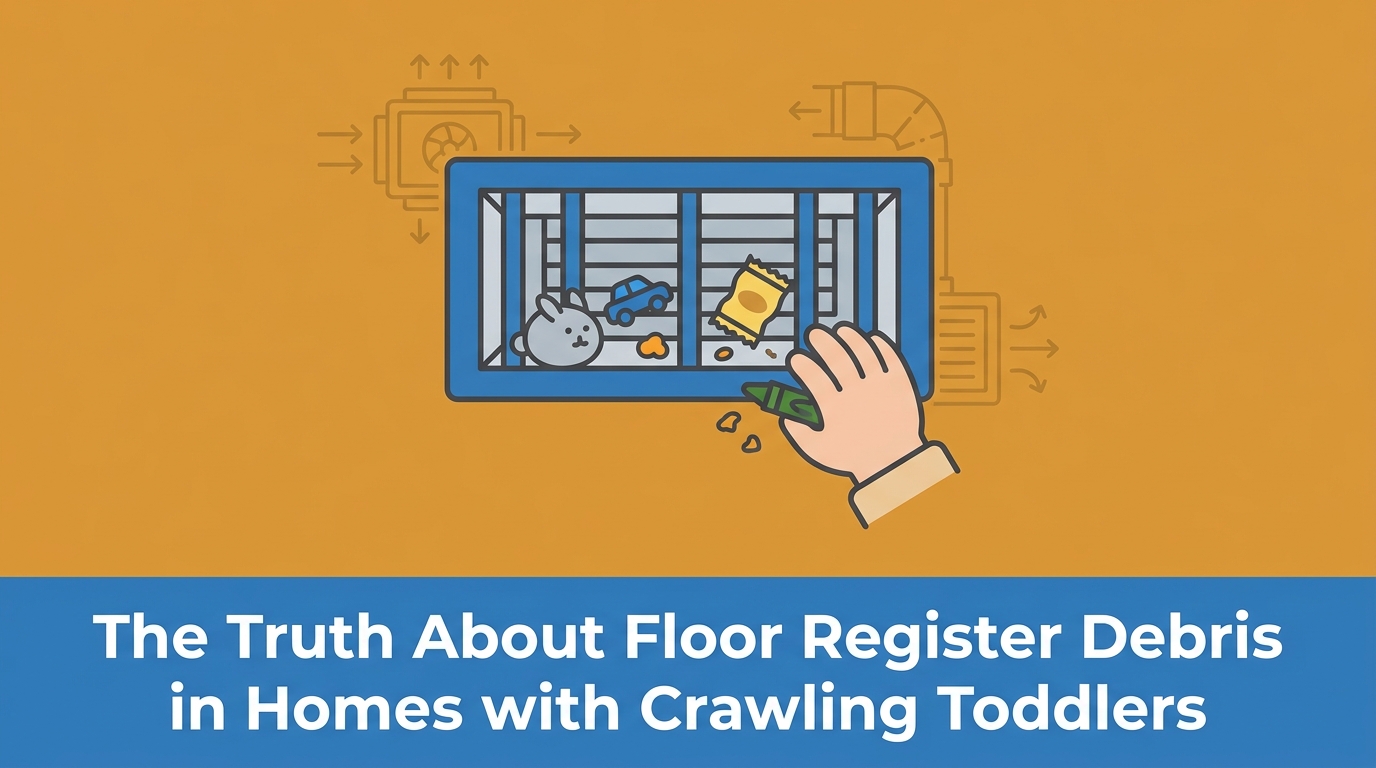
4. Visible Clogs: Take a screwdriver and pop off one of your floor registers. If you see "matted" dust that looks like thick dryer lint, your system is overdue.
For more answers to common signs, check out our air duct cleaning frequently asked questions.
Identifying Mold and Vermin in Your Ductwork
This is the "serious" side of duct maintenance. If you suspect mold or a pest infestation, you need to act quickly.
• Mold: In our humid climate, condensation can form inside ducts, especially if they aren't properly insulated. If you see dark spots around your vent covers or smell a persistent mildew odor, a professional inspection is necessary. Mold can't just be "vacuumed" away; it often requires sanitization to ensure the spores don't return.
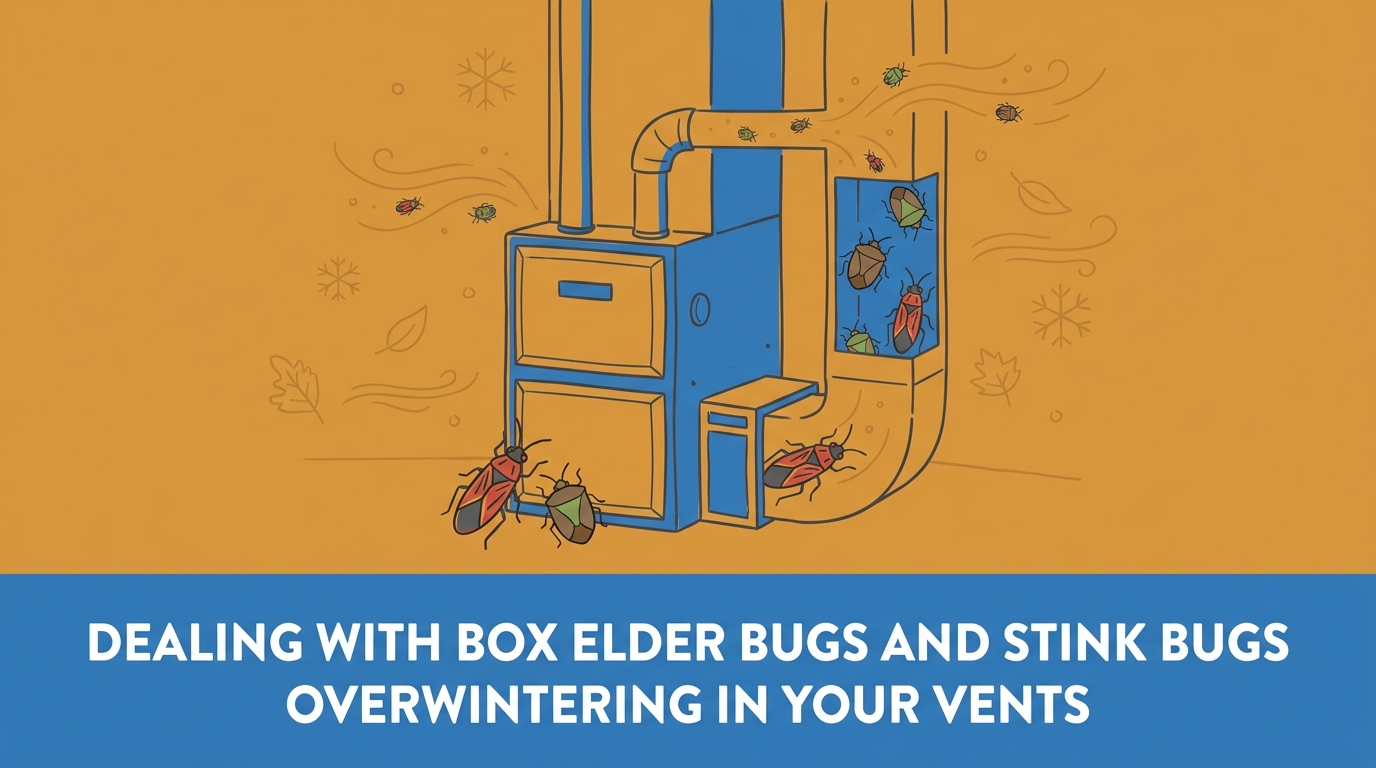
• Vermin: Rodents and insects love the dark, protected environment of ductwork. If you hear scurrying sounds or notice a sharp, ammonia-like smell (a sign of pest waste), you have a health hazard on your hands. We always recommend calling a pest control professional first to remove the "guests," followed immediately by a professional duct cleaning to remove the biological remains and nesting materials.
The Professional Process vs. DIY Risks
We often get asked: "Can't I just stick my shop-vac hose down the vent?"
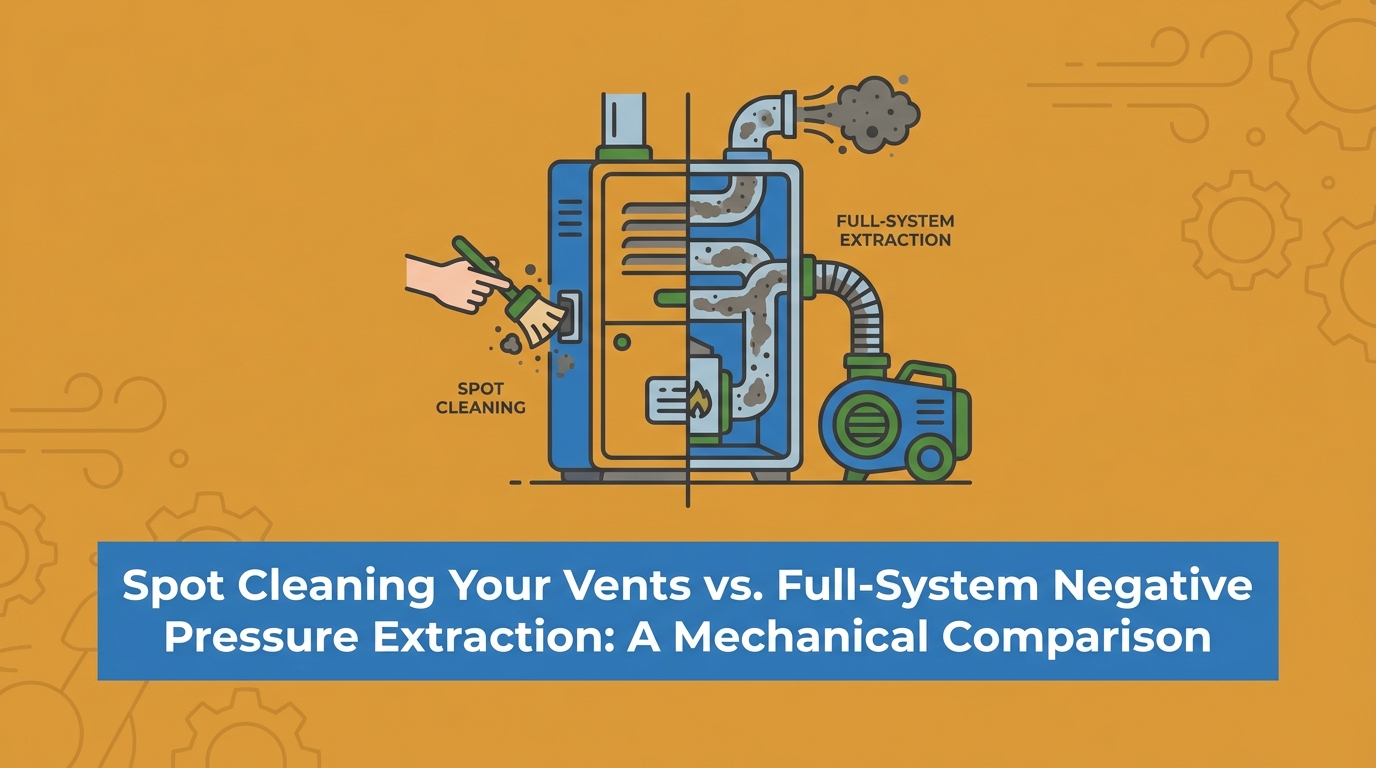
While we admire the DIY spirit, air duct cleaning is one of those jobs where professional equipment makes all the difference. A household vacuum simply doesn't have the "static lift" or the airflow required to pull heavy debris out of a 20-foot duct run. In fact, DIY cleaning often does more harm than good by stirring up dust and sending it into your living air without actually removing it from the system.
Why Professional Service is Essential for PA and OH Homes
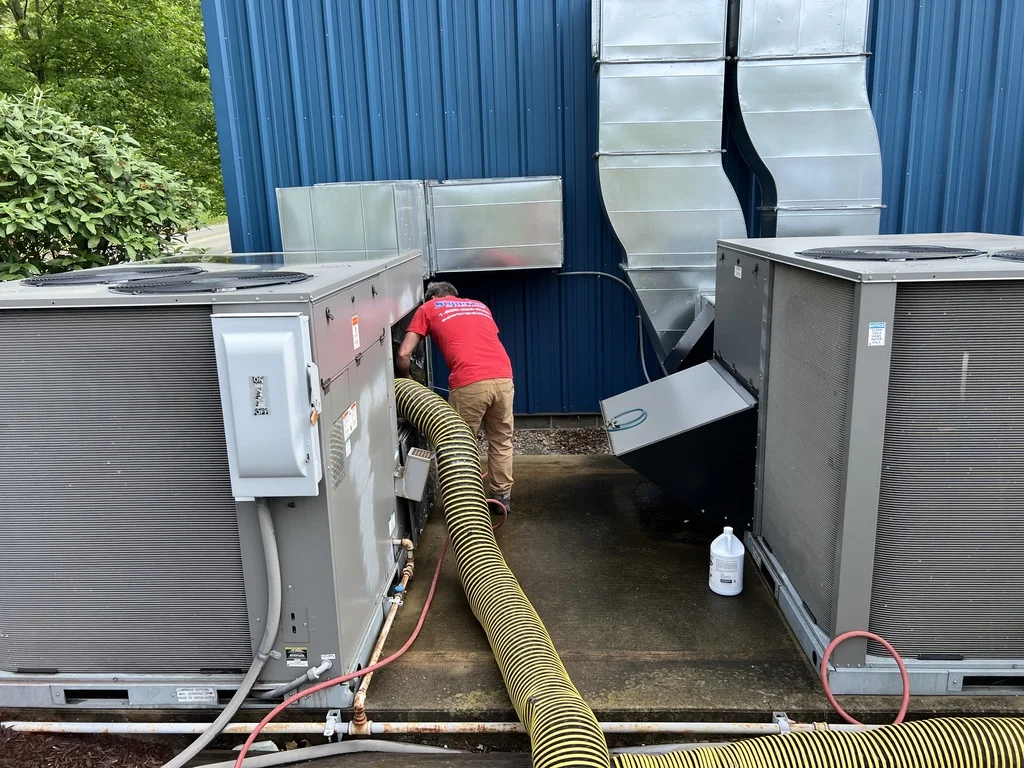
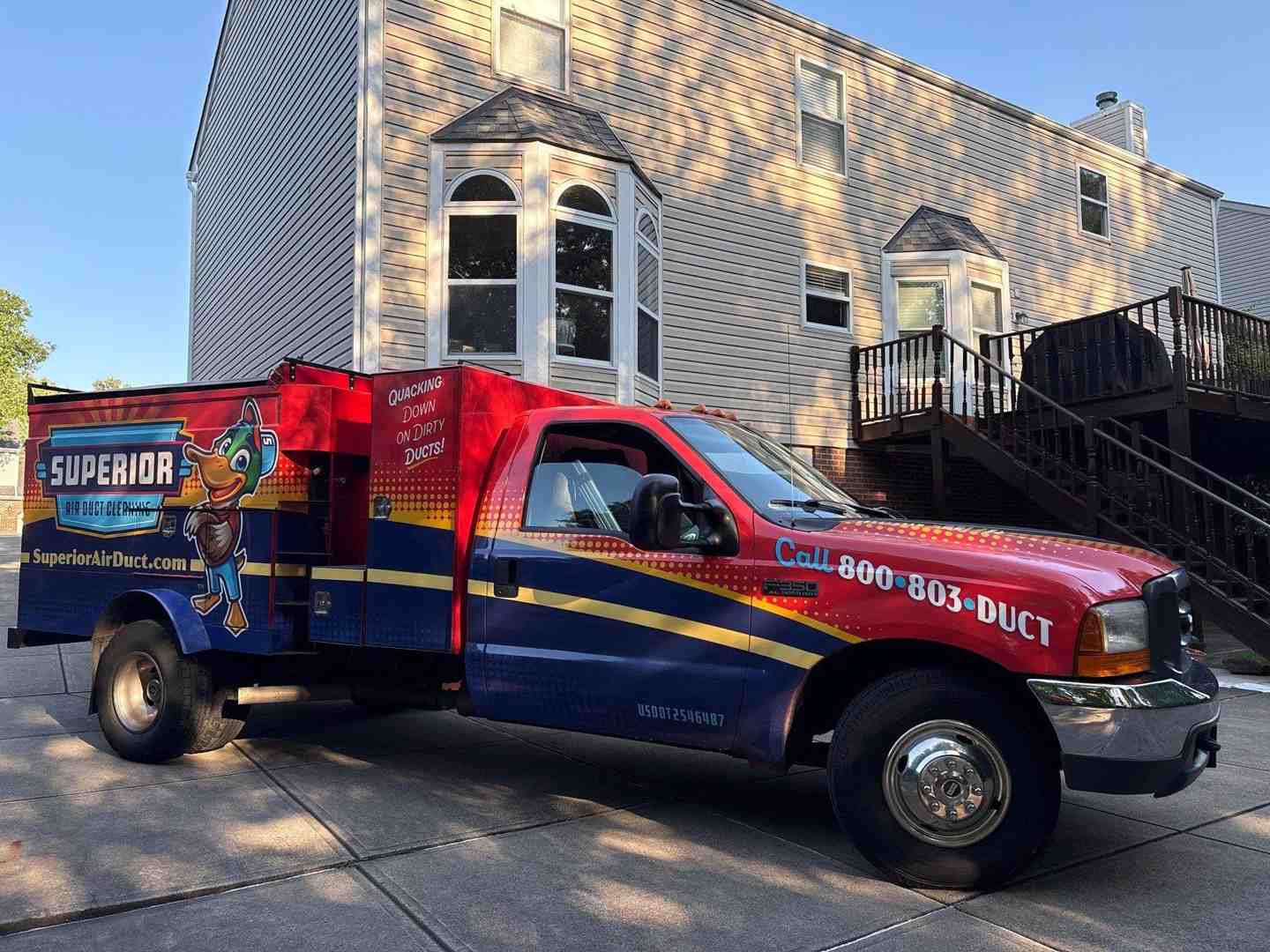
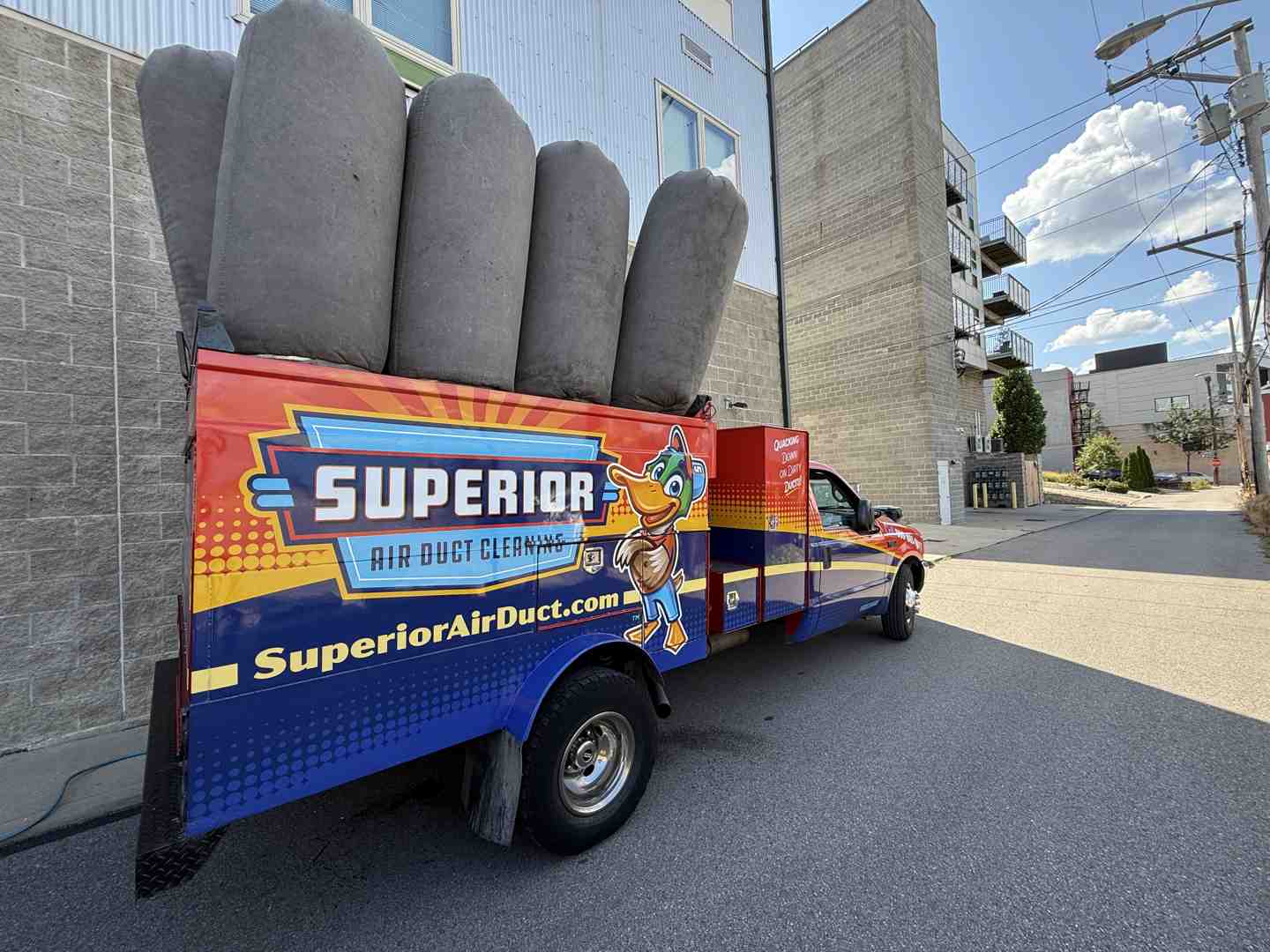
When we service a home in the Pittsburgh or Youngstown area, we use a specialized "source removal" process. This involves:
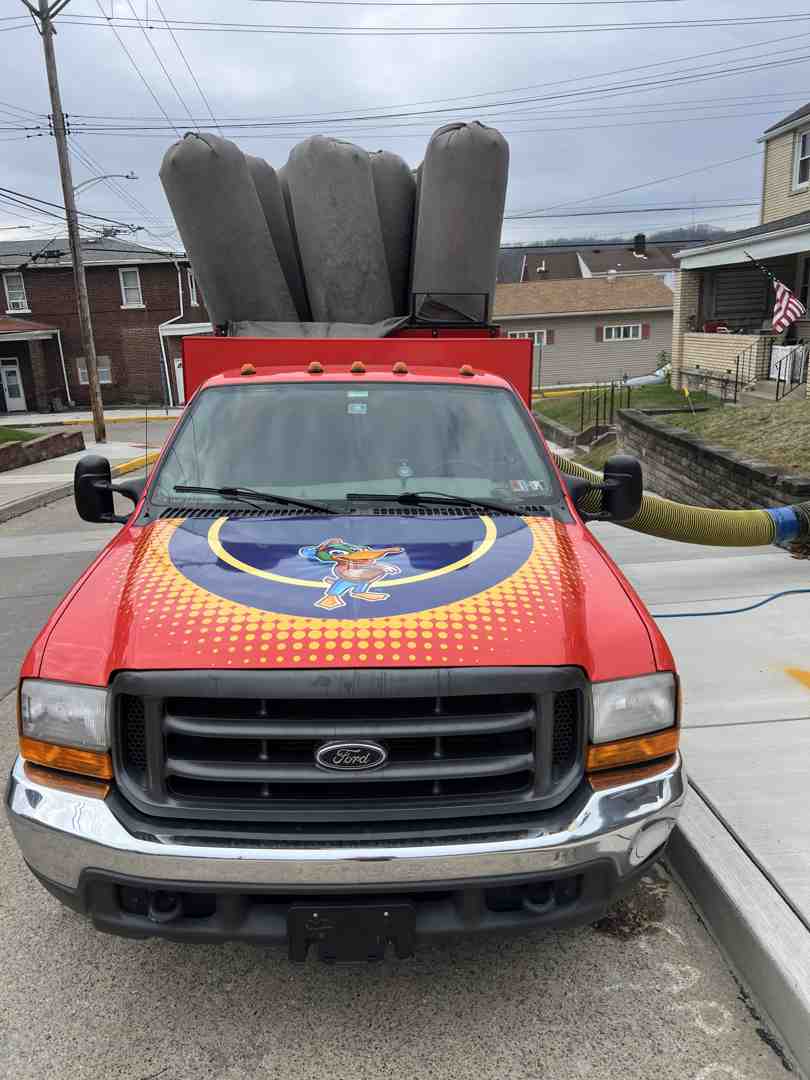
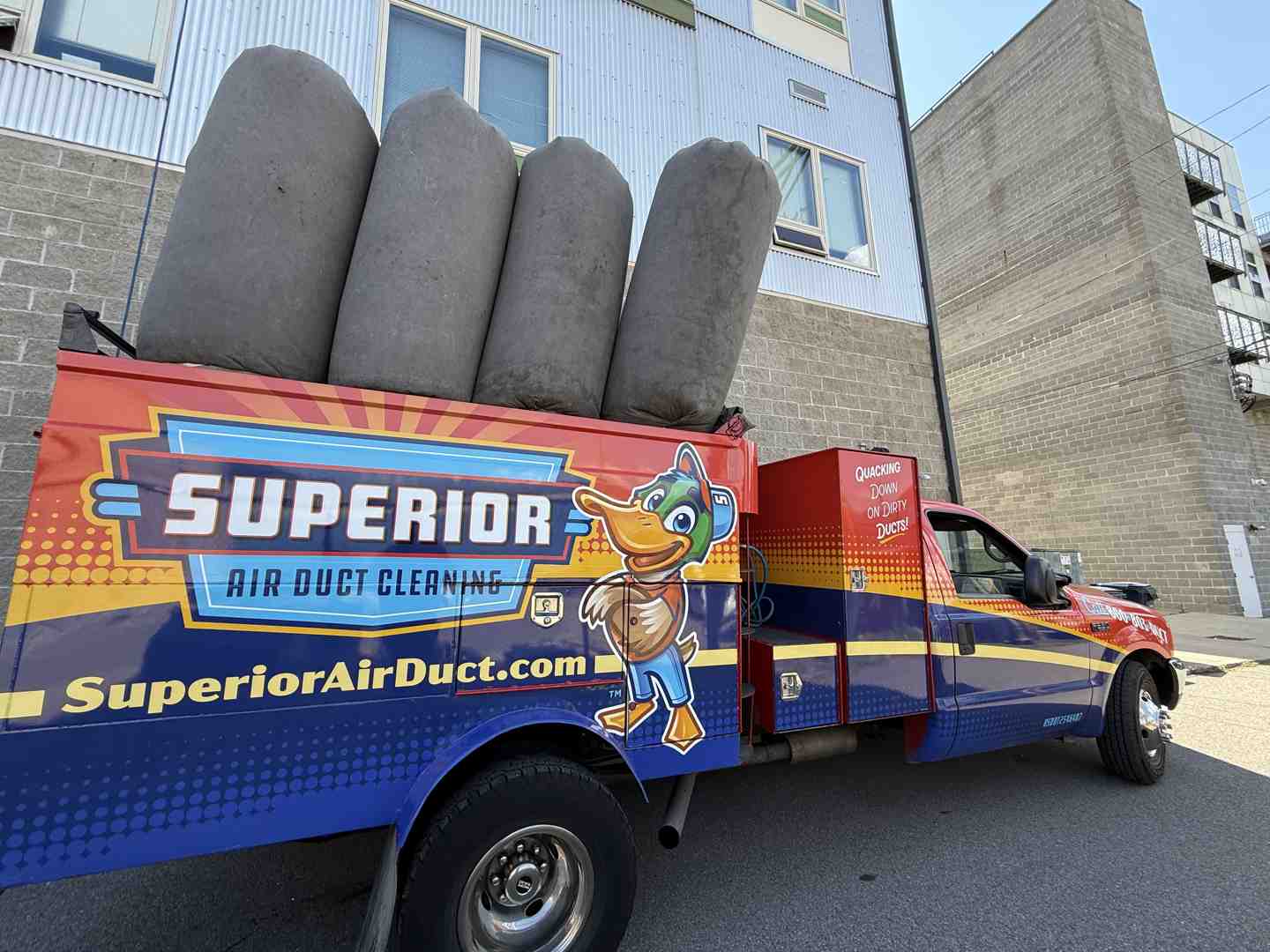
1. Negative Pressure: We hook up a high-powered, truck-mounted vacuum to your main trunk line. This creates a powerful suction that ensures no dust escapes into your home during the cleaning.
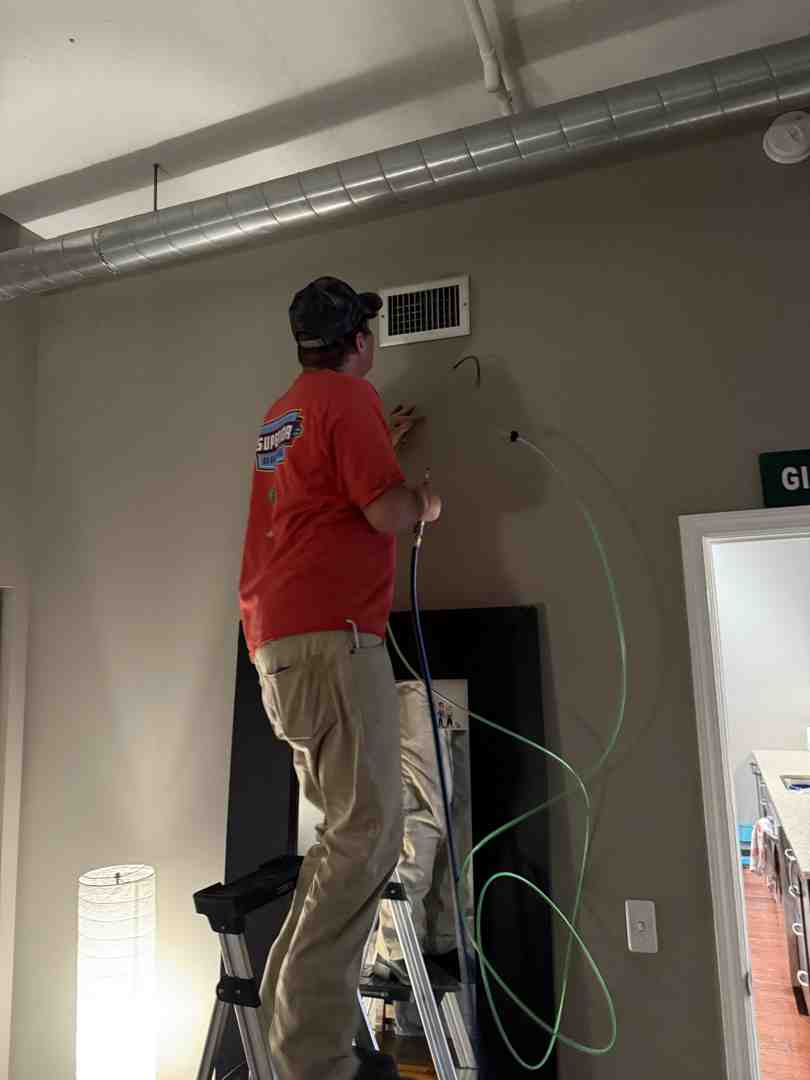
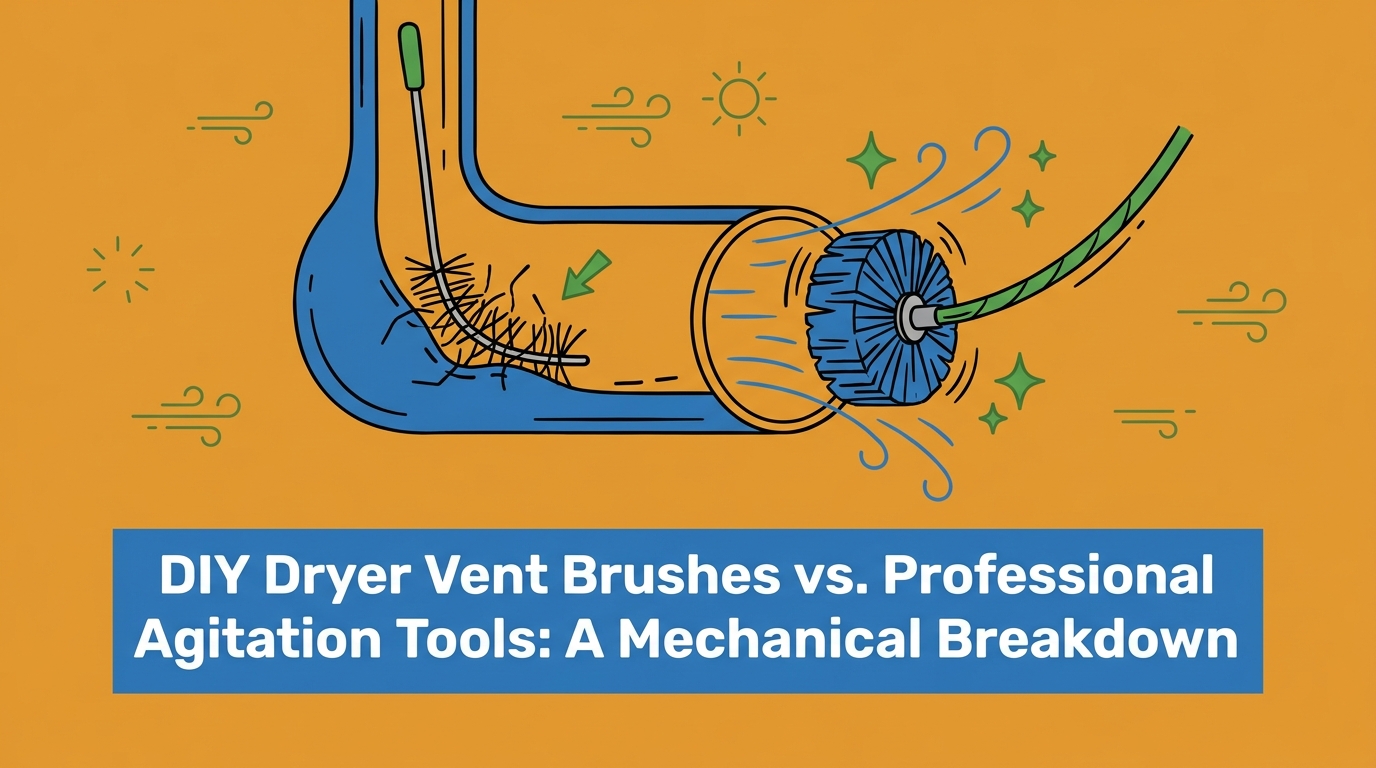
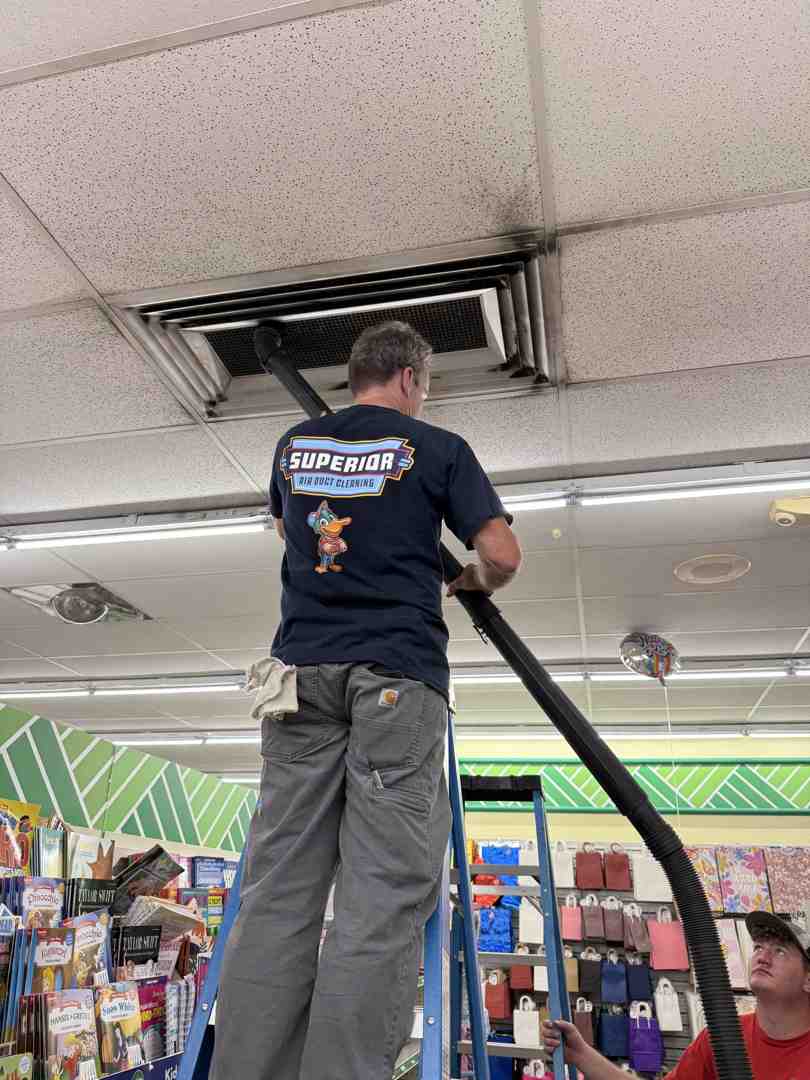
2. Agitation Tools: We use compressed-air tools and "air whips" that travel through the ducts to dislodge the "stuck-on" grime that suction alone can't move.
3. HEPA Filtration: Our systems use medical-grade HEPA filters to ensure that the air being exhausted is cleaner than the air we started with.
4. Full System Access: We don't just clean the vents you can see; we clean the entire supply and return system, including the plenums.
• Suction Power — DIY Vacuuming: Low (Household Vac) — Superior Professional Cleaning: Extremely High (Truck-Mounted)
• Containment — DIY Vacuuming: Dust often leaks into rooms — Superior Professional Cleaning: Negative pressure keeps home clean
• Reach — DIY Vacuuming: Only first 2-3 feet — Superior Professional Cleaning: Entire length of ductwork
• Debris Removal — DIY Vacuuming: Loose dust only — Superior Professional Cleaning: Caked-on debris and allergens
• Risk — DIY Vacuuming: Can damage flexible ducts — Superior Professional Cleaning: Expertly handled system integrity
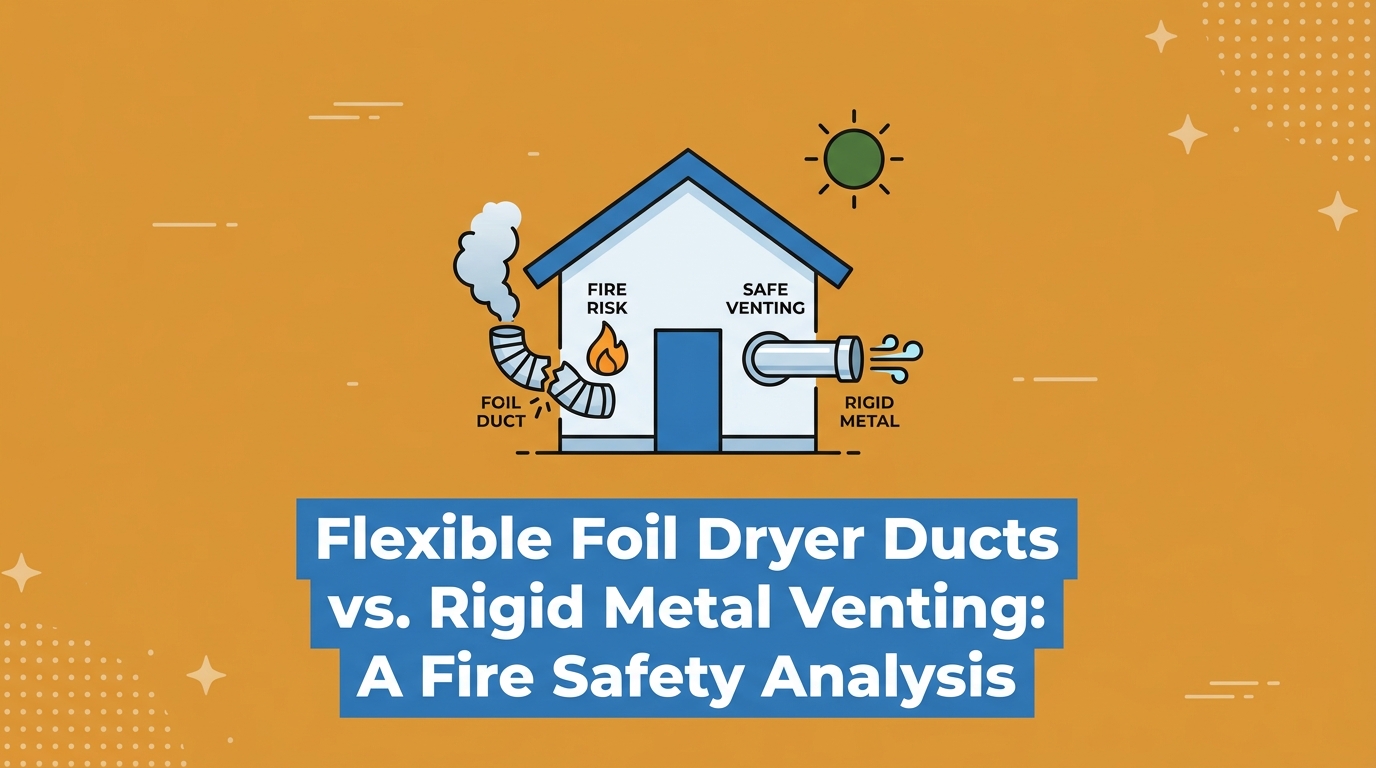
Don't forget that your dryer vent needs love too! We often recommend coordinating these services. Learn more about how often should you perform dryer duct cleaning to keep your laundry room safe from fire hazards.
Frequently Asked Questions about Air Duct Maintenance
Is air duct cleaning necessary if I have no allergies?
While you might not sneeze from dust, your HVAC system still "breathes" it. Even in a household without allergies, cleaning every 3 to 5 years protects your furnace and air conditioner from premature failure and keeps your home's surfaces cleaner. It’s a maintenance task for the house, not just the people in it!
Can dirty ducts increase my monthly energy bills?
Yes, absolutely. When your cooling coils are covered in dust, they can't exchange heat efficiently. When your blower motor is bogged down by grime, it uses more electricity to move the same amount of air. Keeping your ducts clean is a simple way to ensure you aren't overpaying for comfort in Lawrence County or Mercer County.
Does the EPA recommend routine cleaning?
The EPA does not recommend routine cleaning as a "must-have" for every home every year. However, they do state that if you have visible mold, vermin, or clogs, cleaning is highly beneficial. They also note that it "seems logical" that ducts will get dirty over time. We align with this by recommending a schedule based on your specific home's environment.
Conclusion
At Superior Air Duct Cleaning, we believe that every breath you take in your home should be a fresh one. Whether you’re in the heart of Pittsburgh, the suburbs of Cranberry Township, or the quiet neighborhoods of Boardman, OH, your air ducts play a vital role in your family's health and comfort.
By following the 3 to 5-year recommended schedule—or shortening it to 2 years if you have pets or allergies—you’re making a smart investment in your home’s air quality and your HVAC system’s efficiency. Don't wait until you see dust puffing out of your vents or start feeling the "seasonal" sniffles in the middle of winter.
We are proud to serve Western Pennsylvania and Northeast Ohio with professional, high-powered source removal cleaning. Ready to clear the air? Schedule your air duct cleaning with us today and experience the difference that truly clean ducts can make.

Customer Reviews


Superior Air Duct cleaning did a phenomenal job in a timely manner with the tech “Rich” being very professional ,personable and considerate of our property! He explained things as he proceeded and answered all our questions!
I LOVE that they provide before & after photos to see the difference. Give them a try… you won’t regret it
Pam T.
Robert was on schedule and communicated what time he would arrive. He was polite, professional, and respectful of our home. I wanted to wait a couple weeks before posting a review because I wanted to see if the duct cleaning actually made a difference. I am happy to say it did! I vacuum multiple times a week and have already noticed a significant reduction in the amount of dust cleaned up each time. As a home with pets, there will always be something to clean, but getting the ducts cleaned has definitely helped improve the air quality and reduce the dust.
alice A.
Technician Rob arrived early explained the days agenda and then proceeded to work methodically and meticulously over the next 6+ hours cleaning my ductwork. Courteous and professional they answered all of my questions and went above and beyond the call of duty. They even located an old dusty box of rat poison buried in our vents. My only regret is not finding these guys sooner. As a realtor of 22 years and owner of a newly purchased (now dust free) home I highly recommended!
Eric K.
Excellent service! I’ve used them to clean out my air ducts as well as my dryer vent duct and they are excellent. I was very pleased with both jobs and will continue to use them in the future. Great communication as well- from the time I scheduled the appointment until they were at my door.
Erika C.
We had such an amazing experience with Superior Air Duct Cleaning. They were so nice and friendly and did an amazing job. I loved seeing the before and after pictures. Besides doing an amazing job cleaning our air ducts they were so quick at responding and setting up the appointment. We will definitely be using them in the future.
Amanda C.