Is Your Freshly Flipped Home Hiding a Dirty Secret in the Vents?
If you find yourself asking, "do I need my ducts cleaned if I just bought a flipped house?" our team at Superior Air Duct Cleaning will tell you the short answer is almost always yes. As you prepare to turn on your furnace for the first time in your newly purchased, freshly painted home, there is a significant hidden risk lurking just out of sight. Cosmetic flippers specialize in making a property look flawless on the surface. They install luxury vinyl plank flooring, upgrade the kitchen cabinets, and apply fresh coats of bright white paint to every wall. However, in our experience, the hidden infrastructure of the home—specifically the ductwork—often tells a completely different story.
The concrete problem our technicians see new buyers in New Brighton PA face is that rapid renovations generate massive amounts of airborne particulate matter. Drywall dust, sawdust, and tile thin-set powder do not simply vanish into thin air. Without proper containment protocols, these fine particles settle deep inside the cold air returns and supply registers. You are now at a critical decision point: you must choose whether to schedule professional air duct cleaning before the September pre-heating season officially begins, or risk blowing months of hidden construction debris directly into your spotless living space the moment the thermostat calls for heat.
Surface-level cleanliness does not guarantee clean air infrastructure. A home can smell like fresh paint and pine cleaner while harboring pounds of abrasive construction waste in the ventilation system. Addressing this hidden threat is a pattern we see often as the only way to ensure your newly flipped house is actually as clean as it appears.
The Disconnect Between Cosmetic Upgrades and Hidden Infrastructure
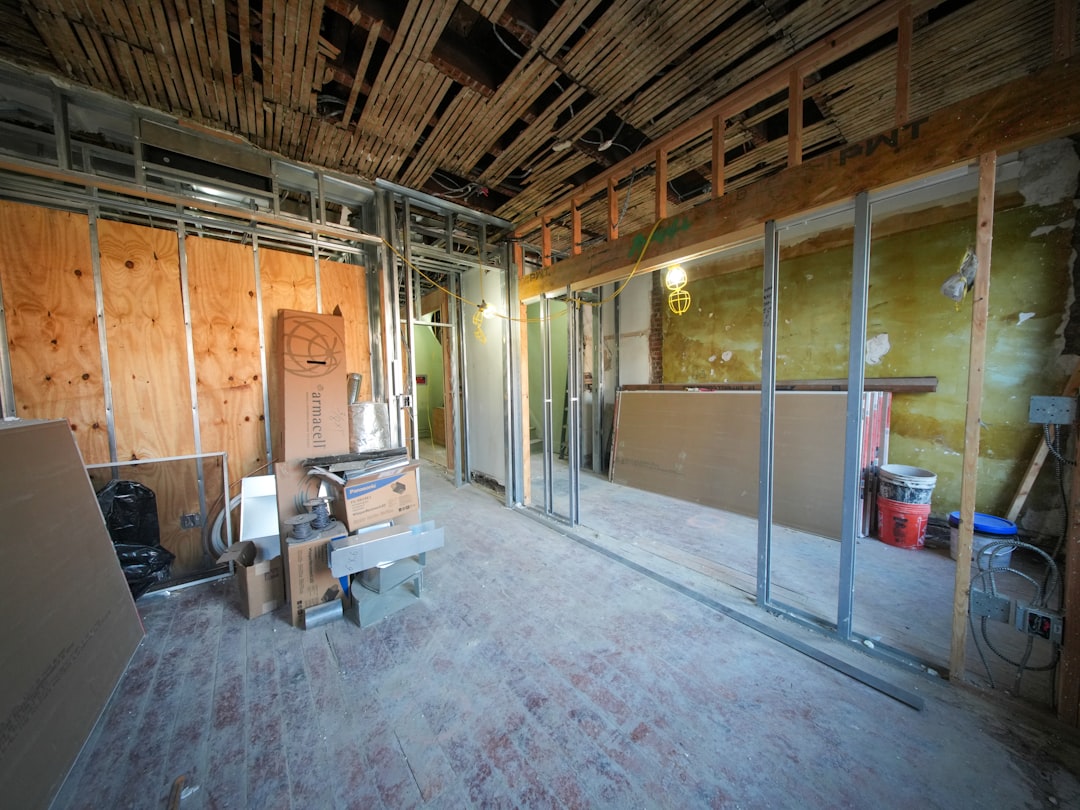
Our crew has witnessed a massive disconnect between what you see during a final walkthrough and what is actually happening inside the walls. Cosmetic flippers operate on tight timelines. Their primary goal is visible transformation, which means unseen systems like plumbing, electrical, and HVAC are rarely upgraded unless absolutely necessary by code. During the chaotic phases of demolition and rebuilding, the ventilation system often takes the brunt of the abuse.
Just this past summer, a local homeowner reached out to our team after moving into a post-renovation property. Despite the beautiful surface upgrades, they were deeply concerned about the lingering air quality and the potential for bacteria trapped in the system. We performed a comprehensive whole house sanitizing and duct cleaning service. Because we always provide before-and-after photos, we were able to give them undeniable visual proof of the heavy debris the cosmetic flippers had left behind. Seeing the stark contrast between the contaminated ducts and the fully restored system gave them the peace of mind they needed to finally enjoy their new home.
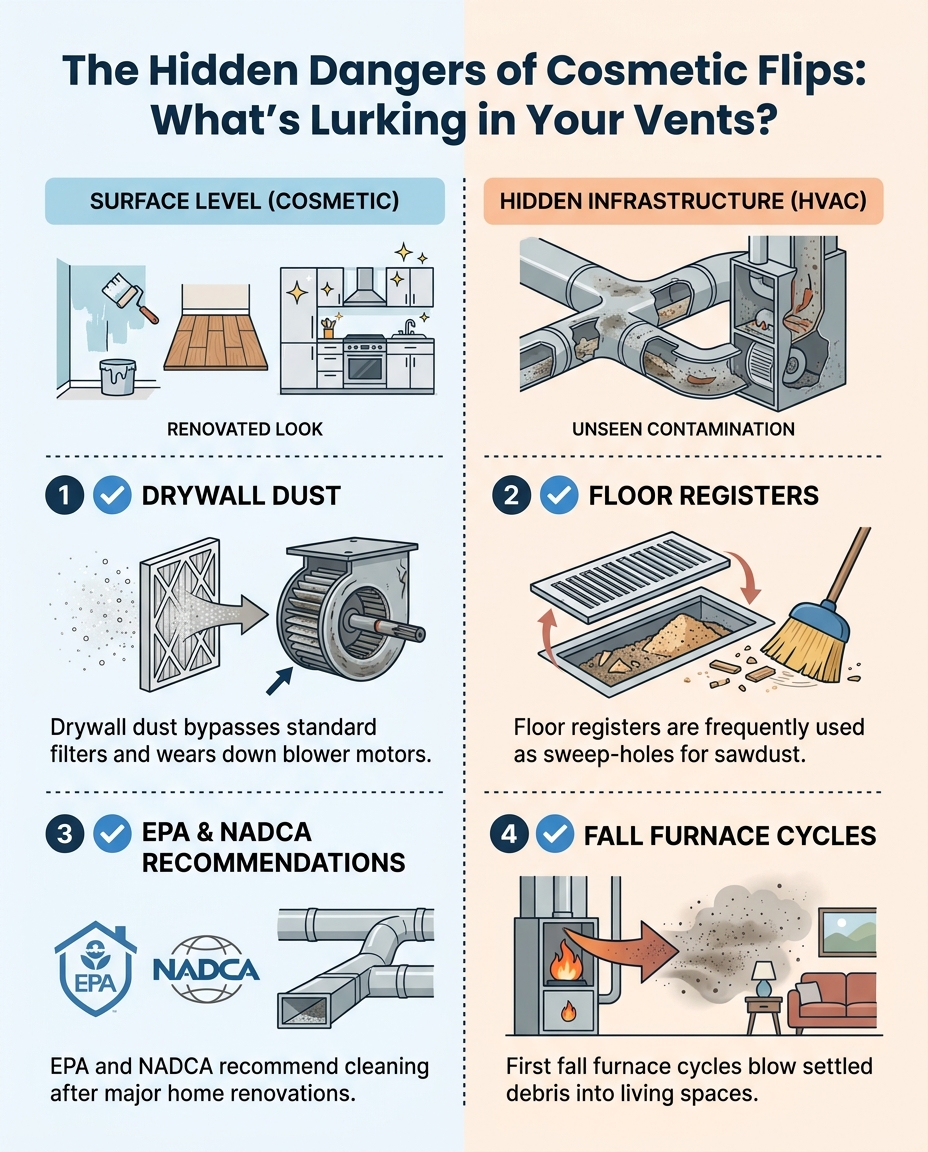
• Freshly sanded and finished hardwood floors — The Hidden Infrastructure Reality: Heavy sawdust swept directly into open floor registers
• Smooth, newly textured and painted drywall — The Hidden Infrastructure Reality: Ultra-fine gypsum dust coating the interior of the ductwork
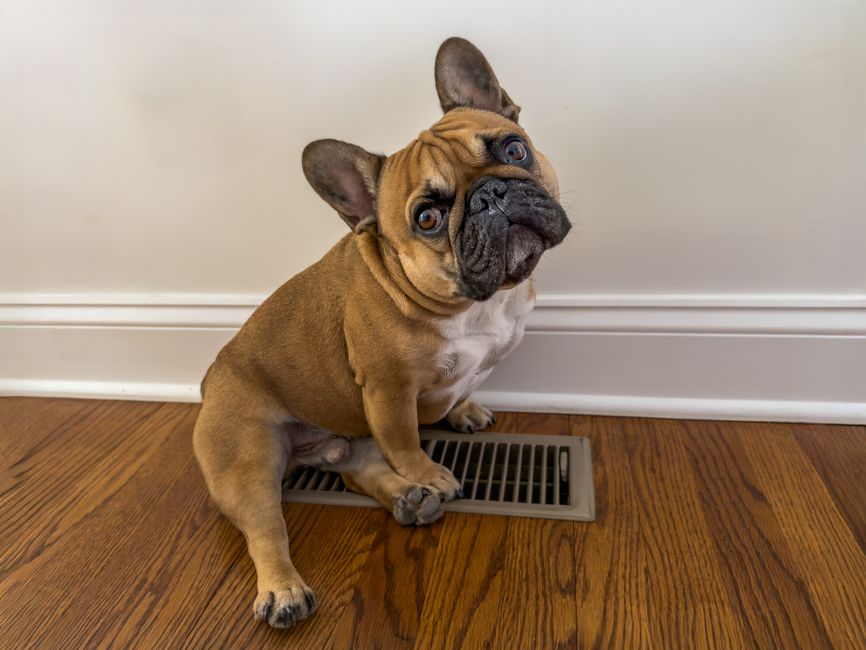
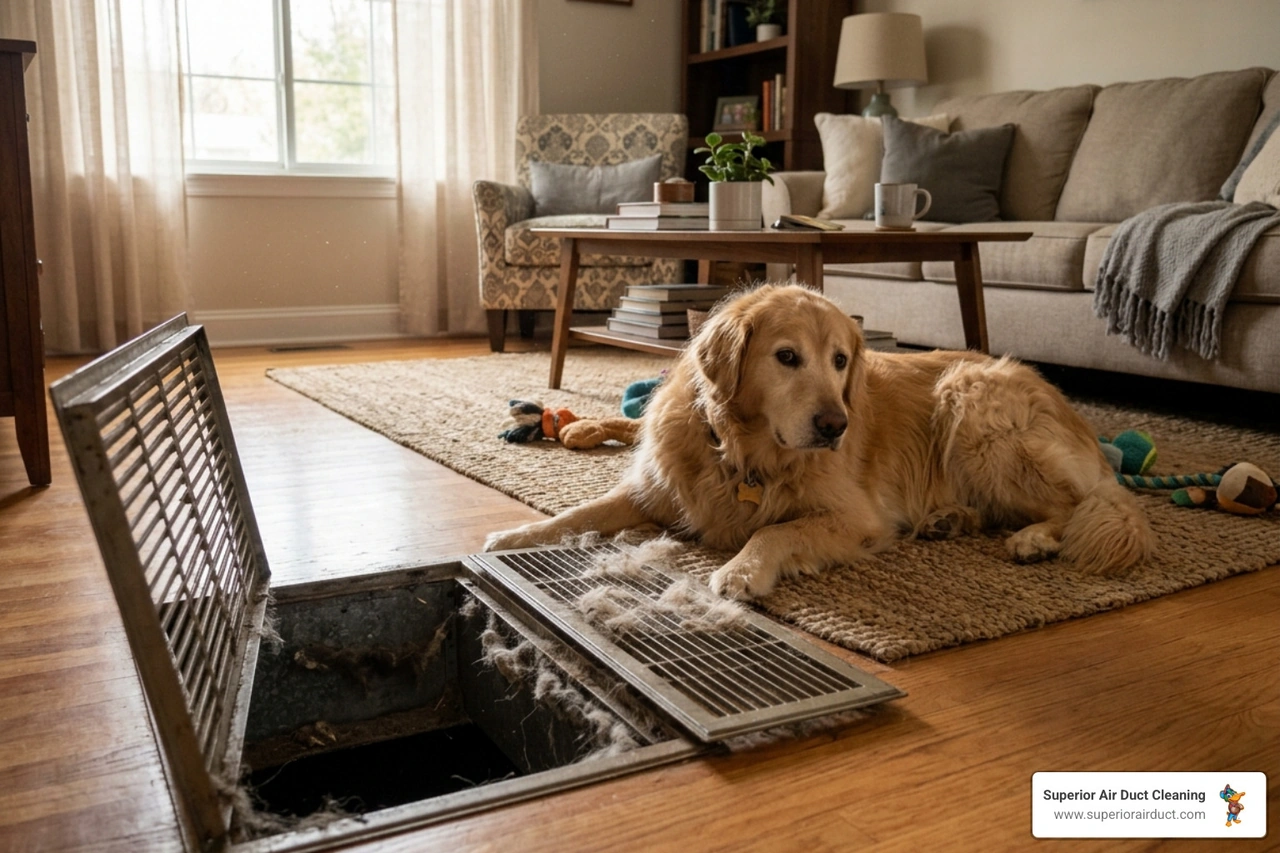
• Pristine, brand-new HVAC vent covers — The Hidden Infrastructure Reality: Decades of pet dander mixed with new construction waste just inches below
• New tile installations in bathrooms and kitchens — The Hidden Infrastructure Reality: Abrasive thin-set and grout powder pulled into the cold air returns
Why Floor Registers Become Construction Trash Cans
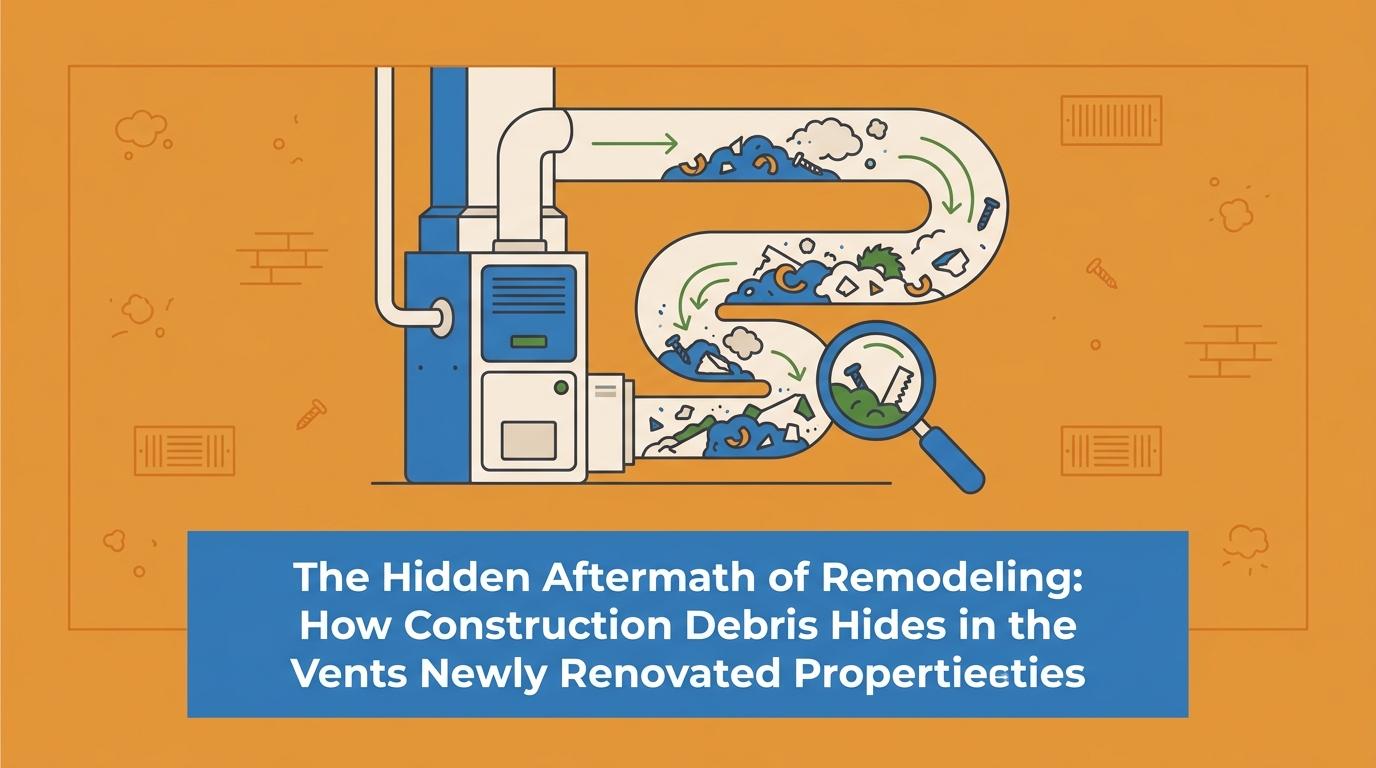
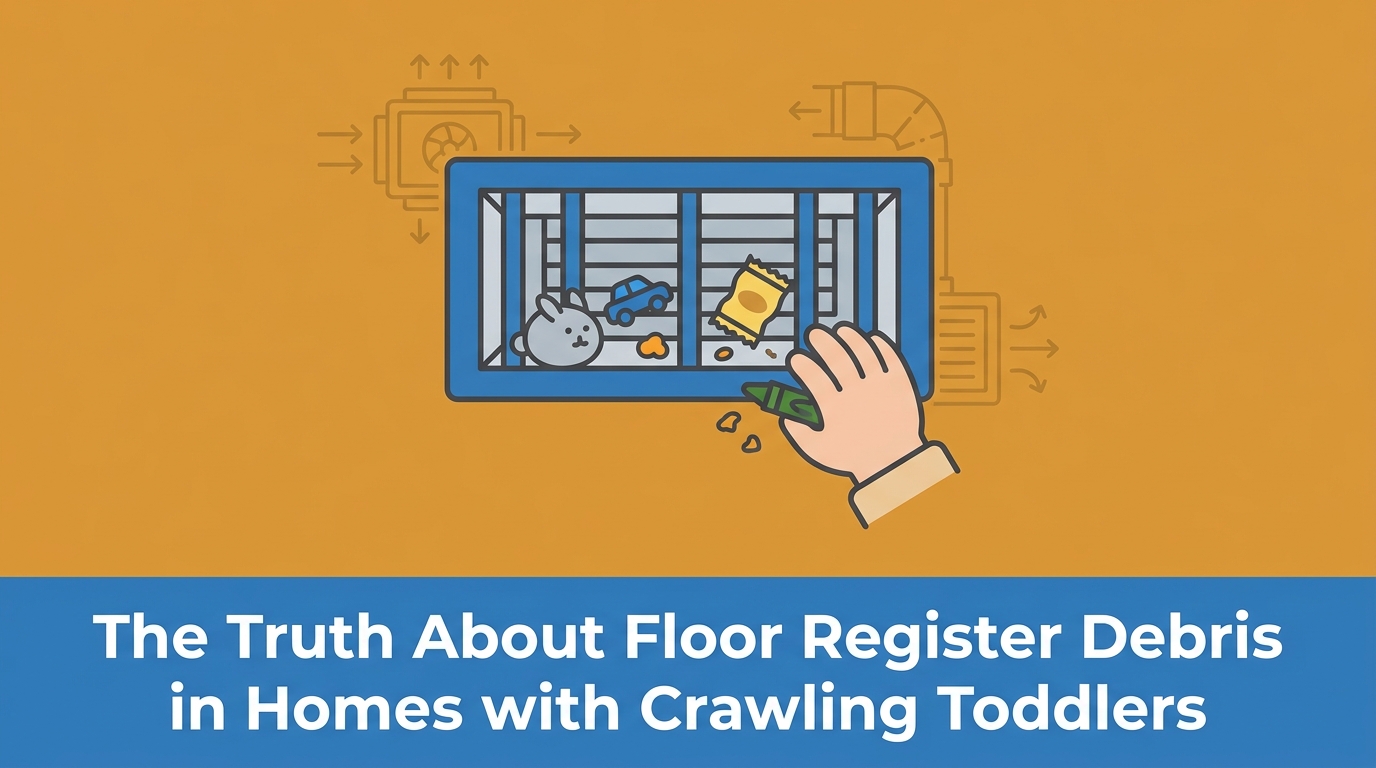
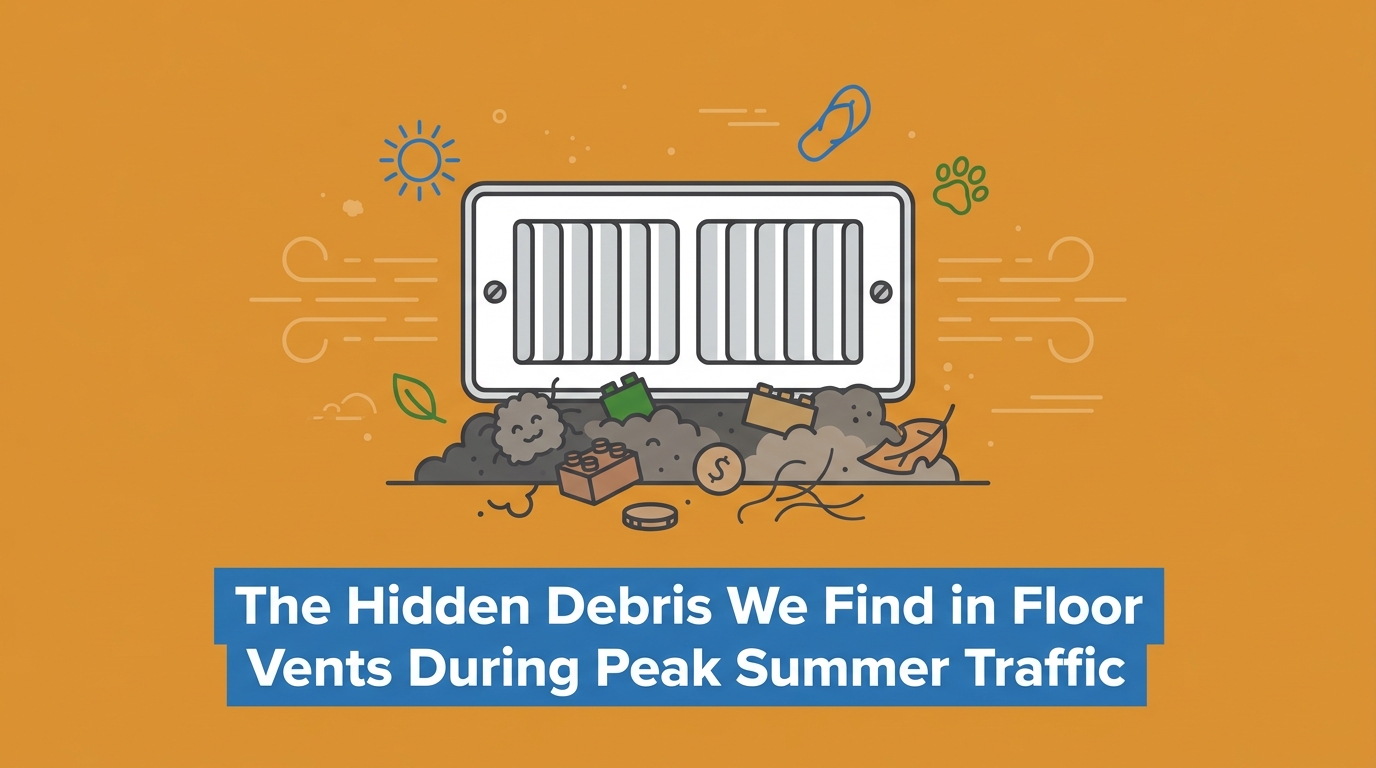
In our years of restoring residential ductwork, we've noticed that contractors rushing to finish cosmetic work often fail to seal off HVAC vents. Proper containment takes time, and in the fast-paced world of property flipping, time is rarely spared for preventative measures. As a result, floor registers are frequently treated as convenient sweep-holes.
Gravity does the rest of the work. When workers are sanding floors, cutting baseboards, or hanging drywall, the heaviest particulate matter falls directly downward. If the vent covers have been removed for painting—or if they simply aren't taped off—the ductwork catches everything. Screws, nails, wood chips, and massive volumes of fine dust accumulate out of sight, waiting for the system to be turned on.
Why the First Fall Furnace Cycle is a Critical Threat
The September pre-heating season represents a critical window of opportunity for new homeowners. During the late summer and early fall, your furnace is largely dormant. The construction dust that settled into your ductwork during the flip is currently resting quietly in the horizontal runs of your ventilation system. However, as our team frequently reminds clients, that static environment changes violently the moment the temperature drops.
In Western Pennsylvania's four-season climate, relying on a newly flipped home's HVAC system during a freezing winter is non-negotiable. When the thermostat triggers the furnace for the first time, the blower motor kicks on with immense force. This sudden rush of forced air acts like a windstorm inside your ductwork, instantly dislodging the settled summer renovation dust.
Blasting this hidden construction debris through the supply vents will rapidly coat your freshly painted walls, new luxury flooring, and newly unpacked furniture in a fine layer of abrasive dust. It creates a "snow globe" effect inside your sealed home. Once this dust is airborne, it will continue to circulate relentlessly throughout the house every time the heating cycle engages. Addressing this contamination before daily furnace use begins is the only effective way to protect the interior of your new investment.
How Drywall Dust Damages Your HVAC Blower Motor
Beyond the mess it creates in your living space, post-construction debris poses a severe mechanical threat to your heating and cooling equipment. The National Air Duct Cleaners Association (NADCA) explicitly advises that HVAC systems should be inspected and thoroughly cleaned after any major home renovation—a standard we strictly follow at Superior Air Duct Cleaning. This guidance is primarily due to the unique characteristics of drywall dust.
Unlike standard household dust, which is mostly composed of fabric fibers, skin cells, and pet dander, drywall dust is an ultra-fine, highly abrasive mineral powder. When this gypsum-based powder is pulled into your cold air returns, it travels directly toward your furnace. Because the particles are microscopic, a significant percentage of them will easily bypass standard fiberglass furnace filters.
Once past the filter, this abrasive powder coats the internal components of your HVAC system. It settles onto the heat exchanger, reducing the system's energy efficiency, and more importantly, it works its way into the bearings of the blower motor. The mechanical impact is severe:
• Increased Friction: The abrasive dust acts like sandpaper inside the motor bearings, grinding away the protective lubrication.
• Overheating: As friction increases, the motor has to work significantly harder to turn the fan, causing it to run hot.
• Premature Failure: The continuous strain and heat lead to accelerated wear and tear, often resulting in expensive mechanical failures long before the system's expected lifespan is reached.
For homeowners in New Brighton PA who just purchased a flipped property, the last thing you want is a catastrophic furnace failure in the middle of winter simply because the flipper didn't clean up their drywall dust.
Signs Your Flipped House Needs Professional Intervention
If you recently moved into a renovated property, you need to know what to look for before the heating season begins. Hidden duct contamination often reveals itself through a combination of visual clues and physical symptoms. One local resident called our crew after experiencing severe allergy issues shortly after moving into a newly renovated house over the summer. The home looked pristine, but the air quality was causing significant breathing and sleep disruptions. After our technicians cleaned and sanitized the vents and furnace, their indoor air quality drastically improved, allowing them to finally breathe easily in their new space.
To determine if your flipped house requires professional intervention, we recommend looking for these common indicators:
• White, chalky dust on surfaces: If you find yourself dusting your new countertops and tables, only to see a fine white powder return a day later, drywall dust is actively circulating through your vents.
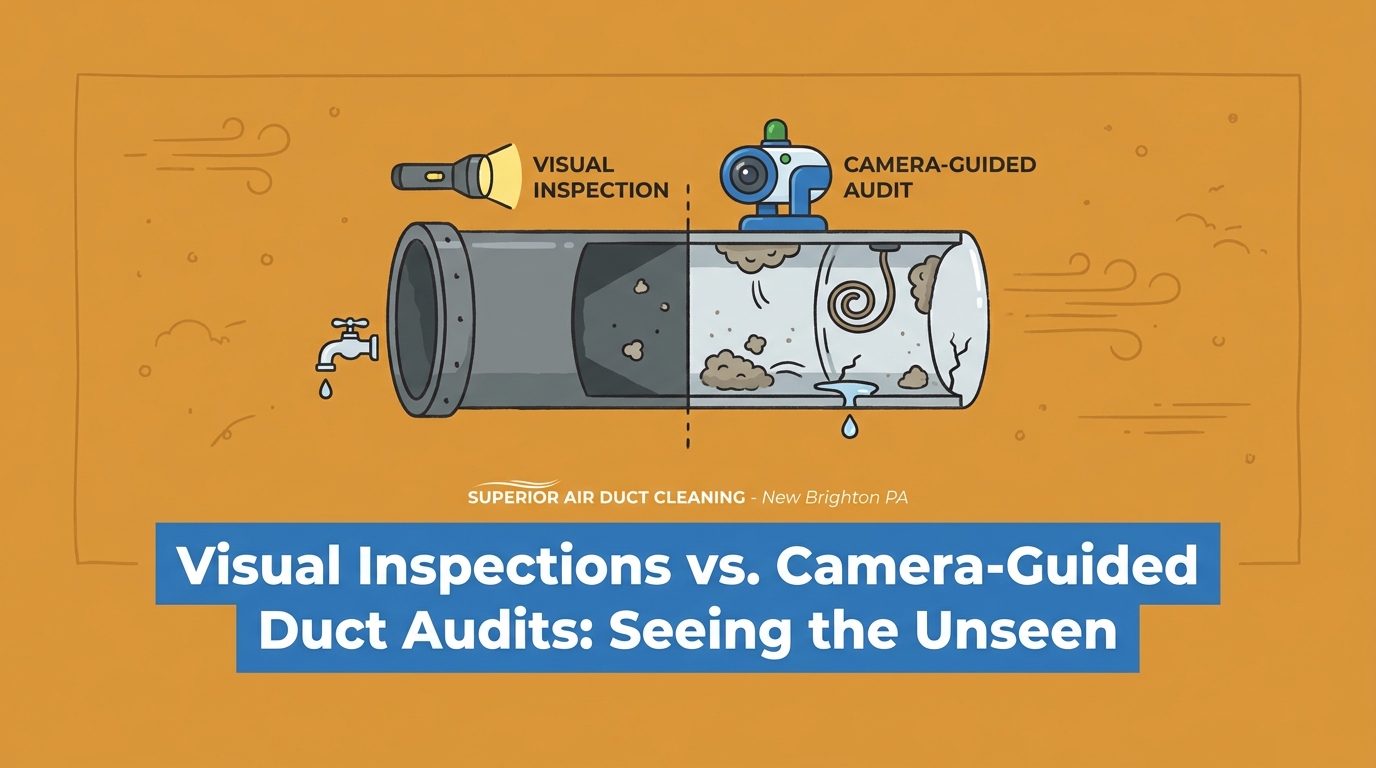
• Debris visible inside registers: Remove a few floor vent covers with a screwdriver and shine a flashlight down into the duct. If you see wood chips, screws, or a thick layer of heavy dust, the system was used as a sweep-hole.
• Unexpected respiratory irritation: Unexplained sneezing, coughing, or allergy symptoms that only occur when you are inside the new house are strong indicators of airborne particulate matter.
• Restricted airflow: If certain rooms feel noticeably colder or warmer than others, heavy construction debris may be physically blocking the airflow in specific duct runs.
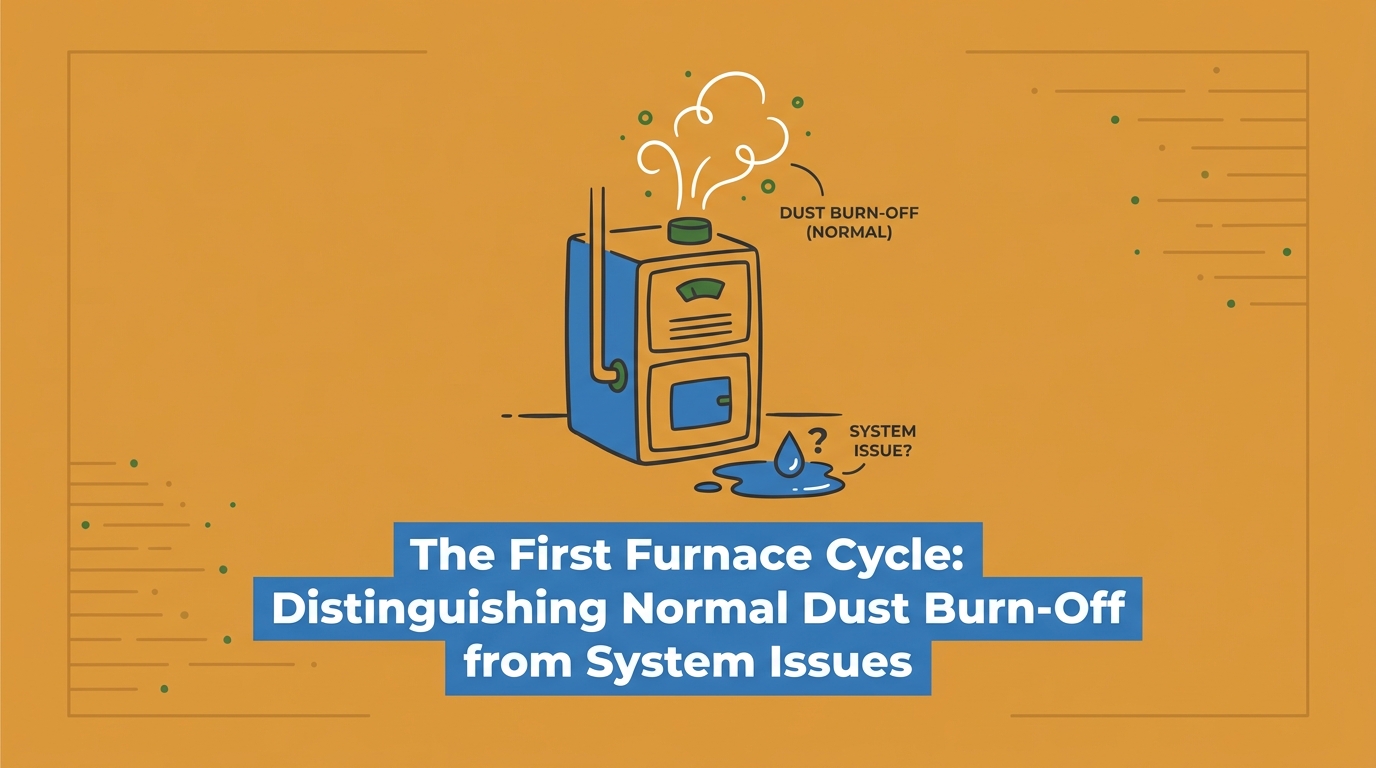
• Odors when the system runs: A dusty, stale, or "burning" smell when the furnace kicks on often means the heat exchanger is burning off a layer of settled construction dust.
Resolving these hidden contaminants does more than just keep your furniture clean; it drastically improves the overall indoor breathing conditions for your entire family.
Why Changing the Furnace Filter Isn't Enough
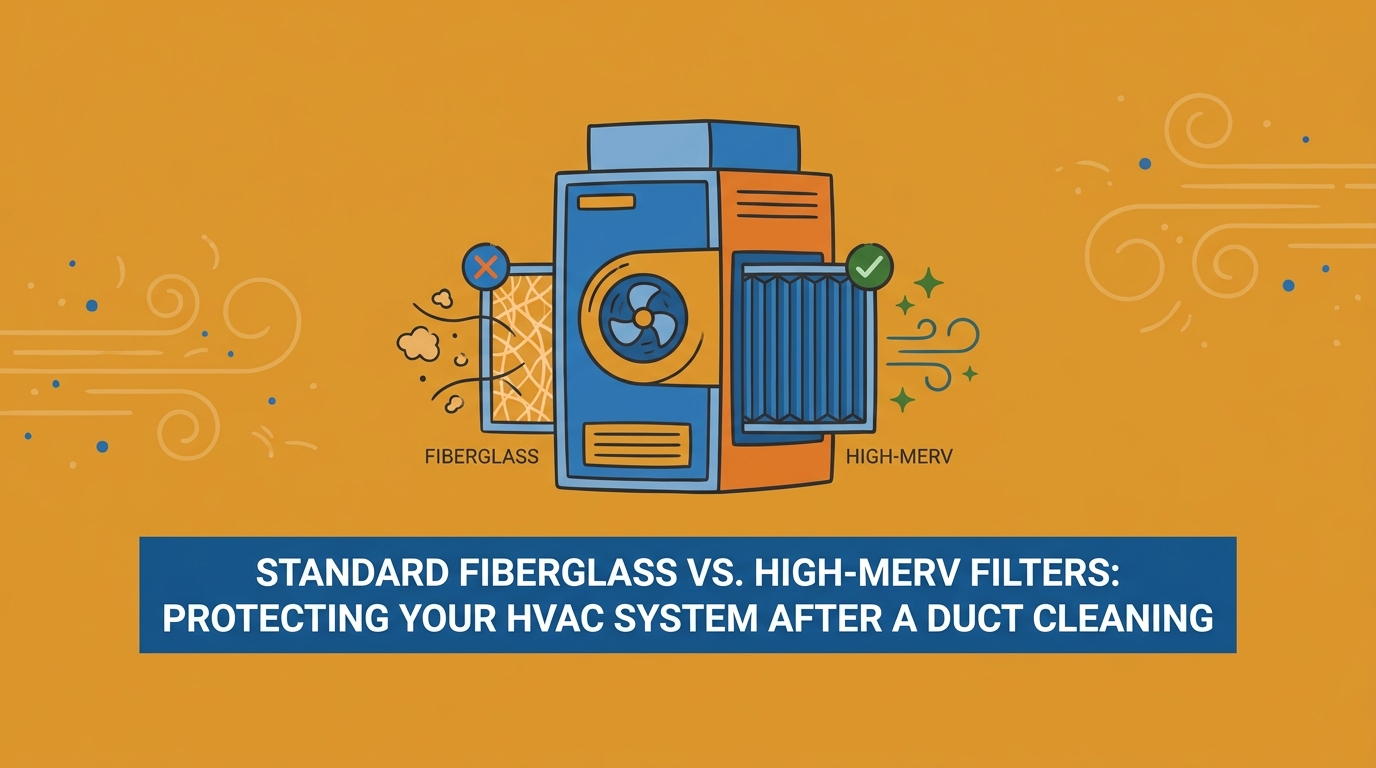
A common misconception our team hears from new homeowners is that simply installing a high-quality furnace filter will eventually catch all the leftover construction dust. While changing your filter is an important maintenance step, it is entirely insufficient for handling industrial renovation waste.
Standard fiberglass or pleated filters are designed to capture everyday household dust at a slow, manageable rate. They are not engineered to handle pounds of heavy sawdust and ultra-fine gypsum powder. When heavy debris is sitting deep in the ductwork, every furnace cycle kicks up a new cloud of contaminants. This will continually clog even the most expensive new filters in a matter of days.
When a filter clogs prematurely, it creates a massive pressure drop in the system. The blower motor struggles to pull enough air through the restricted filter, leading to short-cycling—where the furnace turns on and off rapidly without actually heating the home. This puts immense strain on the equipment.
The EPA recommends duct cleaning specifically when ducts are clogged with excessive amounts of dust and debris. Relying on a one-inch paper filter to clean up after a massive home renovation is like trying to empty a swimming pool with a sponge. We always tell our clients that you must remove the source of the contamination through professional air duct cleaning after home renovation before you can rely on regular filter changes to maintain the air quality.
Frequently Asked Questions About Post-Renovation Air Quality
Should you clean air ducts after a remodel?
Yes, our team highly recommends cleaning your air ducts after a major remodel or renovation. Construction projects generate massive amounts of airborne particulate matter, including sawdust and drywall dust, which inevitably settle inside the ventilation system. Removing this debris prevents it from circulating into your living spaces and protects your HVAC equipment from premature wear.
Can drywall dust ruin a furnace?
Yes, in our field experience, drywall dust can cause severe mechanical damage to a furnace if left unchecked. Because the dust is ultra-fine and highly abrasive, it easily bypasses standard air filters and coats the blower motor bearings. This creates excessive friction, causing the motor to overheat and potentially fail entirely, leading to sudden and costly heating breakdowns.
How do you know if flippers left debris in your vents?
We usually advise homeowners to tell if flippers left debris in their vents by removing a floor register and inspecting the duct with a flashlight. Look for obvious signs like wood chips, screws, nails, or a thick coating of white powder. Additionally, if you notice a constant accumulation of chalky dust on your furniture shortly after cleaning, your system is likely contaminated.
Should I clean air ducts after renovation?
Cleaning your air ducts after a renovation is highly recommended by industry authorities like NADCA. Even if contractors used plastic barriers, fine dust easily infiltrates the cold air returns. A professional cleaning resets the system, ensuring that your newly renovated home has clean, breathable air that matches its updated appearance.
How do you get drywall dust out of ductwork?
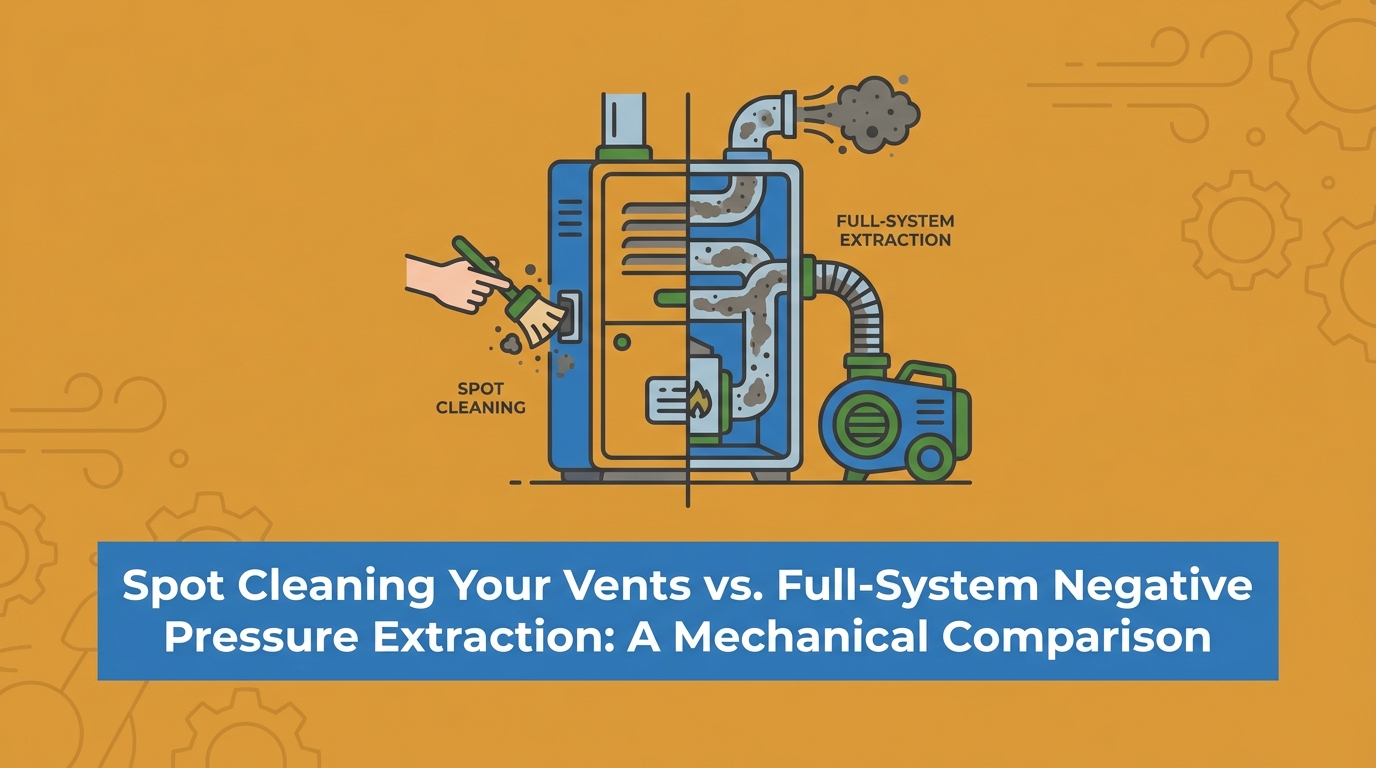
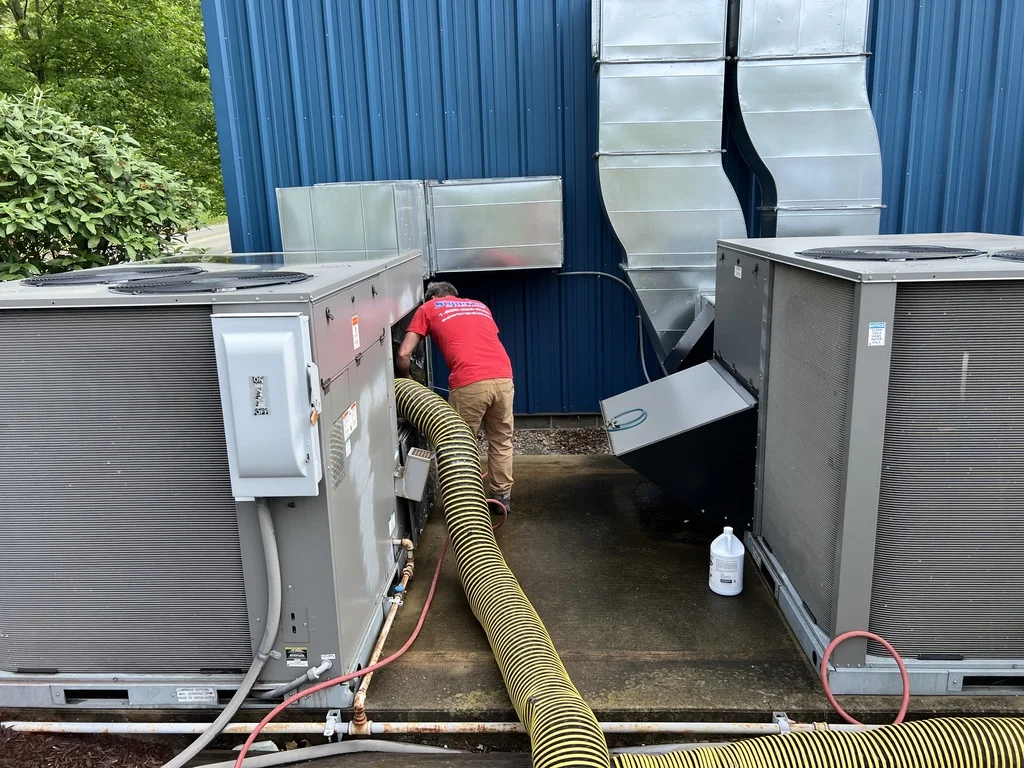
Drywall dust must be removed from ductwork using professional negative air machines and specialized agitation tools. Because the powder is so fine, standard shop vacuums will simply blow the dust right back into the air through their exhaust ports. Our technicians at Superior Air Duct Cleaning place the entire duct system under negative pressure to safely extract the abrasive powder outside the home.
Is duct cleaning necessary for a new house?
We find that duct cleaning is often necessary for a new house, especially if it was recently flipped or newly constructed. During the building or renovation process, open vents frequently become catch-alls for sawdust, drywall scraps, and contractor debris. Cleaning the ducts before you move in guarantees you aren't breathing in the leftover waste from the construction crew.
Protect Your New Investment Before the Cold Weather Hits
Buying a newly flipped house is an exciting milestone, but true peace of mind comes from knowing the hidden infrastructure is just as clean as the fresh paint on the walls. Do not wait until the freezing temperatures arrive to find out what the contractors left behind in your ventilation system. The September pre-heating season is the perfect time to address these hidden contaminants.
At Superior Air Duct Cleaning, we highly recommend scheduling a thorough inspection and cleaning before your furnace starts running regularly. By taking proactive steps now, you can completely eliminate the hidden drywall dust, sawdust, and construction debris from your home's ductwork. Protect your HVAC blower motor from abrasive wear and tear, keep your new living space spotless, and ensure your family enjoys clean, healthy air all winter long.

Customer Reviews


Superior Air Duct cleaning did a phenomenal job in a timely manner with the tech “Rich” being very professional ,personable and considerate of our property! He explained things as he proceeded and answered all our questions!
I LOVE that they provide before & after photos to see the difference. Give them a try… you won’t regret it
Pam T.
Robert was on schedule and communicated what time he would arrive. He was polite, professional, and respectful of our home. I wanted to wait a couple weeks before posting a review because I wanted to see if the duct cleaning actually made a difference. I am happy to say it did! I vacuum multiple times a week and have already noticed a significant reduction in the amount of dust cleaned up each time. As a home with pets, there will always be something to clean, but getting the ducts cleaned has definitely helped improve the air quality and reduce the dust.
alice A.
Technician Rob arrived early explained the days agenda and then proceeded to work methodically and meticulously over the next 6+ hours cleaning my ductwork. Courteous and professional they answered all of my questions and went above and beyond the call of duty. They even located an old dusty box of rat poison buried in our vents. My only regret is not finding these guys sooner. As a realtor of 22 years and owner of a newly purchased (now dust free) home I highly recommended!
Eric K.
Excellent service! I’ve used them to clean out my air ducts as well as my dryer vent duct and they are excellent. I was very pleased with both jobs and will continue to use them in the future. Great communication as well- from the time I scheduled the appointment until they were at my door.
Erika C.
We had such an amazing experience with Superior Air Duct Cleaning. They were so nice and friendly and did an amazing job. I loved seeing the before and after pictures. Besides doing an amazing job cleaning our air ducts they were so quick at responding and setting up the appointment. We will definitely be using them in the future.
Amanda C.